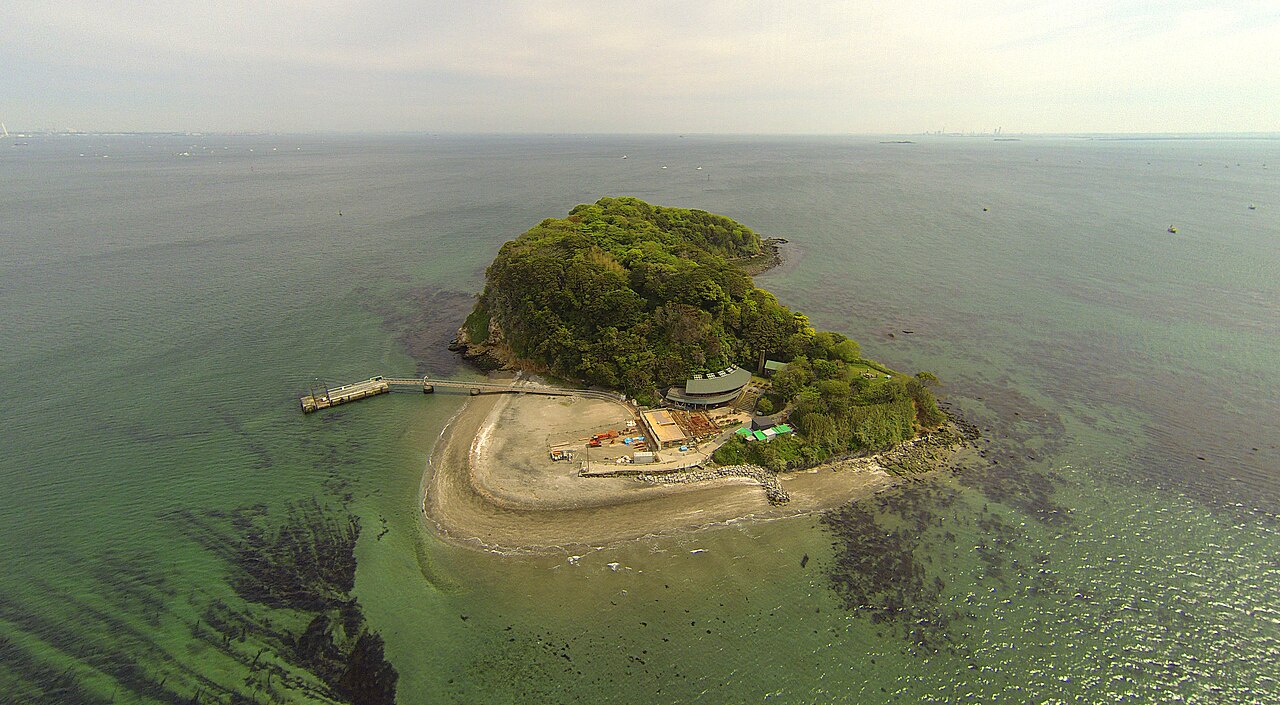
Getting to Sarushima
| Leg | How | Time or fare |
|---|---|---|
| Yokosuka-Chuo Station to the Mikasa terminal | On foot | About fifteen minutes |
| Mikasa Pier to Sarushima Pier | Ferry | About ten minutes. Round trip from one thousand six hundred yen to two thousand yen for an adult who lives outside Yokosuka; the fare varies by day |
| Sarushima Pier to the fortress area | On foot | About five minutes |
Ferry Sailings and Tickets
Pick your crossing by season, because the summer pattern of sailings runs from March to the end of October. In summer the first boat out to the island leaves at half past nine in the morning. The winter pattern takes over from November to the end of February.
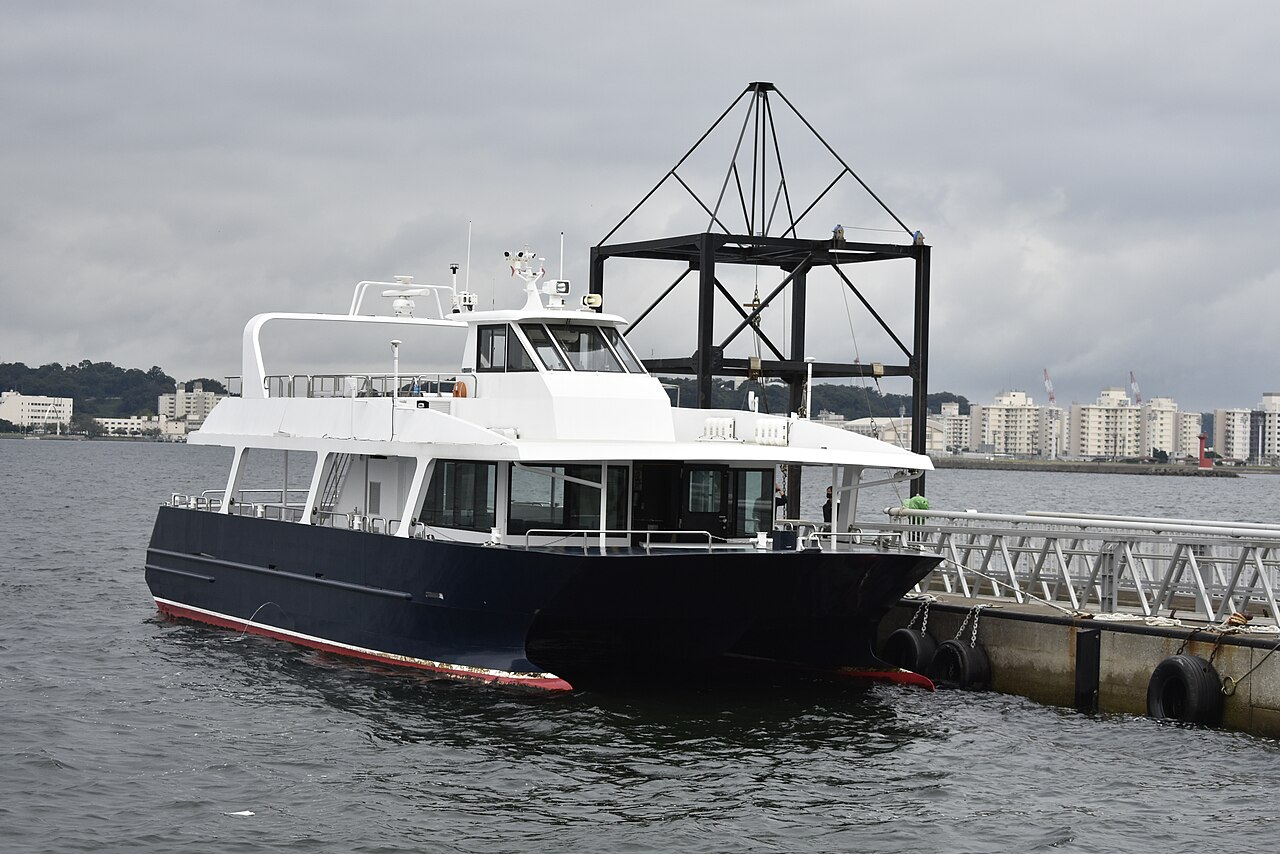
Winter departures toward the island run from half past nine in the morning to half past three in the afternoon. The last winter boat back from the island leaves at four in the afternoon. The ferry runs on rainy days but can be cancelled in strong wind.
Mikasa terminal hours are nine in the morning to half past five in the afternoon, shortened to half past four in the afternoon from November to the end of February.
Fees and Guided Courses
Bring cash or PayPay, because those are the payment methods accepted on the island. Park admission for visitors from outside Yokosuka is five hundred yen for an adult and two hundred fifty yen for a junior high school student. Coin lockers on the island charge five hundred yen per use.
- If you join the thirty-minute Basic Course, the guided walk costs six hundred yen per person, tax included.
- If you choose the sixty-minute Advanced Course, the price is eight hundred yen per person, tax included.
- If you are taking the Basic Course, board a boat that leaves at least twenty minutes before the course starts.
Check in for either course at the Sarushima Welcome Center, which is the management building on the island.
Where to stay
Places to stay near Yokosuka, Kanagawa →
Disclosure: This post may contain affiliate links. If you book through them, we may earn a commission at no extra cost to you.
Walking the Island
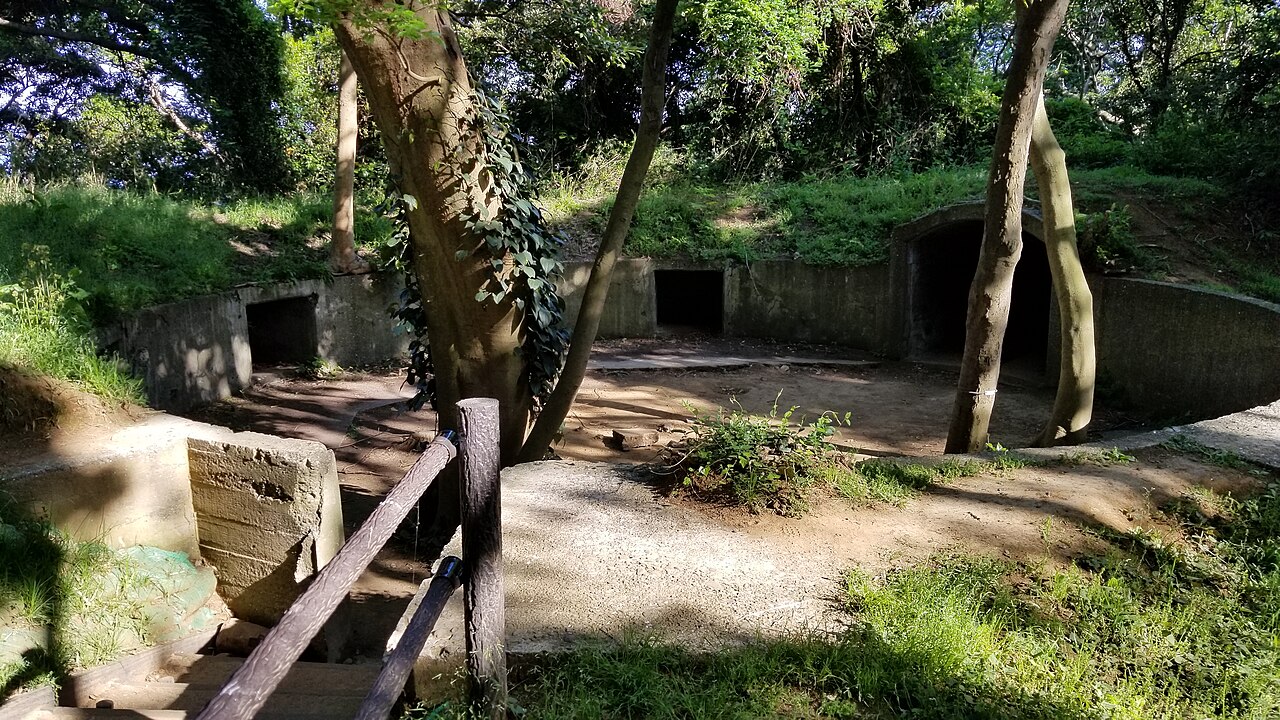
Give yourself about sixty minutes to walk around the island at an easy pace. Plan on up to one hundred twenty minutes for thorough sightseeing. The whole island is a nationally designated historic site, and former military gun batteries and fortress remains survive across it.
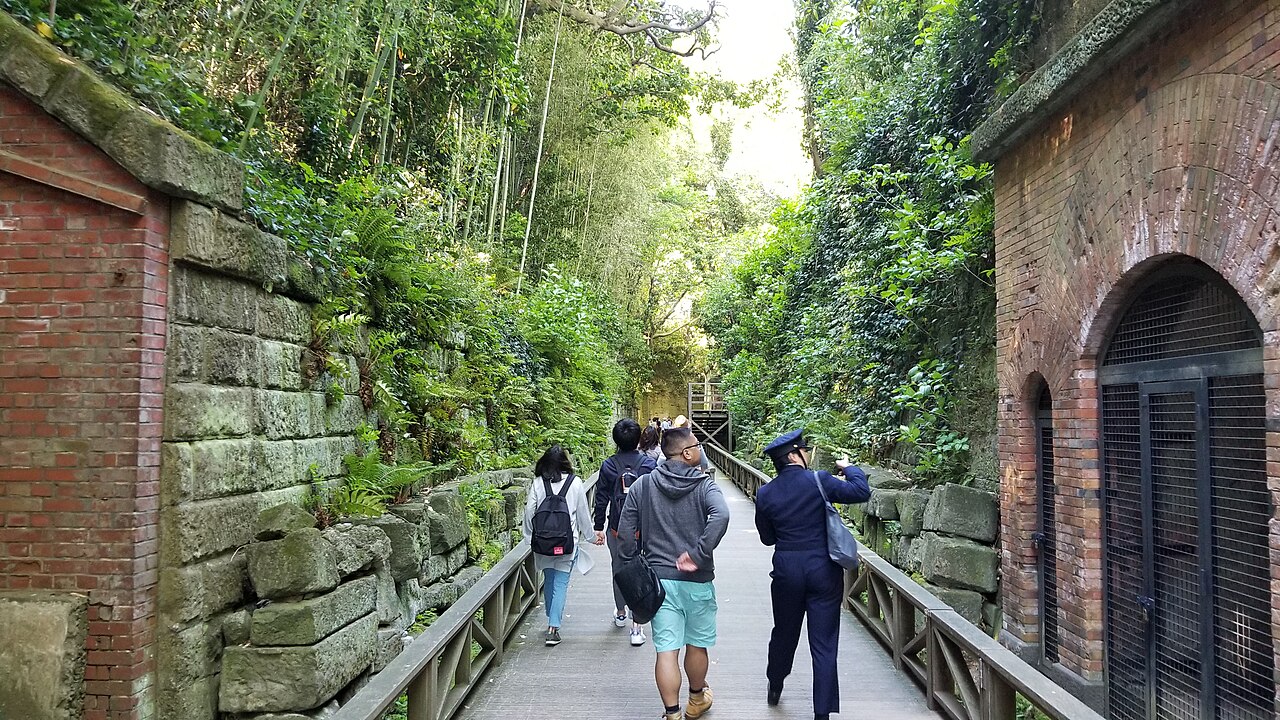
During the Meiji period the island was built up as a Western-style gun battery to guard Tokyo Bay. Stone tools and pottery from the Jomon and Yayoi periods have also come to light on the island. The island covers roughly four times the area of the Yokohama Stadium playing field.
Facilities, Food and Rentals
Bring drinking water with you, since the island has no tap water. Toilets are at the foot of the pier and on the second floor of the management building. Coin lockers are available at the Mikasa terminal as well as on the island.
- If you want a meal, Oceans Kitchen is open from ten in the morning to four in the afternoon, and until three in the afternoon from November to the end of February.
- If you arrive early, drinks and light meals are served from ten in the morning, with full meals from half past ten in the morning.
- If you plan to rent gear, the rental shop is open from ten in the morning to half past three in the afternoon, and until three in the afternoon from November to the end of February.
- If you want to barbecue, the barbecue area is open from ten in the morning to half past three in the afternoon between March and October.
Renting equipment also means paying a deposit of two thousand yen. Barbecue food is not sold on the island, so bring your own.
Around Mikasa Pier and Where to Stay
Before or after the crossing, step aboard the memorial ship Mikasa, where general admission is eight hundred yen. From April to September the ship is open from nine in the morning to half past five in the afternoon. It is closed from December twenty-eighth to thirty-first.
Travelers who want to stay overnight and take the island and the ship on separate days can look at places to stay in Yokosuka.