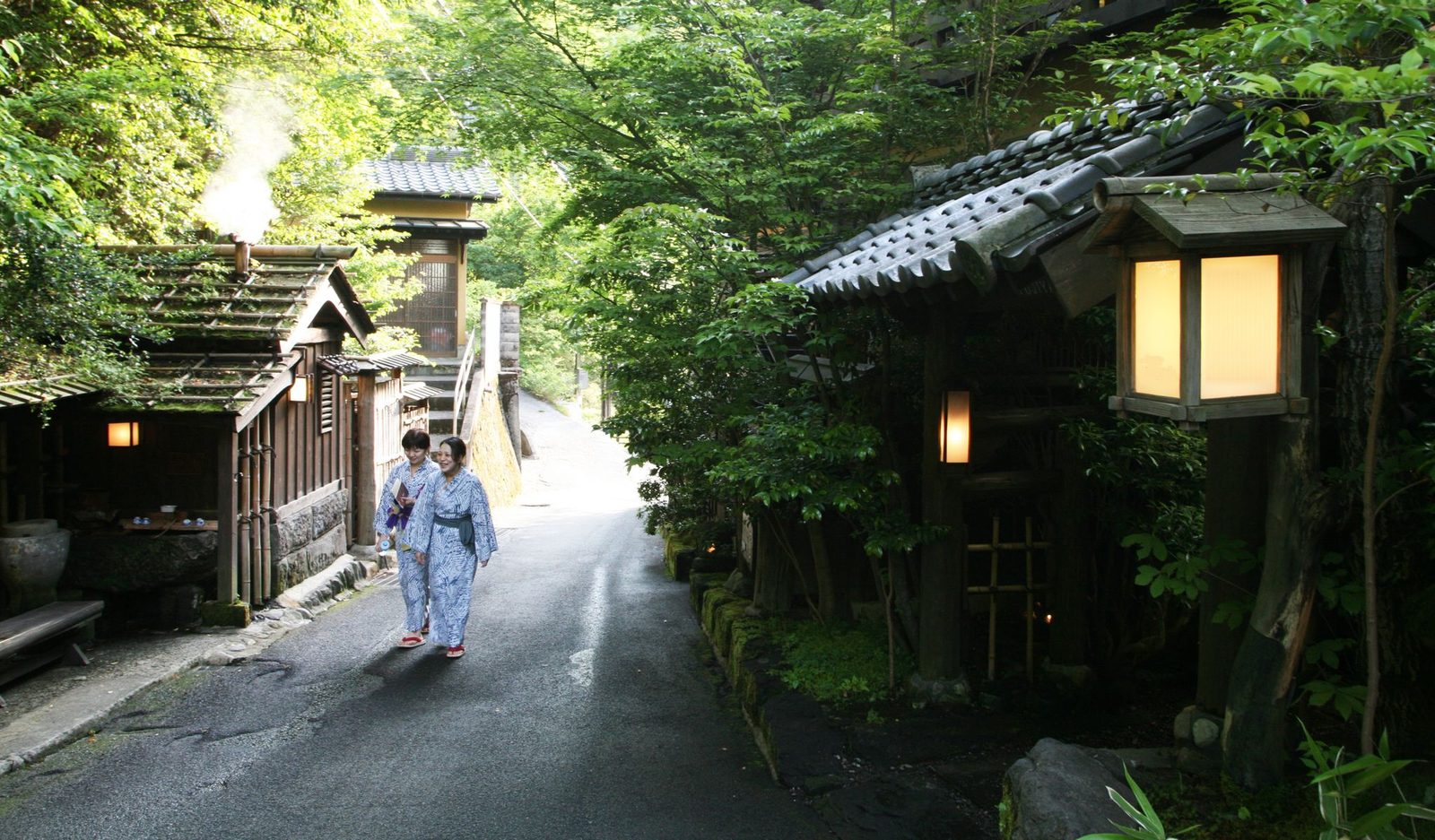
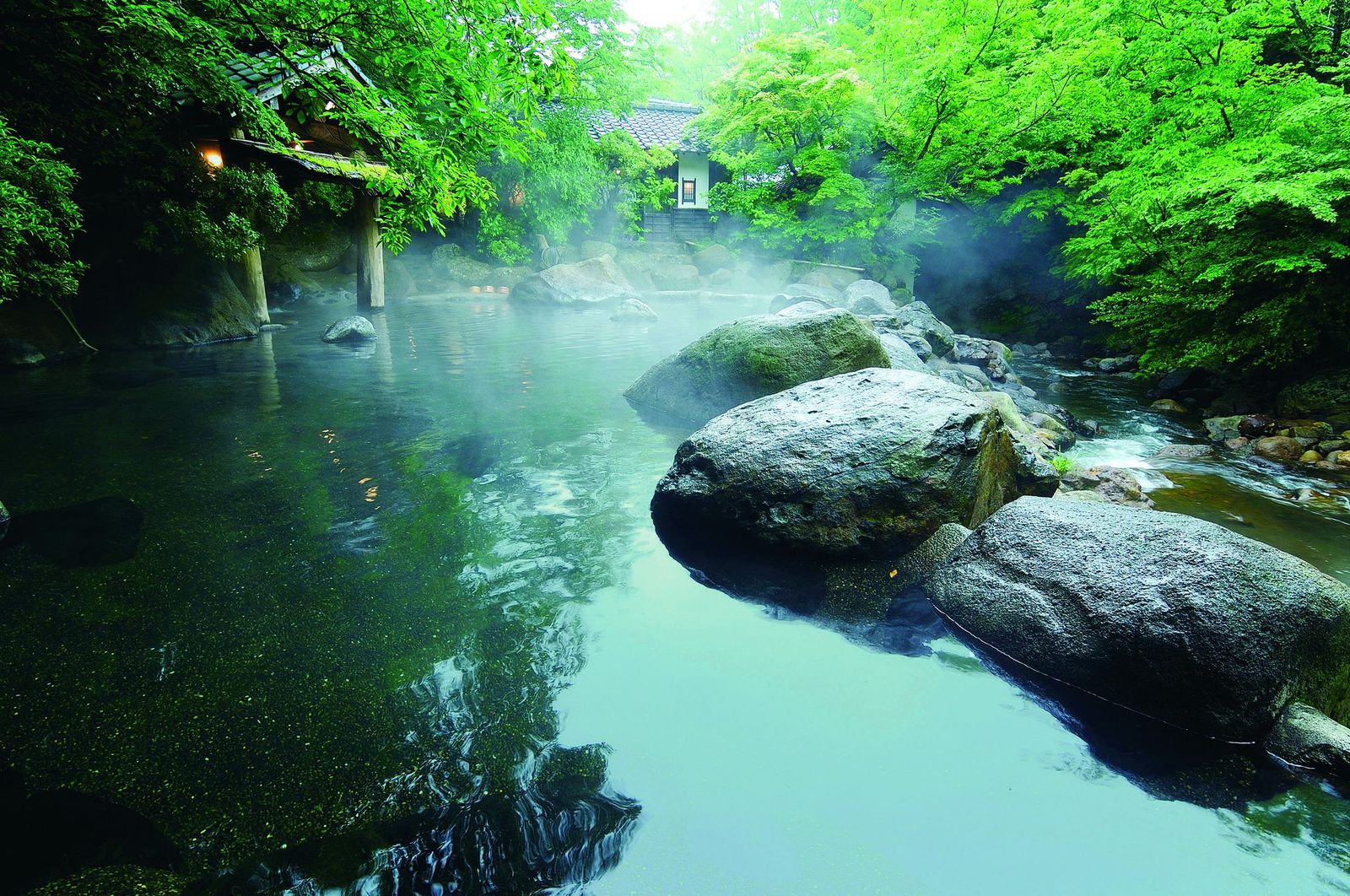
Kurokawa Onsen is described as a hot-spring town of thirty inns surrounded by lush green mountains. It is described as a countryside hot-spring town far from both expressways and stations. Visitors can walk through greenery with the sound of the Chikugo River source stream and birdsong.
Kurokawa Onsen Town: The Jizo Hall, the Hot Spring Legend and the Myojin Shrine
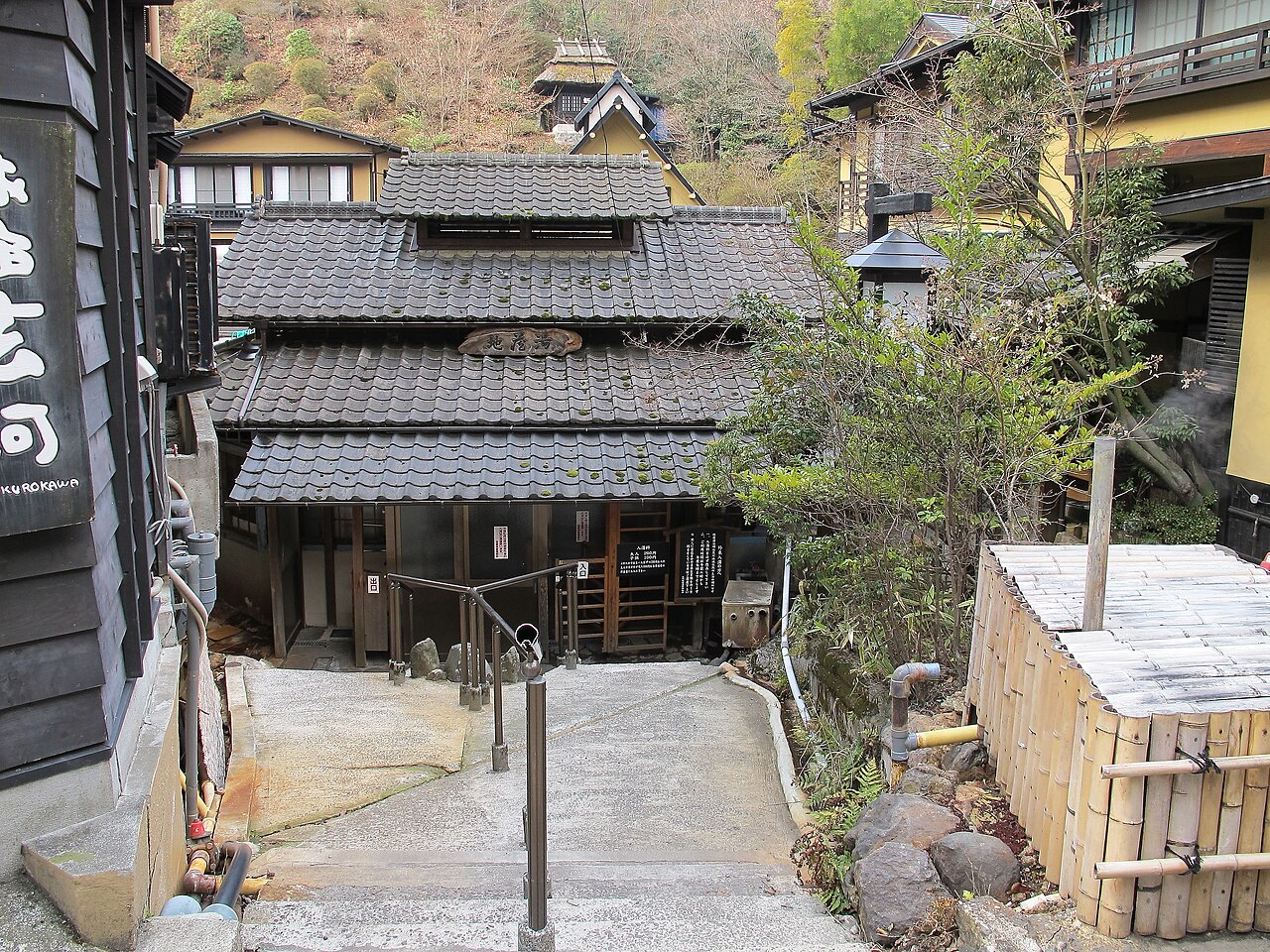
The Jizo hall in the centre of the hot-spring town enshrines the headless Jizo that is the origin of the Kurokawa Onsen name. The Jizo Festival at the Jizo hall is held every year on the eighth of May.
In the legend, the Jizo statue's head fell in place of the man's head. In the legend, hot spring water began to flow after a hall was built in Kurokawa, and this is regarded as the beginning of Kurokawa Onsen.
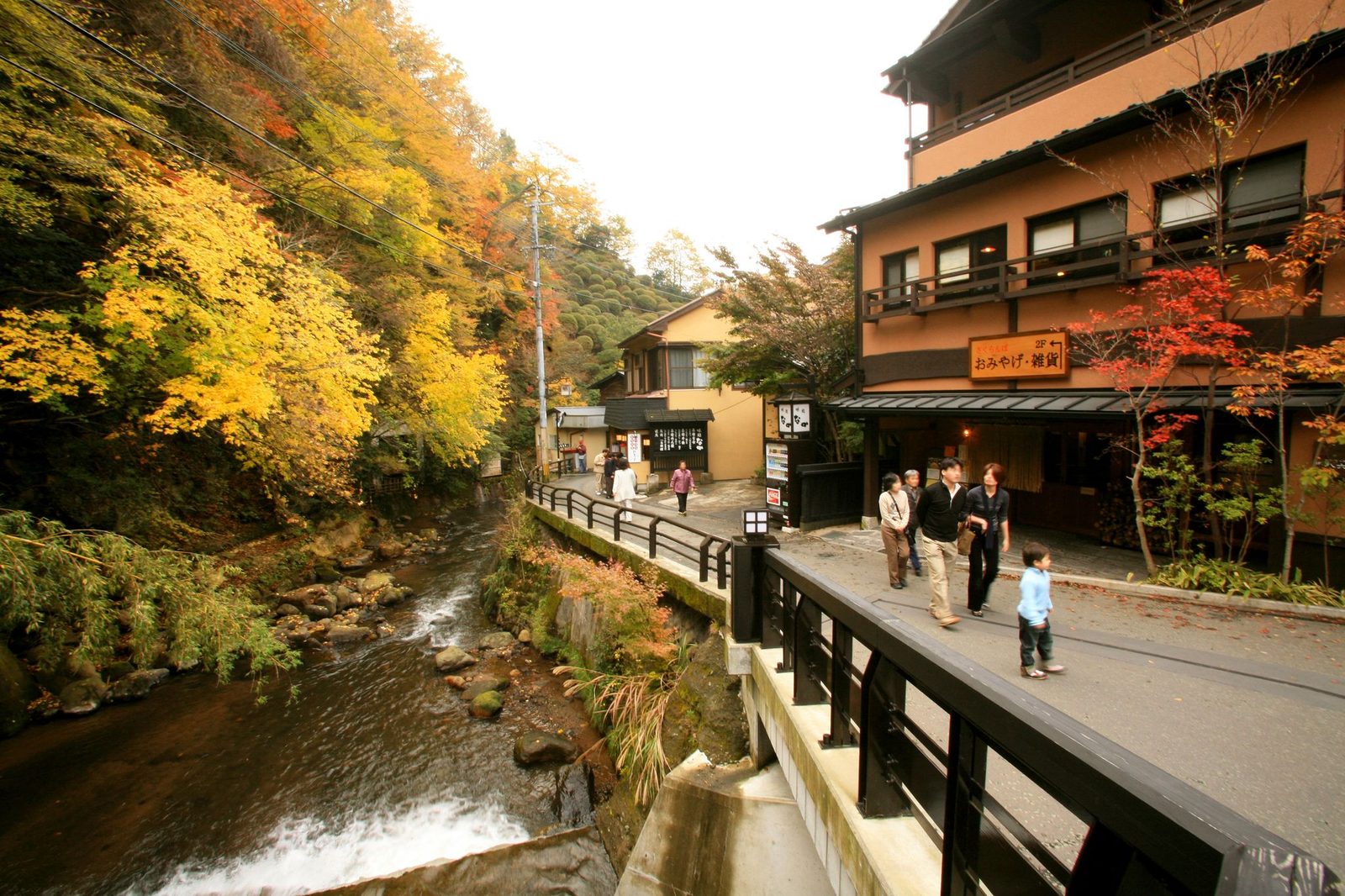
The view from Marusuzu bridge shows a uniform line of inns and trees, and the appearance of that line changes with each season.
The Myojin shrine is a small shrine located a little above the hot-spring town, and the place covered by trees around it has a sacred, taut air. The inns have a farming past: Kurokawa Onsen was once largely made up of half-farming, half-inn-keeping inns, which dried corn under the eaves to use as seed and cattle feed.
Kurokawa Onsen Day Trip: Bath Pass, Bath-Hopping and Strolling in Yukata
The town centre has many shops and a lively hot-spring street, while Oku-Kurokawa is the settled part. A visitor can choose the hot-spring town for bath-hopping, eating on foot and shopping, and Oku-Kurokawa for days spent staying in.
The bath pass lets you bathe in any three open-air baths of about twenty-five inns. The lanes linking the inns are described as the corridors, under a concept that treats Kurokawa Onsen as one ryokan.
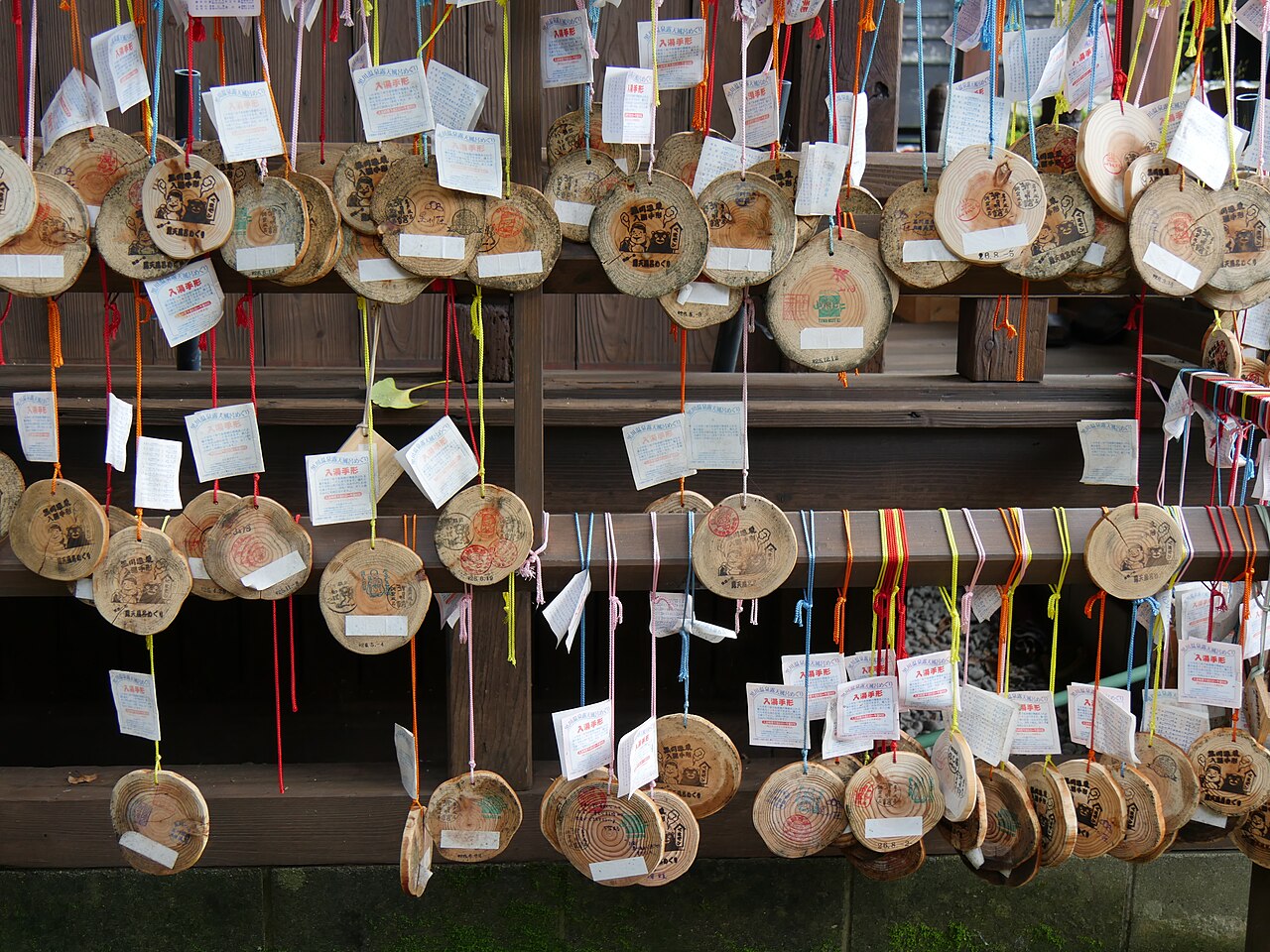
A used pass has a second life. Visitors can stamp a wish on a used bath pass and dedicate it at the Jizo hall. A shiratama sweets shop has takeout menu items for customers who want to eat while strolling between baths in a yukata.
Walks Around Kurokawa Onsen: Hirano-dai, the Source Stream and the Village Courses
Hirano-dai, part of Aso-Kuju National Park, is about an hour's slow walk from the Kurokawa Onsen town, and three walking courses start and finish at Kazenoya. The Hirano-dai courses are described as having the stream at the source of the Chikugo River, the rustle of the forest and the song of small birds.
On the Hitotsuya-nobori course, the scenery of the Kurokawa village appears suddenly while walking and looking up at a mountain. The Hitotsuya-nobori course is about four point one kilometres one way and takes about one and a half hours. On another course, walkers hear the murmur of a clear stream and see a rural view of terraced rice fields.
A park in the grassland of Hirano-dai is a place where one can rest lying in the shade of trees while hearing cuckoo calls.
Kurokawa Onsen at Night: Yuakari Lanterns, Umbrella Lights and Festivals
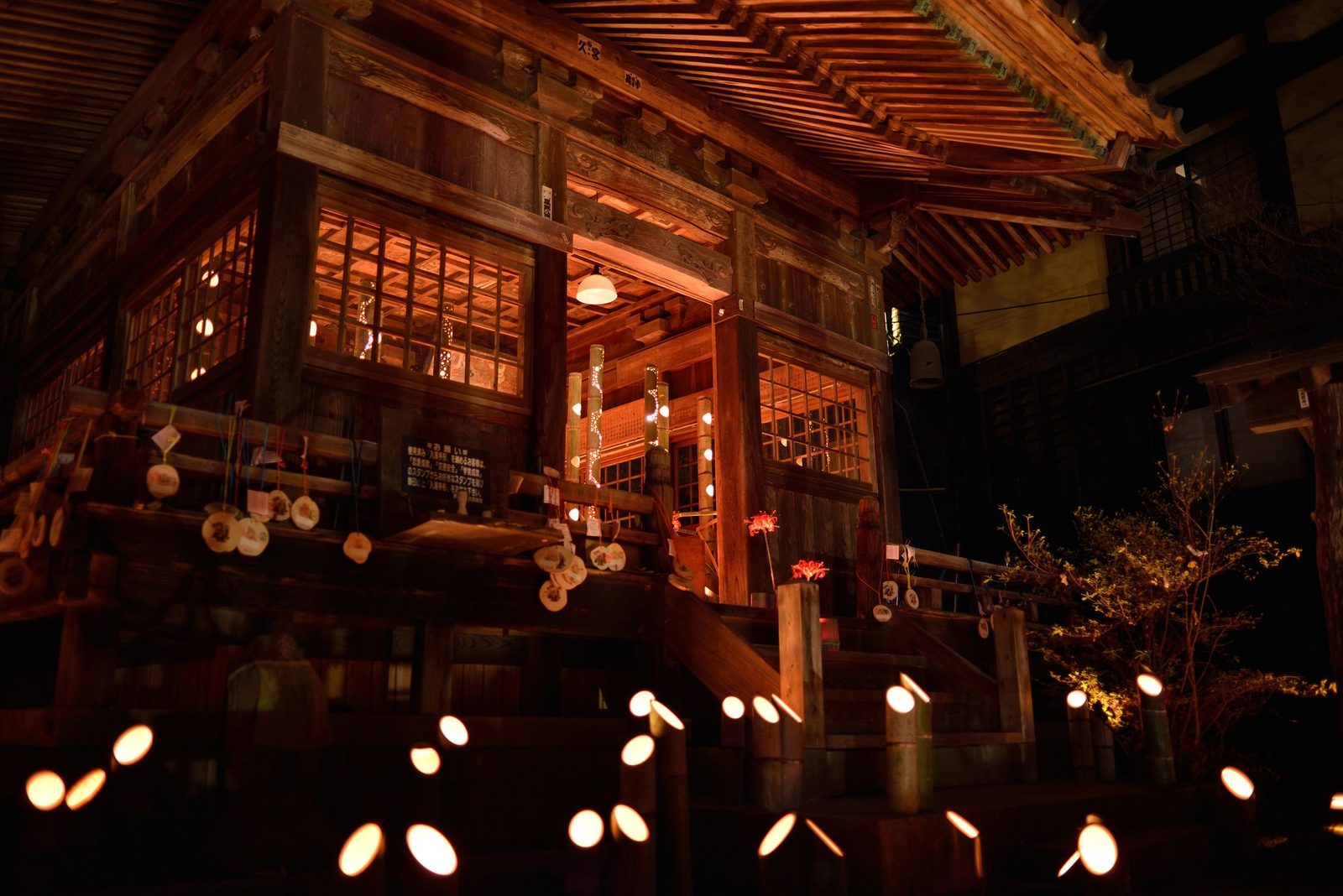
The Yuakari lantern lights use about three hundred spherical lanterns and cylindrical lanterns about two metres tall, arranged to blend into the natural landscape. Each spherical lantern, the symbol of Yuakari, is made by bundling nine bamboo strips into one sphere.
The round, soft light of the spherical lanterns spreads across the whole river. The bamboo lanterns of Yuakari belong to the season from around Christmas to the end of March.
The Yuakari lantern street offers kappo sake and amazake, kitchen cars, night restaurants and fortune-telling, along with photo spots with large lanterns.
At dusk a cool breeze blows across the river surface at Kurokawa Onsen during the umbrella-lantern light-up. Soft light spills from colourful Japanese umbrellas at the light-up.
The Kurokawa Onsen thanksgiving festival has a bazaar, kitchen-car sales and stage events, and runs until late at night. At the thanksgiving festival, the ryokan owners themselves cook food such as yakisoba, yakitori and fried octopus. The Yoshihara Kagura autumn festival is held on the night of the twentieth of September each year.
Eating in Kurokawa Onsen: Senbei, Shiratama, Dorayaki and Cream Puffs
A savory scent drifts around a senbei shop in the town. The shop sells senbei made with Kyushu-grown Ariake nori and senbei made with Kyushu-grown yuzu pepper. Its soy-sauce ice cream is soy-sauce-based ice cream with mitarashi sauce inside and a bittersweet sweetness.
Along the main street, a shiratama sweets shop specializes in shiratama made with one hundred percent flour from Aso-grown glutinous rice ground on a stone mill. For its after-bath shiratama, customers themselves scoop shiratama served in hot water and coat it in kinako or sweet red bean paste to eat.
At a dorayaki shop, visitors can see through the window the dorayaki skins being baked by hand. One dorayaki is stamped with a brand pattern that is the same design as the Kurokawa Onsen bath pass.
A pastry shop bakes its salt-koji cream puff in the shop's oven, and the cream is added to order and handed over freshly made. When bitten, the shell's crisp texture and the custard cream's gentle flavor spread softly through the mouth.
Getting to Kurokawa Onsen
New to rural buses and one-man trains? See how to ride them, step by step.
| Route | Detail |
|---|---|
| Fukuoka (Tenjin) to Kurokawa Onsen, standard journey time | three hours six minutes |
| Fukuoka (Tenjin) to Kurokawa Onsen, adult one-way fare | four thousand yen |
| Bus stop to the Kazenoya tourist information office on foot | about ten minutes (about six hundred metres) |
| Aso Station to Minamioguni Town Office on the Sanko Bus Tsuetate line | fifty-three minutes |
| Minamioguni Town Office to Kurokawa Onsen by car | ten minutes |
| Beppu Station to Yufuin Station on the Kamenoi bus | one hour eight minutes |
| Yufuin Station to Kurokawa Onsen on the Kyushu Odan Bus | one hour thirty-seven minutes |
If you would like to stay overnight, browse places to stay in Kurokawa Onsen.
If you would rather have the day arranged for you, look at tours that include Kurokawa Onsen.
Hours and Fees
| What | Detail |
|---|---|
| Bath pass, one adult pass | one thousand five hundred yen |
| Children's bath pass, per child pass | seven hundred yen |
| Bath pass validity | six months from the purchase date |
| Bathing hours with the bath pass | half past eight in the morning to nine in the evening |
| Bathing without the tegata | five hundred to eight hundred yen, paid at each inn |
| Day-trip bathing reception hours | generally half past eight in the morning to nine in the evening, varying by inn |
| Bathing at Ikoi Ryokan | starts at half past eight in the morning, last reception at half past eight in the evening, closes at nine in the evening |
| Kazenoya tourist information office | open nine in the morning to five in the afternoon |
| Rental bicycle | two hundred and twenty yen for one hour, two thousand two hundred yen for one day (when spanning days) |
| Fourth parking lot | twenty minutes free, then two hundred yen per hour, maximum one thousand yen per twenty-four hours |
| Payment | many facilities in Kurokawa Onsen accept cash only |
| Open-air bath day, the twenty-sixth of June each year | the open-air baths of each inn are opened free of charge |
Fees and hours were checked against official sources on 14 October 2026.
Thinking of staying overnight?
Compare places to stay near Kurokawa Onsen, Kumamoto →
Disclosure: This post may contain affiliate links. If you book through them, we may earn a commission at no extra cost to you.