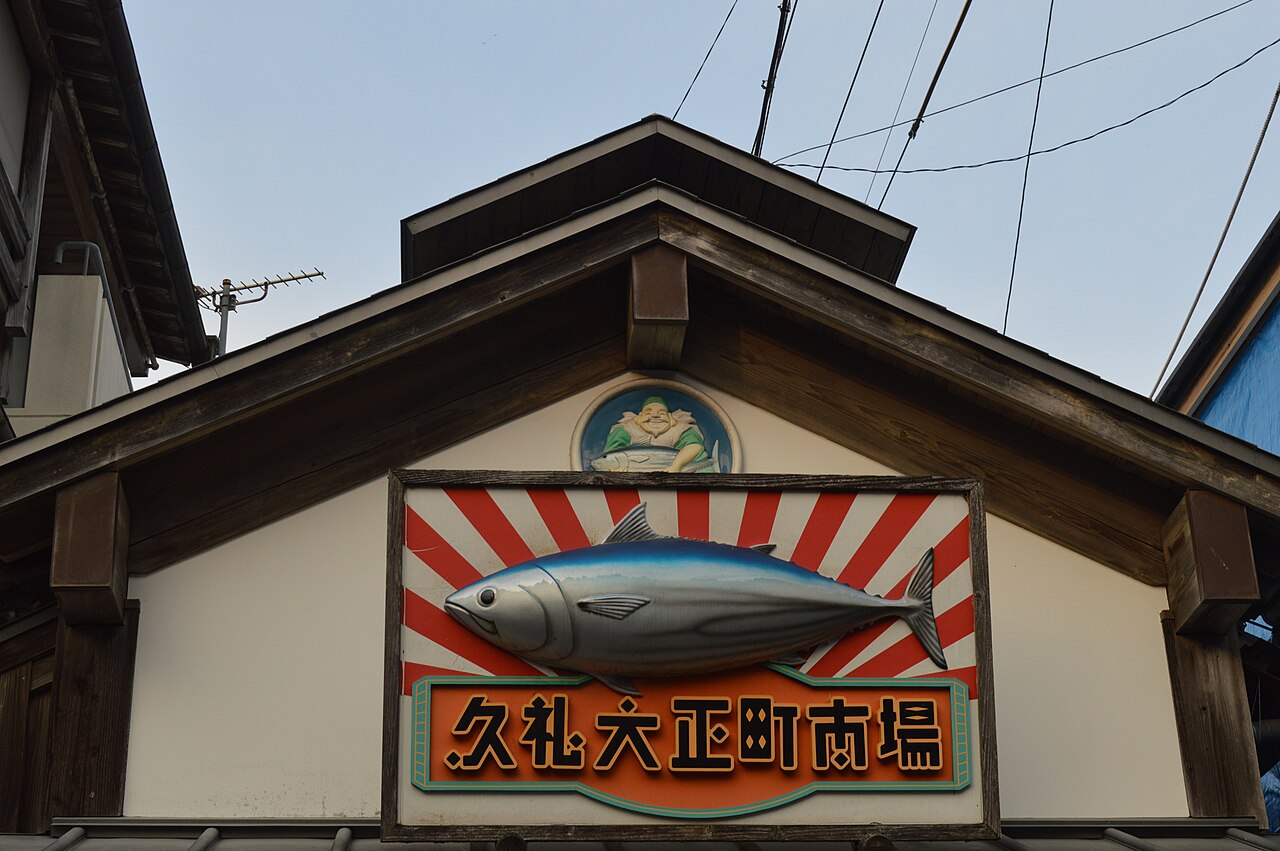
Kure Taisho-machi Market is called the kitchen of Kure. Kure in Nakatosa has carried out bonito pole-and-line fishing for four hundred years. The port of Kure and its fishing-town landscape were selected as a national cultural property, an Important Cultural Landscape. Visitors come to ask the stall women about fish, eat bonito seared over straw, and see the harbour lanes and the islets of a legend.
Taisho-machi Market, the Kitchen of Kure
Taisho-machi Market is a fishing-town market with a history of over one hundred years. It began in the middle of the Meiji era, when fishermen's wives started selling the fish that had been caught.
A large fire in the Taisho era destroyed about two hundred and thirty houses around the market area, then called Jizo-machi street. Emperor Taisho sent reconstruction funds, the street took the name Taisho-machi, and the market has carried that name since.
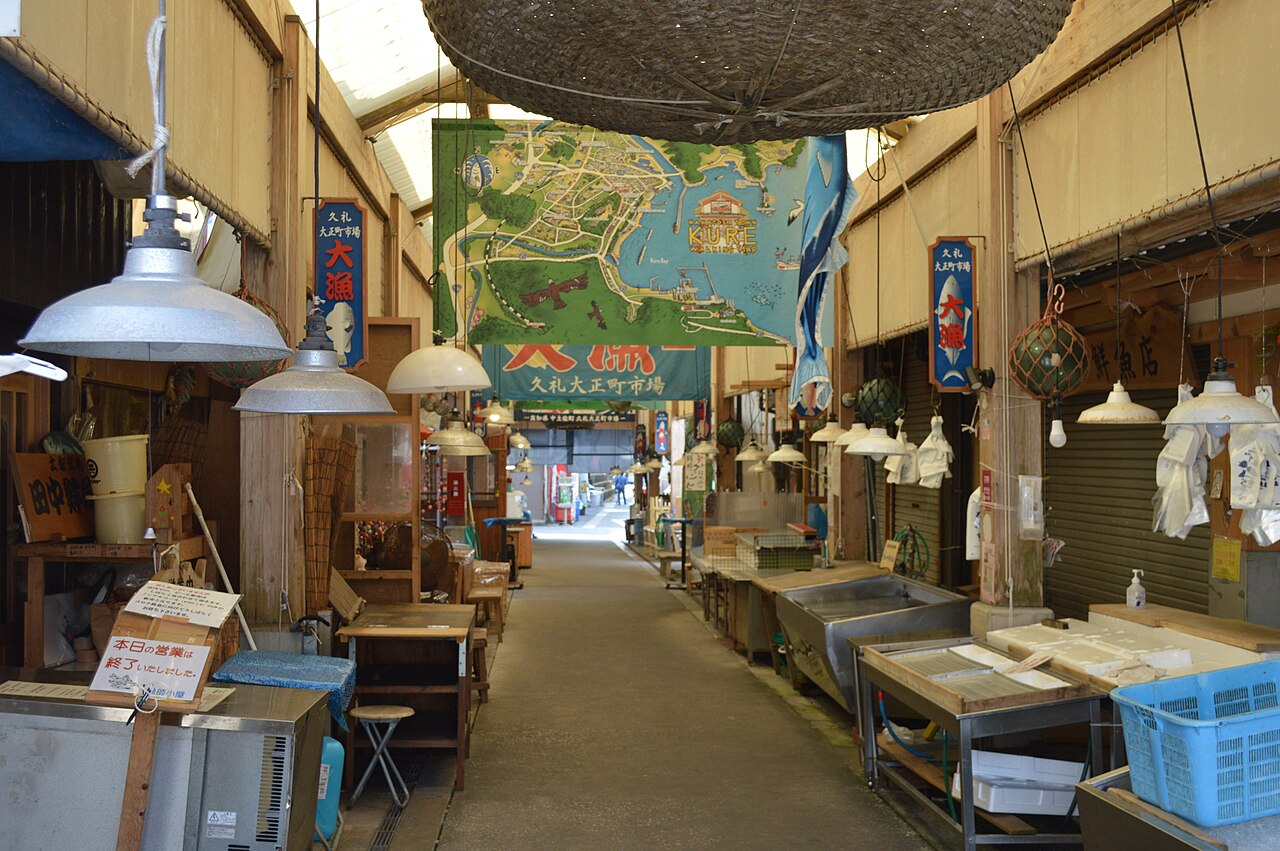
The market sells dried fish, local vegetables and fruit, and serves seafood rice bowls that can be eaten inside the shops. Visitors can buy locally caught fresh fish.
Visitors can call out to the stall women and ask them which fish is good. That exchange is the market's way of shopping.
Dining counters in the market serve mainly local fresh fish, with seasonal ingredients. Strolling the streets of Kure is recommended after shopping at the market.
Straw-Fire Bonito and Where to Eat It
Kure serves its bonito fresh from day-return fishing, landed within twenty-four hours. Visitors can eat bonito as sashimi, as tataki, or as a rice bowl.
A culture of using the caught bonito without waste, from head to tail, remains in Kure. Besides bonito, seasonal fish can be eaten fresh in the fishing town.
Visitors can make straw-grilled bonito tataki with their own hands. The experience of making it, plus one meal portion of rice, miso soup and one portion of tataki, costs two thousand yen.
A squid eatery fillets a live squid on the spot for visitors to eat. A charcoal-grill eatery serves a bonito rice bowl made with fish landed that morning, and shellfish grilled over charcoal.
A produce-and-fish shop stocks fresh vegetables and a wide variety of fresh fish. A bakery offers a wide variety of freshly baked bread and sandwiches, as well as seasonal bread made with local ingredients, and a sweets shop uses fresh strawberries delivered directly from a local strawberry farmer.
The Fishing Port, Its Alleys and Futana Island
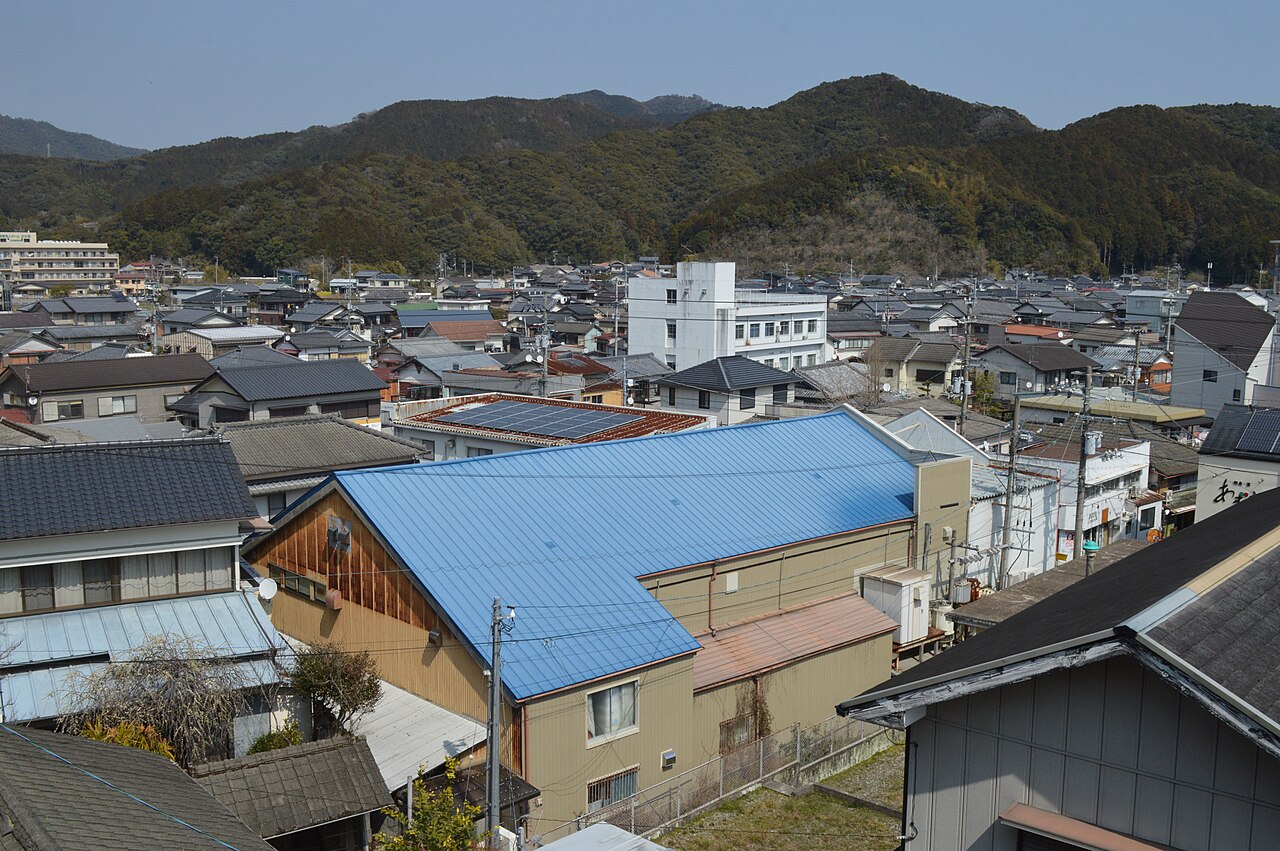
Kure's inner harbour uses the mouth of the Kure River and has a maze-like network of small alleys. Houses stand densely packed in the Kure townscape, and visitors can see the everyday life of a working-class fishing town.
Futana is a pair of small islets in Kure, said to be counted among the Tosa Ten Views. A legend tells that an ogre carried them. The legend says an ogre parent and child carried a large rock to help the people of Kure's bay, who were troubled by typhoon waves.
Kure's fishermen believe in the island as a guardian deity of the sea. They pray for safety and a large catch when the bonito pole-and-line fishing boats set out.
Furusato Beach and the Daruma Sunrise
Furusato Beach faces the Pacific Ocean in front of Kure Hachimangu. The beach gives a view of Kure's bay and the two islets, and when weather conditions are right, a daruma sunrise and sea fog can be seen.
In a daruma sunrise, the sun rising from the horizon and its mirror image reflected on the sea appear joined together. The refraction of light causes the phenomenon.
A daruma sunrise can be seen on clear days from the autumn equinox day to the spring equinox day, when the temperature difference between the sea surface and the atmosphere is large. Furusato Beach is about an eight-minute walk from Tosa-Kure Station.
Ebisu Shrine and the Ruins of Kure Castle
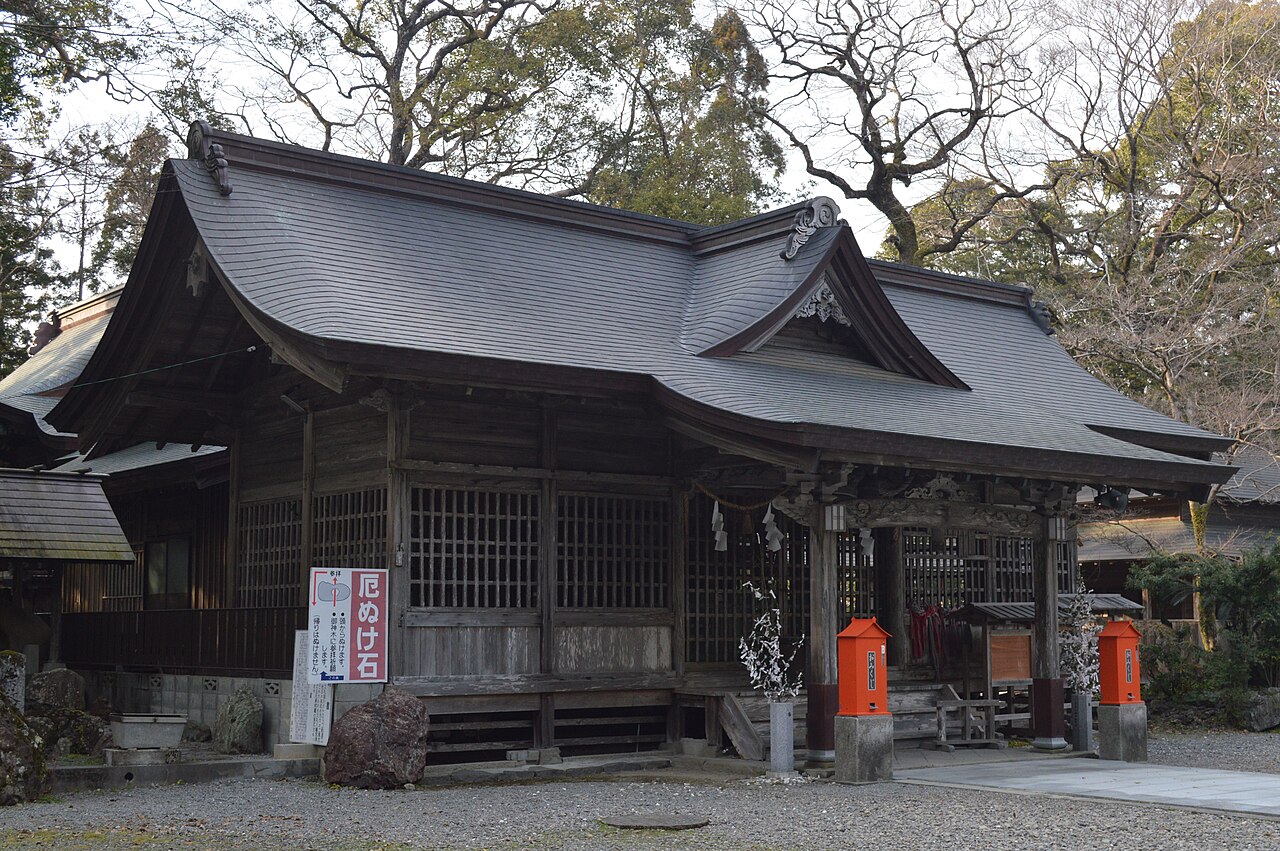
At Ebisu Shrine, worshippers are seen praying for the safety and a good catch of family members who go out to sea to fish. Ebisu Shrine is about an eight-minute walk from Tosa-Kure Station.
The Kure Castle Ruins are the remains of the castle of a clan that was a senior retainer of a regional lord. The ruins lie west of Tosa-Kure Station along a national road, and a keep area with a shrine stands at the summit.
Bailey terraces with earthen ramparts on the east and west sit one level lower than the summit, and several layers of earthen ramparts line the gently sloping east and southeast. The ruins keep moats and trenches dug into the ground.
For an overnight stay, browse places to stay in nearby Kubokawa; Kubokawa Station is about fifteen minutes away from Tosa-Kure Station by limited express.
Getting to Kure
New to rural buses and one-man trains? See how to ride them, step by step.
| Route | Time |
|---|---|
| Kochi Station to Tosa-Kure Station by limited express on the JR Shikoku Dosan Line | About fifty minutes |
| Kubokawa Station to Tosa-Kure Station by limited express on the JR Shikoku Dosan Line | About fifteen minutes |
| Kochi IC to Nakatosa IC by car on the Kochi Expressway | About forty minutes |
| Nakatosa IC to Taisho-machi Market by car | About five minutes |
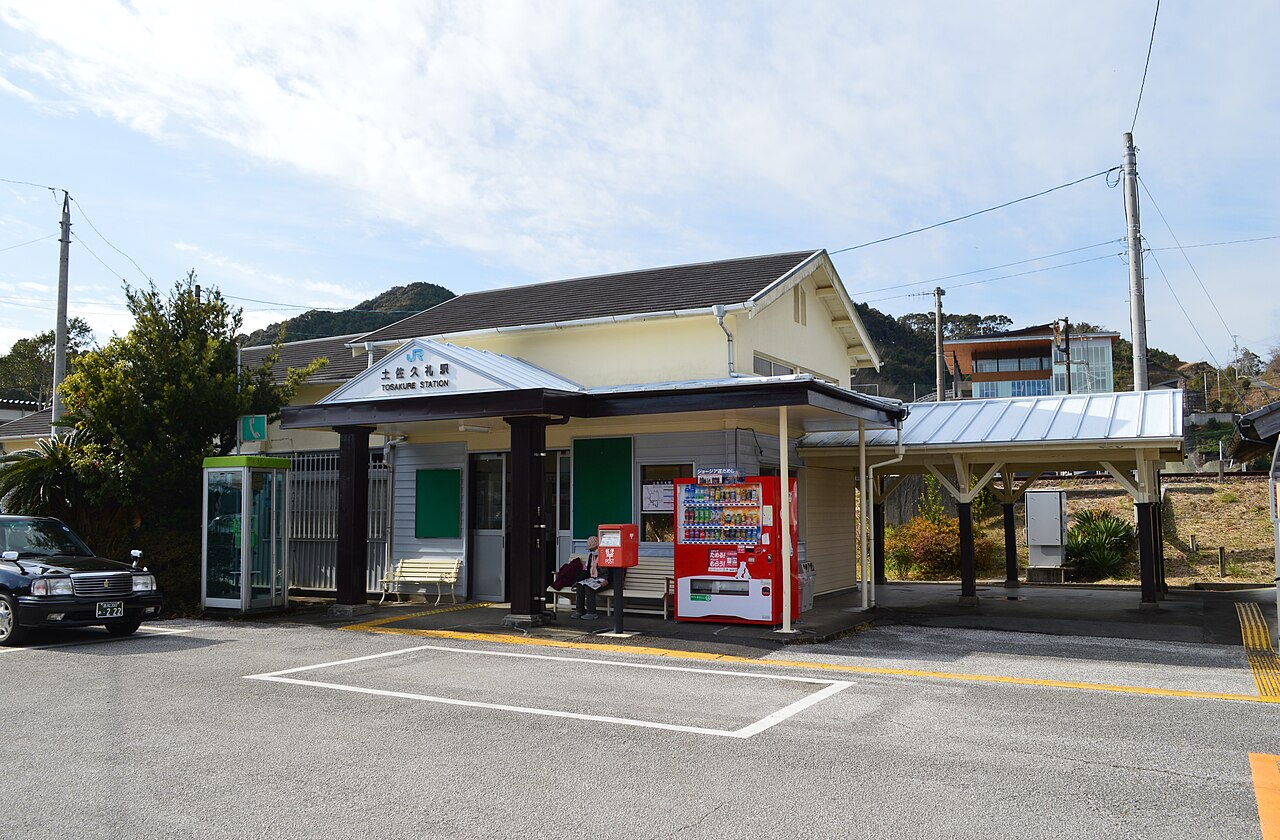
| Tosa-Kure Station to Taisho-machi Market on foot | Five minutes |
| Furusato Beach car park, which holds thirty or more vehicles, to Taisho-machi Market on foot | About three minutes |
Kochi Station to Tosa-Kure Station takes about fifty minutes by limited express on the JR Shikoku Dosan Line.
Hours and Fees
| What | Detail |
|---|---|
| Taisho-machi Market | Open nine in the morning to four in the afternoon on Saturdays, Sundays and public holidays, and ten in the morning to four in the afternoon from Monday to Friday |
| Straw-grilled bonito tataki, one serving, salt or sauce | Nine hundred and fifty yen, tax included |
| Fish shop's seafood rice bowl | One thousand two hundred yen, tax included |
| Straw-grilled salted bonito tataki rice bowl | One thousand two hundred yen, tax included |
| Another straw-grilled bonito tataki experience | Three thousand yen, tax included |
| Reservation for the other straw-grilled bonito tataki experience | At least fourteen days in advance |
Fees and hours were checked against official sources between 11 October 2026 and 14 November 2026.
The other straw-grilled bonito tataki experience requires a reservation made at least fourteen days in advance.
Thinking of staying overnight?
Compare places to stay near Kubokawa, Kochi, Japan →
Disclosure: This post may contain affiliate links. If you book through them, we may earn a commission at no extra cost to you.