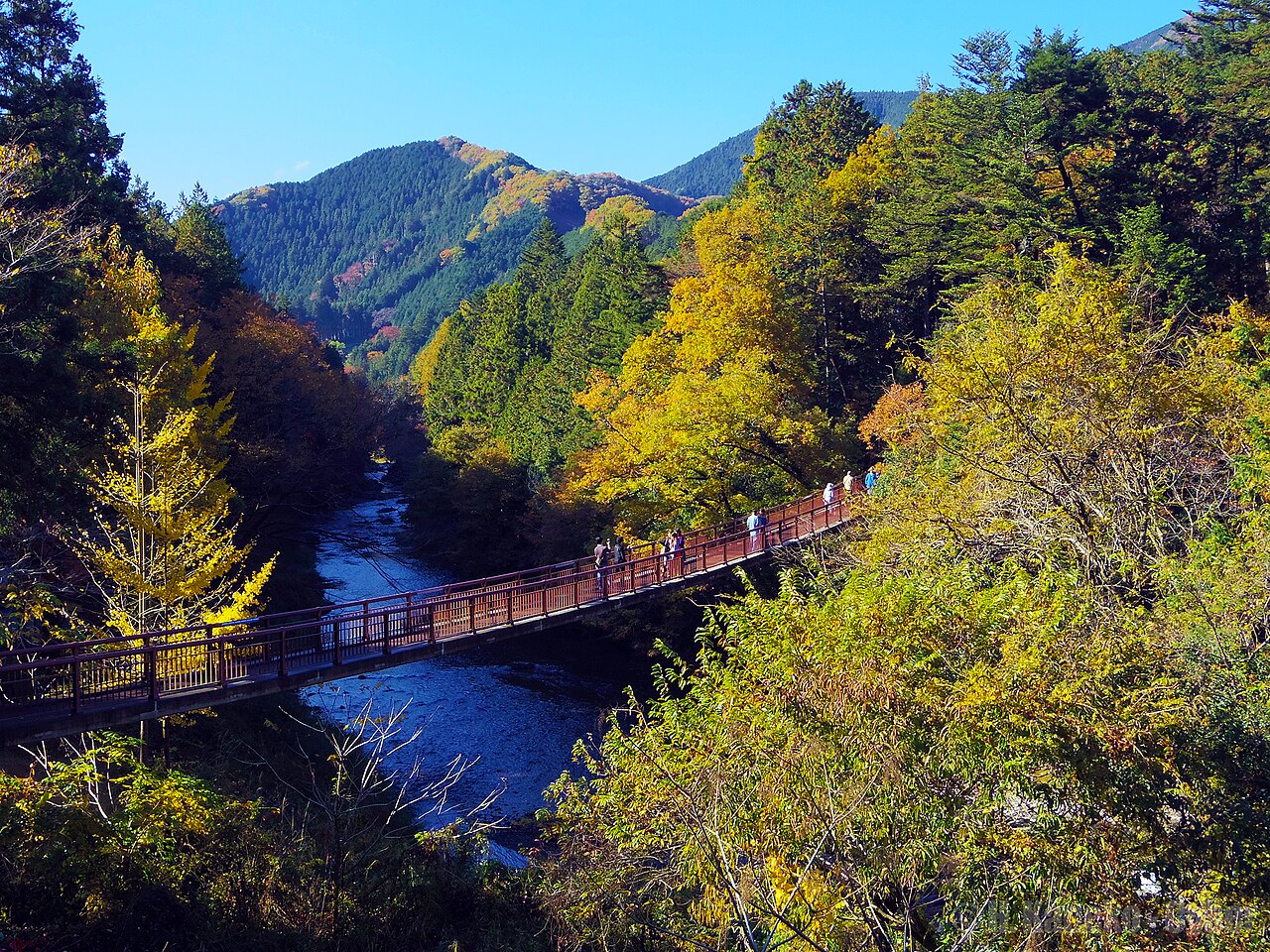
Tokyo keeps a river valley where the loudest thing is the water. The Akikawa is described as the main tributary of the Tama River, running between Akiruno and the village of Hinohara, and the roughly 20-kilometre gorge stretch along it is what people mean by the Akigawa Valley. According to one travel book, the city of Akiruno was created in 1995 when Akikawa City and Itsukaichi Town merged, some forty to fifty kilometres from central Tokyo. The valley is described as lying inside a national park that spans one metropolis and three prefectures, which explains how wild it feels this close to the capital.
Start where the rails end
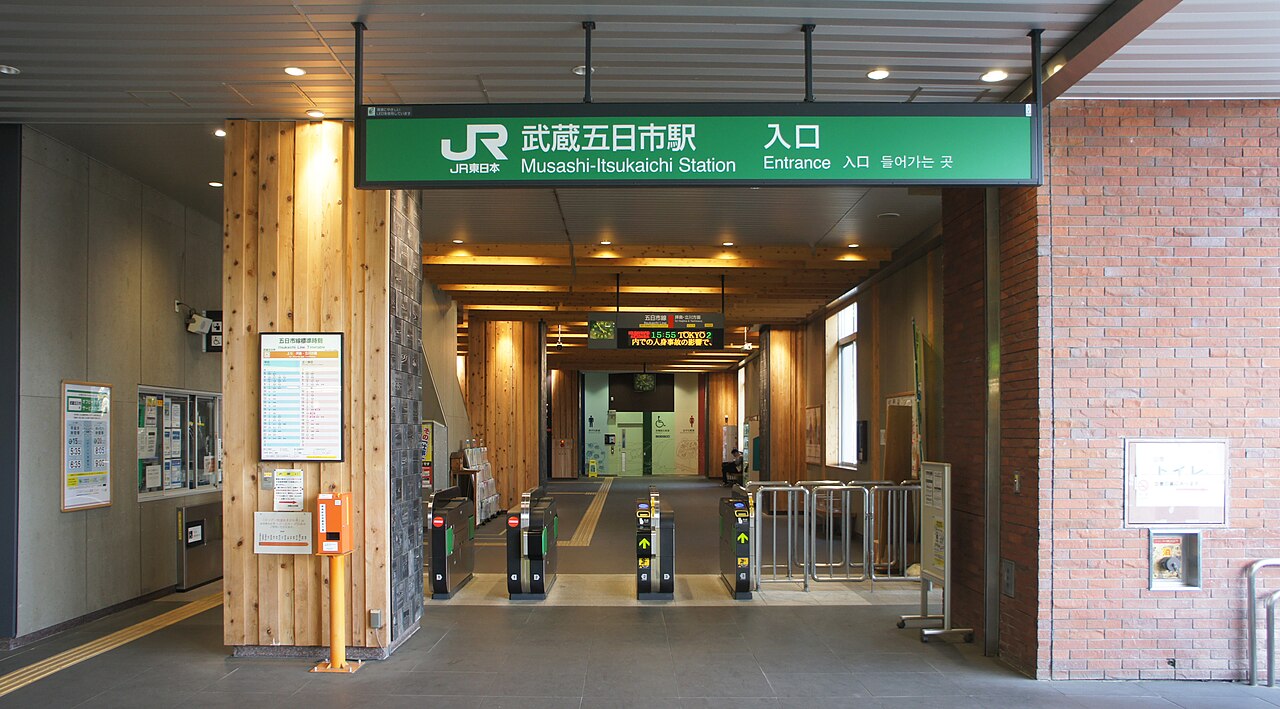
The JR Itsukaichi Line is described as ending at Musashi-Itsukaichi Station, the gateway to both the valley and Hinohara beyond, with local buses and cars carrying visitors onward. The Itsukaichi Tourist Information Center is open from 8:30 to 17:00 during March through November. From December through February it is open from 9:00 to 16:30.
A quiet arrival, step by step:
- Take the JR Itsukaichi Line to its final stop, Musashi-Itsukaichi.
- For the gorge and the hot spring, board the Nishi Tokyo Bus bound for Kamiyozawa and step off at the Akigawa Keikoku Seotonoyu stop.
- For the old town, set out on foot and follow the river road toward the gorge.
- Unsure about the day's conditions? Ask at the tourist information center before you set off.
The bridge over clear water
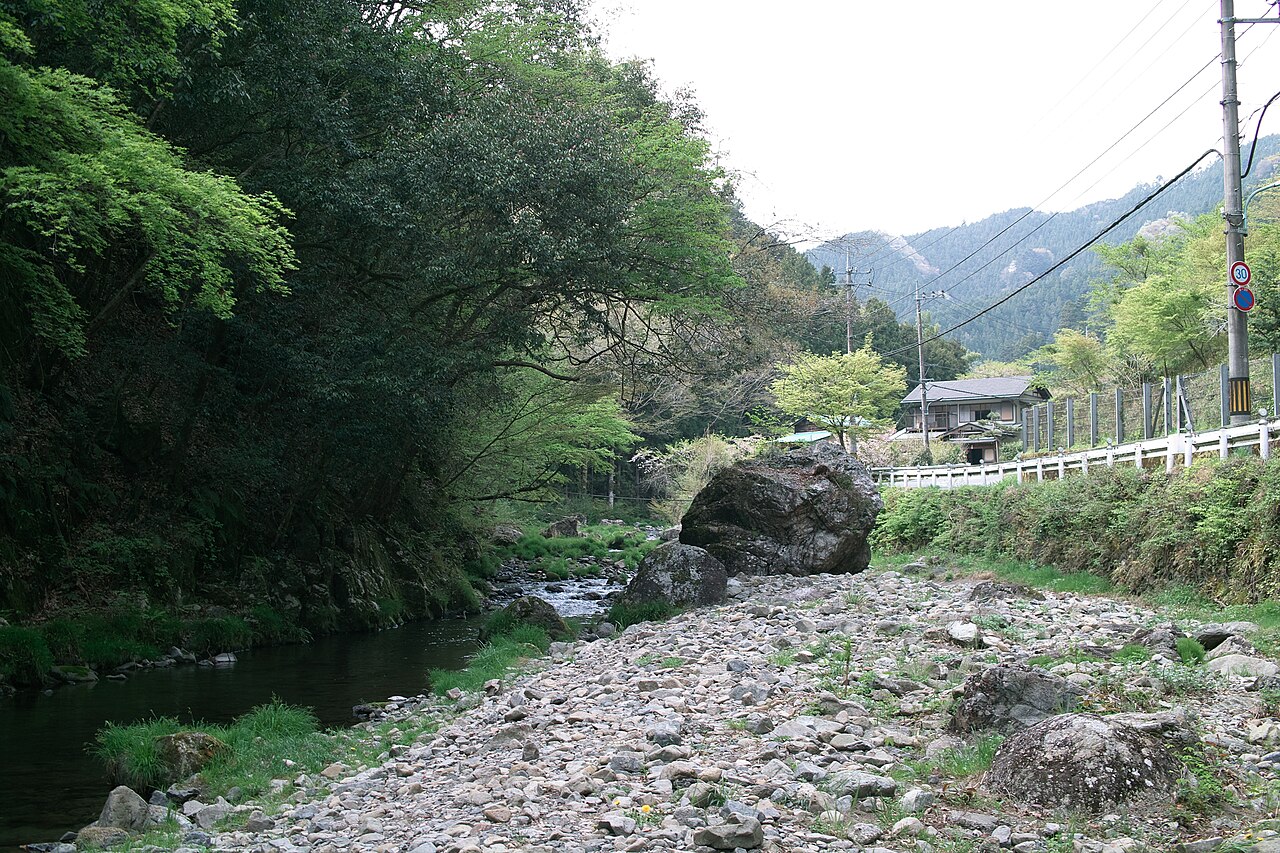
The stretch around Ishibune Bridge is described as the signature scenery of the gorge, and the spot is said to fill with visitors when the leaves turn. Campgrounds, barbecue spots, and fishing grounds are described as gathering along the river, with trekking and river play that suit families and grown-ups alike. Closer to town, the riverside park at Akikawabashi is described as a place for wading and barbecues, lively with blossom-seekers in spring. Guidebooks describe the valley's year in four moods: katakuri blossoms in spring, fireflies in summer, foliage over rice fields in autumn, and hot-spring steam against snow in winter.
Where to stay
Disclosure: This post may contain affiliate links. If you book through them, we may earn a commission at no extra cost to you.
An onsen above the river
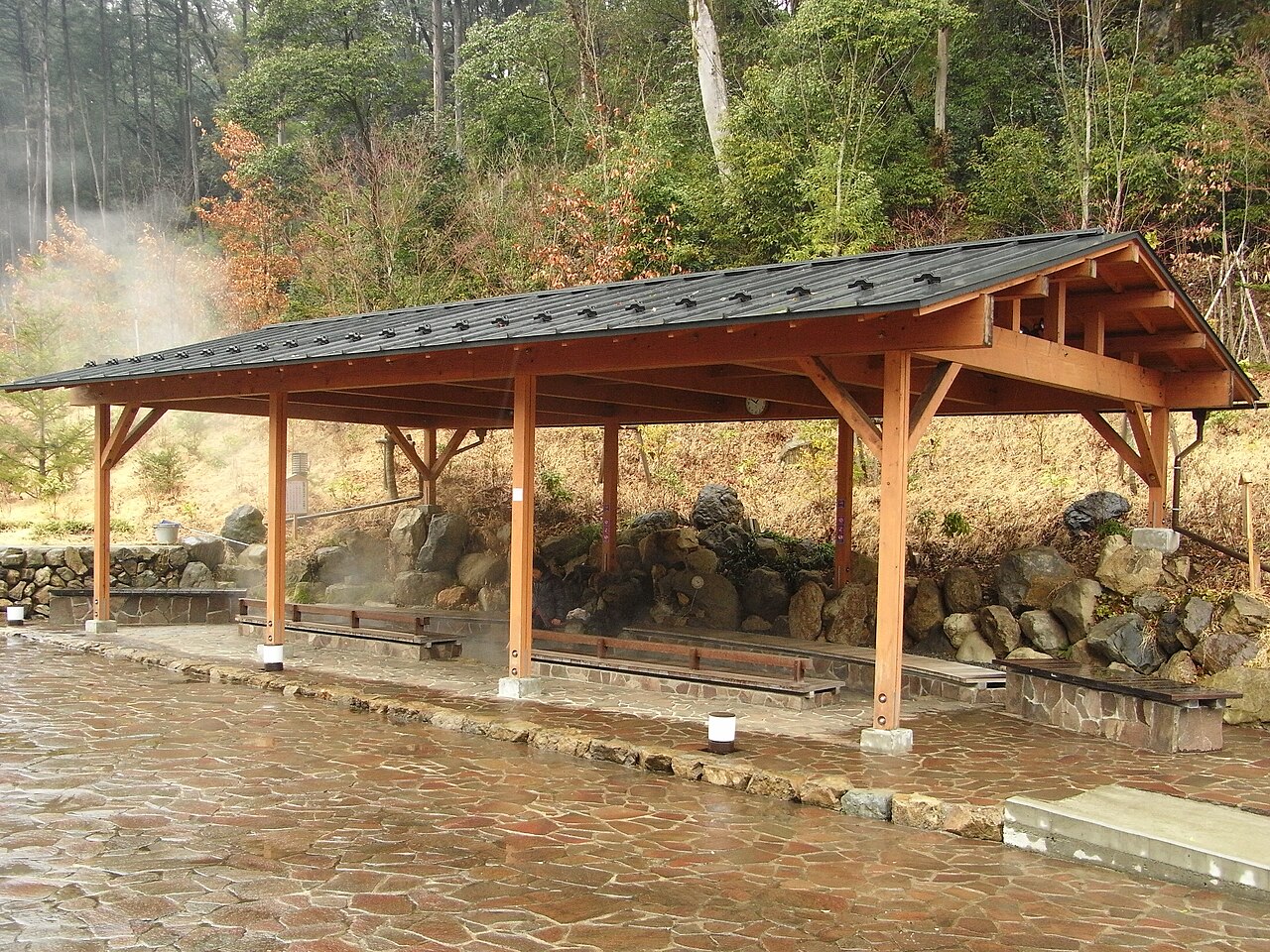
Seoto-no-yu, the valley's bathhouse, is described as a strongly alkaline hot spring drawn from deep underground, with a source-fed indoor bath, an outdoor bath facing the forest, and a sauna. A footbath outside the building is described as an easy first stop, next to a produce stall selling local vegetables and regional goods.
From April to November, reception at Seoto-no-yu runs from 10:00 to 22:00 (last admission 21:00). From December to March, reception hours are 10:00 to 21:00 (last admission 20:00). Staying an extra hour costs 200 yen for adults. A private bath room can be rented for 3,000 yen per hour on top of the regular bathing fee. The shoe locker fee is 100 yen per person, refunded on return. The bathhouse restaurant, Ishibune Dining, serves lunch from 11:30 to 15:00, with last orders at 14:30.
Guidebooks describe the way in as a Nishi Tokyo Bus ride from Musashi-Itsukaichi Station on the Kamiyozawa route, ending at a stop named for the baths.
The old town of Itsukaichi
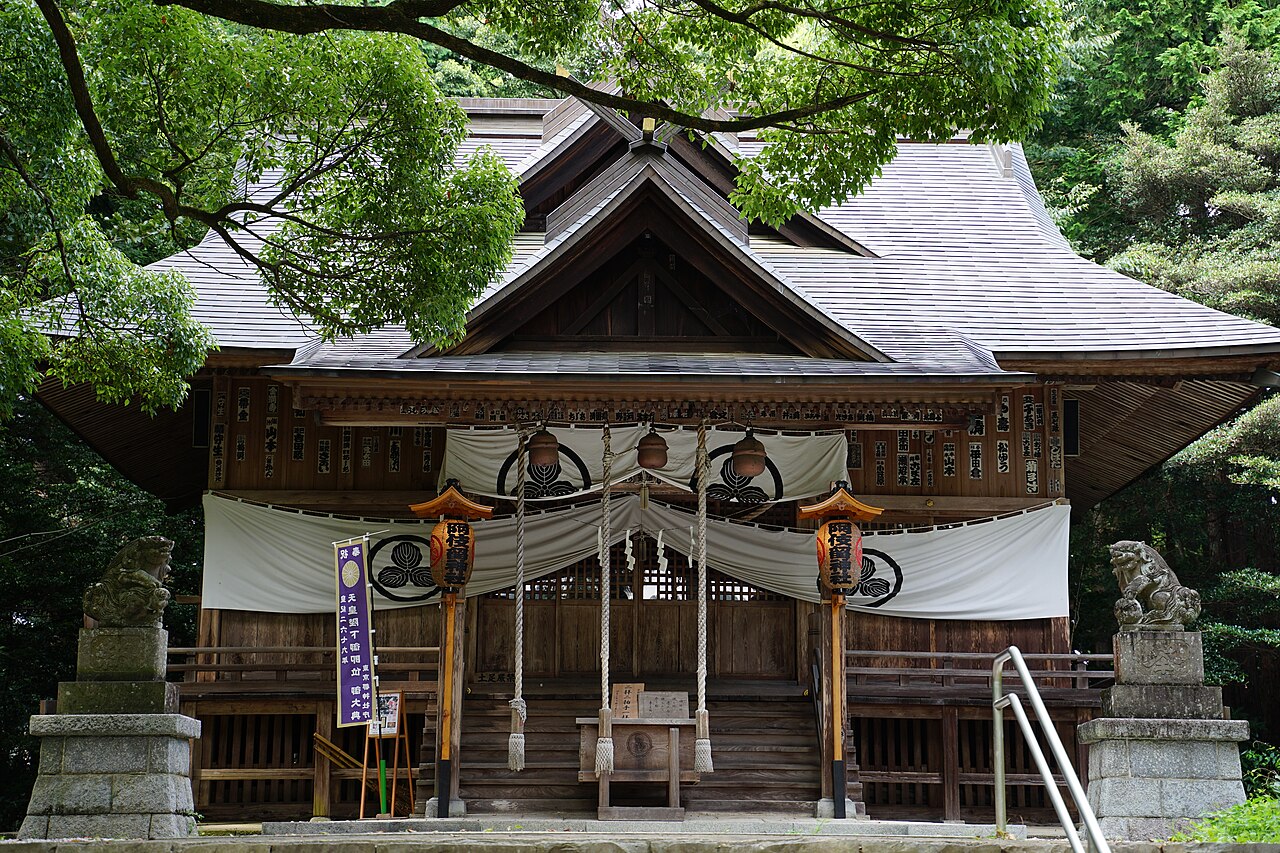
According to one travel book, Akiru Shrine appears in Heian-period records and gave the city its name. The shrine's three-day procession festival is described as the largest in the area. At the great festival in late September, a six-sided portable shrine of enormous weight is said to be carried through the streets while stalls fill the grounds. A riverside walking path is described as passing a line of poets' monuments on the way out of town, among them a stone for the Itsukaichi draft constitution. The Itsukaichi Local History Museum is described as displaying folk tools from the river valley and materials on the draft constitution.
A cave and a bowl of houtou
According to one travel book, Otake Limestone Cave sits at a 520-metre elevation on the flank of Mount Otake, a metropolitan natural monument with a roughly 300-metre passage. The standard course is described as an unhurried walk rather than a scramble. The cave keeps opening hours of 9:00 to 16:00, subject to change with season and weather.
According to local tradition, houtou noodles arrived in this area in 1582, carried by Princess Matsu, sister of Takeda Katsuyori, as her party fled from Yamanashi toward Hachioji. Sagobei, a houtou restaurant in the Konakano area, is described as keeping more than twenty varieties on the menu year-round, kimchi included. Tatami seating is described as making it an easy stop for families. Seasonal bowls and fresh take-home noodles are said to extend the menu. A kaiseki restaurant next door is described as sharing the site for a slower meal.
Thinking of building the bath and the bowl into one outing? Compare Okutama and west Tokyo day tours.
Make it a quiet day
Walk the river in the morning, take the bath before the afternoon fills in, and leave the old town for last light. If this side of Tokyo suits you, our guides to the Okutama valley and Mount Takao's quiet trails continue in the same direction. Festival dates, bus timetables, and opening days move around through the year, so check official information before visiting.
Compare options and book: Okutama area tours and Tokyo day trips.