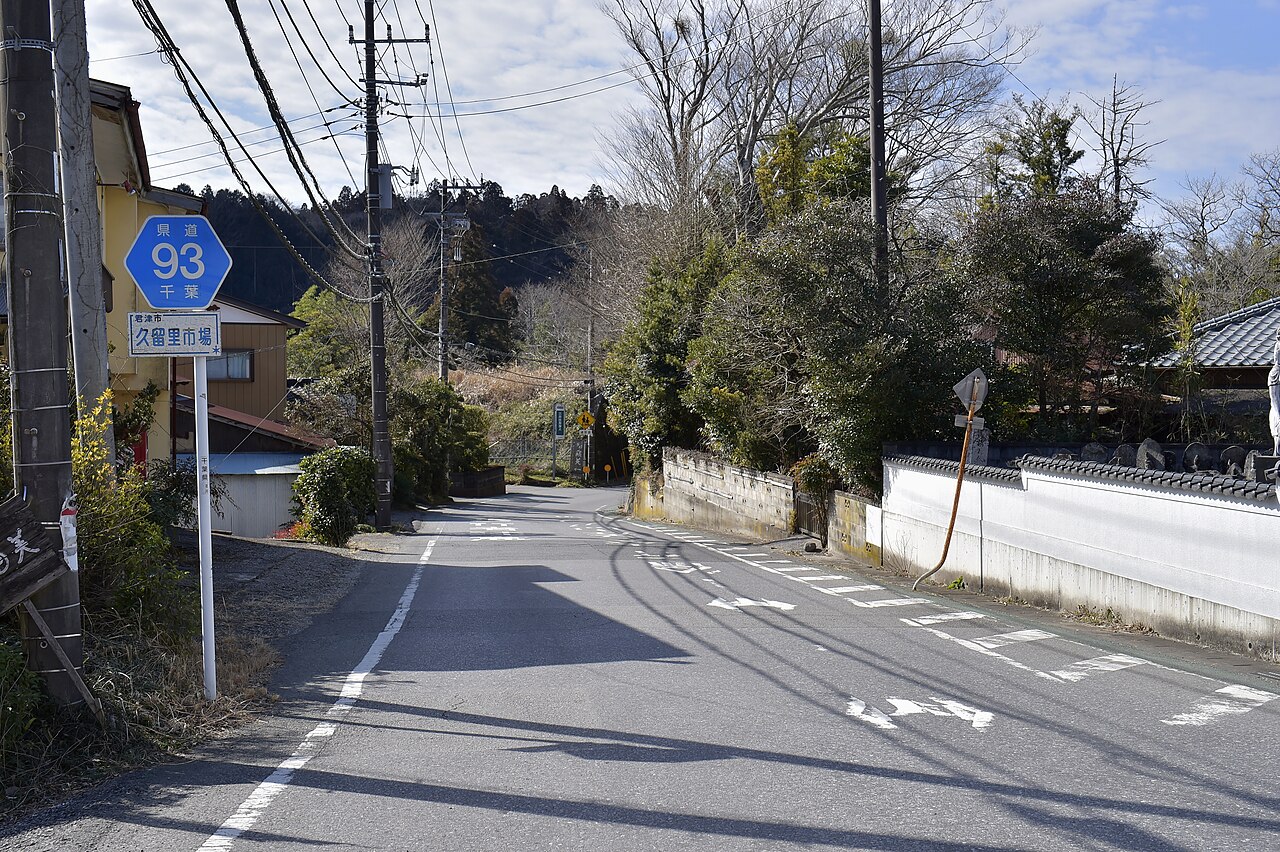
Kururi may be the least-touristed castle town within reach of Tokyo. It sits in the wooded hills of the Boso Peninsula in Kimitsu City, Chiba, at the end of a little diesel line where the train itself is half the pleasure, and it offers three modest, genuine things: a hilltop castle with a small free museum, artesian wells that still gush drinking water on street corners, and sake breweries that have used that water for centuries. Nobody hurries here, because there is nothing to hurry for — which is exactly the point.
Getting there
- Take a JR rapid train from Tokyo Station toward Kisarazu on the Uchibo Line direction (many Sobu Line rapid services run through directly), then change at Kisarazu to the JR Kururi Line.
- The Kururi Line ride from Kisarazu to Kururi Station takes about 45 to 55 minutes depending on the train, winding through rice paddies in one or two carriages.
- Trains are sparse — roughly one an hour, with some two-hour gaps in the middle of the day — so check the return timetable at Kisarazu before you board. Treat the sparseness as part of the trip, not a defect.
- A footnote for rail fans: the drowsy far end of the line beyond Kururi, to Kazusa-Kameyama, is scheduled to close in 2027 and become a bus route. Kururi itself keeps its trains, but if you want to ride the doomed final stretch, sooner is better than later.
The castle on the hill
Kururi Castle was a Sengoku-period stronghold of the Satomi clan and then, through the Edo period, the seat of a small Tokugawa-affiliated domain. Locals call it the "rain castle," from the story that it was veiled in rain whenever enemies approached. What stands on the summit today is a compact replica keep built in 1978, about 15 meters tall, with a city-run history museum on the approach below it displaying armor, swords, and documents from the domain years. The museum is free, opens 9:00 to 16:30, and closes on Mondays. The walk up from Kururi Station takes about 35 minutes, the last stretch climbing through forest where the old earthworks of the original mountain castle still ripple under the trees; from the keep you look out over ridgeline after ridgeline of green.
The wells: drink the town
Kururi's real signature is under your feet. Artesian wells flow all over the town — many of them public, with cups or spouts where anyone can drink — and the water has been named among Japan's Heisei Meisui Hyakusen, a national selection of celebrated waters. The great shallow Oido well, dug in the early Edo period as the town's sole water source, still sits near the center. The local well-boring technique, the Kazusabori method, was developed in these hills using lightweight bamboo tools to reach deep self-flowing aquifers; it later spread across Japan and is still used in water projects in Asia and Africa. Bring an empty bottle: filling it at a street-corner well and sipping your way around town is the Kururi experience.
Where to stay
Disclosure: This post may contain affiliate links. If you book through them, we may earn a commission at no extra cost to you.
Sake from that water
Where famous water flows, breweries follow. Kururi's old merchant street supports several small sake houses, among them Sudo Honke, brewing here since the Meiji era, which also went on to launch the first whiskey made in Chiba Prefecture. On the former grounds of a public medicinal herb garden, a small craft distillery makes brandies and liqueurs from herbs and fruit grown on site. Most shopfronts sell bottles to carry home, and a cup of sake brewed from the same water you have been drinking free at the wells makes a neat ending to the day.
A half-day circuit
The town is compact enough to walk in an easy loop: from the station through the old street past the wells and Kururi Shrine, out to the sake breweries, then up the castle hill and back — the castle climb is the only real exertion. Allow four to five hours including a slow lunch, and build the day around the train times rather than fighting them.
How to keep it quiet
- Kururi is already quiet; your only real crowd risk is autumn foliage weekends around the castle. Weekdays are near-silent year-round.
- The morning trains put you in town before the handful of other visitors; the castle museum is emptiest right at opening.
- Summer is green and loud with cicadas but hot for the castle climb; late autumn, when mist hangs in the valleys, suits the "rain castle" best.
Honest notes
Come for atmosphere, not attractions: there is no big sight here, and if you need one you will be disappointed. The castle walk is a genuine 35-minute uphill hike, slippery after rain. Restaurants are few and keep short hours, so do not arrive assuming a late lunch. And check that return timetable — missing a train here can mean a two-hour wait.
The essentials
- Kisarazu to Kururi on the JR Kururi Line: about 45–55 minutes; trains roughly hourly with midday gaps.
- Kururi Station to the castle museum: about 35 minutes on foot, uphill.
- Castle museum: free, 9:00–16:30, closed Mondays.
- The town wells are free public drinking water; bring a bottle.
For more ideas in this direction, pair Kururi with the great temple town of Naritasan on another Chiba day, or browse our roundup of quiet day trips from Tokyo without a car.
Compare options and book via our partner links.