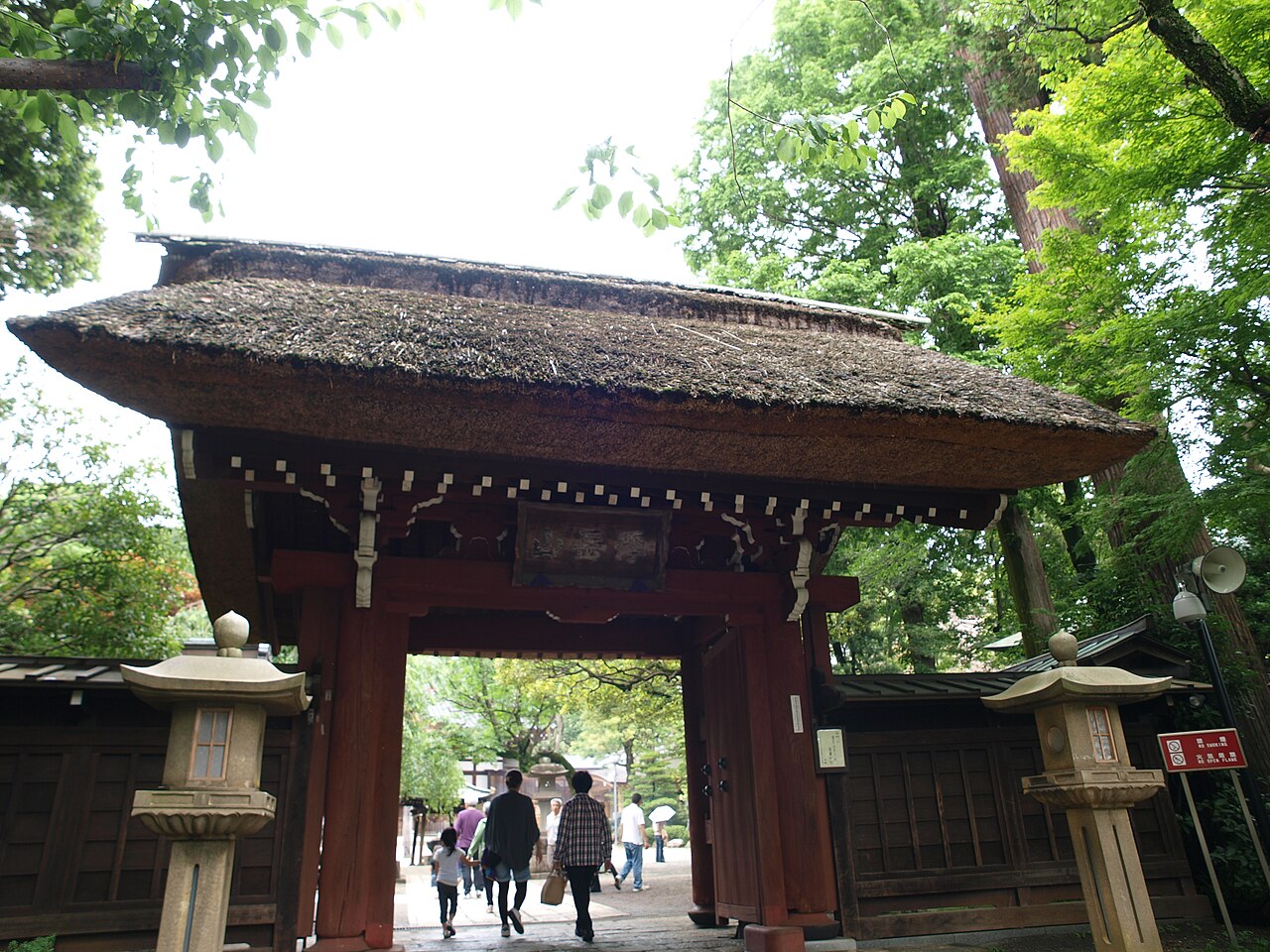
Jindaiji is the escape that never leaves Tokyo. Twenty-odd minutes of bus ride from the Keio Line and you are in a green hollow where spring water runs beside the lanes, soba shops steam by a thatched gate, and a temple founded in 733 — more than 1,300 years ago, among the oldest in the Kanto region — goes about its day. Eating noodles outdoors in this watery, wooded pocket feels like deep countryside, and the fact that it is technically still Chofu City is the best joke the place tells.
The temple and its history
Jindaiji became a Tendai-school temple in the Heian period, after the priest Eryo came from Mount Hiei, and grew into a leading center of esoteric Buddhism in eastern Japan. Tokugawa Ieyasu later granted it land revenue, steadying its fortunes; Edo-period fires then destroyed nearly everything except the main gate and the incense-burner pavilion, and the complex was rebuilt over the decades that followed. That surviving thatched Sanmon gate is the oldest structure on the grounds, its roof renewed every couple of decades. Inside the main hall sits a crowned Amida Nyorai under a gable carved with phoenixes, herons, and dragons.
A national treasure behind glass
Jindaiji's most remarkable possession was found by accident: a copper seated Shakyamuni Buddha from the late Asuka period, discovered inside the temple during an early survey and later designated a national treasure — a serene, boyish face nearly fourteen centuries old, now displayed behind glass in the Shakado hall. A new hall named Hakuhoin, designed by the architect Kengo Kuma, is under construction to house it for the temple's coming anniversary. The temple also keeps a concealed statue of Ganzandaishi (Ryogen), shown to the public only on rare occasions — and it is Ganzandaishi, remembered as the originator of omikuji, whose old-style fortune slips the temple still draws: they keep a higher share of bad-luck slips than most modern temples, which locals will tell you makes the good ones worth more.
Soba along the approach
The soba tradition here began in the Edo period, when tenant farmers grew buckwheat suited to the cool spring water, milled flour for the temple, and fed pilgrims with the noodles; a Kannon figure holding buckwheat seeds stands in the precincts to mark it. Today soba restaurants line the approach lanes, each blending its buckwheat differently and guarding its own dipping sauce, so a side-by-side tasting across two modest bowls is a legitimate research project. Go before noon: the shops are calmest in the first hour after they open, and the water channels still carry morning mist.
Springs, the waterfall, and the botanical garden
The Jindaiji area gathers many of Chofu's natural springs, and the little Fudo waterfall on the temple grounds is counted among Tokyo's designated famous springs — you will hear water moving somewhere the whole visit. On the temple's north side, a gate connects directly into Jindai Botanical Gardens (adults 500 yen, 250 yen for visitors 65 and over; closed December 29 to January 1), which turns the temple half-day into a full unhurried afternoon of roses, greenhouse, and lawn.
Festivals
Jindaiji hosts one of Japan's major daruma markets in early spring around Setsubun, when priests brush Sanskrit characters onto the daruma dolls' eyes in a traditional ceremony — wonderful, and the one time of year this guide's promise of quiet does not apply.
Getting there
- Take the Keio Line to Chofu or Tsutsujigaoka Station, then a Keio Bus to the Jindaiji stop, which sits right by the temple entrance.
- The temple gate opens at 6:00 and closes around 17:00 — and that early opening is the secret: arrive near dawn and you will have the halls, the water, and the birdsong entirely to yourself, hours before the first soba shop lifts its curtain.
New to rural buses and one-man trains? See how to ride them, step by step.
Where to stay
Disclosure: This post may contain affiliate links. If you book through them, we may earn a commission at no extra cost to you.
How to keep it quiet
- Weekday mornings are gentle even in tourist season; weekends get lively from late morning around the soba shops.
- The botanical garden absorbs crowds well — if the temple lanes fill up, slip through the north gate.
- Avoid the daruma market days unless the festival is what you came for.
For a full day, Jindaiji pairs naturally with an afternoon elsewhere on the Keio or Chuo lines — or see all our car-free escapes in the quiet day trips from Tokyo roundup.
Compare options and book via our partner links: Jindaiji temple-town walking and soba food tours on GetYourGuide.