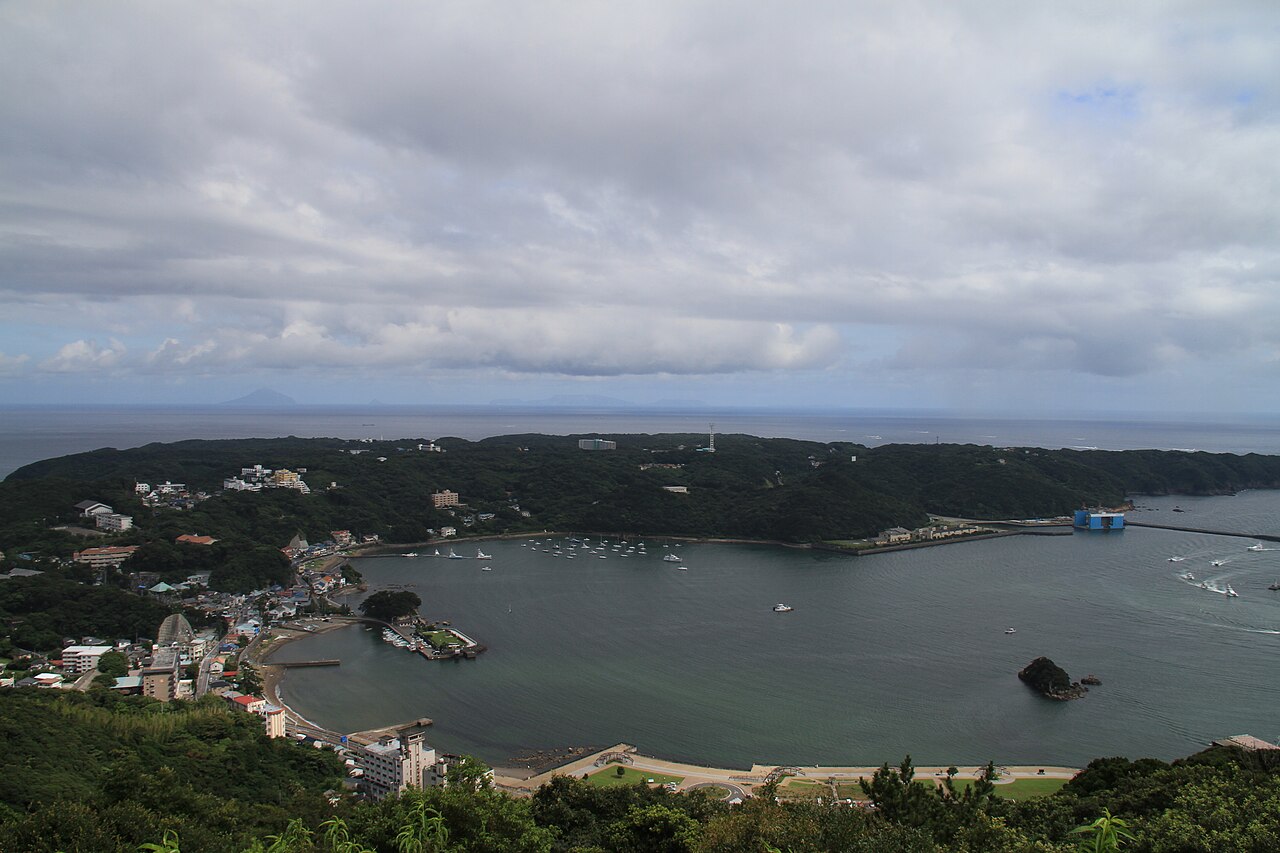
From Shimoda's white sand beaches you look out over an emerald-green sea. Kaiyoyoku, a coined word, was conceived as the sea version of forest bathing. At Tsumekizaki you see a white unmanned lighthouse, a subtropical botanical garden and hexagonal basalt columns standing in a row.
Beaches and Bathing in the Sea
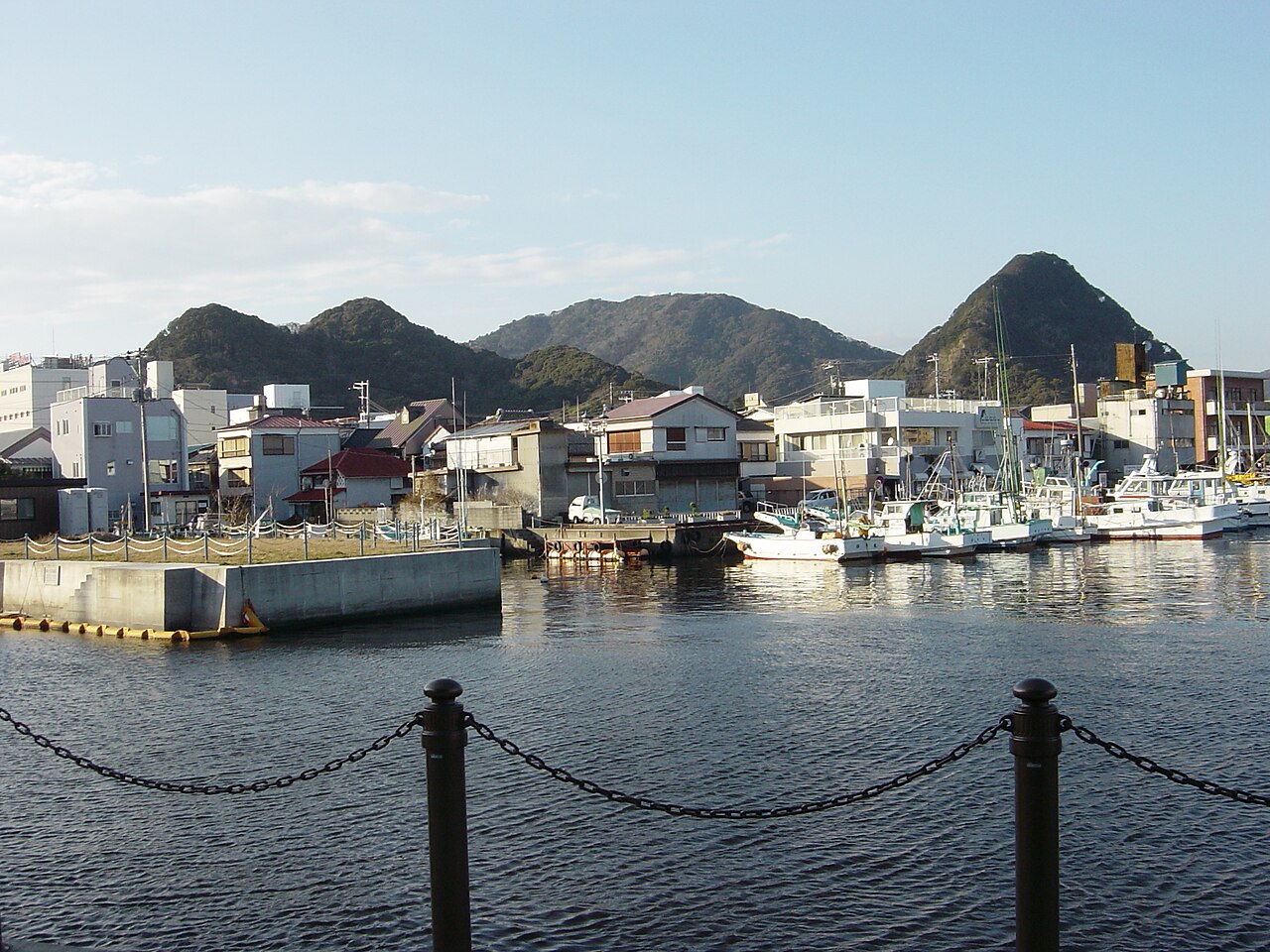
Kaiyoyoku is a general term for building health with the bounty of the sea: you breathe the sea air, you walk on the beach, and you bathe in the water. The coastlines you see come in various sizes, each with its own character, from large beaches suited to marine sports to homely beaches for families and women.
Nine of these coasts are sea-bathing beaches, and the other coasts are not. All coasts of Shimoda City are designated water quality AA in the Ministry of the Environment's water quality survey. Sotoura is a quiet beach formed in an inlet, and the water you look into there has high transparency.
One beach sits in a cove with almost no waves. On another you see cycad trees in a row along the coast, and on a third rocky areas on both sides give you rock-pool play. One has warm-water showers all year round. Shimoda also has a sea cave formed by wave erosion, with a large opening in its ceiling.
Tsumekizaki and the Susaki Footpath
A walking path along the coastline has been built from a fishing port and a small beach to Tsumekizaki. At Tsumekizaki the coastal promenade faces the ocean across a hundred and eighty degrees, and on the Susaki and Tsumekizaki footpath you see the Izu Seven Islands in full view if the weather is good.
The columnar joints you see here are designated a Shizuoka Prefecture cultural property. Along the Susaki footpath you pass the Kōshindō hall, where a stone chamber at its upper right enshrines thirty-three Kannon. At Hosoma no Dan you see traces of stone cutting from the Edo to Meiji periods in many places.
What you see along the cape also changes with the season. From December to January a mass of narcissus turns the whole cape white. A narcissus colony grows at Tsumekizaki, and at peak up to three million flowers drift a sweet scent.
The Tarai Cape Footpath
You walk the Tarai Cape footpath from a holiday village by way of Tarai Cape to a coastal village. You reach the cape after passing through a grove, and from Tarai Cape you look out over the Pacific Ocean in a wide view.
Beyond the cape, rare rocks and boulder stones form a rugged coastal landscape in front of you. Next to an island there is a cave. This path and the Susaki footpath take about the same walking time.
Shimoda Park, Little Angel and the Boardwalk
In Shimoda Park you see wild-species gaku-ajisai and hydrangeas of various Japanese and Western varieties, planted together with wild-species yabutsubaki camellias and a hundred and sixty cultivated varieties of camellia. The camellias bloom over a long period from December to March in various colours and shapes. Three observation decks in the park give you places to look out from.
At Nesugatayama Nature Park, at the summit of the Shimoda Ropeway, you see about eight hundred Little Angel plants. You see flowers that are white and blue-purple, and as they bloom they change to pink and red-purple.
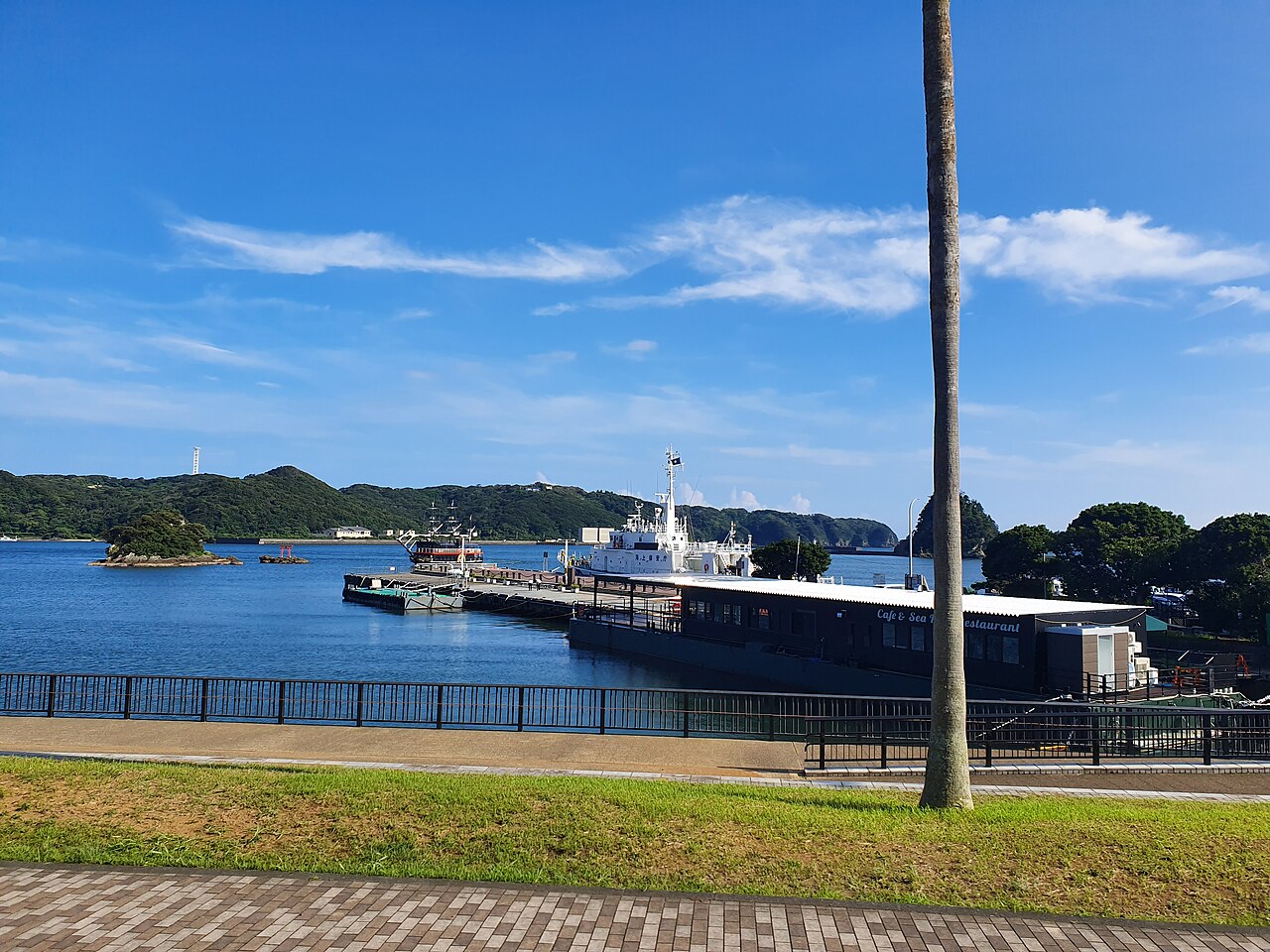
Which flowers you find depends on the month: a boardwalk runs along both banks of a river, and in early July the area is covered with the yellow flowers of hamabo. At a foot bath you look at sightseeing boats and similar vessels while the sea breeze blows.
Perry Road and the Treaty Temples
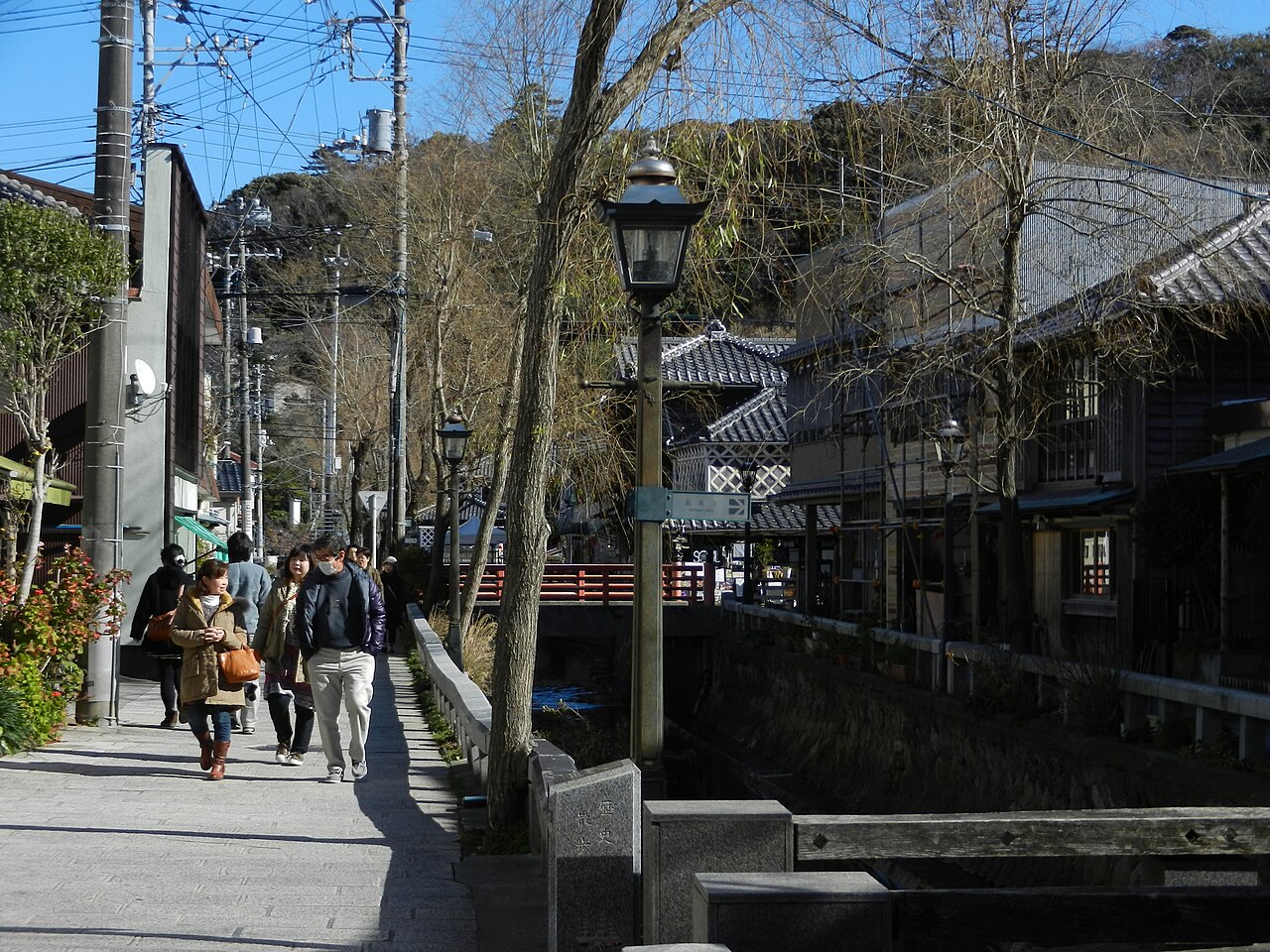
From a highland in the middle of Shimoda Park you see Perry Road. Ryosen-ji and Gyokusen-ji were named in the appended Shimoda treaty as rest houses for foreigners, and Gyokusen-ji was also set as the place for burial of the dead.
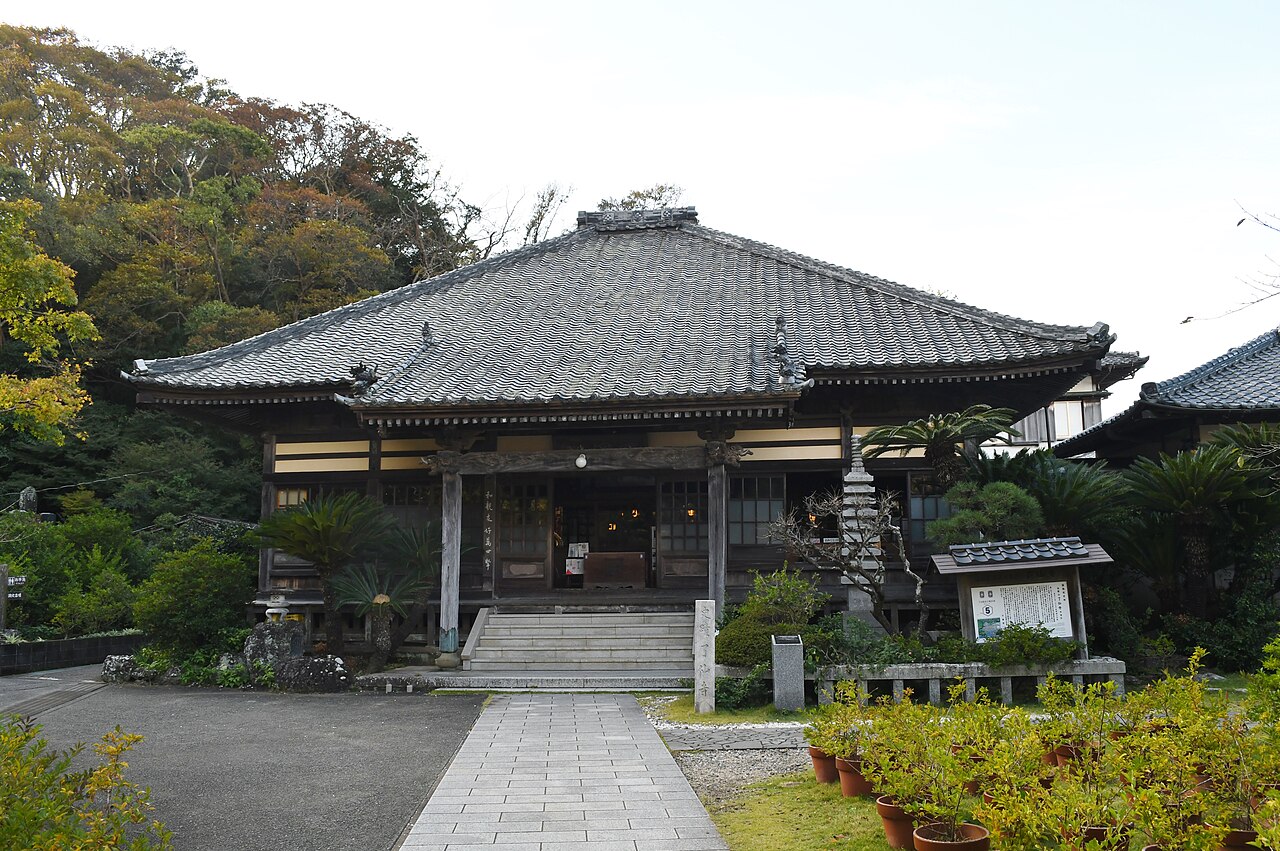
At the signing ceremony the Japanese side sat formally on stacked tatami mats so that their eyes were level with the American side seated on chairs. The shogunate agreed to make Gyokusen-ji a temporary residence for Harris.
When Harris, serving as US Consul General in Shimoda, became ill and asked for a nurse, the Japanese side refused, and the treaty negotiations were in danger of collapse. The Japanese side then decided to have Kichi, known as Tojin Okichi, serve Harris; she was dismissed after three nights, and her visits to Gyokusen-ji ended.
To stay the night, browse places to stay in Shimoda.
Getting to Shimoda
New to rural buses and one-man trains? See how to ride them, step by step.
| Leg | How | Time |
|---|---|---|
| Tokyo Station to Atami Station | Tokaido Shinkansen | about 1 hour |
| Atami Station to Izukyu-Shimoda Station | Ito Line and Izu Kyuko Line | about 1 hour 30 minutes |
| Tokyo to Izukyu-Shimoda Station | Odoriko and Saphir Odoriko | about 2 hours 30 minutes |
| Osaka Station to Atami Station | Tokaido Shinkansen | about 2 hours 30 minutes |
| Izukyu-Shimoda Station to Perry Road | on foot | about 15 minutes |
| Izukyu-Shimoda Station to Museum of Black Ship (Kurohune Museum) | on foot | about 10 minutes |
| Izukyu-Shimoda Station to Shimoda Park | on foot | 20 minutes |
| Izukyu-Shimoda Station to Shimoda Park | bus to the stop right next to the park | 5 minutes |
| Susaki footpath | walking the whole course | about 2 hours 40 minutes |
From Tokyo Station you either change at Atami Station from the Tokaido Shinkansen to the Ito Line and Izu Kyuko Line, or ride the Odoriko or Saphir Odoriko through to Izukyu-Shimoda Station; from Osaka Station the Tokaido Shinkansen also brings you to Atami Station.
Hours and Fees
| What | Hours or fare | Note |
|---|---|---|
| Museum of Black Ship (Kurohune Museum), admission | Adults 600 yen | Elementary and junior high school students 300 yen |
| Museum of Black Ship (Kurohune Museum), hours | 9:00 AM to 5:00 PM | Last admission 4:40 PM |
| Shimoda Kaikoku Museum, admission | Adults (high school age and above) 1,200 yen | |
| Shimoda Kaikoku Museum, hours | 9:00 to 17:00 | Admission until 16:30 |
| Shimoda Ropeway, round trip | Adult (junior high school age and older) 1,500 yen | Tax included |
| Shimoda City Tourist Association Ekimae Information Center | 9:00 AM to 4:30 PM | |
| Kinmedai (golden eye snapper) katsu-don | 1,630 yen including tax | |
| Local fish dishes | From 130 yen per plate |
Fees and hours were checked against official sources between 12 October 2026 and 7 November 2026.
Both museums keep daytime hours, the ropeway fare is for a round trip, and the kinmedai (golden eye snapper) katsu-don and the plates of local fish are priced as listed above.
For a second day in the area, compare places to stay in Shimoda.
Thinking of staying overnight?
Compare places to stay near Shimoda, Shizuoka, Japan →
Disclosure: This post may contain affiliate links. If you book through them, we may earn a commission at no extra cost to you.