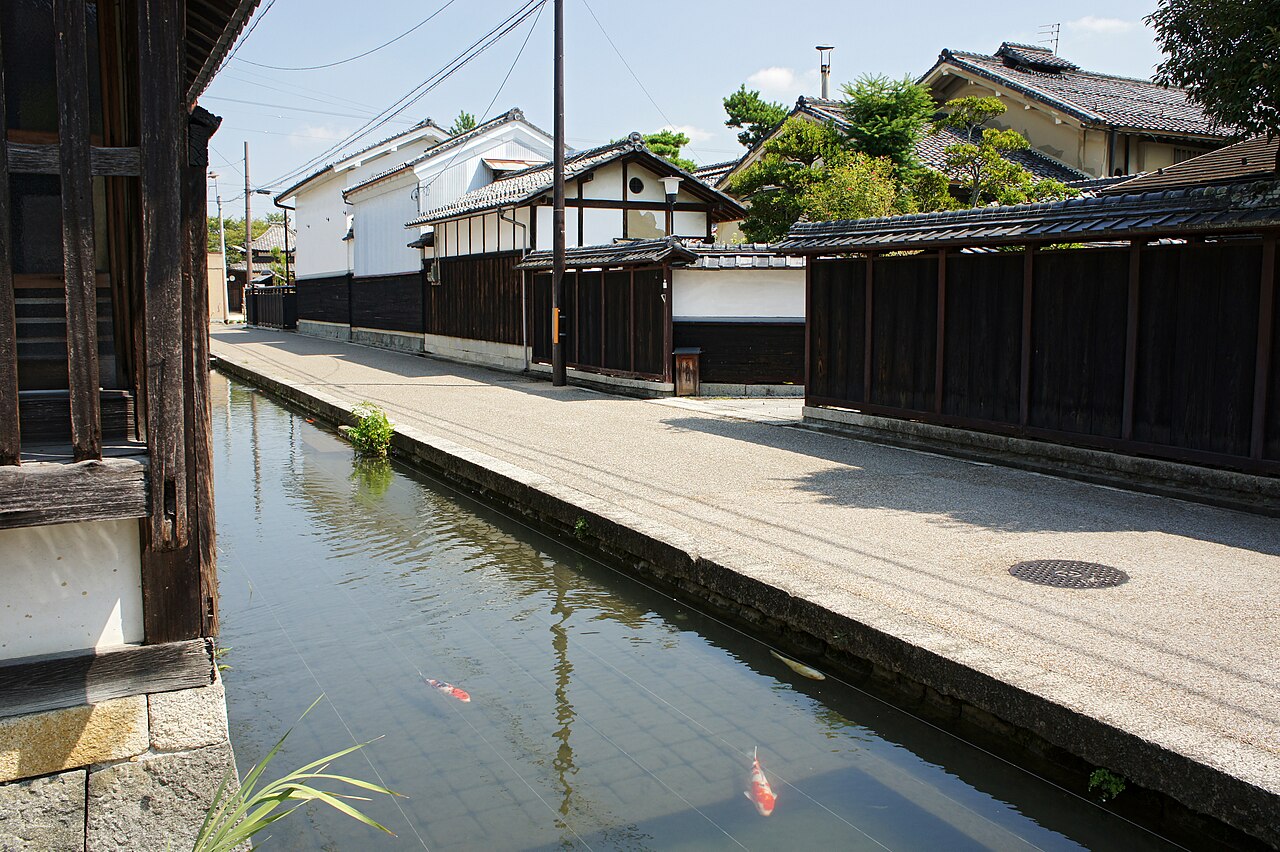
Gokasho earns a day out from Kyoto because the JR Special Rapid (Shin-Kaisoku) reaches Notogawa Station from Kyoto Station in about forty minutes. This guide covers the ride in from Notogawa and how to pay on board, the Kondo townscape, the three Omi merchant houses of Tonomura, Nakae and Fujii, single and combined tickets, and lunch and a place to stay in Higashiomi.
Getting to Gokasho from Notogawa Station
From Kyoto or Osaka, the way in is by JR to Notogawa Station on the Biwako Line, where a route bus continues to the Plaza Sanpo-yoshi-mae stop. Boarding with an IC card means touching the reader and skipping the numbered ticket altogether. The legs of the journey and the rules on board follow.
- The JR Special Rapid (Shin-Kaisoku) from Kyoto Station to Notogawa Station takes 40 minutes.
- The JR Special Rapid (Shin-Kaisoku) from Osaka Station to Notogawa Station takes 1 hour 10 minutes.
- From Notogawa Station on the JR Biwako Line, the bus takes 10 minutes to the Plaza Sanpo-yoshi-mae stop, then it is about a 5-minute walk.
- Ten types of transport IC cards can be used on Omi Bus and Kokoku Bus.
- PiTaPa post-pay cannot be used on Omi Bus and Kokoku Bus.
- Passengers paying by cash or coupon tickets take a numbered ticket when the bus issues one and put it in the fare box when getting off.
- 2,000, 5,000 and 10,000 yen notes cannot be exchanged on the bus.
Settle the question of payment before leaving Notogawa, since a transport IC card is the simplest option while cash riders need to watch for the numbered ticket. Shiga has other Omi merchant towns, and Omihachiman's canal district is a natural companion to Gokasho on another day.
Kondo Townscape: Boat-Plank Fences and Koi Canals
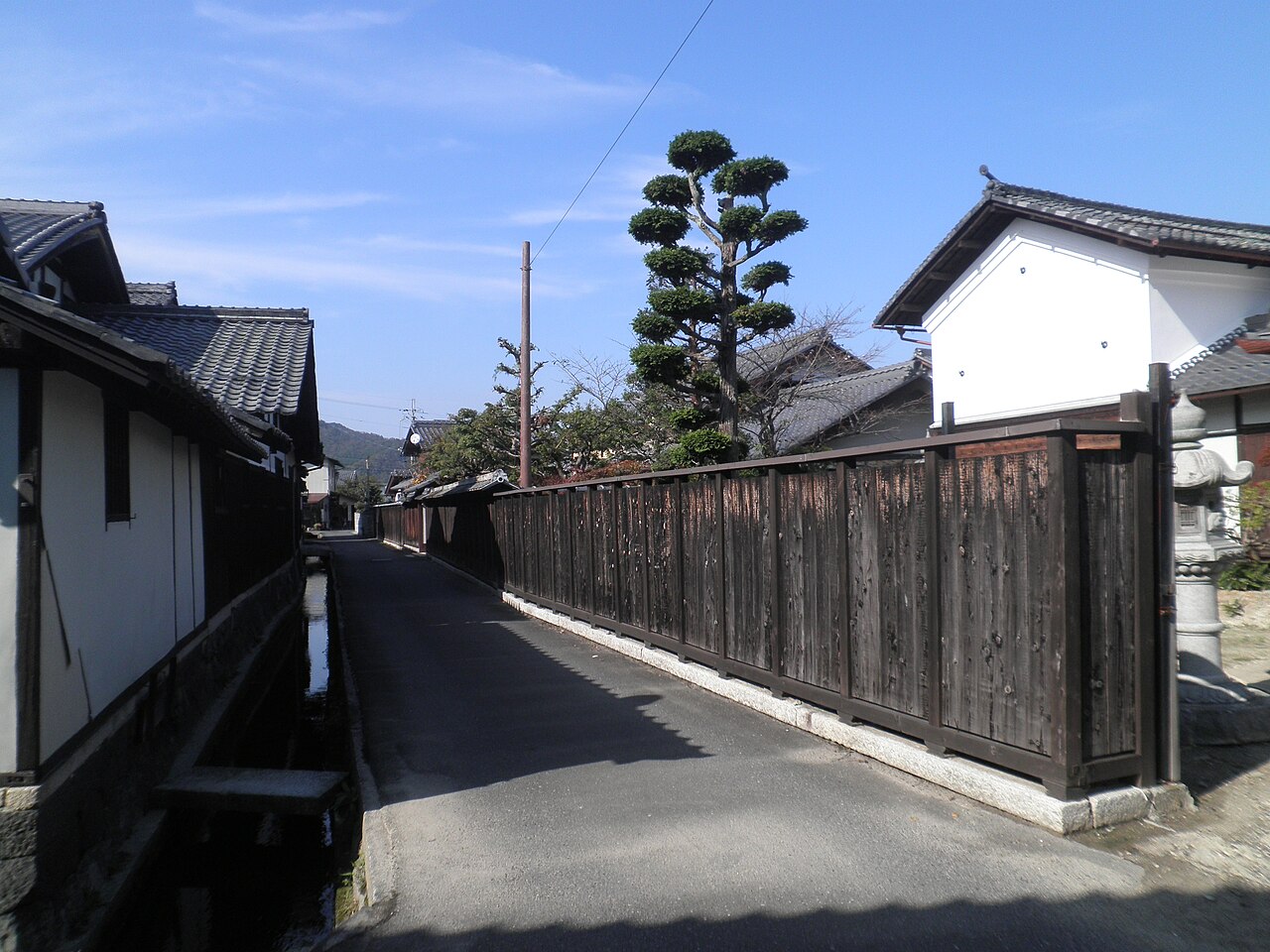
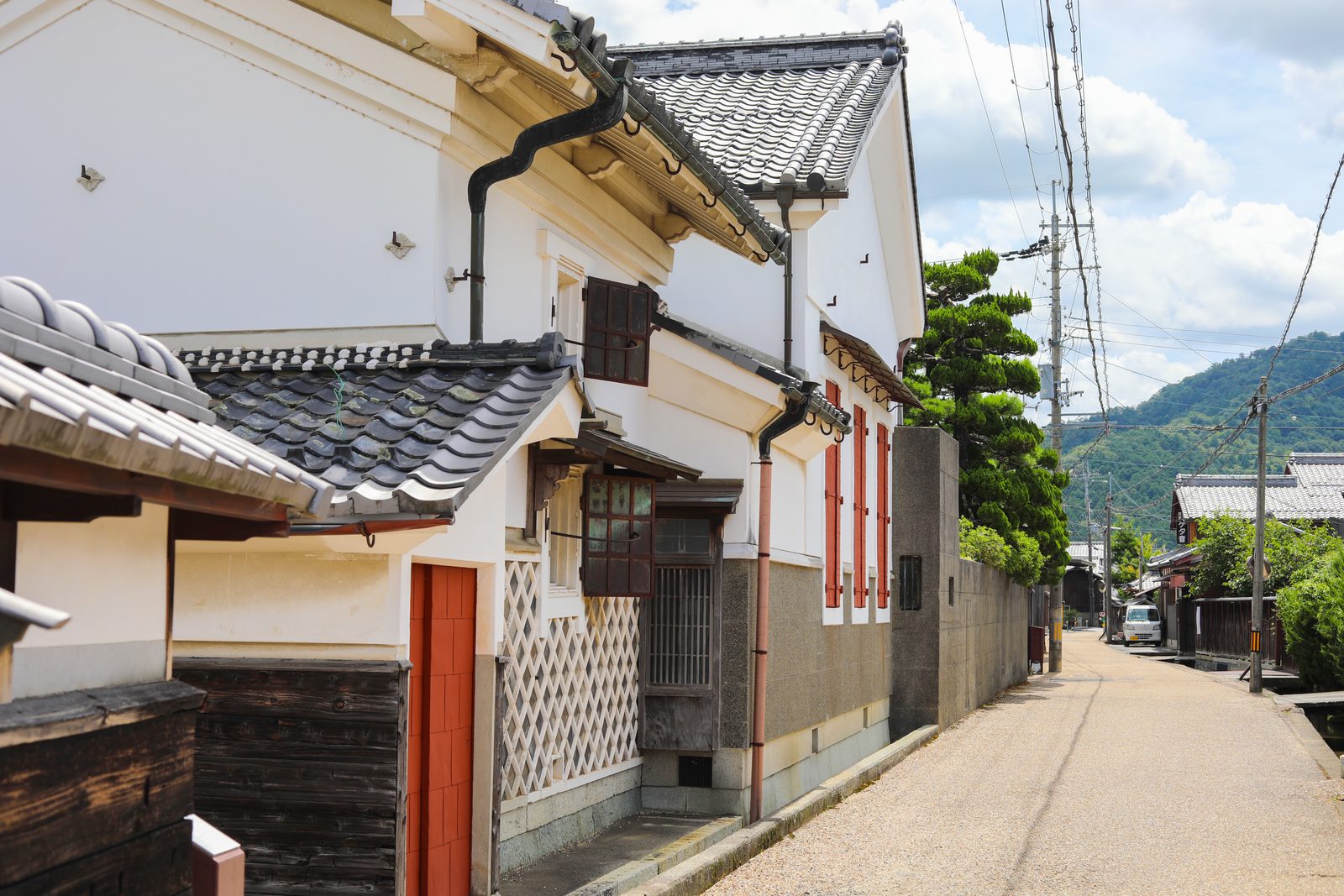
According to one travel book, Kondo's lanes run between boat-plank fences, made from timbers of cargo boats that once worked Lake Biwa, and white-plastered storehouses, with koi carp in the canals. Guidebooks describe it as a nationally designated preservation district for traditional buildings and one of the birthplaces of the Omi merchants, whose townscape of that period still stands.
The koi are said to pass through openings called kawato into the grounds of each house, so canal and house read as one scene. According to one travel book, merchants who began by peddling with a carrying pole kept their main homes here after moving to the cities, which is why so many large merchant houses survive.
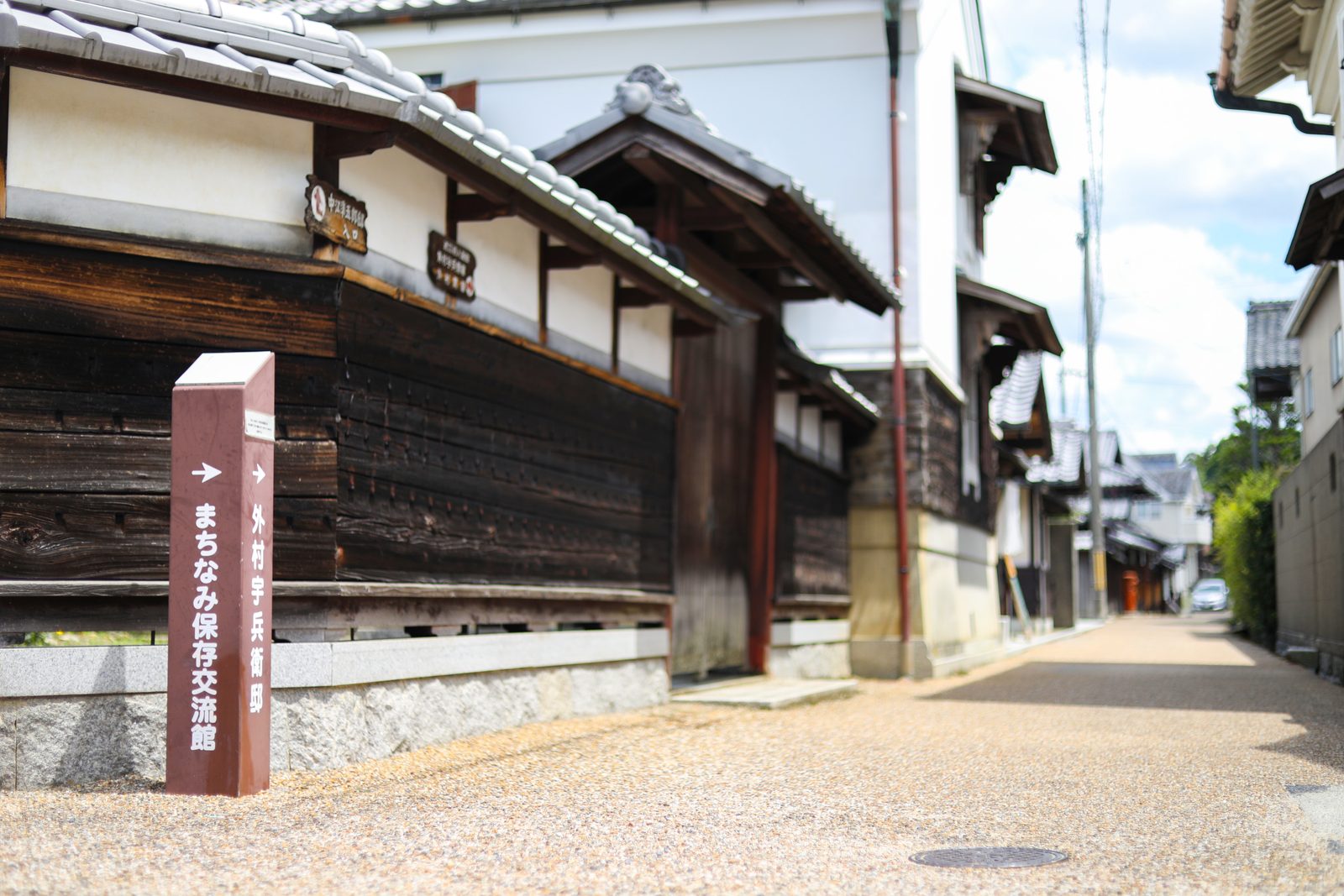
- Kondo Machinami Hozon Koryukan is open from 10:30 to 16:30.
- The exchange hall is closed on Mondays, Tuesdays and the year-end and New Year period.
Tonomura Shigeru House
According to one travel book, novelist Tonomura Shigeru left the family cotton-cloth wholesale business to his younger brother and wrote about the Omi merchants; his former home displays handwritten manuscripts and letters with the rooms and garden of a prosperous merchant house. Guidebooks describe him as the author of a candidate for the first Akutagawa Prize, raised in this house.
His birthplace is described in guidebooks as a literature museum today, showing the water room known as a kawato, the wide garden, and the small sitting room and study where he wrote. The building is said to be the home of a branch family of the Tonomura Uhei house, merchants once listed in the national rankings of the wealthy.
Where to stay
Places to stay near Higashiomi, Shiga →
Disclosure: This post may contain affiliate links. If you book through them, we may earn a commission at no extra cost to you.
Nakae Jungoro House
Guidebooks describe this as the main house of Nakae Jungoro of the Sannakai family, the department-store kings with twenty-odd stores, and its pond-and-stroll garden holds stone lanterns and notable trees. Two storehouses are said to stand on the grounds, and the rooms display Obata dolls, a local folk craft, alongside clay dolls from across the country.
Attached to the house is said to be a Western-style wing with a fireplace and Western-style windows, used at certain times of year for a special exhibition of Obata dolls and clay figures from other regions. For another Shiga merchant town on a later day, Nagahama's old merchant streets sit in the same prefecture.
Fujii Hikoshiro House
Guidebooks describe a guesthouse that Fujii Hikoshiro built in his hometown in the early Showa years, with a reception hall, a house modelled on a Swiss mountain lodge and about eight hundred tsubo of garden. He is said to have built the Fujii yarn business in one generation; the pond garden, shaped after Lake Biwa, is a city-designated scenic site.
The all-cypress reception hall is described in guidebooks as the work of shrine carpenters, with attention to guests built into every detail. Within the grounds, a classical Western-style building is said to be fitted with furnishings ordered from a British passenger liner, one that some accounts link to the Titanic.
Tickets, Hours and the Omi Merchant Museum
Admission to the three houses is sold singly or as combined tickets, with a further ticket that adds the Omi Merchant Museum. Opening hours and closed days for the houses, the museum and Plaza Sanpo-yoshi differ, so see the table below before fixing a route.
| Item | Detail |
|---|---|
| One house, adults and children | 400 yen and 200 yen |
| Three-house ticket (Tonomura, Nakae and Fujii), adults and children | 1,000 yen and 500 yen |
| Four-house ticket (the three houses plus the Omi Merchant Museum), adults and children | 1,150 yen and 550 yen |
| Houses, opening hours | 10:00 to 16:30 |
| Houses, closed days | Mondays (except public holidays), the day after a public holiday, and December 28 to January 4 |
| Omi Merchant Museum, admission | 300 yen for adults and 150 yen for elementary and junior high school students |
| Omi Merchant Museum, opening hours | 9:30 to 17:00, last entry at 16:30 |
| Omi Merchant Museum, closed days | Mondays |
| Omi Merchant Museum, year-end closure | December 28 to January 4 |
| Plaza Sanpo-yoshi, closed days | Mondays, the day after holidays, and December 28 to January 4 |
| Rental bicycle, standard type | 500 yen for 6 hours |
| Rental bicycle, sport-type electric-assist | 1,100 yen for 3 hours and 2,200 yen for 6 hours |
Volunteer guides charge one thousand yen per guide, counted as a transport contribution, while the guiding itself carries no charge. The Gokasho course with a guide runs about an hour and a half. Applications go through the Gokasho tourist information office. Plaza Sanpo-yoshi also rents standard and electric-assist bicycles at the rates shown above.
Lunch and a Night in Higashiomi
Dongame-jiru is a miso soup first made in summer by Omi merchant households in the Gokasho district, and it spread across the prefecture from the eastern lakeside. Eggplant is now available year-round, so the soup, once a summer dish, is eaten in every season. The restaurant Nayamago is a two-minute walk from the Plaza Sanpo-yoshi-mae stop.
| Place | Details |
|---|---|
| Nayamago, lunch | 11:00 to 15:00, irregular closed days |
| Nayamago, dinner | 17:00 to 21:00, irregular closed days |
| Nayamago, Omi beef lunch | from 4,500 yen |
From Tokyo Station, the Shinkansen takes about three hours to reach Maibara Station, so anyone arriving from the east rather than from Kyoto or Osaka may find it easier to stay a night and give the houses and the museum a full day. If you would like more time in the area than a day allows, browse places to stay in Higashiomi.