This guide covers the current highway service from Sendai, the hot-spring street of Togatta Onsen and its waters, the communal bathhouses Kaminoyu and Kotobukinoyu, the Miyagi Zao Kokeshi Museum, a simple order for the day, and what a prewar hot-spring guidebook recorded about the town; it does not cover inn stays, private baths, or dinner menus.
Getting to Togatta Onsen
Togatta Onsen lies in the foothills of the Zao range in Miyagi Prefecture; onsen simply means a hot spring and the town that grows up around it. The Miyagi Kotsu highway bus leaves from platform thirty-three in front of Sendai Station and reaches Togatta Onsen in seventy minutes, which puts the town well within reach of a morning start.
The one-way adult fare is one thousand four hundred yen. Once you step off at the Togatta Onsen bus stop, the Miyagi Zao Kokeshi Museum is about a ten-minute walk away, so the museum needs no further connection once you arrive. The fare covers a single direction, so plan the return separately.
A Hot-Spring Town in the Zao Foothills
Togatta Onsen spreads across a highland belt on the eastern foothills of the Zao mountains, where the land begins its rise toward the peaks. The spring has been in use for roughly four hundred years, and for much of that time the town served as a base for pilgrims who climbed Mount Zao as an act of faith.
The waters are said, by long tradition, to ease trouble in the legs and hips, and that reputation drew generations of visitors who came to soak for their health rather than to sightsee, following the slow bathing cure known in Japanese as toji, in which the same spring is taken again and again over a stay of some length.
The hot-spring street itself is lined with old-style inns and shops, and between them sit places serving local pork, eggs, and dairy, along with sweets shops that have caught attention on social media. It is a street made for eating a little at a time as you stroll, rather than for settling into a long sit-down meal.
Soaking in Togatta's Communal Bathhouses
Togatta Onsen has two communal bathhouses, the kind of public bath where local residents and visitors soak side by side. Kaminoyu is housed in a building with an attractive wooden exterior, and inside it holds two tubs at different temperatures, a hotter tub and a gentler tub, so you can settle into whichever suits you.
Admission to Kaminoyu is four hundred yen for adults and one hundred fifty yen for children of elementary school age or younger. It is open from nine in the morning until half past eight in the evening, with reception ending at eight in the evening, which leaves room for an early soak before the museum or a late soak after.
The other bathhouse, Kotobukinoyu, charges adults four hundred yen. Elementary school students and younger children pay one hundred fifty yen there. Its hours begin later, at twelve in the afternoon, and run until half past eight in the evening, with reception ending at eight in the evening, which makes it a good choice for a bath to end the day.
Where to stay
Places to stay near Togatta Onsen, Miyagi →
Disclosure: This post may contain affiliate links. If you book through them, we may earn a commission at no extra cost to you.
The Miyagi Zao Kokeshi Museum
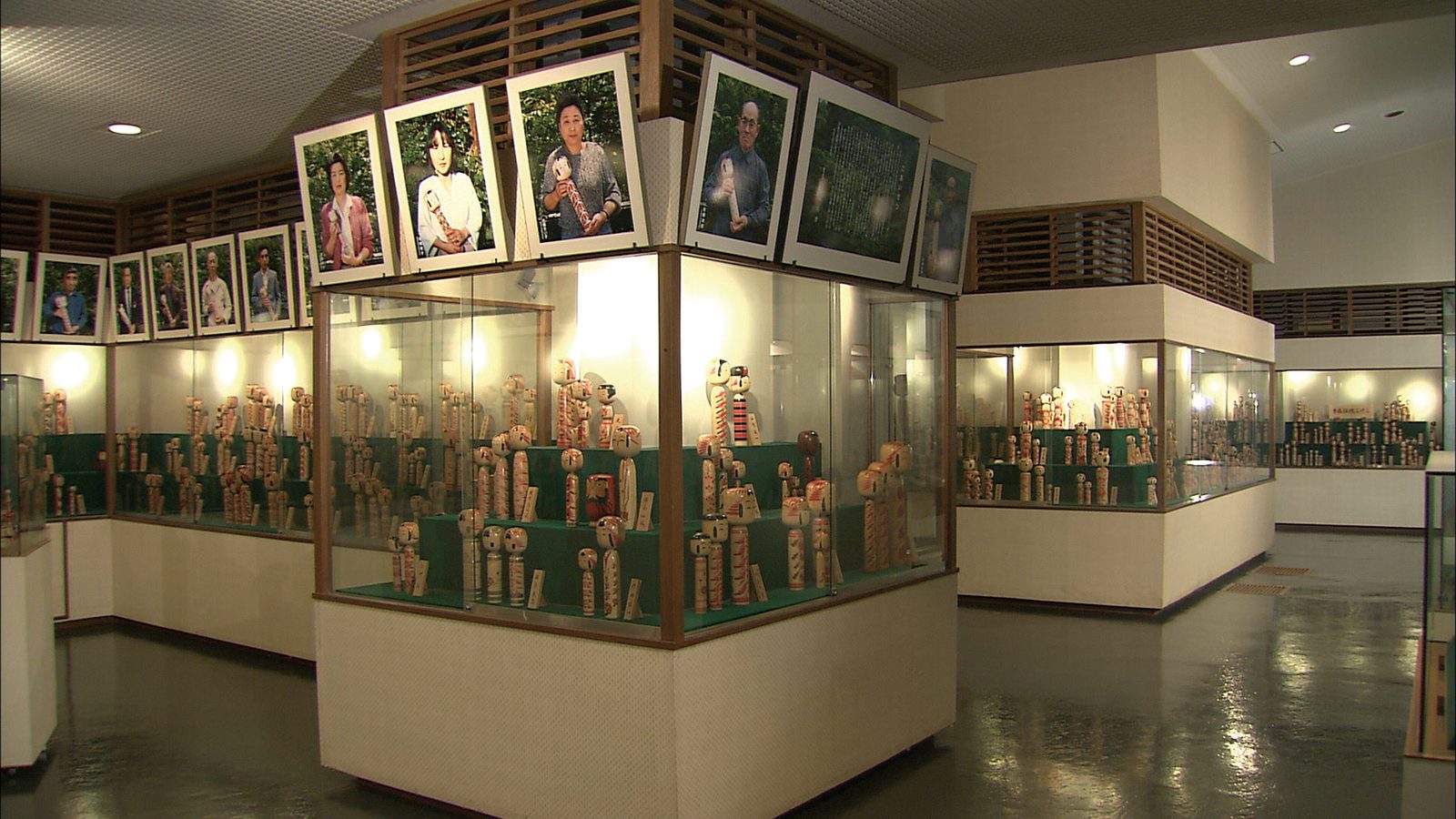
Kokeshi are wooden dolls, turned on a lathe and painted by hand, and each part of the Tohoku region developed its own lineage of shapes and patterns. The Miyagi Zao Kokeshi Museum, also called Kokeshi-kan, gathers the Togatta lineage alongside the other Tohoku traditions, holding and displaying roughly five thousand five hundred pieces built around the work of noted makers.
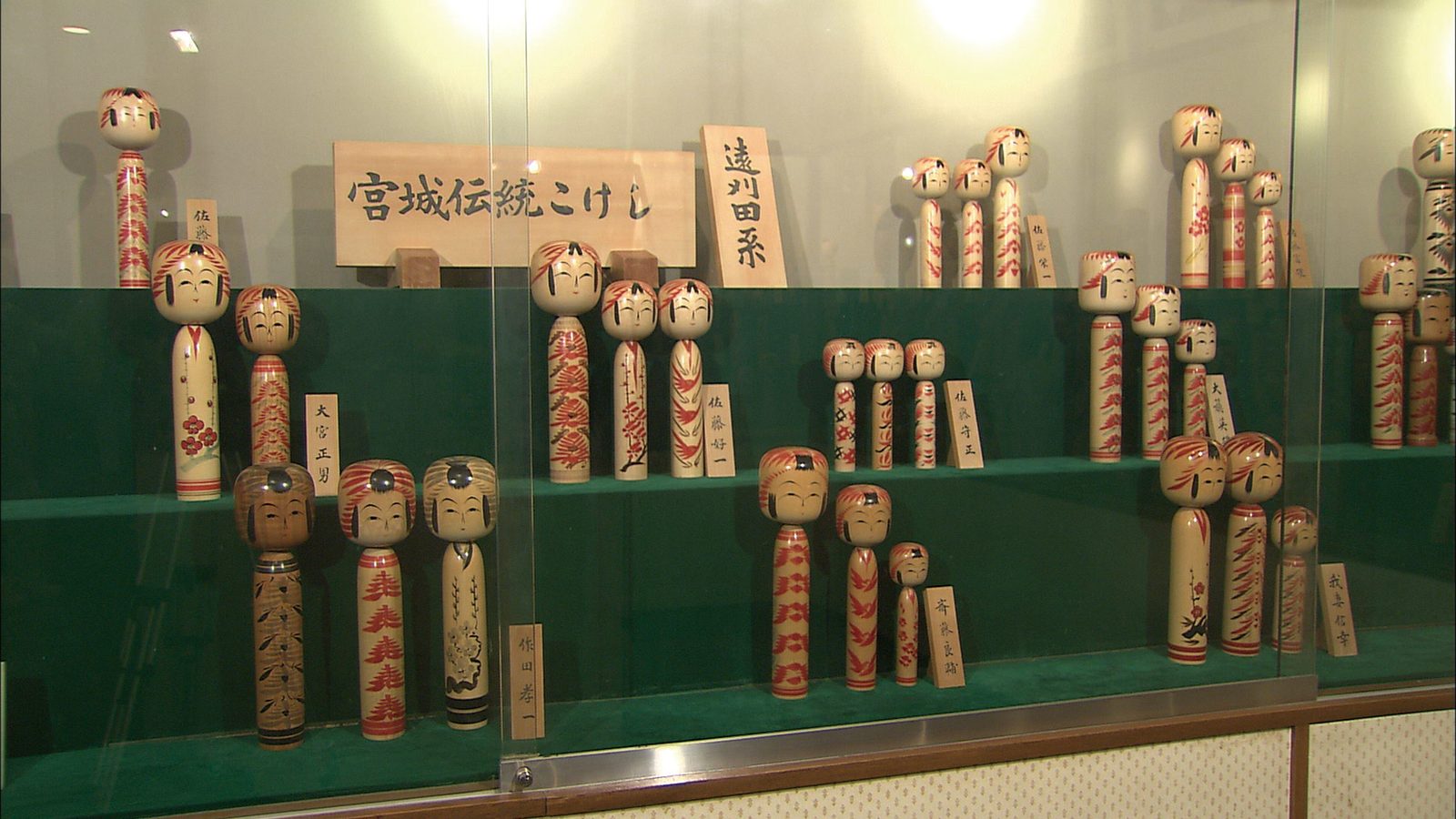
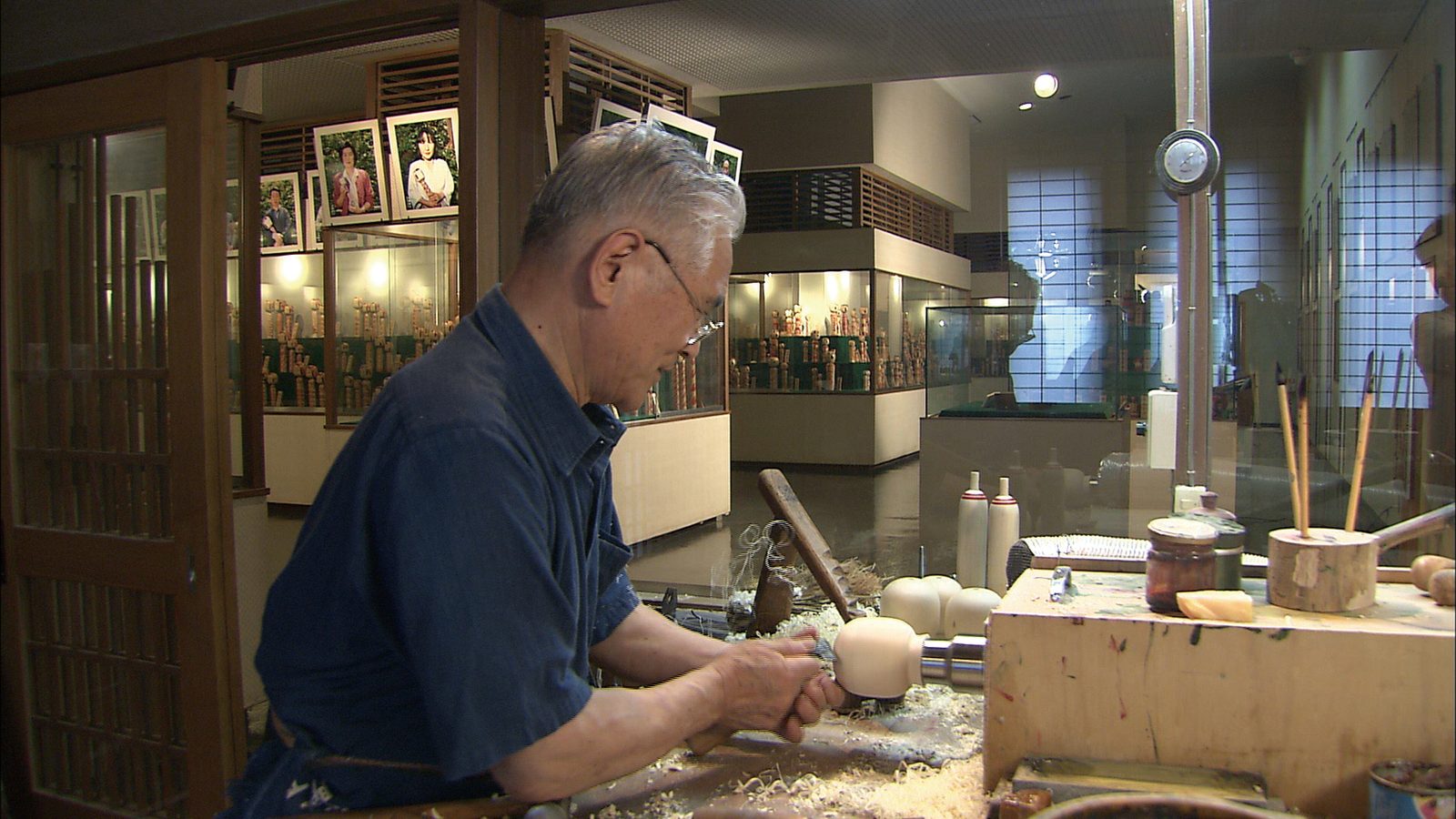
The museum also offers a hands-on painting experience. You take an unpainted kokeshi and brush your own pattern onto it, in whatever design you like, and the finished doll goes home with you as a piece unlike any other. Looking closely at the traditional strokes in the galleries beforehand gives you plenty of ideas for your own brush.
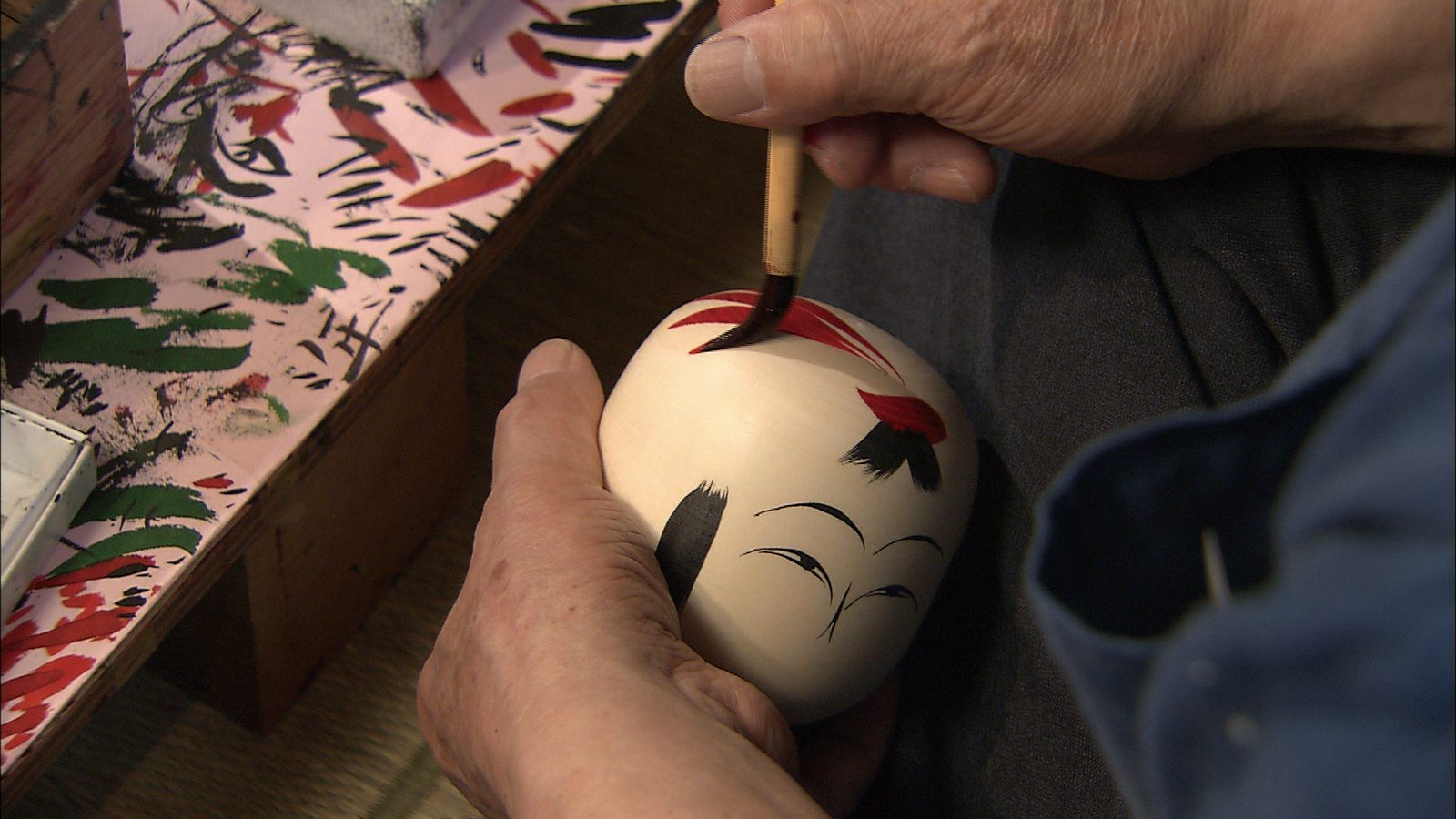
Admission is three hundred fifty yen for adults. Elementary and middle school students pay two hundred yen. The museum is open from nine in the morning to four in the afternoon, so arrive with enough of the afternoon in hand to leave time for painting as well as for walking the collection at an easy pace.
A Simple Day in Togatta
A good order is to arrive from Sendai in the morning, begin at the kokeshi museum, and give the collection and the painting table unhurried time. From there, drift back along the hot-spring street and graze your way to lunch: something built on local pork or eggs, then a sweet from a shop people have been posting about.
Save the soak for last. Kaminoyu or Kotobukinoyu will wash off the walking, and stepping back onto a street that has grown around its spring for roughly four hundred years, once a base for pilgrims bound for Mount Zao, ends the day well. If you would rather not return the same evening, there are places to stay in Togatta Onsen.
A Historic Route and a Hot Spring's Past
A prewar hot-spring guidebook placed quiet Togatta Onsen at the northeastern foot of Mount Zao on the left bank of the Matsukawa river, with Mount Aoso to the southeast and Mount Iwasaki to the north. The spring is said to have been found by chance some seven hundred years ago, in the Kamakura era, by gold prospectors on Mount Iwasaki.
Tradition holds that Date Masamune, working that mine again, had tubs built so that anyone could bathe. A great fire in eighteen ninety-four devastated the town; rebuilt with help from Miyagi Prefecture, it held some eight hundred people in orderly streets, with three communal bathhouses side by side at its center and an indoor bath in every inn.
Travelers then changed at Ogawara Station to a tramway ending at Togatta Station, and the guide treated the town as a base for climbing Mount Katta, with route advice at the shrine. A prefectural analysis classed the water as a mild gypsum-bearing saline spring, forty-five degrees at source, indicated chiefly for skin ailments, then nervous, rheumatic, digestive, and women's complaints.