Mount Hodo is the flower mountain above Nagatoro — a standalone peak in Saitama's Chichibu district with an ornate shrine at its foot, a modest ropeway up its flank, and a summit that trades in long views and seasonal blossom rather than crowds. Paired with the river terraces below, it makes the gentlest mountain half-day in the Chichibu area: no real hiking required, and in the cold months the summit garden fills with the scent of thousands of wintersweet trees before most of Japan's flowers have woken up.
Getting there
- From Ikebukuro in Tokyo, the Seibu Railway's Laview limited express reaches Seibu-Chichibu in as little as 77 minutes (limited express seat fee 900 yen on top of the base fare); from there the local Chichibu Railway line carries you to Nagatoro Station.
- The Chichibu Railway's one-day free pass, the Chichibuji Yuyu Free Kippu (1,700 yen adults, 500 yen on some discount terms), covers the local leg and lets you hop between Nagatoro and the neighboring stations without buying singles.
- The ropeway's base station sits about 20 minutes on foot from Nagatoro Station, up through the great white torii gate at the main crossing; during busy periods a shuttle bus runs between station and ropeway.
- The ropeway costs 700 yen one way and 1,200 yen round trip for adults. Walking down instead of riding is a pleasant forty-odd minutes on a broad path if you want to save the one-way fare.
New to rural buses and one-man trains? See how to ride them, step by step.
The shrine at the foot
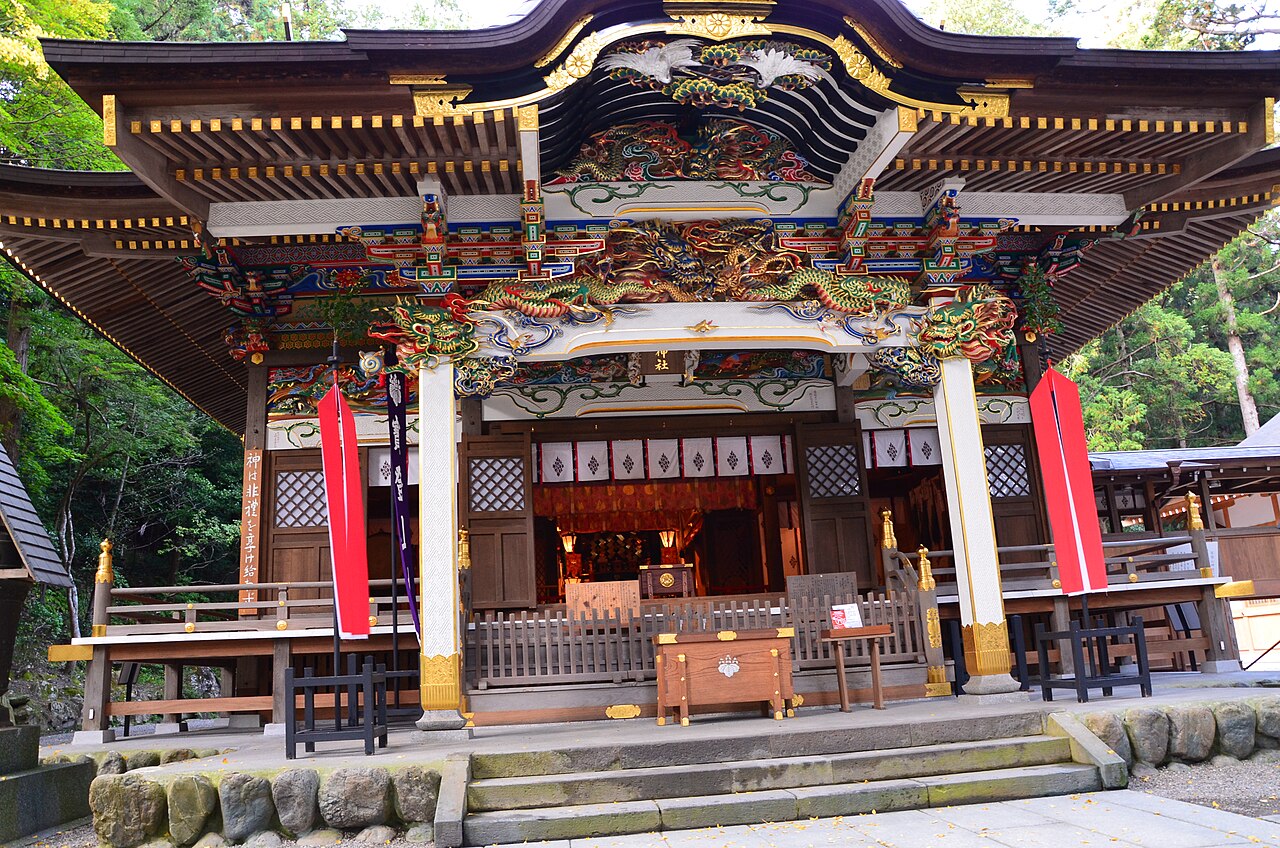
Hodosan Shrine is counted among the great shrines of the Chichibu region, alongside Chichibu Shrine and Mitsumine Shrine, and it earns the company. Its buildings, rebuilt between the late Edo period and early Meiji era, are worked over with richly colored carving — dragons, birds, and flowers crowding the eaves of the gongen-style main hall. The founding legend explains the mountain's name: Yamato Takeru, the hero of the early chronicles, was caught here in a wildfire and saved when a divine dog beat out the flames, so the peak became the "fire-stopping mountain" — Hodo — and the shrine has been invoked against fire and theft ever since. A formal blessing at the shrine starts from 3,000 yen if you want the full experience. At the summit, a small inner sanctuary continues the worship in plainer, quieter form.
Where to stay
Places to stay near Nagatoro →
Disclosure: This post may contain affiliate links. If you book through them, we may earn a commission at no extra cost to you.
The summit: blossom calendar and long views
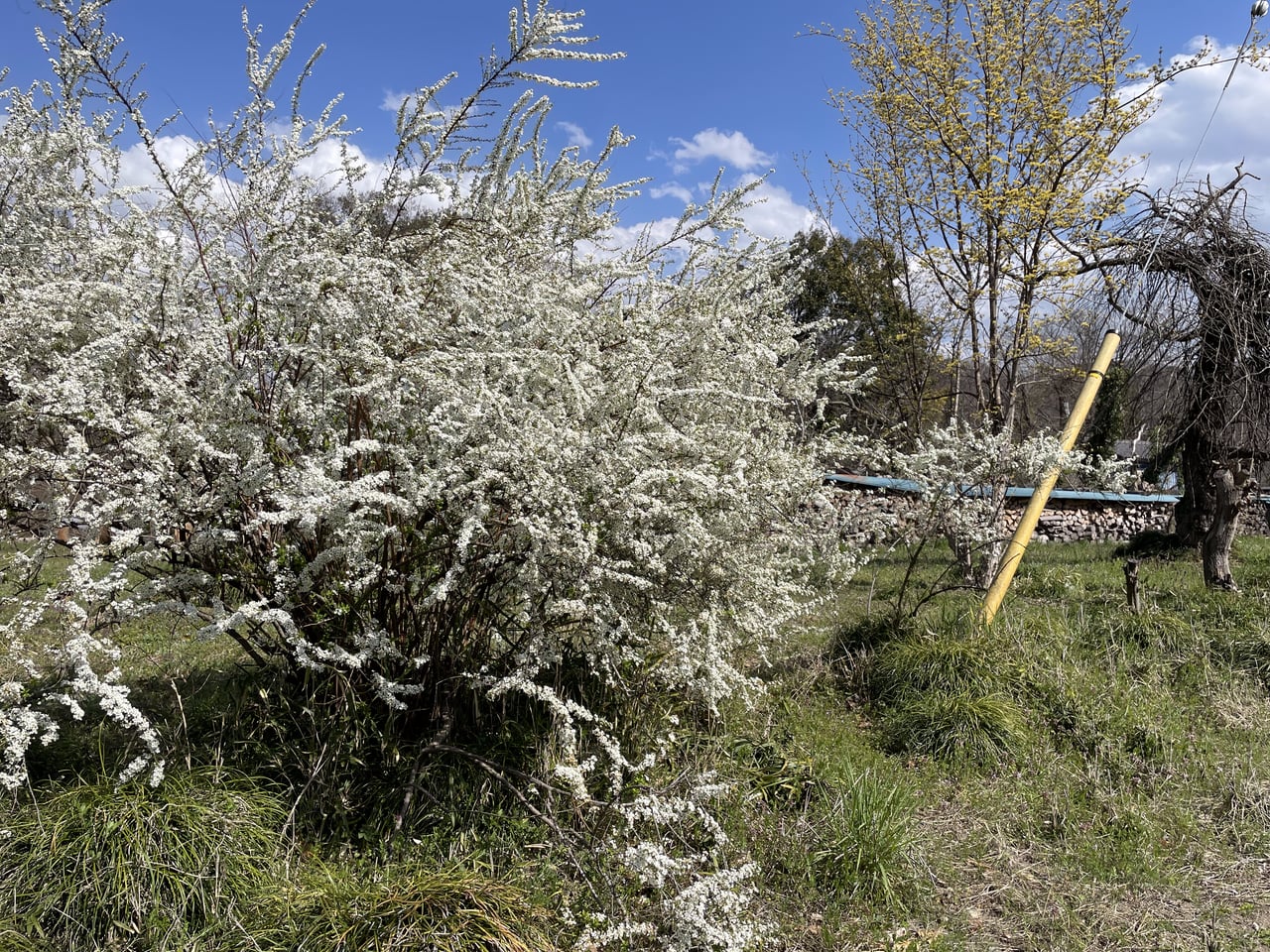
From the top of the ropeway, viewing platforms look out over the Chichibu basin, Mount Buko with its stepped quarry face, and ridgeline beyond ridgeline; on clear mornings from autumn into spring, a sea of clouds sometimes pools in the valley below. The mountain's real fame, though, is its bloom calendar. The summit's wintersweet garden holds some 3,000 trees, one of the Kanto region's celebrated places for that first, honey-scented blossom of the turning year; plum, cherry, and winter cherry follow along the slopes, and rhododendrons color the summit from mid-May through late June. Photographers come for the flowers-over-mountains framing; arrive at opening on a weekday and you can have it nearly alone.
Down at the river
At the mountain's foot, the Arakawa River slides past the Iwadatami — a long shelf of tilted, ancient seafloor rock designated both a national scenic spot and a natural monument. The classic Nagatoro day does both worlds: river light in the morning, blossom and views in the afternoon. Our separate Nagatoro guide covers the rock terraces, the river cruise, and the town itself in full.
How to keep it quiet
- Wintersweet season (roughly the coldest weeks of the year) is the mountain's one busy stretch, and even then mornings are far calmer than midday; on summer and early-autumn weekdays the summit is close to empty.
- Ride up early and walk down: the descending path is quieter than the ropeway queue on busy days.
- The shrine's carved halls photograph best in low morning light, before the tour vans arrive from the river side.
The essentials
- Ikebukuro to Seibu-Chichibu: from 77 minutes by Seibu limited express (seat fee 900 yen), then the Chichibu Railway to Nagatoro; the 1,700-yen one-day local pass covers the Chichibu Railway leg.
- Nagatoro Station to ropeway base: about 20 minutes on foot; shuttle bus in busy periods.
- Ropeway: adults 700 yen one way, 1,200 yen round trip.
- Shrine blessings from 3,000 yen; summit wintersweet garden of some 3,000 trees in the cold months.
For the river half of this day, see Nagatoro: river cruise and the rock terraces, or compare all our car-free escapes in the quiet day trips from Tokyo roundup.
Compare options and book via our partner links: Chichibu and Nagatoro day trips and guided tours on GetYourGuide.