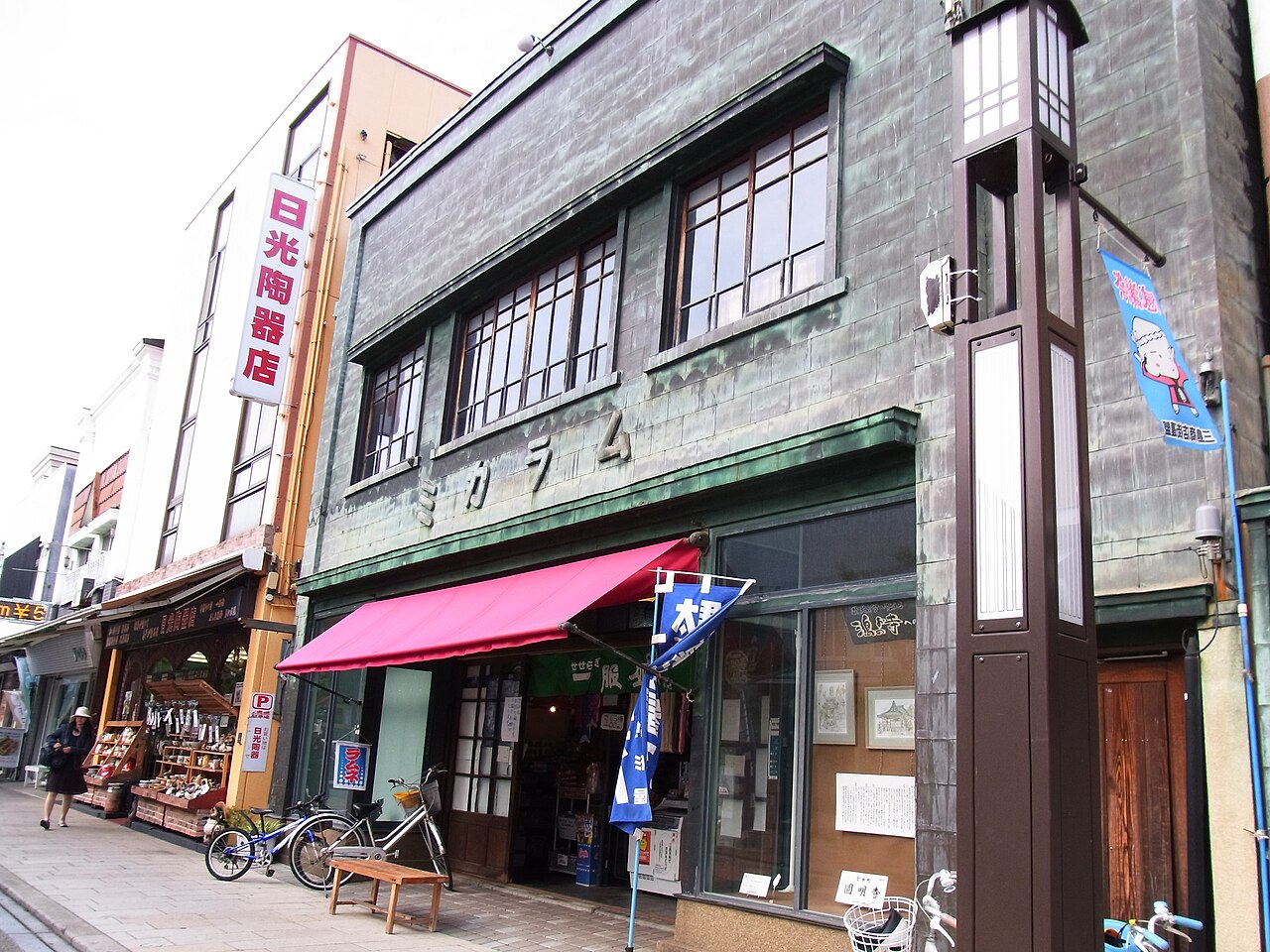
Step off the busy Tokaido corridor at Mishima and the pace changes almost at once. This is a small city where clear, cold streams run beside ordinary sidewalks, where a shrine town dozes outside its festival days, and where the loudest thing you are likely to hear on a weekday morning is moving water. If your picture of a Japanese day trip is built around famous sights and dense crowds, Mishima works on the opposite principle: modest places, real quiet, and water everywhere.
A Town That Runs on Spring Water
Underground water from Mount Fuji surfaces all over the city, and Mishima has long been known as a town of water, counted among Japan's hundred notable water villages. In Shirataki Park, lava left by an eruption of Mount Fuji about ten thousand years ago still lies exposed to view. The park's name recalls spring water that once poured out like a white waterfall, and its flow meets the stream from Komoike Pond before continuing south as the Sakura River. Watching this much clear water rise out of dark volcanic rock in the middle of an ordinary neighborhood is quietly astonishing, and on most days almost nobody is there to share it with you.
Walking the Genbei River
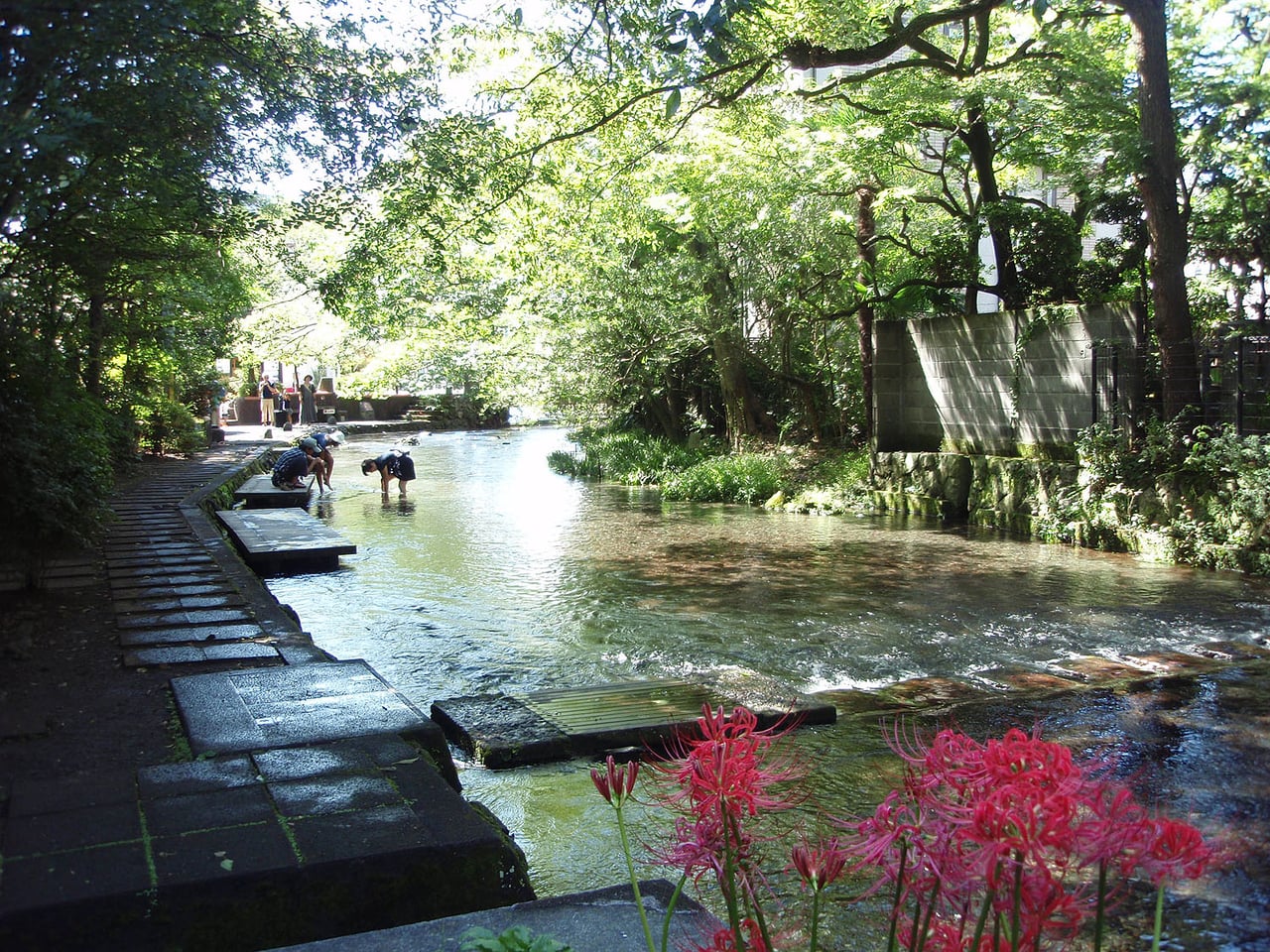
The Genbei River begins at Kohama Pond and runs for about one and a half kilometers, and for much of that length a walking path of boardwalks and stepping stones follows the water itself. The river supports genji fireflies, kingfishers, and a delicate aquatic plant called mishima baikamo. Go early, while the town is still waking up: the air over the stream stays cool, herons pick their way between the stones, and the only sound underfoot is the knock of wood and the run of water. It is the kind of walk that resets your sense of how fast a day needs to move.
Rakujuen Garden and Kohama Pond
Rakujuen spreads across nearly eight hectares of ground shaped by that same ancient lava flow. Kohama Pond, inside the garden, is a nationally designated Natural Monument, and its water level genuinely changes from day to day. At the heart of the grounds stands Rakuju-kan, a Kyoto-style sukiya villa raised on a high floor and decorated with painted sliding screens. The garden also keeps a few gentle surprises, among them red pandas and a miniature railway. The mix sounds odd on paper, but in person it settles into an unhurried rhythm: lava rock, pine shade, a pond that is never quite the same two visits running.
A Flower That Lives in Clean Water
Mishima baikamo was first identified in Kohama Pond nearly a century ago; the plant can be observed all year, and its small white flowers appear from May to September. At the Mishima Baikamo no Sato, a tiny preserve devoted to it, the spring water keeps a stable temperature, cool in summer and mild in winter. The preserve is little more than a pocket of channels and greenery, and that is its charm: you lean over a rail, watch white petals tremble in the current, and move on with the town's pace already in your bones.
Where to stay
Disclosure: This post may contain affiliate links. If you book through them, we may earn a commission at no extra cost to you.
Mishima Taisha, Off Festival Days
The towering main hall of Mishima Taisha is counted the largest of its kind in the Tokai region. Minamoto no Yoritomo, exiled to nearby Izu, is said to have worshipped here while praying for the revival of his clan. The treasure hall keeps a National Treasure: a lacquered box decorated with plum-blossom maki-e, said to have been dedicated by Hojo Masako. For three days around the shrine's great festival, the town fills with floats, the local Mishima bayashi music, and a costumed procession recalling Yoritomo's call to arms. Come on any other day and the long approach is nearly empty, the gravel raked, the trees full of birdsong; the contrast is the point.
The Calendar Makers' House
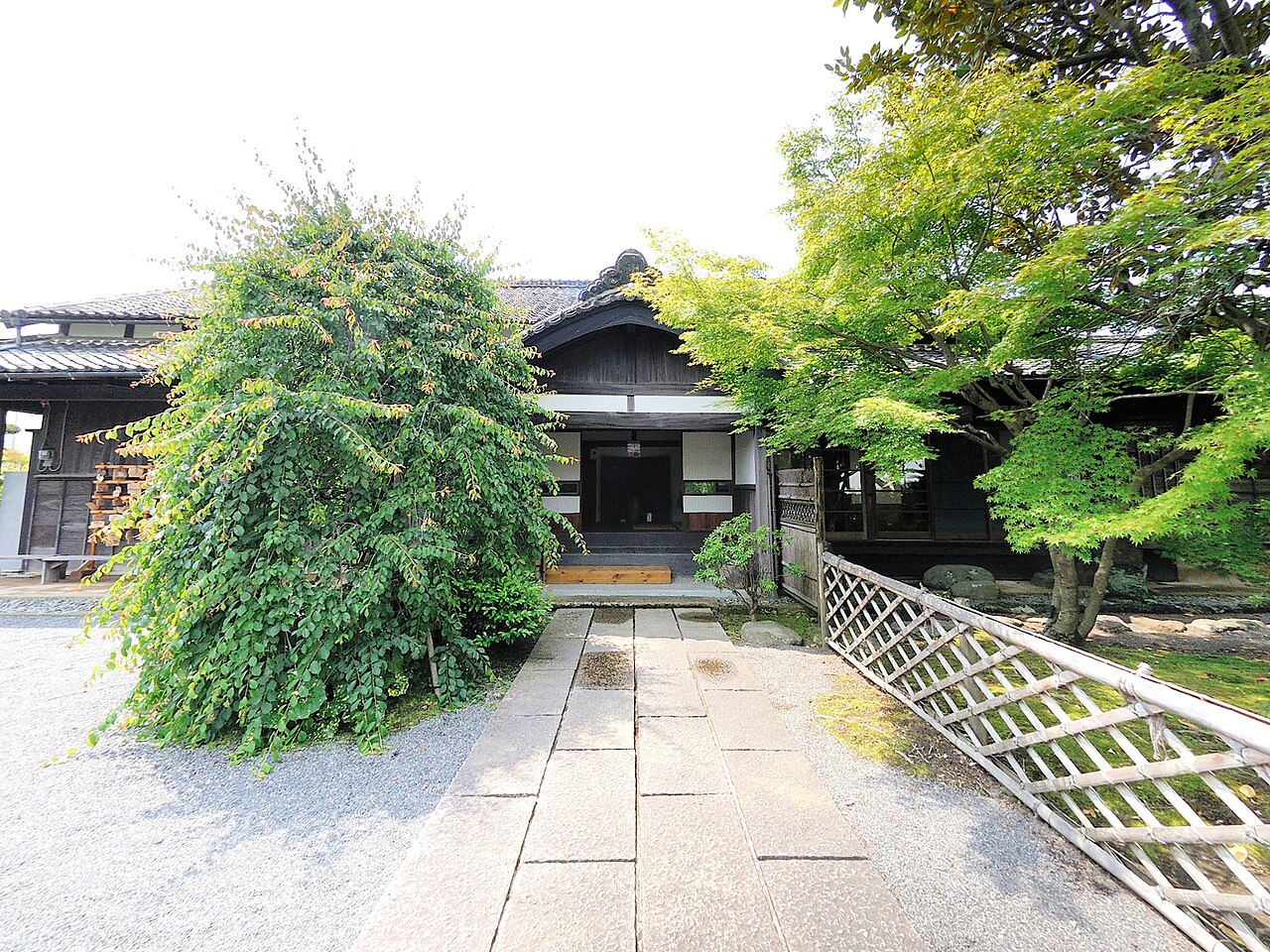
Mishima-goyomi, a calendar printed in flowing kana script, was produced here from the Kamakura period onward and is said to be the oldest surviving calendar of its kind. The calendar makers' house now serves as a small museum: the building was moved here from the Jurigi checkpoint, it is a nationally registered Tangible Cultural Property, and guides are on hand to walk you through the collection. Few overseas visitors ever find it, which makes the conversation with the guides feel less like a tour and more like being let in on a town secret.
The Sano Art Museum
The Sano Art Museum opens from ten in the morning to five in the afternoon, with final entry half an hour before closing; it is closed on Thursdays, stays open when a national holiday falls on one, and also closes temporarily while exhibitions change. The museum opened in the nineteen-sixties and holds a collection of about three thousand works, and its grounds include a strolling Japanese garden of some two thousand tsubo fed by Mount Fuji's spring water. It stages about six special exhibitions a year, keeps celebrated Japanese swords on permanent display, and runs workshops and gallery talks. Blades and garden make an unexpectedly calming pair: polished steel indoors, spring water threading the moss outside.
An Avenue of Ginkgo Trees
In the Bunkyocho area, one hundred seventeen ginkgo trees line the road north to south for a little over half a kilometer, and the avenue once took the top prize in the prefectural landscape awards. It is a residential stretch rather than a tourist sight, which is exactly why it is worth the detour in late autumn, when the whole street turns gold and the loudest presence is a stream of students cycling home.
Planning a Quiet Day in Mishima
A comfortable order for a first visit: take the Genbei River path early in the morning, give Rakujuen the late morning, cross to the shrine and the calendar makers' house after lunch, and end at the museum as the light softens. Mishima sits on the old Tokaido corridor between Tokyo and Kyoto, so it folds neatly into a longer journey in either direction; check official information before visiting. Early summer is kind to the riverside, and late autumn belongs to the ginkgo avenue.
If you would rather have the logistics handled for you, you can browse guided day trips from Tokyo and keep your own morning free for the riverbank.
Either way, leave room in the plan for doing nothing in particular. Mishima's best moments are the unscheduled ones: a bench beside running water, an empty shrine approach, a street of gold leaves with no one hurrying under them.