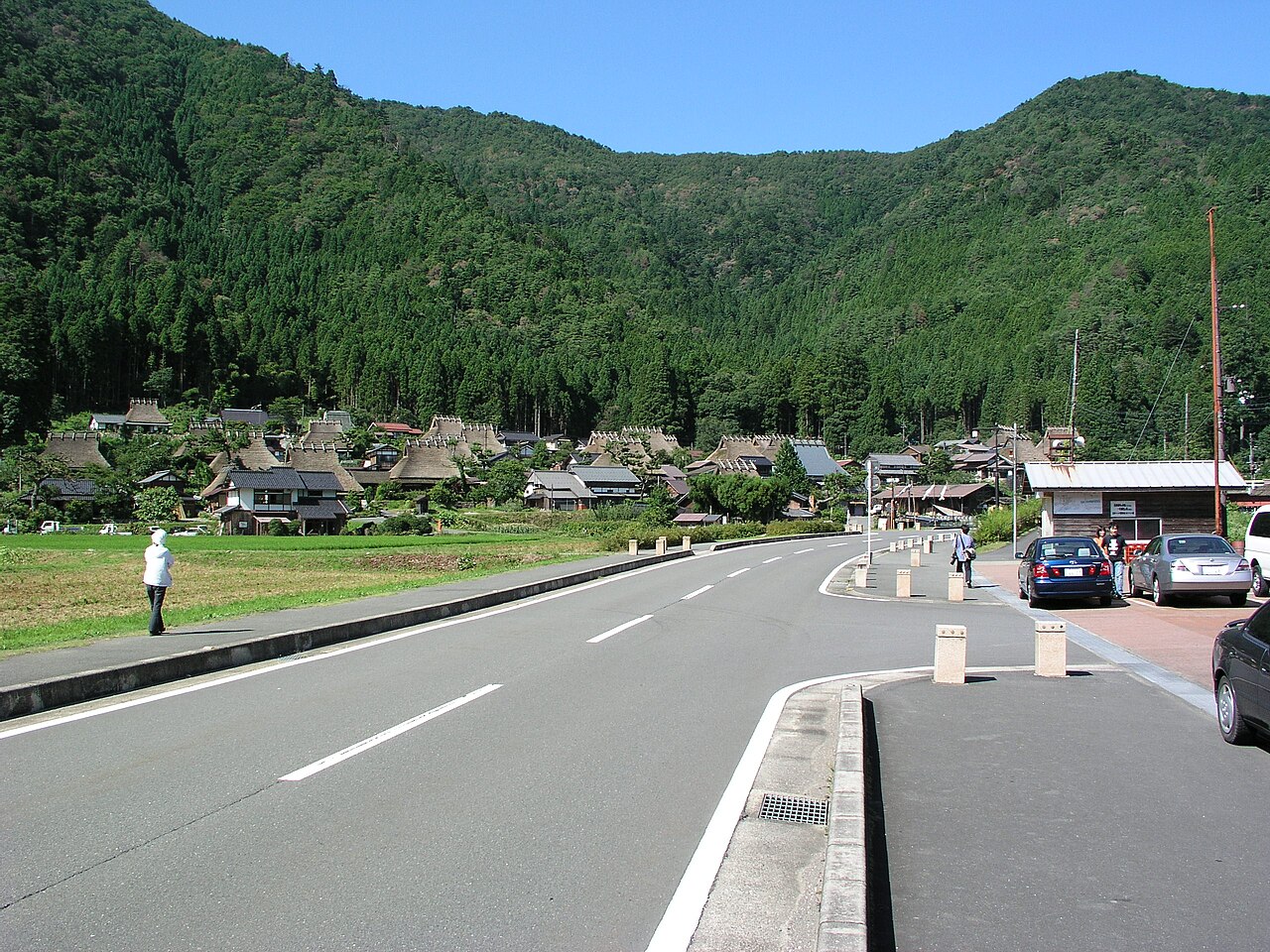
This guide covers how to reach the hamlet, what to see there and the practical details for a visit to Miyama Kayabuki no Sato.
Kayabuki no Sato is the Kita hamlet of Miyama, and a large share of its houses still have thatched roofs. The sections below follow the way in, the hamlet, the seasons, the museums and food, and the practical details.
Getting to Miyama Kayabuki no Sato
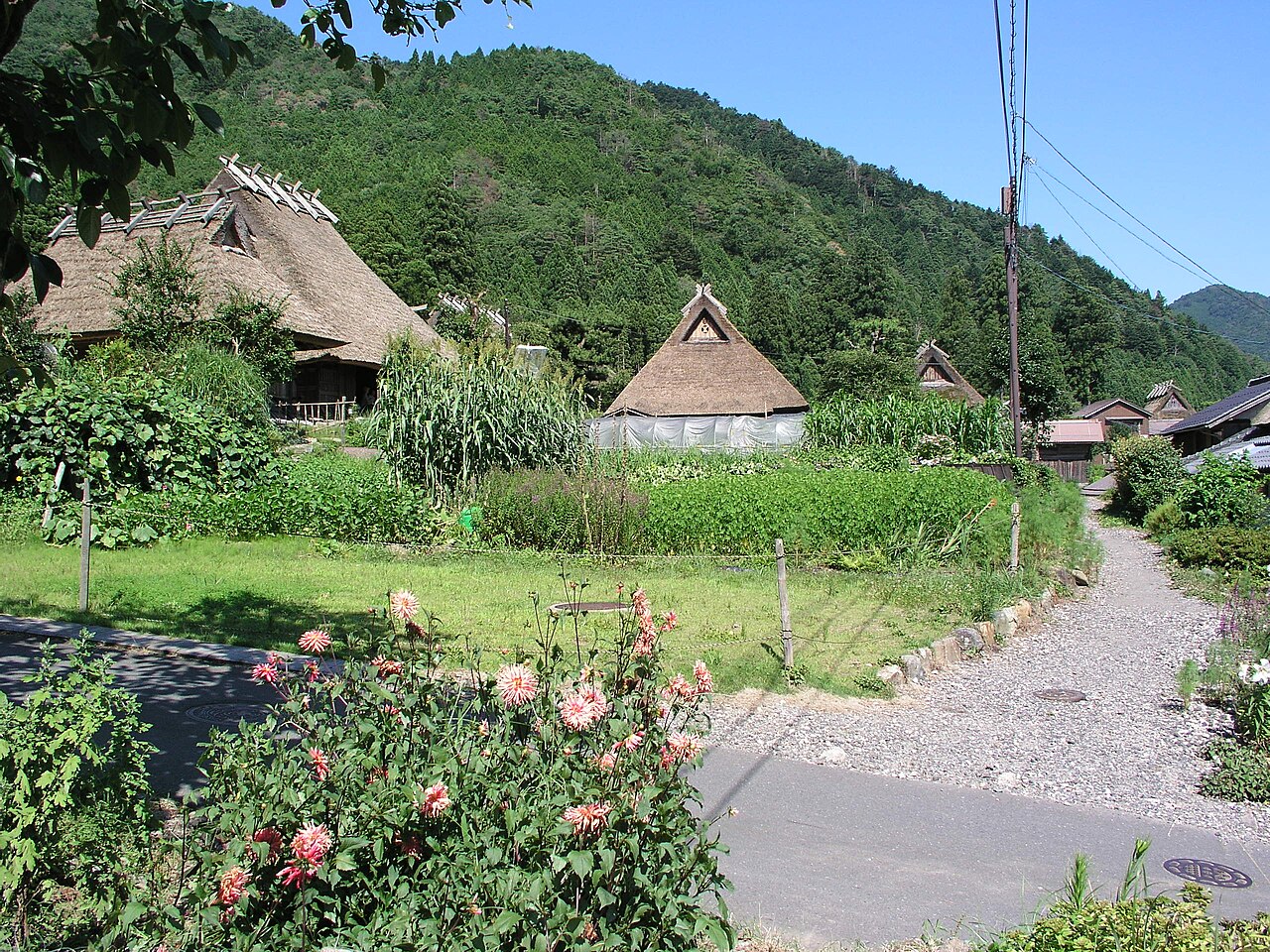
From Kyoto Station, the way to Miyama runs by JR train via JR Sonobe Station and JR Hiyoshi Station, then by Nantan City bus to the Kita bus stop. The Nantan City bus runs from JR Hiyoshi Station to Kita, the stop for Kayabuki no Sato, and the time for each leg is in the table below.
Day passes for the Nantan City bus are sold, with prices in the table below. A separate bus ticket covers Miyama and Keihoku, with adult and child prices also in the table.
| From | Line and operator | Time or fare |
|---|---|---|
| Kyoto Station | JR train and Nantan City bus, via JR Sonobe Station and JR Hiyoshi Station | About 2 hours |
| Kyoto Station to JR Hiyoshi Station | Recommended route | About 44 to 52 minutes |
| JR Hiyoshi Station | Nantan City bus to Kita, the stop for Kayabuki no Sato | About 56 minutes |
| Kita bus stop | On foot to the Folk Museum | About 5 minutes |
| Nantan City bus, one-day ticket | Day pass | 1,200 yen |
| Nantan City bus, two-day ticket | Day pass | 1,500 yen |
| Miyama-Keihoku bus ticket, adult | Valid for two days | 2,800 yen |
| Miyama-Keihoku bus ticket, child | Valid for two days | 1,400 yen |
The Thatched Hamlet
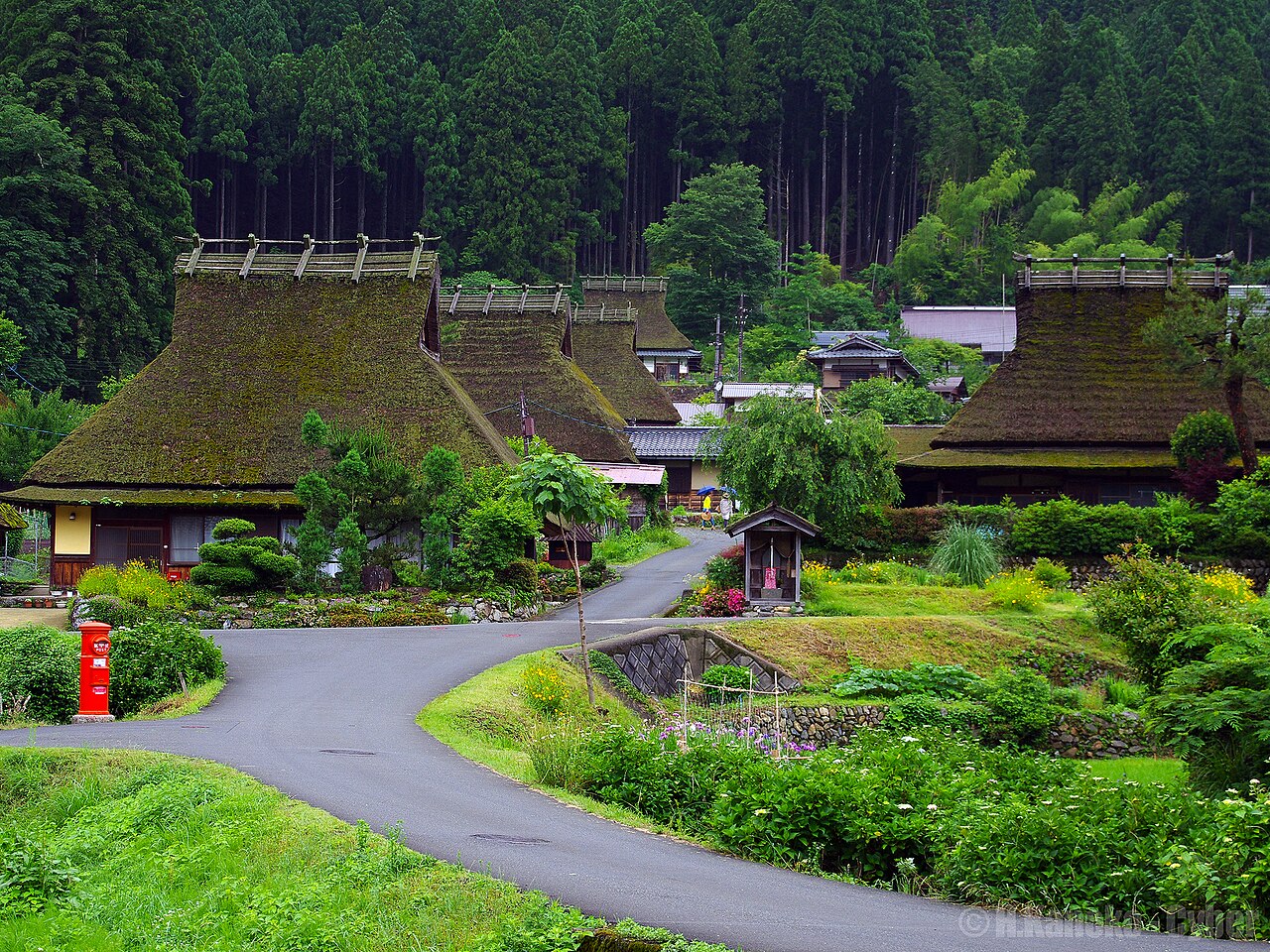
The thatched houses that remain in the hamlet were built in the Edo period and the Meiji period. The main houses face south and stand parallel to the flow of the Yura River.
A road called the Sabakaido runs across the hamlet from east to west. The hamlet as a whole is a nationally designated Important Preservation District.
Seasons and the Winter Lanterns
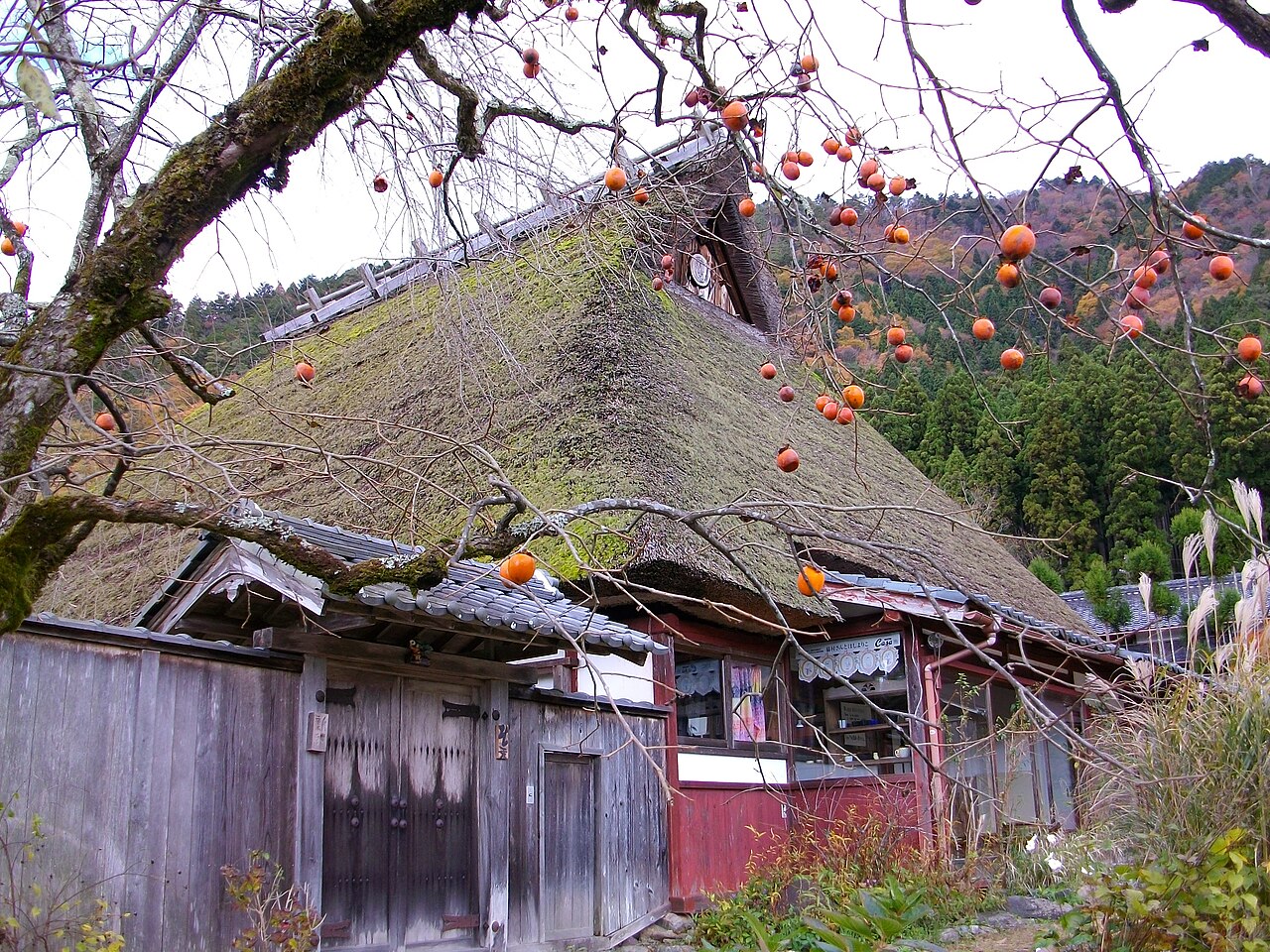
White buckwheat flowers bloom across a large field, and buckwheat grains form afterward. Dried rice ears give off a slightly toasty scent, like dried grass. Snow accumulates in the Kita settlement from December to February.
Residents hold fire-prevention training and a simultaneous inspection of the water-discharge guns every spring and autumn. The inspection is held even in rainy weather.
The winter lantern event is held in the hamlet, and its dates are in the last table below. Andon lanterns and LED lanterns light the hamlet at night. Some of the thatched farmhouses are illuminated. Warm food stalls open every day during the event.
Compare options
See partner pricing and availability →
Disclosure: This post may contain affiliate links. If you book through them, we may earn a commission at no extra cost to you.
Museums, Soba and the Thatching Experience
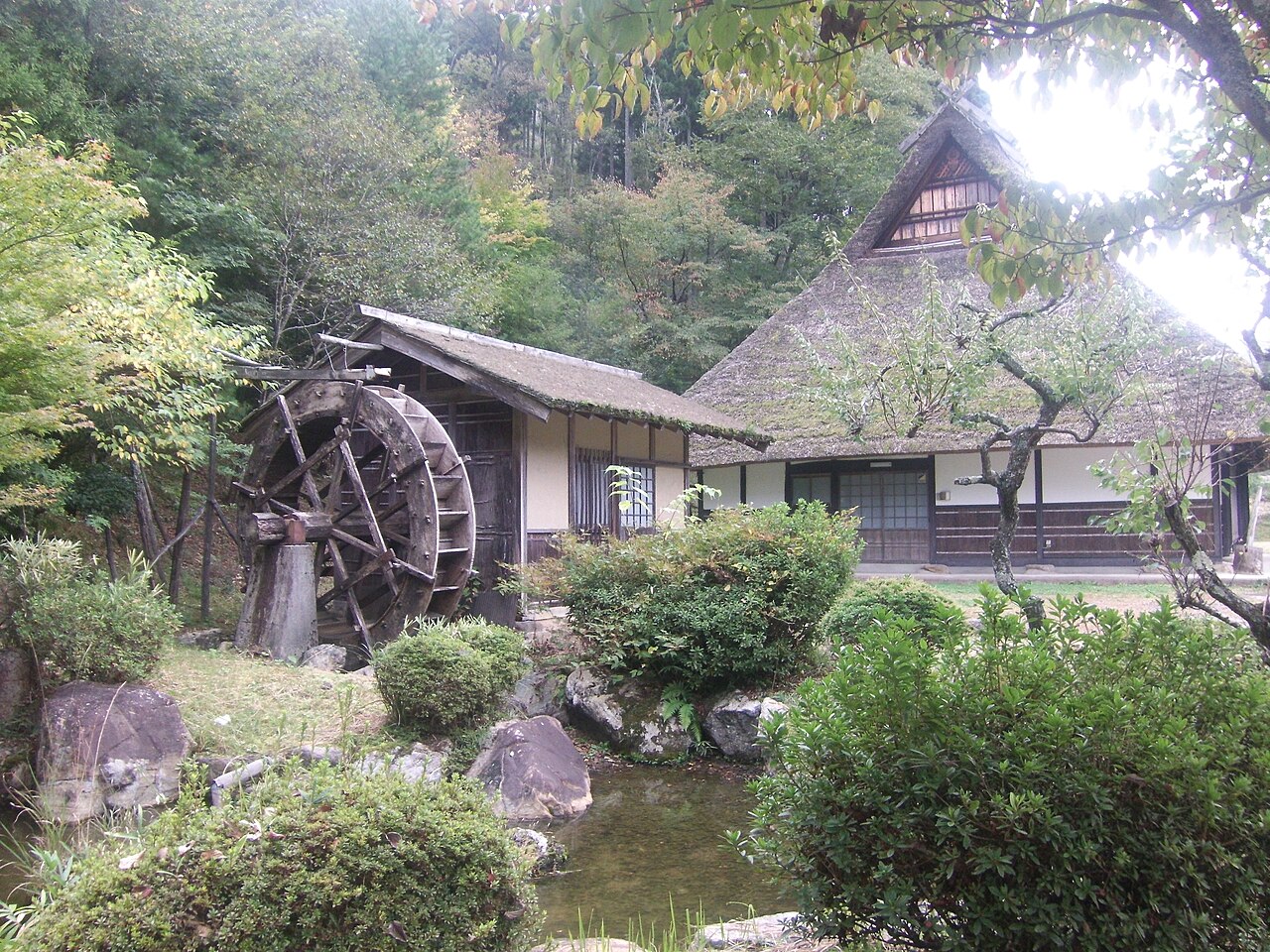
The Miyama Folk Museum is a short walk from the Kita bus stop. The Chiisana Ai Museum is closed on some weekdays and through the winter.
The hand-made soba at Shokuji-dokoro Kitamura uses stone-ground buckwheat flour from Miyama. The restaurant is a short walk from the Nantan City bus stop at Kita.
Miyama also offers a thatching experience, and its length is in the table below. It has to be booked ahead of the day.
Parking and Driving In
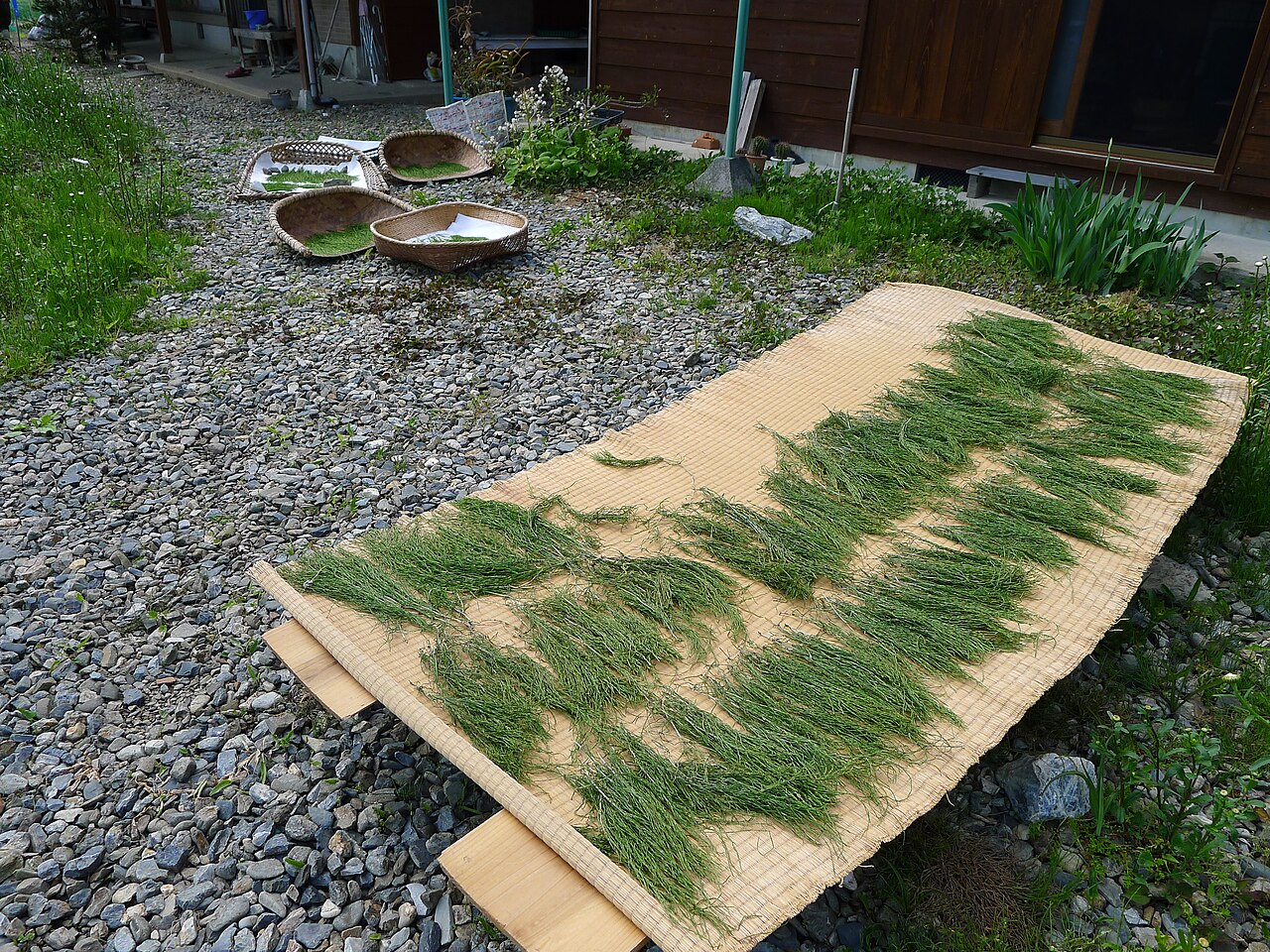
The parking lot in front of the village charges a cooperation fee that depends on the type of vehicle. The fee for a passenger car is paid in cash on site.
The Folk Museum is a short walk from the parking lot. The lot may be closed over the year-end and New Year period.
Visitors who would rather not drive can arrange a car ride to the hamlet ahead of time. If that suits your plans, a Kyoto Miyama guided car tour is listed here.
Hours and Fees
Each place keeps its own opening times, and its closing days, as listed in the last table below. The Folk Museum also closes during the Obon holiday and over the year-end and New Year period.
Children in elementary and junior high school enter the Folk Museum free of charge.
| Item | Detail |
|---|---|
| Folk Museum, admission | 300 yen for adults |
| Chiisana Ai Museum, admission | 300 yen |
| Parking, passenger car | 500 yen |
| Parking, motorbike | 200 yen |
| Thatching experience, price | 6,600 yen per adult, for 4 or more people |
| Thatching experience, length | About 2 hours |
| Thatching experience, booking | At least 7 days before |
| Thatching experience, times | 10:00 to 15:00, last start 13:00 |
| Item | Detail |
|---|---|
| Folk Museum | 10:00 to 16:00, closed on Mondays |
| Chiisana Ai Museum | 11:00 to 17:00 |
| Chiisana Ai Museum, closed | Wednesday, Thursday and Friday, and from early December to early March |
| Shokuji-dokoro Kitamura | 10:00 to 15:00, closed on Wednesdays |
| Parking lot | 9:00 to 17:00 |
| Winter lantern event | January 30 to February 6, 2027 |
| Winter lantern light-up | 17:00 to 19:00 every day |
| Warm food stalls | 15:00 to 19:00 every day |