This guide covers the Tairyuji Ropeway, the mountain temple at its top and the old pilgrim path, with the routes, times and fares you need.
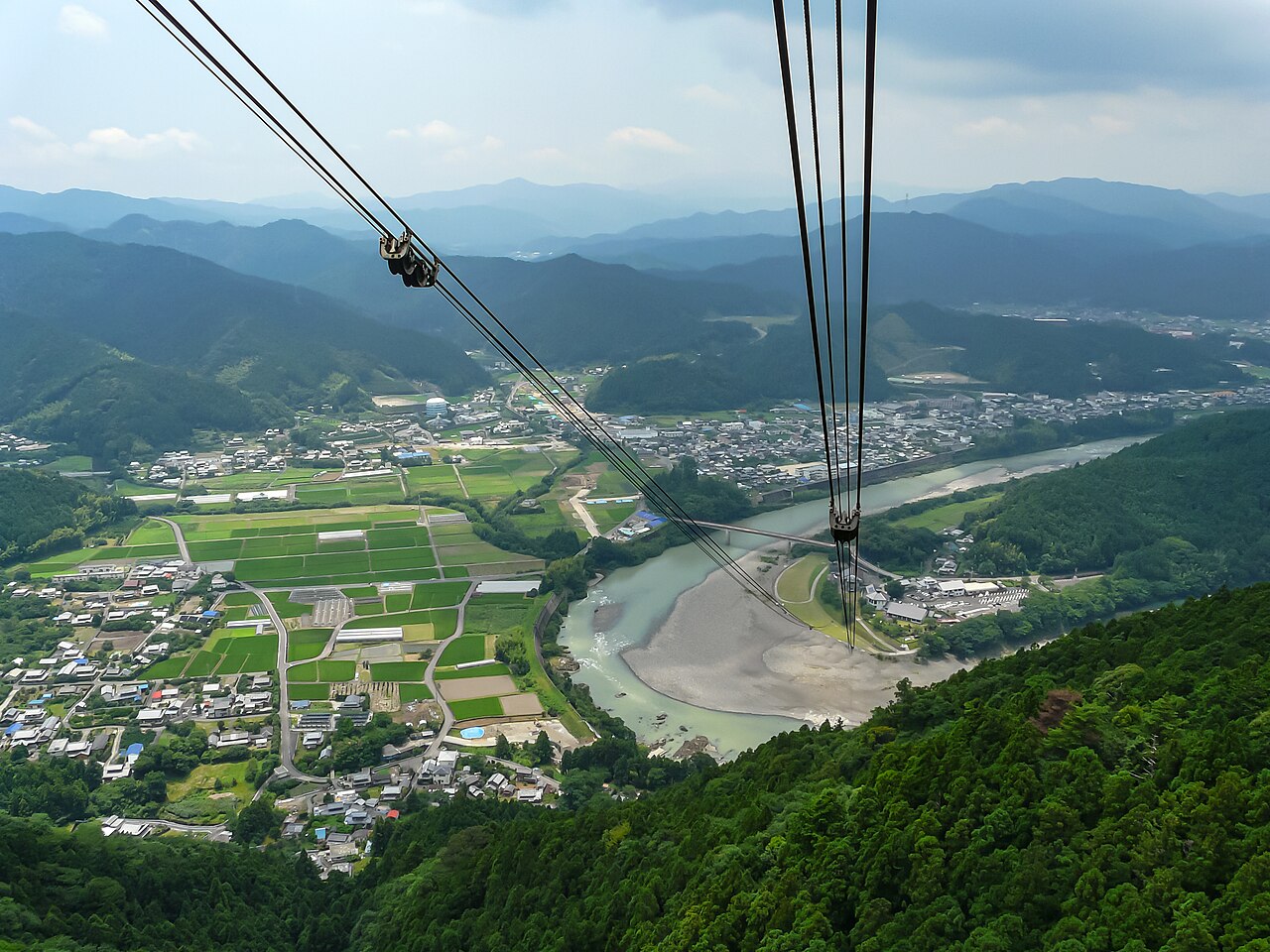
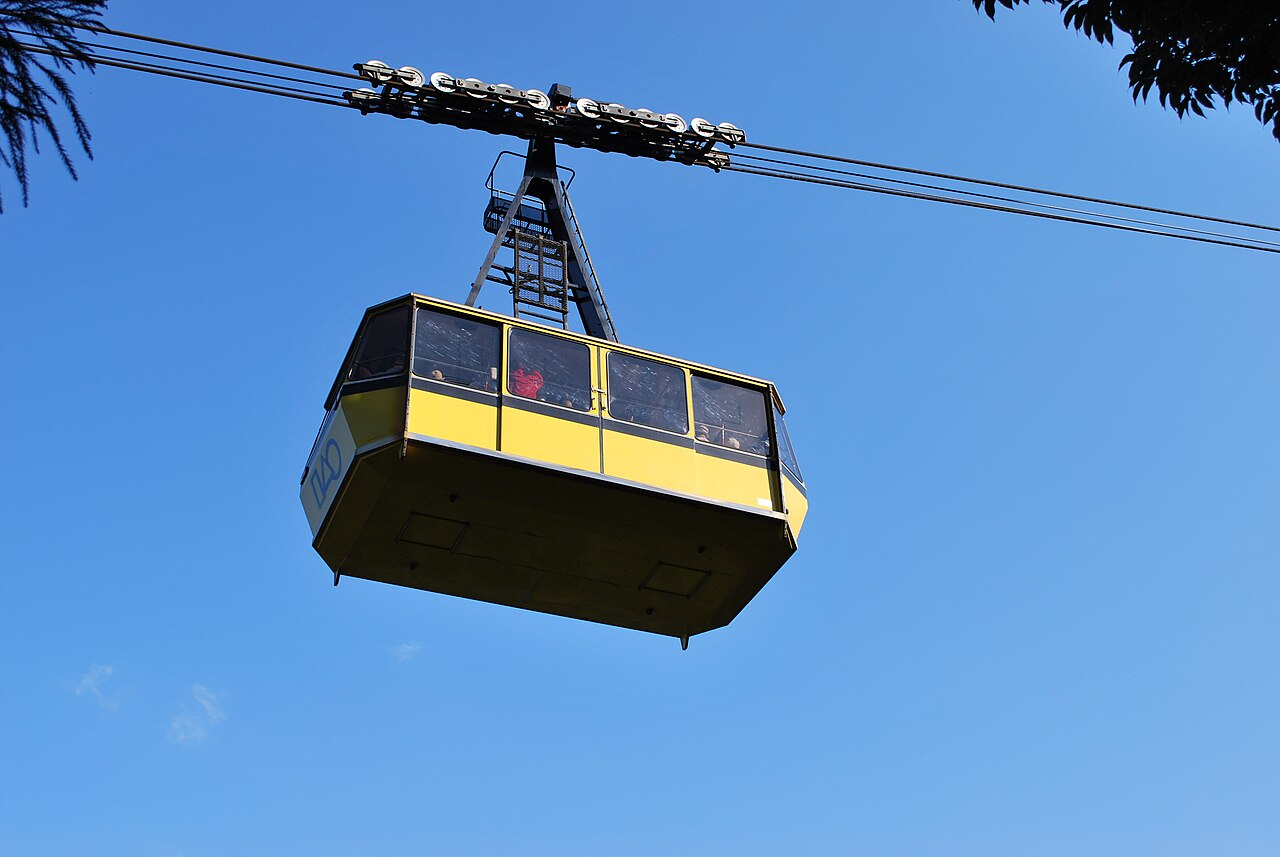
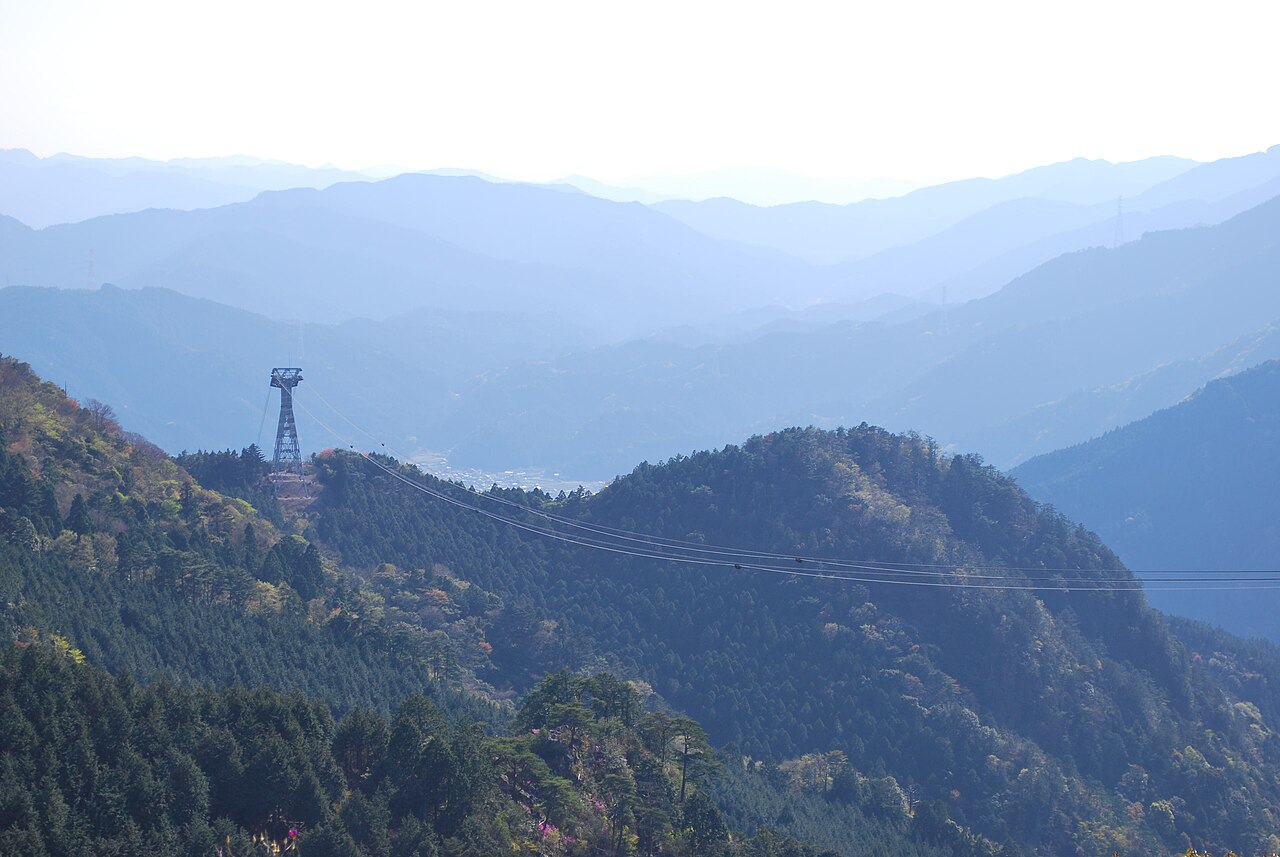
From the yellow gondola you look down on a river winding past a village in the valley, and steel towers carry the line over a wooded ridge to the summit. At the top, a mountain temple waits with its main hall and a stone stairway running between tall cedar trees.
The notes below start with the ride, move on to the halls on the mountaintop and the old pilgrim path, then cover the bus and car routes.
The Ropeway Up the Mountain
The Tairyuji Ropeway is the longest in western Japan. Its base station is inside Michi-no-Eki Washinosato, a roadside station, and the ropeway runs from there to the summit station. The cabin does the climbing, and the walking starts at the summit.
Parking at the ropeway lot is free of charge all day. The roadside station at the base keeps its own hours. If you come by car, the lot is where the drive ends and the ride begins.
The Mountain Temple and Its Cedar Approach
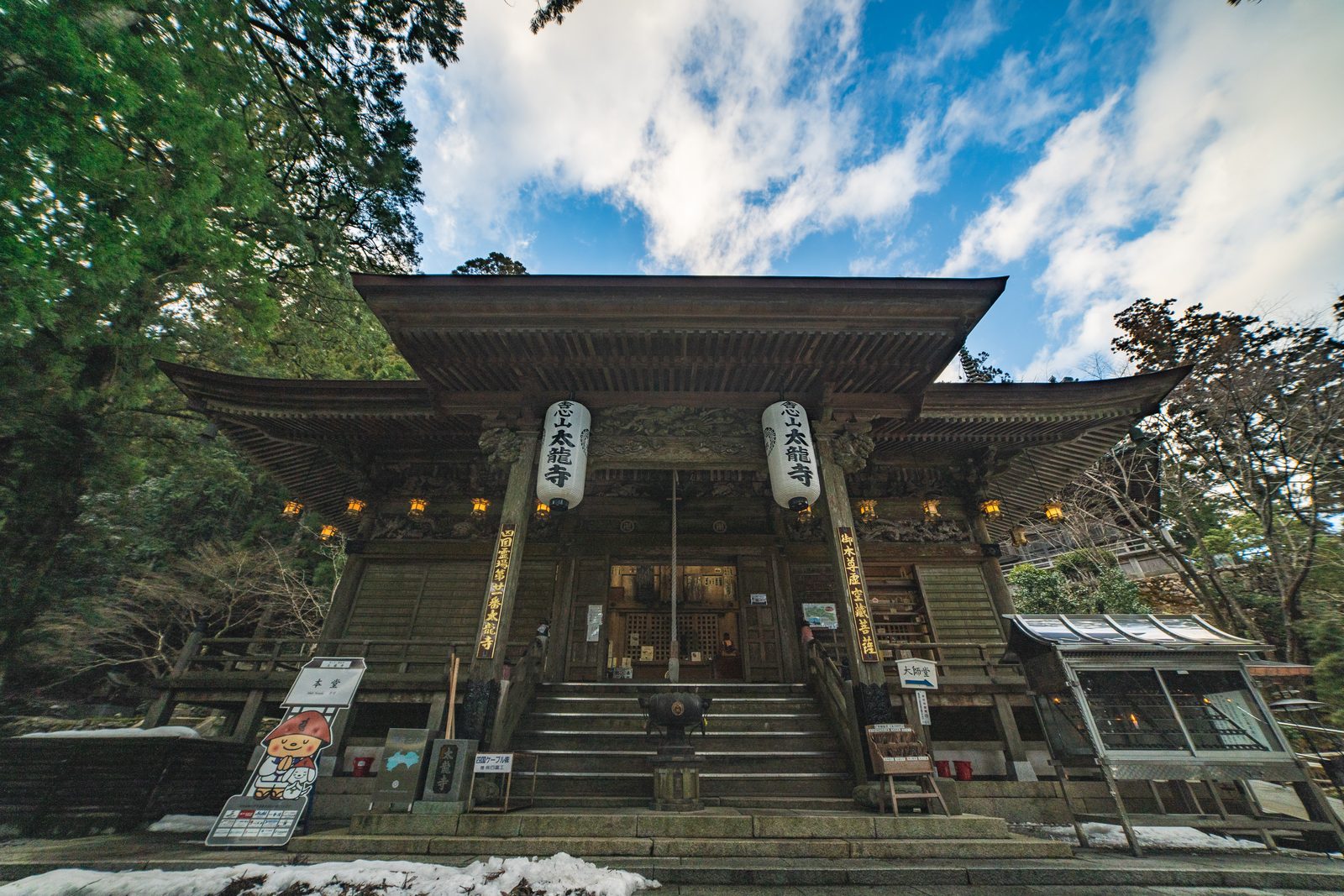
On a set day each year, the doors of the Main Hall are opened for the Hatsue-shiki service. Shashingatake can be reached on foot from the ropeway summit station, so allow time for it when you plan the ride back down.
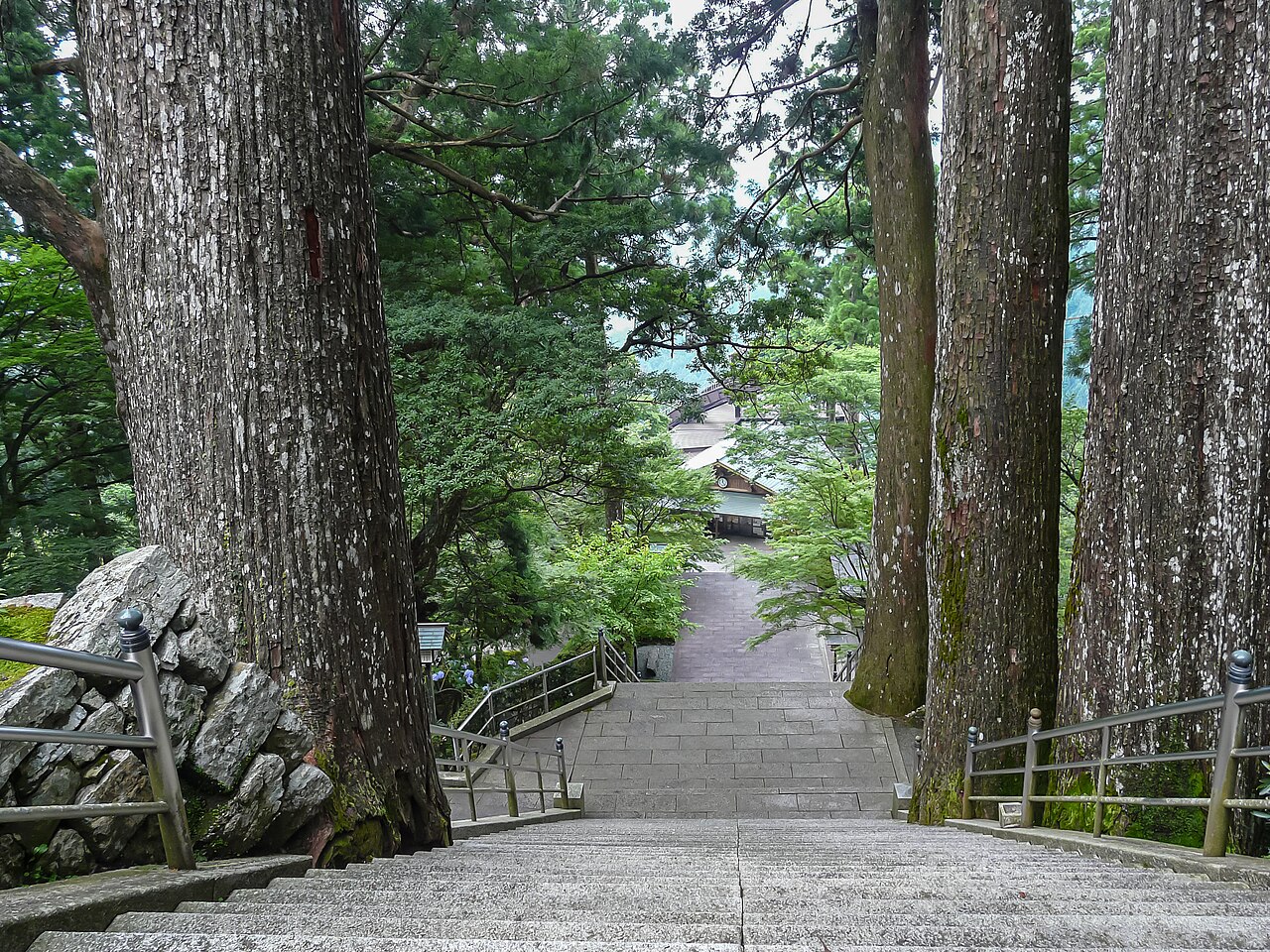
The grounds and the slopes around them are described as covered in tall cedars, which gives the visit a deep-mountain feel. A guidebook notes that the ceiling of the corridor beside the temple office carries a painted dragon by Shorei Takemura, an artist from Aki in Kochi Prefecture.
Compare options
See partner pricing and availability →
Disclosure: This post may contain affiliate links. If you book through them, we may earn a commission at no extra cost to you.
The Old Pilgrim Path and the Mountain's Past
Tairyuji stands on a mountain summit and is a stop on the Shikoku pilgrimage. It has long drawn devoted pilgrims as a place for goma fire prayers. A fire in the Meiji era burned every building on the mountain, and the temple was rebuilt to nearly its former appearance.
The old Kamo-michi path, described in guidebooks, runs from Isshukuji in Kamo-cho, Anan, up to Tairyuji. A bamboo-grove stretch of layered green on the path is described as the Blue Path. For anyone who would rather climb than ride, this is the path to look into before the trip.
Getting to the Ropeway
Every route ends at the same ropeway base, whichever way you travel. A bus runs from Tokushima Station to the Nakacho Washiki-higashi stop. From that stop, the ropeway is a short walk. A bus also runs to the same stop from JR Kuwano Station.
Drivers can reach the ropeway from Tokushima IC. Each leg is timed in the table below, together with the ride itself and the walk from the summit to Shashingatake.
| Item | Detail |
|---|---|
| Tokushima Station by Tokushima Bus (Nyutani Line) to the Nakacho Washiki-higashi stop | about 1 hour 30 minutes |
| Nakacho Washiki-higashi stop on foot to the Tairyuji Ropeway | about 10 minutes |
| JR Kuwano Station (JR Mugi Line) by bus to the Nakacho Washiki-higashi stop | about 16 minutes |
| Tokushima IC by car to the Tairyuji Ropeway | about 1 hour |
| Ropeway base station to summit station | about 10 minutes |
| Ropeway summit station on foot to Shashingatake | about 15 minutes |
| Ropeway parking lot | free of charge, all day |
If you would rather have someone else plan the day, look at guided tours elsewhere in Tokushima.
Hours and Fares
The table below lists when the ropeway runs and what it costs, the opening times of Michi-no-Eki Washinosato at its base, and the day the doors of the Main Hall are opened. Check the last ascent against your plans for the walk to Shashingatake before you set out.
| Item | Detail |
|---|---|
| Ropeway operation | daily, first departure 8:00, last ascent 16:40 |
| Ropeway ordinary fare, adult | 2,800 yen round trip and 1,500 yen one way |
| Ropeway ordinary fare, junior high and high school students | 2,100 yen round trip and 1,130 yen one way |
| Ropeway ordinary fare, elementary school students | 1,400 yen round trip and 750 yen one way |
| Michi-no-Eki Washinosato hours, March to November | 7:10 to 17:40 |
| Michi-no-Eki Washinosato hours, December to February | 8:00 to 17:20 |
| Main Hall doors opened | January 12 each year, during the Hatsue-shiki service |