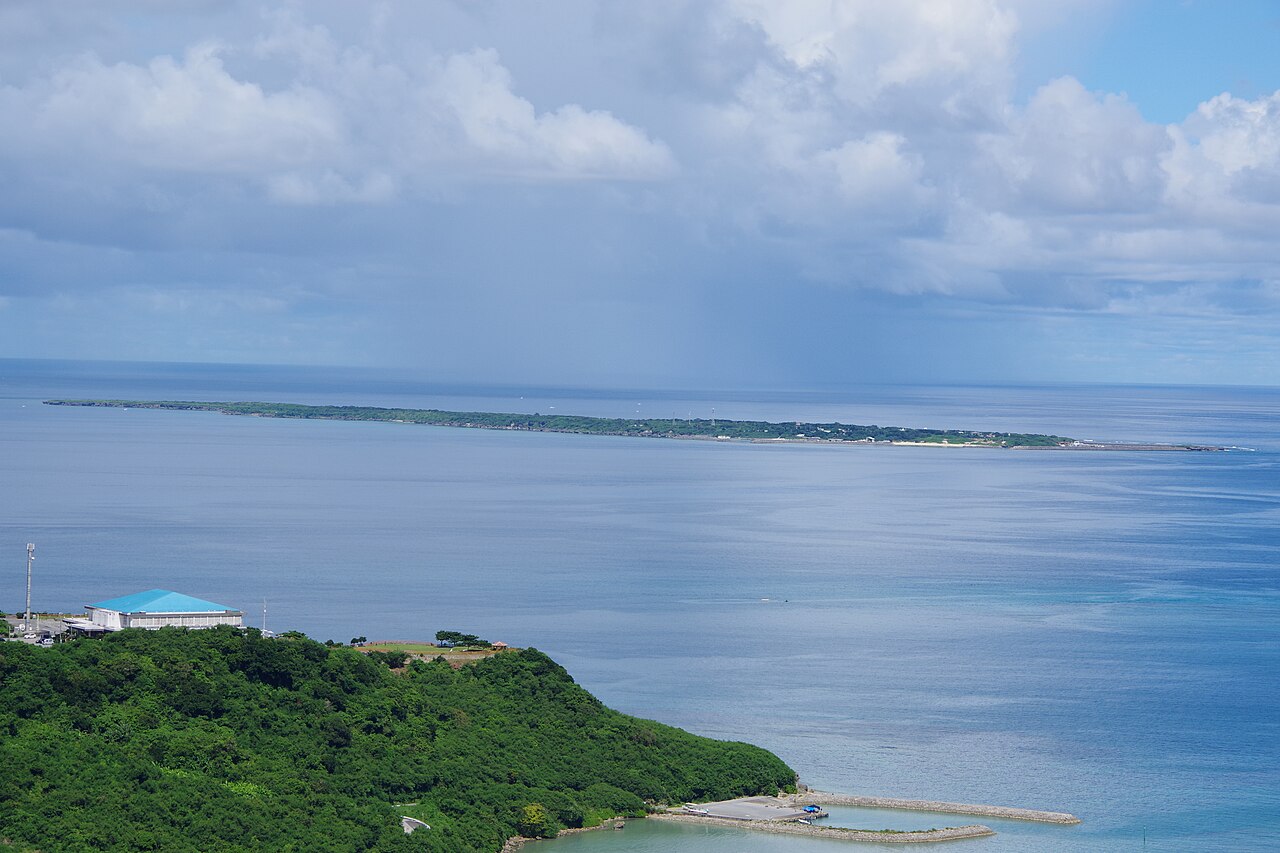
Kudaka Island lies off the coast of Nanjo City in Okinawa and is described as reachable only by the crossing between Azama Port on the main island and Tokujin Port on the island itself. It sits east of the Chinen Peninsula and in Ryukyuan myth is said to be the sacred island where the deity Amamikyo first came ashore, so that the whole island is treated as holy ground. It is described as a small island with flat terrain throughout, with the port at its southern tip and the village spread across roughly the southern third.
A Kudaka Island day trip is less about ticking off sights than about reading a landscape that islanders hold sacred. This article covers the crossing from Azama, the choice between the two vessels and what each costs, how to get around once you land, and the background to the places you will pass. It also suggests a stop at Sefa Utaki on the main island, which belongs to the same story.
The crossing from Azama Port
Two kinds of vessel work the route from Azama, a high-speed boat and a slower ferry, and the trip across to Kudaka Island takes fifteen to twenty-five minutes one way. The fares below are the adult and child prices for each vessel.
| Vessel and ticket | Fare |
|---|---|
| High-speed boat, adult one-way | 770 yen |
| High-speed boat, adult round-trip | 1480 yen |
| High-speed boat, child one-way | 390 yen |
| Ferry, adult one-way | 680 yen |
| Ferry, adult round-trip | 1300 yen |
| Ferry, child one-way | 340 yen |
The gap in fare between the two vessels is modest, so the practical choice usually comes down to which departure fits your morning. Fares and sailing times change over time; confirm the current details with the operator before you travel.
One connection on the Nanjo side is worth knowing if you plan to combine the island with Sefa Utaki. The Sefa Utaki Entrance stop is described as a point where you can transfer to the N-Bus, the community service run by Nanjo City.
A stop at Sefa Utaki before you cross
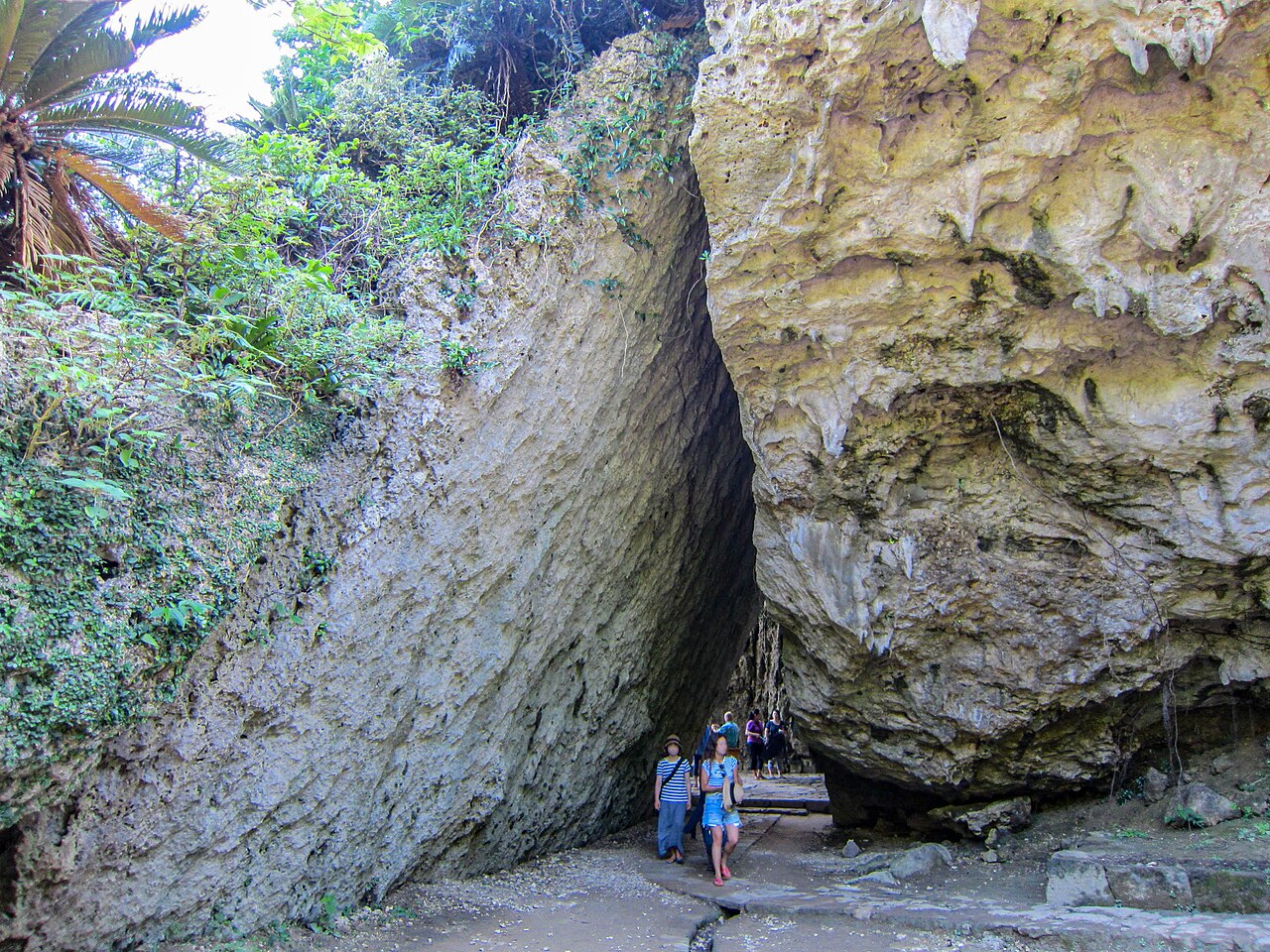
Sefa Utaki stands on the Chinen Peninsula, which is described as the headland at the eastern end of Nanjo City where many historic sites cluster, the greater part of them lying along the coastal national highway and therefore easy to string together. Sefa Utaki is described as one of the seven utaki of the creation myth, four of which lie within Nanjo City, and as the sacred site that held the highest rank in the Ryukyu Kingdom.
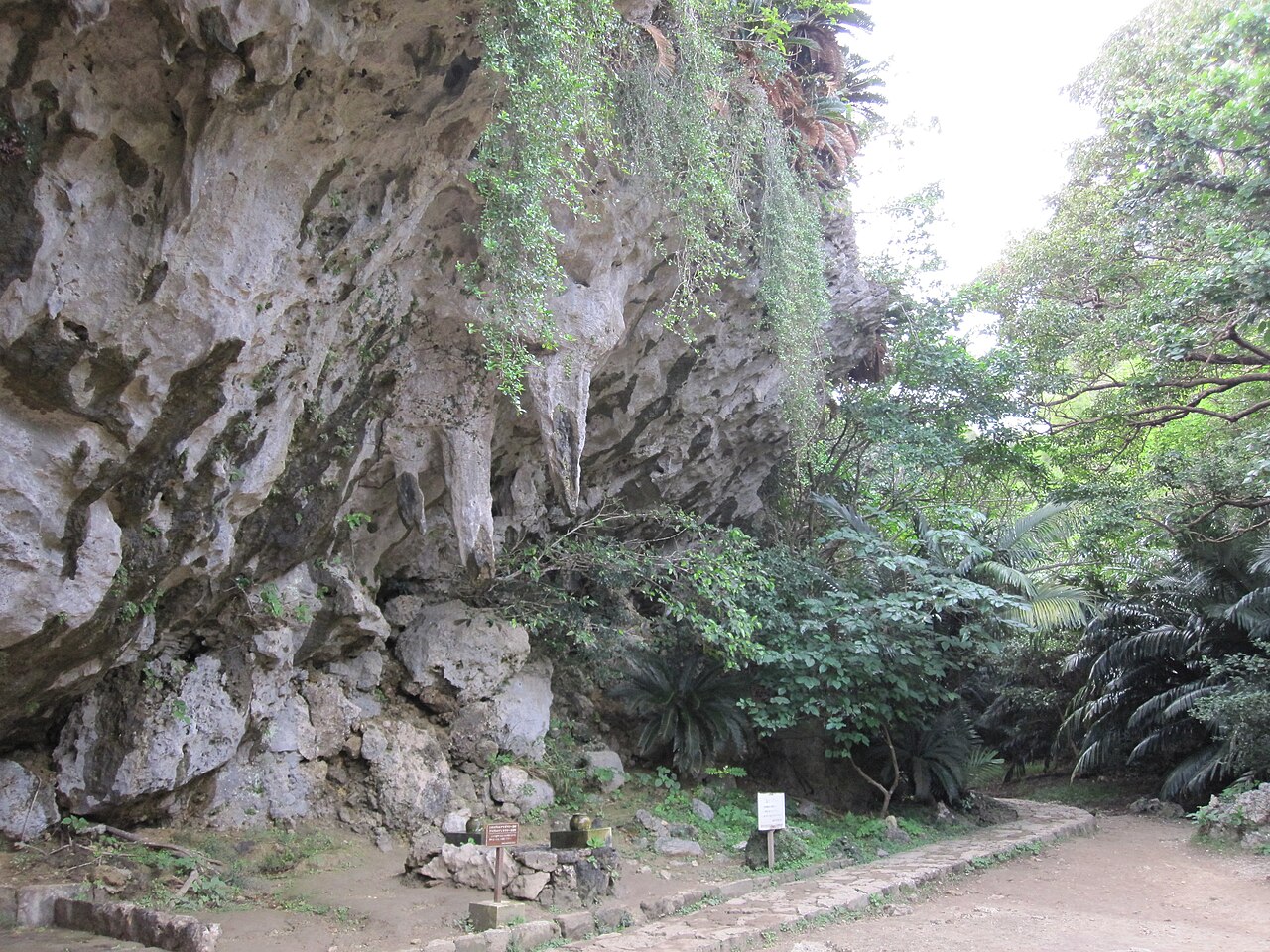
That coastal highway is described as Nanjo's main artery: it follows the sea around the Chinen Peninsula and continues on to Yaese Town, with viewpoints such as the Nirai Kanai Bridge along the way. A single day is said to be enough to see Nanjo's attractions, including the sites around the peninsula, which leaves room to pair the grove with the crossing.
Where to stay
Places to stay near Nanjo, Okinawa, Japan →
Disclosure: This post may contain affiliate links. If you book through them, we may earn a commission at no extra cost to you.
Getting around the island
Because the ground is level, a rented bicycle is described as the convenient way to get around, with rental available in the area around Tokujin Port. Bicycle rental is open from nine in the morning until four in the afternoon, and in some cases until five. Electric options exist for those who prefer not to pedal, and a three-seat electric tuk-tuk can also be rented; the rates below are the charges for one hour.
| Rental | Rate |
|---|---|
| WO ELECTRIK-BIKES electric bicycle, one hour, base fee | 1,500 yen including tax |
| Electric kick scooter, one hour, base fee | 1,500 yen including tax |
| Electric tuk-tuk (3-seater), one hour | 4,500 yen including tax |
Sacred places and the creation story
In the founding myth of the Ryukyus, a deity named Amamikyo is said to have crossed over from Nirai Kanai, an ideal realm beyond the sea, created the islands and seven sacred groves called utaki, and then alighted first on Kudaka. During the Ryukyu Kingdom the king himself is said to have come here to worship.
Udunmya is described as a sacred plaza, the setting of Izaiho, a rite held once every twelve years to choose the island's priestesses. Izaiho is said to have gone unperformed for decades for want of successors. The Kudaka Island Folk Museum, inside the Kudaka Island Lodging Exchange Center, is described as holding materials and photographs on the rite.
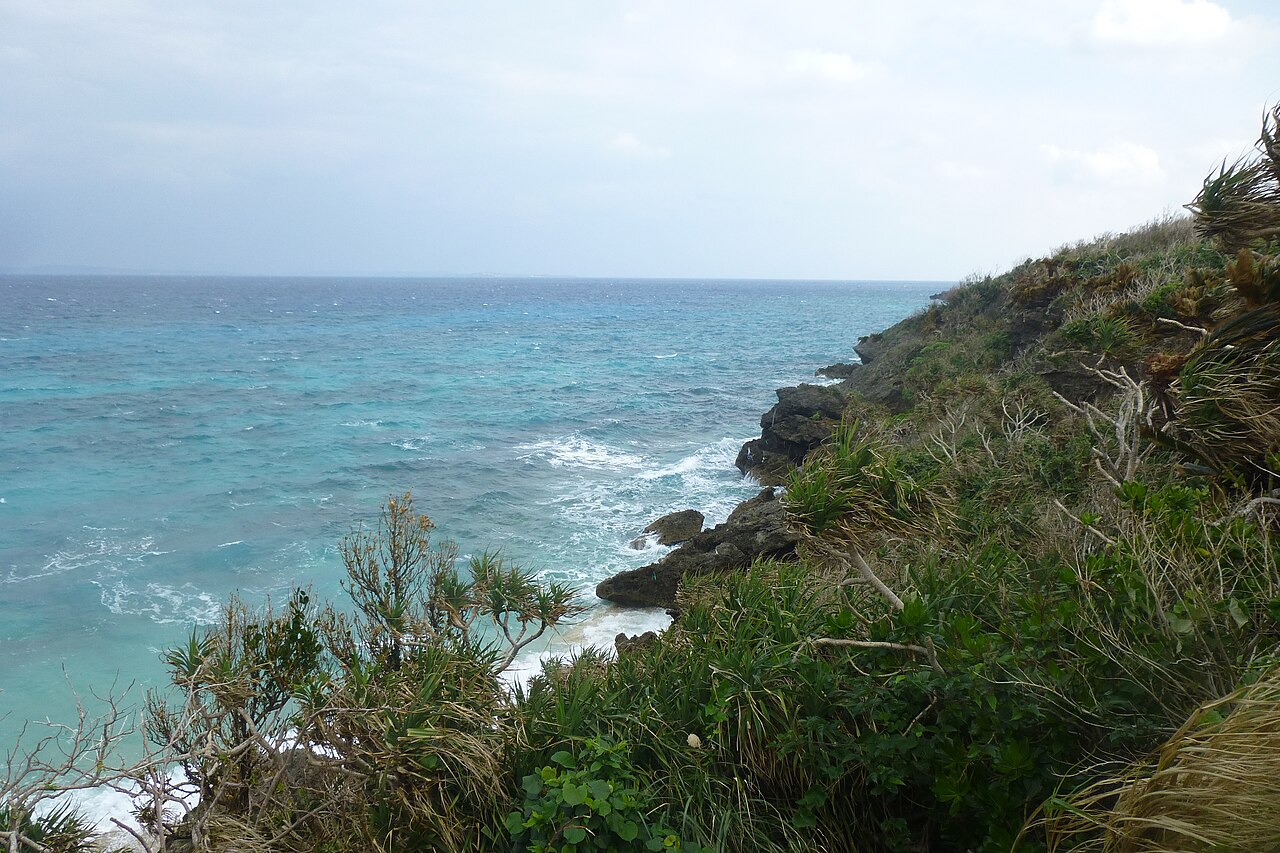
Fubo Utaki is said to be one of the seven utaki made by Amamikyo and the island's largest sacred site. On the east side, Ishiki Beach is said to be where a jar of the seeds of the five grains drifted ashore from Nirai Kanai; it is for walking, not swimming. At the northern tip, Habyan is said to be where Amamikyo came ashore.
Eating, staying and the trip back
The island's signature ingredient is irabu, a sea snake, which is described as being smoked and served in a traditional soup. If you choose to spend the night rather than return the same day, the island has a few places to stay, and for a wider choice of rooms on the main island side see places to stay in Nanjo.
| Stay or activity | Rate |
|---|---|
| Kudaka Island Lodging Exchange Center, first-floor room, one person per room | from 4,000 yen |
| Koyado SAWA, detached house, per person (for 4-9 guests) | 5,500 yen |
| Kudaka Island Beach Campsite, per adult per night (junior high school age and above) | 1,500 yen |
| Kudaka Island snorkeling (from 2 hours) | from 3,500 yen |
| Kudaka Island trial diving experience (about 2.5 hours) | from 7,500 yen |
Snorkeling and a first diving experience are offered from the island; browse activities around Kudaka Island for what is currently listed. On the way back, the ferry is said to be the one to take, with a zenzai sweet made from the island's own brown sugar on offer in the waiting room at the port.