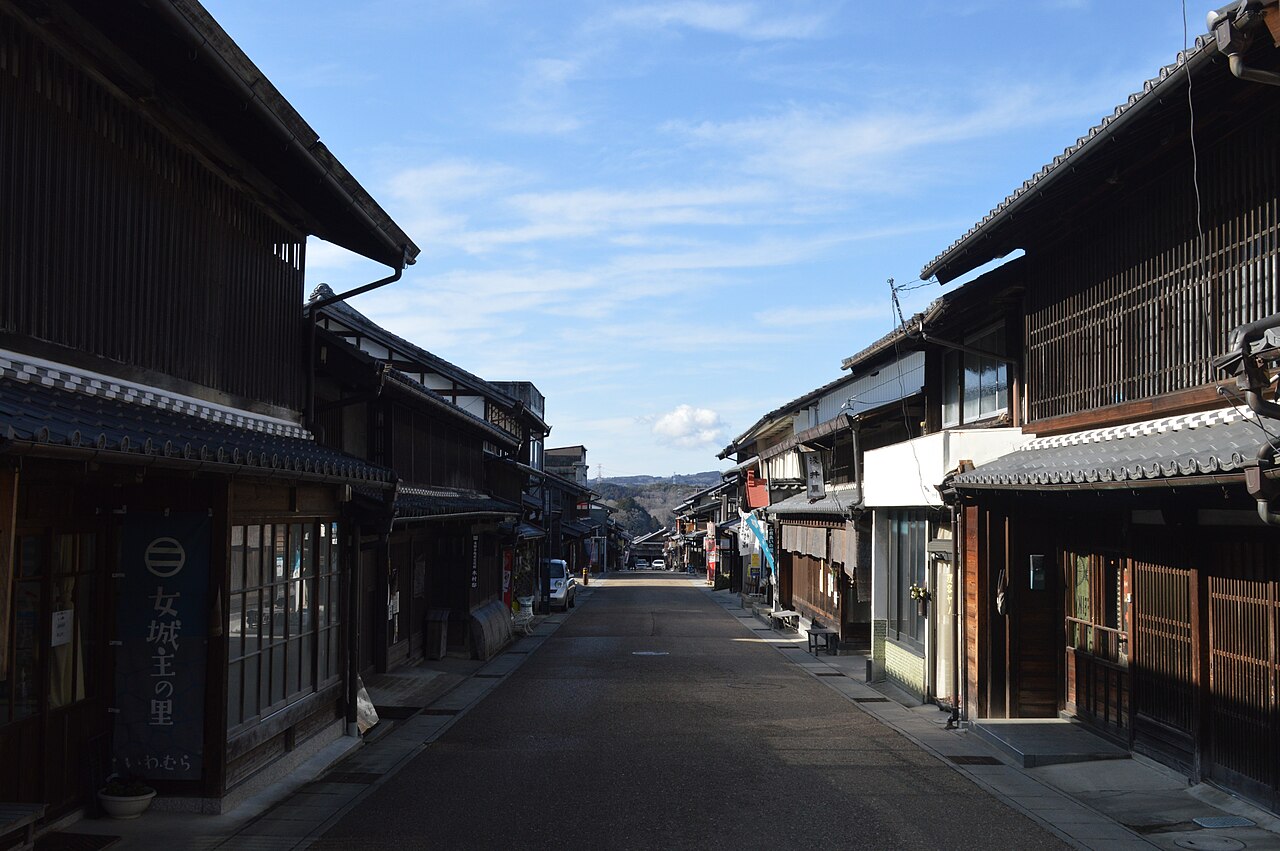
Iwamura is worth a day from Ena because the Akechi Railway reaches it in about thirty minutes. This guide covers the Honmachi street of the castle town, the Iwamura Castle ruins above it, the prices and visiting times of the history museum and the old houses, gohei-mochi and kasutera, and where to stay in Ena.
The Honmachi Castle Town Street
During the Iwamura Hina Matsuri, about thirty-five hundred hina dolls go on display in the castle town. They are spread over about one hundred locations along the street, which means the dolls keep appearing as you walk. At the autumn festival, a portable shrine procession of about three hundred people moves through the castle town.
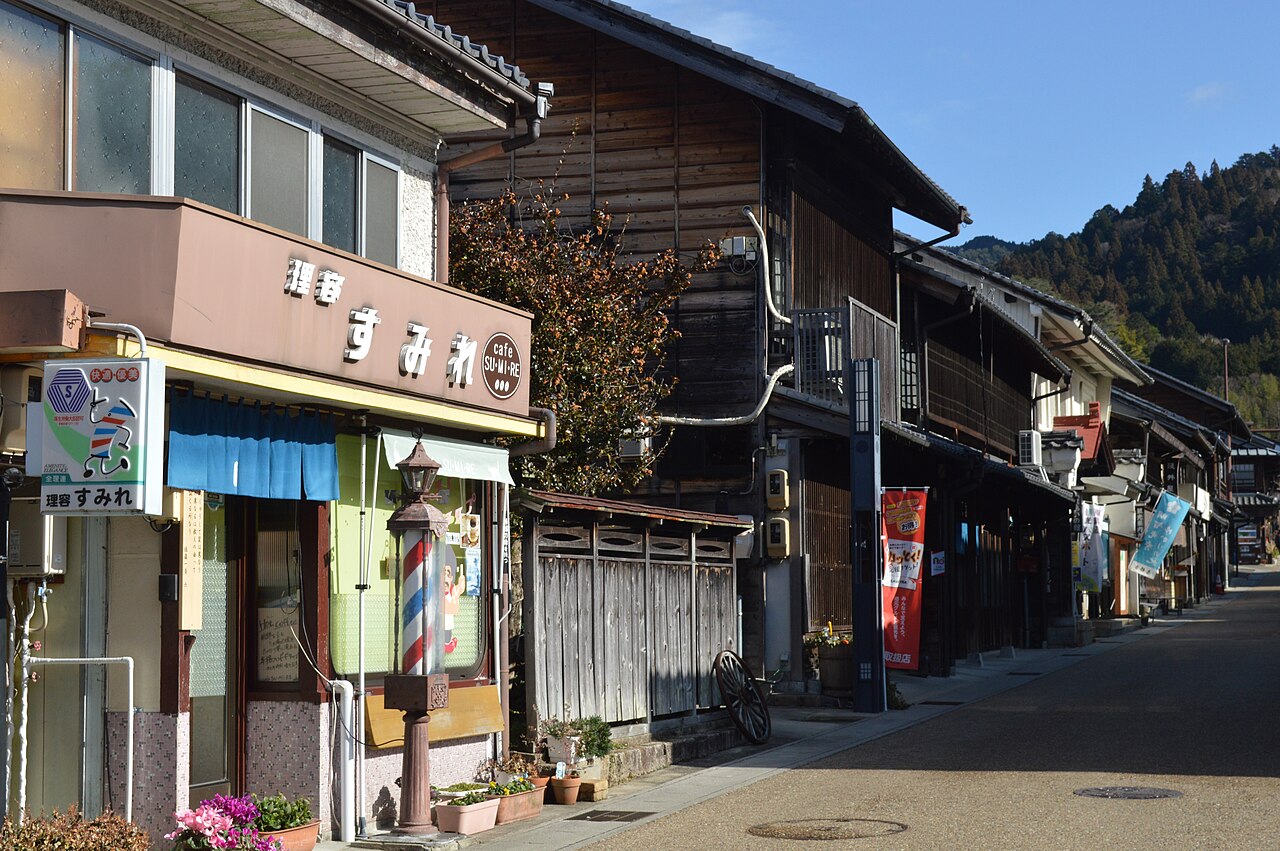
The preservation district of the Honmachi street runs east to west through the castle town. Two of the houses that take visitors, Sato Issai Manabi-no-Hiroba and the Katsukawa-ke house, keep their own days and times, which are listed below with the walk from Iwamura Station.
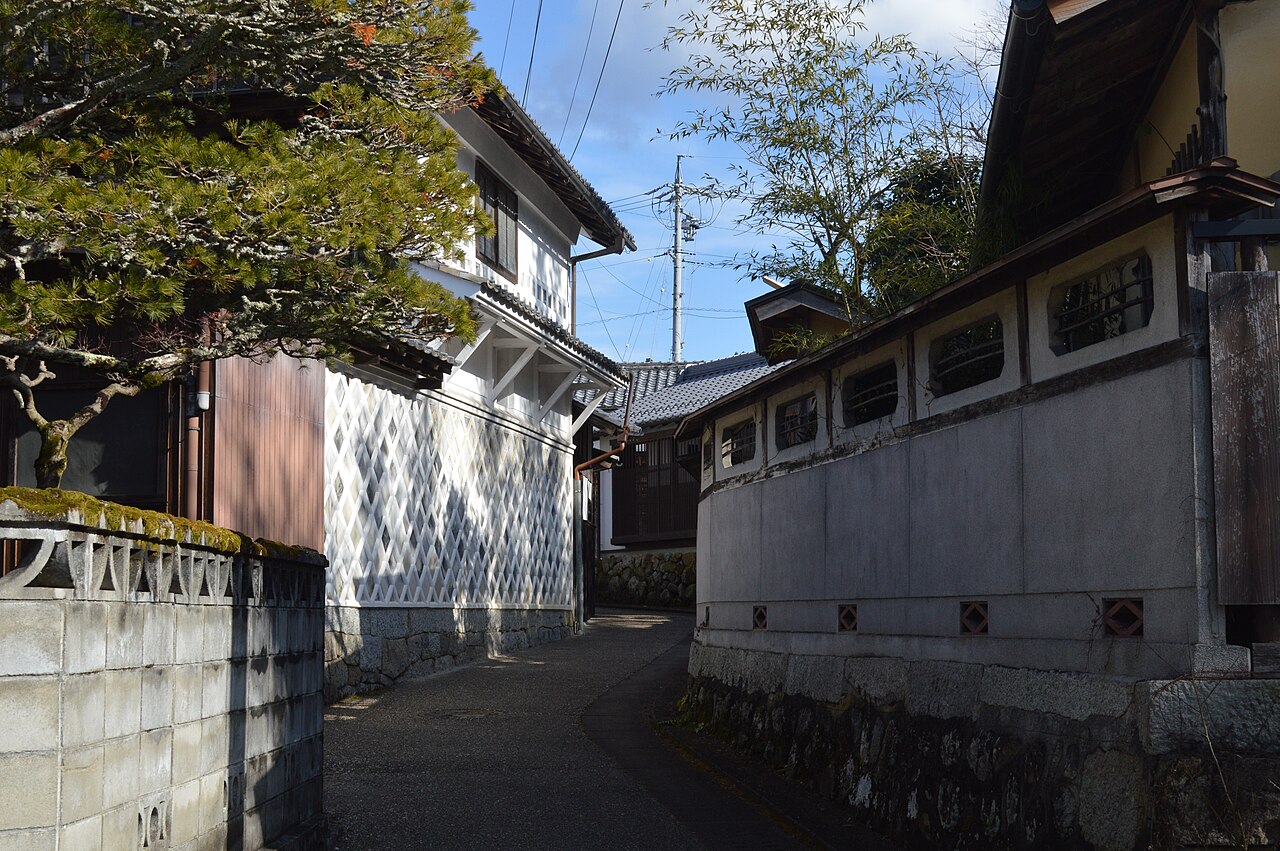
- The Honmachi street preservation district extends 1.3 km east to west.
- It is about a 15-minute walk from Iwamura Station to Sato Issai Manabi-no-Hiroba.
- The Katsukawa-ke house is open 10:00 to 16:00, and 10:00 to 15:00 from December to February.
Iwamura Castle Ruins
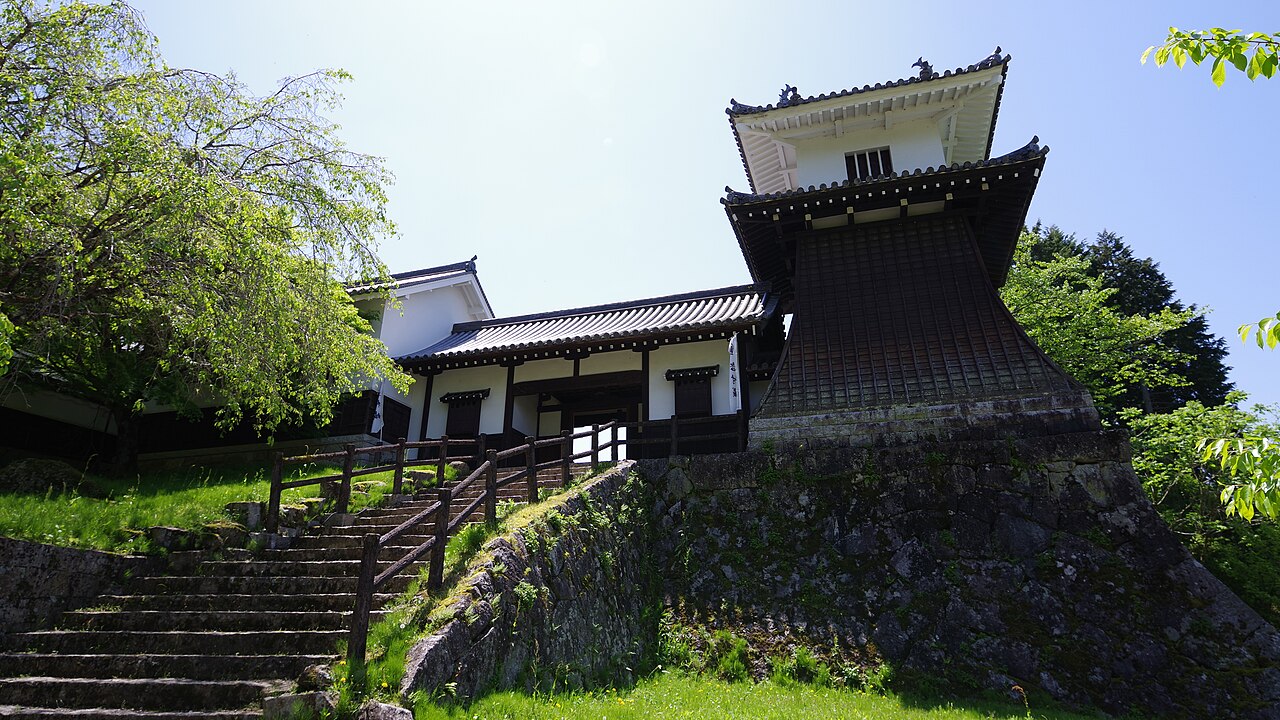
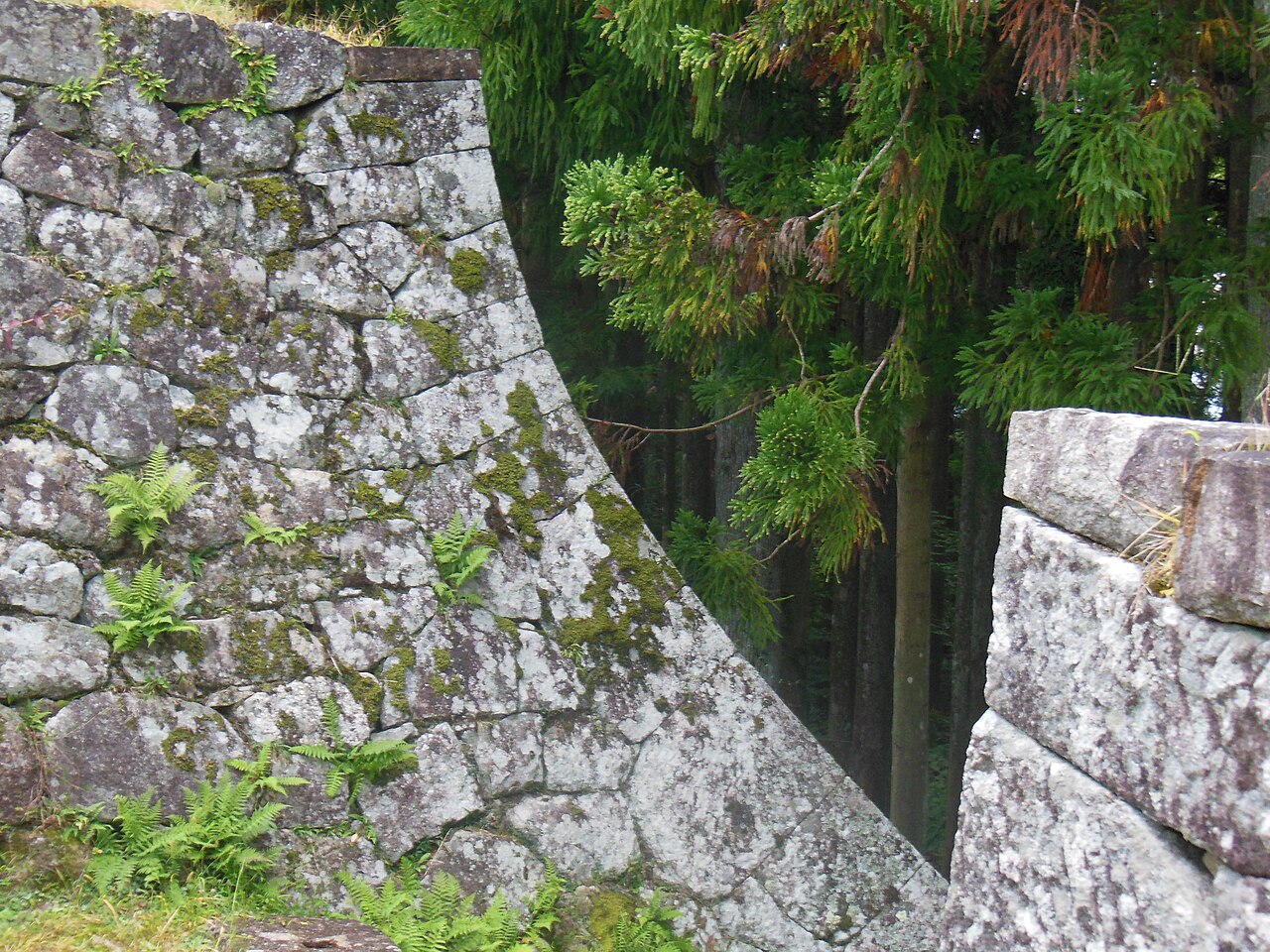
Guidebooks describe Iwamura Castle as one of Japan's three great mountain castles, nicknamed Kirigajo, the Fog Castle, with a six-tier stone wall stacked in steps against the northeast face of the main enclosure. Otsuya, an aunt of Oda Nobunaga, is said to have taken real control of the castle, which earned her the name of the female castle lord.
The approach is described as a stone-walled road that bends again and again for defense, so the scale of the mountain castle shows itself as you climb. For those who arrive by car, the walk from the parking lot to the main enclosure takes about thirty minutes.
- The main enclosure of the Iwamura Castle ruins is at an altitude of 717 m.
- It is about a 30-minute walk from the parking lot to the main enclosure.
Getting to Iwamura on the Akechi Railway
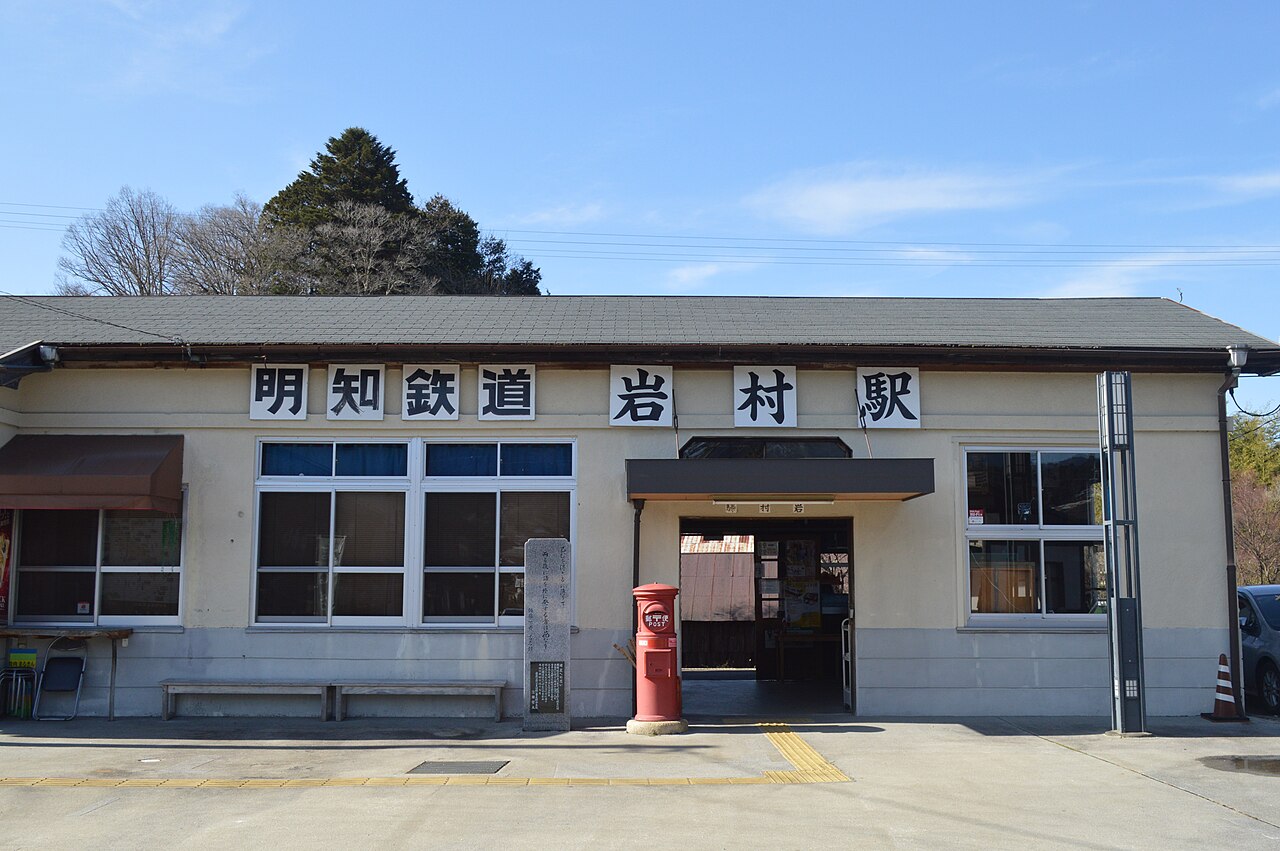
The way in is the Akechi Railway from Ena Station, which runs out to Iwamura Station, and from there the history museum and the castle town are reached on foot. The points to settle before boarding are how to pay, whether a day pass is worthwhile, and how long each walk takes once you arrive.
- The trip to Iwamura takes 30 minutes by the Akechi Railway.
- By car, Iwamura is about 20 minutes from Ena Interchange via National Route 257.
- Toica, manaca and other transport IC cards cannot be used on the Akechi Railway.
- Please prepare cash when using the Akechi Railway.
- The one-day free ticket is 1,380 yen for an adult and 700 yen for a child.
- It is sold at Ena Station and Akechi Station.
- It is about a 20-minute walk from Iwamura Station to the Iwamura History Museum.
- It is about a 60-minute walk from Iwamura Station to the Iwamura Castle ruins.
The walk from Iwamura Station to the castle ruins is the long leg of the day, so plan the museum, the street and the climb around it rather than treating the ruins as a quick detour. Our guide to Magome-juku covers a different kind of day in the same prefecture.
Where to stay
Places to stay near Ena, Gifu, Japan →
Disclosure: This post may contain affiliate links. If you book through them, we may earn a commission at no extra cost to you.
The History Museum, Old Houses and Guided Walks
The Iwamura History Museum, Kimura-tei, the Katsukawa-ke house and Sato Issai Manabi-no-Hiroba differ in their days, times and prices, while the guided walks of the town, the ruins, or both together are priced per guide, with the Iwamura branch of the Ena City Tourism Association as the contact point. The table below gathers all of it.
| Item | Detail |
|---|---|
| Iwamura History Museum, opening hours, April to November | 9:00 to 17:00 |
| Iwamura History Museum, opening hours, December to March | 9:30 to 16:00 |
| Iwamura History Museum, closed days | Mondays (the next day if Monday is a public holiday) |
| Iwamura History Museum, admission | 300 yen (general), 200 yen (aged 65 and over), free for high school students and younger; cash only |
| Kimura-tei, opening hours | 10:00 to 16:00 (10:00 to 15:00 from December to February) |
| Kimura-tei, closed days | Mondays (open if Monday is a holiday) |
| Katsukawa-ke, closed days | Tuesdays |
| Sato Issai Manabi-no-Hiroba, admission | 500 yen for adults; free for those 18 and under |
| Guided walk, castle town (60 to 90 minutes) | 2,000 yen per guide |
| Guided walk, castle ruins (90 to 120 minutes) | 2,500 yen per guide |
| Guided walk, town and castle ruins set (150 to 180 minutes) | 3,500 yen per guide |
| Contact reception, Iwamura branch of the Ena City Tourism Association | 9:00 to 17:00, excluding the year-end and New Year period |
The museum is closed on Mondays, with the following day off when Monday is a public holiday. From April to November it opens at nine in the morning, so it can be the first stop of the day, with Kimura-tei, the other old houses and the climb to the ruins to follow.
Gohei-mochi, Hebo-meshi and Kasutera
Hebo-meshi is a regional dish of eastern Gifu made with wasp larvae, called hebo, which gave the mountain country far from the sea a prized source of protein and a dish for important guests. Gohei-mochi is a regional food spread from the Kiso and Ina areas of Nagano across eastern Gifu into the Mikawa region of Aichi.
The sauce comes in three types, soy, miso and a blend, soy being more usual north of the Nakasendo and miso south of it, while walnuts or peanuts are the usual hidden ingredient around here. In Iwamura, the table below covers the gohei-mochi shop Amakara and the kasutera shop Kameya, with times, prices and the walk from the railway.
| Item | Detail |
|---|---|
| Amakara, gohei-mochi shop, opening hours | 9:30 to 18:00 |
| Amakara, walk from Iwamura Station | 4 minutes |
| Kameya, kasutera shop, business hours | 9:00 to 18:00 |
| Kameya, cafe hours | 10:00 to 17:00 (last order 16:30) |
| Kameya, closed days | Mondays (the next day if Monday is a holiday) |
| Kameya, walk from Iwamura Station | 15 minutes |
| Blend coffee | 450 yen |
| Kasutera Issai monaka set | 500 yen |
| Grilled kasutera with ice cream set | 650 yen |
| Canele | 400 yen |
| Kasutera three-kind tasting set | 350 yen |
| Box of six kasutera rusk bags (2 pieces of each kind) | 1,300 yen |
Planning the Day and Staying in Ena
A day in Iwamura can be built from Ena, since the Akechi Railway puts the castle town about thirty minutes away from where you start. That leaves the daylight for the museum, the street, the climb to the ruins and a stop for gohei-mochi or kasutera, in whatever order the days and times above make possible.
- The Iwamura branch of the Ena City Tourism Association accepts enquiries from 9:00 to 17:00, except over the year-end and New Year period.
If the street, the old houses and the climb to the ruins deserve a slower pace than a single day gives, a night in Ena keeps the Akechi Railway at hand for a return. For another castle town in Gifu, see our guide to Gujo Hachiman. For more time in town, browse places to stay in Ena.