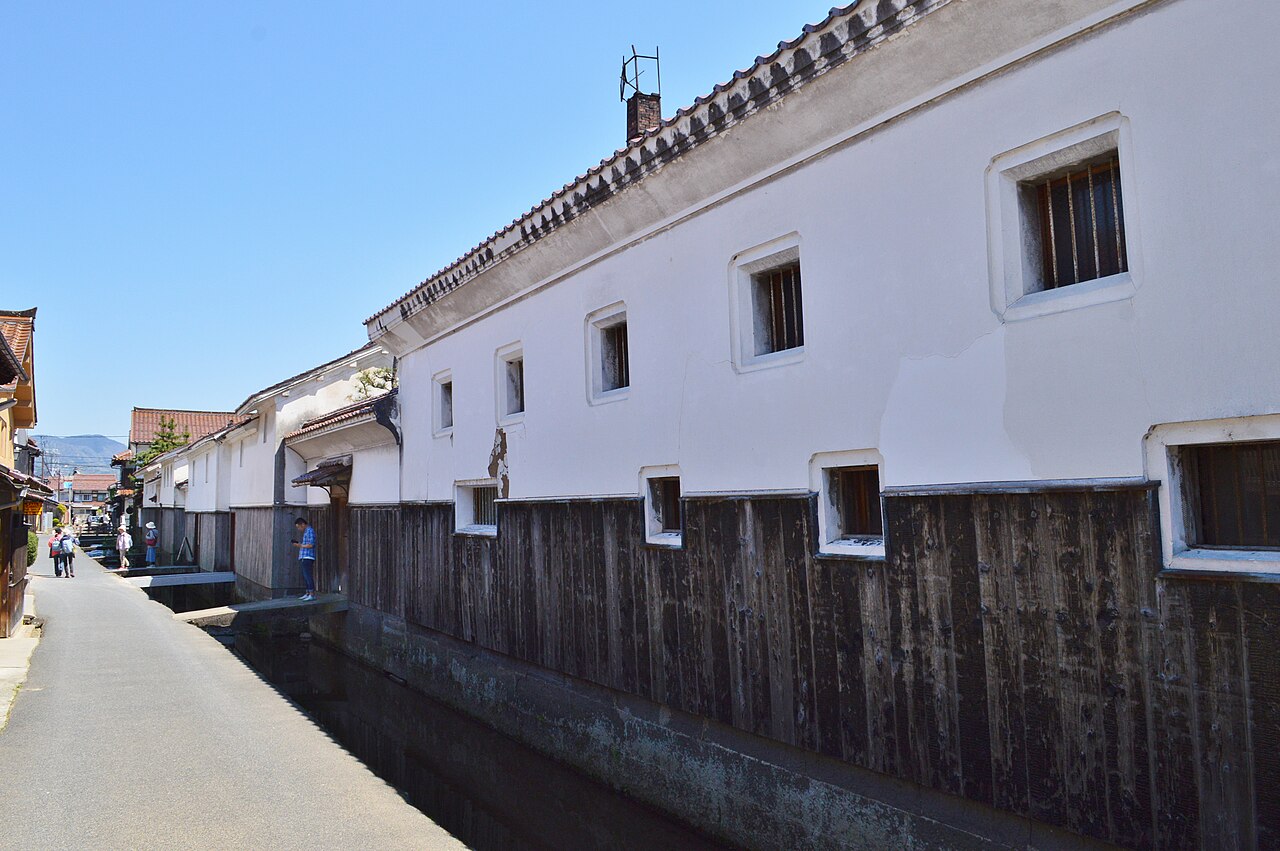
Kurayoshi is a small town in central Tottori Prefecture, and its best-known corner is a lane of white-plastered storehouses beside a narrow canal. The lane is short and nothing about it hurries you. Below is what a day here needs: the short ride out to the storehouses, the museums' basics, a park on the old castle hill, two shrines with their own stories, and a straw-wrapped tofu particular to this part of the prefecture.
Getting to the storehouses
Two bus routes leave from the terminal at Kurayoshi Station, each bound for a different stop.
| From Kurayoshi Station Bus Terminal | Get off at | Ride time |
|---|---|---|
| City-route bus | Akagawara / Shirakabe Dozo-gun | about twelve minutes |
| Park Square-route bus | Shiyakusho / Utsubuki Koen Iriguchi | about seventeen minutes |
If you will ride more than once, or keep moving across the region, two passes are sold:
- Tottori Han unlimited ride pass — one thousand eight hundred yen, valid for three days counting the day it is issued.
- Yu-Yu Two-Day Pass — one thousand three hundred yen, valid for two days counting the day it is issued, on bus routes in the area.
They are separate passes, so choose by how many days you will spend around Kurayoshi.
The lane along the canal and the two museums
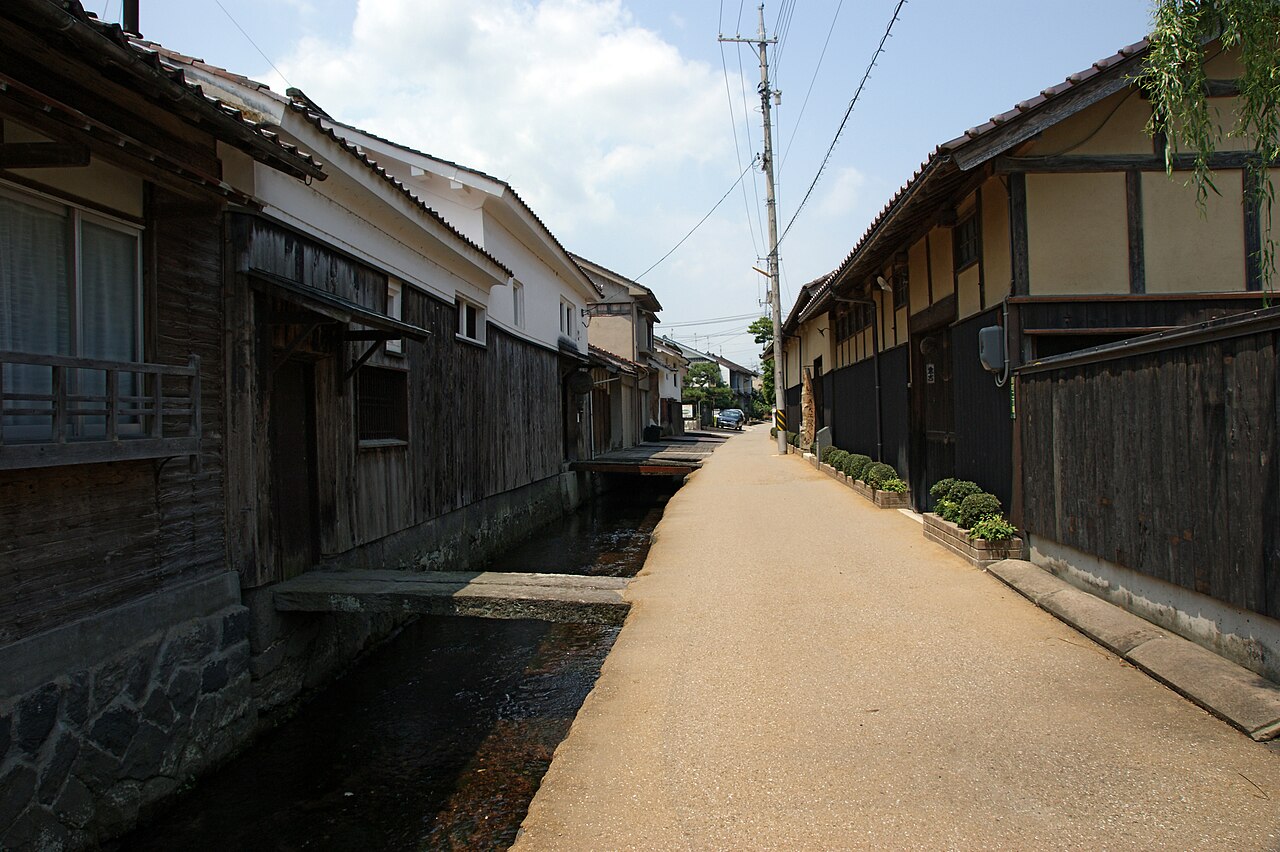
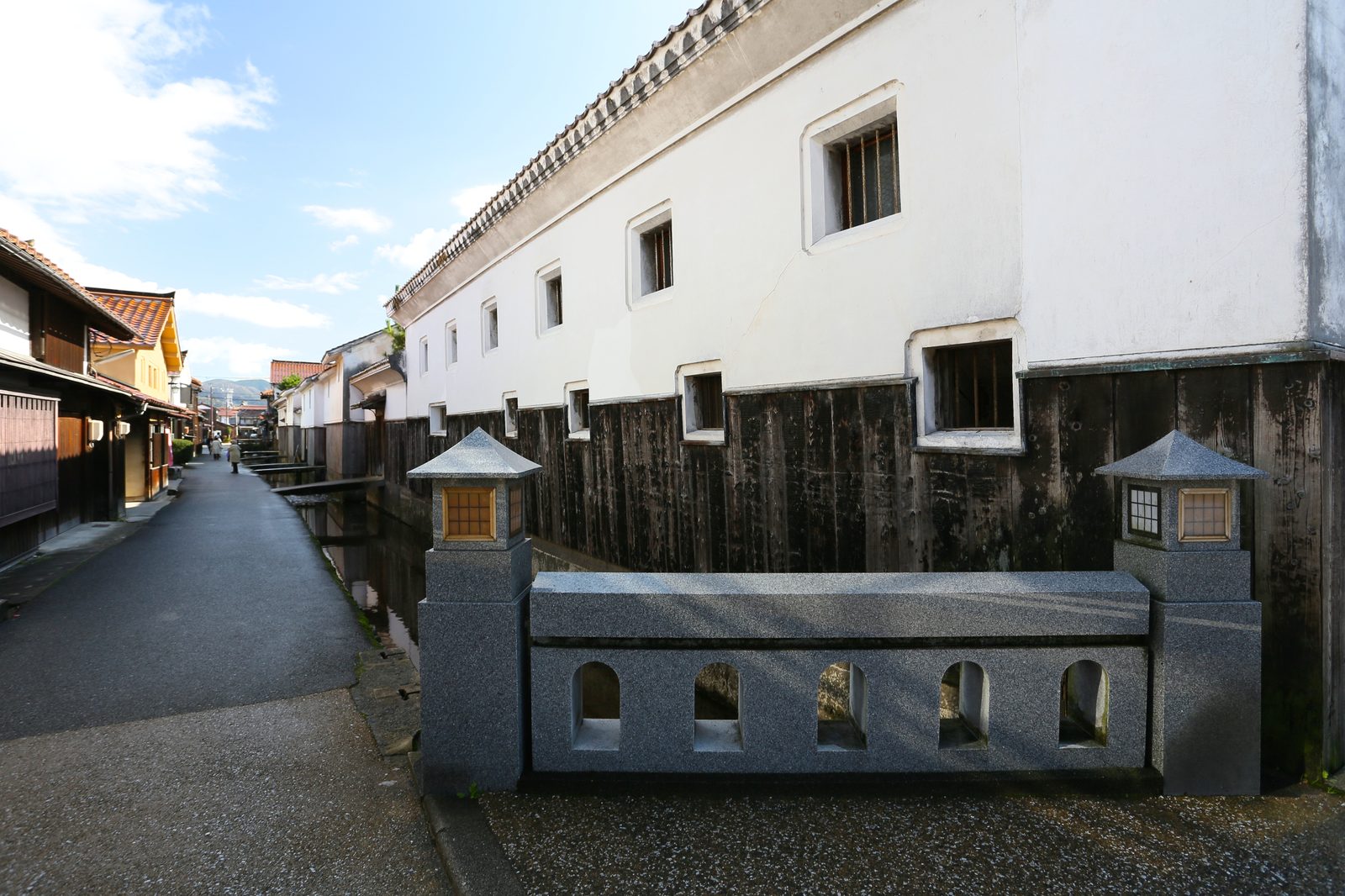
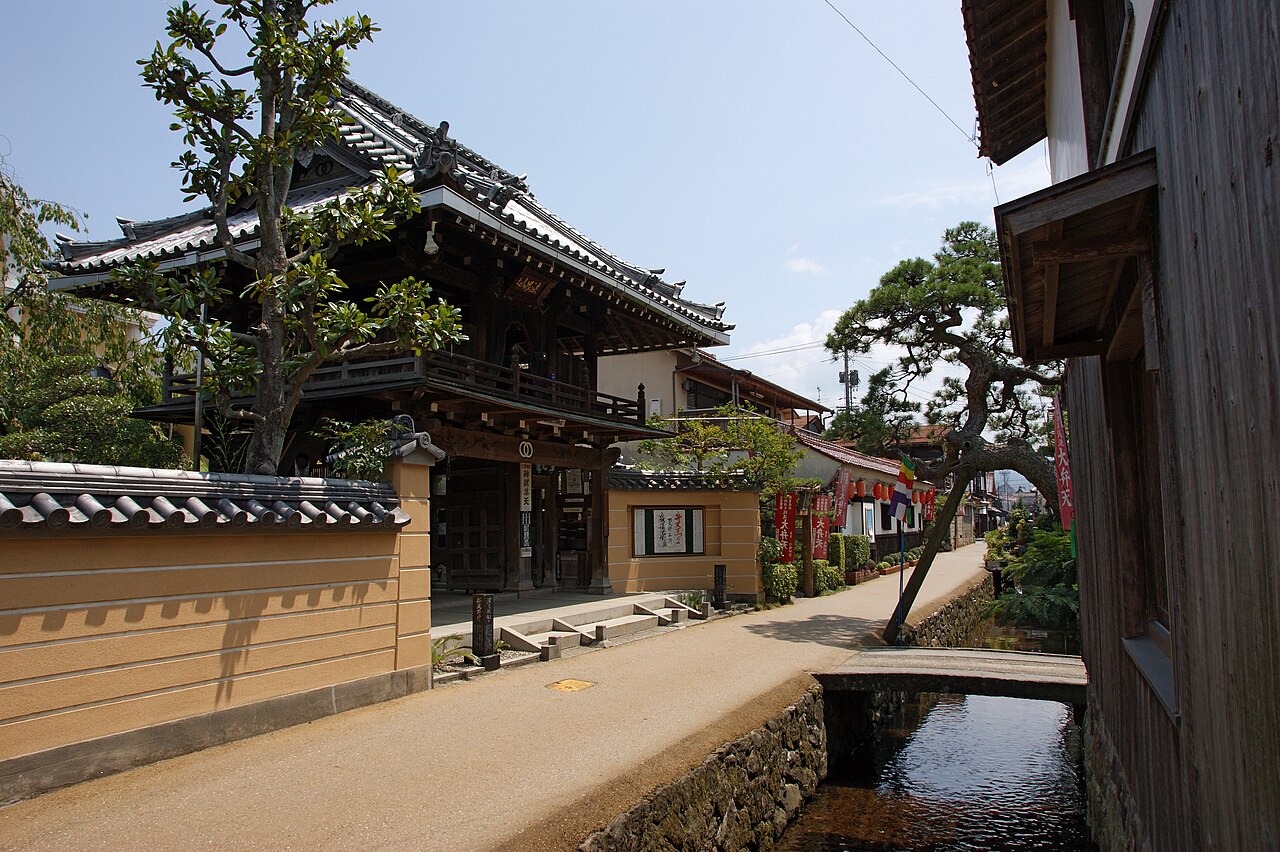
The storehouses stand with their upper walls in white plaster and their lower walls in dark wood, and the canal runs so close that the buildings seem to rise straight out of the water. A small stone-slab bridge crosses the canal. On the far side of the lane are wooden townhouses roofed in red tile, and at one crossing a pair of stone lanterns flanks a stone bridge. It is a place to walk slowly and then walk back, because the two banks look different from each side.
Two museums belong to a day here:
- Kurayoshi Museum and Kurayoshi Historical Folklore Museum — open from nine in the morning until five in the afternoon, with entry until half past four.
- Figure museum — one thousand two hundred yen for adults and high-school students.
Utsubuki Park and the hill behind the town
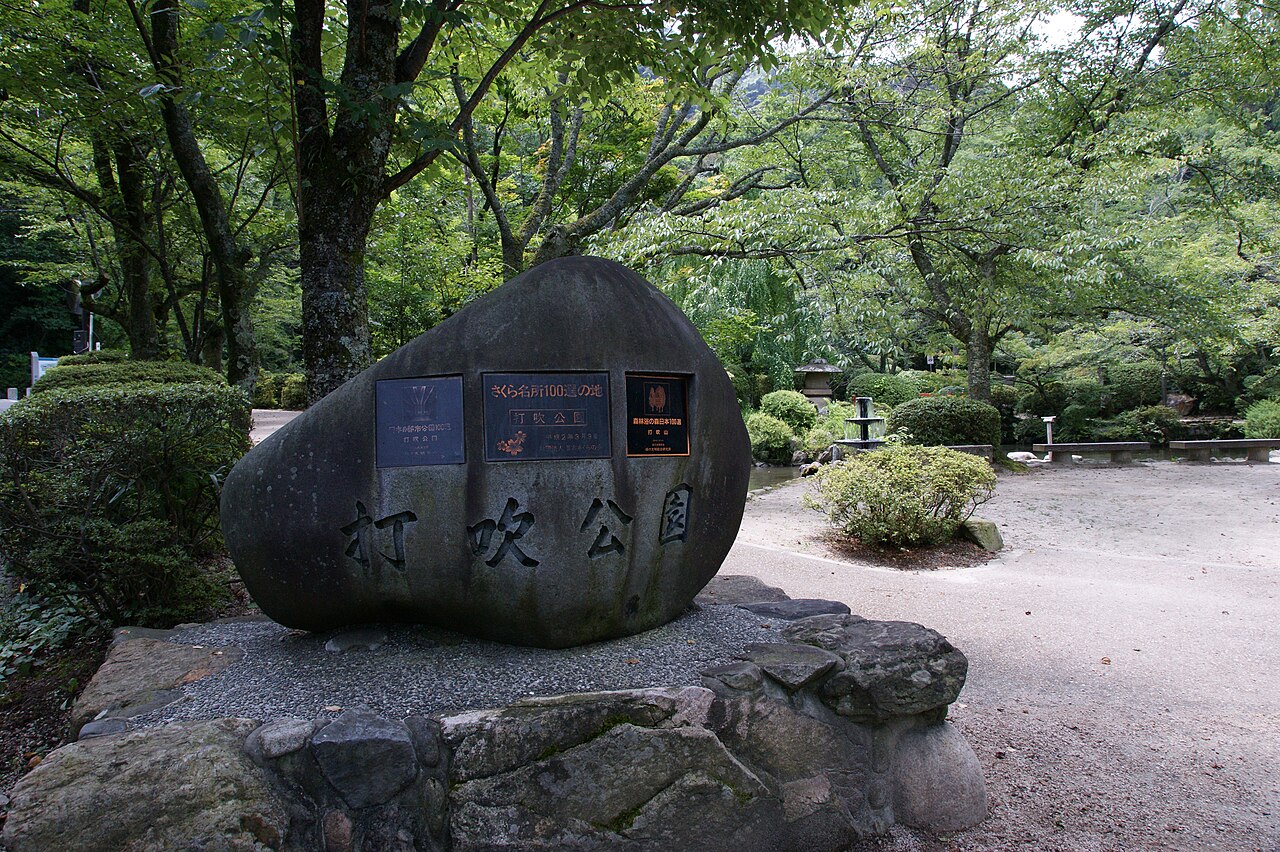
Utsubuki Park was laid out on the site of the town's old castle, on the low hill that stands behind the streets. An old gazetteer of famous places, written in the Meiji era, praised it for its garden stones and ponds and for the view over the surrounding country, and called it one of the finer scenic spots among the hills. The Park Square-route bus stops at Shiyakusho / Utsubuki Koen Iriguchi, the entrance to the park.
The castle itself is said to go back to Yamana Moroyoshi in the Nanboku-cho period. It was destroyed by Amago Tsunehisa in the Daiei era, passed to the Nanjo clan in the Tensho years, and under the Ikeda lords of the Edo period was held as a branch castle by the Arao family of chief retainers. On the same hill is Hasedera, a Tendai temple whose founding is credited to the monk Hodo and dated, depending on which tradition you follow, either to the early eighth century or to the late twelfth; the present halls are said to have been repaired by the Nanjo in the mid sixteenth century. The temple grounds lie to the southwest of the old castle site and look west toward Daisen and north toward the sea.
The same gazetteer describes Kurayoshi at the foot of Utsubuki-yama as the seat of the Tohaku district, with the district office, a local court and a tax office, two small rivers running past to east and west, and Iwakura-yama in view to the south. It counted the population at close to ten thousand, second in the prefecture only to Yonago, and noted that the town sat on the road into Mimasaka and was lively with trade. Its two famous products were Kurayoshi-gasuri, a cotton weave with a long reputation, and inakoki, rice-threshing tools that were sold almost everywhere in the country.
Where to stay
Places to stay near Kurayoshi →
Disclosure: This post may contain affiliate links. If you book through them, we may earn a commission at no extra cost to you.
Two shrines and their stories
Kurayoshi Hachimangu stands on a wooded hill that still holds traces of a Sengoku-period hill fort. From the great torii, one hundred and eight stone steps climb to the main hall, a building in the gongen style. The shrine dates its founding to the late fifteenth century and enshrines five deities: Emperor Ojin, Empress Jingu, Susanoo, Takenouchi no Sukune and Uka-no-mitama. Local custom, it is said, has students and job-seekers pass beneath the floor of the main hall from west to east, a rite called torinuke-mairi, in the belief that a wish will get through; under that floor is a sacred rock that is said to give off a strong spiritual presence. To the right of the second torii sits a lion-dog carved with a cub, and stroking it is said to bring an easy childbirth.
Kamo Shrine, in the Aoi district of town, was founded in the middle of the Heian period by inviting the deity of Kyoto's Kamigamo Shrine, and its main hall is built in the irimoya style. The deity, Kamo Wakeikazuchi, is looked to above all for warding off misfortune, and also for easy childbirth, protection on the road and peace at home. The goshuin stamp given here carries the twin-leaf hollyhock crest, the same mark used by Kamigamo and Shimogamo in Kyoto. Beyond the sacred bridge is the Yugao Well; the story told here is that a heavenly maiden rose to the sky from it, and the tale is also said to have given its name to Uchikoshi-yama, the hill to the west of the shrine. Bring a bottle and you may carry the well's water home as purifying water. The wood that rings the grounds is a firefly habitat, and from the rainy season into early summer people come to watch them; one guide to the region's shrines says the tree-shaded approach has a hush that seems to swallow sound.
Komo tofu, the dish of central Tottori
Komo tofu is the local dish of the central part of Tottori, with Kurayoshi at its heart. Tofu is wrapped in a coarsely woven straw mat, the komo, and finished inside it. It has been made for more than a century, and it was once the food of the occasions that gathered people: weddings, funerals, festivals and memorial services. Until the mid nineteen-fifties it was always on the table for the local shrine's festival or a wedding; once supermarkets arrived later in that decade, fewer households made it, and today it appears mainly at events and when there are guests to feed. Carrot and burdock root are the standard fillings, sometimes joined by egg, dried gourd strips, spinach or whatever is in season. There are two ways to eat it: simmered until it takes up sugar and light soy sauce, or cut into rounds and eaten with wasabi and soy sauce. If you see it on a menu or in a shop, it is the one item here that belongs only to this part of the prefecture.
Planning the day
- Ride the city-route bus from Kurayoshi Station Bus Terminal to Akagawara / Shirakabe Dozo-gun, about twelve minutes, and start at the canal.
- The two museums are open from nine until five, with entry until half past four, so put them in the middle of the day.
- The figure museum asks one thousand two hundred yen from adults and high-school students.
- For the park, take the Park Square-route bus to Shiyakusho / Utsubuki Koen Iriguchi, about seventeen minutes, and walk up from the entrance.
- If you are spending three days in the area, the Tottori Han unlimited ride pass at one thousand eight hundred yen may be the better buy.
- For a two-day visit, the Yu-Yu Two-Day Pass at one thousand three hundred yen is the shorter option.
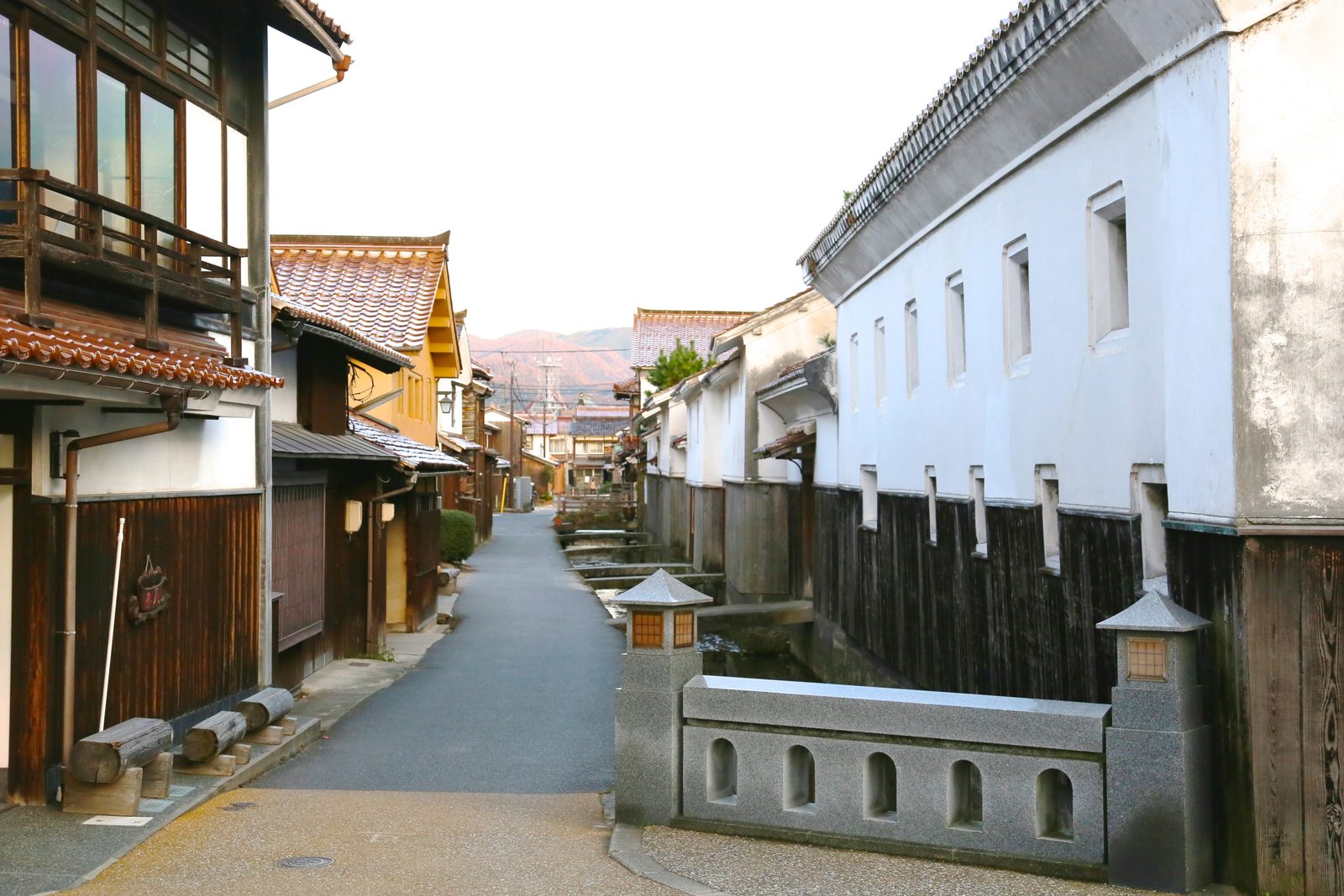
The lane is at its best when the light goes low and the white walls pick up the last of it against the hills. If you would rather see that than catch a return ride, look for a place to stay in Kurayoshi and give the town an evening as well.