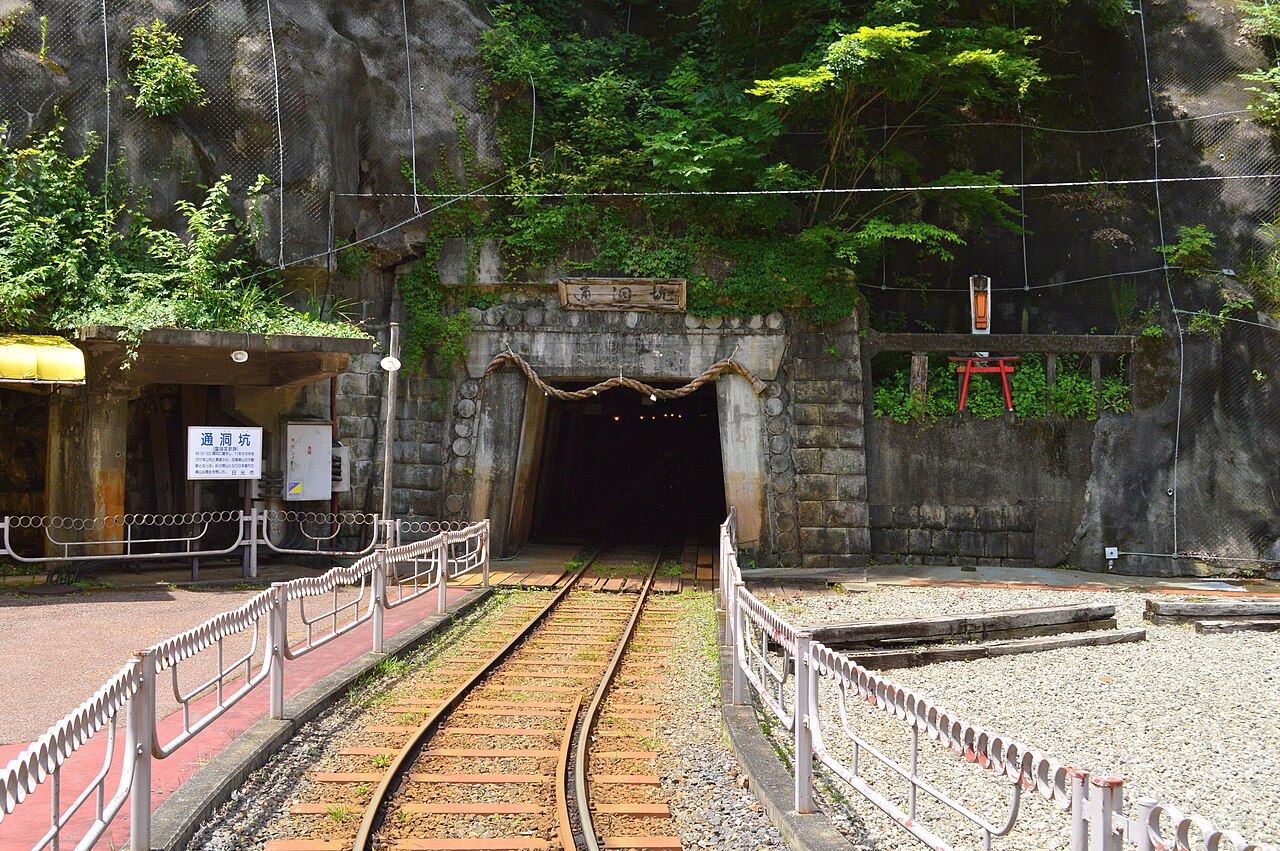
At Ashio Copper Mine Kanko a mine tram takes you into a dim tunnel about four hundred sixty metres in total length. You board the tram, step off one hundred fifty metres in and then cover about three hundred metres on foot. Along the Watarase Keikoku Railway, the Torokko Wasshi-go runs with Torokko cars that have no window glass.
Getting to Ashio
| Leg | How | Time or fare |
|---|---|---|
| Asakusa Station to Aioi Station | Tobu limited express | About one hundred minutes |
| Aioi Station to Tsudo Station | Watarase Keikoku Railway | An adult fare of one thousand ten yen |
| Kiryu Station to Tsudo Station | Watarase Keikoku Railway | An adult fare of one thousand seventy yen |
| Tokyo Station to Kiryu Station | Shinkansen via Takasaki and the Ryomo Line | About one hundred ten minutes |
| Nikko Station to the bus stop in front of Ashio Copper Mine Kanko | City bus bound for Ashio | About fifty-three minutes |
| Tsudo Station to Ashio Copper Mine Kanko | On foot | About five minutes |
Riding the Mine Tram into the Copper Mine Tunnel
Catch the mine tram from nine in the morning, when it leaves about every ten minutes for the tunnel. The last tram of the day leaves at a quarter past four in the afternoon.
- Ashio Copper Mine Kanko is open from nine in the morning to five in the afternoon.
- Admission for an adult, high school age and up, is eight hundred thirty yen.
- Admission for a child in elementary or junior high school is four hundred ten yen.
The shop sells ore dug at Ashio Copper Mine, ores and fossils from Japan and around the world, natural stone accessories and old coins. The tenant association shop is open the same hours as the site.
The Watarase Keikoku Railway and Its Torokko Cars
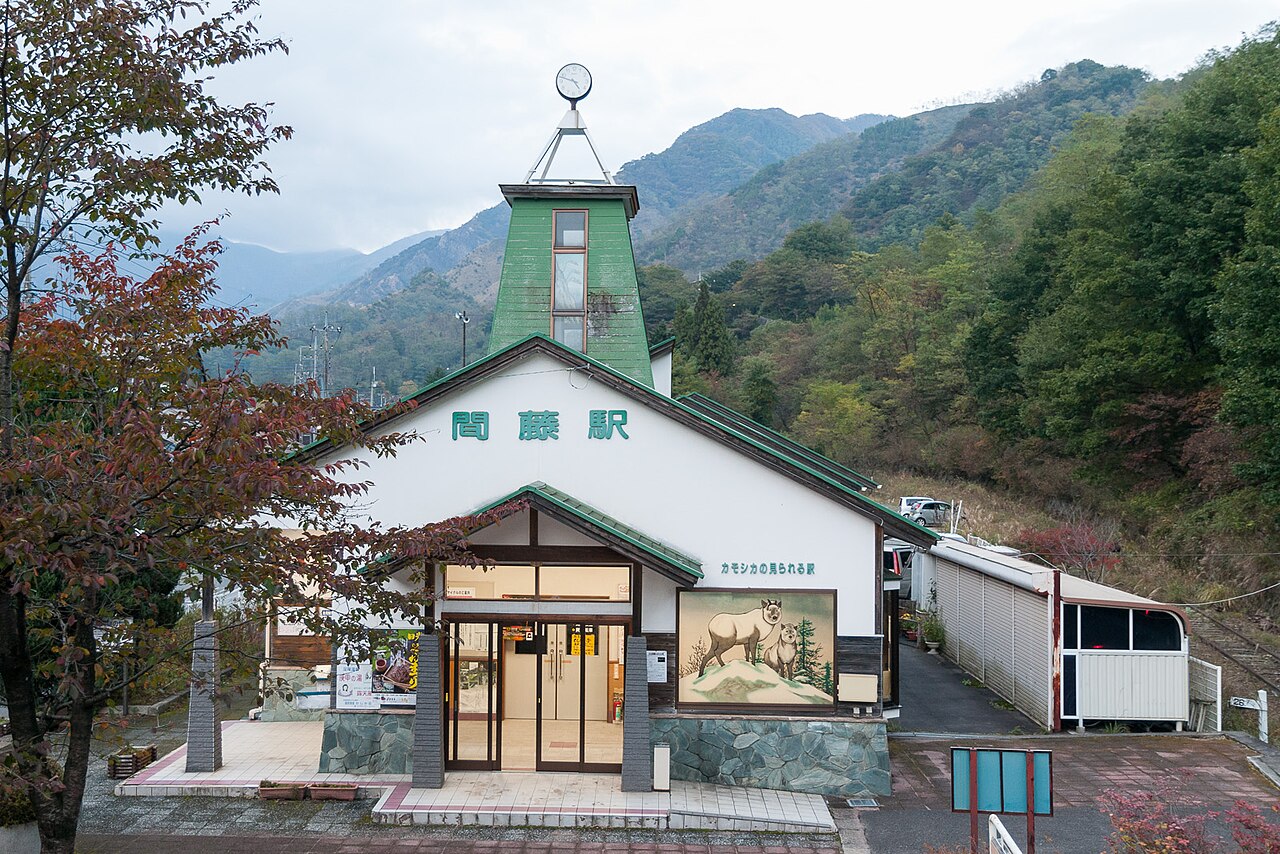
Ride the Torokko Watarase Keikoku-go, which couples two Torokko cars without window glass between two ordinary cars that keep their glass. Another Torokko service, the Torokko Wasshi-go, covers the whole line from Kiryu to Mato, with stops that include Tsudo and Ashio.
Of the Torokko Wasshi-go services, numbers one, two, five and six run from April to November. Numbers three and four run from December to March. IC cards such as Suica and PASMO cannot be used on the Watarase Keikoku Railway.
Fares are paid in cash, either on the train or at the station where you get off. A Torokko ticket costs seven hundred yen for an adult and three hundred fifty yen for a child.
Where to stay
Disclosure: This post may contain affiliate links. If you book through them, we may earn a commission at no extra cost to you.
Furukawa Kakemizu Club and Ashio Station
Walk about three minutes from Ashio Station on the Watarase Keikoku Railway to Furukawa Kakemizu Club. Built as a guest house for the mining company Furukawa Kogyo and rebuilt in the early Taisho era, it is a two-storey building with a Western-style exterior and rooms in Japanese and Western styles. The club is closed from late November to mid-April.
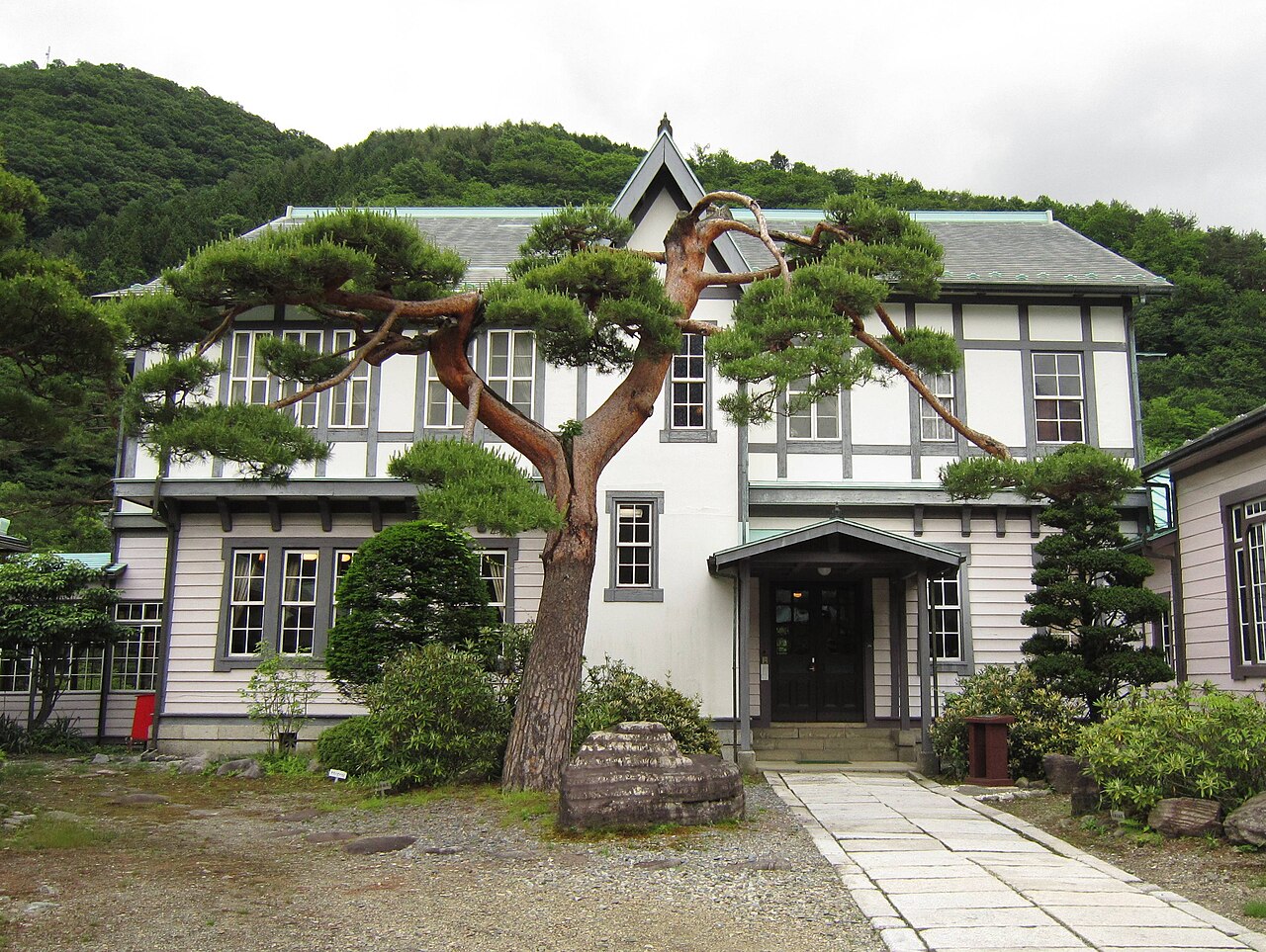
- Furukawa Kakemizu Club is open from ten in the morning to half past three in the afternoon, and reception closes at a quarter to three.
- Admission is five hundred yen for an adult.
- Elementary and junior high school students pay three hundred yen.
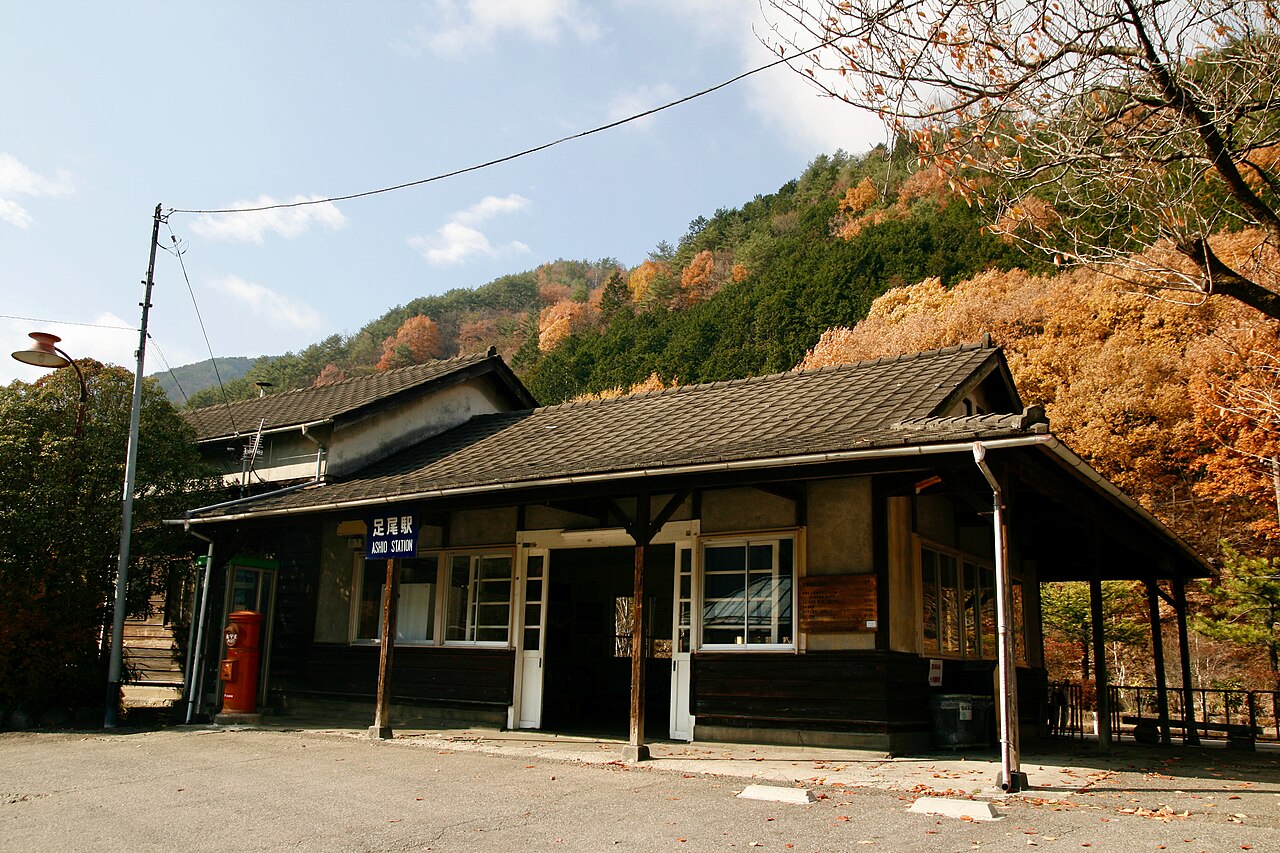
Ashio is where the Torokko Watarase Keikoku-go begins and ends its run. The wide grounds at Ashio formerly held many tracks for shunting and holding freight cars for copper products and raw materials.
History Museum, Environmental Center and Where to Stay
Walk about five minutes from Tsudo Station on the Watarase Keikoku Railway to the Furukawa Ashio History Museum. It is open from ten in the morning to four in the afternoon, with reception ending at half past three.
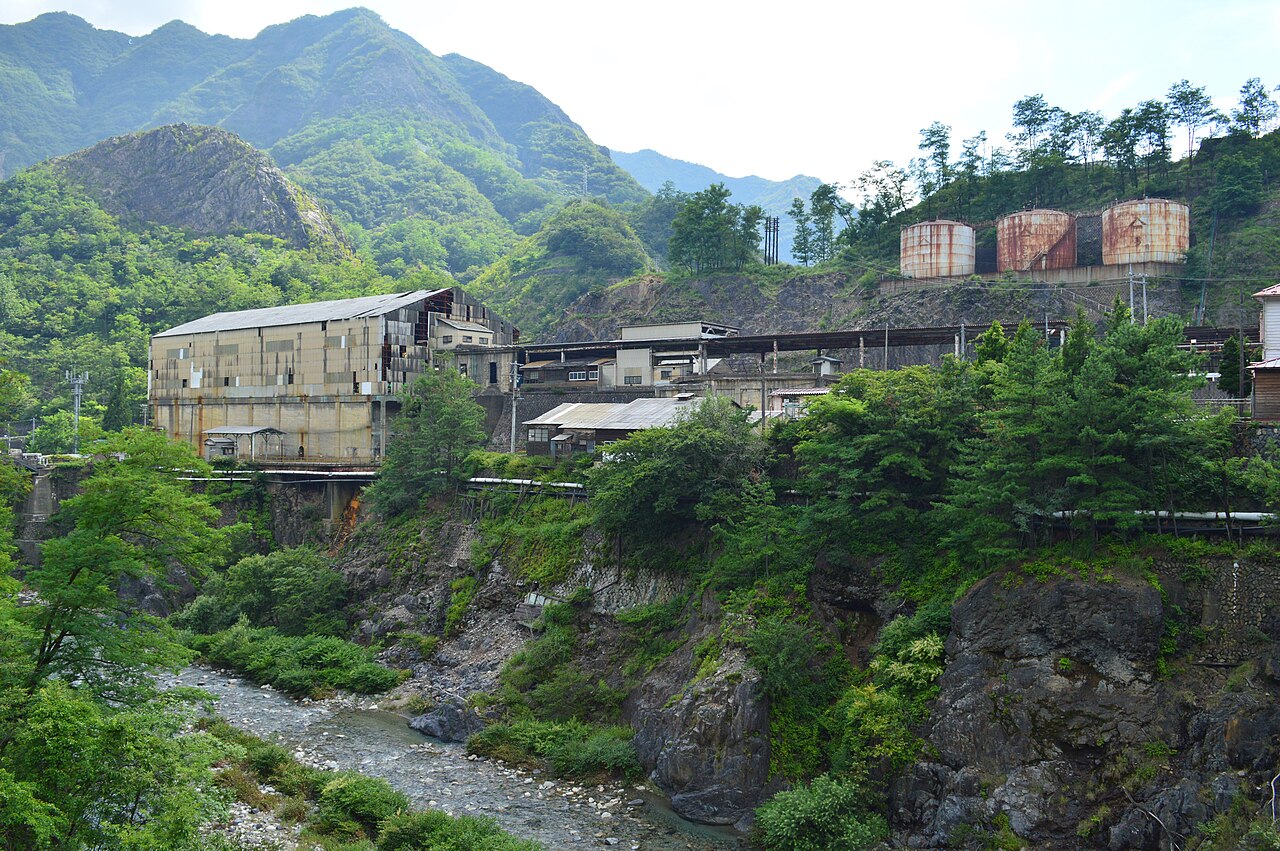
The Ashio Environmental Learning Center is open from half past nine in the morning to half past four in the afternoon, with last entry at four in the afternoon. If you would rather go round with a guide, the Ashio Marugoto Idobata Guide charges five hundred yen per person for two hours.
- Adult admission to the Furukawa Ashio History Museum is four hundred yen.
- Adult admission to the Ashio Environmental Learning Center is two hundred yen.
- High school students and younger pay one hundred yen at the Ashio Environmental Learning Center.
Travelers who want to stay overnight can look at places to stay in Nikko.