Ashikaga, in Tochigi Prefecture, is known as the birthplace of the Ashikaga clan, the family that went on to found the Muromachi shogunate, and several sites connected to the family still stand in the city. The sights that matter for a first visit sit close together on the JR Ashikaga Station side of town: the historic school Ashikaga Gakko, the temple Banna-ji, and Ashikaga Orihime Shrine. This page lays out a single unhurried day built around the school and the temple, with train times from Tokyo, admission, reception hours, and a soba lunch, so that the plan holds together before you leave the hotel.
Getting there from Tokyo
The direct way in is the Tobu limited express Ryomo. From Asakusa Station it takes about seventy minutes to reach Ashikaga. From Kita-Senju the ride is about sixty minutes, which makes the trip workable even if you only decide the night before.
Ashikaga has two stations that matter for this walk: Tobu Ashikagashi Station on the Tobu side, and JR Ashikaga Station on the Ryomo Line. Both serve the same old town, so here are the walking times from each.
- From JR Ashikaga Station, Banna-ji is a ten-minute walk.
- From Tobu Ashikagashi Station, Banna-ji is a fifteen-minute walk.
- Ashikaga Gakko is also a ten-minute walk from JR Ashikaga Station.
Everything in this plan is on foot. If you decide to range farther, the local bus is called Ashi-bus Asshii; guidebooks describe its one-day pass as the better buy once you ride three or more times, and note that it can be bought on board.
Ashikaga Gakko, the school behind the gate
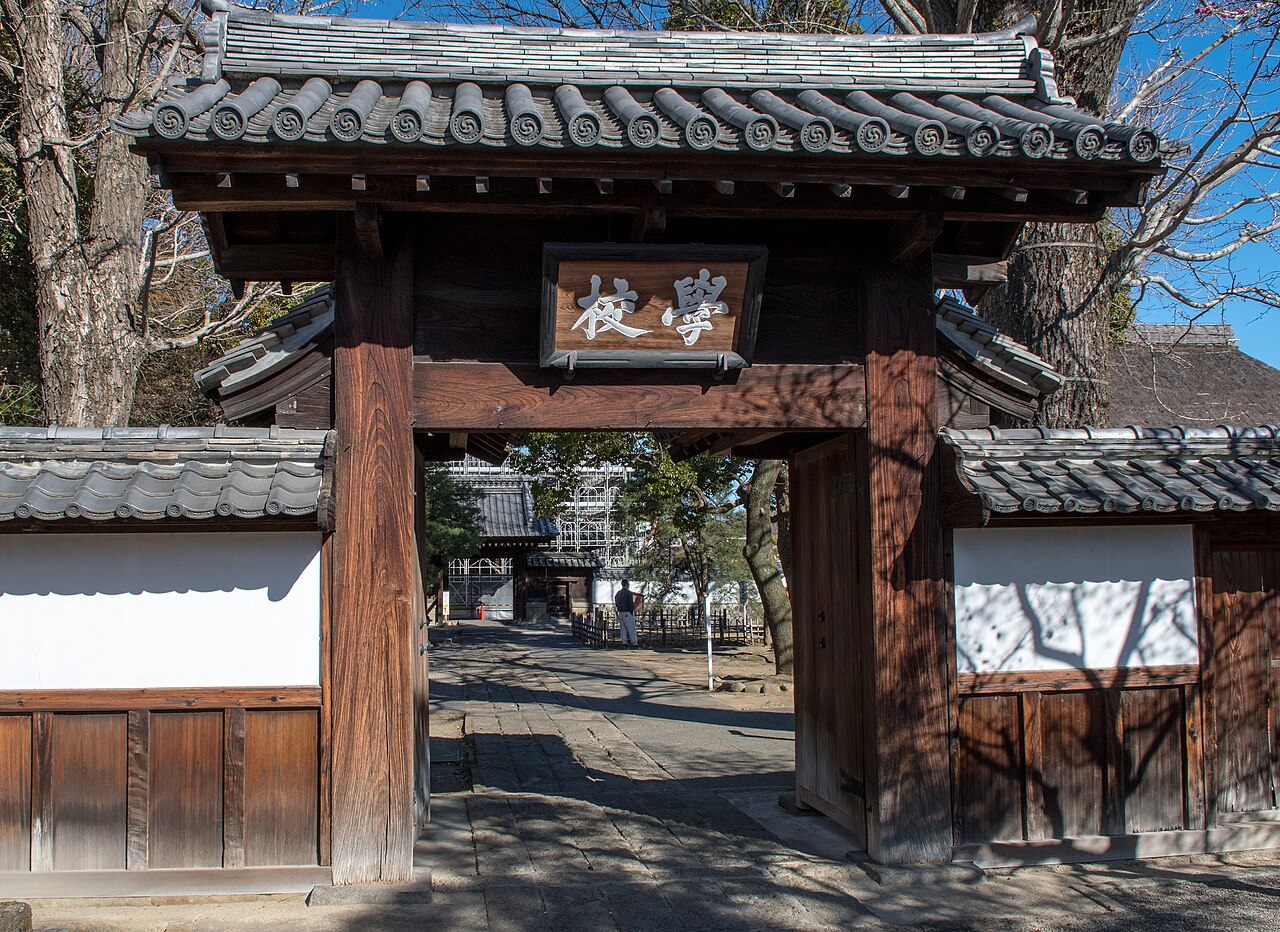
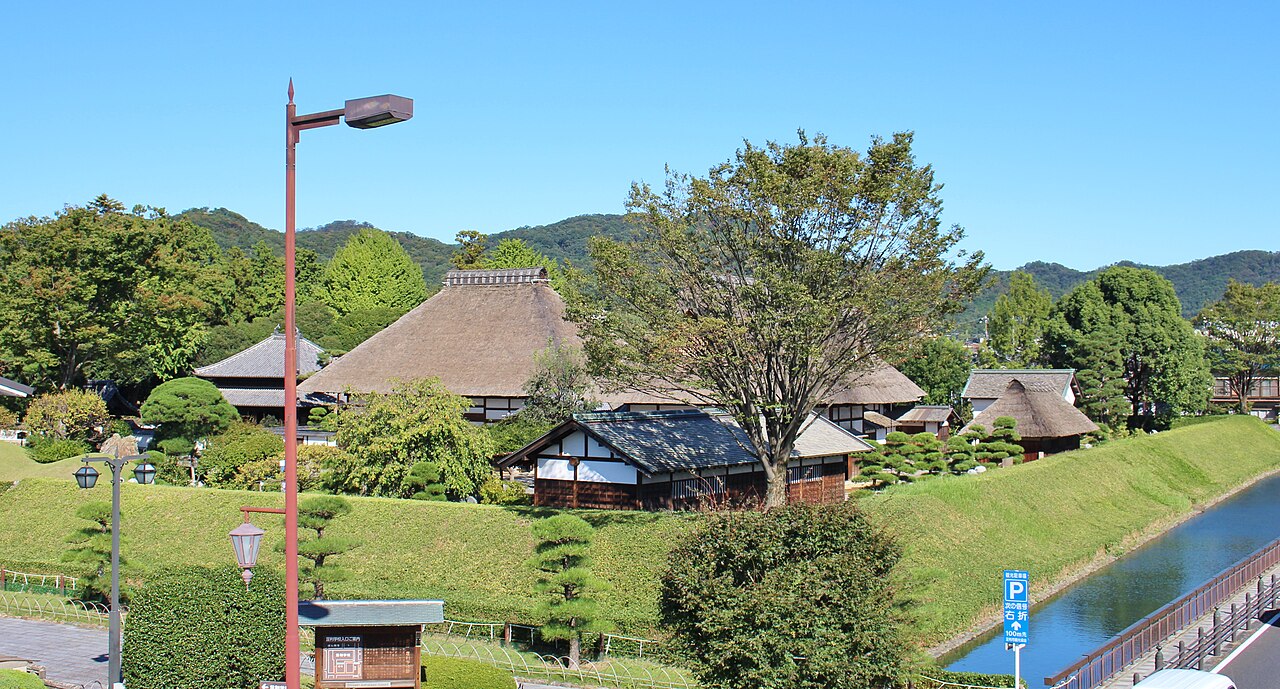
You enter through a wooden gate under a tiled roof, with a plaque that reads simply Gakko, school, and a stone path drawing you inside. Beyond it the grounds open out: a moat and an earthen bank, thatched roofs on the far side, and low hills behind them when the sky is clear. It is the kind of place where you slow down without deciding to.
Admission and reception are straightforward.
- General admission is four hundred and eighty yen per person.
- The group rate is four hundred yen.
- High school students pay two hundred and forty yen, or two hundred yen at the group rate.
- Elementary and junior high school students from outside the city pay one hundred and twenty yen, or one hundred yen at the group rate.
- From April to September, reception runs from nine in the morning to half past four in the afternoon.
- From October to March, reception runs from nine in the morning to four in the afternoon.
If your dates land in the autumn colour season, guidebooks describe the grounds as a changing palette of ginkgo, maple, and nanban-haze trees.
Where to stay
Places to stay near Ashikaga →
Disclosure: This post may contain affiliate links. If you book through them, we may earn a commission at no extra cost to you.
Banna-ji and the Ashikaga clan
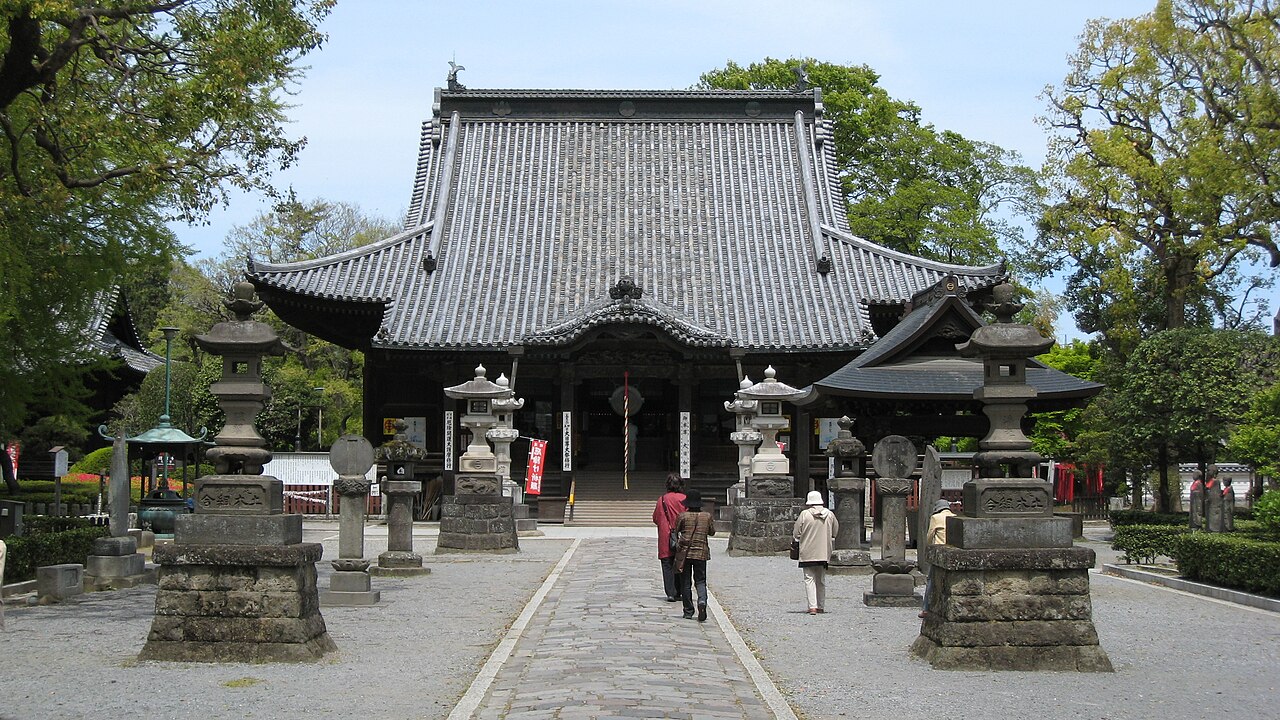
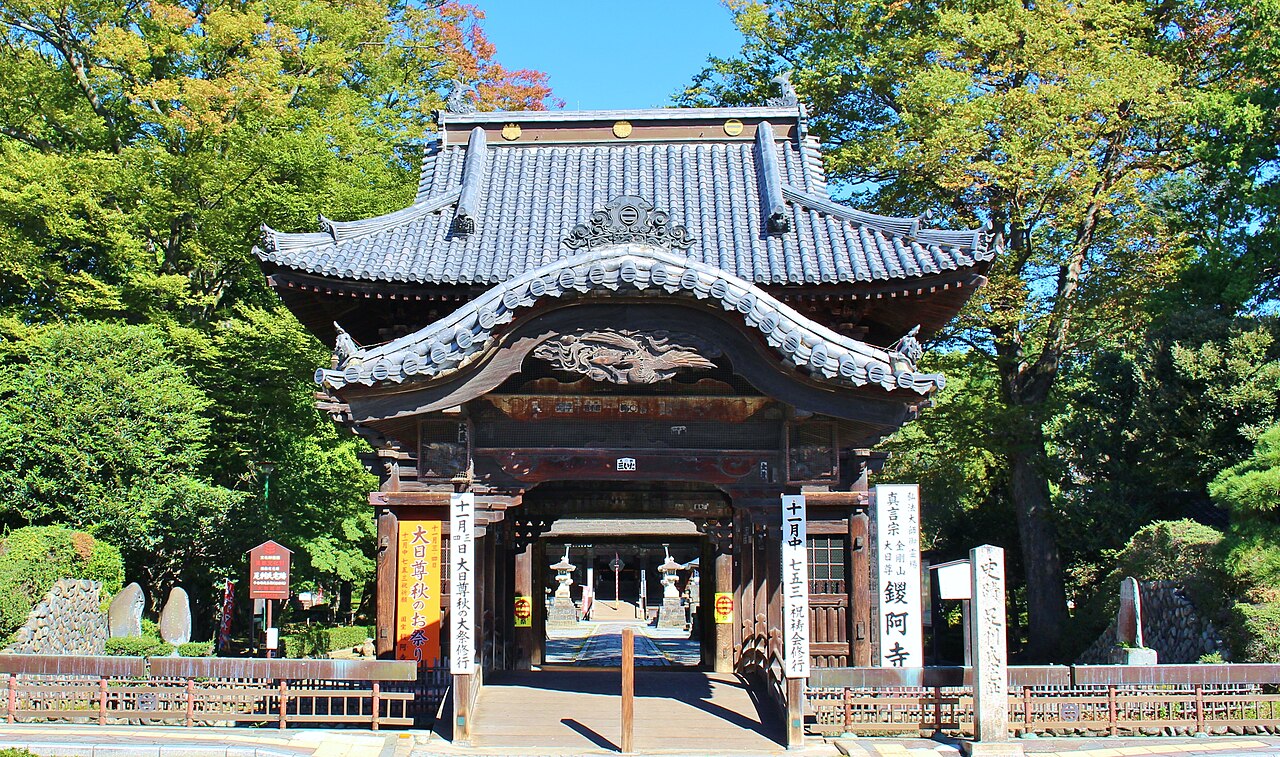
Banna-ji is the day's second anchor. You come in through a two-storey gate with carved panels across its front and banners standing beside it. Inside, a stone path lined with stone lanterns runs straight to the main hall.
Within the temple grounds is the Issaikyodo, the sutra hall; it can be viewed for three hundred yen per person, and only on Sundays and public holidays when the hall is open.
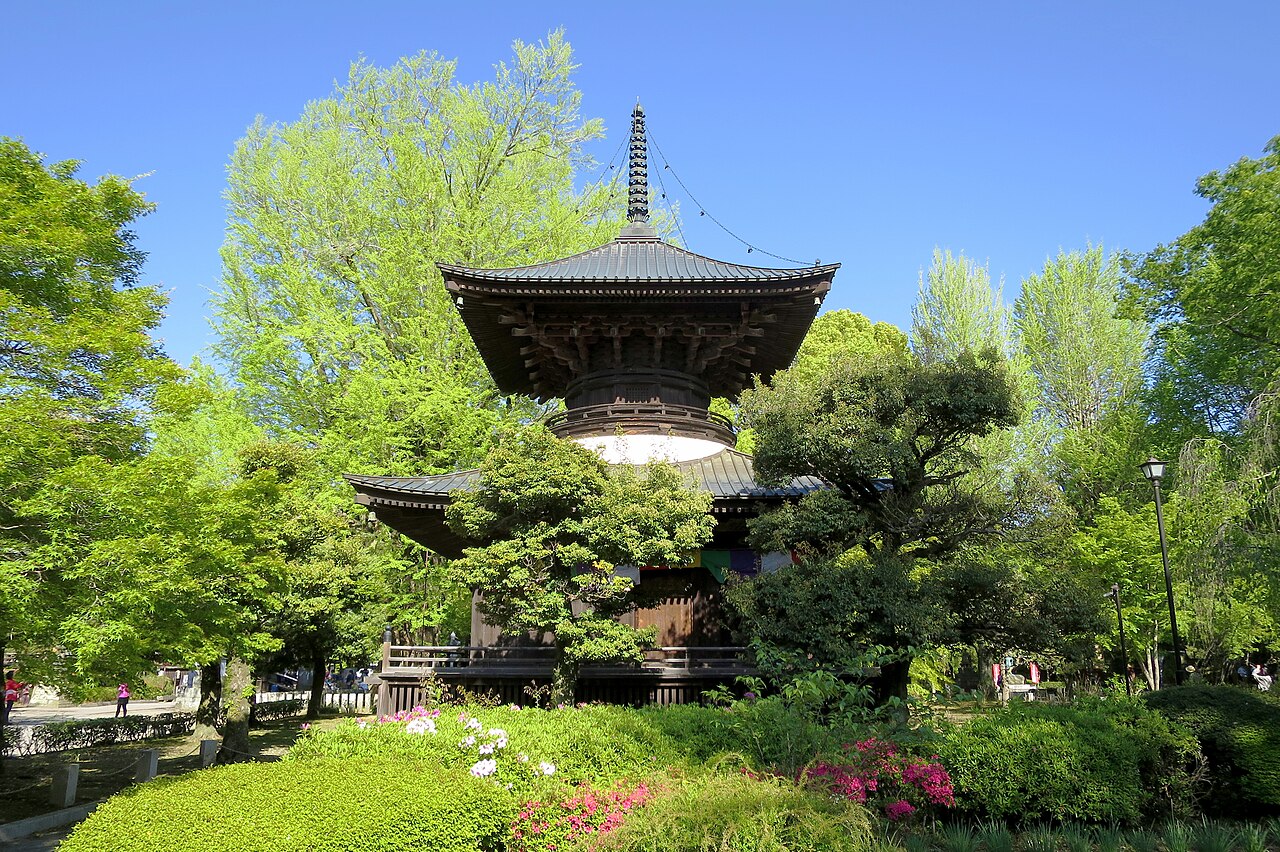
To one side stands a tahoto, a two-tiered pagoda. When the azaleas are out it sits in a wash of fresh green and blossom, and it is worth circling once before you head back toward the gate.
If the clan story interests you, remember that this is the city known as the birthplace of the Ashikaga family, founders of the Muromachi shogunate, and that several places connected to them remain within the city. Banna-ji and the school are the two you can see comfortably in one day; the rest can wait for a second visit.
Lunch: soba at Menkappo Nakagawa
For lunch, Menkappo Nakagawa is about a six-minute walk from JR Ashikaga Station. From Tobu Ashikagashi Station it is about an eight-minute walk. These are the dishes worth knowing before you go in.
- Herring soba in the Aida Mitsuo style is one thousand three hundred and twenty yen including tax.
- Kenchin soba or udon is nine hundred and ninety yen including tax.
- The Aida Mitsuo recommended set meal is two thousand seven hundred and fifty yen including tax.
- The tennuki set meal is two thousand two hundred yen including tax.
The shop is open from eleven in the morning to three in the afternoon, with last orders at half past two in the afternoon, and again from half past five in the evening to eight in the evening, with last orders at seven in the evening. Tuesday is the regular closing day, though the shop opens if the Tuesday is a public holiday.
If you want something smaller later in the afternoon, the cafe corner at the Taiheikikan lists Ashikaga shumai at two hundred and fifty yen.
The old town between the two
Between the school and the temple, the streets themselves deserve a slow pass. From the Taisho era into the early Showa years, Ashikaga produced, in quantity, a plain-weave silk with designs of its own, known as Ashikaga meisen. That history is not loud on the street, but it is worth carrying in your head as you walk between the two sights.
If you have energy left, Ashikaga Orihime Shrine is the third name that guidebooks put beside the school and the temple on the JR side of town, and it rounds out the trio.
A one-day plan
- Morning: take the Ryomo from Asakusa or Kita-Senju and walk into the old town from whichever station you arrive at.
- Late morning: Ashikaga Gakko first, soon after the reception desk opens.
- Midday: soba at Menkappo Nakagawa, timed ahead of the lunchtime last orders.
- Afternoon: Banna-ji, then a slow loop of the old streets and, if you like, Ashikaga Orihime Shrine.
- Late afternoon: a shumai at the Taiheikikan cafe corner, then back to the station.
Before you go
Admission, reception hours, and shop closing days can change, so check official information before visiting. The walking times above are the ones that make the day work; if you build in time to sit on a bench inside the school grounds and do nothing, the plan still fits comfortably.
Looking for a guided option? Browse tours and activities around Ashikaga, keeping in mind that many of the listings are for Ashikaga Flower Park rather than for the old town. If you would rather not rush back to Tokyo, find a place to stay in Ashikaga and give the town an evening as well.