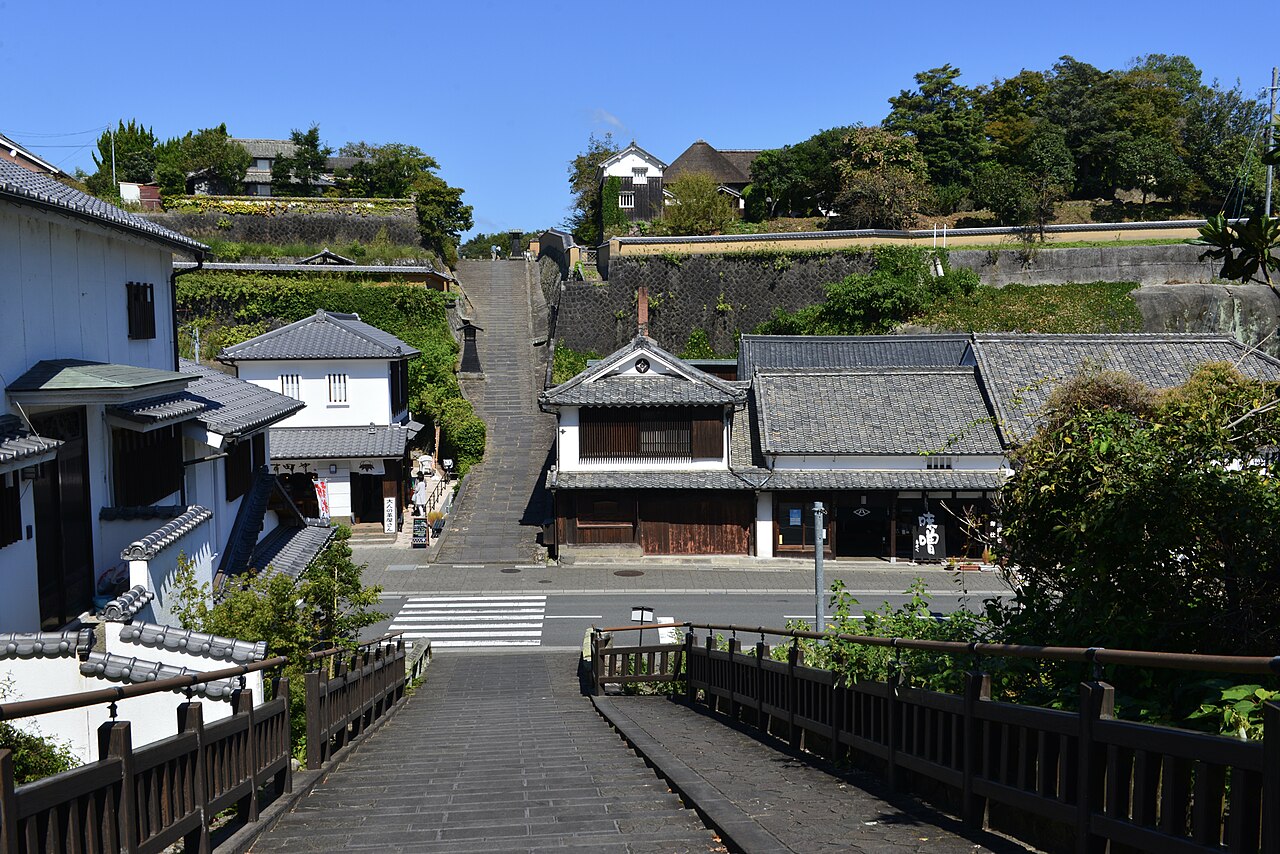
Kitsuki is a castle town in Oita Prefecture on the regular route bus line that links Oita Airport with Kitsuki Station. This guide covers that bus ride from either end, the admission and hours of Kitsuki Castle and the historic houses in the castle town, a kimono rental for the walk, places to eat, and a short history.
Getting to Kitsuki by Bus from Oita Airport or Kitsuki Station
Arriving at JR Kitsuki Station, look for the Kitsuki Ekimae stop in front of the station. The route bus from there reaches Kitsuki Bus Terminal in about ten minutes, and the fare is shown in the table below. This is the shortest leg of a Kitsuki day trip, so treat it as the last easy step before the castle town.
From Oita Airport, the regular route bus gives you a choice of where to get off. Kitsuki Bus Terminal is the earlier stop, a ride of thirty minutes from the airport. Staying on the bus to Kitsuki Station takes forty-one minutes. Both adult fares are in the table below, so pick the stop that suits your plan.
For the return, the same route runs back to Oita Airport from either stop. From Kitsuki Bus Terminal the ride is thirty minutes. From Kitsuki Station it is forty-one minutes, and the adult fares for both are in the table below. Note the fare for your stop before heading back, and allow a margin at the airport end.
| Ride | Detail |
|---|---|
| Kitsuki Station to Kitsuki Bus Terminal, route bus, ride time and fare | about 10 minutes, 290 yen |
| Oita Airport to Kitsuki Bus Terminal, regular route bus, ride time | 30 minutes |
| Oita Airport to Kitsuki Bus Terminal, regular route bus, adult fare | 720 yen |
| Oita Airport to Kitsuki Station, regular route bus, ride time | 41 minutes |
| Oita Airport to Kitsuki Station, regular route bus, adult fare | 910 yen |
| Kitsuki Bus Terminal to Oita Airport, regular route bus, ride time | 30 minutes |
| Kitsuki Bus Terminal to Oita Airport, regular route bus, adult fare | 720 yen |
| Kitsuki Station to Oita Airport, regular route bus, ride time | 41 minutes |
| Kitsuki Station to Oita Airport, regular route bus, adult fare | 910 yen |
Kitsuki Castle, the Samurai Houses and Their Hours
Kitsuki Castle is a small keep on a wooded hill above the rooftops that run down to the river mouth. Admission is charged per person, with a lower rate for elementary and junior high school students; see the table below. It keeps the hours in the table and stops admitting visitors before it shuts, so climb early.
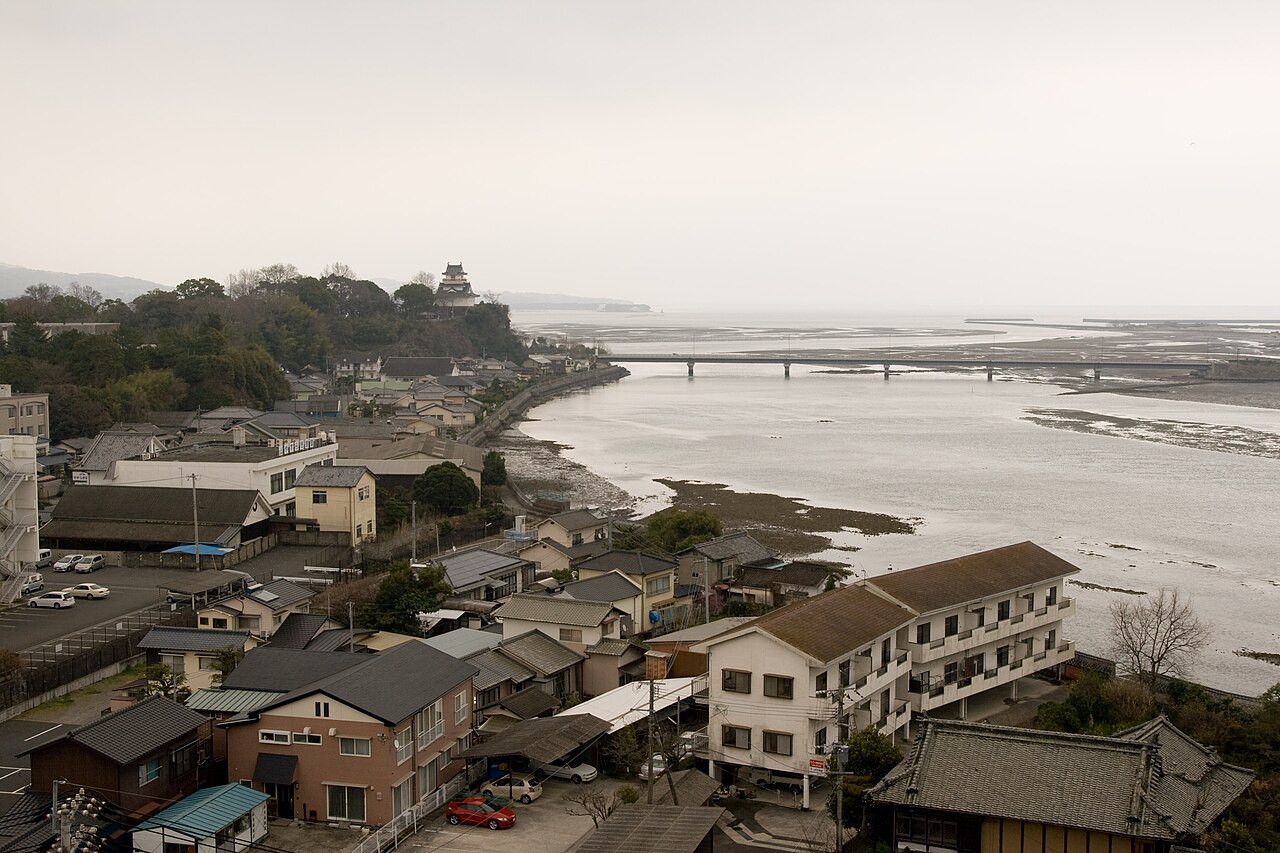
In the castle town below, a handful of historic houses and the Kitsuki Castle Town Museum each charge their own admission. The houses are Oharatei, Sano-ke, Ichimatsutei, Isoyatei and Shigemitsu-ke. Admission to each is in the table below, with lower rates for elementary and junior high school students at Oharatei and Sano-ke, so decide in advance which to enter.
| Place | Admission |
|---|---|
| Kitsuki Castle | 500 yen for general visitors, 250 yen for elementary and junior high school students |
| Oharatei | 400 yen for general visitors, 200 yen for elementary and junior high school students |
| Sano-ke | 200 yen for general visitors, 100 yen for elementary and junior high school students |
| Kitsuki Castle Town Museum | 400 yen |
| Ichimatsutei | 200 yen |
| Isoyatei | 400 yen |
| Shigemitsu-ke | 200 yen |
Regular closing days differ, and that shapes the order of the day. Kitsuki Castle, Oharatei, Isoyatei and Shigemitsu-ke have no regular closing day. The Kitsuki Castle Town Museum is closed on Wednesday. Ichimatsutei and Sano-ke take days off in the middle of the week, so on those days build the walk around the places that stay open.
| Place | Hours or regular closing day |
|---|---|
| Kitsuki Castle, hours | 10:00 to 17:00, admission until 16:30 |
| Kitsuki Castle Town Museum, hours | 10:00 to 17:00, admission until 16:30 |
| Kitsuki Castle | no regular closing day |
| Oharatei | no regular closing day |
| Isoyatei | no regular closing day |
| Shigemitsu-ke | no regular closing day |
| Kitsuki Castle Town Museum | closed on Wednesday |
| Ichimatsutei | closed on Tuesday and Thursday |
| Sano-ke | closed on Tuesday, Wednesday and Thursday |
Where to stay
Places to stay near Kitsuki, Oita, Japan →
Disclosure: This post may contain affiliate links. If you book through them, we may earn a commission at no extra cost to you.
Renting a Kimono for the Castle Town Walk
Renting a kimono gives the walk through the samurai district a different feel, and Rental Kimono Warakuan is set up for it. The kimono experience there is charged per person, and the figure sits in the table below. Put the fitting at the start of the day so the outfit goes with you to the castle and the houses.
The standard plan at Rental Kimono Warakuan includes tax in its per-person price, as the table below shows. The kimono experience takes about forty minutes, so it fits in before the walk rather than cutting into it. Match the rental to a day when the houses you want to enter are taking visitors.
| Item | Detail |
|---|---|
| Rental Kimono Warakuan, standard plan, per person, tax included | 3,500 yen |
| Rental Kimono Warakuan, kimono experience, time | about 40 minutes |
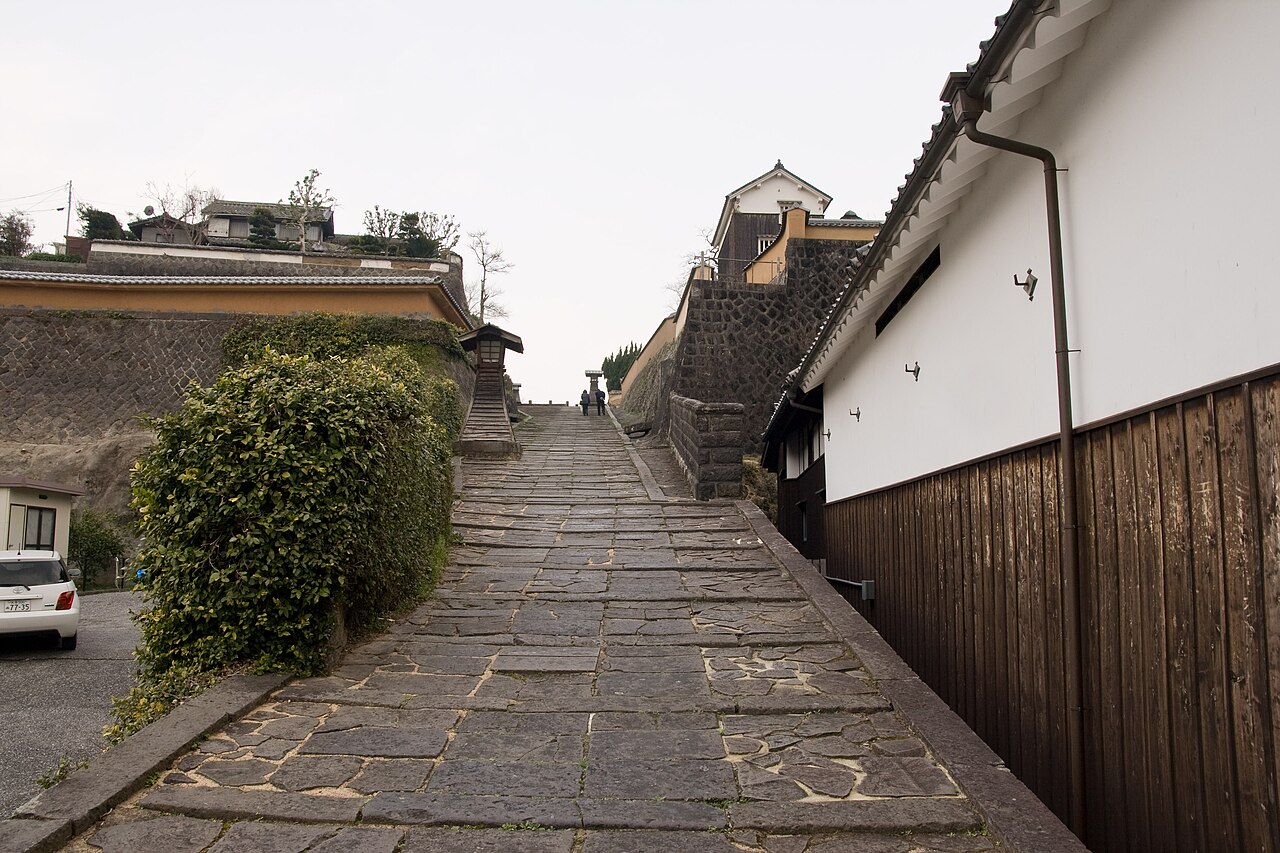
The view from Kinko Bridge is said to take in every direction, and older accounts mention boating below it. A guidebook notes a shrine revered by townspeople as the guardian of all Kitsuki. A hundred stone steps are said to lead to its gate, with a view over the town, so save them for the end of the walk.
Where to Eat in the Castle Town
Wakaeya serves a sea bream chazuke called Ureshino; chazuke is rice with tea or broth poured over it, topped here with fish. The price, tax included, is in the table below. The restaurant runs a daytime session and an evening session, and the evening one is arranged in advance, so a lunch on the day is the simpler choice.
Genroku Udon offers a Takoten-don, an octopus tempura rice bowl that comes with a small side dish and mini udon and is sold year-round. Uoichi Uozaka serves a ryukyu-don, priced with tax included. Both prices and their hours are in the table below, so compare them with your bus times before you choose.
Genroku Udon is closed on certain Wednesdays each month, listed in the table below. Uoichi Uozaka is closed on Thursday from April to October. From November to March it is closed on New Year's Day instead, with hours running later into the evening. Wakaeya's evening session is arranged in advance, so aim for the daytime session on a same-day visit.
| Place and dish | Price, hours or closing day |
|---|---|
| Wakaeya, sea bream chazuke Ureshino, tax included | 1,800 yen |
| Wakaeya, first session | 11:00 to 15:00 |
| Wakaeya, second session, arranged in advance | 17:00 to 22:00 |
| Genroku Udon, Takoten-don with a small side dish and mini udon, sold year-round | 1,000 yen |
| Genroku Udon, business hours | 10:30 to 21:00, last order 20:30 |
| Genroku Udon, closed | the 2nd and 4th Wednesdays |
| Uoichi Uozaka, ryukyu-don, tax included | 1,030 yen |
| Uoichi Uozaka, hours from April to October | 11:00 to 18:00, last entry 16:30, closed on Thursday |
| Uoichi Uozaka, hours from November to March | 11:00 to 21:00, last entry 19:30, closed on New Year's Day |
If the evening session at Wakaeya makes a longer stay appealing, places to stay in Kitsuki are worth sorting out before you go.
A Short History of the Castle Town
Kitsuki Castle is said to have been first raised in the Kamakura period by a branch family of the Otomo clan. An older gazetteer notes that a shrine to the founding lord of the Kitsuki domain stands on the castle site. Look for it on the grounds once you have come down from the keep.
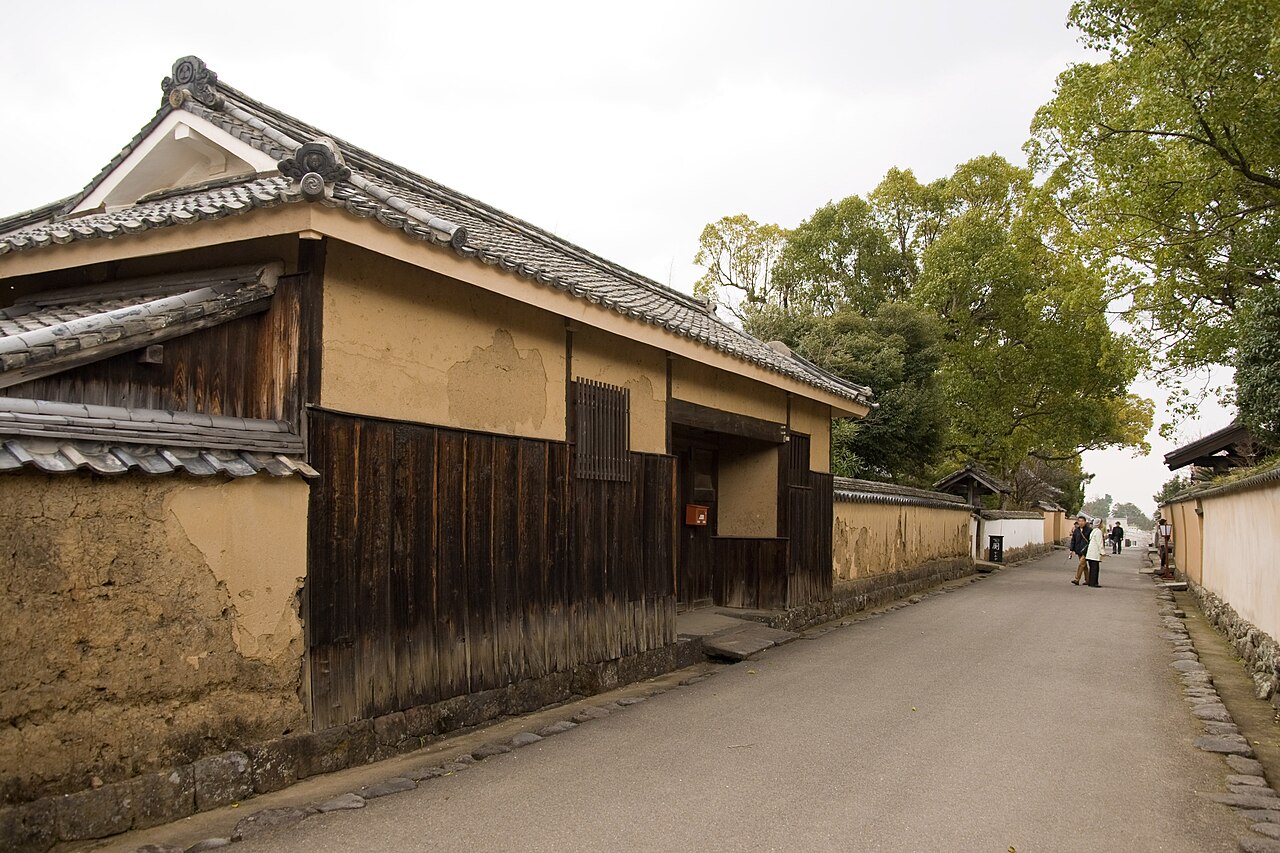
The gazetteer records that the castle changed hands several times after the Otomo fell, with lords brought in and soon replaced. Later the Ogasawara are said to have held Kitsuki, and after them the Matsudaira kept the domain in the family until the domains were abolished. Keep that order in mind as you go round the houses.
A prewar prefectural survey notes that the domain school, the Gakushukan, stood where a primary school later did. A new teaching programme is said to have revived it, and a later lord to have reorganized it and added a rite. National and Western learning are said to have followed, the lord attending lectures, until the domains were abolished and the school shut.