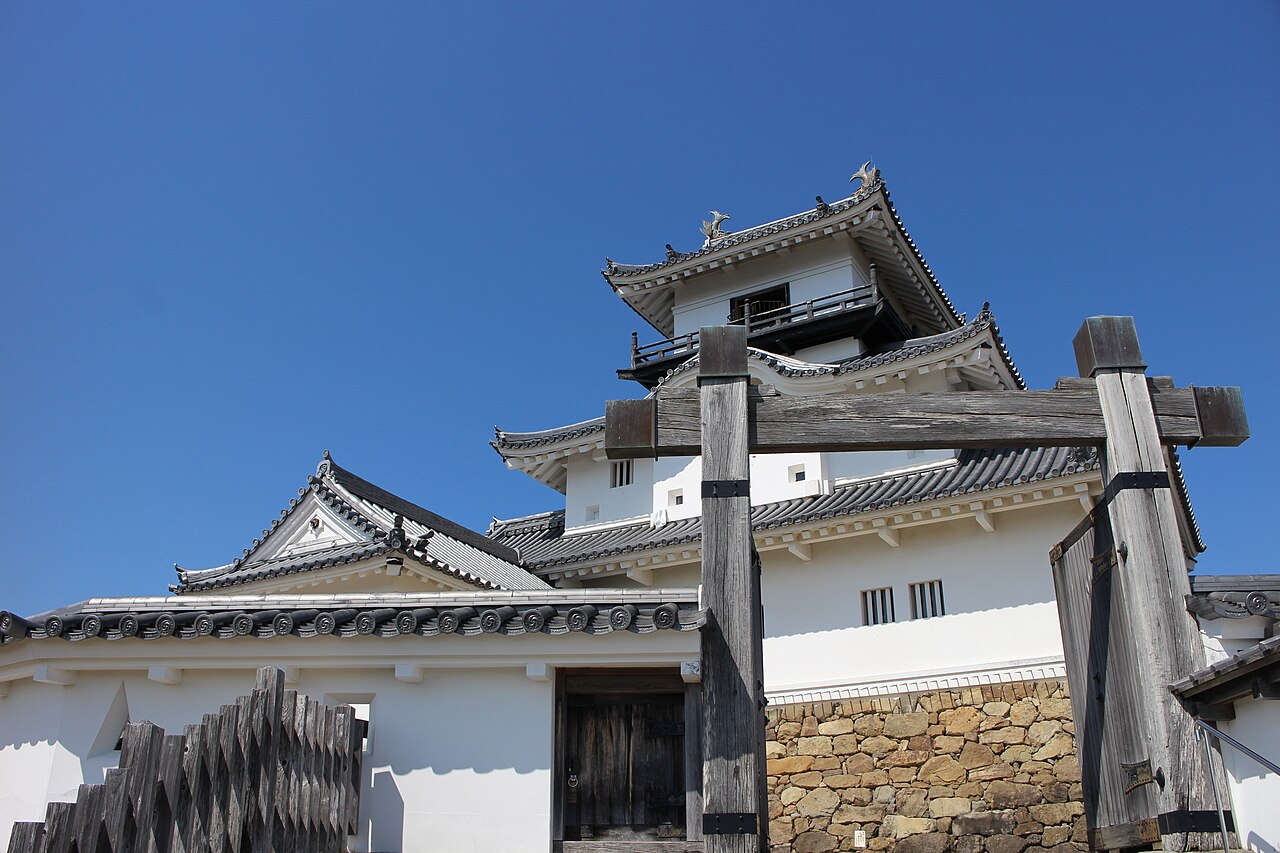
Kakegawa is a small castle town in the tea country of Shizuoka, and it rewards a slow day rather than a rushed hour. A wooden keep, a surviving feudal palace, a tea house facing a garden and a bird park under glass sit close together, and the hills beyond town are striped with tea fields, one of them carrying a giant character for "tea" on its slope. This guide builds the day around the castle first, then points you toward the tea hills and two old shrines.
From the Station to the Castle Gate
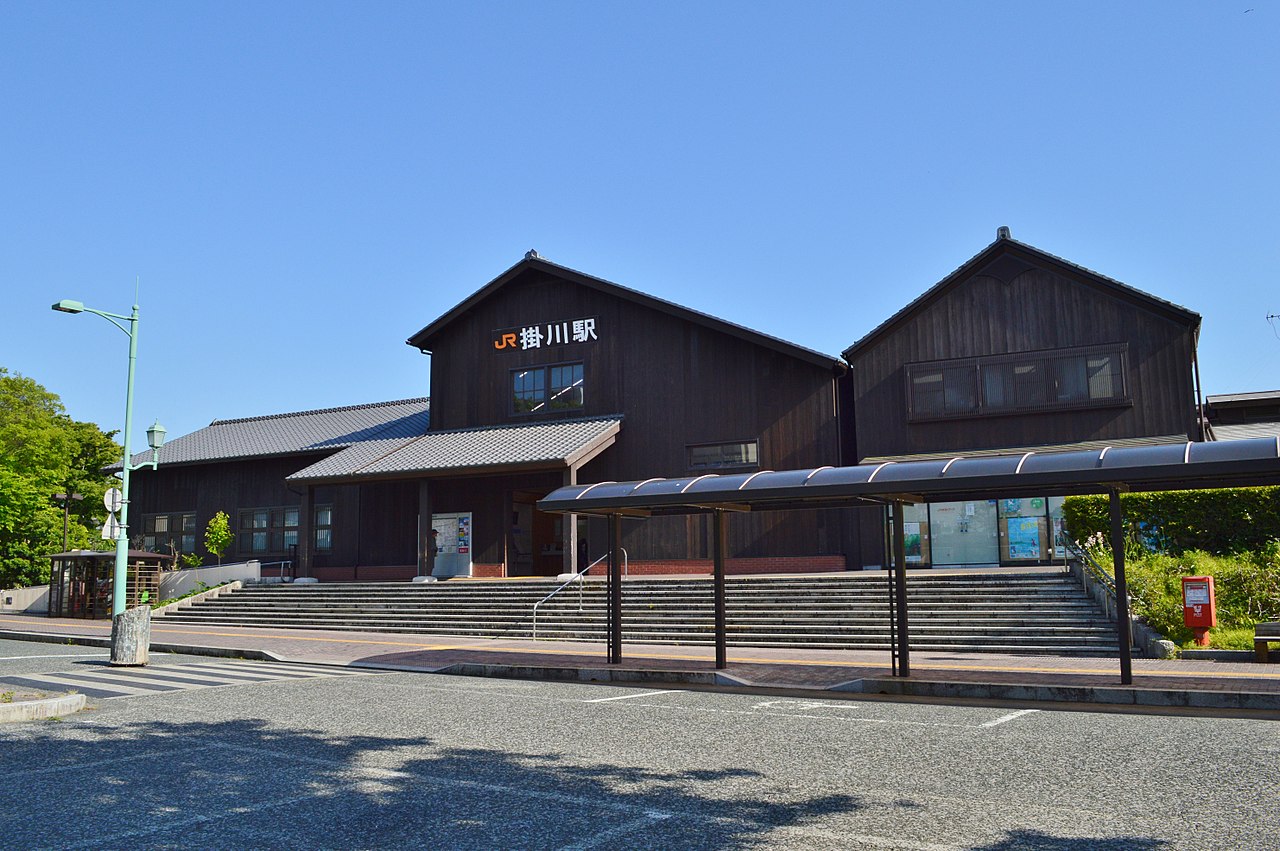
Kakegawa Castle stands about seven minutes on foot from JR Kakegawa Station, so there is no bus to work out on arrival; you simply walk. The castle admits visitors every day of the year, and the details you need are these:
| Item | Detail |
|---|---|
| Walk from JR Kakegawa Station | About seven minutes on foot |
| Admission to Kakegawa Castle | Four hundred and ten yen for adults, one hundred and fifty yen for elementary and junior high school pupils |
| Hours | Nine in the morning to five in the afternoon, last entry at half past four, no closing days through the year |
Prices and hours here come from the operators' official notices; check the official websites before you travel.
Why This Small Castle Matters
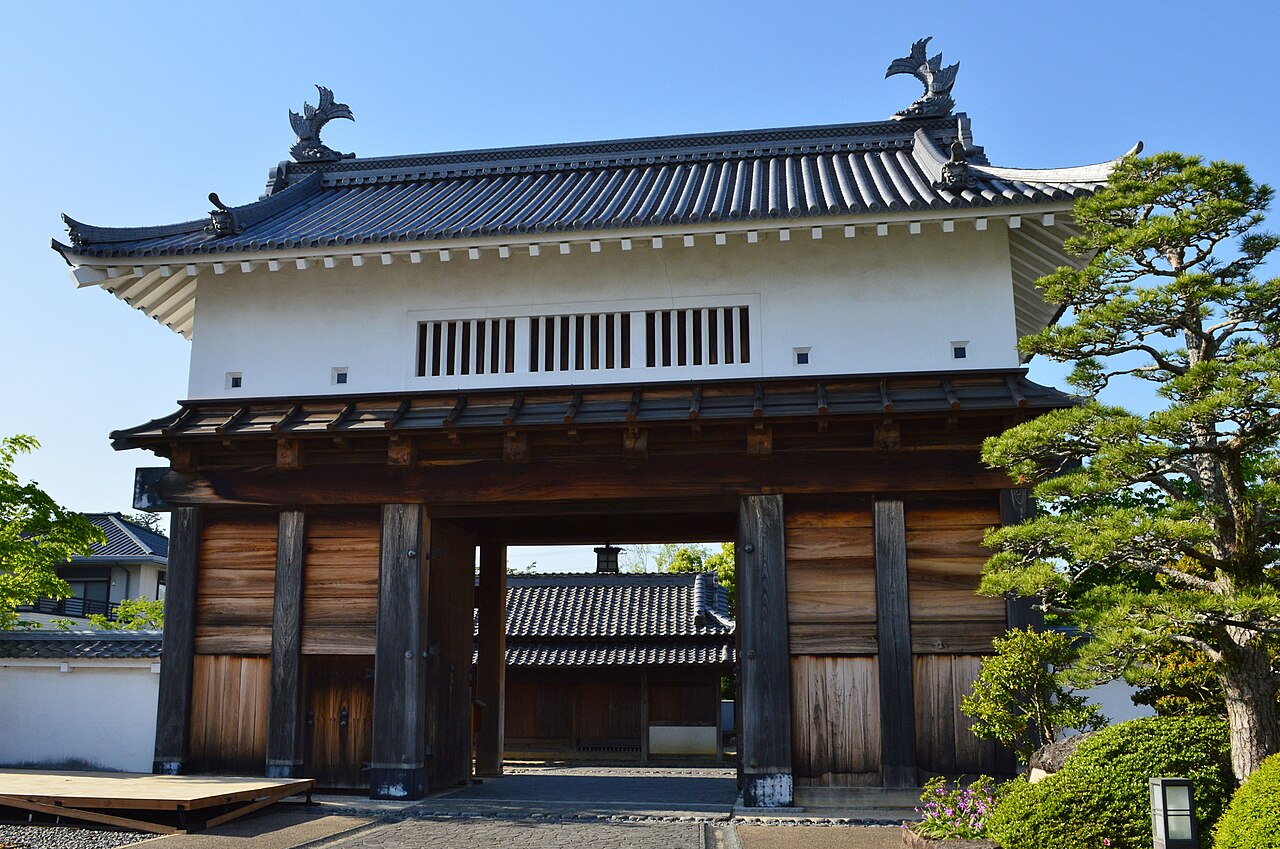
The keep you see today is a reconstruction, but an unusual one. When it was rebuilt in nineteen ninety-four it was done in timber, following Edo-period drawings, and it is regarded as the first castle keep in Japan restored with genuine wooden construction. The original tower dates to fifteen ninety-six, when the lord Yamauchi Kazutoyo raised a keep here; the great Ansei earthquake of eighteen fifty-four brought most of it down.
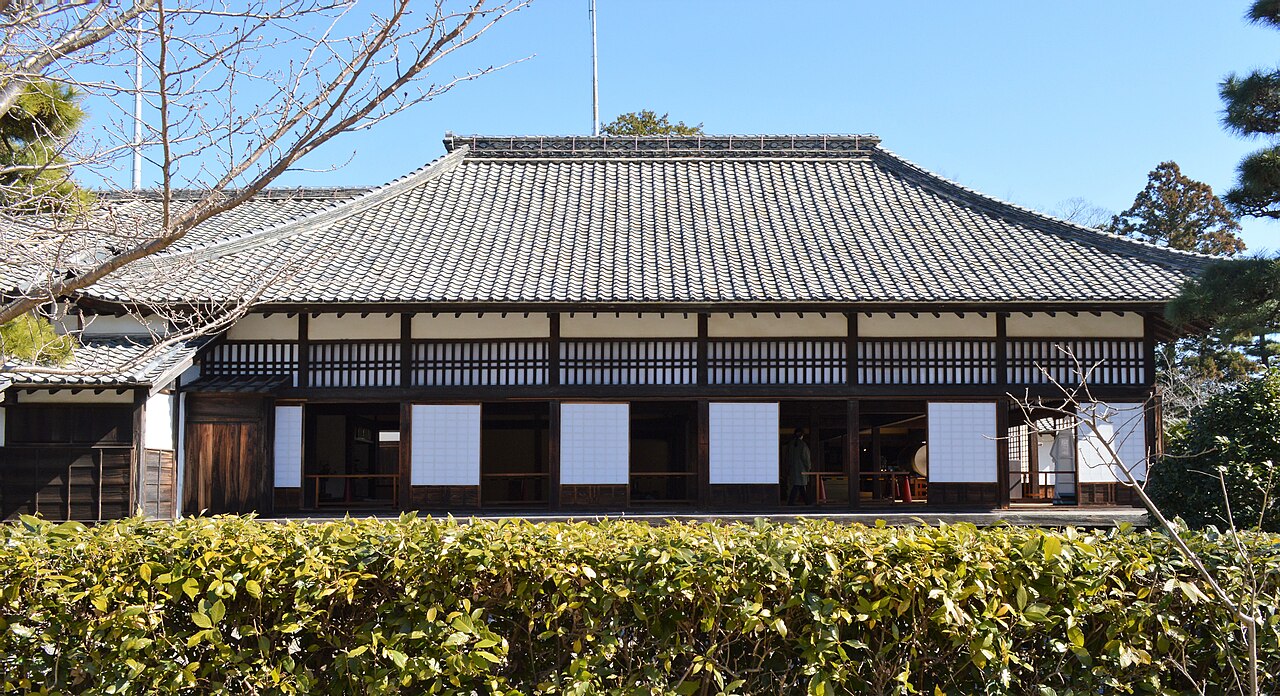
The palace beside it is the rarer survivor. Kakegawa's castle palace has stood since the Edo period, is designated an Important Cultural Property, and is one of only four such palaces still standing anywhere in Japan. It served three purposes at once: the lord's official residence, the domain's administrative office and the stage for formal ceremonies.
The keep is modest in height, and on a clear day the top floor gives a view of Mount Fuji. The castle park holds four facilities in all: the keep, the palace, the Ninomaru tea house and Take no Maru.
Tea, Sweets and Stained Glass in the Castle Park
After the keep, slow down. The Ninomaru tea house is a single-storey wooden building in the sukiya style, where you sit facing a Japanese garden with a bowl of local Kakegawa tea, either sencha or matcha, and a seasonal fresh sweet from a confectioner in town. Take no Maru is a different mood: the Meiji-era residence of a kudzu-cloth wholesaler called Matsuya, now a city-designated cultural property, run as a cafe serving sweets and drinks made with Kakegawa's specialities.
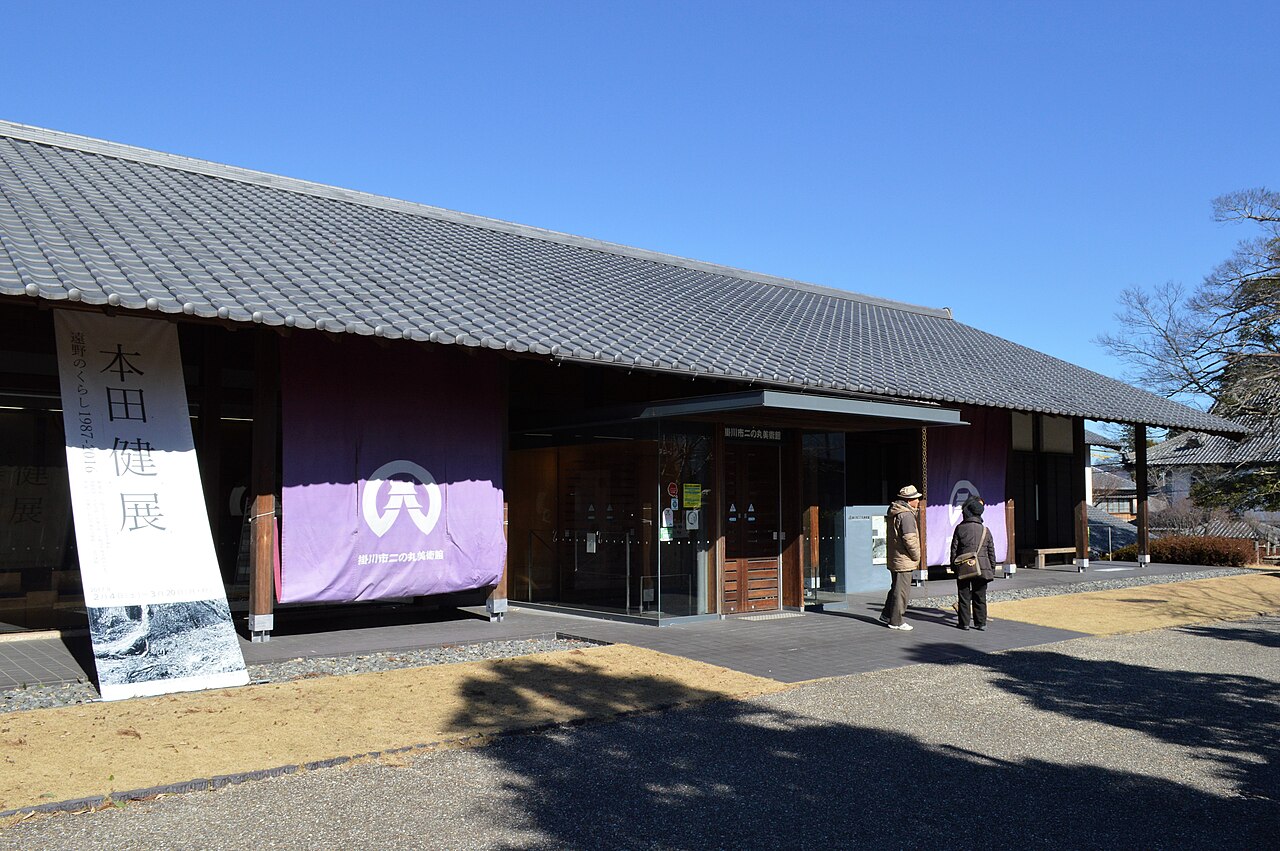
Next to the Ninomaru Museum of Art stands the Kakegawa City Stained Glass Museum, which began in two thousand and fifteen as the first public stained glass museum in Japan. The collection, donated by a resident of the city, runs to around seventy Victorian-era British panels and ten French rose windows. Timing matters: the glass is at its most vivid when sunlight comes through it, and the rose windows are said to glow best in the late-afternoon light from the west.
On the first and third Sunday of each month, staff dressed as samurai and ninja appear in the park for photographs, and the castle's ninja explain the history of the site and their trade to visitors. If you prefer the grounds quiet, pick another day.
Where to stay
Places to stay near Kakegawa, Shizuoka →
Disclosure: This post may contain affiliate links. If you book through them, we may earn a commission at no extra cost to you.
Kakegawa Kachoen: Six Hundred Birds Under One Roof
Kakegawa Kachoen is an all-weather glasshouse bird park where roughly a hundred species and six hundred birds live, with bird shows held every day. The shows run three times daily, at half past ten in the morning, one in the afternoon and three in the afternoon, so plan your arrival around one of them.
| Ticket | Price |
|---|---|
| Adults (junior high school age and older) | Two thousand yen |
| Elementary school pupils | One thousand yen |
| Seniors (sixty-five and older) | One thousand seven hundred yen |
If you would rather have the ticket sorted before you go, you can check Kakegawa Kachoen tickets on GetYourGuide; the selection for Kakegawa is small, so treat it as a convenience rather than a menu.
Out to the Tea Hills: Higashiyama and Mount Awagatake
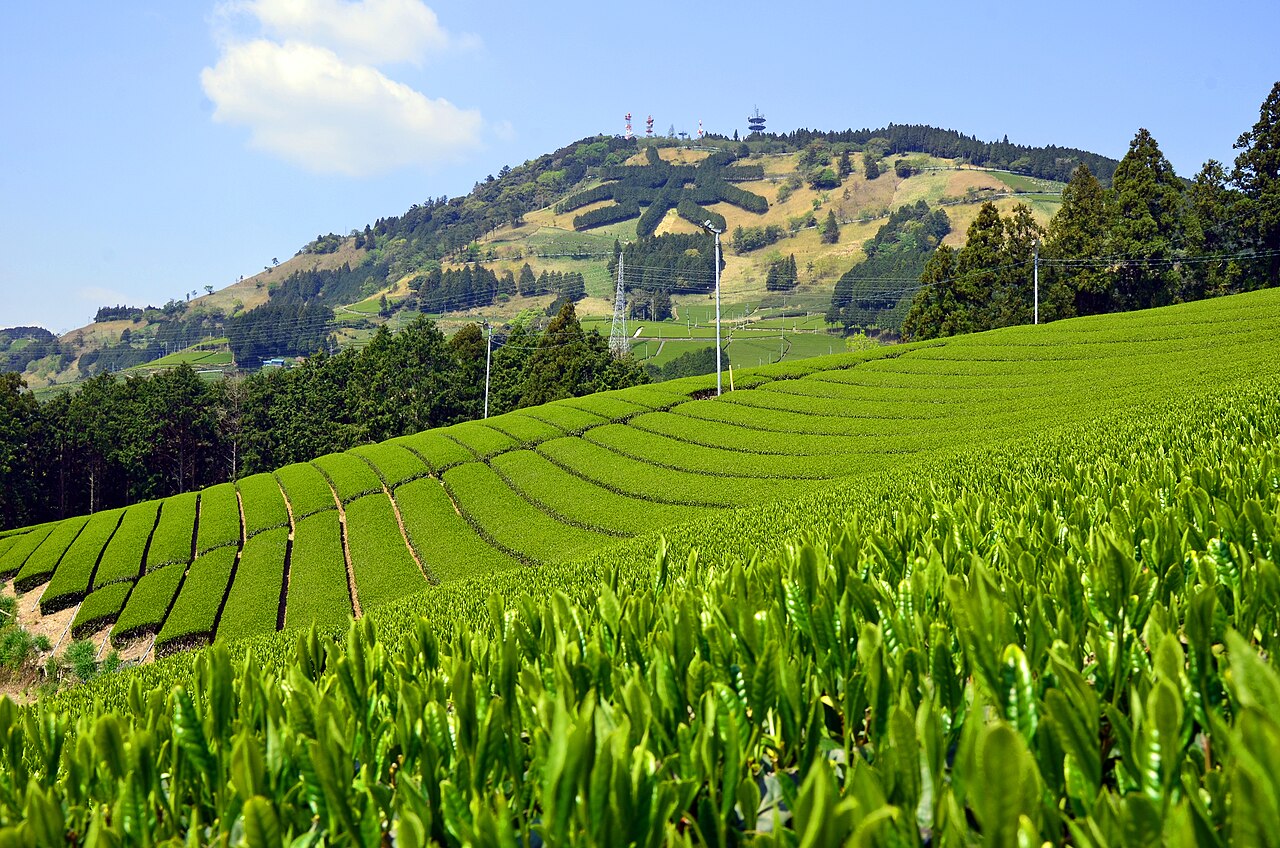
From the Kakegawa Ekimae stop, a Kakegawa Bus Service route runs to the stop called Cha-moji no Sato Higashiyama in about thirty-two minutes. The fare posted for that stop is three hundred yen. This is the base for the tea-character hill.
Mount Awagatake straddles Kakegawa and Shimada and serves as the town's symbol. On its south-eastern slope about three thousand cypress trees have been planted to spell the character for "tea", and the summit looks across the Makinohara plateau to Suruga Bay and Mount Fuji. At the top, Kapposhi Terrace is a two-storey viewing and rest facility among tea fields farmed by the chagusaba method, with a cafe serving lunch from local ingredients and deep-steamed Kakegawa tea. That method, in which cut grass is laid between the tea rows to keep the surrounding environment healthy, is practised in five municipalities of Shizuoka including Kakegawa and was recognised as a Globally Important Agricultural Heritage System in two thousand and thirteen.
Also on the mountain is Awawa Shrine, said to have been founded in the eighth century and revered by successive lords of Kakegawa Castle. Its grounds are wrapped in old-growth forest designated a natural monument of Shizuoka Prefecture. A well in the precinct is tied to the legend of the Mugen Bell, one of the Seven Wonders of Enshu: as the story goes, a bell of good fortune was dedicated on Awagatake in the Nara period, ringing it was believed to condemn the ringer to hell, and the bell was sunk in what is now called the Mugen Well to end the misfortune.
Kotonomama Hachimangu and the Old Tokaido
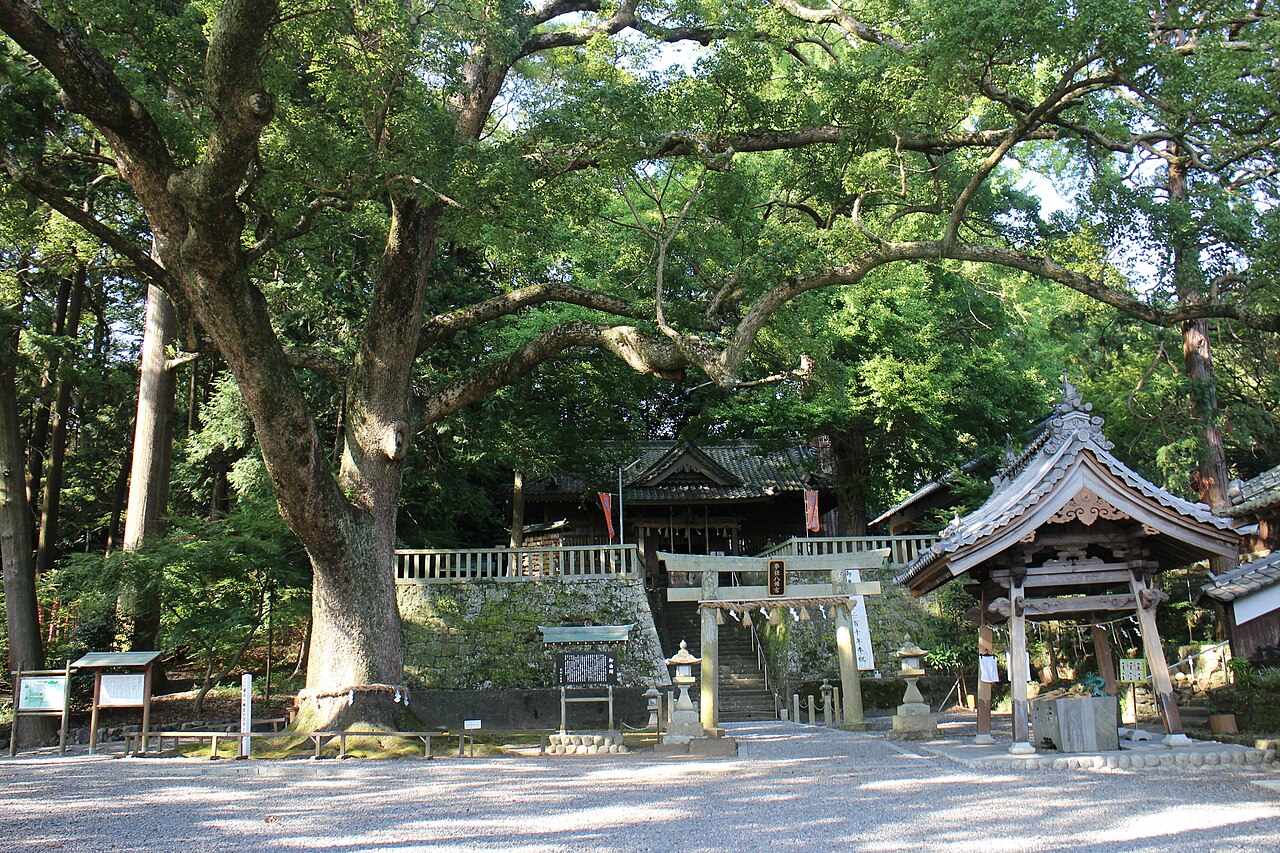
Kotonomama Hachimangu appears in the Kojiki and Nihon Shoki, and records place its founding in the reign of Emperor Seimu. It enshrines the deity of kotodama, the power of spoken words, and is named in The Pillow Book; worshippers keep coming from inside and outside the prefecture. Camphor trees several centuries old and a great cedar said to be a thousand years old shade the grounds, and one custom holds that polishing three of the white stones in front of the worship hall brings good fortune. The inner sanctuary sits on a hilltop reached by a forest path, so wear shoes you can walk in.
The old Tokaido also passes through Kakegawa, and at the Sayo no Nakayama pass stands the Night-Crying Stone, another of the Seven Wonders of Enshu; a shop nearby called Koizumiya sells the child-rearing candy that belongs to the tale.
Sweets and Snacks in the Castle Town
Kakegawa has long been known for kudzu, the vine whose root starch becomes kuzuyu, a hot thickened drink, and whose fibres are woven into kudzu cloth. Keikaen, a confectioner founded in the Meiji era, has sold its kuzuyu called Chokuzu since the first generation, with thirteen kudzu products on the shelves. Suinoya, a penny-sweet shop that started beside the castle more than sixty years ago, is the place for Kakegawa oden, the town's local comfort food. For a longer pause, the Nihoncha Kimikura main shop has a tea salon upstairs where you look out on a Japanese garden over a bowl of anmitsu made with Shizuoka matcha.
Further out in Yokosuka, once a castle town in its own right, a confectioner founded in nineteen oh seven makes Atagoshita yokan, a firm bean jelly with a restrained sweetness, sold unwrapped and stacked the old way. It is popular enough to sell out before noon; the shop posts its stock on Instagram.
Getting Around Town and Staying the Night
For moves between the castle area and the outer sights, the Kakegawa city loop bus costs one hundred yen per loop. A one-day pass for the municipal bus network is five hundred yen for adults. For children, for people with disabilities and for their carers, the same pass is two hundred and fifty yen.
Kakegawa works well as a day trip, but a night here lets you take the tea hills in the morning light and the castle park at closing time. You can compare hotels and ryokan in Kakegawa to see what is available for your dates.