This guide covers Sessho-seki, Nasu Onsen Shrine and the Shika-no-yu bath in Nasu Yumoto Onsen, with the routes, times and fees you need.
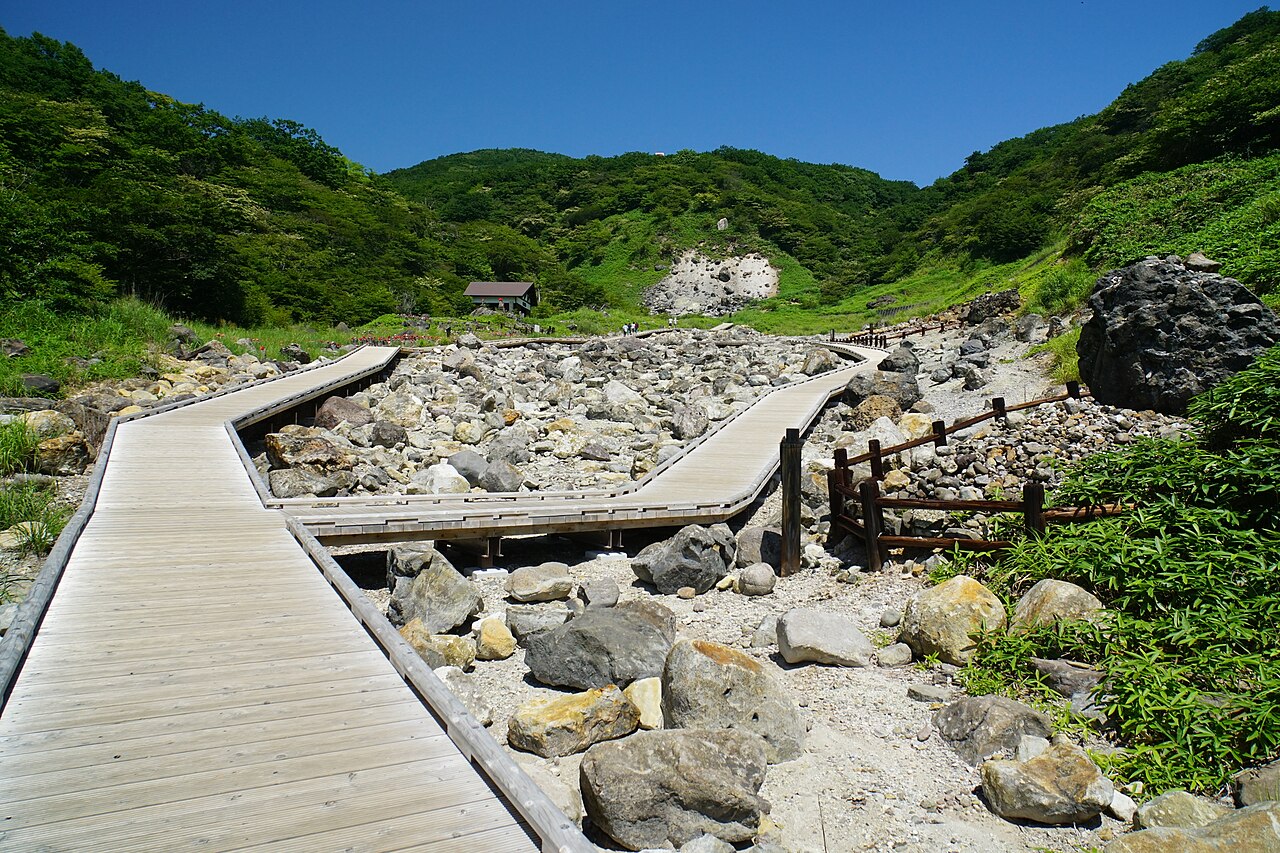
In Nasu Yumoto you can follow a boardwalk across a stony valley below a bare hillside, pass rows of small stone statues in red caps, climb a stone staircase lined with lanterns to a shrine, and bathe in a wooden bathhouse beside a clear stream. All of it sits within the same hot-spring village.
The notes below follow that order, then explain how to reach the village by public transport or by car. Times and prices come last, set out side by side, so you can compare them at a glance and plan your day around the bath.
Sessho-seki, the Jizo Statues and Nasu Onsen Shrine
Sessho-seki is described as an outdoor historic site in the middle of the Yumoto hot-spring district. A guidebook notes that the large rock is the biggest of the lava blocks scattered over a barren slope, where the air carries a smell of sulfur. Guidebooks describe the rock as split, after a crack was confirmed in it.
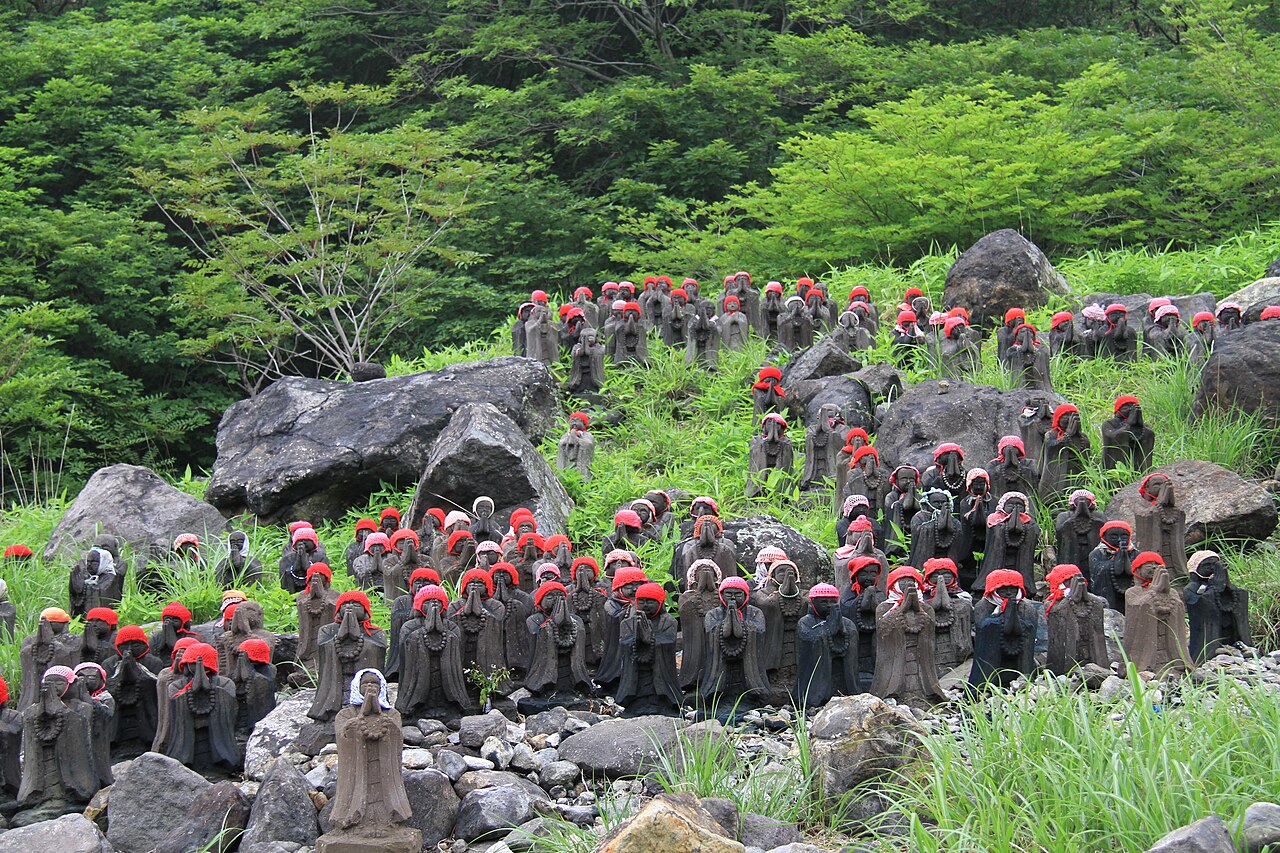
The stone is said to be what remains of a fox spirit that took the shape of a beautiful woman, was exposed by a diviner and turned into a huge poisonous rock. Along the walk, countless stone Jizo statues are described as standing in neat lines.
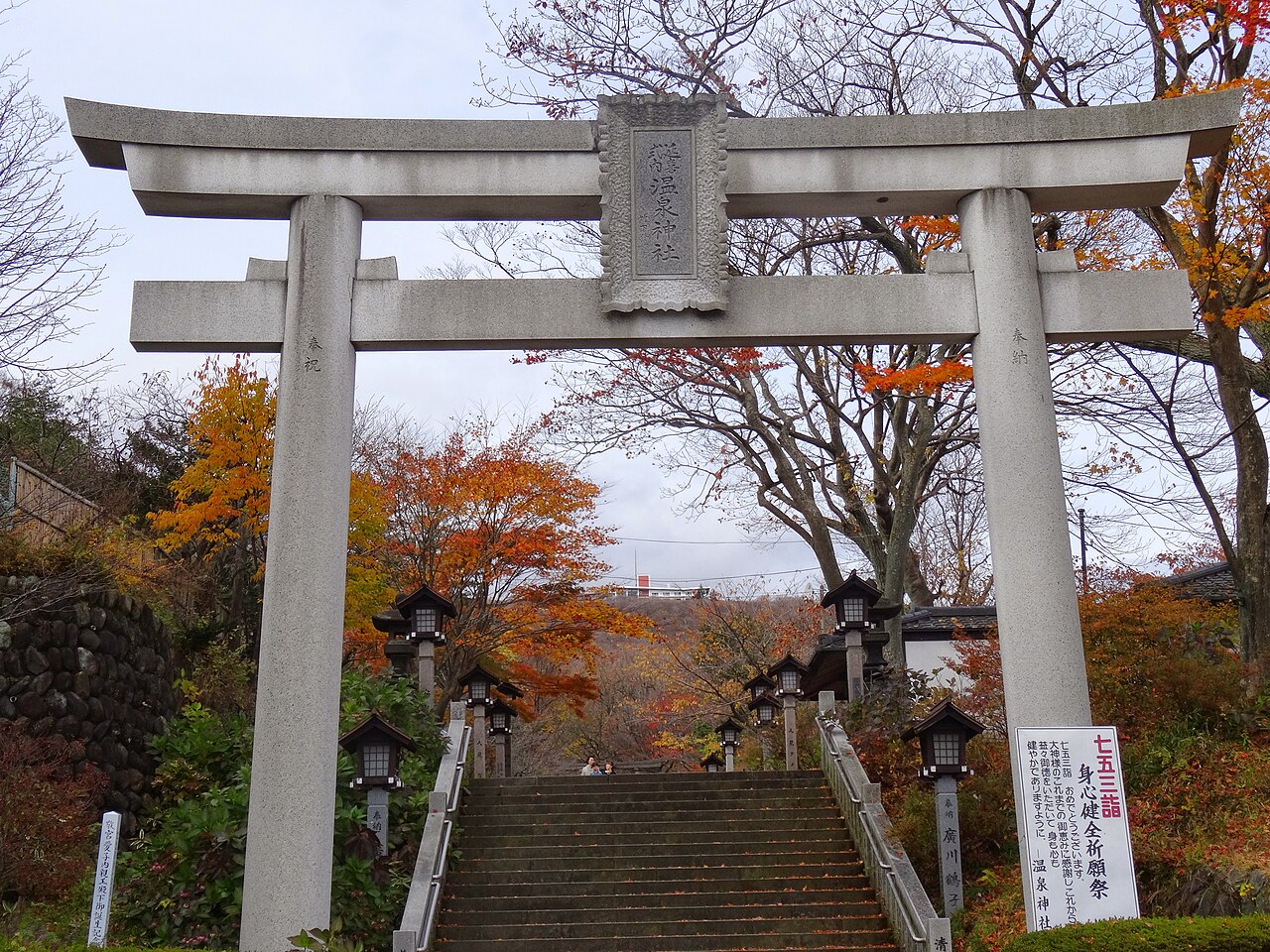
According to a guidebook, Nasu Onsen Shrine traces its founding to the reign of Emperor Jomei, when a hunter who found a wounded deer healing in a hot spring built a shrine. The archer Nasu no Yoichi is said to have prayed there for victory. A treasure hall there is described in guidebooks as holding items linked to him.
Compare options
See partner pricing and availability →
Disclosure: This post may contain affiliate links. If you book through them, we may earn a commission at no extra cost to you.
Bathing at Shika-no-yu
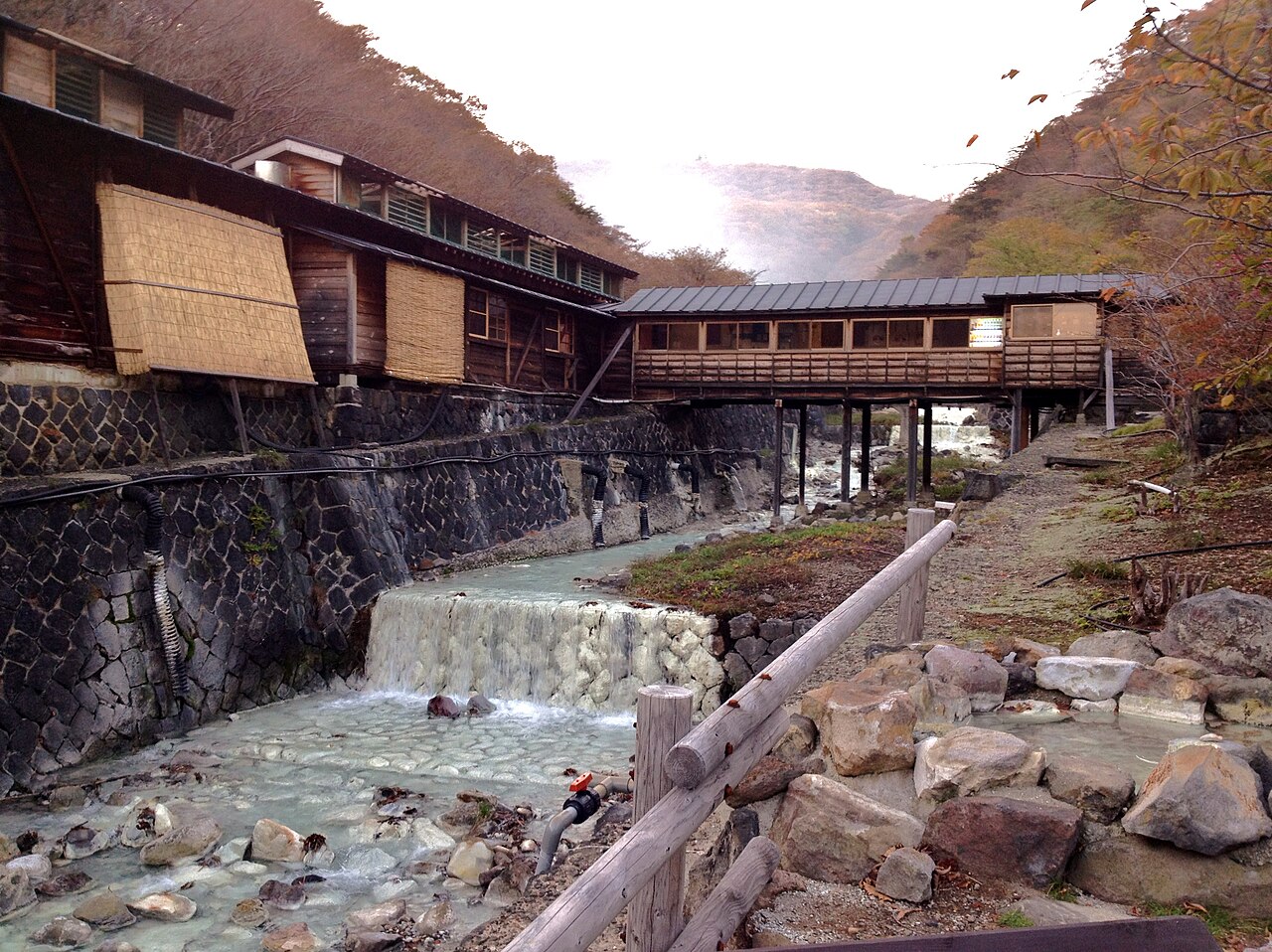
The day bath at Shika-no-yu is open through the day, and the last admission comes a little before closing. Each bath is guided for a set length of time, so plan your soak around it.
A cure ticket that covers part of the day costs more on weekends and holidays than on weekdays. Lockers come in a large size and a small size, and they are charged separately. Elementary school children have a separate admission at the day bath.
Getting to Nasu Yumoto
The Tohoku Shinkansen runs from Tokyo Station to Nasushiobara Station. From the west exit of Nasushiobara Station a bus goes to Nasu Yumoto Onsen.
Cash passengers take a numbered ticket when they board, and IC card users touch the card to the reader. Kuroiso Station also has a bus to Nasu Yumoto. Drivers can reach the village from Nasu IC by prefectural road. Each leg is timed in the table below.
| Item | Detail |
|---|---|
| Tokyo Station by Tohoku Shinkansen to Nasushiobara Station | about 75 minutes, excluding transfer and waiting time |
| Nasushiobara Station West Exit by bus to Nasu Yumoto Onsen, adult fare | 1,170 yen |
| Kuroiso Station by bus to Nasu Yumoto | about 45 minutes to 1 hour, excluding transfer and waiting time |
| Nasu IC by car on the prefectural road to Nasu Yumoto | about 20 minutes |
If you would rather have the day arranged for you, look at guided tours around Nasu.
Hours and Fees
Walking around Sessho-seki is described as free at any hour. The table below lists the bathing times and the prices at Shika-no-yu.
| Item | Detail |
|---|---|
| Shika-no-yu bathing hours | 8:00 AM to 6:00 PM, last admission 5:30 PM |
| Shika-no-yu guided time for one bath | about 15 minutes |
| Shika-no-yu day-bath admission, elementary school child | 300 yen |
| Shika-no-yu half-day hot spring cure ticket | 1,500 yen on weekends and holidays, 1,200 yen on weekdays |
| Shika-no-yu lockers | 200 yen for a large locker, 100 yen for a small locker |