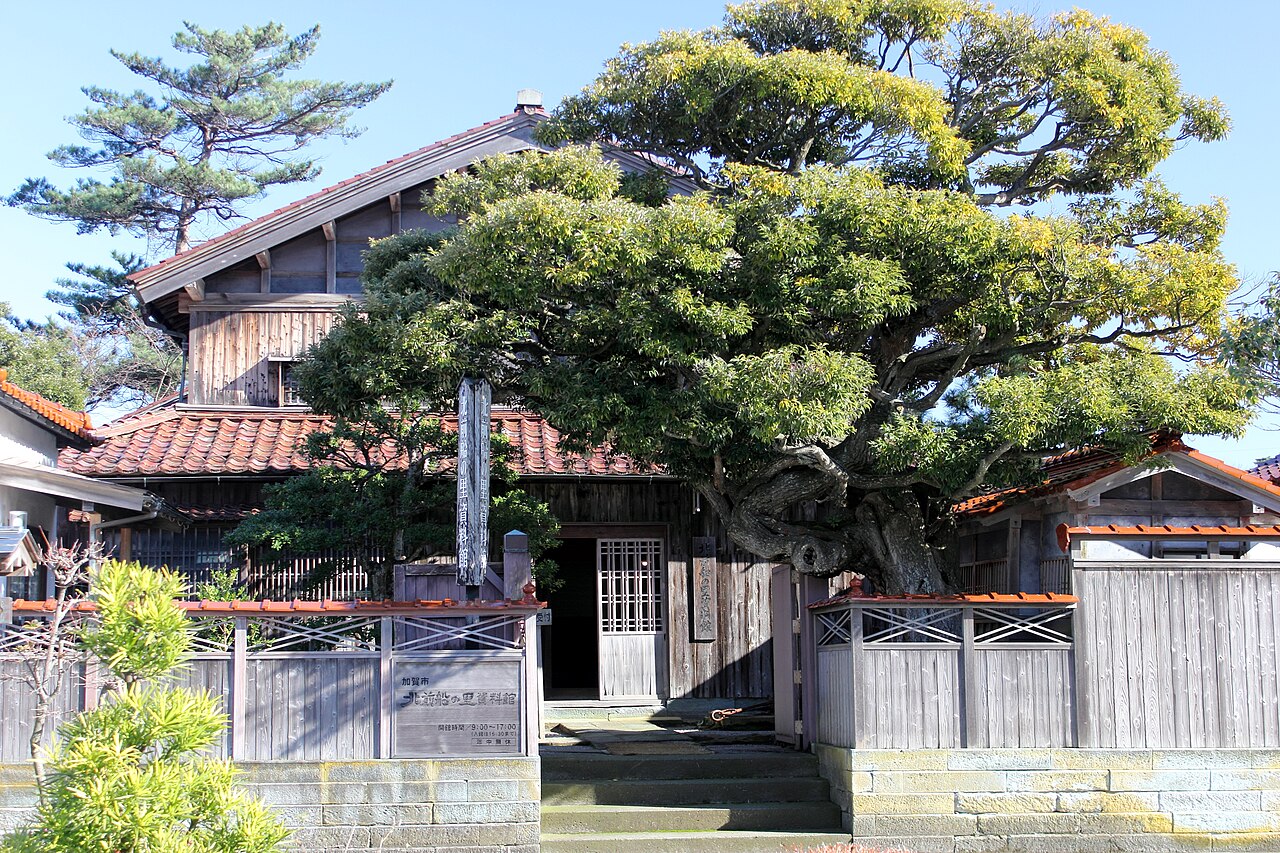
This guide covers the way in, the Kitamaebune no Sato Museum, the shipowner streets and Zorokuen, the fishing port and a meal, Cape Kasa no Misaki, the practical details and the way back.
Hashitate is worth the trip for Zorokuen, the residence of the Sakaya family, Kitamaebune shipowners who ventured out onto the Sea of Japan from the Edo period. The sections below follow the day in order, from the arrival to the walk back.
Getting to Hashitate from Kaga Onsen Station
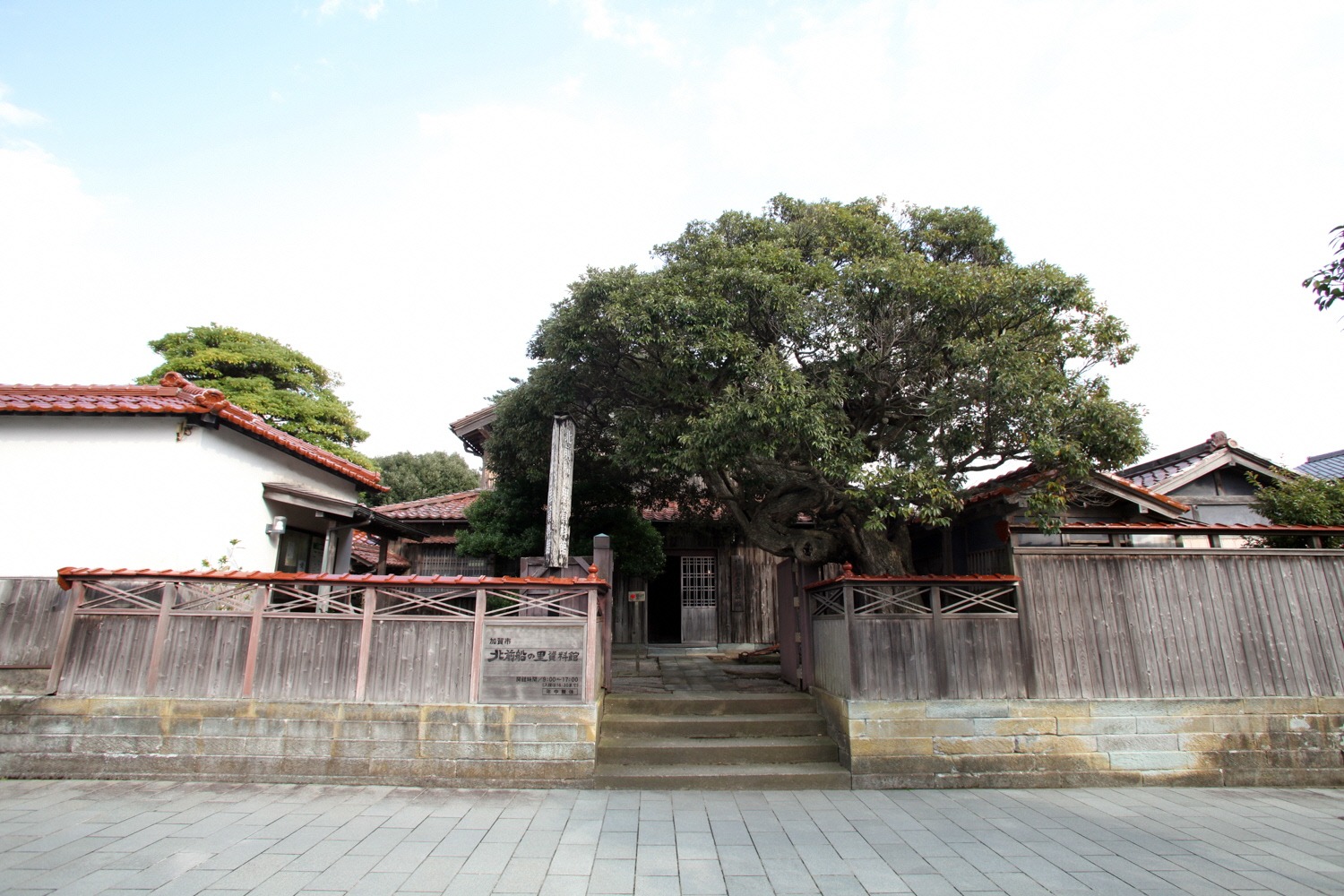
From Kaga Onsen Station, the CANBUS Umimawari line runs toward Hashitate, and its stop for Zorokuen is a short walk away. A taxi from the station is the other way in, and the table gives the minutes for each route.
| From | Line and operator | Time or fare |
|---|---|---|
| Kaga Onsen Station to the Kitamaebune no Sato Museum, travel time | CANBUS Umimawari line | About 30 minutes |
| Kaga Onsen Station to the Kitamaebune no Sato Museum, single-ride fare | CANBUS Umimawari line | 500 yen for adults and 250 yen for children and people with disabilities |
| Kaga Onsen Station to the Zorokuen stop, travel time | CANBUS Umimawari line | 26 to 60 minutes depending on the route |
| Kaga Onsen Station to the Kitamaebune no Sato Museum, by taxi | Taxi | About 10 minutes |
| Kaga Onsen Station to Zorokuen, by taxi | Taxi | About 10 minutes |
| Kaga Onsen Station to the Kitamaebune no Sato Museum, by car | Car | 13 minutes |
| Katayamazu IC on the Hokuriku Expressway to the Kitamaebune no Sato Museum, by car | Car | 7 minutes |
Passengers board the CANBUS at the front and put the fare into the fare box when boarding. The adult digital ticket for the day is not sold on board, so it is bought before the ride. The next table covers payment, stops and tickets.
| Item | Detail |
|---|---|
| CANBUS single ride, payment | Put 500 yen into the fare box when boarding at the front |
| CANBUS fare box | Has a change-making function |
| CANBUS adult 1-day digital ticket | 1,300 yen, and not sold on board |
| Museum, bus stop | Stop 5 on the Umimawari line, about 100 m from the museum |
| Zorokuen, bus stop | The Zorokuen stop on the Umimawari line, about 50 m from the house |
| Museum, parking | Free of charge |
The Kitamaebune no Sato Museum
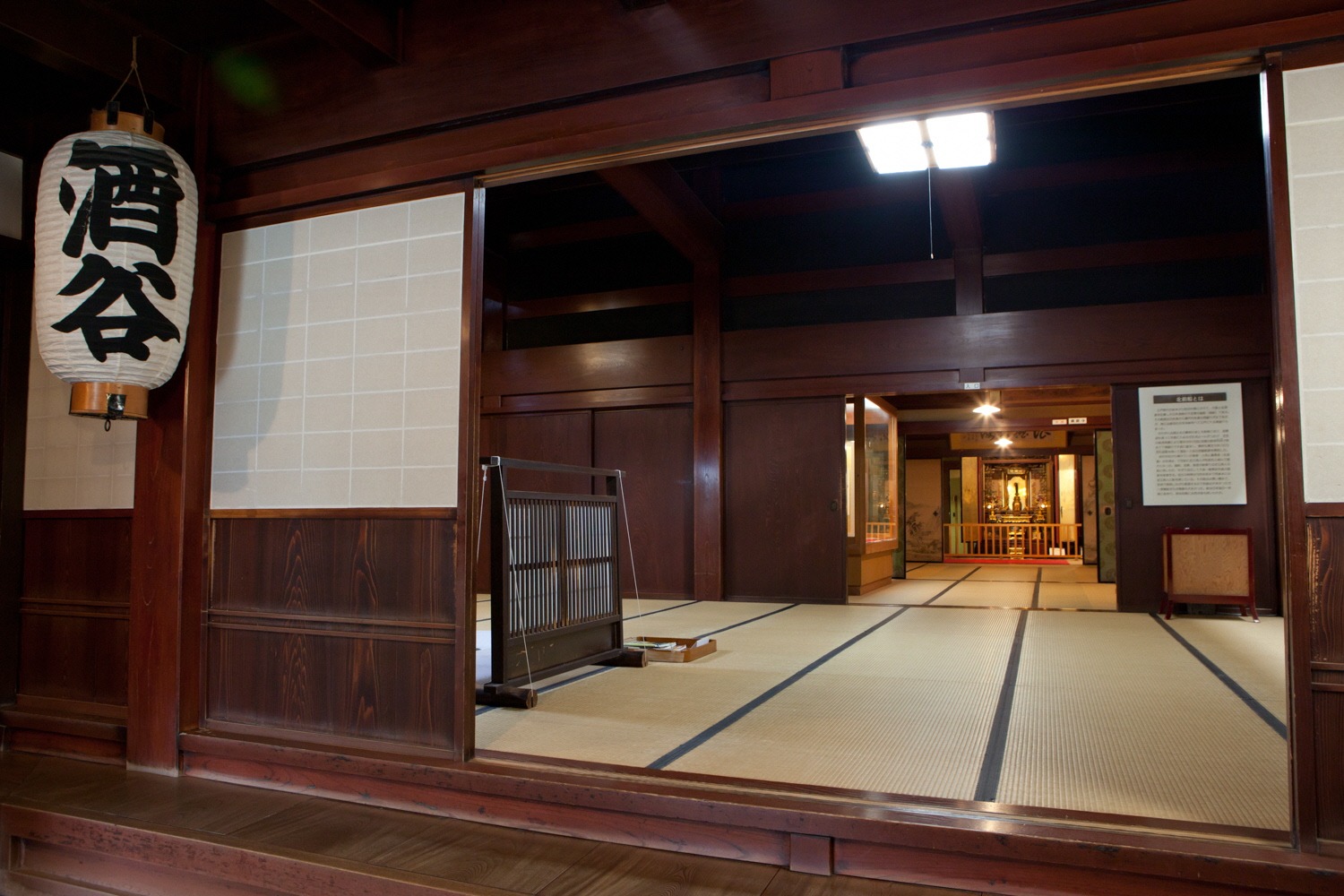
The museum building was built in the Meiji era as the residence of a Kitamaebune shipowner and is designated a cultural property of the city. Kitamaebune shipowners made up a large share of the households in Kaga Hashitate, and the table gives the count. A great fire also struck Hashitate in the Meiji era, and the table gives the year.
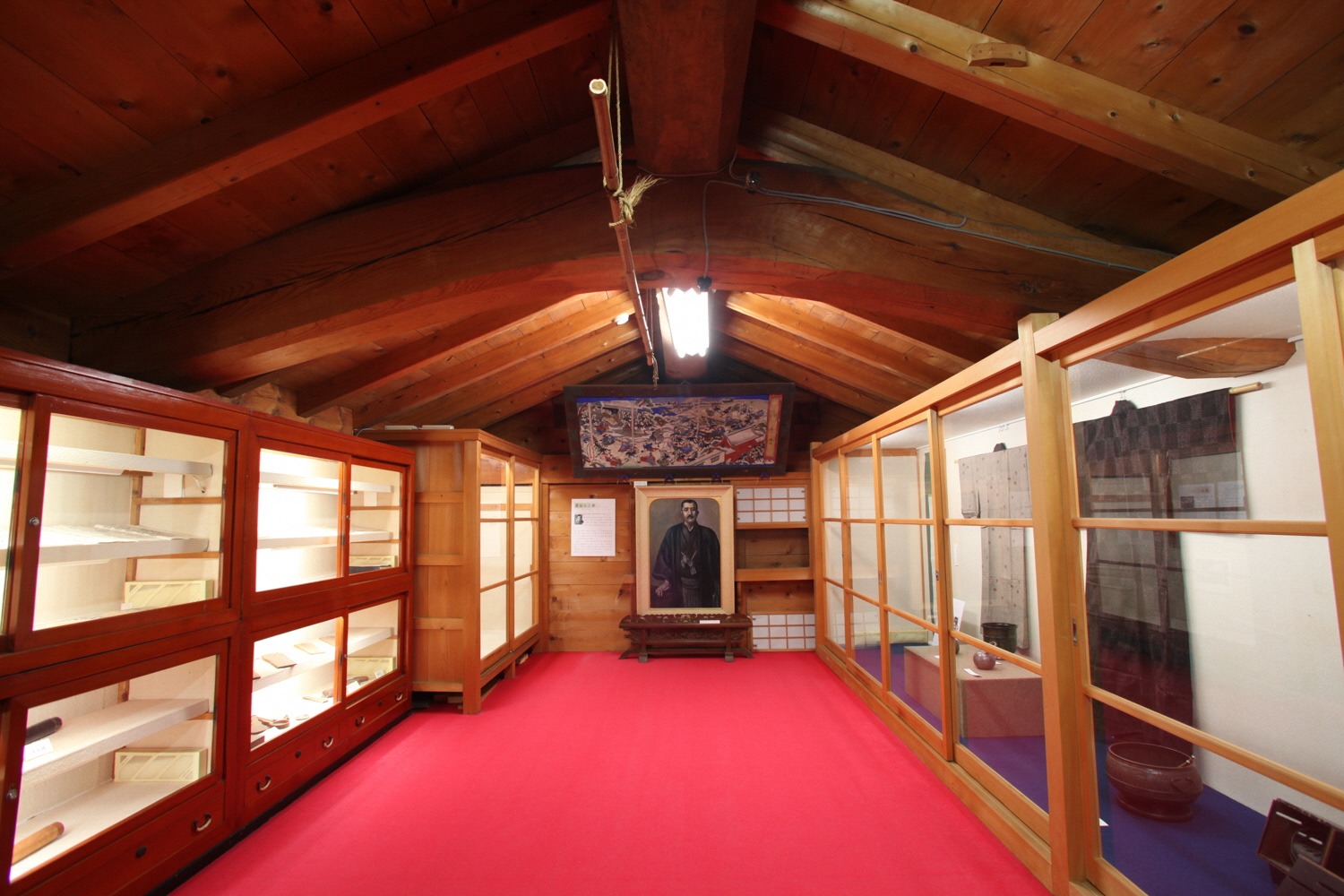
| Item | Detail |
|---|---|
| Kitamaebune shipowners in Kaga Hashitate, as of 1809 | 49, amounting to half of all households in the area |
| Great fire in Hashitate | 1872 (Meiji 5) |
Shipowner Streets and Zorokuen
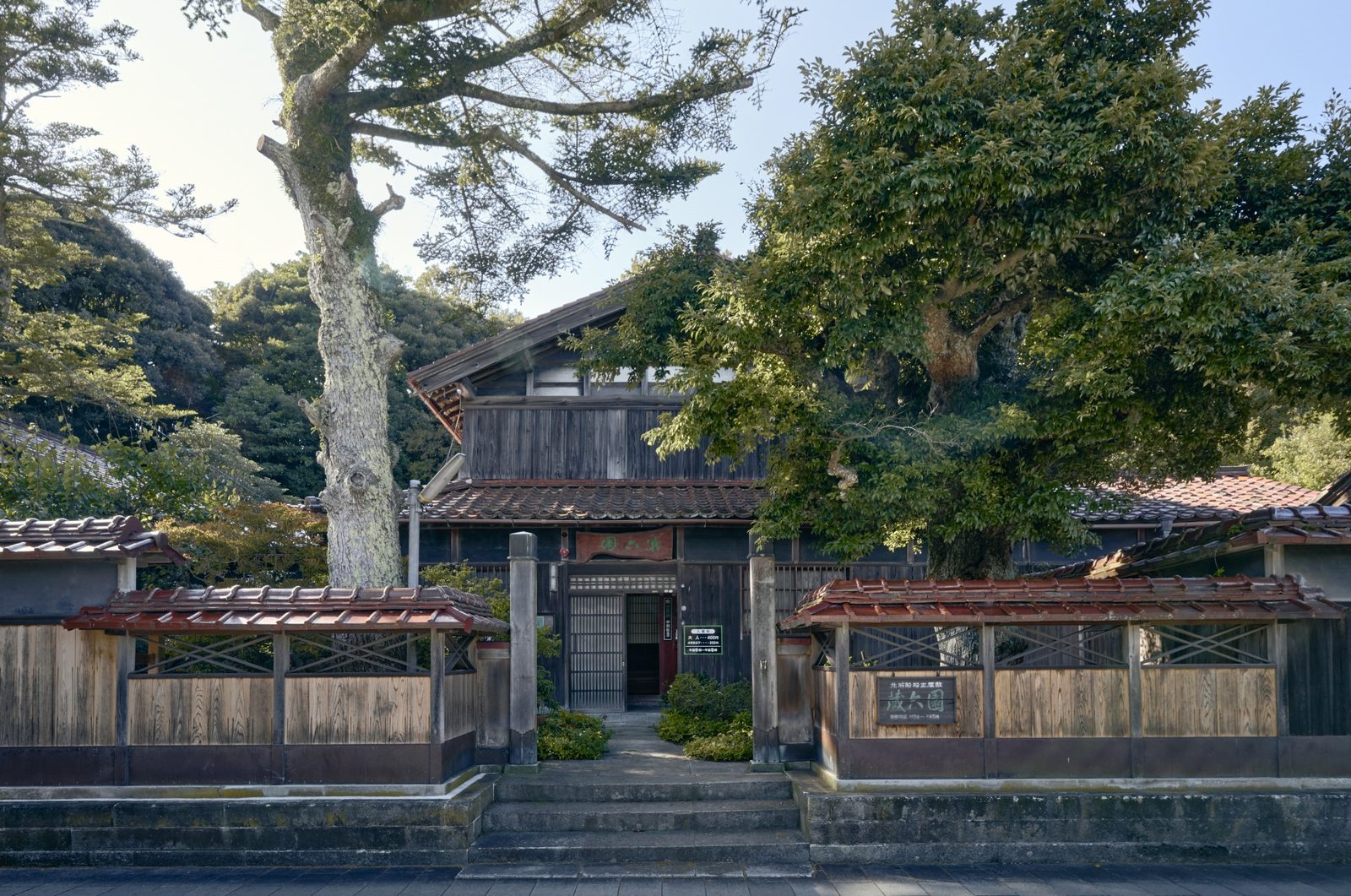
In the Hashitate preservation district, red tiles are laid on the roofs of the shipowners' houses. The roads of the district follow the valleys, so they wind along the terrain and include many slopes.
Shakudani stones, used for stone walls and steps, are mined in neighboring Fukui Prefecture. The stones turn misty green when wet with rain.
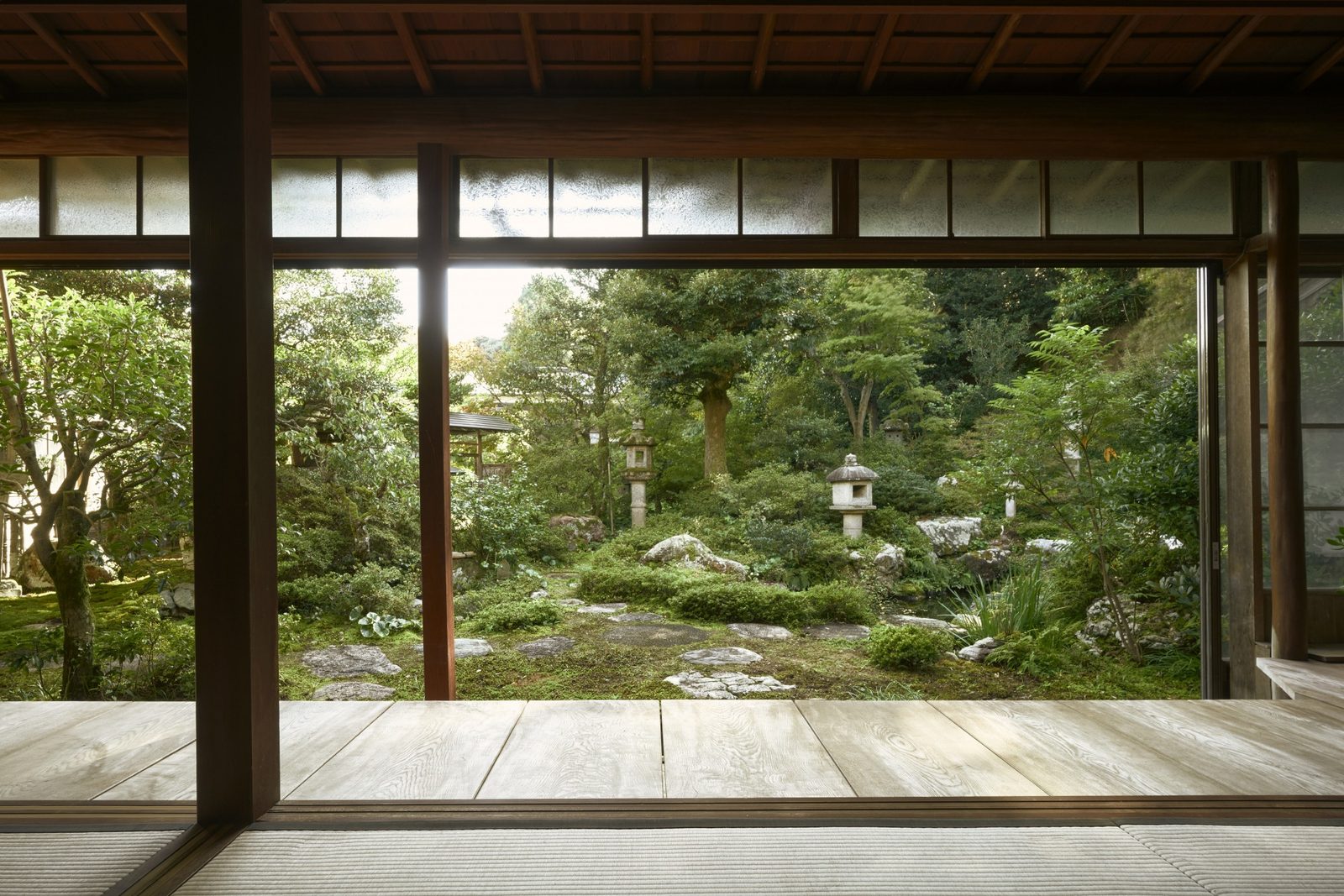
Zorokuen is a Registered Tangible Cultural Property of Japan, and the zashiki rooms in the house are entirely lacquered. The table gives the walk from the museum and a stop in the tea room.
| Item | Detail |
|---|---|
| Museum to Zorokuen, on foot | About 3 minutes |
| Zorokuen tea room, each drink on the menu | 400 yen |
Hashitate Fishing Port and a Meal Nearby
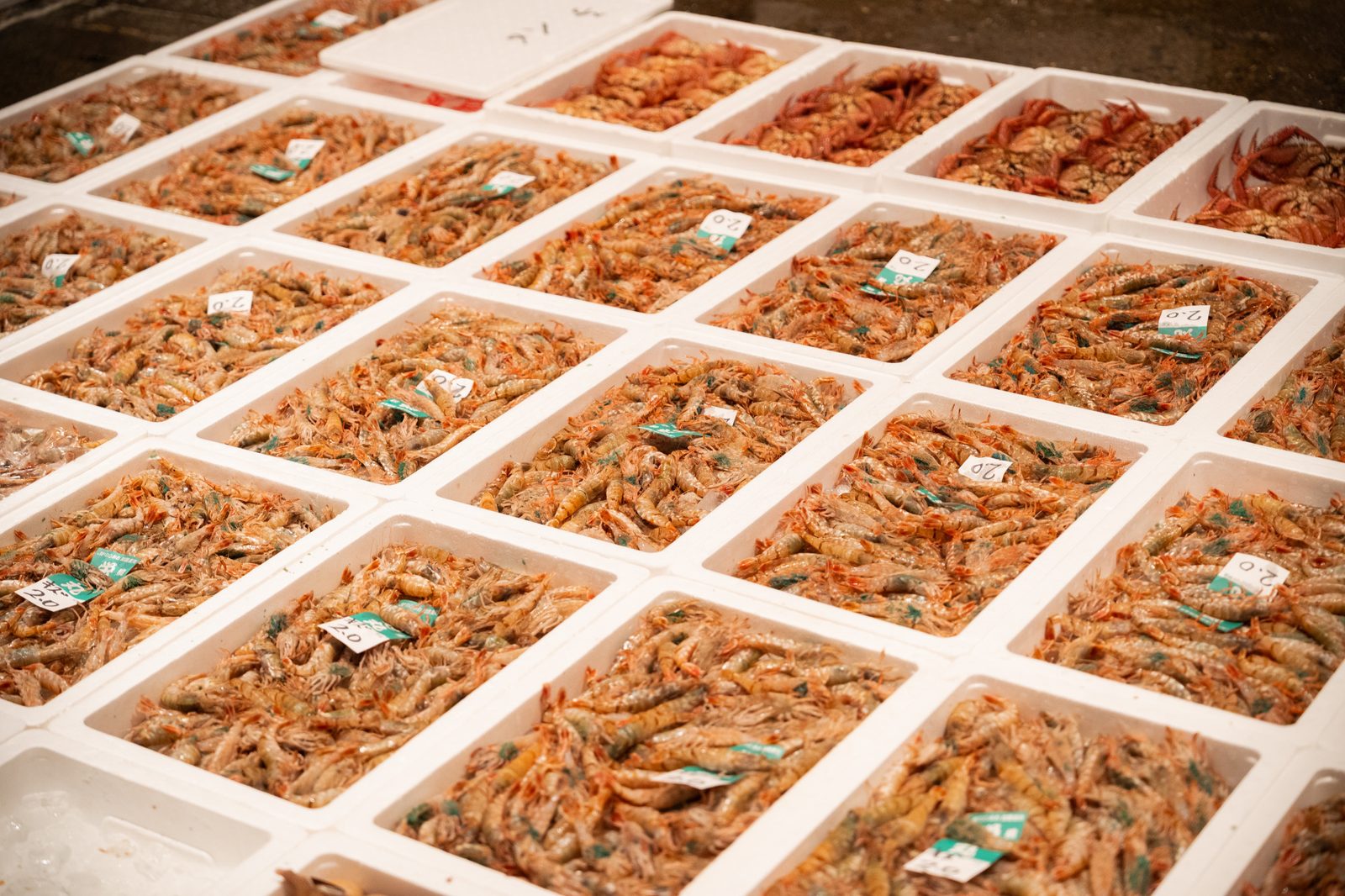
Hashitate Fishing Port is a walk from the museum, and the table gives the minutes. Tsukasa, a restaurant, stands close to the fishing port bus stop. The MAGONDO cafe is near the museum bus stop.
| Item | Detail |
|---|---|
| Museum to Hashitate Fishing Port, on foot | About 13 minutes |
| Tsukasa, daily hours | 11:30 to 21:00, with last entry at 19:30 |
| Tsukasa, closing day | Tuesdays, but in crab season it opens when booked ahead |
| MAGONDO cafe, daily hours | Opens at 11:00 and closes at 17:00 |
To turn a meal into a hands-on activity, look at a sushi-making experience in Kaga.
Cape Kasa no Misaki
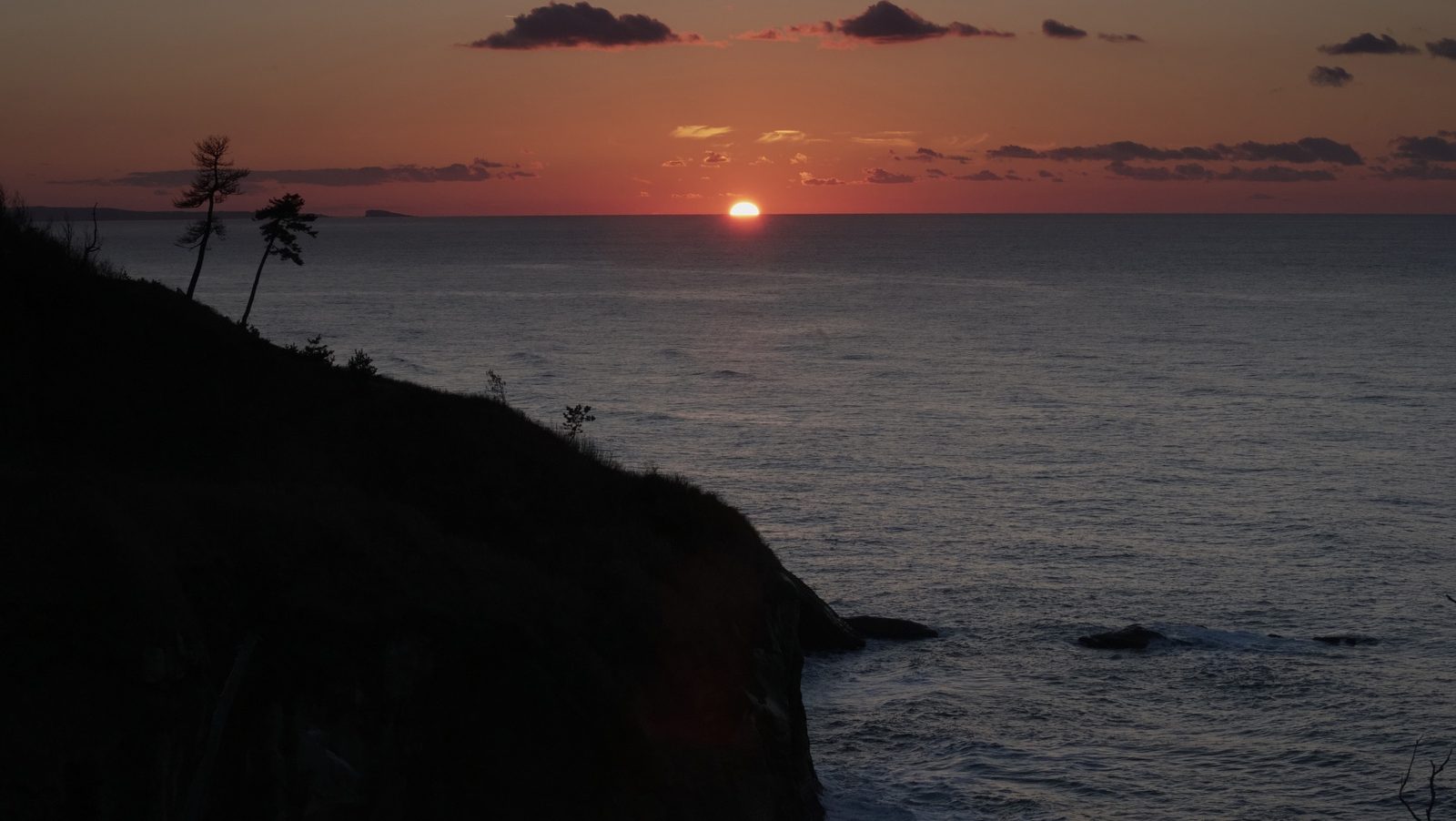
A walking trail runs from Cape Kasa no Misaki to Katano coast. Part of the trail is shut to traffic because the tip of the cape has collapsed.
The cape lies a walk from the museum, and the table gives the minutes on foot and by car.
| Item | Detail |
|---|---|
| Museum to Cape Kasa no Misaki, on foot | About 15 minutes |
| JR Kaga Onsen Station to Cape Kasa no Misaki, by car | 16 minutes |
Hours and Fees
The tables below set out what to pay and when to arrive.
| Item | Detail |
|---|---|
| Museum, general admission | 350 yen |
| Museum, groups of 20 or more | 290 yen |
| Museum, ages 75 and over | 170 yen |
| Museum, ages 18 and under and persons with disabilities | Free |
| Zorokuen, admission | 400 yen, and 200 yen for elementary school students and younger |
| Item | Detail |
|---|---|
| Museum, daily hours | 9:00 to 17:00, with last entry at 16:30 |
| Museum, closing days | No closing days |
| Zorokuen, daily hours | 10:00 to 16:00, and the hours may change, so call ahead |
| Zorokuen, closing days | Irregular, so inquiries are requested before visiting |
| Zorokuen, phone | 0761-75-2003 |
Where to stay
Places to stay near Yamanaka Onsen →
Disclosure: This post may contain affiliate links. If you book through them, we may earn a commission at no extra cost to you.
Heading Back
Zorokuen closes before the museum does, so visit it early and keep the museum for the end of the afternoon.
The table below puts the closing times side by side, so the last stop of the day is clear. Zorokuen can be reached by phone before the visit, and the number is in the hours table.
| Item | Detail |
|---|---|
| Zorokuen, closing time | 16:00 |
| Museum, last entry | 16:30 |
| Museum, closing time | 17:00 |
| MAGONDO cafe, closing time | 17:00 |