This guide covers a quiet day trip to Hikone Castle in Shiga Prefecture, drawing on published guidebooks and the castle's own visitor information for routes, tickets and opening hours.
Why Hikone instead of Himeji
Only five castle keeps in the whole of Japan hold National Treasure status, and the keep at Hikone is one of them. Himeji, the most famous of the five, and the big-name sights of Kyoto come with crowds. Hikone does not, and it sits under an hour from Kyoto by train, so the trip fits a single unhurried day.
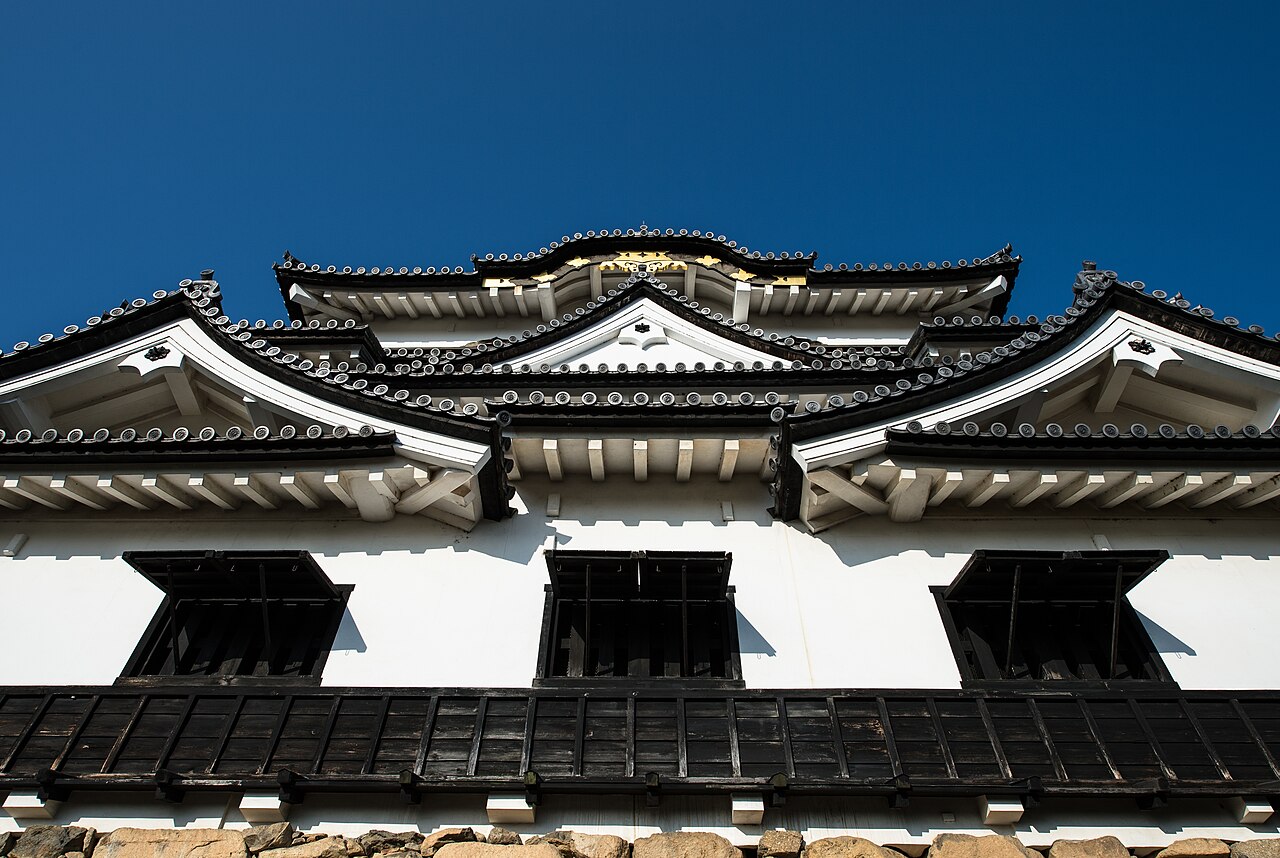
The keep itself is small. What earns it the attention is the roofline, where three kinds of gable are stacked on one compact building: the plain triangular kirizuma, the hip-and-gable irimoya and the curved kara-hafu. Seen from the courtyard below, the mix reads as balanced rather than fussy, which is a large part of why the building was singled out.
Getting there from Kyoto and Osaka
The train is the whole plan. From Kyoto Station, the JR Special Rapid Service reaches Hikone Station in about forty-six minutes, and from Osaka Station you should allow about eighty minutes. Leave Kyoto around eight in the morning and you will be walking through the castle gate not long after it opens.
- Kyoto Station to Hikone Station: about forty-six minutes on the Special Rapid Service
- Osaka Station to Hikone Station: about eighty minutes
Everything you came for is within walking distance of JR Hikone Station. The castle, Genkyu-en garden, the Hikone Castle Museum, the landing for the moat boats and the Umoregi-no-ya residence sit in one compact cluster around the castle hill, so there is no need for a taxi and you can take them in whatever order suits the weather.
If you would rather leave the timetable to someone else, there are guided tours and day trips around Hikone as well, though the train is simple enough to manage on your own. Either way, the day begins and ends at Hikone Station.
The walk up to the keep
The standard course through the grounds takes about an hour at a looking-around pace and passes every major building on the way up. Follow it in this order:
- Omotemon Bridge
- Sawaguchi Tamon Turret
- Tenbin Turret
- the stables, known as the Umaya
- Taikomon Turret
- the keep
The stables are worth the detour. Long, narrow and L-shaped, the building kept a dozen or so of the lord's horses on standby in the castle's working days, with stalls for twenty-one at most. It is the only large stable still standing at any early-modern castle in Japan, and you can walk through it at will.
The Tenbin Turret guards the approach with a trick: in an emergency, the bridge at its centre could be taken away to cut off anyone climbing toward the keep. Stand on the bridge and look left and right, because the stone walls on the two sides of it were stacked in different styles.
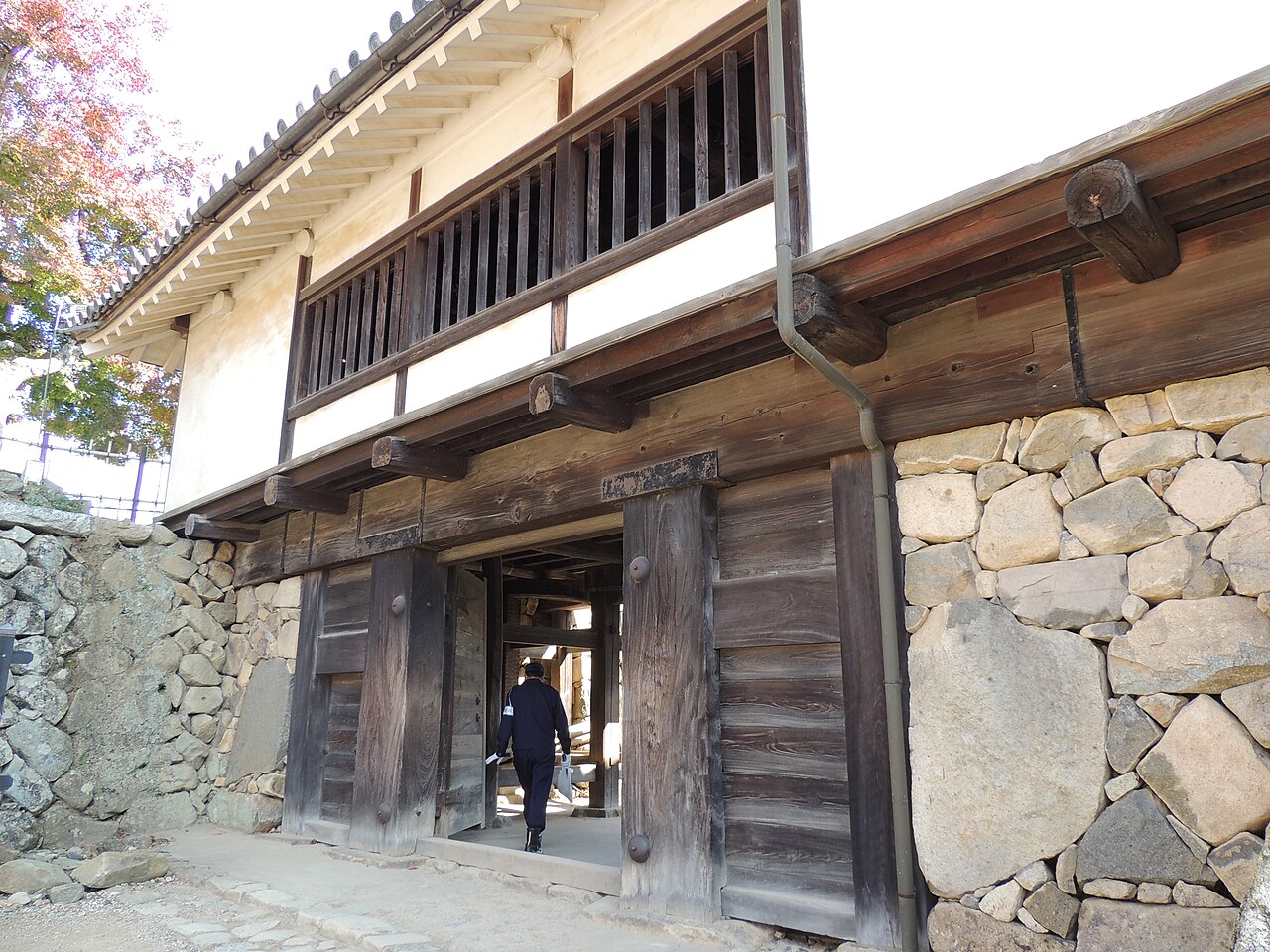
The Taikomon Turret is the last gate before the keep, and it is an odd one. Its east side has no wall at all; instead, a railing runs between the posts, turning that face of the building into an open corridor. It is a form you will rarely meet at another castle.
Inside the keep
The keep was built to be fought from, and the evidence is still there. Look for the gun ports, which are hidden from anyone looking at the building from outside, and for the rectangular arrow slits beside them. Both were meant for real use rather than for show, and they are the clearest sign of what the building was for.
The gables that make the roof so handsome also hide small rooms. These gable rooms, known as hafu-no-ma and sometimes called the hidden rooms, have gun ports of their own on the inside, so even these tucked-away spaces could be defended. Ask yourself where they are as you go up; most visitors walk straight past them.
On the second and third floors, the bell-shaped kato-mado windows are finished in black lacquer and sit alongside plainer windows that bring in light, and together they lift the interior well above the purely military. The stairs between floors rise at a demanding, near-vertical pitch, so take them slowly and let anyone coming down go first.
Where to stay
Disclosure: This post may contain affiliate links. If you book through them, we may earn a commission at no extra cost to you.
Genkyu-en and the museum
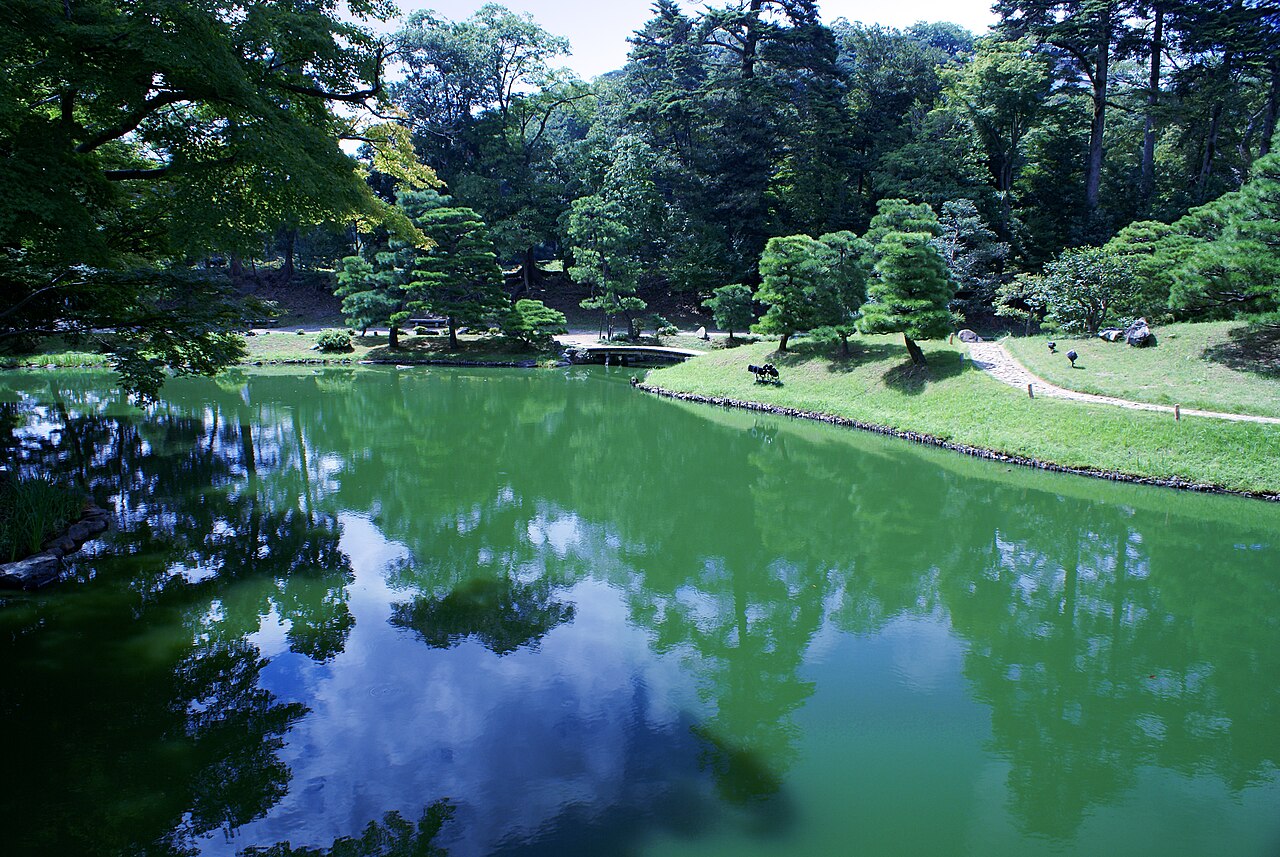
Genkyu-en is the garden at the foot of the castle, begun in the early Edo period on the orders of Ii Naooki, the fourth lord of the domain. It is a stroll garden built around a pond, and its makers named ten set views, the Genkyu-en Jissho, among them the Kakumei-nagisa shore, whose name recalls the cry of cranes.
The Hikone Castle Museum is a reconstruction of the Omote Goten, the hall from which the domain was governed in the Edo period. Inside are the things the Ii family handed down: the red armour of their red brigade, swords, tea utensils, and works of art and craft.
A workable order is keep first, while your legs are fresh, then down to the garden, then the museum as a seated finish before the walk back to the station. If rain arrives, reverse it and start under the museum roof, since the garden and the grounds are far more pleasant once the sky has cleared.
Tickets and hours
The fee structure is simple, and the ticket you want depends only on whether you plan to see the museum:
| Ticket | Adult fee |
|---|---|
| Hikone Castle, including Genkyu-en | one thousand yen |
| Hikone Castle Museum | seven hundred yen |
| Castle and museum combined ticket | one thousand five hundred yen |
| Genkyu-en only | four hundred yen |
- Children of elementary and junior high school age pay three hundred yen for the castle ticket
- The combined ticket is the cheaper way to see both the castle and the museum
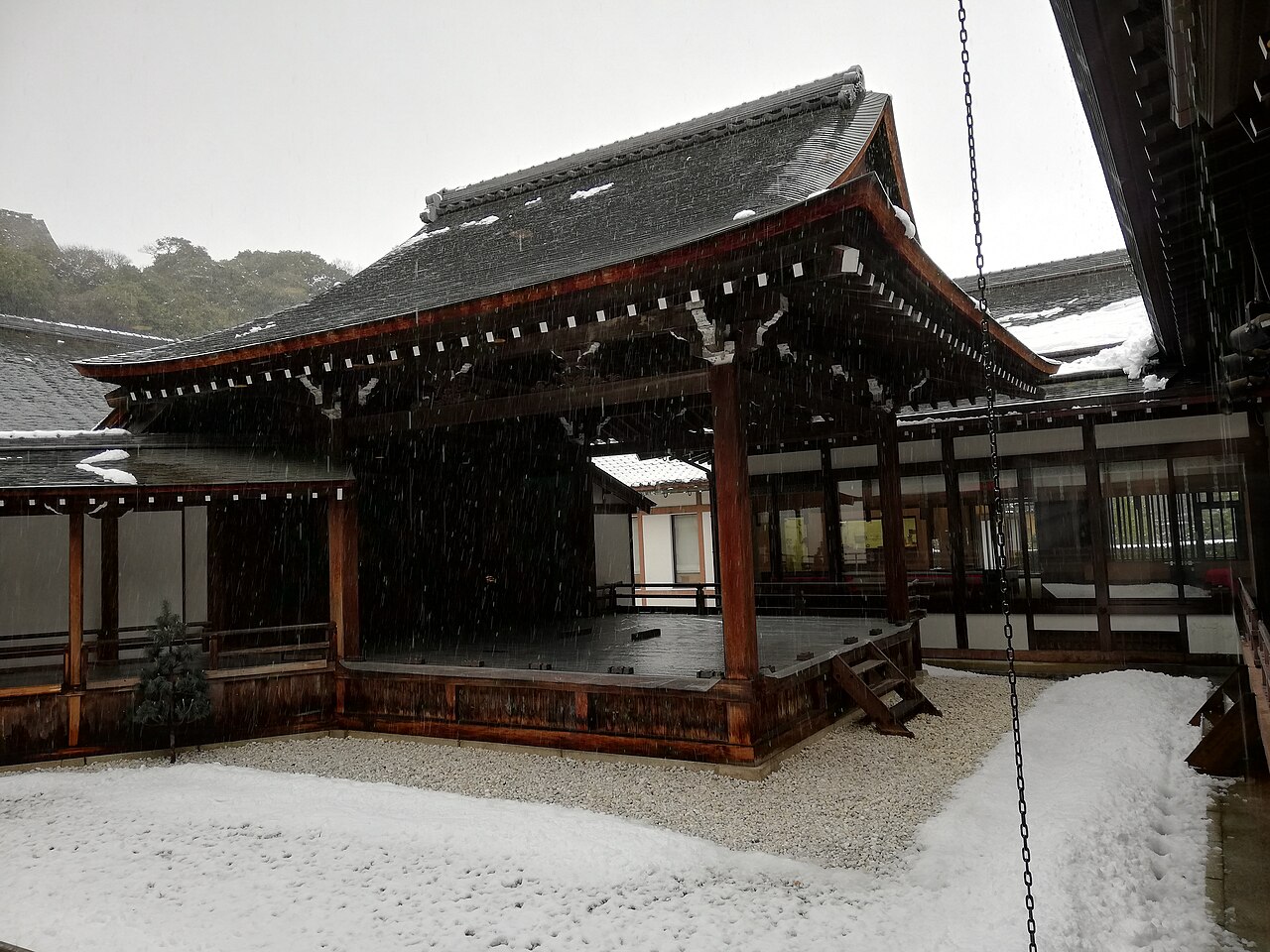
Opening hours run the same across the year, which makes planning easy:
- Open from half past eight in the morning until five in the afternoon
- Last entry at half past four
- Open every day of the year
Since last entry is at half past four, anyone arriving on an afternoon train should head straight for the keep and leave the garden for afterwards. Arriving on a morning train, you have the whole day and can take the course at whatever pace you like.
The best views
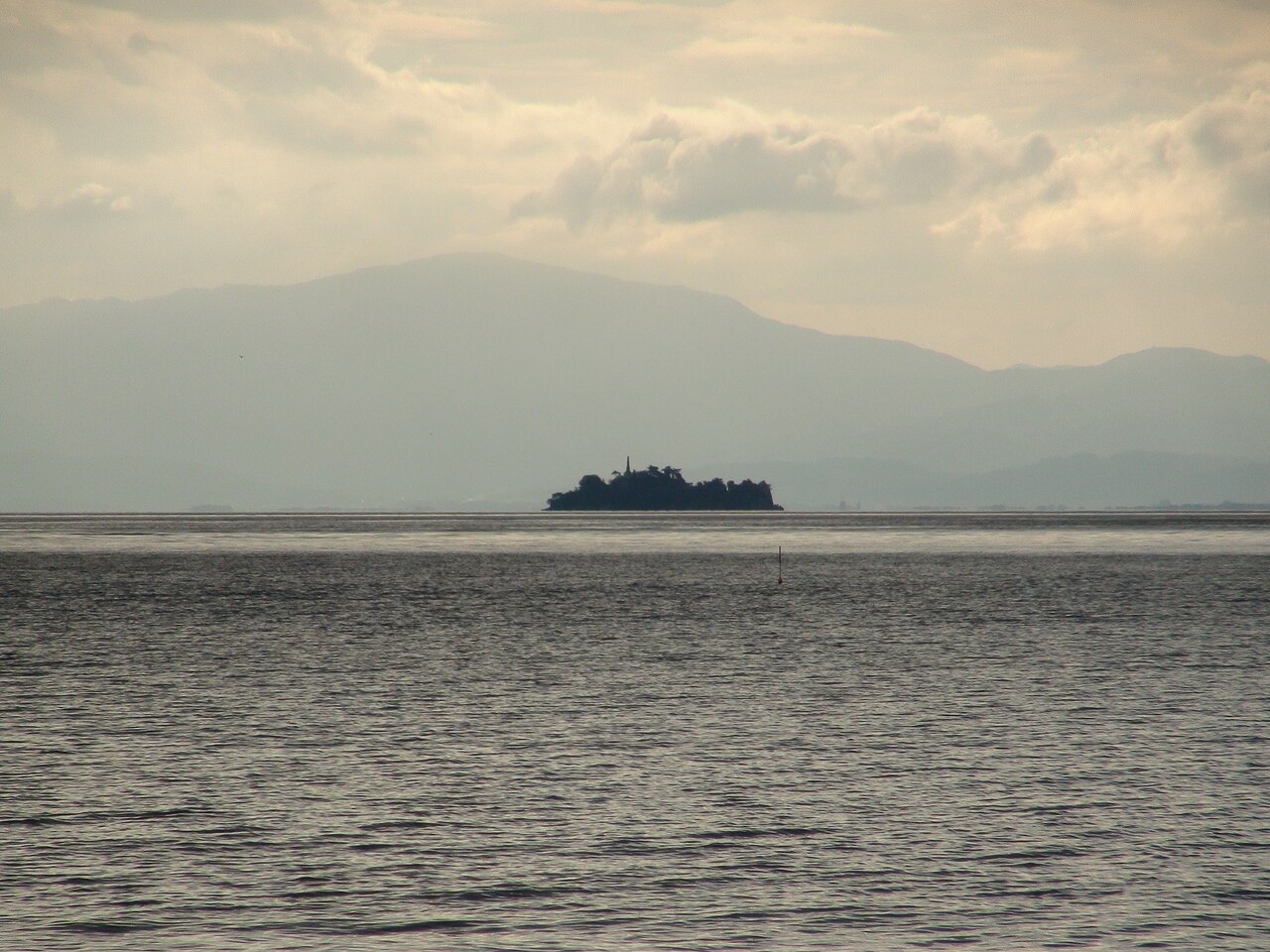
Hikone is a hirayama-jiro, a castle set on a low hill rather than on a mountain top. That is why the walk up is short and why the outlook is generous: from the grounds you look over the town of Hikone on the near side and out to the wide water of Lake Biwa beyond it.
For the single best spot, go to the site of the Tsukimi Turret on the south-east side of the castle grounds. Only the site remains, but it is the spot most often singled out for its outlook within the castle grounds, and it is a natural point to pause and sit for a while before you go back down.
Staying the night
Because the keep, the garden, the museum and the moat boats are all within walking distance of Hikone Station, Hikone works as an overnight stop as well as a day trip. Stay over and you can be at the gate when it opens at half past eight, ahead of the day-trippers, and catch a train onward that afternoon.
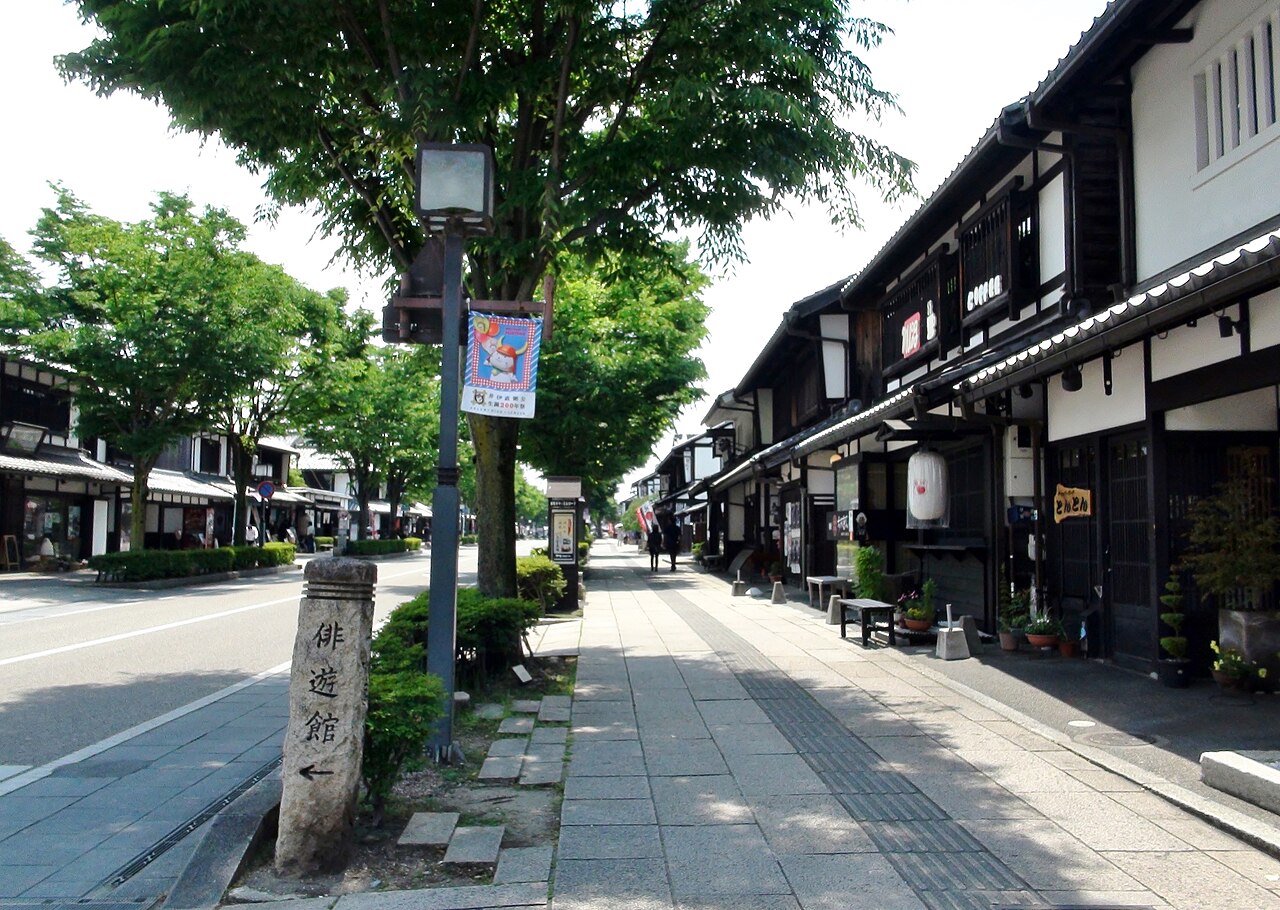
The old town below the castle keeps its timbered shopfronts along Yume Kyobashi Castle Road, and an evening walk there is the natural end to a day on the hill. If you would rather not watch the clock for the last train back to Kyoto, browse places to stay in Hikone and give the town a slower second morning.