This article covers a day on Miyajima: the ferry crossing from Miyajimaguchi, the mainland port for the island, and the visit tax that comes on top of the fare; Itsukushima Shrine and its great torii; the ropeway up Mount Misen; the shopping street and the garden at Daishoin; and a way to fit it all into the same day. Fares and the times that matter are set out in tables under each section.
Crossing to Miyajima: Ferry Fares and the Visit Tax
Miyajima belongs to the city of Hatsukaichi in Hiroshima Prefecture. Guidebooks count it, as Aki no Miyajima, among the three great views of Japan together with Amanohashidate and Matsushima, and describe it as the largest sightseeing destination in the prefecture. Miyajimaguchi, on the mainland shore, serves as the main gateway to the island.
The crossing starts at Miyajimaguchi, where ferries of Miyajima Matsudai Kisen take passengers across to the island at the regular fares in the table below. On top of the fare, each visitor also pays the Miyajima Visitor Tax for the visit; the amounts are set out after the table.
| Miyajima Matsudai Kisen ferry, regular fare | Fare |
|---|---|
| Adult (junior high school and older), one way | two hundred yen |
| Adult (junior high school and older), round trip | four hundred yen |
| Child (elementary school), one way | one hundred yen |
| Child (elementary school), round trip | two hundred yen |
- Miyajima Visitor Tax: one hundred yen per person per visit, in addition to the fare.
- Miyajima Visitor Tax, one-year lump-sum payment: five hundred yen per visitor per year.
Once your dates are set, browse guided tours around Miyajima and check what runs on those days.
Itsukushima Shrine and the Great Torii
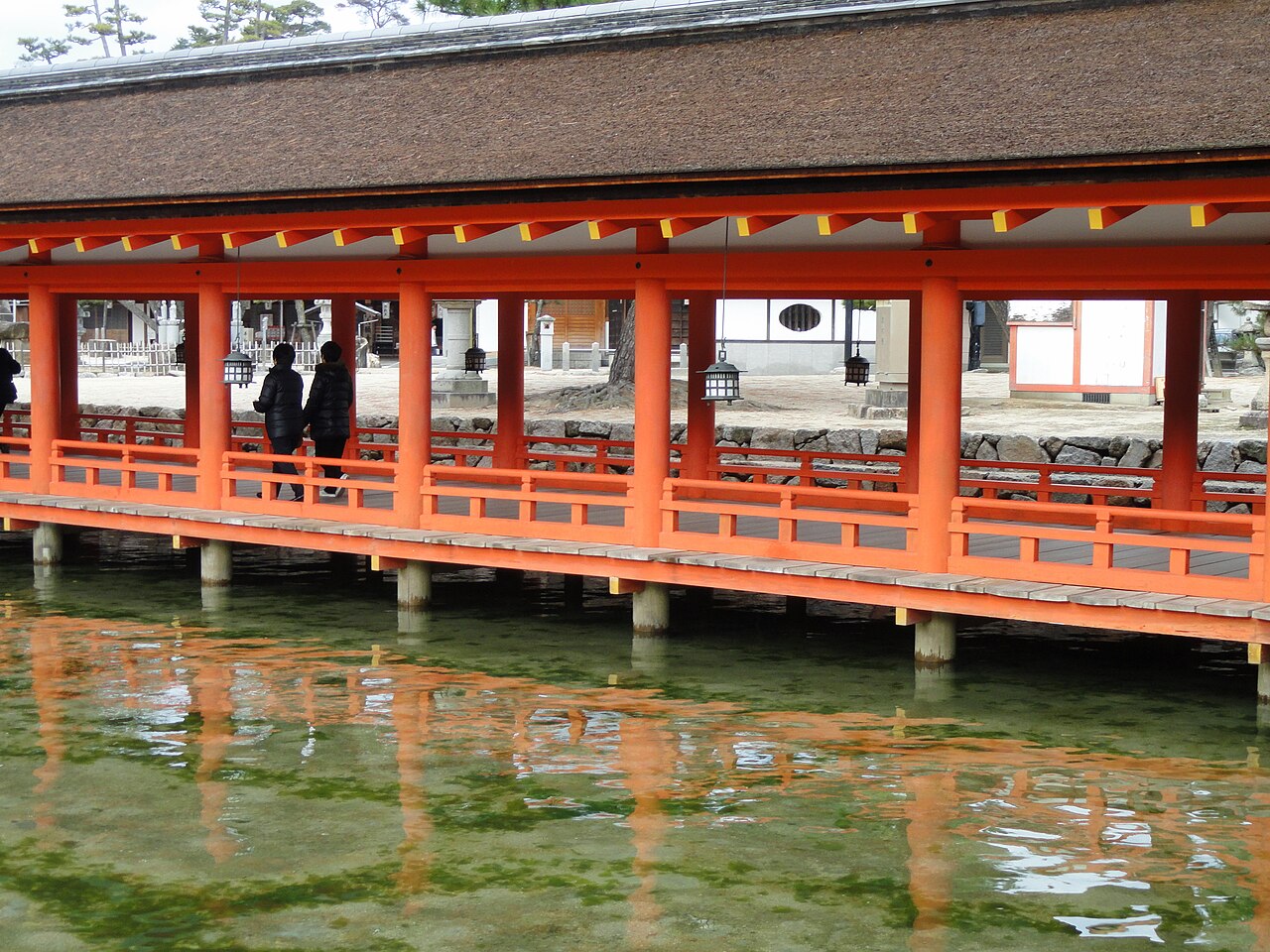
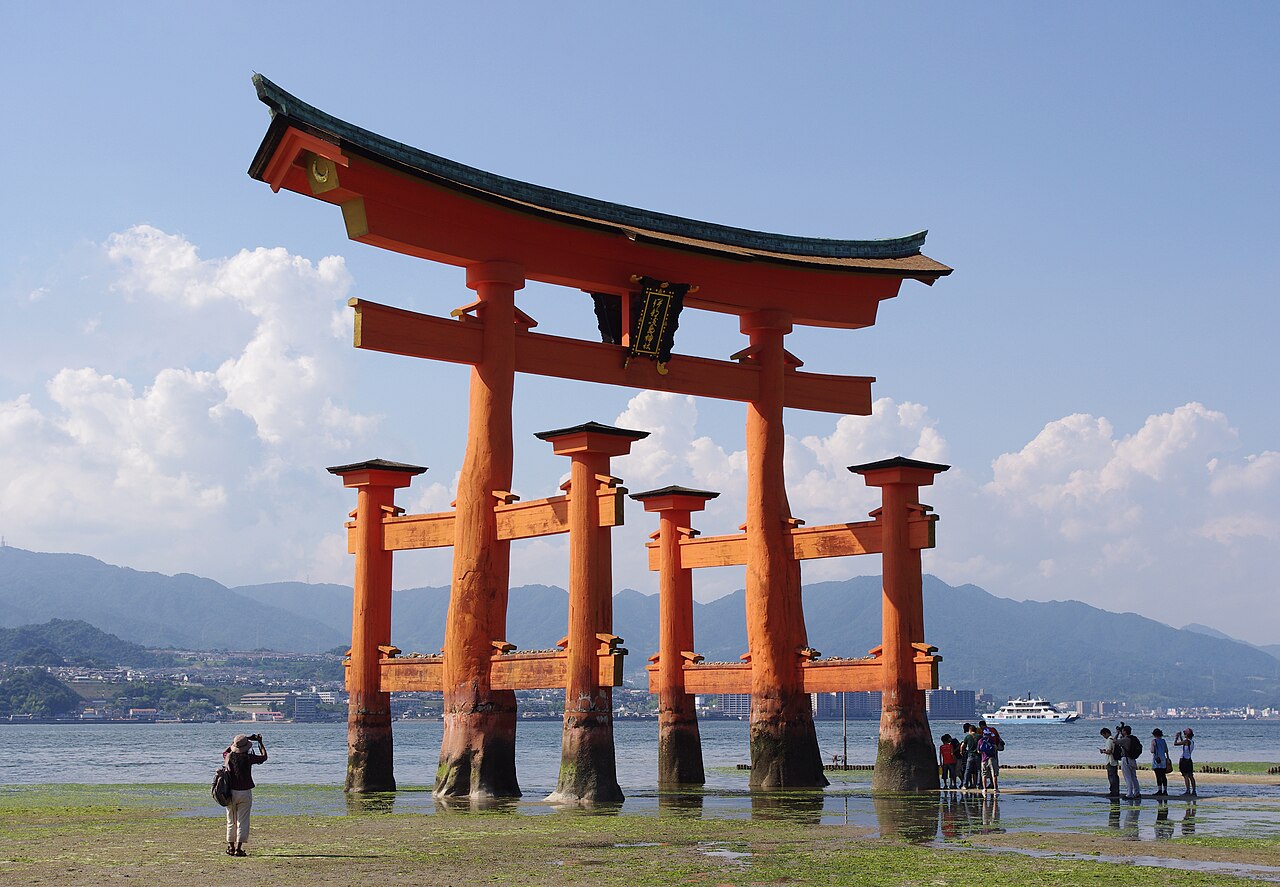
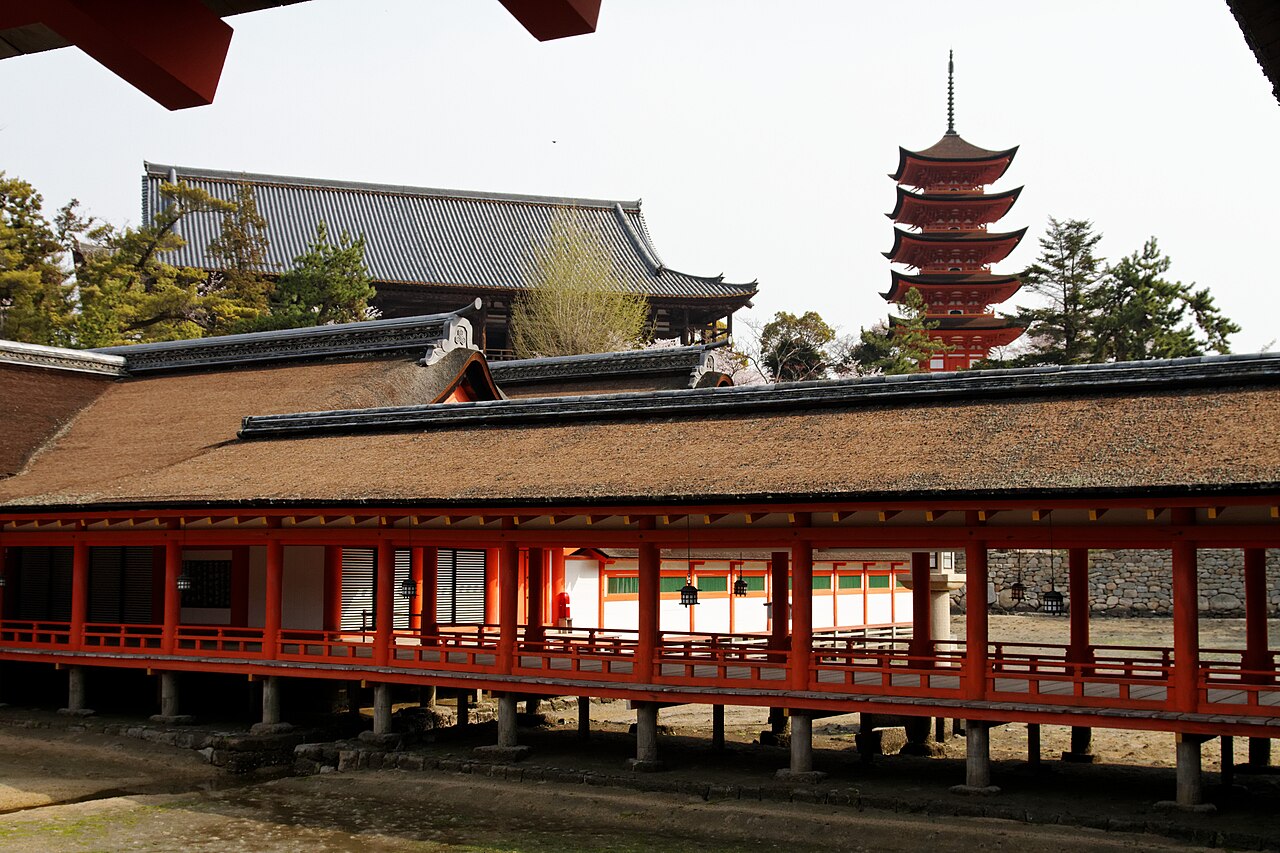
Itsukushima Shrine stands over the sea, with its halls set on the water at the edge of the island, and it is inscribed as a World Cultural Heritage site. Its buildings carry on the shinden-zukuri style, a manner of building that dates from the Heian period, and the shrine is where this guide begins on the island.
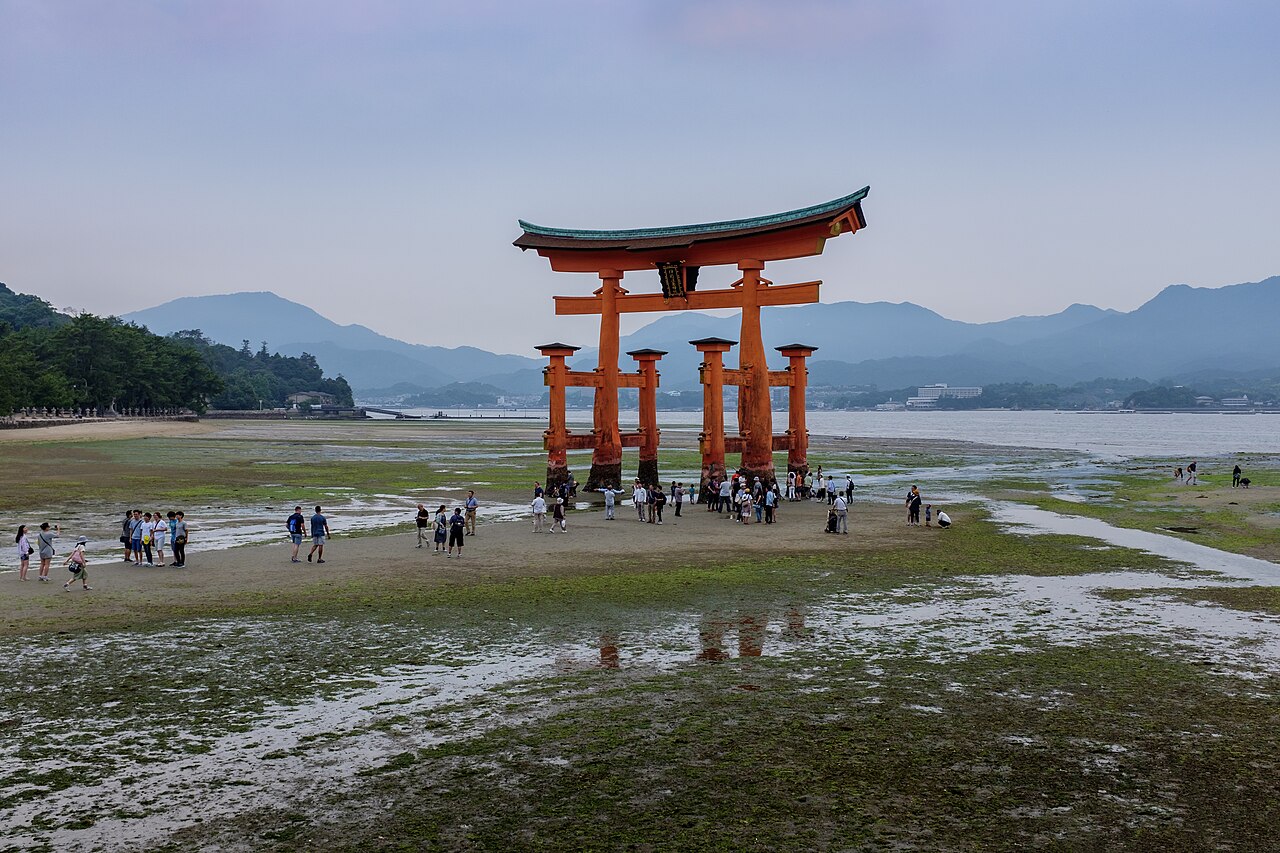
The shrine halls seen today are attributed to Taira no Kiyomori, who is recorded as having built them in the twelfth century. At high tide the buildings appear to float on the sea. The great torii has come through a major restoration, and at low tide it is possible to walk out across the sand to its feet.
Entering the shrine halls requires the admission fee in the table below, with separate rates for adults, high school students, and elementary and junior high school students. The shrine's hours change with the season, and the winter timing is set out in the planning table near the end of this article.
| Itsukushima Shrine | Shrine admission fee |
|---|---|
| Adult | three hundred yen |
| High school student | two hundred yen |
| Elementary and junior high school student | one hundred yen |
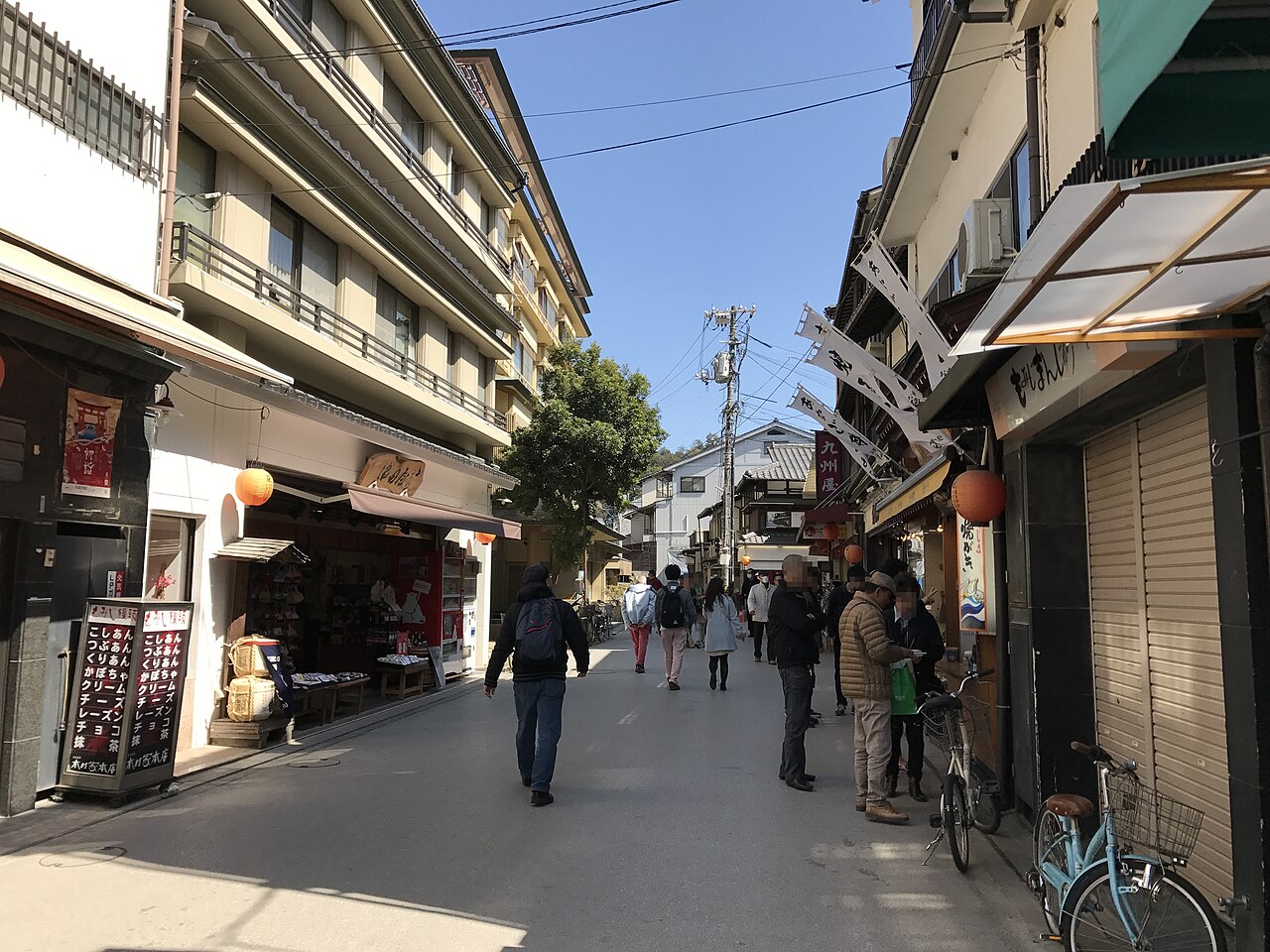
Where to stay
Places to stay near Miyajima →
Disclosure: This post may contain affiliate links. If you book through them, we may earn a commission at no extra cost to you.
Up Mount Misen by Ropeway
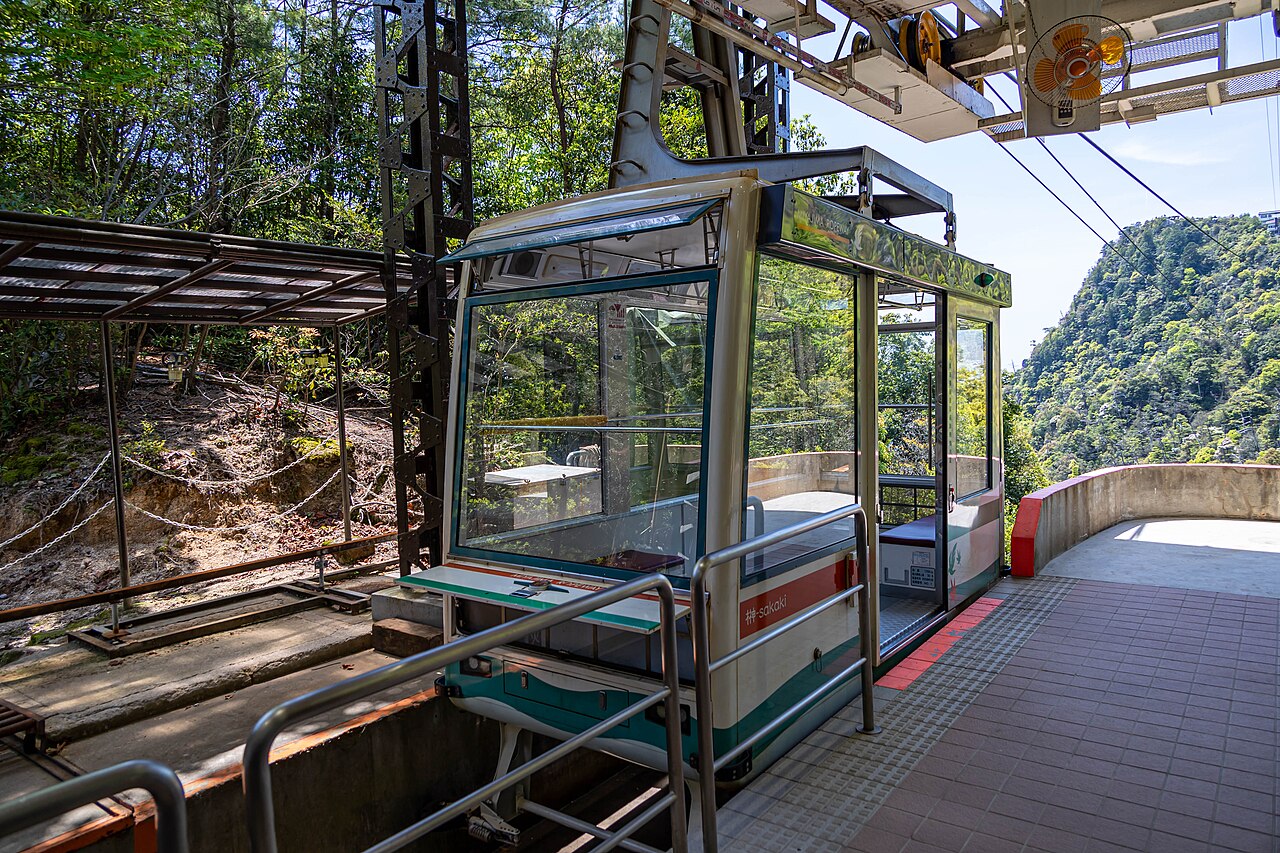
Mount Misen, the highest peak on the island, is said to have been founded as a sacred mountain by Kobo Daishi, and large boulders near the summit have long been objects of worship. The Miyajima Ropeway climbs toward it in an arrangement, unusual in Japan, that joins two cable systems, and a walking route up the mountain is also maintained.
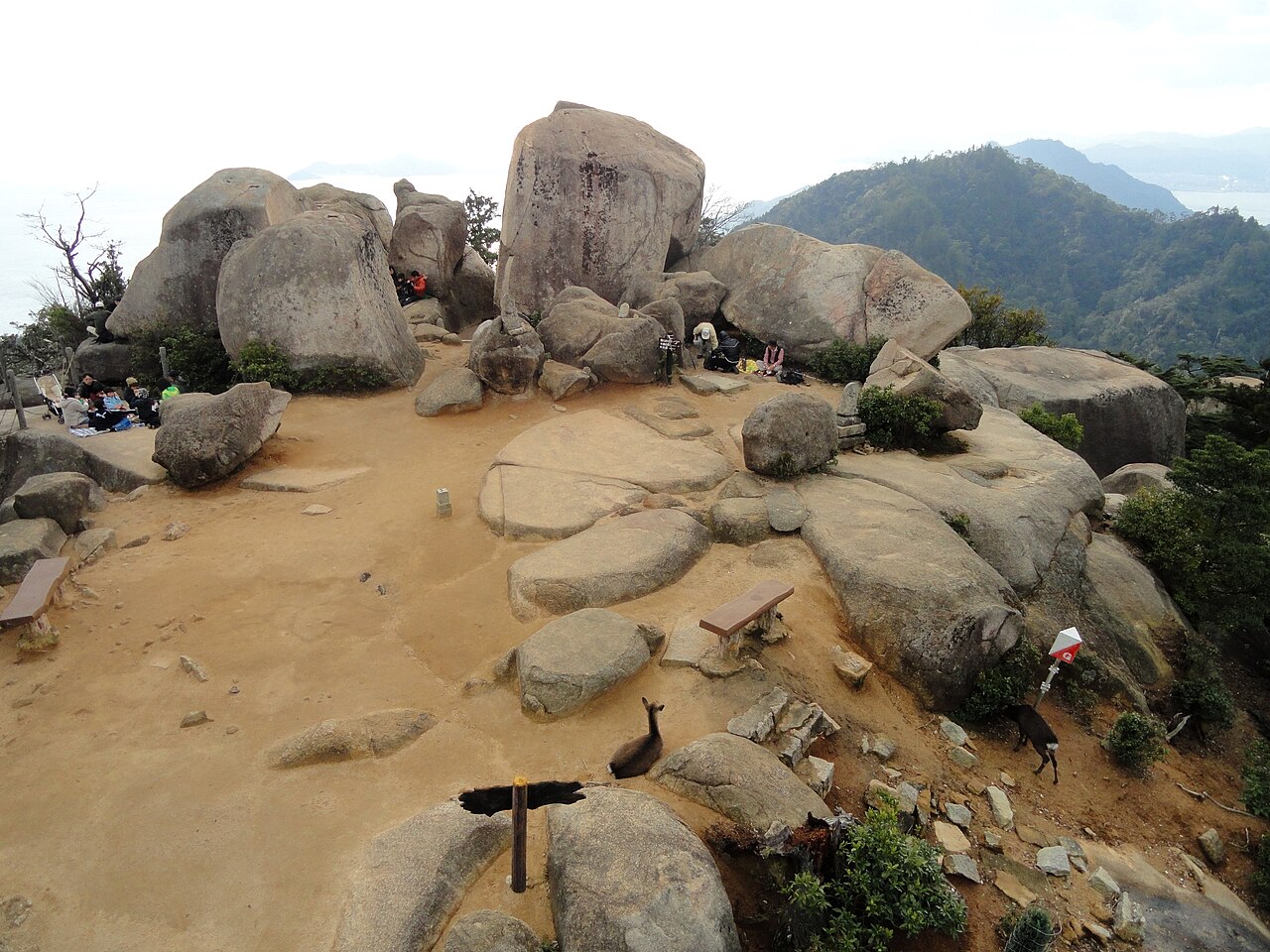
In the Reikado hall, a fire that Kobo Daishi lit during his training is said to have burned without going out ever since, and the hall is also listed as a lovers' sanctuary. The shrine near the summit is the inner shrine of Itsukushima Shrine and enshrines the same goddesses as the main shrine, on ground long treated as sacred.
From the observation deck, finished with cedar timber around its rooftop to sit with the island's scenery, the view is a full panorama, and on clear days it is said to take in the many islands of the Seto Inland Sea and even the mountains of Shikoku. Regular fares for the ropeway are in the table below.
| Miyajima Ropeway, regular fare | Fare |
|---|---|
| Adult, round trip | two thousand yen |
| Adult, one way | one thousand one hundred yen |
| Child (elementary school), round trip | one thousand yen |
| Child (elementary school), one way | five hundred fifty yen |
| Preschool child (age one to under six) | free, one child per accompanying adult |
- Round trip by the Miyajima Ropeway, including sightseeing: about one hour.
The Shopping Street, the Deer and a Temple Garden
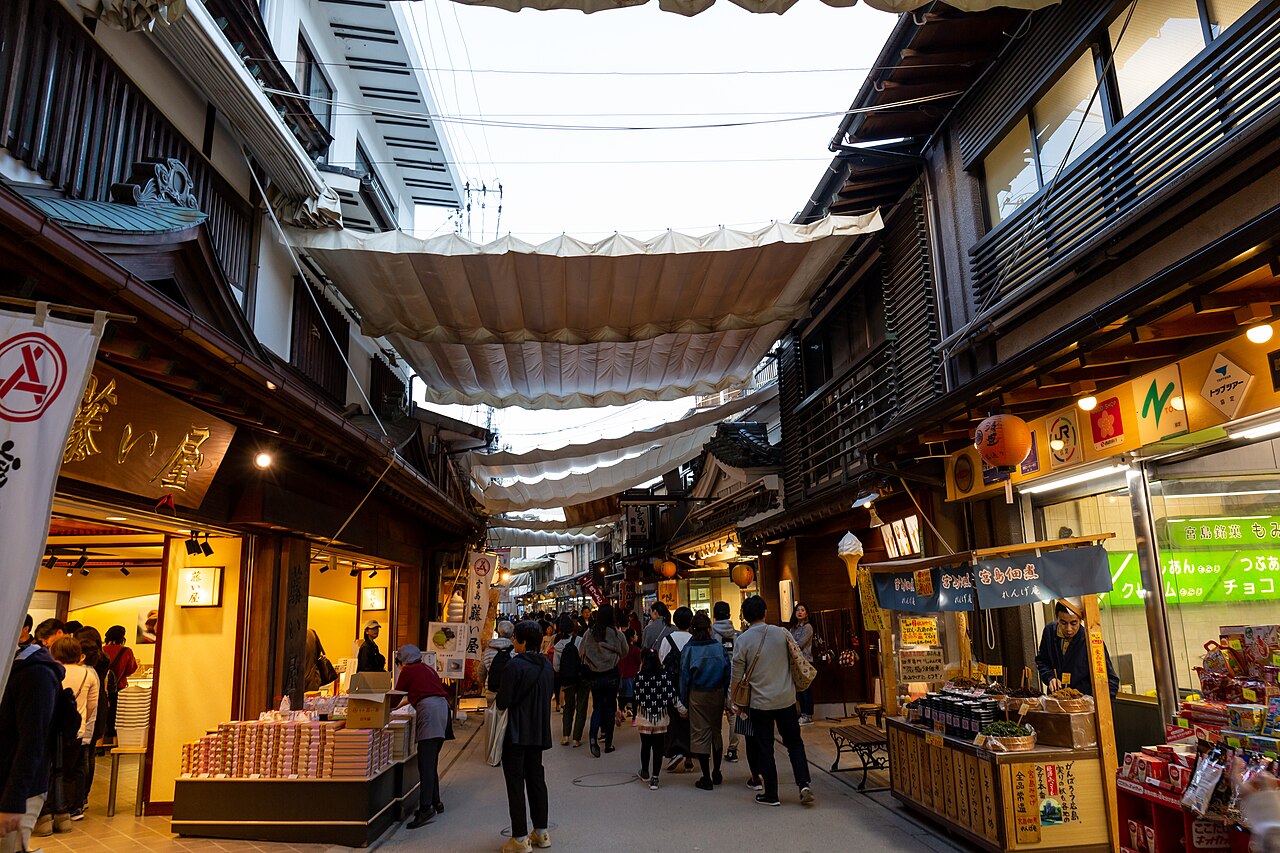
The Omotesando shopping street runs under an arcade toward Itsukushima Shrine and is the island's main commercial street. Its shops sell local crafts such as Miyajima rice scoops and carved woodwork, food built around oysters and conger eel, and the sweet cakes known as momiji manju, and many of them shut in the late afternoon.
Wild sika deer live on the island and can be seen at close range in the parks and elsewhere. Momijidani Park is described as the foremost spot in Hiroshima for autumn maple colour, with Japanese maples of several kinds, and the planting is said to have begun with seedlings set out in the Edo period.
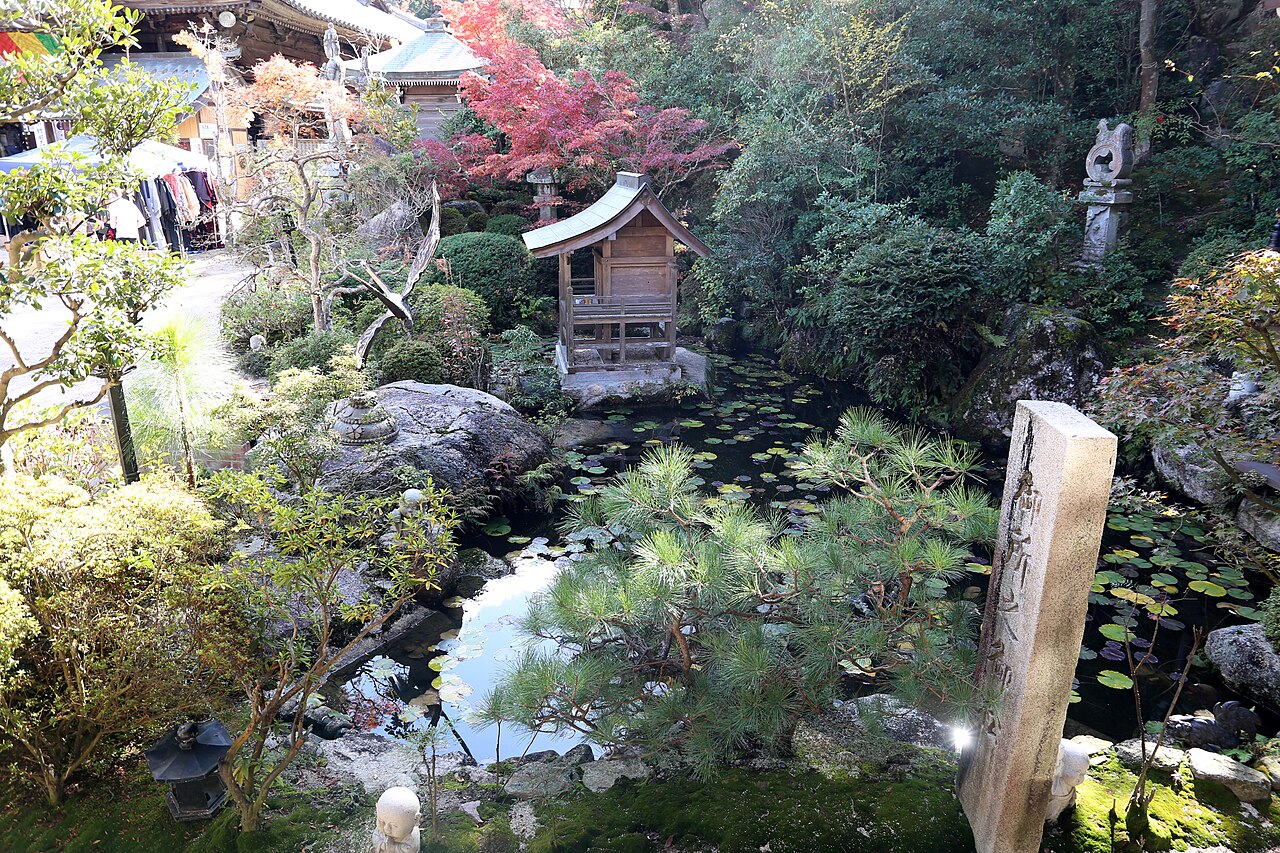
Daishoin, the temple in the photograph above, is known according to tradition as one of the three great Daishi temples for warding off misfortune and drawing good luck. Legend holds that walking once around the Henjokutsu cave in its grounds brings the same merit as completing the pilgrimage to the eighty-eight sacred sites of Shikoku.
Snacks and Souvenirs at the Ferry Terminal
Back at Miyajimaguchi, the passenger terminal connects directly to HIRODEN etto, a commercial complex whose name takes etto from a word in the Hiroshima dialect meaning plenty. Inside are eateries serving food from the Seto Inland Sea and sweets that Hiroshima is known for, together with shops selling limited-edition souvenirs and sundries, and it brings together specialities from across Hiroshima Prefecture.
On the ground floor of the terminal, Hatsukoi Market gathers products tied to Hatsukaichi: kendama, the toy that originated here, oysters and seafood, unusual takes on momiji manju, and local sweets, sake and sundries. A dish associated with Miyajimaguchi is anago-meshi, rice cooked in a stock from conger eel trimmings and topped with the eel grilled in a special sauce.
Fitting It Into One Day
The day is shaped by the ropeway's last descending departure and by the time the shrine closes, which shifts with the season; both are in the table below. Since many shops on the shopping street shut in the late afternoon, buy souvenirs before those cut-offs. The ferry fare and the visit tax belong to the crossing, before the island day begins.
| Timing to plan around | Detail |
|---|---|
| Miyajima Ropeway, business hours | nine in the morning to four in the afternoon |
| Miyajima Ropeway, last descending departure | half past four in the afternoon |
| Itsukushima Shrine, January fourth to the end of February | opens at half past six in the morning and closes at half past five in the afternoon |
When the day is settled, compare places to stay around Miyajima and pick the night before or after your crossing.