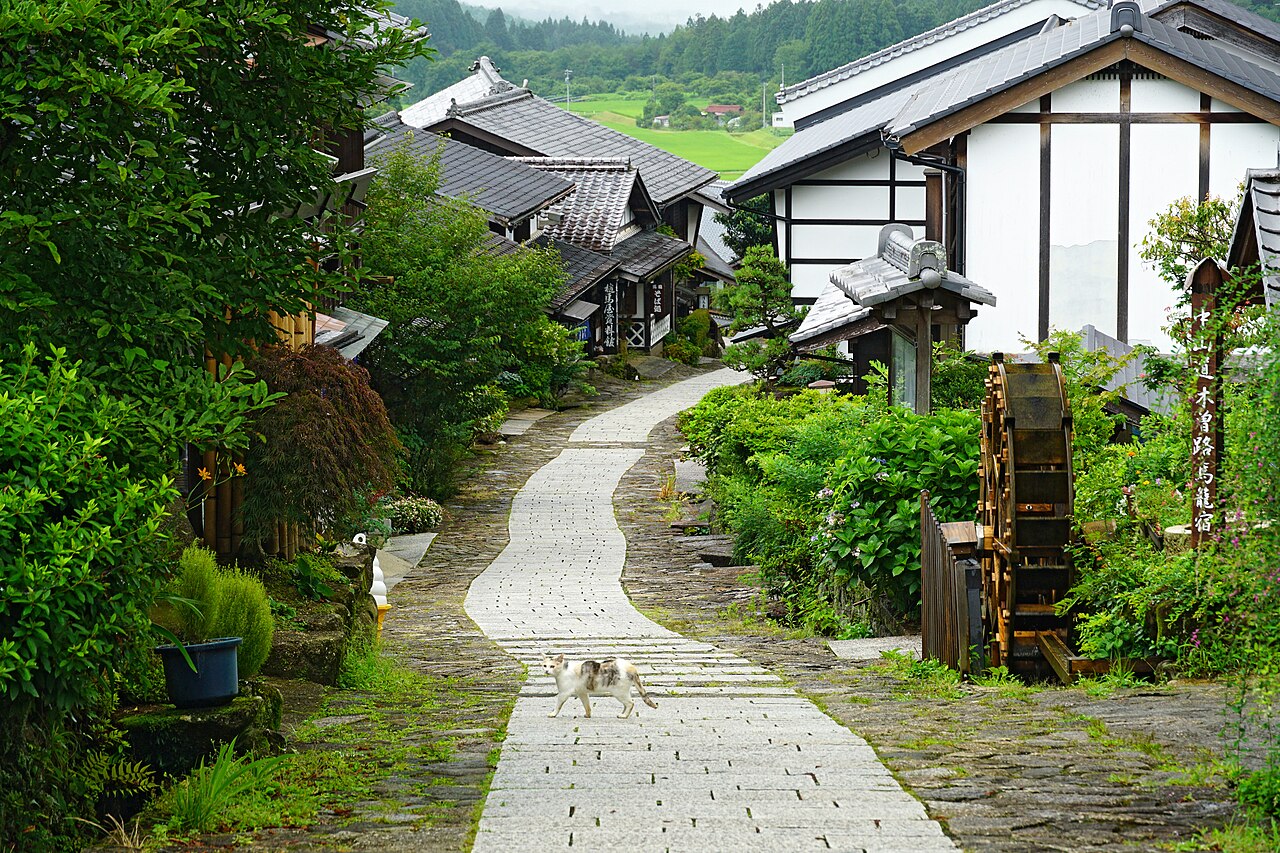
Magome-juku is a post town on the old Nakasendo in Gifu, and this guide covers a day there, starting with the bus from JR Nakatsugawa Station. It takes you past the waterwheel, the Imai House and the lookout, notes when vehicles are kept out, gives the Toson Memorial Museum's opening hours and admission, and suggests lunch and a snack. It ends on the old road toward Magome Pass with a short history.
Getting to Magome-juku by Bus from Nakatsugawa Station
From JR Nakatsugawa Station, take the Kita-Ena Kotsu bus on the Magome line and ride it to the Magome stop. The ride takes about twenty-five minutes, so it fits a morning start without an early alarm. Step off at the Magome stop and the day begins there.
A single ride is paid at the adult fare listed in the table below. If you plan to hop on and off along the way, there is also a Magome line ticket with unlimited getting on and off, priced separately for adults and children. Decide by counting how often you expect to ride.
Once you are off the bus, a simple order works well: walk through the post town, go into the Toson Memorial Museum, sit down for lunch, and then set off along the old road toward Magome Pass for as long as the afternoon lasts. Each of those steps has its own section below.
| Ride or ticket | Detail |
|---|---|
| Nakatsugawa Station to Magome, Kita-Ena Kotsu Magome line bus, ride time | about 25 minutes |
| Nakatsugawa Station to Magome, Kita-Ena Kotsu Magome line bus, adult one-way fare | 800 yen |
| Magome line ticket with unlimited getting on and off, adult | 1,300 yen |
| Magome line ticket with unlimited getting on and off, child | 650 yen |
Walking Through Magome-juku: Watermill, Imai House and the Lookout
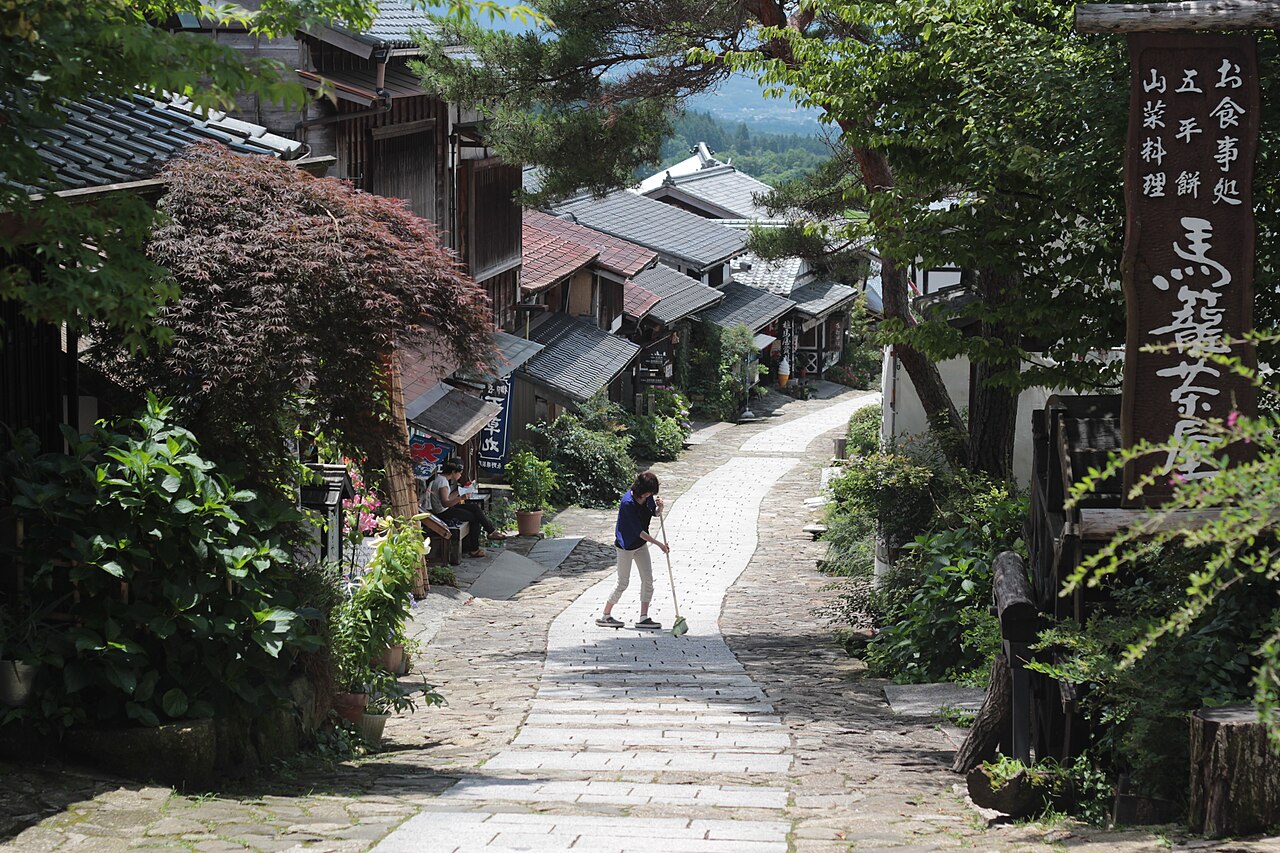
A guidebook calls the waterwheel the symbol of the post town; it still generates electricity, which lights up the town and its night lanterns. The Imai House, with its lattice front, was once home to the head of the ox drivers, and an ox-tethering stone stands before the gate of this designated townscape building. Stop at both.
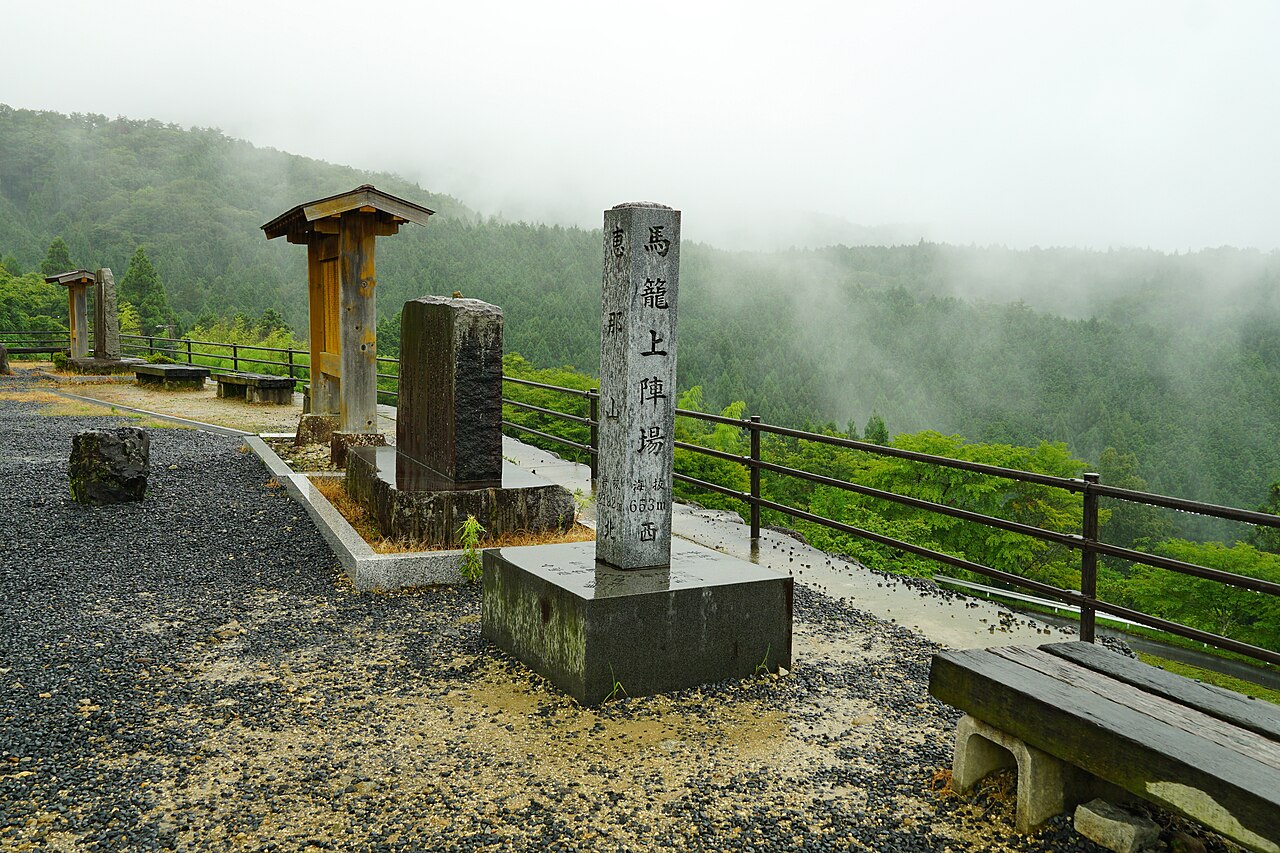
At the entrance to the post town, the lookout sits where the road turns at a sharp angle, a bend known as a masugata. Pause there. From ten in the morning to four in the afternoon the street between the upper and lower entrances is closed to vehicles, so plan your walk with that in mind.
If you would like the post town explained as you walk, the Magome-juku Annainin no Kai, the local guide association, runs a guide service charged per guide and by the hour. Decide how much time you want with a guide before you ask, since the fee is counted per guide and not per visitor.
| Item | Detail |
|---|---|
| Vehicle traffic in Magome-juku, upper entrance to lower entrance, closed | 10:00 to 16:00 |
| Guide fee, per guide, one hour | 2,000 yen |
| Magome-juku guide service by the Magome-juku Annainin no Kai, per guide | 2,000 yen |
If you would rather have the day arranged in advance, you can look at tours around Magome before you set out.
Where to stay
Places to stay near Magome, Gifu, Japan →
Disclosure: This post may contain affiliate links. If you book through them, we may earn a commission at no extra cost to you.
The Toson Memorial Museum: Hours and Admission
The Toson Memorial Museum stands on the site of the former honjin, the post town's main inn, which was also the house where Shimazaki Toson was born, and it holds a large collection of material connected with him. Go in after your walk through the town; it makes a natural indoor stop between the street and lunch.
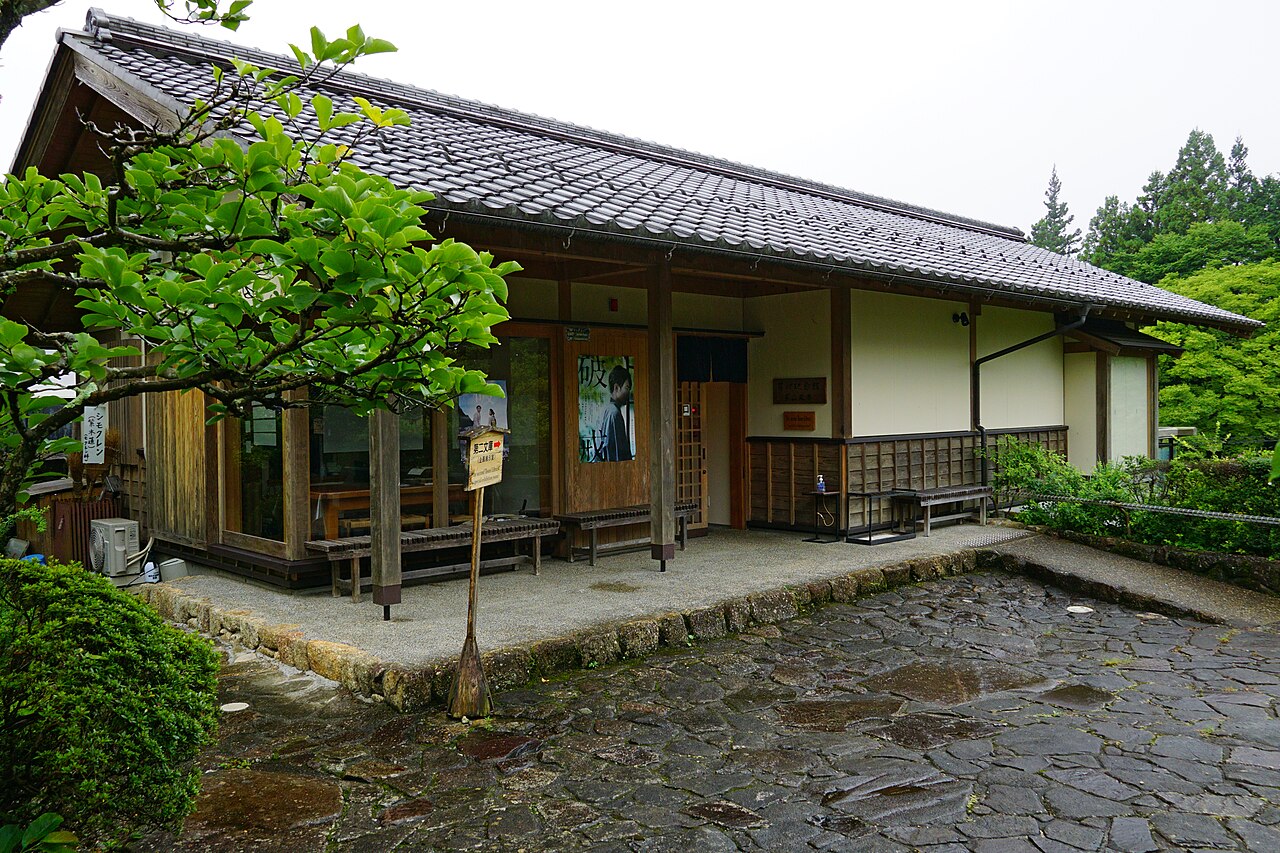
Magome-juku is the birthplace of Shimazaki Toson, the novelist known for Before the Dawn, and a guidebook lists the memorial museum and the Magome Waki-honjin Museum as the highlights connected with him. Give the museum unhurried time, and keep the Waki-honjin Museum in mind if you finish early and want another stop.
Opening hours change with the season: the museum keeps longer hours from April to November and shorter ones from December to March, and last admission moves with them, so check the table before you plan a late visit. Admission is priced in bands for adults, high school and university students, and elementary and junior high school pupils.
| Toson Memorial Museum | Detail |
|---|---|
| Opening hours, April to November | 9:00 to 17:00, last admission 16:45 |
| Opening hours, December to March | 9:00 to 16:00, last admission 15:45 |
| Admission, individual adult | 500 yen |
| Admission, high school and university students | 400 yen |
| Admission, elementary and junior high school students | 100 yen |
Lunch and Snacks in Magome-juku
For a sit-down lunch, Magomeya serves its midday meal within a fixed lunch window, so head there straight from the museum rather than lingering. Its lunch hours and the prices of the dishes named here are listed below. Arriving early in the window leaves time to eat and still reach the old road in the afternoon.
On the menu, the Premium Shinshu beef plan is listed at its normal price, and the Niku Soba, a meat soba, is a winter-only dish priced with tax included. Ask at the counter what each includes before you order, and if you are visiting in winter, check whether the soba is on that day.
For a snack rather than a meal, the Magomekan Annex makes its own gohei mochi, sold at a price that includes tax, and it keeps business hours of its own, so it fits before or after the museum. Pick some up to carry toward the pass if lunch runs late.
| Place and item | Price or hours |
|---|---|
| Magomeya, lunch service hours | 11:00 to 14:30 |
| Magomeya, Premium Shinshu Beef Plan, normal price | 3,900 yen |
| Magomeya, winter-limited Niku Soba, tax included | 1,850 yen |
| Magomekan Annex, homemade gohei mochi, tax included | 800 yen |
| Magomekan Annex, business hours | 9:00 to 17:00 |
If the day runs long, places to stay in Magome are worth sorting out before you travel.
Over Magome Pass Toward Tsumago, and a Little History
Beyond the post town, the old Nakasendo continues as a nature trail toward Tsumago-juku, about nine kilometres and about two hours on foot; a guidebook says the walk is easier from Magome toward Tsumago than the reverse. The trail crosses Magome Pass, on the border between Gifu and Nagano. Turn back at the pass if time is short.
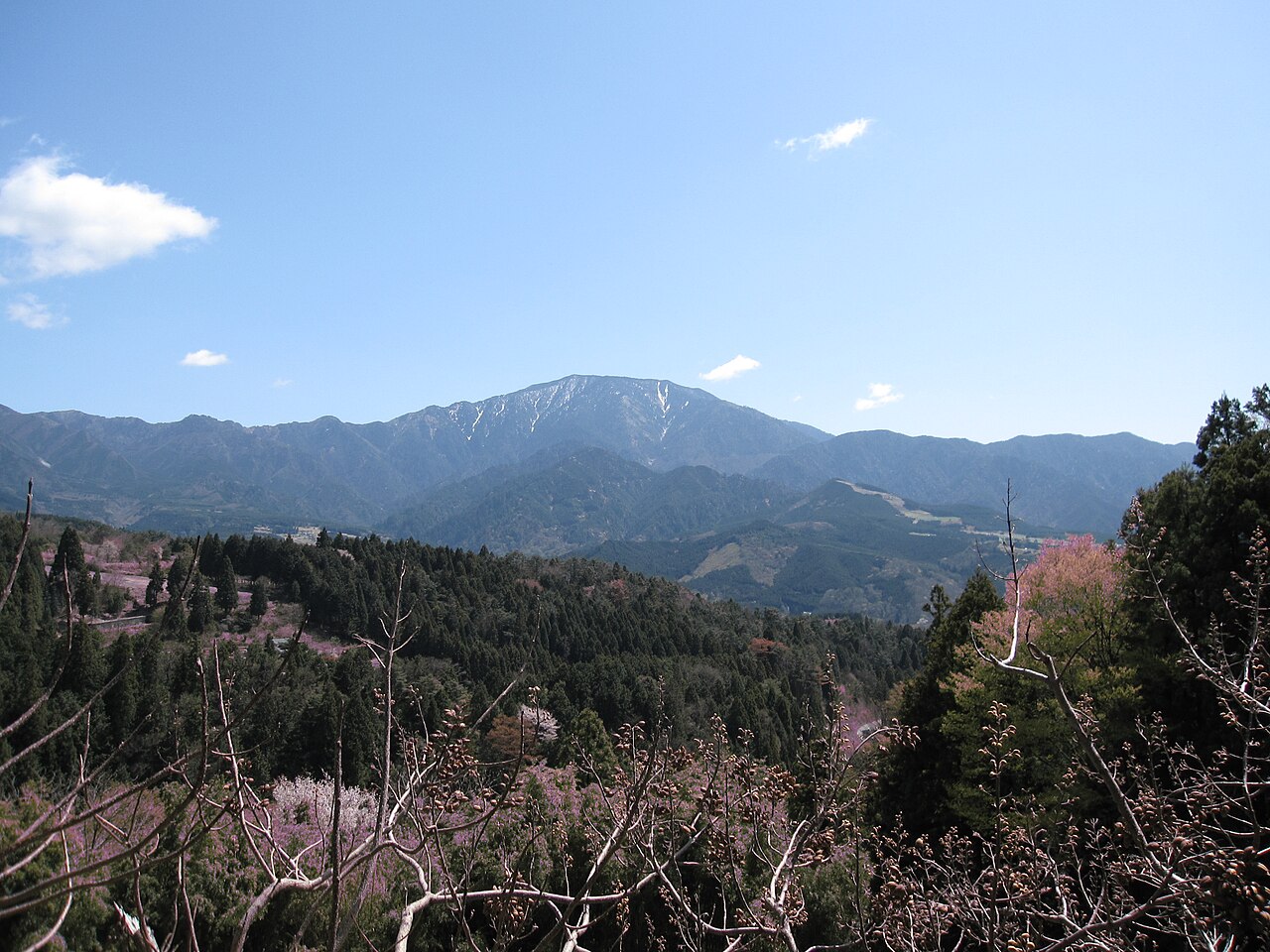
At Magome Pass stands a stone carved with a haiku by Masaoka Shiki, so stop to find it before you go on. Elsewhere on the route, the waterfalls Odaki and Medaki lie below the road that follows the trail, reached by a path down the hillside; a guidebook notes they appear in Yoshikawa Eiji's novel Miyamoto Musashi.
Magome-juku was the forty-third post town from Edo, where travellers crossing the pass rested. An early-twentieth-century gazetteer records it as the gateway to Kiso. In the Tenbun era it was designated a post station on the Kiso road, later serving as a relay point between what are now Nagano and Gifu. Keep that in mind walking back.