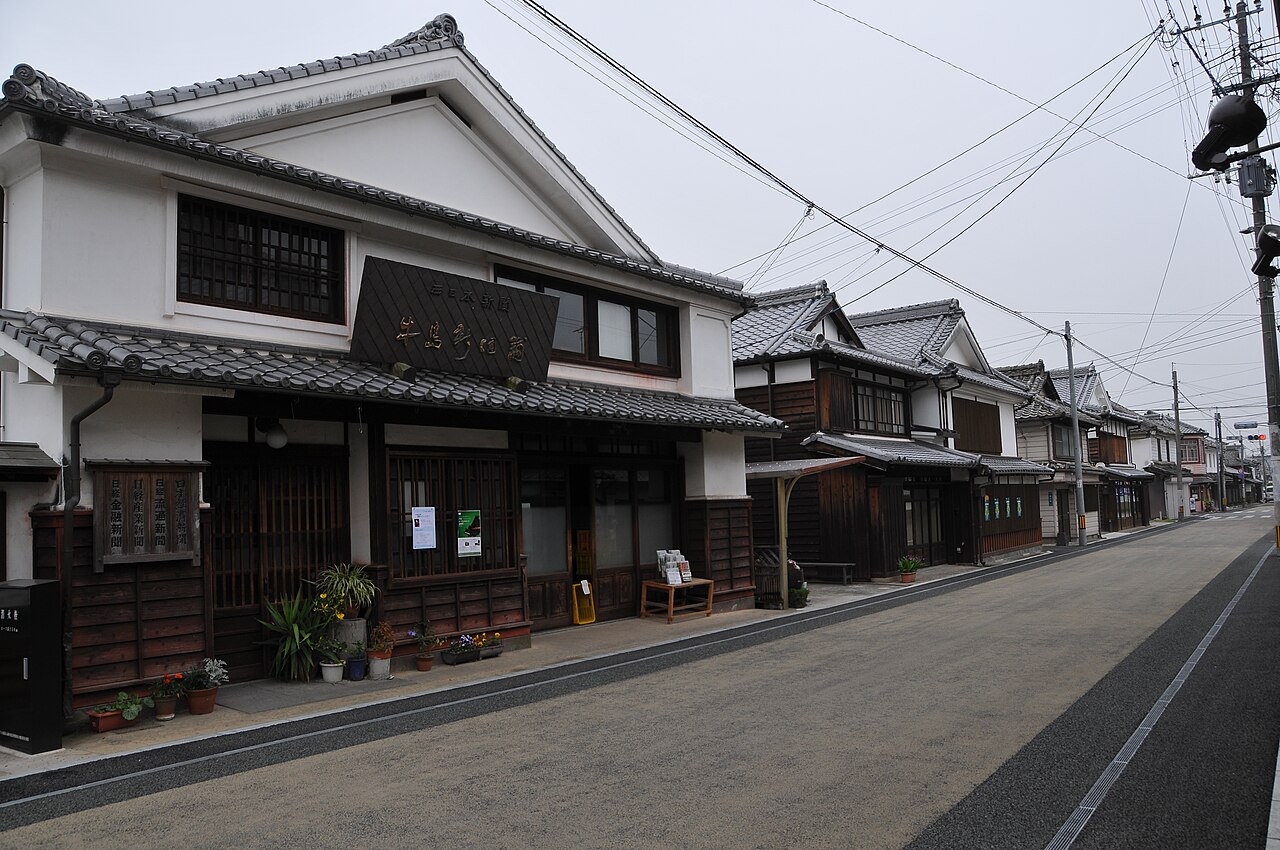
The White-Wall Streets of Fukushima
The Yame-Fukushima townscape lines the former highway with about one hundred and thirty buildings in Edo, Meiji, Taisho and early Showa styles. The Fukushima machiya townhouses are built in the dozo style, an earthen storehouse construction.
These earthen-walled storehouse-style houses are called igura, and they were built from the late Edo period into the Meiji era after repeated major fires had hit the district. In May nineteen ninety-seven the city opened the Yokomachi Machiya Exchange Hall on the site of a former sake brewery that it had bought and renovated.
Yame Crafts Hall
Yame Crafts Hall introduces the crafts of Yame, among them Fukushima Buddhist altars, paper lanterns, handmade washi paper, stone lanterns, Yame arrows, bamboo work and wooden spinning tops. The hall is a ten-minute walk from the Fukushima bus stop, which Nishitetsu Bus and Horikawa Bus serve.
The hall opens from nine in the morning until five in the afternoon. It is closed on Mondays, except when the Monday is a national holiday, and from December twenty-ninth to January third.
Fukushima Hachimangu and the Lantern Puppets
The Yame-Fukushima lantern puppet plays are performed in the grounds of Fukushima Hachimangu over three days around the autumn equinox, as a votive event of the Hojoya. The stage is a three-layer, two-storey structure put together without a nail or a clamp, and it is assembled for the performance period alone.
A paid viewing seat costs one thousand yen per seat. Thirty paid seats are offered per performance on a first-come basis on the day, and the seats are exchanged for each performance.
The shrine office of Fukushima Hachimangu receives visitors from nine in the morning until half past four in the afternoon. The shrine office is closed on Wednesdays.
Iwatoyama History and Culture Museum
The Iwatoyama History and Culture Exchange Museum is open from nine in the morning to five in the afternoon, with last admission at half past four. The museum is closed on Mondays, or on the next day when the Monday is a public holiday, and over the year-end and New Year period.
From Yame Interchange, the museum is about fifteen minutes by car. From Hirokawa Interchange, the drive to the museum takes about ten minutes.
Tea Hills and the Kyushu Olle Trail
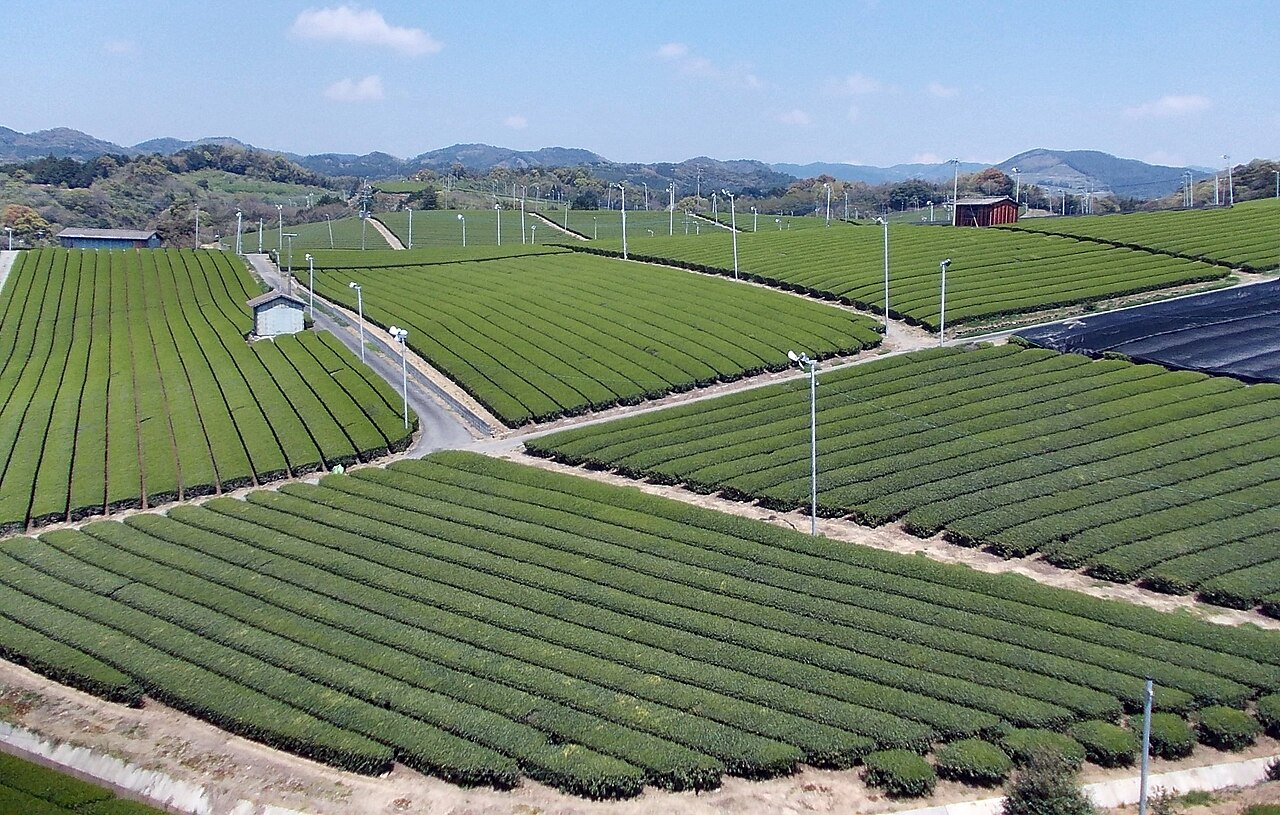
The Yame Central Large Tea Plantation was created by clearing one hundred hectares of mountain forest, and about seventy hectares of tea fields extend across it. The plantation is twenty-five minutes by car from Yame Interchange.
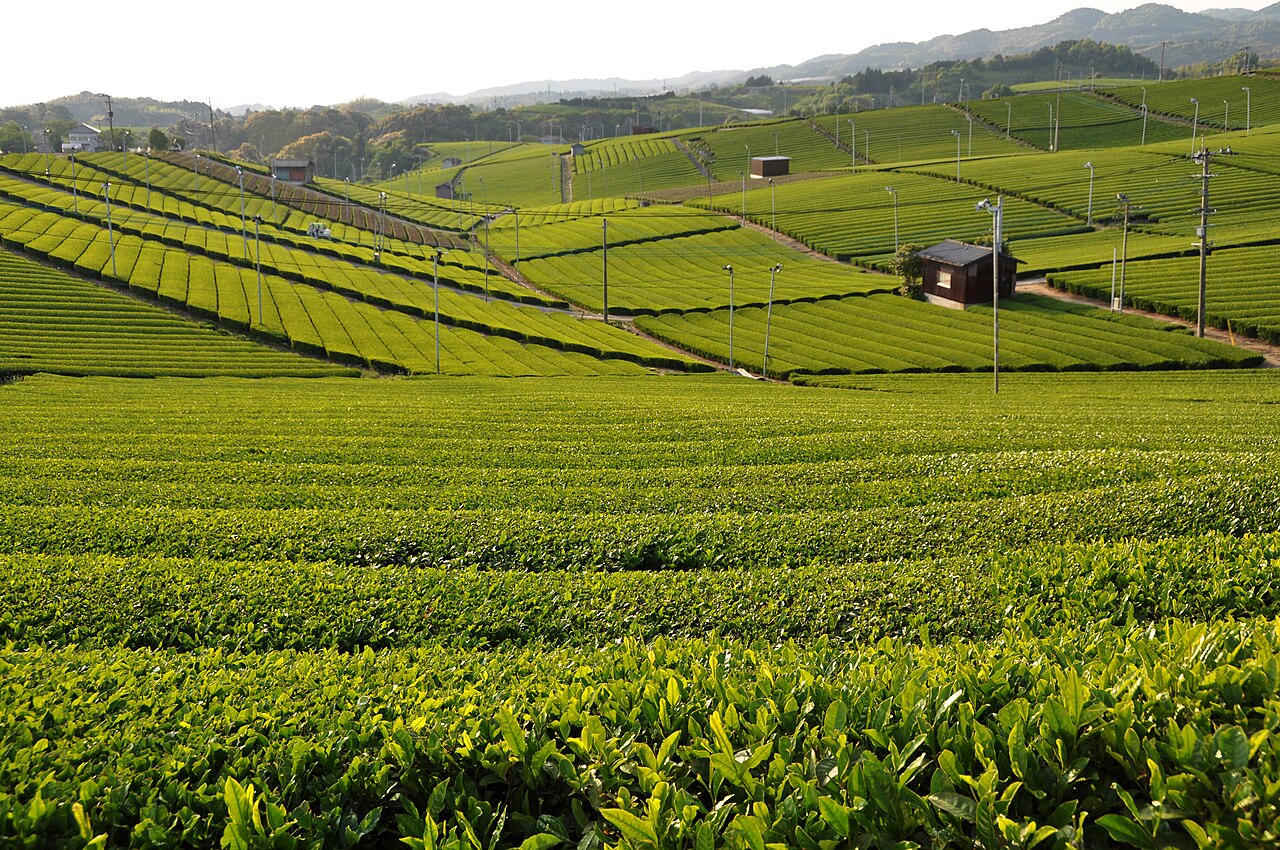
The Kyushu Olle Yame course runs for eleven kilometers, starting at Yamanoi Park and finishing at the Iwatoyama History and Culture Exchange Museum. By car, the Hoshi no Furusato area is about forty-five minutes from Hirokawa Interchange or Yame Interchange on the Kyushu Expressway.
For a guided outing around Yame, browse tours around Yame.
Getting to Yame
On Horikawa Bus, payment is in cash, and transport IC cards cannot be used. From the Nishitetsu Bus Fukushima stop it is a one-minute walk to the Horikawa Bus Fukushima stop.
By car, Yame City Hall is about forty minutes from Dazaifu Interchange.
| Item | Detail |
|---|---|
| Nishitetsu Kurume Station to Yame City Hall by Nishitetsu Bus | About 35 minutes |
| JR Kurume Station to Yame City Hall by Nishitetsu Bus | About 50 minutes |
| JR Hainuzuka Station to Yame City Hall by Horikawa Bus | About 15 minutes |
| By car from Yame Interchange to the Yame-Fukushima white-wall streets | About 10 minutes |
| By car from Hirokawa Interchange to Yame City Hall | About 15 minutes |
Where to stay
Places to stay near Yame, Fukuoka →
Disclosure: This post may contain affiliate links. If you book through them, we may earn a commission at no extra cost to you.