This guide covers how to reach Itoshima, the wedded rocks, the basalt cave at Keya-no-Oto, the inland sights and the practical details for a visit.
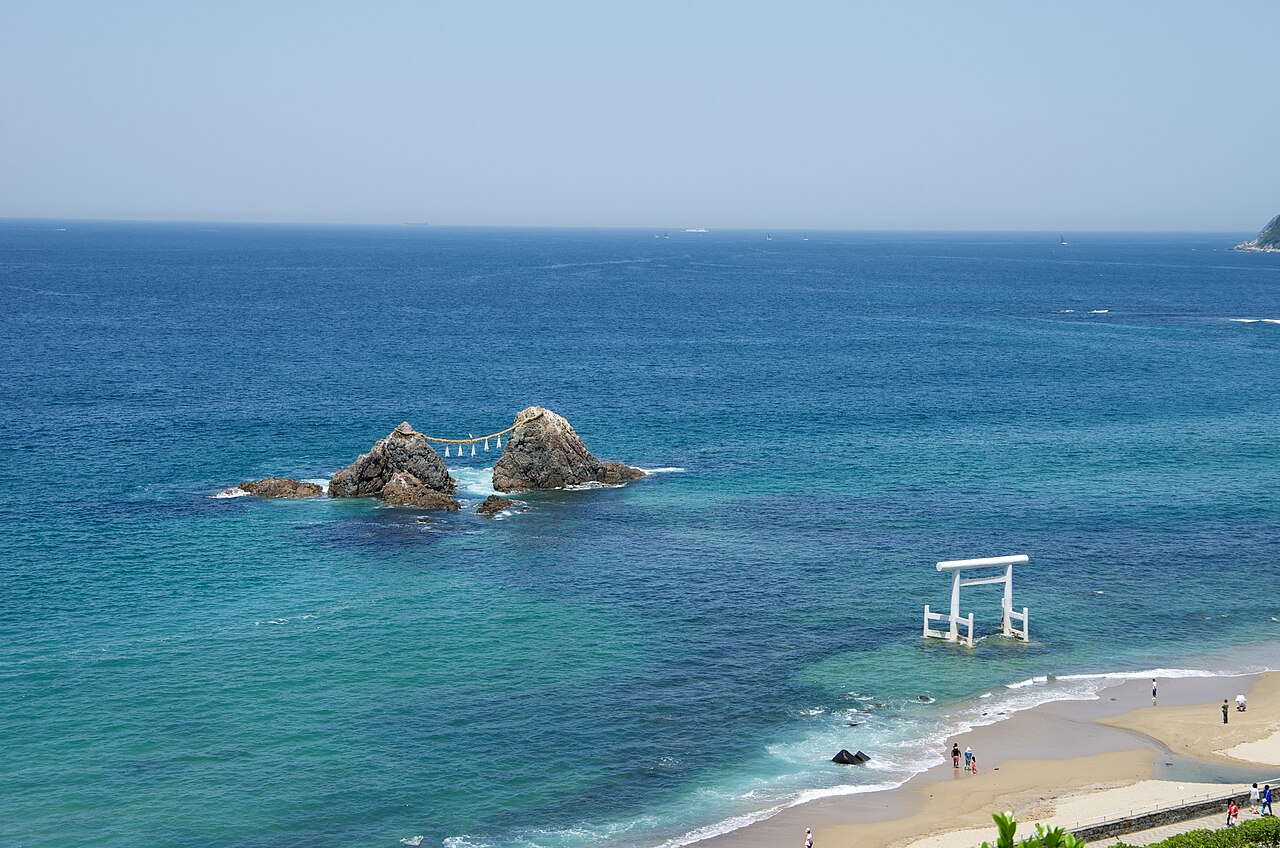
The wedded rocks stand off the coast at Futamigaura, with a male rock on the right and a female rock on the left. The sections below cover the way in, the coast, the rocks and the shrine, getting around and the practical details.
Getting to Itoshima
From the north exit of Chikuzen-Maebaru Station on the JR Chikuhi Line, the Keya line bus runs to the Keya Purchase Store stop. Fares on the Itoshima city buses are flat for each ride. Questions about getting around can go to the Itoshima Tourist Association, whose contact desk is open during the day.
From the Futamigaura stop, Sakurai Futamigaura is a short walk. Keya-no-Oto Park is a walk from the Keya Purchase Store stop. The Raizan line bus stops at Raizan Kannon-mae, a walk from Raizan Sennyoji Daihioin.
| From | Line and operator | Time or fare |
|---|---|---|
| Itoshima city bus, adult fare | Itoshima city bus | 200 yen per ride |
| Itoshima city bus, child fare | Itoshima city community bus | 100 yen per ride |
| Futamigaura stop to Sakurai Futamigaura | Nokita-Futamigaura line bus | About 1 minute on foot |
| Keya Purchase Store stop to Keya-no-Oto Park | Keya line bus | About 8 minutes on foot |
| Raizan Kannon-mae stop to Raizan Sennyoji Daihioin | Raizan line bus | About 7 minutes on foot |
| Shiraito stop to Shiraito Falls | Shiraito line bus | About 30 minutes on foot |
| Kishi Fishing Port to Himeshima | Itoshima municipal ferry | About 16 minutes |
| Keya-no-Oto sightseeing cruise, round trip | Sightseeing cruise boat | About 25 minutes |
Keya-no-Oto and the Coast
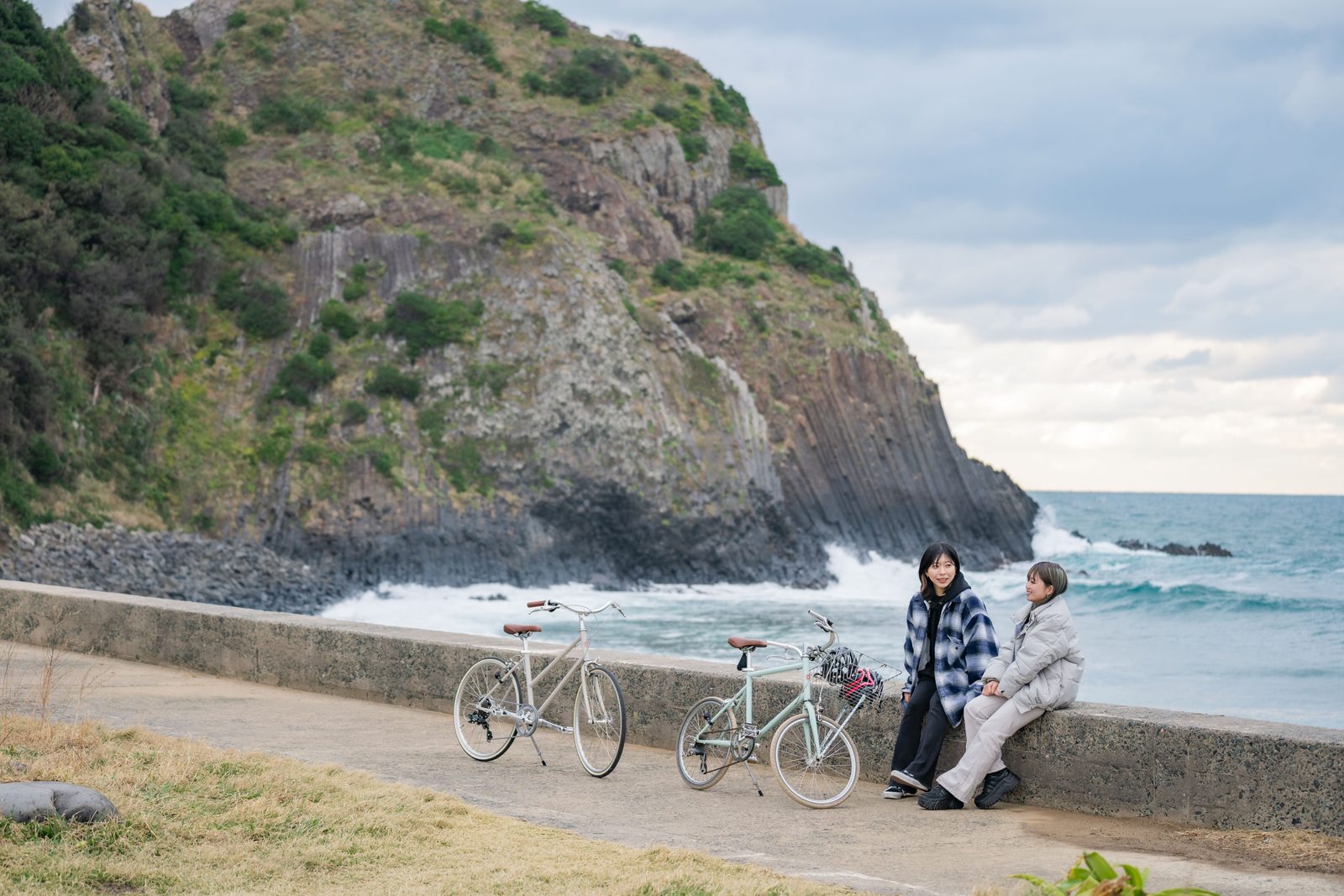
Keya-no-Oto is a basalt cave on the Itoshima coast. A sightseeing boat tour of Keya-no-Oto is available. A tunnel walk in Keya-no-Oto Park leads to an observation deck from which the back of the cave can be seen.
The Nokita coast is a walk from the Nokita stop. The Itoshima municipal ferry runs between Kishi Fishing Port and Himeshima. Whether it sails on a given day is decided shortly before departure.
Futamigaura and Sakurai Shrine
A great shimenawa rope joins the wedded rocks. From spring to autumn the sun can be seen setting into the sea, and around the June summer solstice it sets at the center of the rocks. The annual Daishimenawa-kake festival is held on tide-peak Saturdays, Sundays and holidays from late April to early May. Small mopeds and bicycles park free of charge at the Futamigaura parking lot.
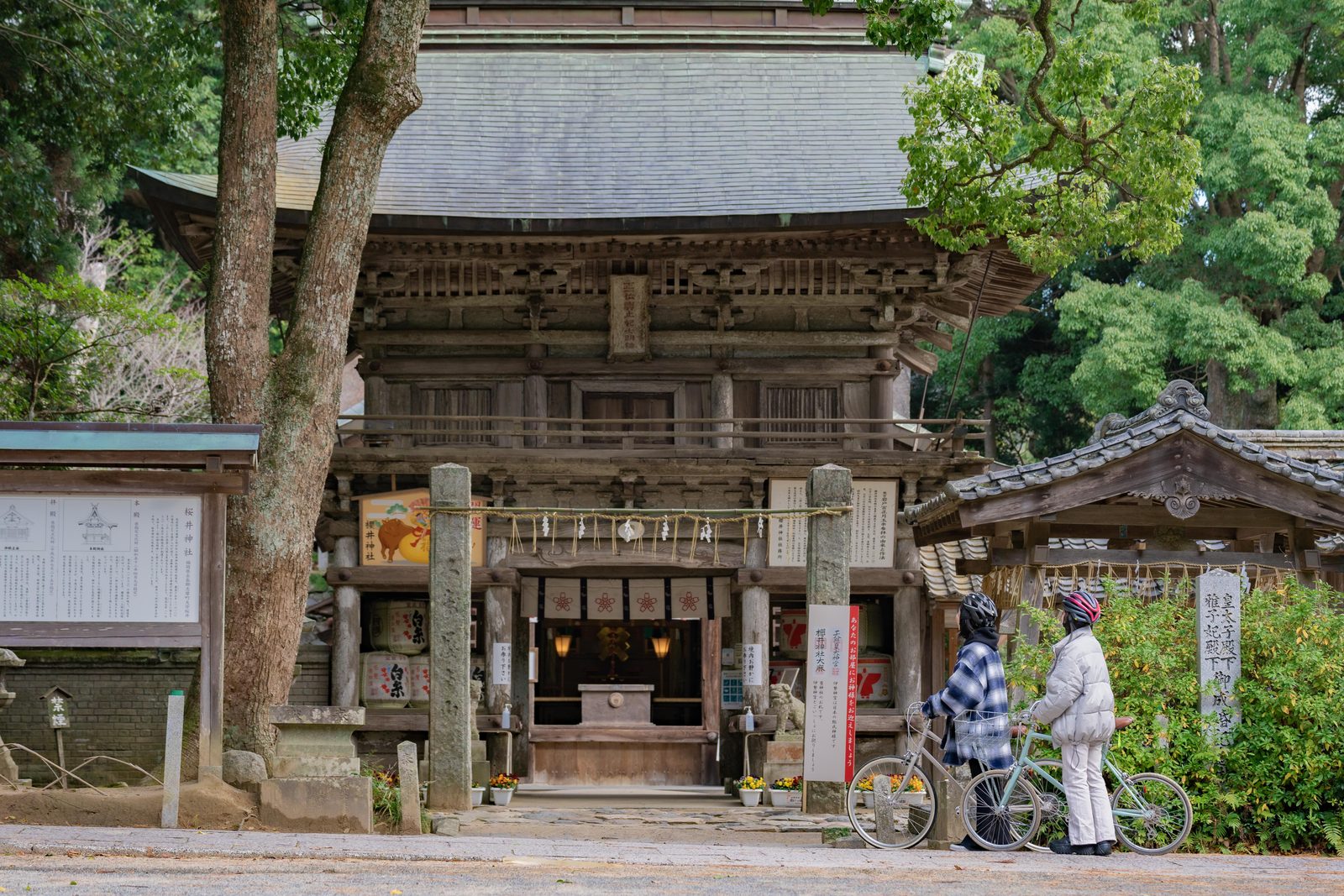
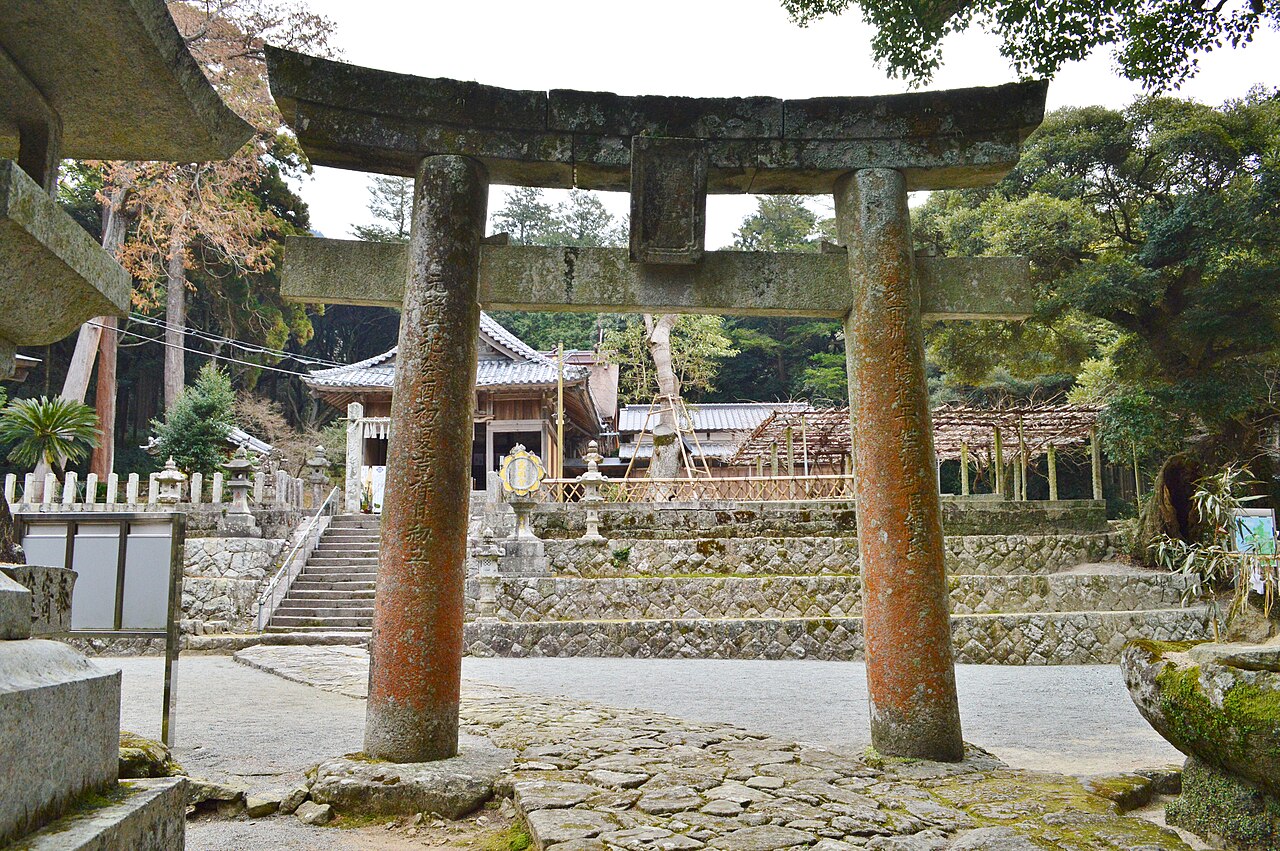
Sakurai Shrine was built in the early Edo period by Kuroda Tadayuki, the lord of the Fukuoka domain. Sakurai Daijingu enshrines divided spirits of the Inner and Outer Shrines of Ise Jingu. The main hall has well-composed bracket sets and richly colored carvings. The Hatsuharu festival is a mochi-pushing naked festival held in January. Worship at Sakurai Shrine is possible around the clock.
Compare options
See partner pricing and availability →
Disclosure: This post may contain affiliate links. If you book through them, we may earn a commission at no extra cost to you.
Getting Around and the Inland Sights
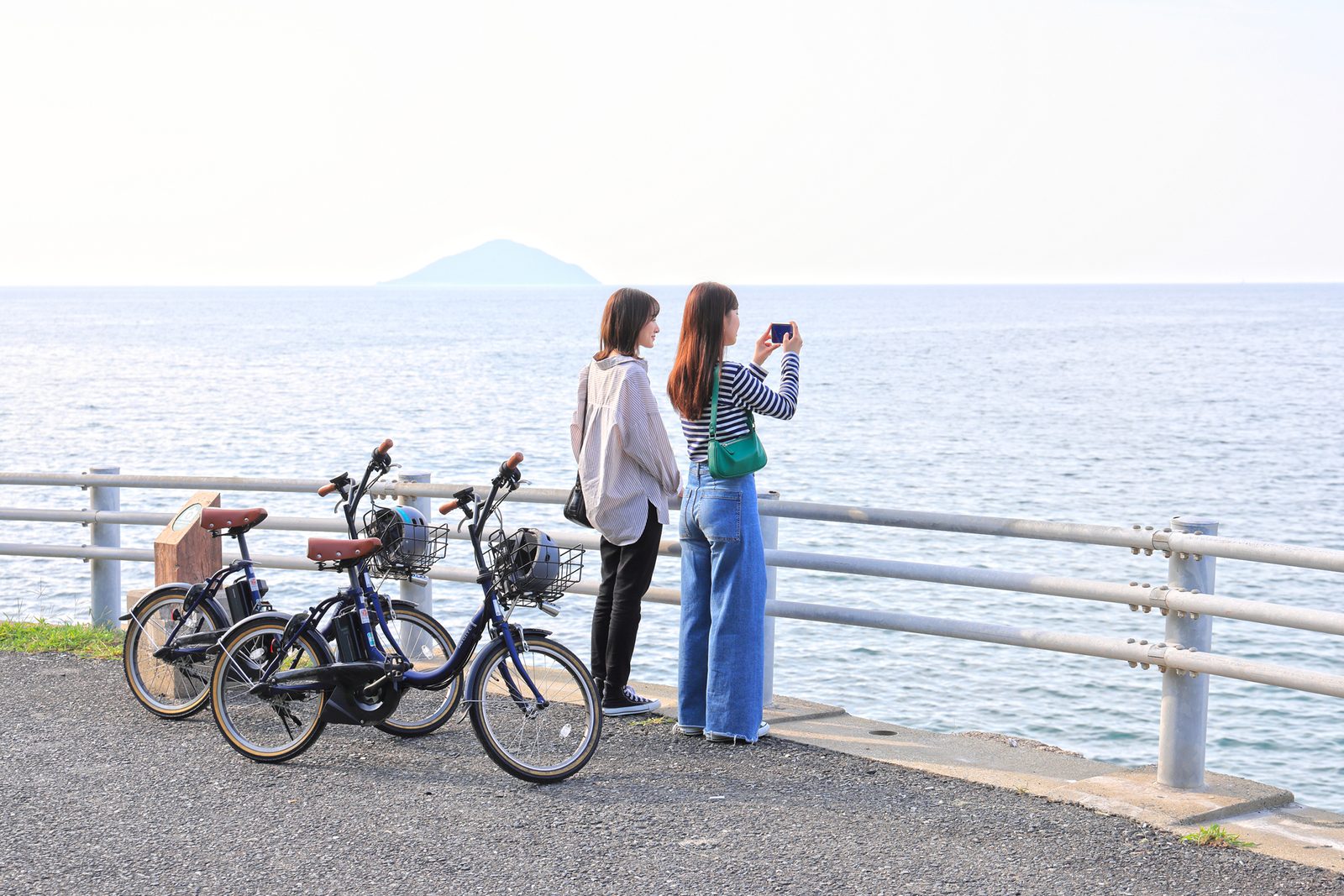
Bicycles at the Itoshima Tourist Association can be arranged up to the day before, or rented on the day if available, and payment is by cash or credit card. The EV tuk-tuk is rented per vehicle, not per person. The sightseeing taxi plan is priced per taxi, not per person. The sightseeing taxi plan runs every day except the year-end and New Year period.
Those who would rather leave the planning to someone else can arrange an outing from Fukuoka ahead of time. If that suits your plans, compare tours of Itoshima from Fukuoka here.
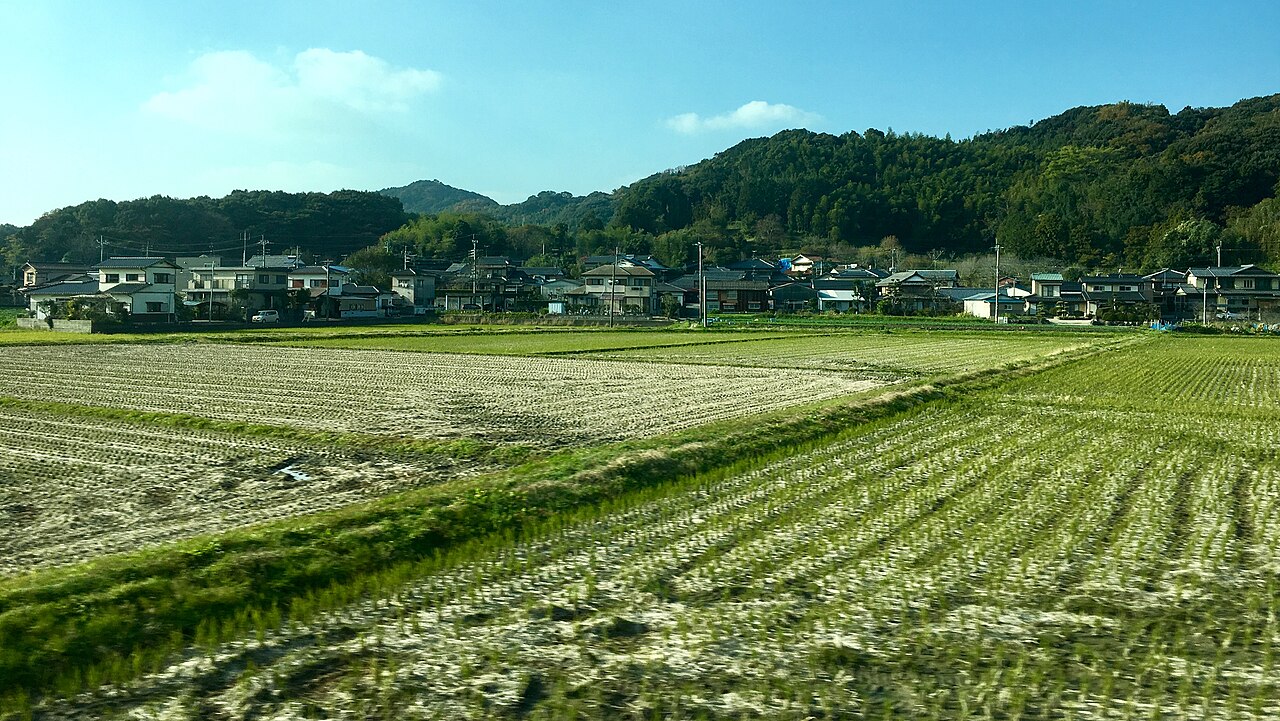
From the south exit of Chikuzen-Maebaru Station, the Shiraito line bus runs to the Shiraito stop, and Shiraito Falls is a walk beyond. Shiraito Falls lies on the mid-slope of a mountain.
The wooden standing Senju Kannon statue is the Honzon of Raizan Sennyoji Daihioin. The temple is open during the day.
Hours and Fees
Each place keeps its own opening times and closing days, as listed in the tables below. The ferry fare to Himeshima is set separately for adults and children. The Futamigaura parking lot charges by the hour.
| Item | Detail |
|---|---|
| Shiraito Falls Fureai-no-Sato, hours | 9:00 to 17:00 |
| Shiraito Falls Fureai-no-Sato, July to August | 9:00 to 18:00 |
| Shiraito Falls Fureai-no-Sato, closed day from December to March | Wednesday |
| Raizan Sennyoji Daihioin, hours | 9:00 to 16:30 |
| Bicycle rental, hours | 9:00 to 17:00 |
| EV tuk-tuk, hours | 9:00 to 18:00 |
| Futamigaura parking lot, hours | 24 hours |
| Sakurai Shrine amulet office, hours | 9:00 to 17:00 |
| Item | Detail |
|---|---|
| Ferry to Himeshima, adult | 470 yen |
| Ferry to Himeshima, child | 240 yen |
| Futamigaura parking lot, cars, per hour | 300 yen |
| Futamigaura parking lot, mopeds and bicycles | Free of charge |
| Rental bicycle, up to 4 hours | 2,000 yen |
| Rental bicycle, up to 8 hours | 2,500 yen |
| EV tuk-tuk, 90 minutes, per vehicle | 7,000 yen |
| Sightseeing taxi, 2 hours, per taxi | 13,000 yen |