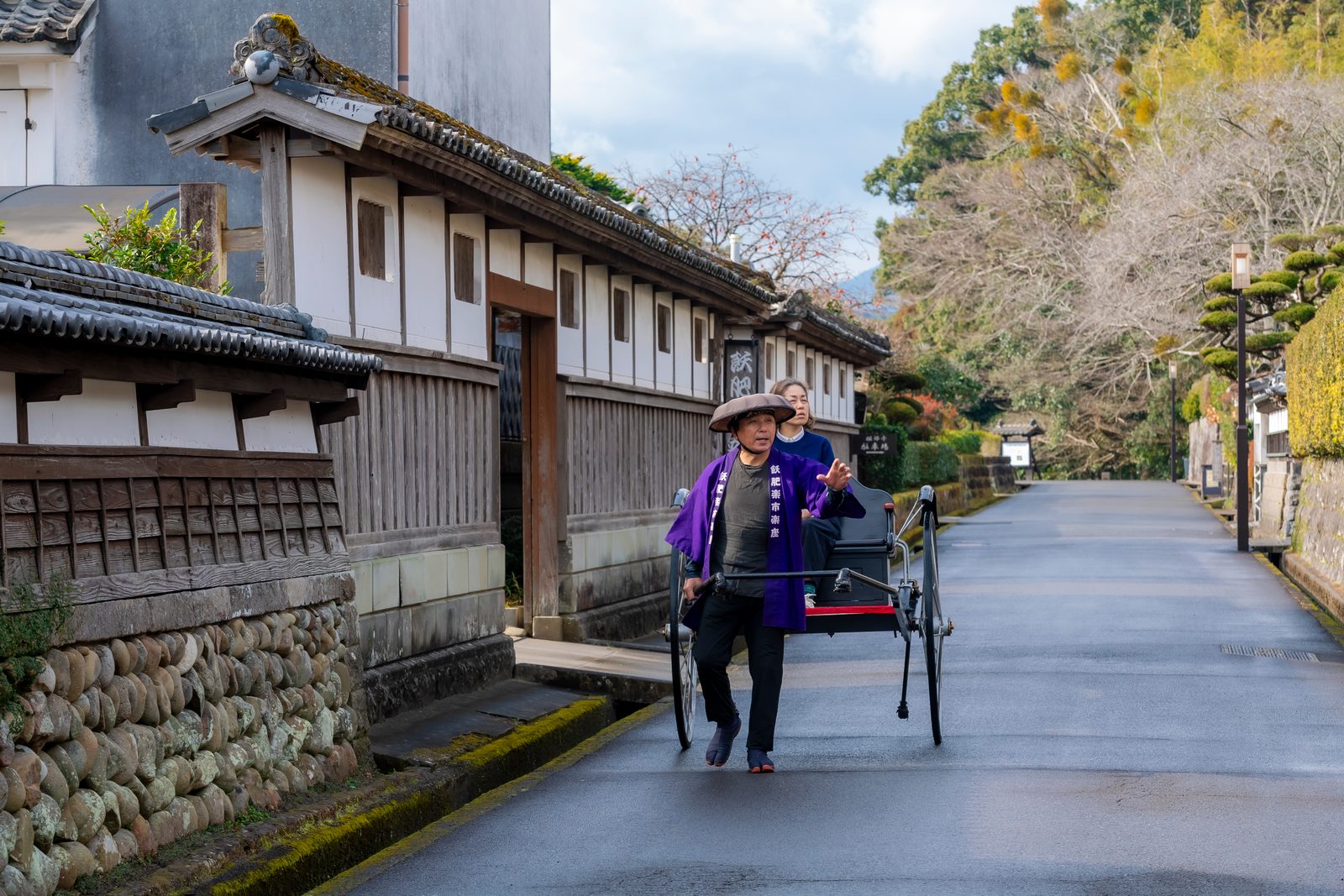
This guide covers one slow day in Obi, the old castle town of Nichinan in southern Miyazaki Prefecture: the walk in from JR Obi Station, the two kinds of admission ticket, the seven heritage buildings the common ticket covers, the museum's opening hours, and where to sleep nearby.
Getting to Obi
Obi sits on the JR Nichinan Line, and JR Obi Station is the natural place to begin. The old castle town is fifteen minutes on foot from JR Obi Station, and the Obi Castle History Museum, a sensible first stop, is a fifteen-minute walk. Both distances suit a morning with nothing scheduled after them.
- JR Obi Station to Obi Castle History Museum, walking: a fifteen-minute walk
- JR Obi Station to the old castle town, walking: fifteen minutes on foot
- JR Obi Station to Obi Castle History Museum, driving: five minutes by car
Driving cuts the same journey to five minutes by car, which helps if you arrive late or are carrying luggage. On a clear morning, though, the walk is the better introduction, because you reach the white plastered walls and stone foundations of the old town on your own feet, before you have paid for anything.
A castle the warlords kept taking back
Obi Castle stands in what was once the province of Hyuga, the land that is now Nichinan City in Miyazaki Prefecture. Through the long age of warring provinces it was a key stronghold of southern Hyuga, one that the region's powers could not leave alone. The Ito, the Shimazu, and the Otomo contested it again and again.
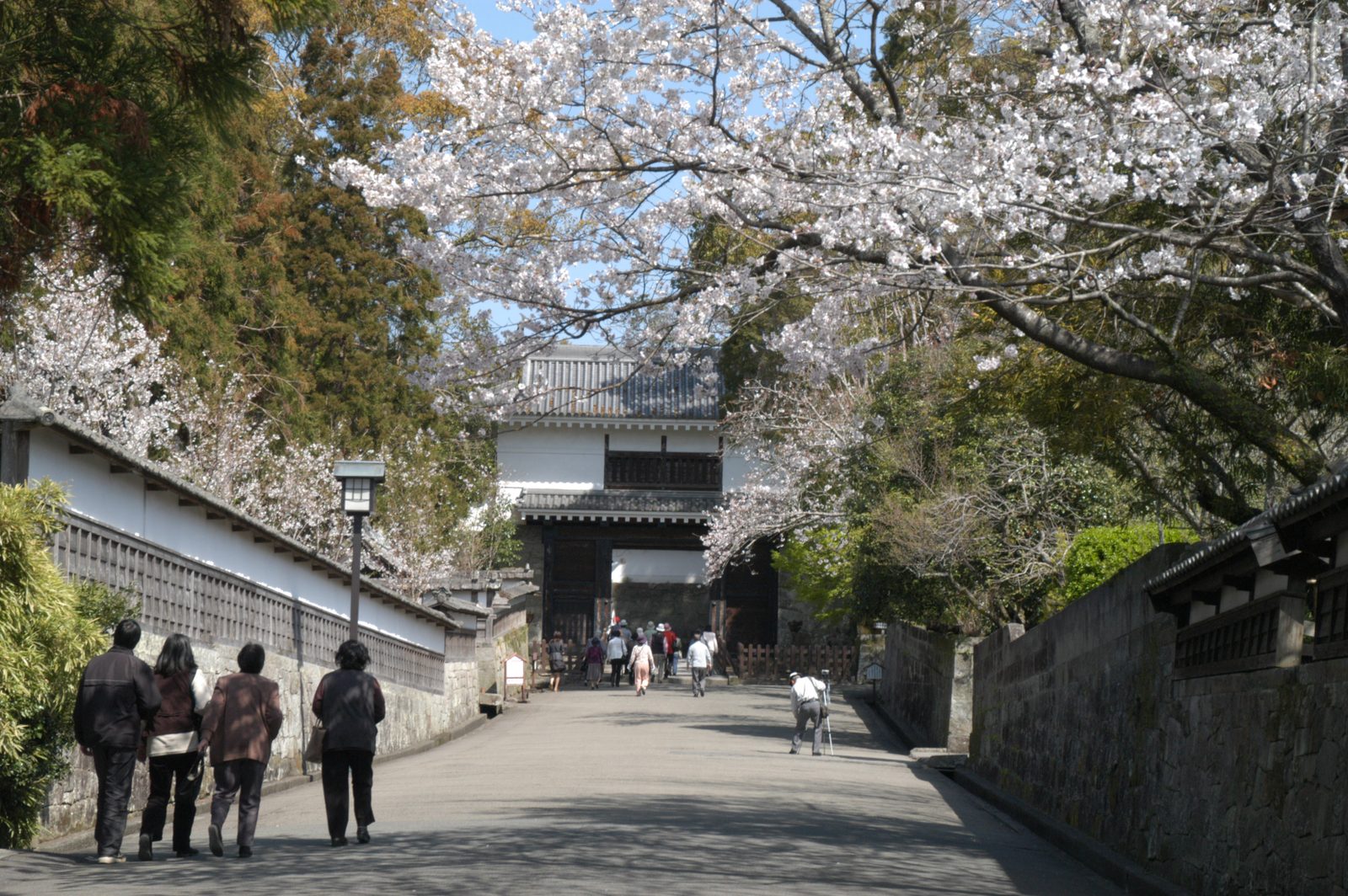
None of that tension survives on the ground today. The approach is a stone-walled path, lined with cherry trees that bloom in spring, and it ends at a two-story gate. Walk it slowly and the history reads as texture rather than a lesson, which is the right proportion for a town this quiet.
The Ito clan and the town they left behind
The contest ended in the late sixteenth century. After Toyotomi Hideyoshi brought Kyushu under his control and redistributed its lands, Obi was confirmed as the domain of the Ito. From then on the castle had a single family behind it, and Obi went on as the Ito clan's castle town for the whole of the Edo period.
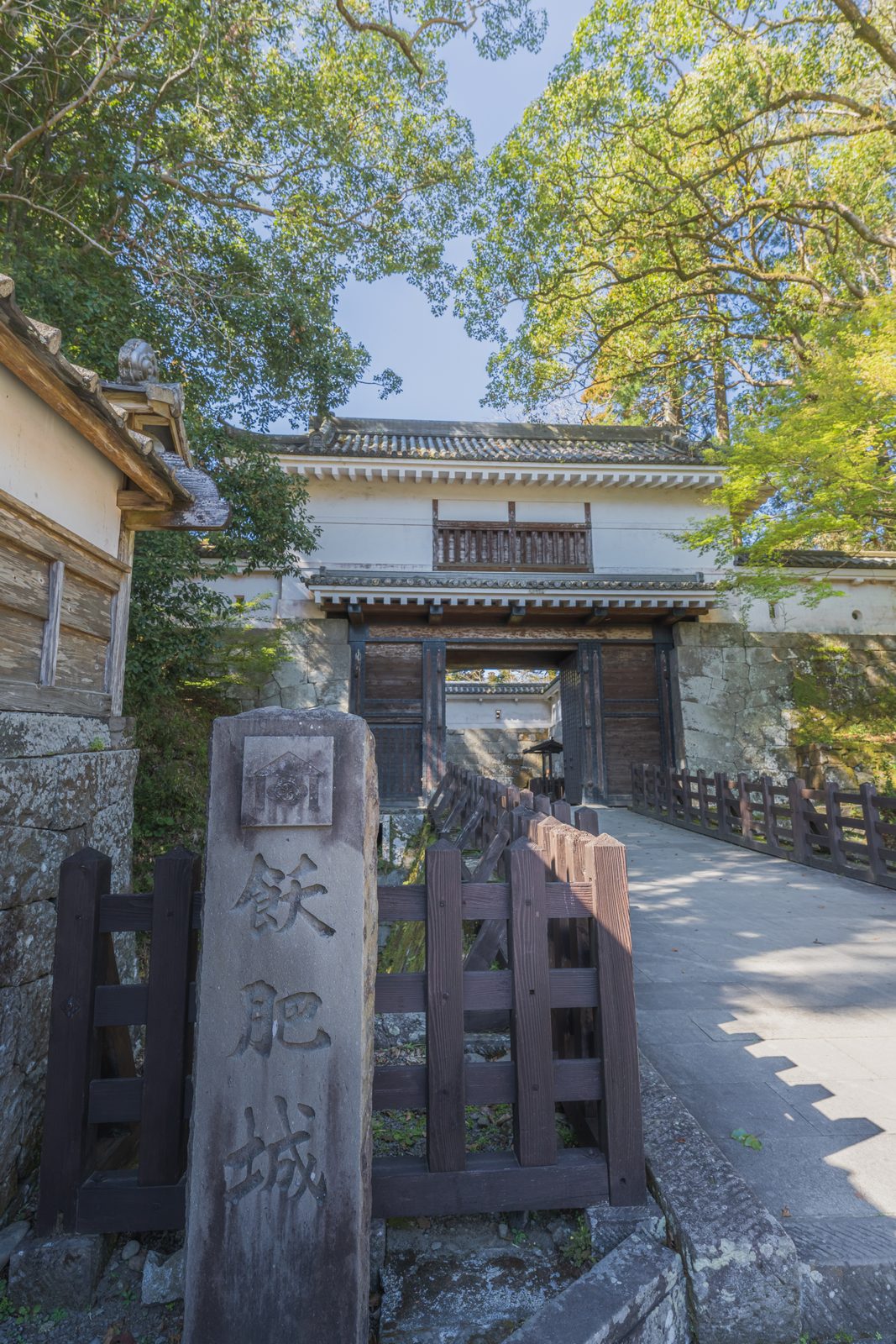
It is that long stretch under one family, more than the castle itself, that you are walking through today. The stone bridge, the plastered gate, the carved marker beside it: these are the traces of a settled household, and they set the tone for the seven buildings in the next section.
Where to stay
Disclosure: This post may contain affiliate links. If you book through them, we may earn a commission at no extra cost to you.
Tickets, and what the common ticket covers
Admission in Obi comes in two tiers. A ticket to a single historical facility costs three hundred yen for adults, excluding students. The heritage facilities common ticket costs eight hundred yen for adults, again excluding students, and admits you to seven buildings. If you plan to see more than two, the common ticket pays for itself.
| Ticket | Adult price (students excluded) | What it covers |
|---|---|---|
| Individual, single facility | three hundred yen | one historical facility |
| Heritage facilities common ticket | eight hundred yen | seven heritage facilities |
The common ticket covers the following seven facilities, and the names alone tell you the mix: castle buildings, a memorial hall, a merchant house, and a handful of preserved residences. Take them in whatever order the day suggests. The point of a common ticket is that you stop deciding and simply go in.
- Yoshokan
- Matsuo-no-Maru
- the History Museum
- the Komura Jutaro Memorial Hall
- the former Takahashi Genjiro House
- the Merchant House Museum
- the former Yamamoto Inohei House
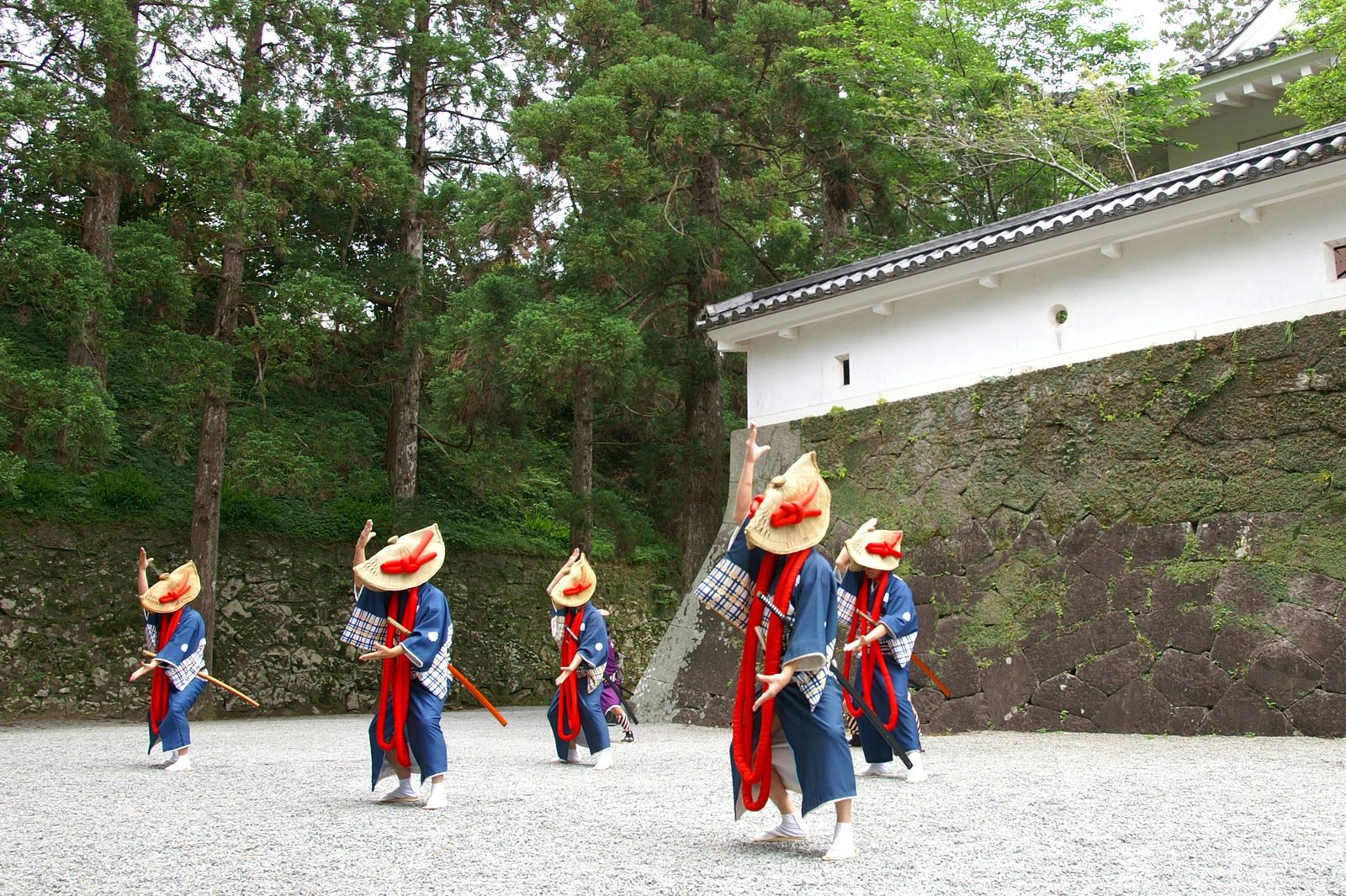
If you happen to arrive when performers in indigo kimono and straw hats parade across the gravel courtyard, count it as luck rather than schedule. What the ticket gives you is the buildings themselves, seven of them for eight hundred yen, and that is enough to fill the middle of the day.
Hours, and where to stay
The Obi Castle History Museum is open from half past nine in the morning until five in the afternoon, and last admission is at half past four. That final half hour matters: last admission comes half an hour before the museum shuts, so a late arrival means looking at the gate rather than the exhibits.
- Opening time: half past nine in the morning
- Until: five in the afternoon
- Last admission: half past four in the afternoon
Staying overnight changes the town. Once the museum has shut for the day, the streets of white plaster and stone are left to whoever is still in town, and that is when Obi is at its quietest. If that appeals, browse places to stay in Obi before you commit to going back the same evening.
A workable shape for the day, then: the fifteen-minute walk in from JR Obi Station, the museum first while the morning is fresh, the common ticket's seven buildings through the middle hours, and a slow evening in town if you have booked a bed. None of it needs to be hurried, and Obi is better when it is not.