Everything below rests on two sources: the official visitor pages of Inuyama Castle, for admission fees, opening hours, closed days and access, and 新撰名勝地誌, a gazetteer of celebrated landscapes compiled between the Meiji and Taishō eras, for the older picture of the town, its temple, its pond and its hills.
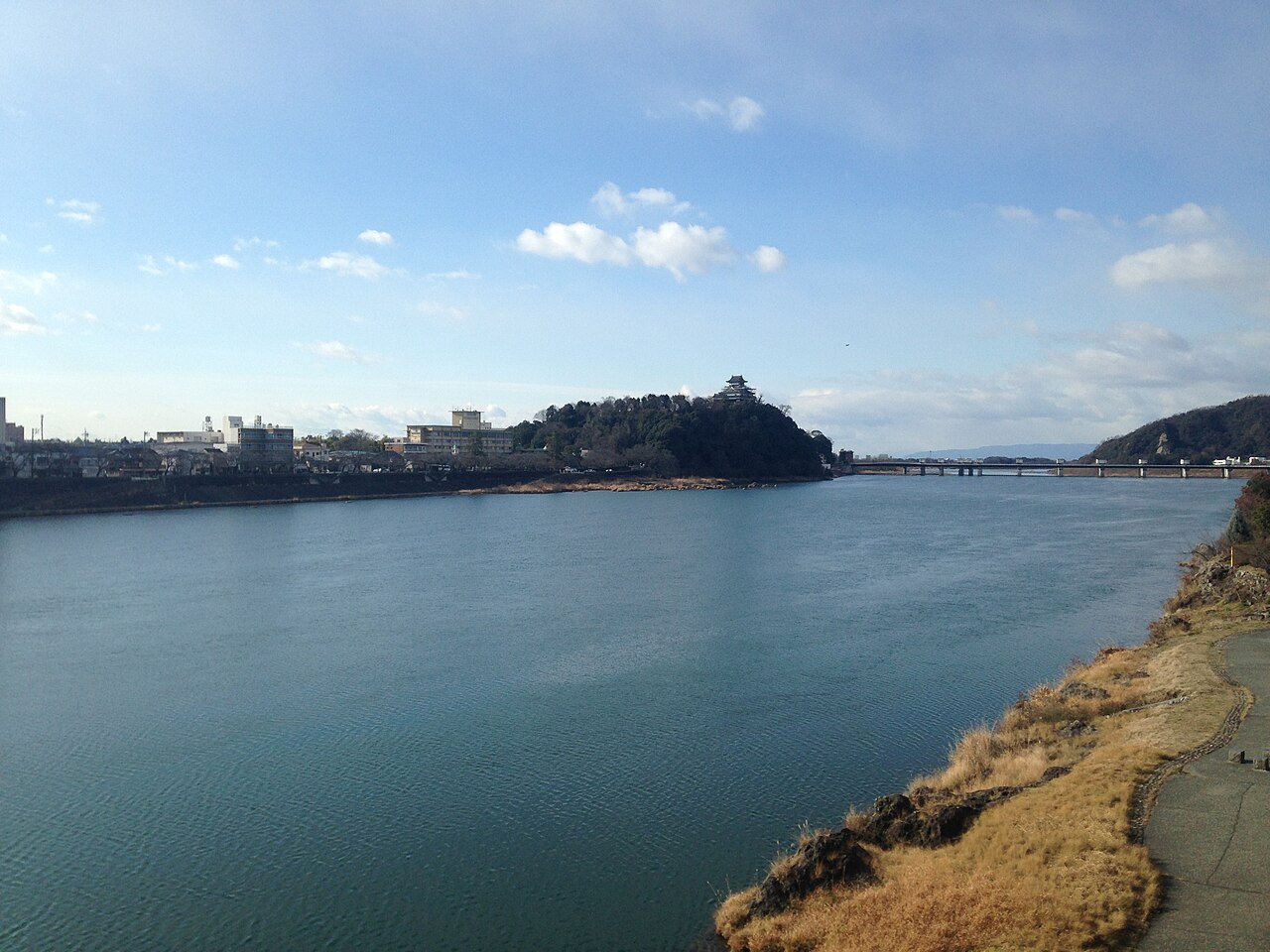
Inuyama makes an unusually manageable day out from Nagoya. The gazetteer sets the town on the south bank of the Kiso River, roughly three ri — an old Japanese league — north of Komaki, and that geography still shapes the visit: a river, a wooded hill, a castle, and streets below.
Here is the shape of the day this guide assumes: a morning train out, the keep climbed before lunch, a slow meal and a browse in the old town, a temple in the afternoon, and — if you want a longer day — a pond and a small mountain beyond.
A castle you can climb before lunch
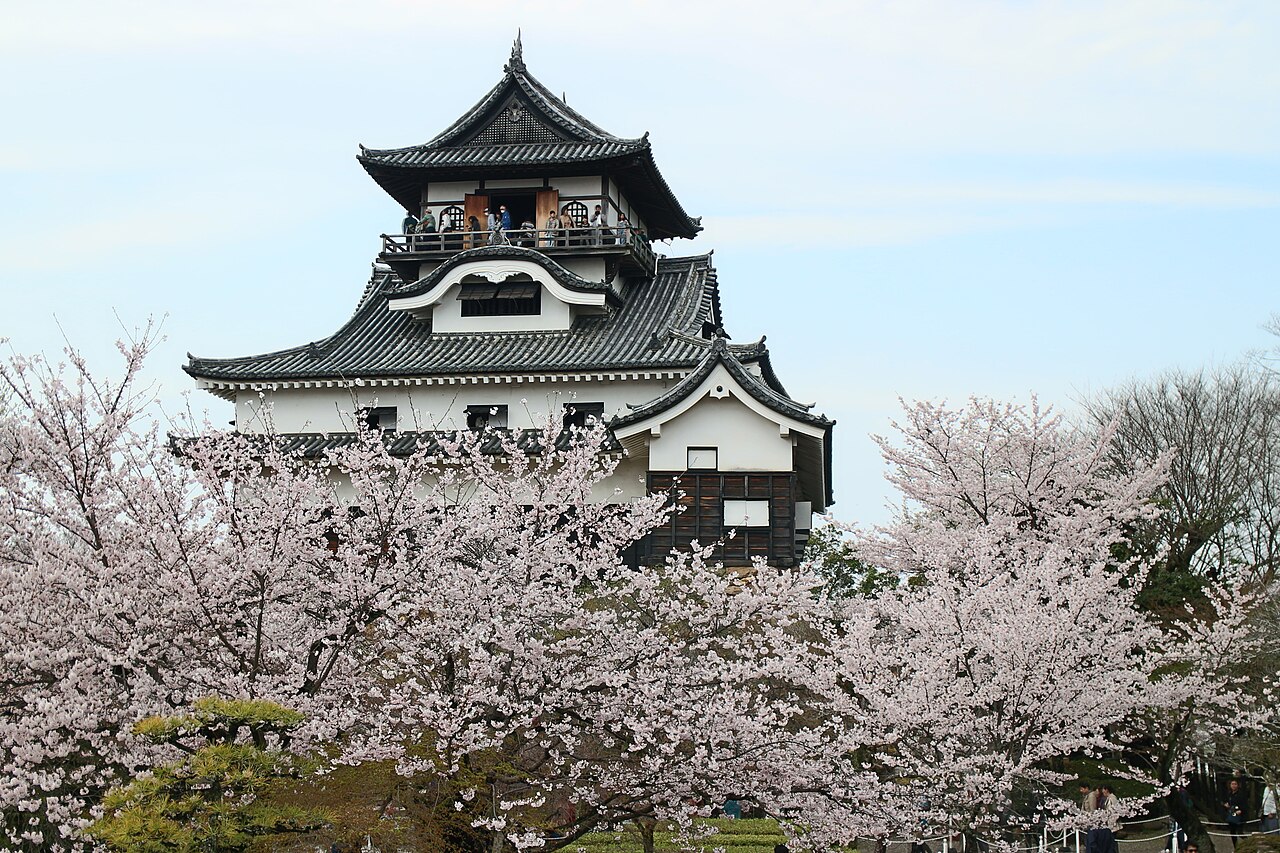
The first sight of the keep is the reason to come. A white tower stands on a wooded rise above the Kiso, and the pairing of clear river and white walls struck the gazetteer's editors too: they called it a rare scene and one of the great sights of northern Owari.
The building is genuinely old. It was raised in the Tenbun era by the Shiba clan, and from the Keichō era onward it served as the seat of the Naruse family, guardians and tutors to the lords of Owari. What you climb today is the castle those families kept.
Practically, that means the keep deserves your freshest hours. Adult admission is one thousand yen, the climb rewards unhurried attention, and doing it before lunch leaves the whole afternoon for the town below. Buy your ticket, take the hill at an easy pace, and save the shops for later.
Getting there from Nagoya
The ride is simple: board a Meitetsu train at Meitetsu Nagoya Station and get off at Inuyama Station. The castle's official access page puts the journey at approximately twenty-five minutes or more, depending on the service you catch, so it fits comfortably before a mid-morning arrival.
From Inuyama Station, leave by the West Exit. The castle is about twenty minutes on foot from there, and the walk is part of the pleasure, so budget it in both directions rather than treating it as dead time. Comfortable shoes matter more than speed here.
It was once a real journey. The gazetteer's road ran four ri from Nagoya to Komaki and three ri more to Inuyama, with an alternative route through Iwakura. Today's train collapses a full walking day into a short ride. On money: this guide lists no fares, so check current prices at the station.
If you would rather not manage trains and tickets yourself, Browse guided day trips from Nagoya and see whether one matches your dates and pace; otherwise the do-it-yourself version above needs nothing more than a ticket, the West Exit, and this page.
Compare options
See partner pricing and availability →
Disclosure: This post may contain affiliate links. If you book through them, we may earn a commission at no extra cost to you.
Opening hours, tickets and the climb inside
Timing is the one thing worth planning tightly on this trip. The keep opens at nine in the morning, and admission ends well before closing time, so a late start steadily eats into your visit. The official page gives the hours and fees below.
| Item | Detail |
|---|---|
| Opening hours | Nine in the morning to five in the afternoon |
| Last entry | Half past four in the afternoon |
| Closed | December the twenty-ninth to the thirty-first |
| Admission, adults | One thousand yen |
| Admission, elementary and junior-high pupils | Two hundred yen |
In practice, aim to be at the ticket gate by early afternoon at the latest; half past four is a hard cut-off, not a suggestion. Inside, the wooden stairs between floors are sharply pitched, so treat the top floor as a short, hard climb and take your time coming down.
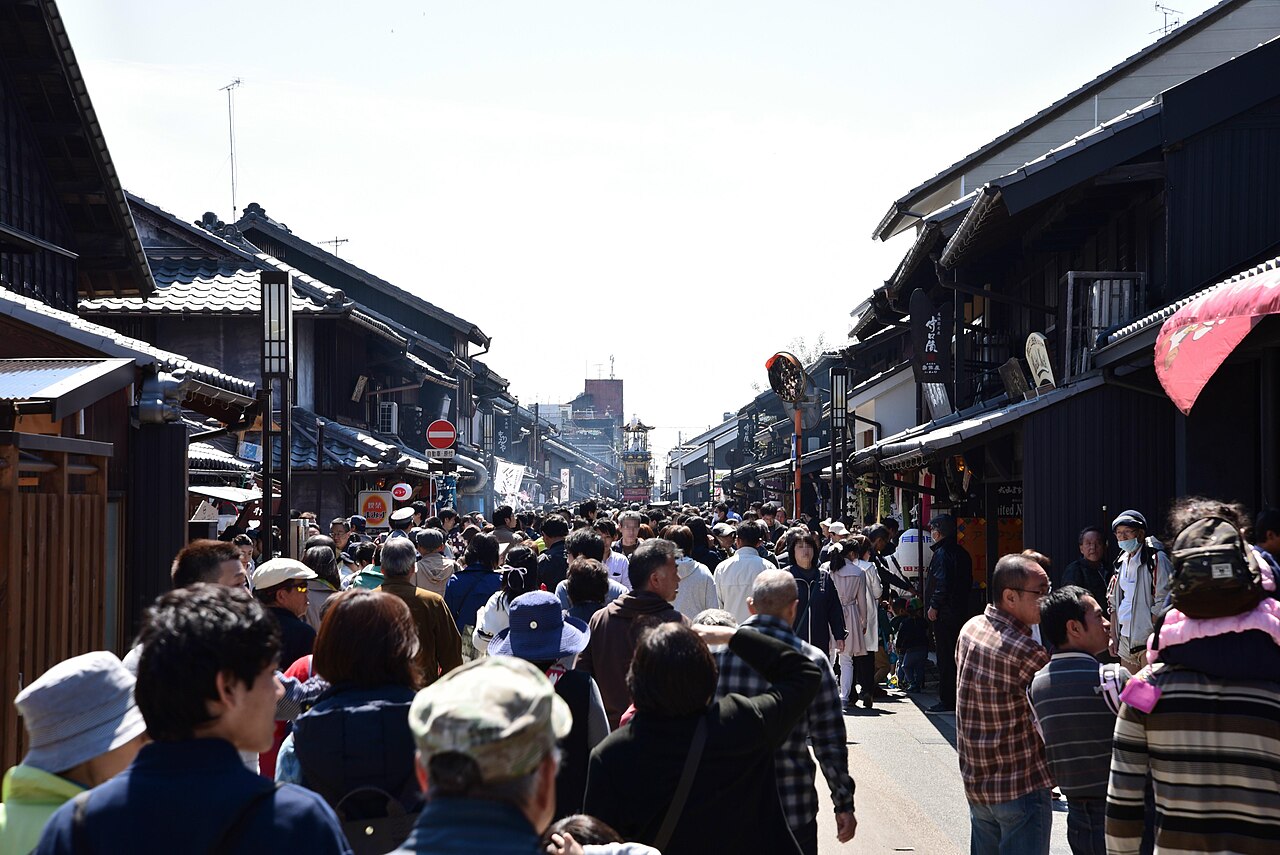
One more date to respect: the castle closes from December the twenty-ninth to the thirty-first, so a year-end itinerary needs a different day. The old-town street in the photograph is where the rest of your visit happens once the ticket business is done.
The town below the walls
Come down from the keep hungry. The streets under the castle are the natural place to take lunch: eating places and small shops line the way, and building in a slow hour here breaks the day nicely between the morning climb and the afternoon walking.
The town has been a working place for a long time. When the gazetteer was compiled, it counted a population of seven thousand and some, and it records three local products: a pottery called Inuyama ware, thread konnyaku, and a honeysuckle liquor called nindōshu. Keep an eye out for their modern descendants as you browse.
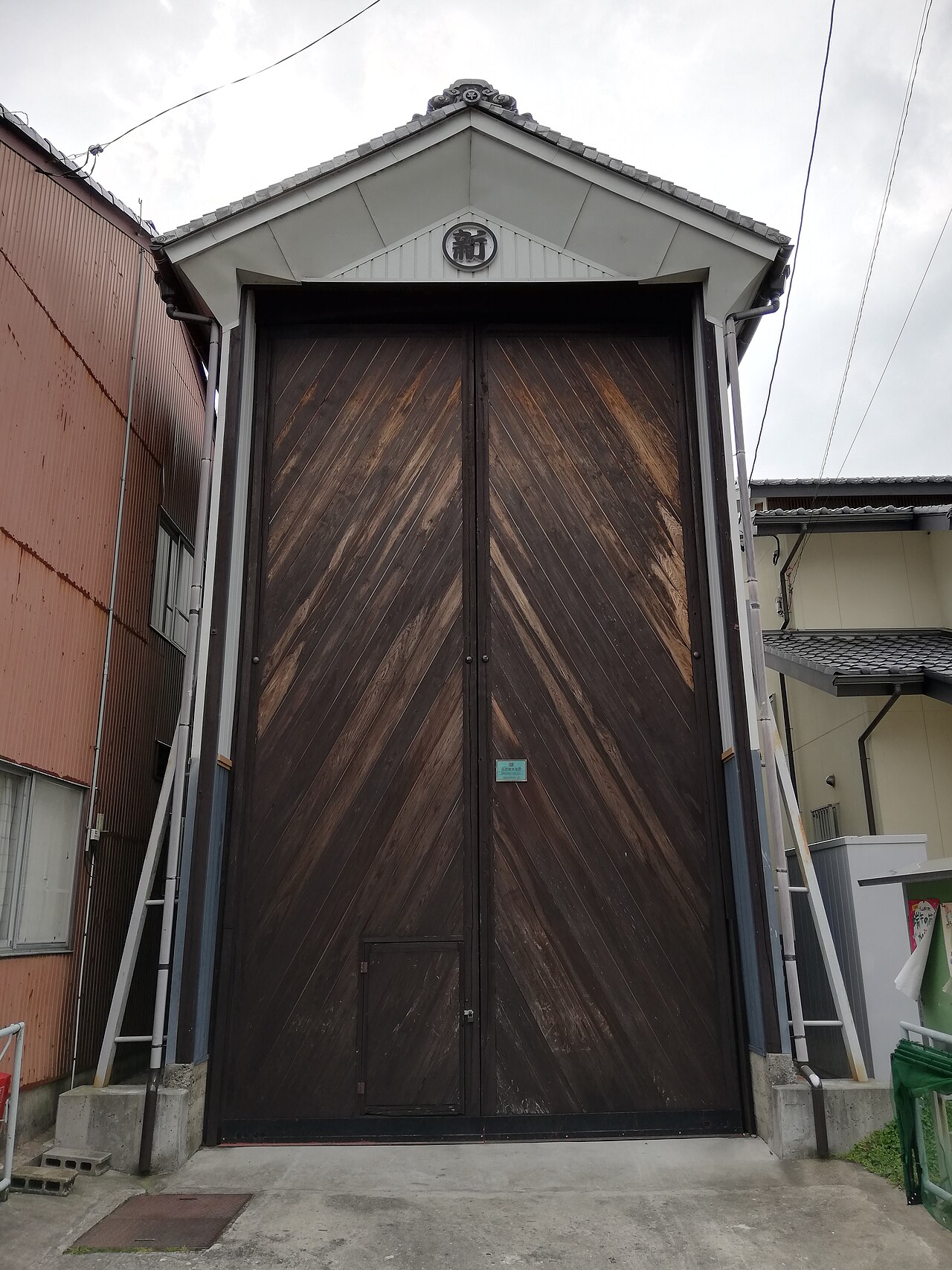
The tall wooden building in the photograph is a storehouse for one of the town's festival floats, its slanted plank doors shut under a tiled gable. If you pass one in the lanes, it is worth a pause even with the doors closed.
A temple and the lanes around it
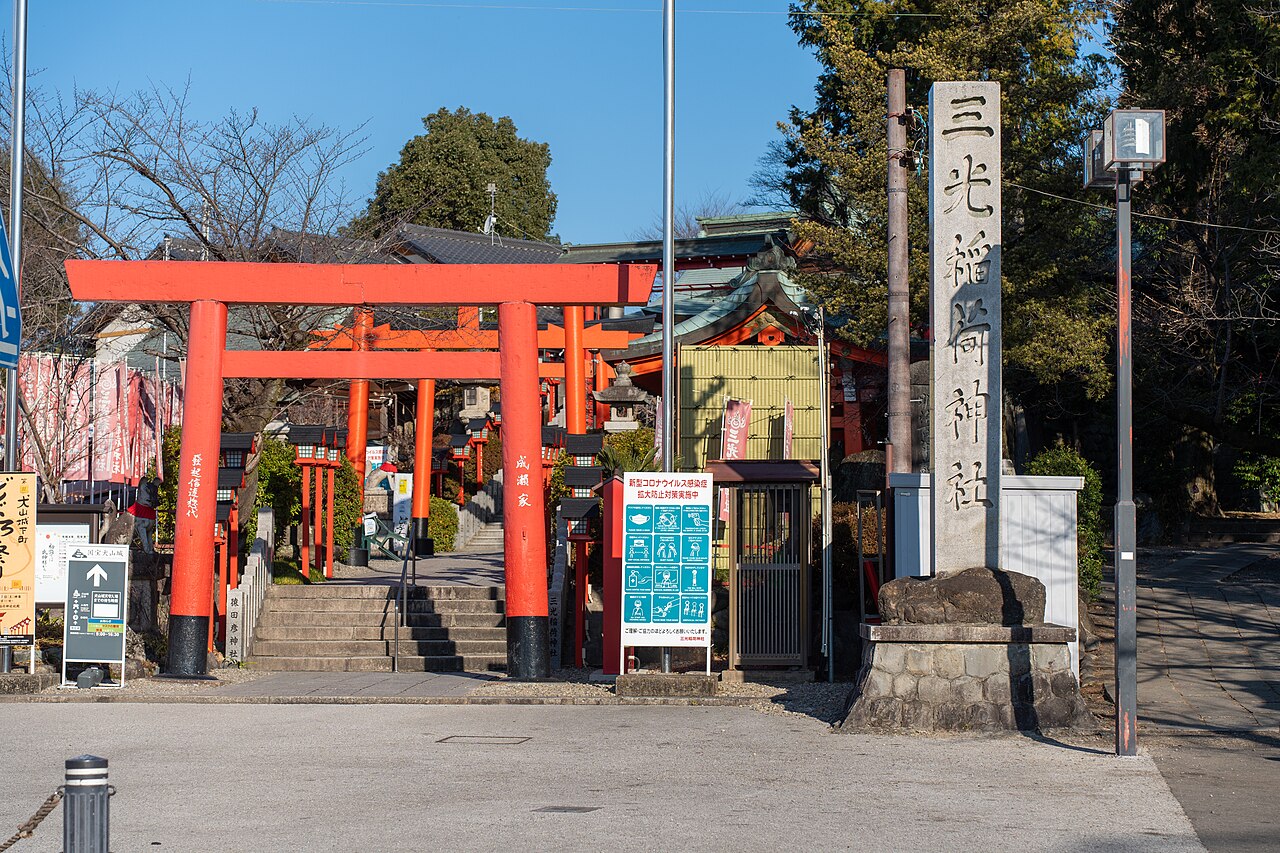
For the afternoon, point yourself toward Zuisen-ji, a Zen temple of the Myōshin-ji school in the Uchida quarter of the town. The gazetteer describes grand halls and spacious grounds, credits its founding to the monk Sōshun, and lists a set of celebrated spots known as the ten views of Zuisen.
The photograph above shows something different: a run of bright red torii gates climbing a stone staircase past a carved stone pillar. That is Sanko Inari Shrine, and the stacked red arches make a scene in themselves, worth a slow minute with or without a camera.
With the keep on its hill above the town, it is easier to feel why this ground mattered. During the Komaki and Nagakute campaign, Hideyoshi brought a great army against Ieyasu on Komakiyama, and the gazetteer counts Inuyama Castle a commanding presence on the northern border of Owari in that contest.
If you have a longer day: Iruka Pond and Owari Fuji
Decide over lunch how big a day you want. The castle and the old town fit comfortably into half a day; adding Iruka Pond and Owari Fuji turns the trip into a full one, so weigh the extra ground against your energy and the half past four last entry if you have not yet climbed the keep.
Iruka Pond lies east of the village of Ikeno, a broad irrigation pond dug in the fifth year of Kan'ei that once watered the paddies of thirty-two hamlets. The gazetteer measures it in old units — roughly ten chō across and thirty from end to end — and lingers on the green woods ringing its blue water.
West of the water rises Owari Fuji, named for its likeness to Mount Fuji and put at nine hundred and ten shaku — the gazetteer's old measure — with a single shrine at its summit and a wide view over the hills of Owari and Mikawa. Save it for clear weather, and start back in good time for your train.