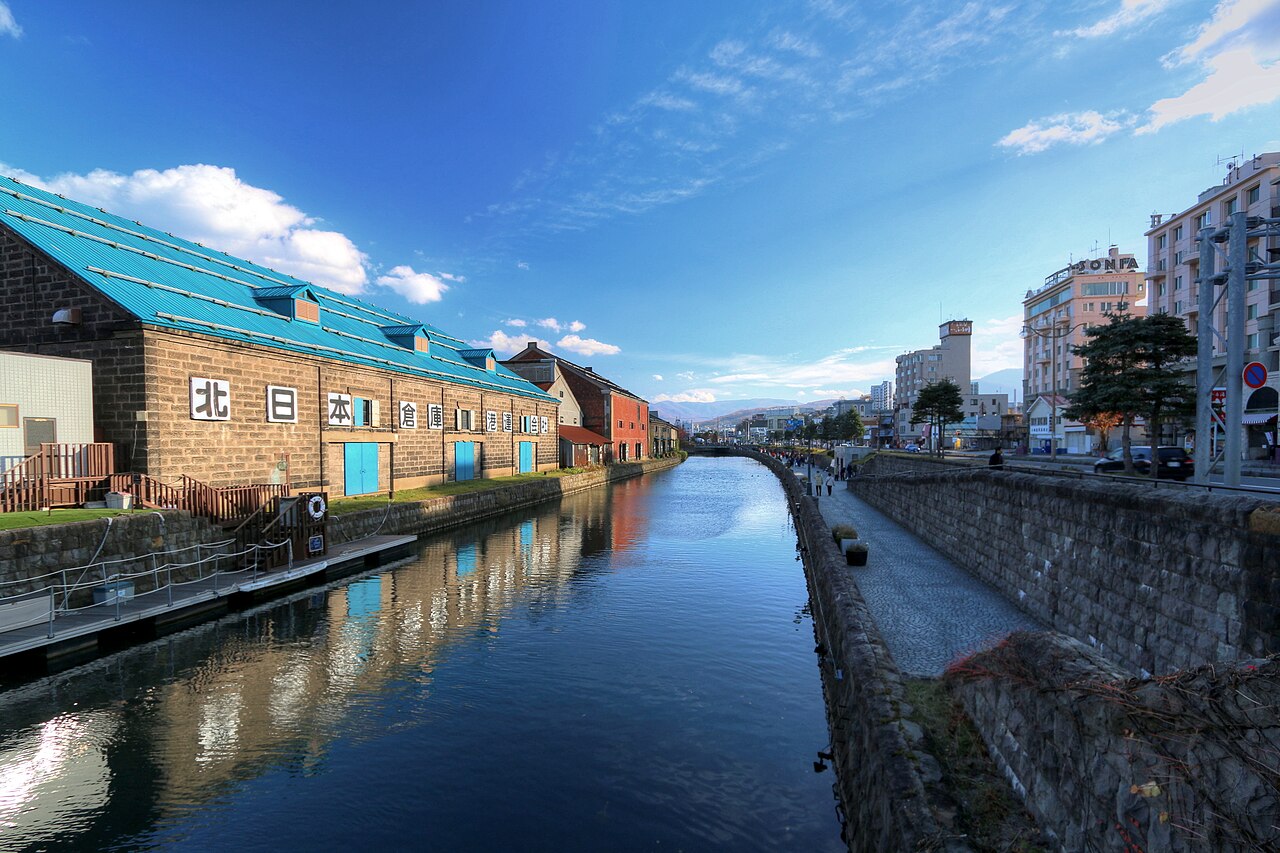
Otaru is the classic short hop west from Sapporo, and it is easy to treat it that way — one famous view, one shopping street, and back. Taken slowly, the town repays far more. This is a harbour city of sloping lanes, heavy stonework, and rail history, and its quiet corners sit only a few turns away from its busy ones.
Why Otaru rewards a slow walk
The slow approach begins the moment you arrive. According to one travel book, the JR building at Otaru is listed as a registered tangible cultural property, and it stands partway up a slope, so that stepping past the ticket gates leaves you level with the road — a design that could only belong to a town built on hillsides.
The same book notes that Otaru stretches long from east to west, and that outlying corners such as Shukutsu or the Asarigawa side call for a car or the local buses rather than your feet. The middle of town, though, is made for walking, and that is where the quiet lives.
Along the canal
According to one travel book, the central avenue in front of JR Otaru runs east for about ten minutes on foot before it meets the canal; take the avenue named for the Bank of Japan instead, and you pass the western-style banking halls of the Ironai quarter before coming out at the Asakusa bridge. Either way, the water arrives almost before you are ready for it.
The same book describes Sakaimachi-dori as the main sightseeing street, running roughly parallel to the shoreline for a little under a kilometre and lined with glassware shops and sweet shops; from the Sakaimachi crossing, a sharply rising lane and a right turn bring you out at JR Minami-Otaru. The street rewards a wandering pace far more than a hurried one.
The old bank street
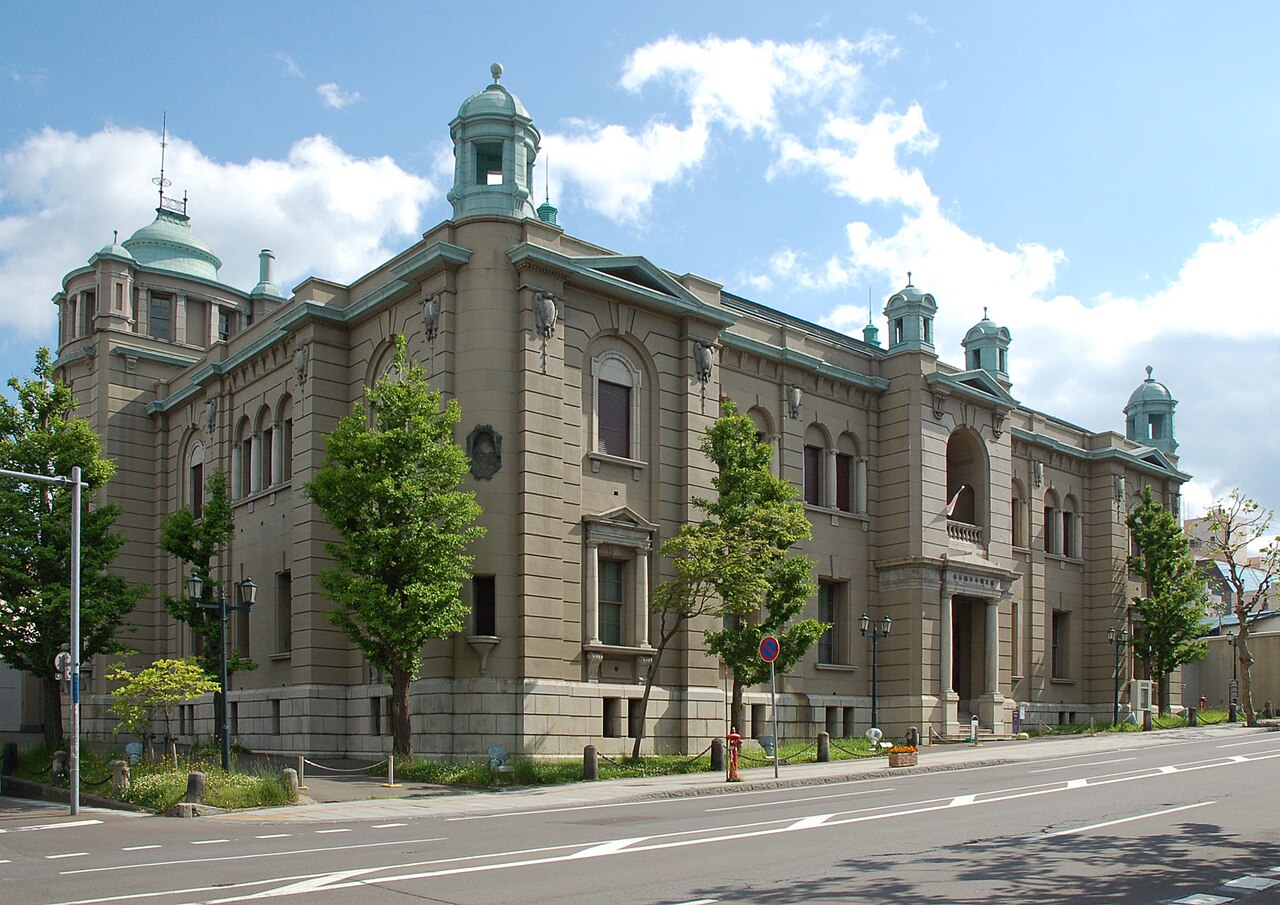
The Ironai quarter is said to keep a whole run of bank buildings raised between the Meiji years and the early Showa years, and the walk between JR Otaru and the canal threads straight through them. Their stone faces give this part of town a gravity that the souvenir streets never quite reach.
The confidence of that age was not confined to banking. Adult admission to the Former Nippon Yusen Company's Otaru branch costs three hundred yen.
Temiya and the city museum
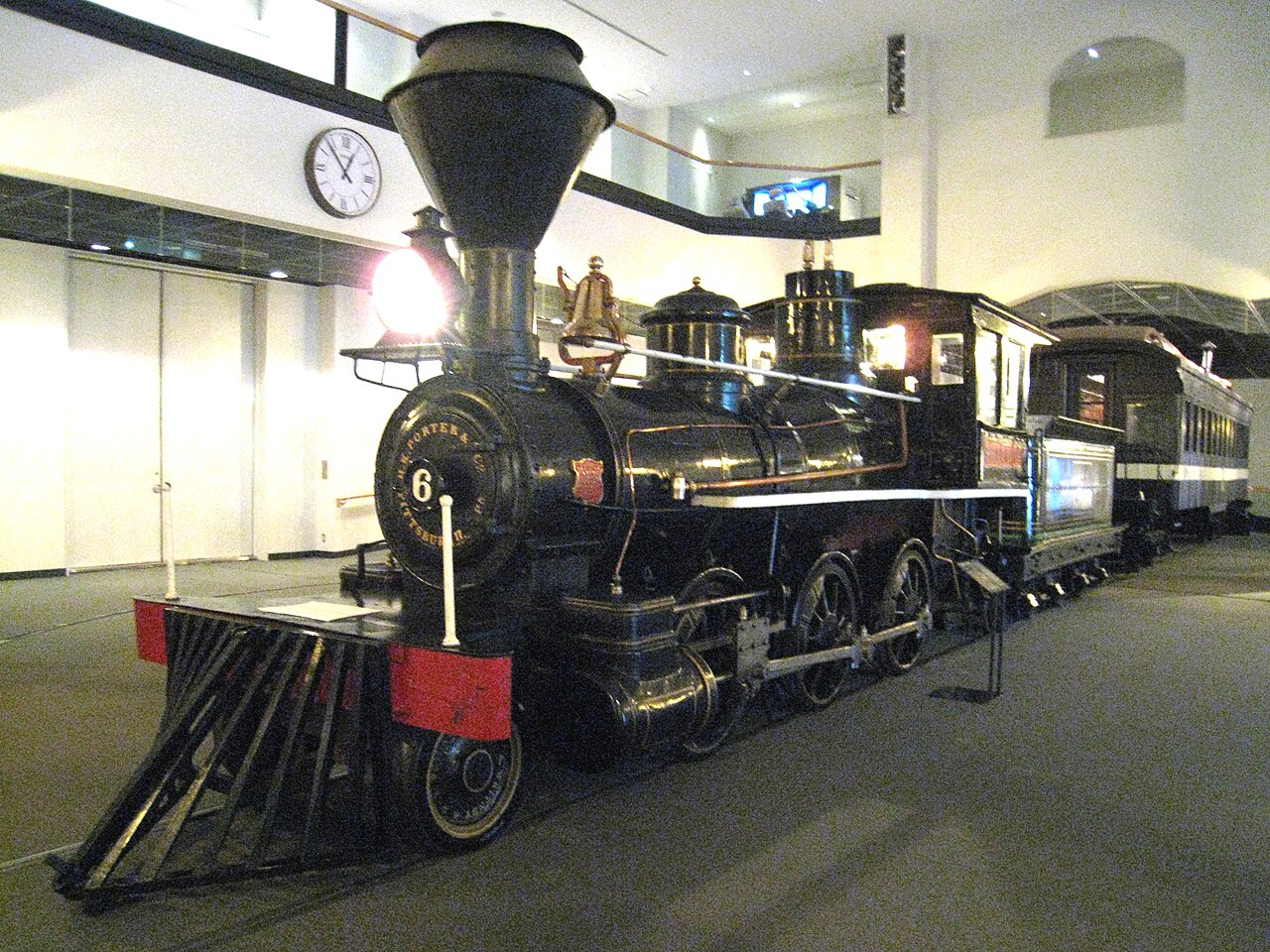
Out at the Temiya end of the waterfront, the pace drops again, and the town's railway past comes into the foreground. The main building of the Otaru City Museum charges adults four hundred yen, and three hundred yen during the winter period. Its annex, the Canal Building — the Unga-kan — asks three hundred yen.
For anyone who likes machines, ironwork, or simply rooms where nobody hurries, this is the corner of Otaru worth saving the most time for.
Walking it without hurrying
Guidebooks describe the usual circuit as JR Otaru to the canal, then Sakaimachi, and out at Minami-Otaru — adding that walking it the other way, starting from Minami-Otaru, spares you the uphill stretches.
The climbs out toward Temiya Park and Shukutsu are said to be demanding enough that an electrically assisted bicycle is the kinder choice, and riding at all once snow has settled on the town is said to be a thing to leave alone.
Getting there and what it costs
From Sapporo
- The one-way fare on the highway bus from Sapporo to Otaru is seven hundred and thirty yen, and the round trip is one thousand three hundred and sixty yen.
Once you are there
- According to one travel book, the main sights sit within walking range of JR Otaru and Minami-Otaru, with local buses fanning out from the front of JR Otaru, and rental cars and rental bicycles available for the farther corners.
- Guidebooks also describe two further coastal sightseeing routes, toward Akaiwa and toward Otamoi, alongside the Shukutsu one, for a look at the shoreline from the water.
Fares and admission charges shift with the seasons, so please confirm the latest details with the operators and the museums themselves before you travel.
Where to stay
Disclosure: This post may contain affiliate links. If you book through them, we may earn a commission at no extra cost to you.