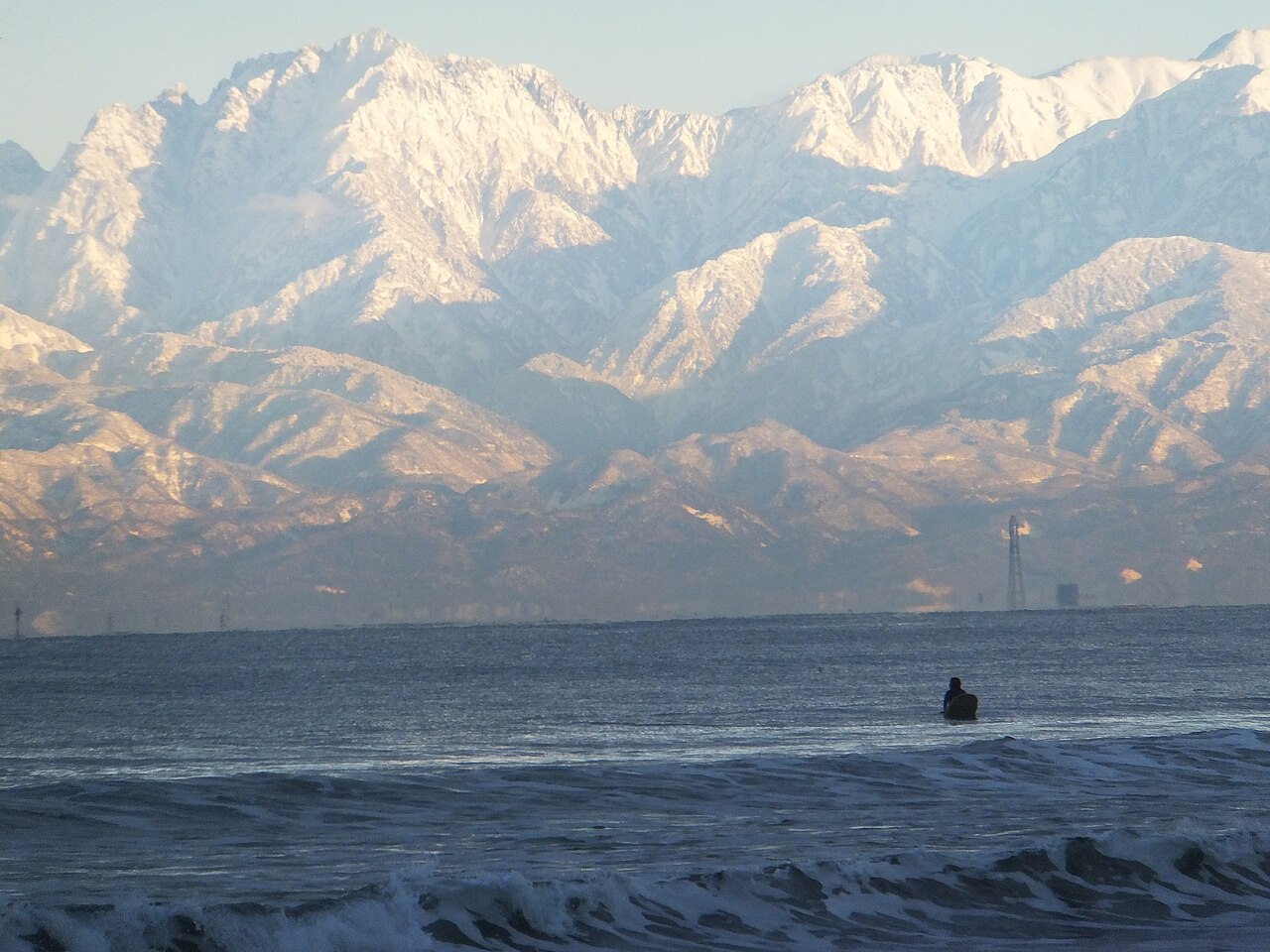
The Tateyama mountain range appearing to float above Toyama Bay is the symbol of Himi City. Fish landed at Himi Fishing Port go straight to auction and line up in shop fronts by morning. Along the manga street, the manga artist's characters turn up in many places. To stay overnight near the port, browse places to stay in Himi.
Mountains Across the Sea
Spots where high mountains come into view across the sea have been confirmed from the coast of Takaoka City to the Himi coast area. The morning sun rises from the Sea of Japan with the Northern Alps beyond the horizon.
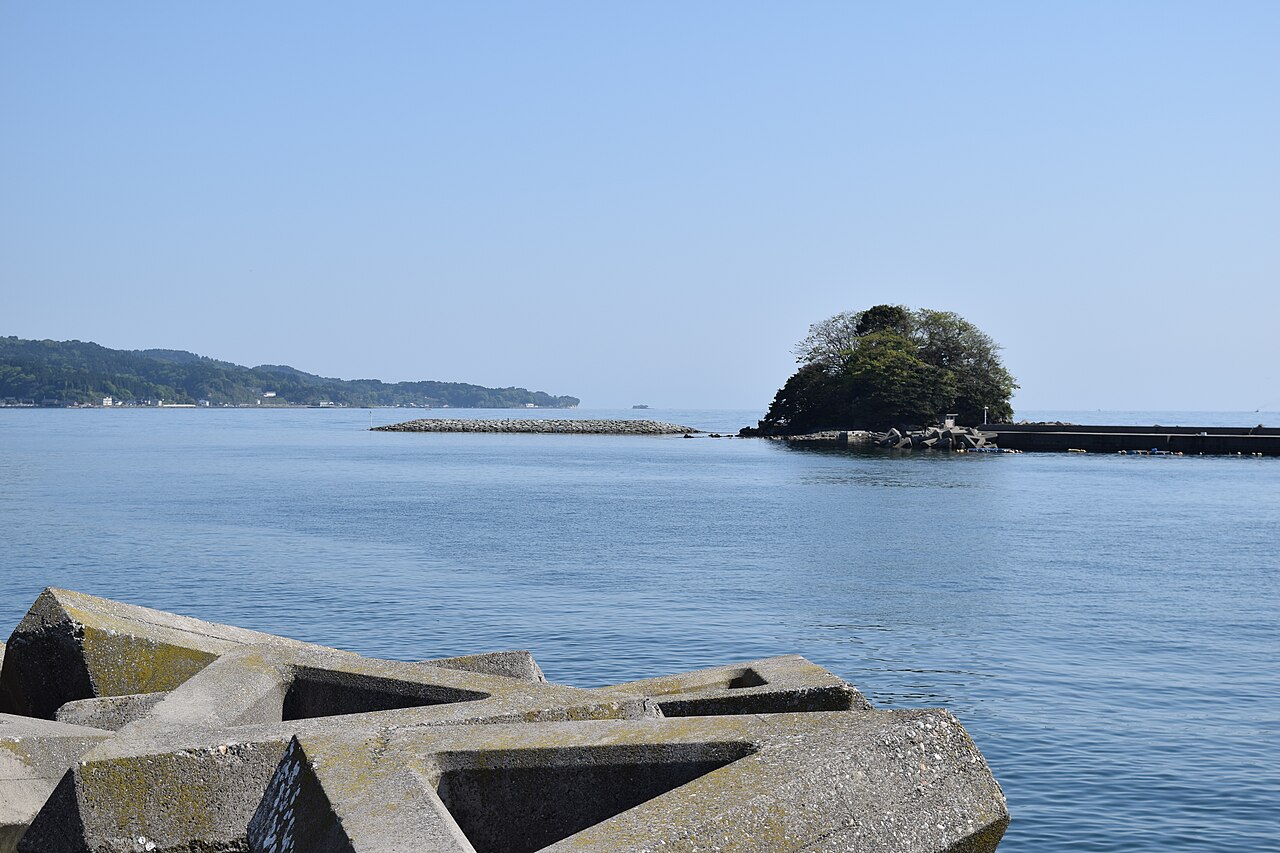
Toyama Bay shows mirages of two kinds, the spring mirage common in spring and the winter mirage common in winter, and both kinds appear in the bay. At Kozakai Beach a white sand beach stretches long in a semicircle, with a park around it.
On a coastal hill on the north side of Himi's urban area stands a Sengoku-period castle ruin, once a key point for the coastal and mountain roads to Noto and for sea traffic. From the cape, the view stretches toward the Noto area and the Hida mountains in the distance.
Winter Yellowtail and the Fixed Nets
Himi's winter yellowtail, the kan-buri, is caught with fixed nets, a method with a four-hundred-year history. Around December to January, thunder during very stormy weather announces the yellowtail fishing season, and the kan-buri caught here was long known as a tribute offering to rulers and noble people.
A bride's gift is a custom here: in the year of a marriage, the bride's family sends a whole high-quality kan-buri to the groom's household as a year-end gift, and the recipient returns half of the fish to the bride's family.
Only yellowtail from Toyama Bay set nets, auctioned at the fish market within the declared period, may be called Himi kan-buri. The fish are killed offshore in cold ice water, so a freshly caught one has not yet gone into rigor mortis and its flesh is crunchy.
The taste of the sashimi changes with the cut, from the back to the tail and the fatty belly, and salt-grilled yellowtail comes crisp on the surface and fluffy and juicy inside.
Mornings at the Fish Market, Sardines and Beef
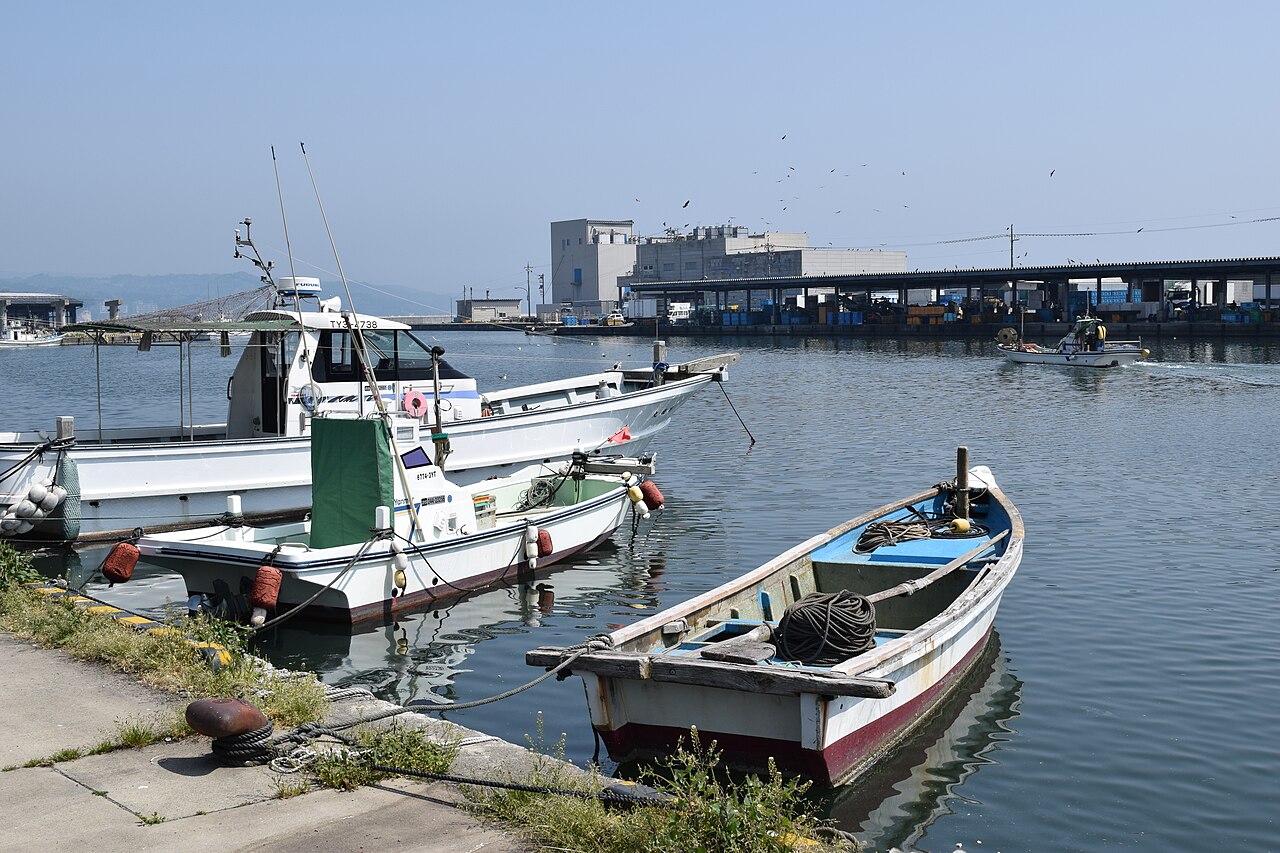
You watch the morning auction at Himi Fishing Port from the terrace on the second floor of the fish market; entering the auction floor and flash photography are prohibited. Buying happens at shops such as the outer market, not at the auction site.
Himi sardine is in season from the end of winter to spring. At the end of the yellowtail season, fishers switch to a fixed net suited to small fish such as sardines. Sardines auctioned fresh straight from Himi Fishing Port are served as sashimi, lightly sweet and good dipped in ginger soy sauce.
Sakura-boshi is mirin-dried sardine, hand-opened, gutted, boned, boiled and soaked in seasoning, eaten as it is or lightly grilled as a side for rice. Niboshi made from freshly caught sardines is said to have no bitterness even with the head left on, and to give good soup stock.
Konka-iwashi is sardine salted, coated with roasted rice bran, rice koji and chili pepper, and left in a barrel for about half a year. Himi beef cattle are raised in the green hilly and mountainous area at a density that spares them stress.
Manga Characters and a Temple Gate
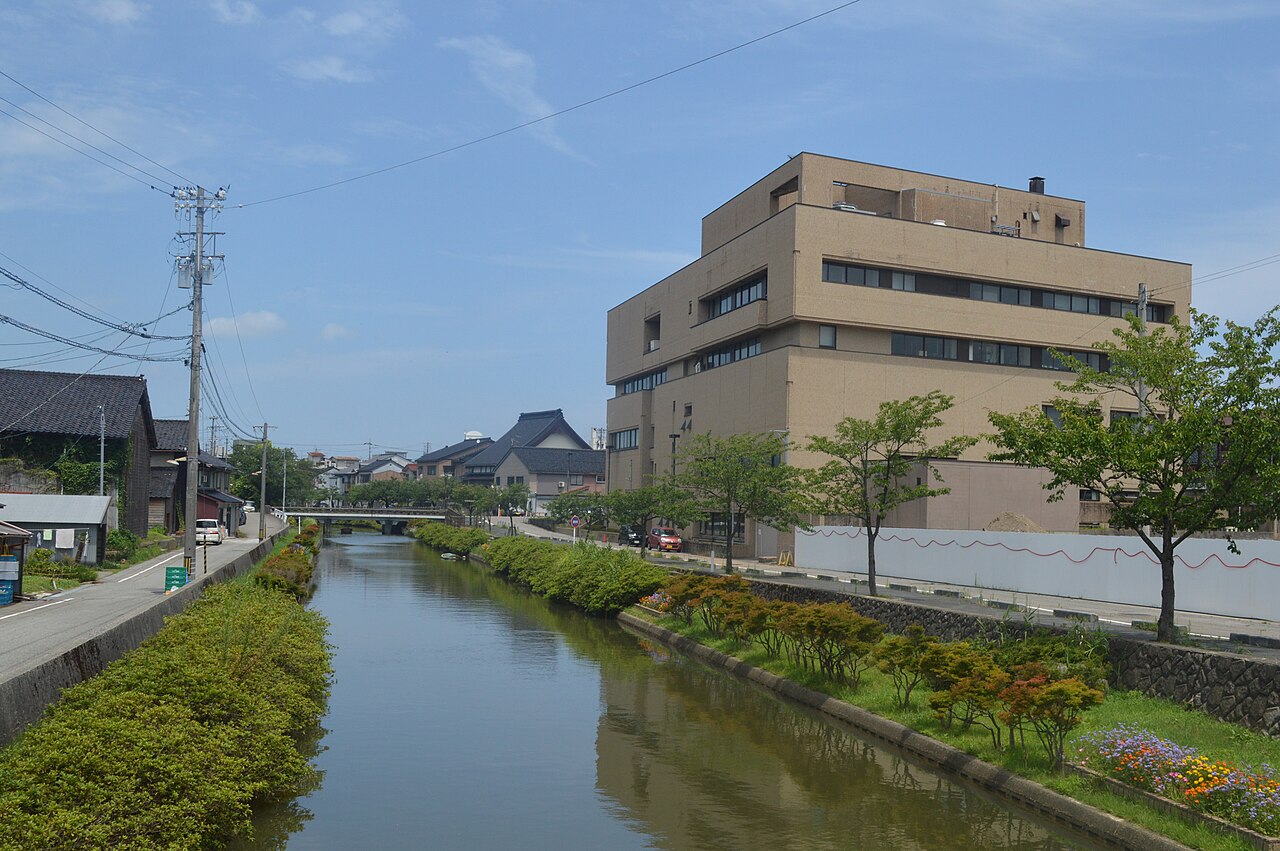
Ninja Hattori-kun and his younger brother Shinzo sit on top of mailboxes along the manga street, and walking the street you can look for which mailboxes they are on. Some monuments carry built-in sensors and react when approached with a cheerful chatter, and a monument of a character from a salesman manga stands near an intersection.
Kozen-ji, the birthplace of the manga artist, is a Soto-sect temple with about seven hundred years of history and ties to the Maeda family of the Kaga domain; look through its mountain gate and stone statues of Ninja Hattori-kun and other characters stand there.
A giant mural of Ninja Hattori-kun stands in front of the fishing port, and Shiokaze Gallery shows original drawings alongside reproduction drawings, a digital manga screen and a manga library.
Lion Dances and the Gion Festival
In Toyama Prefecture and Himi the lion dance is held in spring or autumn, while nationwide it is often a New Year event. It is offered to the gods in spring to pray for that year's harvest and in autumn in thanks for the grain harvest.
The dance moves to fast-tempo festival music. A tengu carries a weapon called a torimono and dances with light steps while purifying the impurities that have attached to the lion.
The Himi Lion Dance Museum introduces the dance, displays lion heads and tengu masks, and sometimes holds live performances during the lion dance season; when a performance is held, the number of visitors admitted is limited.
The Gion festival belongs to two shrines in the city centre, said to have begun when the deity's spirit was returned to a portable shrine and paraded through the town, like Kyoto's Gion festival. Parishioners of Hiyoshi Shrine in the south and Himiya Shrine in the north each parade through their own area with portable shrines and taiko floats.
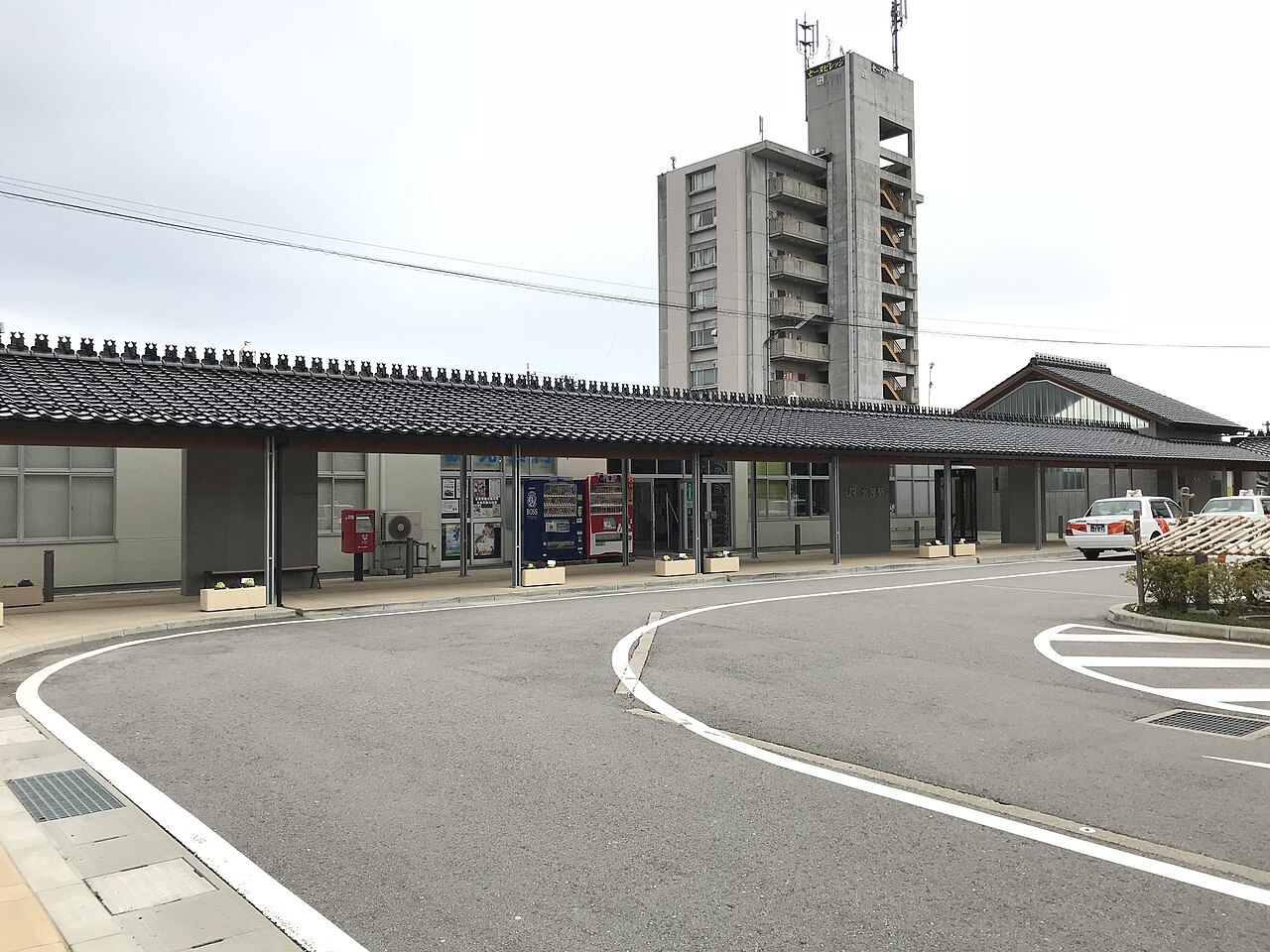
Getting from Himi Station to the Port
| Mode | From | To | Time |
|---|---|---|---|
| On foot | Himi Station | Himi Banya-gai | about twenty minutes |
| Regional bus | Himi Station | Himi Banya-gai | about twelve minutes |
| City loop bus (via the shopping street) | in front of Himi Station | Himi Banya-gai | about twelve minutes |
| Taxi | Himi Station | Himi Banya-gai | about five minutes |
| On foot | Himi Station | Kozen-ji | about twenty minutes |
Each row gives the listed time from the station.
Hours and Fees
| What | Hours or fee |
|---|---|
| Himi Aiyama Garden, hours | half past nine in the morning to four in the afternoon, last entry half past three |
| Himi Aiyama Garden, admission | eight hundred yen for adults |
| Himi Municipal Museum, hours | nine in the morning to five in the afternoon, last admission half past four |
| Himi Municipal Museum, admission | one hundred yen for high school students and older |
| Shiokaze Gallery, hours | ten in the morning to five in the afternoon, last admission half past four |
| Shiokaze Gallery, admission | two hundred yen for adults; high school students and younger free |
| Himi Fishing Culture Exchange Center, hours | nine in the morning to five in the afternoon, last admission half past four |
| Himi Lion Dance Museum, hours | nine in the morning to five in the afternoon |
| Himi Lion Dance Museum, closed | every Monday (the weekday after it when that Monday is a national holiday) and from the twenty-ninth of December to the third of January |
Fees and hours were checked against official sources between 10 October 2026 and 11 November 2026.
Each row gives the listed hours or fee.
If one day is not enough, places to stay in Himi let you pick the route up again the next morning.
Thinking of staying overnight?
Compare places to stay near Himi →
Disclosure: This post may contain affiliate links. If you book through them, we may earn a commission at no extra cost to you.