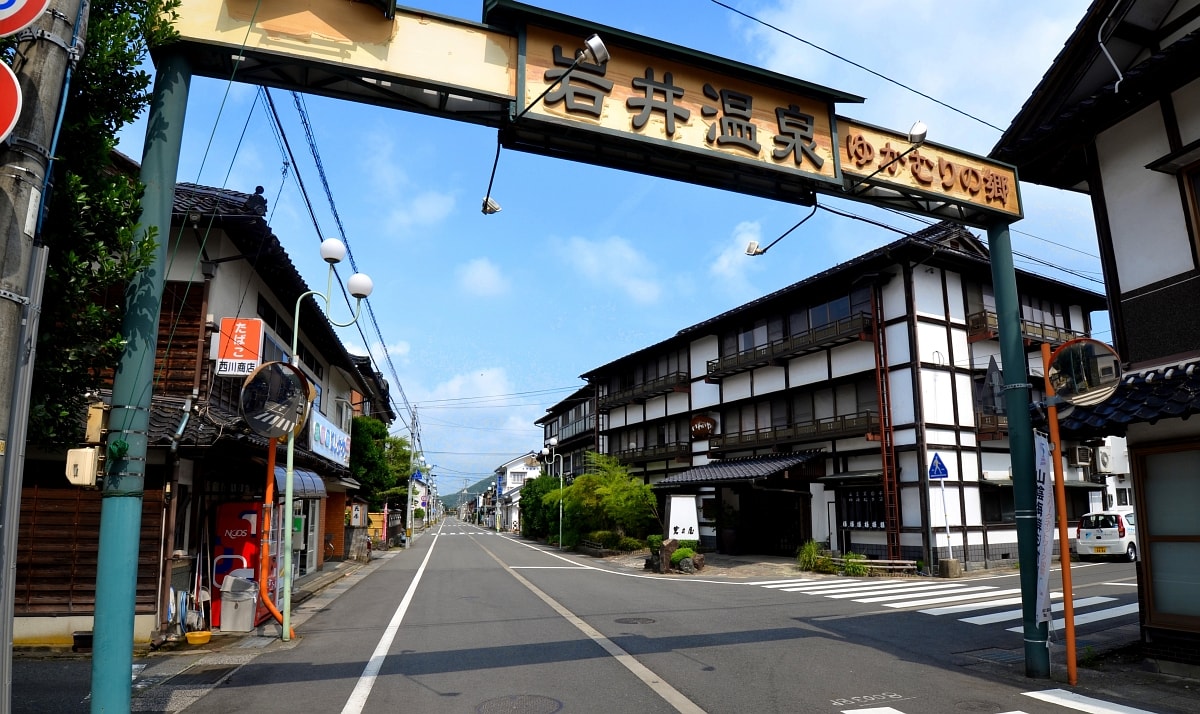
On the eastern edge of Tottori prefecture, a short way inland from the rock-strewn Uradome coast, the hot-spring village of Iwai keeps a kind of quiet that most Japanese spa towns lost long ago. A guidebook from the turn of the last century describes a resort humming with bathers; today the same lanes hold more quiet than commerce. Reading the old book against the present village is half the pleasure of a day here.
A Village Built Around One Bath
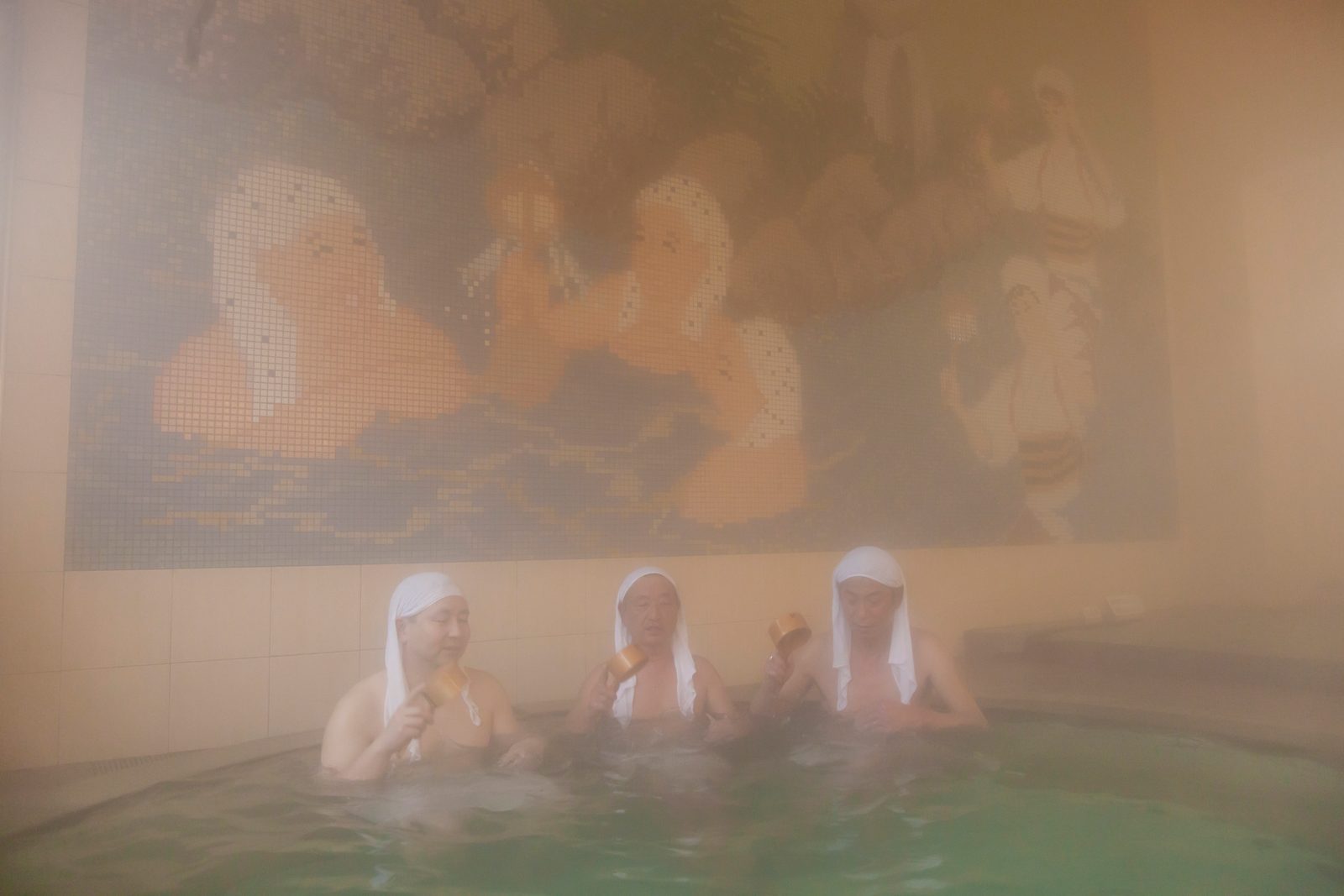
The guide, written in the Meiji era, records a village of about two hundred houses and some fourteen hundred people. At its centre, it describes a grand communal bathhouse, with the village inns ranged in a line along the old San'in road. The book lists eight principal inns by name, gathered around that shared bath. The bathhouse, by its account, was village property, run by an elected head and a rota of attendants who kept the surroundings clean — a small civic institution as much as a place to wash. The inns themselves, it says, were substantial buildings of two and three storeys, praised for their light, their outlook and their indoor baths.
The Crowds That Came Before
By the guide's count, more than a hundred thousand guests stayed in the course of a year. About seven in ten of them, it reckons, were farming families, joined by men of business, government clerks and a steady trickle of poets and painters. At the Bon season in late summer, the guide says, farm households nearby would put down their work, gather at the springs each evening, and dance. High summer, it records, brought bathers without pause — tea gatherings, poetry and strolling in the evening cool. Spring and autumn, by the same account, added contests of go, shogi, tea and flower arranging, with archery ranges and a photography studio laid on for the bathers.
A Midday Bath at Iwaiya
The village's bathing tradition is easiest to sample at Iwaiya, an inn that admits day visitors at midday. Day-use bathing runs from noon until two in the afternoon, with the last reception at half past one in the afternoon. It costs one thousand yen for adults and five hundred yen for children. A towel costs two hundred yen and a rental bath towel three hundred yen, so you can arrive with empty hands.
Out to the Uradome Coast
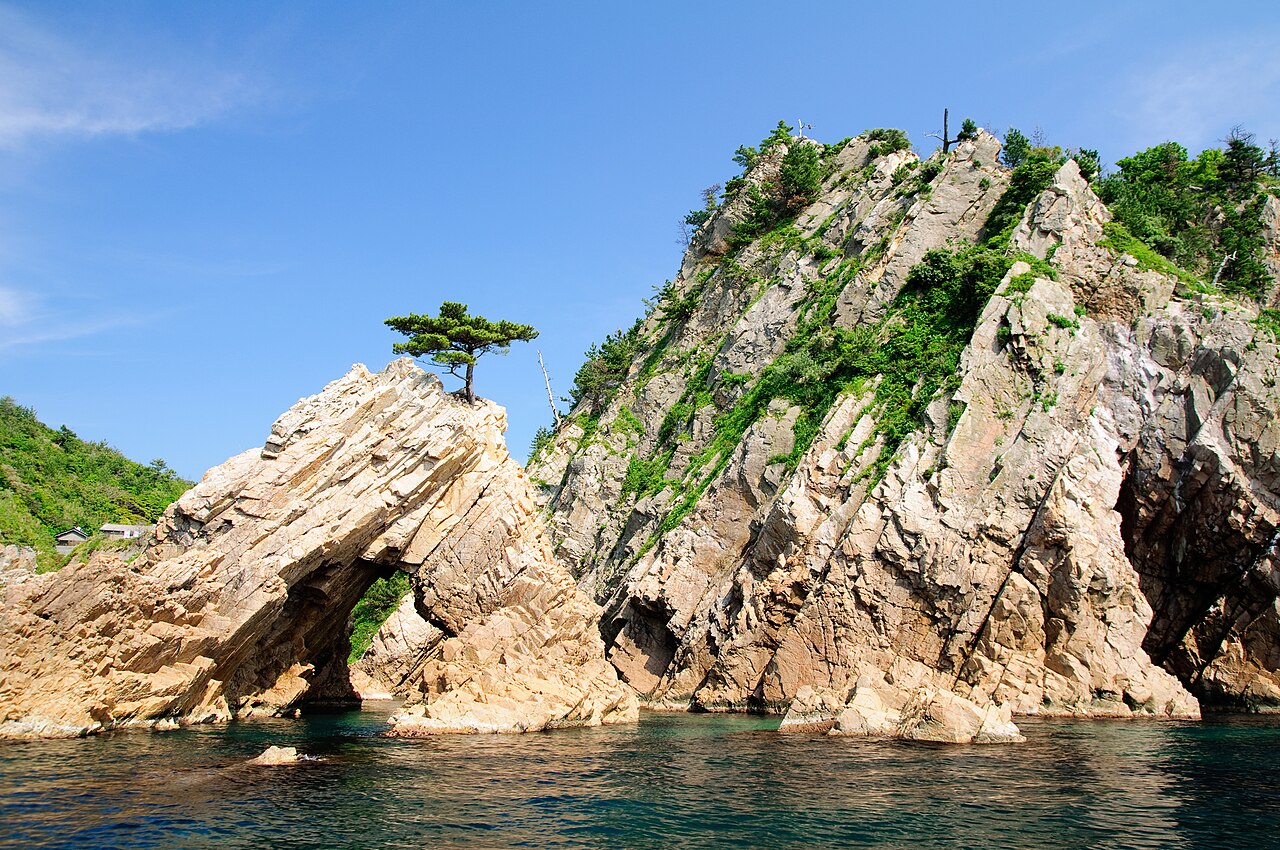
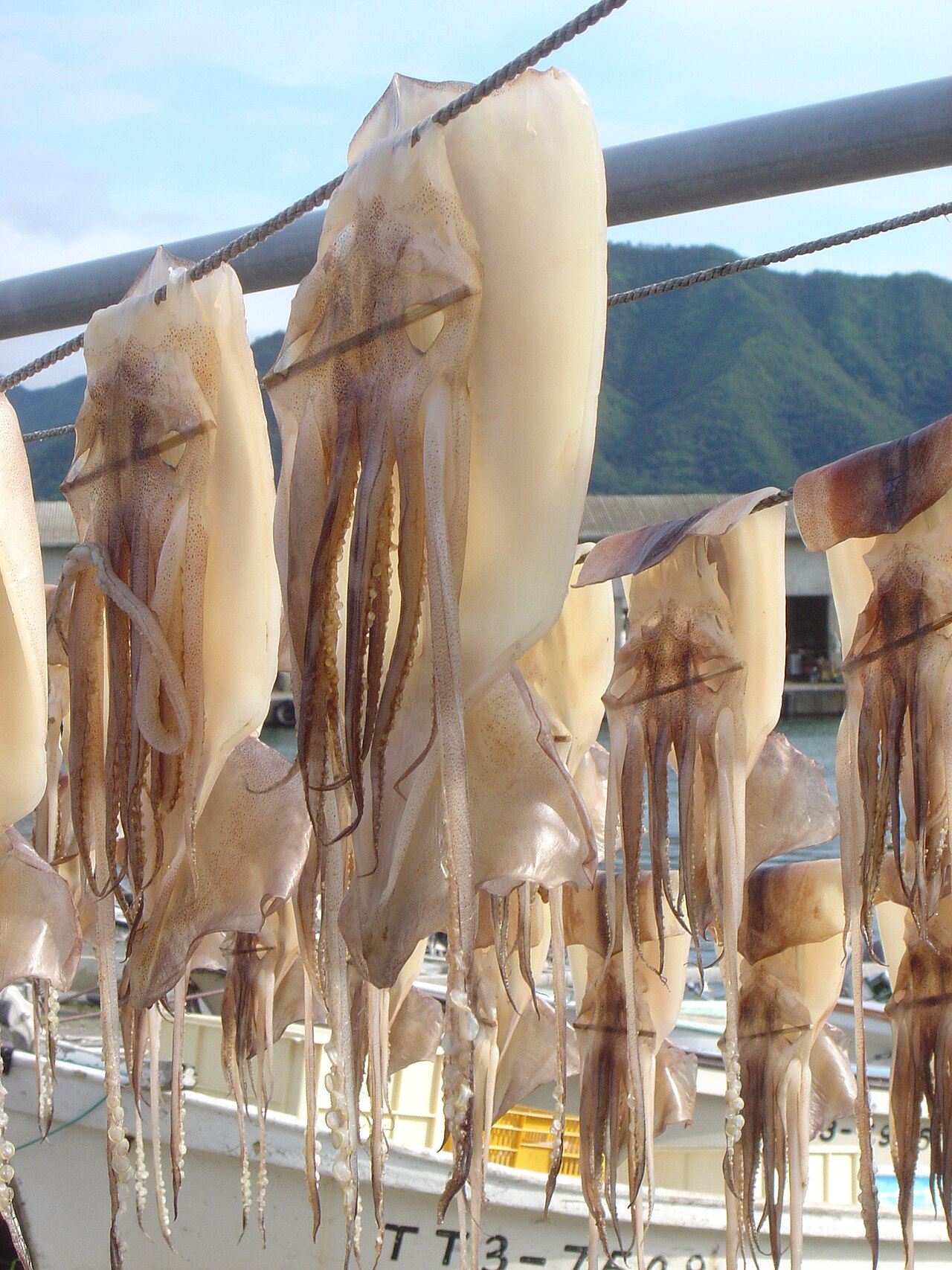
West of the village the land runs down to the sea, and the guide notes bathing beaches at Uradome and Otani within an easy distance — salt water and spring water taken in the same day. The coast itself is the reason many people come this far east at all: pale sand, clear green water and islets of wind-bent pine. A sightseeing boat circles the rocks and islands, and the circuit takes about forty minutes. Boats leave hourly from half past nine in the morning until half past three in the afternoon. The service operates from the start of March to the end of November. One islet, Sengan-matsu, carries a story the old guide retells: a lord of the Ikeda house, cruising this shore, offered a thousand kan of silver to anyone who could carry the pine-topped island home to his garden. Down at the harbours, the tie between sea and table is still visible; the guide already praised the local catch — matsuba crab above all — and describes fishmongers carrying fresh fish up to the spa several times a day in season. If you would rather fold the coast and the village into more than a single day, you can compare places to stay in Iwai Onsen.
Shrines and Hills Above the Village
The village shrine, Miyu Jinja, appears in the classical registers, and the guide records its festival early in April, with a stone beside the sanctuary on which a Taira commander is said to have whetted his blade. On the hill of Atago, it records, bathers once climbed to a levelled summit to take in the so-called eight views of Iwai. Along the old road, it describes the Zen temple Honko-ji set against the hillside, with a landscaped garden of mounds and water that made a favourite morning and evening stroll for the guests of that era. Further out, the guide describes the Ametaki waterfall in the hills to the south-east, cool even in high summer, its spray hanging on the mountainside.
Getting There
From Osaka Station, the Super Hakuto limited express runs to Tottori Station, and the one-way adult base fare is three thousand nine hundred and sixty yen. A reserved seat adds a limited express surcharge of three thousand five hundred and sixty yen each way. From Kyoto Station, the one-way adult fare on the same service is five thousand and sixty yen before the surcharge. Coming from the west, the Super Inaba limited express links Okayama Station with Tottori Station for an adult base fare of two thousand eight hundred and forty yen. Its reserved-seat surcharge is two thousand five hundred and sixty yen. The last leg from Tottori into the village is short, and your inn can advise on the easiest connection when you book.
New to rural buses and one-man trains? See how to ride them, step by step.
Where to stay
Places to stay near Iwai Onsen →
Disclosure: This post may contain affiliate links. If you book through them, we may earn a commission at no extra cost to you.
Make It a Quiet Day
The pieces fit naturally into one unhurried circuit: a morning arrival, the midday bath at Iwaiya, the boat along the coast in the afternoon, and the shrine lanes before the light goes. An old poem preserved in the guide praises the spring water as clean, warm and gentle, and sets Iwai beside Arima and Hakone — grand company for so small a place. Details of times and prices do change, so it is worth confirming the latest with the inn before you travel. If this manner of day suits you, the temple-and-bath pairing at Natadera and the Kaga hot springs runs on the same unhurried logic further along the Sea of Japan coast.