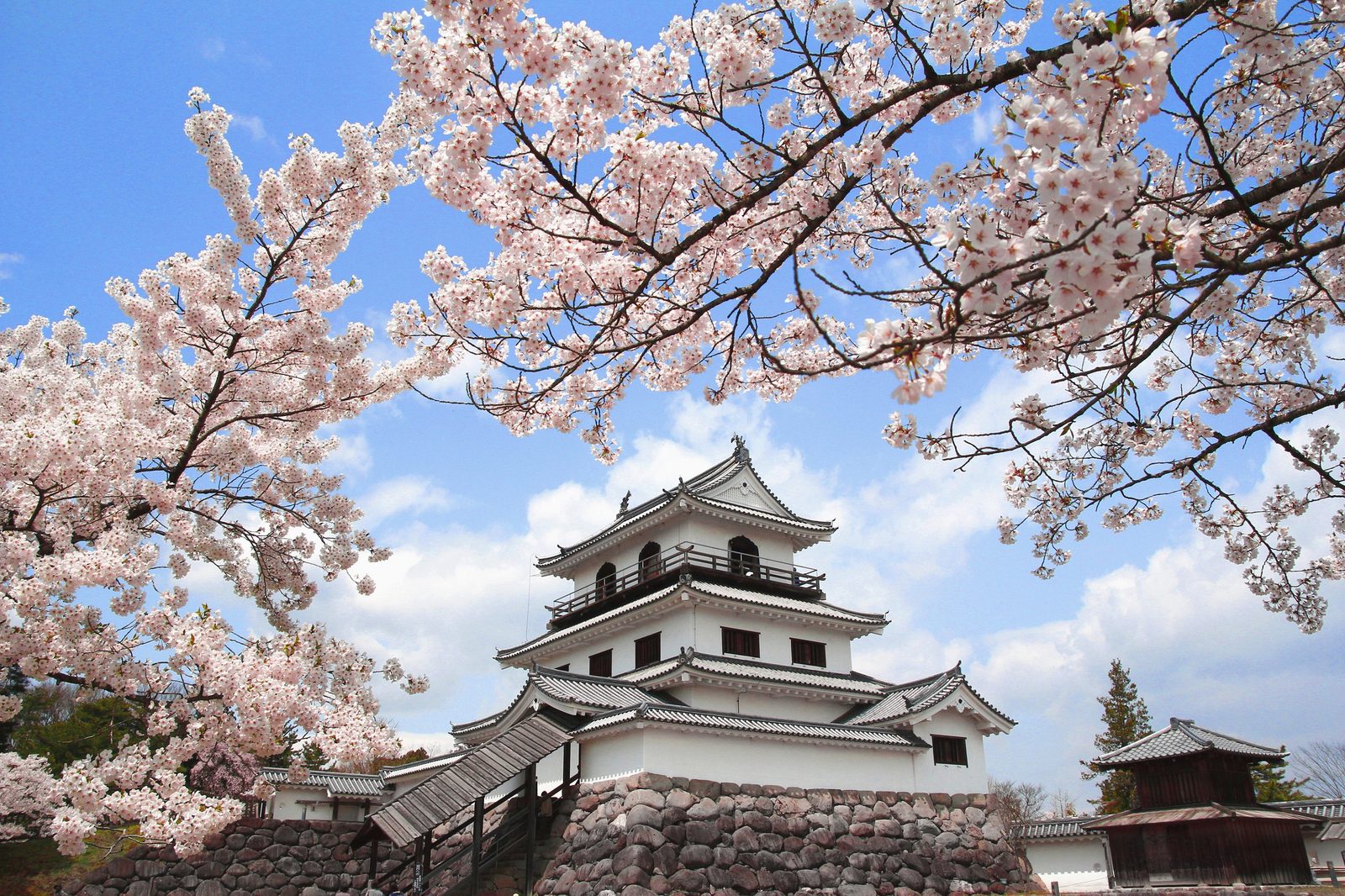
This guide covers the castle, the samurai residence street, umen noodles and the practical details of visiting Shiroishi.
Guidebooks describe the view you can take in from the top of the keep at Shiroishi Castle, with the town below and the Zao mountain range beyond. The guidebook states that the present keep was reconstructed in nineteen ninety-five in the domain-era building style, using cedar and hiba timber.
A regional guidebook describes more than two hundred Somei-yoshino cherry trees around the castle grounds, so that in spring the blossoms and the keep can be seen together. Okuzukake, the regional dish of southern Miyagi, is a vegetarian dish eaten around the spring and autumn equinox weeks and at Obon. Both fit into one day out.
Shiroishi Castle
From JR Shiroishi Station, the walk to the castle takes about fifteen minutes. From Shiroishi-Zao Station on the Tohoku Shinkansen, the castle is about five minutes by car. From Shiroishi IC on the Tohoku Expressway, the drive to the castle takes about ten minutes. The table below lists when the castle admits visitors and what the common ticket covers.
| Item | Detail |
|---|---|
| Shiroishi Castle opening hours, April to October | 9:00 to 17:00 |
| Shiroishi Castle opening hours, November to March | 9:00 to 16:00 |
| Shiroishi Castle last entry | 30 minutes before closing time |
| Shiroishi Castle closed days | December 28 to 31 |
| Common ticket for the castle, the stereoscopic high-definition theater and the Samurai Residence, adult | 800 yen |
| Common ticket for the castle, the stereoscopic high-definition theater and the Samurai Residence, elementary, junior high and high school students | 400 yen |
The guidebook notes that the castle was a branch castle of the Sendai domain and stood on as an exception after the one-castle-per-province order, a rare case nationwide. A regional guidebook records that the Uesugi held it first, that Date Masamune took it and gave it to Katakura Kagetsuna, and that the Katakura family kept it until the Meiji Restoration.
Guidebooks describe the cherry trees along the Shiroishi River reaching their best from early to mid April, with the keep lit at night through the blossom period so the Somei-yoshino and the castle can be viewed together after dark. If your visit falls in that window, keep the castle for the end of the day rather than the start.
The Samurai Residence Street
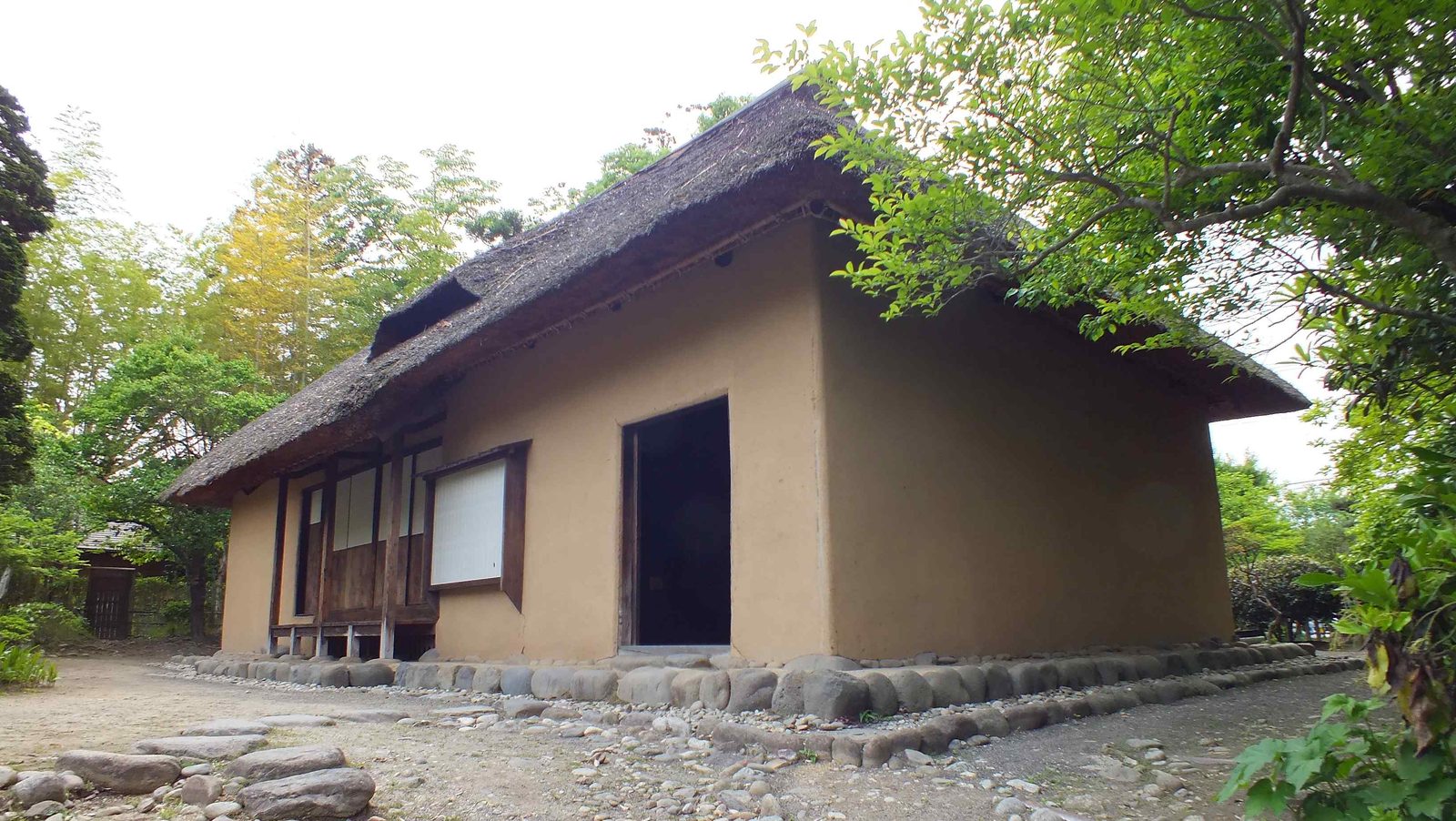
The guidebook states that the samurai residence street follows the former outer moat of the castle's third bailey, that houses of middle-ranking samurai still stand facing the Sawabata River, and that the former Ozeki house, a cultural property designated by Miyagi prefecture, can be viewed inside. From JR Shiroishi Station, the Samurai Residence is about ten minutes on foot.
- The Samurai Residence opening hours, April to October: 9:00 to 17:00; November to March: 9:00 to 16:00
- The Samurai Residence is closed from December 28 to 31
- By car from Shiroishi-Zao Station to the Samurai Residence: about 5 minutes
- The Samurai Residence is covered by the common ticket shown in the castle table above
Samurai Armor, Kimono and Kokeshi Painting
At Shiroishi Castle you can be fitted with samurai armor, and the armor experience is closed every Wednesday and Thursday as well as at the end of December. The full-armor plan and the kimono rental are priced separately, and both figures are in the list below. Kimono rental at the castle is five hundred yen per person.
- The samurai armor experience is closed every Wednesday and Thursday, and from December 28 to 31
- The armor dressing plan with full armor: 16,500 yen per person, tax included
- Kimono rental: 500 yen per person
A regional guidebook describes a kokeshi workshop village in the district that produces the local kokeshi, with a photo exhibition room on the first floor, a sales and painting corner on the second floor, and craftsmen's workshops around an outdoor square. If you want to paint a kokeshi of your own, that is the place for it.
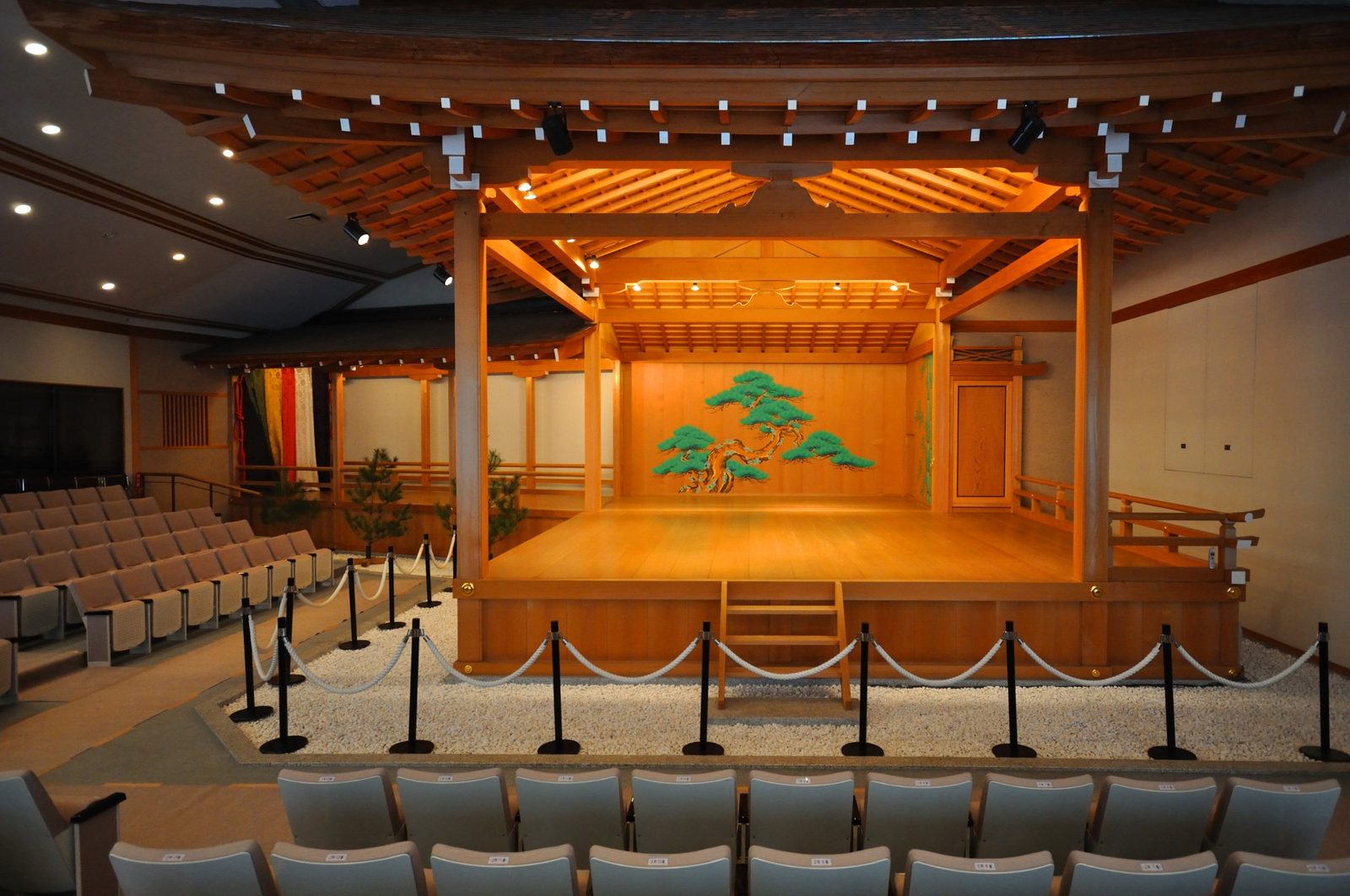
This Noh stage stands in Hekisuien, a hall for classical performing arts in Shiroishi.
Where to stay
Places to stay near Shiroishi, Miyagi, Japan →
Disclosure: This post may contain affiliate links. If you book through them, we may earn a commission at no extra cost to you.
Umen Noodles and Okuzukake
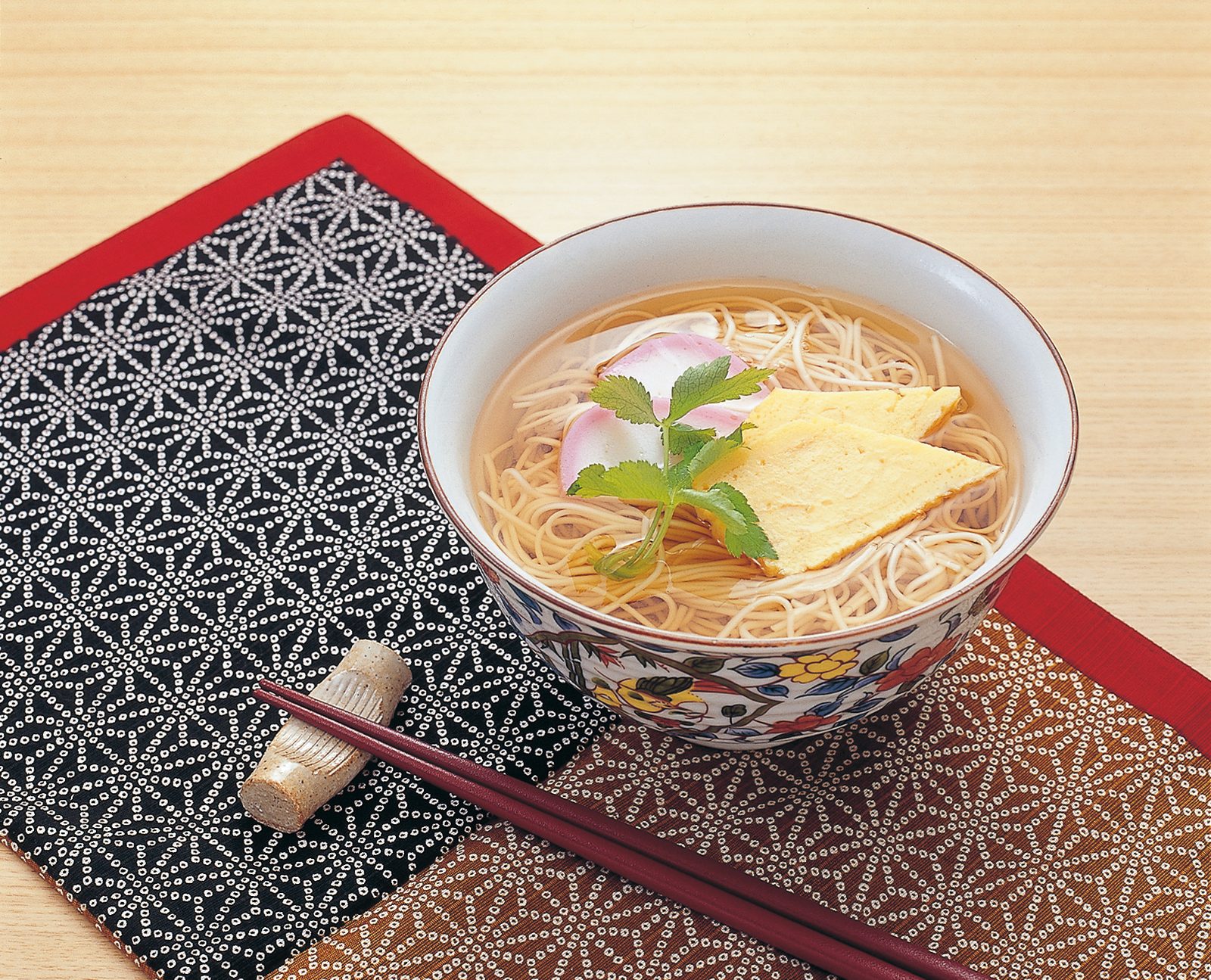
The guidebook describes Yamabukitei, a noodle restaurant whose signature dish, Umen Sanmai, serves Shiroishi umen with three sauces of sesame, walnut and soy to compare side by side, and whose set lunch adds grilled fish to the noodles. Umen is the noodle to try here, and okuzukake is the dish that shows how the town cooks with it.
Okuzukake combines taro, carrot, burdock and shiitake with fried tofu, plain tofu, small wheat-gluten puffs, konjac noodles and Shiroishi umen, simmered in a stock drawn from the shiitake soaking liquid and thickened with kudzu starch, or more often potato starch today. Yamabukitei's practical details follow in the table.
| Item | Detail |
|---|---|
| Yamabukitei business hours | 11:00 to 14:00 |
| Yamabukitei closed days | every Wednesday (it may also be closed on Tuesday) |
| Yamabukitei average budget | 1,300 to 1,400 yen |
| By foot from JR Shiroishi Station to Yamabukitei | about 15 minutes |
| By car from Shiroishi-Zao Station to Yamabukitei | about 7 minutes |
Getting There and Getting Around
The Tohoku Shinkansen takes about one hour fifty minutes from Tokyo Station to Shiroishi-Zao Station. From Sendai Station, the same line reaches Shiroishi-Zao Station in about fifteen minutes. The two arrival points are not the same place, so each walking time in this guide names where it starts.
| Ticket | Amount |
|---|---|
| Shiroishi city community bus, general fare | 200 yen |
| Shiroishi city community bus, age 70 and over | 100 yen |
| Shiroishi city community bus, high school students | 100 yen |
| Shiroishi city community bus coupon book (eleven coupons of 100 yen each) | 1,000 yen |
- Exact change is needed on the Shiroishi city community bus; there are no change-making machines on board
- Rental bicycles: 800 yen, including a 500 yen deposit
- Rental bicycle hours: 9:00 to 17:00
- The tourist information center at JR Shiroishi Station: 9:00 to 17:30
- The tourist information center at Shiroishi-Zao Station: 9:00 to 18:00
One of the community bus routes runs only on Wednesdays, with no service on public holidays or from the twenty-ninth of December to the third of January, so a plan that leans on the bus needs checking against the day of the week.
Kamasaki Onsen and Staying in Shiroishi
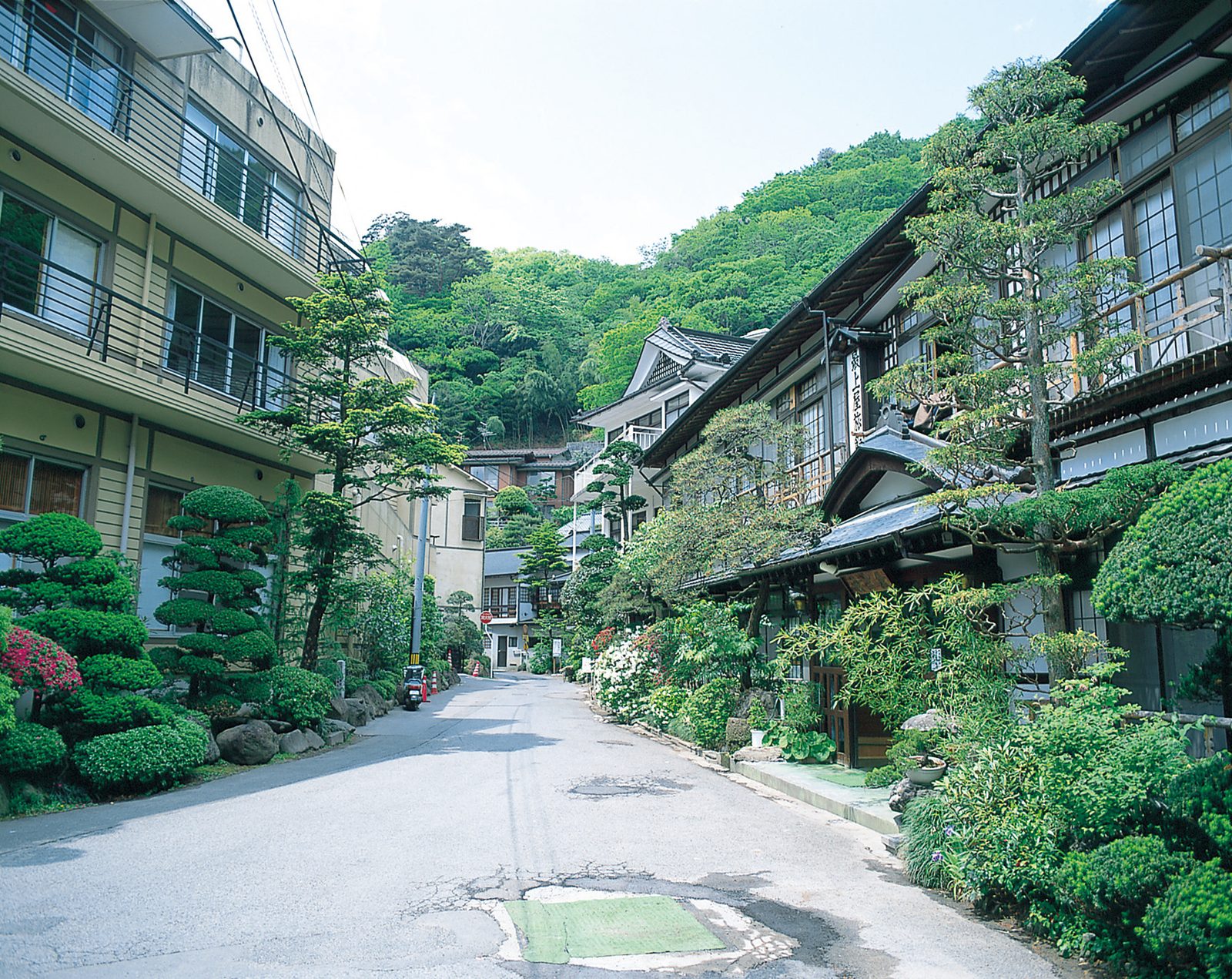
An old gazetteer records that Kamasaki Onsen lies upstream, enclosed on all sides by peaks, and that water rising from the hillside was carried to the bathhouse by three conduits. The water was a pale yellow with a slight salty taste and a faint smell of sulfur, the gazetteer notes.
The same gazetteer puts Kamasaki among several hot springs of the surrounding district and names Shiroishi as the most convenient base for making the rounds of them. A separate guide covers Togatta Onsen, another hot spring in the same part of Miyagi.
Staying the night at Kamasaki Onsen lets you take the castle and the noodles at an easier pace than a single day gives, with the hot spring kept for the evening. For another hot spring in Miyagi, see Naruko Onsen. If you would like more time in Shiroishi than a day trip gives, browse places to stay in Shiroishi.