This guide brings together what current Japanese travel guidebooks describe about riding local buses, one-man trains and trams in Shikoku, the Hiroshima area and Hyogo. The details — whether a numbered ticket is issued, whether you pay on boarding, whether IC cards are accepted — differ by operator and by route, so always confirm the rules for the exact service you plan to ride.
Why rural rides work differently
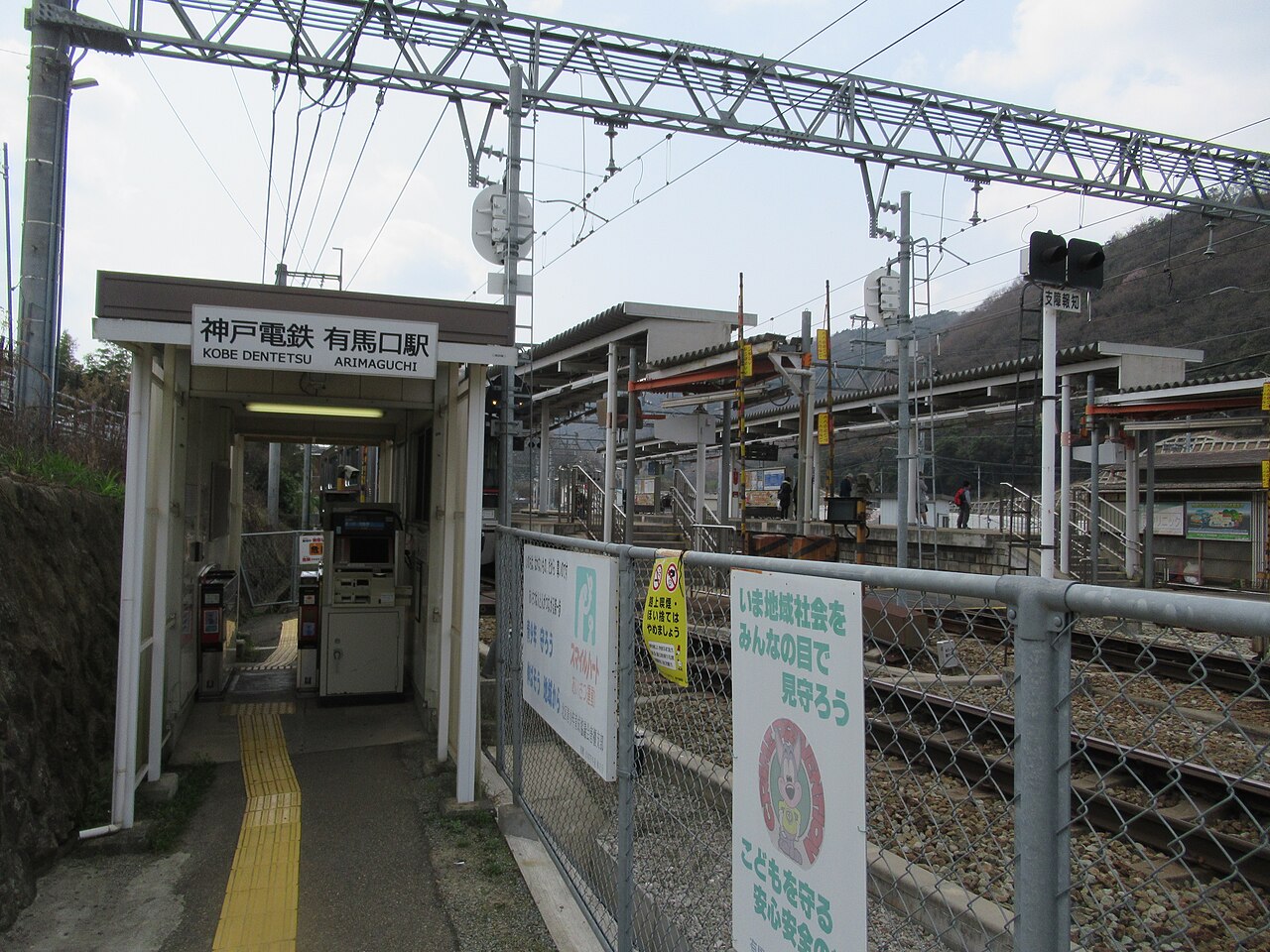
In Shikoku, unmanned stations outnumber staffed ones, and a station can be unmanned even when it sits close to a city. Staffed stations, in turn, do not always have automatic ticket gates — which is why the boarding routine below matters.
The guidebooks give concrete examples. The Geibi Line runs one-man trains of a single car between Hiroshima and Bitchu-Kojiro over the border in Okayama. The Fukuen Line, from Fukuyama to Shiomachi in Miyoshi, is single-track from end to end and splits at Fuchu into an electrified stretch and a non-electrified one, so changing trains at Fuchu is always required.
On rides like these the vehicle itself works like a bus: you board, pick up proof of where you got on, and settle the amount at the front when you leave. The sections below walk through that routine, first for buses and then for one-man trains and trams.
Boarding a rural bus: rear door, numbered ticket
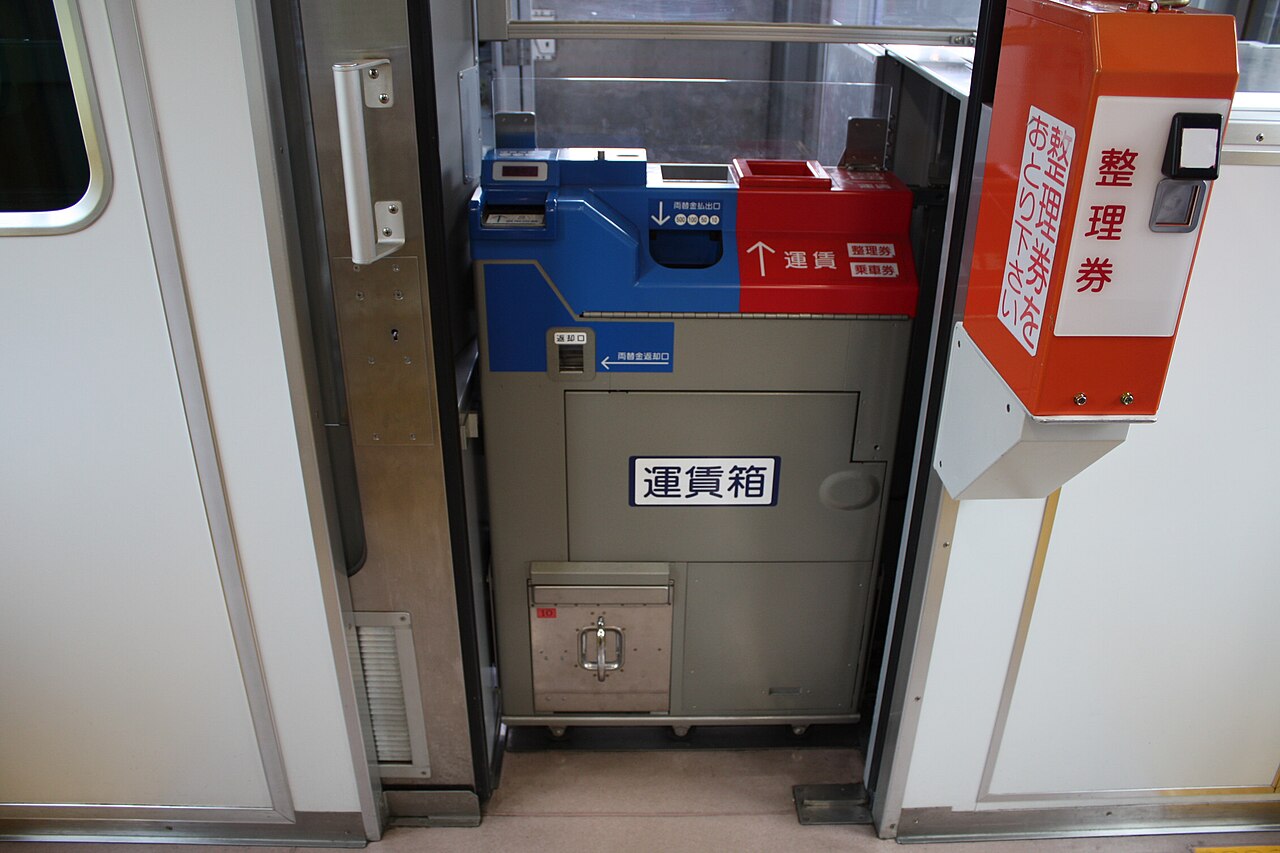
On most rural routes described in these guides you board through the rear door and leave through the front one. Beside the rear door sits a small dispenser that issues a numbered slip, the seiri-ken. If you are paying cash, taking one is essential — the number records where you boarded and decides what you pay.
The routine, step by step:
- Board at the rear and take the numbered ticket from the dispenser.
- On flat-fare stretches, or when you board at the route's starting point, no ticket may come out — that is normal.
- When the stop you want is announced, press one of the buttons in the cabin to ask for it.
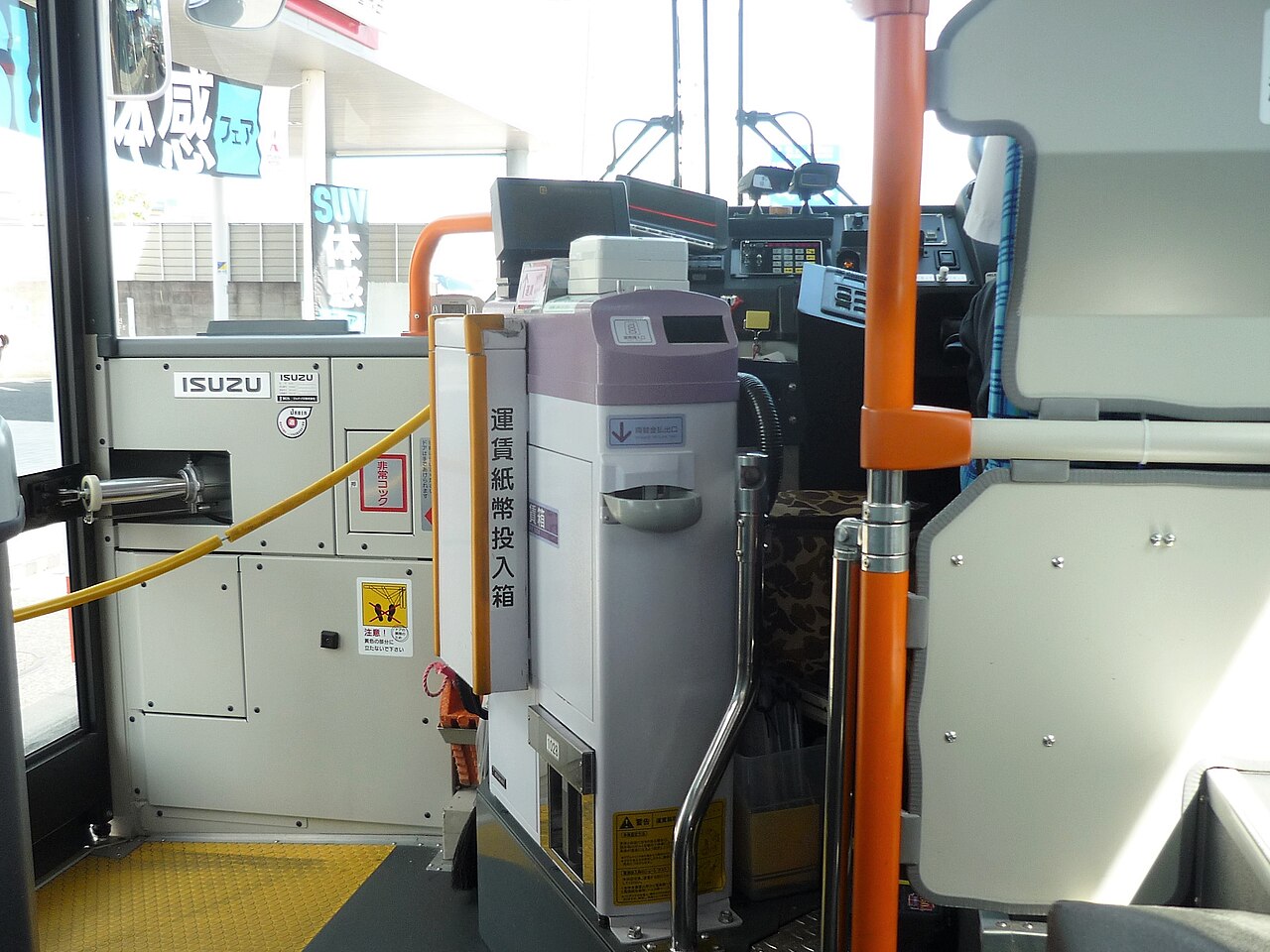
- Check the fare display at the front: the amount shown under your ticket number is what you owe. Put the ticket and the money into the fare box beside the driver and step off through the front door.
Zentan Bus in northern Hyogo runs exactly this pay-later pattern: rear door in, match your number against the front display, then ticket and payment into the box together. Buses in Hiroshima Prefecture are, as a rule, also paid when you get off rather than when you get on.
Itami's city buses show the mirror image: the whole network is one flat fare, so you board at the front, pay as you step on, and no numbered ticket is involved. Front-door boarding is usually your cue that a route works this way.
Paying at the front: fare board, fare box and exact change
The fare box gives no change. Ready the exact amount in coins before you ride, or use the change machine inside the vehicle — and do that early, not while a queue forms behind you at the front door as everyone waits to get off.
The fare display at the front pairs each ticket number with the amount to pay. Glance at it a stop or two before yours, sort your coins, and the exit takes only a moment.
How the amount is set depends on where you are. Away from central Hiroshima, flat-fare routes and distance-based routes are mixed within the same area. On Tosaden Kotsu's buses in Kochi you also take a numbered ticket when you board, and what you pay rises with the distance you ride.
Compare options
See partner pricing and availability →
Disclosure: This post may contain affiliate links. If you book through them, we may earn a commission at no extra cost to you.
One-man trains and unmanned stations
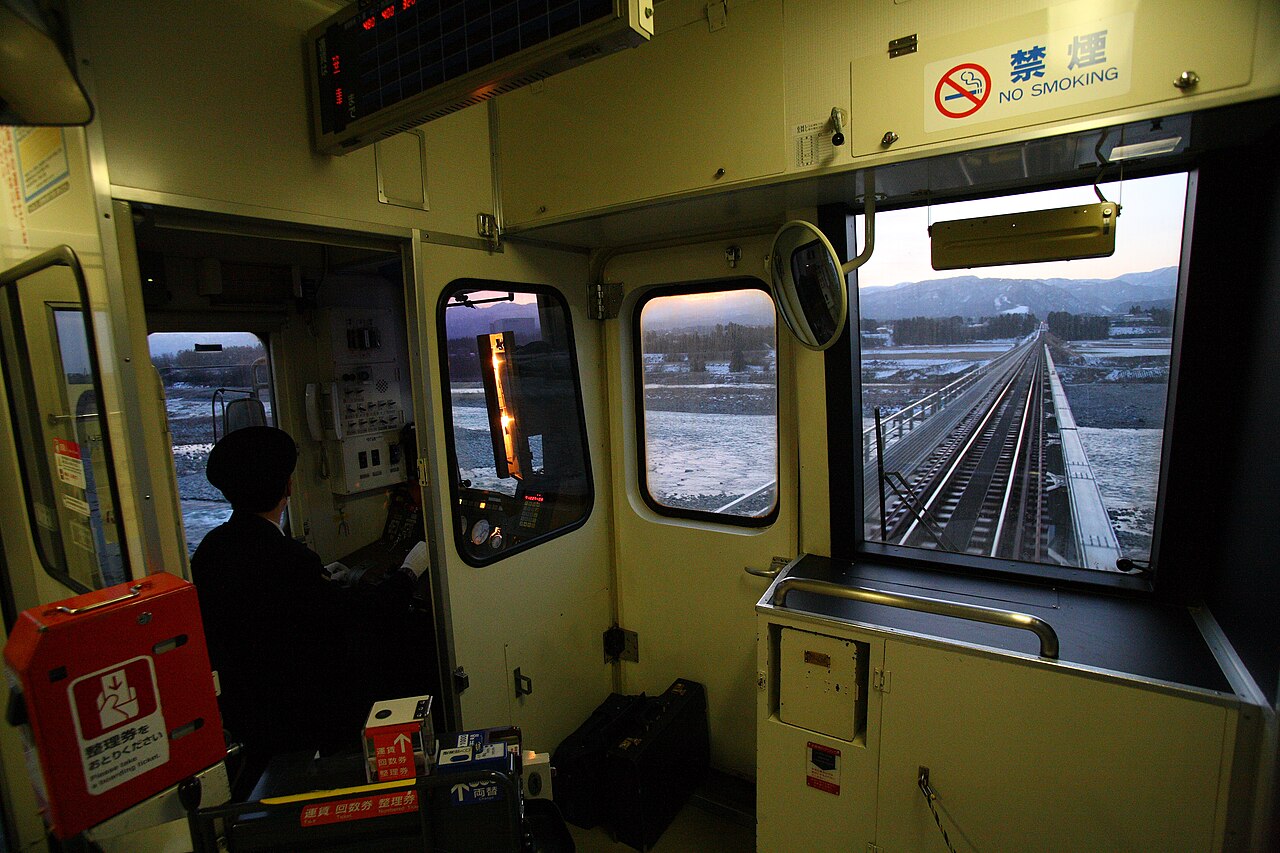
From an unmanned station you board a one-man train the way you board a bus: through the rear door, taking a numbered ticket as you step in. To get off at another unmanned station, put the ticket and the amount due together into the fare box at the exit door.
Two variations are worth knowing. If you ride through to a staffed station holding only the numbered ticket, you settle at the ticket gate, where the staff work out the amount. And if the unmanned station where you start has a ticket machine, you can buy a ticket before boarding; where there is no machine but a conductor is aboard, buy one from the conductor.
On the Ibara Railway the same shape holds: at unmanned stations you take the slip inside the car, and on leaving you put your ticket — or cash together with the slip — into the fare box at the front. Its doors are semi-automatic, worked by the passengers: press the button beside the rear door to get in and the one beside the front door to get out.
Trams work the same way
Tosaden Kotsu's trams in Kochi are one-man too: on at the rear door, off at the front. Paying cash means taking a numbered ticket as you board — except between Kochi Station and Sambashidori-Gochome, where no ticket is needed. Trams pick you up at street-level stops, and the destination is shown on the lit sign above the front of the car.
Guidebooks describe Tosaden Kotsu's network of three lines as the longest streetcar system still running in Japan, with 25.3 kilometers of track in all.
When the stop you want draws near, press the stop button on one of the pillars inside the car so the driver knows to halt there. Leave by the front door: cash goes into the fare box, while a pass is simply shown to the driver as you step off.
For visitors who plan to hop on and off, a one-day pass and a twenty-four-hour pass are sold, and repeated rides make them the economical choice. Showing a pass to the driver also spares you the ticket-and-coins routine each time you get off.
Where IC cards stop working
Do not read one route's rules as the whole region's: within a single prefecture, one line may take IC cards while its neighbour takes none. That said, the guidebooks name several services where Suica, ICOCA and the other nationwide cards will not carry you.
- On JR Shikoku, the nationwide IC cards cannot be used across its network. The operator's answer for cashless riders is its smartphone app: buy the ticket in the app with a credit card and show the screen as you board and leave.
- In Kochi, neither Tosaden Kotsu's trams nor the JR Dosan Line accept them.
- Tokushima's city buses — Tokushima City Bus and Tokushima Bus — take no IC cards on any route; you pay in cash.
- On the Geibi Line, IC cards work only between Hiroshima and Karuga; east of Karuga they do not.
- The Kisuki Line takes no IC cards along its whole length.
- Zentan Bus, which covers the rural and tourist country of northern Hyogo, carries no IC reader on board, so the ride is cash only — have coins ready before you board.
Plan pockets of cash for these stretches. A stay in the Tokushima mountains pairs naturally with the Shikoku rides above — browse places to stay in the Iya Valley if you are building a base there. For nights in the same northern Hyogo area that Zentan Bus serves, see places to stay in Kinosaki Onsen. Reconfirm card acceptance shortly before you travel.
Small courtesies and checks before you ride
When a bus fills and you are standing, move toward the back rather than gathering at the entrance. Keeping the door area clear is the expected manner on a crowded vehicle, and it lets passengers at the next stop board without a squeeze past a wall of people.
Weather can stop a line outright. The Kisuki Line, for one, can be suspended when winter snow piles up, so look up the service status before you set out on it rather than learning the news on the platform.
Taxis have their own rule of thumb: before you get in, ask whether anything other than cash is accepted. And for everything in this guide, payment methods and card acceptance shift from year to year, so check official information before visiting and confirm the current arrangements with the operator of the service you plan to use.