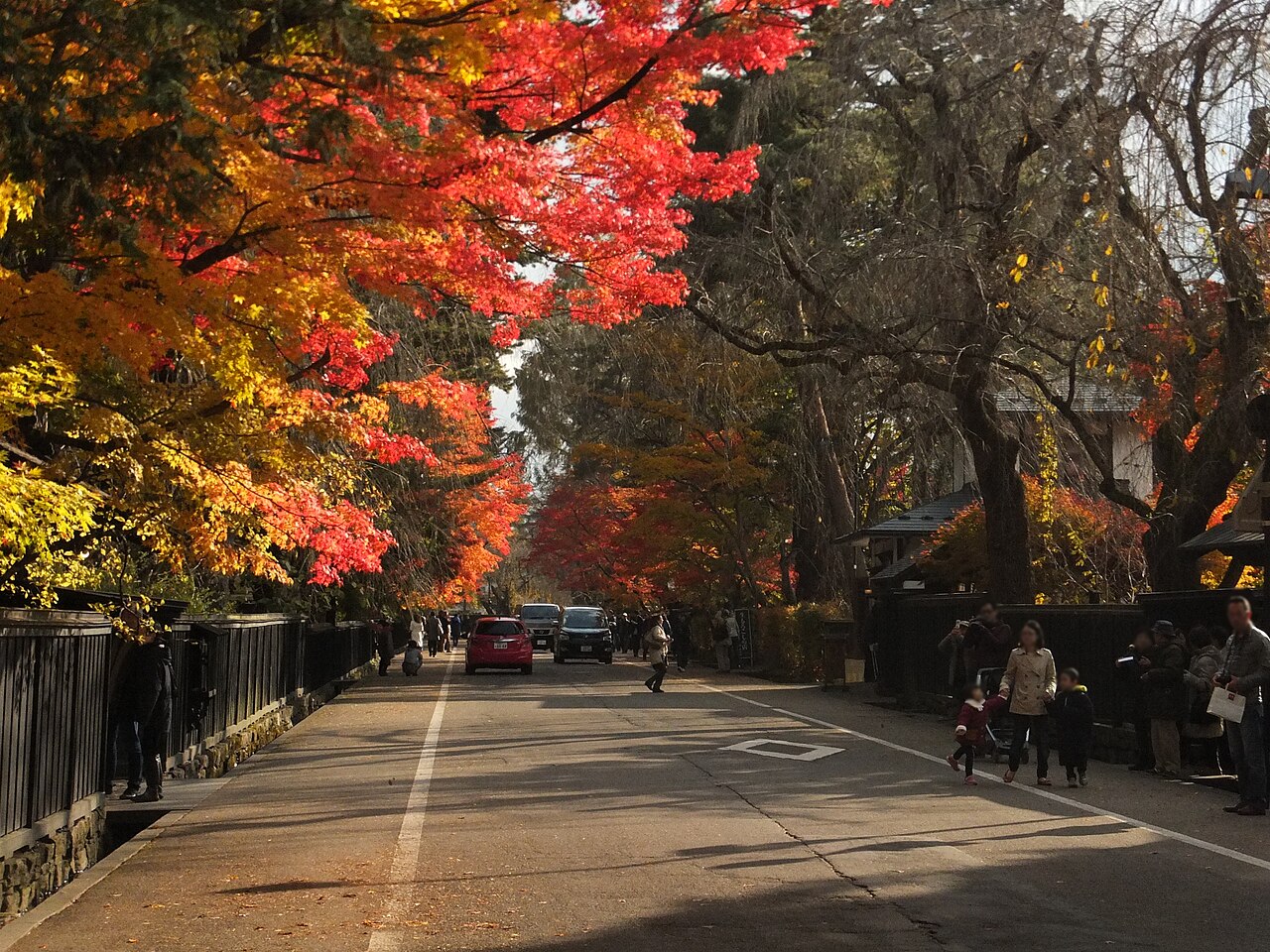
This day plan is drawn from a Meiji-era gazetteer of Akita Prefecture (秋田県案内記), which records Kakunodate's origins, its Kyoto-borrowed street names, its weeping cherries, its cherry-bark and Shunkei lacquer crafts and the temple of Tennei-ji, together with the admission fees and opening hours published by the City of Semboku and the Aoyagi house.
Getting your bearings before you start walking
Kakunodate lies in Semboku, Akita Prefecture, and its samurai quarter is close enough to reach on foot. The walk from Kakunodate station to the samurai street takes about fifteen minutes. From Tokyo the Shinkansen takes about three hours and ten minutes, so a morning departure from the capital still leaves most of the day for walking the town.
The Meiji-era gazetteer describes the town as a commercial hub for the surrounding mountain districts. Its residents were noted for industry and thrift, manufacturing flourished, local products were plentiful, and goods from the valleys round about were gathered here for sale. Keep that in mind as you walk: this was a working market town as much as a samurai quarter.
The same survey put the population at about five thousand nine hundred and eighty, and noted that many former samurai households held a fair measure of property while keeping to their old way of life. The houses you can enter belong to that group. Start at the station, walk to the street, and decide which house to visit first.
A castle town that borrowed its street names from Kyoto
The street names carry a story. According to the gazetteer, when a Satake lord adopted from the Takakura house of Kyoto came to govern Kakunodate, he found the lie of the land so like the old capital that he transferred Kyoto place names to the town outright. Kamogawa and Ogurayama are among the names the record lists.
Before the Satake, the castle belonged to the Tozawa family. The record has it that the eighth head, Moriyasu, died in the Sekigahara campaign without an heir, and the domain passed to the Satake. Their lords lived in the castle in turn until it was pulled down in the sixth year of the Genna era, early in the sixteen-hundreds.
The gazetteer adds that the Satake lord who moved the family seat here had lived at an older castle at a place called Nagano. None of this requires a ticket. The dark wooden fences and tall trees in the photo above are the shape those households left behind, so walk the full length of the street before paying any admission.
Aoyagi-ke: what a visit costs
Aoyagi-ke is a natural first stop because its price list is simple to read. The house stands about fifteen minutes on foot from JR Kakunodate station, or about five minutes by car, so it is easy to reach even if you skip the long walk. Individual admission is set by age, which matters when travelling as a family.
- Adults: five hundred yen
- Junior high and senior high school students: three hundred yen
- Elementary school students: two hundred yen
- Groups of twenty or more: four hundred and fifty yen per adult
Those are the individual rates, with the group rate applying from twenty people upward. A couple pays the full adult fee each, while a school party or a coach group pays the reduced adult price. If you plan to pay for only one house and have children with you, the tiered pricing here keeps the total cost modest.
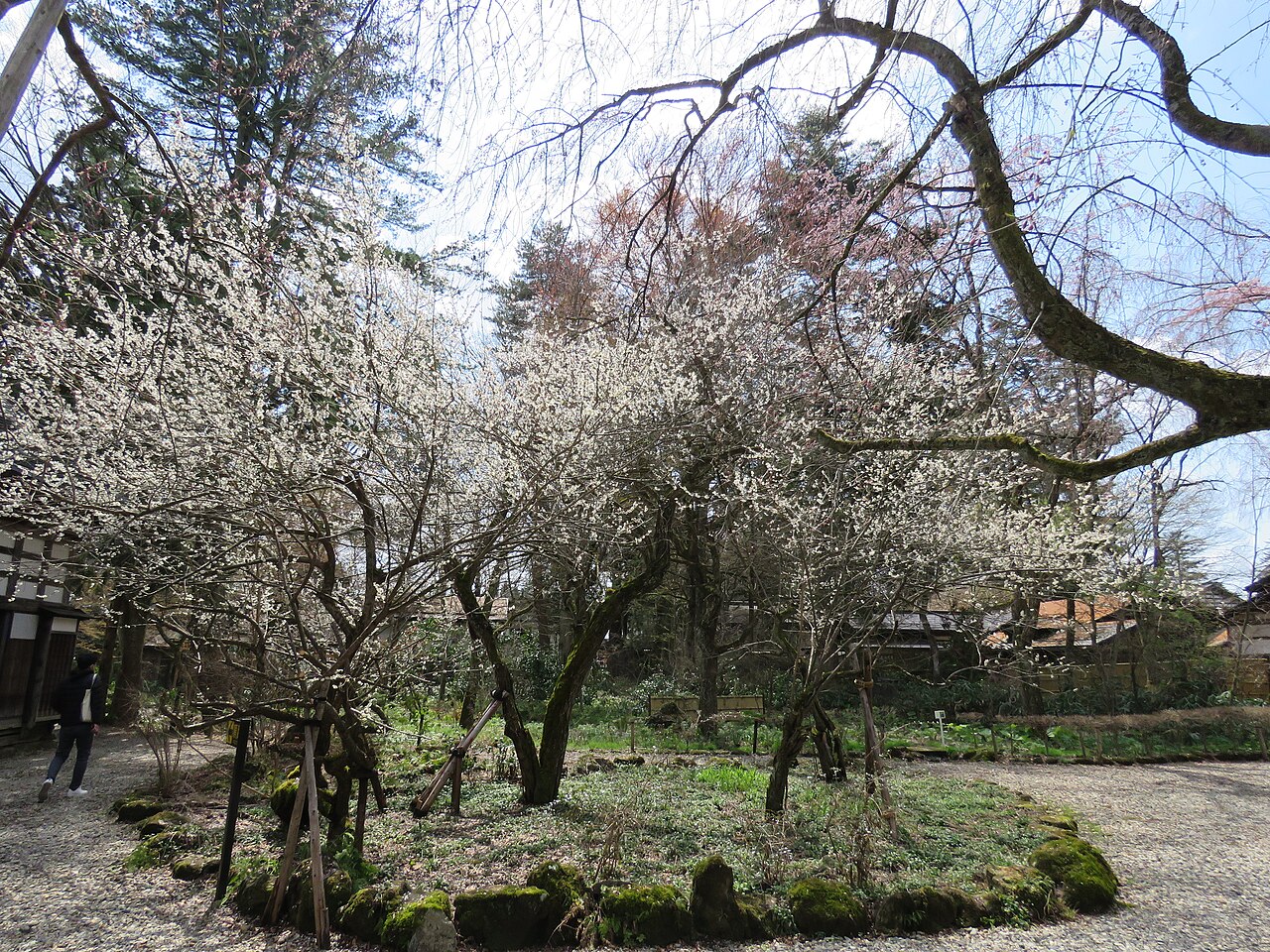
The garden inside the walls is where the photo above was taken, with white blossom standing against the dark timber eaves of the house. If you arrive in blossom season, give this stop more time than you had planned and let the rest of the day move back accordingly. In other months the house itself is the reason to come.
Where to stay
Places to stay near Kakunodate →
Disclosure: This post may contain affiliate links. If you book through them, we may earn a commission at no extra cost to you.
Ishiguro-ke and the hours that shape your morning
Ishiguro-ke charges five hundred yen for visitors of high school age and above, and its hours change with the calendar. From April to November it is open from nine in the morning until five in the afternoon. From December to March it opens at nine but closes an hour earlier, at four, so check official information before visiting.
That one-hour difference shapes a winter itinerary. If your train from Tokyo lands you in Kakunodate after lunch on a day between December and March, walk to Ishiguro-ke before anything else; its four o'clock closing is the earliest deadline in this plan. In the warmer months the order matters less, and even a late arrival leaves the afternoon open.
A comfortable sequence for most days: station, the length of the street on foot, Ishiguro-ke, Aoyagi-ke, then the crafts museum, and back along the street for the late light. Morning arrivals can reverse it. If you are staying nearby and want to be at the door of Ishiguro-ke when it opens, the nine o'clock start applies all year round.
Cherry bark work, lacquer, and the Denshokan
Kakunodate's best-known craft is kabazaiku, work made from cherry bark. The gazetteer singles it out as the industry that grew furthest and came to be known across the country as a product of Akita. Alongside it developed Shunkei-nuri, a lacquer finish with a clear, translucent surface that could be made relatively cheaply and so became a trade of its own.
The Kakunodate Kabazaiku Denshokan is where the craft is presented today, and it belongs in the same walk as the two houses rather than in a separate trip. Give it a place in your sequence before you leave the street for the river. Individual admission is set as follows, with a separate rate for larger parties.
- High school age and above: five hundred yen
- Elementary and junior high school students: three hundred yen
- Groups of twenty or more: four hundred yen per adult
Note that the student price here covers elementary pupils at the same rate as junior high students, unlike Aoyagi-ke, where the youngest visitors pay less. If you want a piece of cherry-bark work to take home, look closely at the examples here first, so that you know what a good finish should look like before you buy.
The weeping cherries, the river bank, and Tennei-ji
Kakunodate's fame as a place of weeping cherries goes back well before modern tourism. The gazetteer describes the quarter it calls Shōraku-machi (勝楽町), where old trees interlaced their branches so thickly that the blossom season was compared to the flower views of Kyoto, and where the buds, before they opened, looked like strings of pearls.
Those particular trees are gone. The same record states that the old weeping cherries of Shōraku-machi were all destroyed in a great fire, so do not go looking for them under that name. What you will find instead is blossom in the gardens of houses such as Aoyagi-ke, and a line of cherry trees along the Hinokinai River.
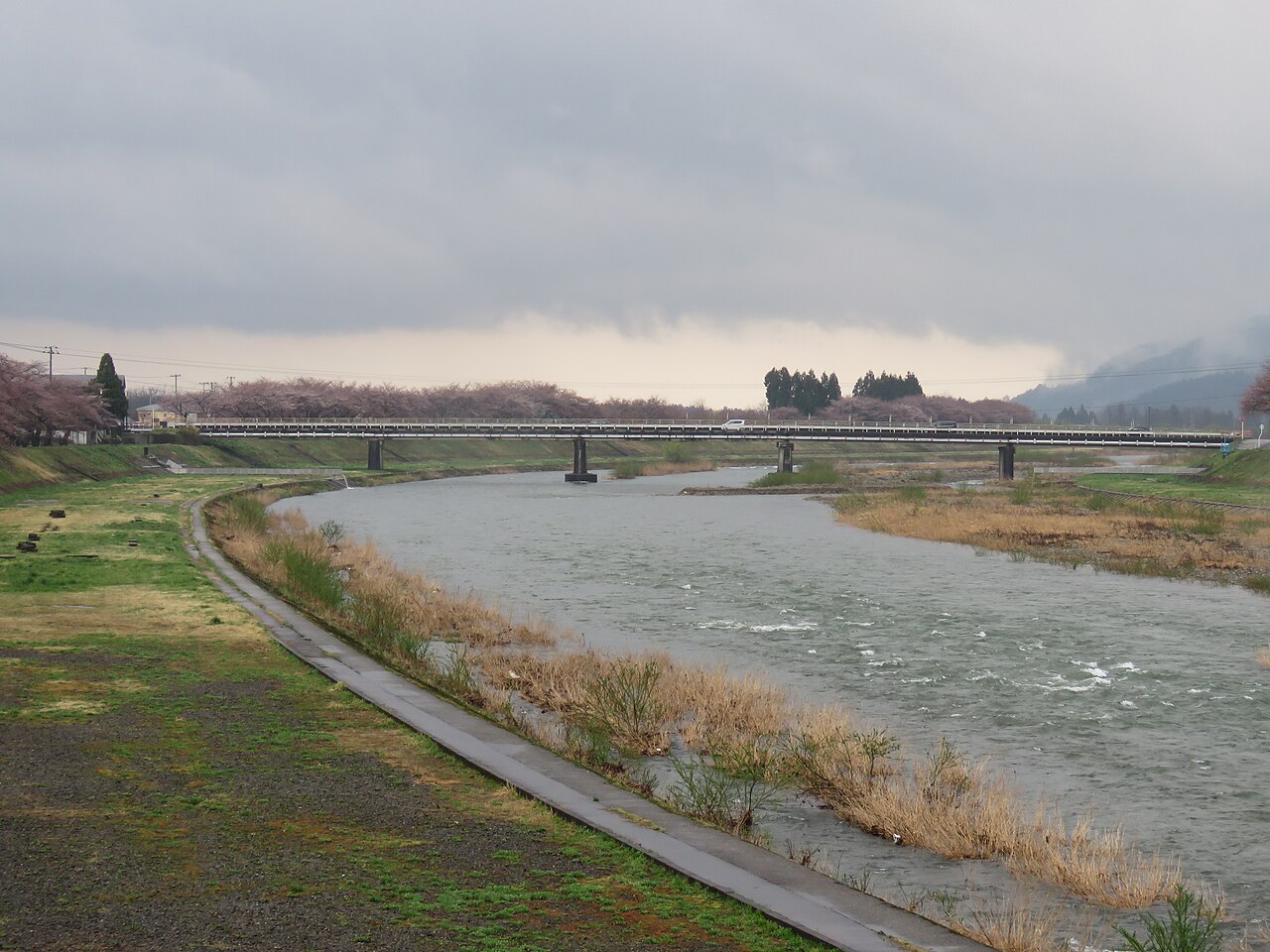
The river bank is a grassy embankment with the cherries on the far side, a quiet close to the walk after the paid houses. The gazetteer also lists Tennei-ji among the town's old sites: a temple of the Sōtō school of Zen, once known as the family temple of the Ashina house. A fitting last stop before turning back.
When the light goes, the station is the same fifteen minutes on foot that it was in the morning. If you would rather join a guided visit than plan every step yourself, see the tours and day trips that include Kakunodate, and use the evening to decide whether one day in this town was enough for you.