Uji is the kind of day trip that asks very little of you. A short hop south from Kyoto, a riverside town built on tea, and a temple hall that has been admired for centuries. Most visitors see the Phoenix Hall, drink one bowl of matcha and head back. Give it a full day instead, cross the river to the shrines on the far bank, and the pace slows to something closer to what the town has always been.
Getting to Uji from Kyoto
The simplest way in is the JR rapid service from Kyoto Station, which takes about thirty minutes to Uji. The town also has Keihan Uji Station on the Keihan Uji Line, and which of the two you arrive at changes your walking times to the main sights.
- From JR Kyoto Station: rapid service, about thirty minutes to Uji.
- Keihan Uji Station to Ujigami Shrine: about ten minutes on foot.
- JR Uji Station to Ujigami Shrine: about twenty minutes on foot.
- Koshoji temple: about fifteen minutes on foot from Keihan Uji Station, or about twenty-five minutes from JR Uji Station.
- Mimurotoji temple: get off at Mimuroto Station on the Keihan Uji Line.
In front of JR Uji Station there is a city tourist information office. It hands out maps and leaflets, introduces volunteer guides, lodging and places to eat, and takes bookings for the summer cormorant fishing. Timetables change, so check official information before visiting.
Byodoin: What You See and What It Costs
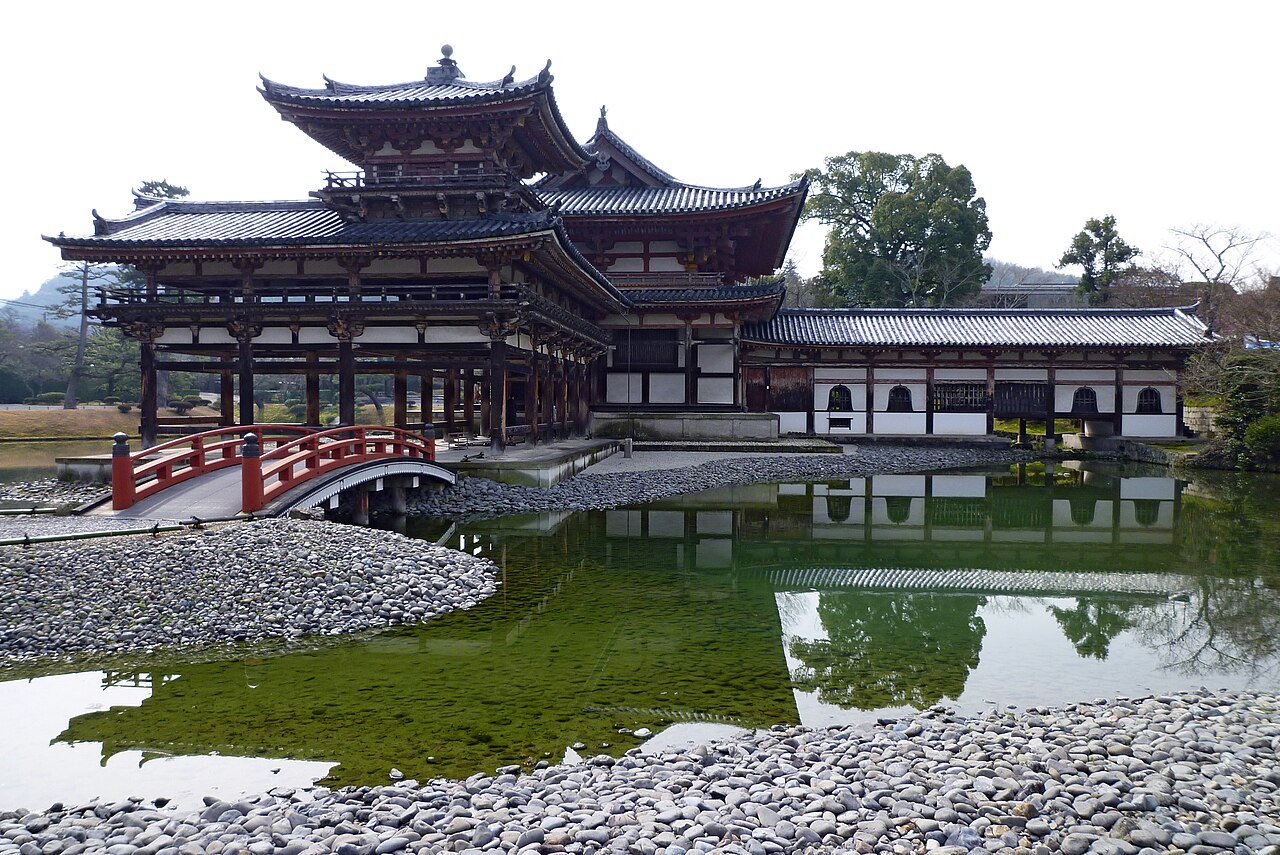
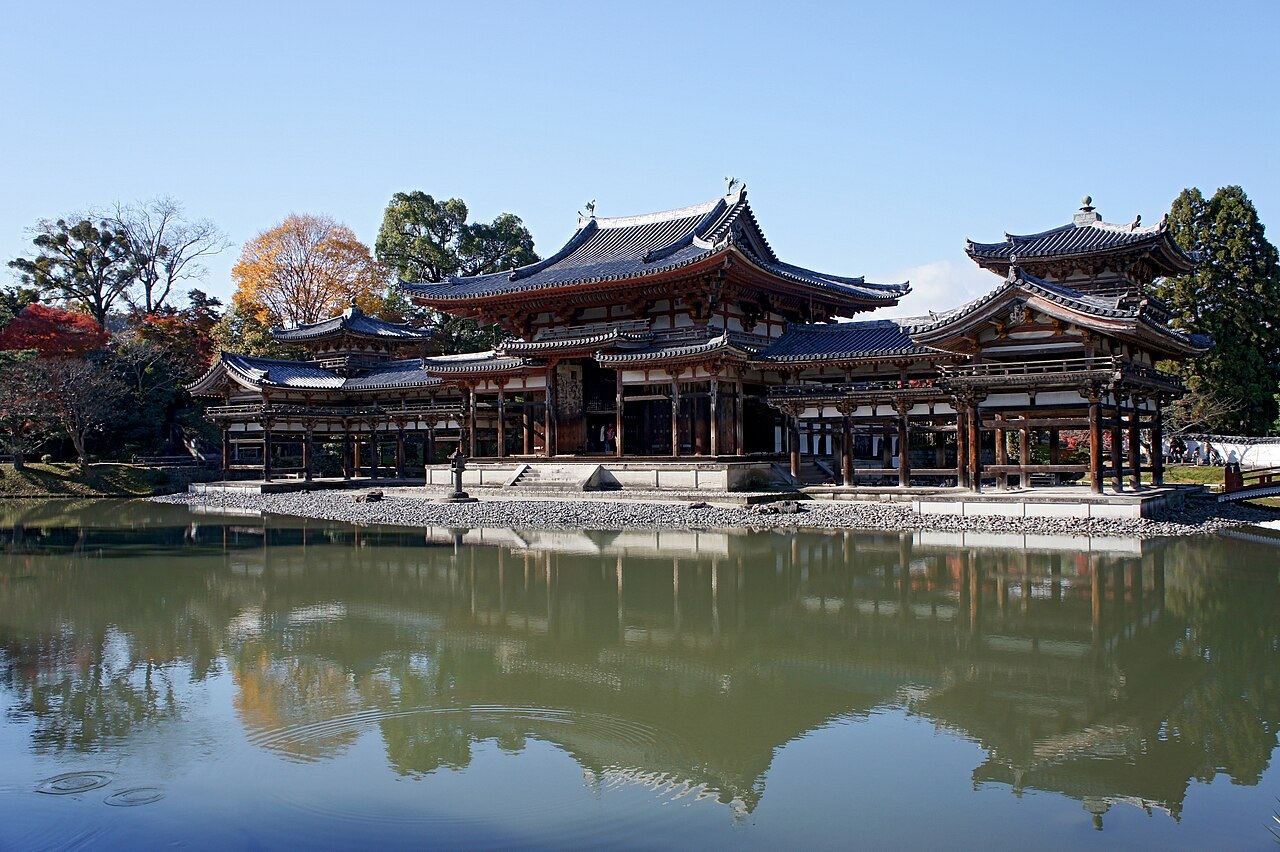
The Phoenix Hall is the reason most people come. Its plan is unusual: a central hall with wing corridors stretching out to left and right and bending forward, and a tail corridor running back behind. Seen across the pond, the whole building reads as a phoenix with wings and tail spread, and a pair of brass phoenixes, one male and one female, stand on the roof. Many visitors pull out a ten-yen coin and compare the picture on it with the real thing.
Inside sits a seated Amida Buddha, and on the walls are fifty-two small bodhisattvas riding purple clouds and playing instruments. Both the main image and the bodhisattvas are attributed to Jocho, the celebrated sculptor of the Heian period. The temple's treasures, including the National Treasure phoenixes, the cloud-borne bodhisattvas and the temple bell, are displayed in the Hoshokan museum on the grounds.
| Item | Detail |
|---|---|
| Garden opening times | Eight forty-five in the morning to five thirty in the afternoon; reception closes at five fifteen |
| Hoshokan museum opening times | Nine in the morning to five in the afternoon; reception closes at four forty-five |
| Garden and museum set | Seven hundred yen |
| Phoenix Hall interior | A further three hundred yen per person, requested as a donation |
| Payment | Cash only for admission; the museum shop and tea room accept major credit cards |
Opening times and fees change, so check official information before visiting.
A Short History of Byodoin and the Uji Bridge
Byodoin began in the year ten fifty-two, when Fujiwara no Yorimichi turned a villa he had inherited from his father Michinaga into a temple. In the grounds, a patch of lawn called Ogi-no-shiba, the Fan Lawn, is pointed out as the spot where Minamoto no Yorimasa is said to have composed his farewell poem and met his end. It is remembered as one of the sadder stages of the town's past.
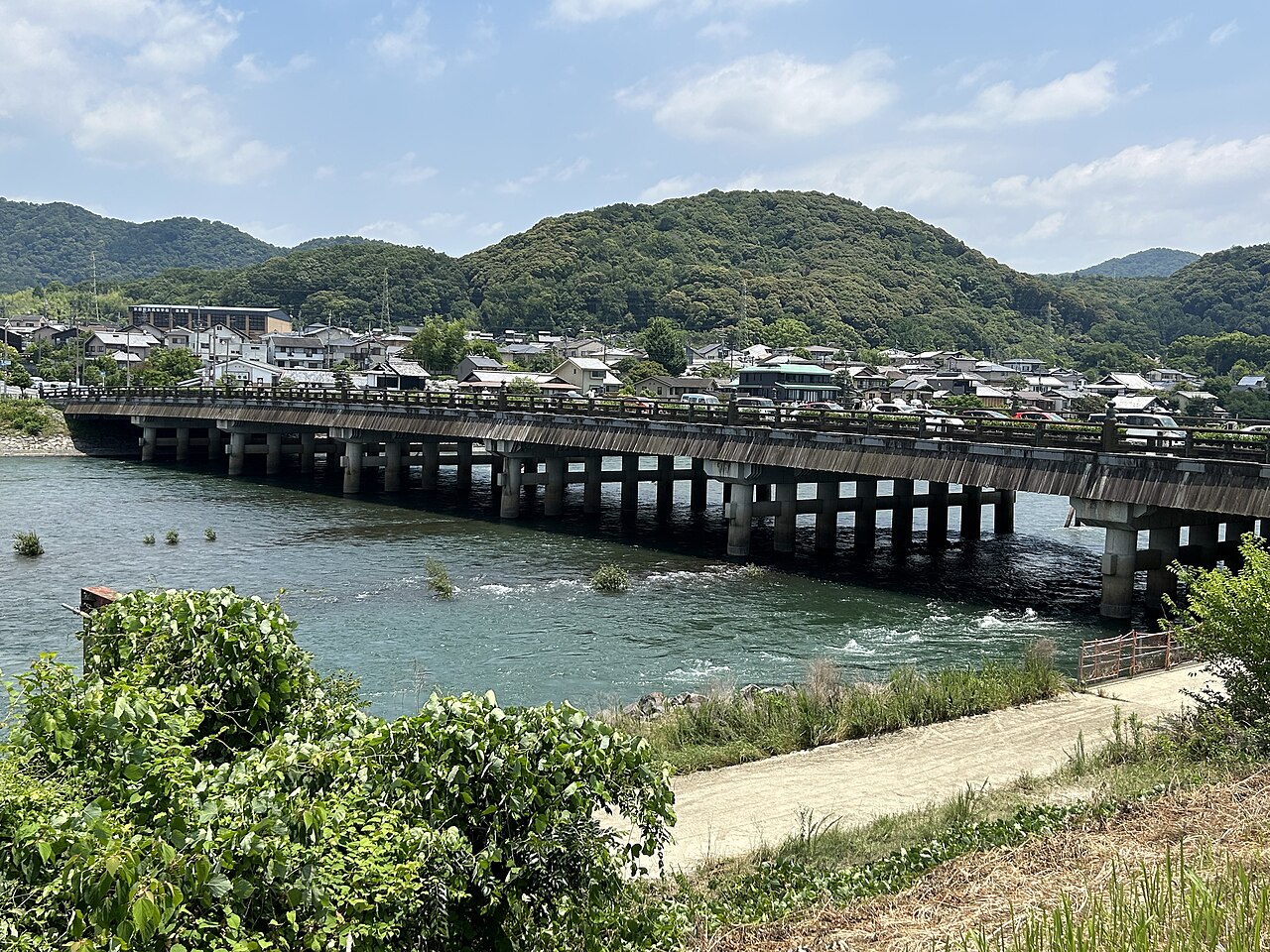
The Uji Bridge is older still. Tradition holds that it was first built in the year six forty-six, in the reign of Emperor Kotoku, by two monks from Gangoji in Yamato, Dosho and Doto, acting under imperial order. The bridge then ran about one hundred and fifty-nine meters from north-east to south-west.
A little downstream, about three hundred meters below the bridge, a spot called Tachibana no Kojima-ga-saki is remembered as the place where two riders in Minamoto no Yoshitsune's force, Kajiwara Kagesue and Sasaki Takatsuna, are said to have raced each other to be first across during the Genpei war.
Where to stay
Places to stay near Uji, Kyoto →
Disclosure: This post may contain affiliate links. If you book through them, we may earn a commission at no extra cost to you.
Across the River to Uji Shrine and Ujigami Shrine
From the Byodoin side, the pleasant way across is by the islands. Cross the Kisen Bridge onto To-no-shima, continue over the Nakajima Bridge to the next island, and then take the Asagiri Bridge to the far bank. Turning right leads toward Koshoji; going more or less straight ahead brings you to Uji Shrine and then Ujigami Shrine. The Asagiri Bridge is easy to recognize by its purple railings, and on the right bank near it stands a monument to the Uji chapters of The Tale of Genji.
Uji Shrine stands on what is said to be the site of the residence of Uji no Wakiiratsuko, a son of Emperor Ojin. Because he is remembered as a gifted scholar from childhood, many people come to pray for success in study and examinations, and the shrine's messenger is a rabbit, the mikaeri usagi or looking-back rabbit.
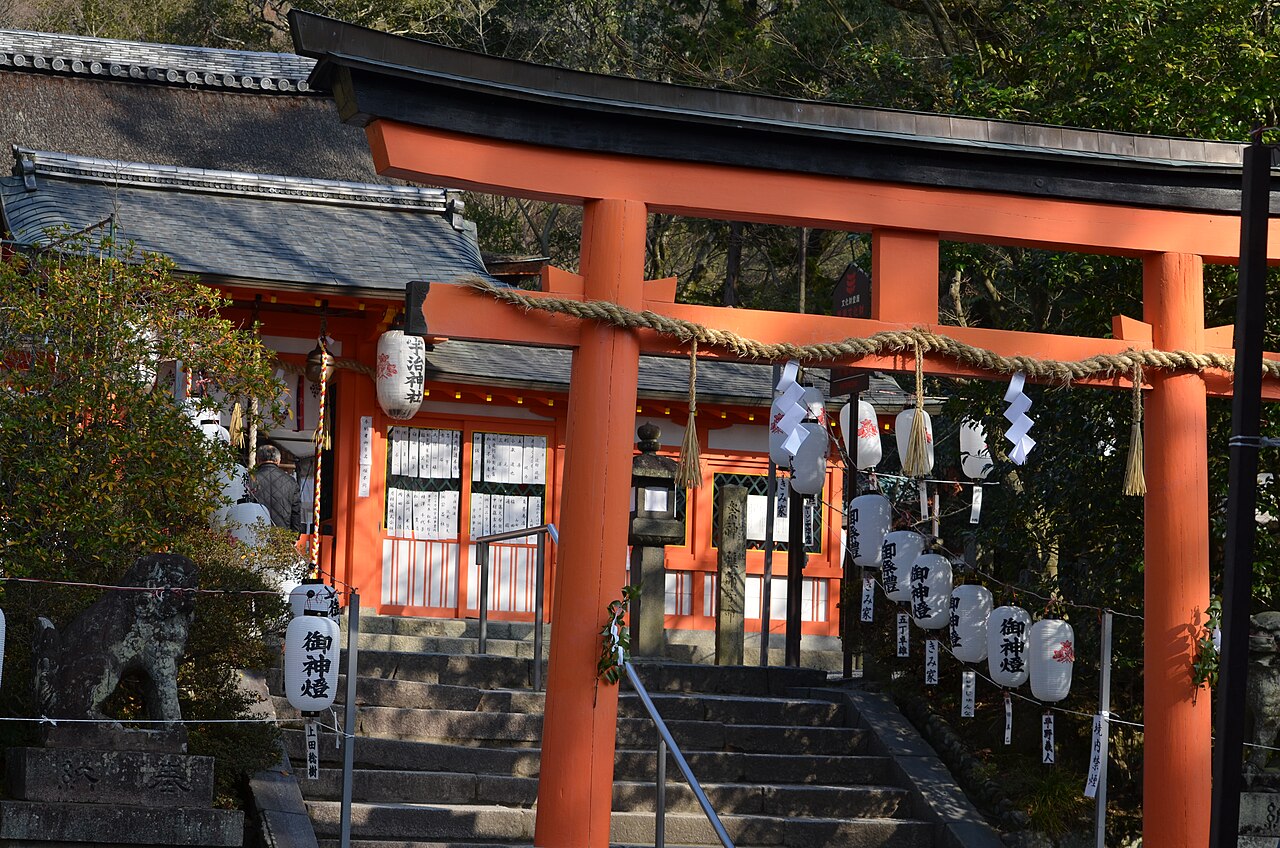
Beyond it, Ujigami Shrine is quieter and older. Its main sanctuary, three small halls standing side by side under one protective roof, dates from the late Heian period and is counted as the oldest surviving shrine architecture in Japan, which is why it is a National Treasure. In the grounds is Kirihara-sui, the only one of the seven famous springs of Uji that still flows.
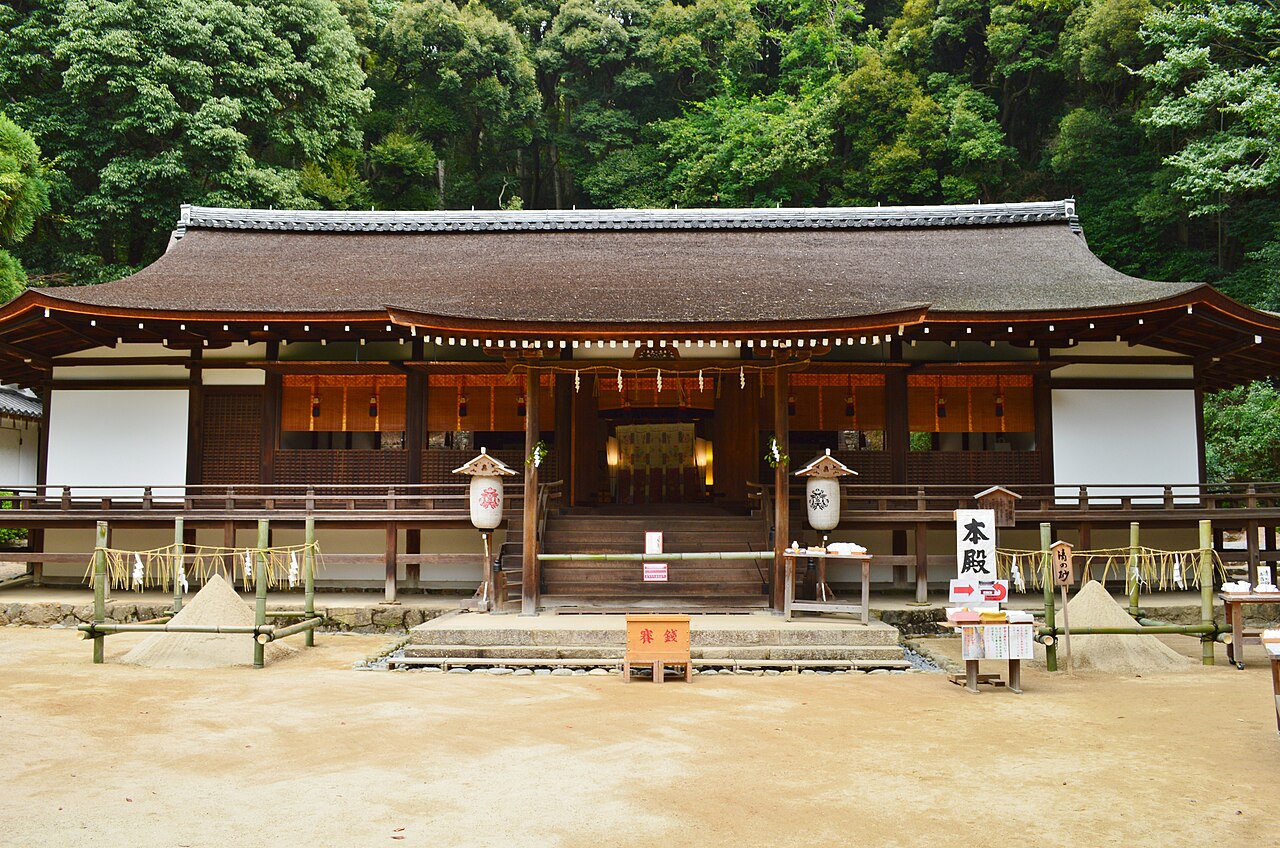
- The gate of Ujigami Shrine closes at four in the afternoon.
- The shrine office for amulets and goshuin stamps is open from nine in the morning, with last reception at three fifty in the afternoon.
- Because the shrine gate closes earlier than the Byodoin garden, afternoon arrivals should cross the river first.
Tea in Uji: Where to Sit and What It Costs
The approach street to the Phoenix Hall is lined on both sides with long-established Uji tea merchants, and between them are places selling tea dumplings, matcha gelato and green-tea soba. Nakamura Tokichi's main shop, founded in eighteen fifty-four, keeps much of its original building, which has been recognized as part of an Important Cultural Landscape, and its café looks over a garden and serves dishes and sweets built around the leaf. Down by the river, Fukujuen's Uji tea workshop combines a shop, a restaurant and hands-on sessions in making tea and tea ware.
Two places give a clear sense of what a proper cup costs here. Inside the Byodoin grounds, the Toka tea room (Tabo Toka) serves Uji matcha with an original Byodoin sweet, and also sencha. On the riverbank stands Taihoan, a formal tea room run by the city of Uji, which is unusual in Japan for being municipal; its name comes from facing the Phoenix Hall.
| Tea | Where | Price |
|---|---|---|
| Uji matcha with a Byodoin sweet | Tabo Toka, inside Byodoin | One thousand yen, tax included |
| Uji sencha | Tabo Toka, inside Byodoin | Eight hundred yen, tax included |
| Usucha (thin matcha) | Taihoan municipal tea room | One thousand five hundred yen |
| Sencha | Taihoan municipal tea room | One thousand five hundred yen |
| Koicha and usucha set | Taihoan municipal tea room | Four thousand yen |
If you would rather have a guide or a booked tea session, browse Uji tours and tea experiences.
With More Time: Koshoji, the Genji Museum and Mimurotoji
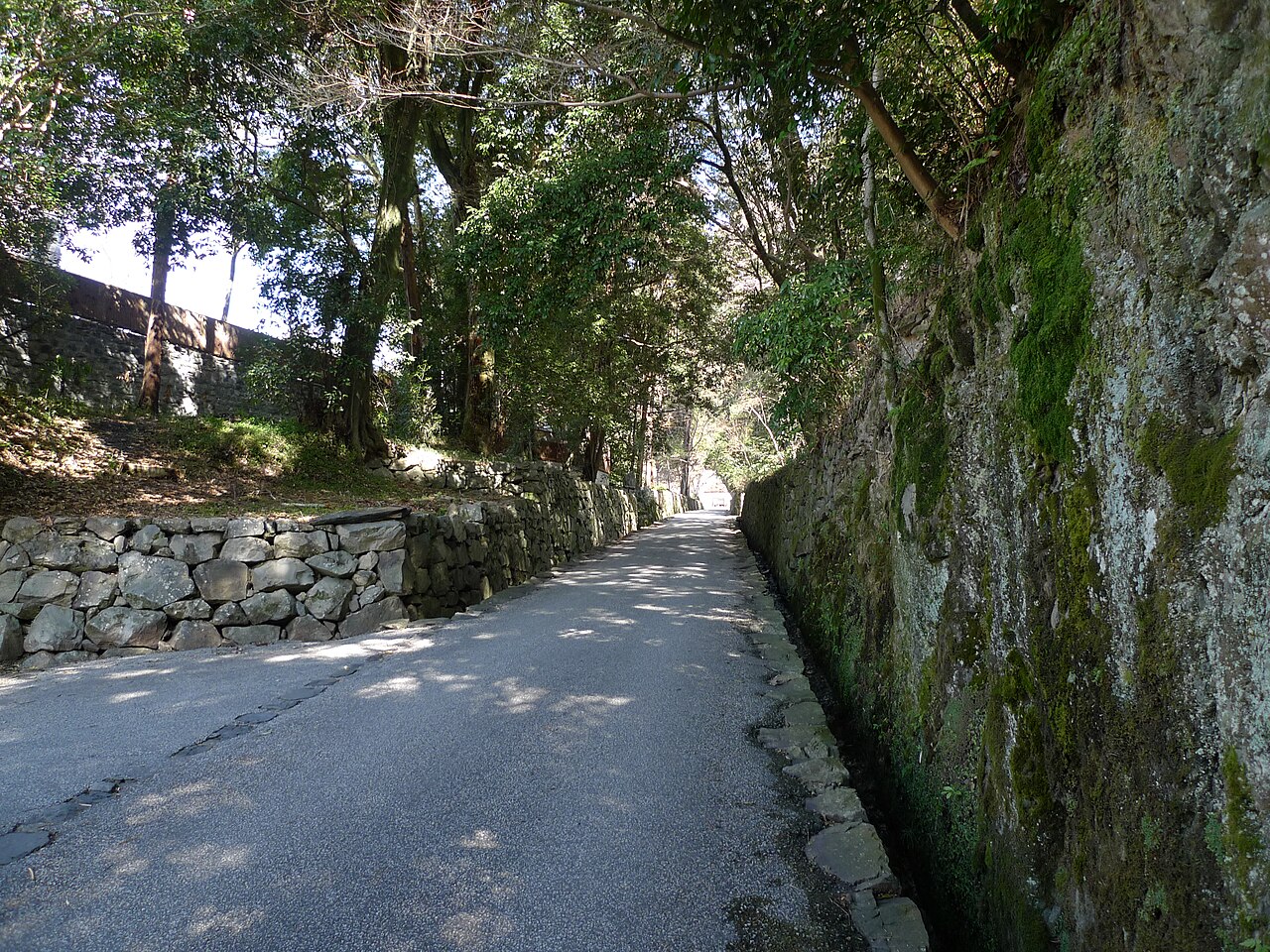
Koshoji, reached by the right-hand turn after the Asagiri Bridge, is the pick if quiet is what you want. It was founded in twelve thirty-three by the Zen master Dogen after his return from Song China, and was the first training hall of the Soto school for educating monks. School groups and tour parties rarely come here, and the atmosphere is calm. It is about fifteen minutes on foot from Keihan Uji Station, or about twenty-five minutes from JR Uji Station.
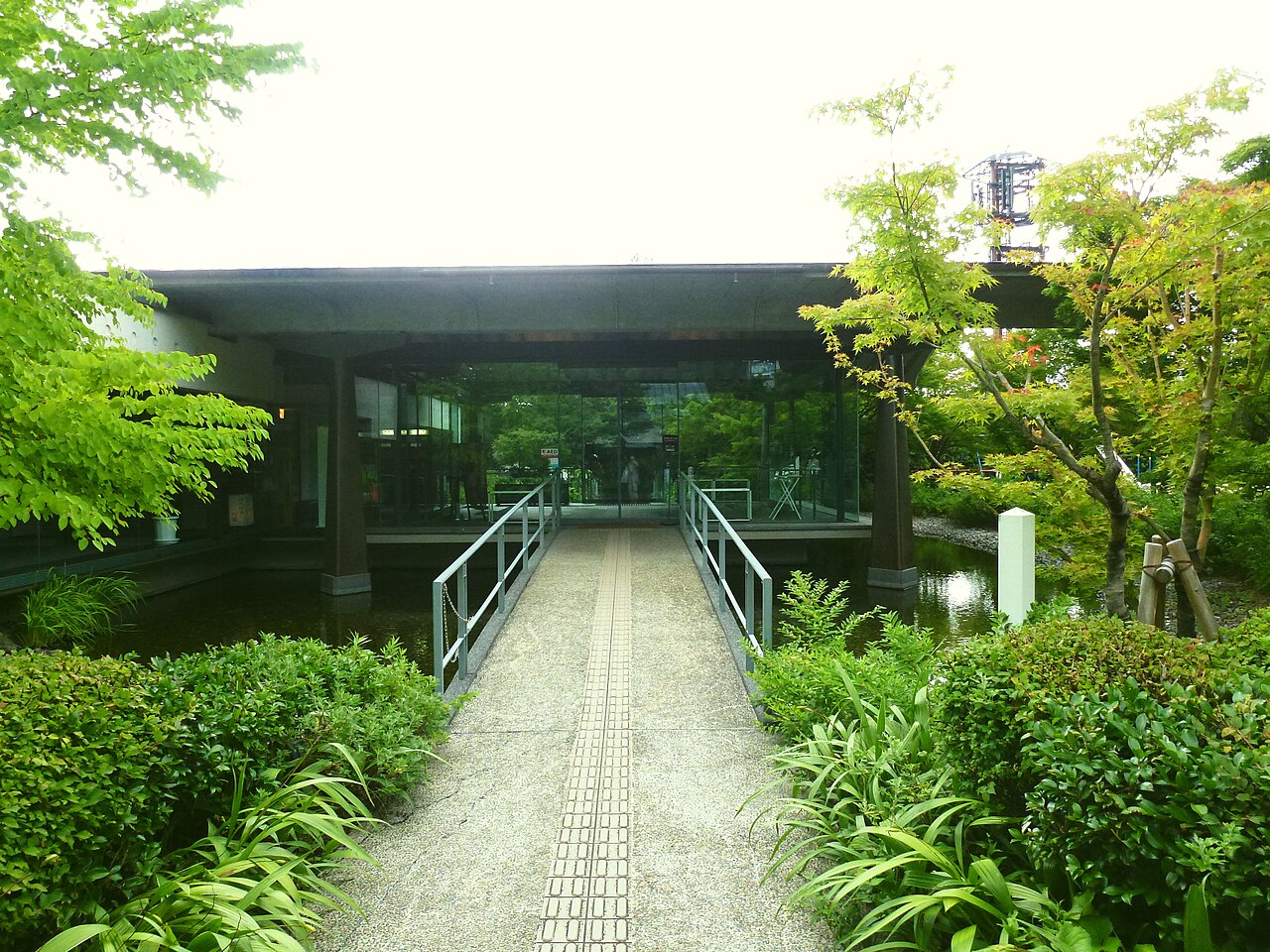
The Tale of Genji Museum is a low glass building reached by a walkway over water. Inside are a reconstructed model of Rokujoin, the mansion of the Shining Prince, together with films and hands-on displays built around the ten Uji chapters of the novel.
Mimurotoji is a different kind of place. Get off at Mimuroto Station on the Keihan Uji Line. The temple has a garden of about five thousand tsubo, and azaleas, hydrangeas, lotus and autumn leaves follow one another through the year, which has earned it the nickname of the flower temple. It draws pilgrims and visitors all year round and is rarely empty, so go for the flowers rather than for silence.
Summer Evenings on the River
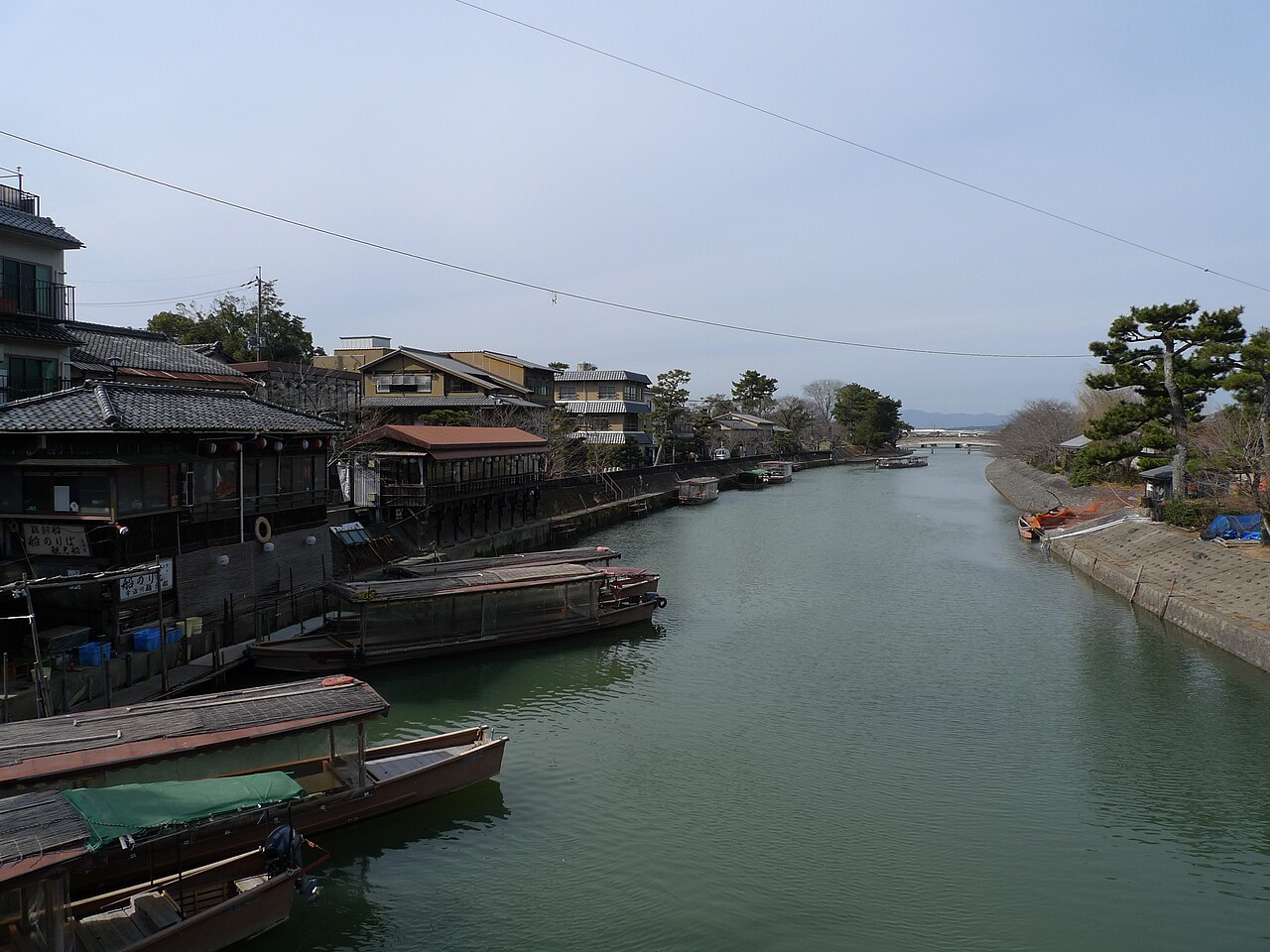
Cormorant fishing on the Uji River runs from July to September each year, and records show it was already practiced here in the Heian period. Today three masters work the river, two of them women, which is rare in Japan. Dressed in the traditional folded black cap and straw skirt, each handles six birds. Summer bookings are taken by the city tourist information office mentioned above.
An evening on the river is the best reason to stay the night rather than rush back to Kyoto. Find a place to stay in Uji if that appeals, and let the morning begin with the Phoenix Hall before the day-trippers arrive.