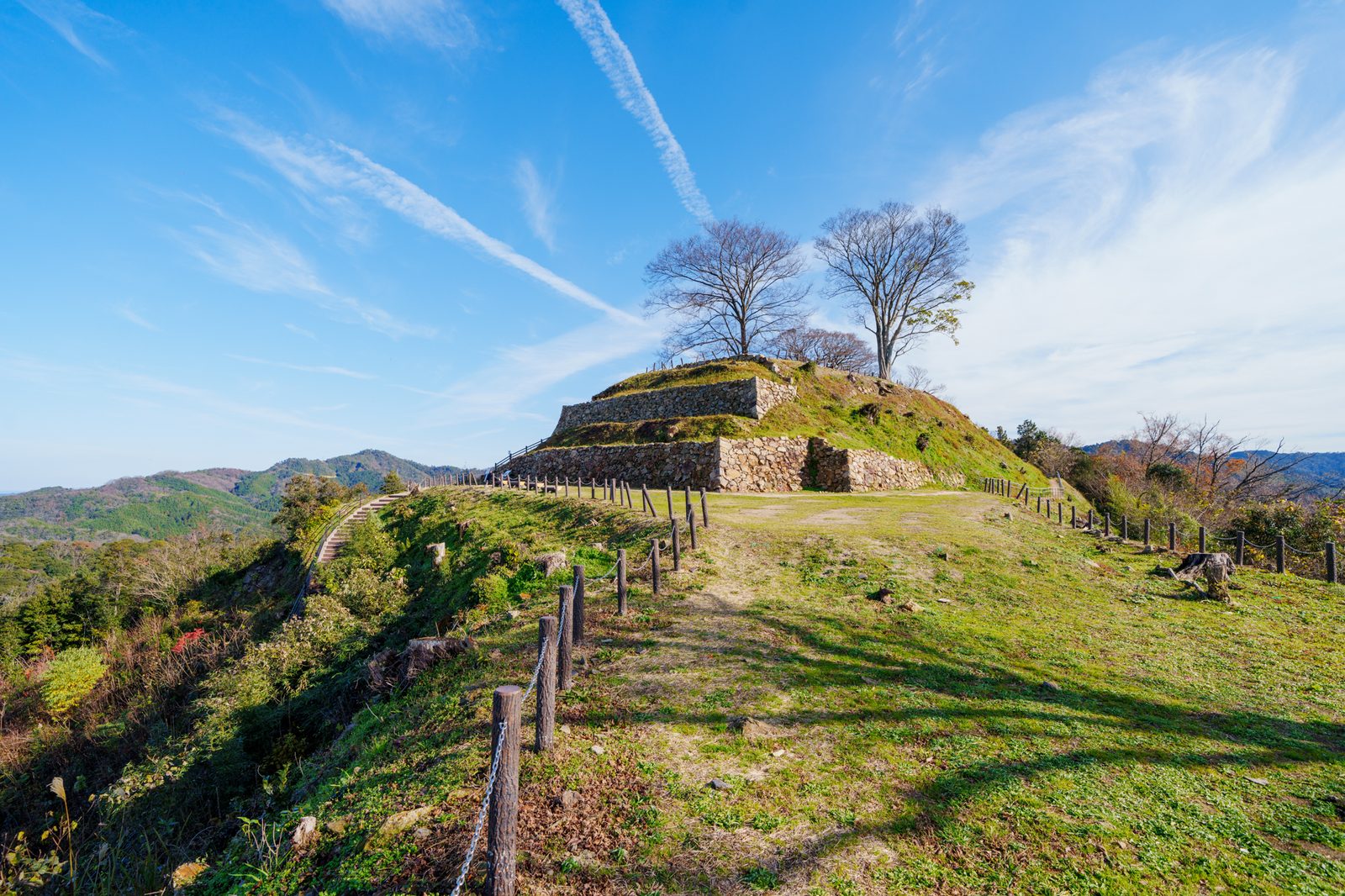
The basic policy of the Adachi Museum of Art is the harmony of the Japanese garden and Japanese paintings, and the overall view of its garden changes from moment to moment. Gassan Toda Castle Ruins mark a large mountain castle centred on Mt Gassan, about one hundred and ninety metres high, extending in a horseshoe shape toward the Iinashi River. Kiyomizu-dera is a Tendai temple whose principal image is the Eleven-Faced Kannon.
The Adachi Museum of Art Garden: Moss, Pines, a Pond and a Waterfall
The museum founder wished visitors to touch the beauty of the four seasons through the Japanese garden, and then to encounter the works of a painter.
In the stone arrangement of the dry-landscape garden, three standing stones in the centre represent sharply rising mountains, and waterfall water flowing down from them runs into the white sand that spreads in front. In the moss garden, moss centred on cedar moss draws gentle curves, and all the red pines there are planted at a slant.
At the back of the white sand and pine garden a waterfall mouth is built, and its water winds as if through a valley before pouring into the large pond in front.
Across the pond, black pines are planted on the right and red pines on the left. In the pond garden a tea room stands in front, and together with trees large and small and the stone arrangement it presents a dignified appearance.
A fifteen-metre waterfall flows from the rock face of the artificial Kikaku Waterfall, which was opened on a borrowed-scenery mountain. In the snow-covered pond garden the spring water is abundant and its temperature is stable, so the carp do not hibernate even in winter and swim freely.
Window frames inside the building are used as picture frames, and the picture they hold changes with the passing of the seasons and the light and shade. A hole cut in a wall lets the garden be seen through it.
In the tea house, a wall is cut out so visitors can see the white sand and green pine garden outside, described as a pair of living hanging scrolls.
Inside the Adachi Museum of Art: Paintings, the Rosanjin Hall and the Tea House
The main building shows about seventy works at all times, and the museum holds special exhibitions so the works can be seen together with the seasonal changes of the garden. The collection includes works by masters who built the modern Japanese painting world.
The collection was chosen without bias toward any particular school or tendency, and is described as a very wide-ranging collection. Visitors are asked to view the exhibits quietly inside the museum.
The Rosanjin Hall was designed for viewing Rosanjin's art and always displays about one hundred and twenty works. Its exhibition room reflects lighting off the ceiling surface so that soft light spreads through the whole space.
The annex holds about three hundred and fifty works by leading contemporary Japanese-style painters, centred on works that won the Adachi Museum of Art Prize.
The tea house serves matcha made with water boiled in a pure-gold tea kettle, and the tea sweet served with it is a local confection. All the tea bowls at the tea house are from kilns within Shimane Prefecture.
One cafe serves drinks and desserts, such as aromatic coffee and tea, with a view over the dry-landscape garden. A second cafe offers light meals such as beef curry made with Shimane wagyu, in addition to cakes and sweet dishes.
Gassan Toda Castle Ruins: Terraces and Layered Defences
Gassan Toda Castle has its main enclosure on the summit of Mt Gassan, with many large and small terraces arranged along the ridge, and is a multi-enclosure mountain castle.
Even if the lower tier of the inner castle was taken, the middle tier defended it, and if that was lost the defenders climbed the main mountain to defend, where a moat was dug at the summit.
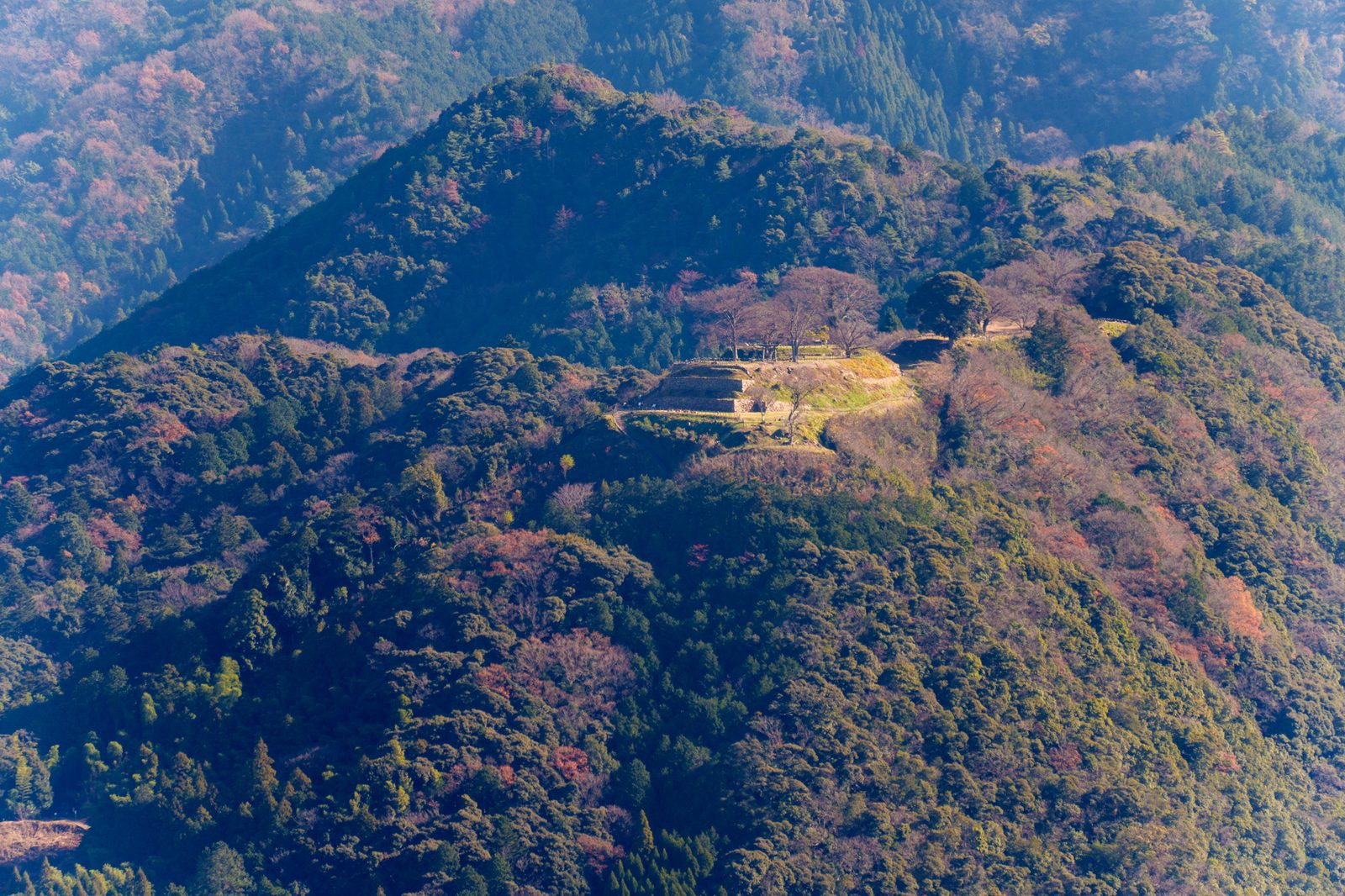
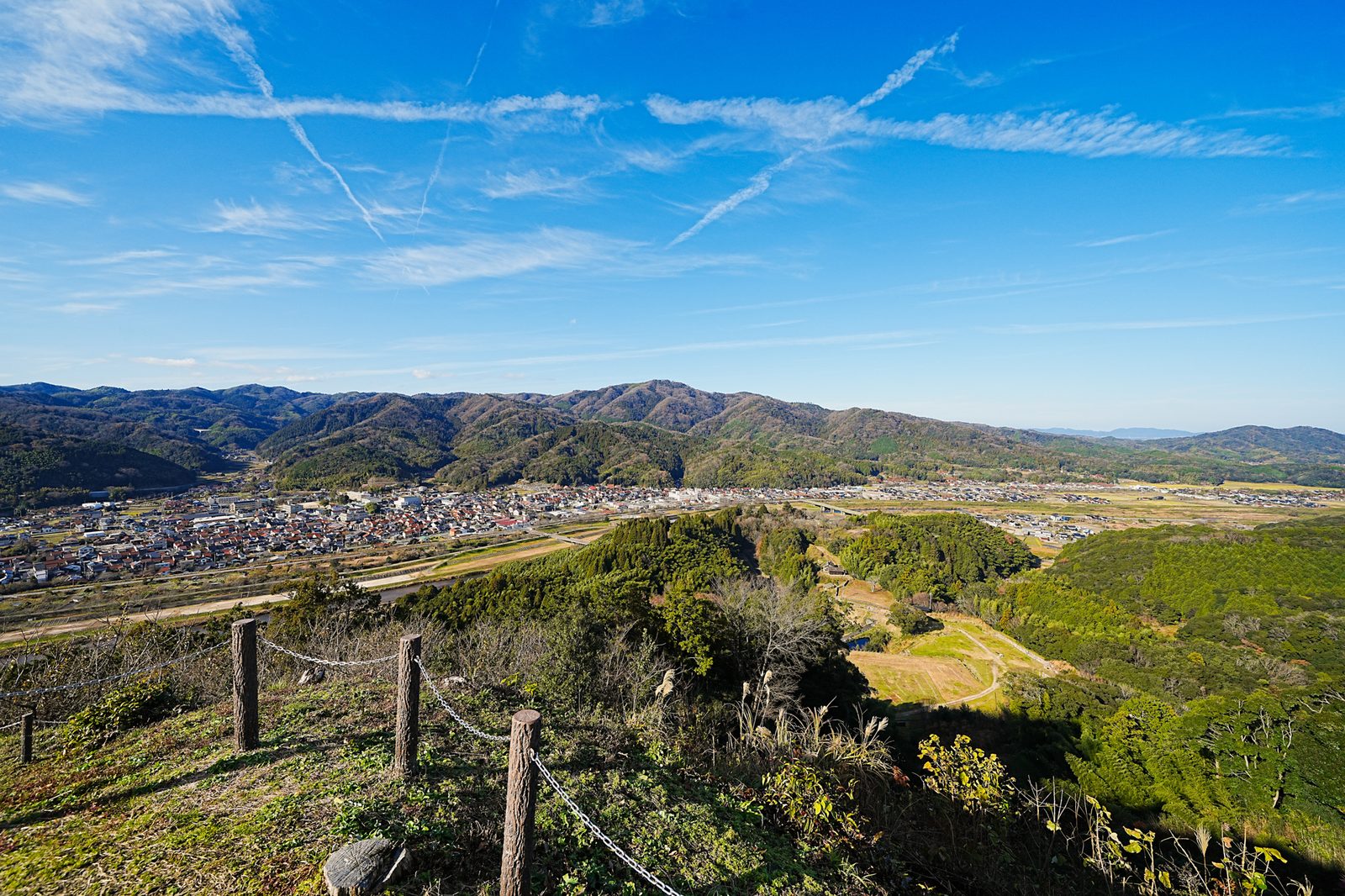
In one part of the ruins, a large stone wall with an overhang was built on the slope. A bronze statue of Yamanaka Shikanosuke Yukimori, who worked for the restoration of the Amago family, stands in another part.
Kiyomizu-dera: an Approach Through Pines and Cedars, a Pagoda and Vegetarian Meals
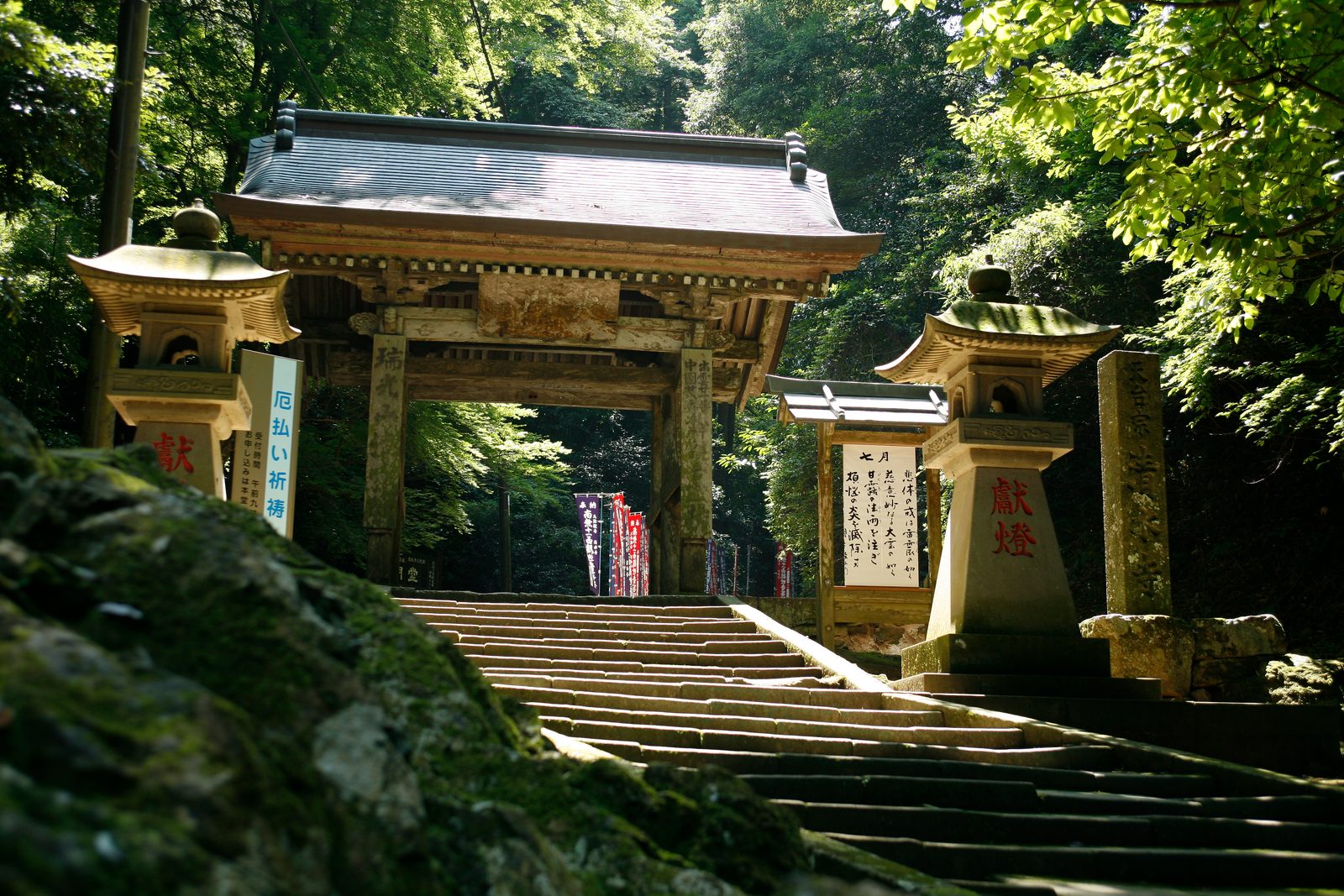
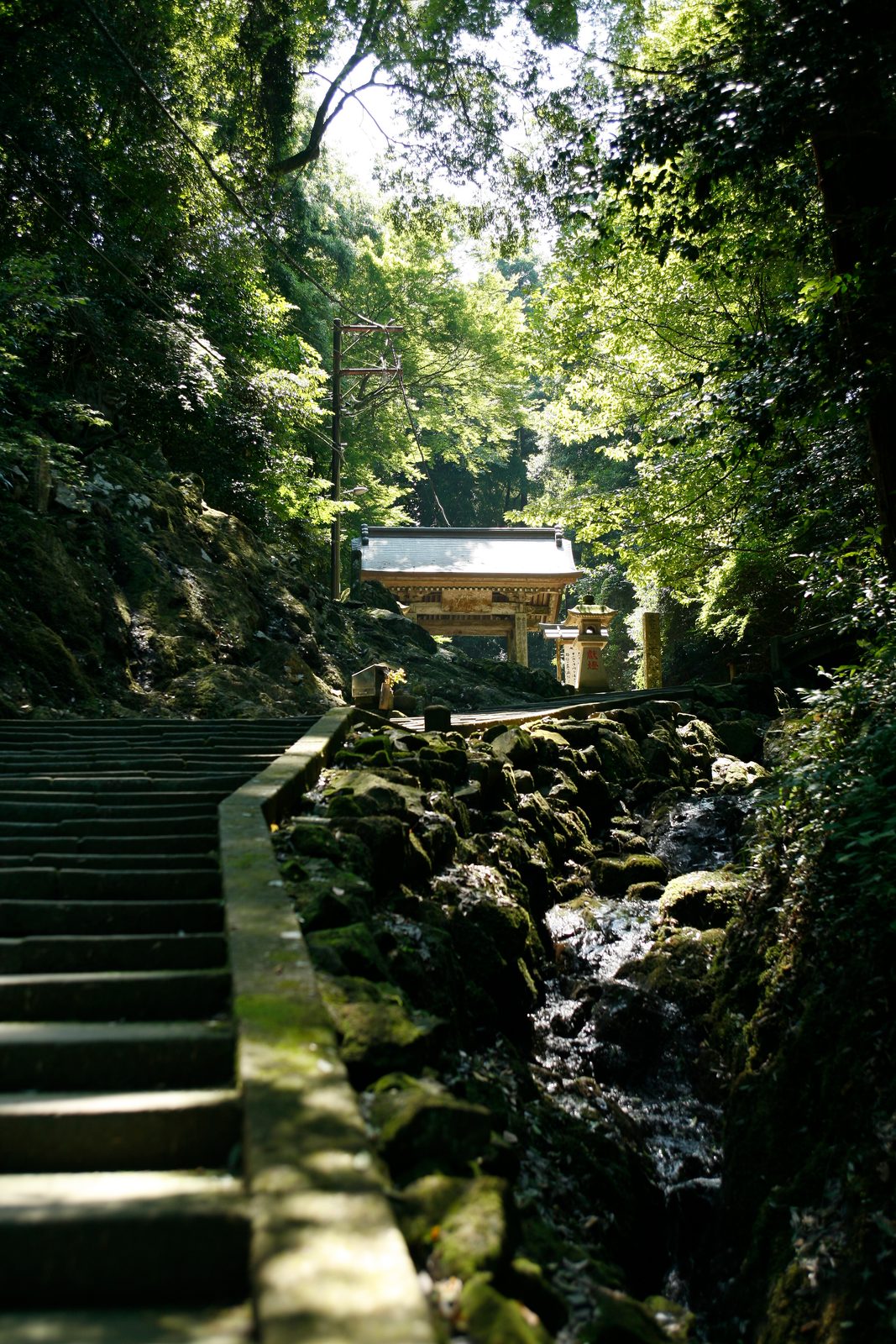
The stone-paved approach runs through the temple gate among pine and cedar trees. Kiyomizu-dera was opened by the priest Sontaka Shonin of Yamashiro Province.
The three-storey pagoda has fine decoration under its eaves and can be climbed. The temple is said to have had forty-eight temple halls at its peak, and the majority were burned in the Sengoku period, so the buildings that stand are the result of Edo-period reconstruction.
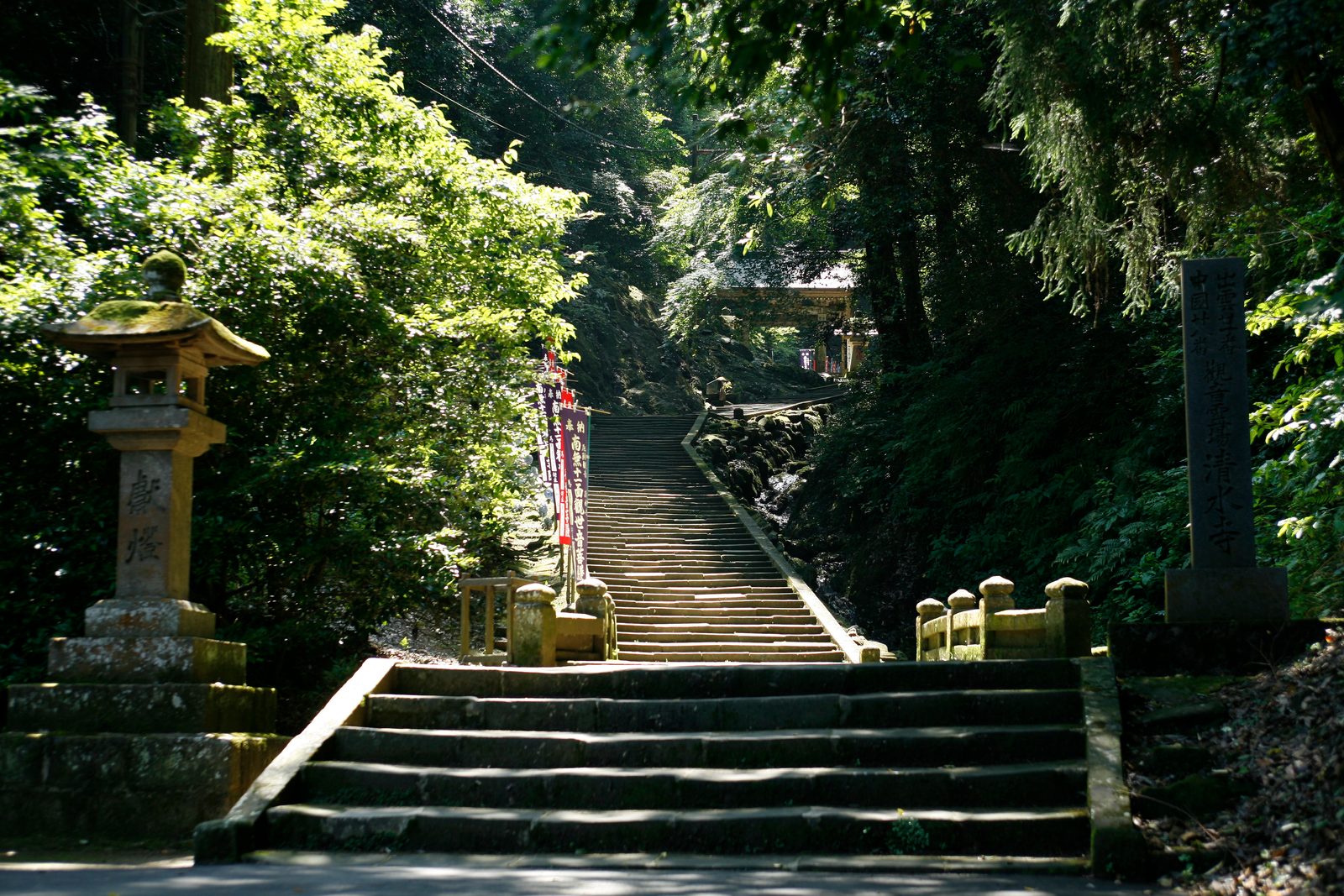
Visitors can do zazen and sutra copying at Kiyomizu-dera, a temple surrounded by nature. The precinct has a yokan shop and an inn, and Buddhist vegetarian meals can be had while looking at the three-storey pagoda. The meal is prepared without meat or fish.
Around Yasugi: Washi Paper, a Forge and a Cafe Terrace
Shikiroku is a Hirose washi workshop, a studio-cum-shop run by the sixth generation continuing Hirose washi from the Edo period. The workshop sells andon lamps and coasters that can be used in daily life, and visitors can do Hirose washi pasting and washi dyeing there.
A forge has roots in the people who oversee tatara ironmaking and has passed on its history and techniques for ten generations. The forge makes lighting fixtures, candle stands and frying pans one by one by the hands of craftsmen.
A cafe serves dishes made mainly with ingredients grown in Yasugi. From the terrace of the cafe, visitors can see the fields and Mount Daisen.
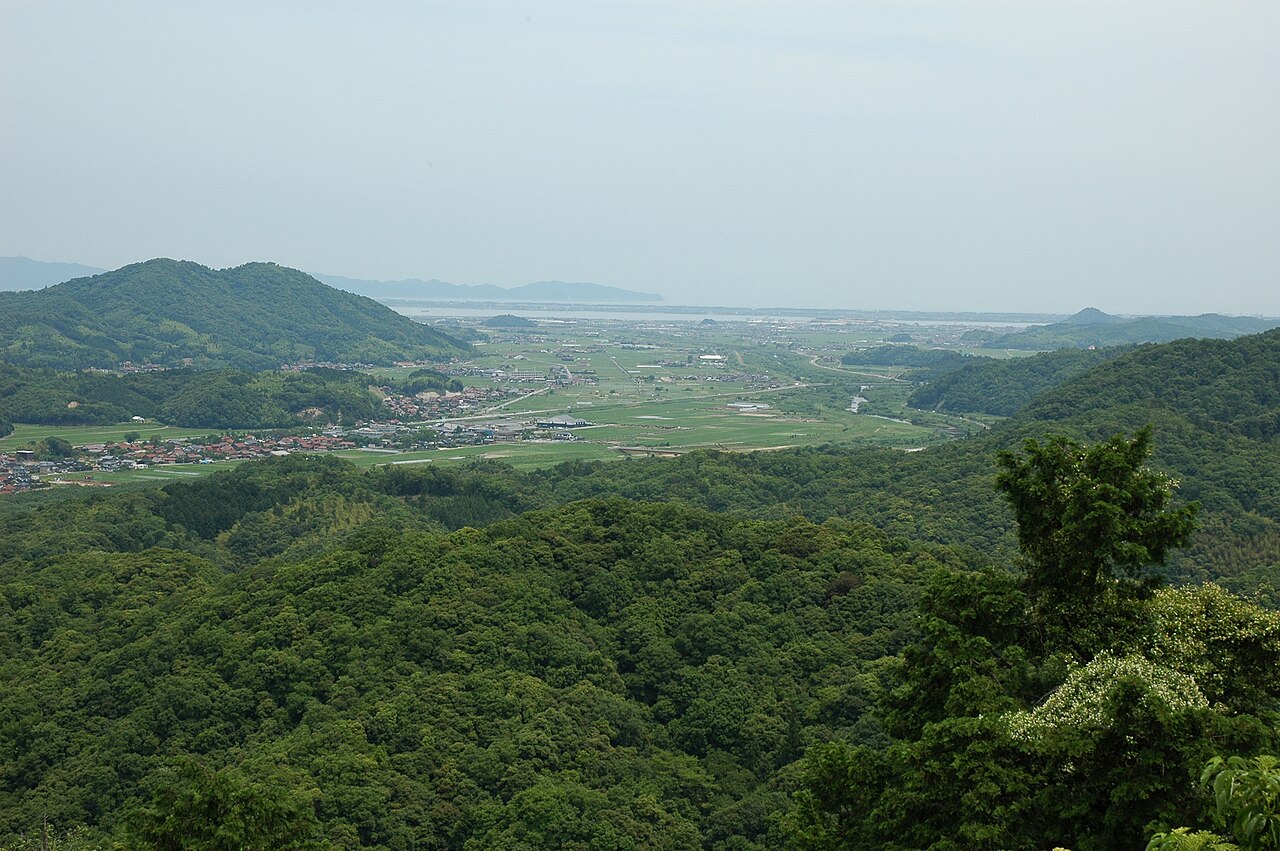
A large suspension bridge is built from the national road. On a day without wind or waves, the water surface at the Iinashi River mouth becomes like a mirror and a photo can be taken.
Getting to Yasugi
New to rural buses and one-man trains? See how to ride them, step by step.
| Route | Detail |
|---|---|
| JR Yasugi Station to the Adachi Museum of Art | Free shuttle bus, direct, about twenty minutes |
| Route bus | Two hundred yen for all sections; half fare for elementary school students |
| JR Yasugi Station to Kiyomizu-dera | About fifteen minutes by car |
| Yasugi IC to Gassan Toda Castle Ruins | About fifteen minutes by car |
If you would like more time around Yasugi, browse places to stay in Yasugi.
Hours and Fees
| What | Detail |
|---|---|
| Adachi Museum of Art, adult admission | Two thousand five hundred yen |
| Adachi Museum of Art, hours | April to September, nine in the morning to half past five in the afternoon; October to March, nine in the morning to five in the afternoon; no closing days all year |
| Tea house, viewing fee and matcha fee | One thousand five hundred yen, tax included |
| Kiyomizu-dera three-storey pagoda and treasure hall, visiting hours | Nine in the morning to four in the afternoon; visits suspended from twelve noon to one in the afternoon |
| Three-storey pagoda admission | Adults five hundred yen, junior and senior high school students three hundred yen, elementary school students one hundred yen; listed as reservation required |
| Guided Gassan Toda Castle climbing course | Guide fee of three thousand yen, per guide |
Fees and hours were checked against official sources between 14 October 2026 and 19 November 2026.
Thinking of staying overnight?
Compare places to stay near Yasugi, Shimane, Japan →
Disclosure: This post may contain affiliate links. If you book through them, we may earn a commission at no extra cost to you.