Tatsuno makes sense as a day out from Himeji first because it is close: from JR Himeji Station, the Kishin Line reaches Hon-Tatsuno Station in about twenty-five minutes. This guide covers the way in from the platform, the castle and its hillside streets, the soy sauce buildings and the poet's house, then admission prices, days off, lunch and where to stay.
Getting to Tatsuno from Hon-Tatsuno Station
Tatsuno sits on the JR Kishin Line, the branch that leaves Himeji Station, and Hon-Tatsuno Station is the stop for the castle town. From the platform, the old town lies about fifteen minutes away on foot, which is why the day below is planned around walking.
- From JR Himeji Station, the Kishin Line takes about 25 minutes to Hon-Tatsuno Station.
- From Osaka, the trip to Tatsuno takes about 2 hours by train.
- From Okayama, the trip to Tatsuno takes about 1 hour 30 minutes by train.
- From Tokyo, the trip to Tatsuno takes about 3 hours 30 minutes by Shinkansen.
- From Hon-Tatsuno Station on the JR Kishin Line, it is about a 15-minute walk to Tatsuno.
- The Tatsuno walking course leaves Hon-Tatsuno Station at 9:00 and returns at 12:00.
- Nationwide transport IC cards such as ICOCA, PiTaPa and Suica can be used on Shinki Bus fixed-route buses.
- Passengers paying by cash or ticket take one numbered ticket from the machine at the boarding door.
- No change is given at the fare box, so change money before boarding.
On Shinki Bus you board at the rear door, leave at the front and pay as you step off. The city's community bus takes cash and IC cards such as ICOCA as well. If you came through Himeji, its castle has its own guide at Himeji's castle.
Tatsuno Castle and the Hillside Castle Town
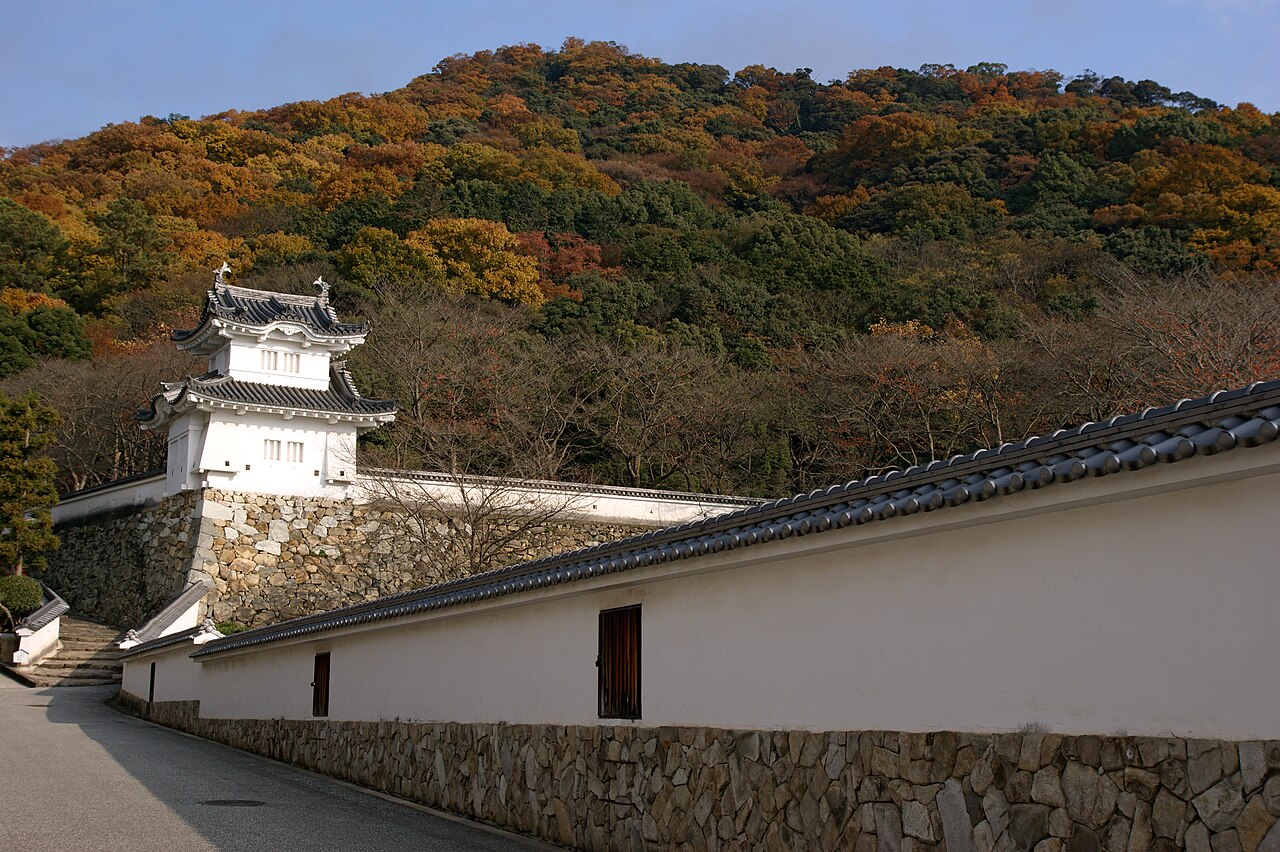
According to one travel book, Wakisaka Yasumasa built Tatsuno Castle in sixteen seventy-two under a wooded hill, with stone walls on three sides; the timber and earthen-wall buildings date from nineteen seventy-nine. It is said to descend from an Akamatsu hilltop fort, handed to Hideyoshi and moved here in the Edo period, and is known for its white walls.
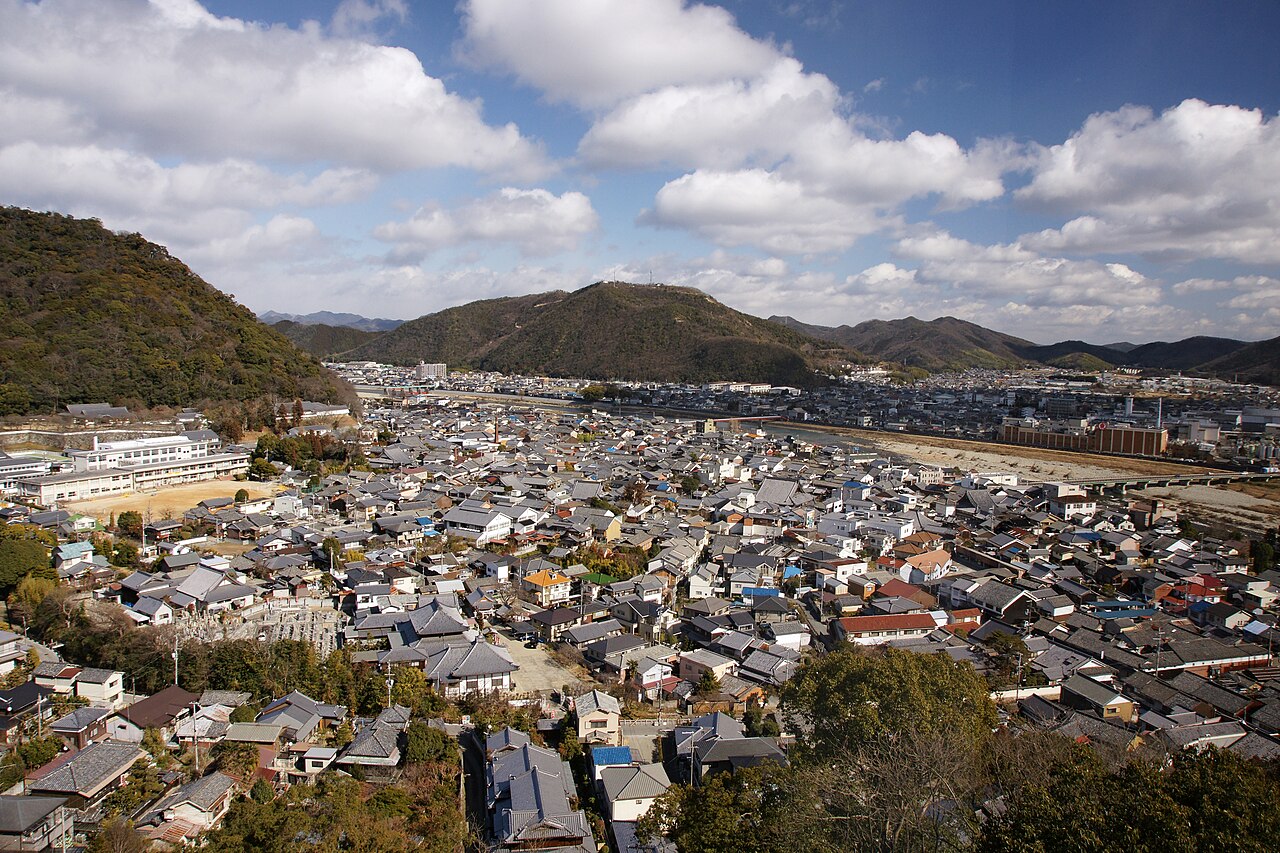
The streets below are described as a nationally designated preservation district of white-walled storehouses, samurai residences and merchant townhouses from Edo into early Showa, hence the name Little Kyoto of Harima. The former Wakisaka residence, home of the domain's twelfth lord, Wakisaka Yasuyoshi, is said to be kept today as a public park.
- Tatsuno Castle is closed on Mondays (the following day if Monday is a public holiday) and from December 29 to January 3.
Shuentei Garden and the Akatombo Poet
Shuentei is described as three buildings: Ukido, a tea house modelled on a study hall; a lord's summer pavilion with an escape passage beneath it; and Rakuan, a tea house with a wide hall. The garden is said to hold a pond shaped like the character for heart and a view out to islands in the inland sea.
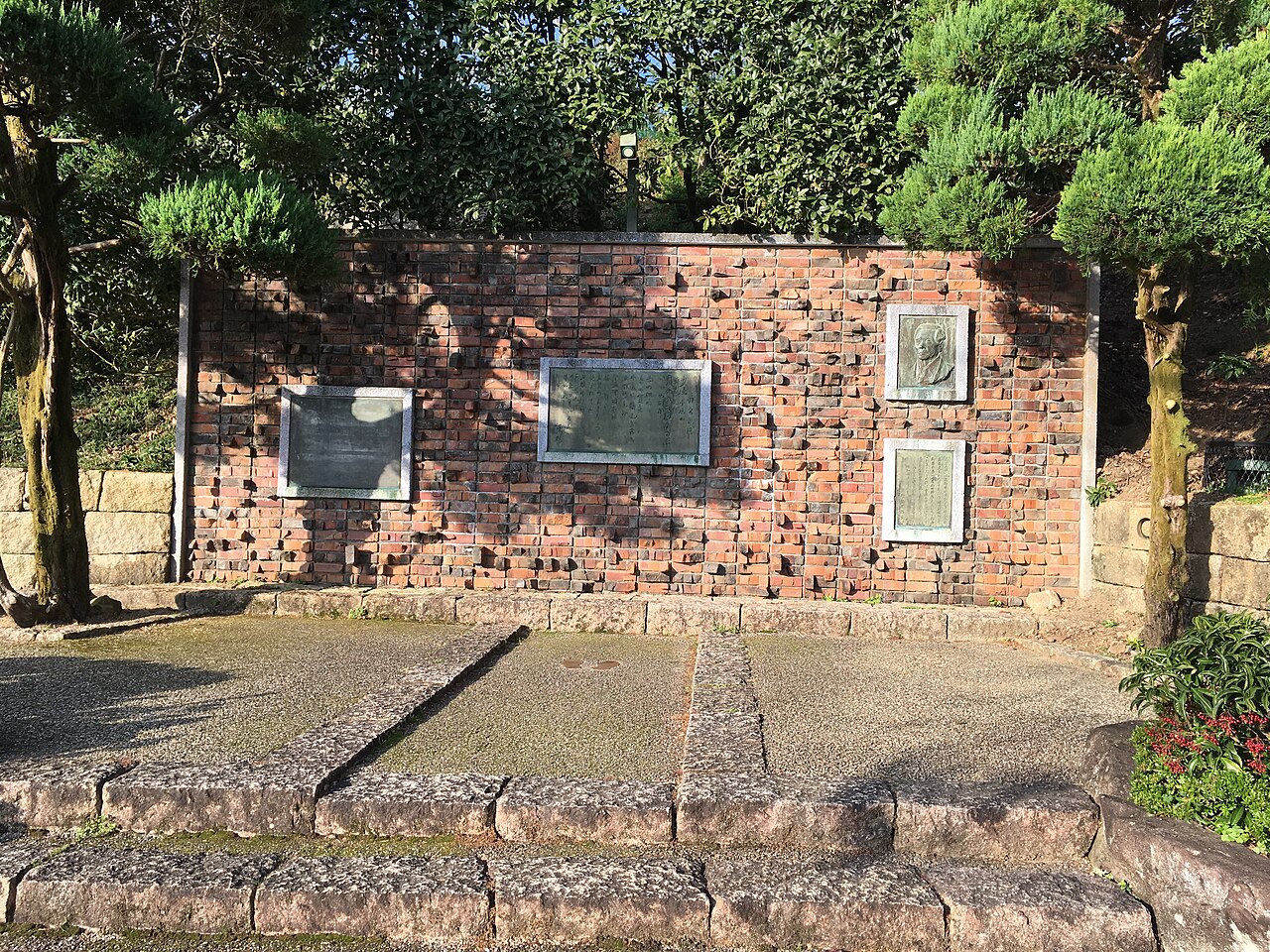
According to one travel book, Miki Rofu, who wrote the words of Akatombo, was born in eighteen eighty-nine in a single-storey timber house by the castle gate and lived there until he was six. The house is described as having a broad hipped-and-gabled roof and plastered outer walls.
A stone carved with his verse is described as standing inside the Shuentei grounds. Guidebooks describe another stone on Doyo no Komichi in Tatsuno Park, engraved with Akatombo, that plays the melody when someone stands before it. For another castle town in Hyogo, see Izushi's castle town.
- Shuentei is open 9:00 to 16:30.
- Shuentei is closed every Monday (the next day if Monday is a public holiday) and from December 29 to January 3.
- The tea ceremony at Rakuan runs 10:00 to 16:00, with one cup of matcha and a Japanese sweet for 500 yen.
Soy Sauce Heritage: The Usukuchi Museum and Taisho Roman Hall
Soy sauce brewing in Tatsuno is said to date from the sixteenth century, with the town described as the birthplace of light usukuchi and its largest producer. The soy sauce museum is described as Japan's first devoted to the subject, dating from nineteen seventy-nine, with about two thousand four hundred Edo-to-Showa tools and a rebuilt koji room.
The museum building is described as the former Higashimaru headquarters of nineteen thirty-two, registered as a cultural property in two thousand eight. The Taisho Roman Hall's office block is said to pair brick tile with artificial stone facing. Kura Terrace Tatsuno is described as a guild soy sauce warehouse of nineteen fifteen turned shop and cafe.
- A visit to the Usukuchi Tatsuno Soy Sauce Museum takes about 30 minutes.
Where to stay
Places to stay near Tatsuno, Hyogo →
Disclosure: This post may contain affiliate links. If you book through them, we may earn a commission at no extra cost to you.
Kajokan, the History Museum and the Showa Retro Scenery Hall
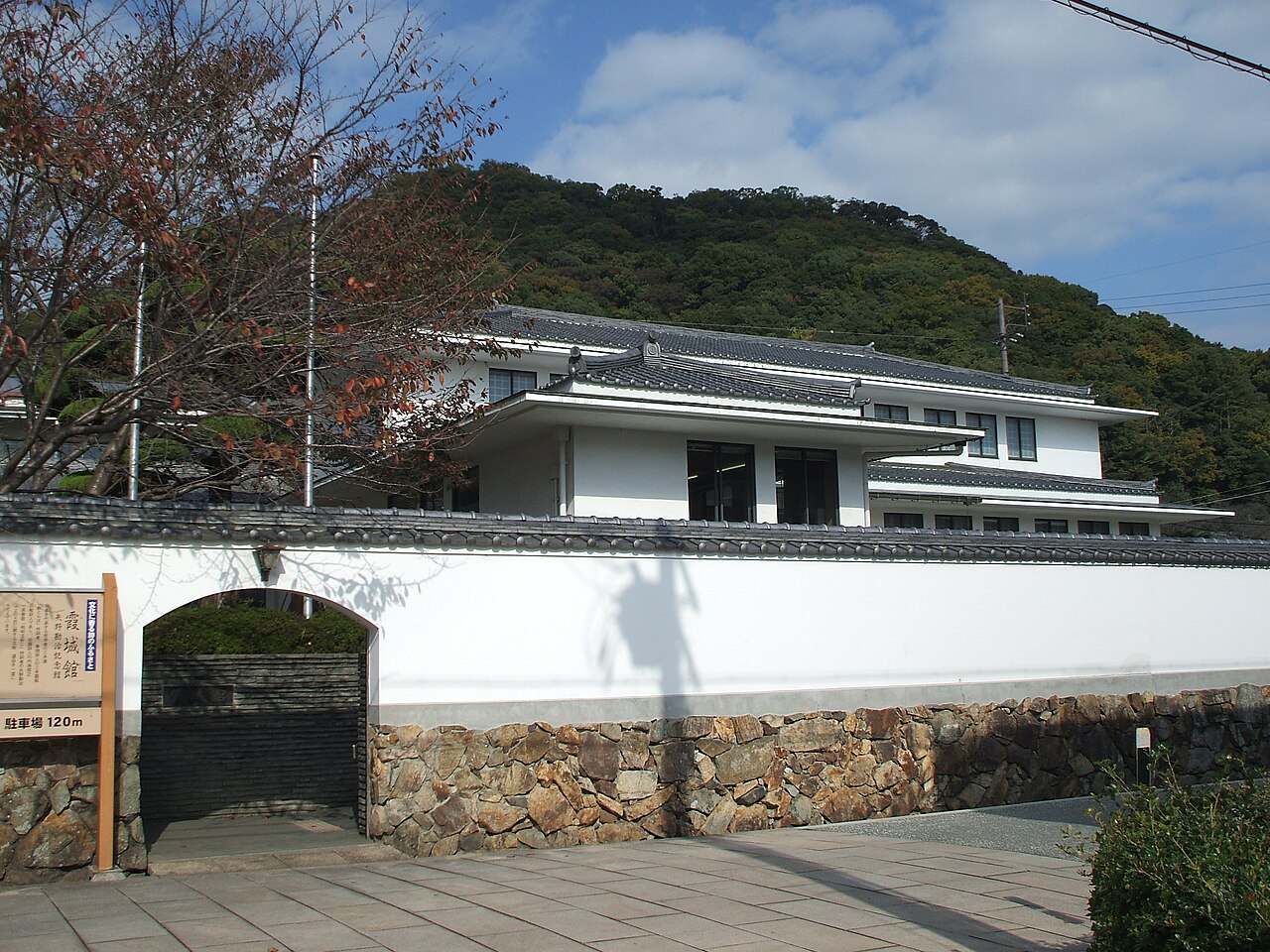
Tatsuno Rekishi Bunka Shiryokan, the history museum, is described as five sections in date order, from ancient pottery and a clay horse figure to a tiny Buddhist statue called the smallest of its kind in Japan. It is said to stand within the grounds of Tatsuno Castle, so the two are seen together.
The Showa Retro Scenery Hall is said to occupy a late-Edo house built around a diorama of Tatsuno in the mid nineteen-sixties to mid nineteen-seventies at one eightieth scale, thirteen years in the making by its director. Guidebooks describe how at half past each hour the lights shift over about ten minutes from dusk to night-time streets.
Tickets, Hours and Bicycle Rental
The table below collects admission prices, the days each place shuts and the cost of hiring a bicycle, so you can decide before you arrive what to pay for. The castle and garden days off appear in their own sections above.
| Item | Detail |
|---|---|
| History museum, adults | 200 yen |
| History museum, elementary school to university students | 100 yen |
| History museum, ages 65 and over | 100 yen |
| Three-museum ticket (history museum, Kajokan, soy sauce museum), adults | 300 yen |
| Three-museum ticket, elementary school to university students | 140 yen |
| History museum, opening hours | 9:00 to 17:00, last entry 16:30 |
| History museum, closed days | Mondays (the following day if Monday is a public holiday) |
| Former Wakisaka residence, opening hours | 10:00 to 16:00 |
| Former Wakisaka residence, closed days | Mondays and Tuesdays (the next day if these are public holidays), the day after a public holiday, and December 29 to January 3 |
| Tatsuno tourist information desk, opening hours | 9:00 to 16:45 |
| Community bus, per ride | 100 yen (free for children under elementary school age) |
| Community bus, one-day pass | 300 yen |
| Rental bicycle at Marusou Cycle, regular | 500 yen for 3 hours, plus 50 yen per 30 minutes over |
| Rental bicycle at Marusou Cycle, electric-assist | 1,000 yen for 3 hours and 1,300 yen for 1 day |
| Marusou Cycle, rental hours | 5:30 to 21:30 on weekdays; 6:00 to 19:00 on Saturdays, Sundays and public holidays |
A single combined ticket admits adults to the history museum, Kajokan and the soy sauce museum for three hundred yen. Bicycles, including electric-assist models, are hired from Marusou Cycle at the west exit of Hon-Tatsuno Station, right where you leave the train.
Somen, Cafes and a Night in Tatsuno
Somen-dokoro Kasumitei is described as a lunch-only somen specialist in a converted old house, serving Ibonoito noodles warm in broth or cold. It is said to appear in the twenty-sixteen Hyogo special edition of the Michelin guide, and to serve soy sauce, salted-koji and plum ice creams after the meal.
| Place | Details |
|---|---|
| Somen-dokoro Kasumitei, lunch | 11:00 to 16:00 |
| Somen-dokoro Kasumitei, closed days | Wednesdays and Thursdays |
| Kura Terrace Tatsuno, cafe | 10:00 to 17:00 |
| Kura Terrace Tatsuno, lunch | 11:30 to 14:00 |
| Kura Terrace Tatsuno, closed days | Mondays (the following Tuesday if Monday is a public holiday) |
| The cafe Saku, hours | 9:00 to 19:00, last order 18:00 |
| The cafe Saku, closed days | Thursdays and the second Friday |
| Ibonoito Museum Somen no Sato, adults | 300 yen |
| Ibonoito Museum Somen no Sato, opening hours | 9:00 to 17:00, entry to the exhibition room until 16:30 |
| Ibonoito Museum Somen no Sato, closed days | Mondays (the following day if Monday is a holiday) and the year-end and New Year period |
The somen museum is not in the castle town: Ibonoito Museum Somen no Sato is about fifteen minutes on foot from Higashi-Hazaki Station on the JR Kishin Line. If you would rather not squeeze everything into the time between arriving and leaving, staying over is the simple answer. Start with places to stay in Tatsuno.