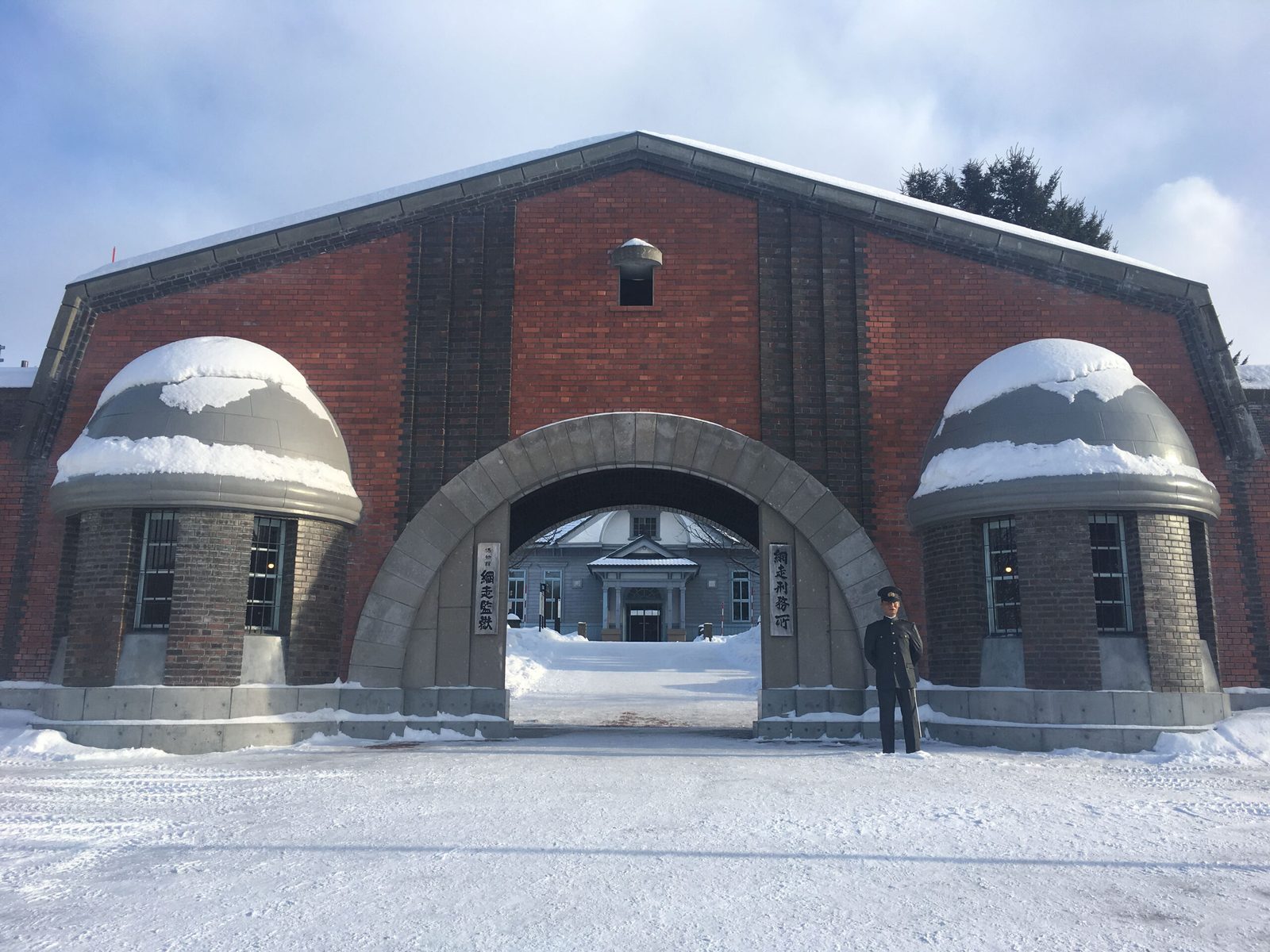
Abashiri: What to Do at the Prison Museum, the Drift Ice Museum and Cape Notoro
Abashiri lies at latitude forty-four degrees north, and the Okhotsk coast is the southern limit where the sea freezes.
Calm nature trips across Japan, no car needed.
Interest
133 quiet, car-free trips built around Museums & Art.
133 guides are filed under this interest across 43 prefectures. The counts below are the number of guides carrying each tag; a guide can carry several tags, and not every guide is tagged on every line.
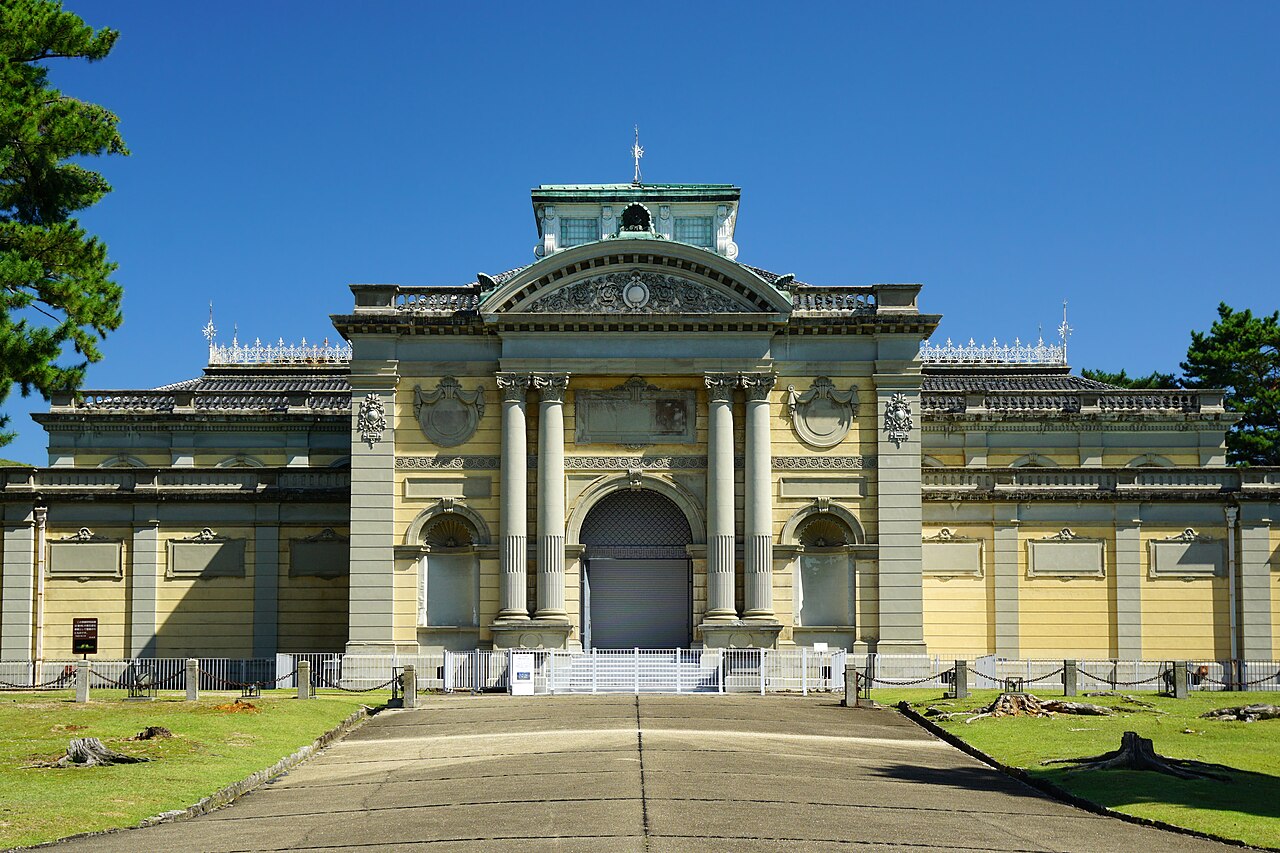
This page collects guides for travellers who want to spend part of the day indoors with a good collection. It includes large national institutions and small local museums, as well as museums devoted to a single local craft or industry, such as ceramics, that only make sense in the place where it grew up. A museum visit pairs well with the rest of a trip, whether that means a walk through the surrounding town, a lunch nearby or a second museum within a few minutes on foot. Opening days vary more than visitors expect: many museums close on Mondays or after a public holiday, and exhibitions change through the year, so it is worth checking before you leave home. Rainy days and the hottest or coldest months are the natural time for this category, though a quiet weekday morning works in any season. Open a guide to see how the day is arranged around public transport, and use the other categories if you also want to narrow by season, trip length or how you will get there.
Abashiri lies at latitude forty-four degrees north, and the Okhotsk coast is the southern limit where the sea freezes.
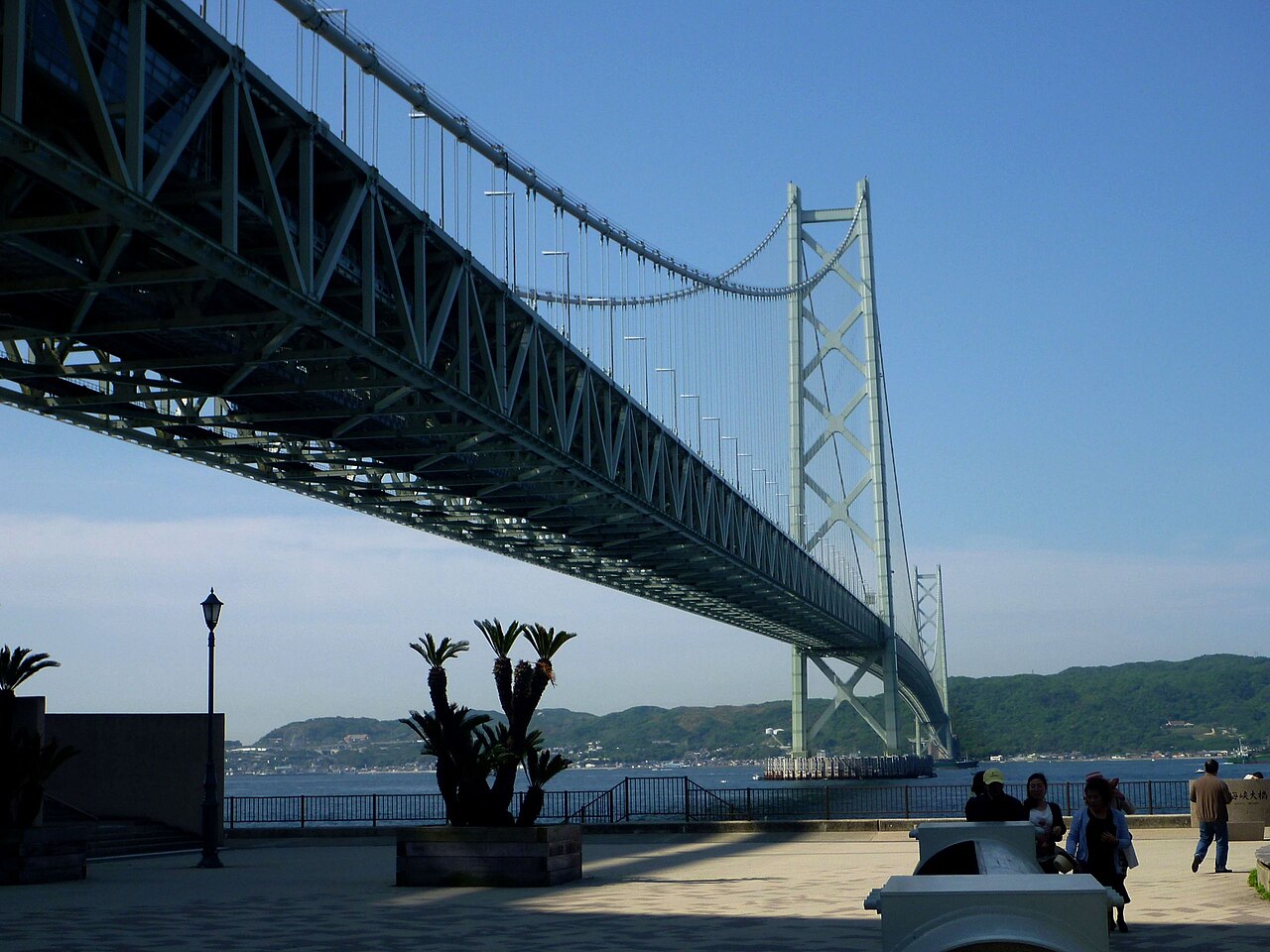
Walking along the promenade built inside the girder of the Akashi Kaikyo Bridge puts visitors out above the sea.
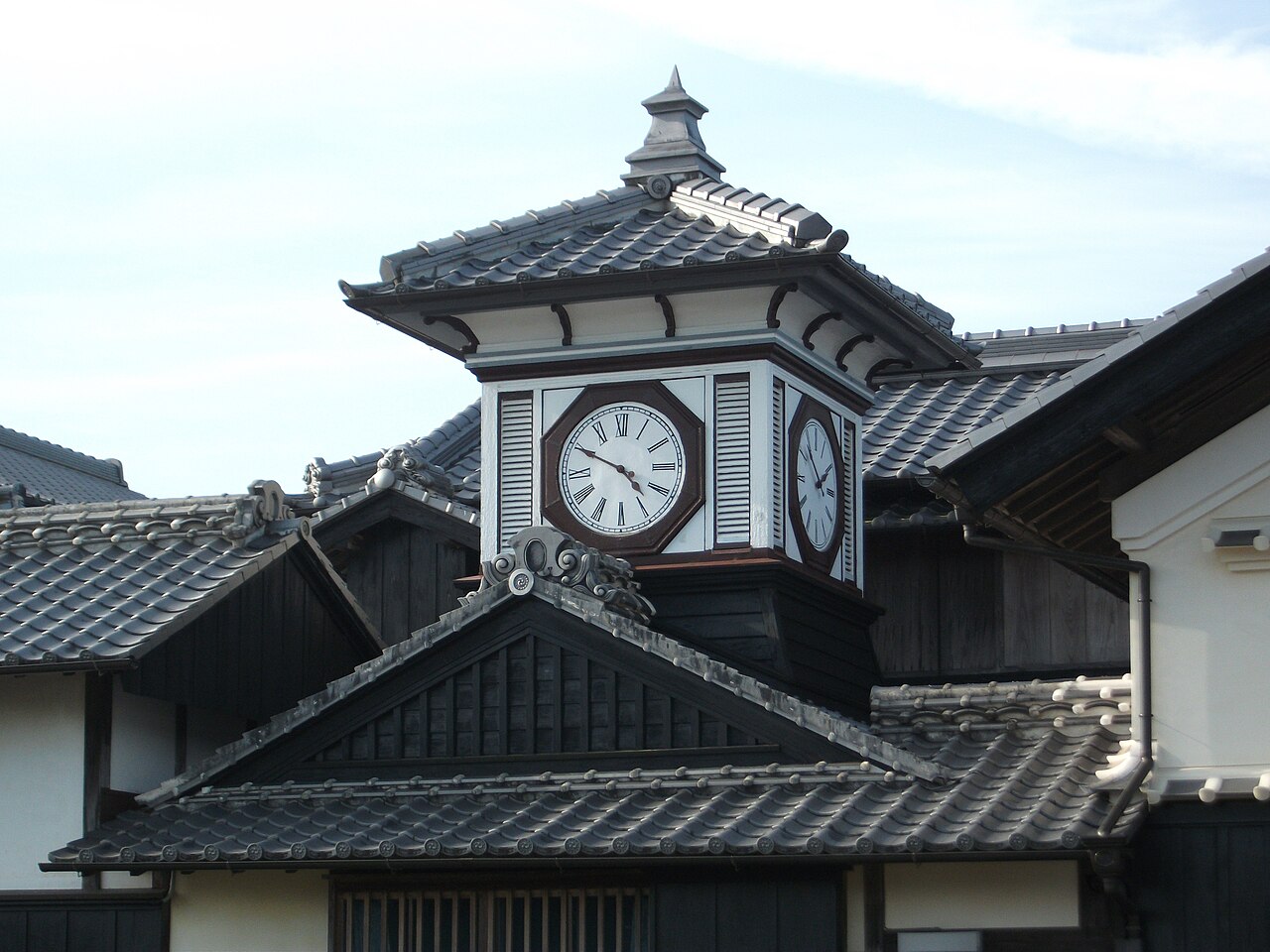
Iogi Cave in Aki is a natural cave eroded by waves from the Pacific Ocean, about five metres high and about four metres wide.
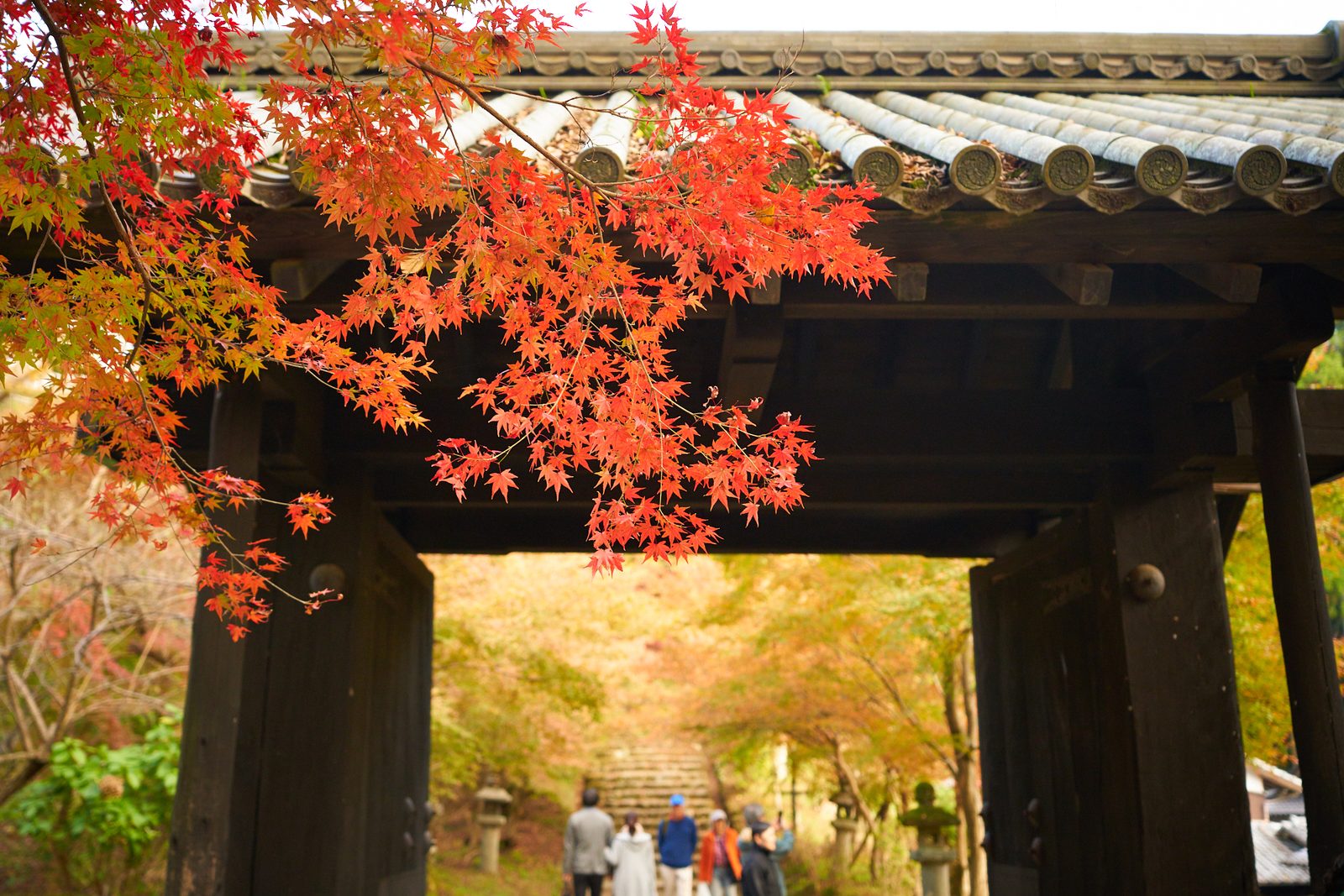
This guide covers how to reach Akizuki, a small former castle town in the hills of Asakura in Fukuoka Prefecture, without a car, along with the two museums…
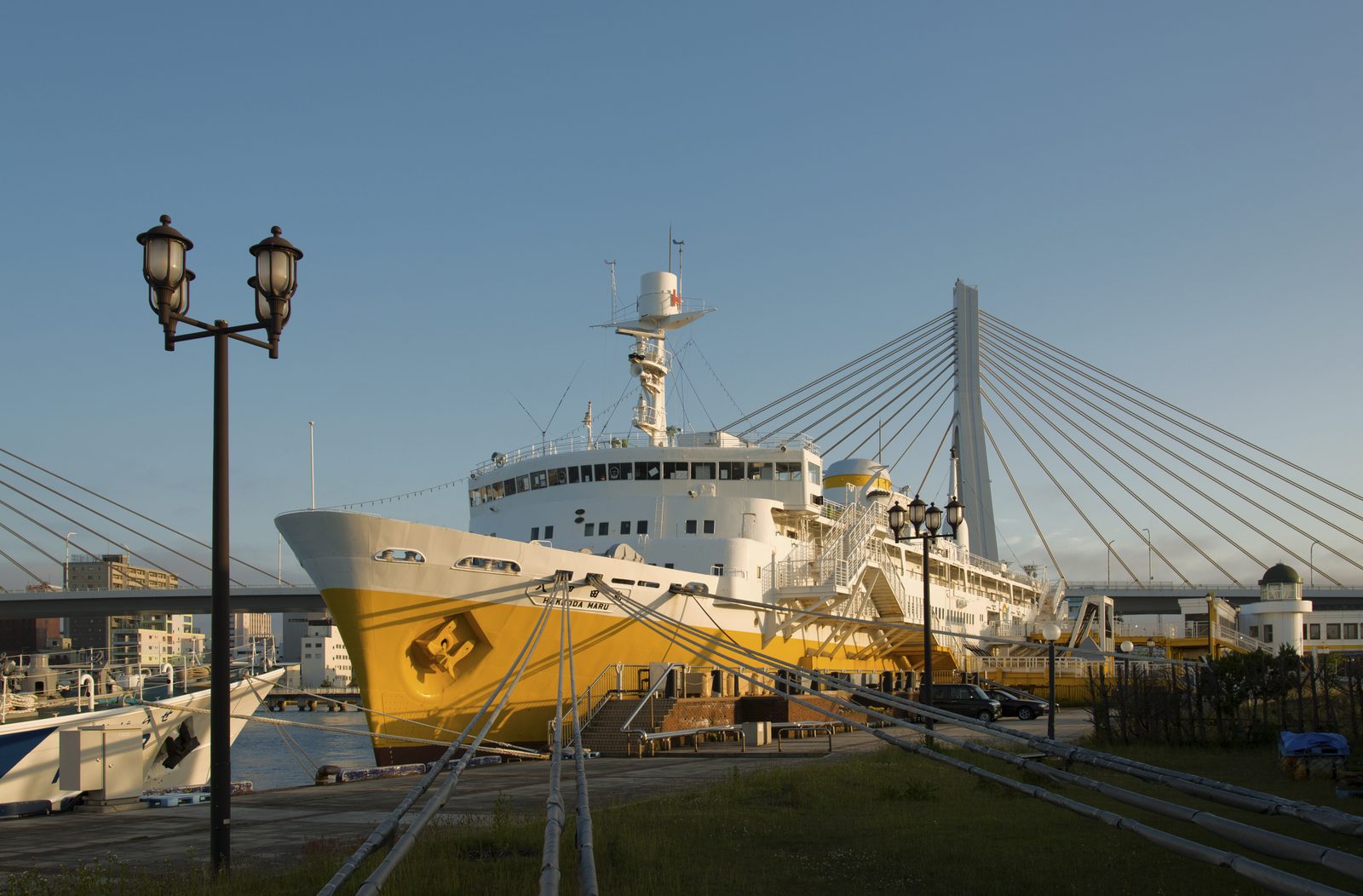
At Furukawa Market, visitors choose toppings from about thirty shops along three streets and build their own rice bowl.
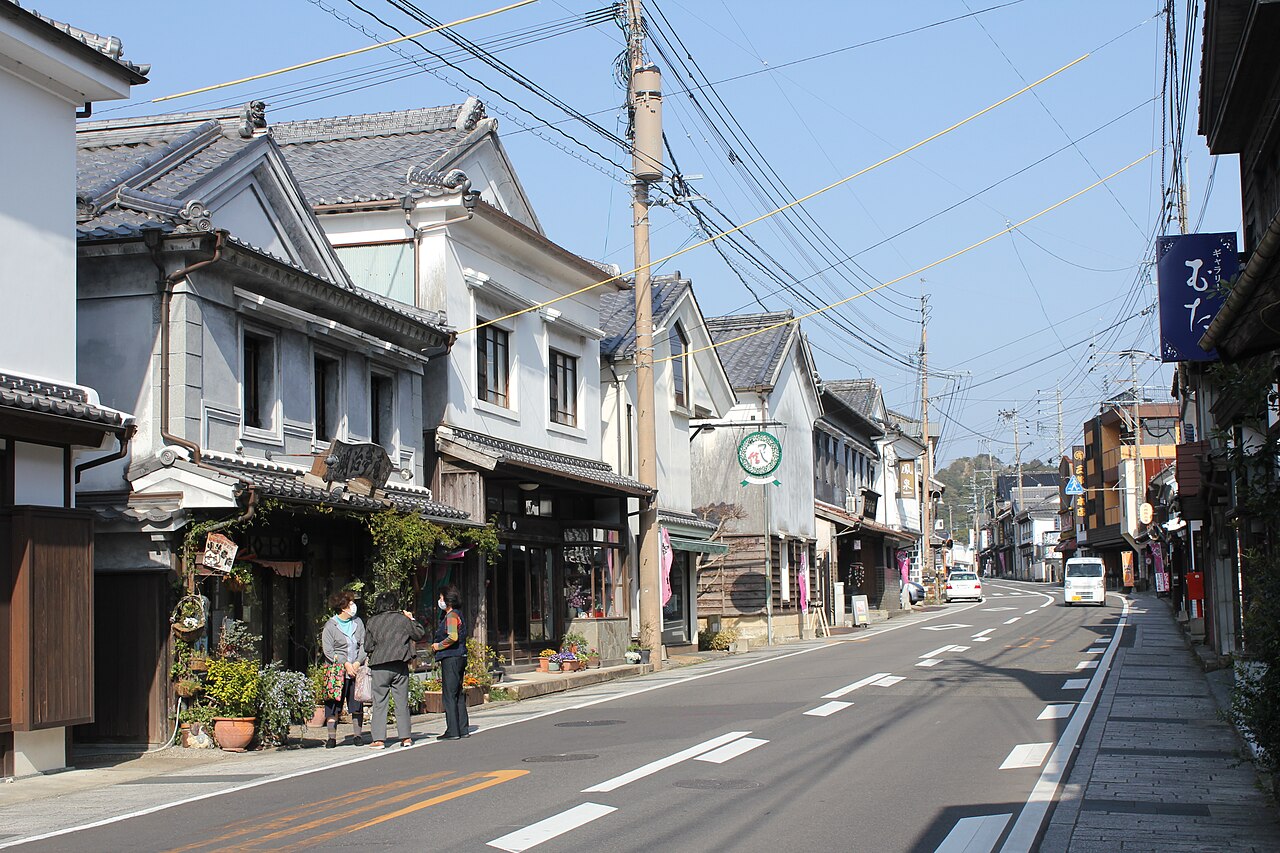
Arita, in Saga, is the town of the Tengudani kiln ruins, said to be among the kilns where porcelain firing in Japan began.
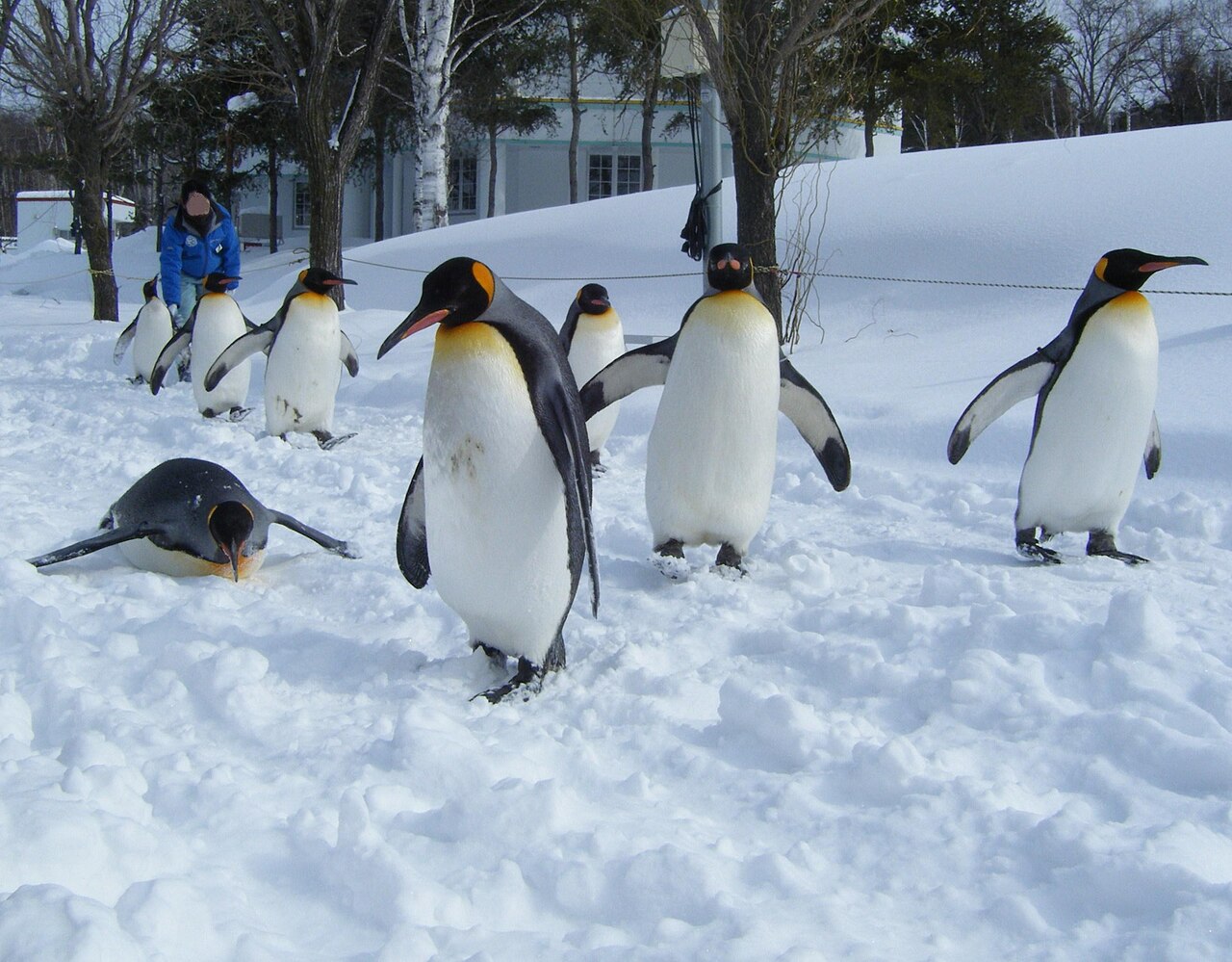
At Asahiyama Zoo, keepers talk about the animals directly to visitors, and the grounds are built so that each animal can show its characteristic abilities and…
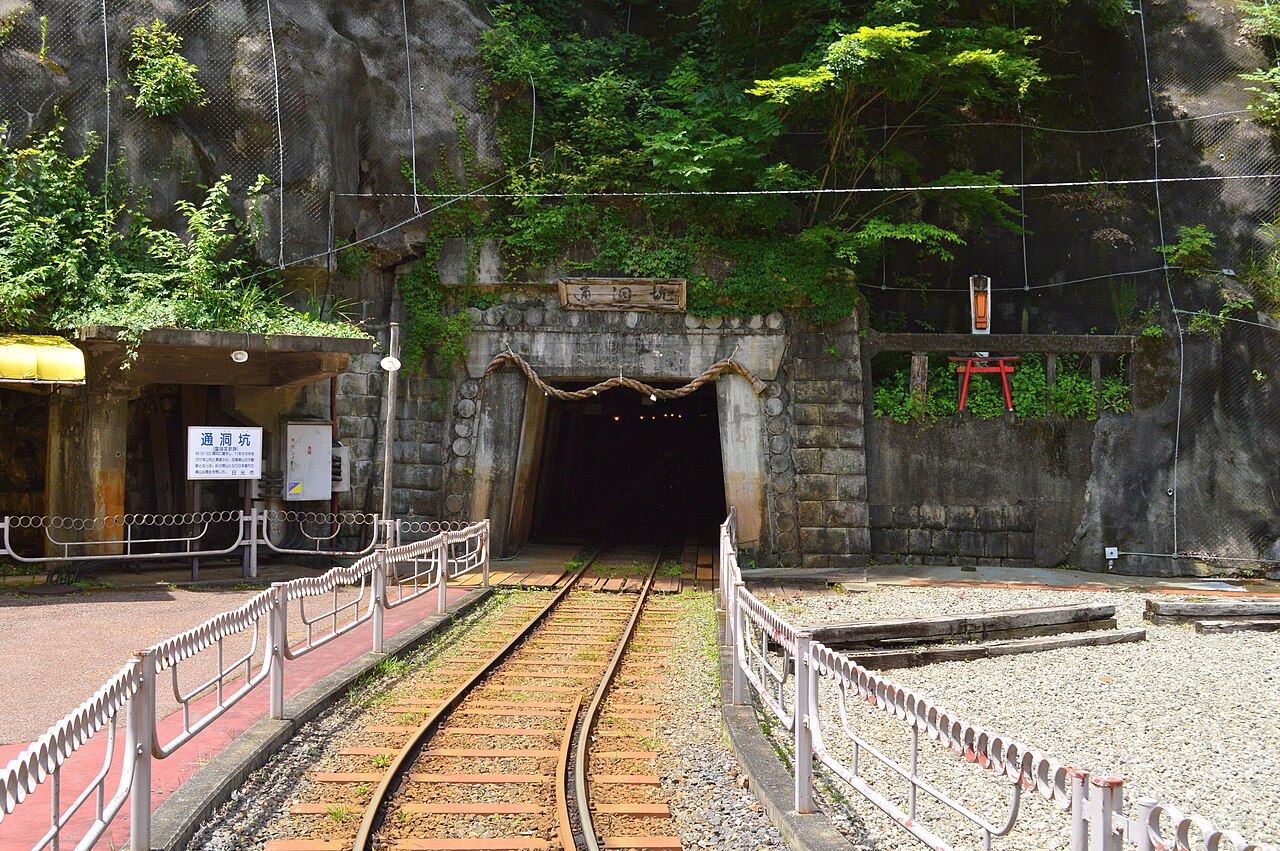
At Ashio, visitors ride a mine tram into a dim tunnel of about four hundred and sixty metres in total length and see the hard ore-mining work of each era…
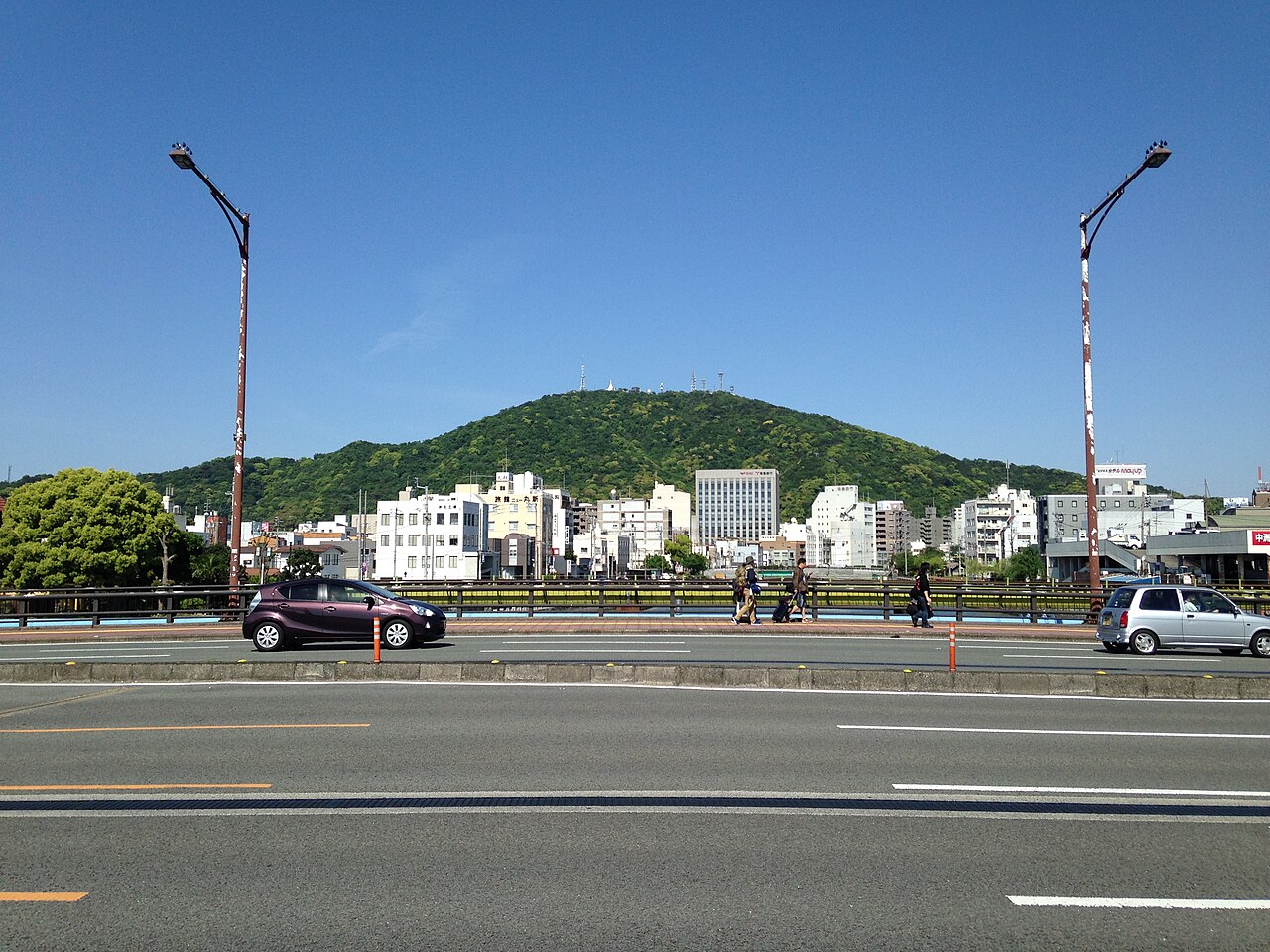
Mount Bizan is the symbol of Tokushima city, praised in the Manyoshu in a line that likens it to an eyebrow seen above the clouds.
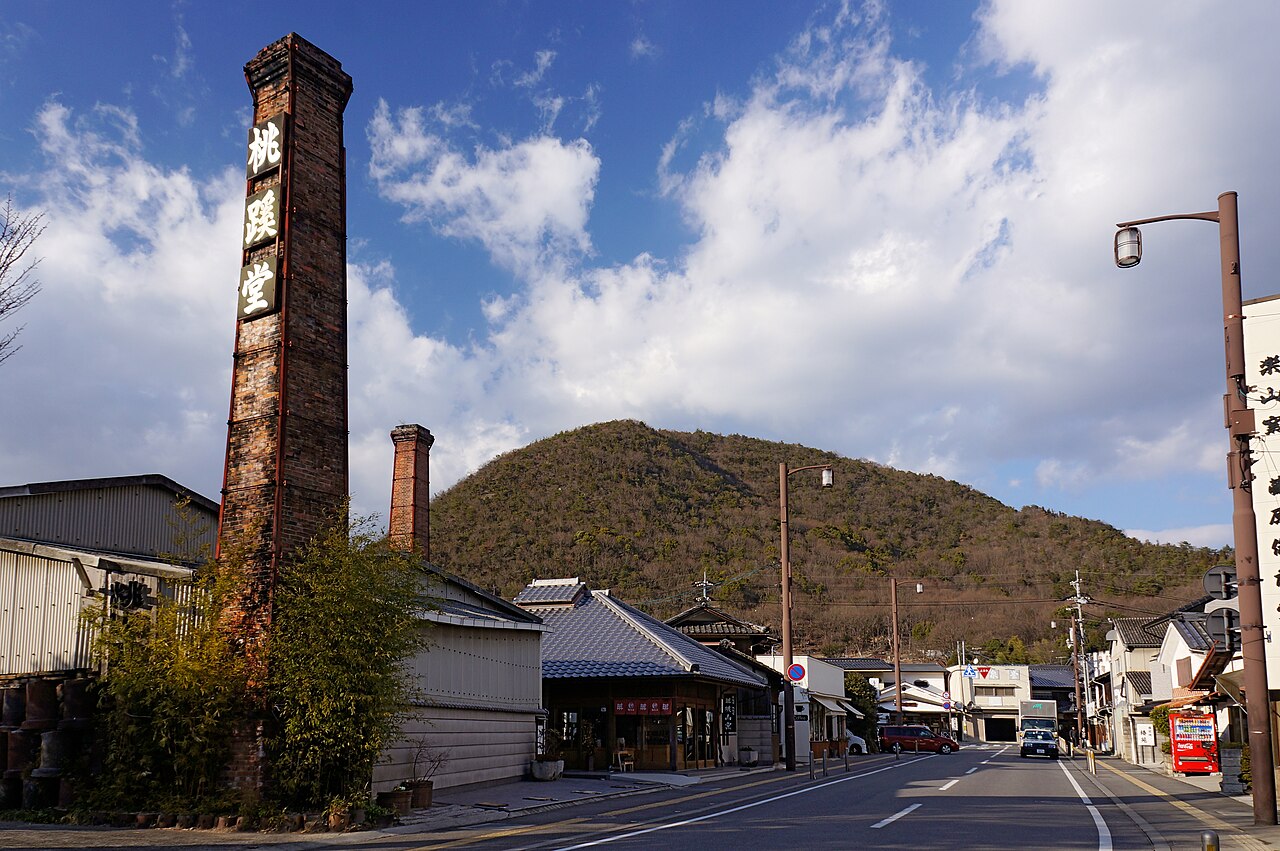
Imbe in Bizen, Okayama, is a Bizen-yaki pottery village, one of the Six Ancient Kilns of Japan, and the pottery is the reason to come.
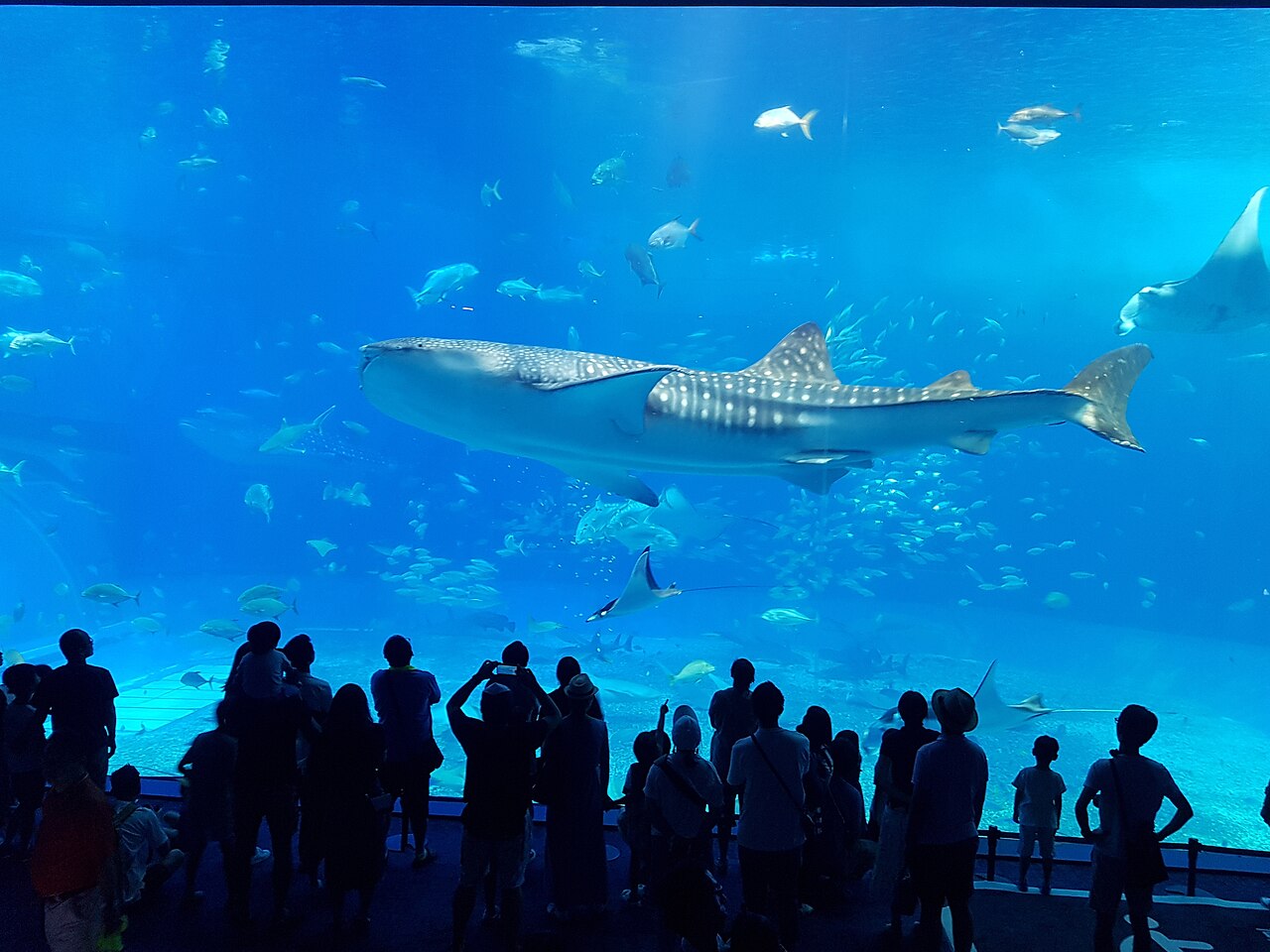
Sit in front of the Kuroshio Sea tank at Okinawa Churaumi Aquarium and whale sharks and manta rays swim past together in groups.
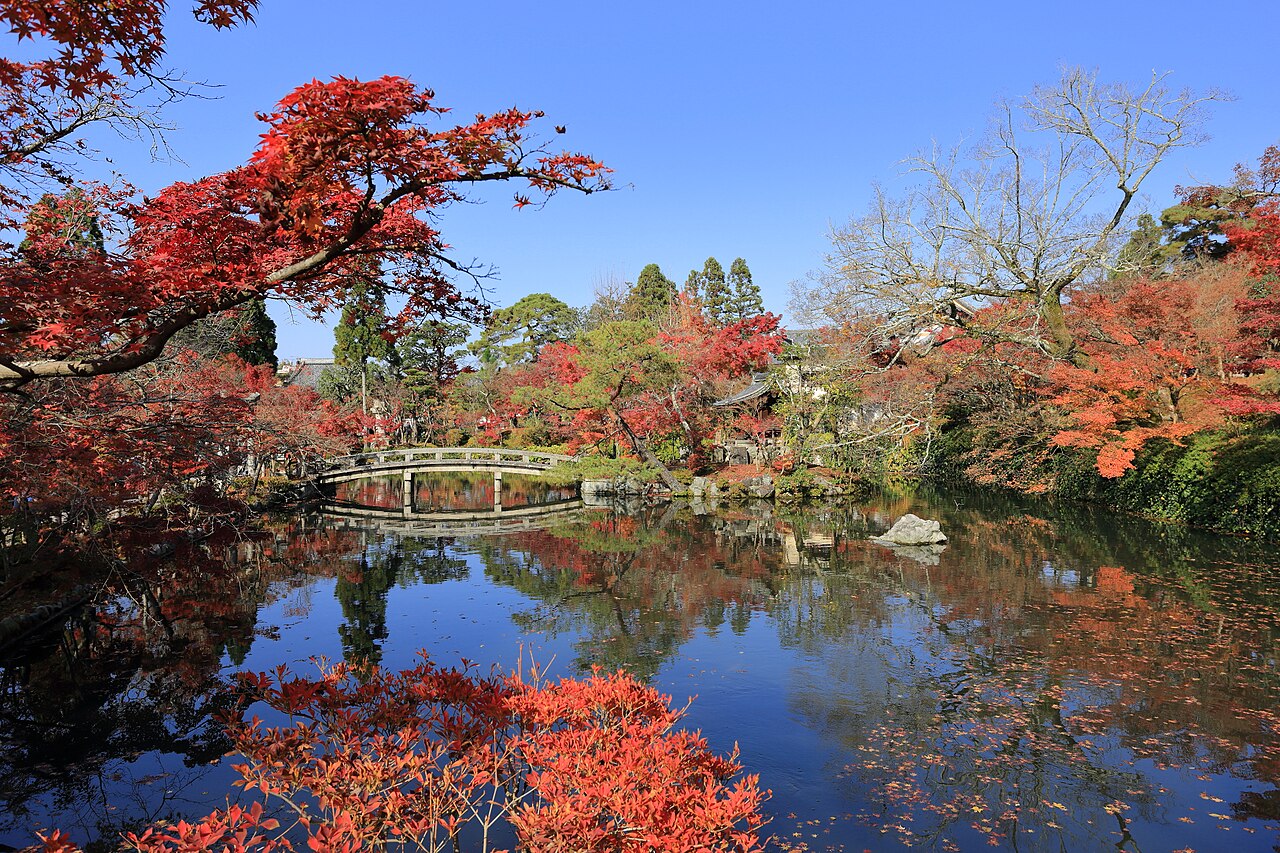
Pouring water gently at the suikinkutsu of Eikando makes a clear sound of water drops.
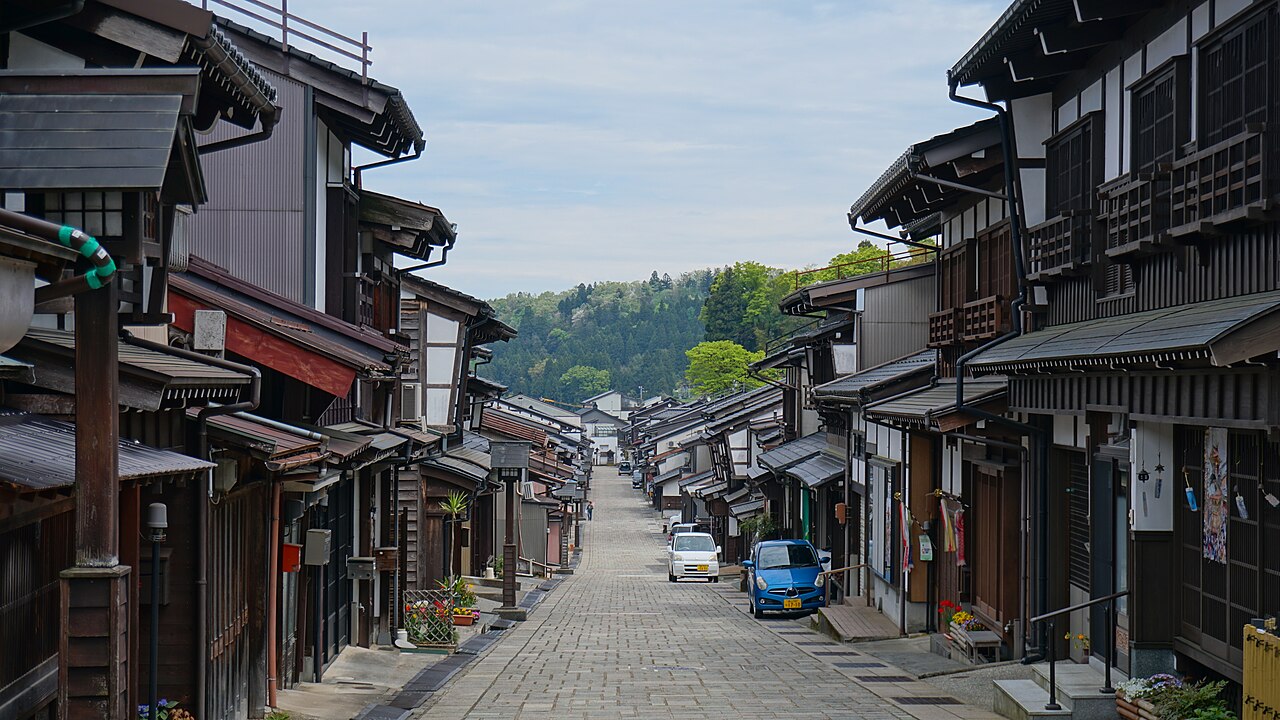
Yatsuo is a hillside town where stone-paved roads slope past rows of townhouses.
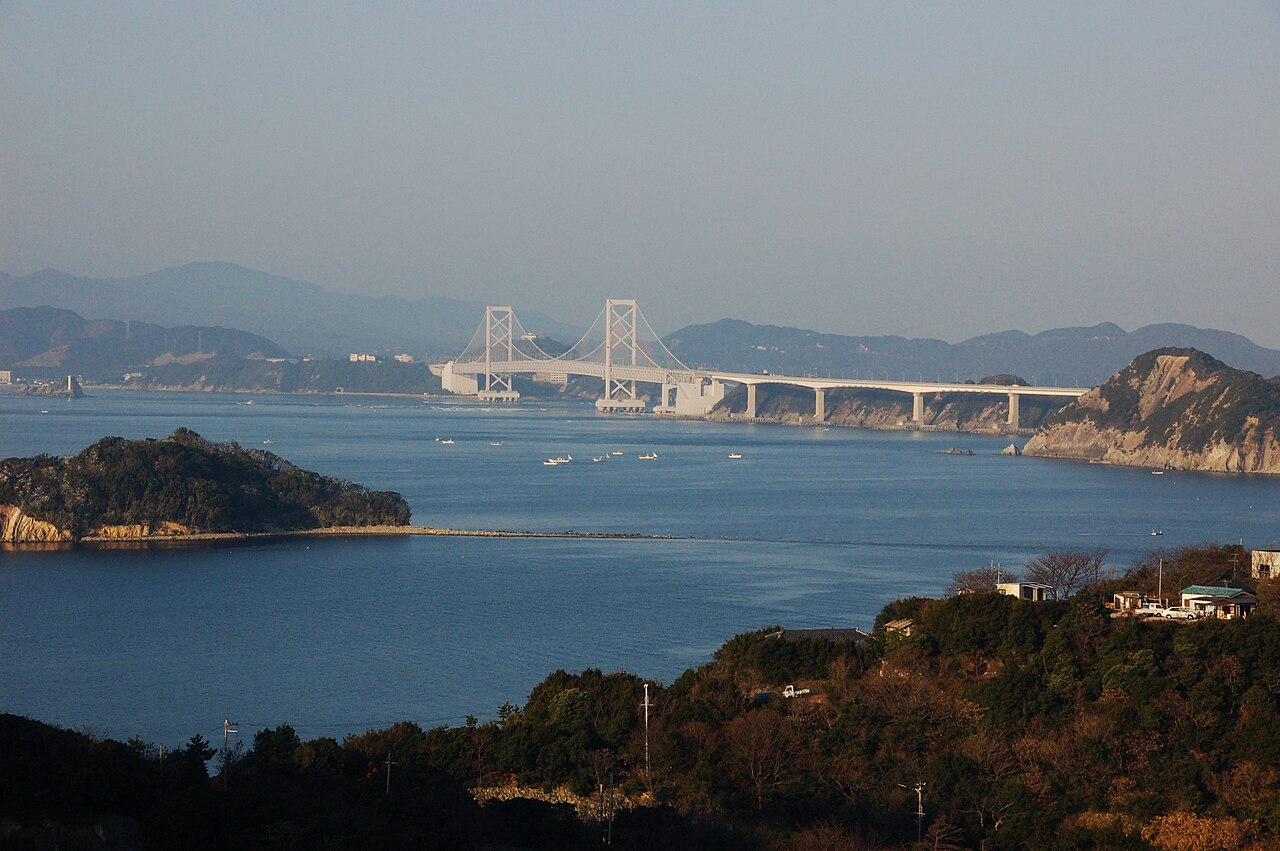
The Uzushio Cruise departs from Fukura Port on Awaji Island.
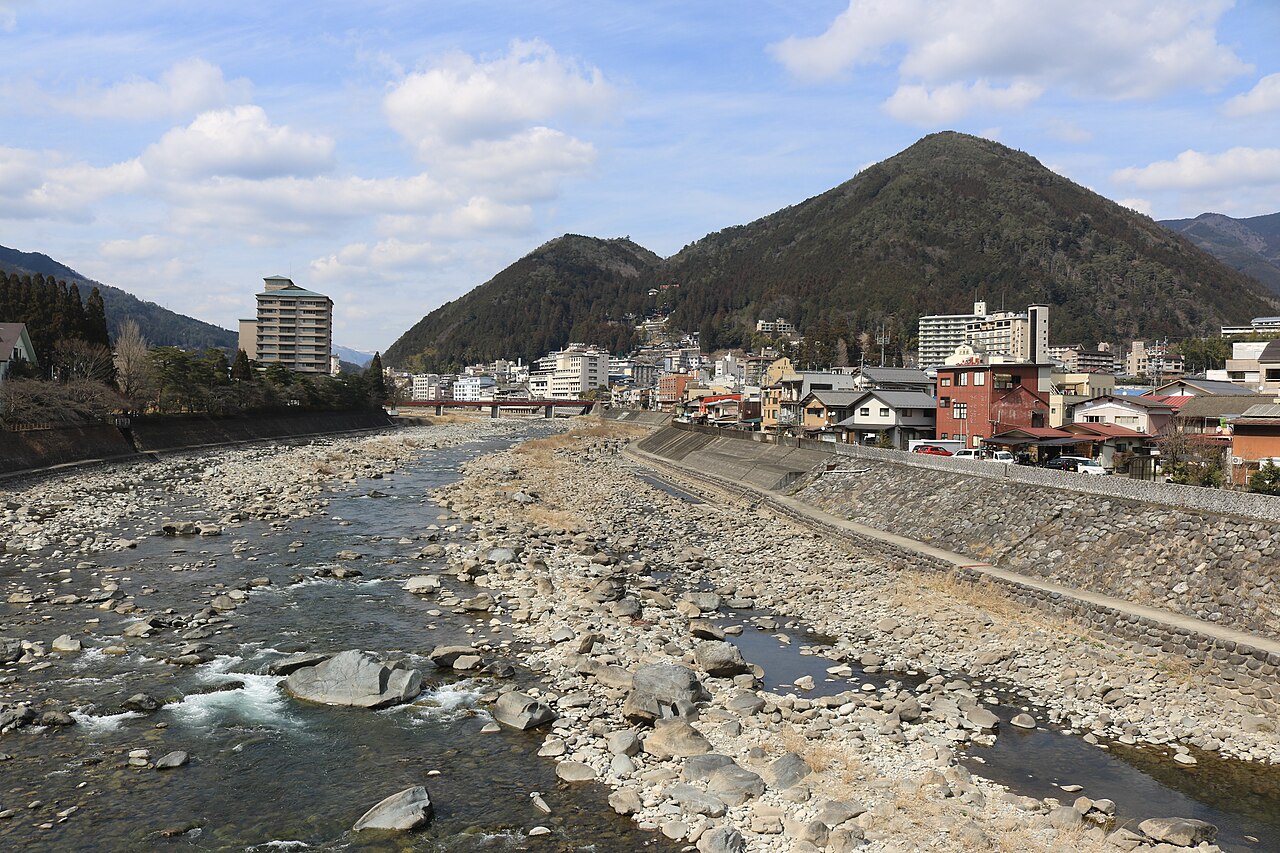
A legend says an injured white egret revealed where the hot spring of Gero Onsen was.
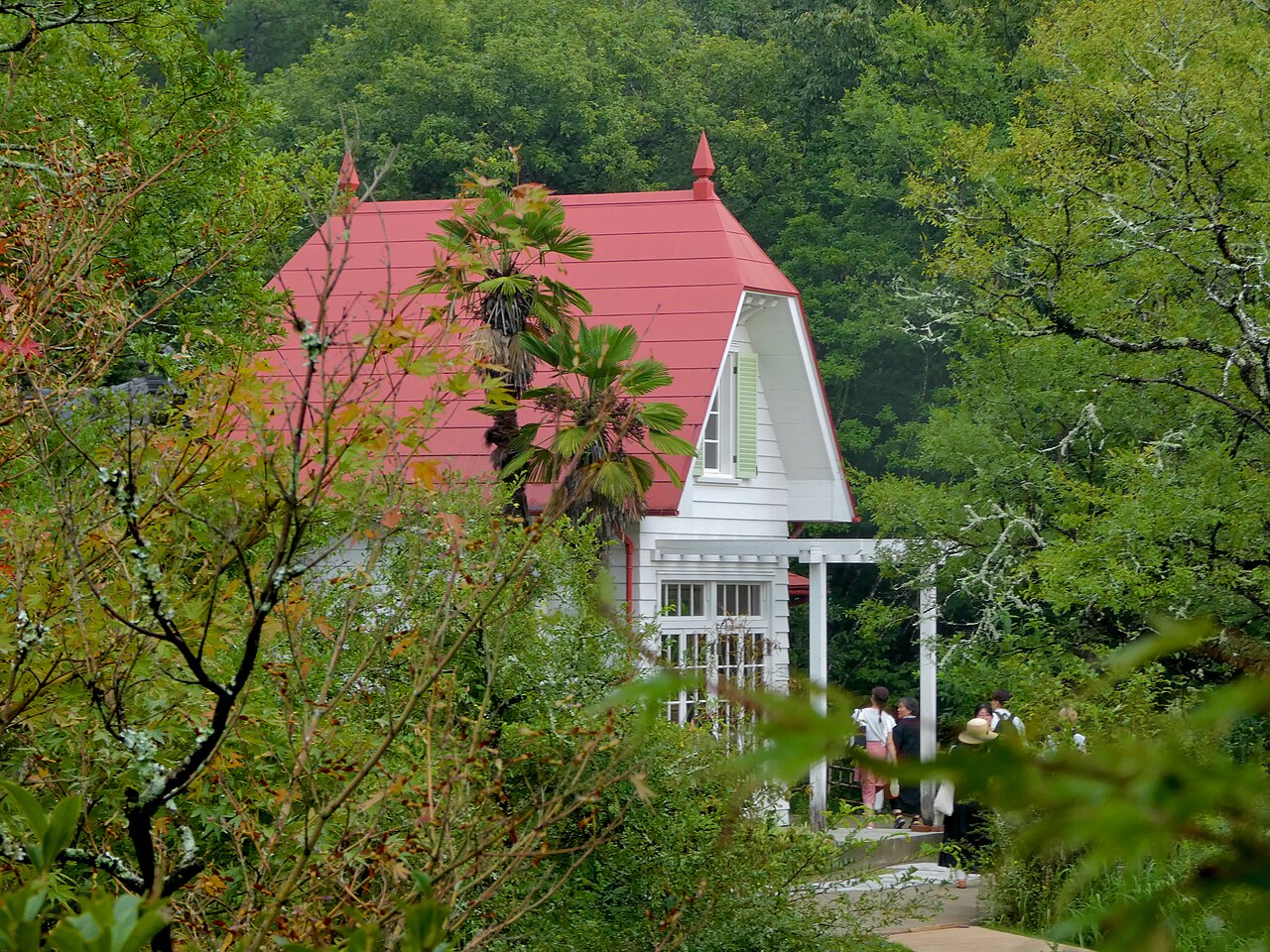
Parts of Howl's Castle move, and smoke comes out a few times an hour.
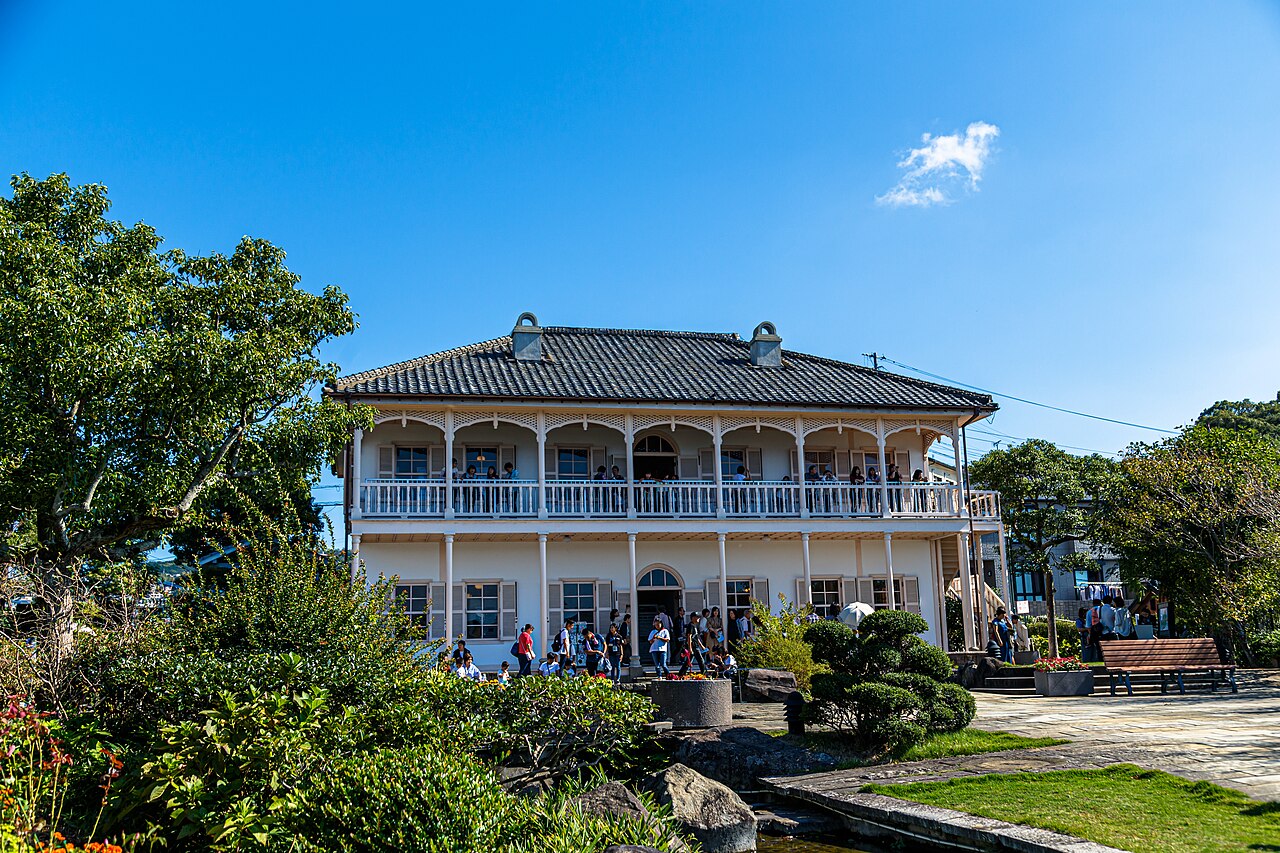
Riding the Glover Sky Road lifts visitors by elevator to a view of sky and slopes.
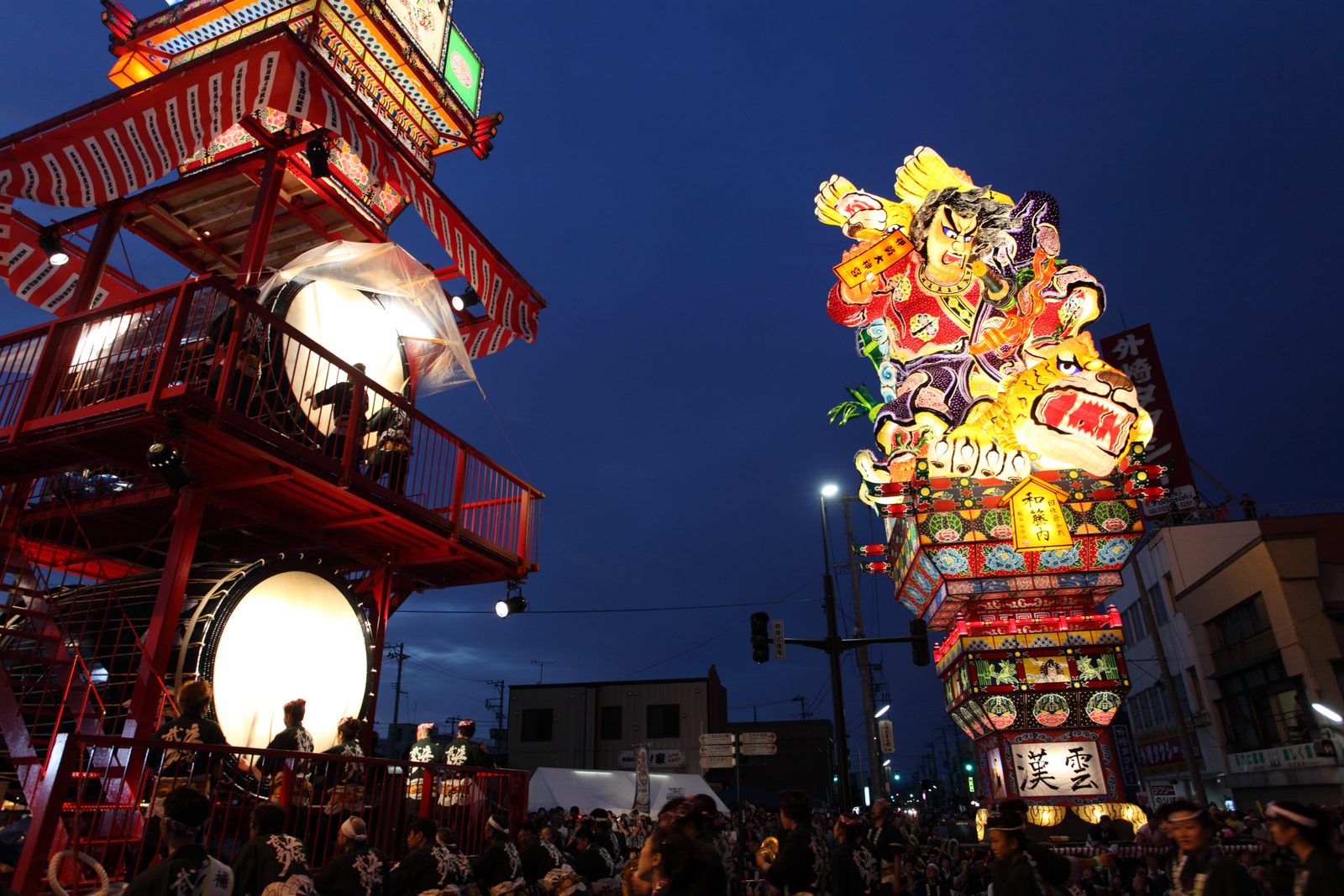
Tachineputa no Yakata lets visitors walk down a spiral walkway and look up at the Tachineputa from various angles along the way.
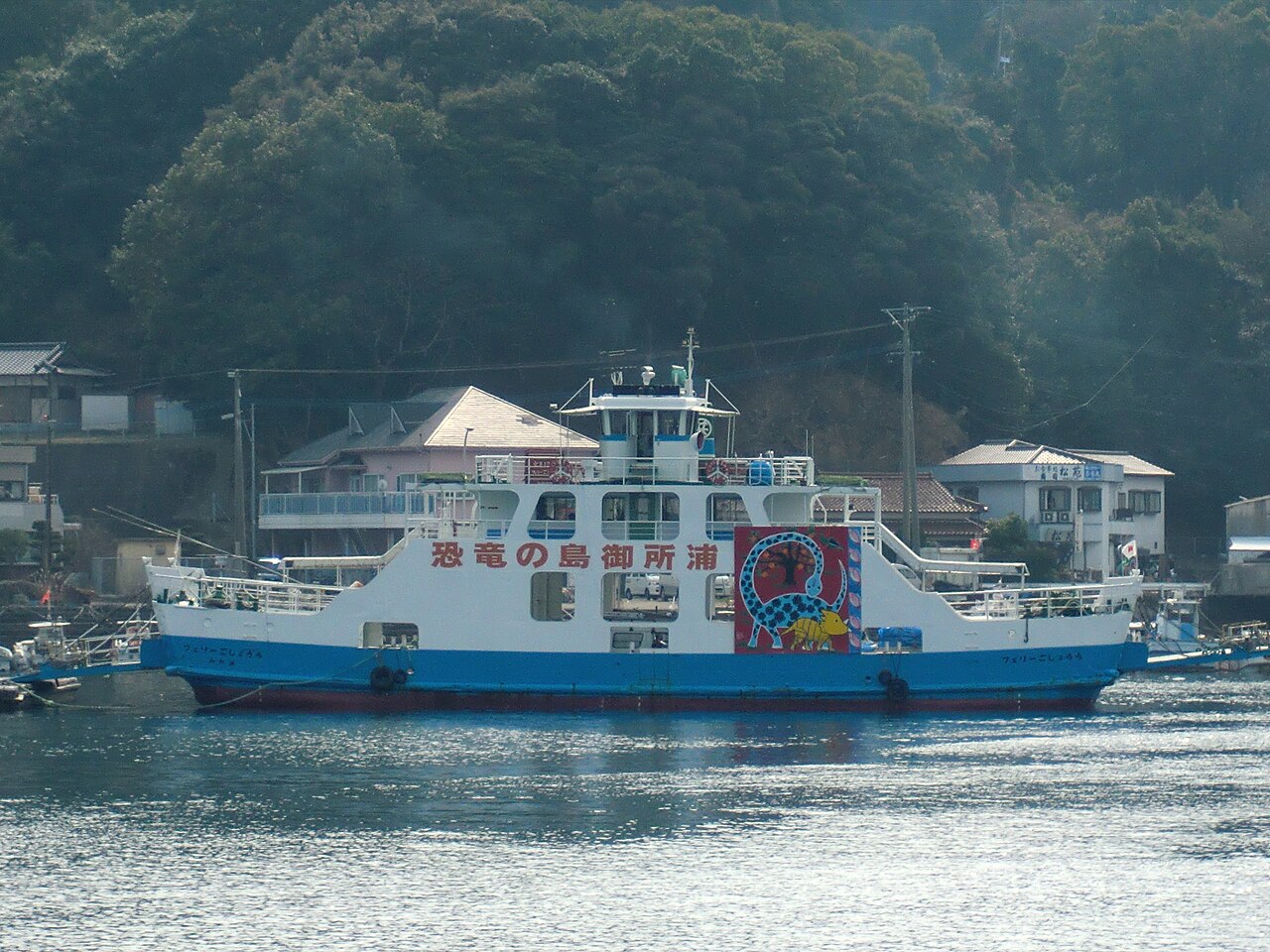
Goshoura Town lies in the Shiranui Sea, which is described as a calm inland sea and is expressed as the 'sea of the cradle'.
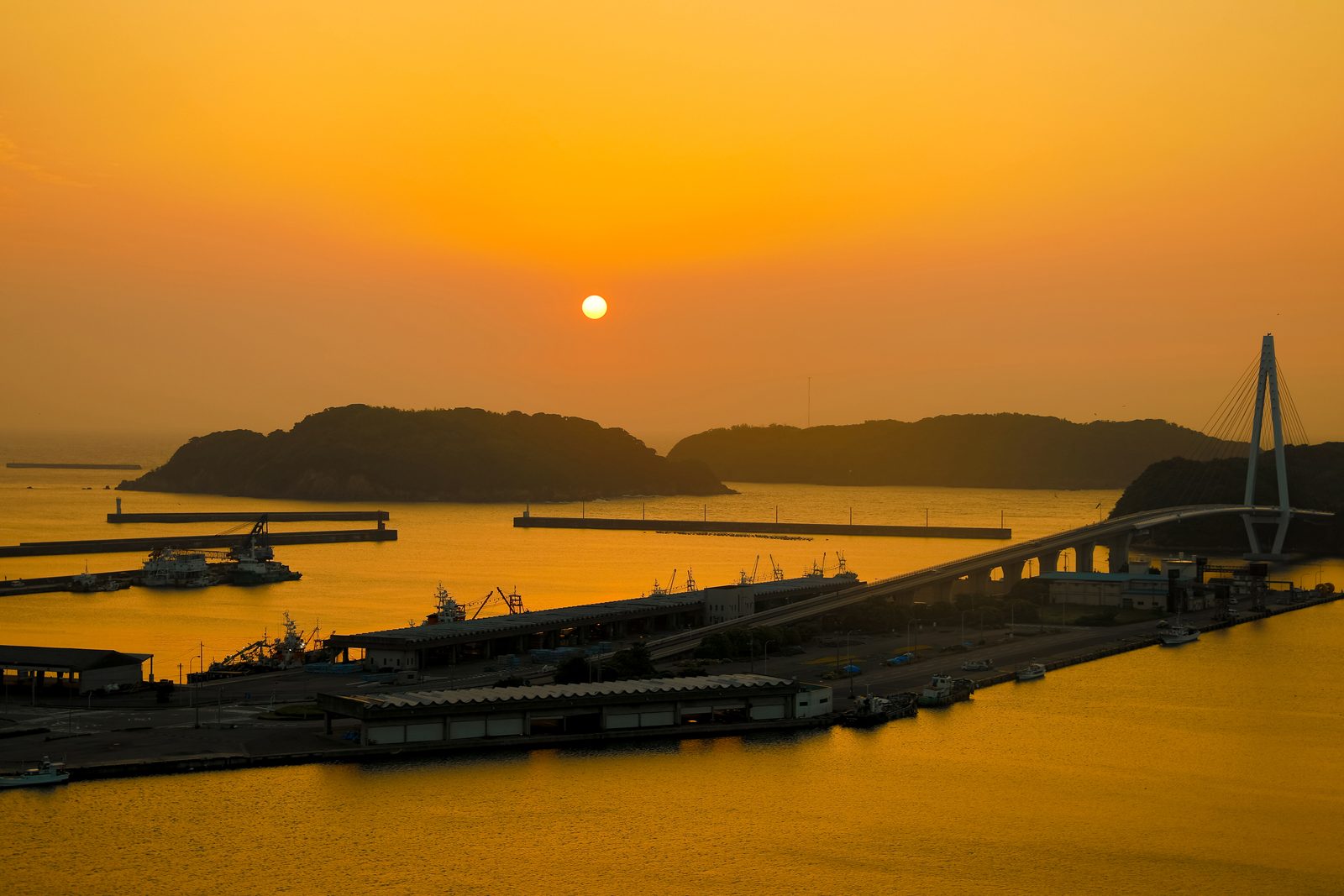
On the Iwami Kagura stage, gods and demons wearing large masks appear, and drums and flutes resound through a vigorous dance.
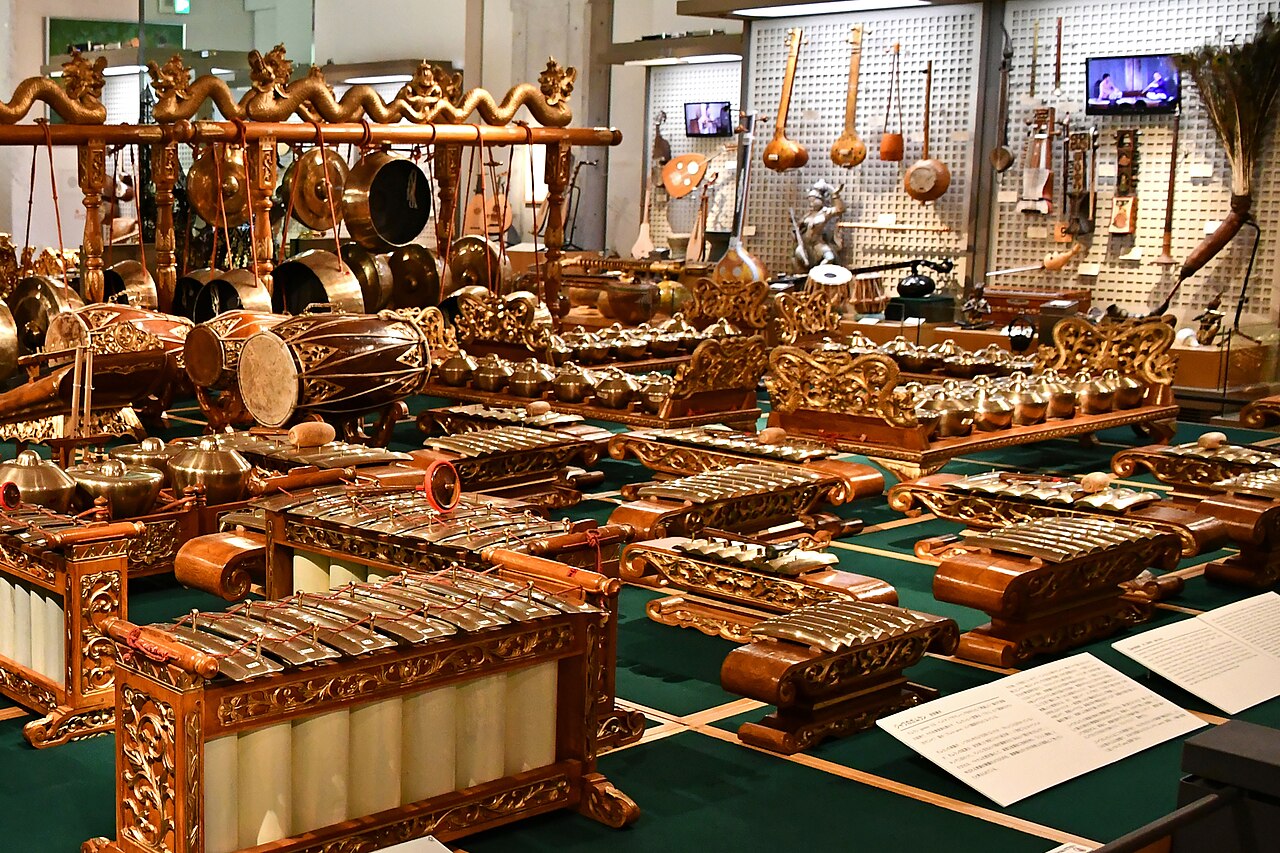
At the Hamamatsu Museum of Musical Instruments, large instruments shine brilliantly just inside the entrance, almost like sparkling jewels.
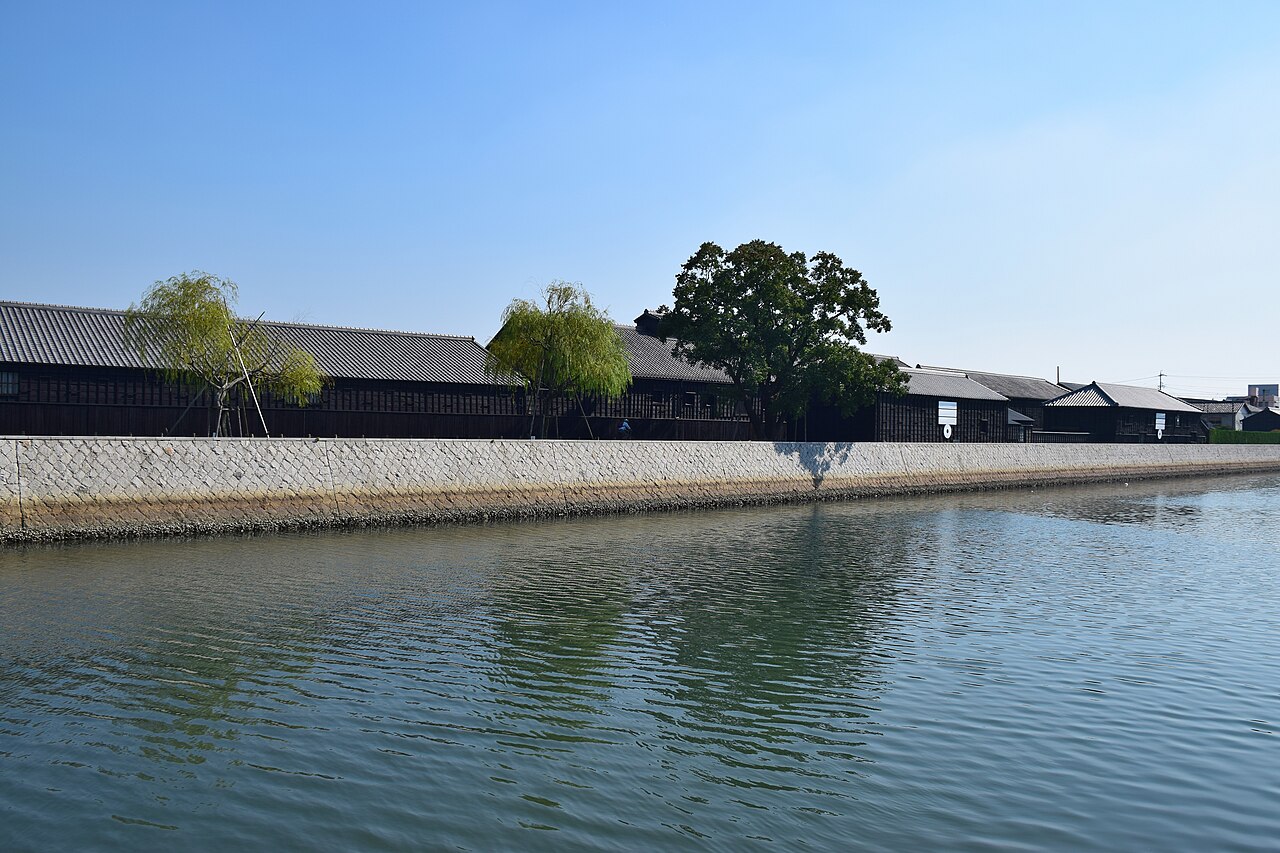
In Handa, Aichi, sake, vinegar and similar products are brewed, and black-boarded storehouses representing that industry remain along the Handa Canal.
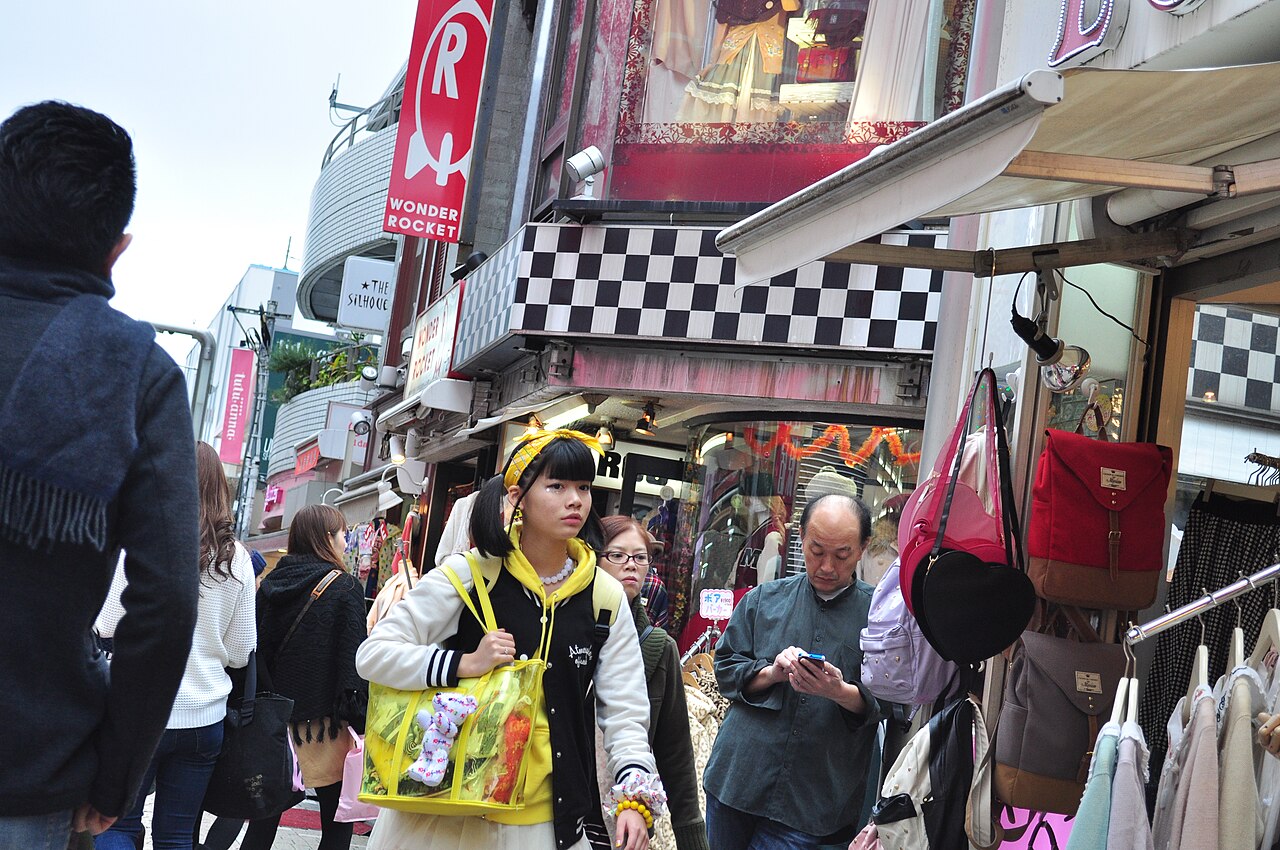
Eating a crepe from a takeout shop while browsing stores full of fashion items, goods and sweets is how a day in Harajuku tends to begin.
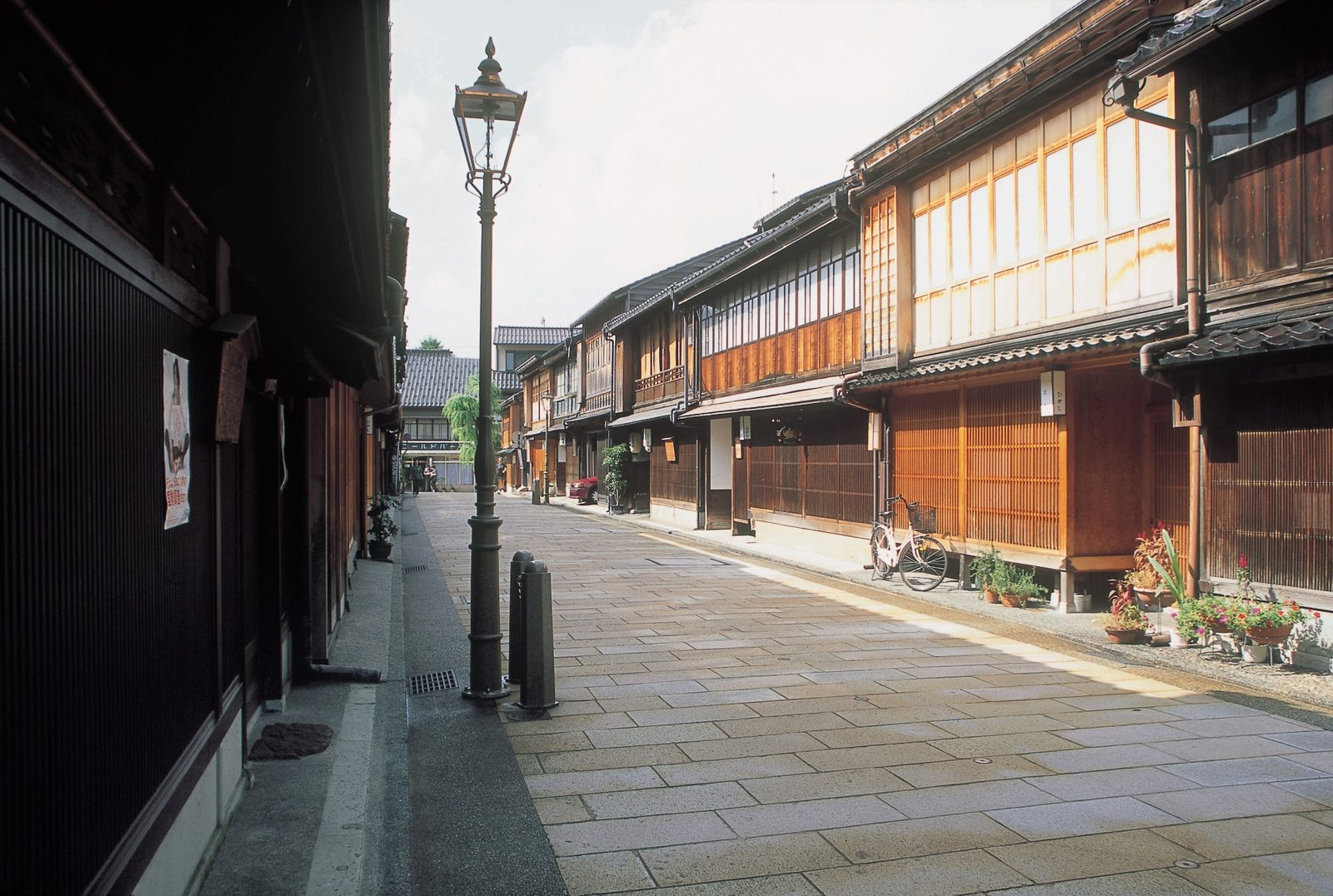
The Hiromi square is where Higashi Chaya is usually photographed, with the camera pointed along the street.
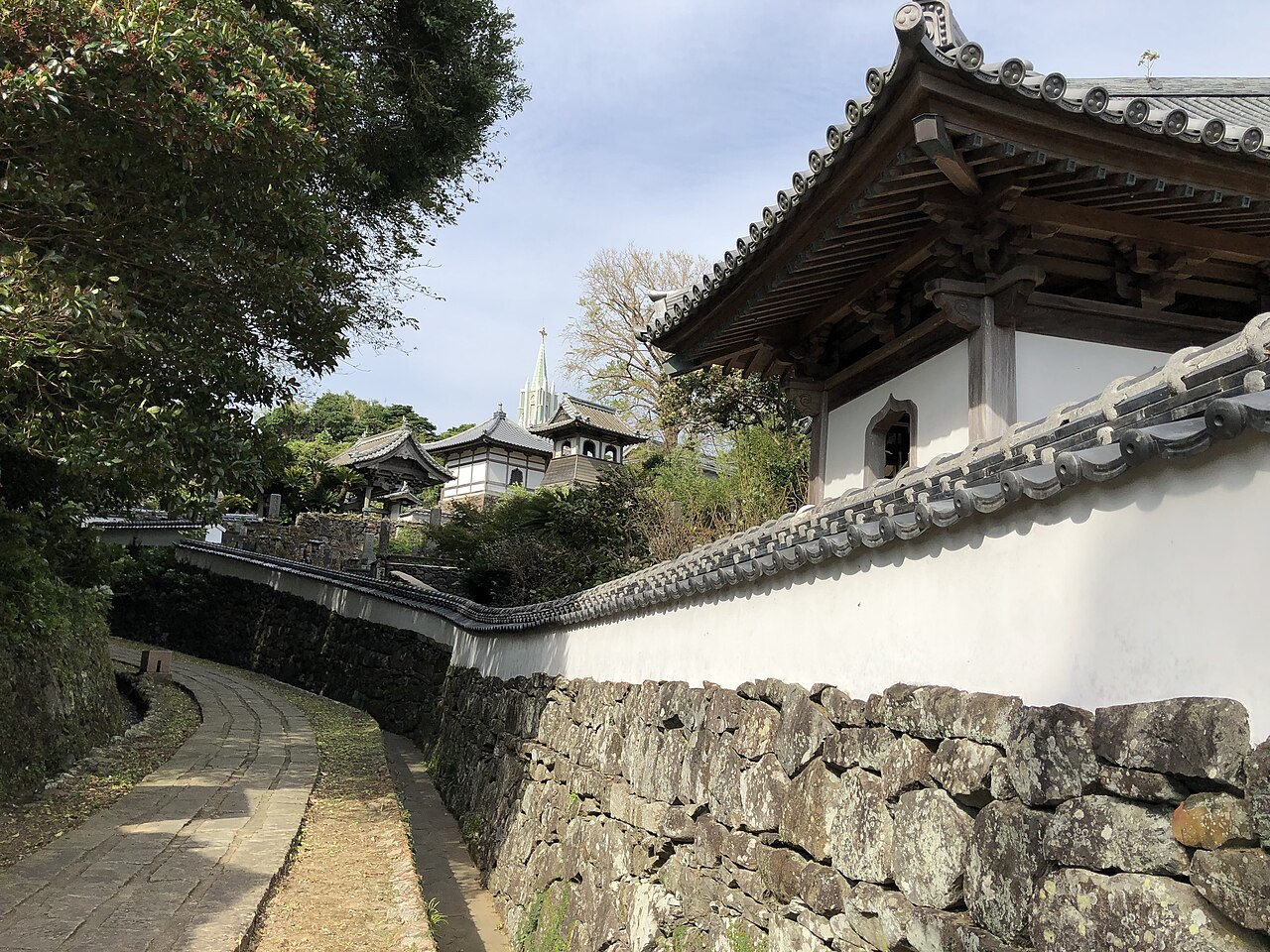
Tojo-no-hana is a lighthouse that served as a landmark when Dutch ships entered the port.
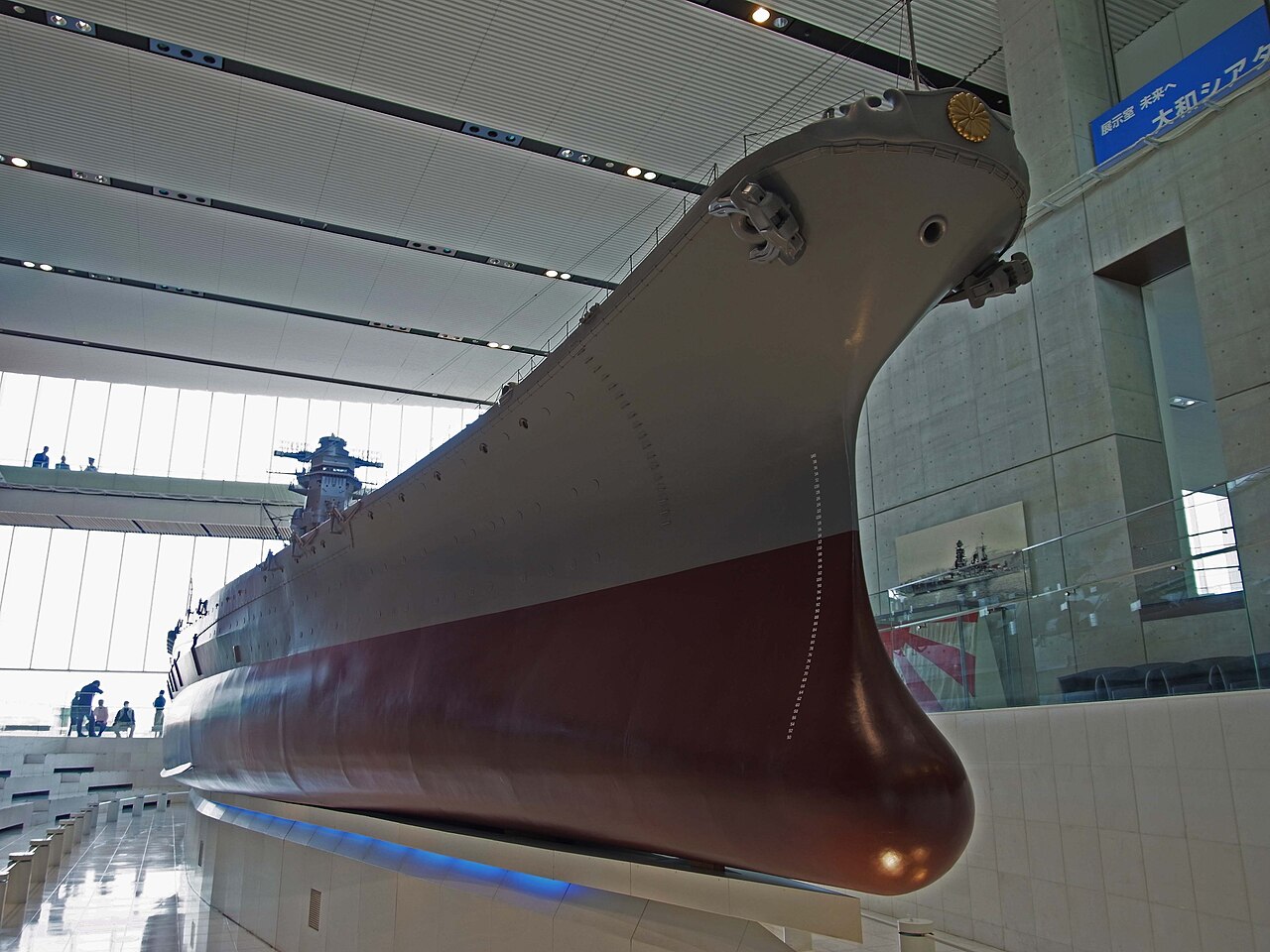
Kure in Hiroshima is the port city where the battleship Yamato was built, and the story is one you can walk through: a one-tenth model of the ship in the…
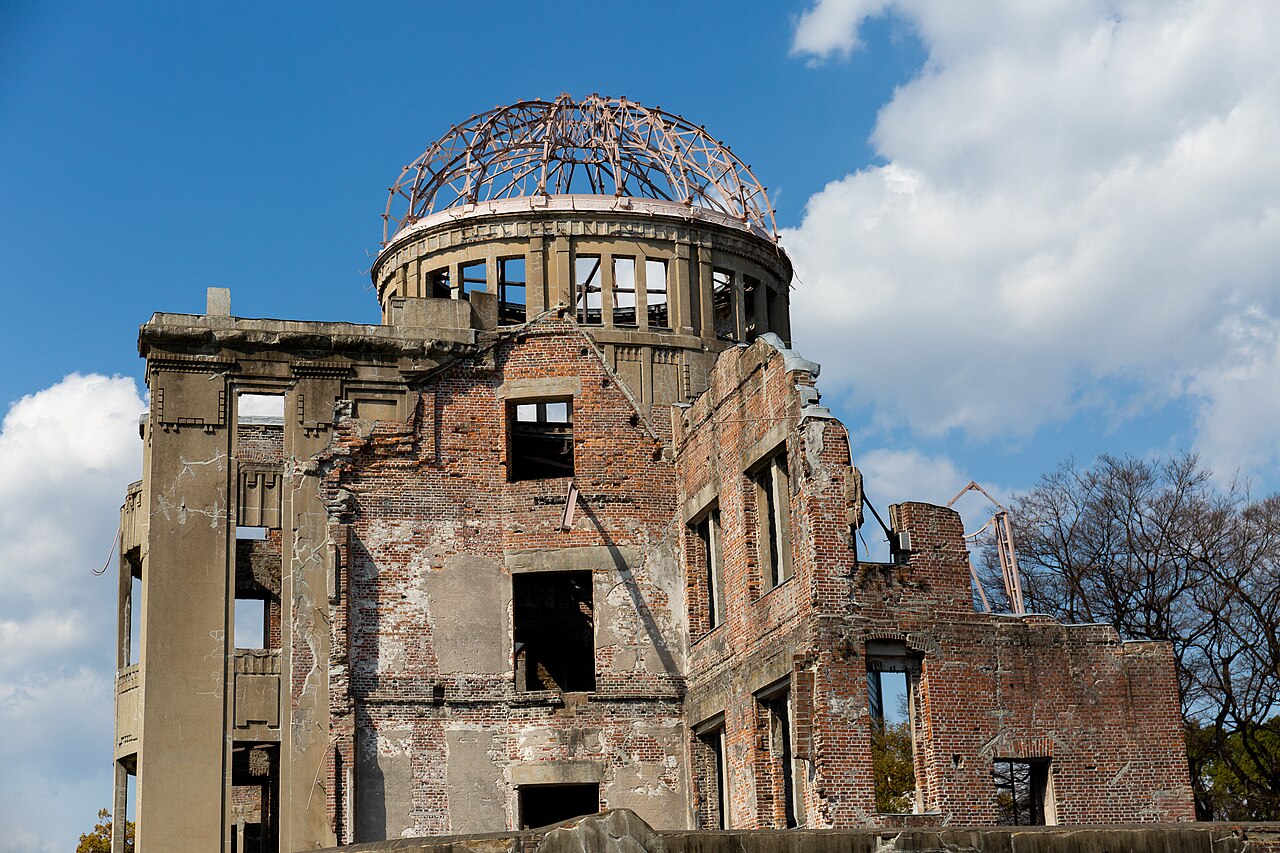
Hiroshima Peace Memorial Park lies at the uppermost part of the delta where the former Ota River, the Honkawa, branches from the Motoyasu River.
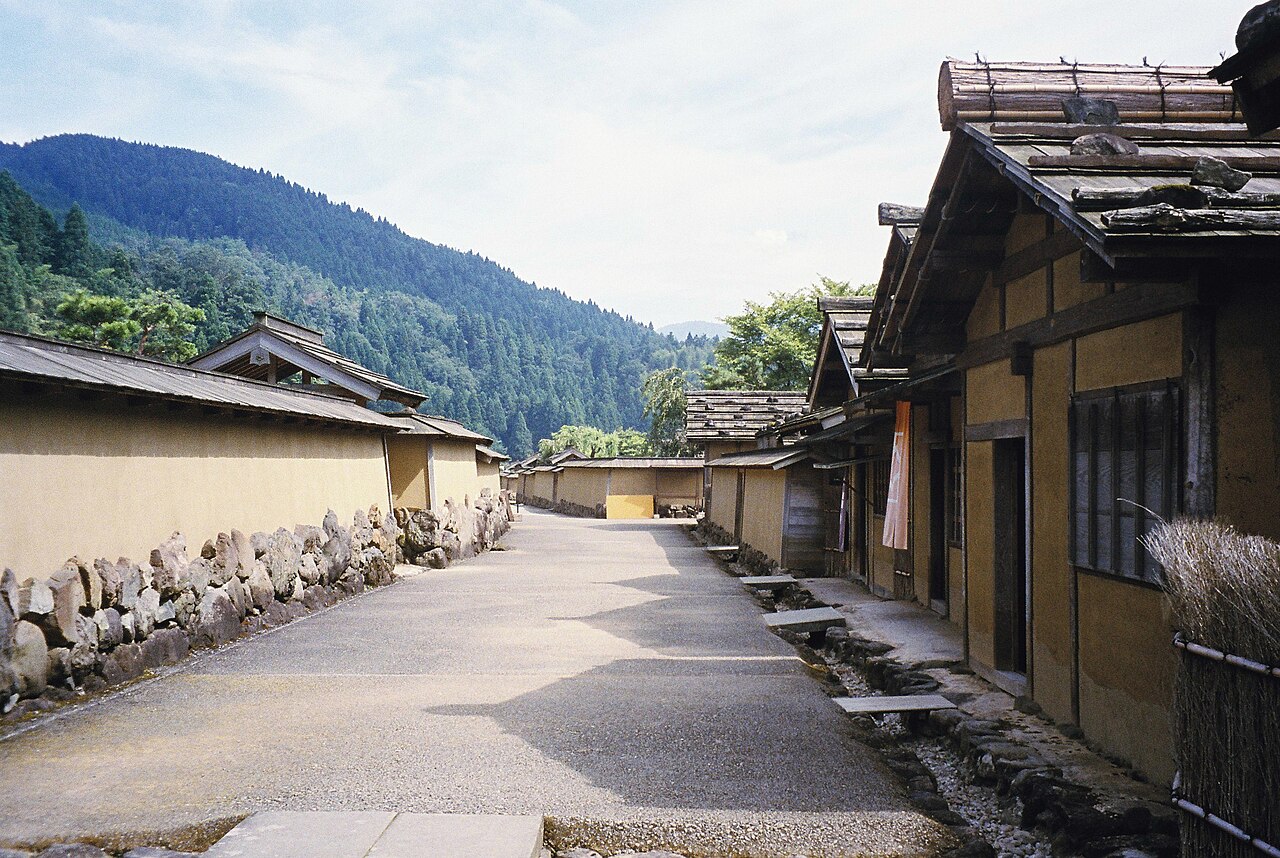
Ichijodani is a narrow valley a short hop out of Fukui, where the Asakura clan once held a castle on the mountain and a town along the stream below.
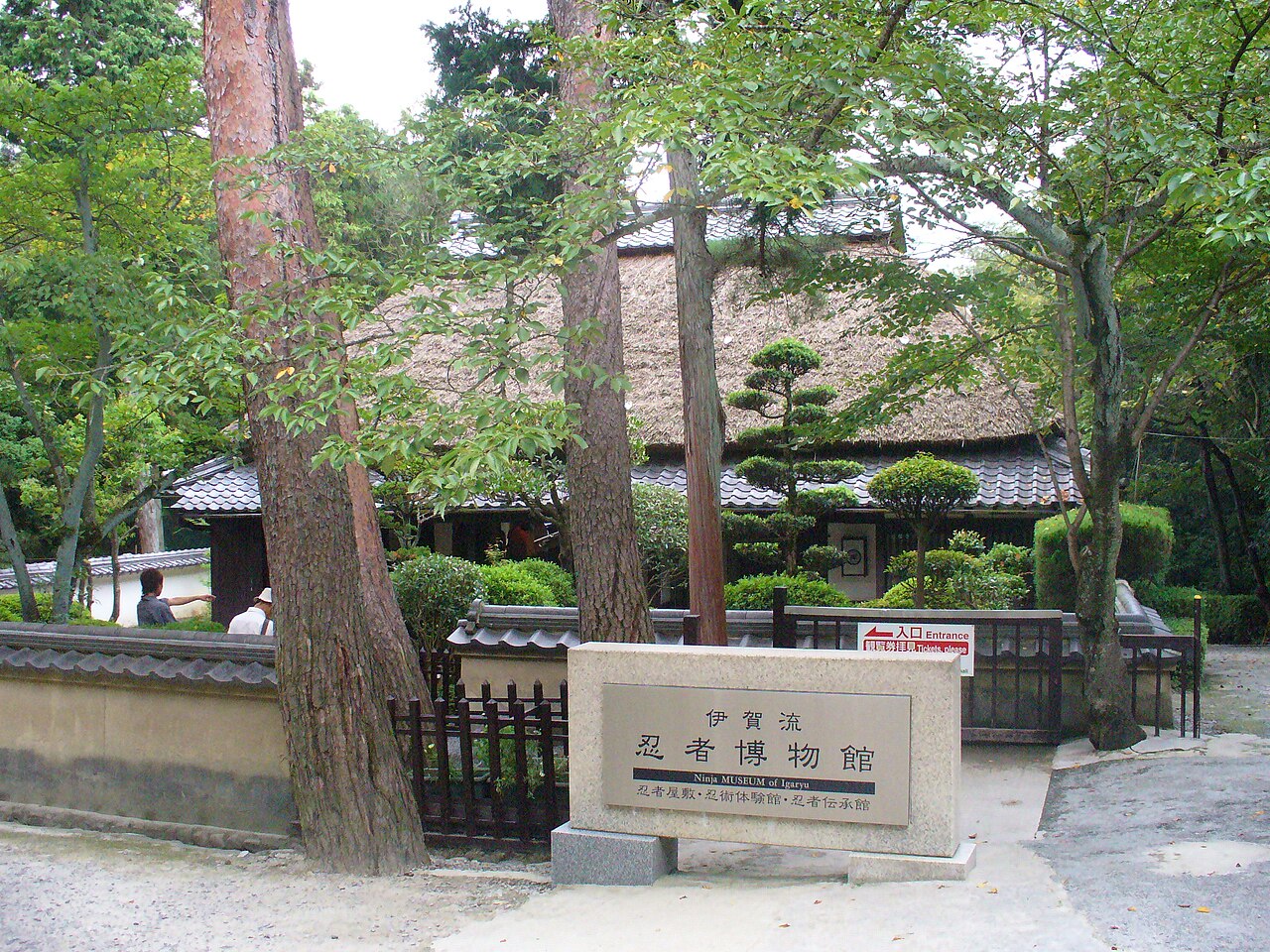
In Iga-Ueno, a ninja guides visitors through the various trick devices of the ninja house, a relocated local-lord residence of the late Edo period.
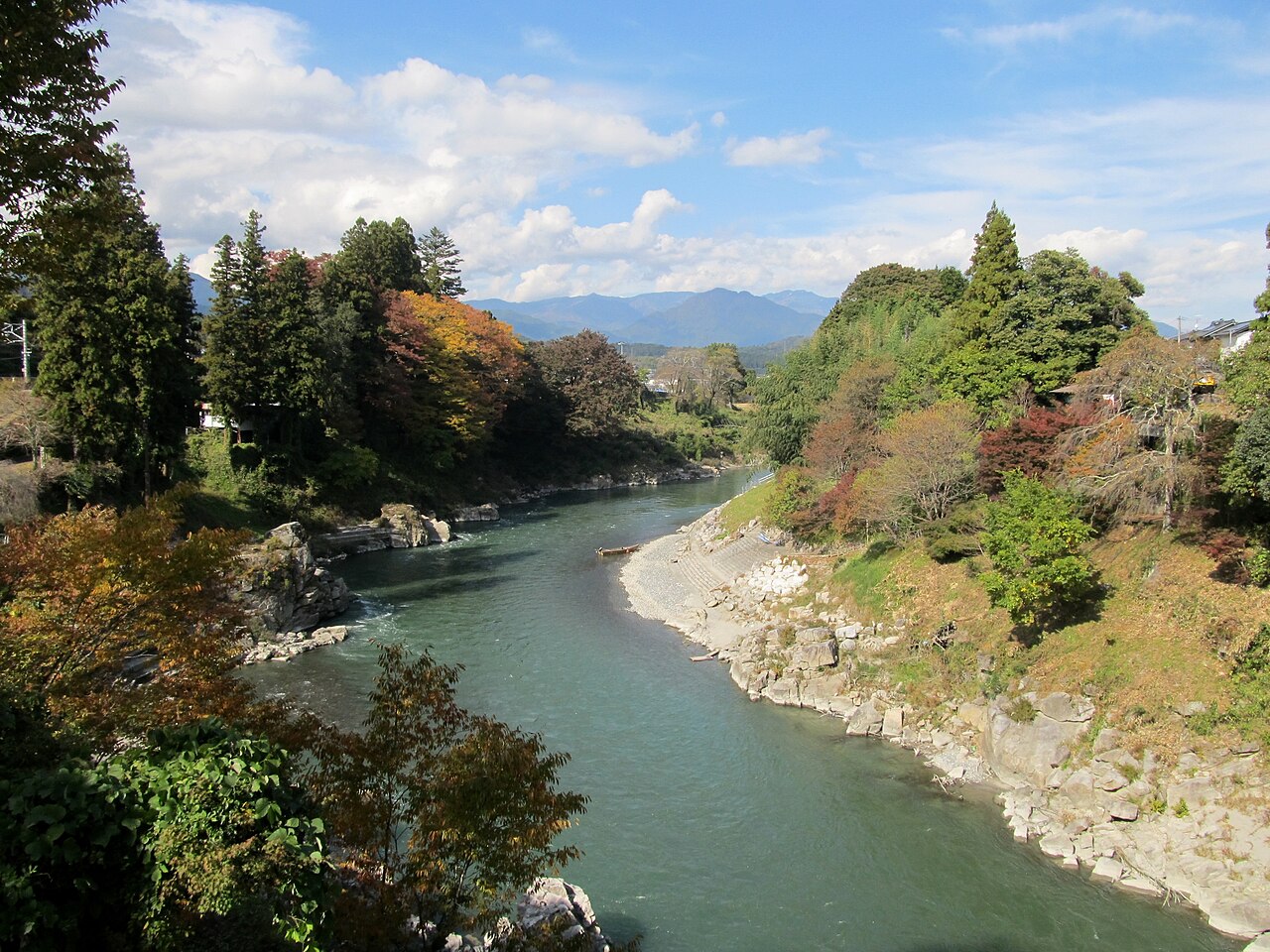
On the boat ride down the Tenryu River, a boatman shows the cast-net technique while a guide gives commentary along the way.
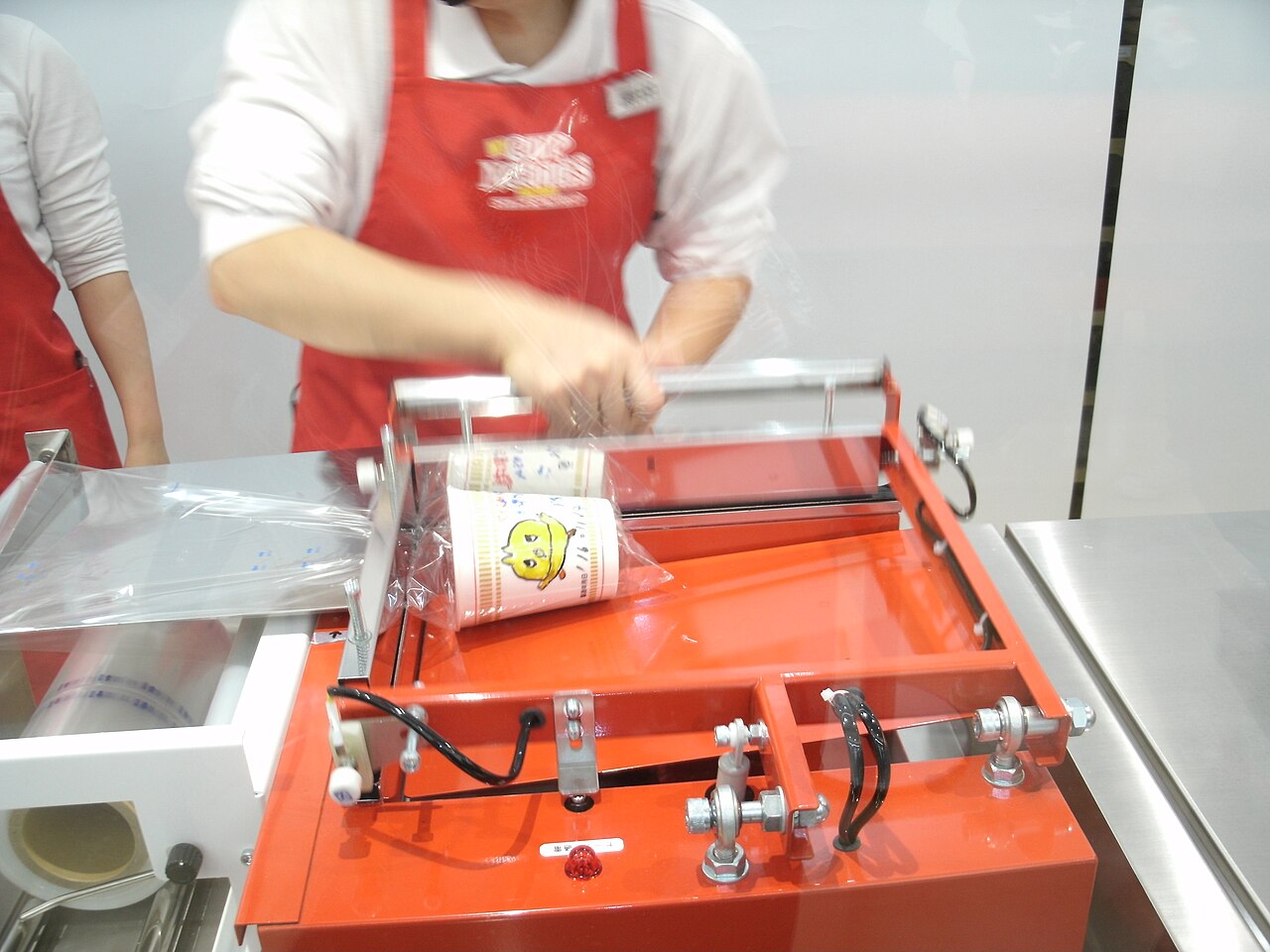
Chicken Ramen, the world's first instant ramen, was invented in Ikeda by Momofuku Ando.
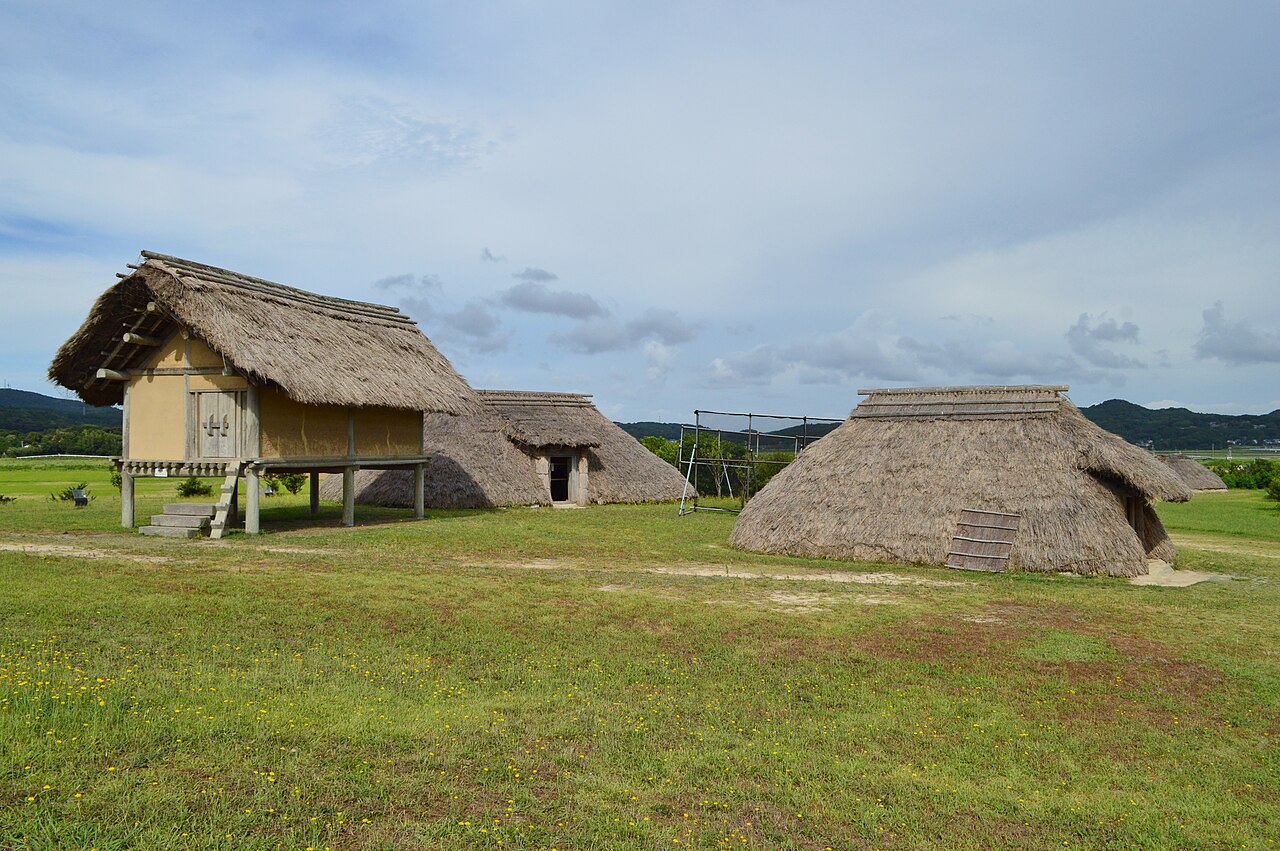
Iki is an island in Nagasaki Prefecture, reached by sea from Hakata Port in Fukuoka.
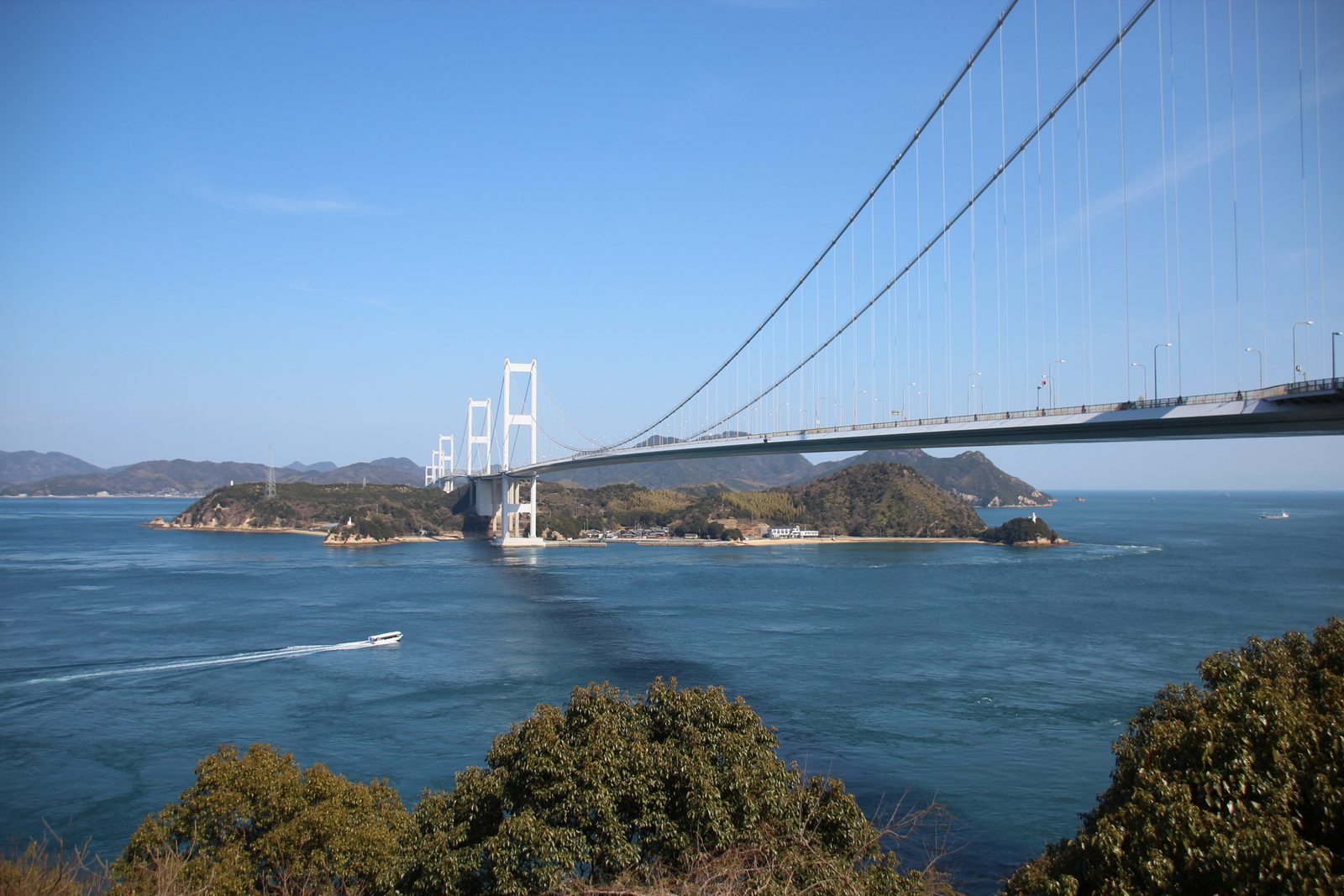
The Shimanami Kurushima Strait cruise carries its passengers to within close range of the Kurushima Strait's rapid current, one of the three major rapid tidal…
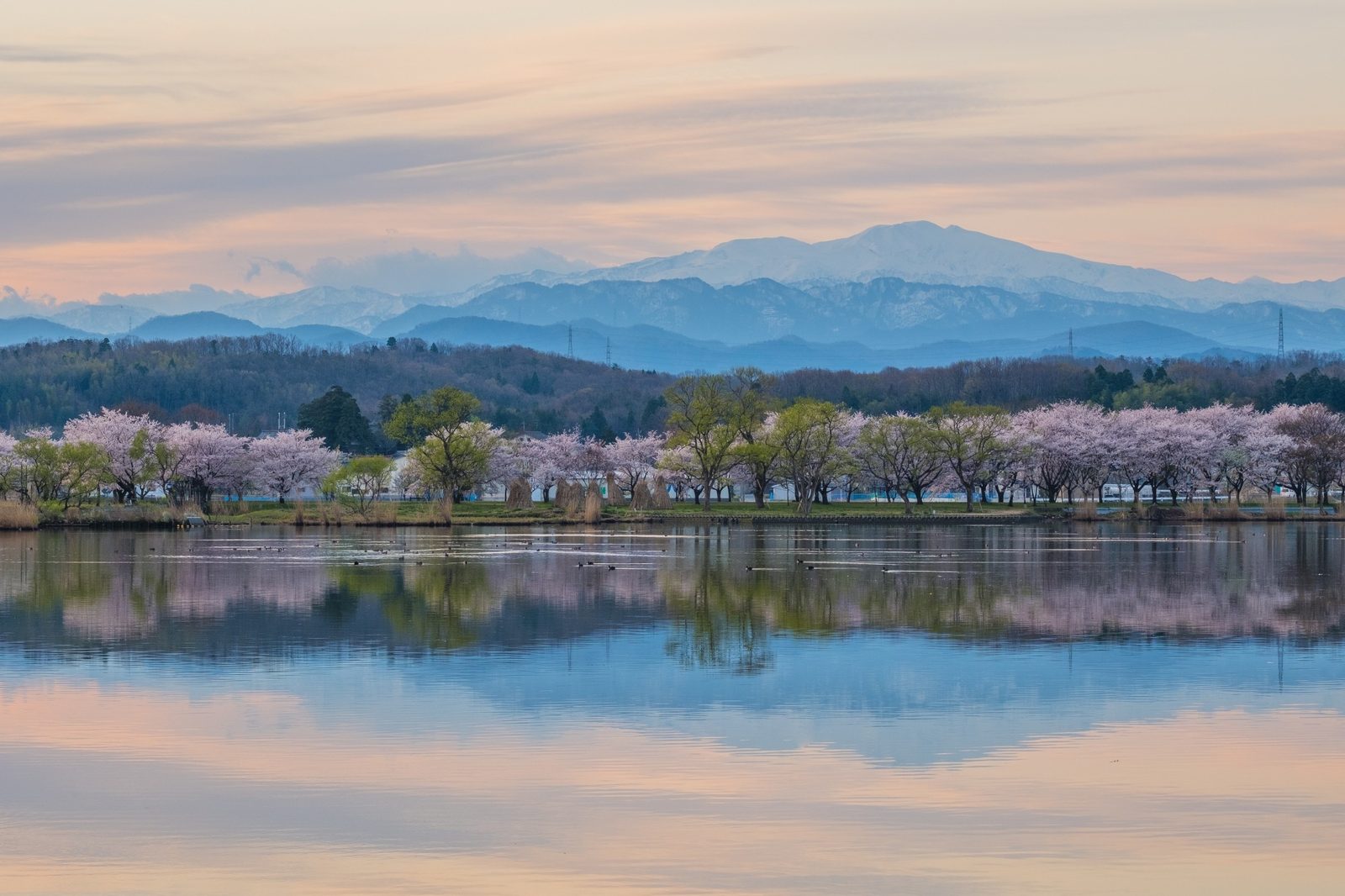
Komatsu in Ishikawa pairs a former copper mine with a lake, a pine-grove barrier site and a pottery tradition, and the pleasure is in how different they are…
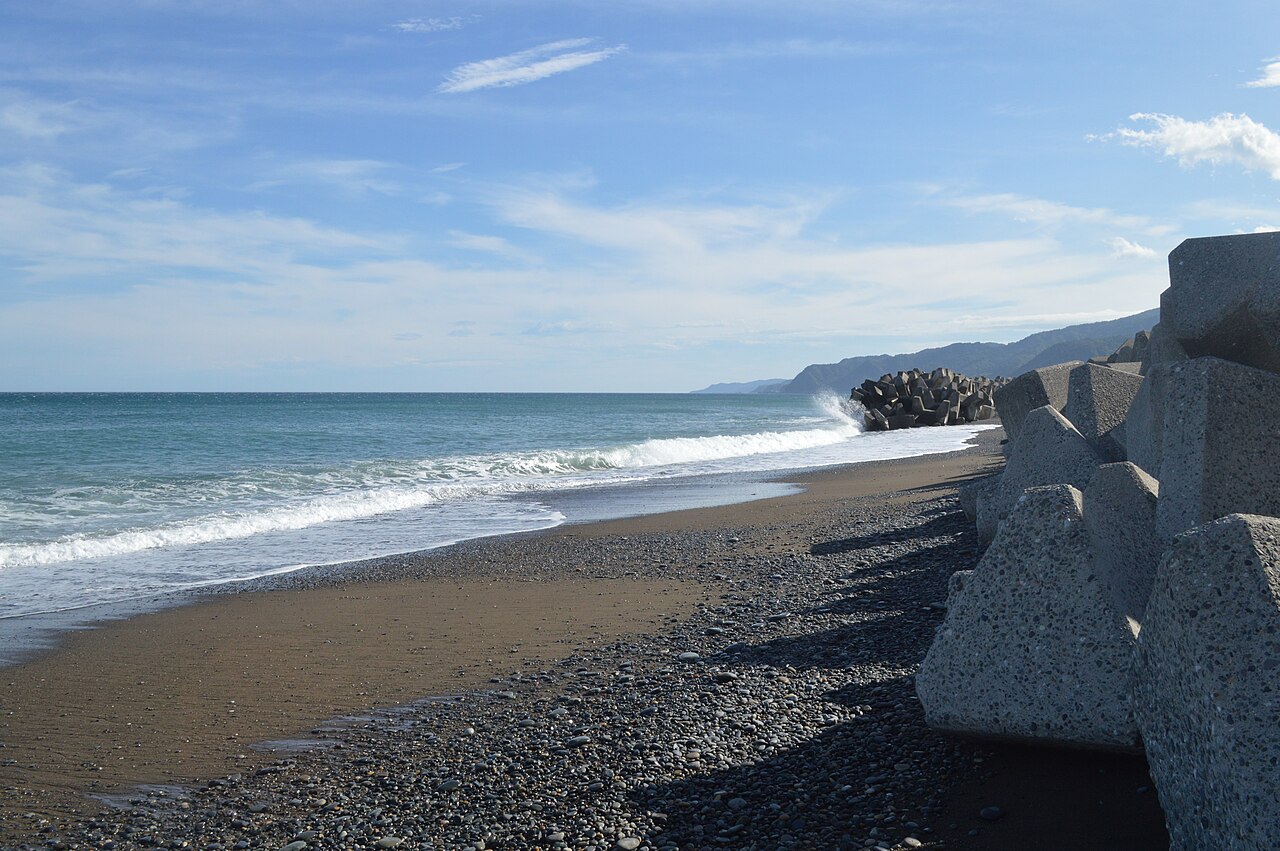
Itoigawa, on Niigata's Sea of Japan coast, has a long coastline and seven fishing ports.
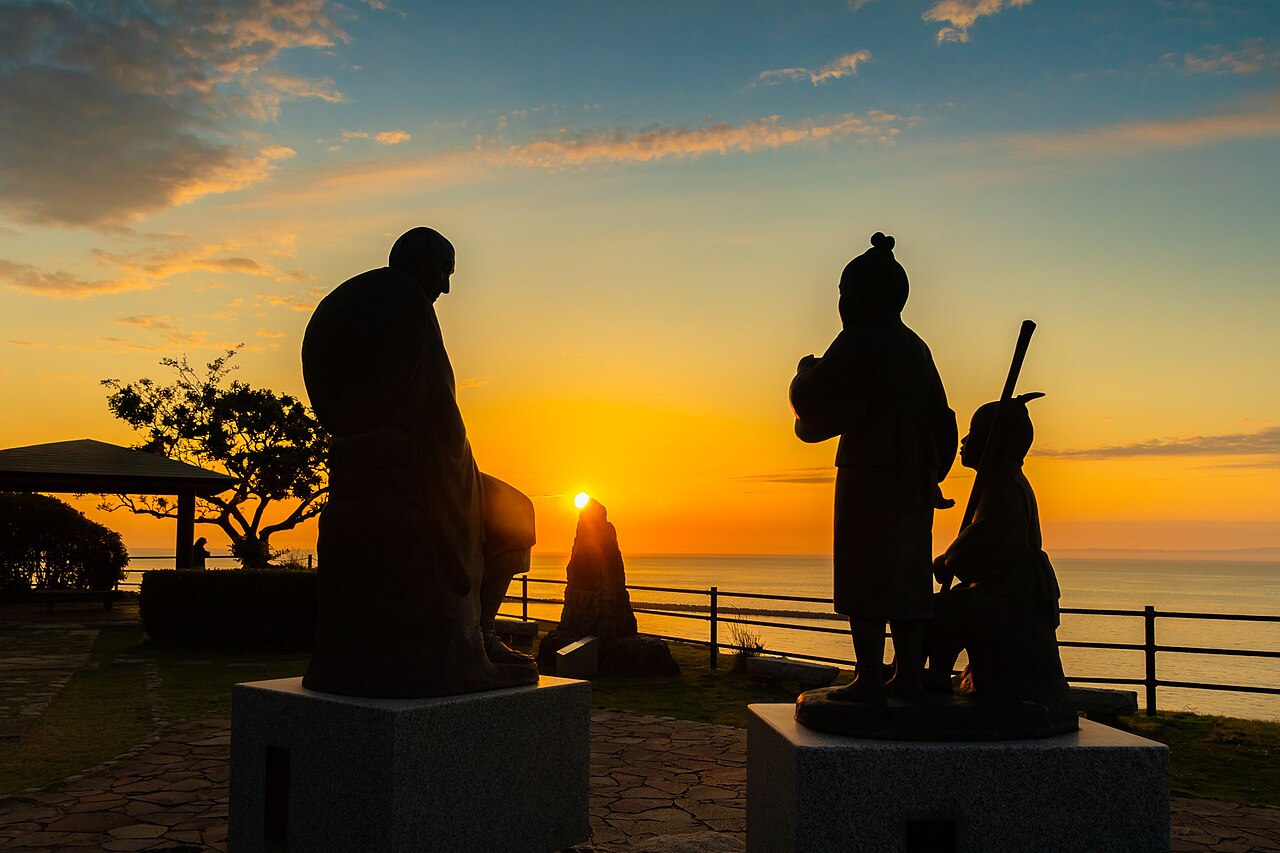
In the Edo period Izumozaki prospered as a Tenryo (shogunal) territory, as the landing port for Sado gold and silver and as a port of call for the Kitamaebune…
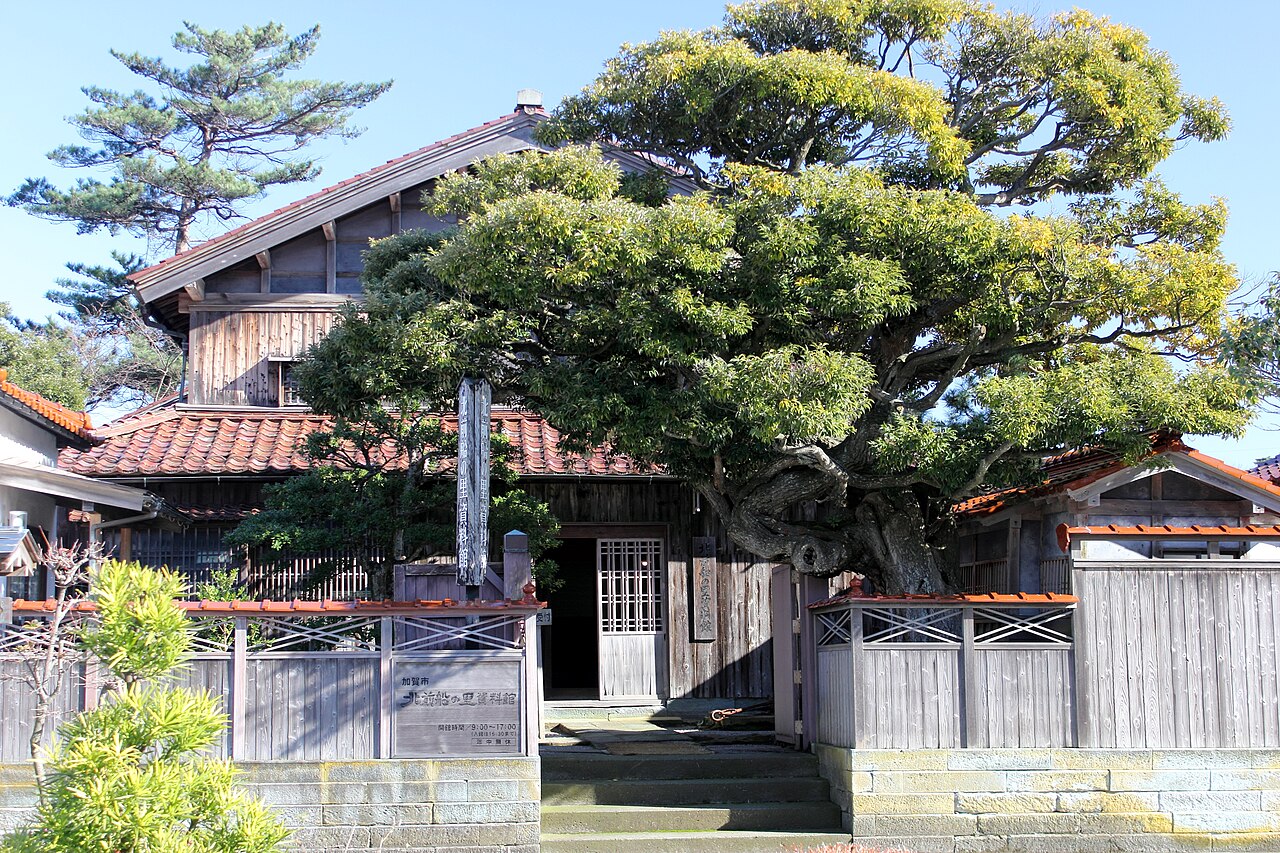
Hashitate keeps its reputation as the home of the Kitamaebune, the merchant ships that once travelled across the Sea of Japan.
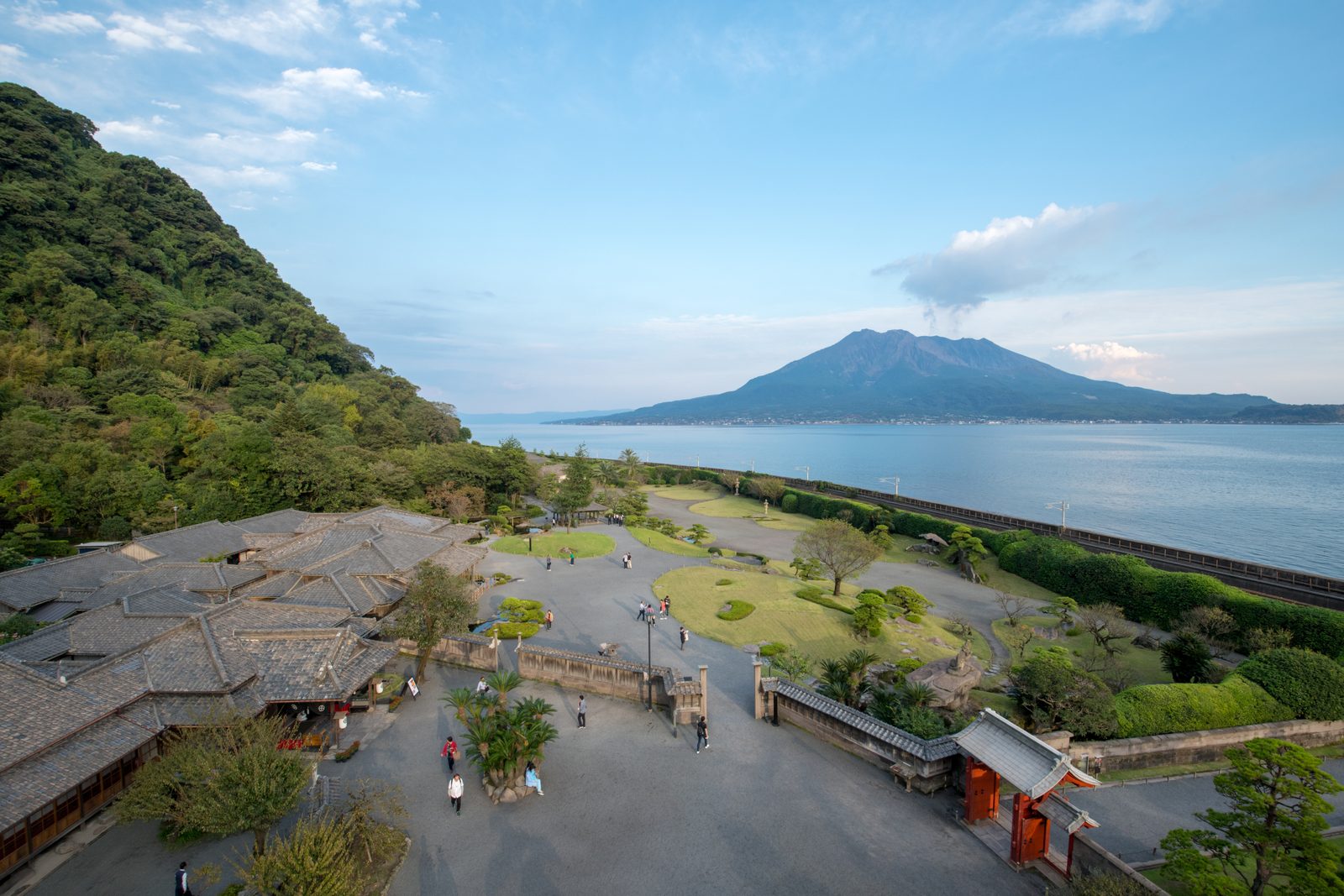
On clear days at Sengan-en, Sakurajima floating in Kagoshima Bay greets visitors in front of the Goten.
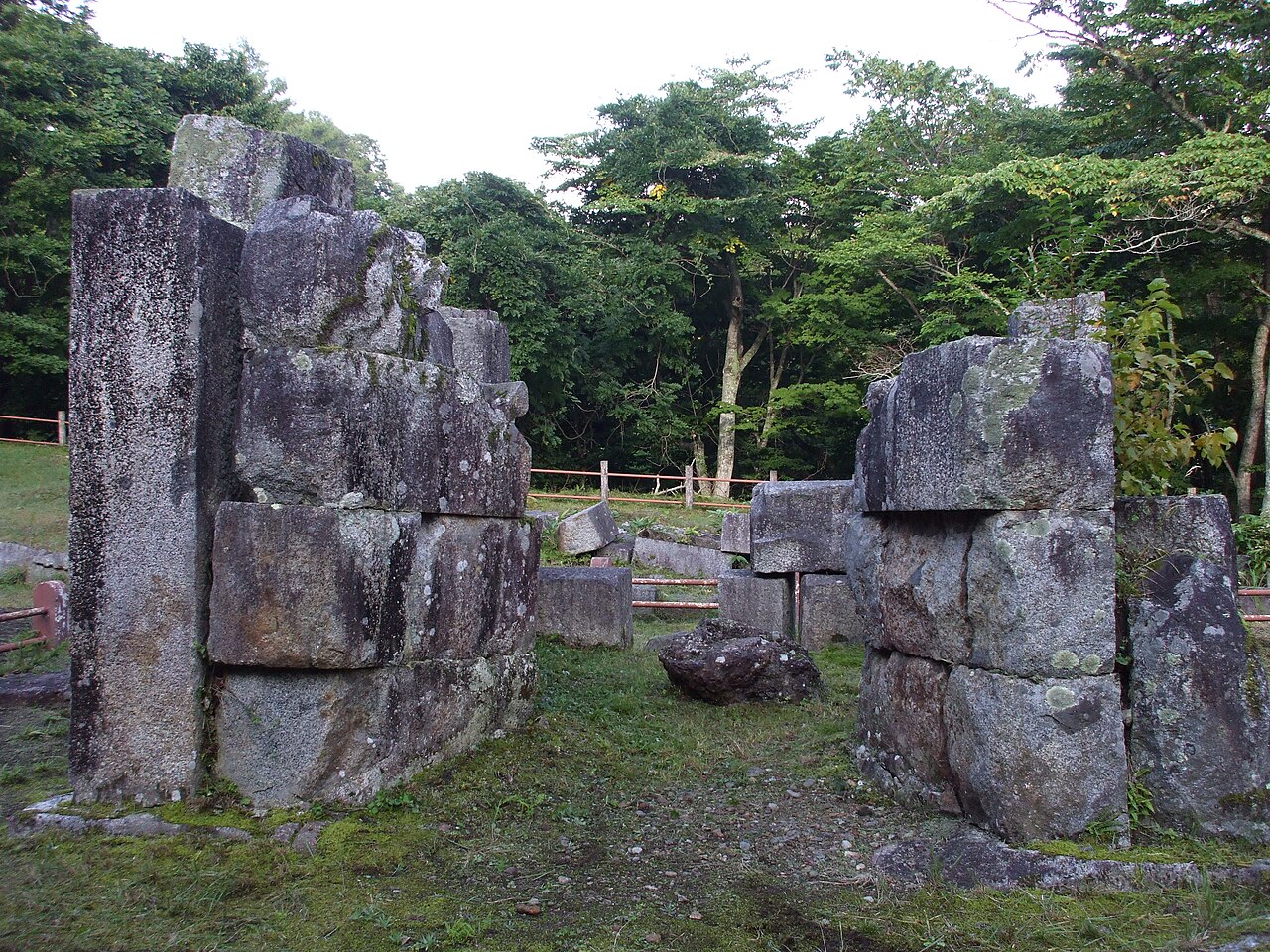
Kamaishi, in Iwate between sea and mountains, is a place to follow the story of iron from its first furnaces.
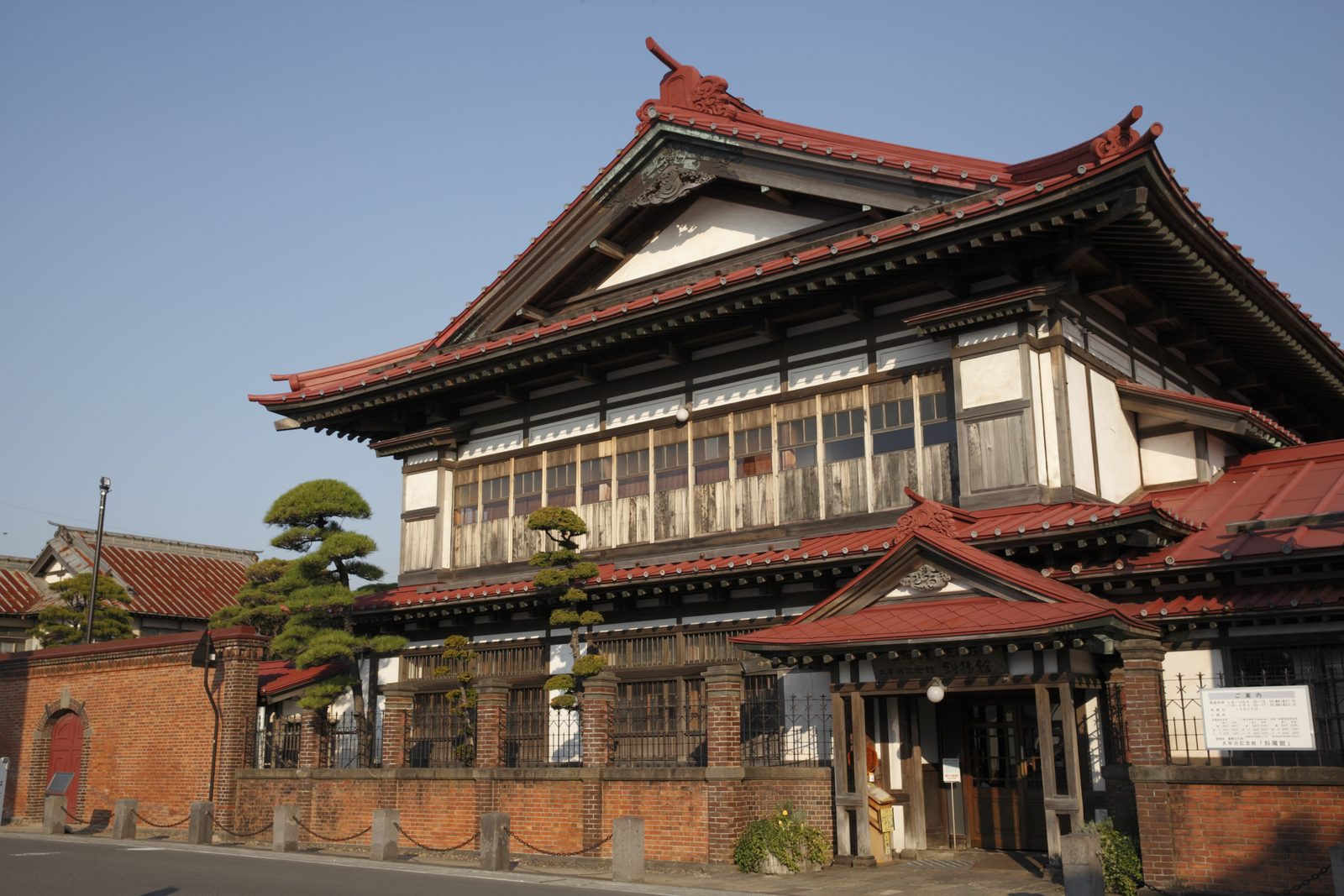
Kanagi is the birthplace of Dazai Osamu, and the irimoya-style mansion his landowner father completed in the fortieth year of the Meiji era is now the Dazai…
Inside Omicho Market, the seafood-bowl shop serves heaped seafood bowls made with selected fish caught that morning.
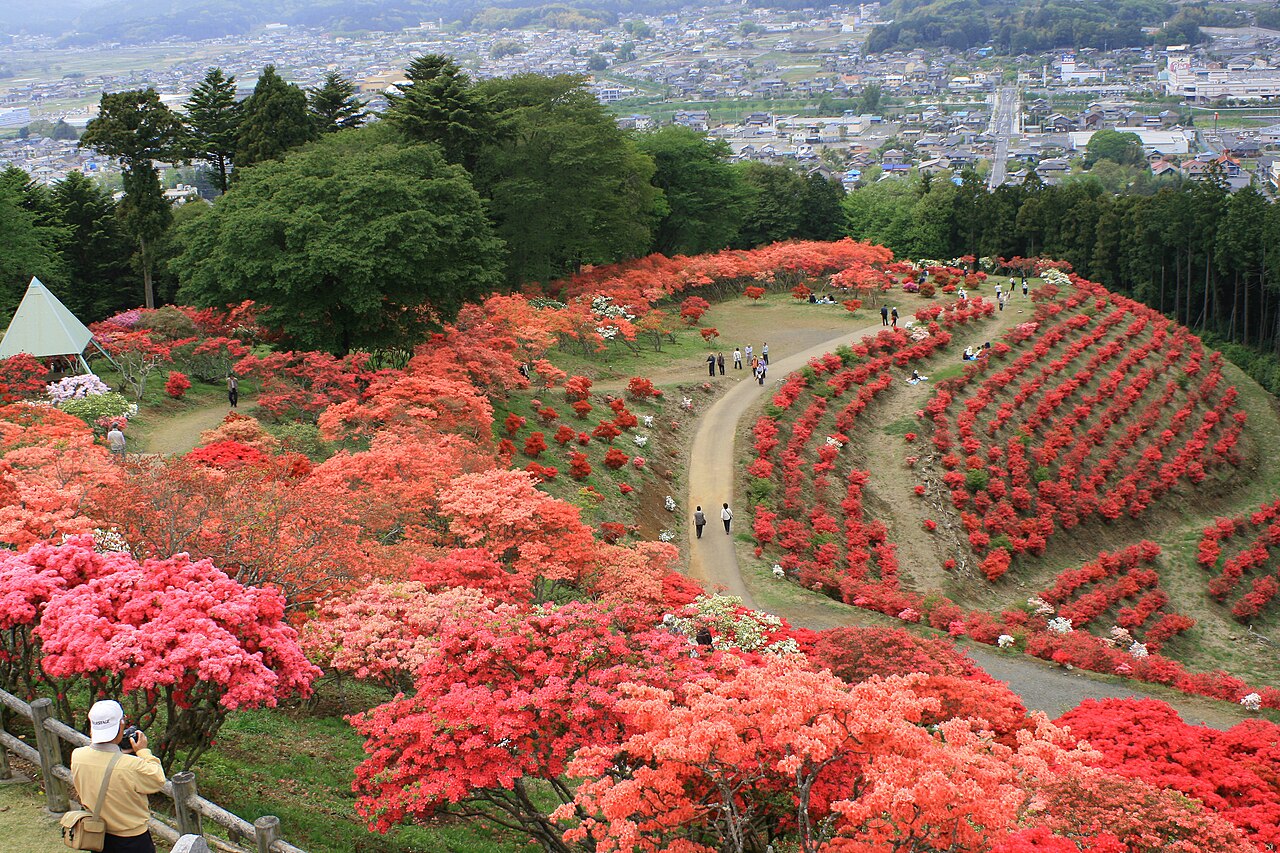
This guide covers the sightseeing loop bus that links the sights in Kasama, the origins of Kasama-yaki pottery, the arts park, ceramic museum and craft studio…
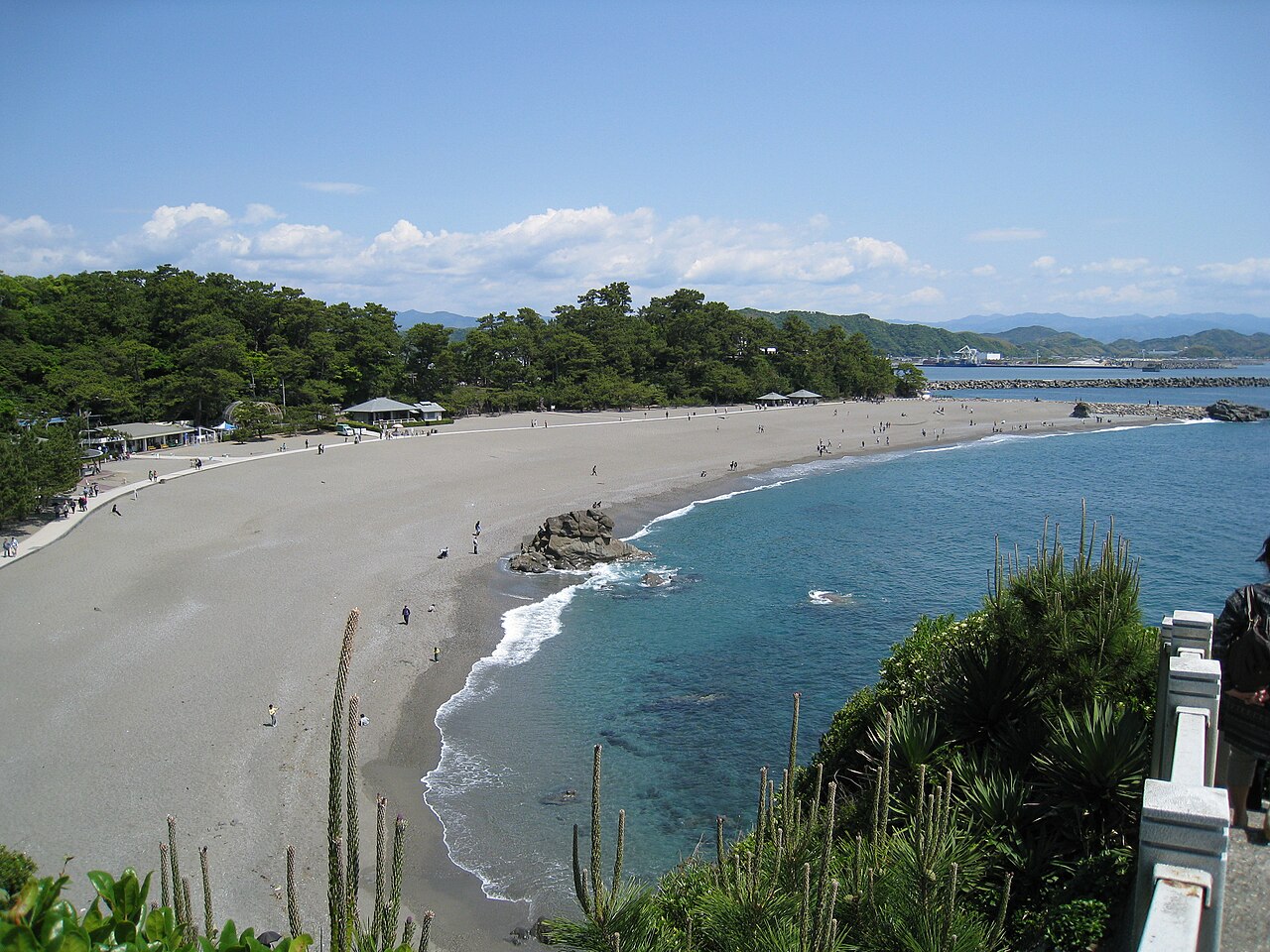
The Tosa folk song Yosakoi-bushi sings of Katsurahama as the place to see the moon.
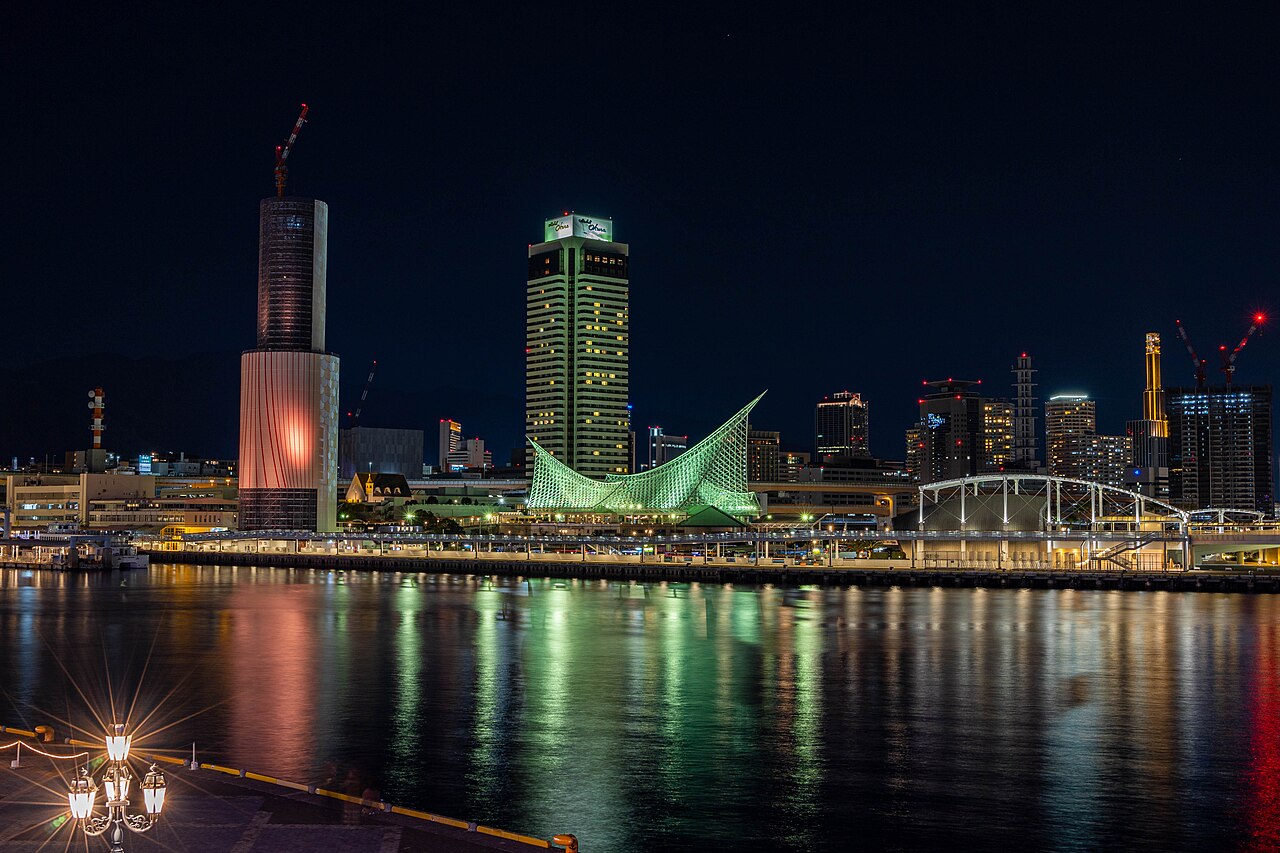
Meriken Park in Kobe preserves a section of the Meriken Wharf quay that the Great Hanshin-Awaji Earthquake damaged, left in its damaged state.
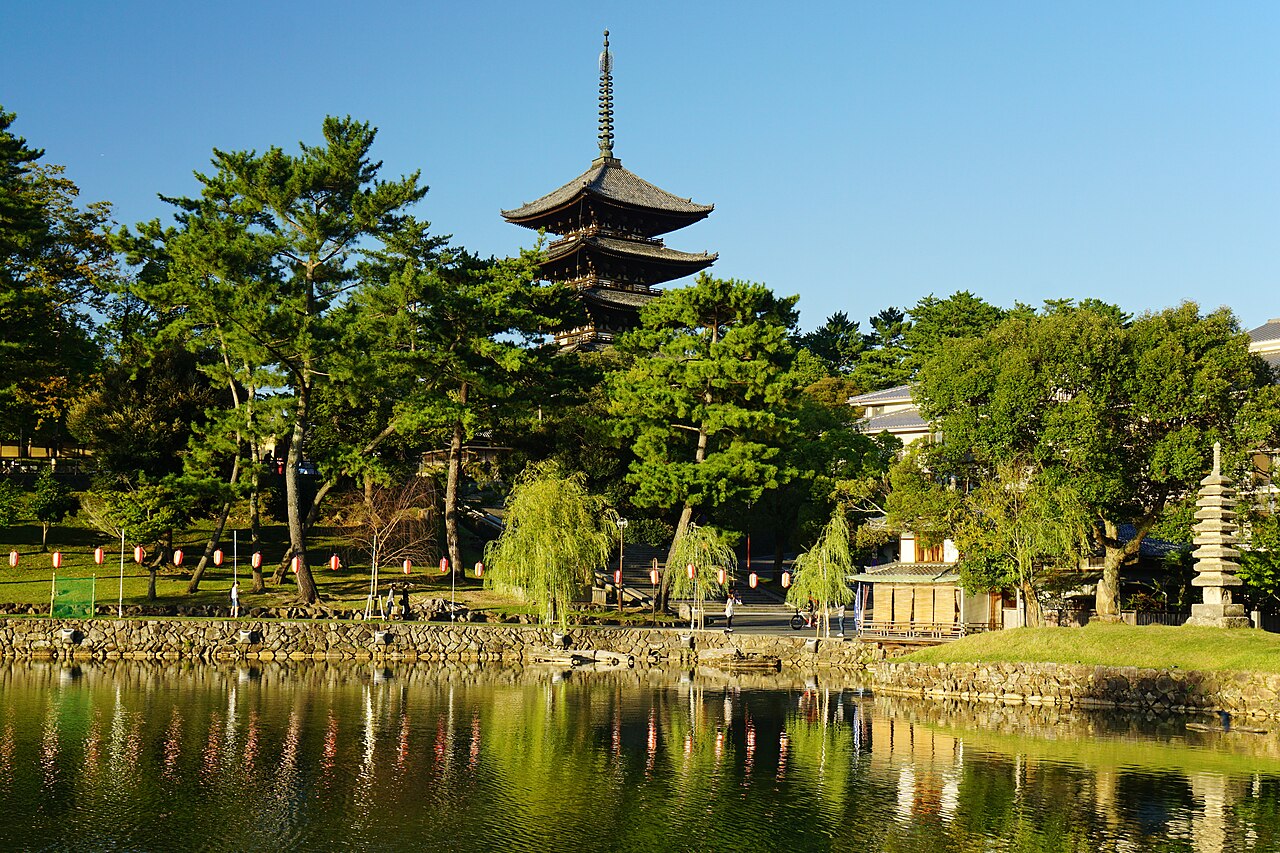
Walking through the precinct of Kofukuji takes visitors past halls, towers and gates, with the Chukondo, the hall that stood at the center of the temple…
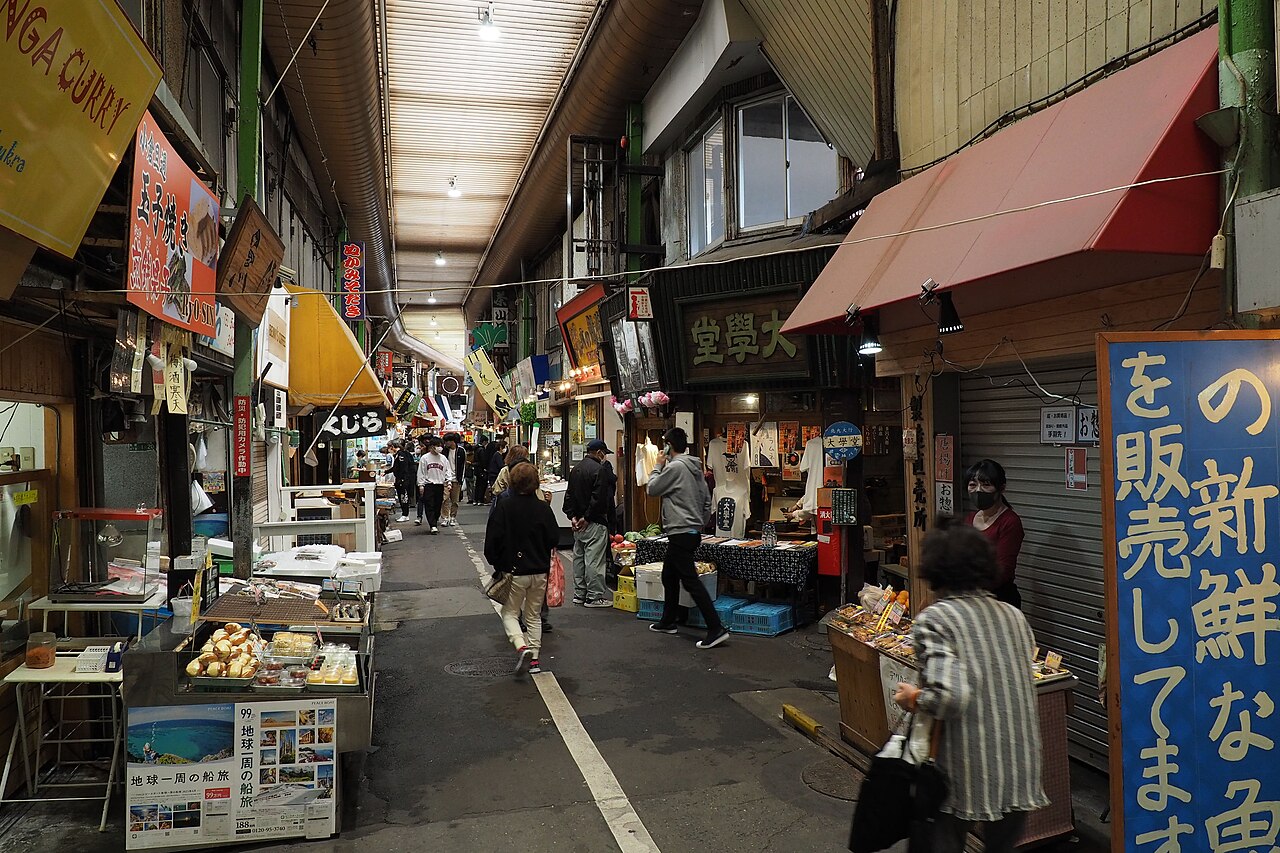
At Usami Shoten inside Tanga Market, sardines and mackerel are cooked as nuka-daki in the nuka-doko, the rice-bran bed, alongside the shop's nuka-zuke.
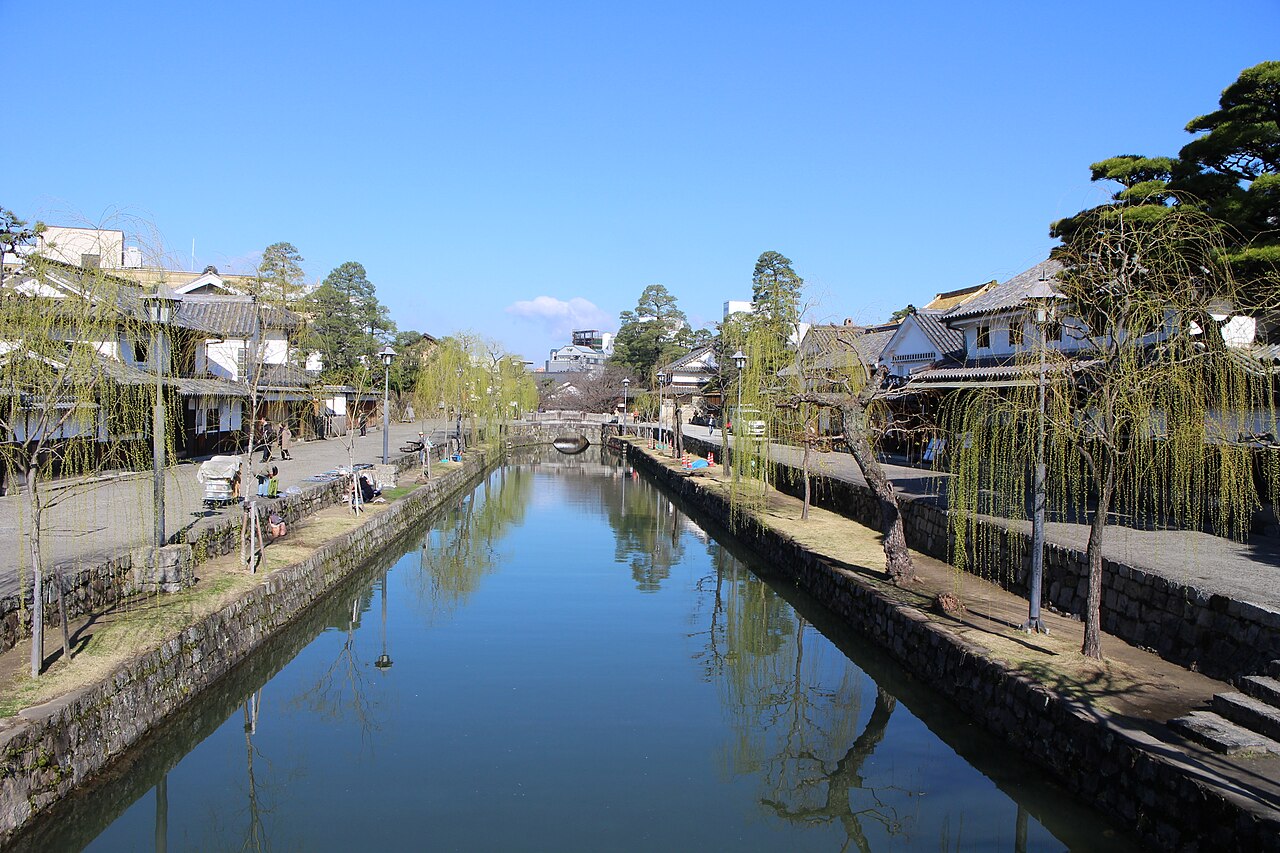
Early in the morning, the Kurashiki Bikan Historical Quarter is quieter than you might expect, and its white-walled storehouses, namako-kabe walls and…
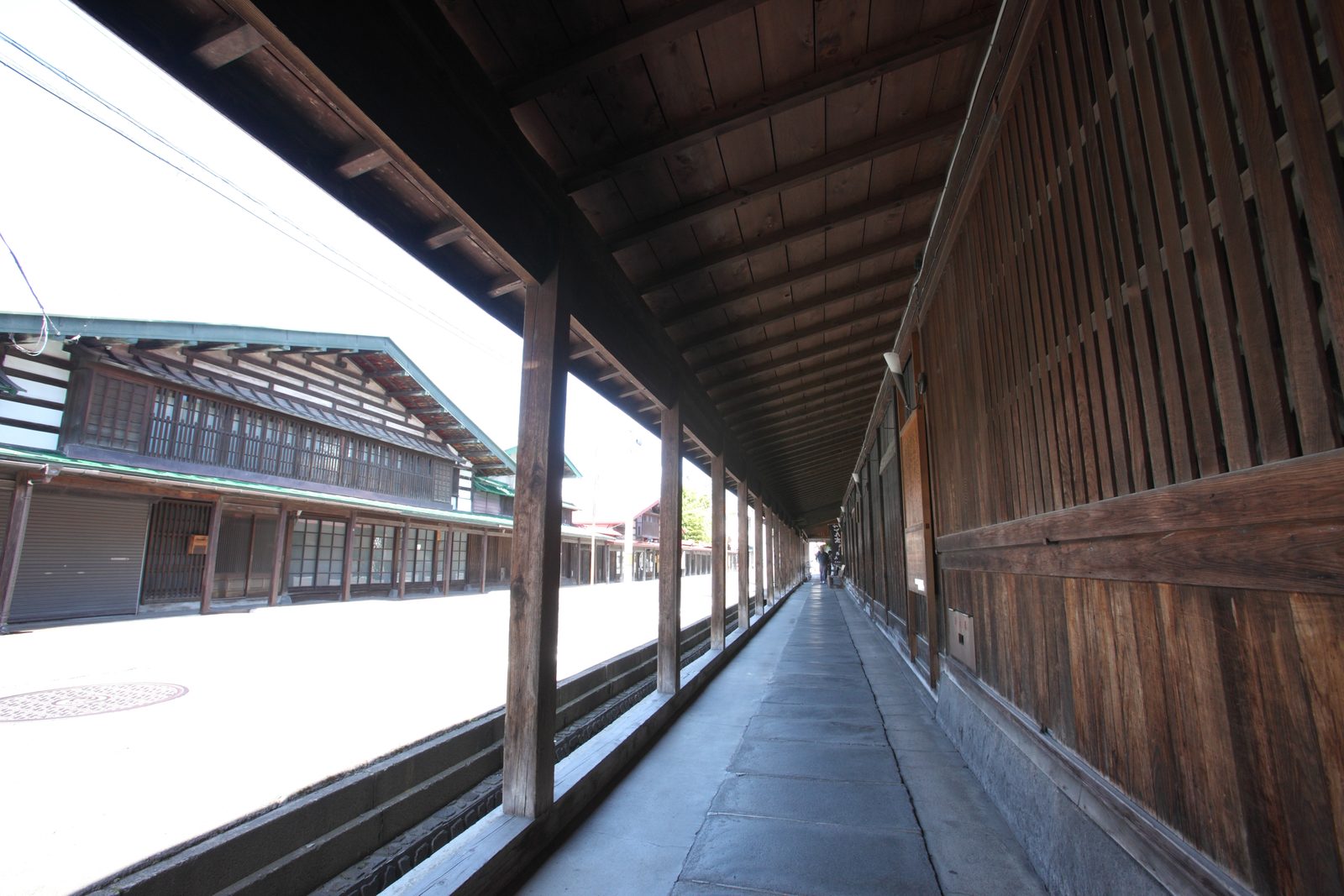
This guide covers a half day to a full day in Kuroishi, a small town in Aomori Prefecture, built around the covered wooden arcades of Nakamachi Street and…
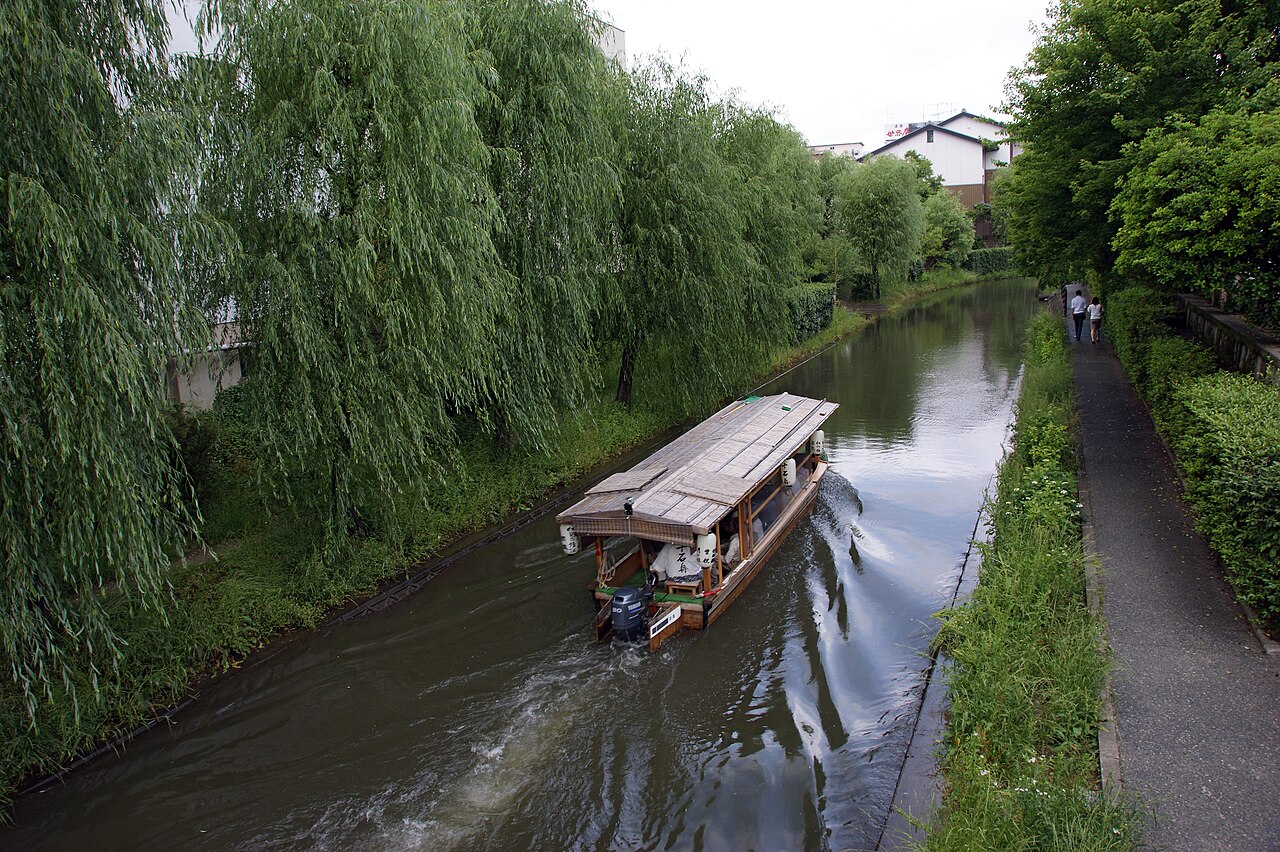
Fushimi is the sake-brewing quarter of Kyoto, and the place to start is on the water, aboard a roofed Jikkoku-bune moving along a canal where willows are…
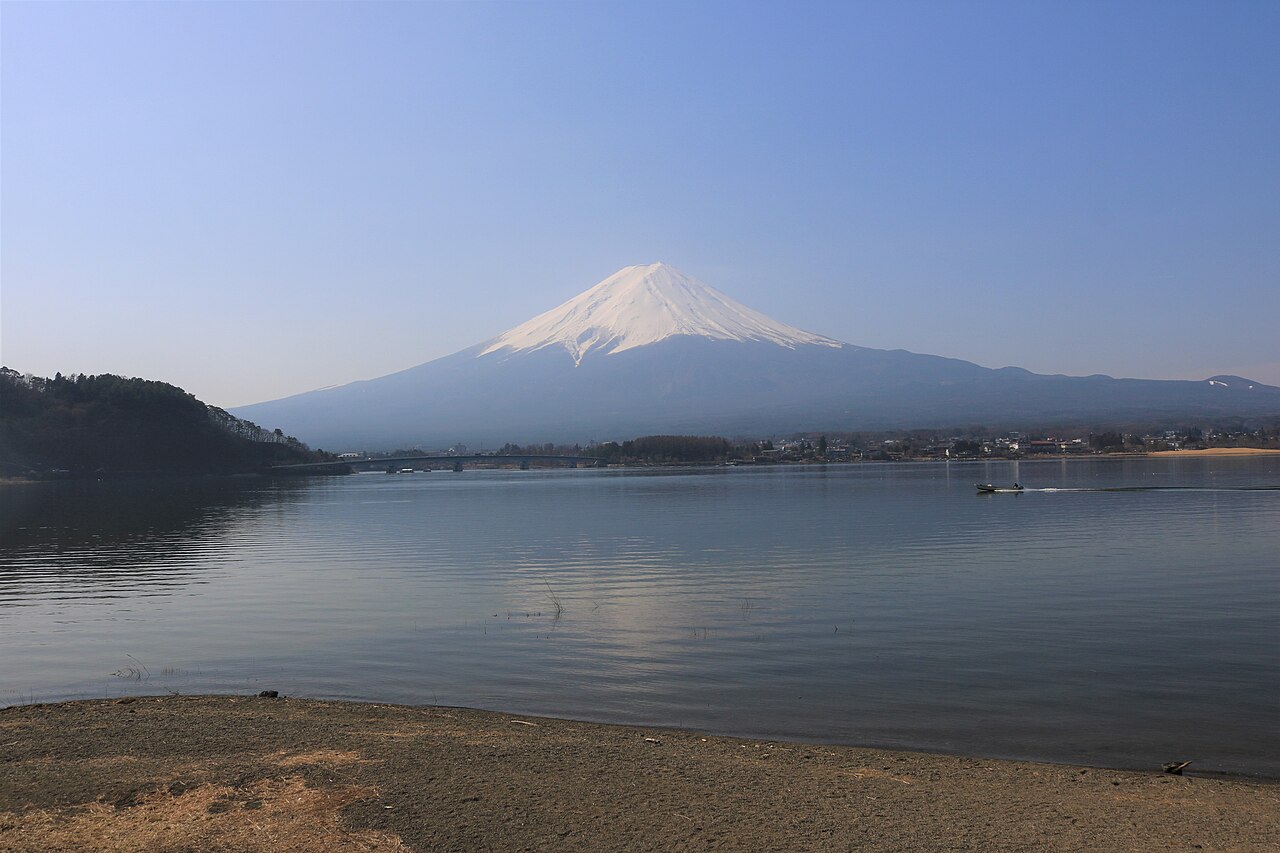
A day trip to Lake Kawaguchi leads to Fujikawaguchiko town, where the four lakes Kawaguchiko, Saiko, Shojiko and Motosuko lie.
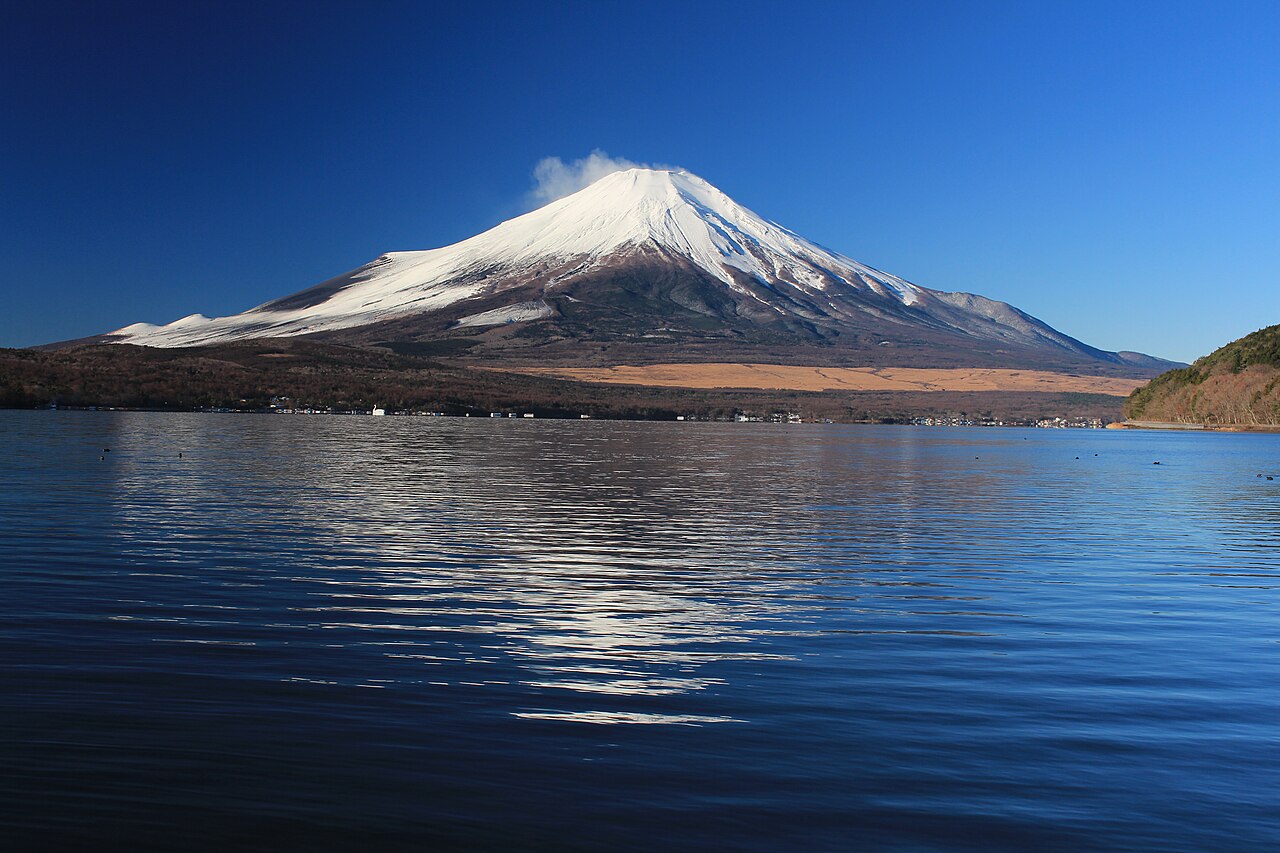
A walk along the shore of Lake Yamanaka brings Mt Fuji into view across the water, and a cycling road follows almost the whole shoreline.
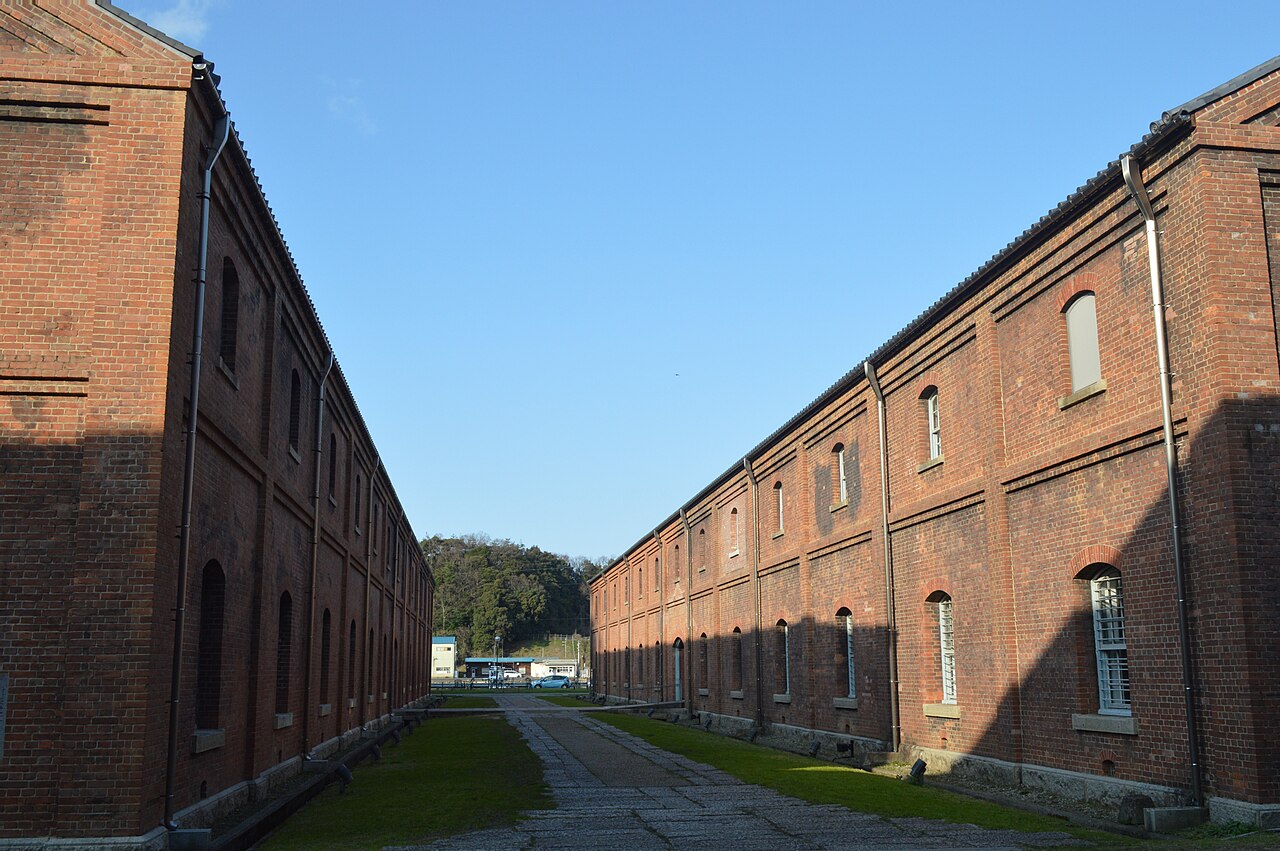
Maizuru Akarenga Park has eight red brick warehouses built in the Meiji and Taisho eras, designated as national Important Cultural Properties.
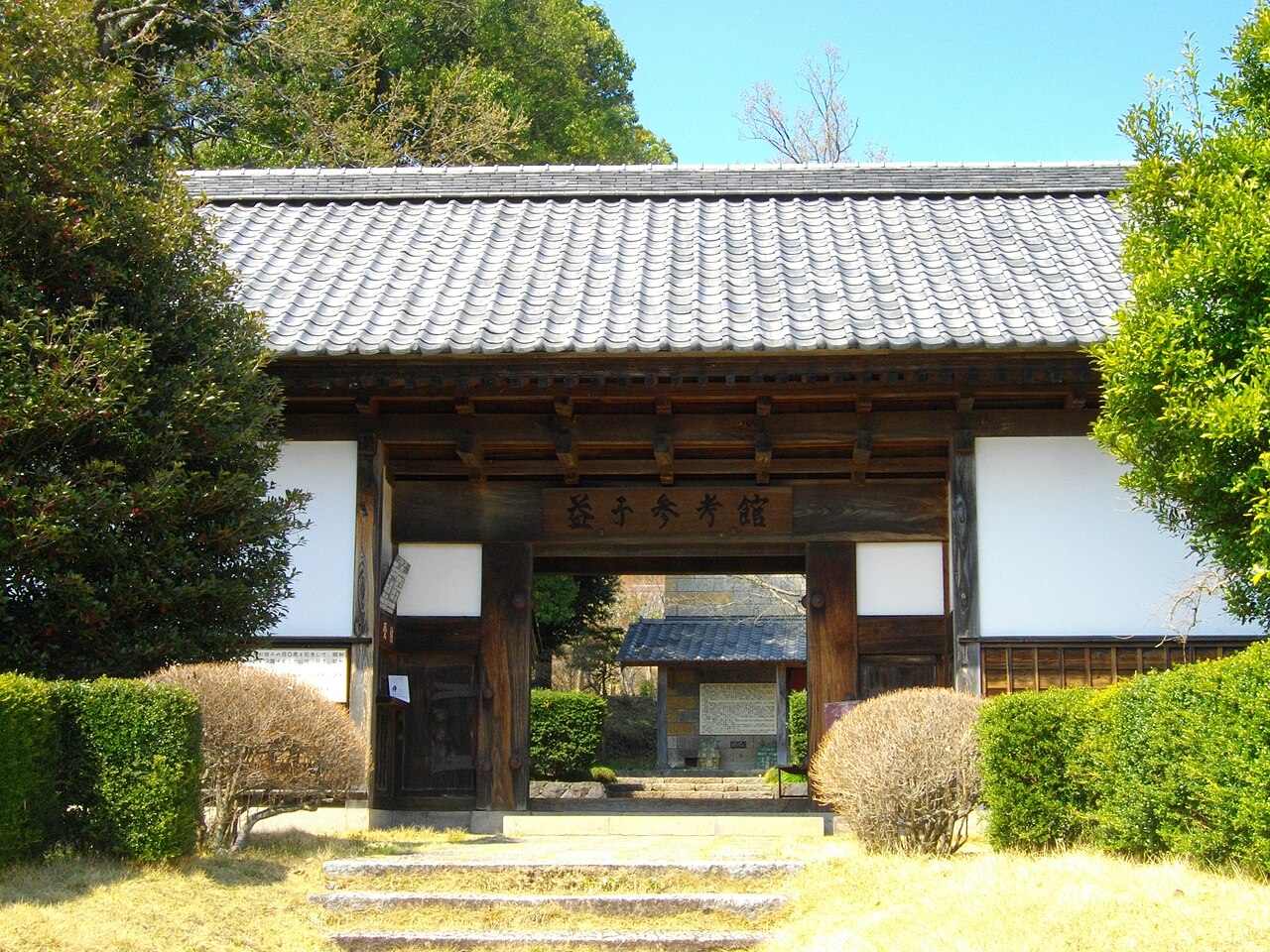
Mashiko is a town in Tochigi with about one hundred sixty kilns and pottery sales shops.
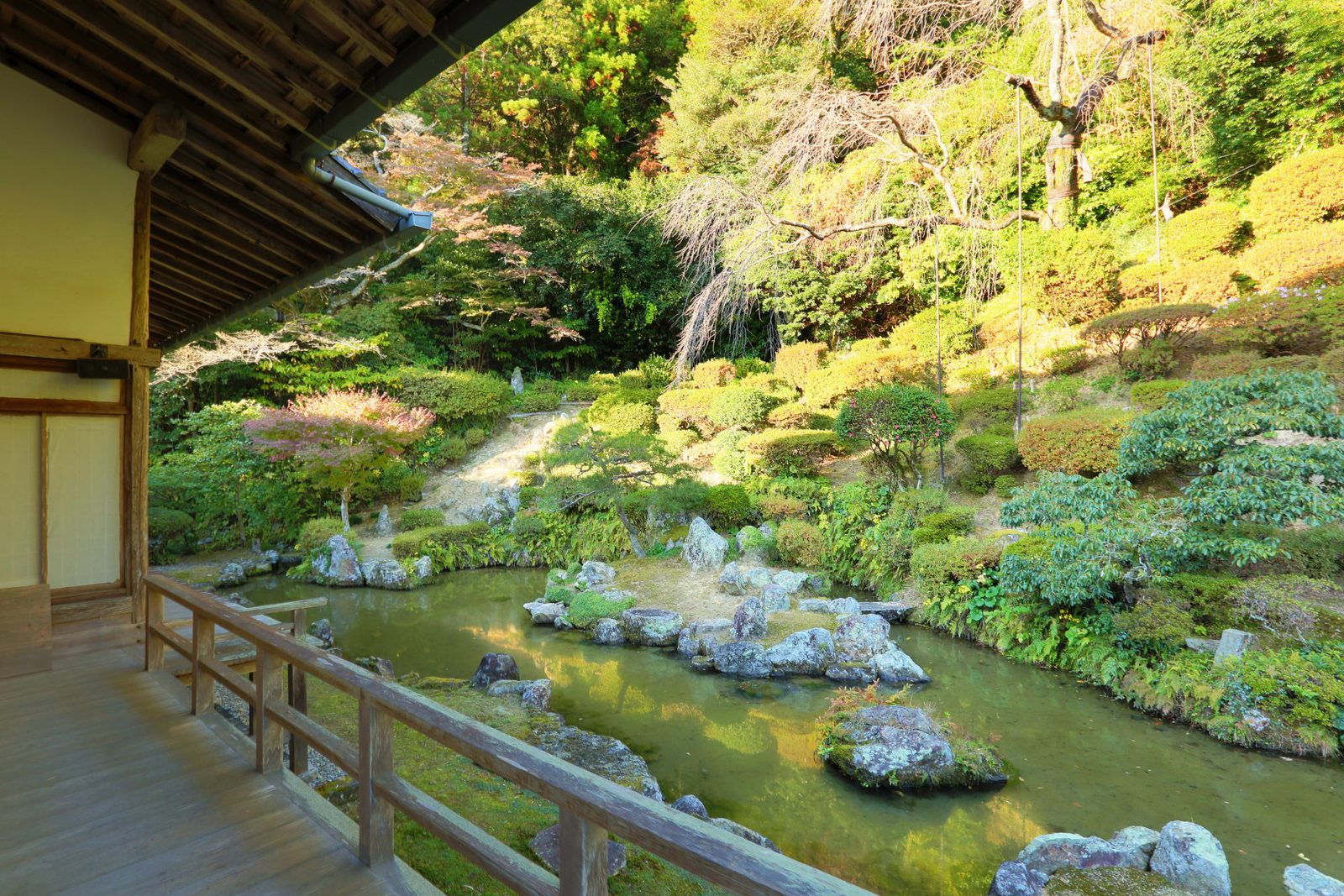
The garden of Manpukuji is said to have been made by Sesshu and, with the Ikoji garden, can be seen in each of the four seasons.
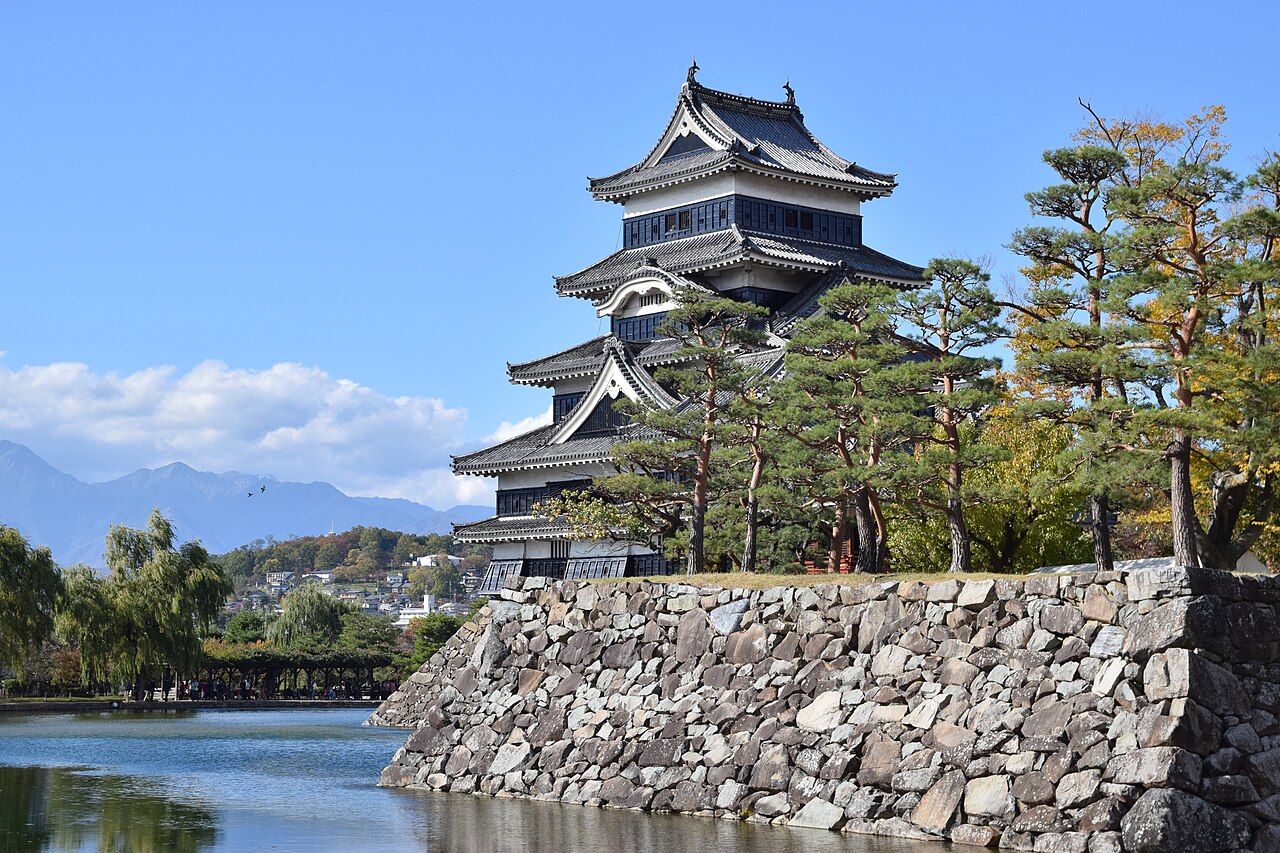
This guide covers a day in Matsumoto, the castle town in Nagano: how to reach it from Tokyo and move around once there, the keep of Matsumoto Castle, the old…
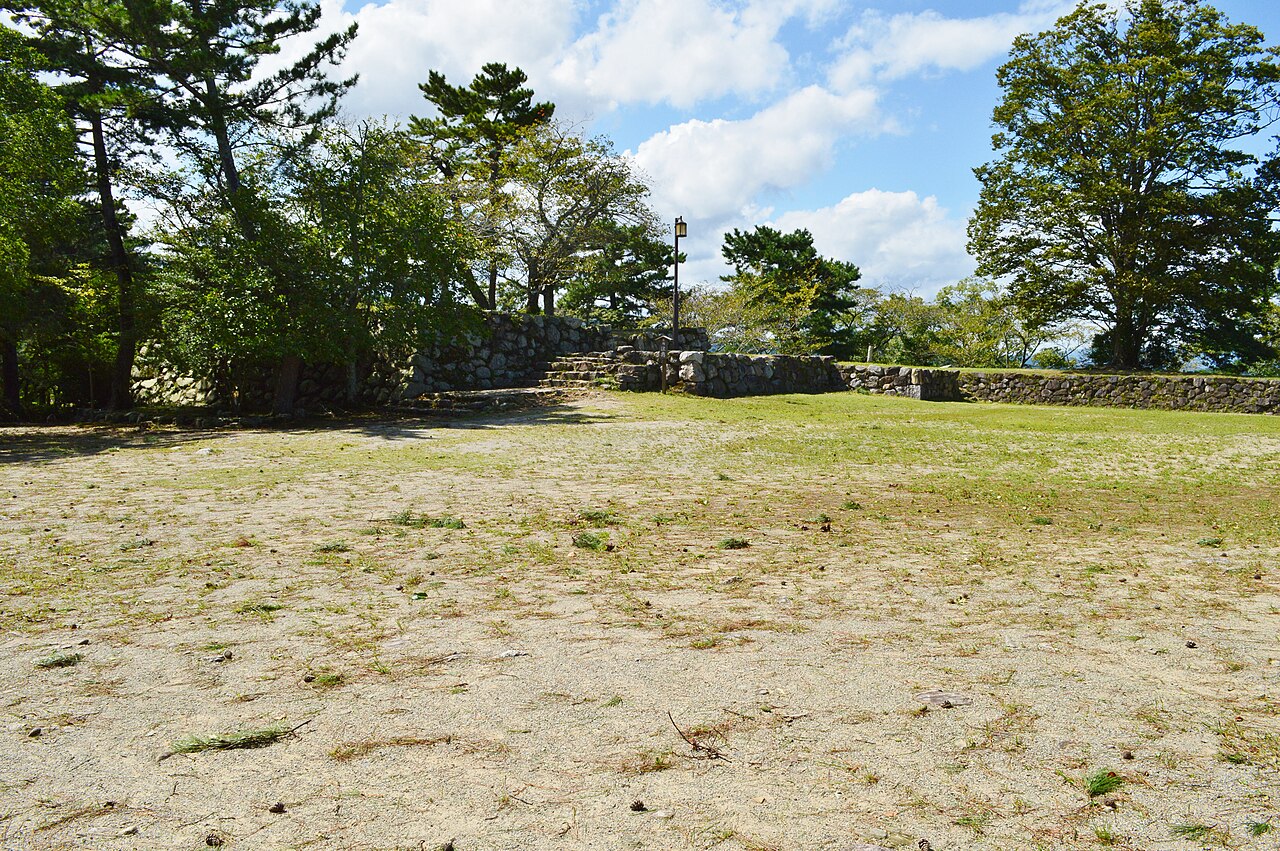
From the castle ruins in Matsusaka, the old castle-town streets that keep their former look can be seen all at once.
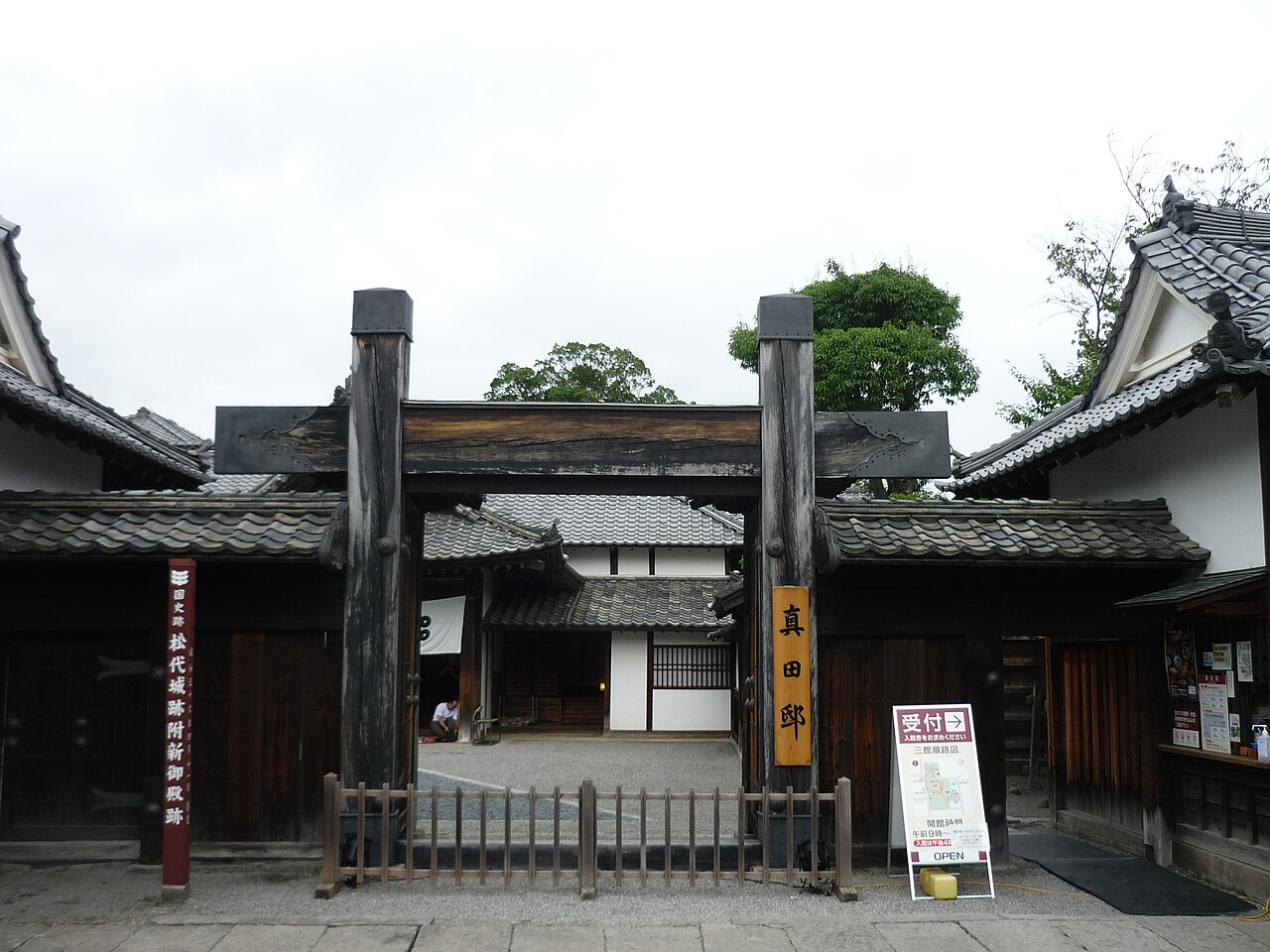
Matsushiro-machi was the stage of the Battle of Kawanakajima in the Sengoku period.
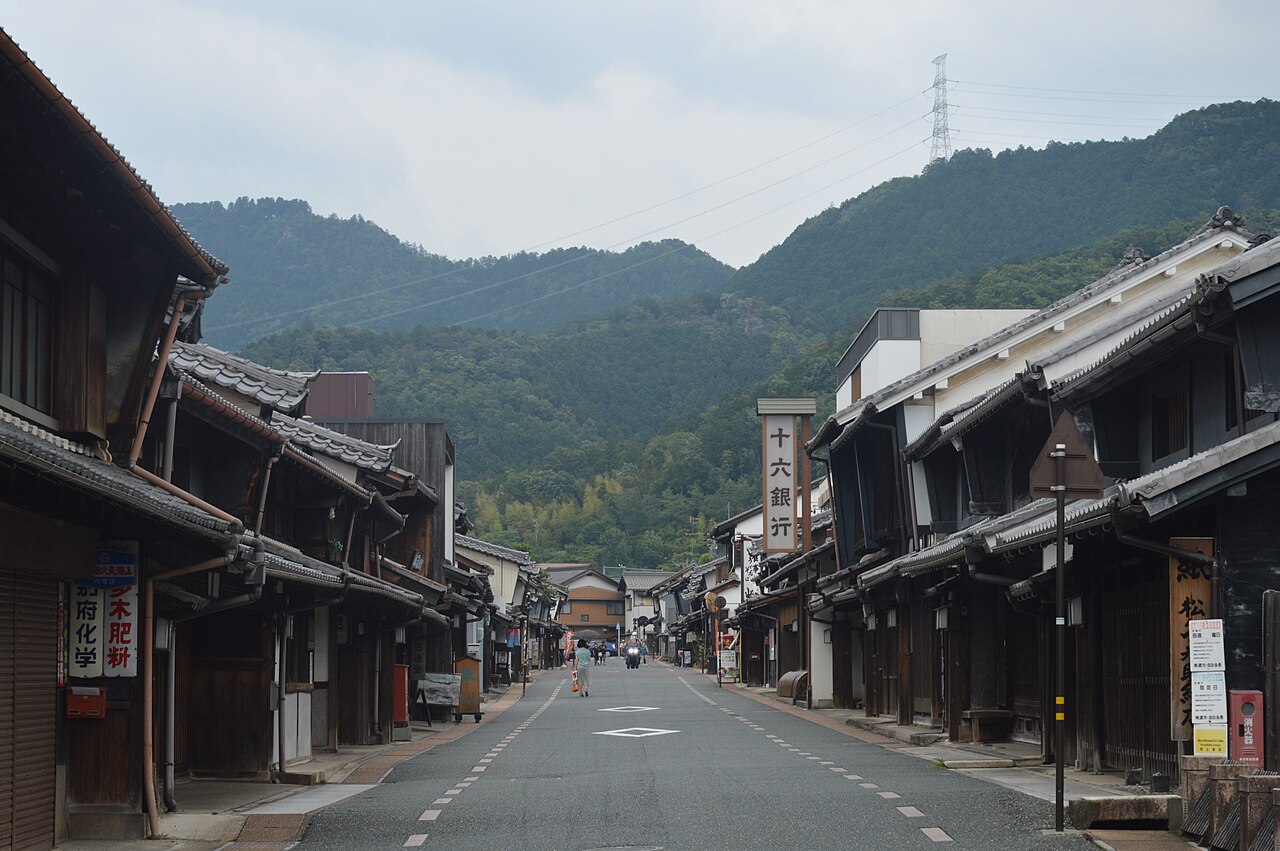
In Mino you walk a street of old houses whose roofs carry udatsu, firewalls built at both ends of a roof.
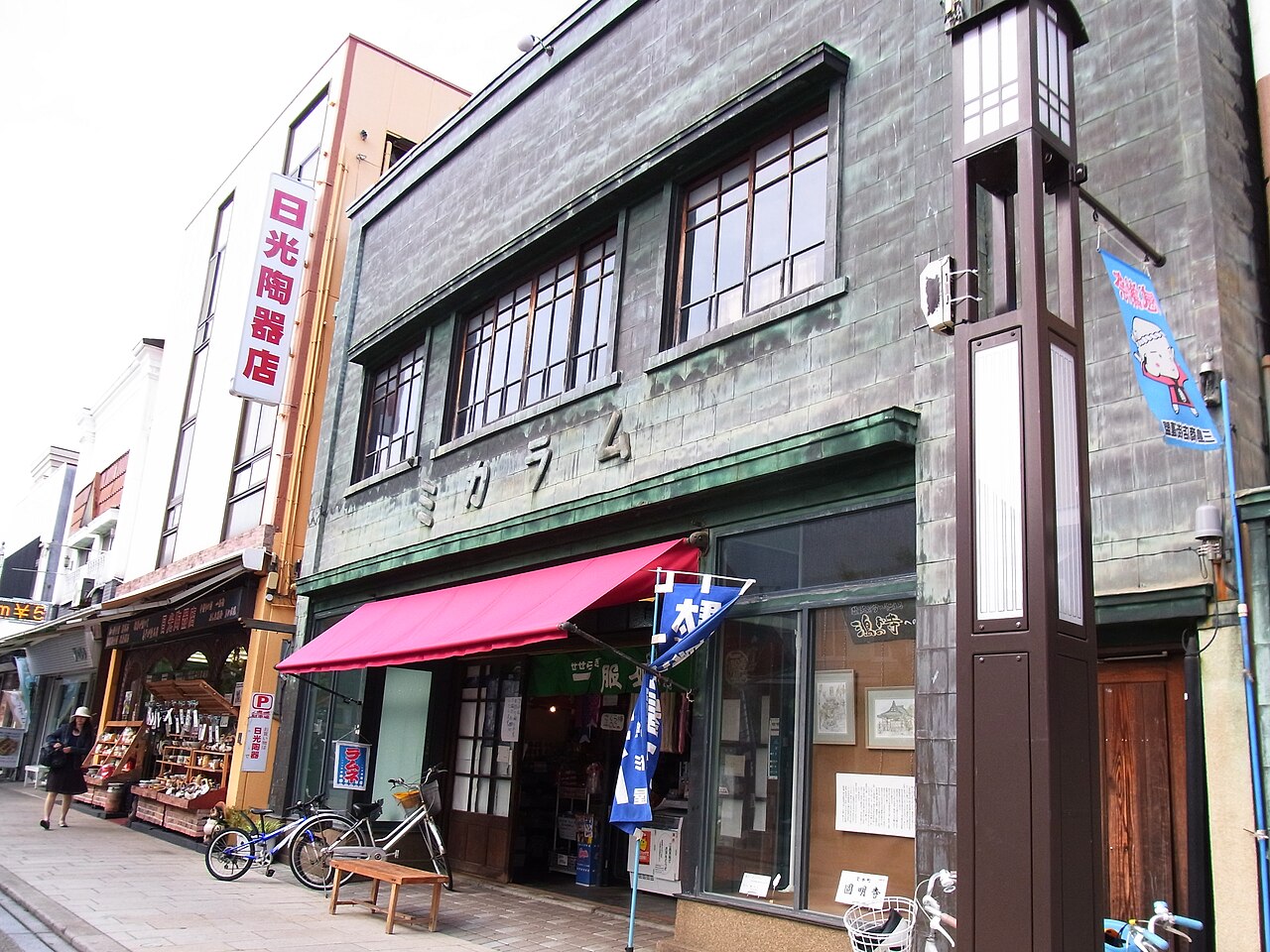
Step off the busy Tokaido corridor at Mishima and the pace changes almost at once.
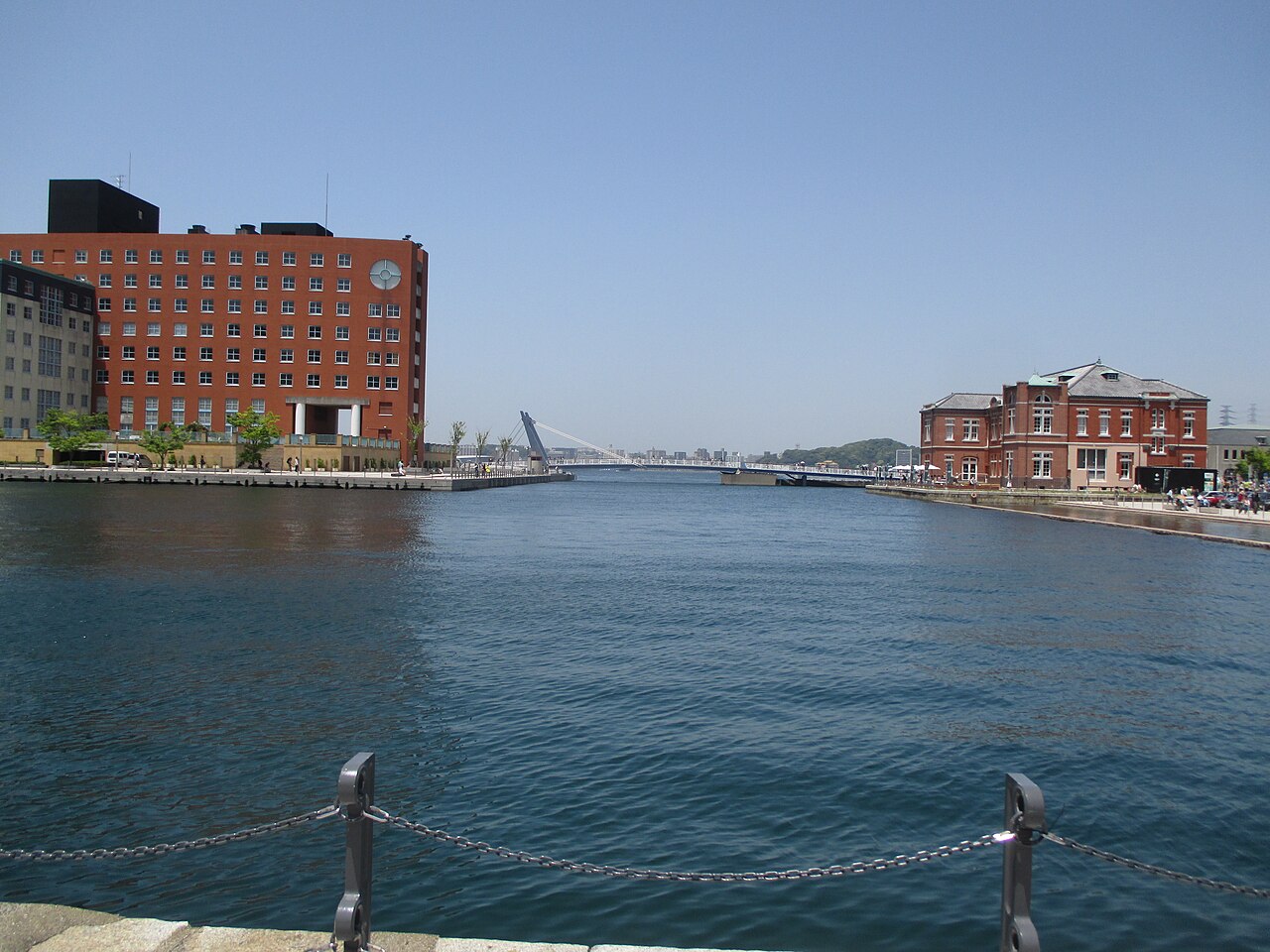
Mojiko prospered as a trading port, and many Western-style restaurants came to line the town.
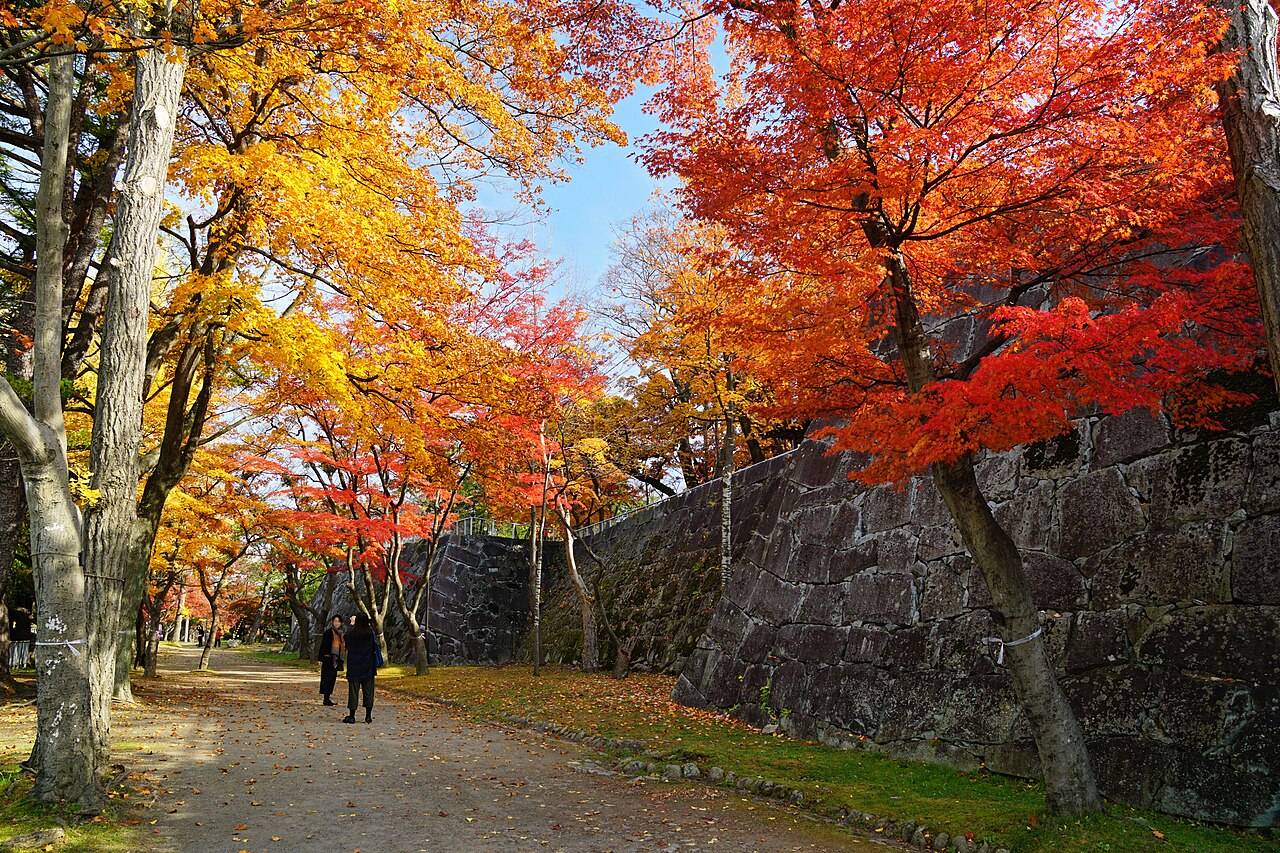
Morioka pairs castle stone walls and cherry trees with a red brick bank building, a clear river, machiya townhouses, a temple street, festival exhibits in a…
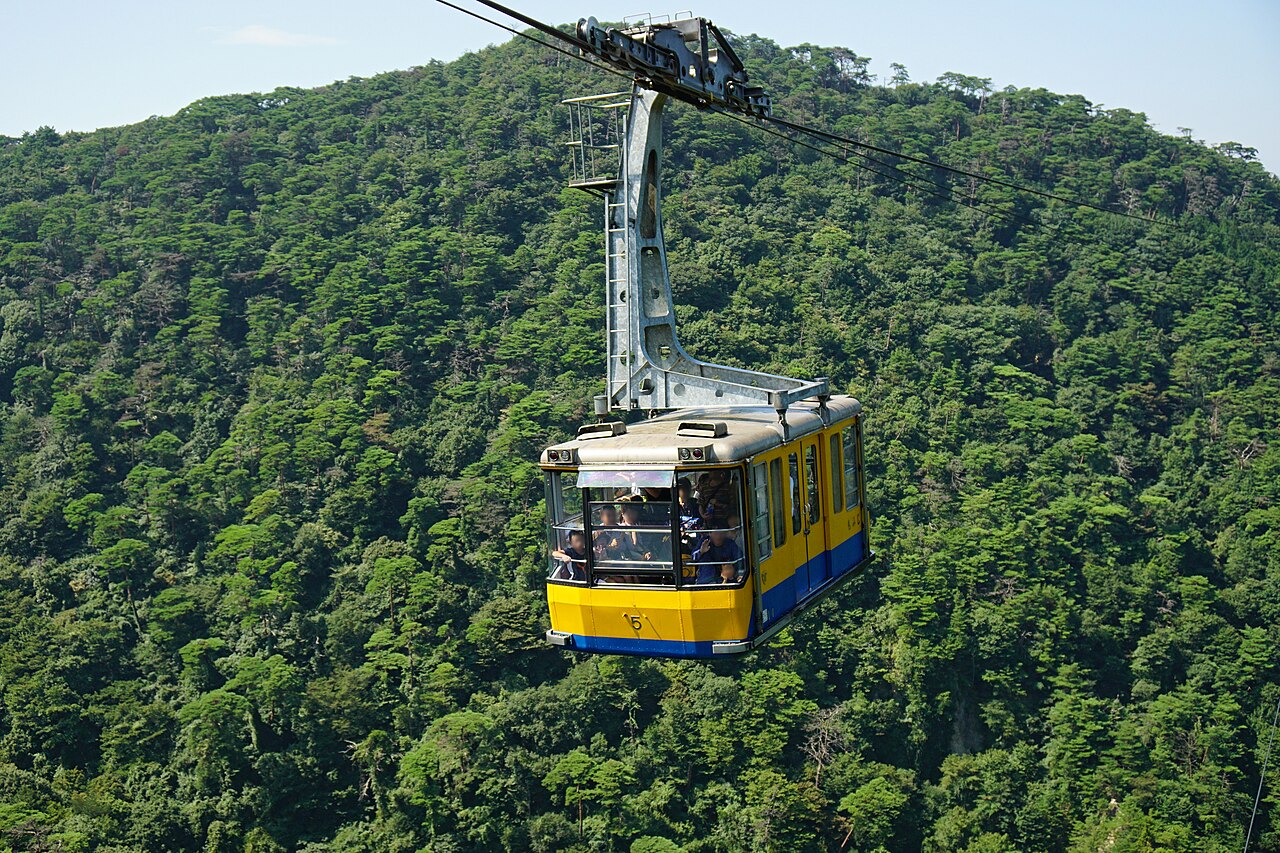
Sitting on a bench in the SIKI Garden surrounds a visitor with music from an unseen source.
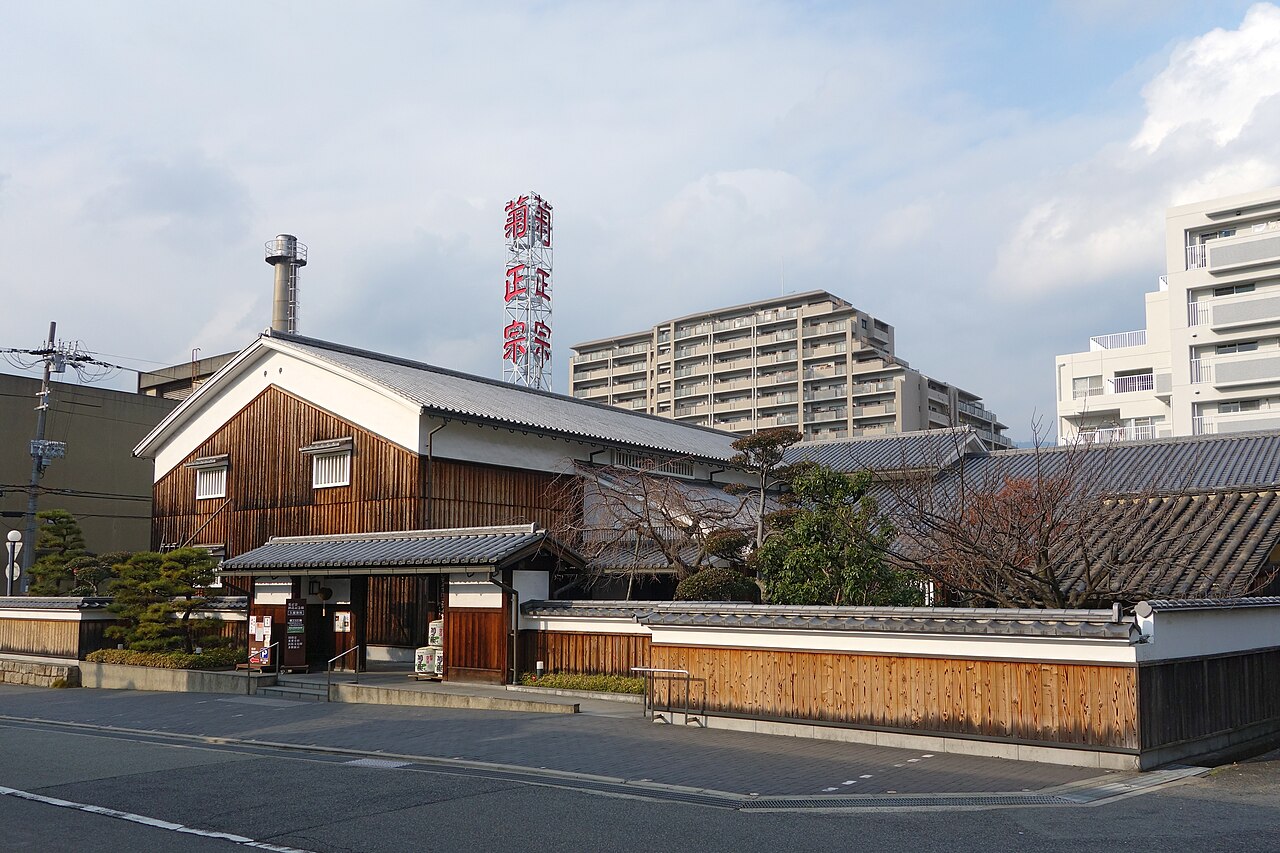
By Hanshin train, Uozaki Station is about twenty-five minutes from Umeda and about ten minutes from Sannomiya.
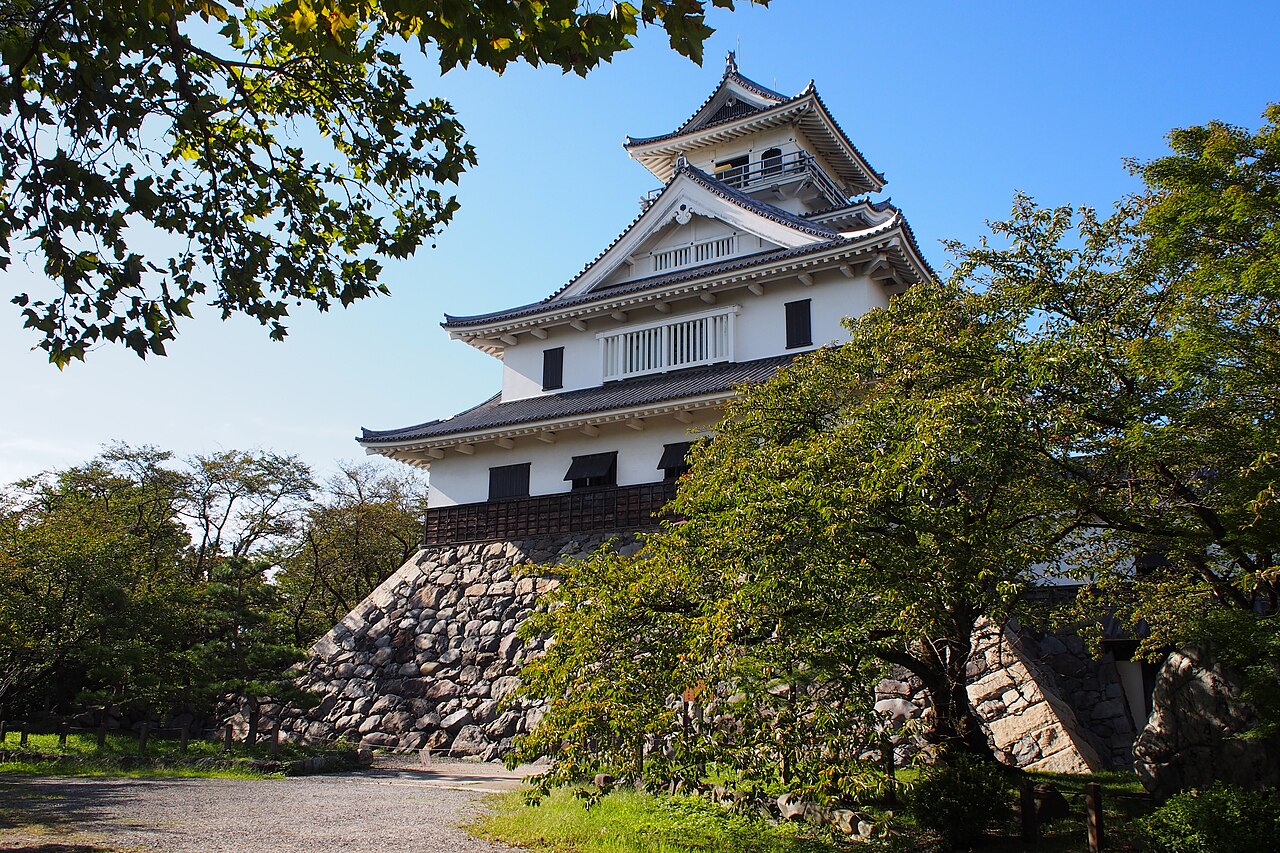
Nagahama sits in Kohoku, the district on the northern side of Lake Biwa, and its old centre rewards a slow day on foot.
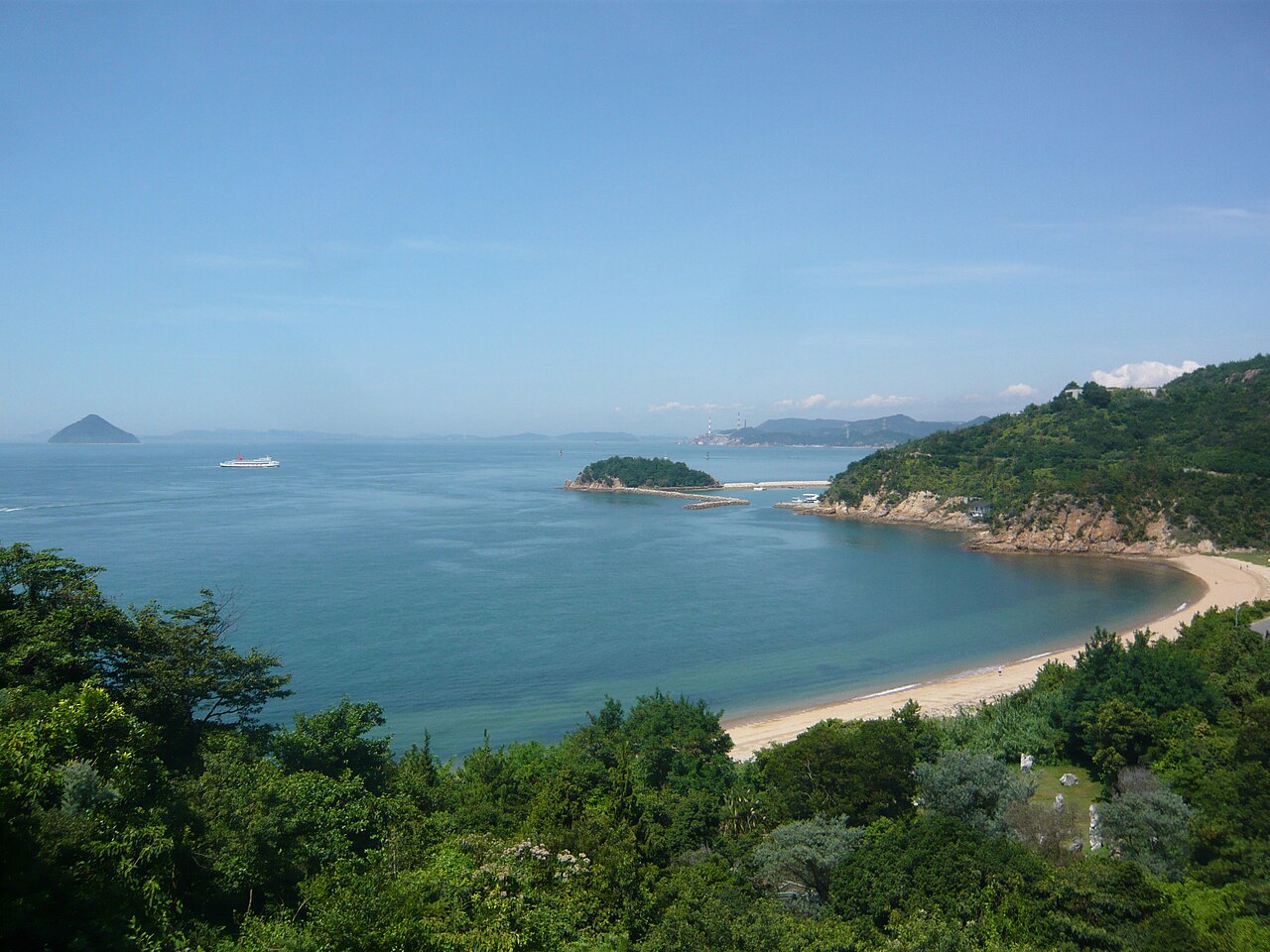
On Naoshima, works by Claude Monet, James Turrell and Walter De Maria are permanently installed inside the Chichu Art Museum, designed by Tadao Ando.
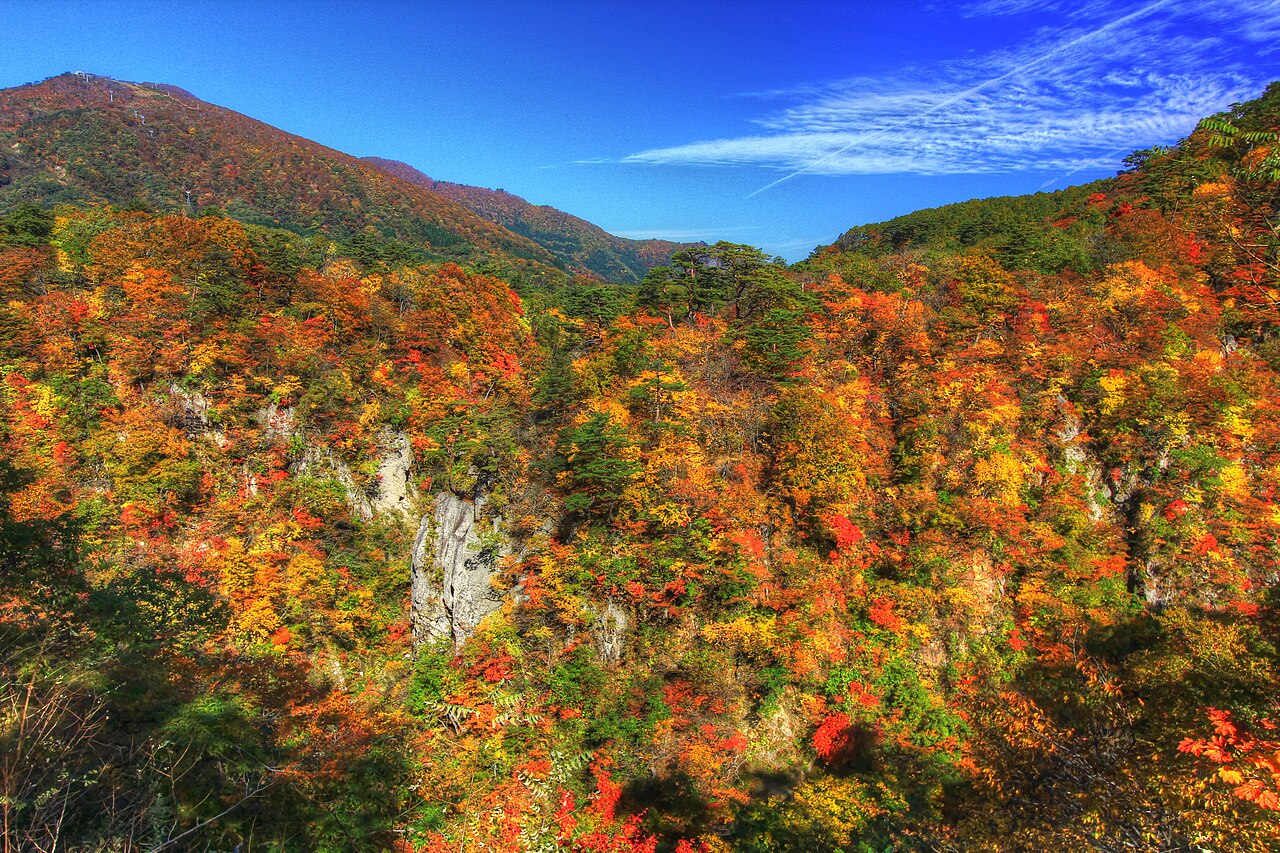
This guide covers Naruko Gorge, the public bathhouses of the Naruko Onsen area, the crater lake Katanuma, and the Japan Kokeshi Museum, and it leaves aside…
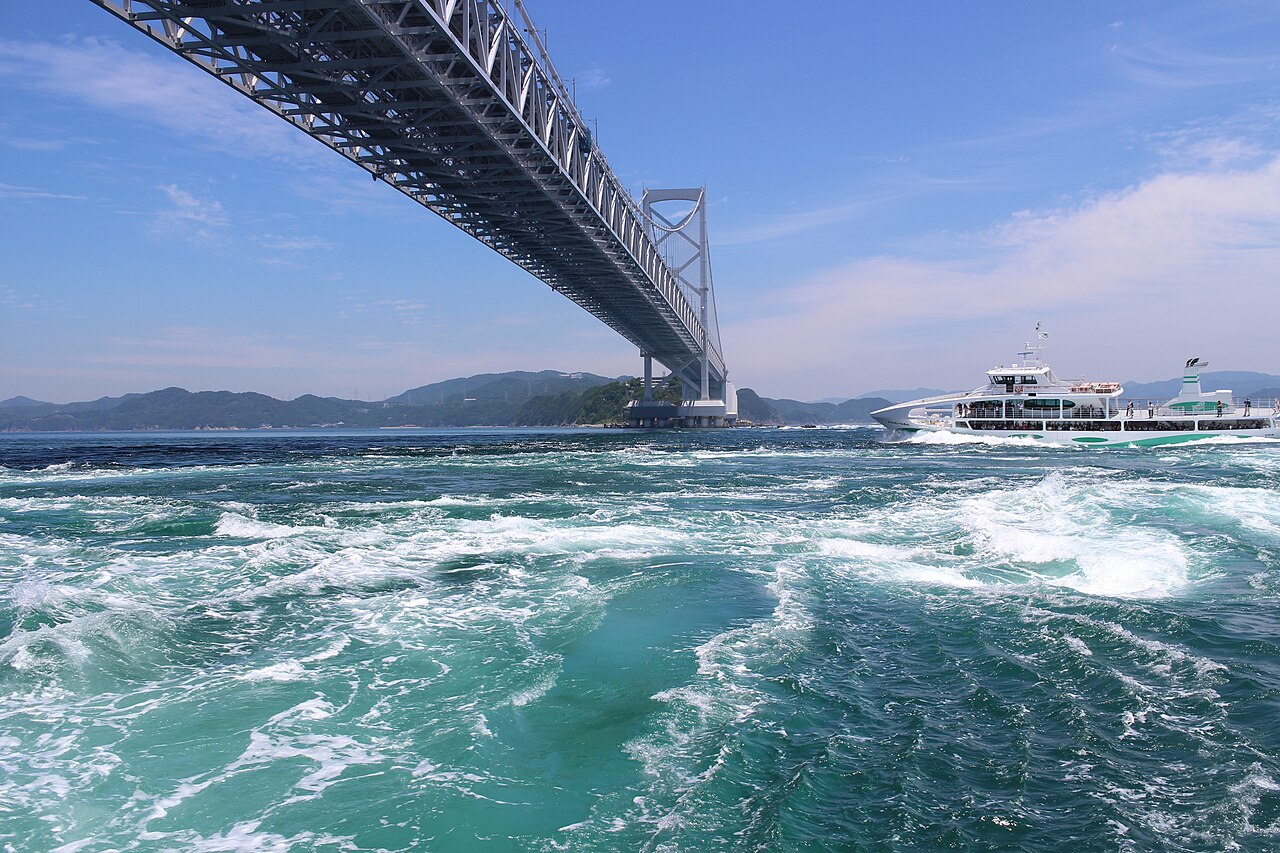
Naruto is a place where you can stand inside a bridge and watch the sea turn beneath your feet.
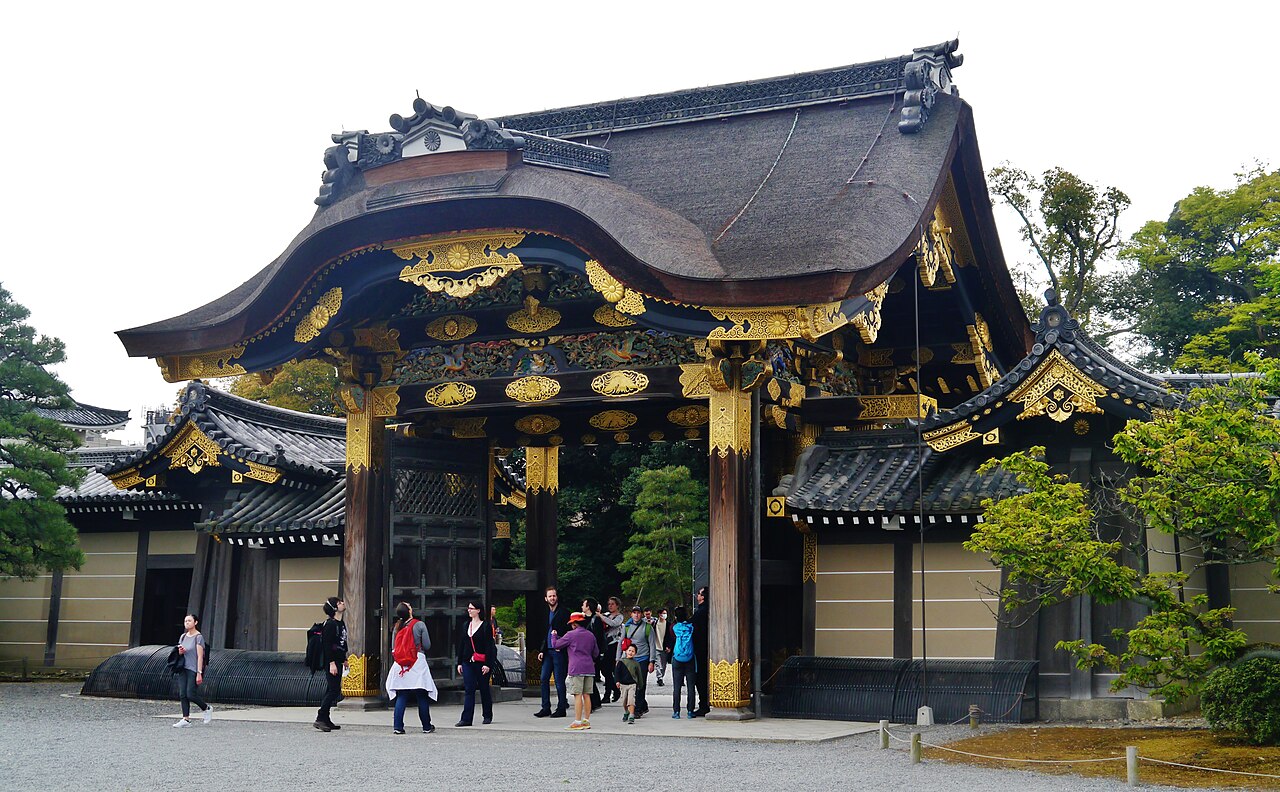
The corridor of the Ninomaru Palace at Nijo Castle makes a sound like a bird's call when a person walks on it.
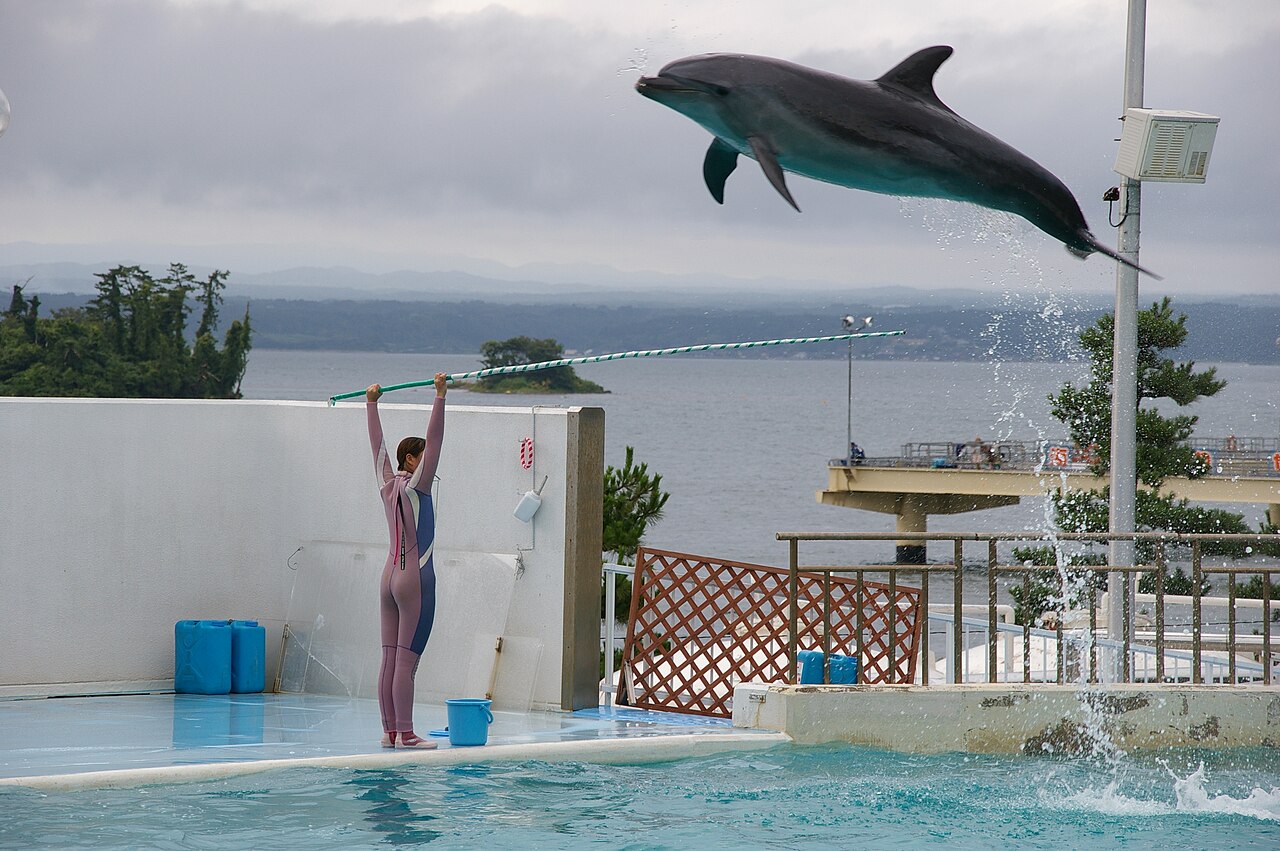
Besides the Notojima Aquarium and the Ishikawa Notojima Glass Art Museum, Notojima has hot springs, diving, golf and camping.
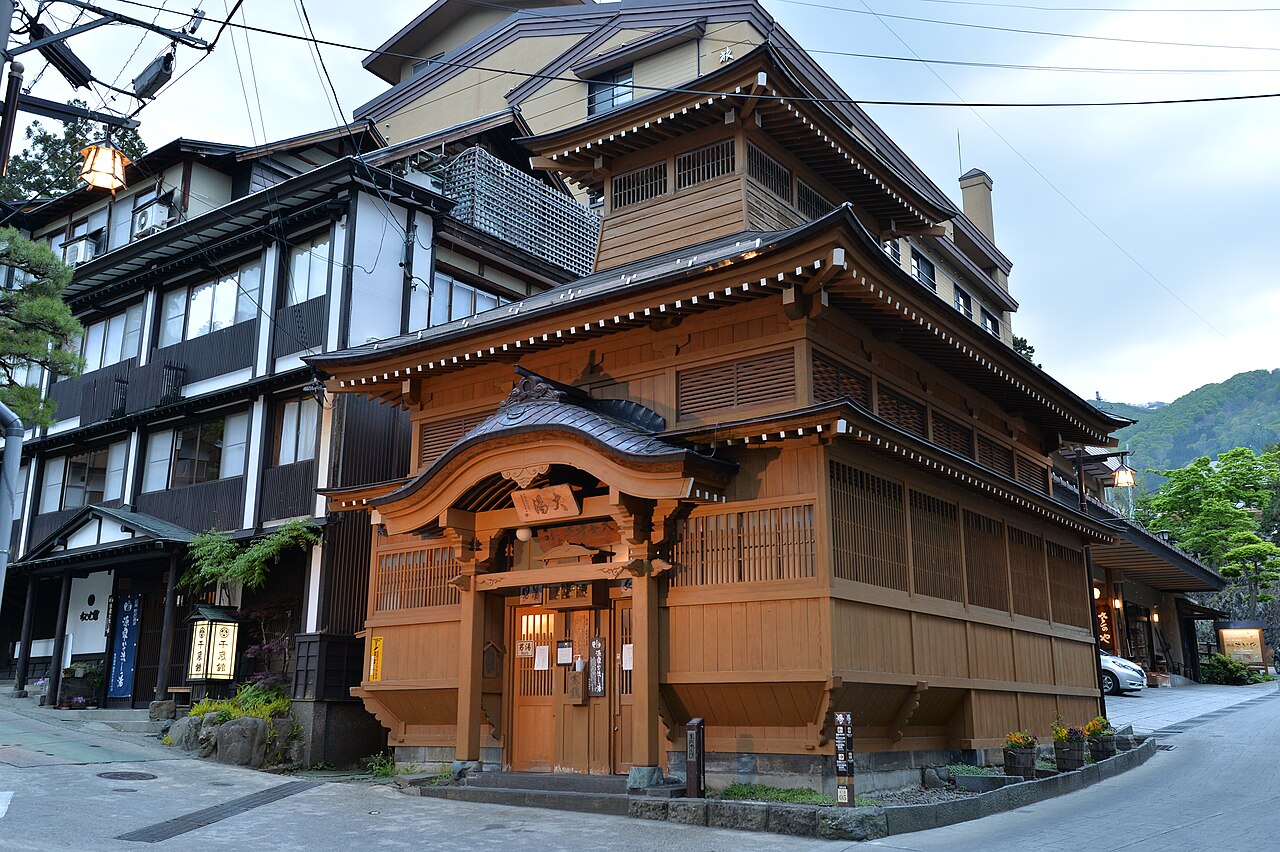
Nozawa Onsen is a village of thirteen communal baths called soto-yu, where hundred per cent natural hot spring water flows freely.
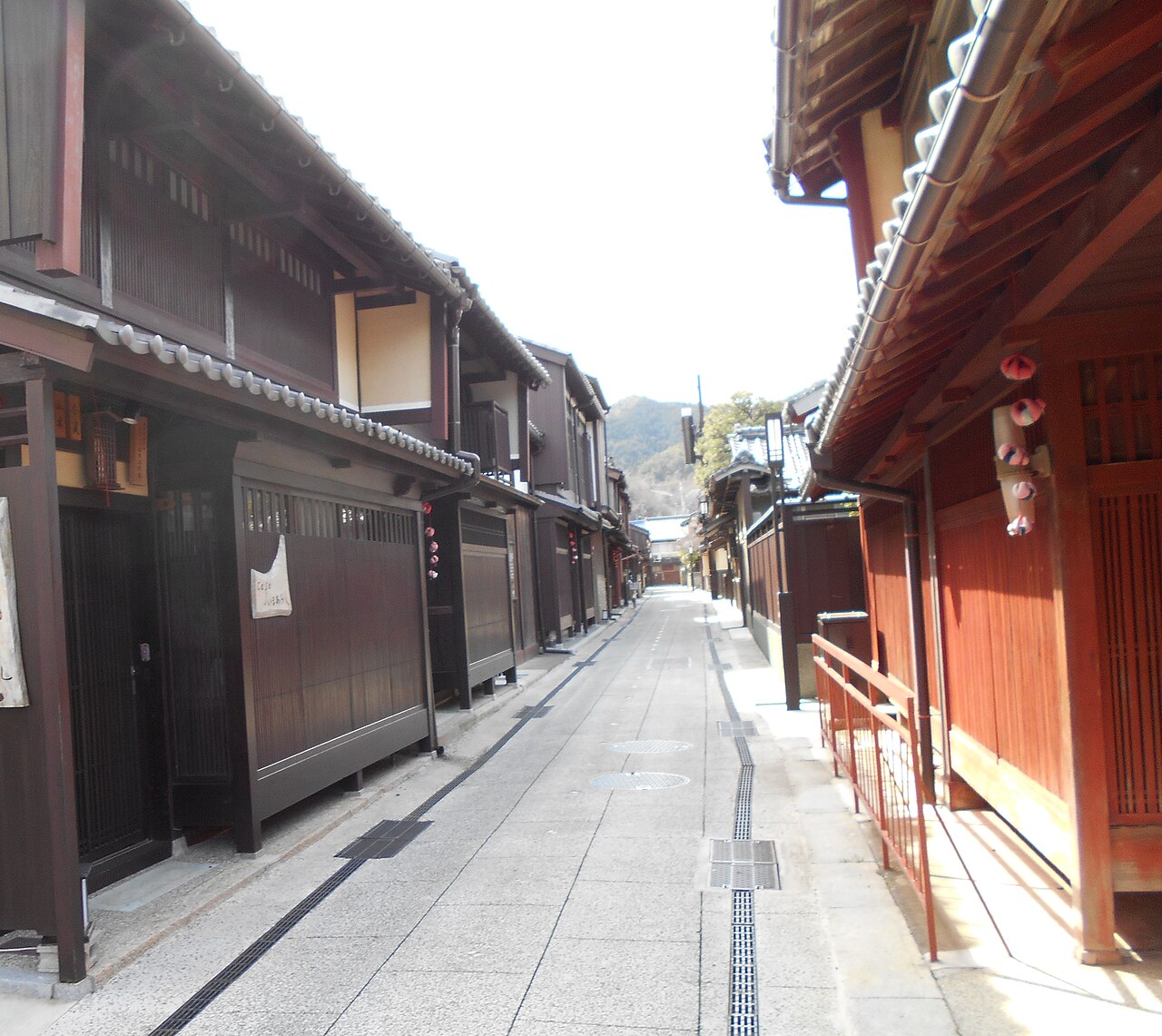
Obama sits on the Wakasa coast of Fukui, and it is a town to walk rather than a town to tick off.
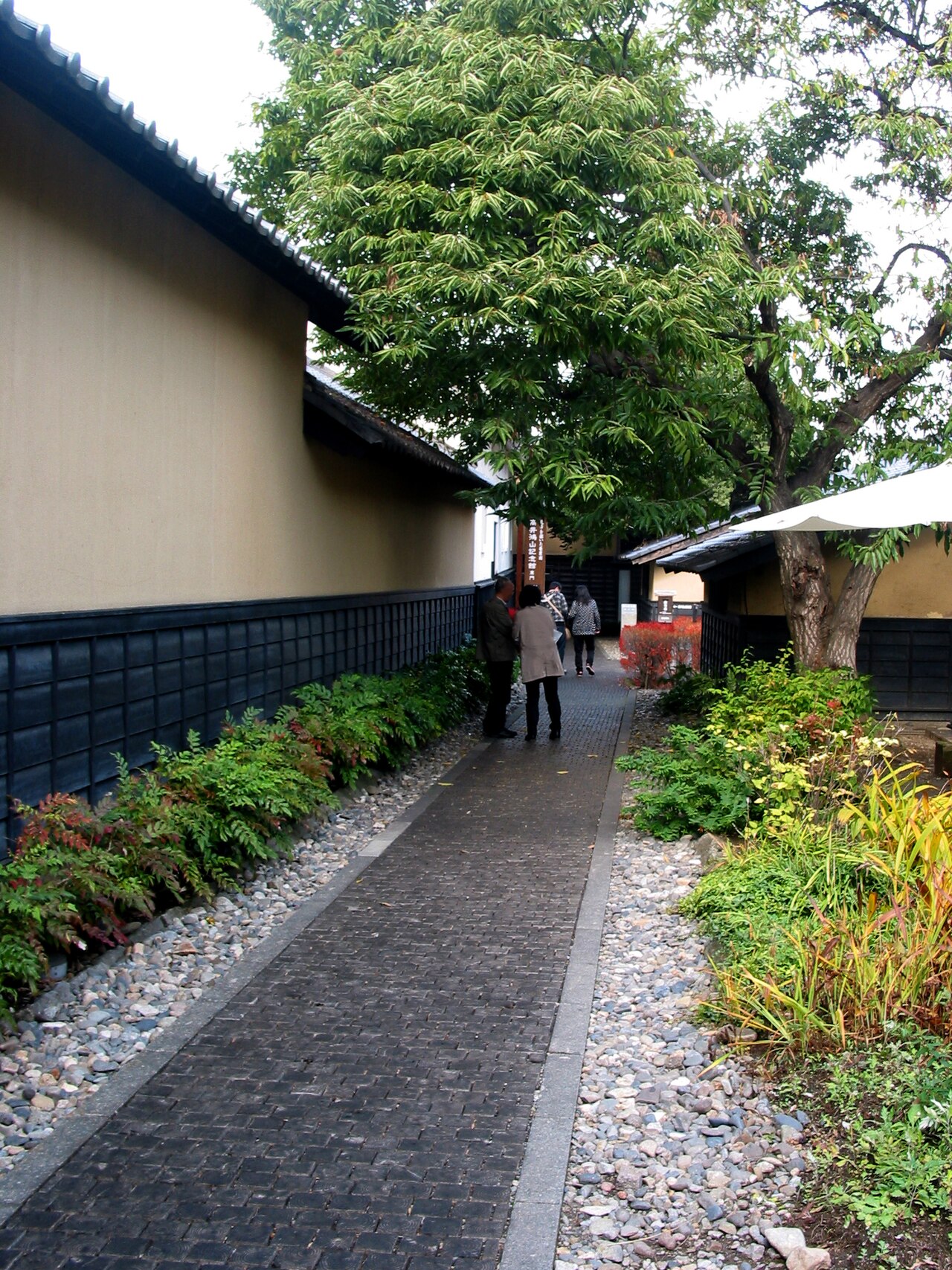
Obuse covers less ground than any other municipality in Nagano, and most of its hamlets gather within a couple of kilometres of the town hall, so the whole…
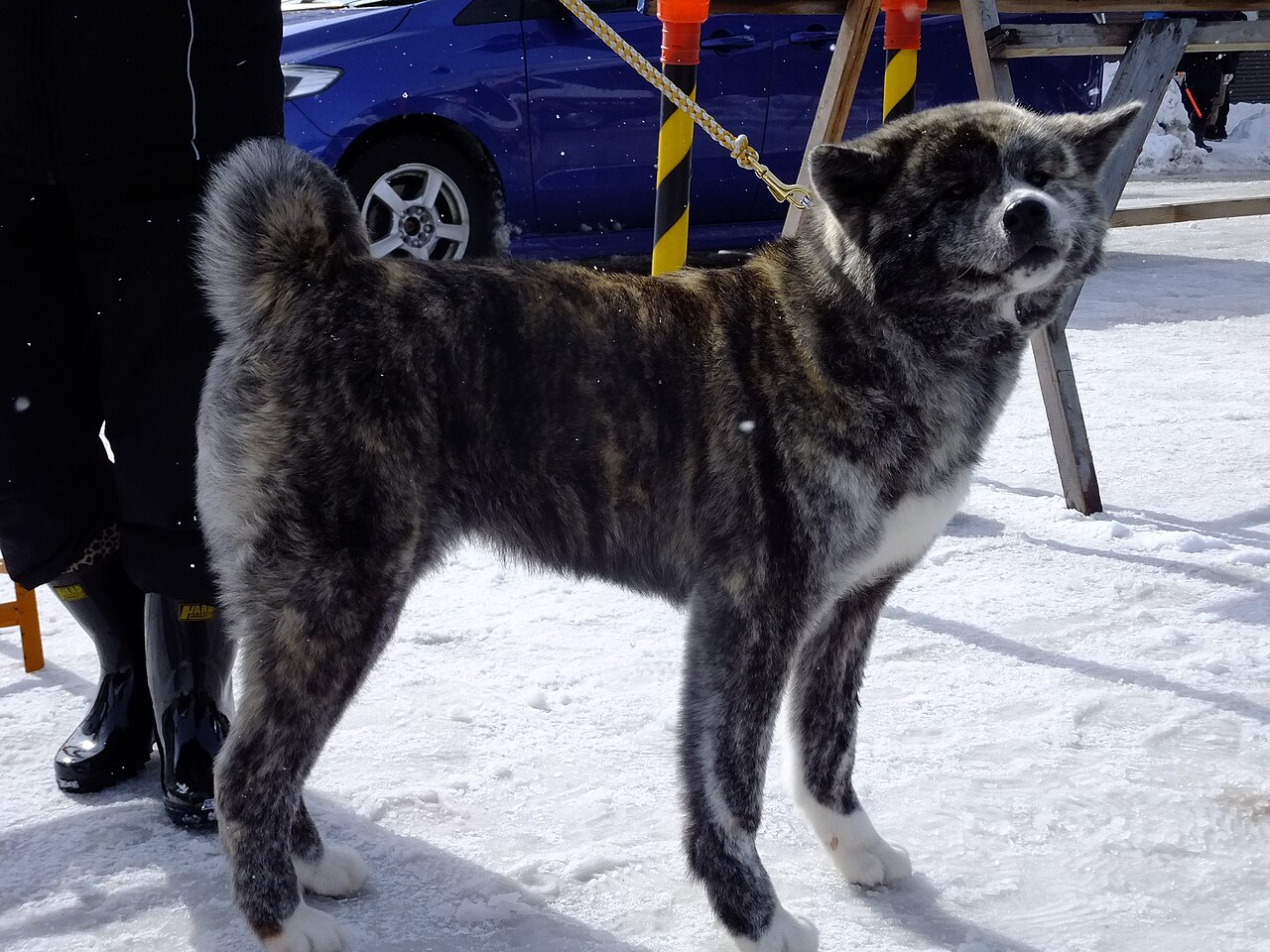
The reason to come to Odate is the Akita dog.
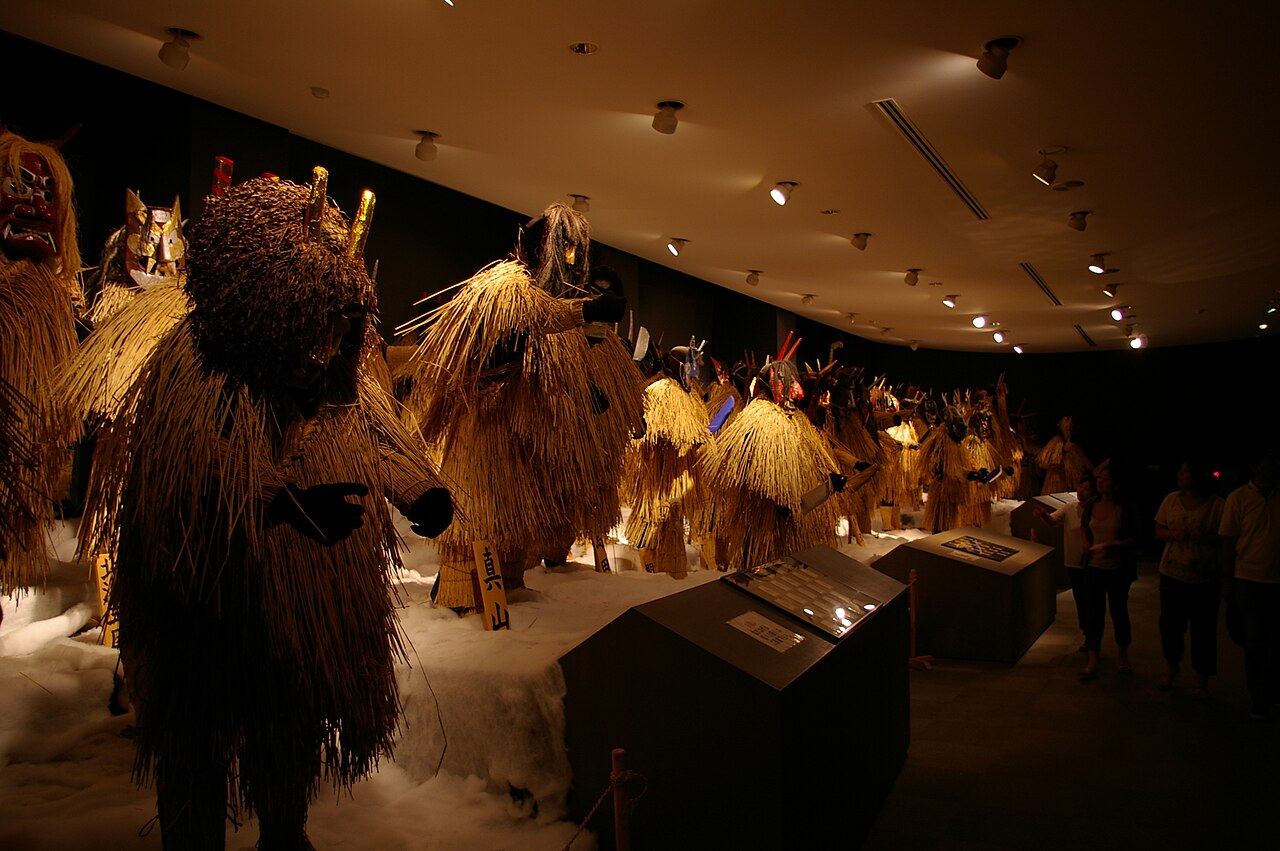
Every New Year's Eve night, the Namahage visiting ritual is held across almost all of the Oga Peninsula, as figures in straw capes go from house to house…
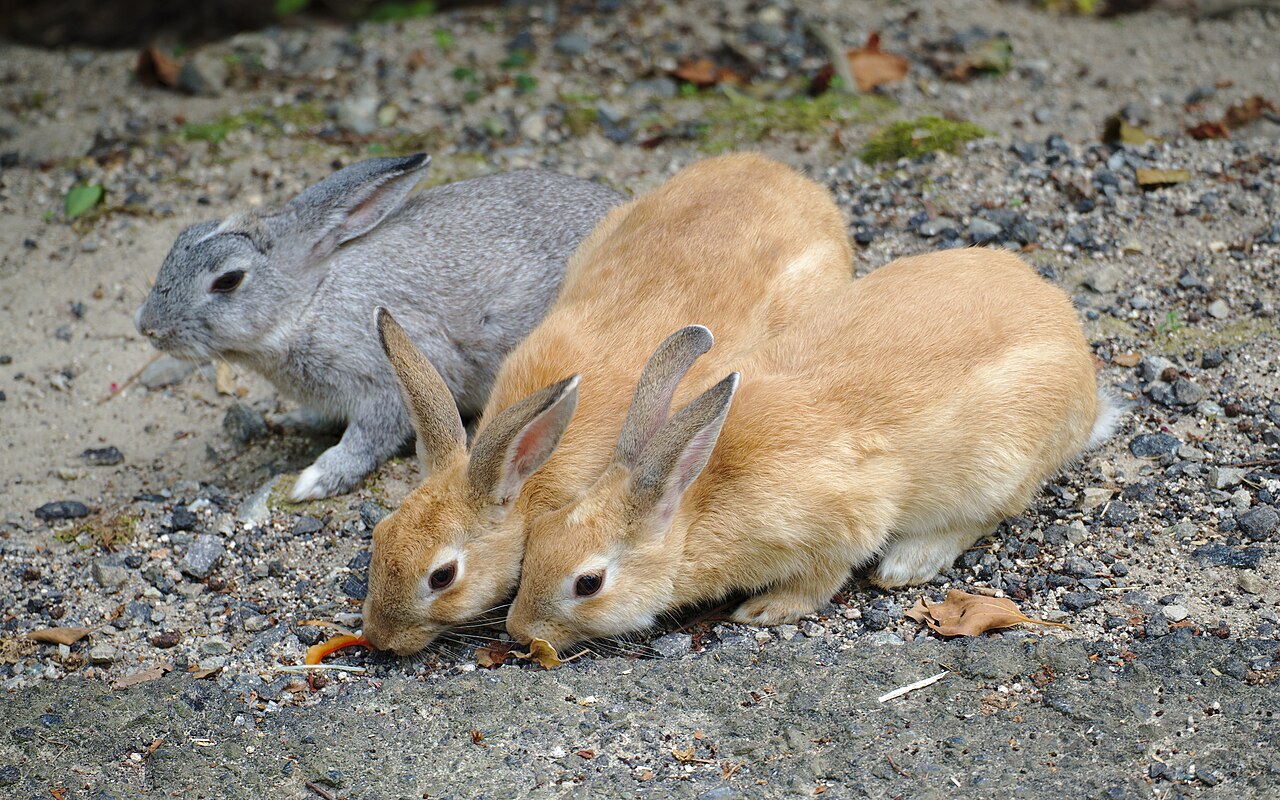
The rabbits of Okunoshima are not pets but semi-wild animals, and many wild rabbits live on the island.
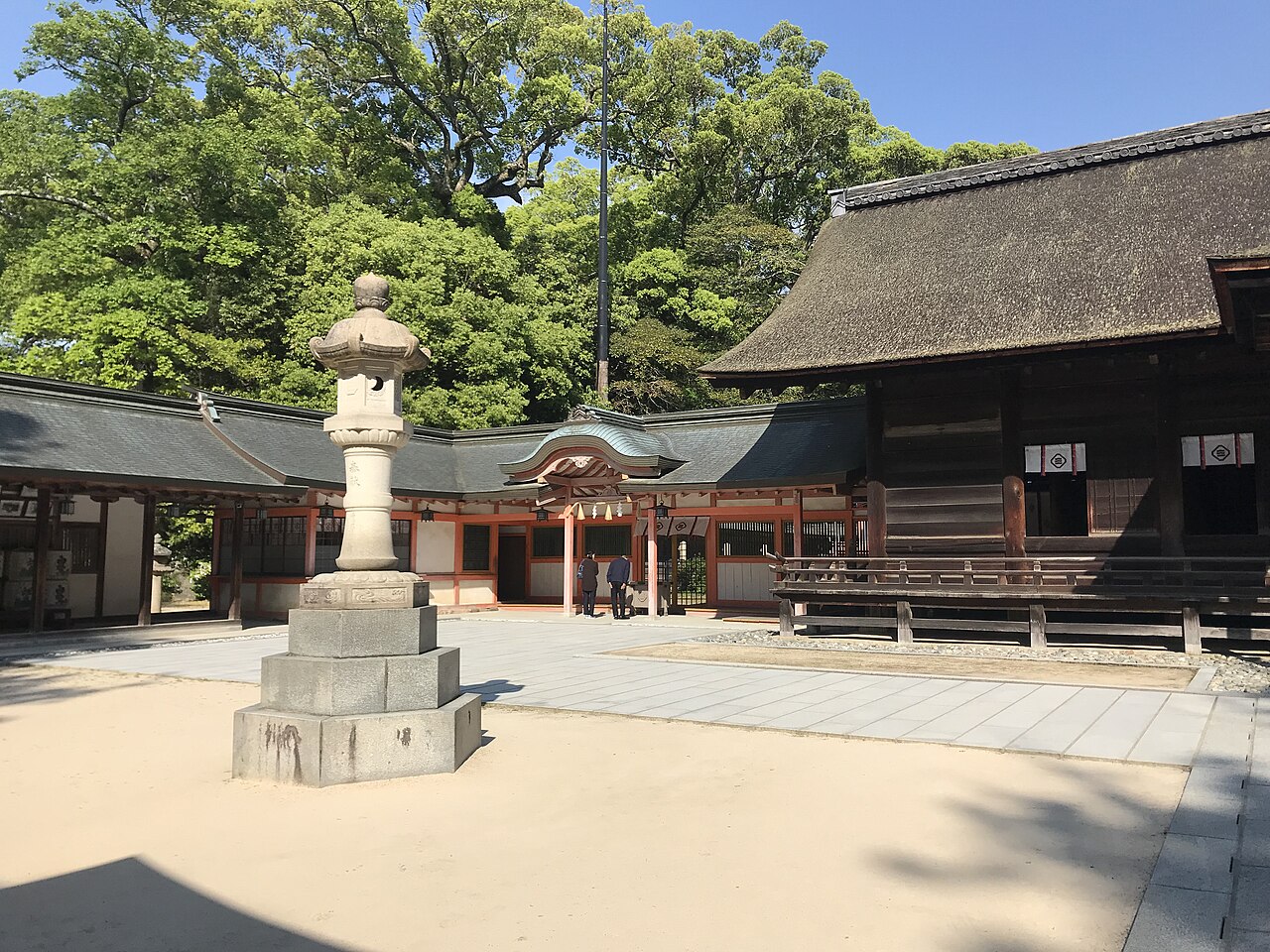
On Omishima, the sacred camphor tree in the middle of the Oyamazumi Shrine precinct is stated to be about two thousand six hundred years old.
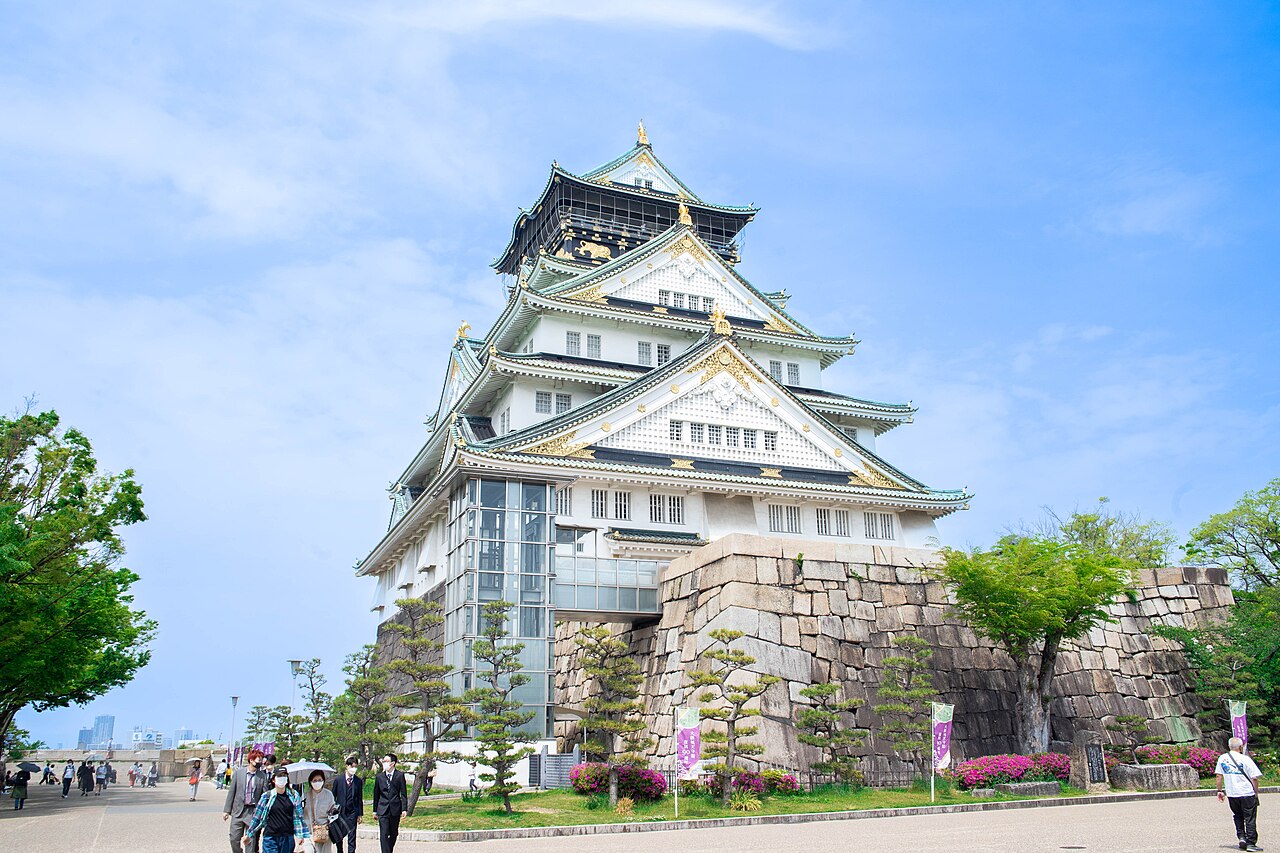
At the Toyotomi stone wall museum, visitors go down underground to see stone walls of Toyotomi-era Osaka Castle that the Tokugawa shogunate buried.
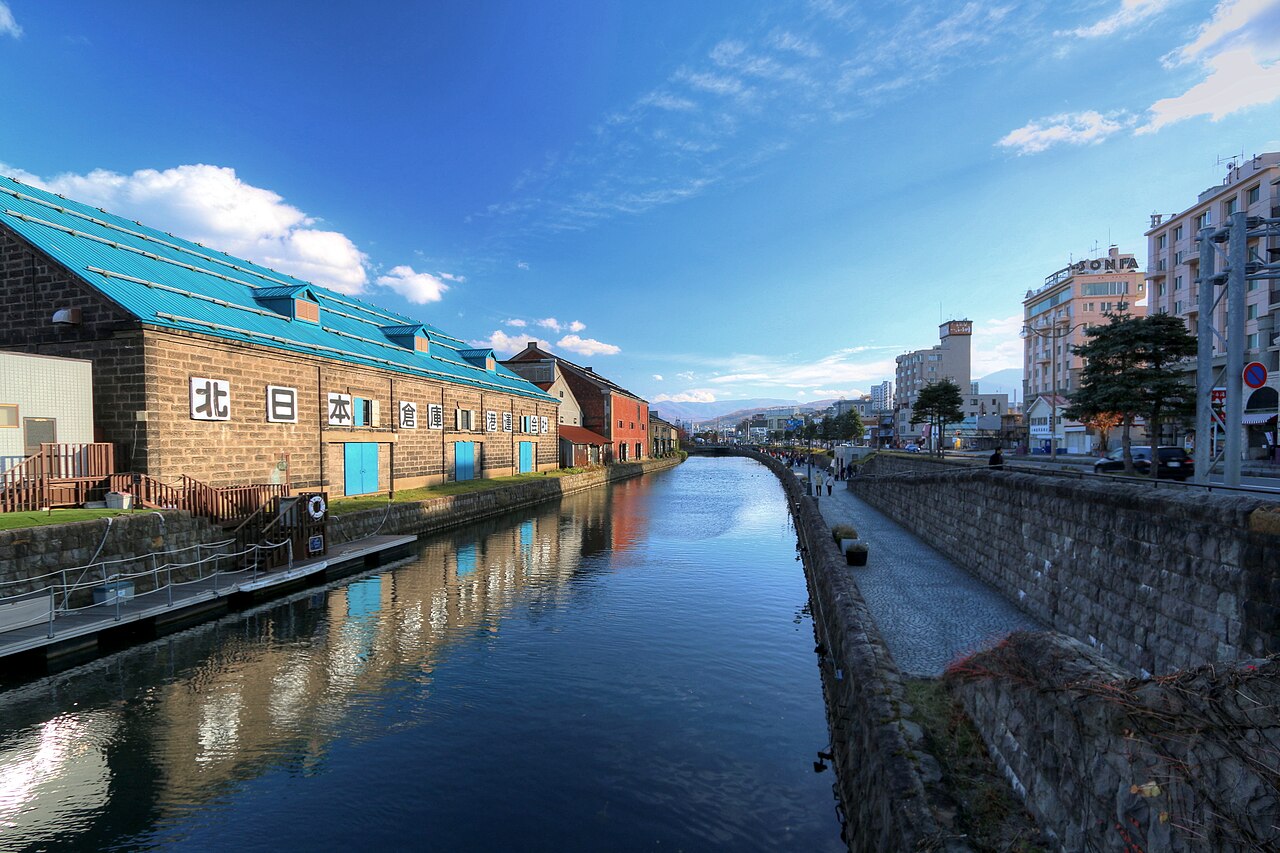
Sixty-three gas lamps line the walking path of the Otaru Canal, where the stone warehouses remain as they were, reused as restaurants and other facilities.
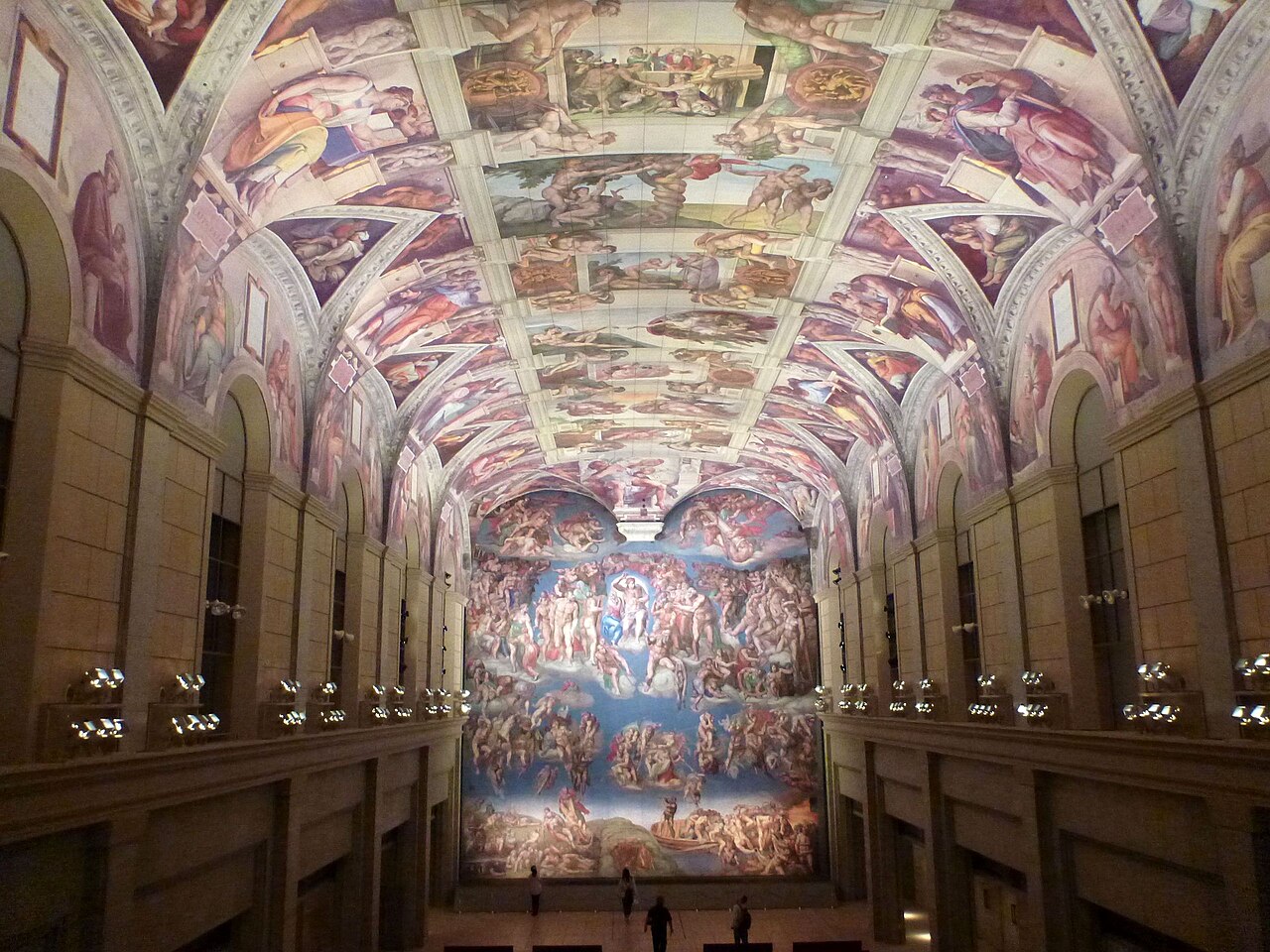
Visitors to the Otsuka Museum of Art start in the Sistine Hall and follow arrows on the floor from painting to painting.
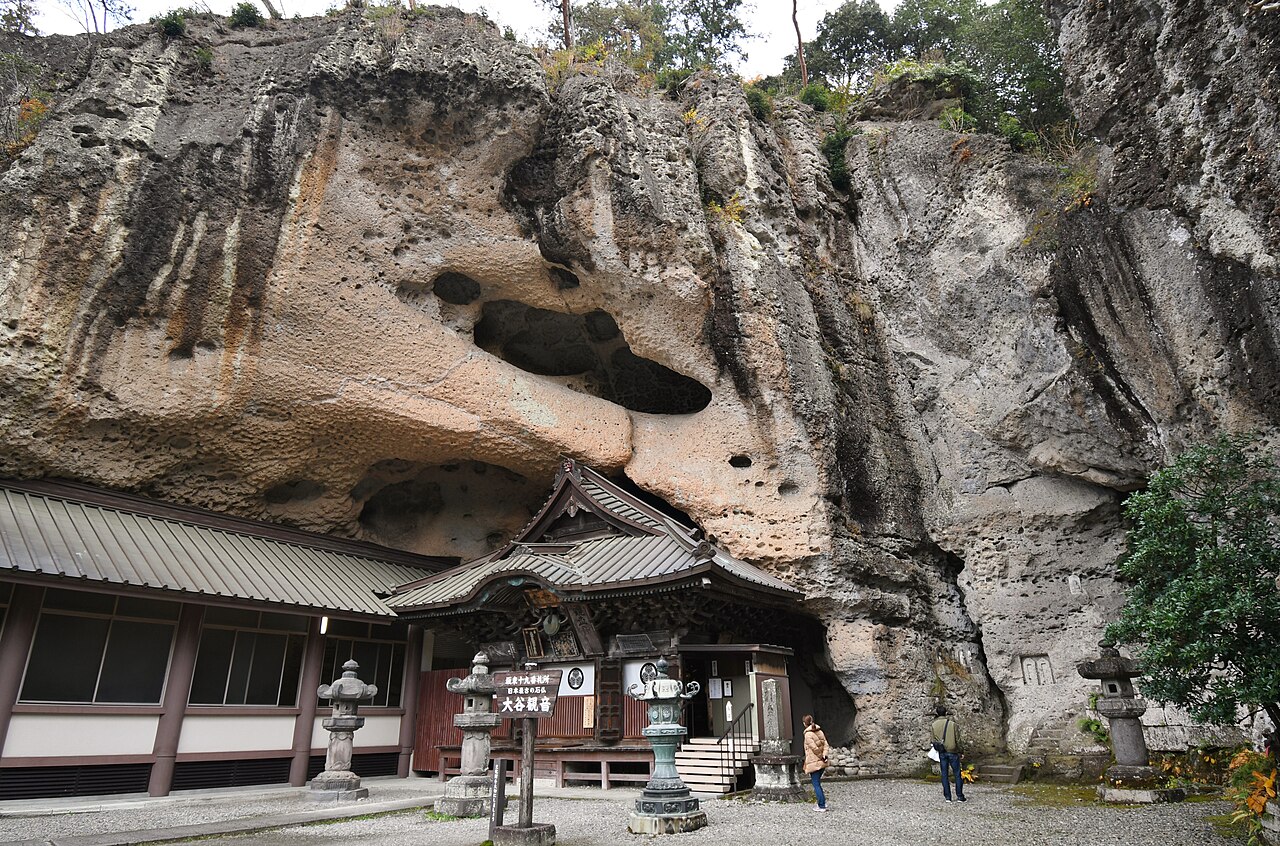
Oya, in Utsunomiya, Tochigi, is a town whose stone is the reason to visit.
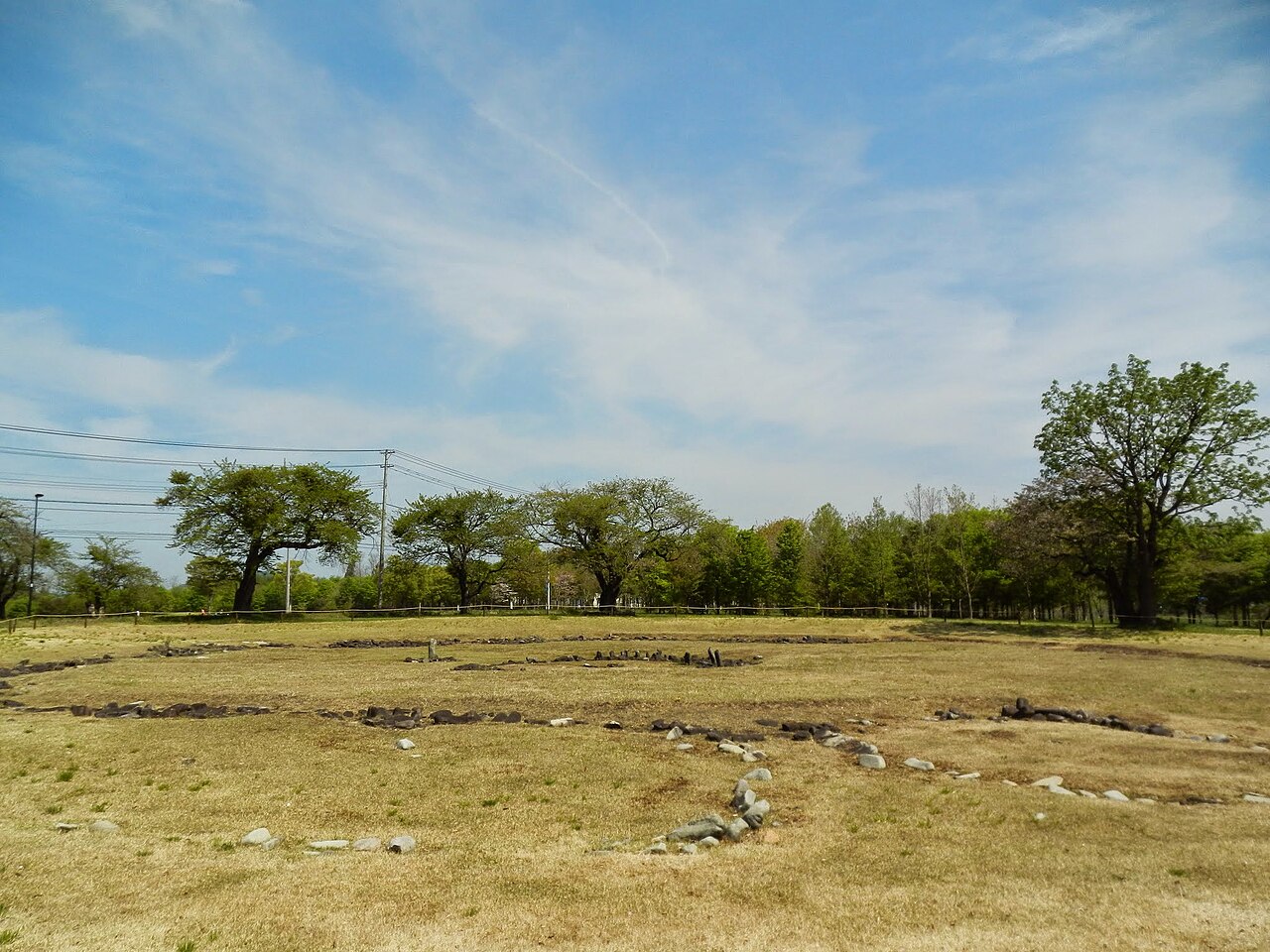
In the far north-east of Akita prefecture, where the Oyu river winds out of the hills of Kazuno, an old hot-spring village and a far older ring of stones sit…
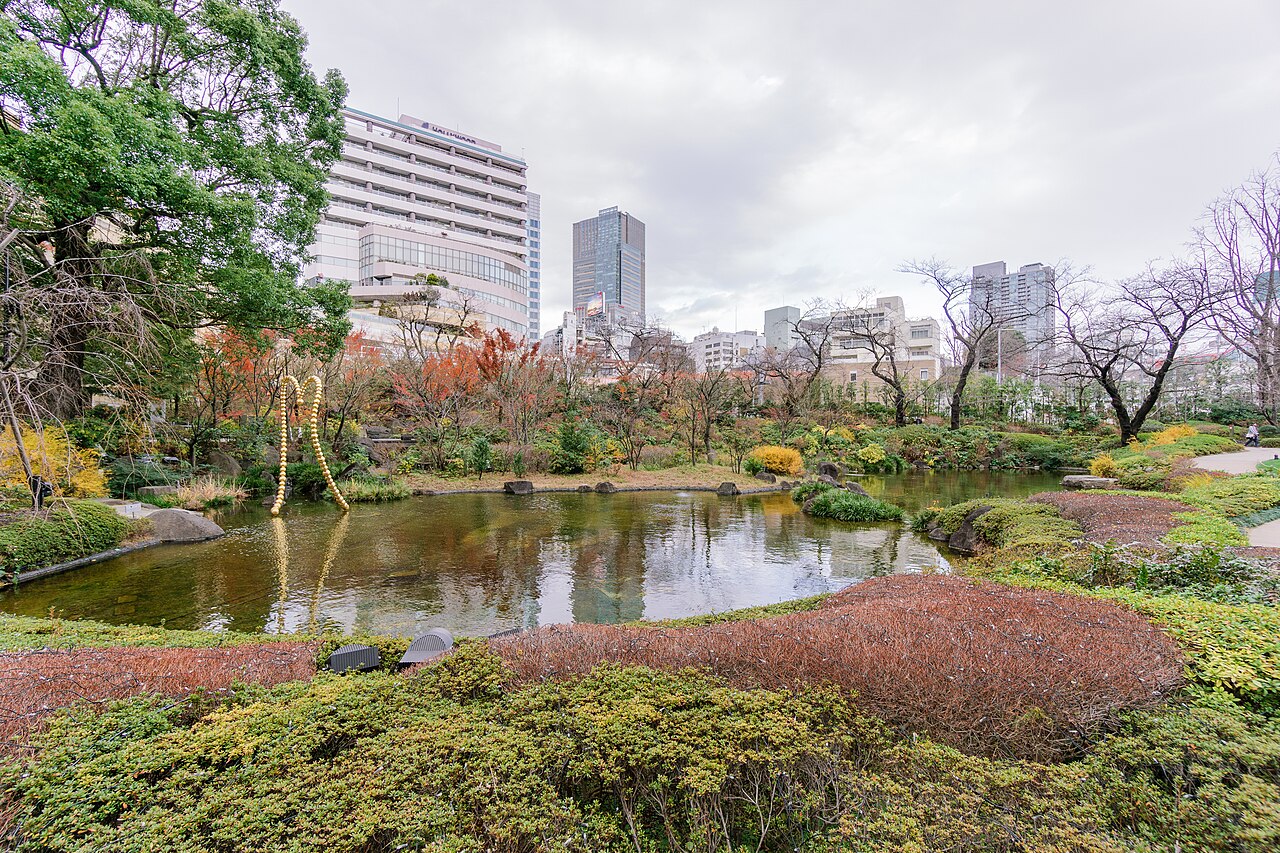
A giant spider ten metres high stands in a plaza at Roppongi Hills, described as a symbol of a place where people gather from around the world.
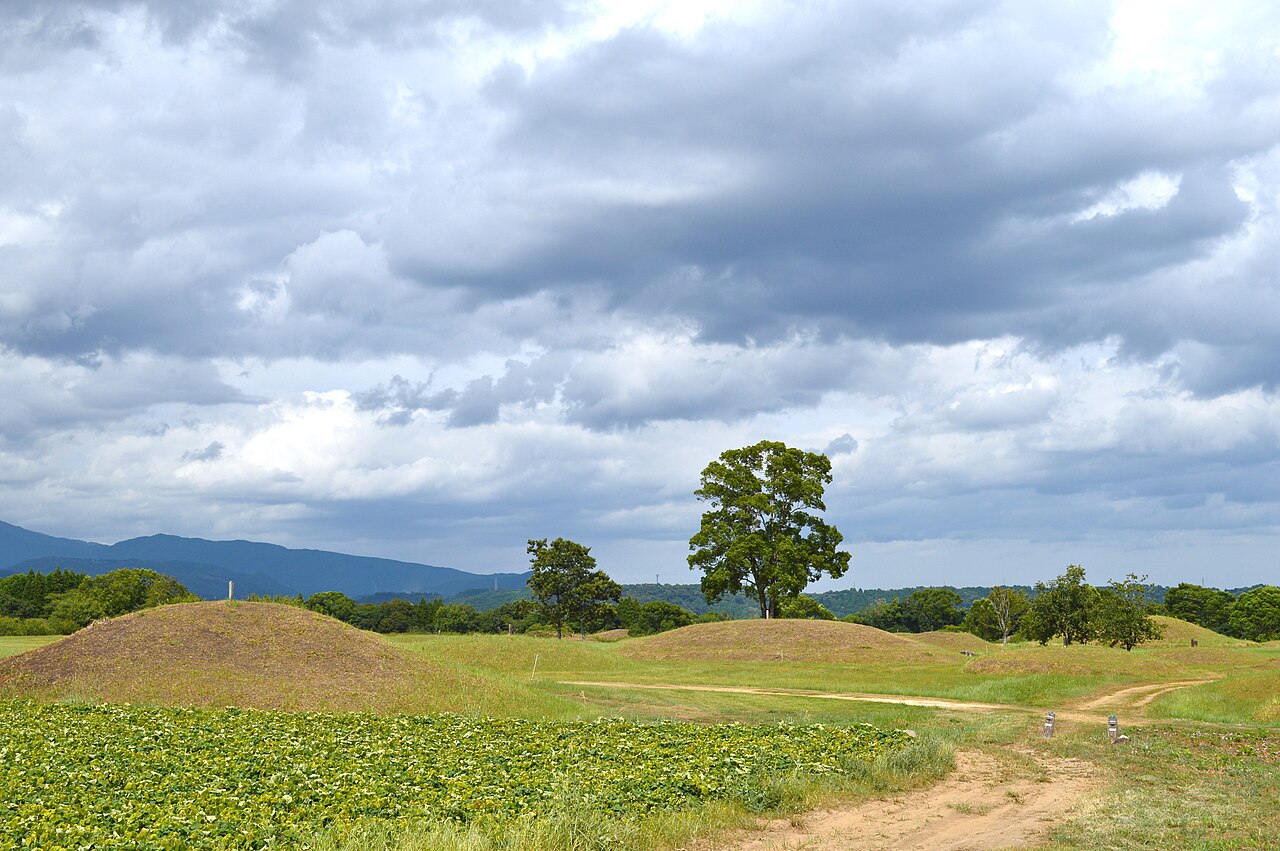
Saitobaru is a plain in Saito, Miyazaki, with three hundred and nineteen burial mounds spread across it, the Osahozuka and Mesahozuka reference mounds among…
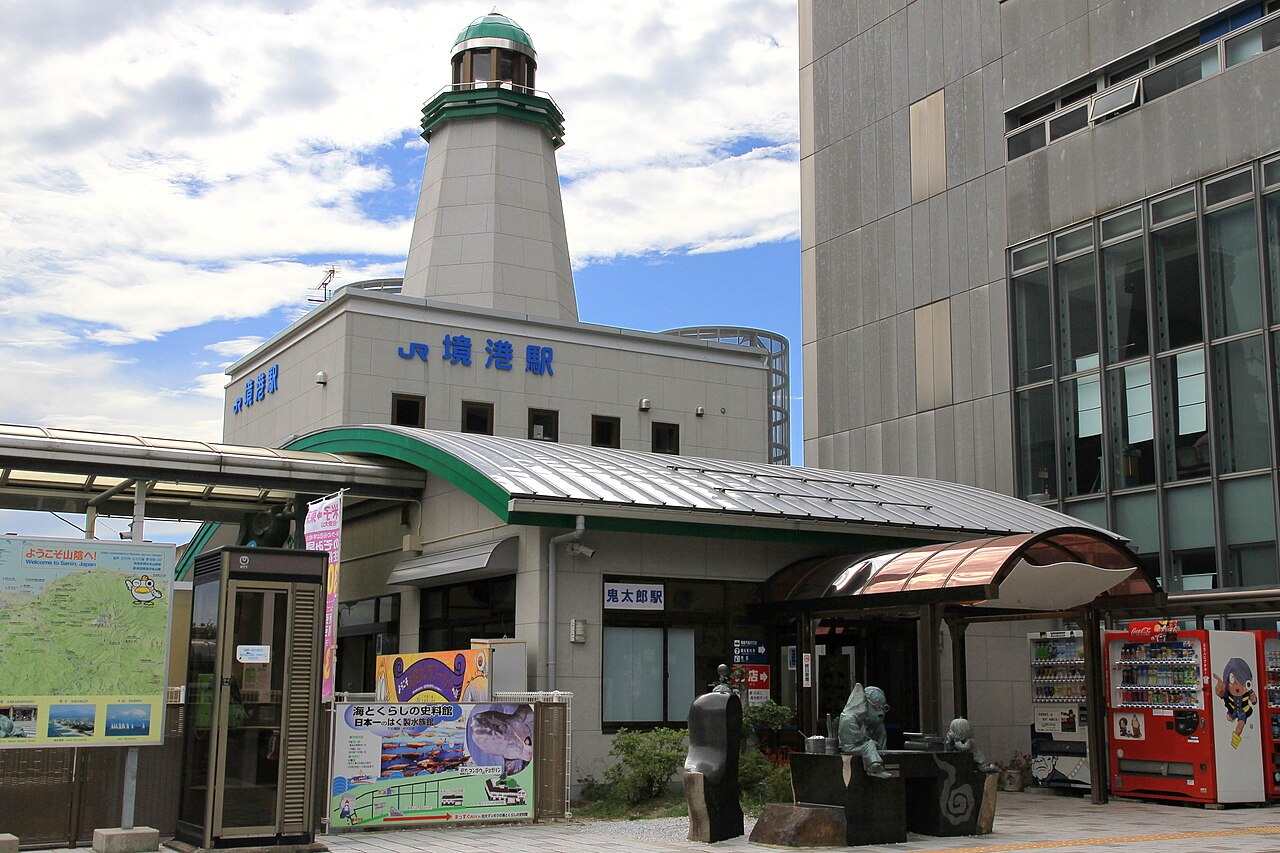
Mizuki Shigeru Road in Sakaiminato is about eight hundred metres long.
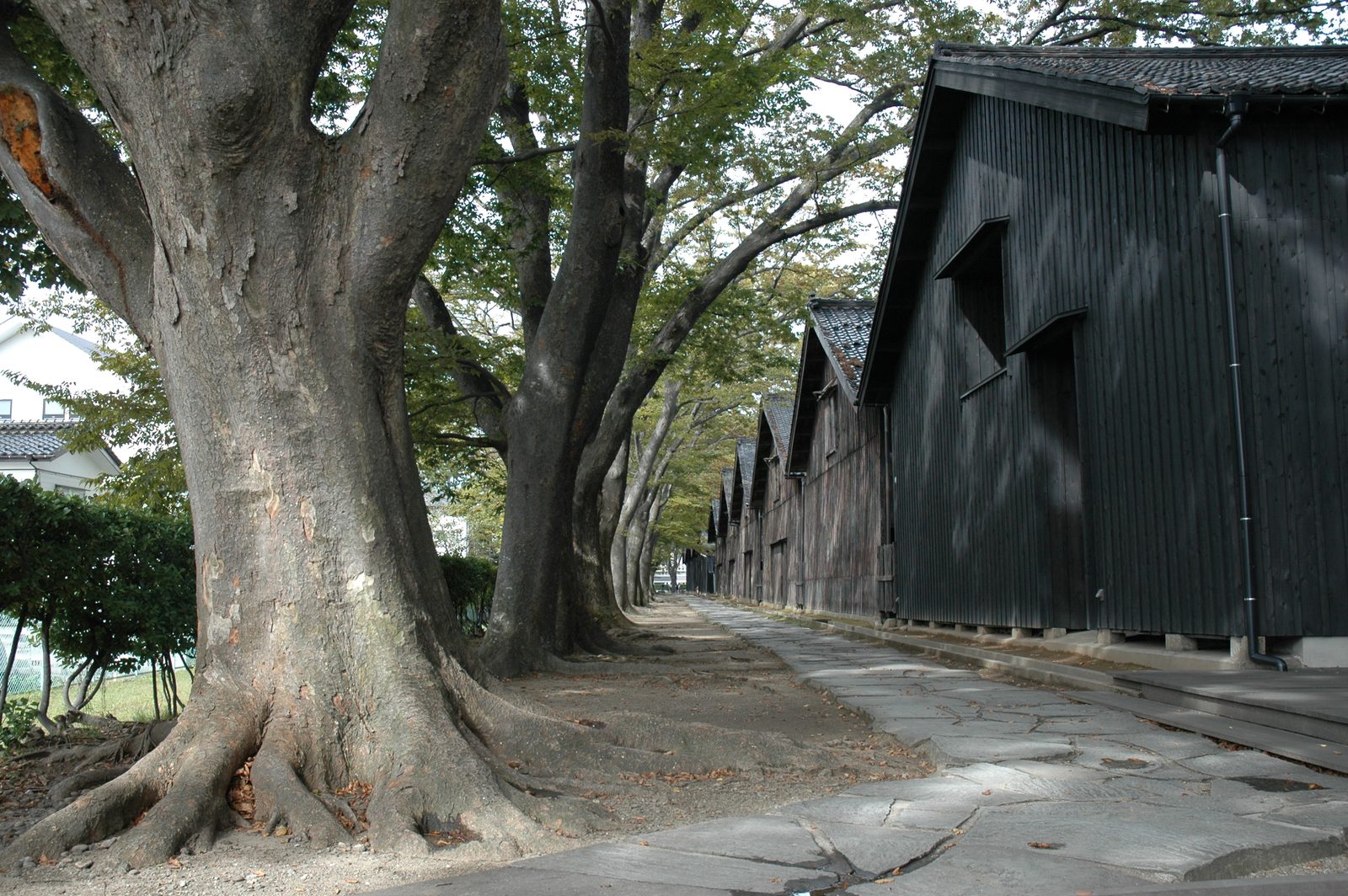
In the Edo period, rice, fish and local products were carried by ship from Sea of Japan ports including Sakata, and from Hokkaido ports, to Edo and Osaka.
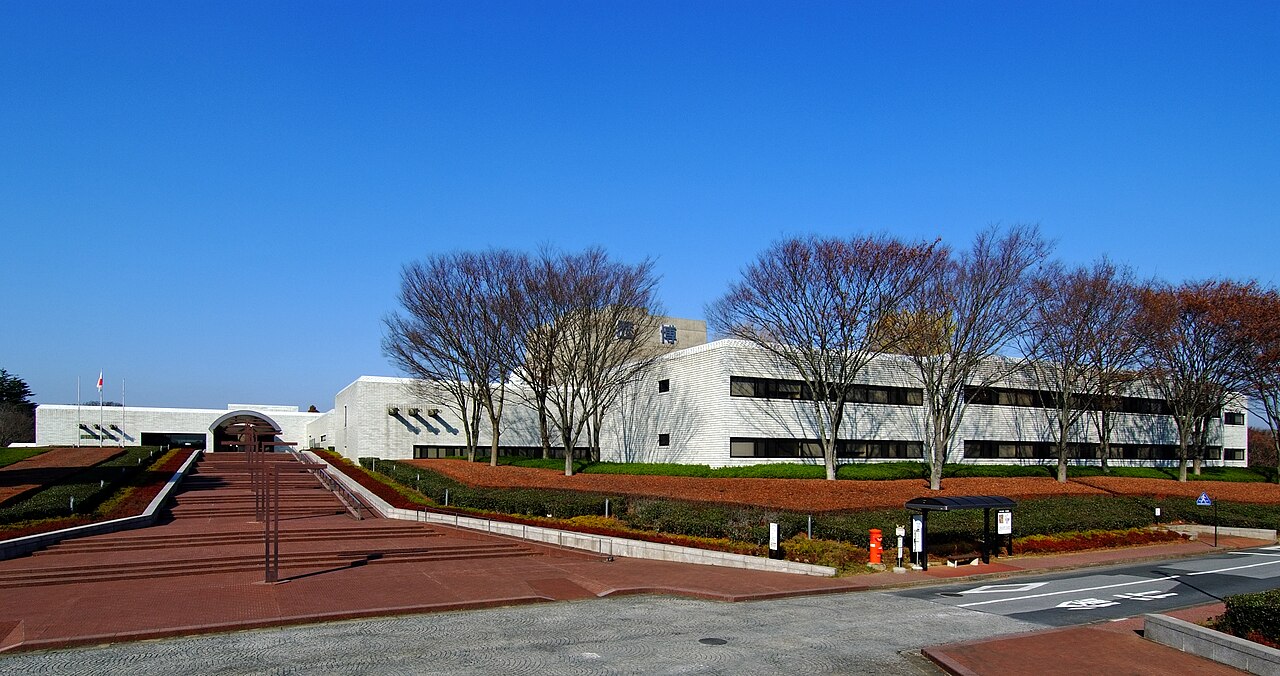
A room in the National Museum of Japanese History holds a life-size reconstruction of the black markets and outdoor stalls that appeared after the war ended…
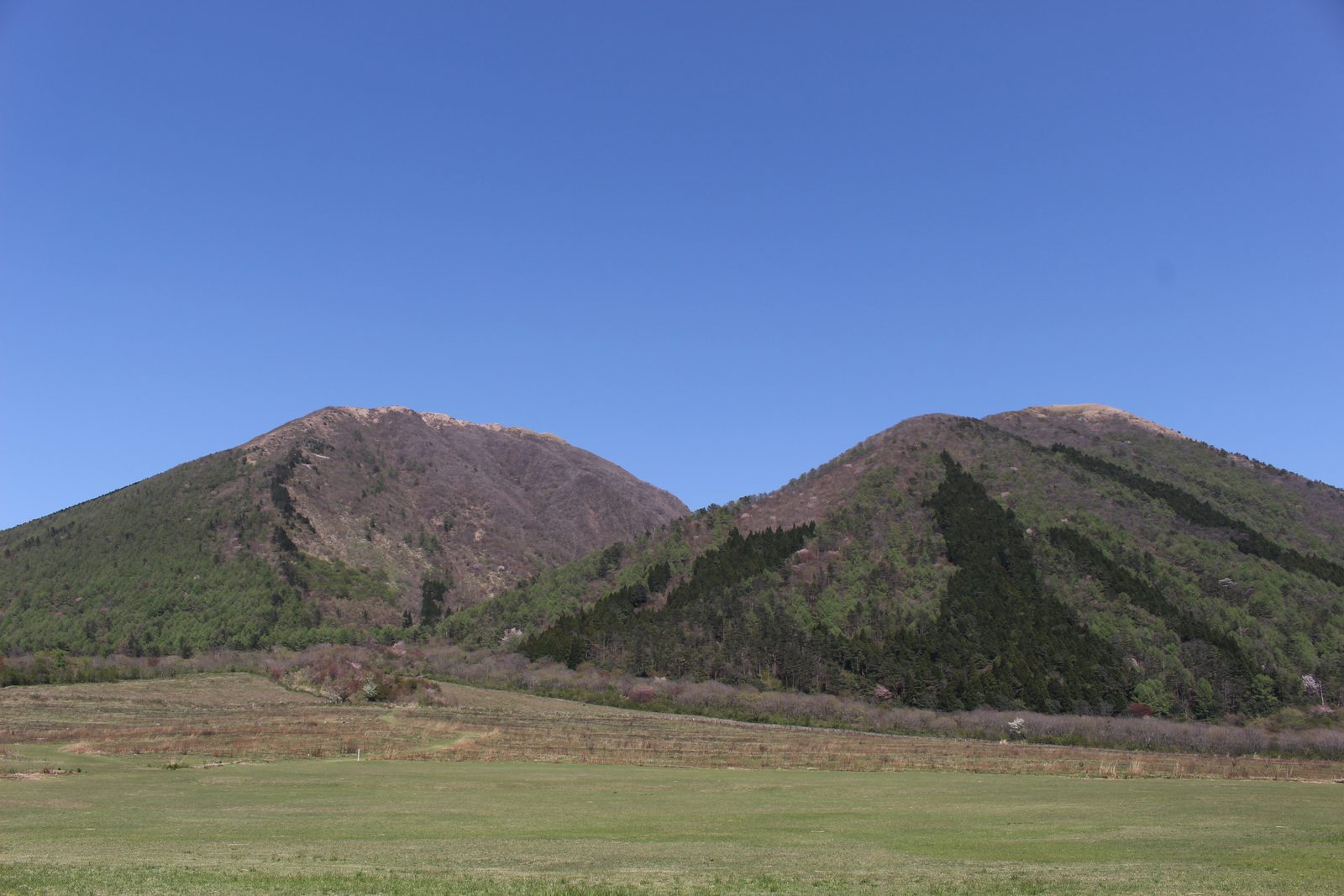
Multiple peaks of Mount Sanbe are lined up so that they surround a hollow.
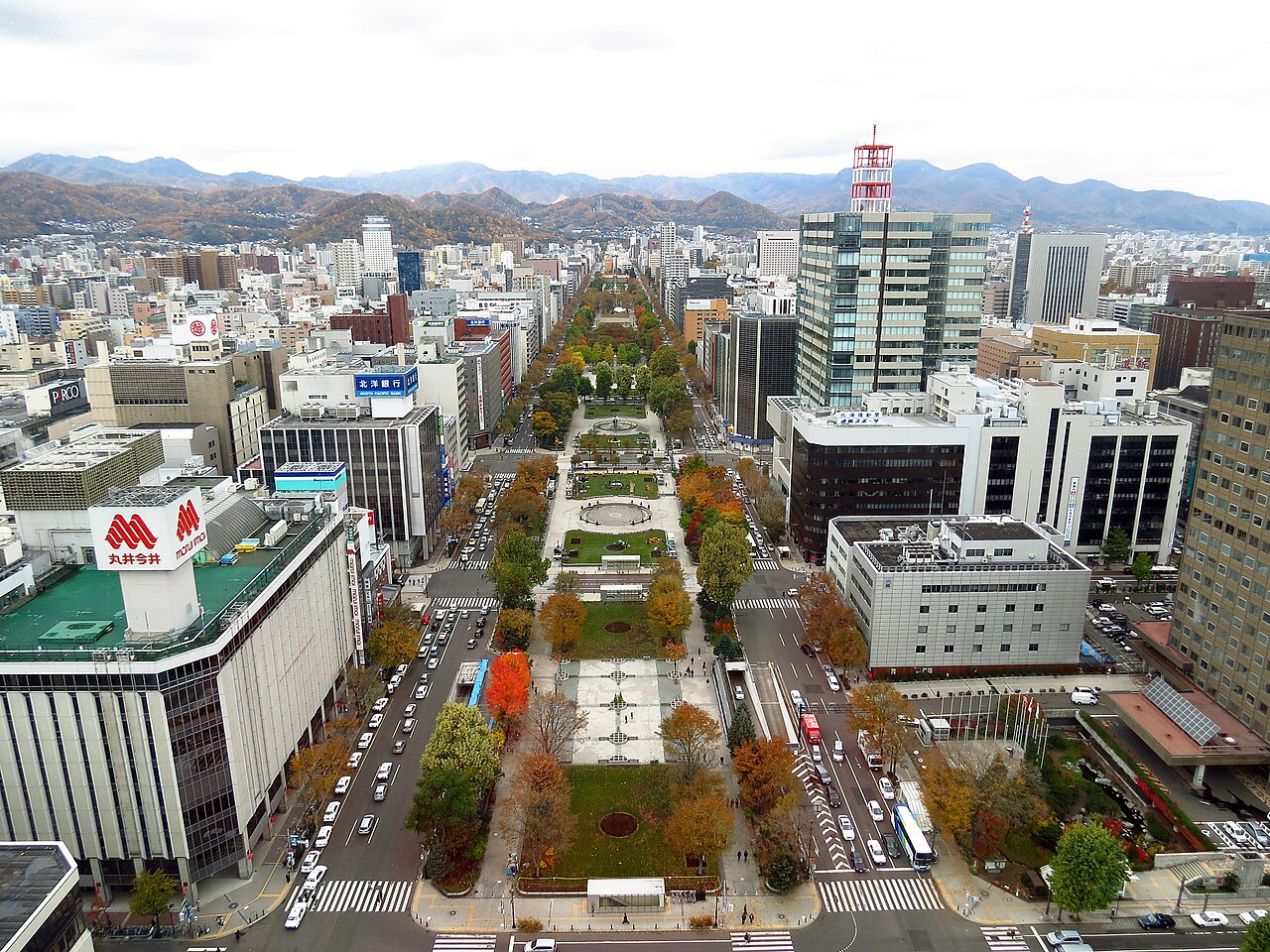
Sapporo is the birthplace of miso ramen, and Odori Park, at the centre of a day here, is a road despite being called a park.
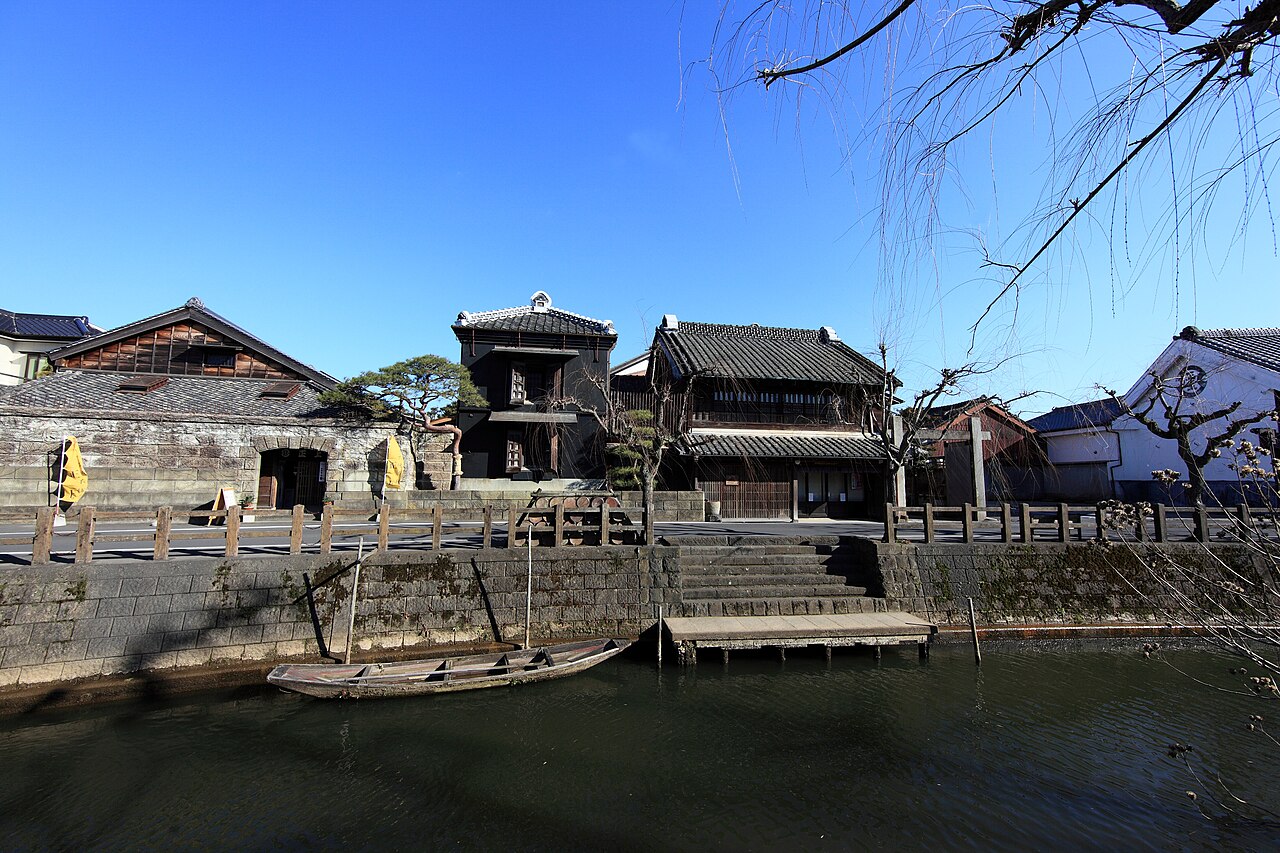
This guide follows one slow day in Sawara, a canal town in Katori, Chiba — the old merchant houses along the Ono River, the museum of the mapmaker Ino…
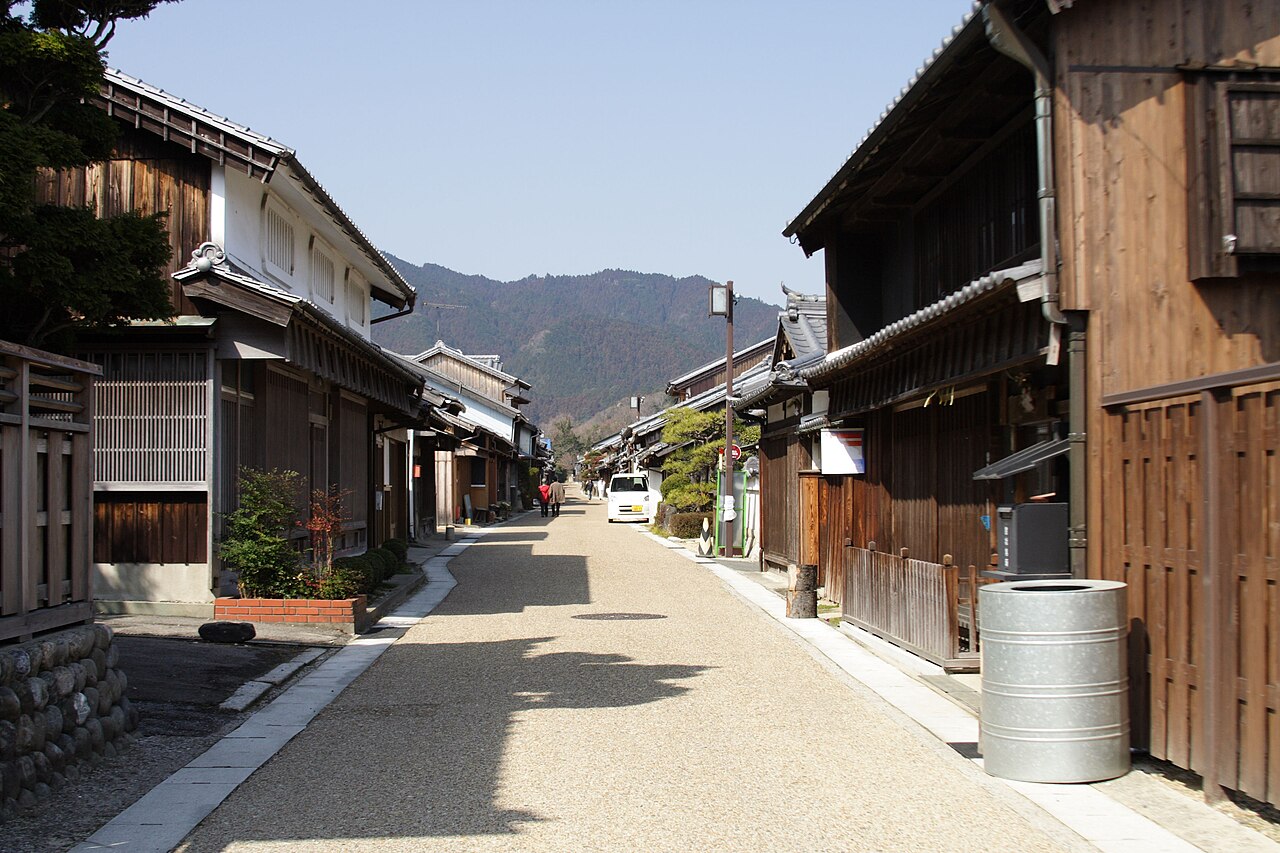
Seki-juku is the forty-seventh post town of the fifty-three Tokaido post towns, counting from Edo.
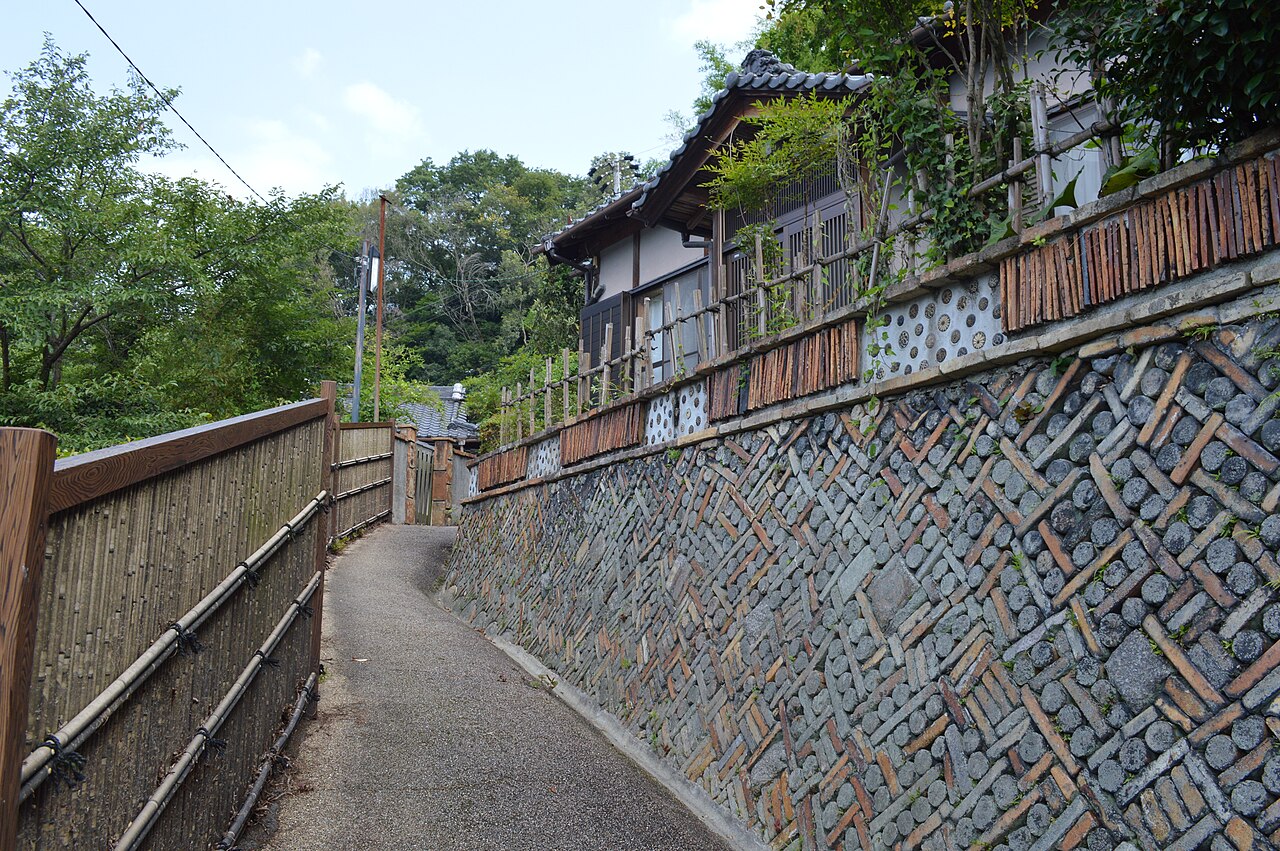
Seto, in Aichi, is counted as one of the Six Ancient Kilns of Japan, and the pottery behind that standing is still made there.
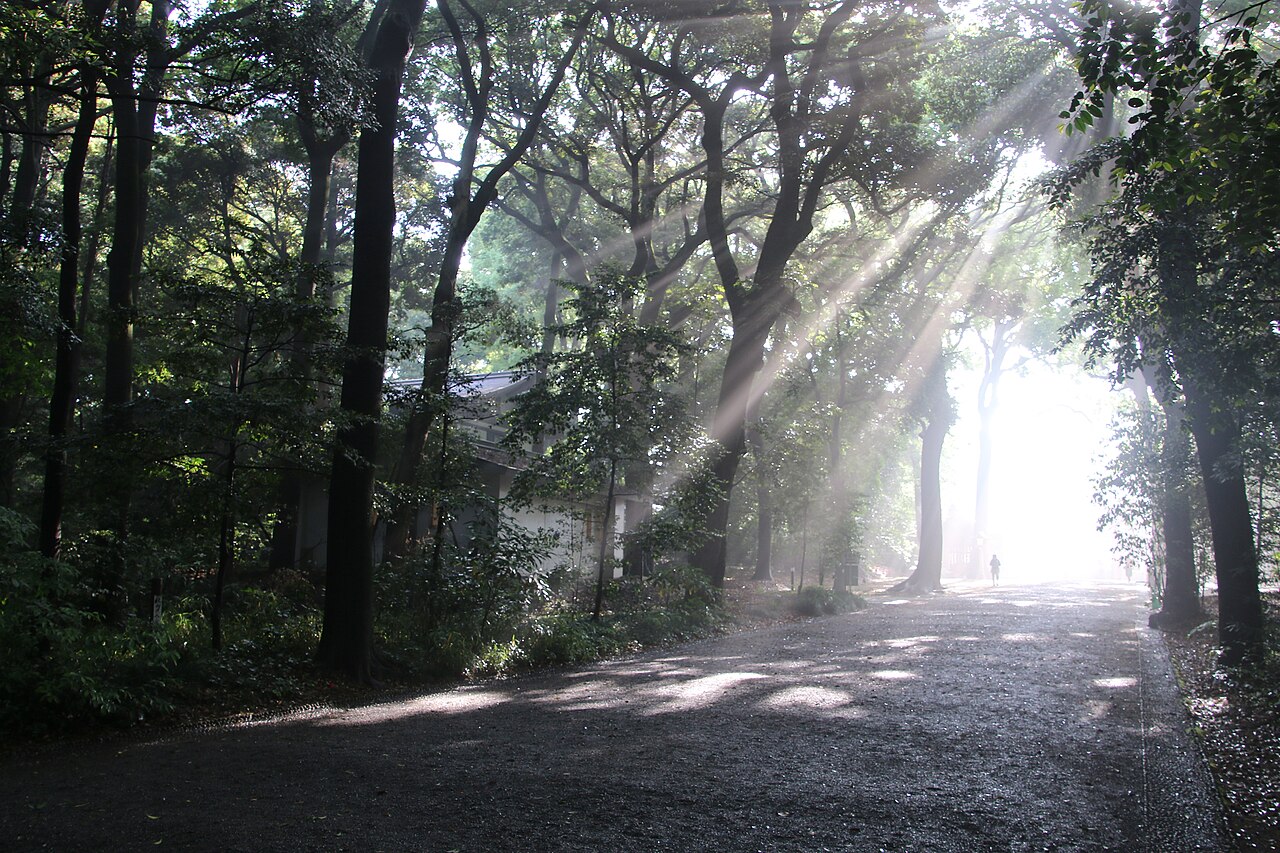
Beyond the torii gate of Meiji Jingu in Shibuya lies a sacred precinct surrounded by a large forest, made by planting trees donated from across the country.
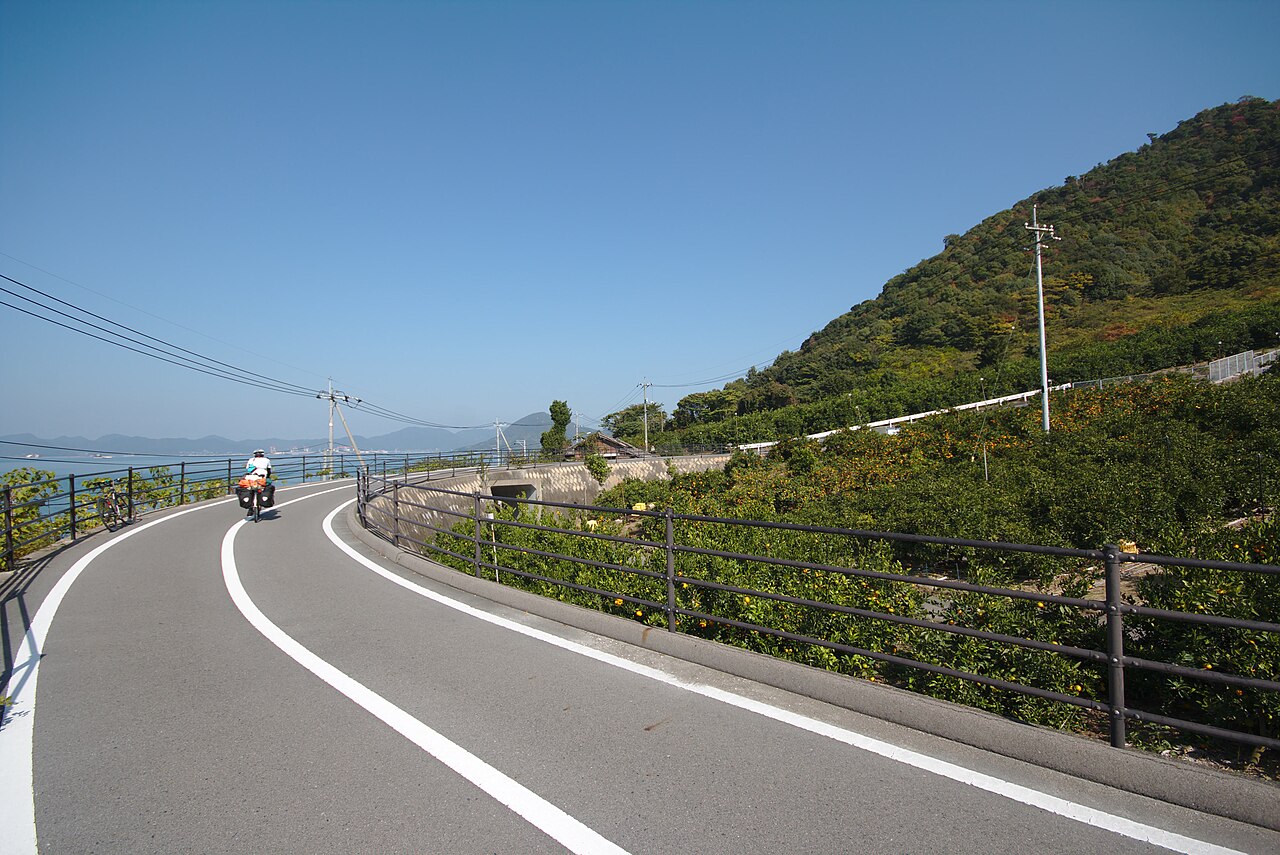
The Innoshima Bridge has two levels, a roadway above and a path for pedestrians and light vehicles below.
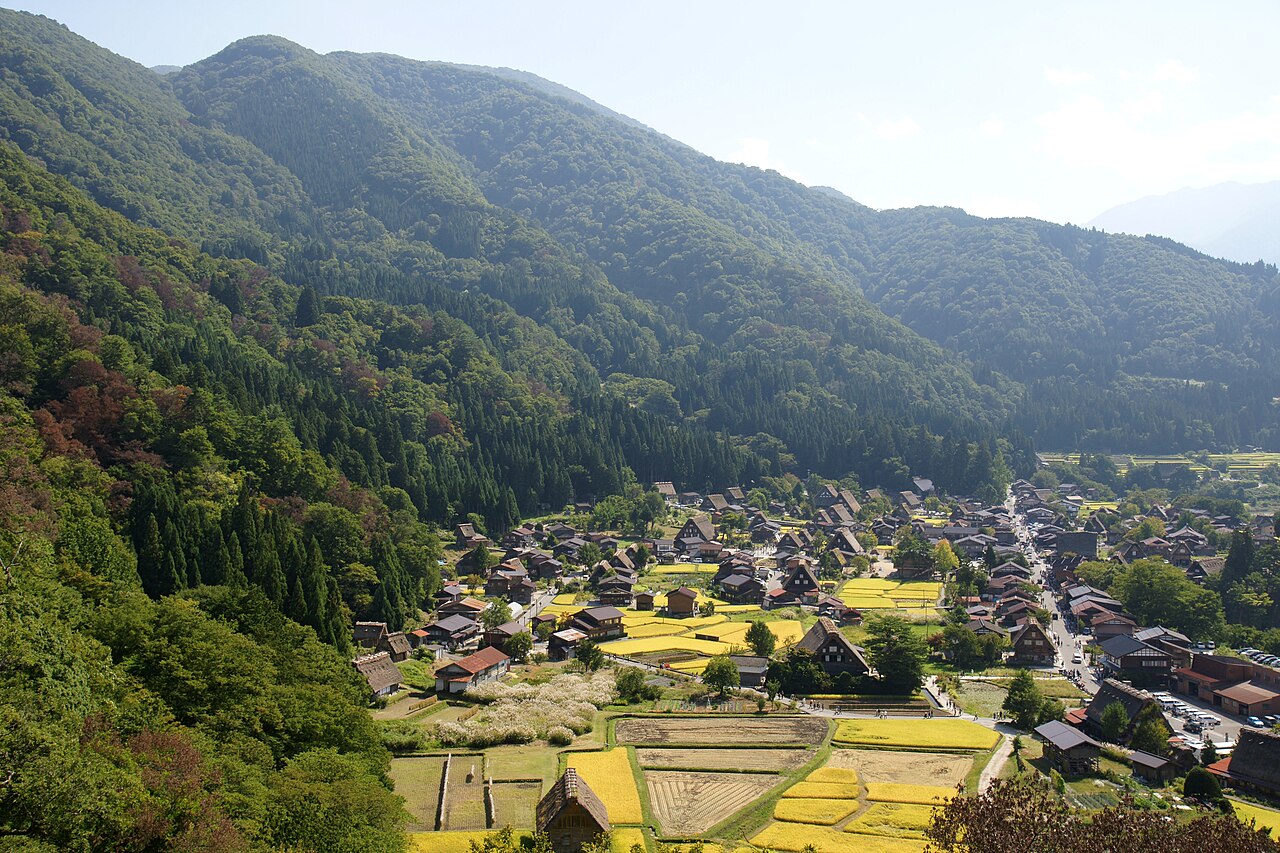
Gassho-zukuri is a Japanese architectural style built by joining wooden beams into a mountain shape.
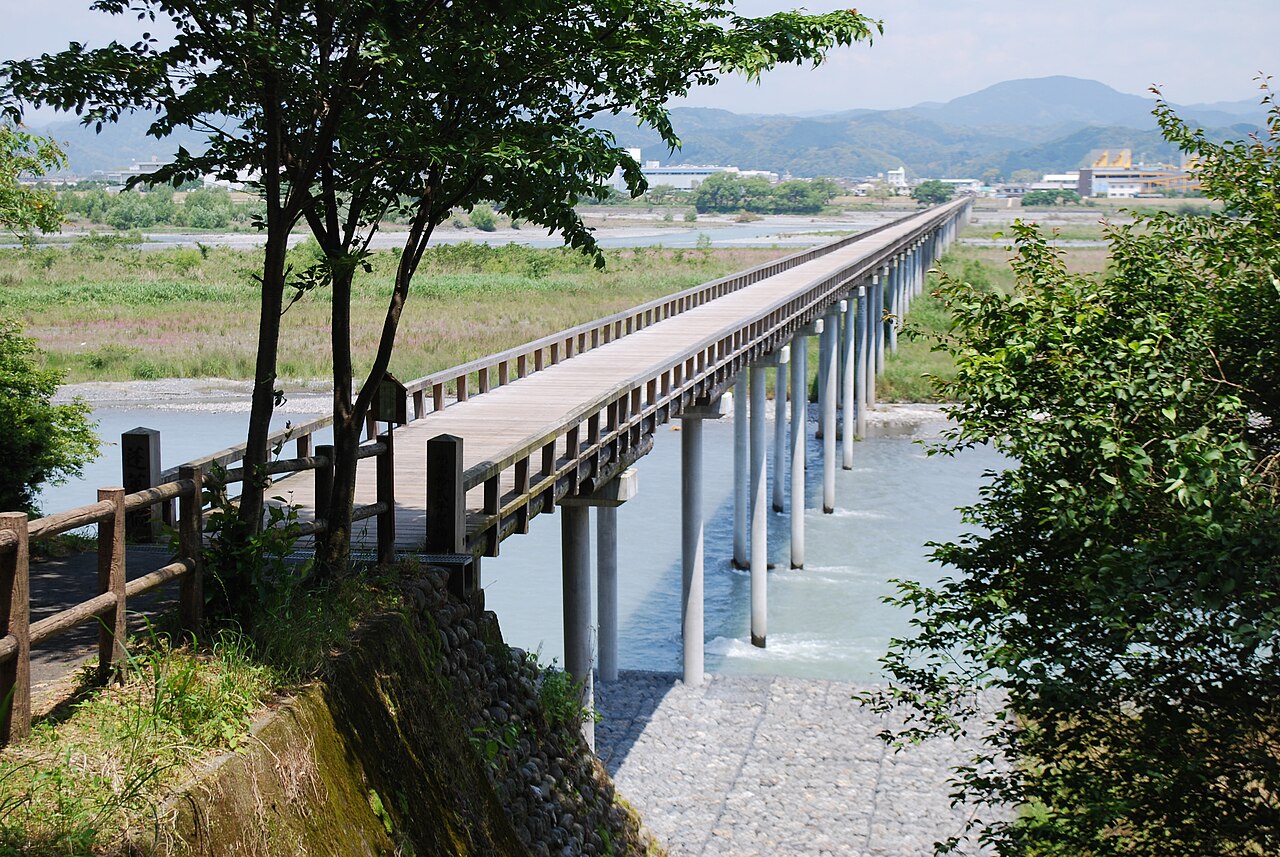
Shimada in Shizuoka pairs a bridge that settlers of the Makinohara plateau funded as an agricultural bridge with a post town where travelers once crossed the…
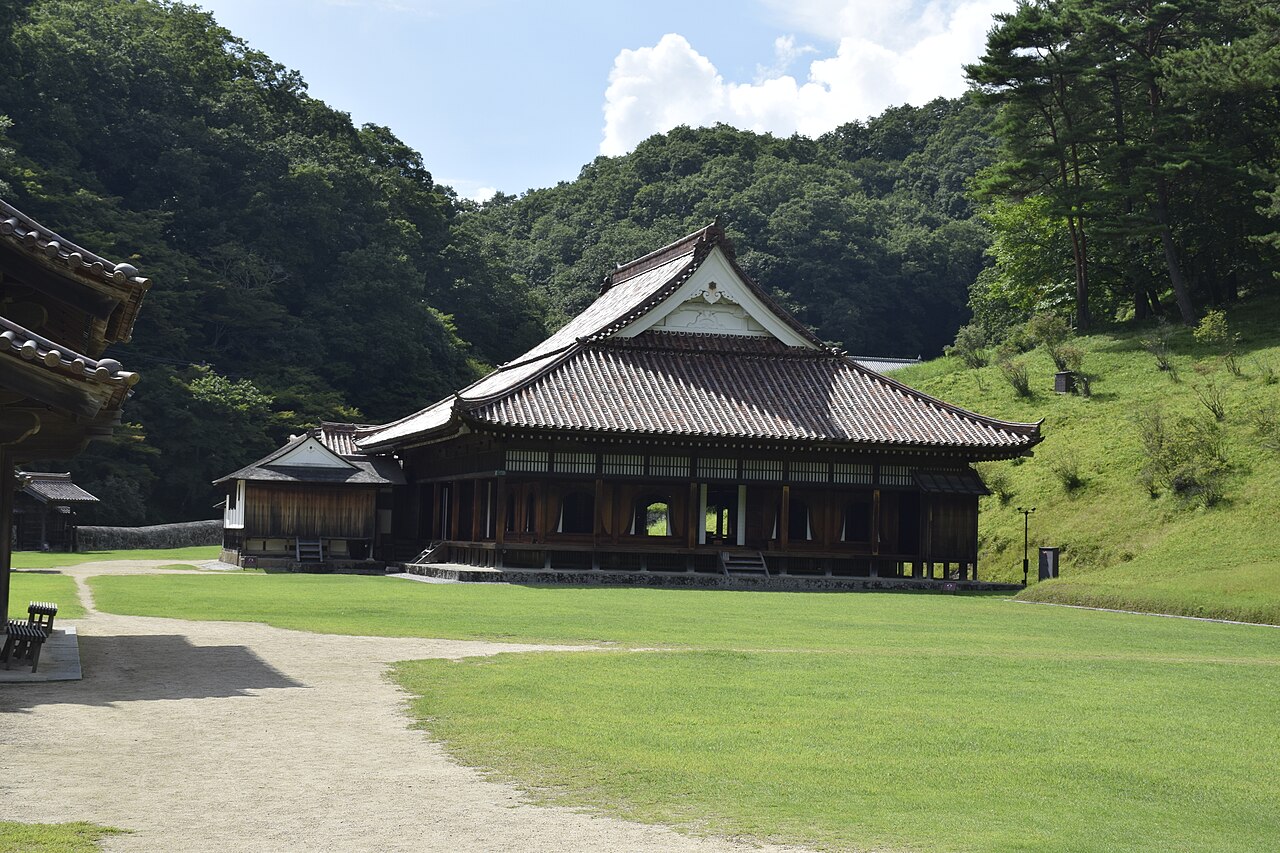
The Former Shizutani School was founded by the Okayama domain lord Ikeda Mitsumasa as a public school for commoners.
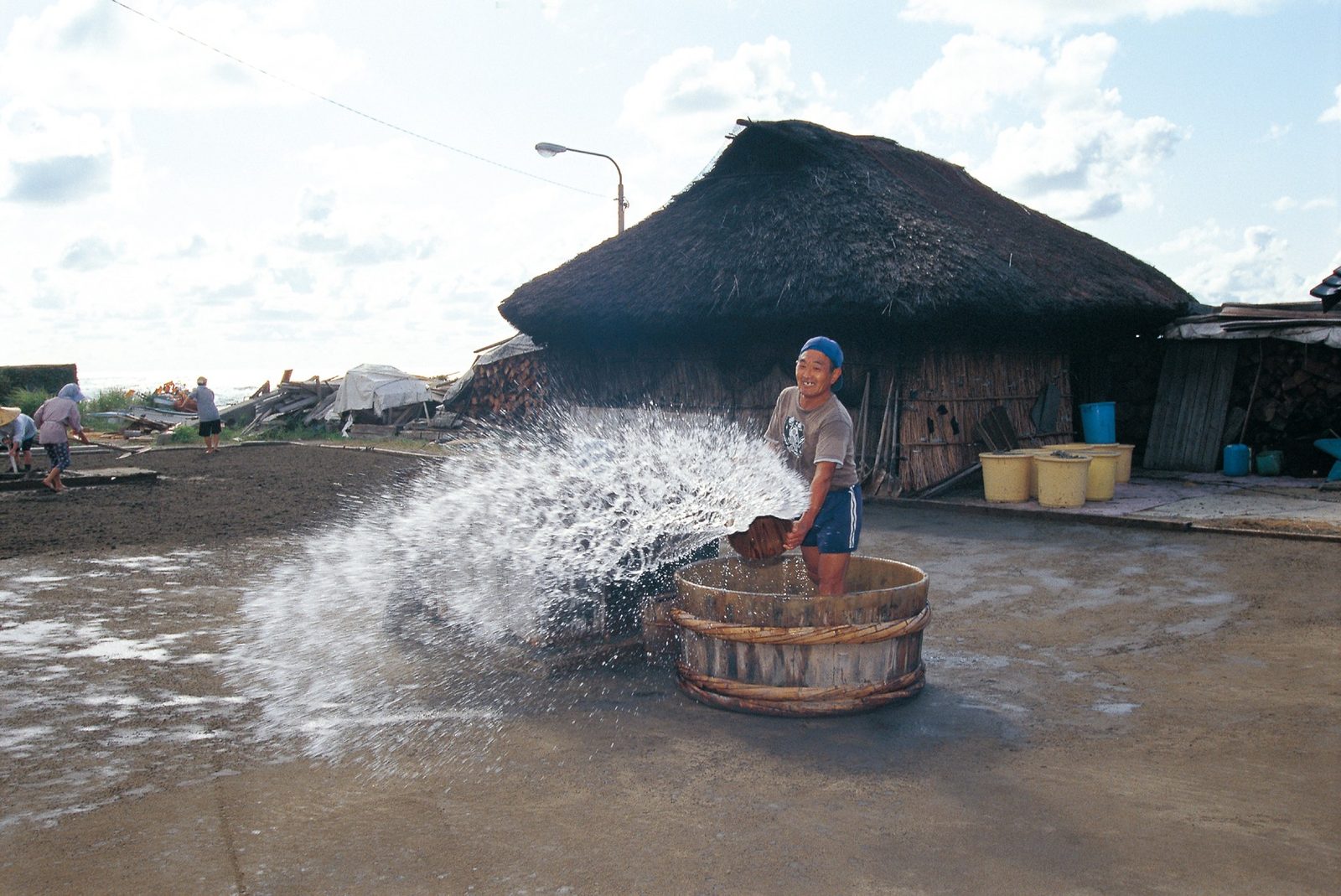
Suzu sits at the tip of the Noto peninsula in Ishikawa, exactly where the outer coast and the inner coast meet.
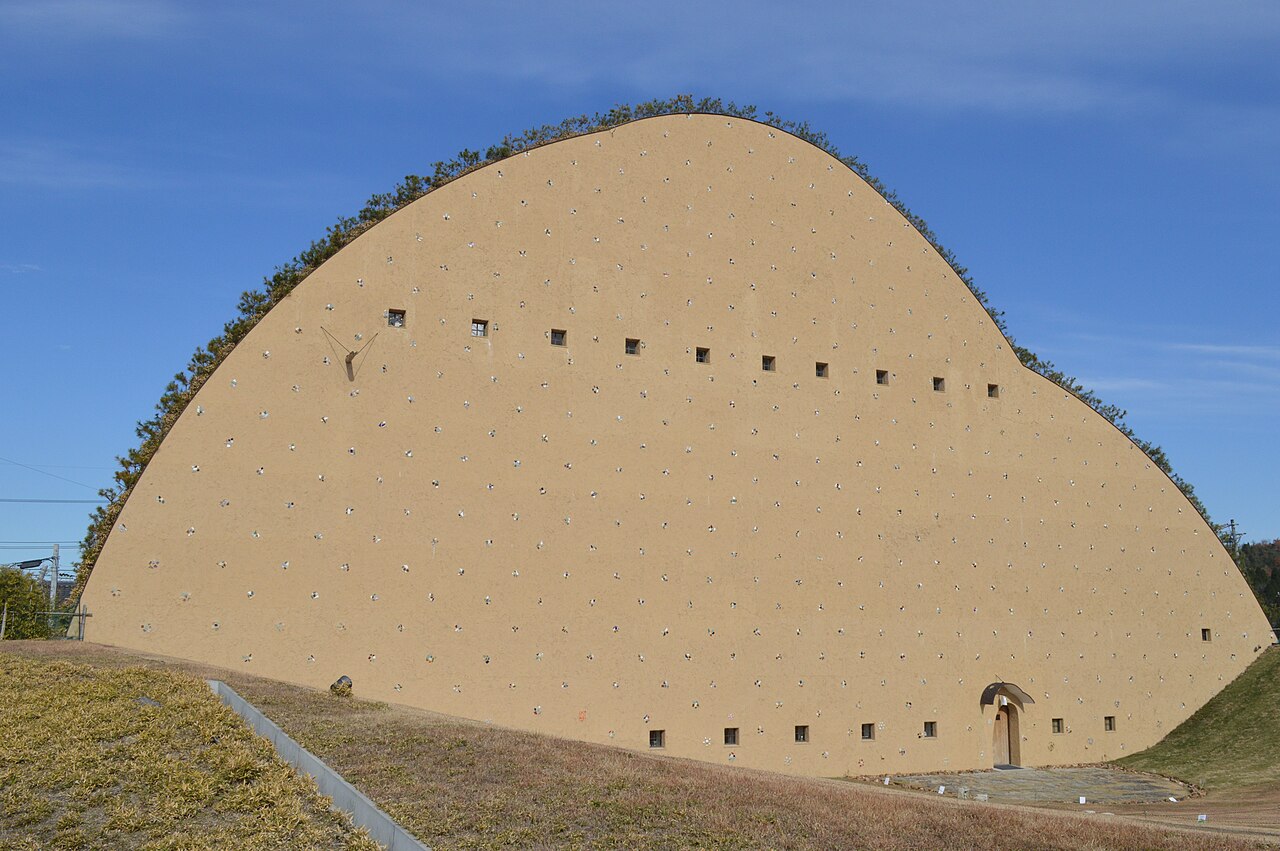
The top floor of the Tajimi Mosaic Tile Museum opens off a dim main staircase onto a room covered from floor to ceiling in white tile.
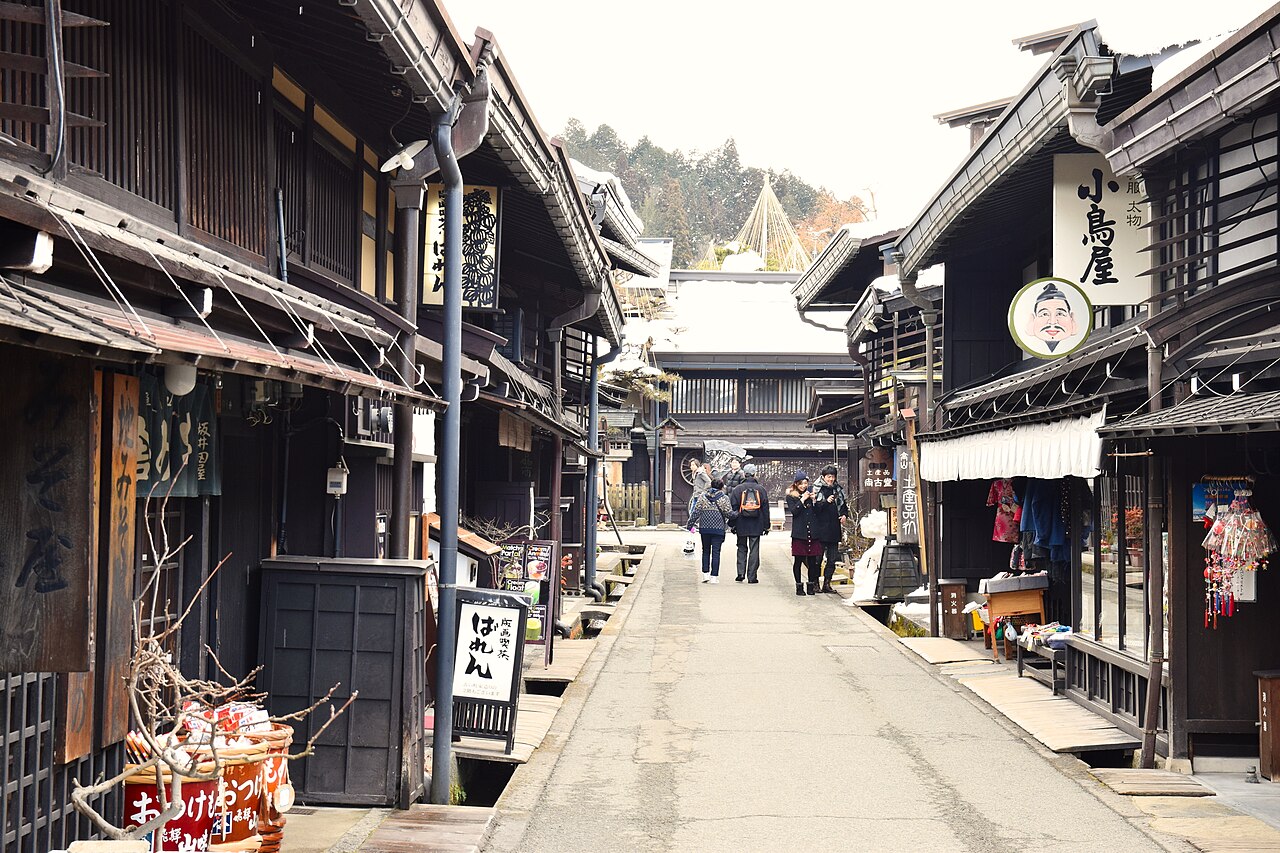
Takayama packs very different kinds of pleasure into a single compact walk.
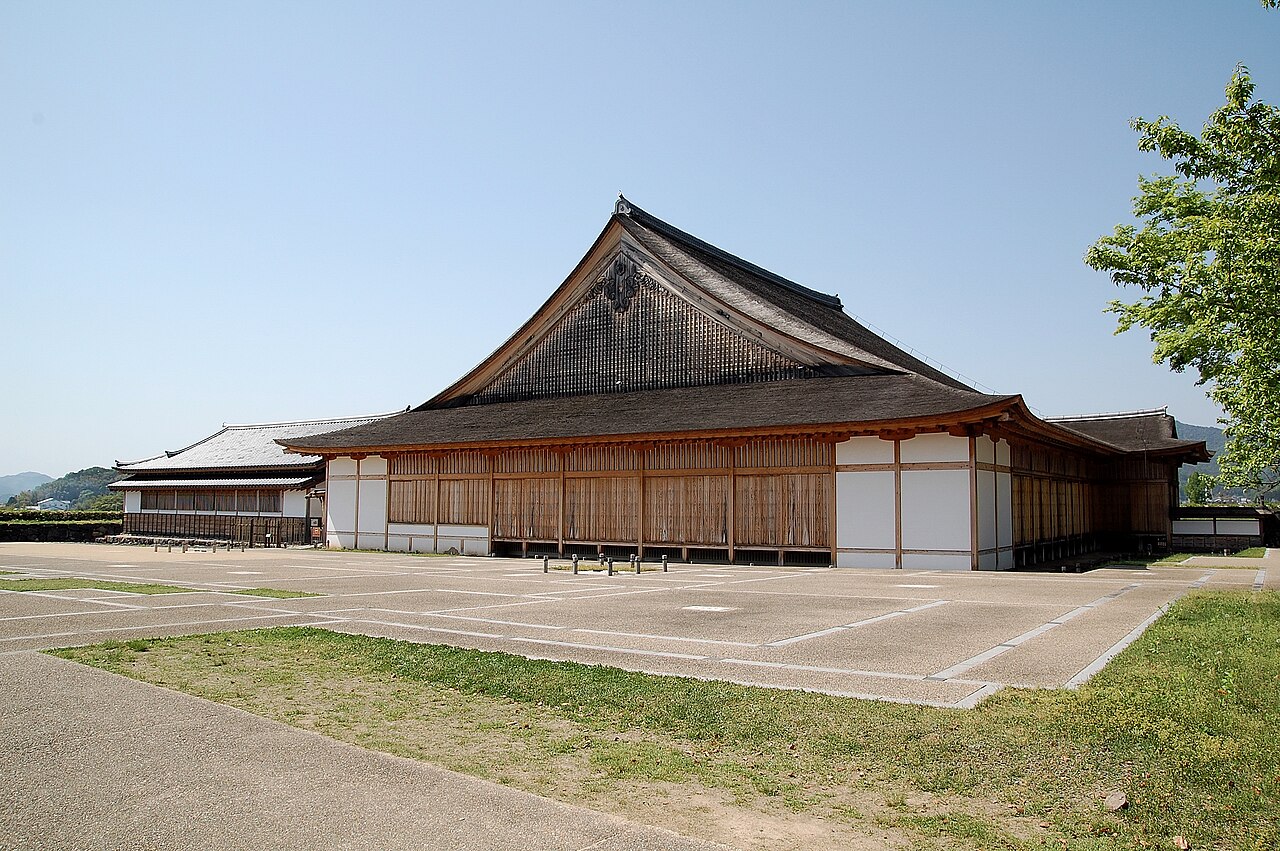
There is a basin in the hills of Hyogo where the biggest crowd of the day may be schoolchildren crossing a castle moat.
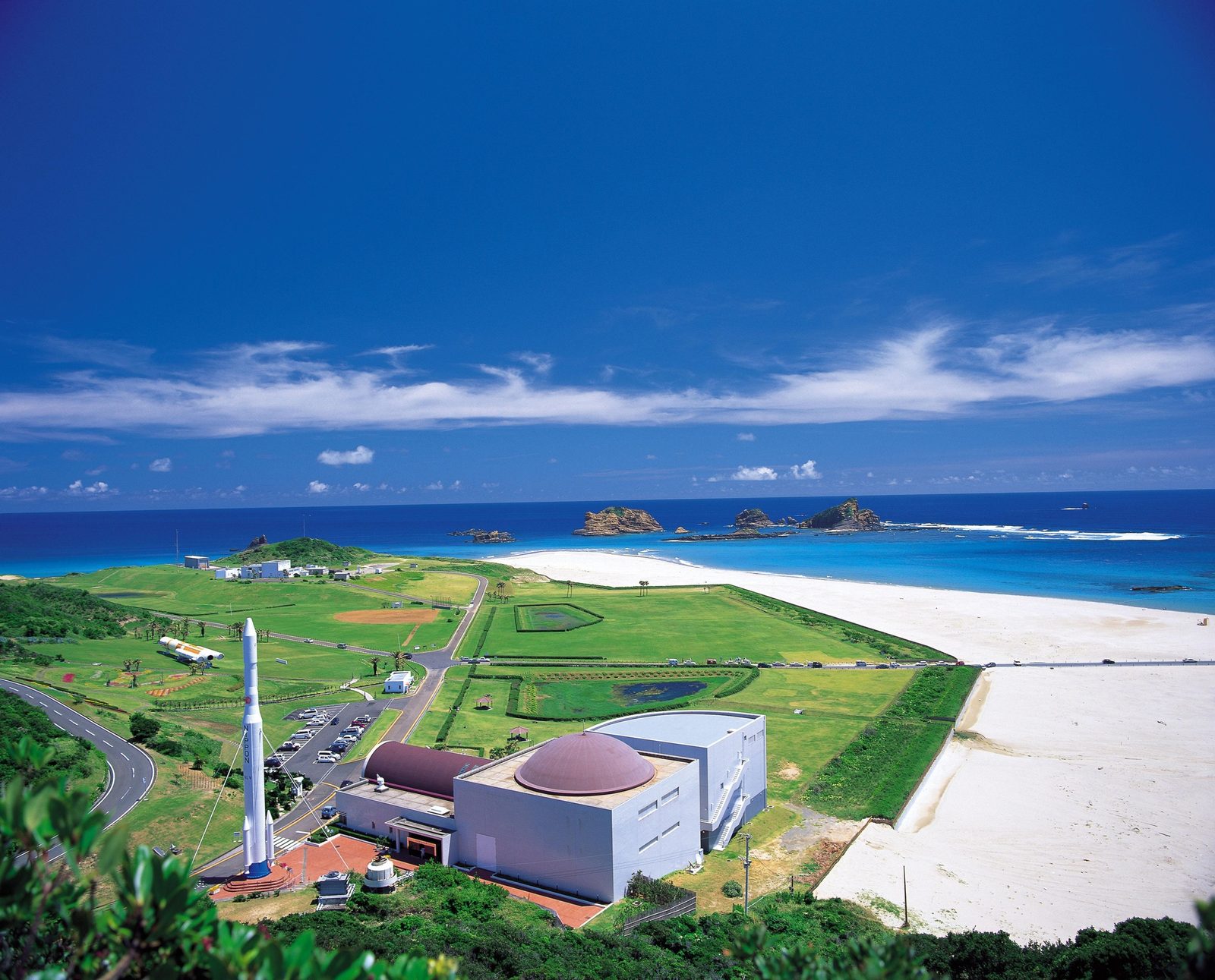
The exhibit at Tanegashima Space Center uses a large wall screen, floor images, sound and smoke so that a launch looks as if seen from just below the launch…
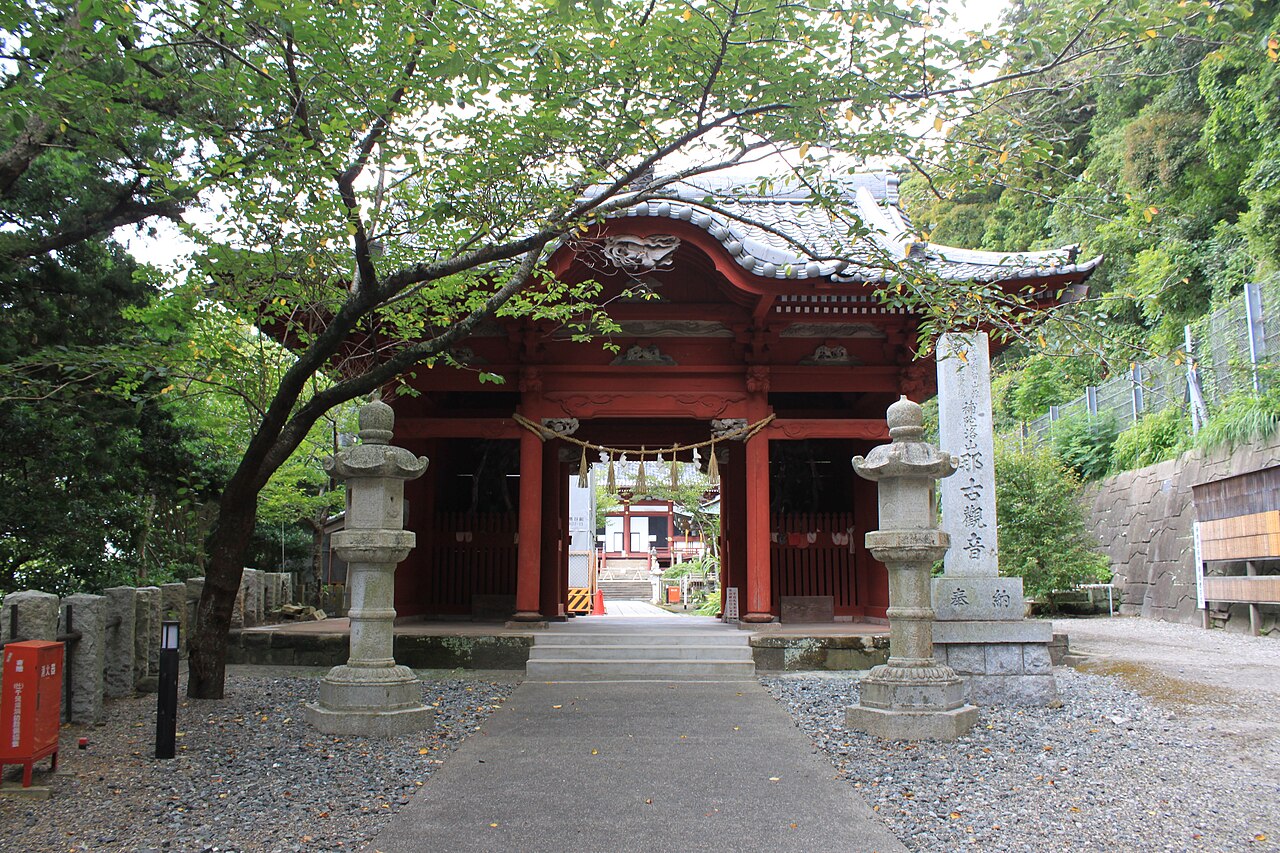
The southern tip of the Boso Peninsula was once a pilgrim's country.
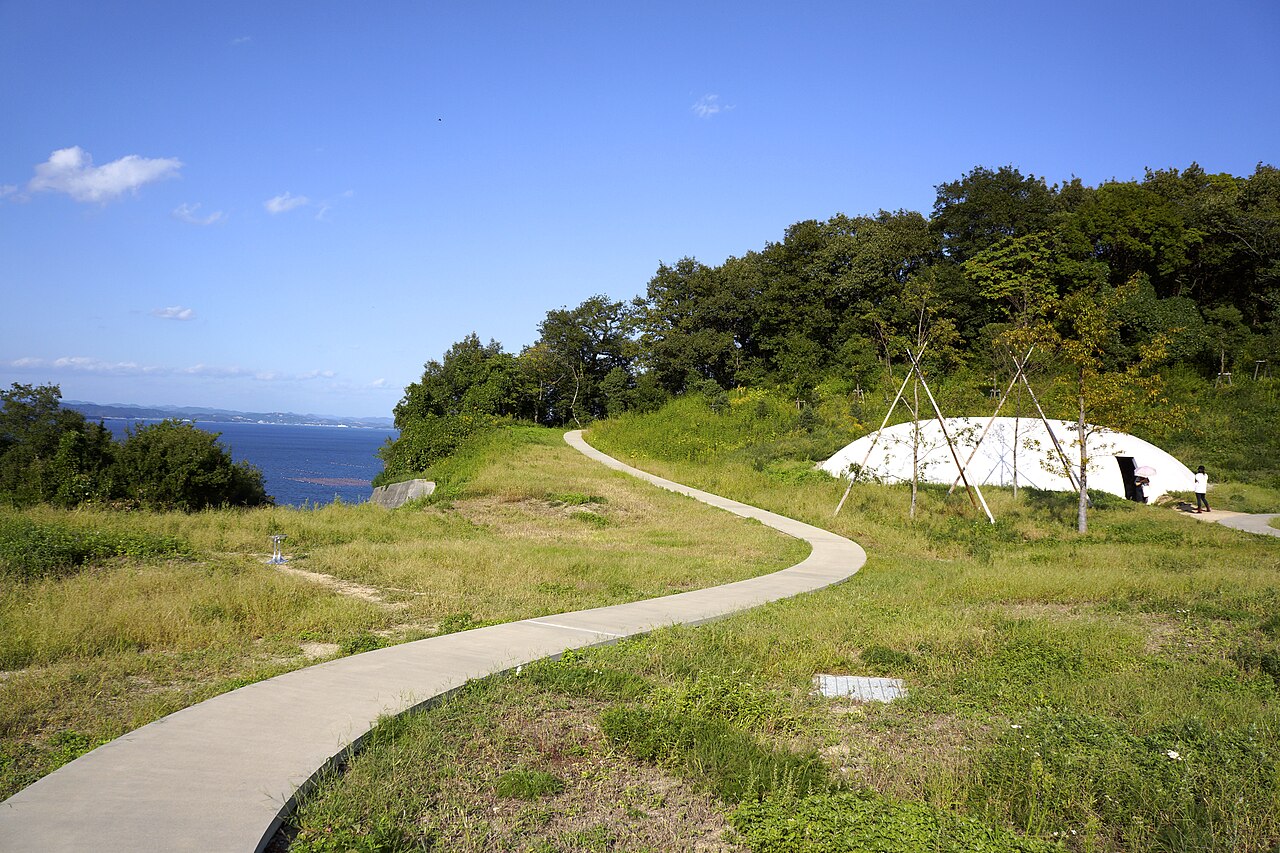
Teshima lets visitors walk a path through terraced field scenery that leads to Teshima Art Museum.
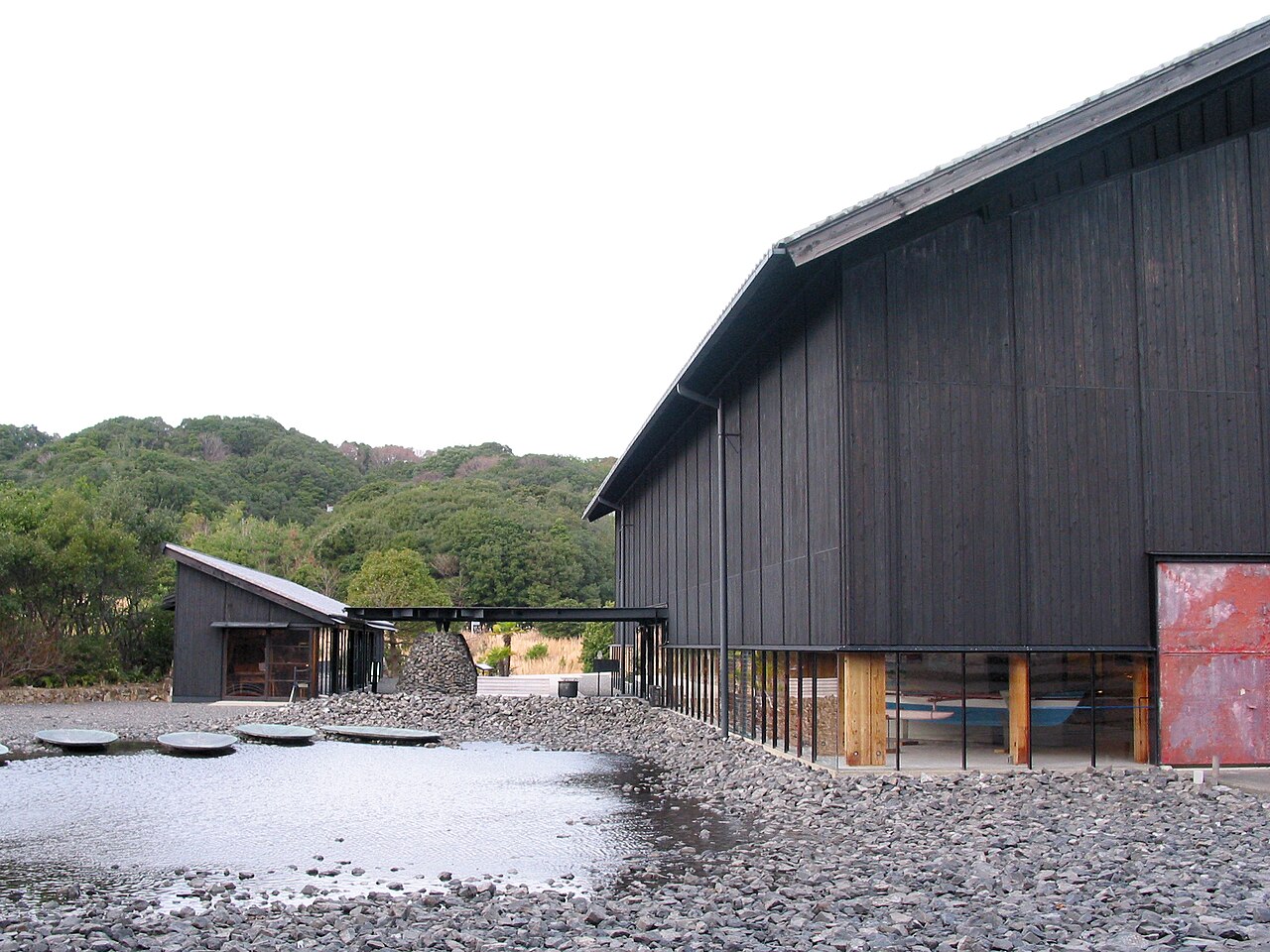
Toba's programmes include hands-on contact with active ama divers at an ama hut, and a programme of cleaning the coast together with ama.
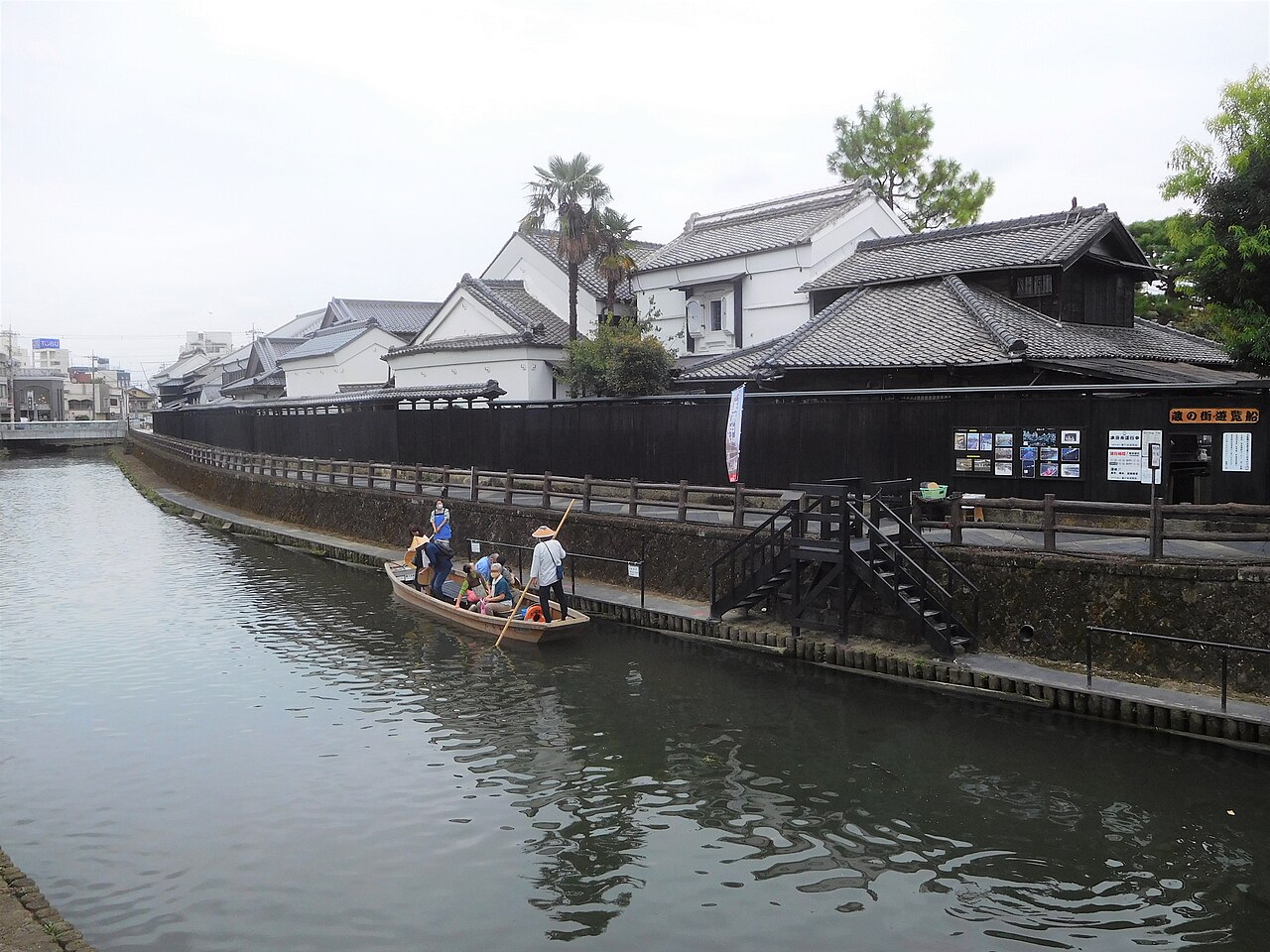
In Tochigi, part of this road is the main street of the town centre and Kaemon-cho street, and black-painted heavy merchant storehouses and white-walled…
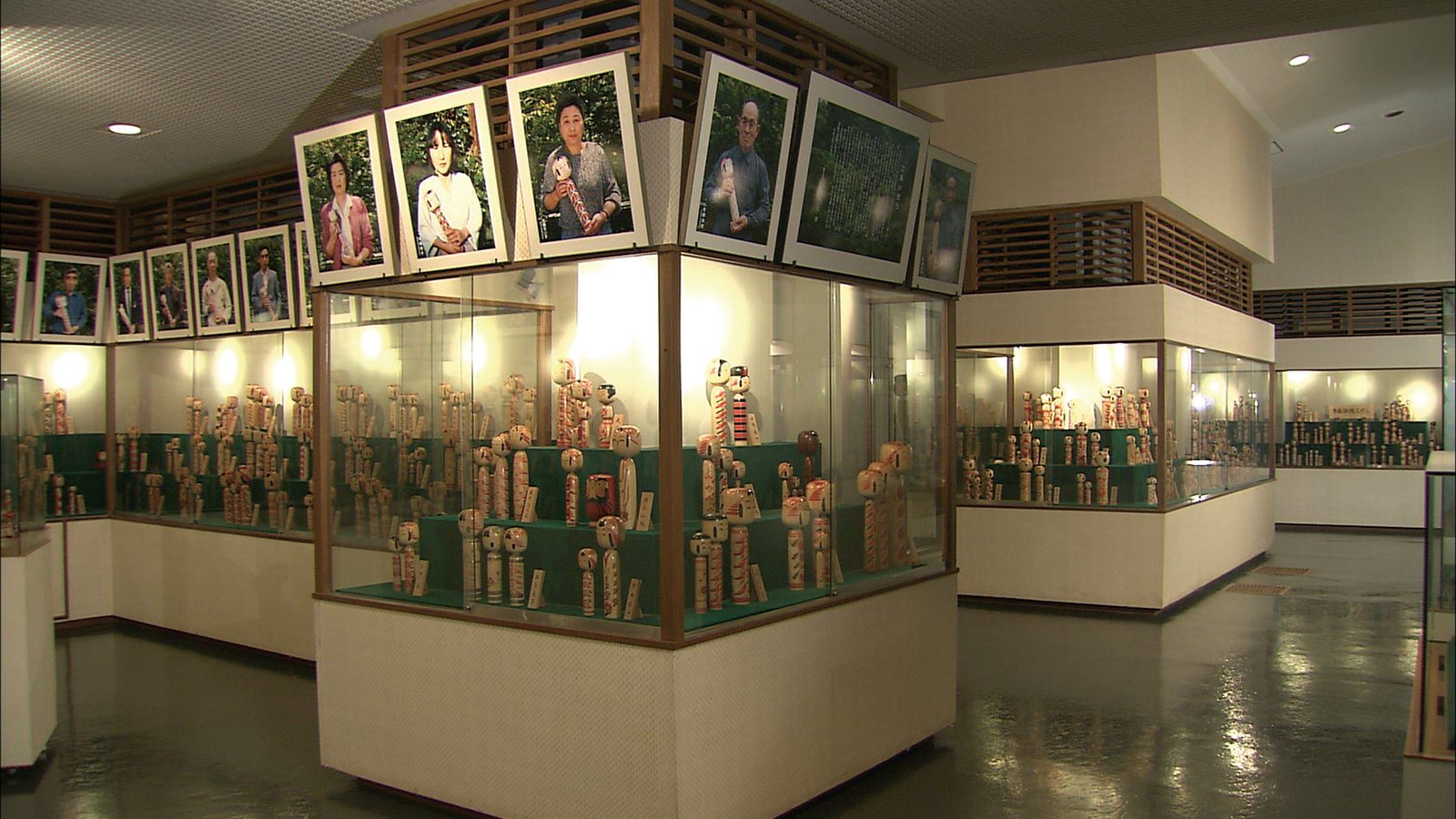
This guide covers the current highway service from Sendai, the hot-spring street of Togatta Onsen and its waters, the communal bathhouses Kaminoyu and…
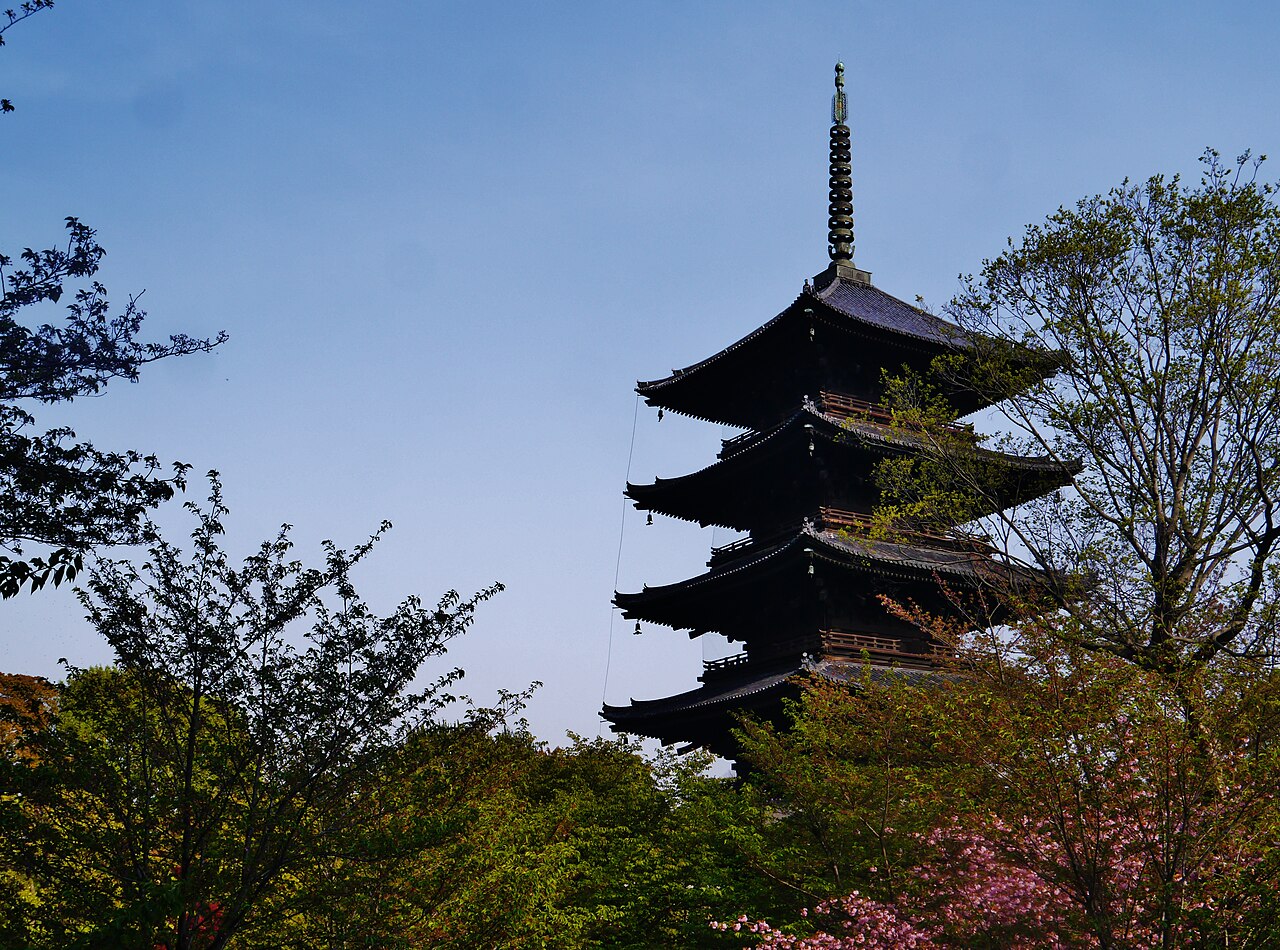
The grounds of Toji form a long rectangle, and the part of it where the main halls stand is nearly square.
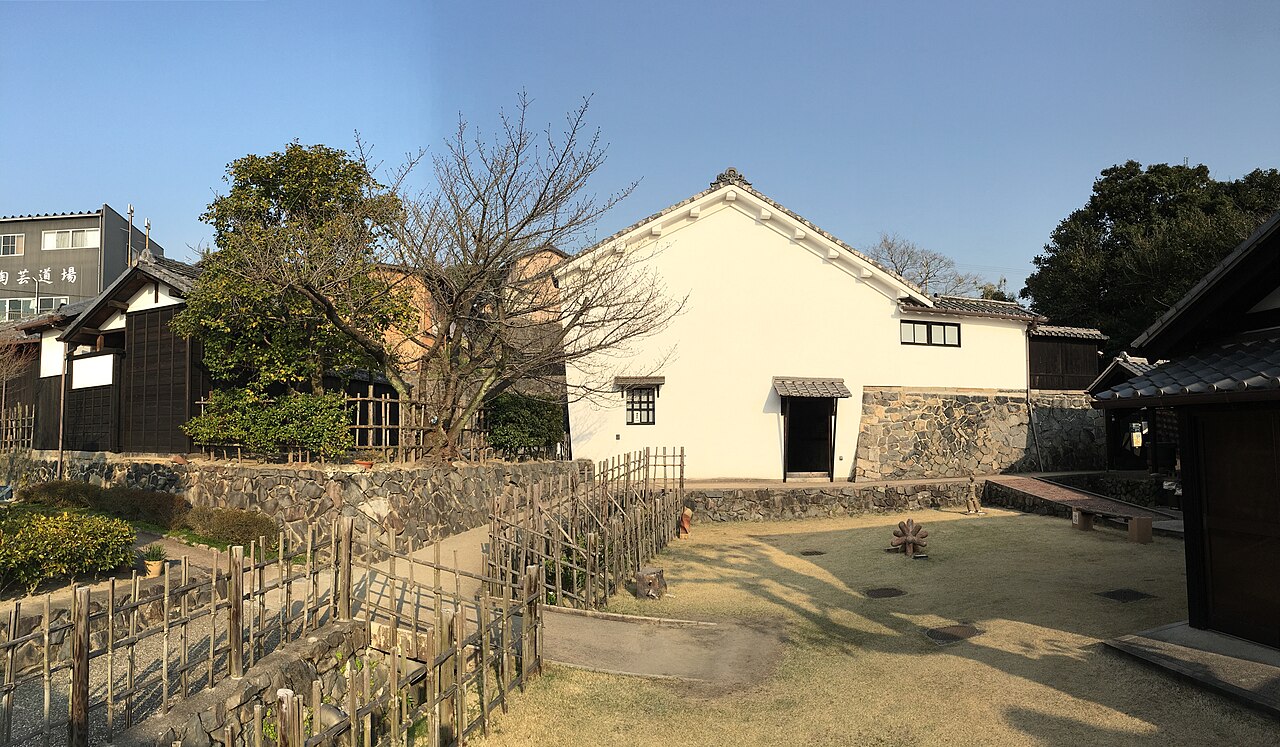
Most travelers see Tokoname only from the air.
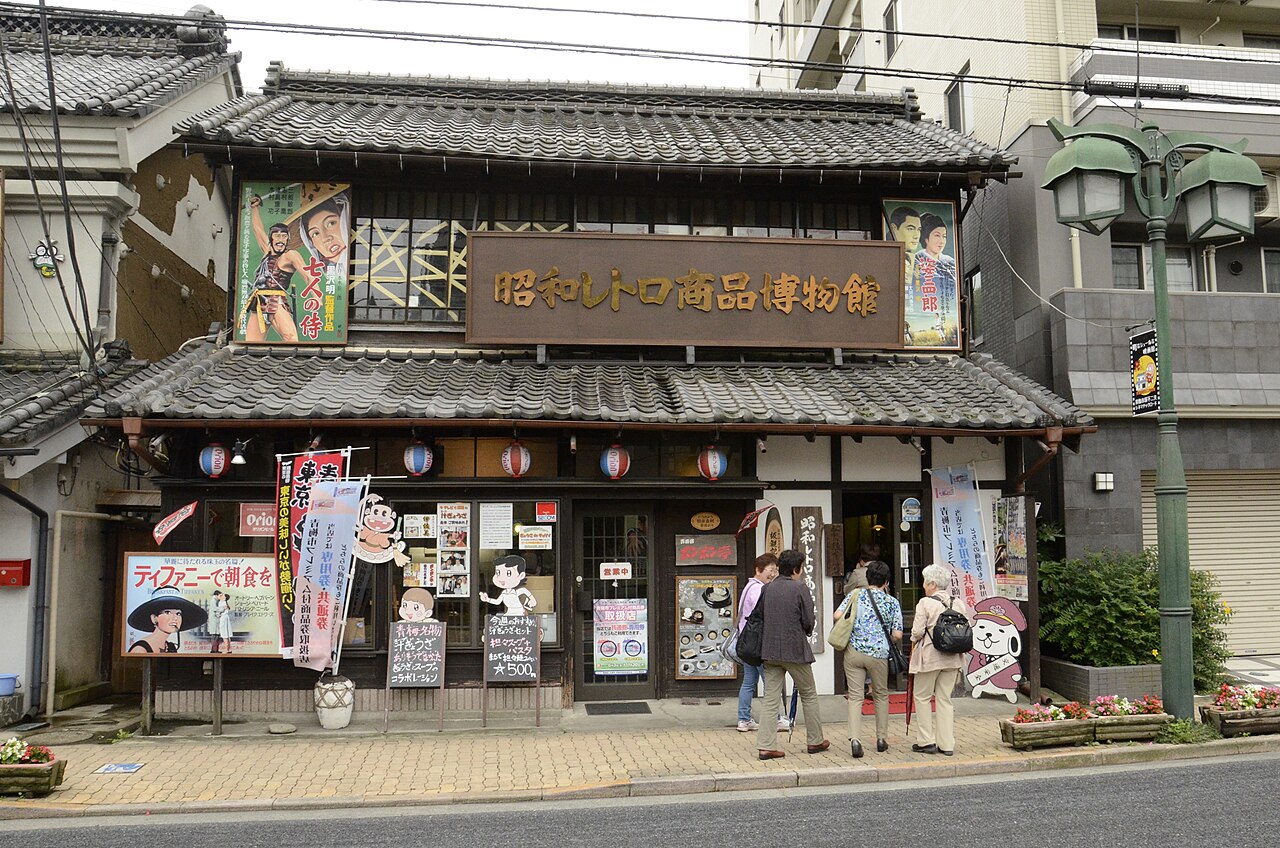
Ome is a Showa retro post town in Tokyo where the Showa Retro Packaging Museum fills a wooden building that began life as a furniture shop, and where…
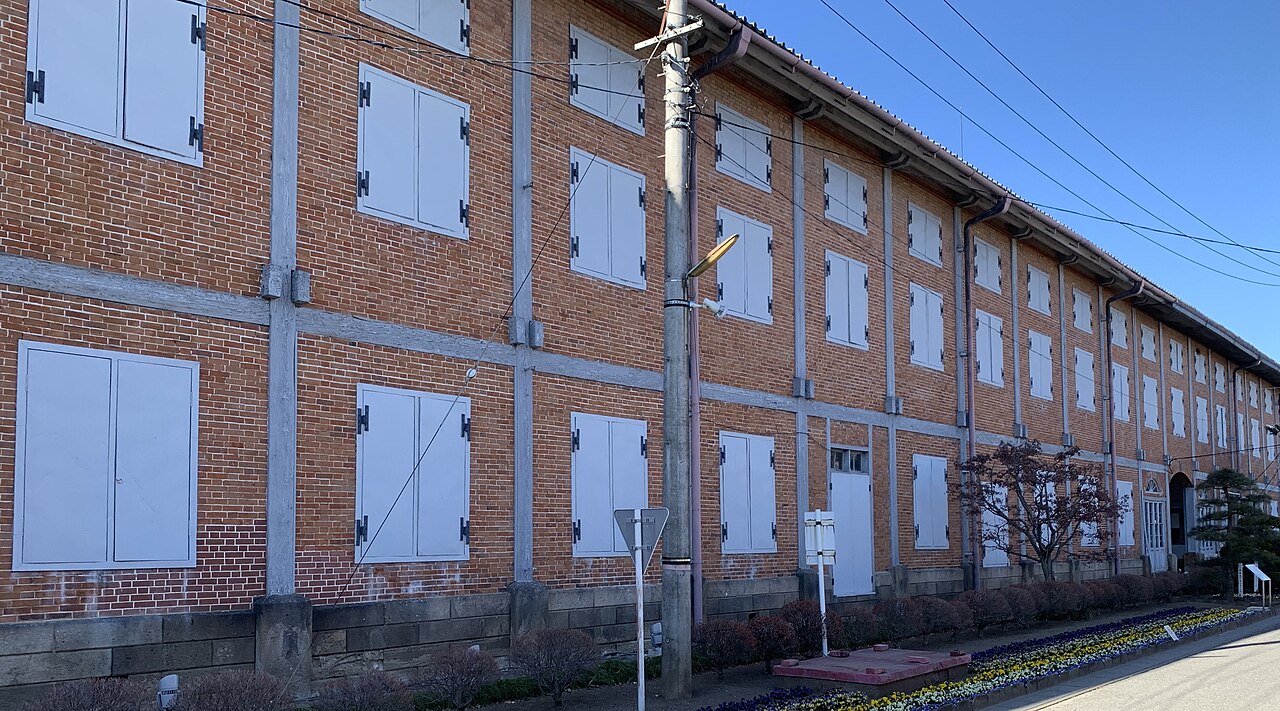
Inside Tomioka Silk Mill, visitors can try zakuri silk reeling, drawing raw silk from cocoons, and take home the thread they wound themselves together with the…
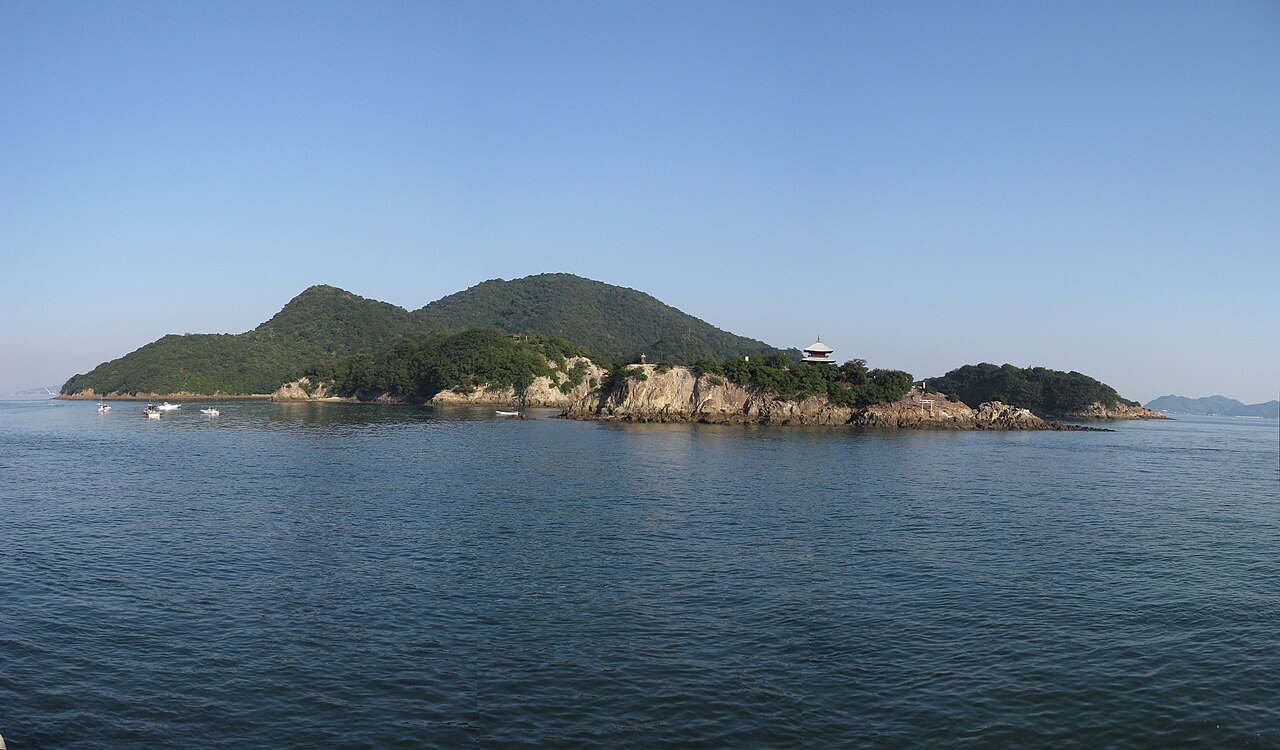
Tomonoura is a small harbour town at the seaward edge of Fukuyama, in Hiroshima Prefecture, and it wears its age lightly.
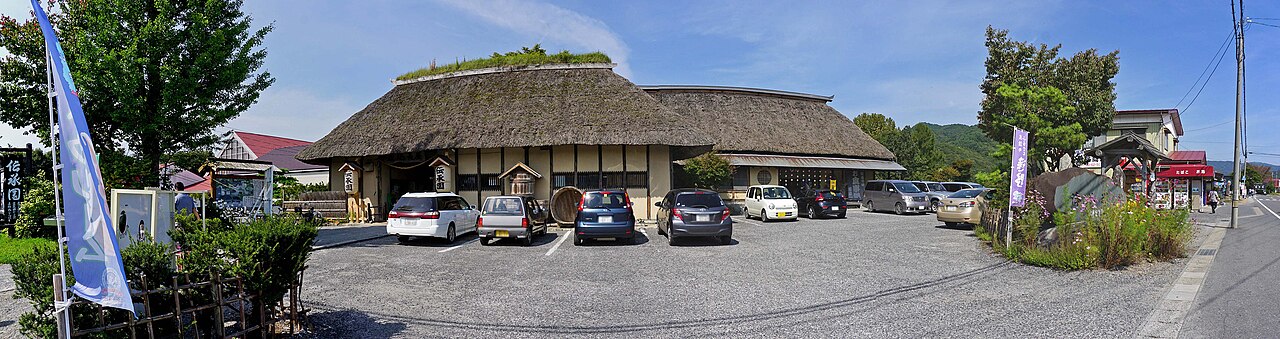
Tōno sits deep in the Kitakami mountains, and in the Meiji-era gazetteer it is described as the meeting point of the highways from Morioka and Hanamaki bound…
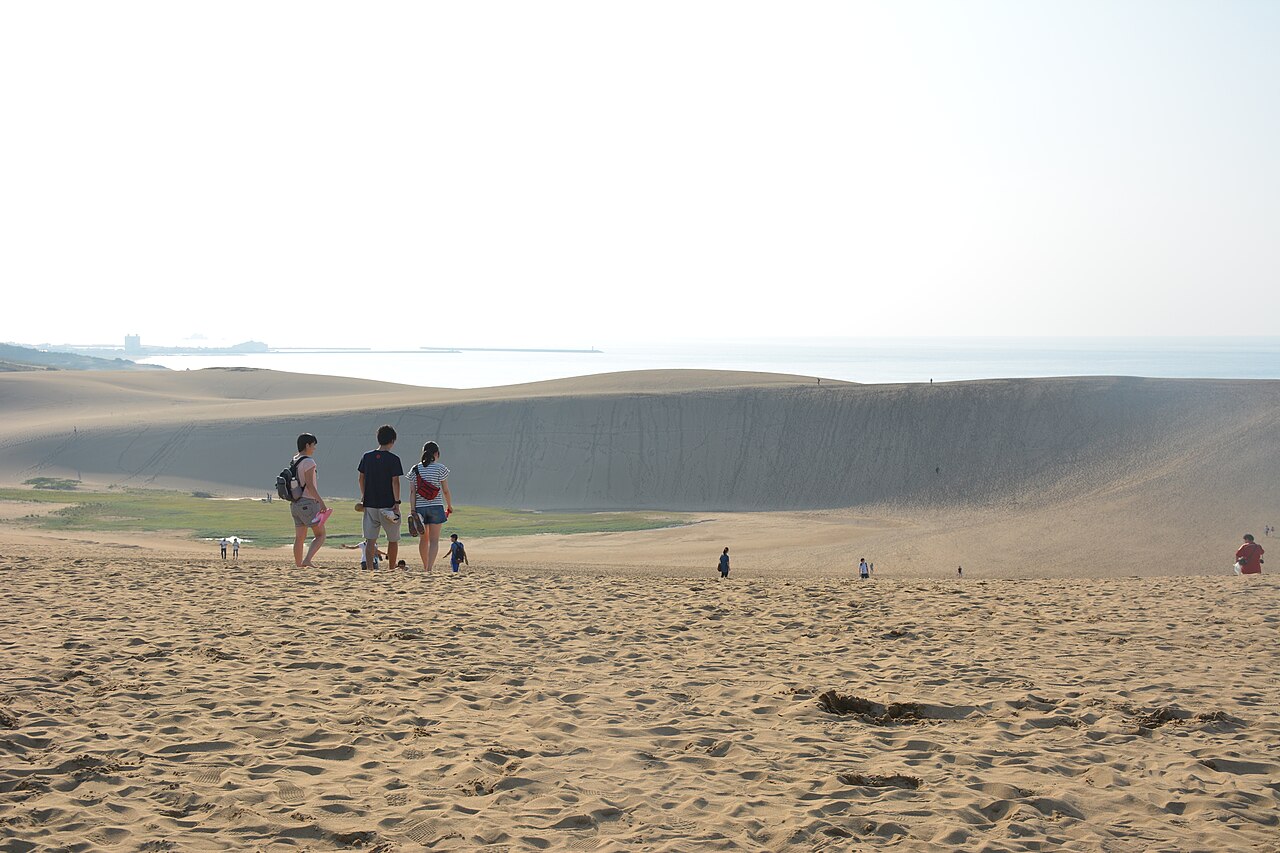
Tottori Sand Dunes are a place to watch sand at work.
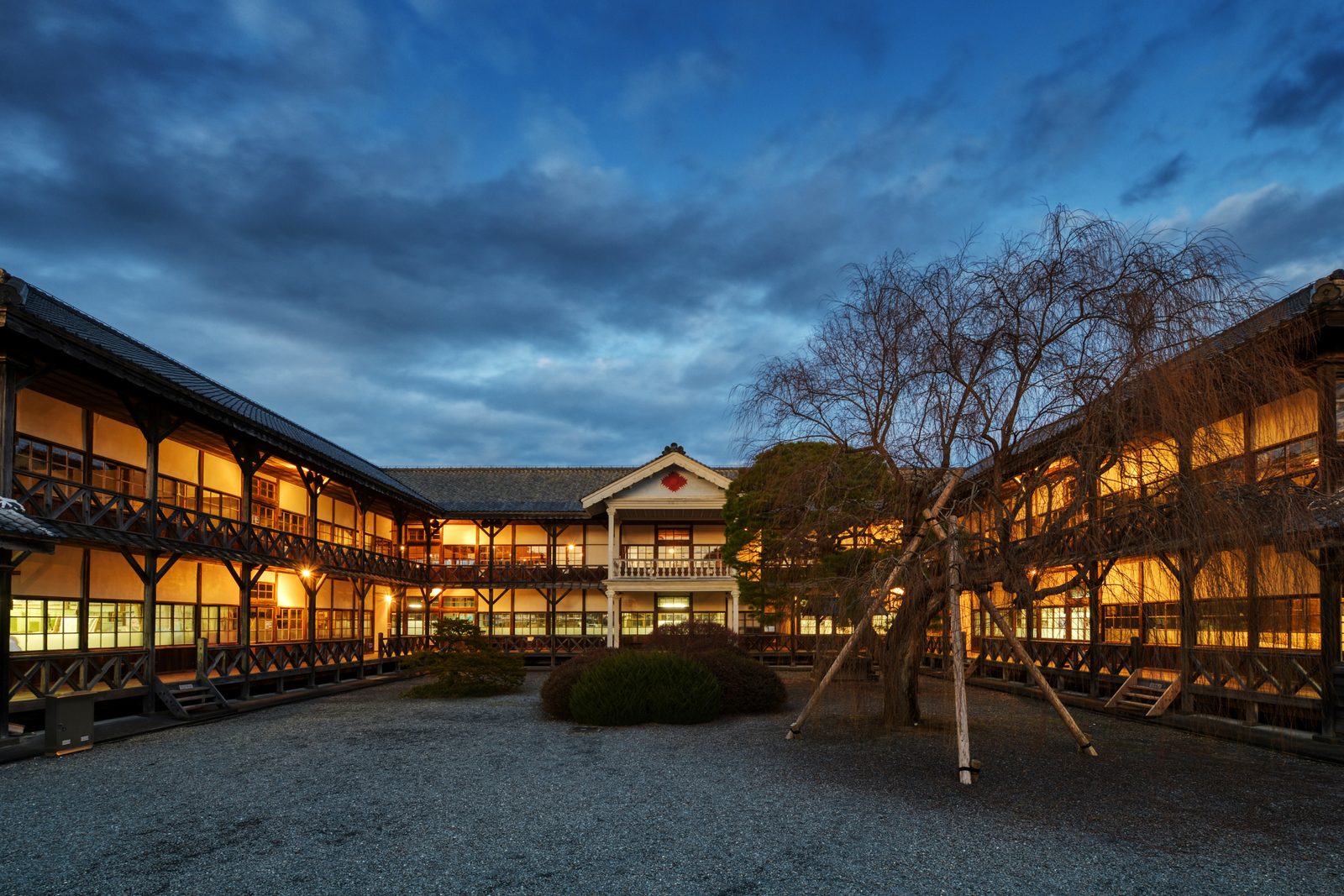
Toyoma has no entrance gate like a theme park: the town itself is the stage for visitors, from the classrooms and corridor of a Meiji wooden schoolhouse to a…
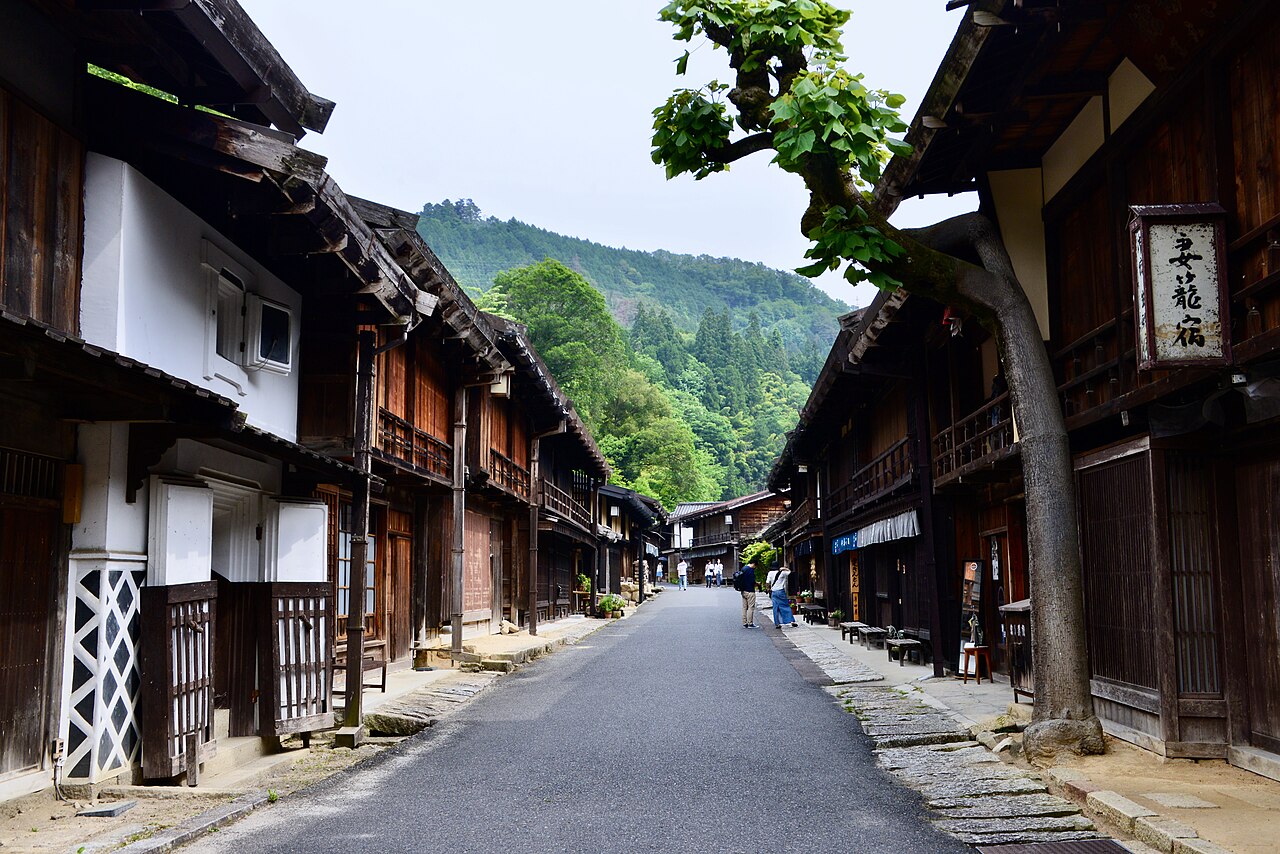
Tsumago-juku is the forty-second post town counted from Edo among the sixty-nine Nakasendo post towns, and it was a busy transport hub where the Nakasendo and…
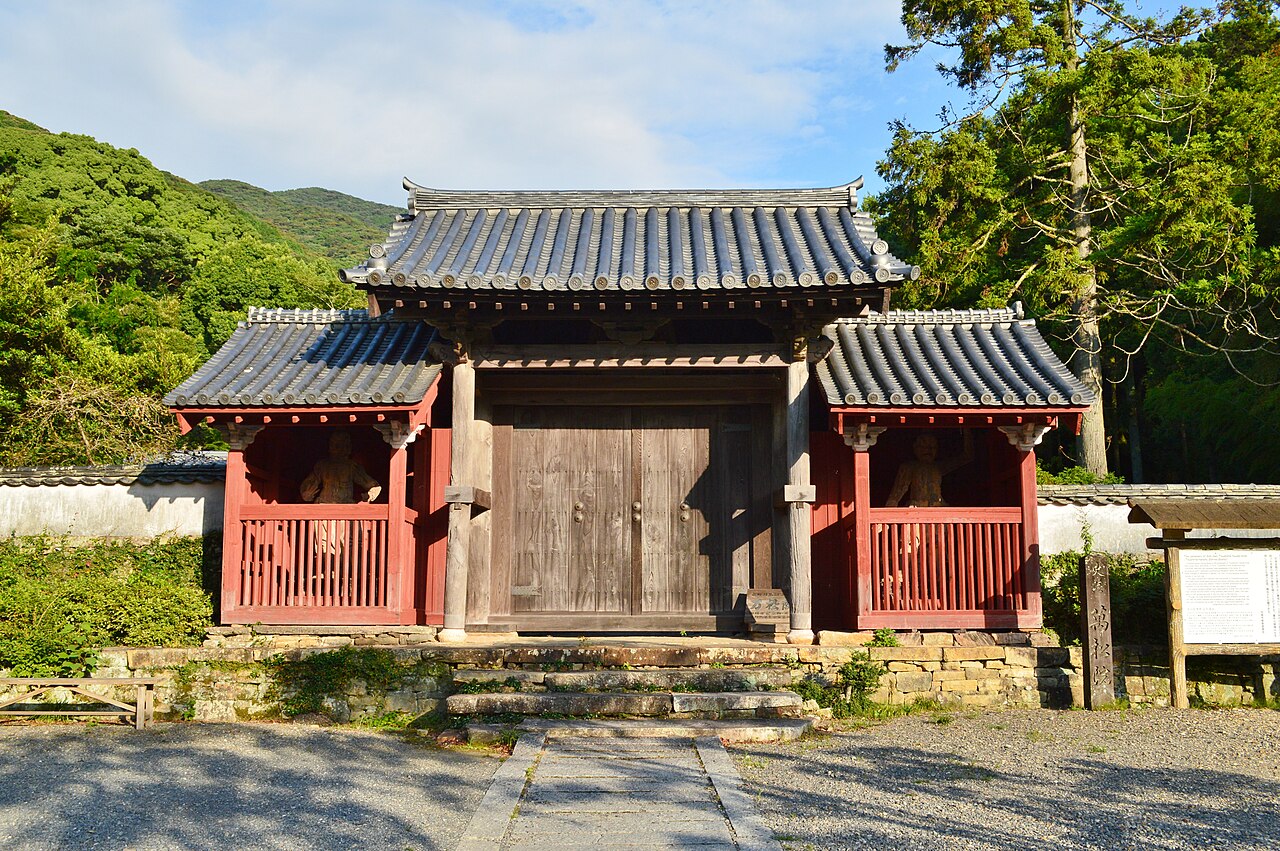
This guide covers a day around Izuhara, the old castle town at the heart of Tsushima island.
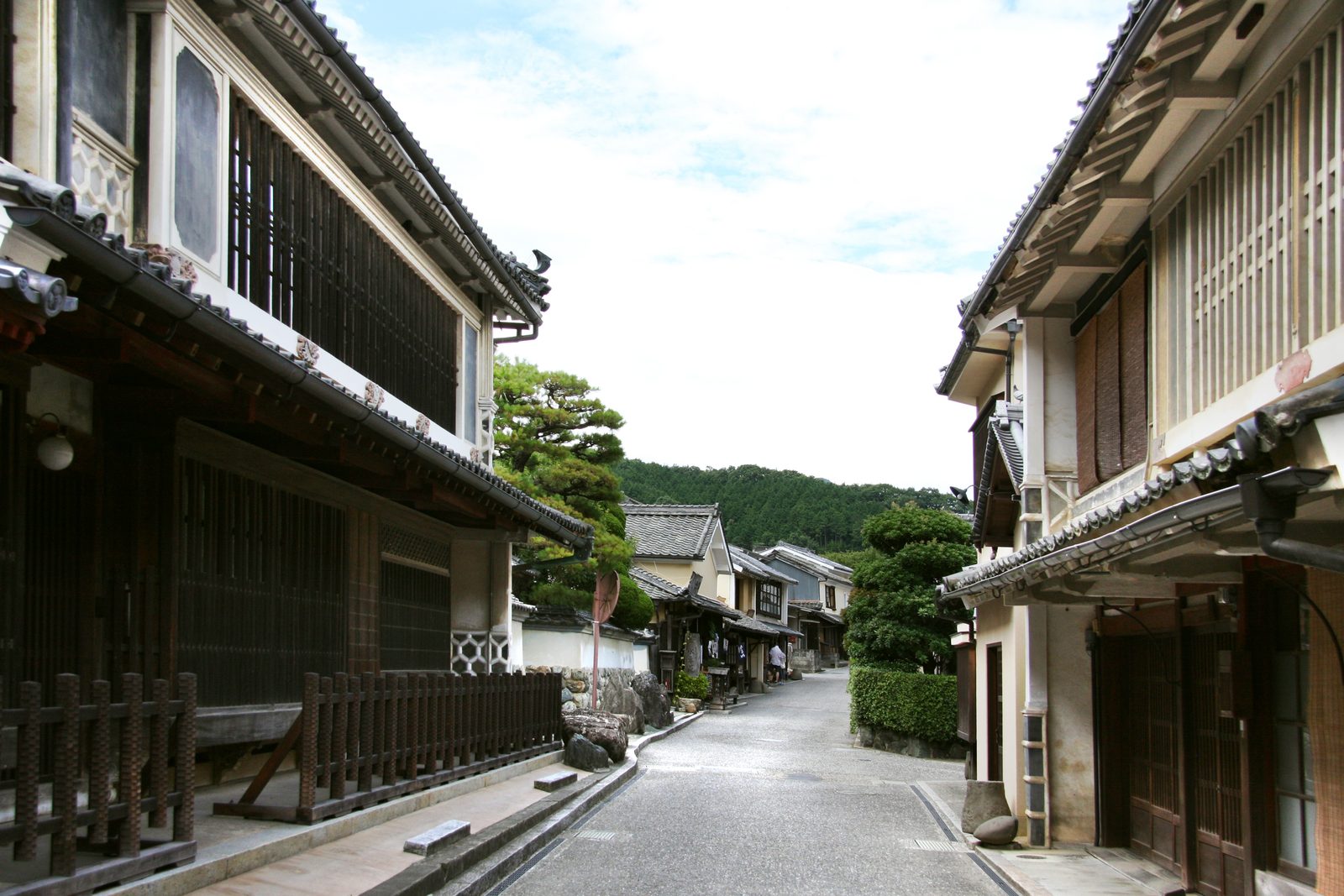
Uchiko is a town in Ehime that prospered from wax production, and a Japanese-candle shop is the only one remaining in the town.
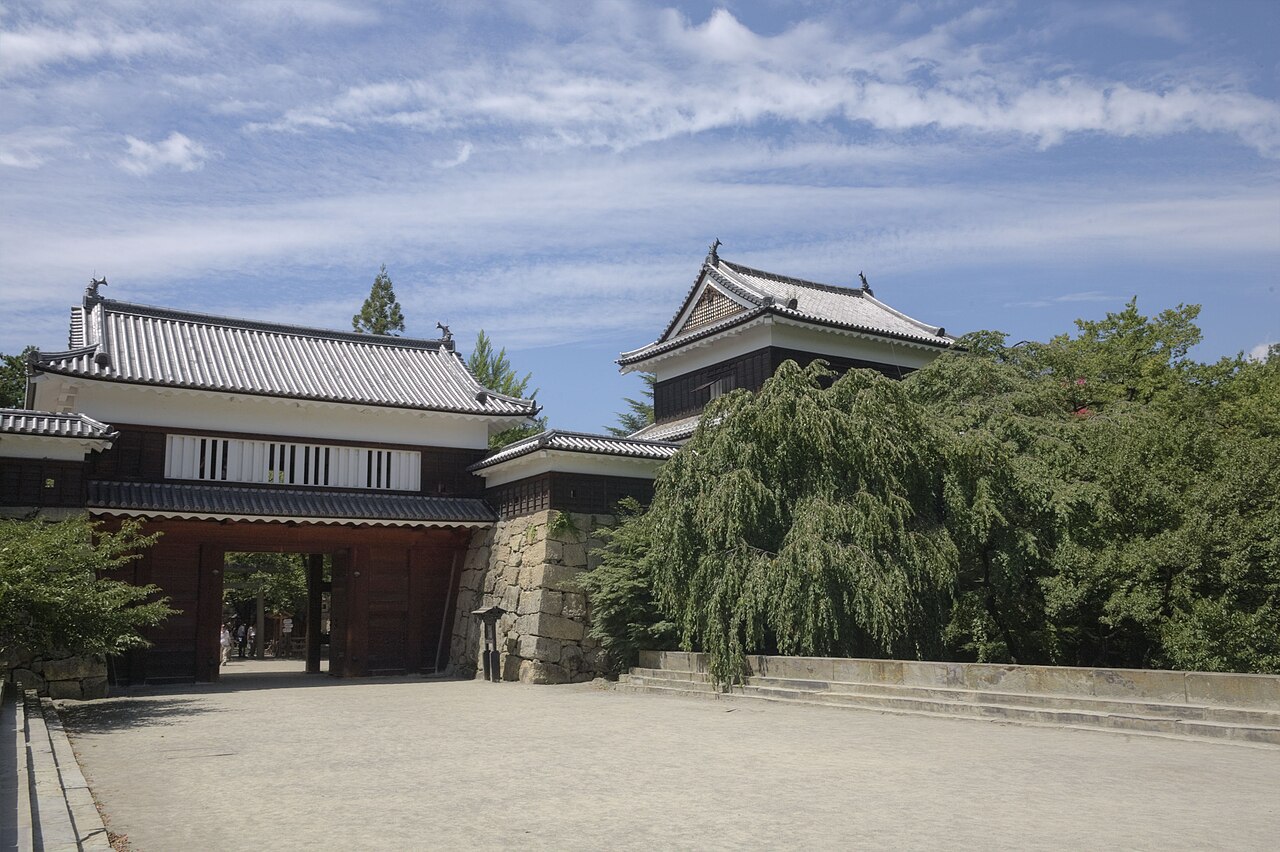
Ueda Castle is a flatland castle built by Sanada Masayuki.
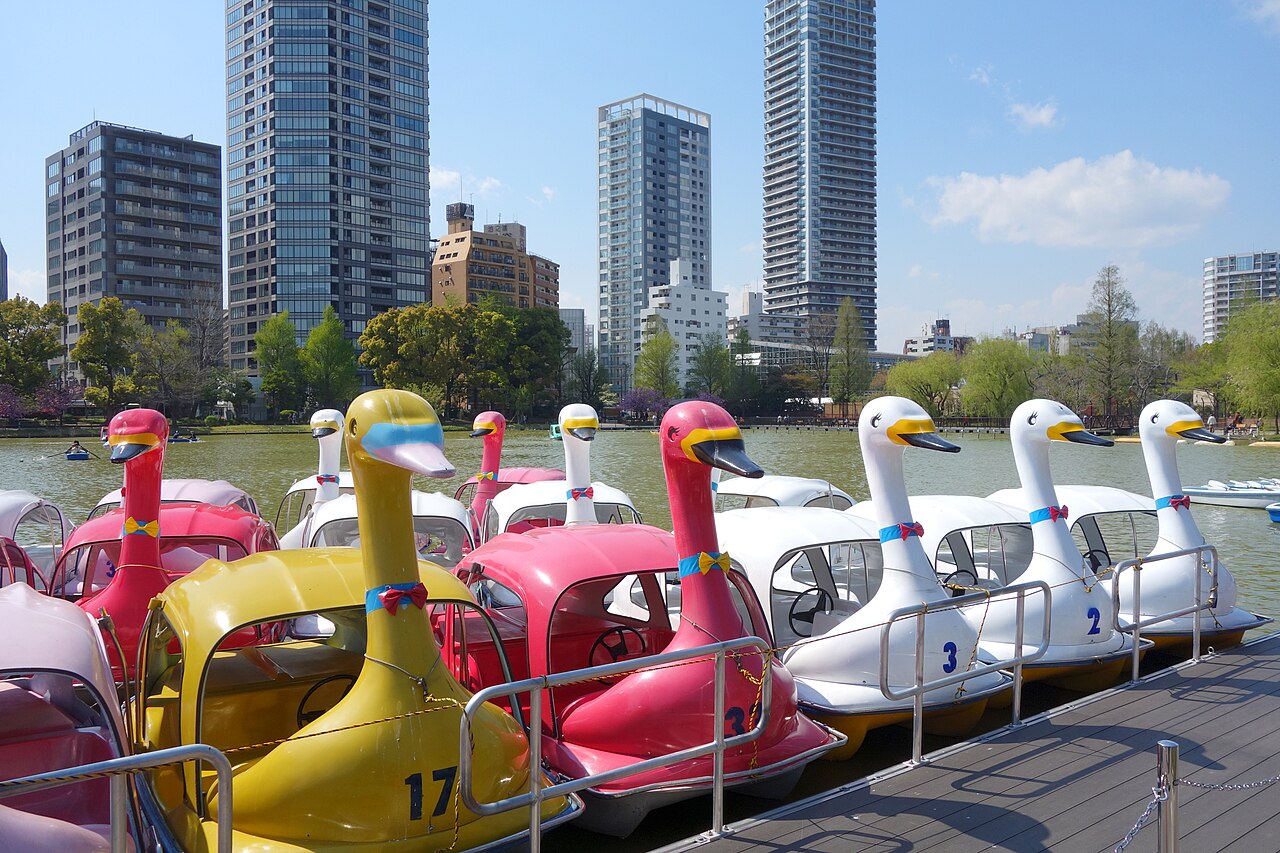
Visitors to Ueno Park can see cherry blossoms, then azaleas and satsuki, lotus flowers spreading across Shinobazu Pond, and colored leaves on the trees.
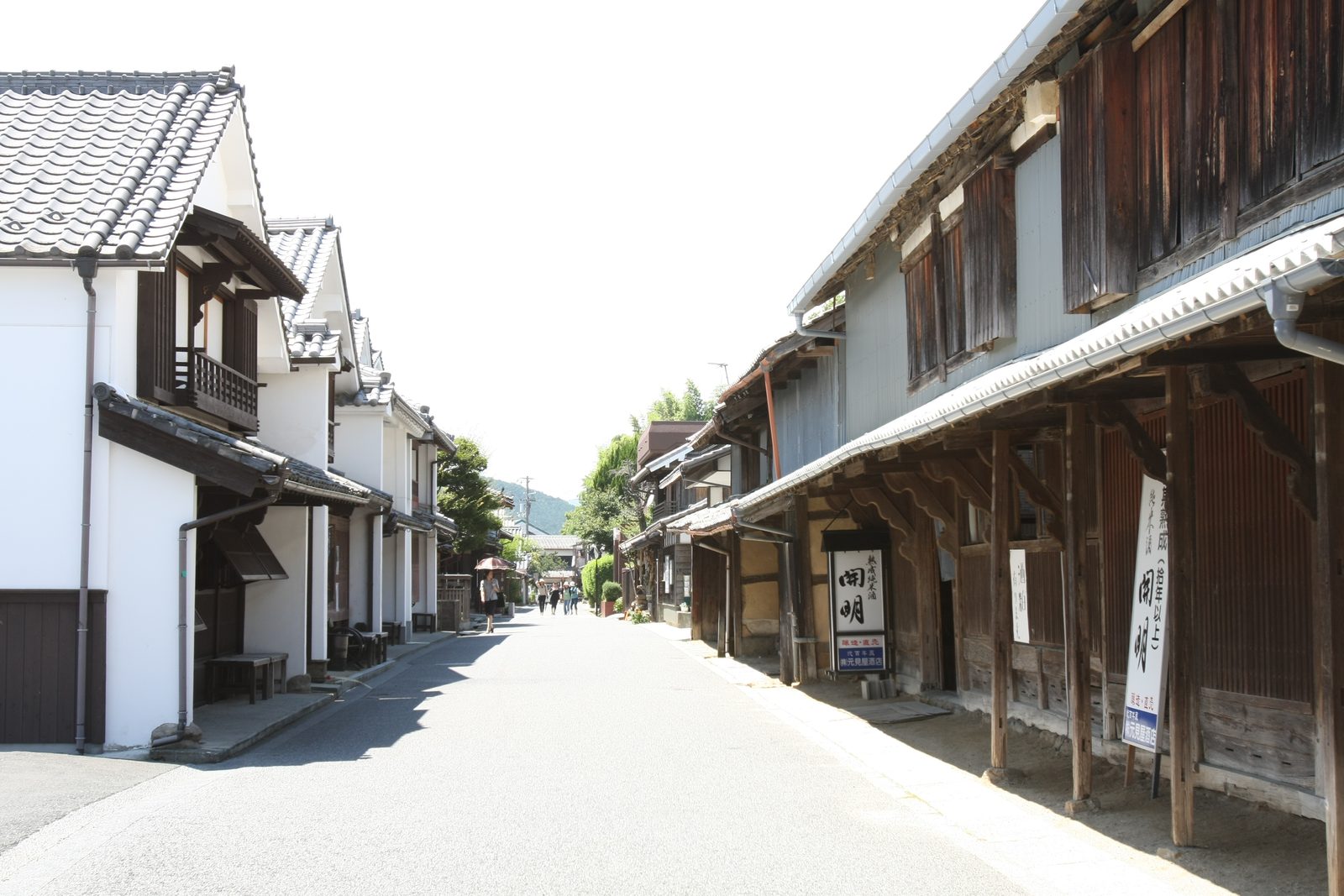
Townhouses from the late Edo period to the early Showa period line the street in Unomachi.
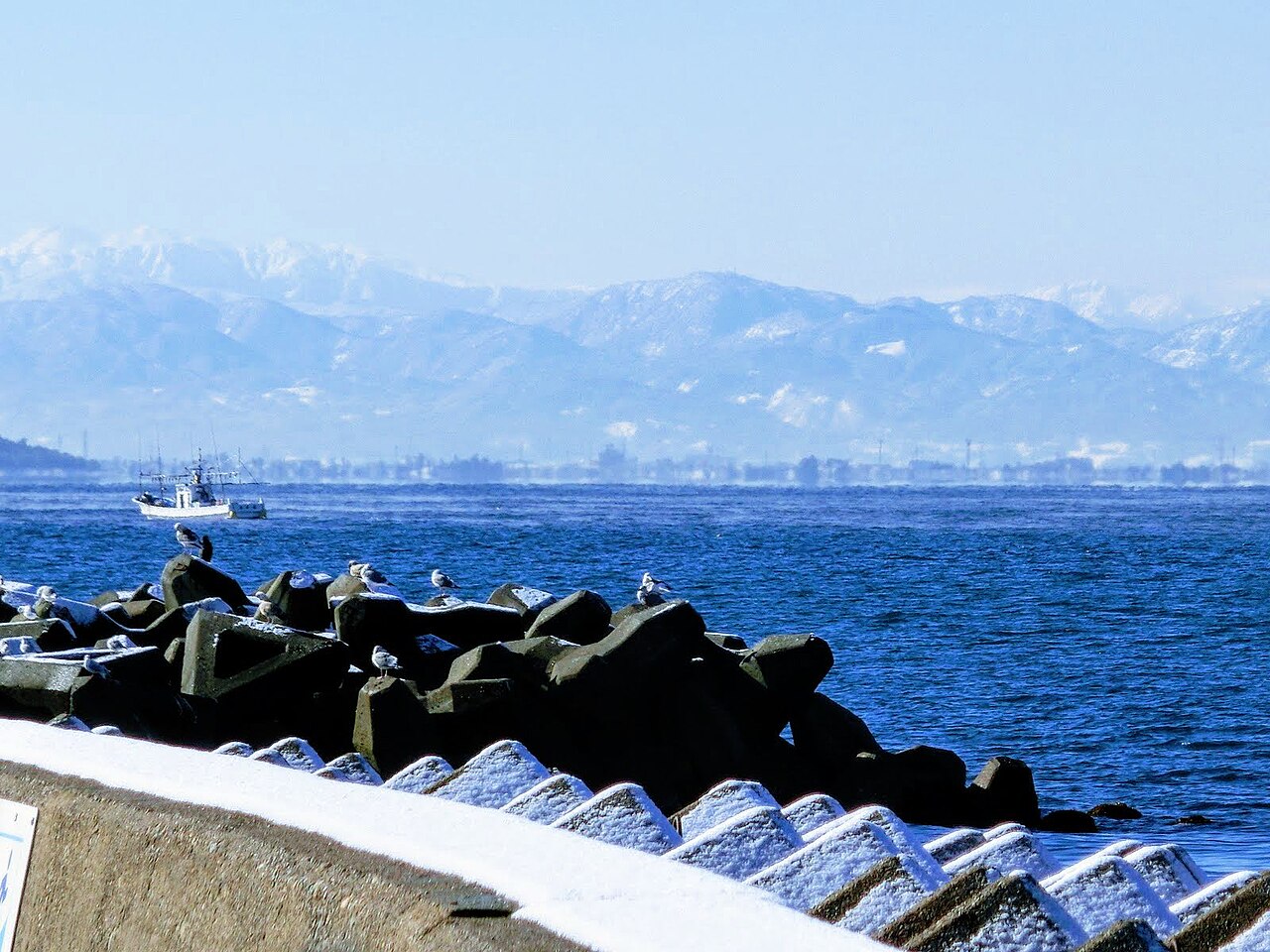
Uozu sits on Toyama Bay where the coast and the Tateyama range lie about twenty-five kilometres apart in a straight line, so mountain, river and sea sit close…
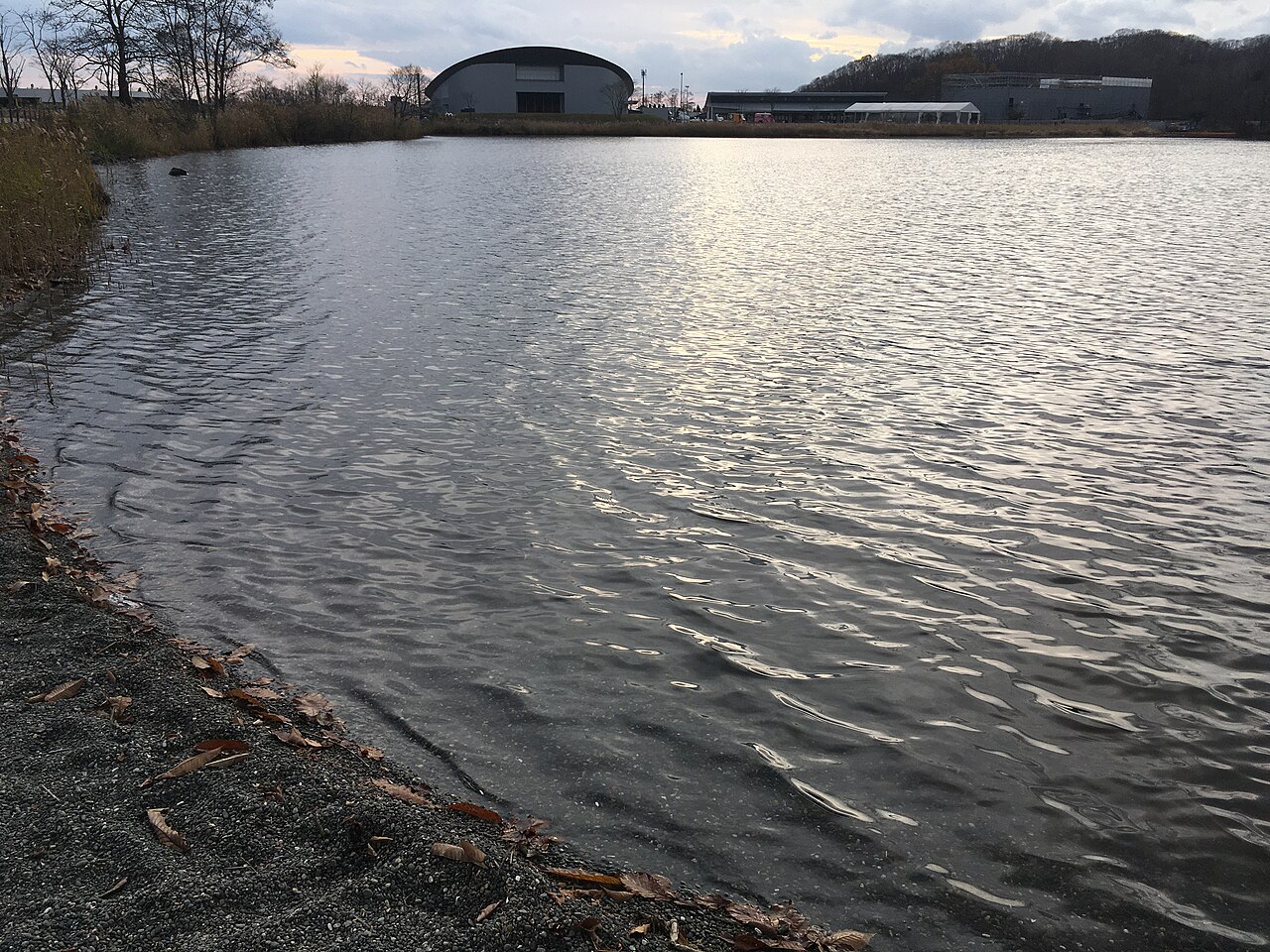
Upopoy, in Shiraoi, is the national centre for learning about and passing on Ainu history and culture, and its nickname means singing together in a large group…
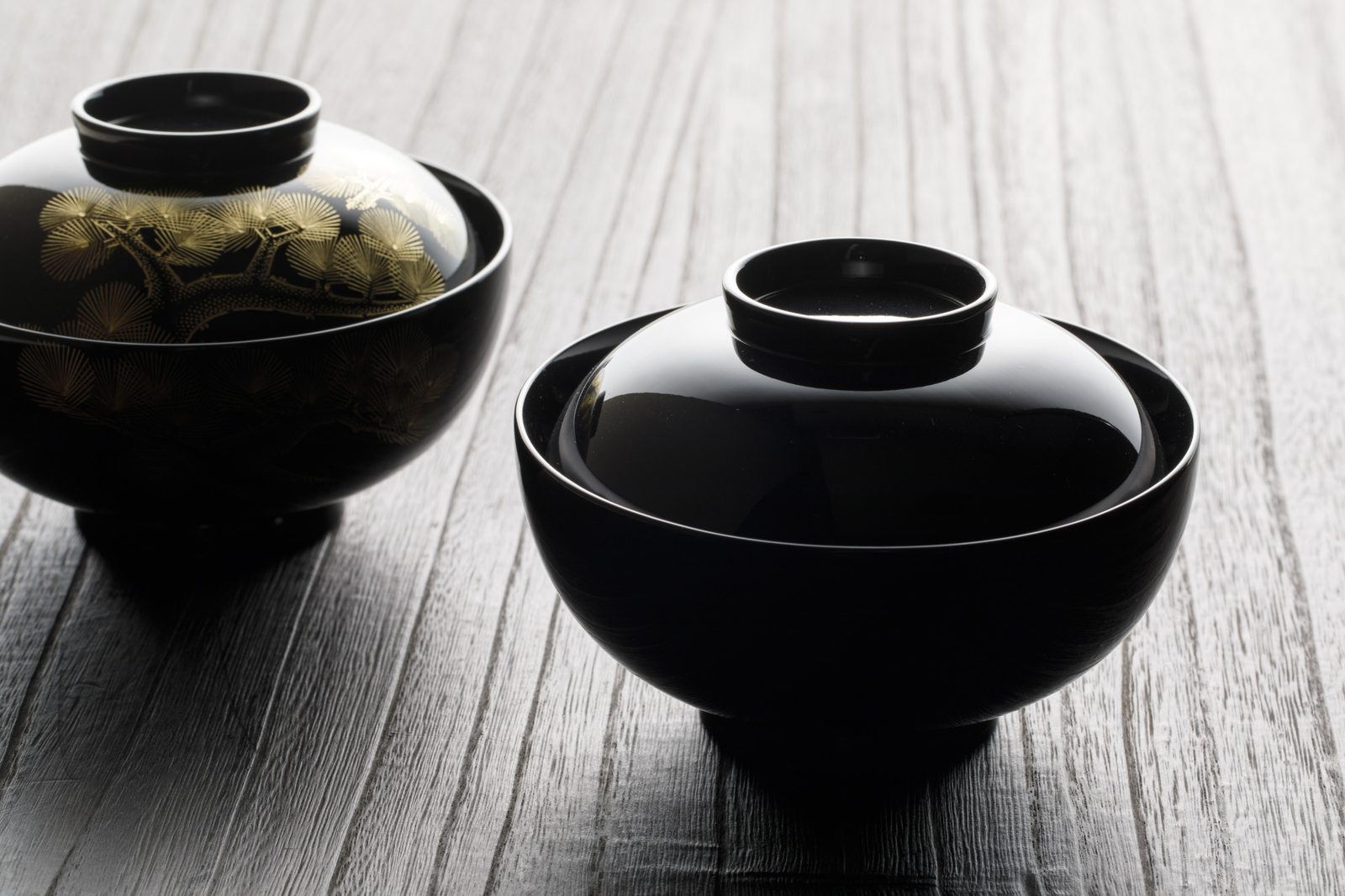
Wajima-nuri is lacquerware produced in Wajima, Ishikawa Prefecture.
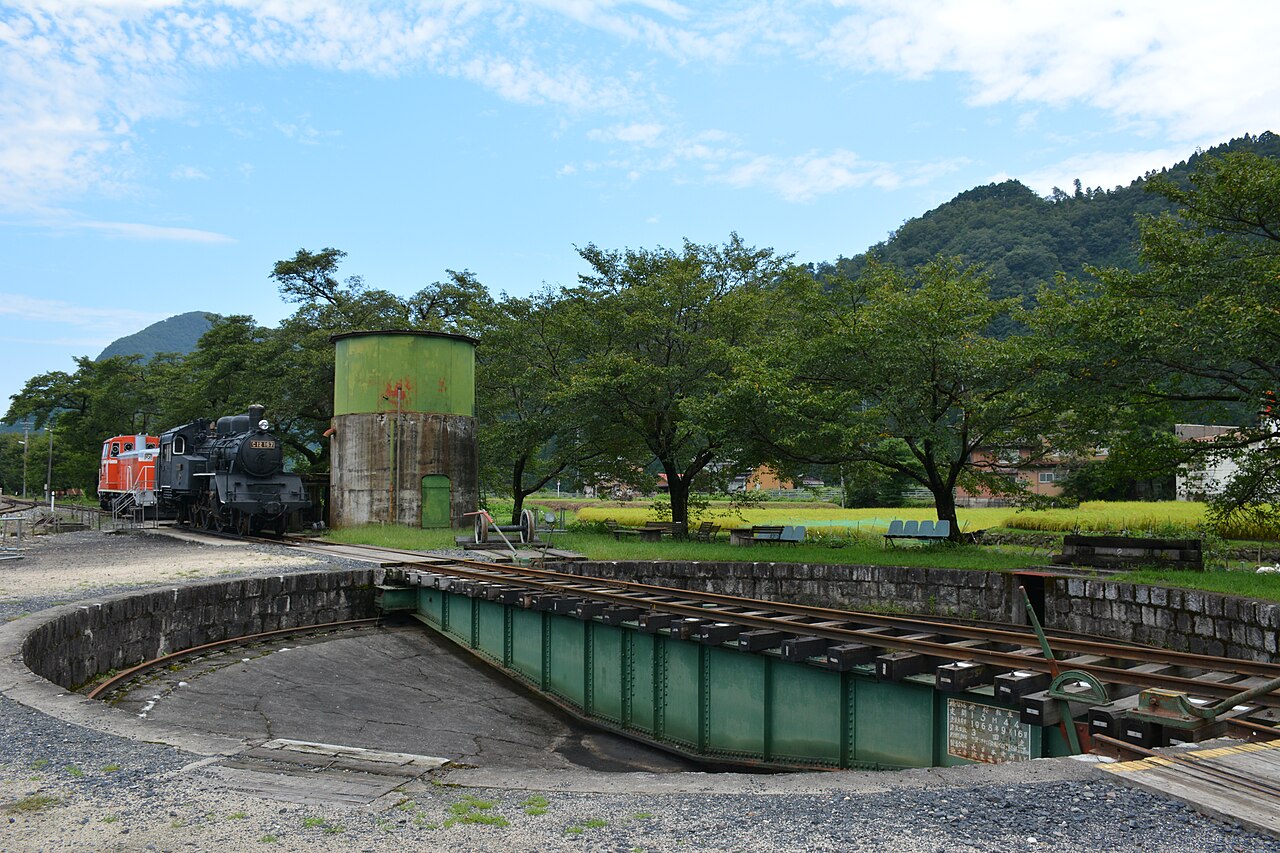
After a Meiji-era great fire, Wakasa widened its roads and built out water channels and kariya, a distinctive townscape that remains as Kura-dori and…
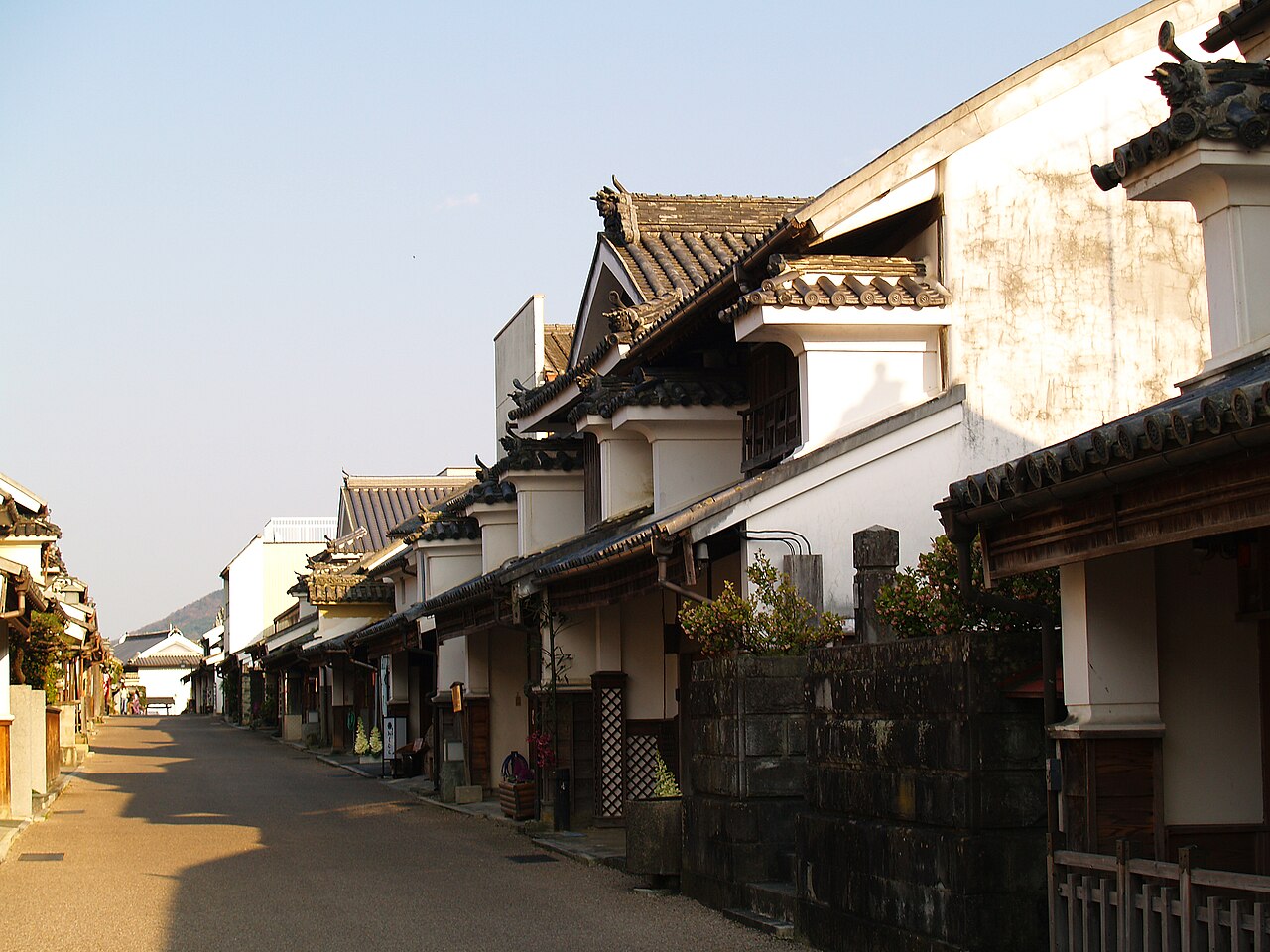
This guide covers the old merchant street of Wakimachi in Mima, Tokushima: how to reach it from Kobe, Osaka and Tokushima, what its two paid buildings charge…
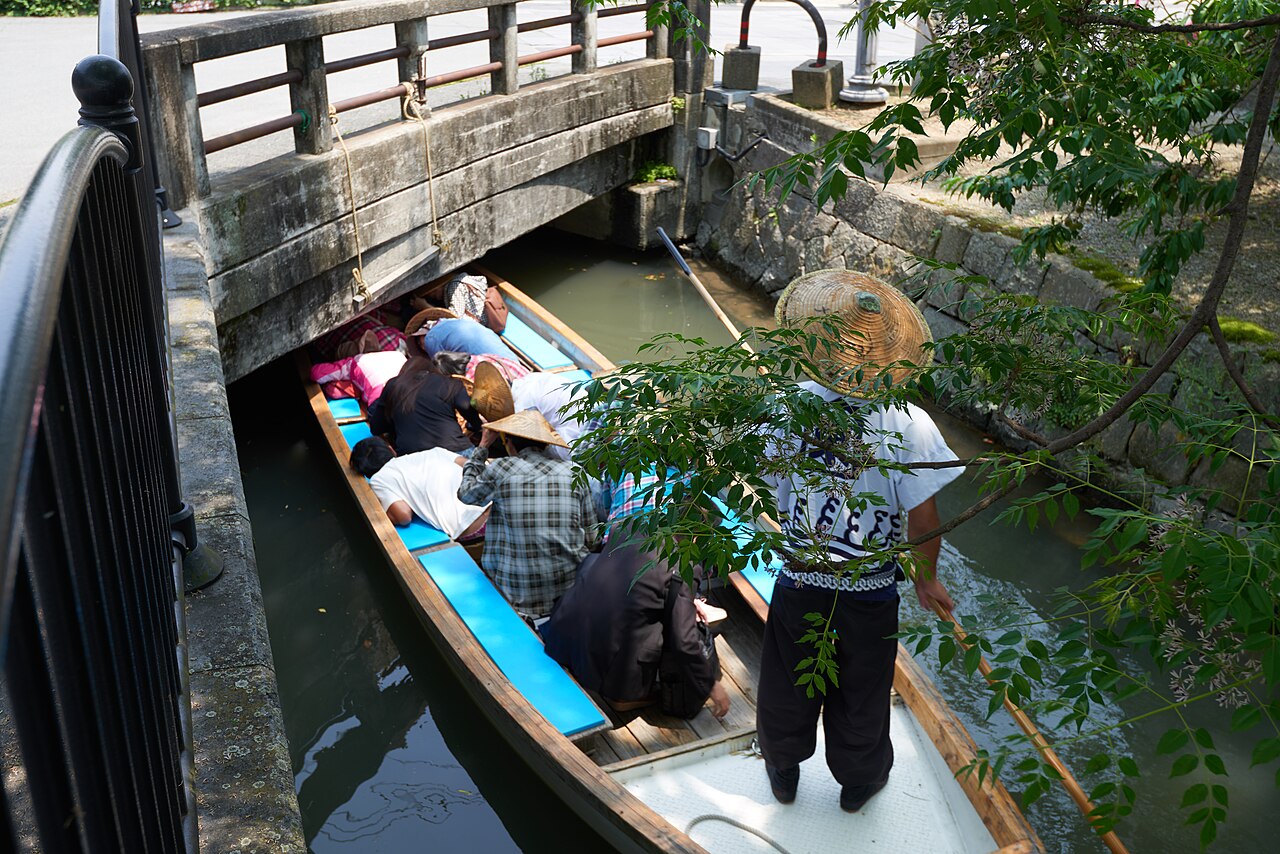
The horibori canals of Yanagawa total nine hundred thirty kilometres in length, equivalent to the distance between Tokyo and Hakata.
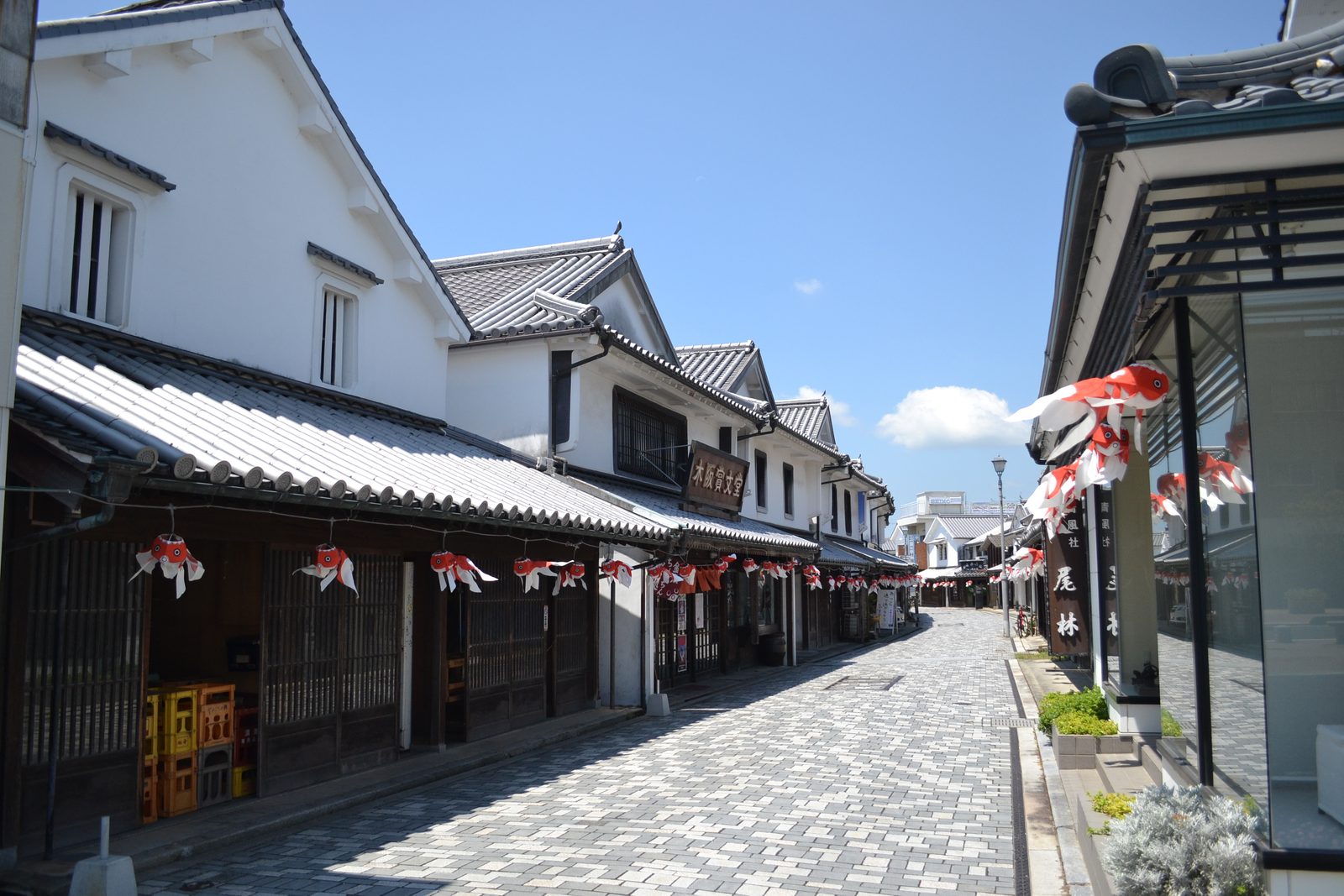
Along Shirakabe no Machinami in Yanai, rows of Edo-period merchant houses line either side of the street.
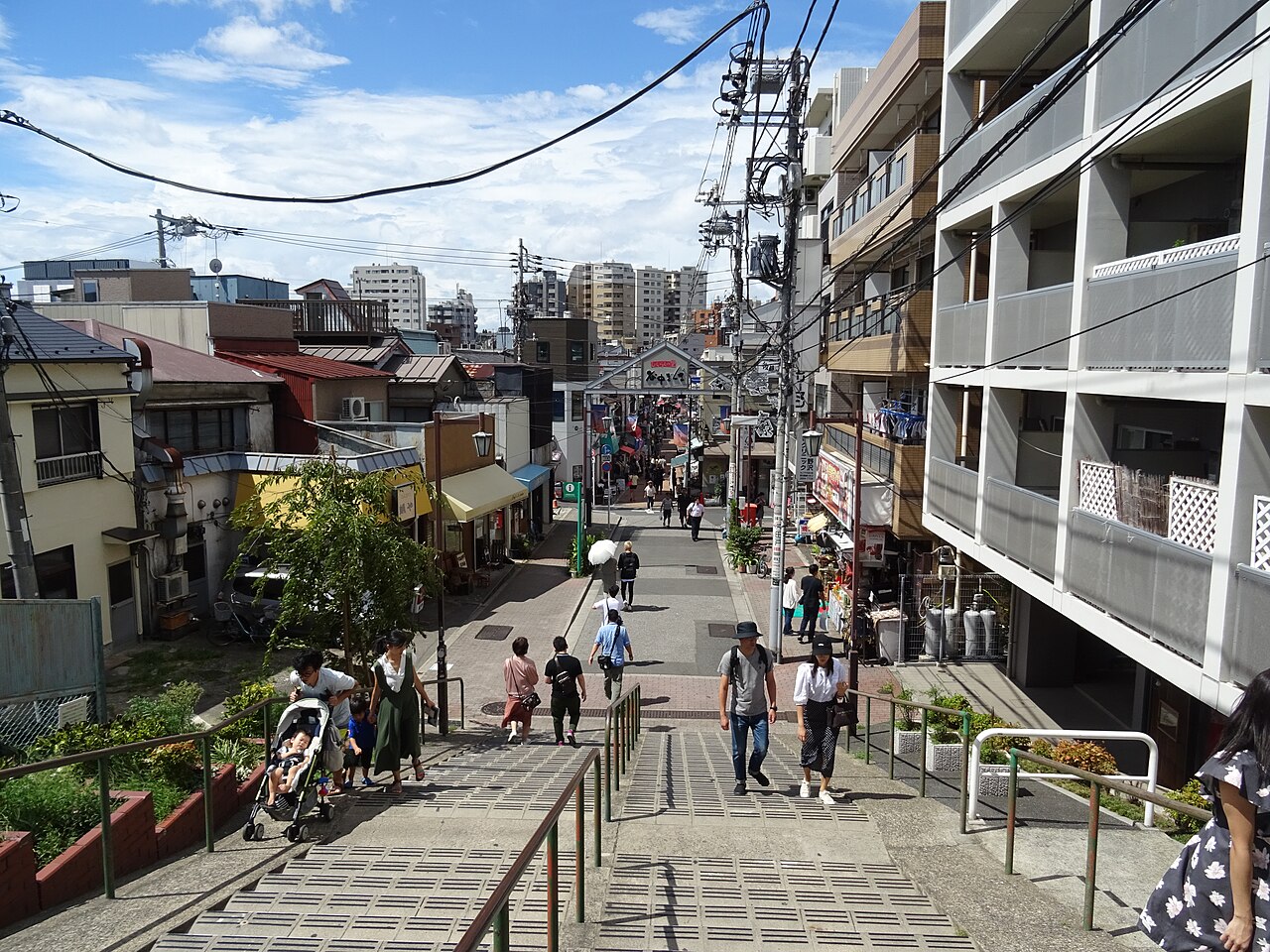
From the top of the Yuyake Dandan steps, visitors can see the townscape tinted by the sunset.
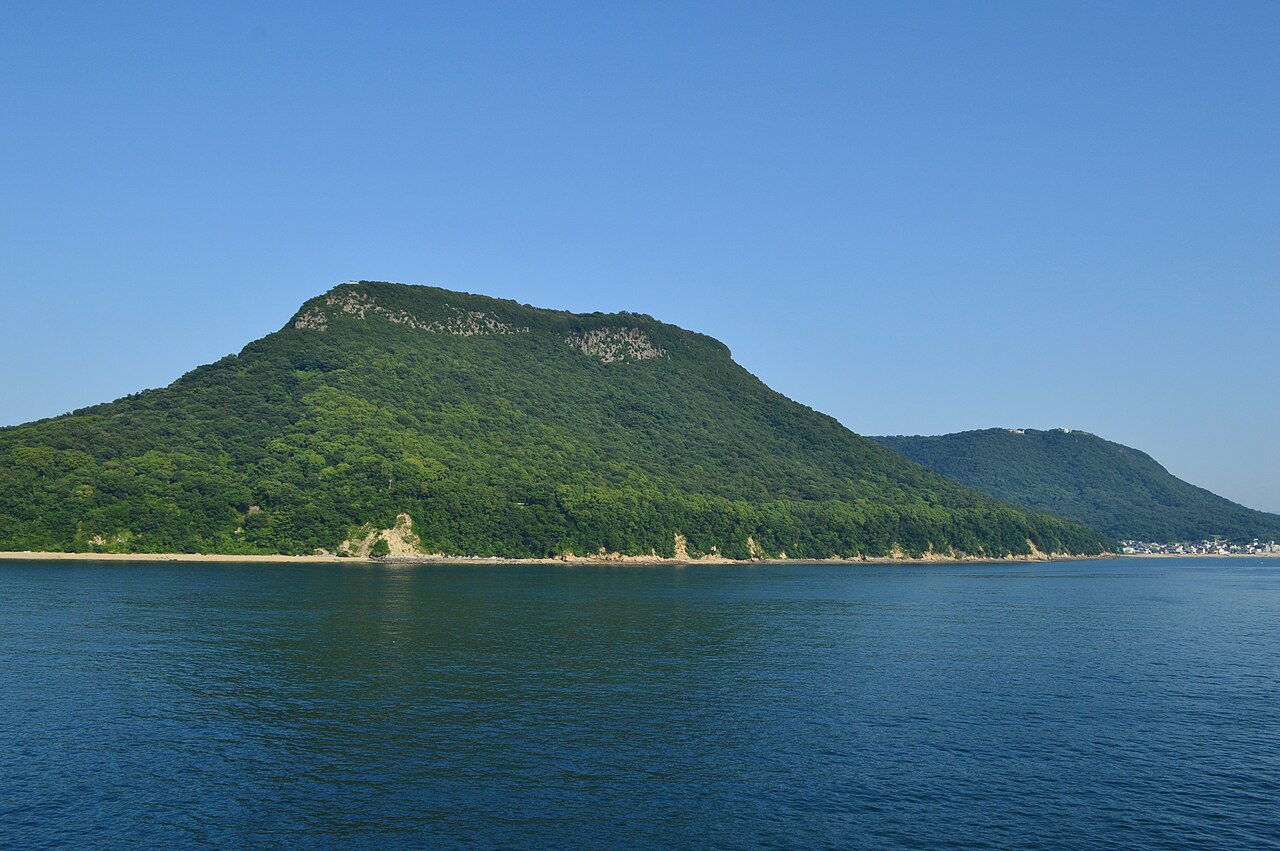
Yashima is a roof-shaped lava plateau known as the old battlefield of the Genpei War.
The basic policy of the Adachi Museum of Art is the harmony of the Japanese garden and Japanese paintings, and the overall view of its garden changes from…
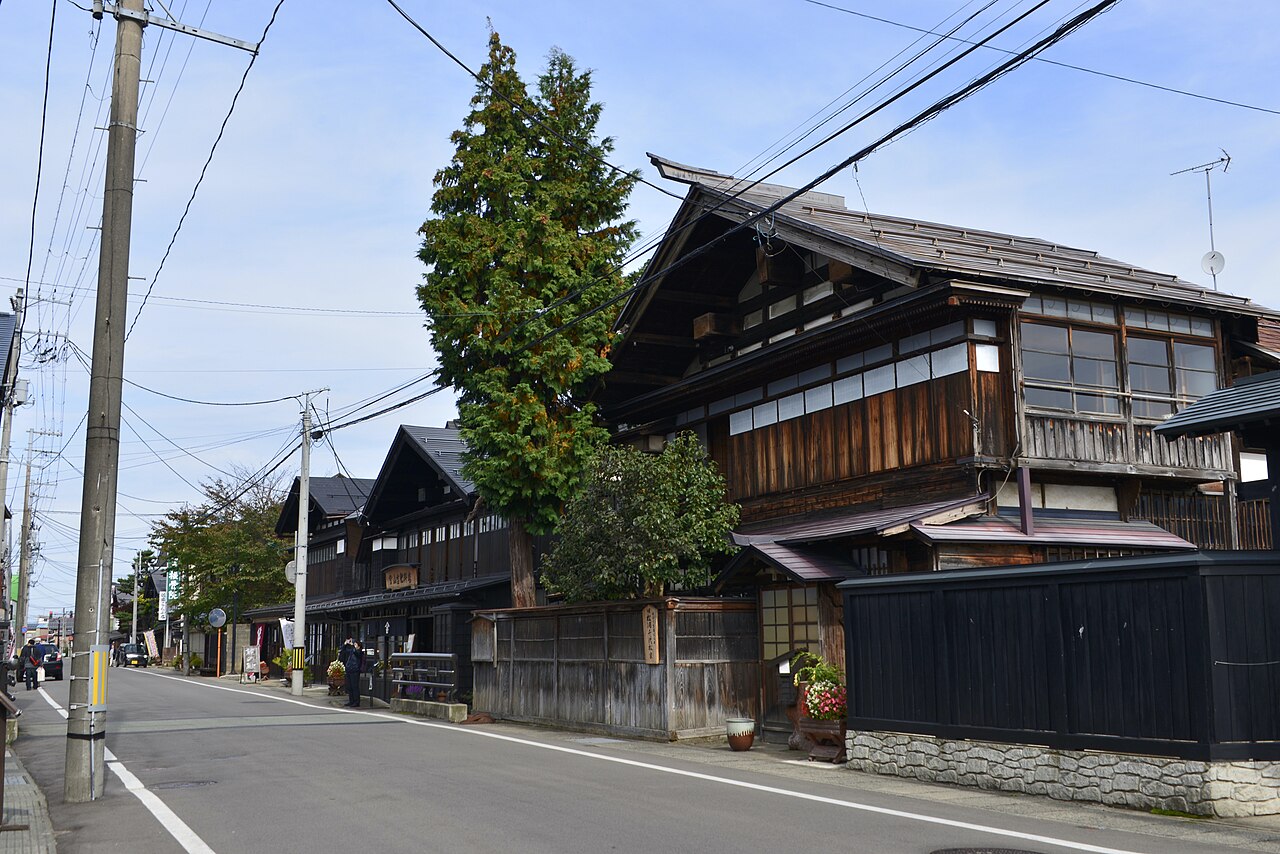
In Masuda's Preservation District for Groups of Traditional Buildings, long, narrow houses hold the relics of a once-booming merchant economy.
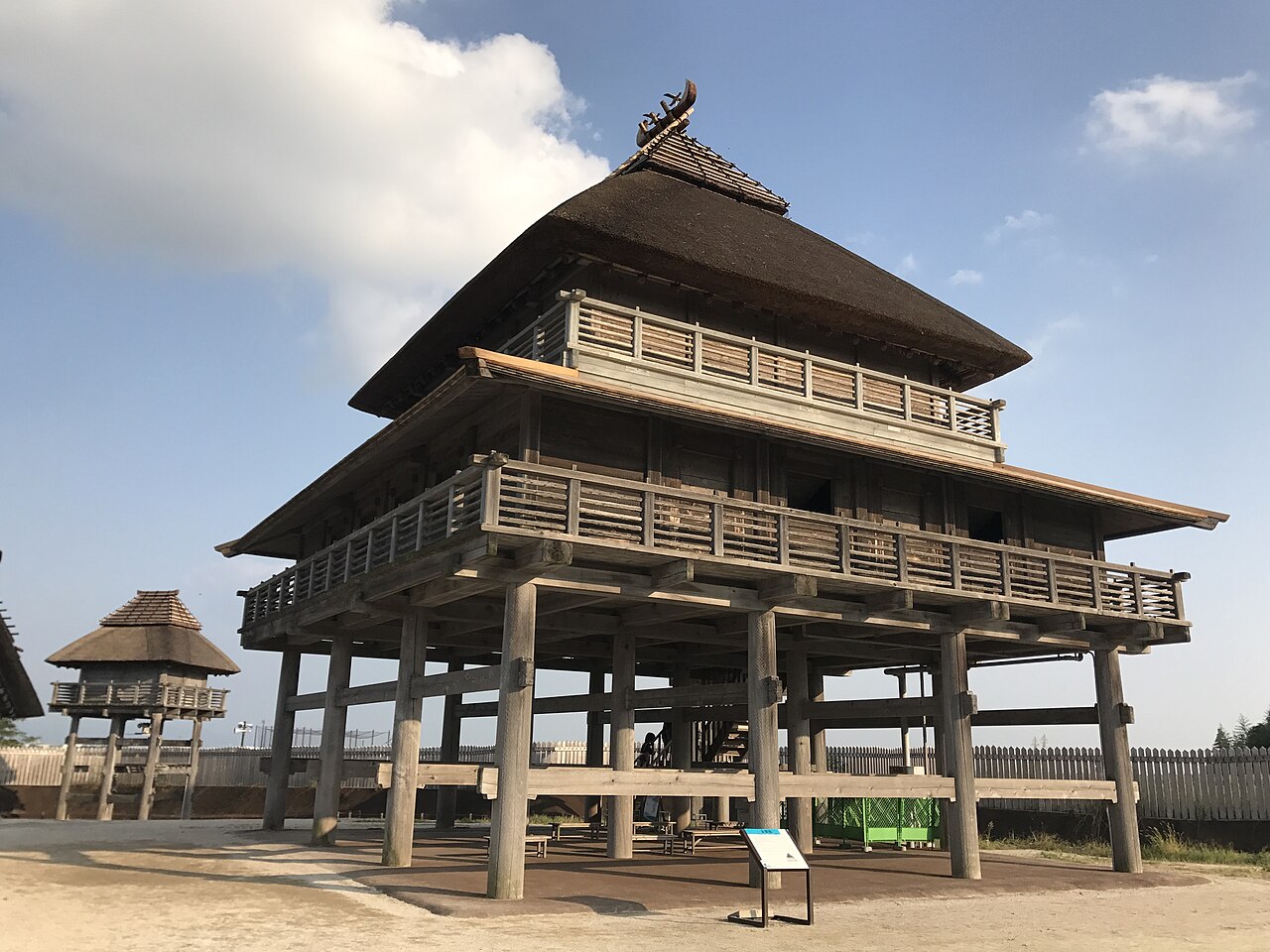
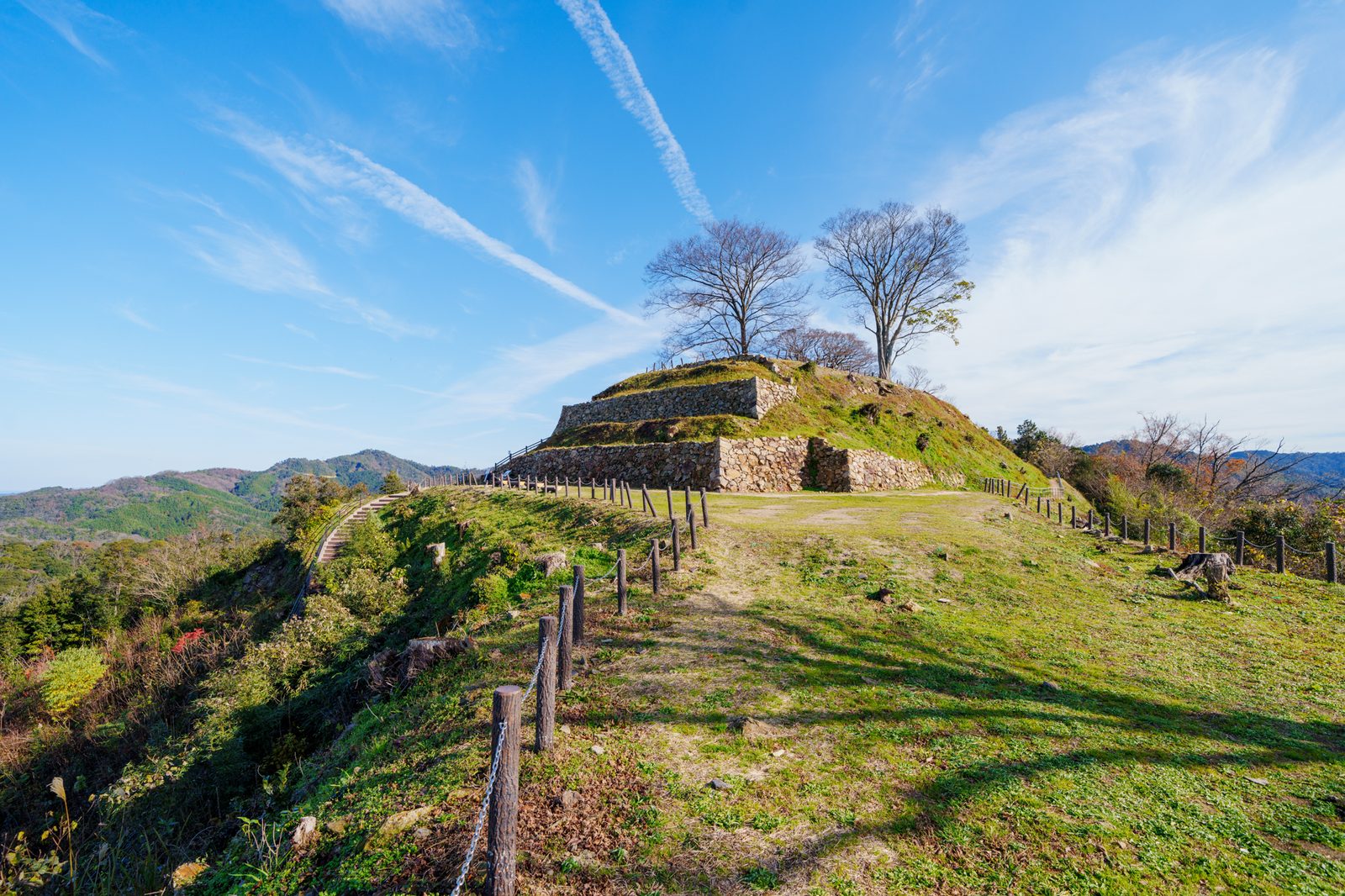
The southern inner enclosure is considered the home of the kings and leader class who ruled Yoshinogari and the surrounding villages.
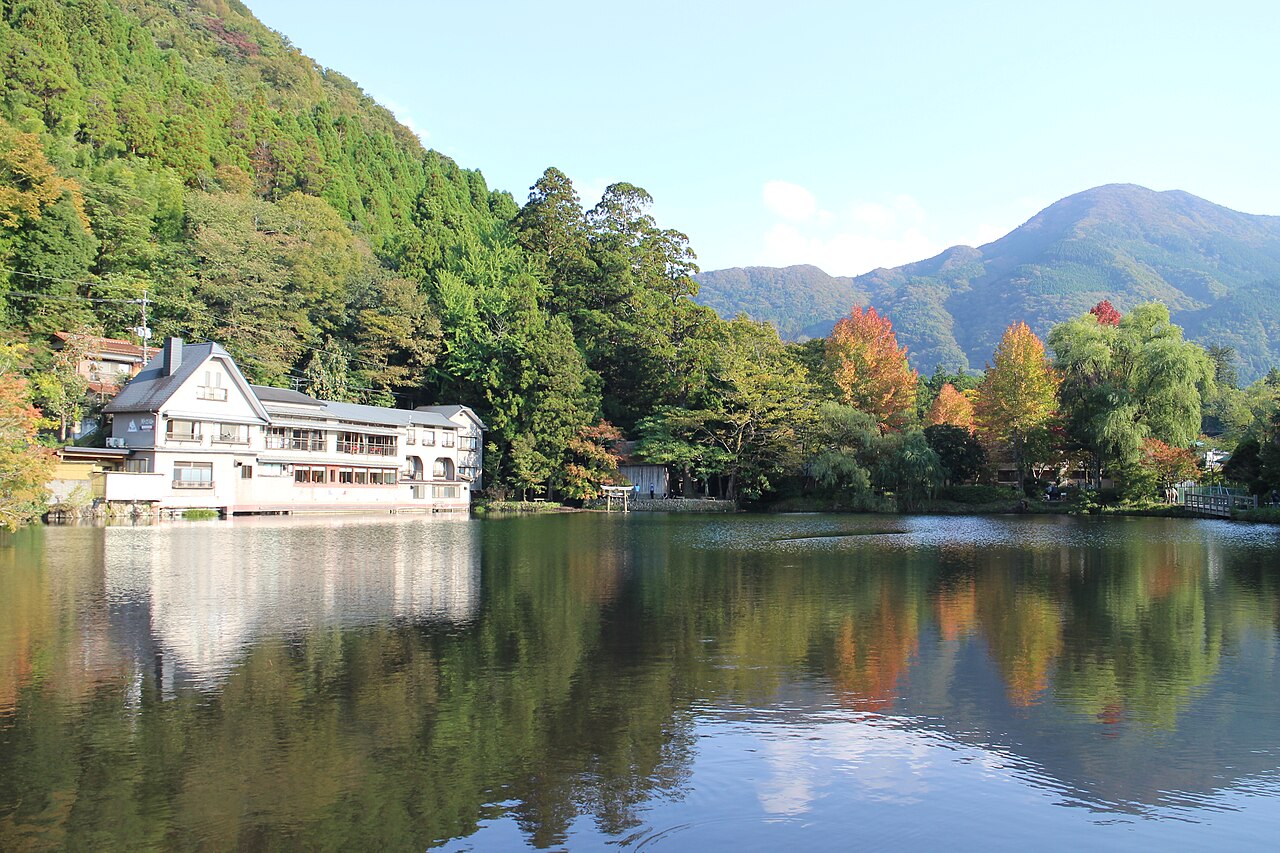
From late autumn to winter, on cold early mornings, water vapor rises from the surface of Lake Kinrin in Yufuin.