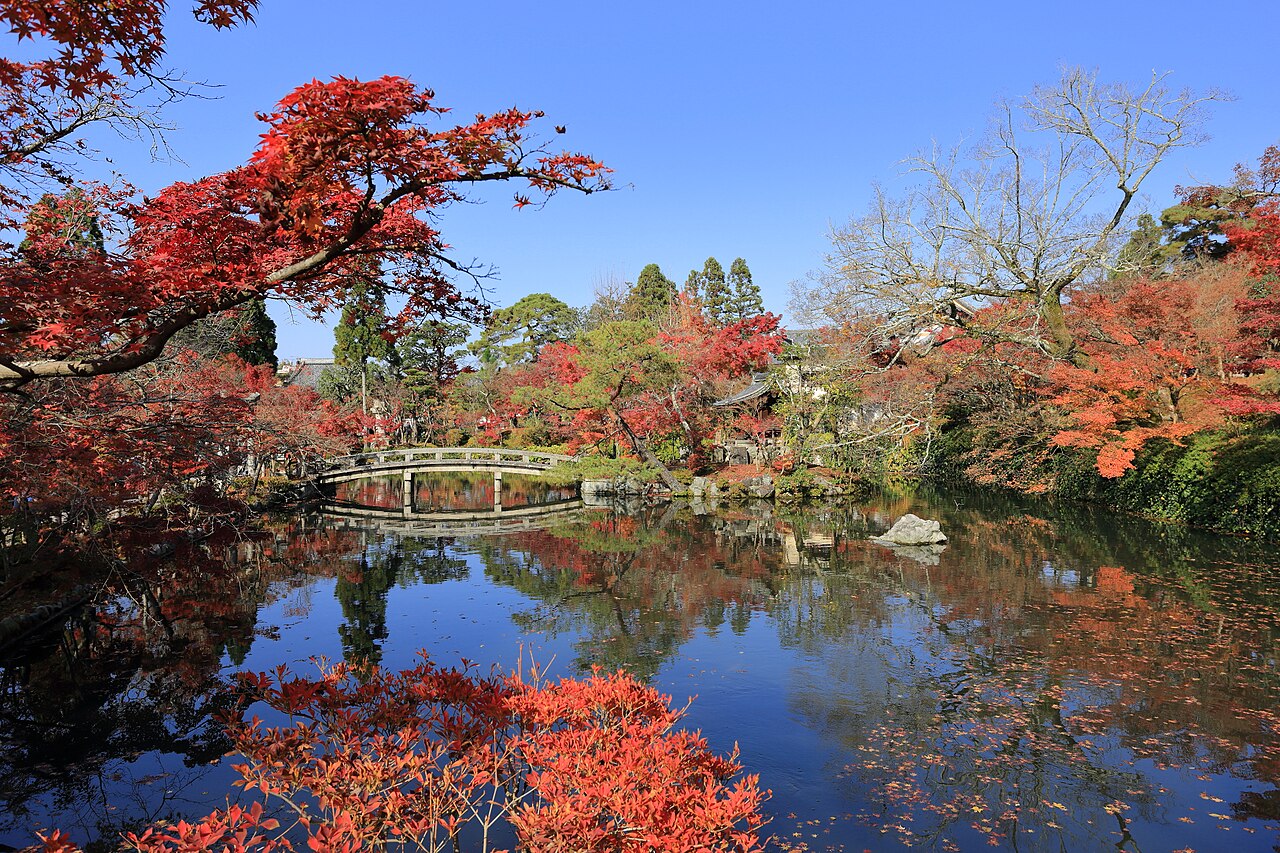
Pouring water gently at the suikinkutsu of Eikando makes a clear sound of water drops. The Mikaeri Amida, a statue with its face turned diagonally backward, is the principal image of the temple. On a regular visit, sliding-door paintings of bamboo with tigers and of peony with a peacock can be seen. For part of this autumn, a temple-treasure exhibition and a night maple light-up are added.
Meeting the Mikaeri Amida and Collecting a Goshuin
The Mikaeri Amida, the fusuma paintings and the goshuin counter give a visit to Eikando its main things to look for.
Looking at the Mikaeri Amida means looking at the principal image of the temple, so it is the natural place to begin when time is short. The Amida Nyorai statue has its face turned diagonally backward, and the statue in that pose is what the name Mikaeri Amida refers to. According to the temple's legend, the Amida image stepped down from its pedestal, walked ahead of Eikan, then looked back over its left shoulder and spoke to him.
Looking for the fusuma paintings comes next on a regular visit. The sliding-door paintings on display include Take Tora Zu, Bamboo and Tigers, and Botan Kujaku Zu, Peony and Peacock, so there are named works to seek out. The name Eikando comes from Eikan Risshi, the same Eikan as in the legend, and the formal name of the temple is Zenrin-ji.
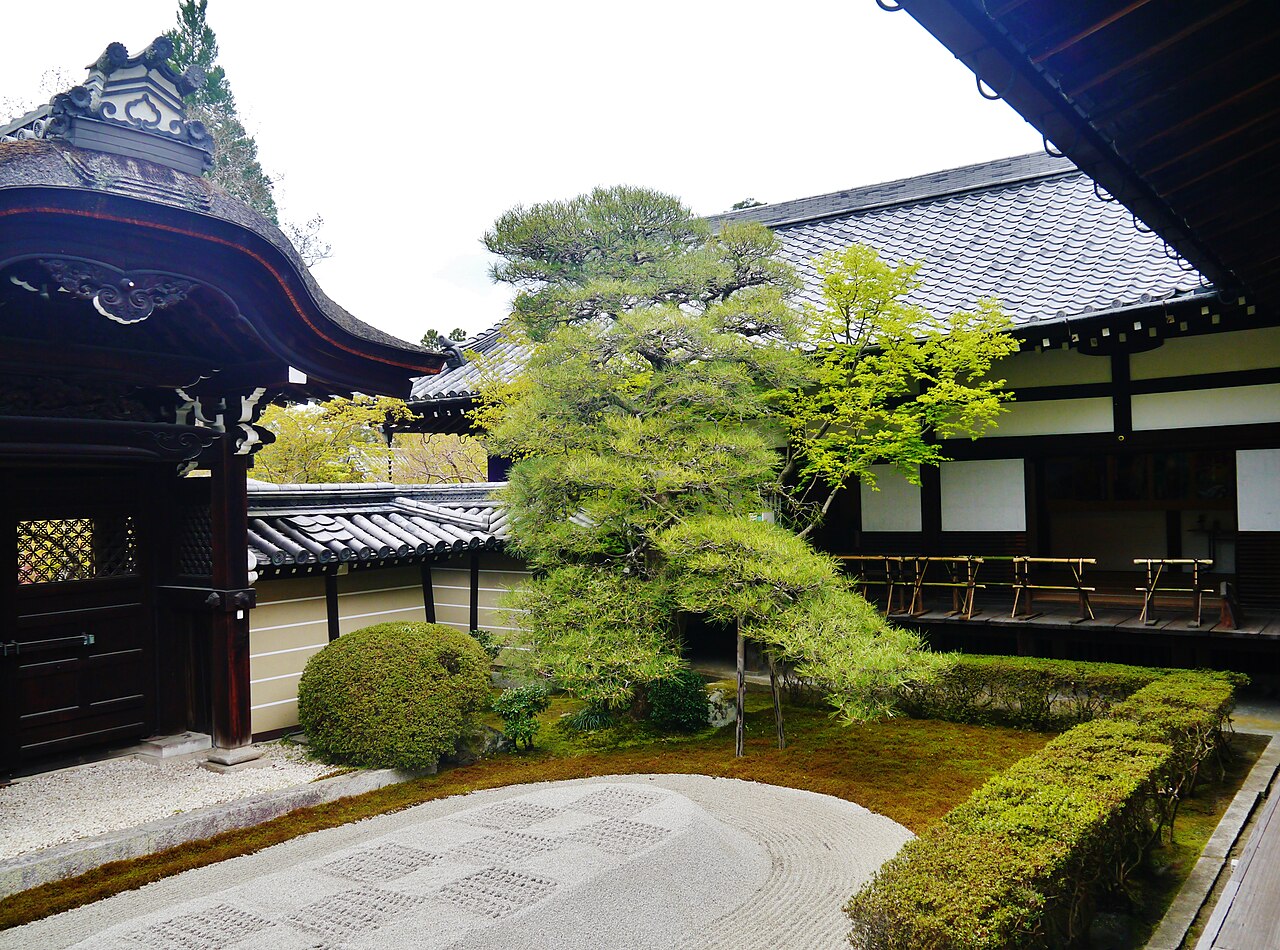
Collecting a goshuin, the temple seal, happens at the goshuin counter, which accepts requests during daytime admission. That ties the counter to the day visit, so anyone who wants a seal from it should ask while visiting by day and not leave it for the evening. During the autumn light-up the arrangement changes, as the autumn section below explains.
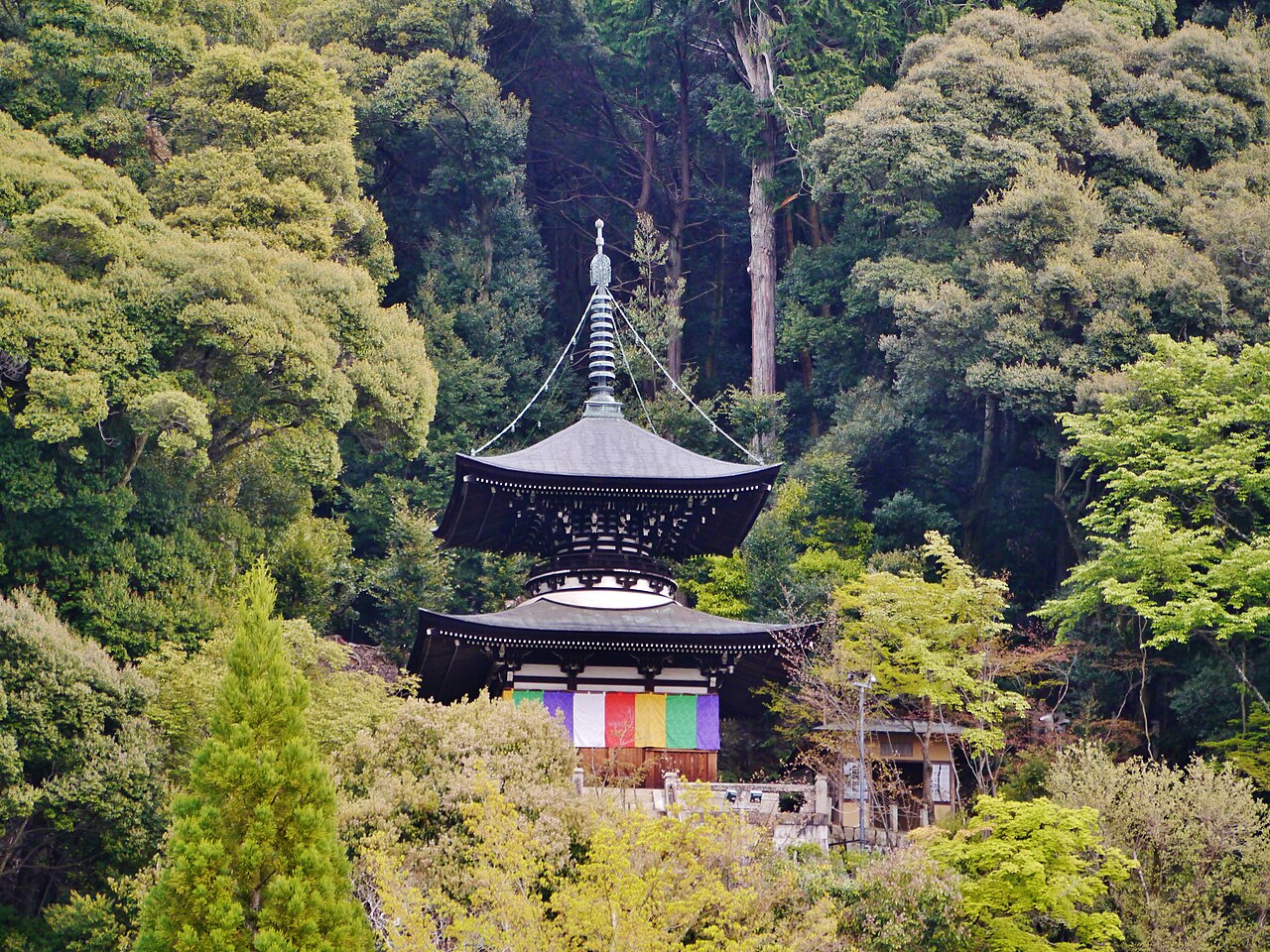
Photographing or filming is kept to the garden, as neither is allowed inside the temple buildings. Visitors are asked to bring a shoe bag or a plastic shopping bag, a request the temple makes to reduce plastic waste, so it is worth packing one beforehand. Reaching the Taho-to pagoda depends on the day, because it may not be accessible when there is crowding or bad weather.
Pouring Water at the Suikinkutsu and Listening for the Temple Bell
The suikinkutsu and the temple bell are the sounds that Eikando gives visitors to listen for.
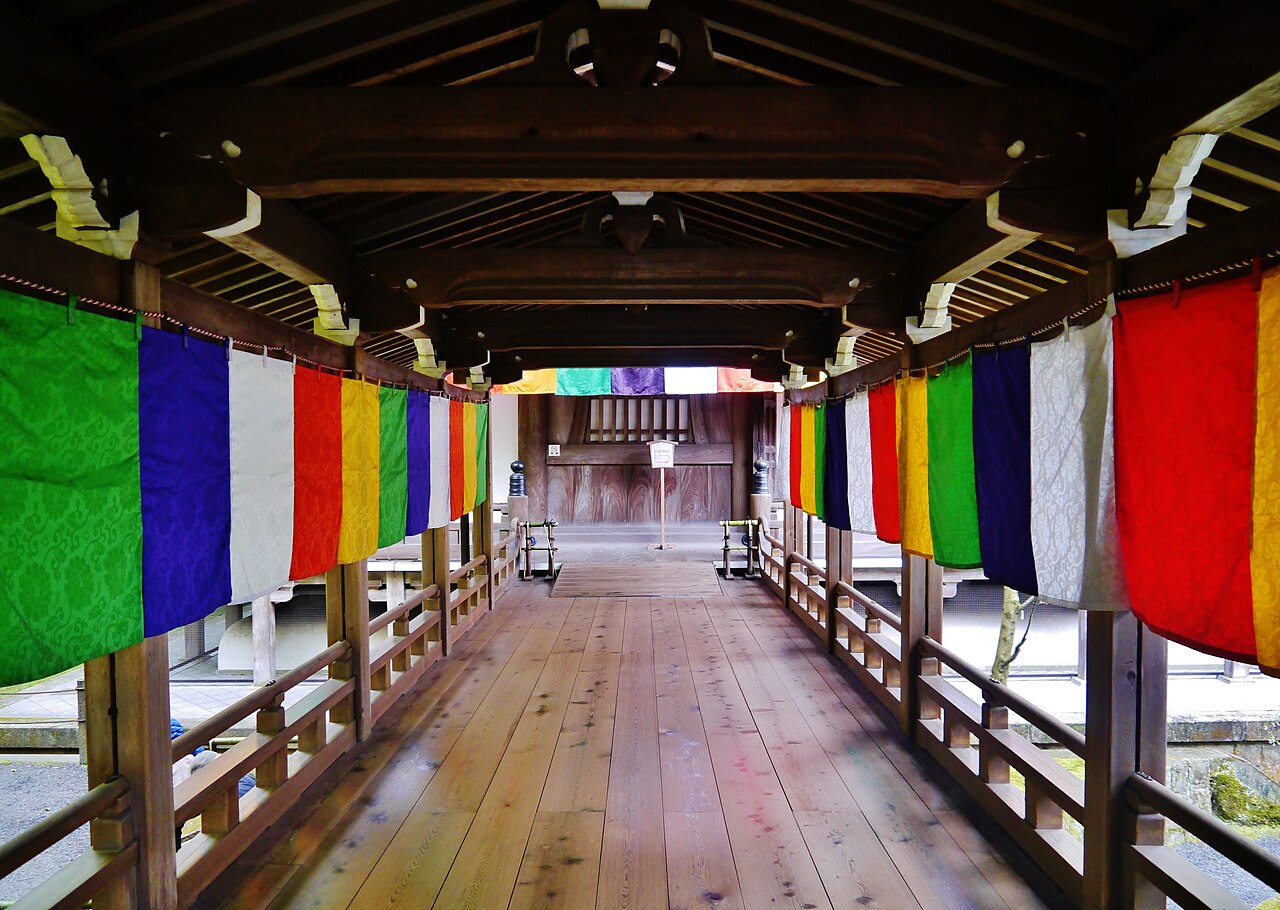
Finding the suikinkutsu means going behind the Mieido. It sits at the foot of the hill, at the point where the corridor splits toward the Amida-do and the Garyu-ro. Watching for that fork is the practical way to find it, since the suikinkutsu is placed where the route toward the Amida-do and the route toward the Garyu-ro part.
Pouring water in gently is all the suikinkutsu asks of a visitor, and the drops that follow produce a clear sound of water. A suikinkutsu is a sound ornament for a Japanese garden, and one has been set up at Eikando. Because the pouring is done by the visitor, this is a sound that each person produces by their own hand.
Listening makes more sense once the mechanism is known. A big jar with a small hole in its bottom is set upside down on a pan of water; water drips from the hole onto the water in the pan and makes a low sound, and the jar echoes with the sound of the drips. Recordings of the suikinkutsu sound can also be played from the temple's precincts page, which helps in knowing what to listen for before the visit.
Listening for the temple bell takes the ear beyond the corridor. The sound of the Eikando temple bell resonates across the Higashiyama area, so it belongs to the district around the temple as much as to the precincts. No ringing times are given in this guide, so treat the bell as a sound to listen for and not as something to plan a visit around.
The Limited-Run Autumn Exhibition and Night Light-Up
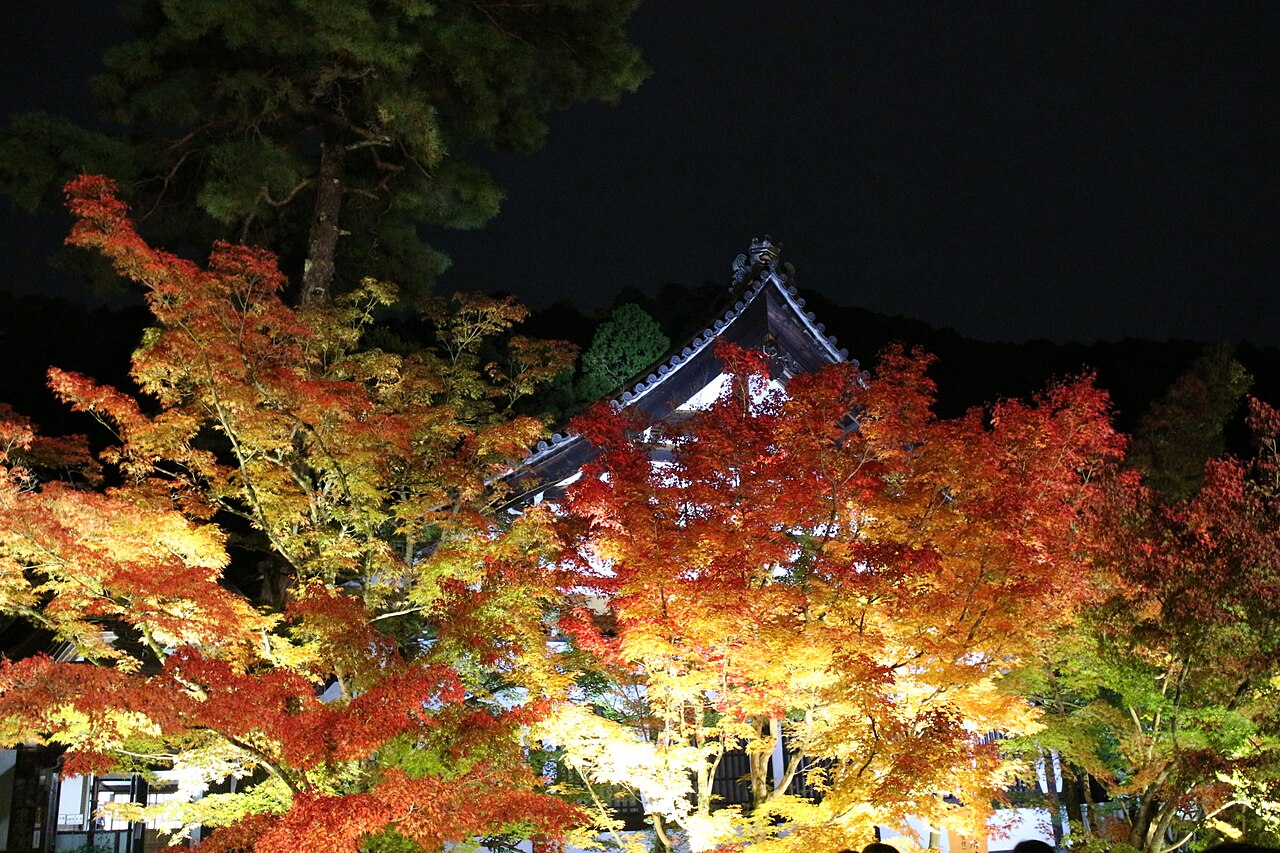
The temple-treasure exhibition, the curator talks and the night maple light-up belong to this autumn and not to the whole year.
Planning around the dates comes before anything else: both run for a limited period, from November eleventh to December sixth for the exhibition and from November twentieth to December sixth for the night light-up. Visiting on the autumn temple-treasure exhibition admission covers the temple treasures, the Amida-do and other halls, and the garden. Outside those dates, neither the exhibition nor the light-up is part of a visit.
Joining a curator talk adds listening to an exhibition visit. Talks are held in a morning session and an afternoon session, and the remaining dates are Saturday, November twenty-eighth, and Sunday, November twenty-ninth. Anyone who wants to hear a talk should choose one of those weekend days, since they are the last on the schedule.
Returning in the evening is for the night maple light-up, when the Amida-do and the garden are the viewing targets. Collecting a goshuin works differently then: a written goshuin is available at the reception window during the light-up, rather than at the goshuin counter used during daytime admission. The light-up has its own admission, which is listed in the table below.
Choosing between the exhibition and the light-up is part of the planning, because they use a changeover system and visitors cannot continue from the exhibition into the light-up. Seeing both therefore means a separate entry for each, by day and then again in the evening. Walking the Garyu-ro corridor or entering Sembutsu-do is not possible during the exhibition, as both are closed from November eleventh to December sixth.
Getting to Eikando, Hours and Fees
New to rural buses and one-man trains? See how to ride them, step by step.
Hours, fees and routes below follow the official pages, and the autumn rows apply to this season's dates.
| Item | Details |
|---|---|
| Ordinary-period hours | reception nine in the morning to four in the afternoon, gate closes at five in the afternoon |
| Ordinary-period admission | adults one thousand yen, university students eight hundred, junior and senior high students six hundred, elementary students two hundred |
| Autumn temple-treasure exhibition | November eleventh to December sixth, reception nine in the morning to four in the afternoon, gate closes at five |
| Night light-up | November twentieth to December sixth, reception five-thirty to eight-thirty in the evening, gate closes at nine, one thousand yen for junior high and older |
| By city bus | route five from Kyoto Station or Keihan Sanjo to the Nanzen-ji Eikando-michi stop, then about a three-minute walk |
| By subway | Tozai Line, then about a fifteen-minute walk from the subway station |
| Closures, November eleventh to December sixth | the Garyu-ro corridor and Sembutsu-do are closed to visitors |
For a night in the city after an evening visit, see places to stay in Kyoto. For the Nanzen-ji side of a Kyoto day, see the Nanzen-ji walk. For another Kyoto temple walk, see the Ginkaku-ji and Philosopher's Path walk.
Thinking of staying overnight?
Compare places to stay near Kyoto →
Disclosure: This post may contain affiliate links. If you book through them, we may earn a commission at no extra cost to you.