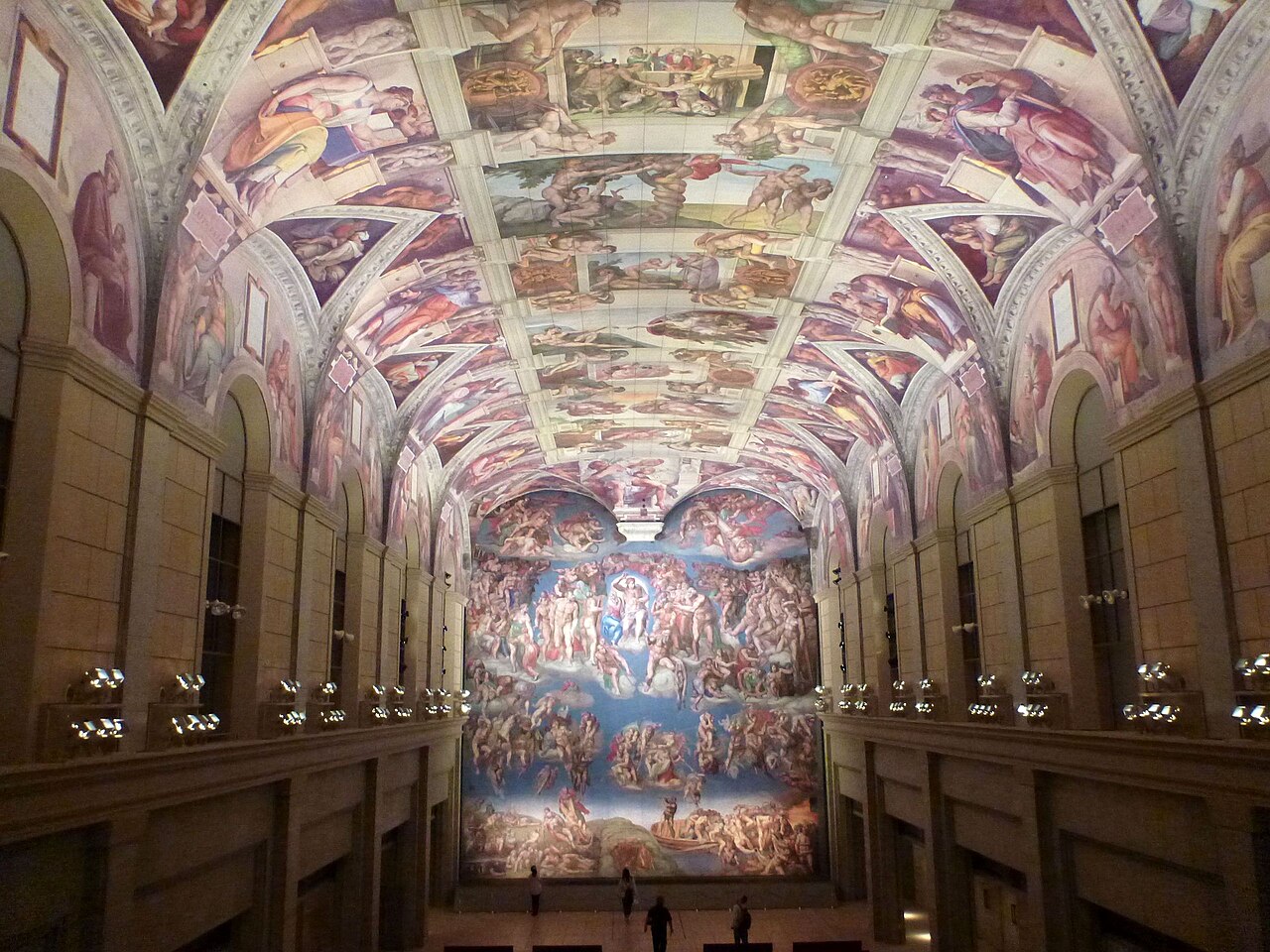
Visitors to the Otsuka Museum of Art start in the Sistine Hall and follow arrows on the floor from painting to painting. Every work along the way is a ceramic board reproduction made in colors and sizes faithful to the originals. The reason to come is to stand in front of Western masterpieces from many countries at full size.
Following the Floor Arrows from the Sistine Hall Through the Murals
If losing the route is the worry, start at the Sistine Hall and follow the brown arrows on the floor, which lead past the exhibits in the order of their work numbers.
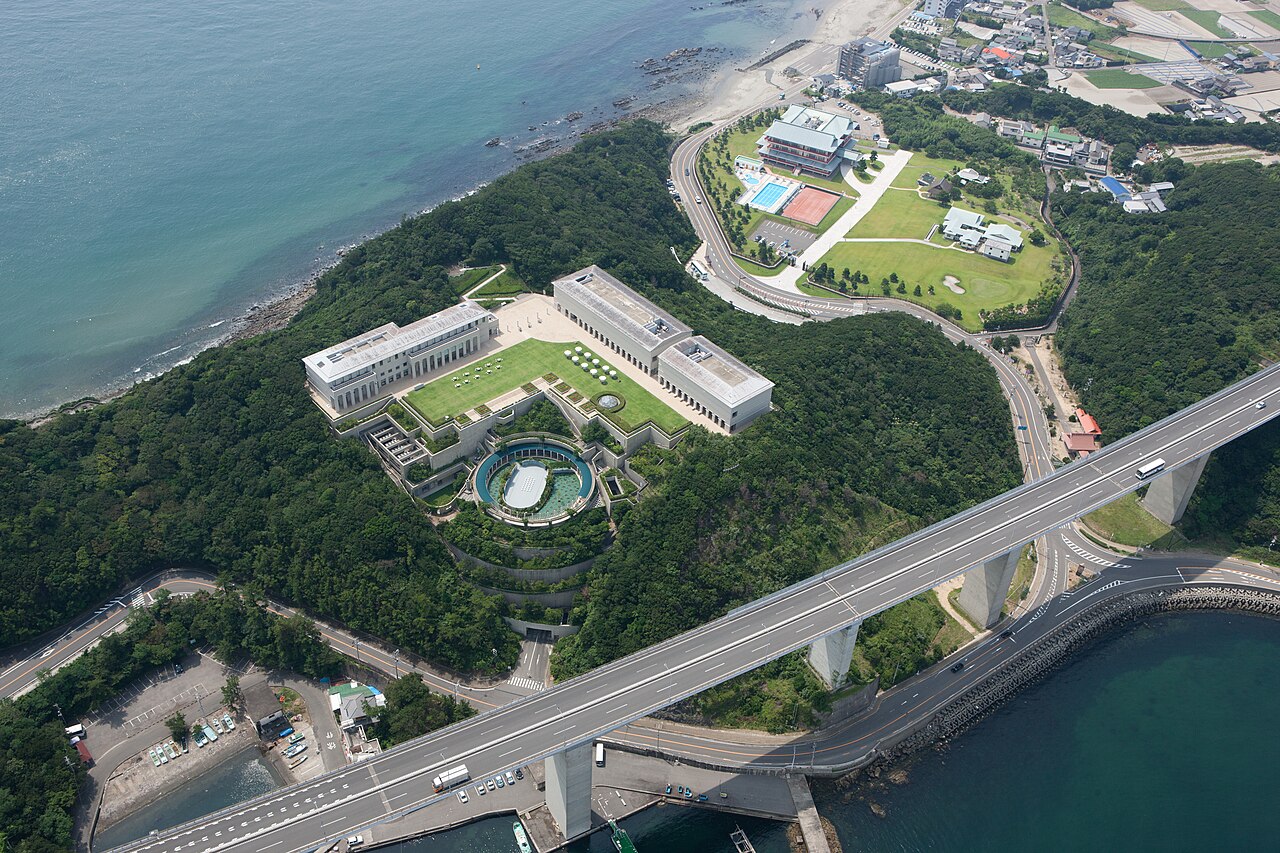
Riding the escalator up from the main entrance is the way into a building that sits largely inside a mountain, and the ride ends where the viewing route starts. Visitors who then follow the floor arrows from the starting hall can view all the works. The museum asks visitors to come in shoes that are easy to walk in.
Walking into the environment display means entering a reproduced space, not just facing a wall. The museum reproduces murals of ancient ruins and churches together with their surrounding space as a three-dimensional display. Ancient murals chosen by a selection committee are among the works shown.
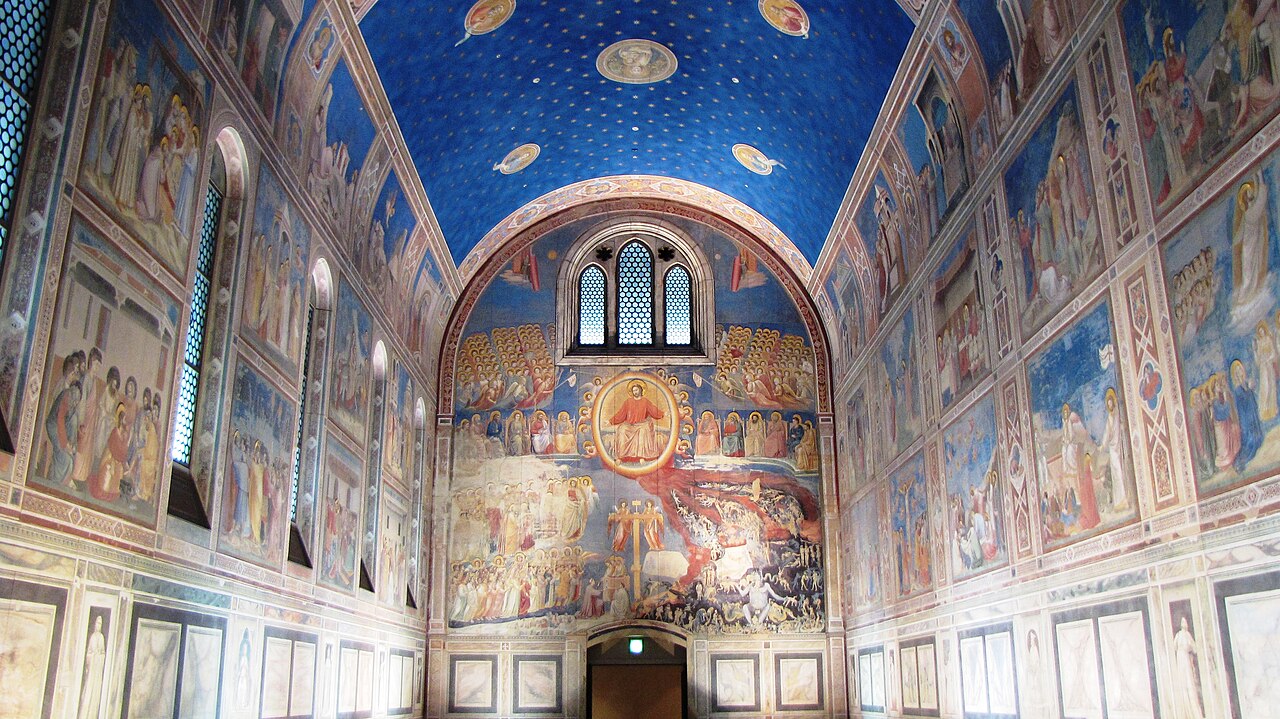
Following the systematic display takes visitors through Western art in order from antiquity to the present, so that its historical changes can be traced. In the theme display, visitors can compare how each expression method treats the same theme. The colors on the ceramic boards do not deteriorate over time the way colors on paper, canvas and earthen walls do.
Guide Walks, Audio Guides and Video Codes Beside the Paintings
The choice here is between walking the exhibition rooms with a guide and borrowing an audio guide that plays its explanations wherever the listener happens to be.
Joining a guide course suits Japanese speakers, because all of the guide courses are conducted in Japanese only. A course gives an overview of the museum and a tour of the Sistine Hall, guided inside the hall itself. Other courses cover the museum's highlights, its popular works or the modern highlights, guided while walking through the exhibition rooms.
Borrowing the audio guide takes place at the Museum Shop on the third basement floor. It is a portable earphone guide that supports several languages, including English. Listening is not tied to standing at the painting, since the explanation of a favorite work plays at any location.
Scanning the two-dimensional code beside a work brings up a video introducing the fears behind that work. The audio guide, for its part, covers Klimt's The Kiss. In that painting only the heads, faces, hands and feet of the embracing man and woman are painted realistically. It also covers David's painting of the coronation of Napoleon and Josephine.
Vermeer's Gallery and the Portrait of Marie Antoinette
Visitors who want to see a single painter's works side by side should head for the Vermeer Gallery, where works by Vermeer can be viewed together.
Walking to the Vermeer Gallery means going to the second basement floor. Girl with a Pearl Earring is among the Vermeer works shown at the museum. The girl turns back, receives strong light and emerges from a dark background.
Looking at the painting of a woman with a guitar shows a lemon-yellow costume, bright colors and strings that appear to vibrate. A pair of virginal paintings differ in the performer's pose and the room's brightness. In The Concert, a man plays the lute, a woman plays the harpsichord and another woman sings from the sheet music.
Moving on to an exhibition room on the first basement floor brings visitors to Marie Antoinette with a Rose. The portrait by Vigee Le Brun shows her in a pale blue court dress, holding a rose in her hand. It is reproduced at full scale and displayed permanently.
Van Gogh's Room, Cafe Vincent and the Flower Art Wall
The photo corner inside Cafe Vincent is a room to walk into, while the Flower Art Wall is a photo spot at the Renaissance entrance, so they are separate detours.
Entering Cafe Vincent on the third basement floor leads to a photo corner. The cafe takes its name from Van Gogh's given name, and the corner realistically reproduces a room from a Van Gogh painting. Visitors can actually enter the room of the photo corner.
Looking around Cafe Vincent, visitors find a yellow cafe terrace seating area. The seating is modeled on Van Gogh's Night Café Terrace. That painting is also among the works presented in the guide courses.
Stopping at the Flower Art Wall adds a photo spot at the Renaissance entrance. The space has a color gradient that runs from pink to white, purple and blue. A butterfly-shaped chair, called a butterfly chair, is placed there.
The Cafe Overlooking the Monet Pond and Original Sweets
Eating here points either toward the cafe that overlooks the Monet pond or toward the original sweets, such as konpeito inspired by the color scheme of Renoir's Girl with a Fan.
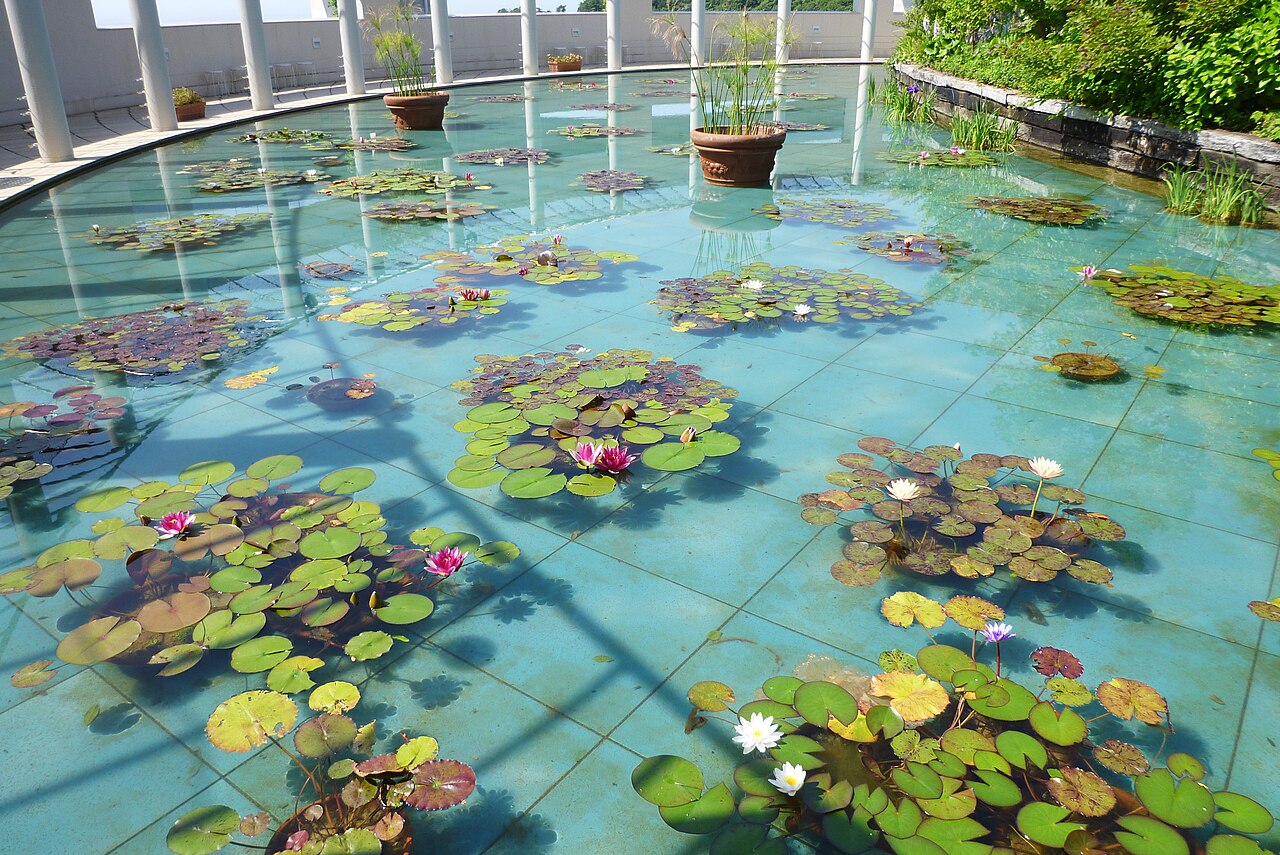
Sitting in the cafe on the second basement floor gives a view over the Monet pond. Light meals of curry and rice bowls are also available there. A separate restaurant is located on the first floor of the annex.
Ordering the Klimt-themed tart brings a crisp tart base topped with a generous piping of Naruto Kintoki sweet potato paste. Among the cafe drinks, the sudachi ice latte is made by pouring milk over a syrup of sudachi juice, in the style of a lassi. Sudachi, a Tokushima specialty, has a refreshing scent and a crisp acidity.
Tasting the konpeito means picking a flavor by color: the paler pink is peach, the darker is strawberry, white is grapefruit and green is melon. The shrimp crackers are filled with a smooth cheddar cheese cream. Fatty mackerel comes canned, pickled with fragrant Kito yuzu, and the dried seaweed has a thick, chewy texture.
Getting to the Otsuka Museum of Art, Hours and Tickets
New to rural buses and one-man trains? See how to ride them, step by step.
| Item | Details (as listed) |
|---|---|
| Opening hours | nine thirty to five, with tickets sold until four |
| Closed days | Mondays, or the next day if Monday is a public holiday; open every day in August; consecutive closed days in January |
| Admission | adults three thousand three hundred yen on the day or three thousand one hundred sixty in advance; university students two thousand two hundred on the day |
| Bus from Sannomiya | four trips a day, one hour twenty-two minutes |
| Bus from Kyoto Station | two trips a day, about two hours thirty-five minutes |
| Bus from Okayama Station | one trip a day, about two hours thirty minutes |
| Ticket sales | online tickets are cheaper than the same-day price |
Rooms near the museum are listed in places to stay around Naruto. Travelers setting out from Osaka can also look at a day tour from Osaka that pairs a Naruto cruise with the museum and Kobe.
Thinking of staying overnight?
Compare places to stay near Naruto, Tokushima →
Disclosure: This post may contain affiliate links. If you book through them, we may earn a commission at no extra cost to you.