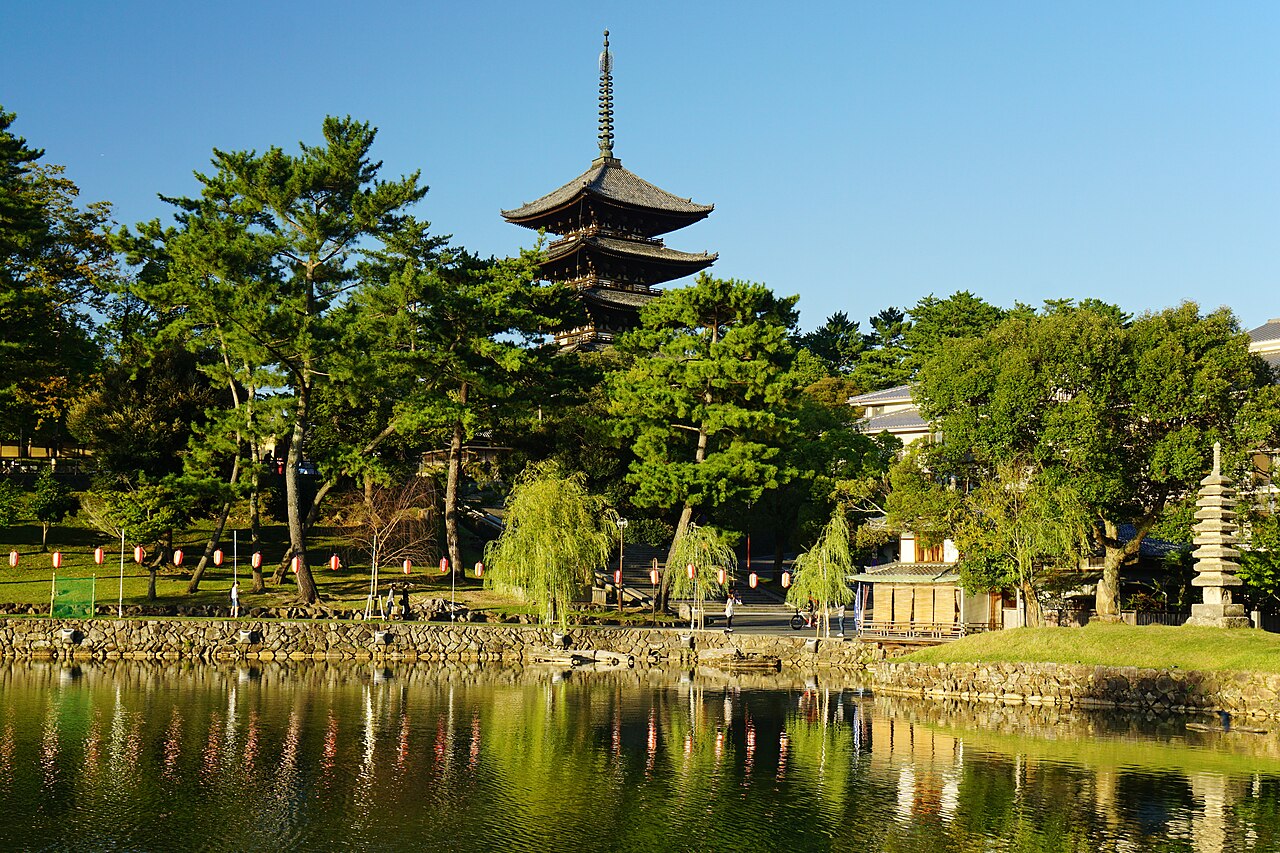
Walking through the precinct of Kofukuji takes visitors past halls, towers and gates, with the Chukondo, the hall that stood at the center of the temple, restored in the form of the Tenpyo era. The Five-storied Pagoda, whose reflection in Sarusawa Pond is known as one of the Nanto Hakkei, is under conservation repair and covered by a temporary roof structure, so its exterior cannot be seen. With the pagoda enclosed, the statues inside the Tokondo and the Ashura statue in the Kokuhokan (National Treasure Museum) give the visit its focus.
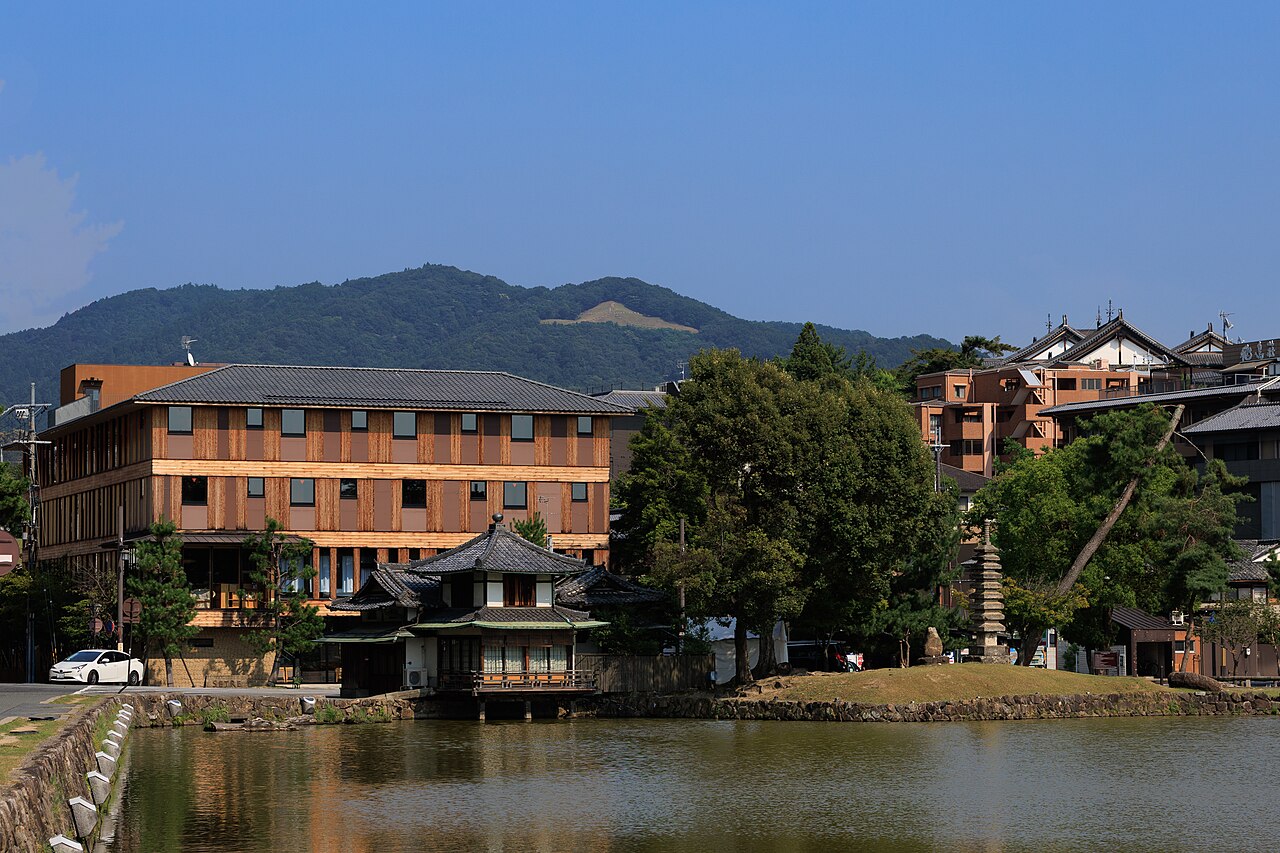
Sarusawa Pond and the Five-storied Pagoda Under Repair
Visitors who come for the pagoda see a steel-frame enclosure that covers it completely, so its exterior cannot be seen. A temporary protective structure was completed around the Five-storied Pagoda of Kohfukuji, and the repair then began in earnest. The photograph above was taken before the repair began.
Looking at the enclosure, visitors can follow what the work involves. The repair covers replacing the whole tiled roof, repairing the wood and mending plaster walls that have peeled. The current Five-storied Pagoda was rebuilt around fourteen twenty-six, after five fires and rebuildings.
Walking down to Sarusawa Pond puts the pagoda and a stone staircase called the Fifty-two Steps to the north of the water. The pagoda mirrored on the water with the surrounding willows is known as one of the Nanto Hakkei. Sanjo-dori runs east-west between the pond and the pagoda and stone steps.
Stopping at the pond, visitors can look for the Seven Wonders of Sarusawa Pond. Among them are that the water never becomes muddy and that no river flows out, yet the water volume stays constant. The pond also does not overflow with fish even though many fish are released every year.
The Chukondo and Tokondo: the November Special Opening and Night Visits
Timing a visit for November adds the rear hall behind the Tokondo statues, which is not normally opened to the public and is specially opened during the month. Visitors step behind the statues to see a wooden statue kept there. The statue is shown for the first time in twelve years.
Stepping inside the Tokondo, visitors see the principal image, the Yakushi Nyorai seated statue, at the center. The Monju Bosatsu statue and the Twelve Divine Generals statues can be viewed with it, along with statues of the Shitenno. The Tokondo is a west-facing hall on the east side of the Chukondo.
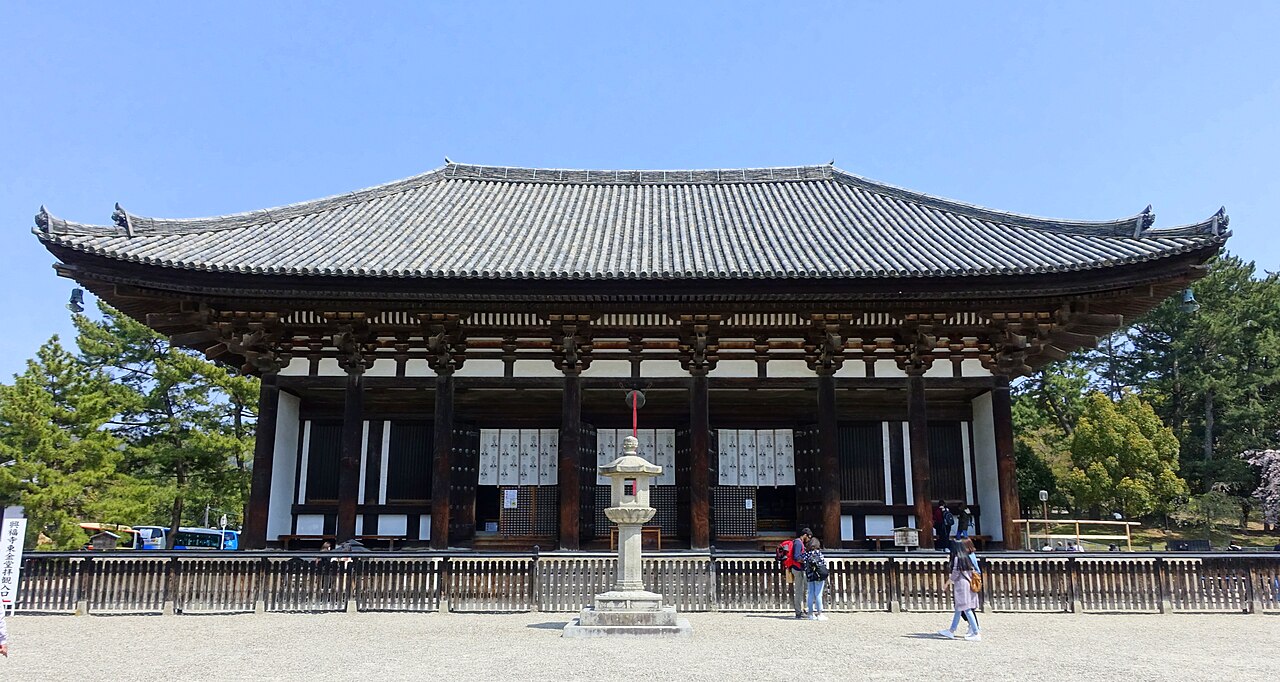
Walking to the Chukondo brings visitors to the hall that stood at the center of Kofukuji. Visitors see it restored in the form of the Tenpyo era. The Chukondo was restored, with the reconstruction completed in twenty eighteen.
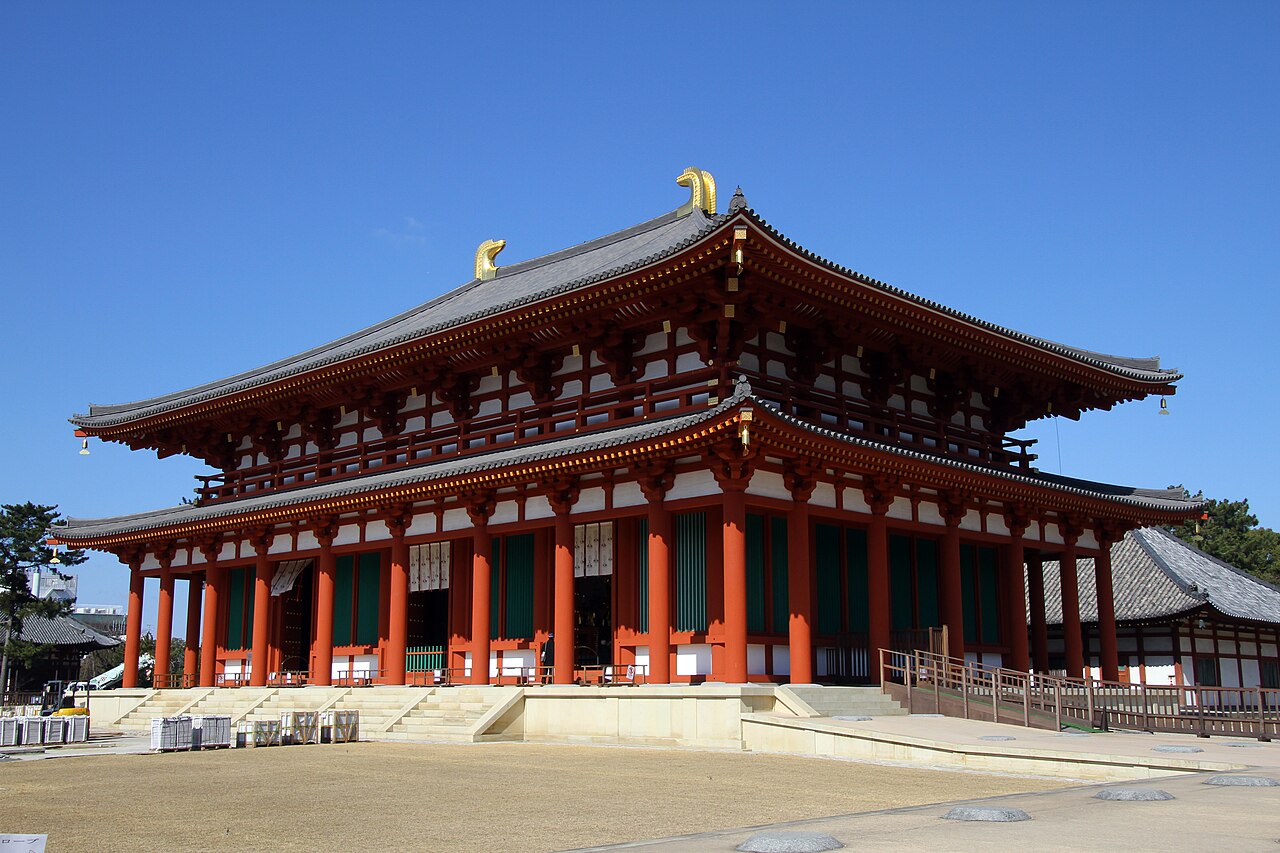
Planning an evening in November, visitors can see the Tokondo at night, when visits are held on some Saturdays. At night in the old capital of Nara there is little light, and quiet falls. Goshuin seals are also given out during these evenings.
The Kokuhokan: Ashura and the Eight Legions Statues
Looking for the Ashura statue, visitors find it in the Kokuhokan among the Eight Legions statues. The figure has three faces and six arms and a bare upper body. It wears a chest ornament, armlets and a skirt-like garment.
Walking through the museum, visitors see the thousand-armed Kannon bodhisattva standing statue, the main image of the former refectory, as the central image. The Nara-period dry-lacquer Eight Legions and Ten Great Disciples statues are shown with it. Kamakura-period wooden statues of Kongorikishi, Tentoki and Ryutoki and a bronze Buddha head brought from Yamadadera in Asuka are listed as National Treasures.
Looking at the building itself, visitors are on the site of the former refectory. Remains of that refectory are preserved in their original form underground. The museum joins the refectory and the hosodono into a single interior hall.
Taking photographs or videos, sketching and using a flashlight inside the halls and museum buildings is prohibited. Touching Buddhist statues, ritual implements and display cases is prohibited as well. If photography is discovered, the temple requests deletion of the data or confiscation of the recording medium.
The Hokuendo, the Nanendo and the Three-storied Pagoda
Visitors who want to see inside the Nanendo plan for the day its treasures are opened to view, at the Daihannya sutra reading held on October 17 each year. The Nanendo is the ninth temple of a thirty-three-temple pilgrimage. Its principal image wears a deer skin.
Watching the tendoku rite, visitors see each monk chant the sutra's title and translator in a loud voice while flinging the folded-book sutra into the air. The Daihannya sutra is stored in boxes, and each monk takes charge of a box. After the reading the sutra is returned to its original state.
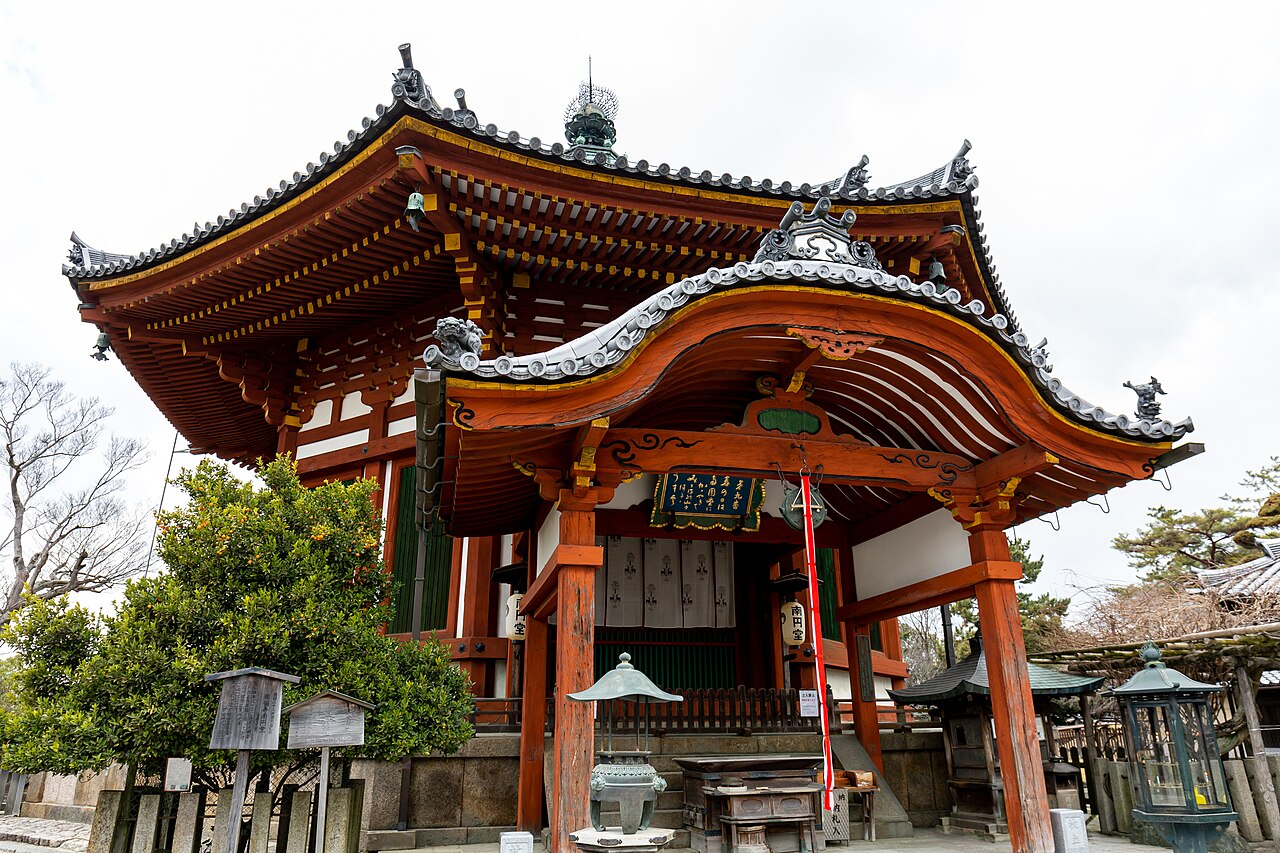
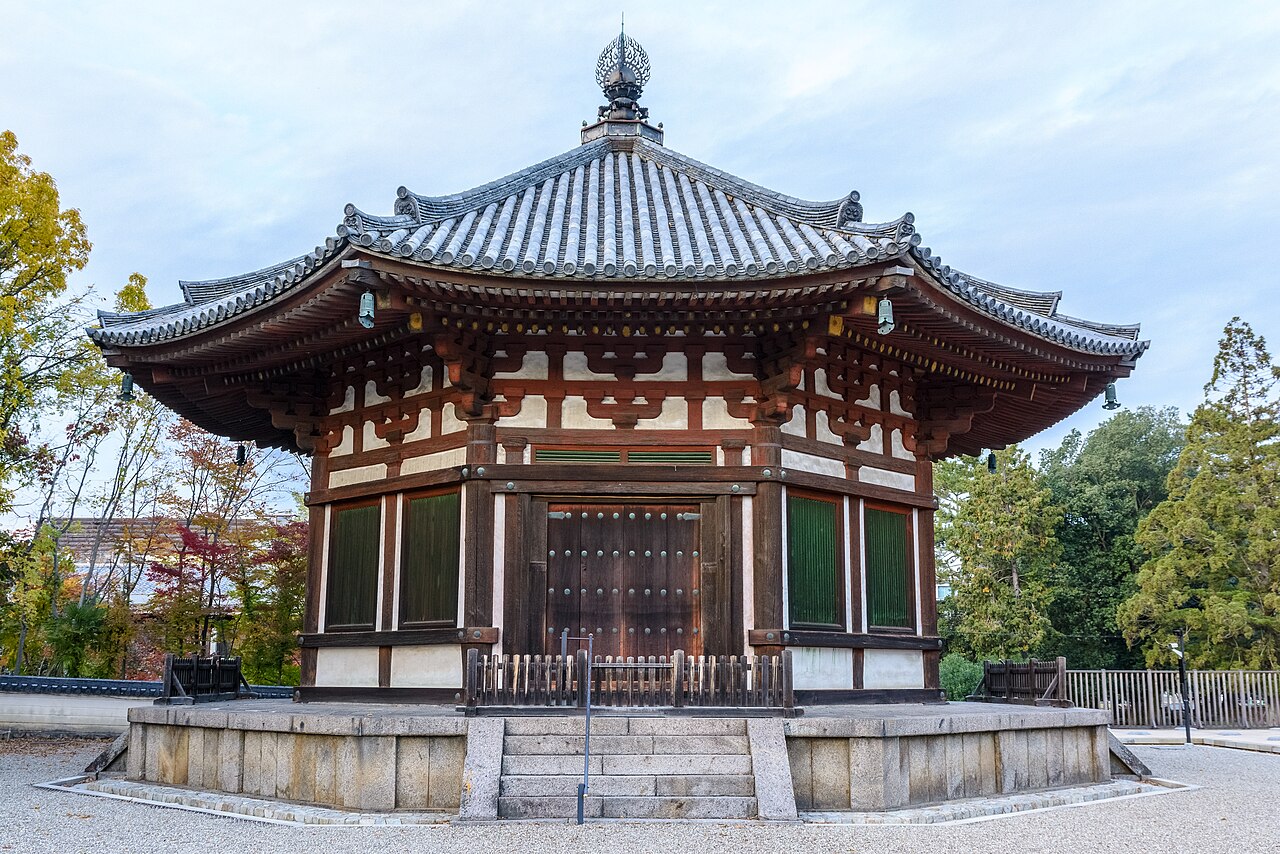
Walking to the Hokuendo, visitors reach an octagonal hall whose inner sanctuary has an octagonal altar. Statues including the main image, the Miroku Nyorai seated statue, are enshrined there, with statues of Mujaku and Seshin and Shitenno statues of wood-core dry lacquer. The Hokuendo is not usually opened to the public.
Looking at the Three-storied Pagoda, visitors see slender timber proportions and a light, graceful line that convey Heian-period architectural style. The Benzaiten statue and its attendants are enshrined inside. The pagoda is opened to view for the Benzaiten service held on July 7 each year. A visual guide reproduces the colored interior in VR.
Stopping at the Oyuya, visitors find a building that was used as the temple bath house. Inside there is no floor, and iron hot-water kettles are set directly on the ground in a north-south line. The kettles are Nara Prefecture designated cultural properties.
Rites Through the Year: Tsuinae, Jionne, Sweet Tea and the Hojoe
Choosing a rite by its date, visitors who come on February 3 find the Tsuinae, which starts with a repentance service before the Yakushi Nyorai of the Tokondo. The service prays for the removal of calamities and the invitation of good fortune. After that, the demon-chasing rite and then the bean-scattering follow.
Timing a visit for the Jionne puts it in the colder part of the month. On November 13 the Jionne service is held. In mid-November Nara turns sharply colder and grows quieter day by day.
Visiting on April 8, visitors find a Buddhist service held every year on that day. After the service, visitors watch tea poured with a bamboo ladle over a birth Buddha statue. Sweet tea is also served.
Watching the Hojoe on April 17, visitors see the Heart Sutra recited at Sarusawa Pond after a service. The release of living creatures uses native species collected from the pond beforehand. Because the rites are held on fixed days through the year, a visit can be planned around them, and places to stay in Nara are listed for the area.
Getting to Kofukuji, Hours and Fees
New to rural buses and one-man trains? See how to ride them, step by step.
Goshuin seals are issued at the Nanendo sutra-copying office and are received after worshipping at the halls.
| Item | Details (as listed) |
|---|---|
| From Kintetsu Nara Station, East Gate exit two | about a five-minute walk |
| From JR Nara Station | about a twenty-minute walk to Sarusawa Pond, with the pagoda to its north |
| Kokuhokan, Chukondo and Tokondo hours | nine in the morning to five in the afternoon; last admission at quarter to five; no closing days |
| Admission for adults | Kokuhokan nine hundred yen; Chukondo and Tokondo five hundred yen each, cash only; lower rates for students and children |
| Tokondo rear hall special opening | listed for November first to thirtieth, twenty twenty-six; with Tokondo admission, one thousand yen for adults |
| Tokondo night visits | Saturdays from October thirty-first to November twenty-eighth; half past five to nine at night; the gate closes once at five |
| Five-storied Pagoda | under repair, with its exterior covered; the listed repair period runs to March twenty thirty-four |
Thinking of staying overnight?
Compare places to stay near Nara →
Disclosure: This post may contain affiliate links. If you book through them, we may earn a commission at no extra cost to you.