A giant spider ten metres high stands in a plaza at Roppongi Hills, described as a symbol of a place where people gather from around the world. Around Mohri Pond, red and blue dragonflies fly about.
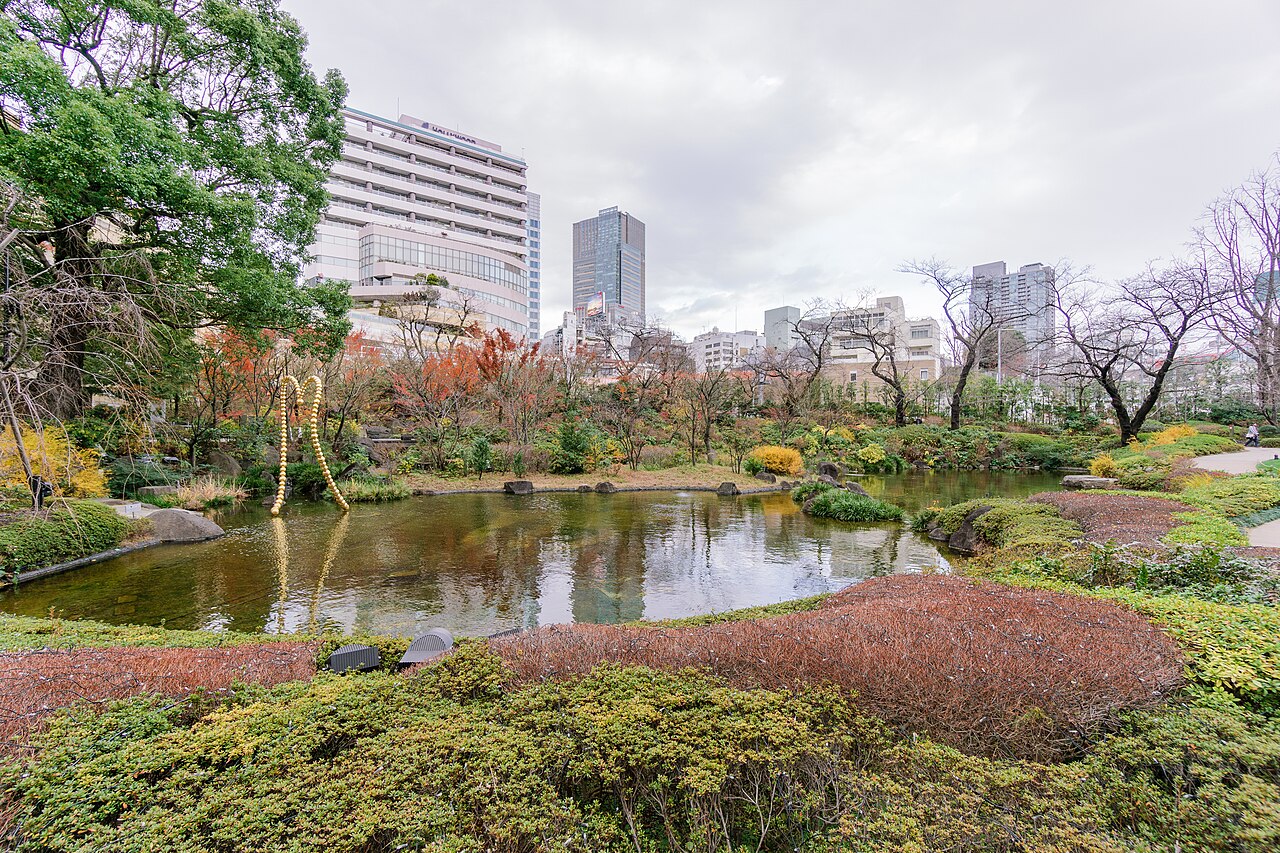
Mohri Garden, a large Japanese garden with a pond and a mountain stream, preserves traces of an Edo-period daimyo residence, and visitors can stroll freely. At Tokyo Midtown, about one hundred forty tall trees left on the former Defense Agency site stand in Midtown Garden.
Mohri Garden at Roppongi Hills: an Edo Pond, Dragonflies and Seasonal Flowers
Cherry, camphor, hackberry and ginkgo trees were kept when Mohri Garden was redeveloped, and some of its stonework was reused. The garden goes back to the Edo period, about three hundred fifty years ago.
In the pond stands the artwork Kin no Kokoro, in commemoration of the tenth anniversary of Roppongi Hills and the Mori Art Museum. The Nikka pond lies beneath the present Mohri Pond, its remains left underground through buried-soil preservation.
A carpet of azaleas is described as filling Mohri Garden in April, and the scent of gardenia flowers in June is described as rich and fragrant.
Water lilies bloom in summer on Mohri Pond, where a family of spot-billed ducks has appeared. The green of the garden's trees grows thick and deep against the strong summer sun.
Roppongi Hills: Giant Spider, Cherry-Tree Promenade and Keyakizaka-dori
A cluster of giant roses rises in the same plaza as the spider, as a symbol of love and beauty. Child-sized robots turn up throughout a park at Roppongi Hills, where the robot artwork includes a tower of forty-four robots.
Seventy-five cherry trees line a promenade behind the residences, which holds a cherry blossom illumination in spring. The park with the robots is next to this cherry-tree-lined path, and the voices of children playing can be heard from it.
Bright lights decorate the zelkova trees of Keyakizaka-dori, next to Roppongi Hills, every winter during the Keyakizaka Illumination. For its flower beds, Roppongi Hills uses only Tokyo-grown flowers and plants.
The Rooftop Garden: Rice Planting, Harvest and Rice-Cake Pounding
The rooftop garden at Roppongi Hills is not a place general visitors can normally enter. People who live or work in Roppongi Hills grow rice there, and it is used for community activities.
Children from the Roppongi district join residents and workers in the rice planting, the start of the rooftop paddy event. Getting muddy, participants plant small seedlings of non-glutinous and glutinous rice in two paddies, one large and one small.
Crape myrtle flowers are abundant in the rooftop garden, where fields of herbs, seasonal vegetables and flowers of many colours form the scenery. A slightly cold wind blows, and dragonflies fly around the pampas grass plumes.
Children pedal an old-style foot-operated threshing machine to separate the grain from the dried rice bundles. The rice is harvested in August with a hoe, dried in the shade for about ten days after cutting, and then threshed.
Loud cheers ring out across the rooftop garden from participants who tried steamed glutinous rice and rice-cake pounding. Held at the start of January as the final rooftop paddy event, the pounding turns the harvested glutinous rice into sweet rice cakes coated with kinako or sweet bean paste.
Mori Art Museum, the Suntory Museum of Art and the Roppongi Art Triangle
The Mori Art Museum, on the fifty-third floor of Roppongi Hills Mori Tower, focuses on contemporary art from Japan and Asia and has featured artists from around the globe as well.
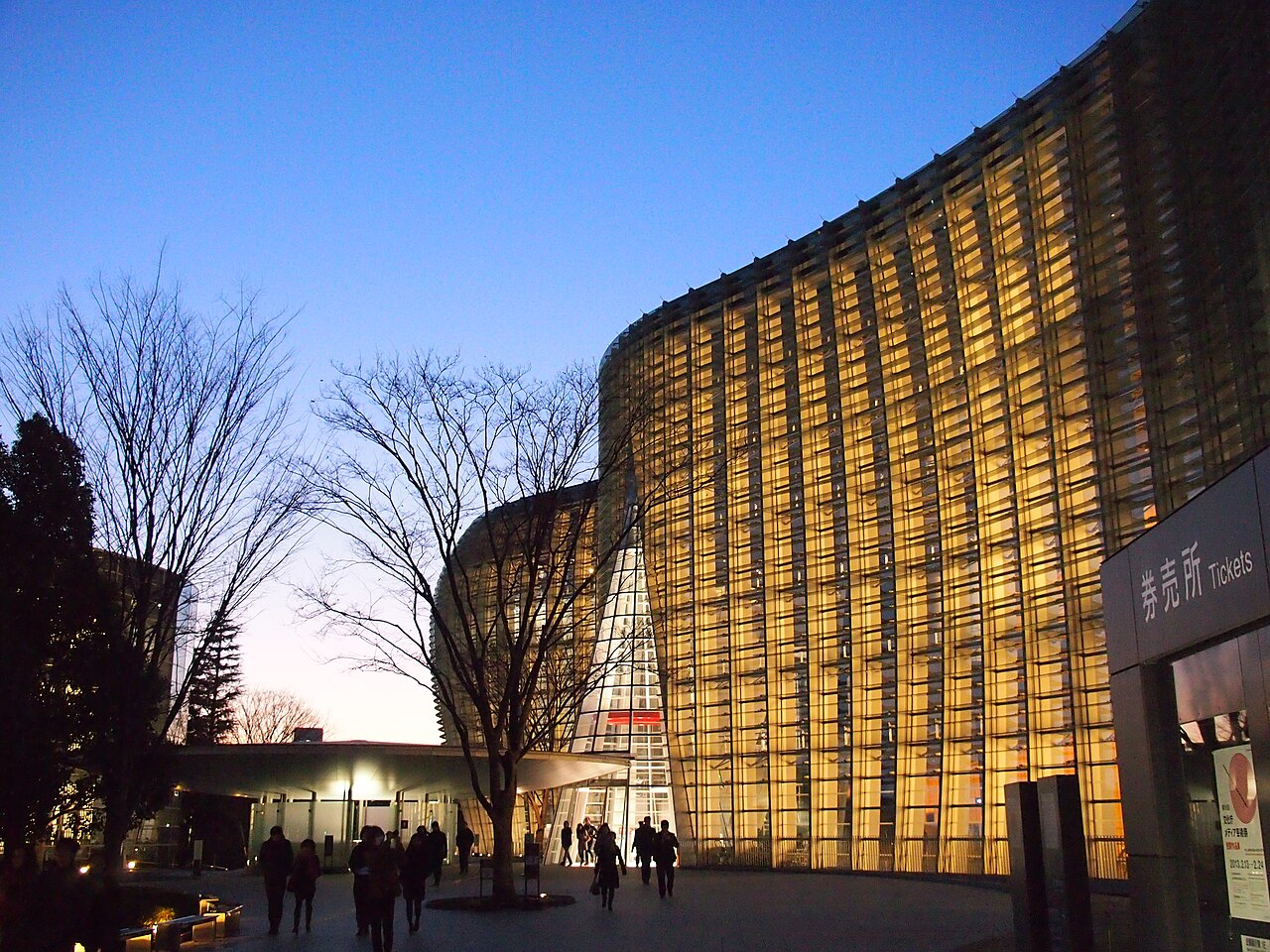
Roppongi Art Triangle is the collective name for three art museums within walking distance of each other: the Mori Art Museum, the Suntory Museum of Art and The National Art Center, Tokyo. The Suntory Museum of Art has no permanent exhibition and holds mainly special exhibitions.
Tokyo Midtown: Midtown Garden, 21_21 DESIGN SIGHT and Terrace Tables
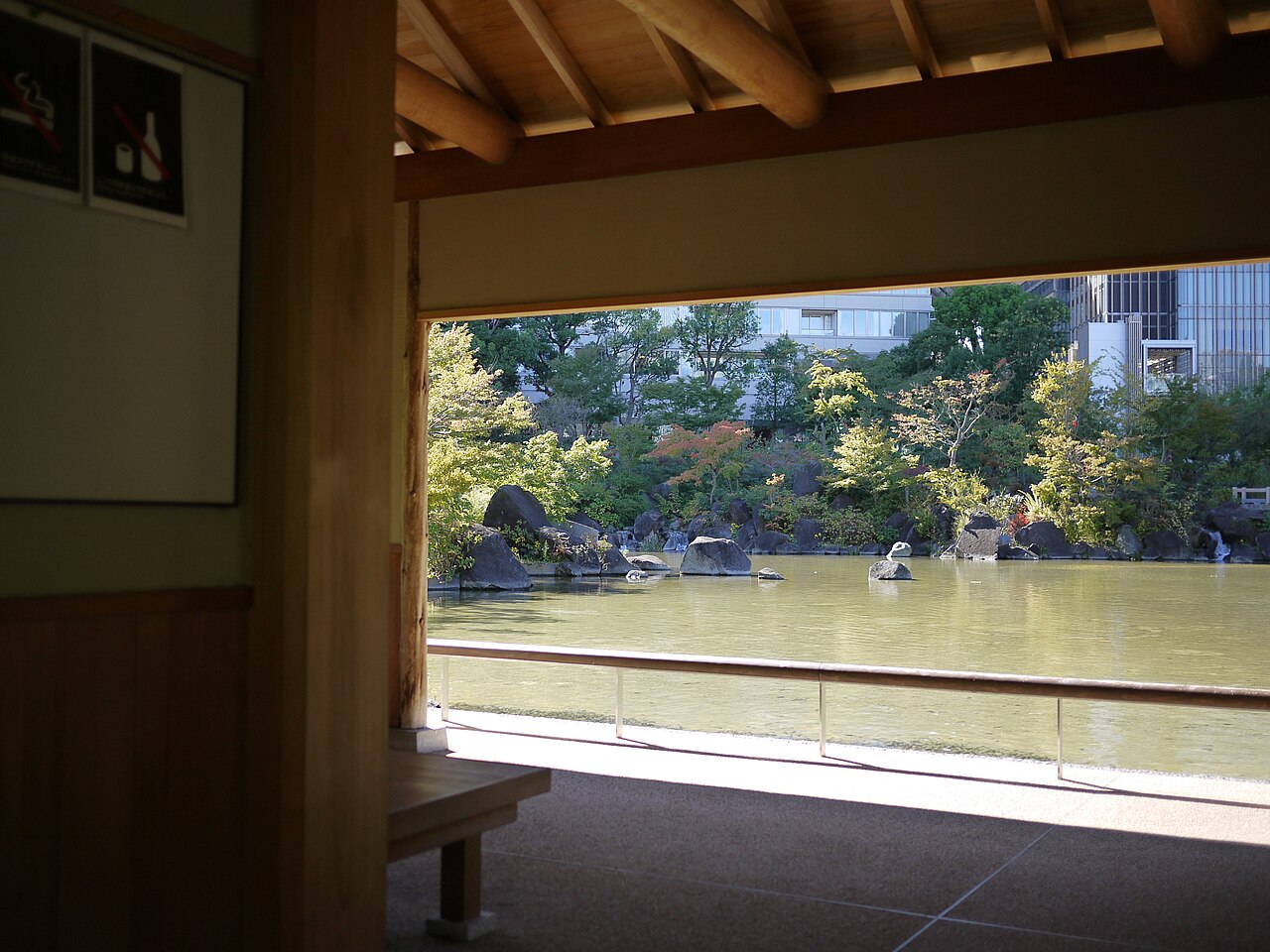
In spring, cherry blossoms form a tunnel in one zone of Midtown Garden at Tokyo Midtown. In another zone, transplanted camphor trees and shii trees make a dense, dark-green wooded area near the site boundary.
A roof devised to look like one steel plate folded covers the 21_21 DESIGN SIGHT building. Its site is within Midtown Garden, the green space that adjoins Hinokicho Park.
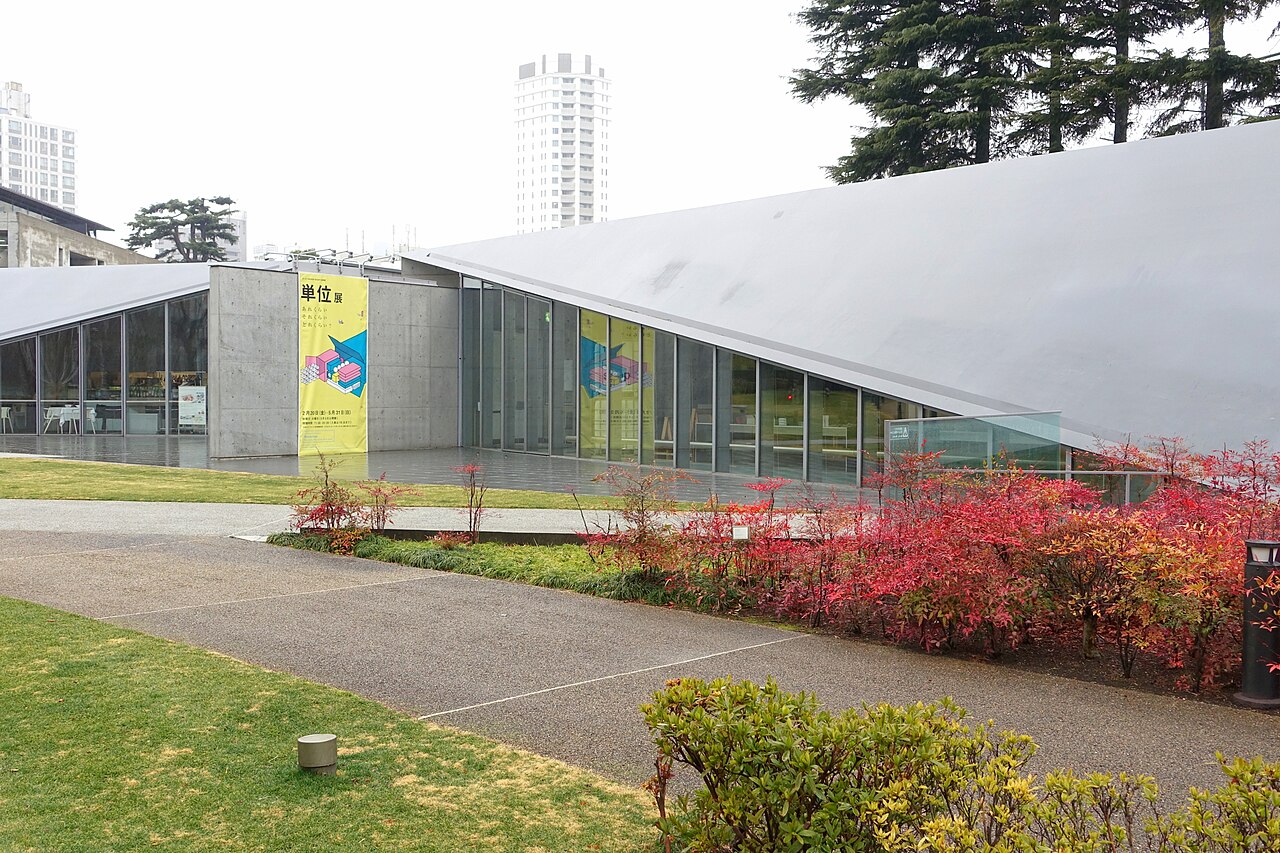
The ground floor holds Gallery Three and the shop, and the basement holds two galleries and a sunken court that admits natural light. Unique products full of surprises are sold at 21_21 NANJA MONJA, its gallery shop.
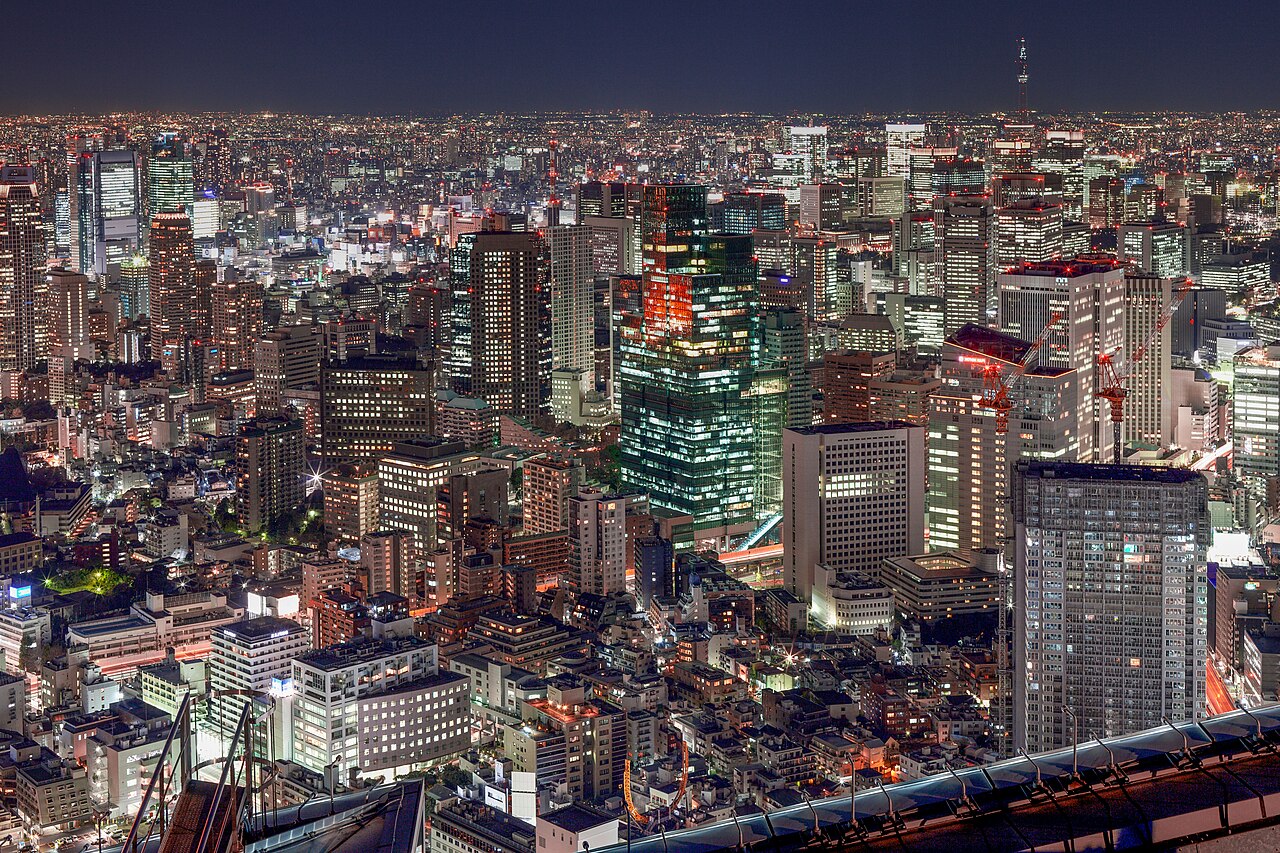
Terrace seats at Tokyo Midtown's NIRVANA New York take in the Roppongi night scene and Midtown Garden. Pizzeria-Trattoria Napule has terrace seats facing the fresh greenery of Sakura-dori.
Artisan de la Truffe Paris, a restaurant specialising in dishes made with French truffles, has sofa seats on its terrace for sitting side by side. RIO BREWING & CO. BISTRO AND GARDEN serves craft beer, directly imported wine and aged meat on its terrace.
Getting to Roppongi
New to rural buses and one-man trains? See how to ride them, step by step.
| Route | Item | Detail |
|---|---|---|
| Toei Oedo Line | Shinjuku Station to Roppongi Station | nine minutes |
| On foot | Roppongi Hills to Tokyo Midtown | fifteen to twenty minutes |
| Tokyo Metro Hibiya Line | Roppongi Station to The National Art Center, Tokyo | about five minutes on foot |
| Tokyo Metro Chiyoda Line | Nogizaka Station to Tokyo Midtown | about three minutes on foot |
| Toei Oedo Line | Roppongi Station exit for Tokyo Midtown | connects directly to Tokyo Midtown |
| Oedo, Hibiya or Chiyoda Line | Roppongi or Nogizaka Station to 21_21 DESIGN SIGHT | about five minutes on foot |
If you would rather stay overnight, places to stay in Tokyo is a place to start.
Hours and Fees
| Place | Item | Time or fee |
|---|---|---|
| The National Art Center, Tokyo | Hours | ten in the morning to six in the evening, last entry thirty minutes before closing |
| The National Art Center, Tokyo | Closed | every Tuesday, or the following weekday when Tuesday is a holiday, and the year-end and New Year period |
| The National Art Center, Tokyo | Special exhibitions | until eight in the evening on Fridays and Saturdays during the exhibition period |
| Roppongi Hills | Shops and restaurants | shops eleven in the morning to eight in the evening, restaurants until eleven at night, hours vary by store |
| Tokyo Midtown | Shops, restaurants and cafes | shops eleven in the morning to eight in the evening, restaurants until eleven at night, food and cafes until nine in the evening |
| Suntory Museum of Art | Hours | ten in the morning to six in the evening, until eight in the evening on Fridays |
| Suntory Museum of Art | Closed | every Tuesday, the year-end and New Year period, and exhibit changeover periods |
| 21_21 DESIGN SIGHT | Hours | ten in the morning to seven in the evening, last entry at half past six |
Fees and hours were checked against official sources between 19 November 2026 and 23 November 2026.
Thinking of staying overnight?
Compare places to stay near Tokyo, Japan →
Disclosure: This post may contain affiliate links. If you book through them, we may earn a commission at no extra cost to you.