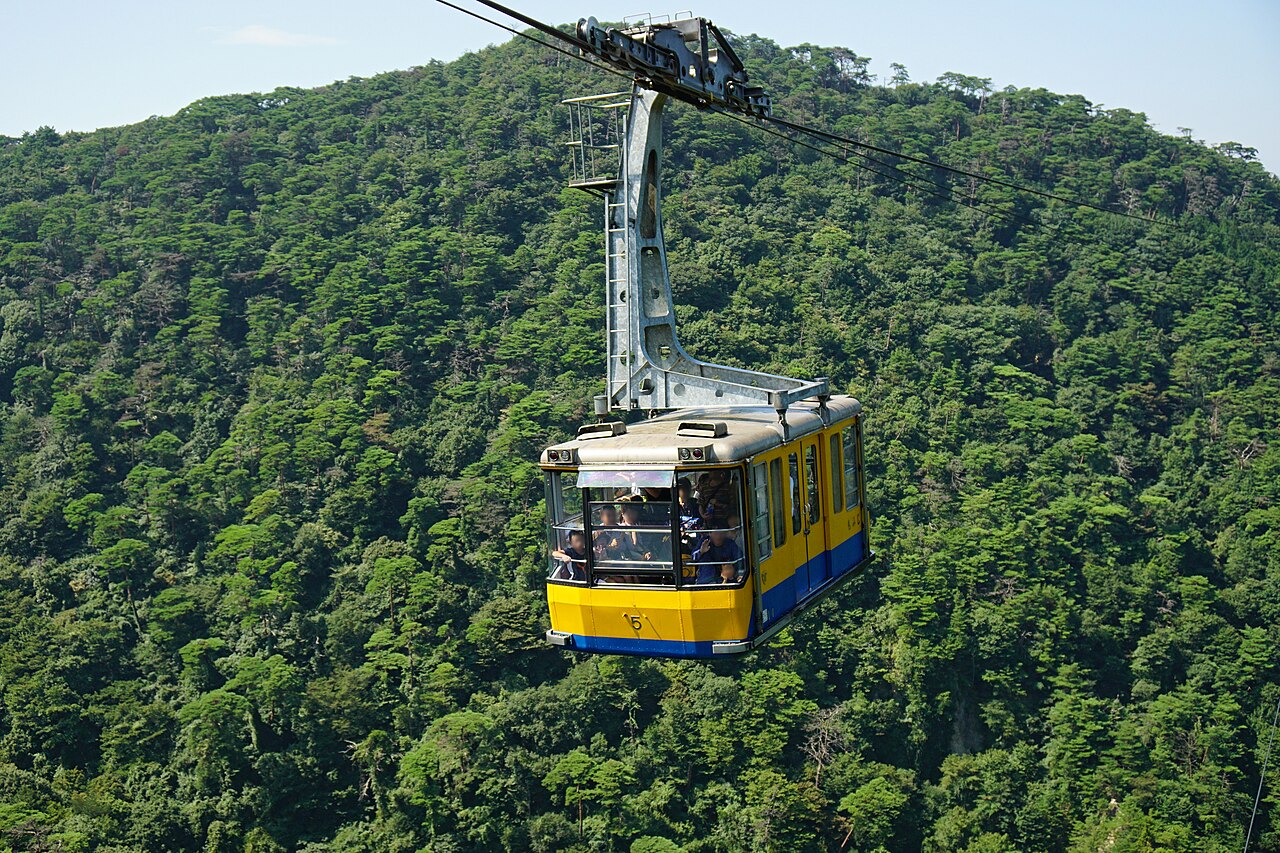
Sitting on a bench in the SIKI Garden surrounds a visitor with music from an unseen source. Riding the Rokko-Arima Ropeway brings the sound of a waterfall right beneath the gondola. A concert at the music box museum has instruments playing by themselves with no human performer. Rokko Shidare holds permanent art that visitors can see, hear and touch.
Listening Your Way Through the SIKI Garden
The SIKI Garden combines benches, hammocks and sound objects for visitors who like to listen.
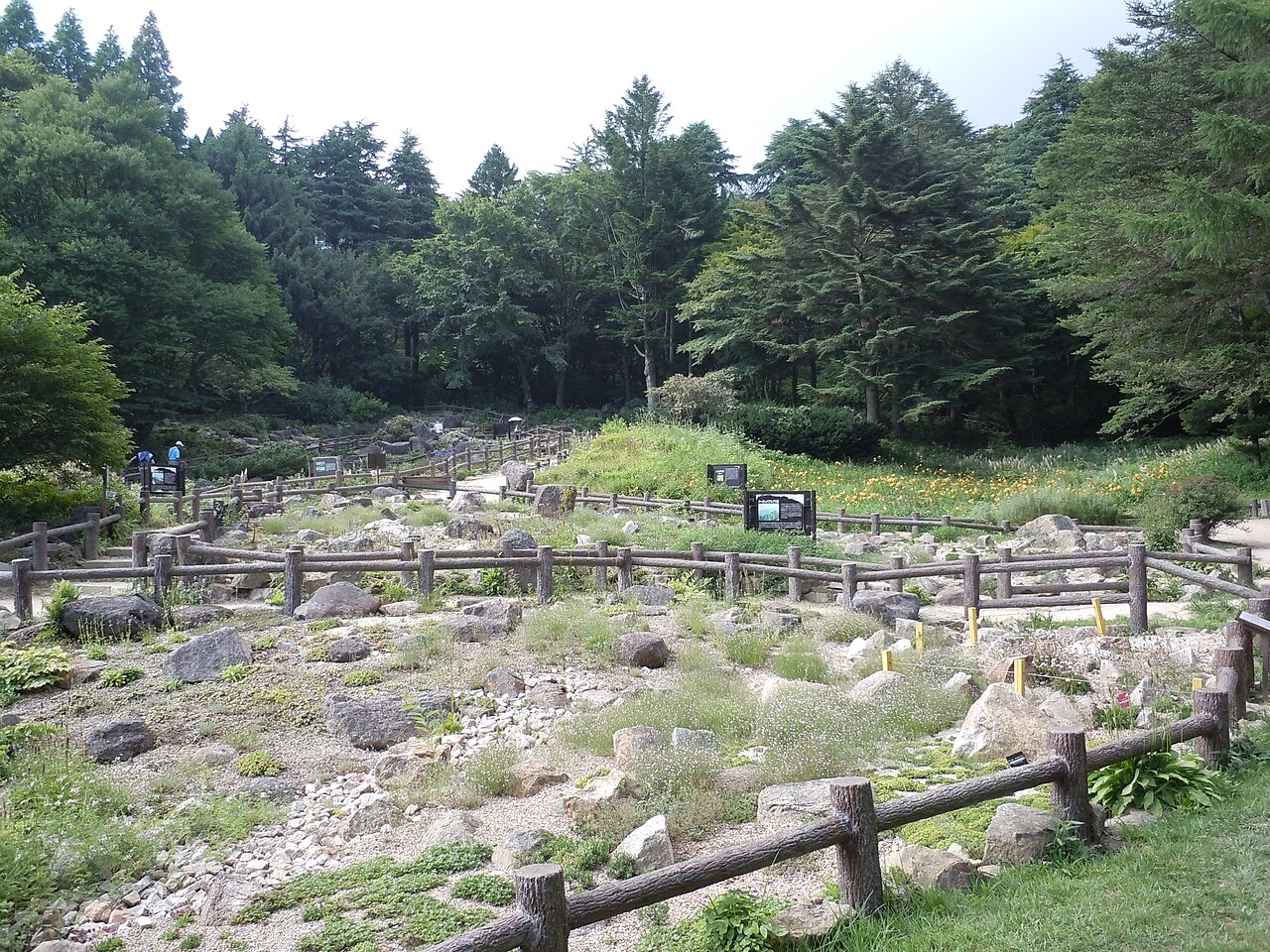
Sitting down on a garden bench places a visitor in the middle of music with no visible source, which the garden presents as the forest radio. Benches and hammocks also let visitors listen to birdsong, insect voices and the murmur of a stream. Hammocks are set up at several points along the sound path, among forest trees that surround a pond.
Stroking a wooden bird produces a gentle tone, and pulling the string of a nest-box-shaped music box plays a music box tone. Holding a shell to the ear gives a sound like waves, while sliding a mallet from end to end across the wind chime gives a sound like a shooting star. A hand-cranked music box takes a few people working together, who play it as a round or as an ensemble.
Stepping onto the terrace of the tree house shows the garden from a different viewpoint than usual. The house rests on a native chestnut tree and looks over the sound path. Visitors have tea, read, and look at the trees and the pond there, and the house is available to anyone except during some event periods.
Concerts With No Performers, and a Music Box You Assemble
The music box museum offers a concert with no performers and a workshop where visitors assemble a music box.
Listening to the museum's concert means hearing automatic instruments play by themselves, with no human performer. Staff explain the collection as its instruments sound in the concert room. An automatic violin, the Phonoliszt-Violina, carries the melody on violins to a piano accompaniment, and the hand-cranked organ Harvest is played by turning an iron handle on its back. The Decap Dance Organ "De Kempenaer" was used in dance halls in place of a band.
Assembling a music box in the workshop lets visitors try a key step in producing its sound. The cylinder and comb are adjusted by hand to a position that gives a clear sound, then fixed with screws using a screwdriver, and the music box is fitted into its case. The instrument has its roots in carillons, sets of bells with different pitches on European town towers since the Middle Ages, which were combined with large clocks to play automatically at set times.
Making other instruments is also on offer, with workshops for items such as tambourines, castanets and kalimbas. The museum shop engraves messages or names on some products. A music box marked this way goes home as a piece unlike any other.
Riding the Rokko-Arima Ropeway Between Arima and the Summit
The Rokko-Arima Ropeway passes a waterfall and looks out toward the Seto Inland Sea.
Riding out of Arima Onsen Station, passengers hear a waterfall echo directly beneath the gondola. The gondola climbs a slope on that same opening stretch. Anyone who wants the water sound should listen at the Arima end, because it comes just after departure.
Looking into the valley on the west side of the ropeway brings the Seto Inland Sea into view in the distance. In good conditions, islands floating in the sea show as well. In December, the sunset over the Seto Inland Sea is visible from the ropeway. Other months change the ride: in May, wild bird calls echo along the line with the faint sound of newly grown leaves swaying; in July, the temperature near the summit stays cool; and in September, a sea of clouds shows more often from inside the gondola.
Honey, Lamb and Milk Soft Serve Around Rokko Garden Terrace
Yamamitsu honey, Sanda pork and grilled lamb fill the menus around Rokko Garden Terrace.
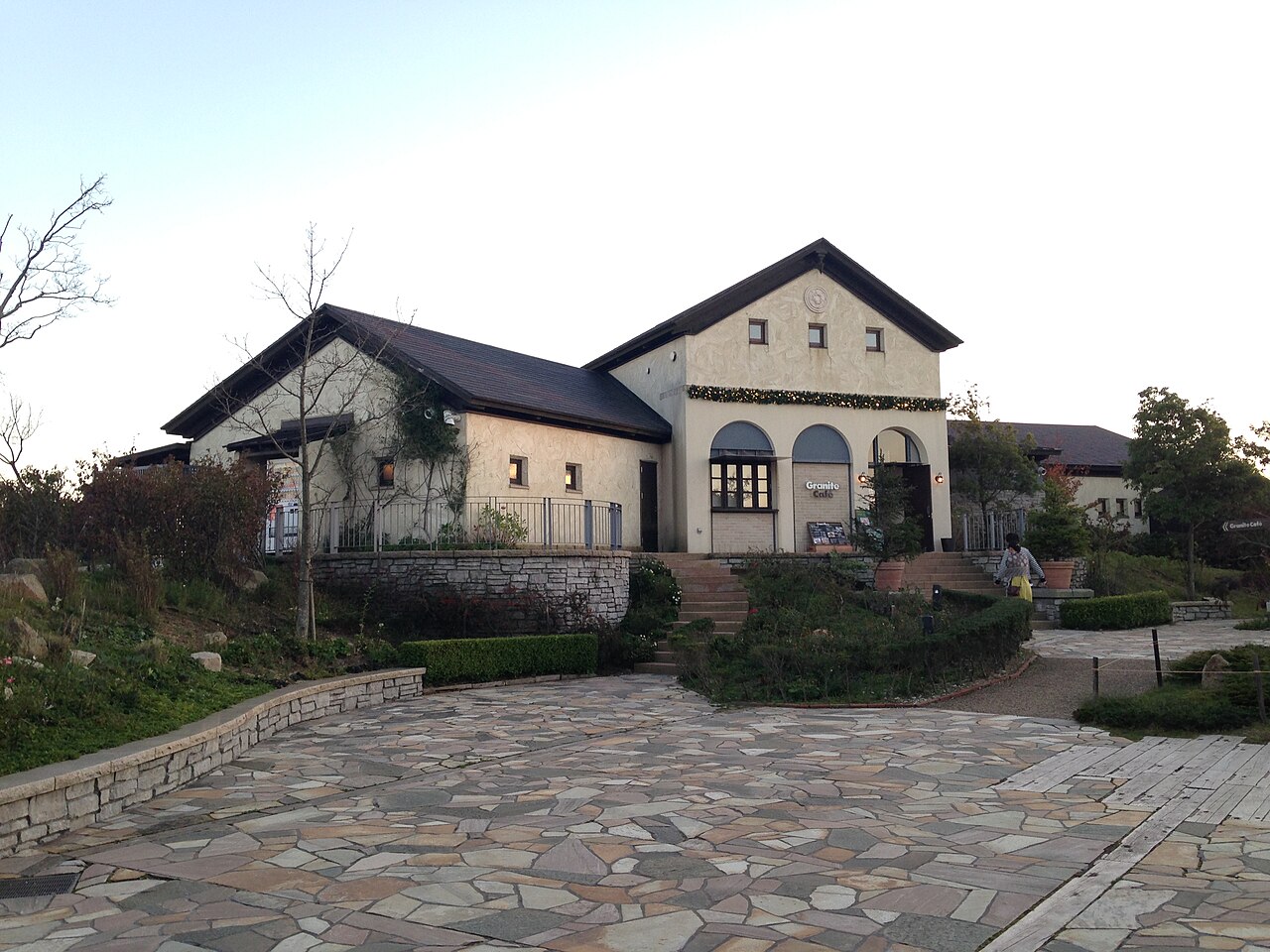
Ordering the omelette curry at Granite Cafe brings a plate made with Yamamitsu honey from Mt. Rokko and topped with a Kobe beef minced cutlet. The cafe's roast dish pairs slow-roasted Sanda pork and Hyogo vegetables with a sauce of Asakura sansho pepper, citrus and Yamamitsu. Another restaurant serves a local ramen made with Sanda pork from Hyogo Prefecture, along with a curry topped with an aged pork loin cutlet.
Tasting Yamamitsu means tasting the flowers of Rokko: bees collect it from flowers blooming on Rokko, and because nectar sources spread from the foot of the mountain toward the summit, honey is gathered over a long period from many kinds of flowers. The honey goes into cooking, sweets and cosmetics. A honey pie baked with plenty of it has a crisp texture, a honey doughnut gives off a soft honey scent, and the Rokko Garden Terrace milk soft serve, sold at a takeout corner, has a rich milk taste.
Grilling is the method at a lamb grill restaurant, where meat, seafood and vegetables cook on an iron plate. Raw lamb is lamb that has never been frozen during distribution before cooking. Food trucks also appear irregularly somewhere on the mountaintop.
Rokko Shidare and a Night-View Lookout: Hands-On Art and City Lights
Rokko Shidare and a night-view lookout offer hands-on art and a view of the city lights.
Entering Rokko Shidare brings visitors to permanent participatory art that people from children to adults can see, hear and touch. The building has a dome-shaped exterior finished in hinoki cypress. A lookout tower was built with the image of an old European building, and a telescope at the observation deck brings the city view closer.
Throwing kawarake, unglazed clay plates, as far as possible is another activity, with the plates sold at the Rokko Omiyage-kan shop. Visitors play with soap bubbles using a range of tools at the soap bubble square at Rokko Shidare, which is supervised by the soap bubble artists the Sugiyama brothers. In winter the square is moved to another place because the wood deck freezes. A guided walk goes around the inside of the building.
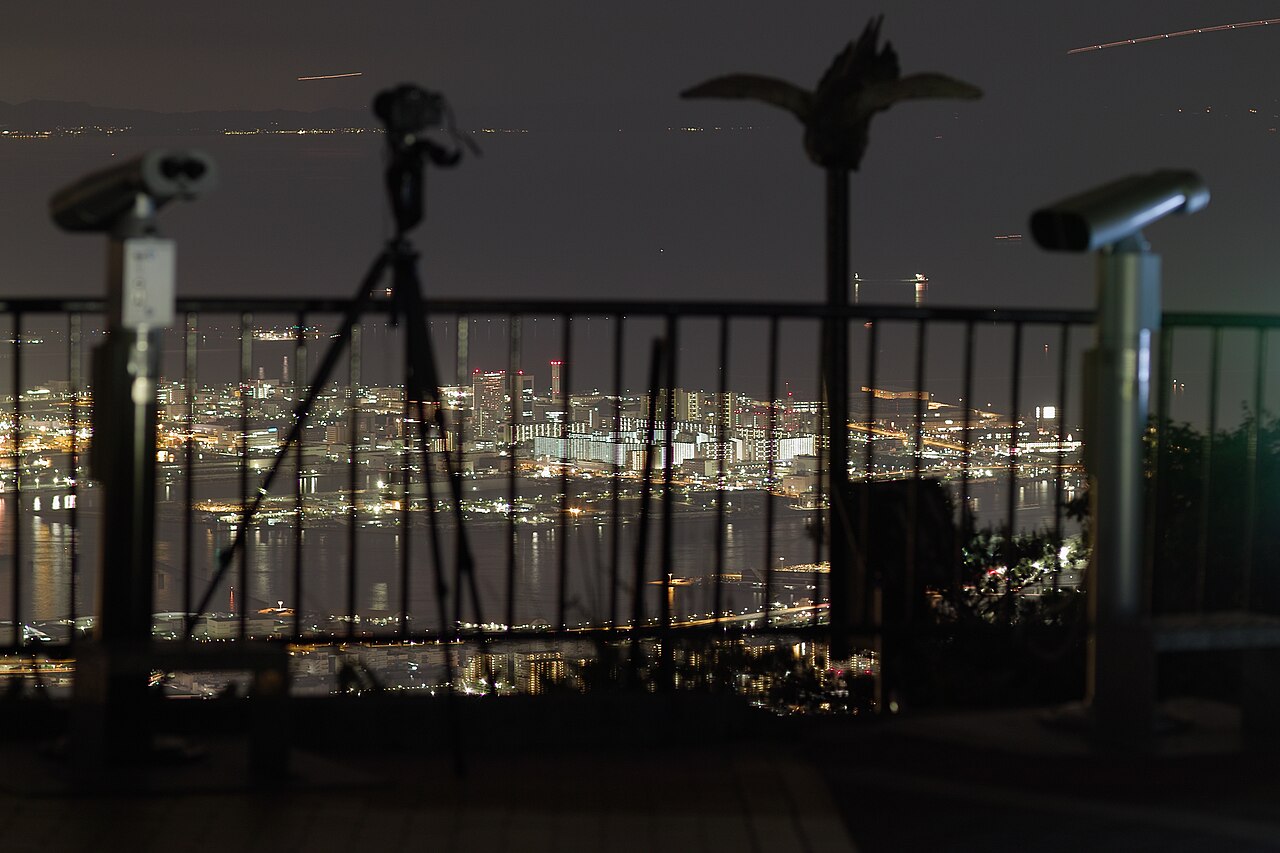
Looking out from a night-view lookout takes in a view that spreads from Kobe and the Osaka plain toward the Wakayama direction. After dark the same outlook becomes a night view, and the lookout has been selected as a Japan Night View Heritage site. In the snow season, Rokko Snow Park has a sledding slope separated from the ski slopes, where visitors also build snowmen. For an overnight visit, compare places to stay near Mount Rokko.
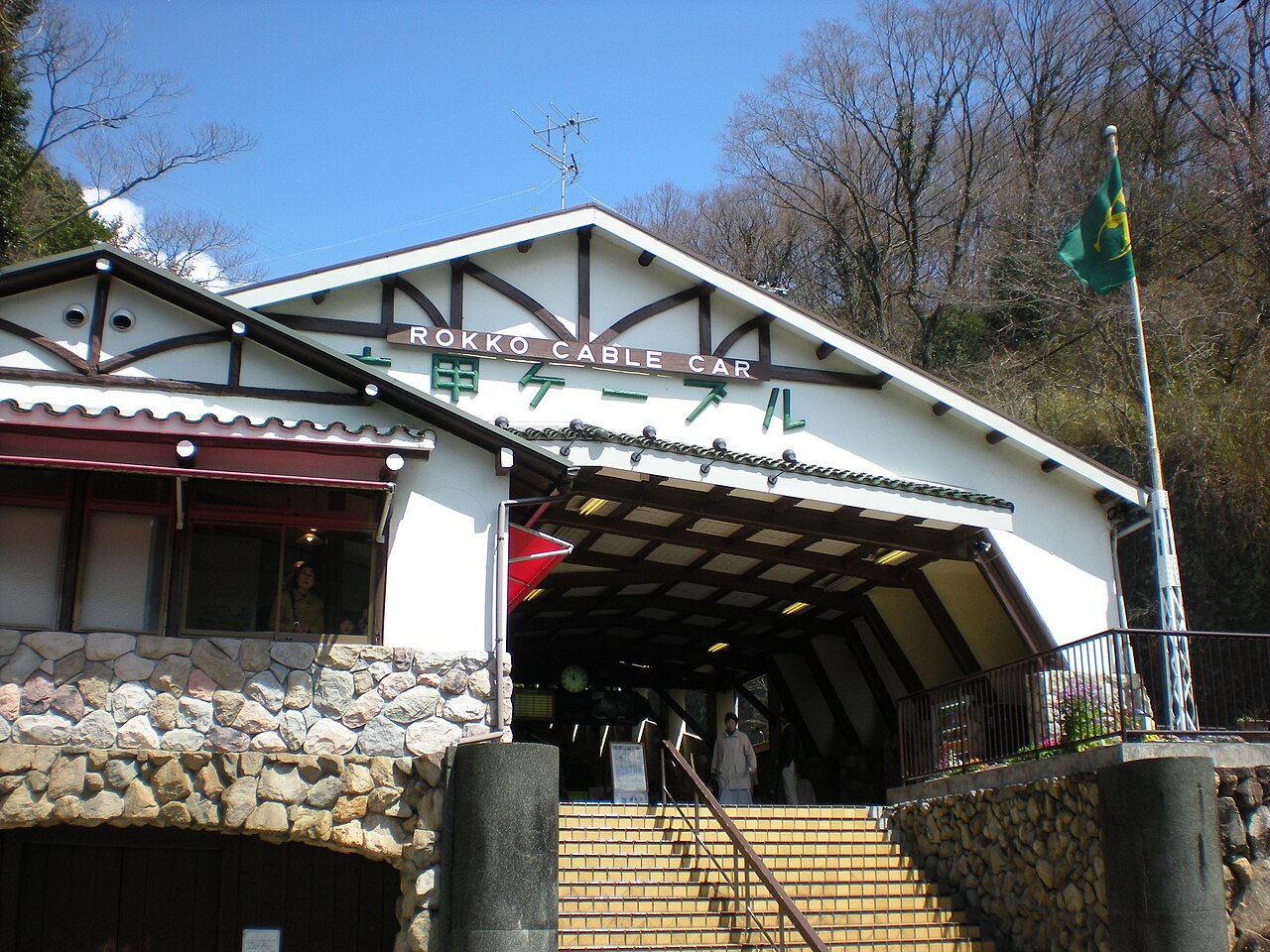
Getting to Mount Rokko: Cable, Ropeway, Fares and Winter Notes
New to rural buses and one-man trains? See how to ride them, step by step.
Details below follow the official guides.
| Item | Details |
|---|---|
| Rokko Cable | one way eight hundred yen, round trip one thousand five hundred fifty yen; about ten minutes; IC cards cannot be used |
| Bus to the lower cable station | Kobe City Bus line sixteen from Hankyu Rokko about fourteen minutes, from JR Rokko-michi about nineteen, from Hanshin Mikage about thirty-two |
| Rokko-Arima Ropeway | one way one thousand four hundred yen, round trip two thousand five hundred twenty yen; twelve minutes between Arima Onsen Station and the summit station |
| Rokko Shidare | adults one thousand yen, children five hundred yen, ages three and under free |
| Music box museum | open ten to five; music box assembly workshop from three thousand eight hundred yen, admission separate |
| Rokko Snow Park | December fifth to March seventh; adults two thousand eight hundred yen, children one thousand four hundred yen; Snow Land nine to five |
| Combination tickets | Rokko-Arima through ticket two thousand four hundred fifty yen; East Rokko pass two thousand three hundred yen; mountain-top bus one-day ticket eight hundred yen |
For a hot-spring day out beyond the ropeway, see the Arima Onsen day trip. For the city below, see Kobe.
Thinking of staying overnight?
Compare places to stay near Kobe, Hyogo, Japan →
Disclosure: This post may contain affiliate links. If you book through them, we may earn a commission at no extra cost to you.