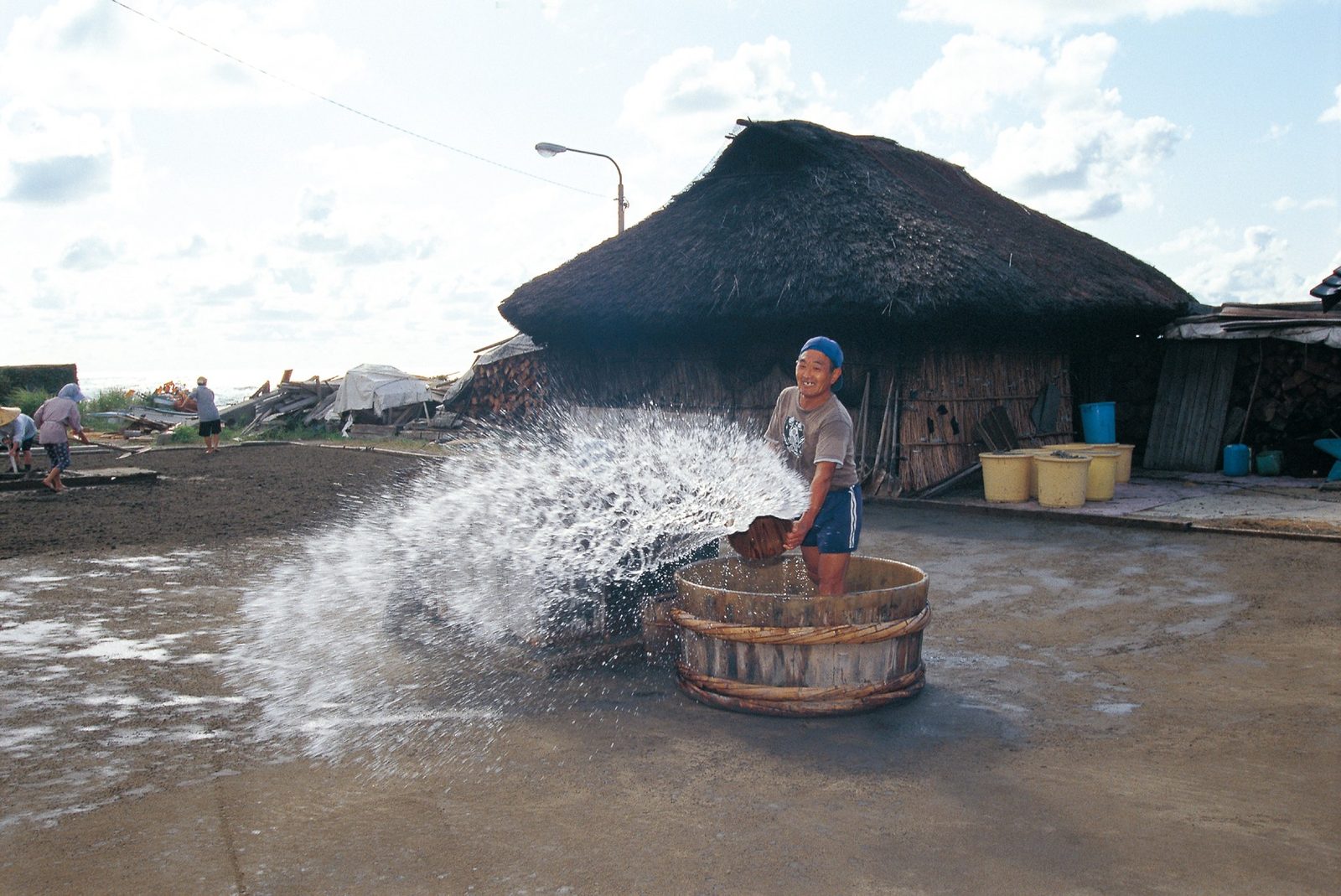
Suzu sits at the tip of the Noto peninsula in Ishikawa, exactly where the outer coast and the inner coast meet. Salt is still made in Suzu by a method handed down in the Noto region for about five hundred years. The museum at Michi-no-Eki Suzu Shiotamura passes on that tradition, and the white lighthouse at Rokkosaki watches over the cape itself.
Michi-no-Eki Suzu Shiotamura
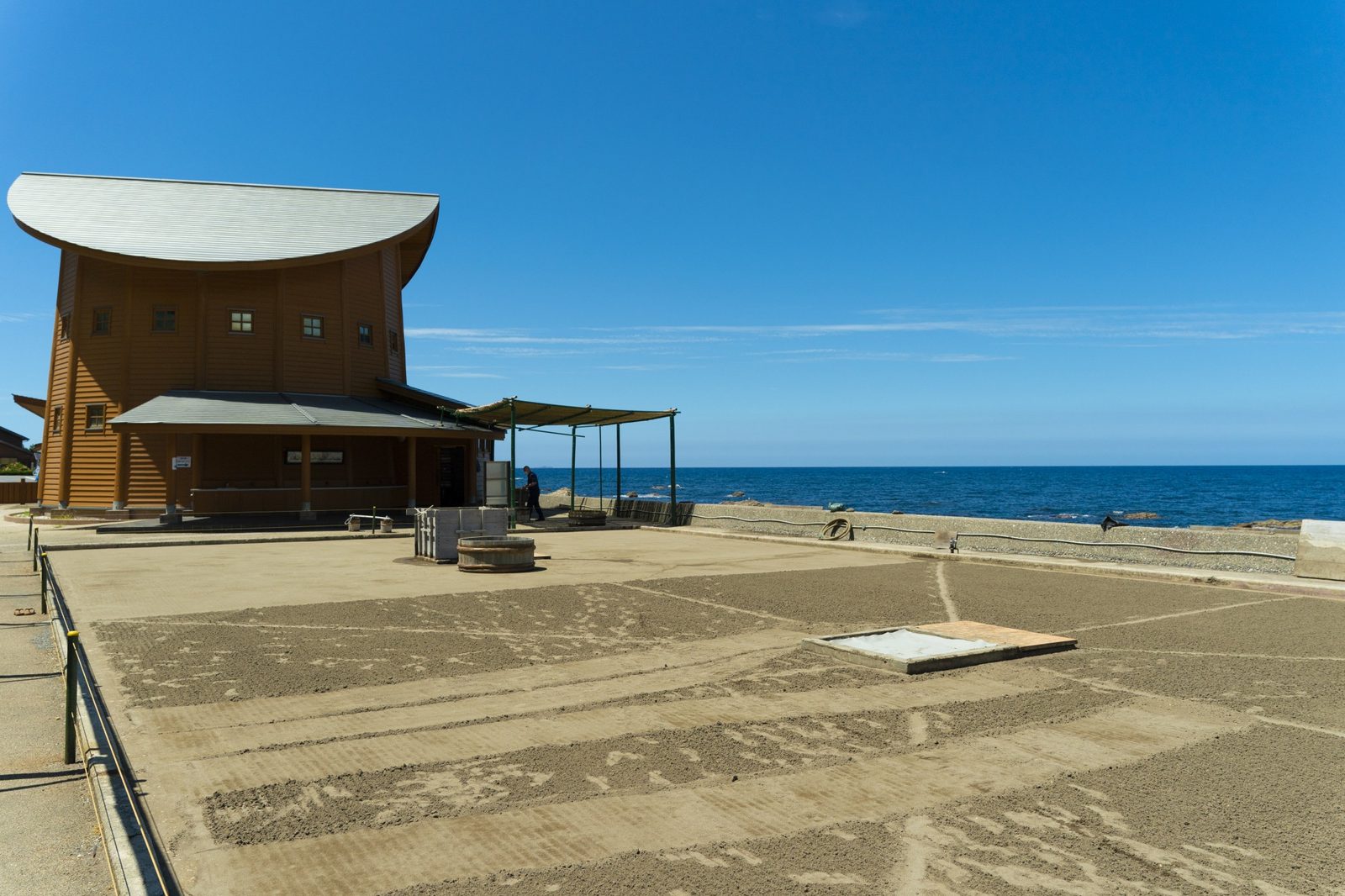
Michi-no-Eki Suzu Shiotamura is a salt museum built to pass on a method handed down in Noto for about five hundred years. At the facility, visitors can buy local souvenirs and try the salt making for themselves.
The salt is boiled down in the kiln and is finished in about five to seven days. Anyone can watch while work is going on at the kiln, where the fire must be tended the whole time it burns. A single craftsman does the fire adjustment alone, because that adjustment calls for advanced skill.
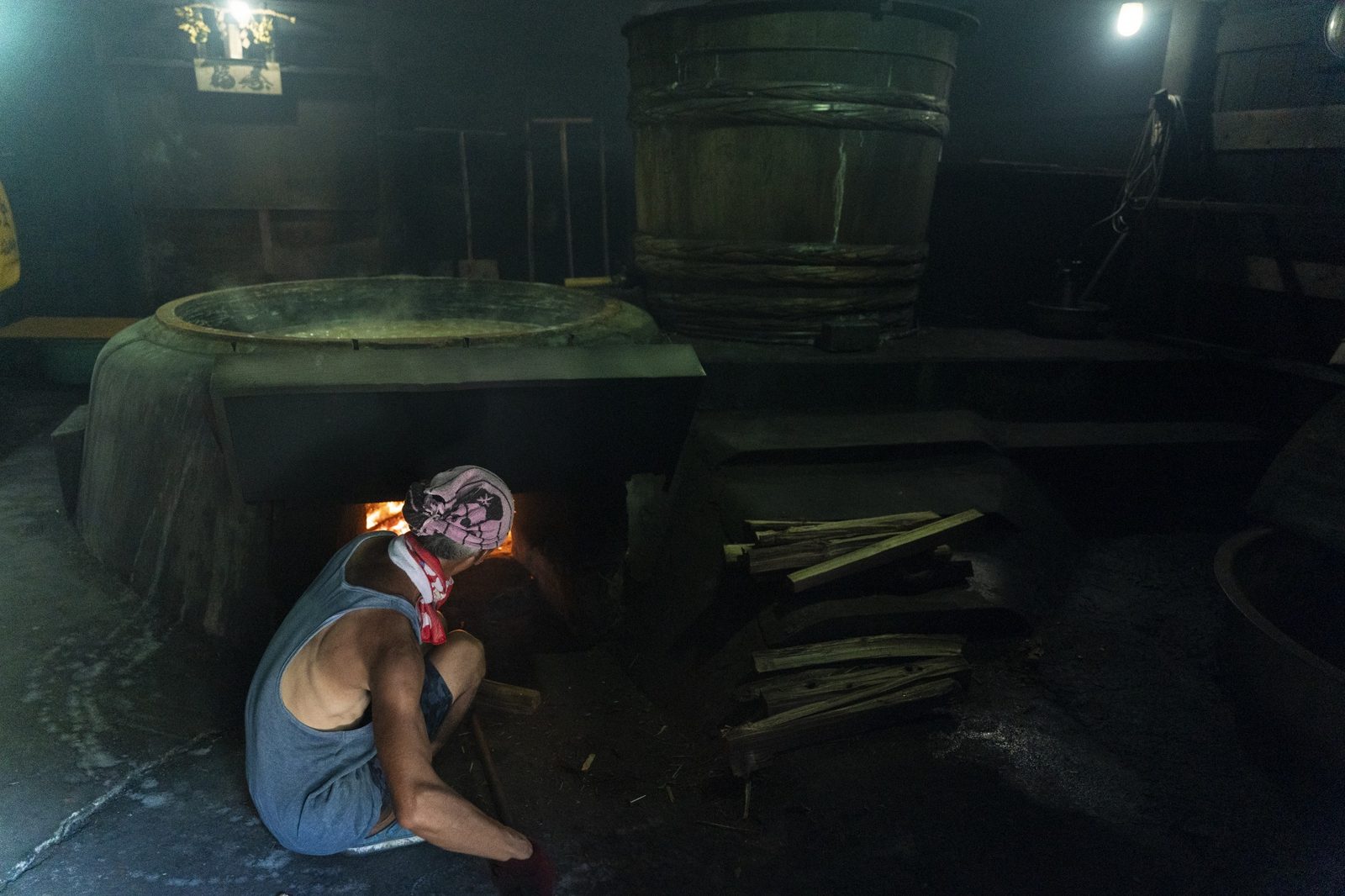
The fire burns wood taken from the mountain beside the site, not waste lumber. The facility's own explanation is that salt is made not from the sea but from the mountain, since mountain and sea stand close together here. If a single afternoon in Suzu has to be split between stops, the kiln and its tended fire justify the longer stay.
Mitsukejima
Mitsukejima lost its south-east half to the earthquake, and the appearance of the island changed greatly. The island is said to be one that a Buddhist master discovered while crossing the sea to Noto to spread Buddhism. The name Mitsukejima itself is said to derive from the Japanese word meaning found.
The Pokemon monument stands beside Mitsukejima, and the monument depicts several other characters as well. Anyone standing in front of the monument can have a photo taken with the Pokemon there. For families travelling with children, the Pokemon monument gives the stop at Mitsukejima its focus.
A bench is shaped as one of the Pokemon, and couples who meet there are said to be promised eternal love. Around the bench, many figures of the same Pokemon are set up as if they were swimming. Three signboards have been installed along the walkway that leads to the monument itself.
Rokkosaki Lighthouse
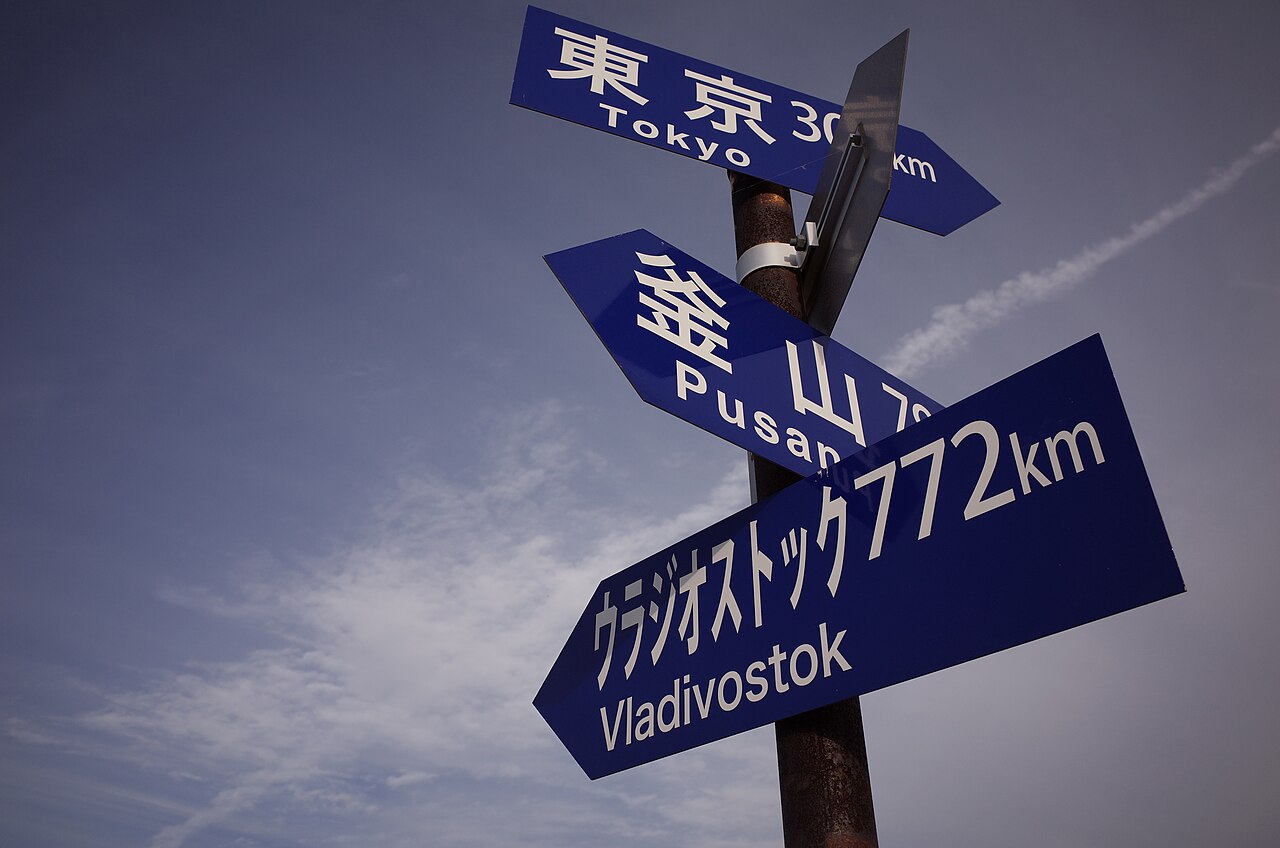
Rokkosaki Lighthouse is a white lighthouse built in the Meiji era to a design by Japanese people. The cape marks the boundary between the outer coast and the inner coast at the tip of Noto. The sunrise from the sea and the sunset into the sea can both be seen from the same spot on the cape.
The lighthouse is unmanned and cannot be entered, but it is opened to the public a few times a year. A clearing partway up the slope to the lighthouse looks out on a fishing harbour and a headland. The plateau at the top is a maintained plaza with buildings and monuments including Panorama House.
Below the headland spreads white reef rock, a surface exposed after uplift by crustal movement. The reef was previously slightly covered by seawater, but the earthquake lifted it clear, and it stands completely above the water. The lens of Rokkosaki Lighthouse was broken in the same earthquake, and the tower was otherwise damaged.
Soy-milk soft serve made with soybeans is rich but not too sweet, and leaves a light aftertaste. A craft beer brewed with soybean okara drinks fruity, with a faint soybean umami behind it.
Something Else Is Possible at the Old Takojima Terminus
Something Else Is Possible places colourful frames on a former track bed, spreading in a spiral toward the old terminus. The frames give a dramatic change of view, as if the walker were travelling through the area's past and on toward its future.
That terminus opened as the final stop of a railway line and fell out of use when the line was abolished. The spiral is a permanent work of an international art festival and can be visited at any time after the festival period has ended.
Kinoura Village
Kinoura Village is a cottage-style lodging and activity facility in the northern part of the Noto peninsula, surrounded by satoyama and satoumi. The facility has started a programme in which guests draw seawater and make salt themselves. Cafe Breeze, attached to the facility, serves dishes made with ingredients from the area.
Rock-pool play and snorkelling are both available at the seaside at Kinoura Village itself. A comparatively calm beach lies a short distance away from that stretch of seaside. Some places have become walkable because of uplift, and newly found rocks and seaside scenery can be seen there.
The area around Kinoura Village has few streetlights and becomes very dark at night. A night in one of the cottages puts that darkness right outside the door.
Plants and flowers at the same spot change in appearance as each season comes round. In summer, sea play is available, and the sea wind is pleasant in the shade. In winter, waves and wind are strong on the Sotoura coast, and the scenery changes completely.
To stay overnight in the area, browse places to stay in Suzu.
Getting to Suzu
New to rural buses and one-man trains? See how to ride them, step by step.
| Leg | How | Time or cost |
|---|---|---|
| Noto Airport to Mitsukejima | By car | About 40 minutes |
| Mitsukejima, from the public transport stop | Public transport, then on foot | 20 minutes on foot |
| Suzu City to Michi-no-Eki Suzu Shiotamura | By car | About 30 minutes |
| Climb entrance opposite Michi-no-Eki Roku to Rokkosaki Lighthouse | On foot | About 8 minutes |
Hours and Fees
| Place | What | Hours or fee |
|---|---|---|
| Michi-no-Eki Suzu Shiotamura | Hours | March to November 9:00 to 17:00; December to February closing one hour earlier; no closing days since April 1, 2025 |
| Museum at Michi-no-Eki Suzu Shiotamura | Admission | 100 yen for adults; 50 yen for children up to junior high school |
| Salt-making experience at Michi-no-Eki Suzu Shiotamura | Two-day course | 3,500 yen for adults and children |
| Michi-no-Eki Roku | Hours | Friday 12:00 to 16:00; Saturday and Sunday 10:00 to 17:00; resumed May 2025 |
Fees and hours were checked against official sources on 9 November 2026.
Thinking of staying overnight?
Compare places to stay near Suzu, Ishikawa, Japan →
Disclosure: This post may contain affiliate links. If you book through them, we may earn a commission at no extra cost to you.