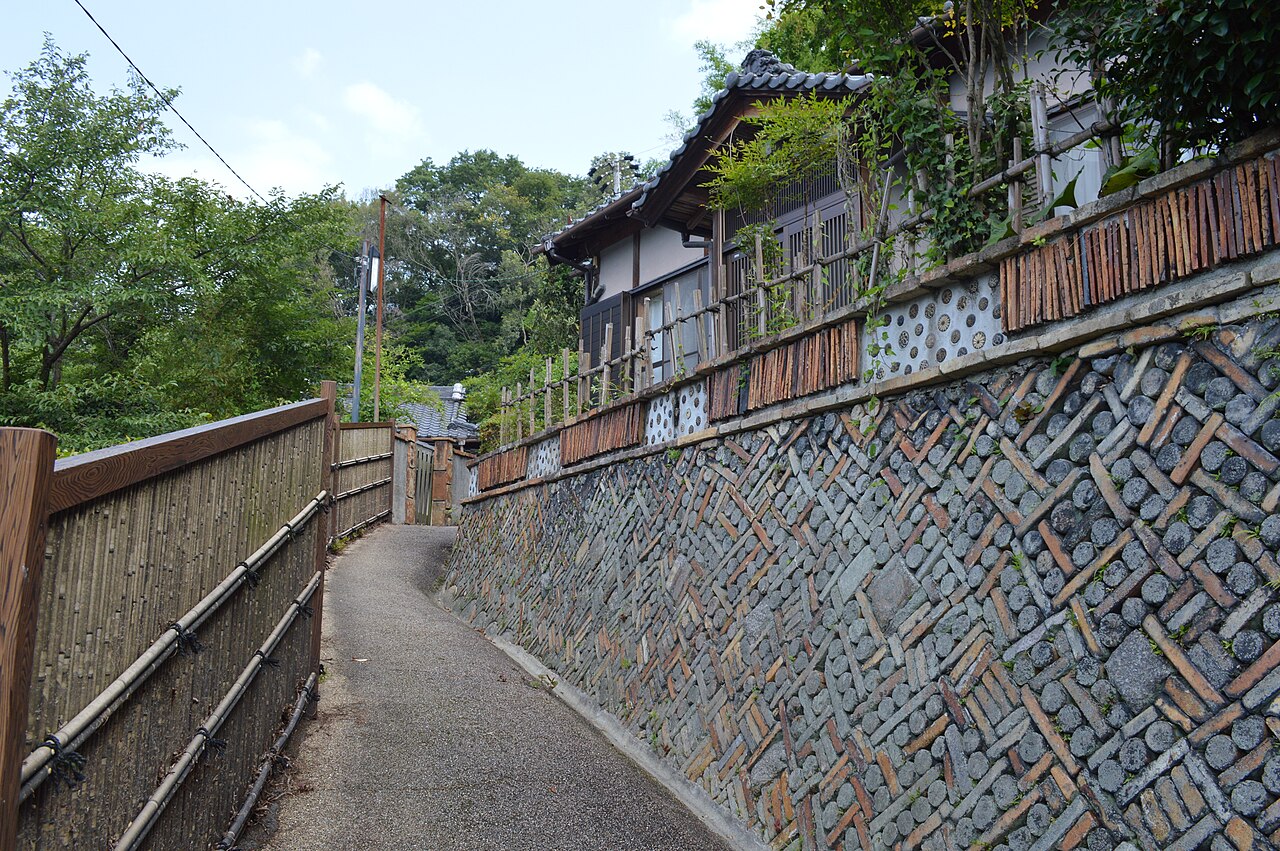
Seto, in Aichi, is counted as one of the Six Ancient Kilns of Japan, and the pottery behind that standing is still made there. Ceramic making in Seto has continued since the Heian period, and walls built from stacked kiln tools still line a lane in the town. Visitors can also try pottery making at Ichirizuka Hongyougama, a workshop that has continued since the Meiji era.
Kamagaki, the Kiln-Tool Walls of Seto
Kamagaki is the name for walls and stone walls built by stacking kiln tools, and a lane in Seto is lined with them. The word setomono, a byword for pottery, comes from things made in Seto, and the kamagaki lane is where that word turns into walls. The lane is narrow and winding with many slopes, and houses of kiln owners still stand along it today.
Walking along the walls of kiln tools on the lane, with kiln chimneys as landmarks, leads into a sepia-toned original landscape of Japan. Seto has kiln sites of various sizes on its hilly land, and narrow sloping paths lead to the workshops in a tangle like a maze. Kamagaki Lane is the walkable piece of that tangle, with slopes and houses of kiln owners showing the shape of Seto's kiln sites at street level.
Setogura Museum
Setogura Museum is a comprehensive museum of Seto pottery-making, set in the town where setomono got its name. Inside, visitors walk through restored pottery factories and merchant houses set in a Showa-era townscape. Those factories carry the history and culture of Seto ware, so Setogura Museum is the place to begin before the kamagaki walls are seen.
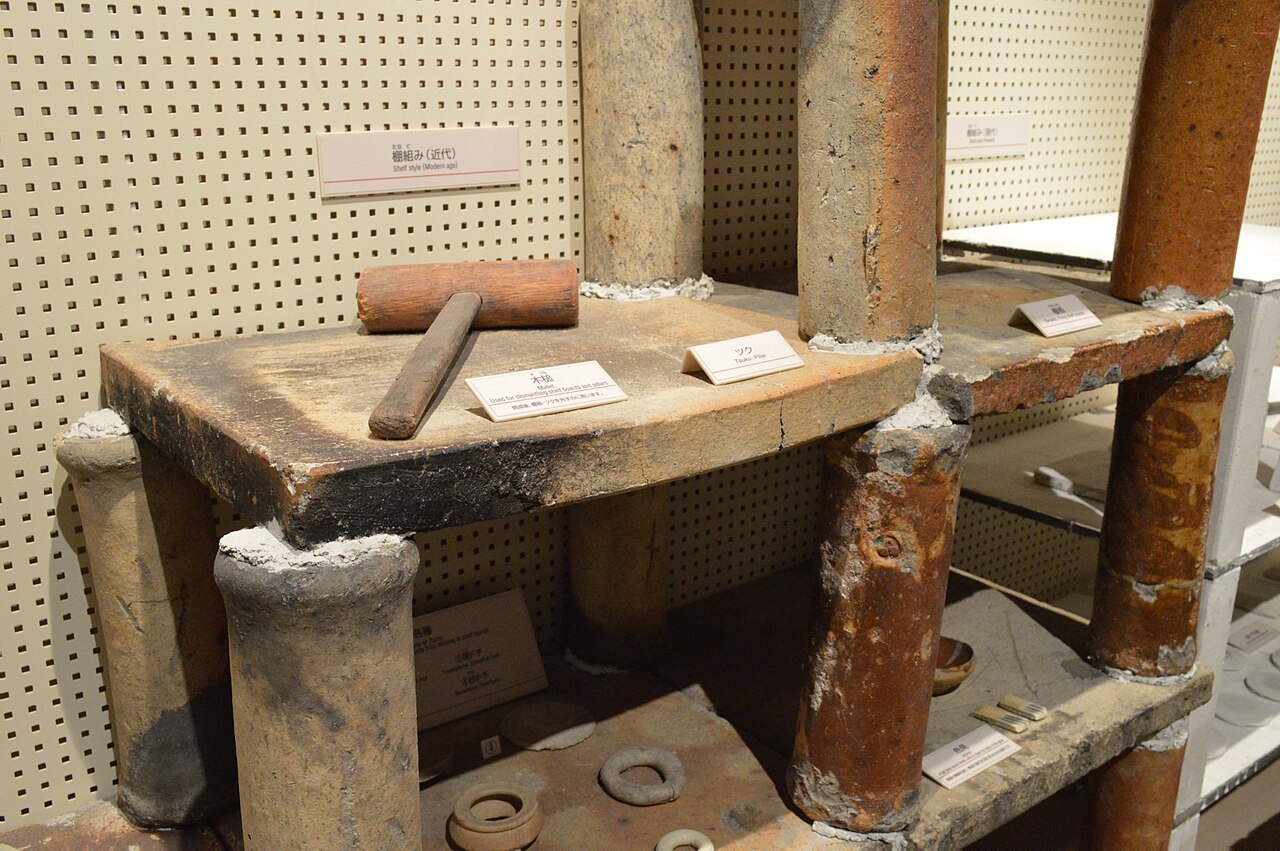
A shop on the first floor of the same building sells goods direct from kilns, so Seto ware can be bought after the exhibits. The goods direct from kilns are the pieces to carry home, since the restored factories have already shown how Seto ware is made. Seto's local dishes include eel and gomoku rice, two names to look for when the day needs a meal.
Seto Sometsuke Kougeikan
Seto Sometsuke Kougeikan is a facility themed on Seto Sometsuke, a traditional ceramic ware of Seto, with an exterior of board walls and earthen walls. An old kiln preserved at the facility is a city-designated cultural property, and it keeps the firing side of Seto Sometsuke in view.
Visitors can see displays of historically significant masterpieces and watch trainees making pottery at the facility. The history and process of Seto Sometsuke are laid out at the facility, and a simple dyeing-painting activity turns the visit from watching into making. For anyone with an afternoon rather than a day, the painting activity and the old kiln are the two things at the facility to put first.
Fukagawa Shrine
Fukagawa Shrine is the shrine of the local guardian deity of Seto, and the ceramic komainu in its treasure hall tie it to the town's clay. According to tradition, the ceramic komainu, an important cultural property, was dedicated by the ceramic ancestor in thanks for good-quality clay obtained through the shrine's oracle.
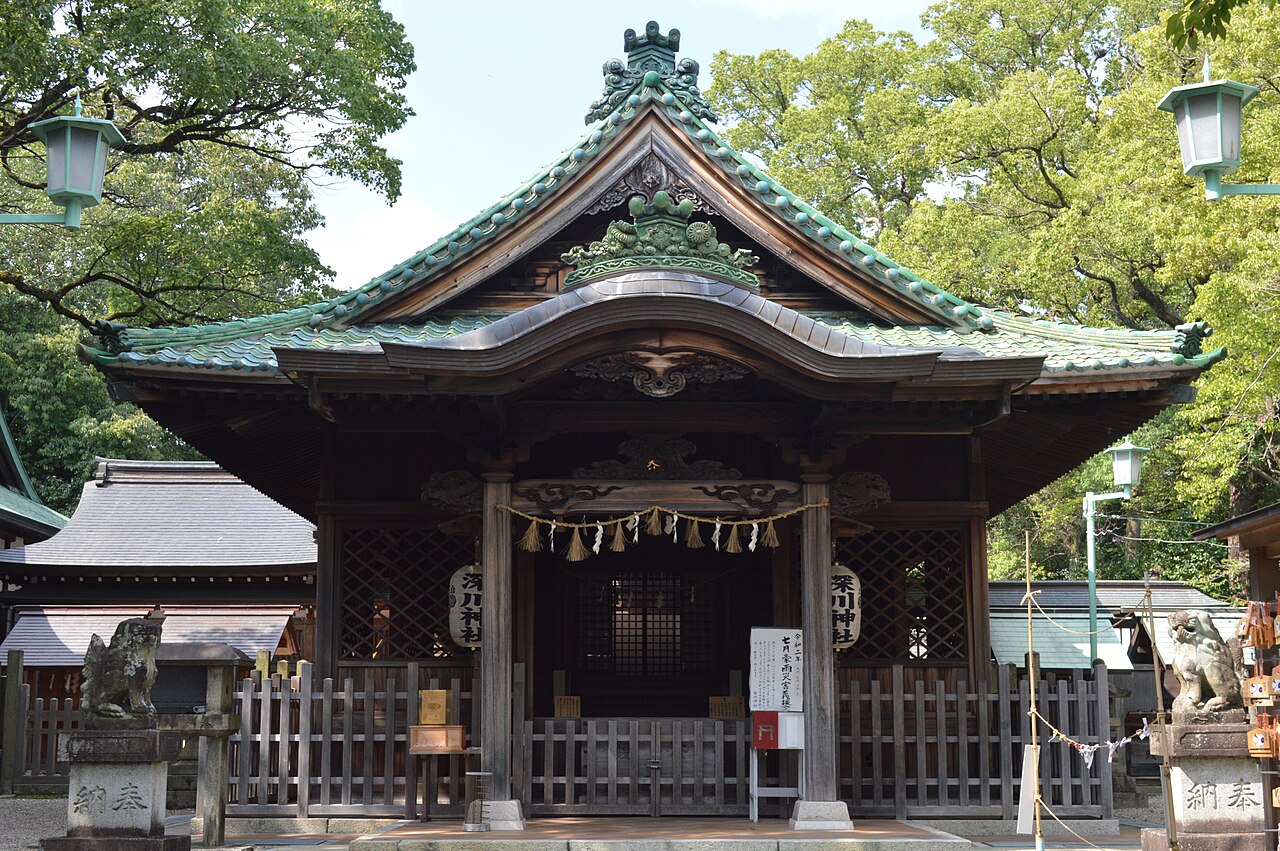
A shrine for the ceramic ancestor holds a festival for him every year, so the ceramic ancestor of that tradition is still honored in Seto. The treasure hall is where the komainu is kept, so a stop at Fukagawa Shrine that skips it misses the link between the shrine and setomono.
Iwayado Park
Iwayado Park lies on the route of a nature walking route, which makes it the green counterpart to the kiln lanes of Seto. The name Iwayado originally refers to a natural stone shrine that derives from a renowned monk, giving the park a story as well as a route.
Fresh green and fireflies are two of the things Iwayado Park offers through the four seasons. Autumn leaves and a waterfall are the others, so the park rewards a return at a different time of year. In autumn, a local group lights up the autumn leaves of Iwayado Park at night, usually for about two weeks.
In summer, a local association sets up a river play area on the river, which turns Iwayado Park into a place for children. No lifeguards are present at the river play area, so a guardian must watch over children, and pets must not be put in the river. A privately run barbecue ground is also inside Iwayado Park, which makes a day at the park easy to stretch into a meal.
To stay overnight in the area, browse places to stay in Seto.
Getting to Seto
New to rural buses and one-man trains? See how to ride them, step by step.
| Leg | How | Time or cost |
|---|---|---|
| Nagoya to Seto, Aichi | Trip as listed (mode not given) | About 50 minutes |
| Meitetsu Owari-Seto Station to Setogura Museum | On foot | 5 minutes |
| Meitetsu Owari-Seto Station to Kamagaki Lane | On foot | 20 minutes |
| Meitetsu Owari-Seto Station to Iwayado Park | Meitetsu bus, then on foot; or taxi | About 25 minutes on foot after the bus. Taxi 20 minutes |
Hours and Fees
| Place | What | Hours or fee |
|---|---|---|
| Setogura Museum | Hours and admission | 9:00 to 17:00 (admission until 16:30). General admission 520 yen. 310 yen for high school and university students and ages 65 and over |
| Seto Sometsuke Kougeikan | Hours, closing and painting activity | 10:00 to 17:00, closed on Tuesdays (the following weekday if Tuesday is a public holiday). Painting activity from 330 yen |
| Ichirizuka Hongyougama | Wheel-throwing pottery experience | From 3,850 yen, cash only |
| Treasure hall at Fukagawa Shrine | Hours and admission | Admission 200 yen. Hours 9:00 to 16:00 |
Fees and hours were checked against official sources on 9 November 2026.
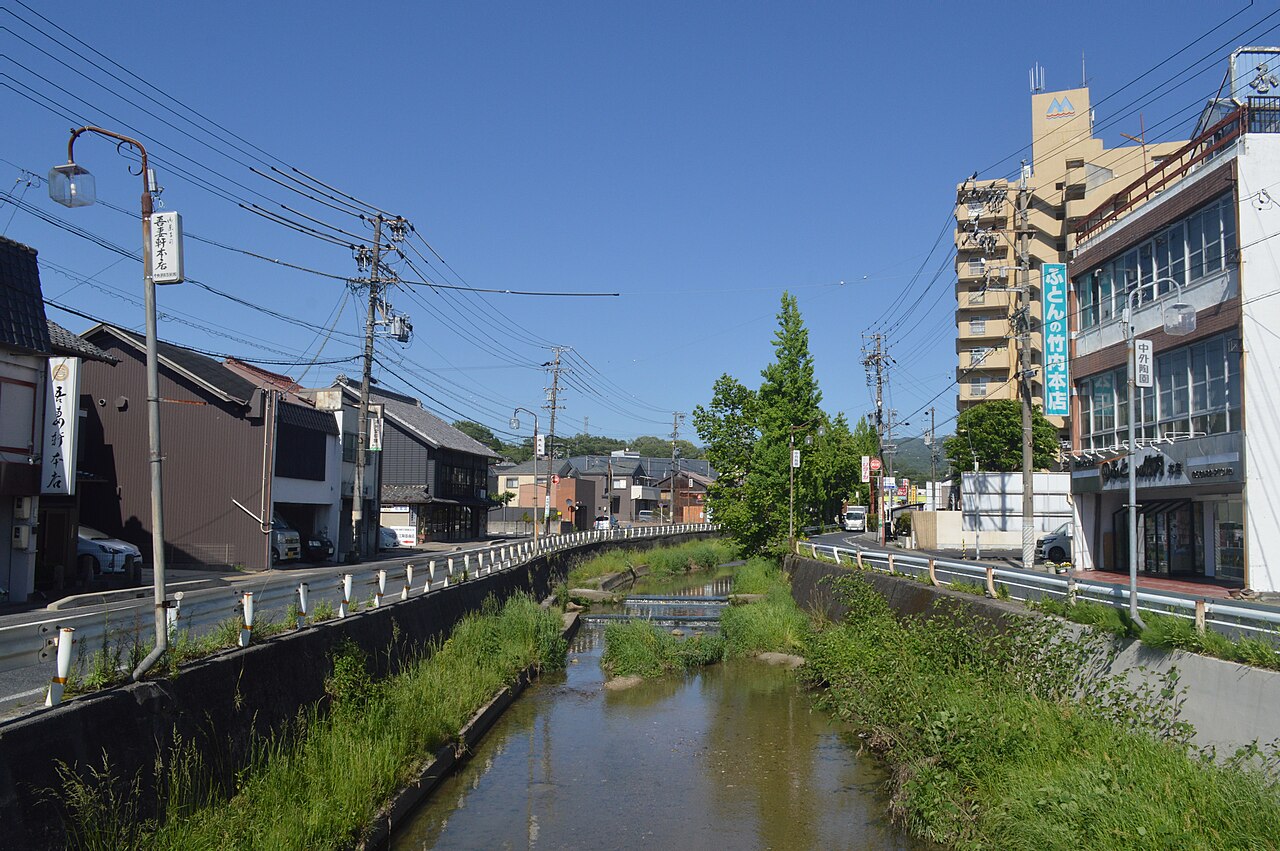
Thinking of staying overnight?
Compare places to stay near Seto, Aichi, Japan →
Disclosure: This post may contain affiliate links. If you book through them, we may earn a commission at no extra cost to you.