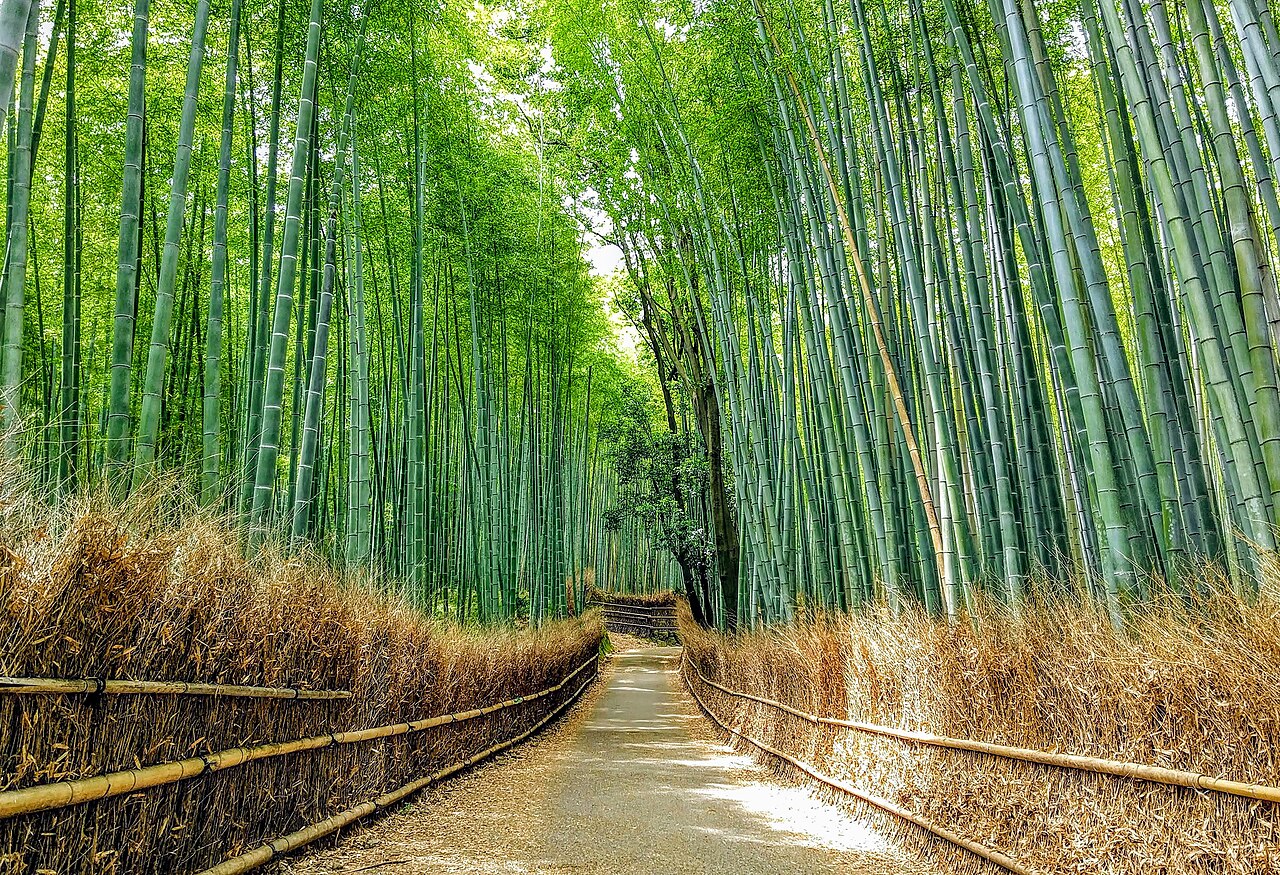
Arashiyama and Sagano: Sogen Pond, the Bamboo Grove and Gio-ji Moss
Otagi Nenbutsu-ji stands at the north end of the Saga and Arashiyama area, and from there visitors can walk downhill through the preserved Saga-Torimoto street…
Calm nature trips across Japan, no car needed.
Interest
67 quiet, car-free trips built around Gardens.
67 guides are filed under this interest across 28 prefectures. The counts below are the number of guides carrying each tag; a guide can carry several tags, and not every guide is tagged on every line.
This page collects guides for travellers who enjoy gardens at a slow pace. Japanese gardens range from large landscape gardens built around a pond and a tea house to small temple gardens of raked gravel and moss, and each is designed to be seen from particular paths and viewpoints. The guides help you decide how long to stay and what to look for, whether that is a borrowed view of a distant mountain, a stone lantern beside the water or the way the light falls through maples. Seasons change a garden more than any other place: plum and cherry blossom in spring, deep green and irises in early summer, red leaves in autumn and a sparse, quiet look in winter. Many gardens charge an entry fee and some close earlier than you might expect, so check the opening details in a guide before you go. Open a guide to see how the visit is arranged around public transport, and use the other categories if you also want to narrow by season, trip length or how you will get there.
Otagi Nenbutsu-ji stands at the north end of the Saga and Arashiyama area, and from there visitors can walk downhill through the preserved Saga-Torimoto street…
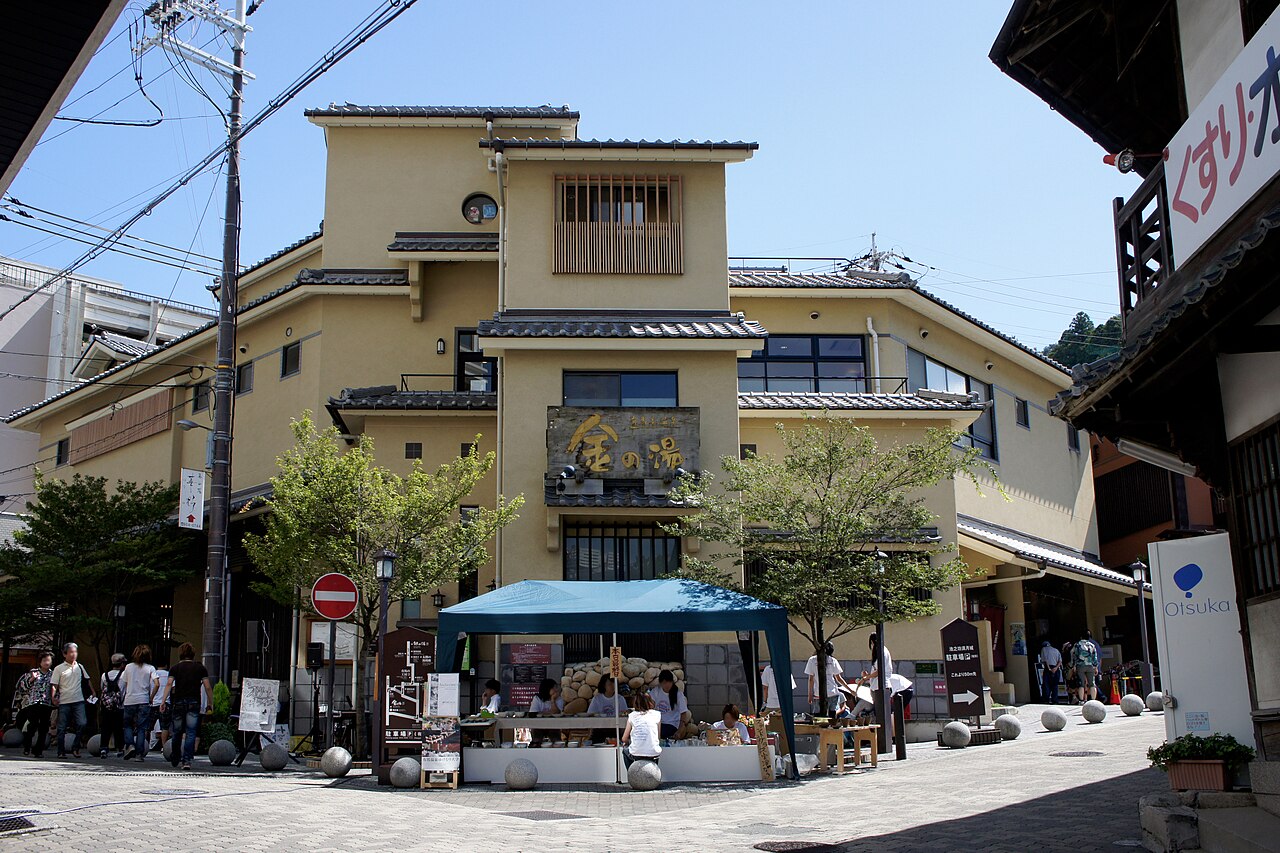
The old town of Arima Onsen is a knot of narrow, winding streets set among mountains, and that terrain gives the town its atmosphere.
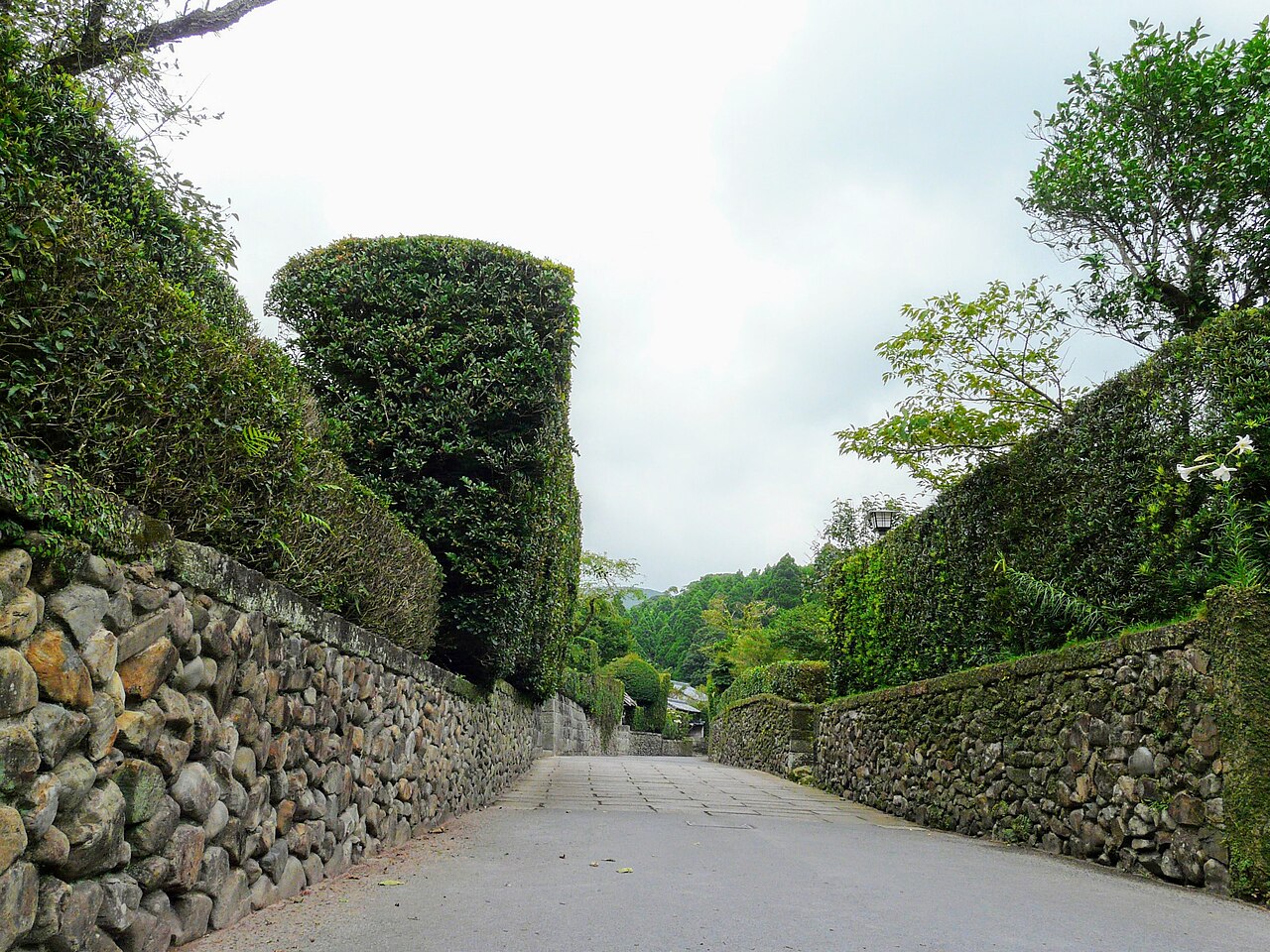
Chiran, in Minamikyushu City, Kagoshima Prefecture, was once one of the outer-castle towns of the Satsuma domain.
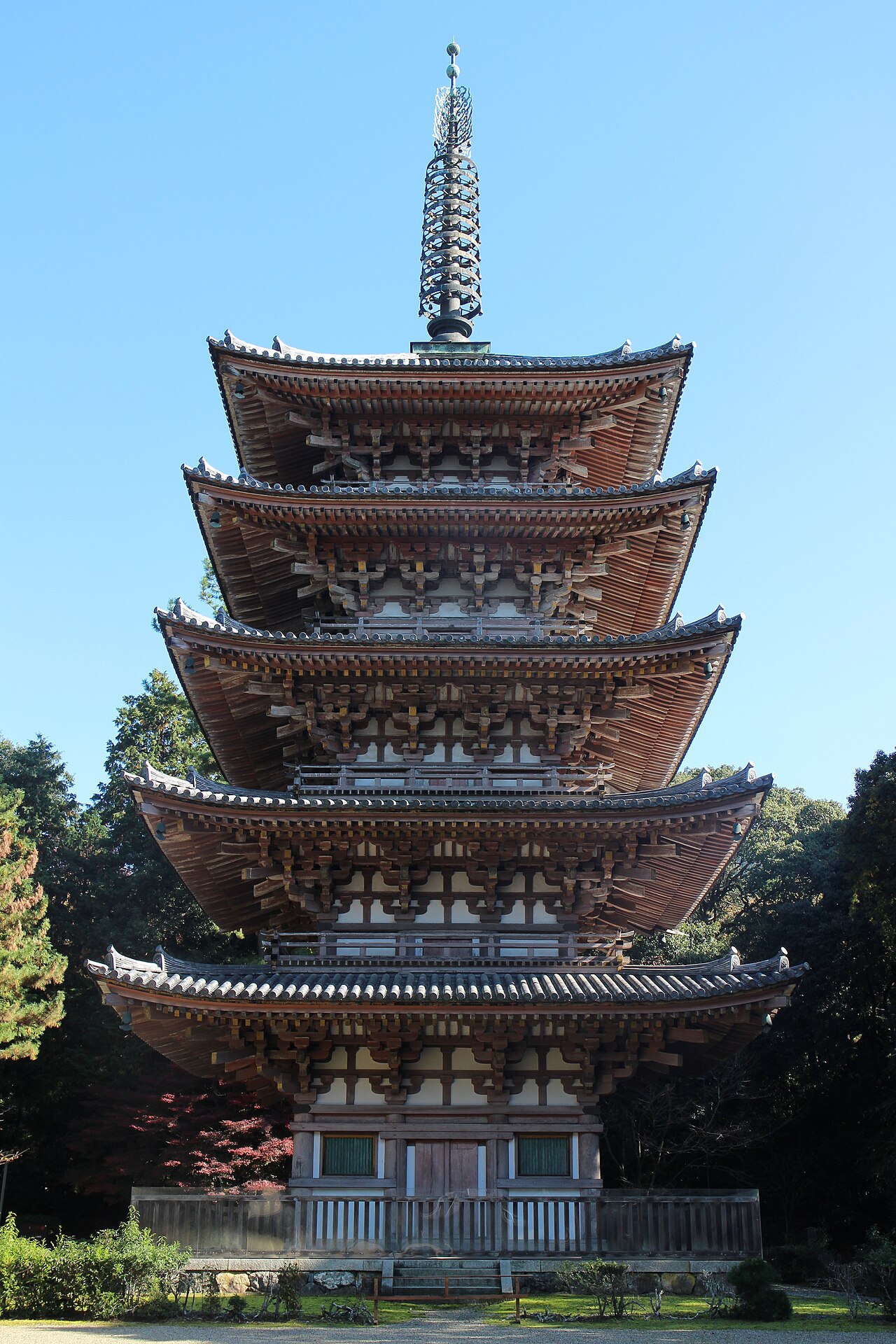
Daigoji began when Shobo carved two Kannon statues, Juntei Kannon and Nyoirin Kannon, built a small hermitage and founded the temple.
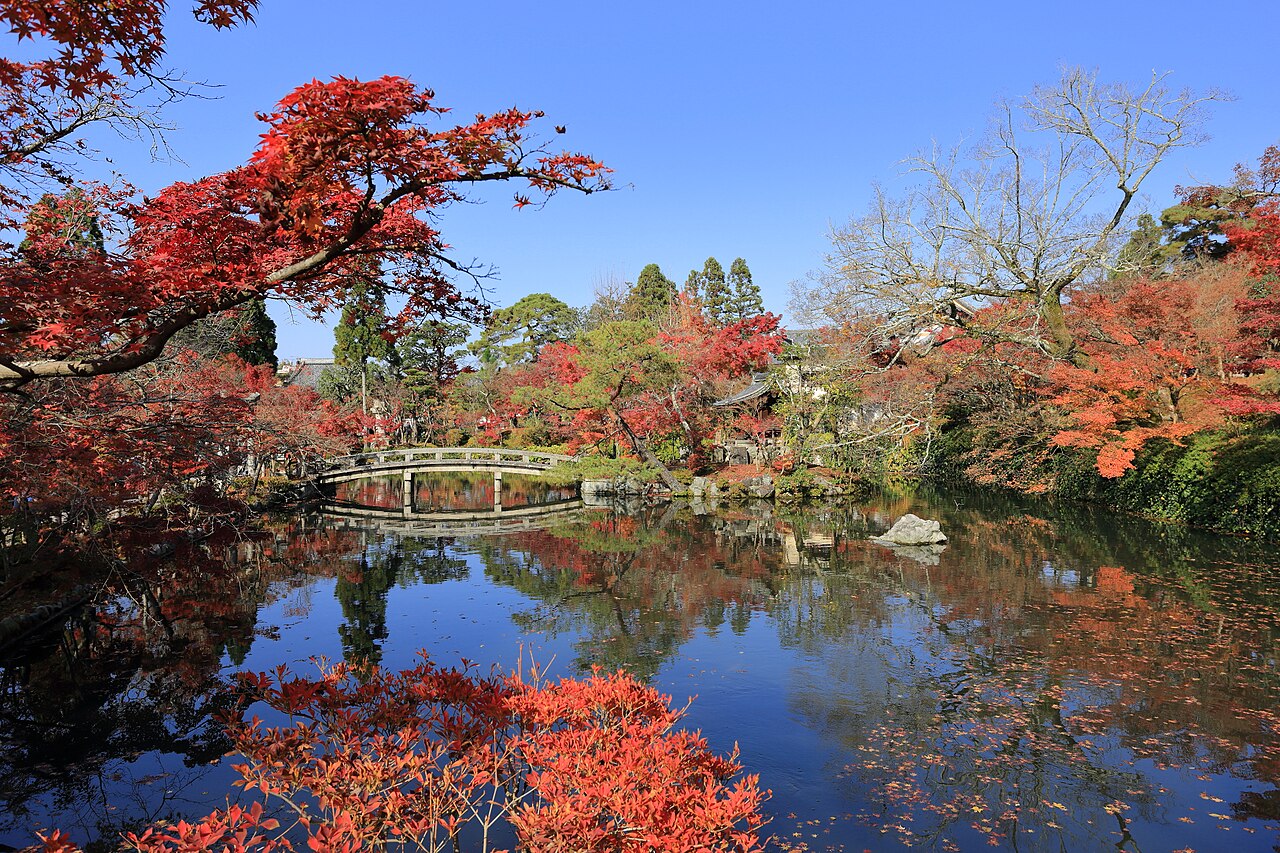
Pouring water gently at the suikinkutsu of Eikando makes a clear sound of water drops.
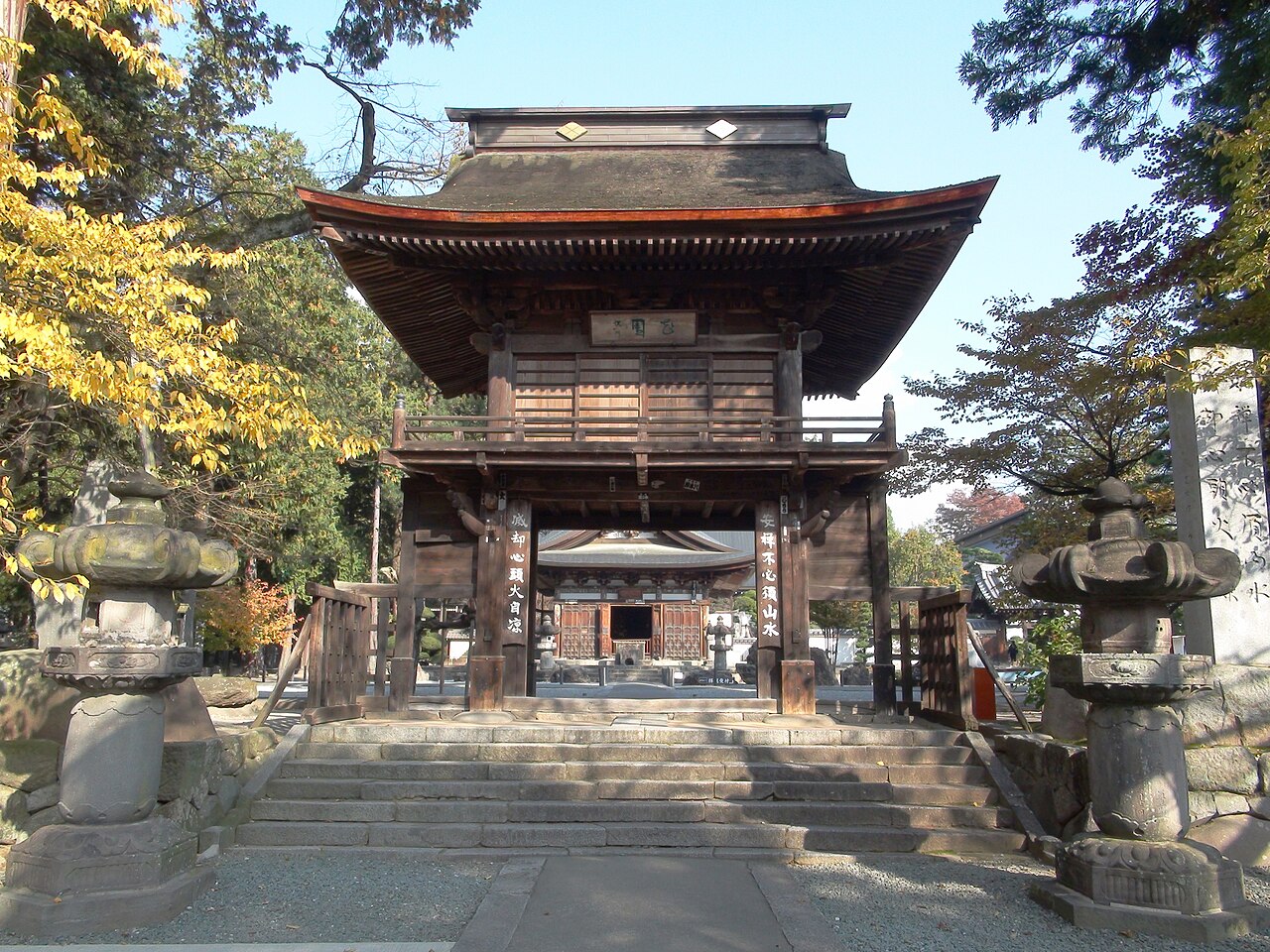
Erinji was founded in the Kamakura period with Muso Kokushi as its founding priest, and it is the family temple of Takeda Shingen.
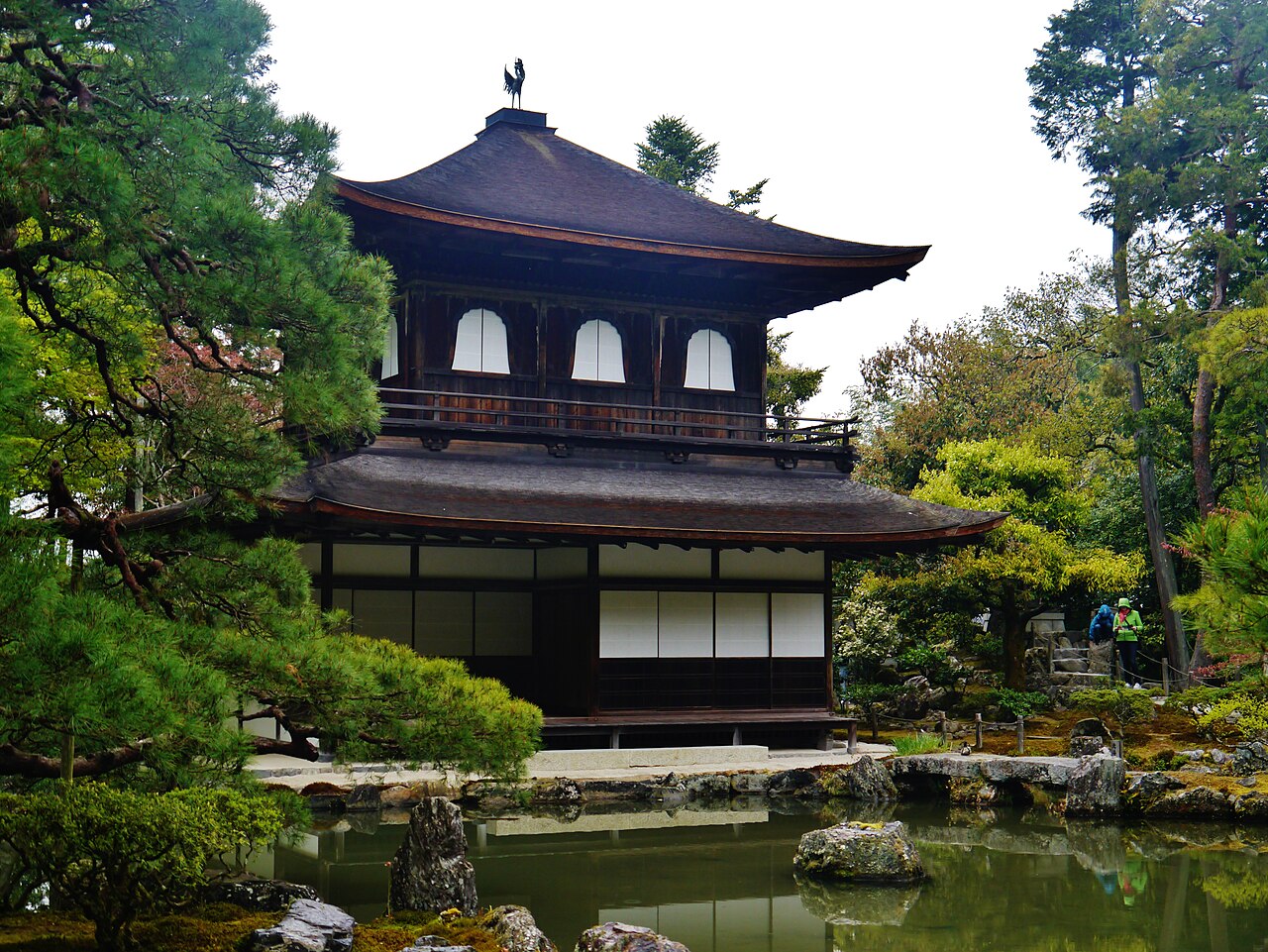
Ginkakuji is a temple garden arranged around a pond, with the national treasure Ginkaku, also called Kannon-den, on its west side and the national treasure…
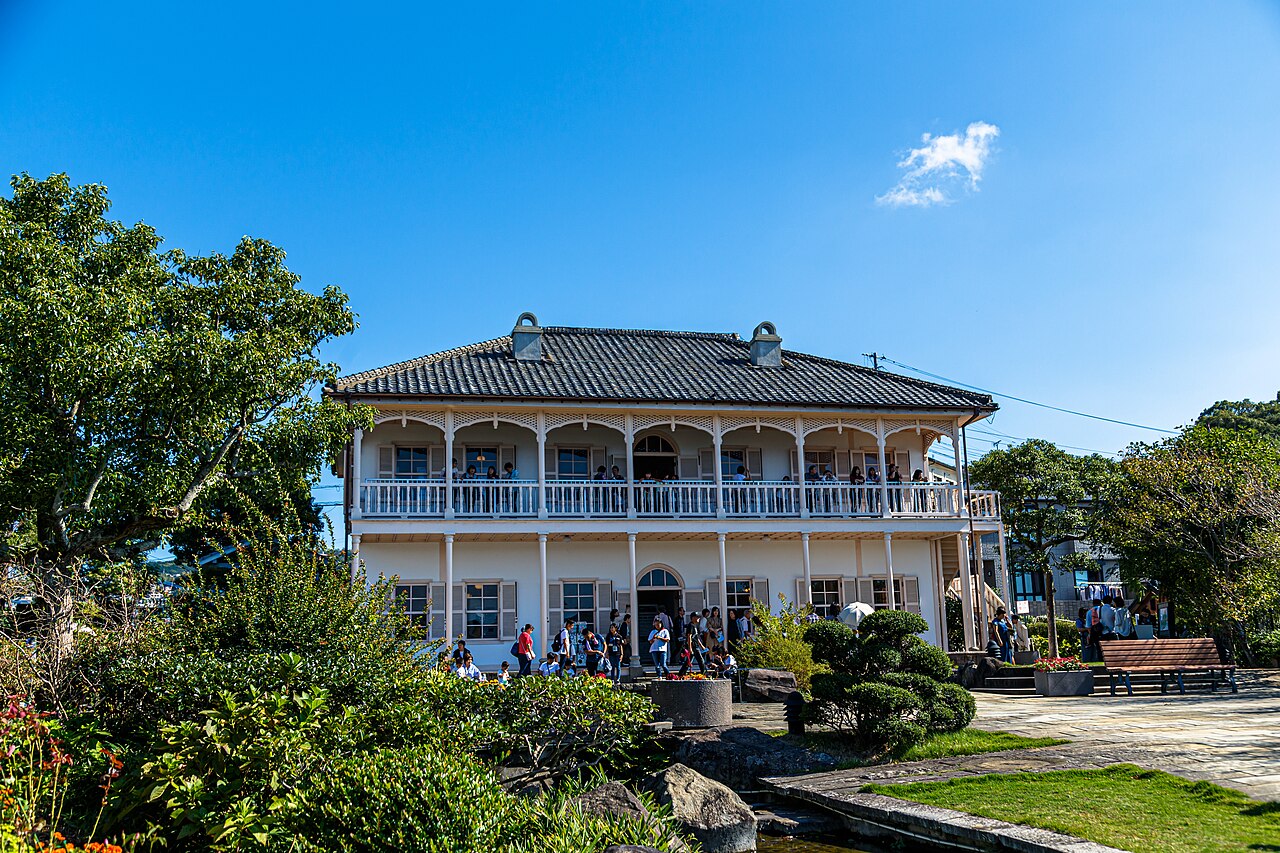
Riding the Glover Sky Road lifts visitors by elevator to a view of sky and slopes.
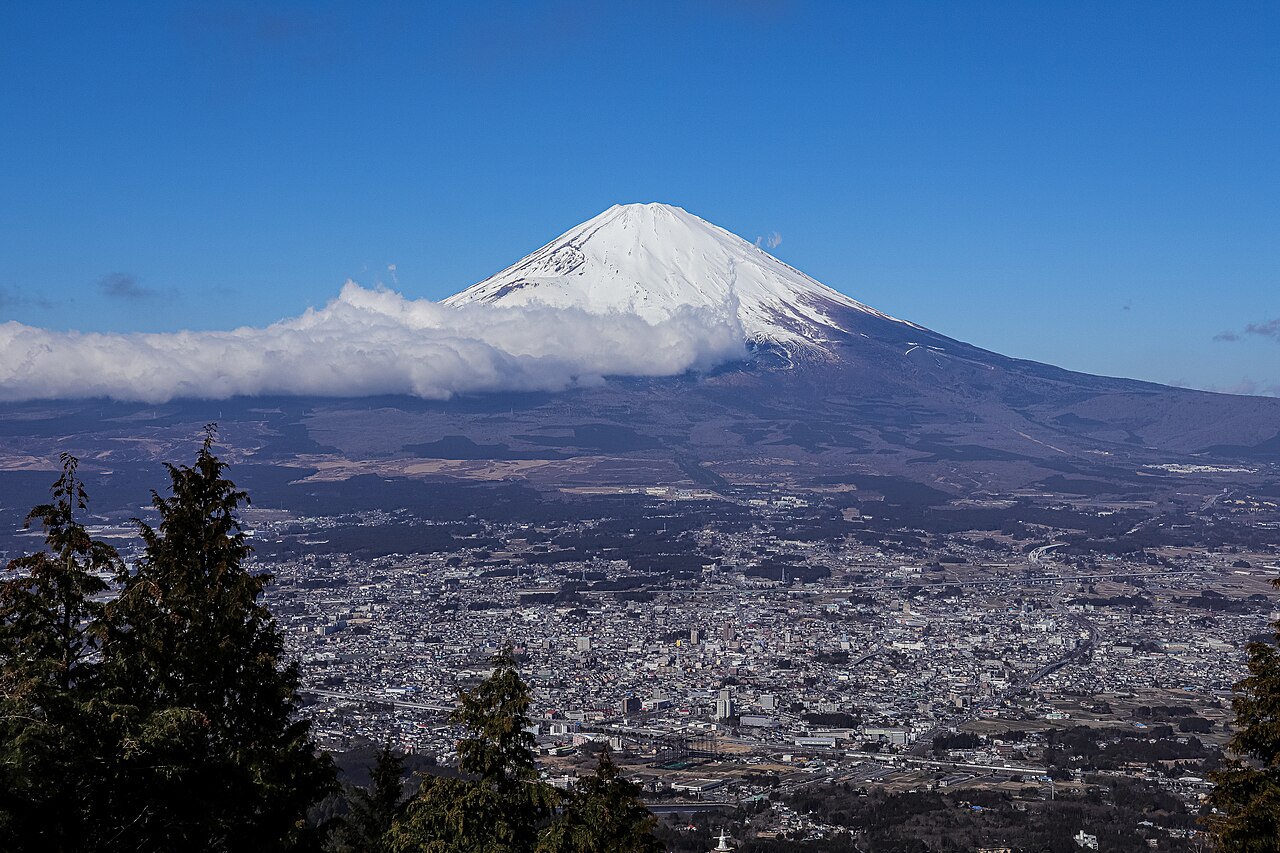
Otome Pass looks straight at Mount Fuji, with the town of Gotemba laid out beneath it.
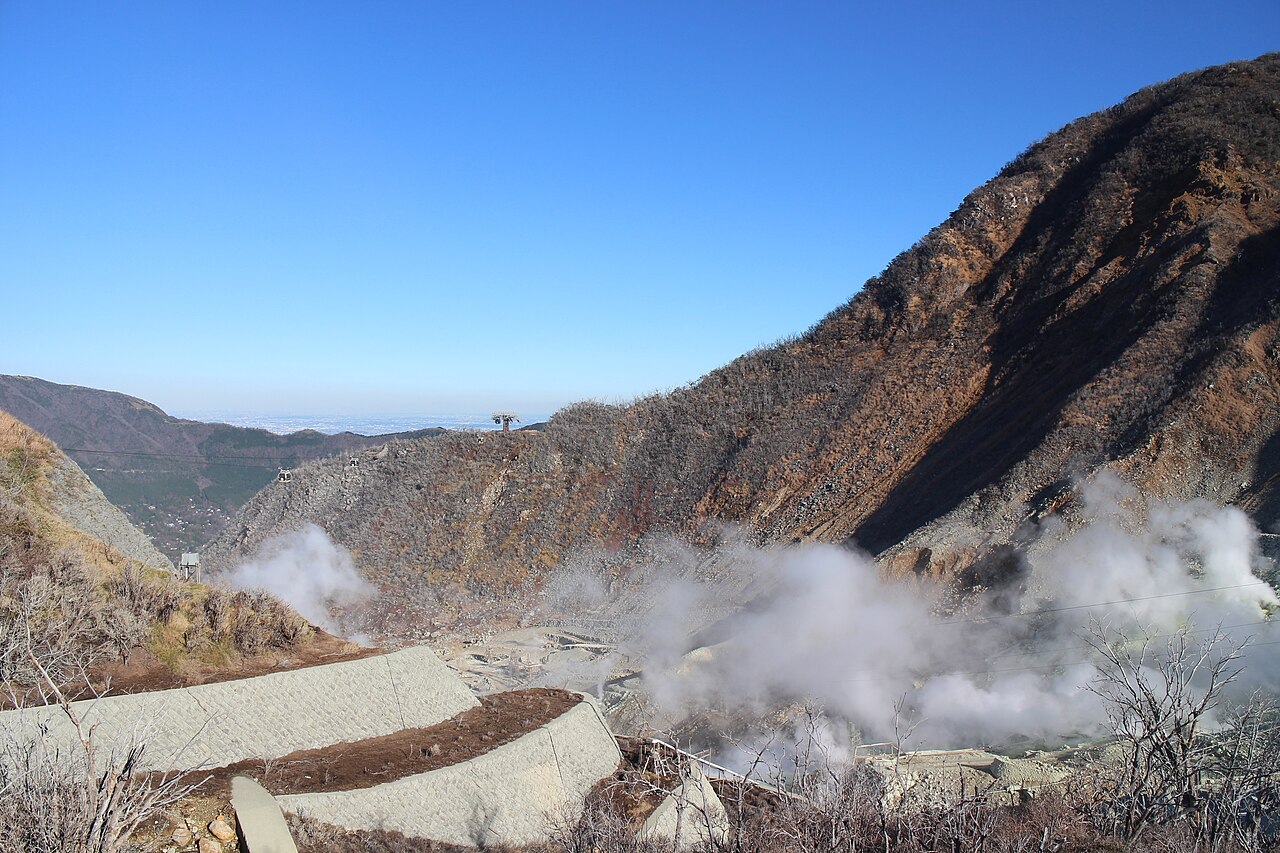
A person called a "steamer" makes black eggs every day in the hot spring pond on Enmadai at Owakudani, in upper Hakone.
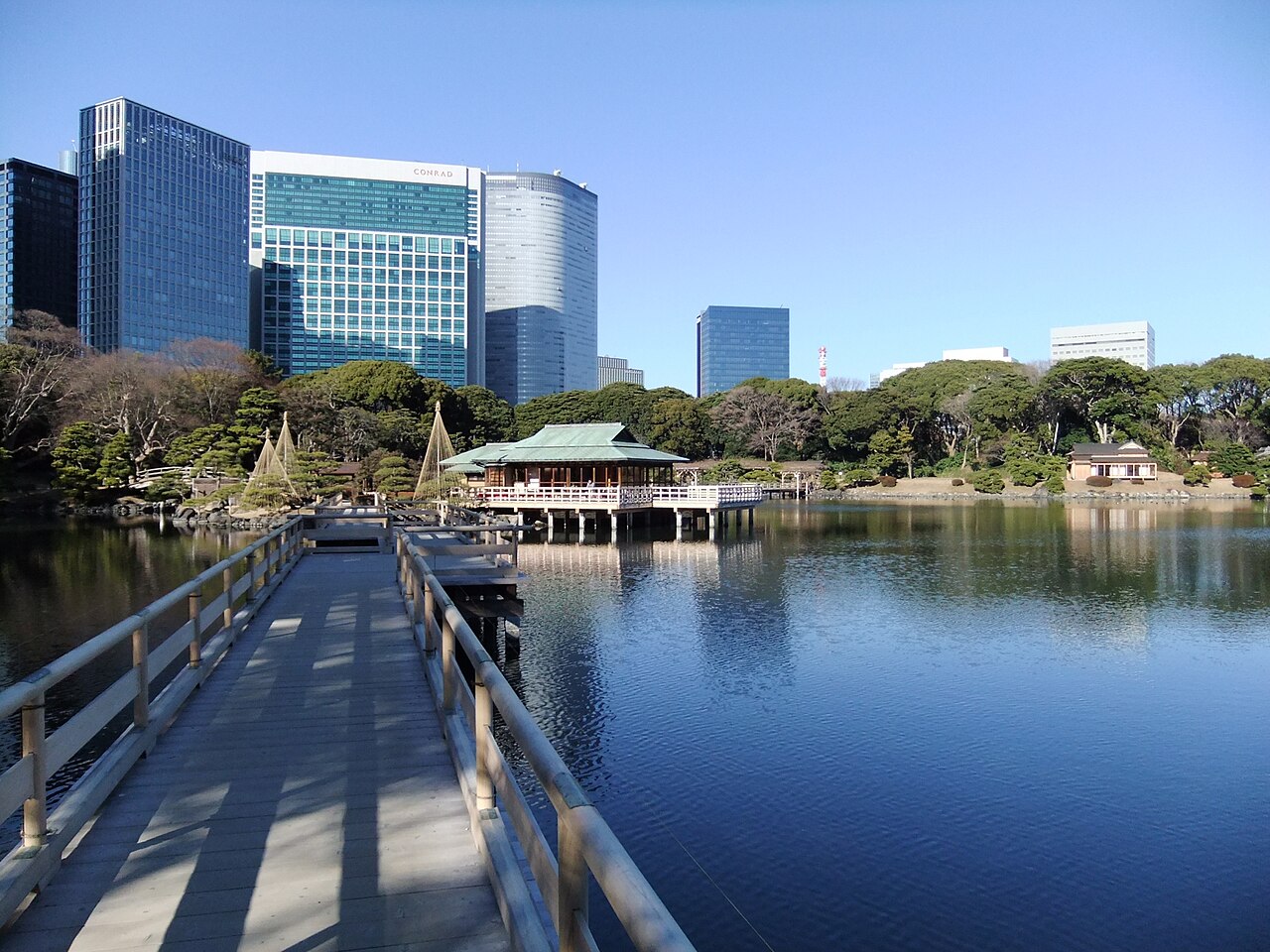
Hama-rikyu Gardens began when Matsudaira Tsunashige, the younger brother of the fourth shogun Ietsuna, reclaimed land from the sea at a former hawking ground…
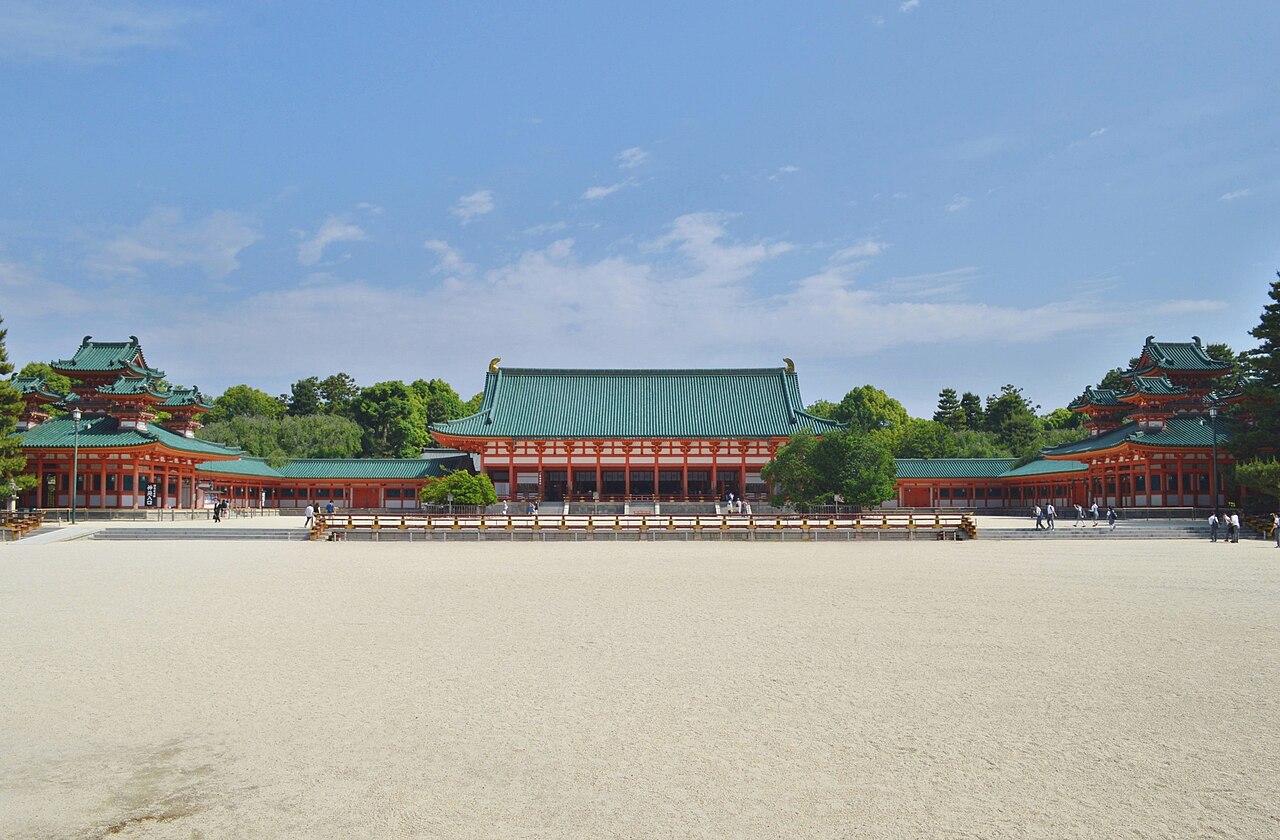
Visitors to Heian Shrine pass through the vermilion-lacquered Otenmon and walk toward the Daigokuden, among buildings that reproduce the Chodoin, the main…
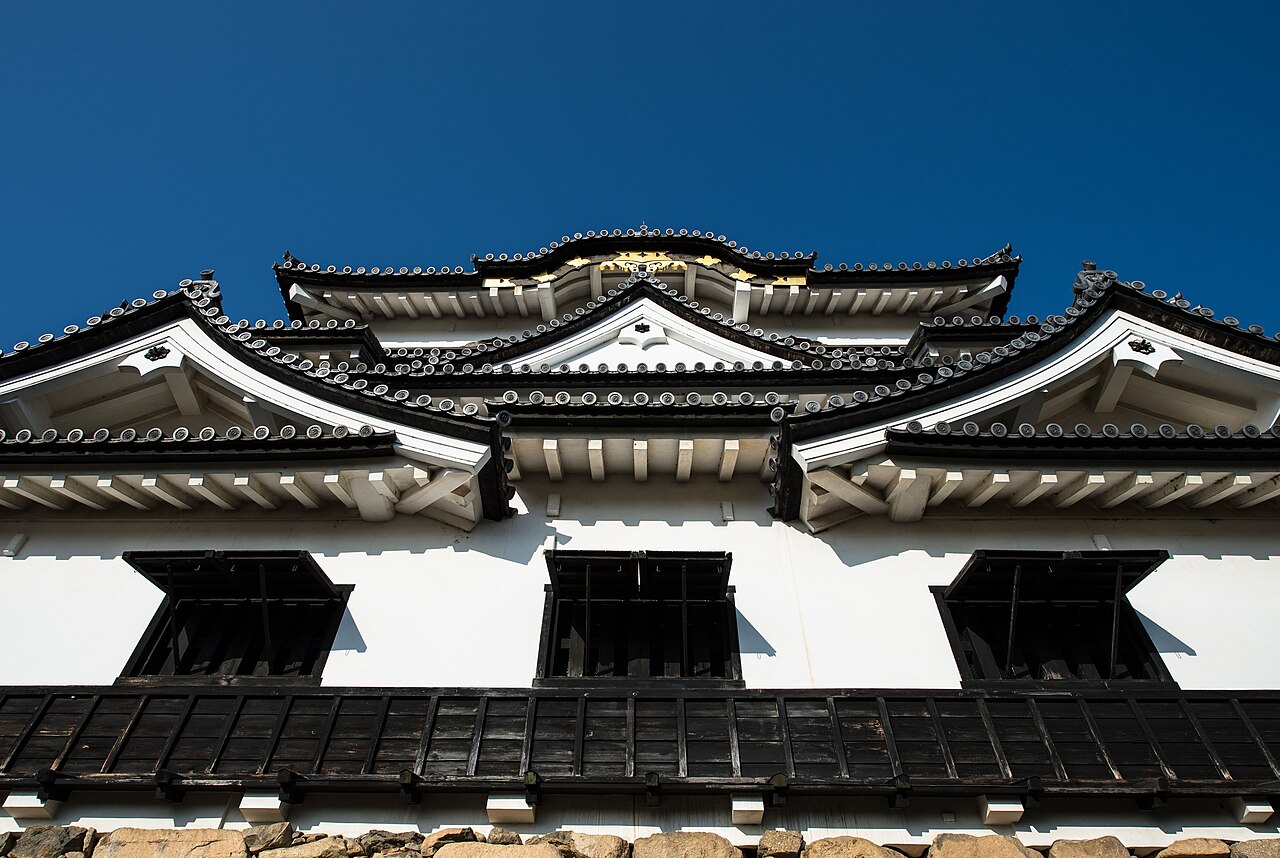
A surviving castle keep with national-treasure status is a rarity in Japan, and Hikone has one.
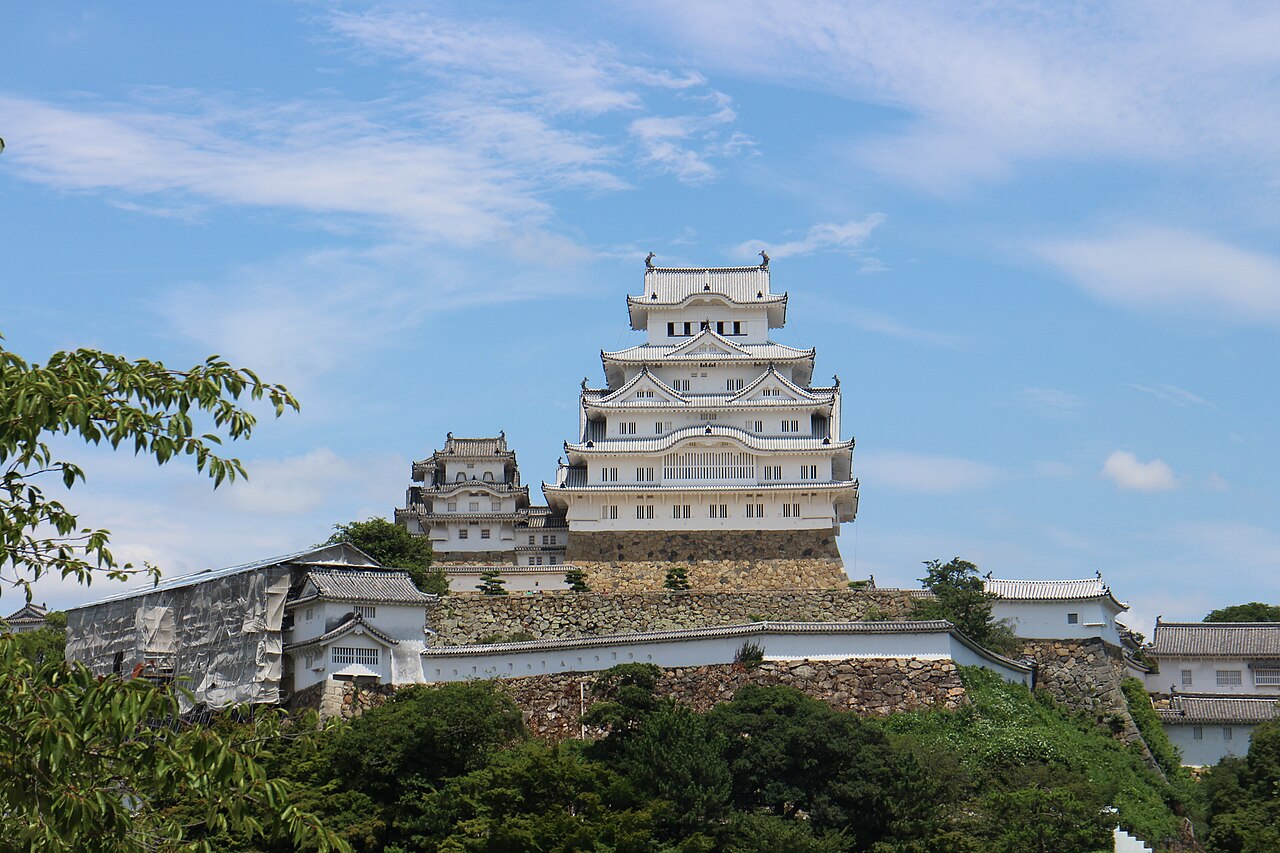
Himeji Castle has a second name, Hakuro-jo, the White Heron Castle: its outer walls are finished entirely in white plaster, a whiteness likened to a white…
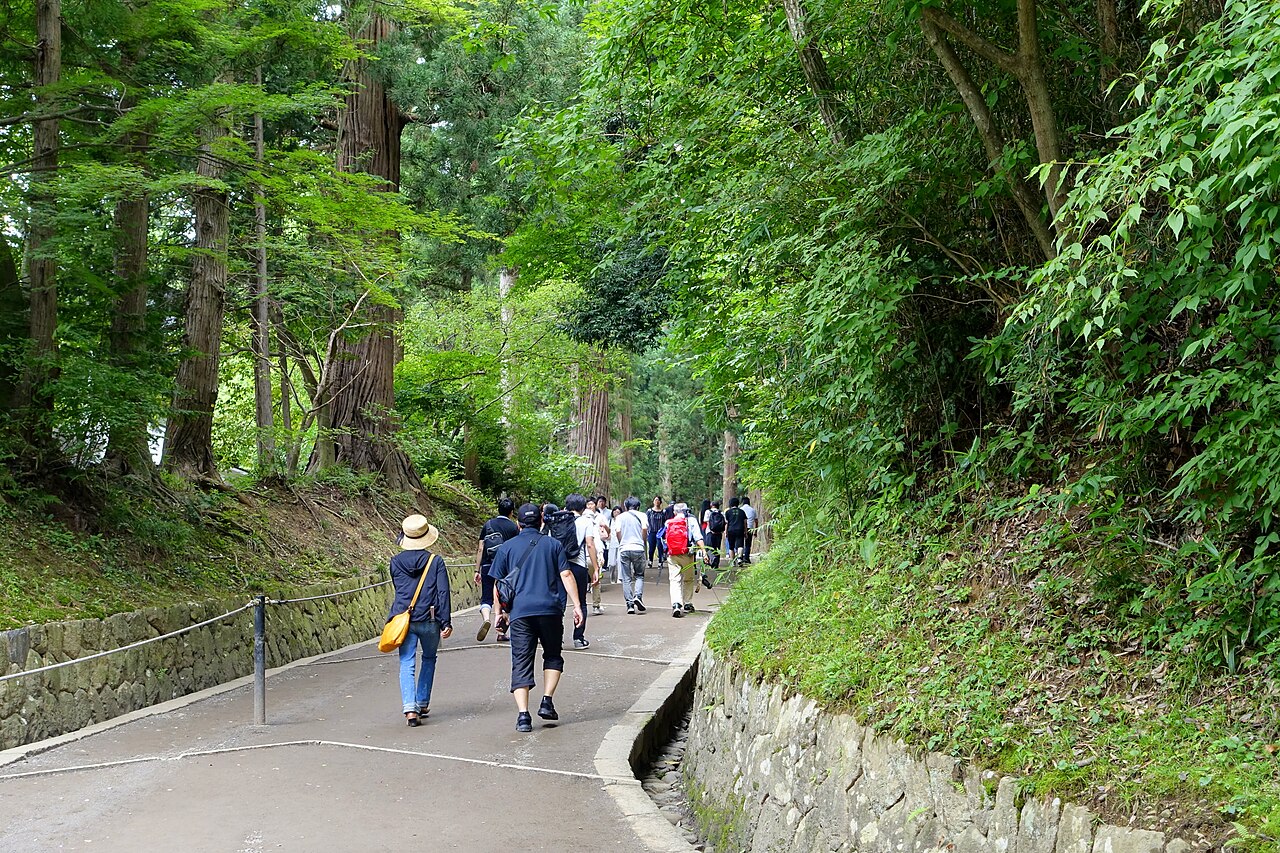
At Chusonji in Hiraizumi, old cedars planted by the Date domain in the Edo period, said to be about three hundred years old, shade both sides of the approach.
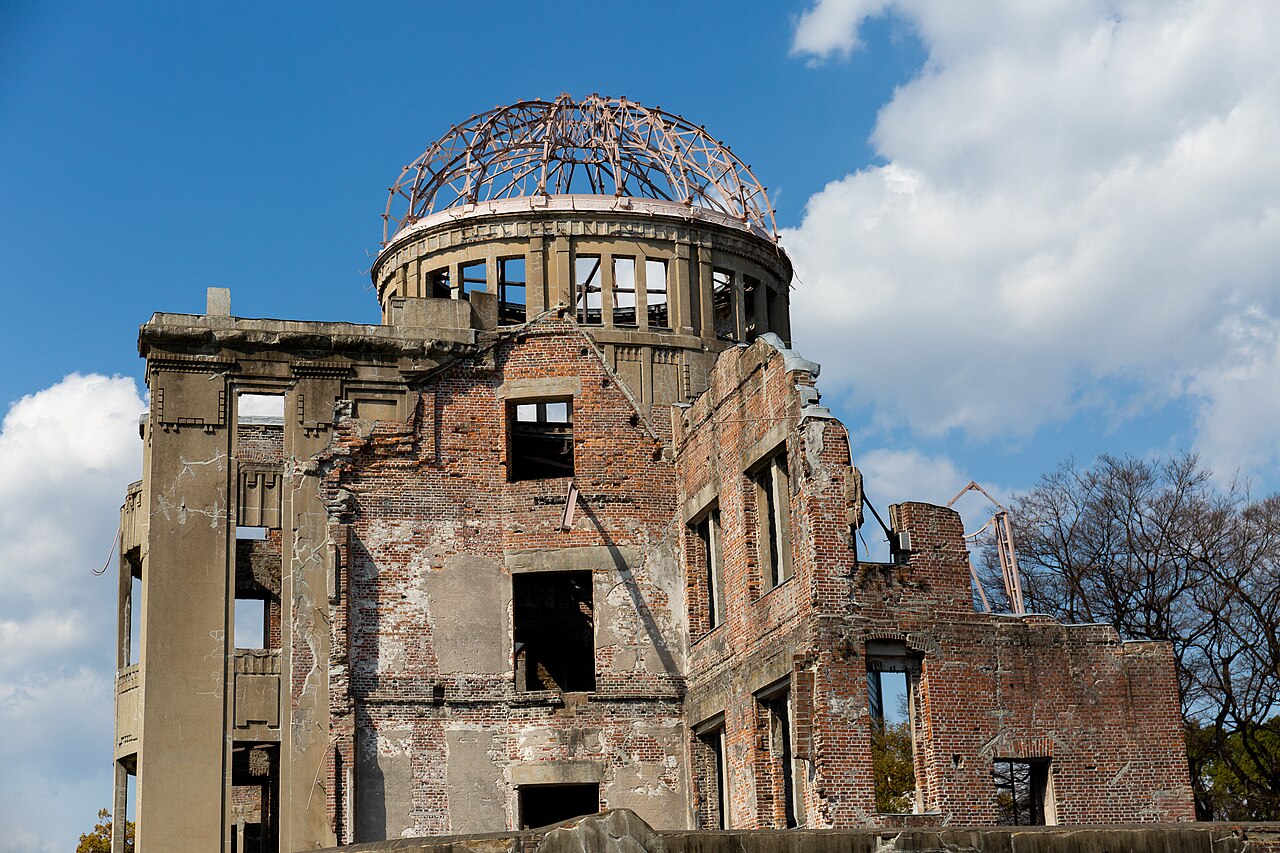
Hiroshima Peace Memorial Park lies at the uppermost part of the delta where the former Ota River, the Honkawa, branches from the Motoyasu River.
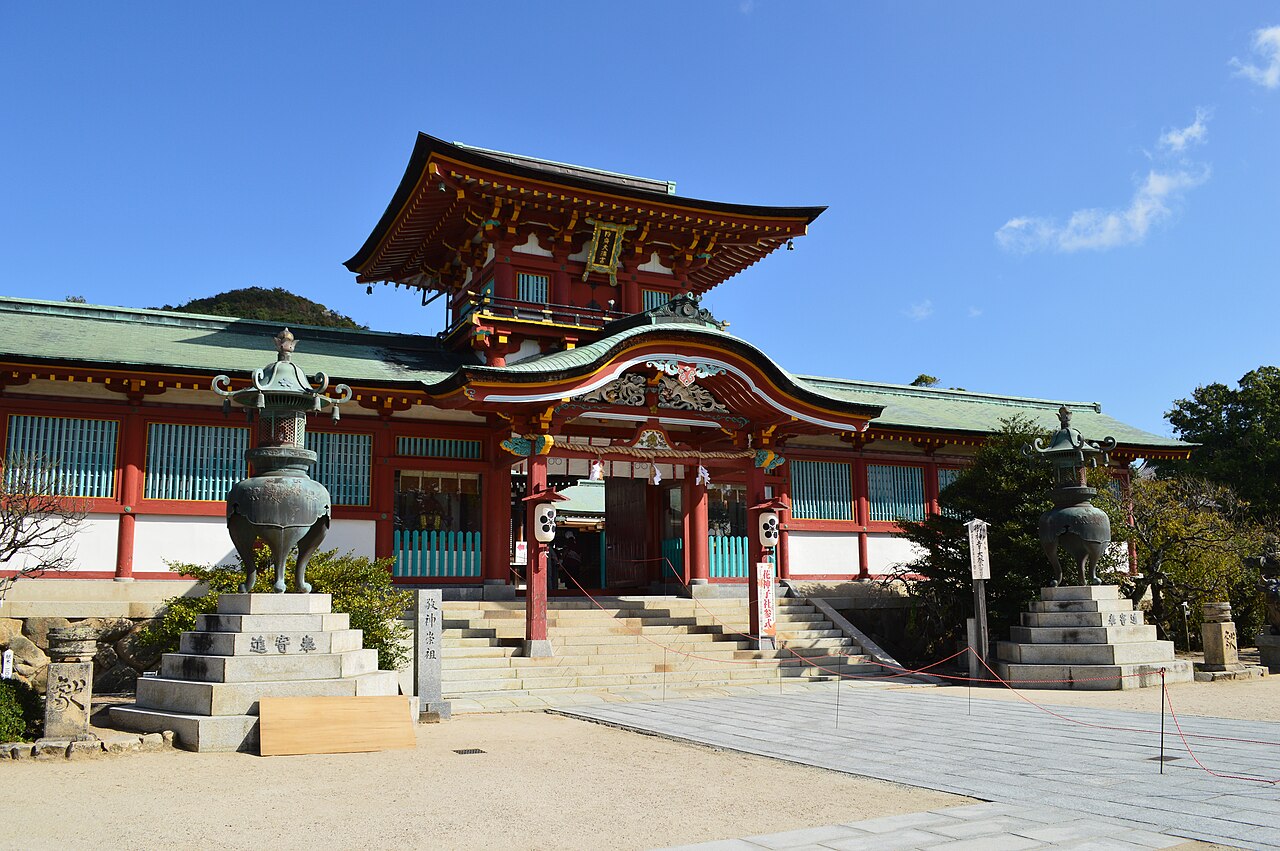
Hofu Tenmangu is a shrine enshrining Sugawara no Michizane and, according to the shrine's own tradition, was founded in the year nine hundred and four.
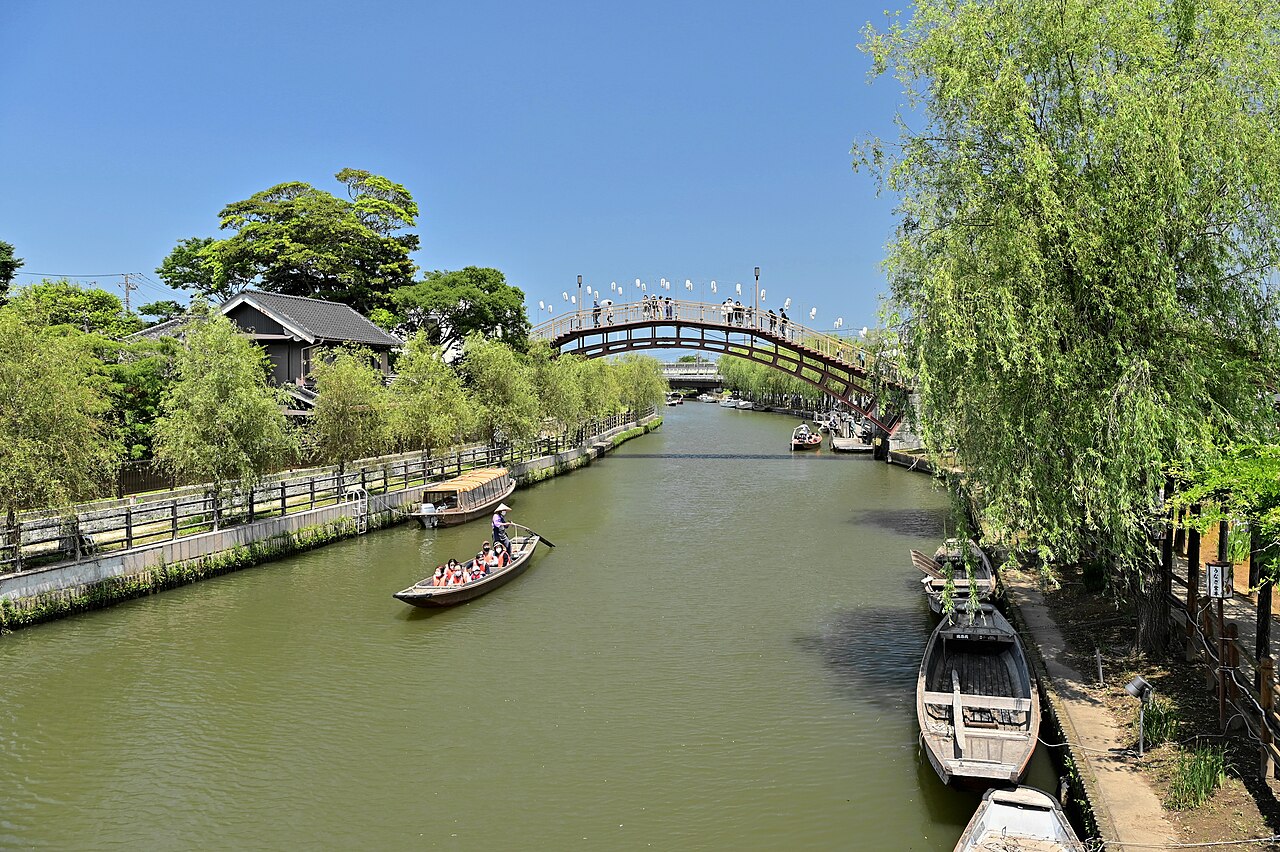
Itako is a water town in Ibaraki where a hand-rowed ro-bune runs on the Maekawa river through the city.
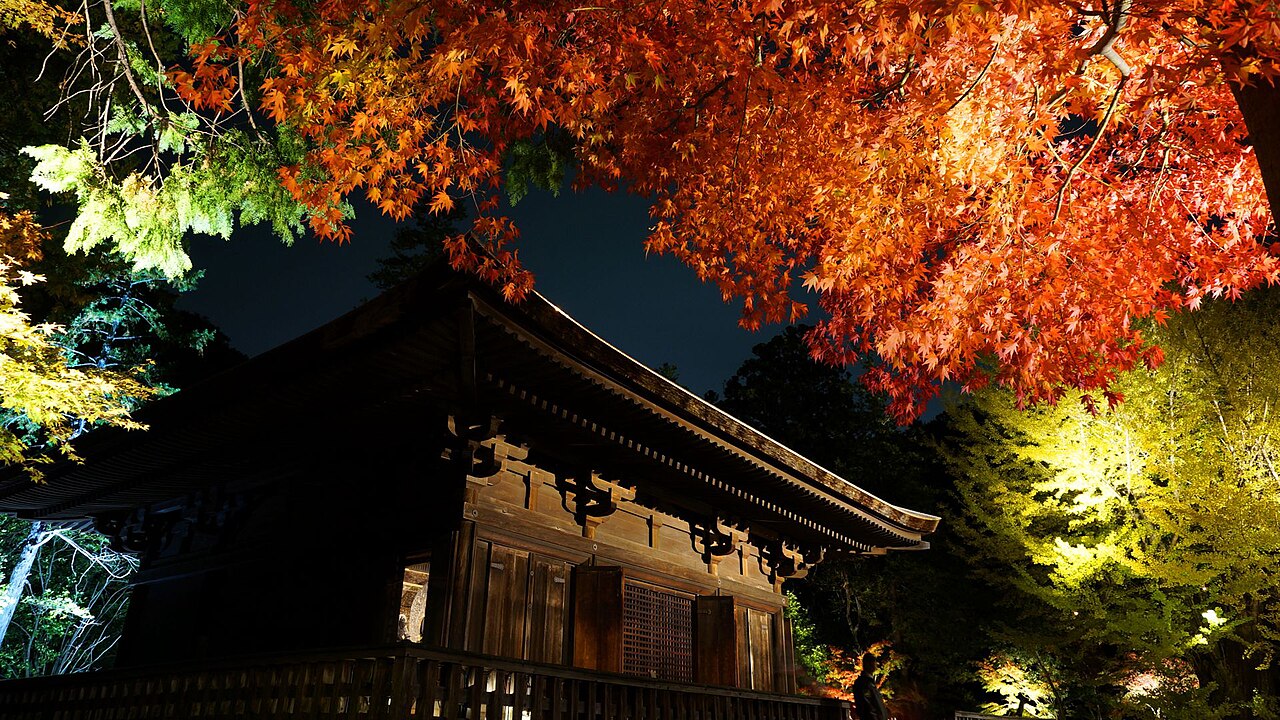
Shiramizu Amidado in Iwaki is a late Heian period Amida hall whose curved roof sits within a Pure Land garden, and the hall is a National Treasure.
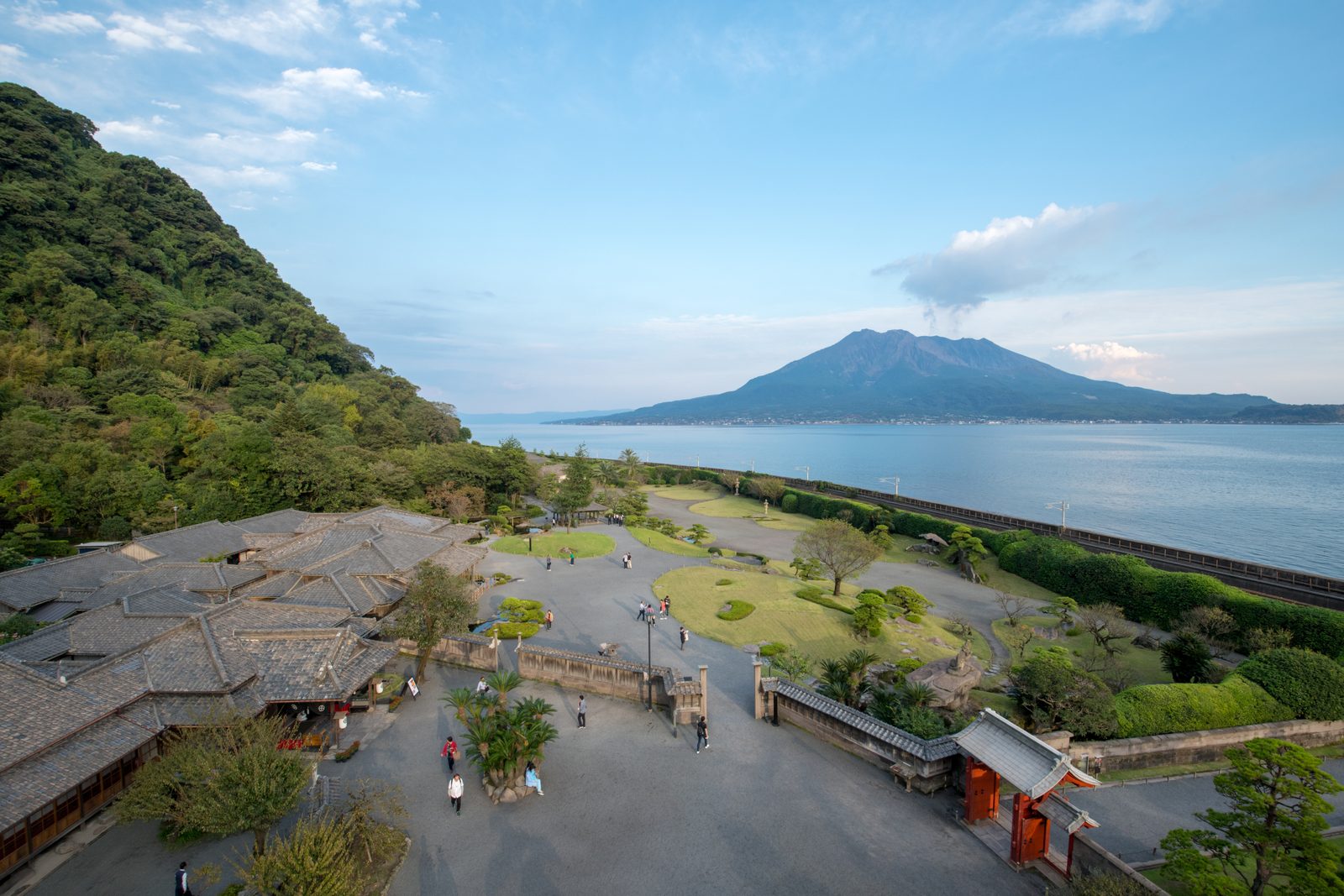
On clear days at Sengan-en, Sakurajima floating in Kagoshima Bay greets visitors in front of the Goten.
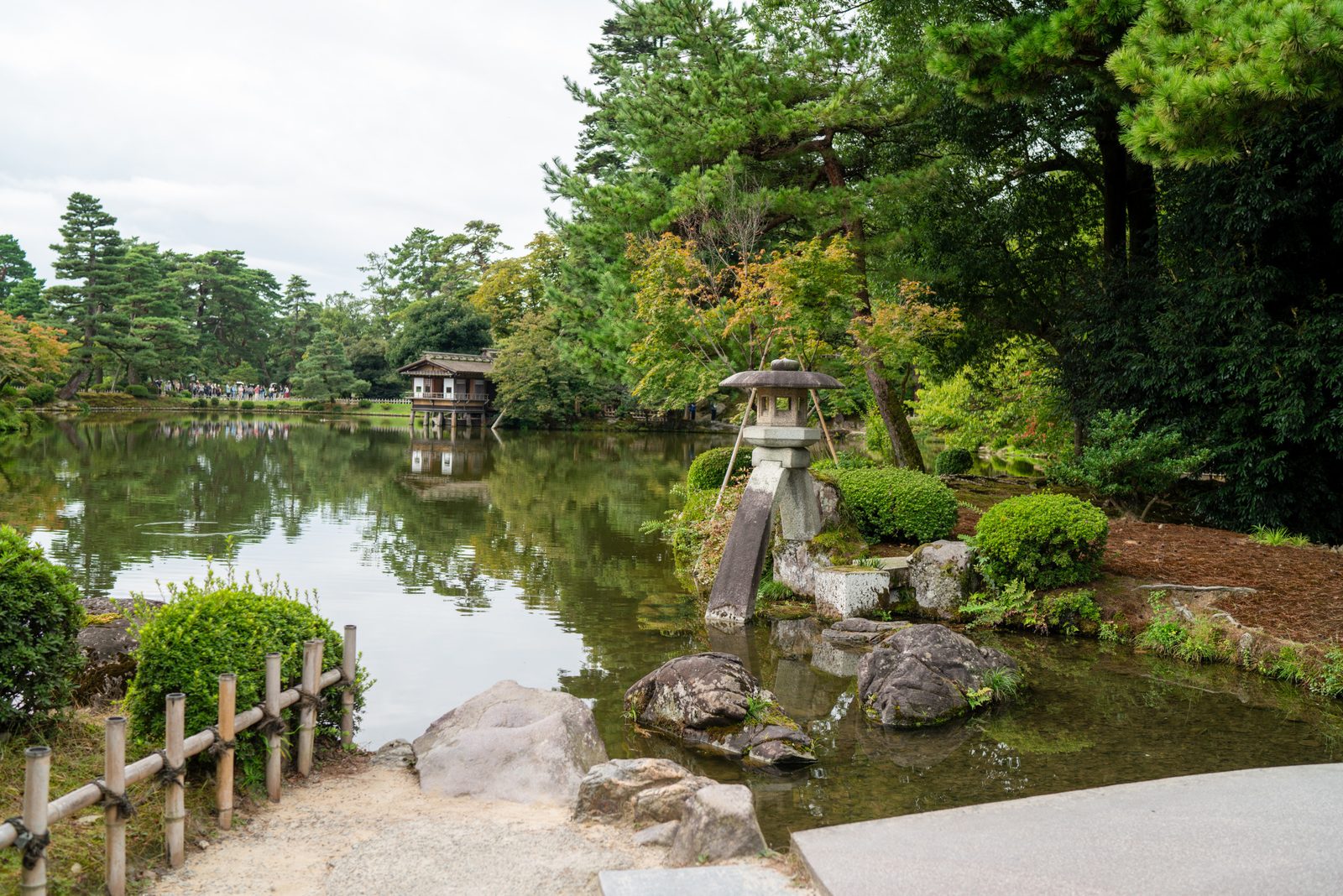
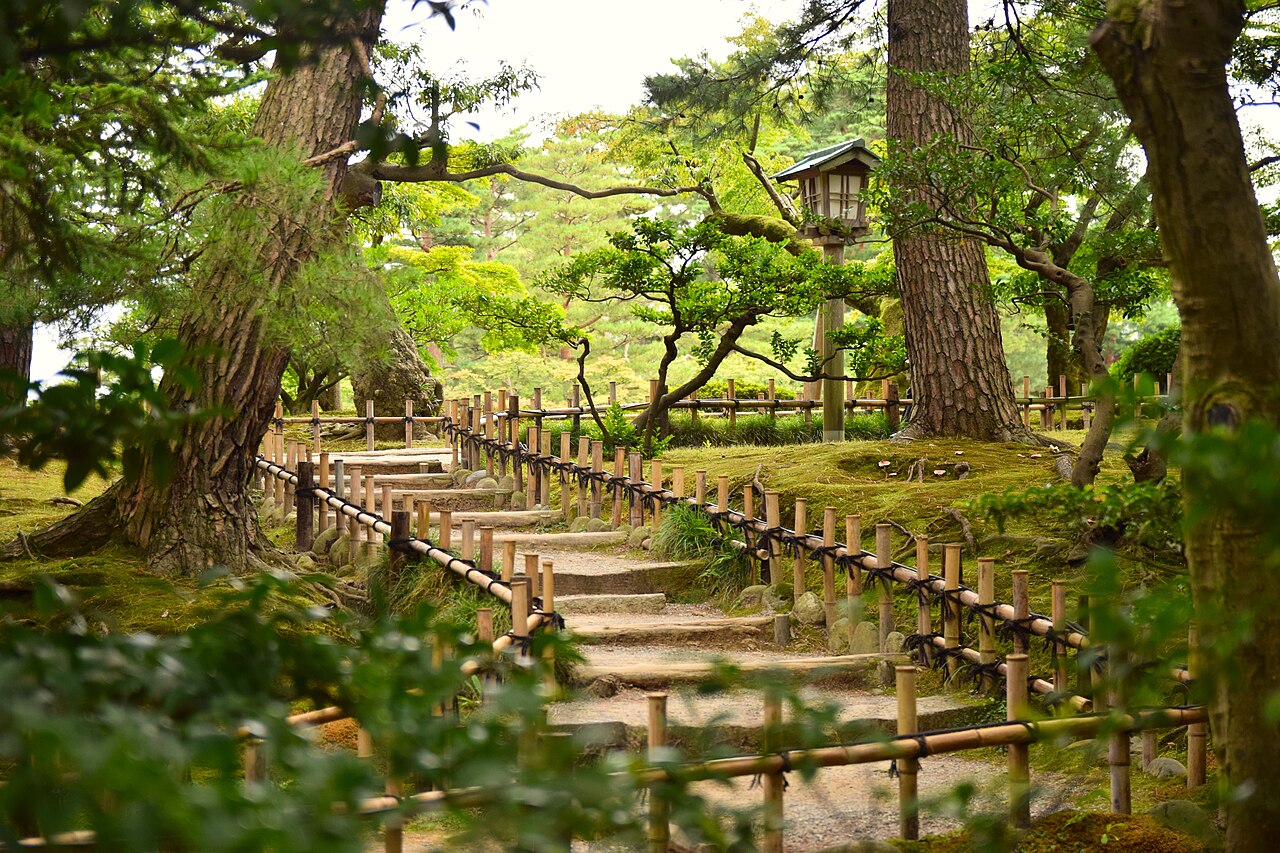
Kenrokuen is one of the three great gardens of Japan and a national Special Place of Scenic Beauty, and the pleasure of it lies in walking.
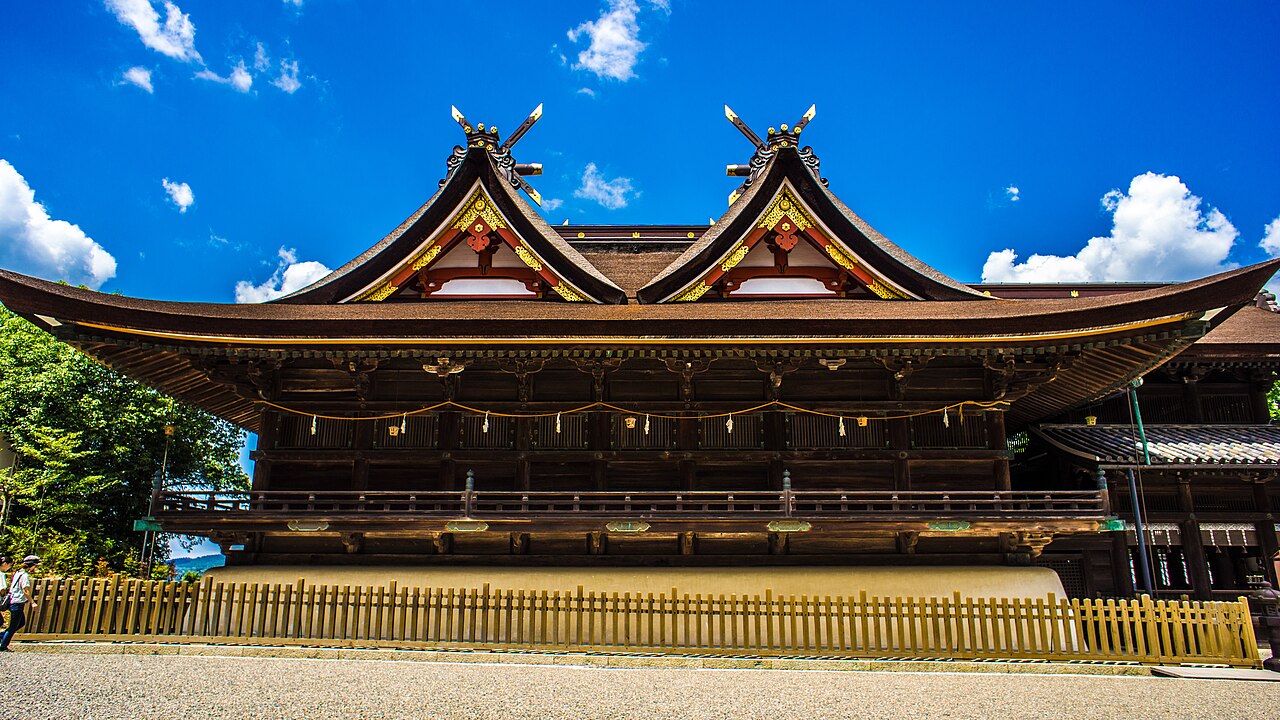
At Kibitsu Shrine, a covered corridor runs from the main hall in a straight line that follows the natural terrain.
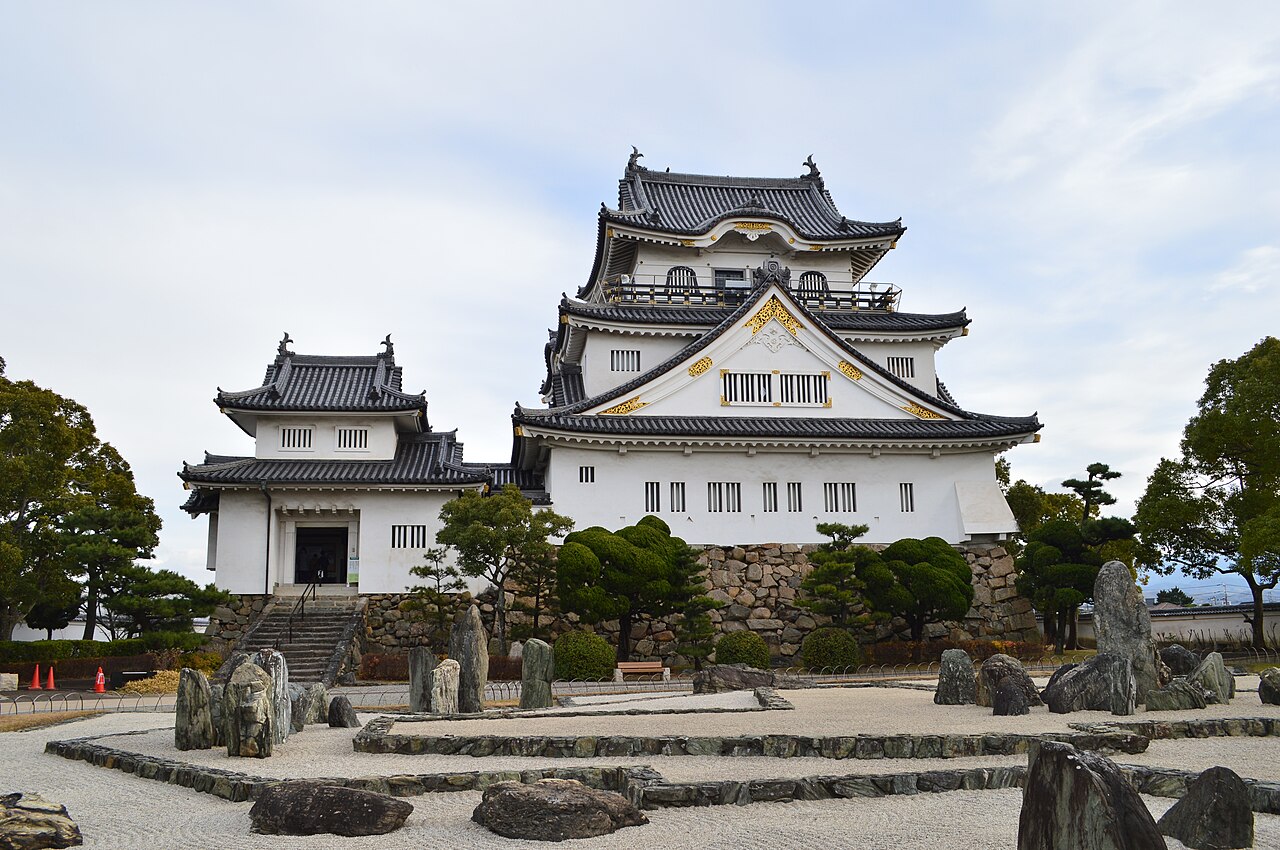
Kishiwada grew up as the castle town of the Kishiwada domain, and along the former Kishu Kaido road its old townscape still survives.
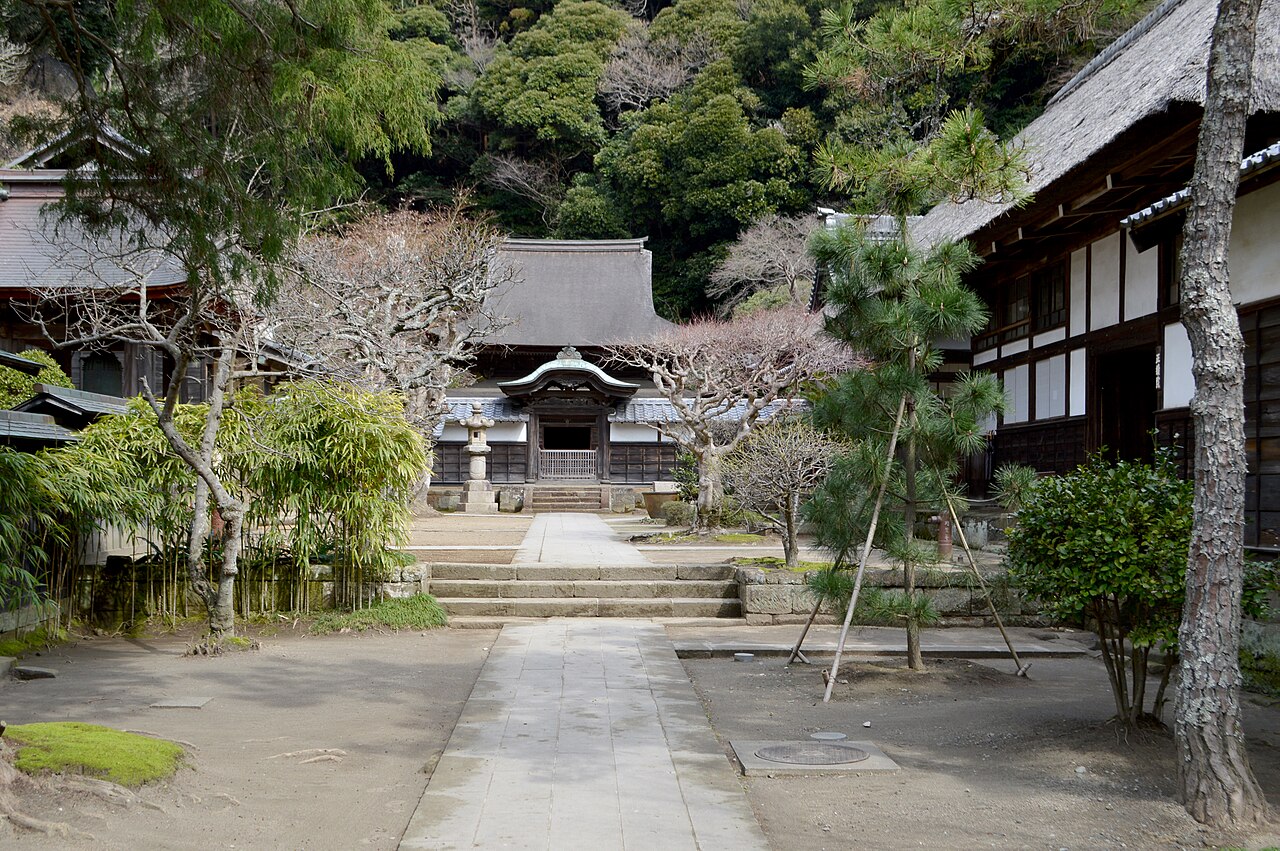
Kita-Kamakura is a place to begin the day inside a Zen temple: Engaku-ji holds a dawn zazen sitting in its Buddha hall every morning.
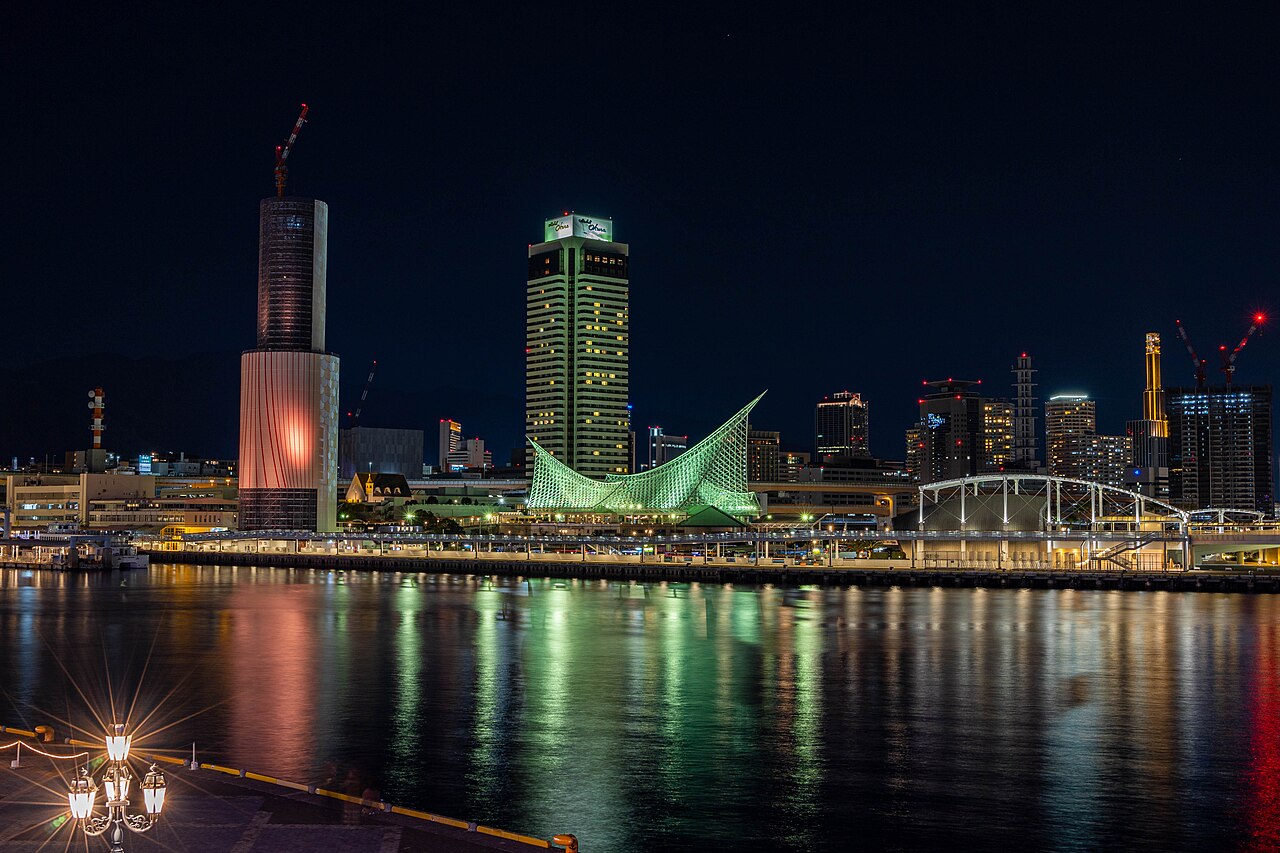
Meriken Park in Kobe preserves a section of the Meriken Wharf quay that the Great Hanshin-Awaji Earthquake damaged, left in its damaged state.
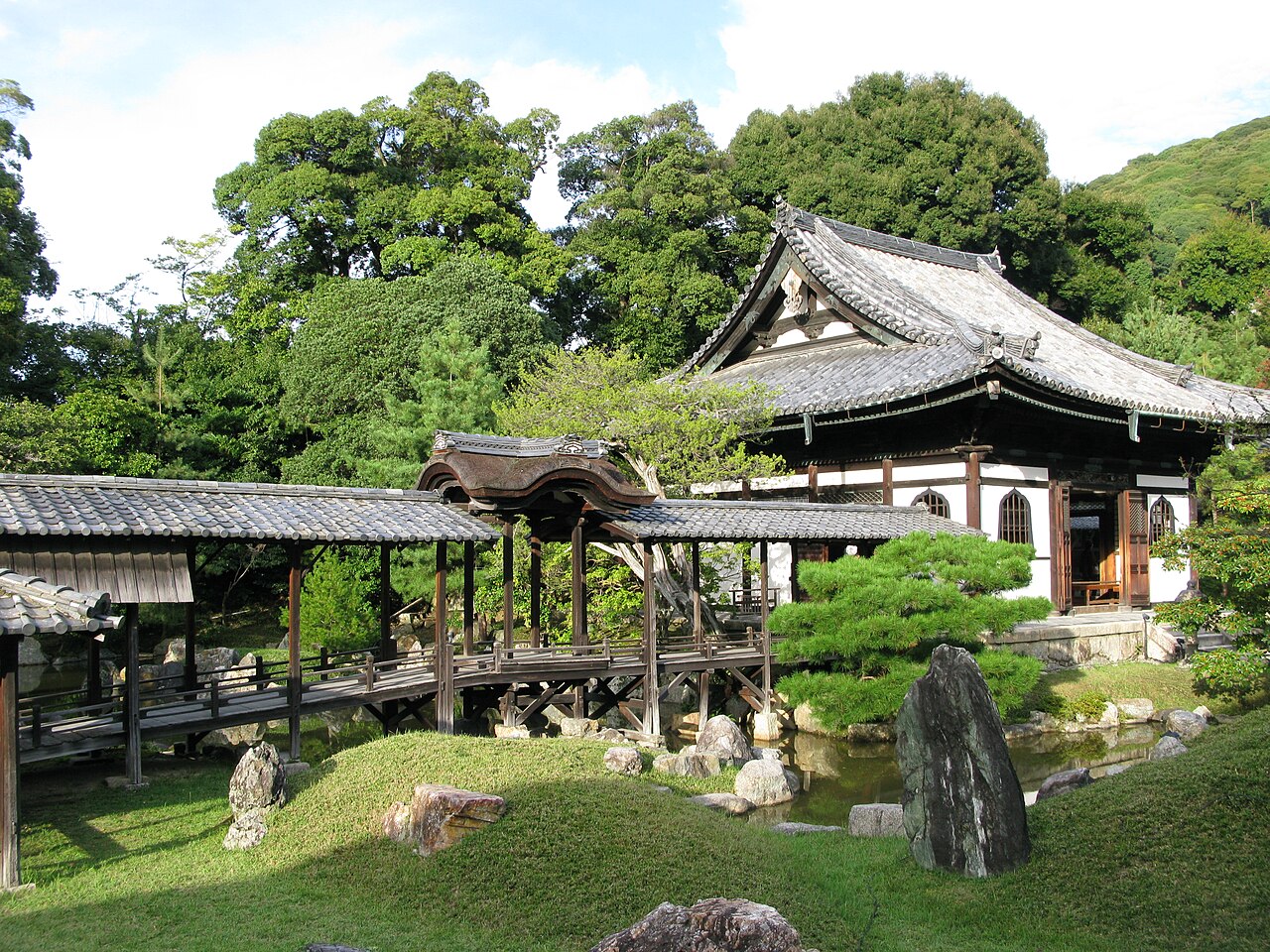
Circling the pond garden at Kodaiji leads past ponds and covered corridors to a bamboo grove inside the same garden.
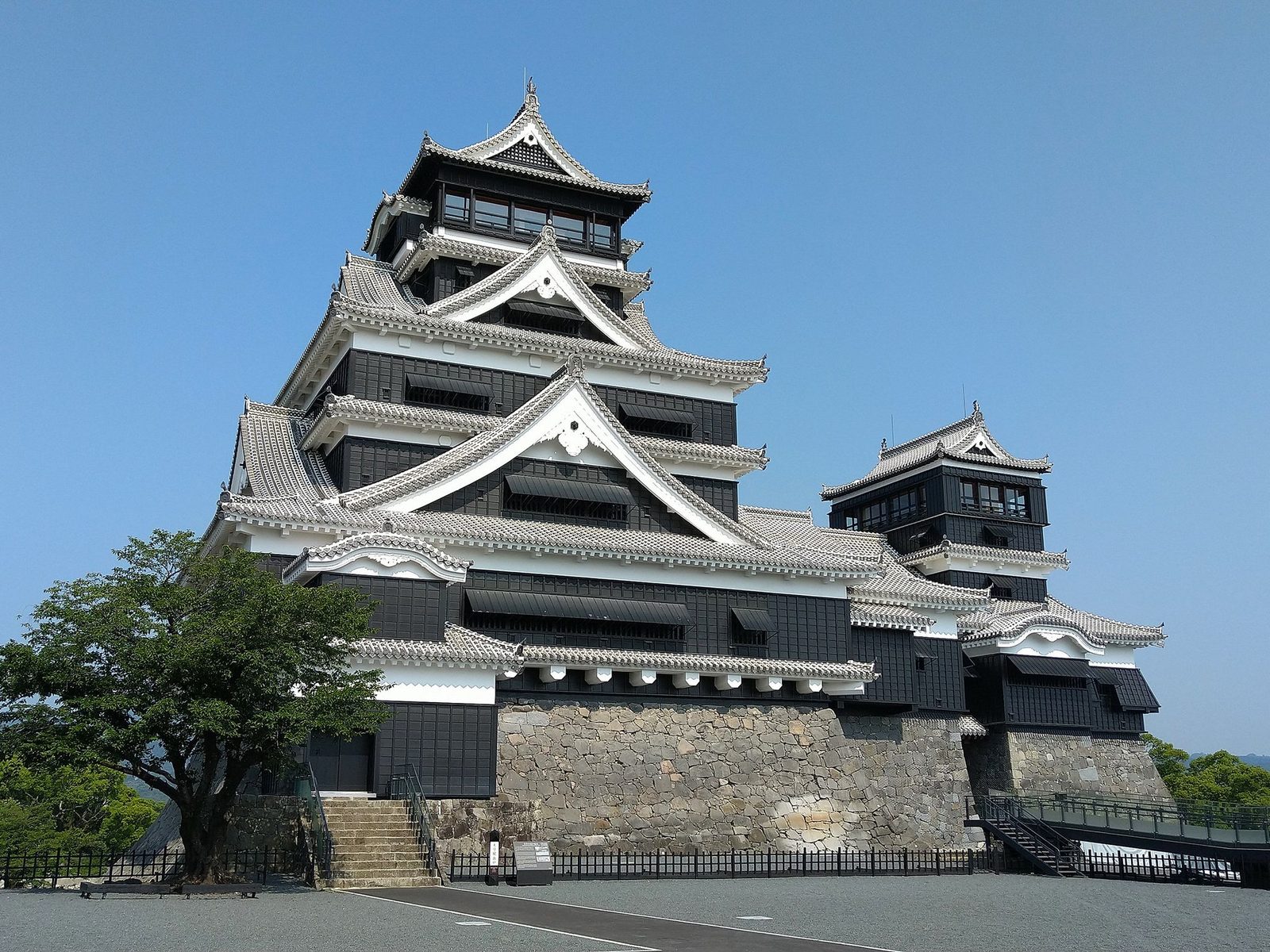
The regular illumination of Kumamoto Castle shifts in a gradation from warm colour to white, a reason to plan the day around nightfall.
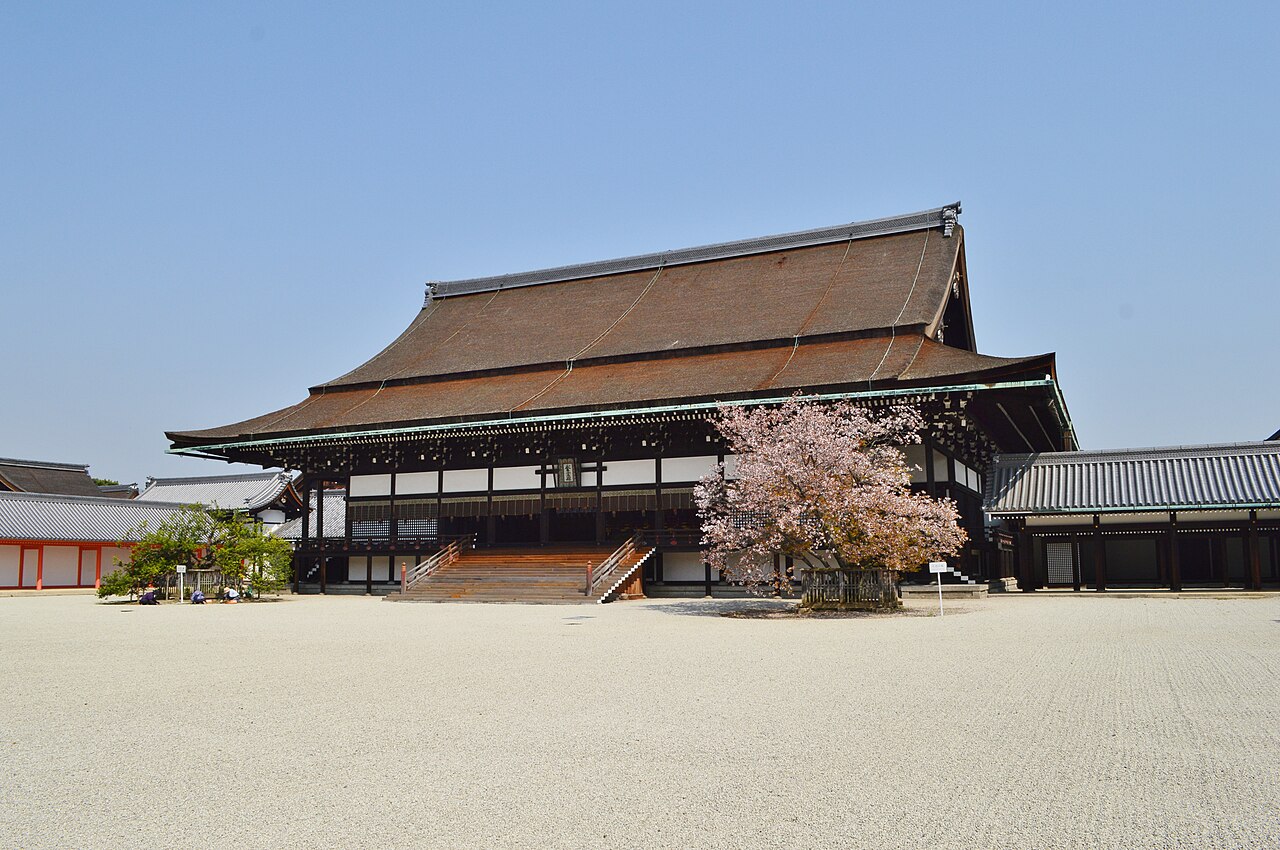
From the terrace seats on the east side of the rest house at Nakadachiuri, Kyoto Imperial Palace can be seen among the park's trees.
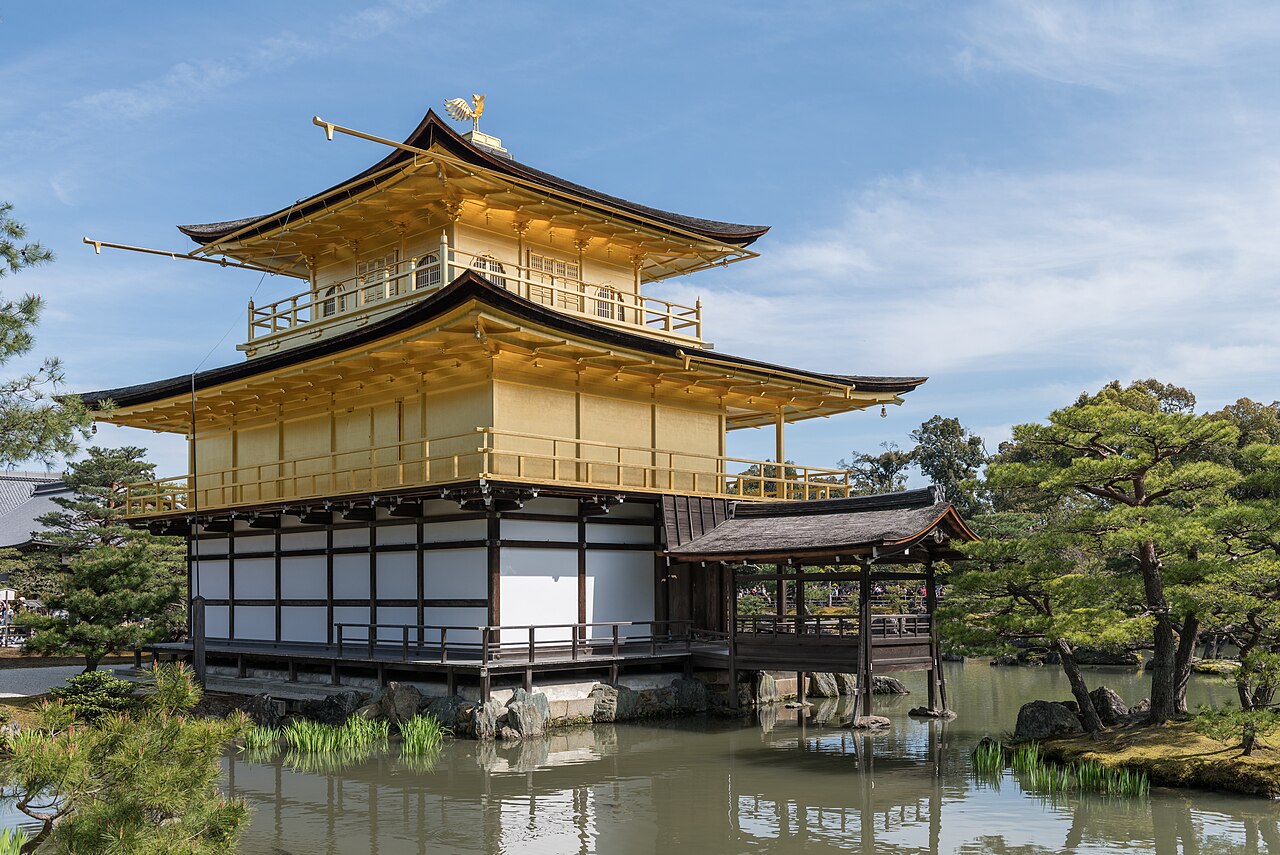
Kinkaku-ji's pavilion carries pure gold leaf on its upper storeys and a phoenix on its roof, and it stands in a garden built around a pond of islands and named…
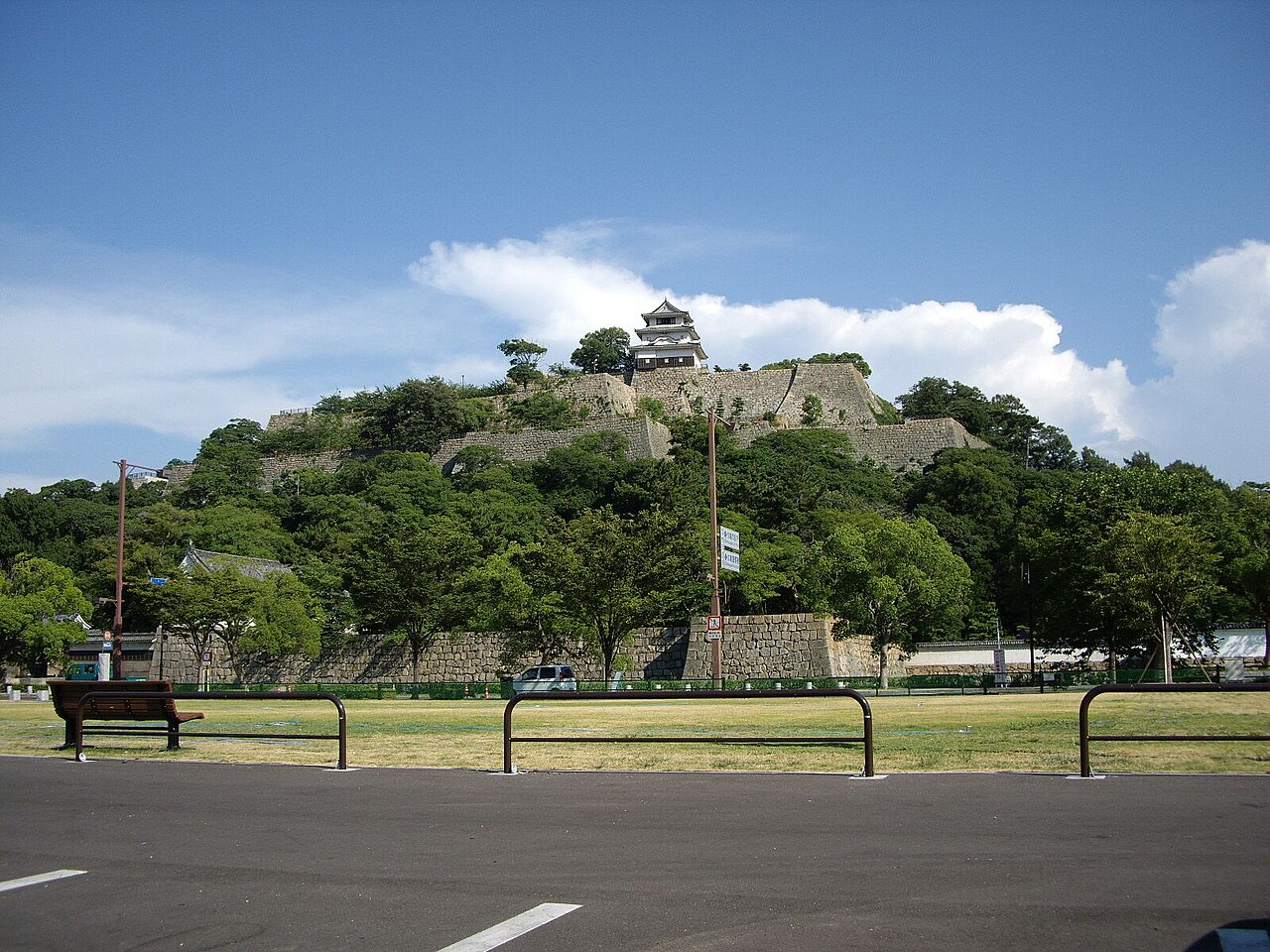
Marugame lies in the central west of Kagawa, the prefecture's second city, and its history runs on two tracks: castle town at the foot of Marugame Castle, and…
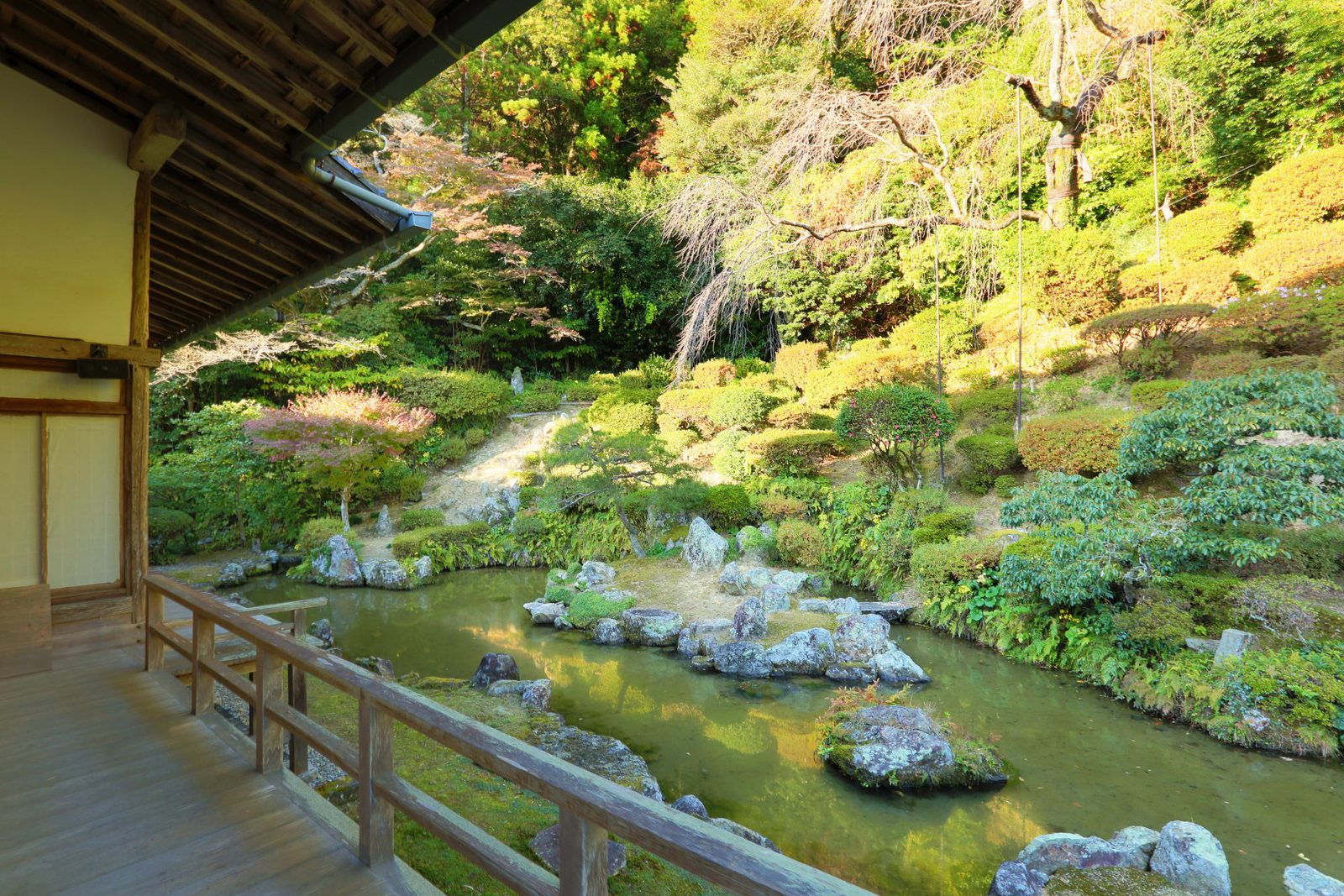
The garden of Manpukuji is said to have been made by Sesshu and, with the Ikoji garden, can be seen in each of the four seasons.
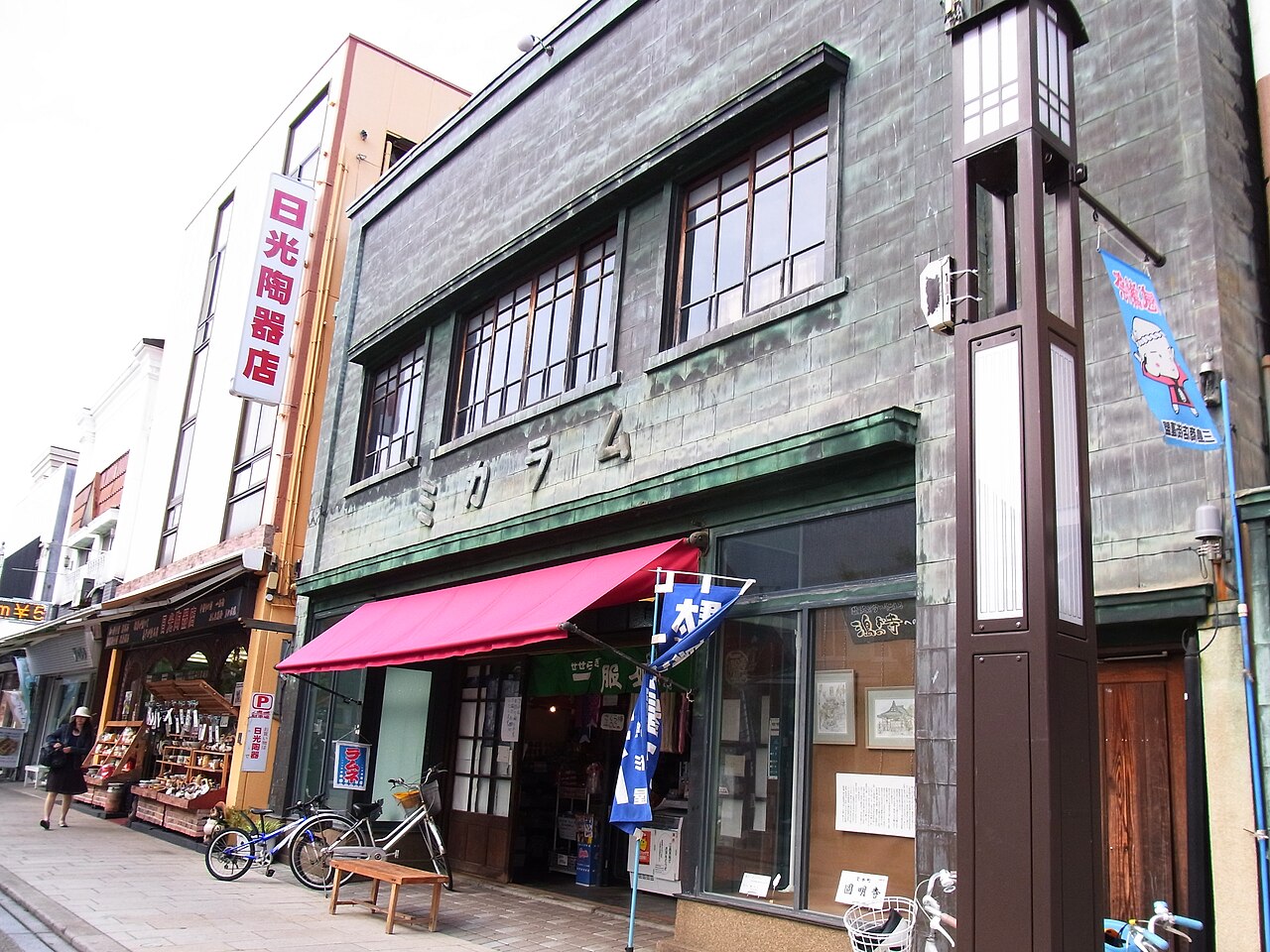
Step off the busy Tokaido corridor at Mishima and the pace changes almost at once.
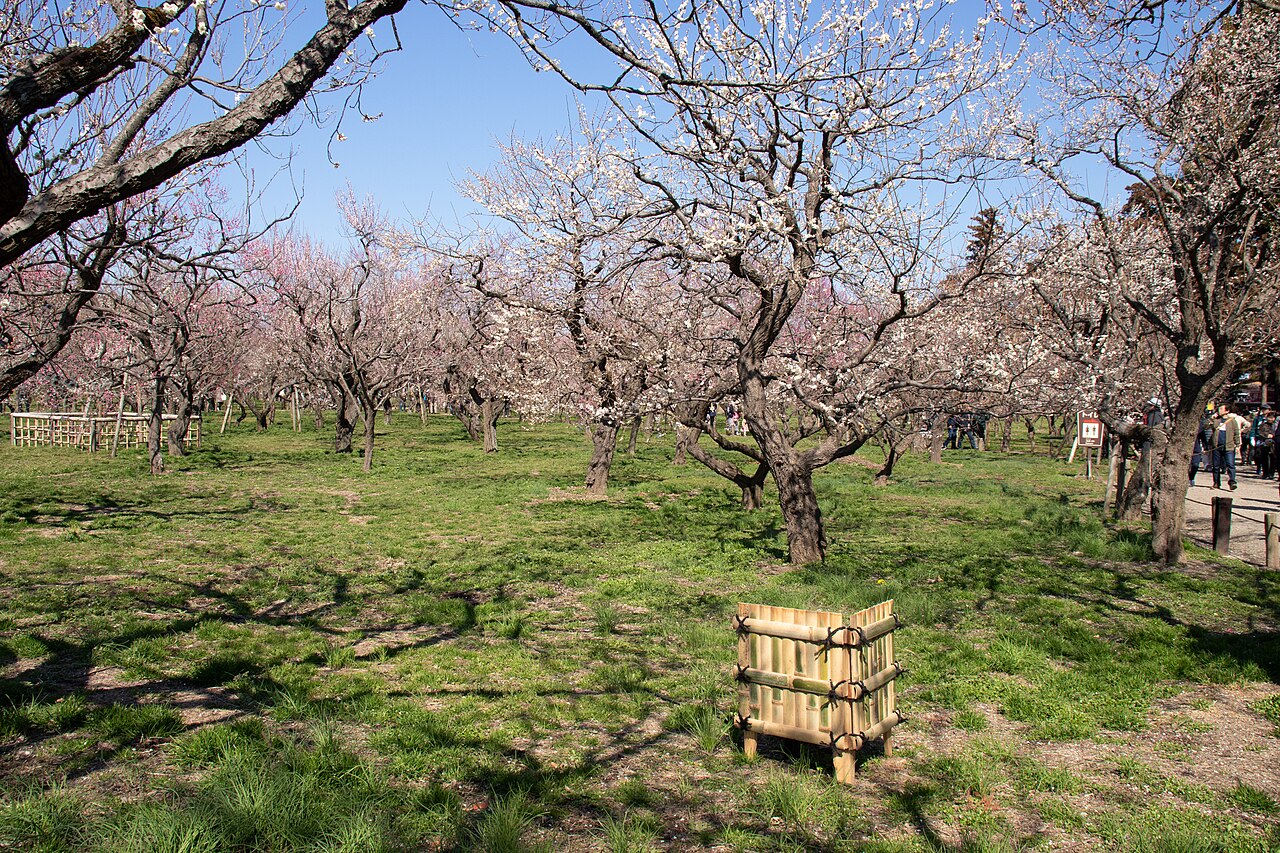
This guide follows a single day on foot in Mito, the capital of Ibaraki Prefecture, beginning with how to reach the sights from the city centre.
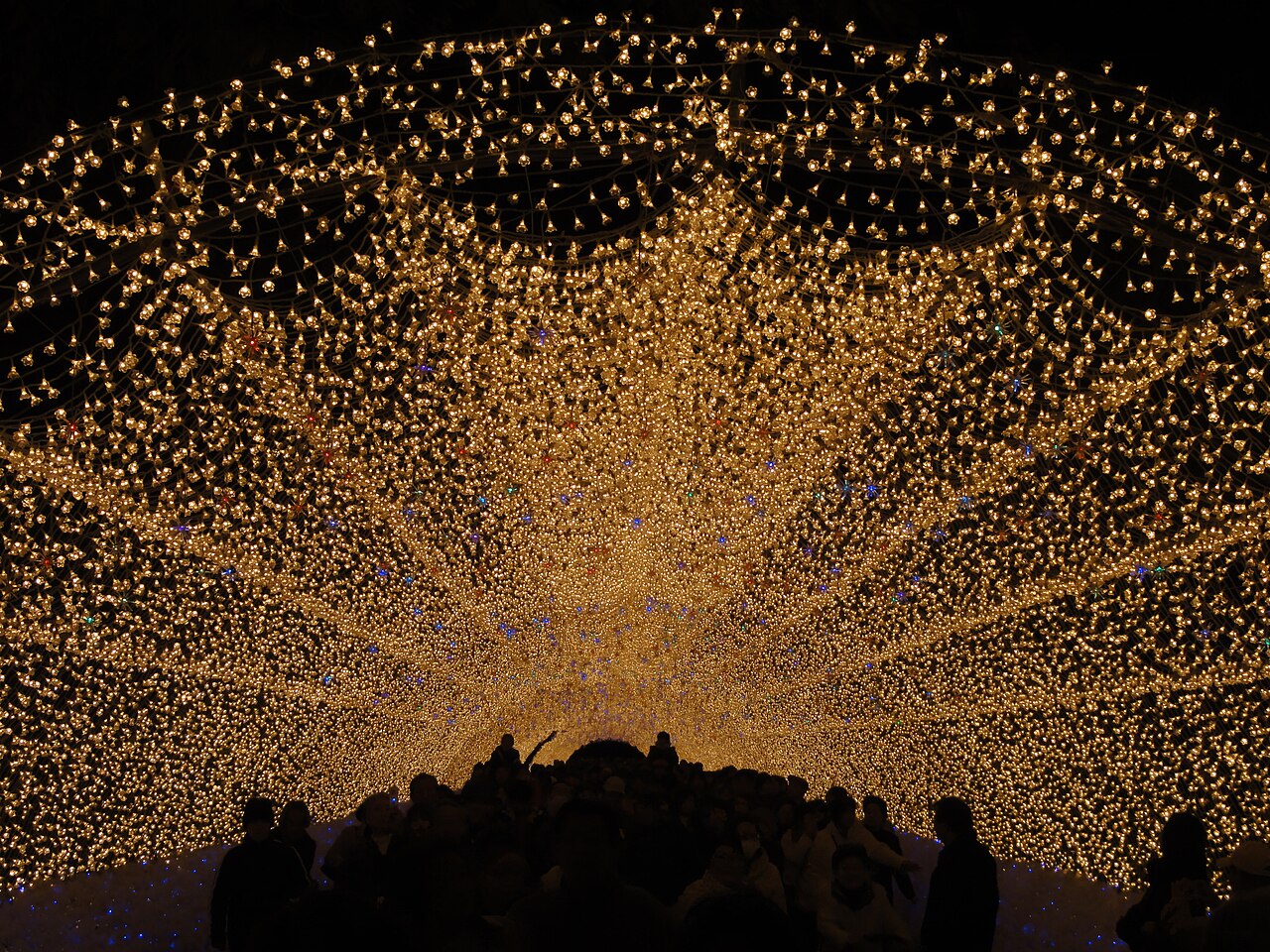
At Nabana no Sato, the illumination theme area shows a volcanic eruption that changes the scene, lions, zebras and giraffes running in herds, and an underwater…
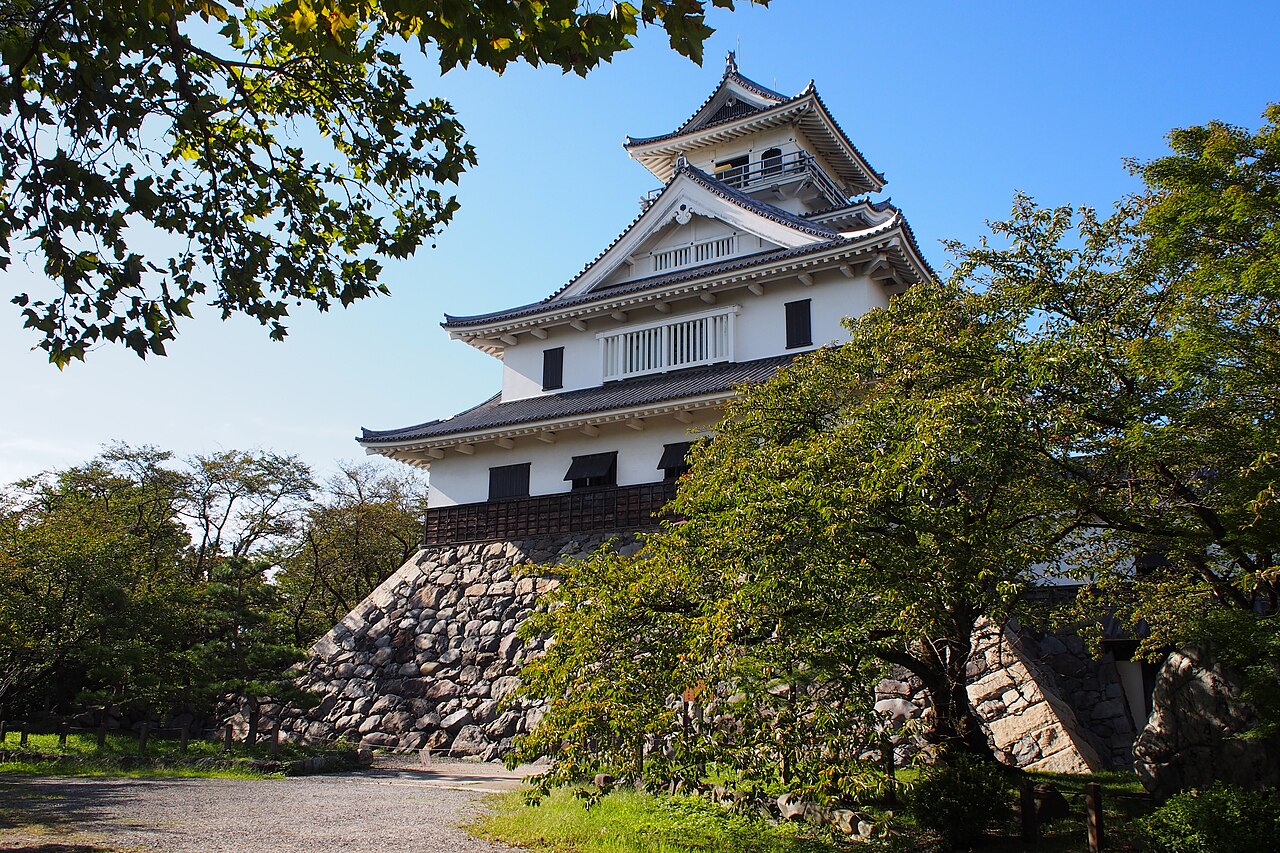
Nagahama sits in Kohoku, the district on the northern side of Lake Biwa, and its old centre rewards a slow day on foot.
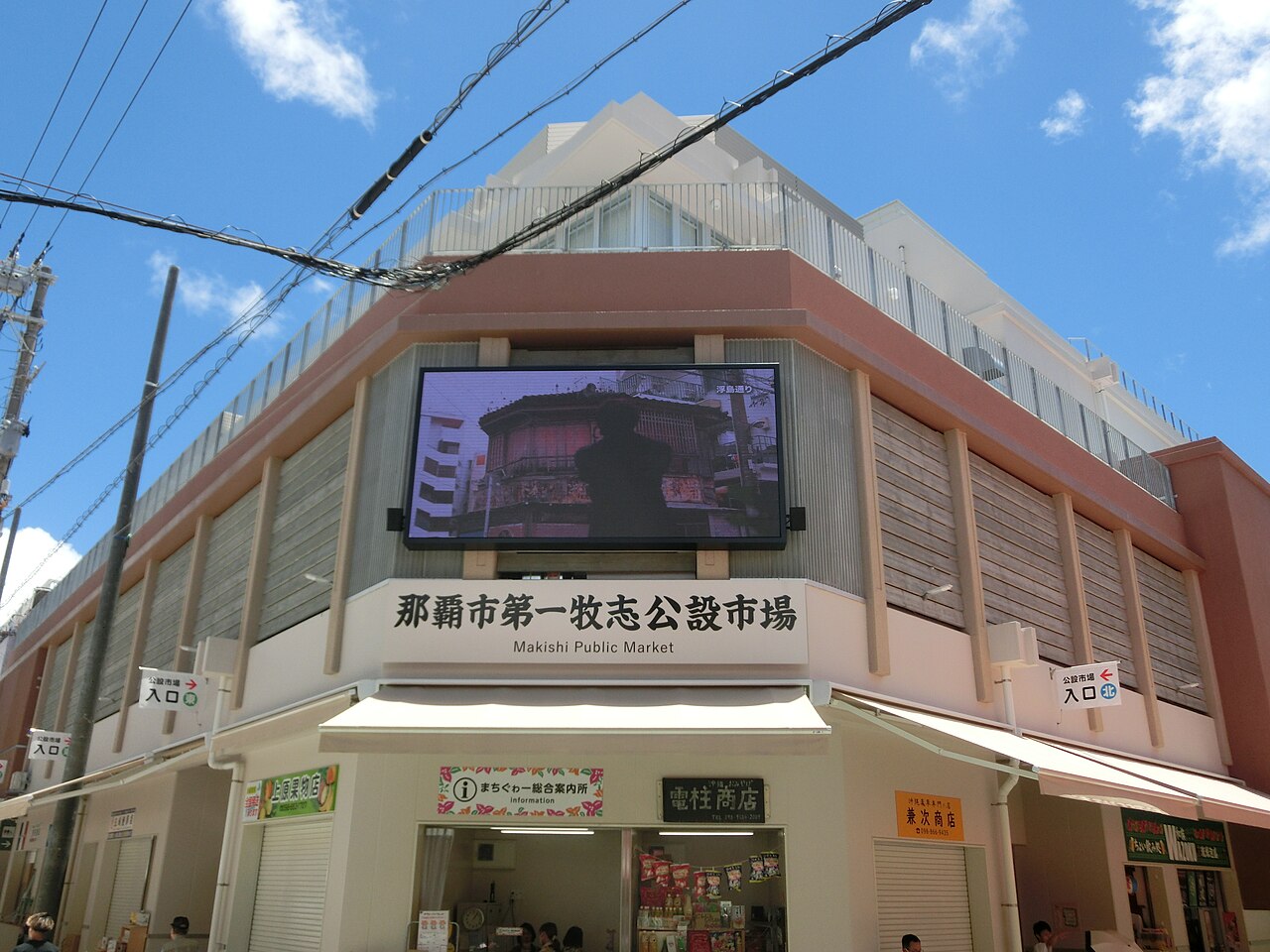
At Makishi Public Market, food bought at a shop downstairs is cooked upstairs, and Nishime Fresh Fish Shop stocks live king crab, sea urchin and spiny lobster…
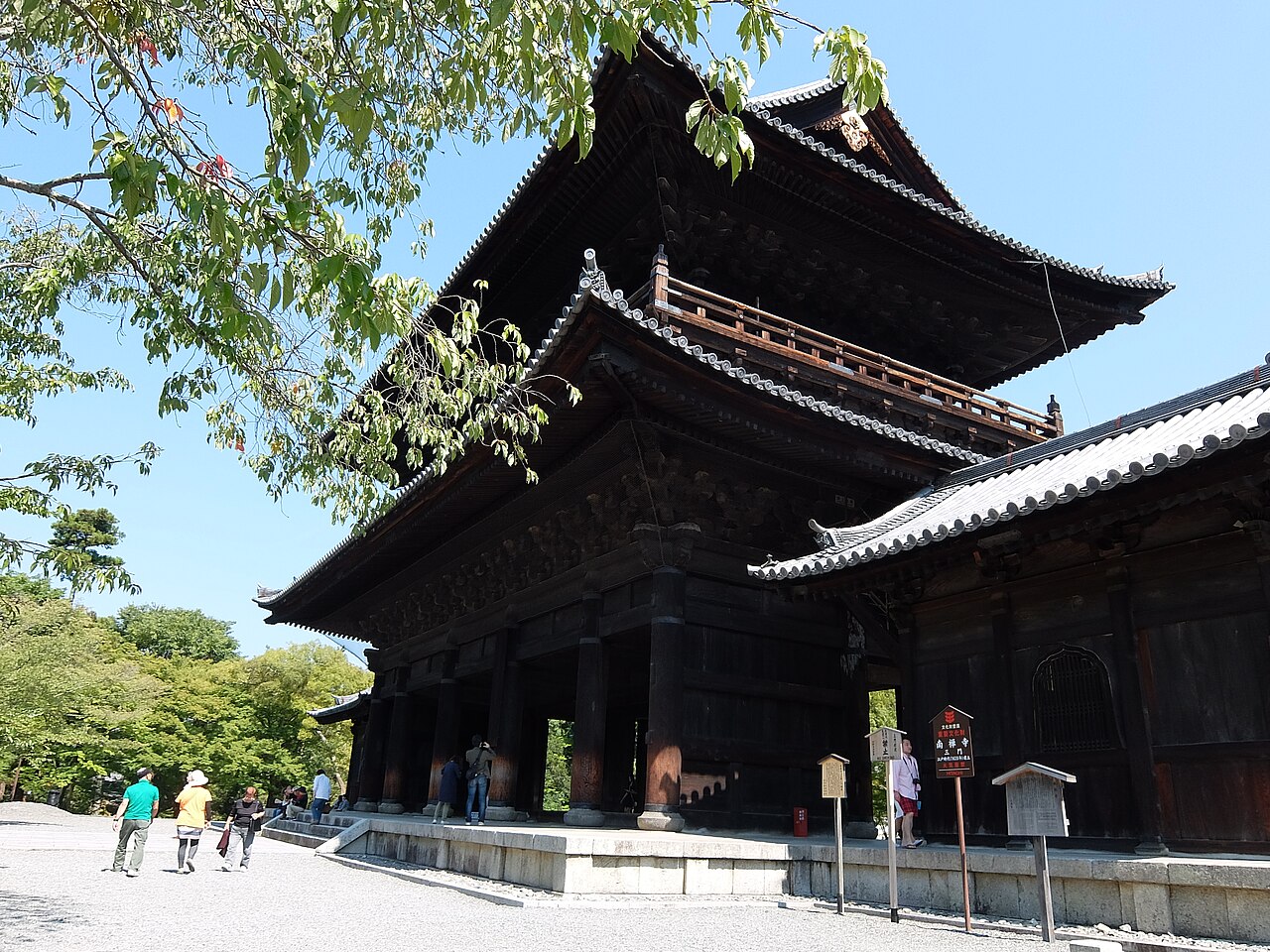
Nanzen-ji sits on Dokushuho, also called Nanzen-ji-yama, one of the mountains a little away from the bustle of the town, and time flows slowly there.
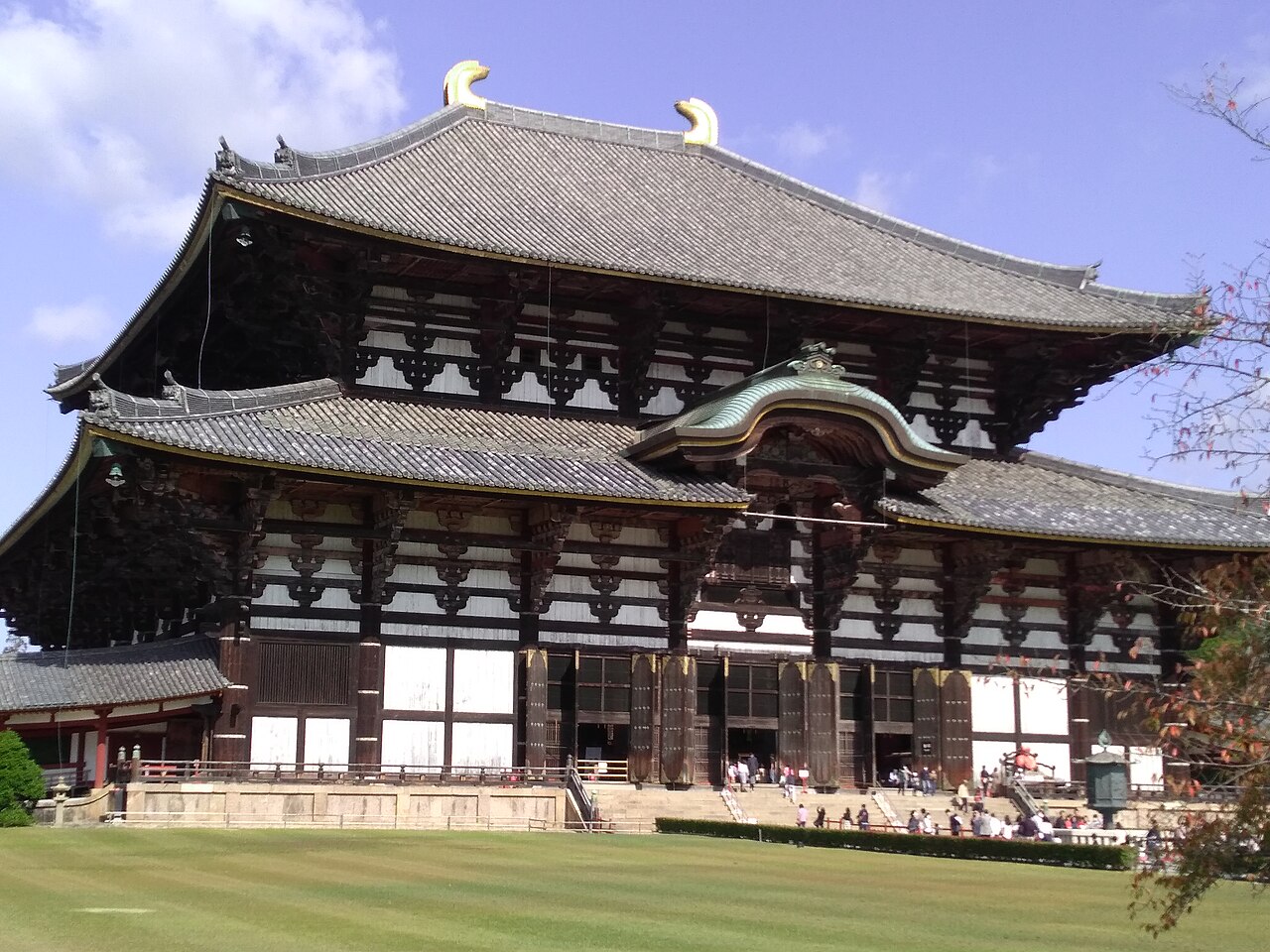
At Nakatanidou, yomogi mochi is pounded at high speed, with the pounder and the turner working in close coordination.
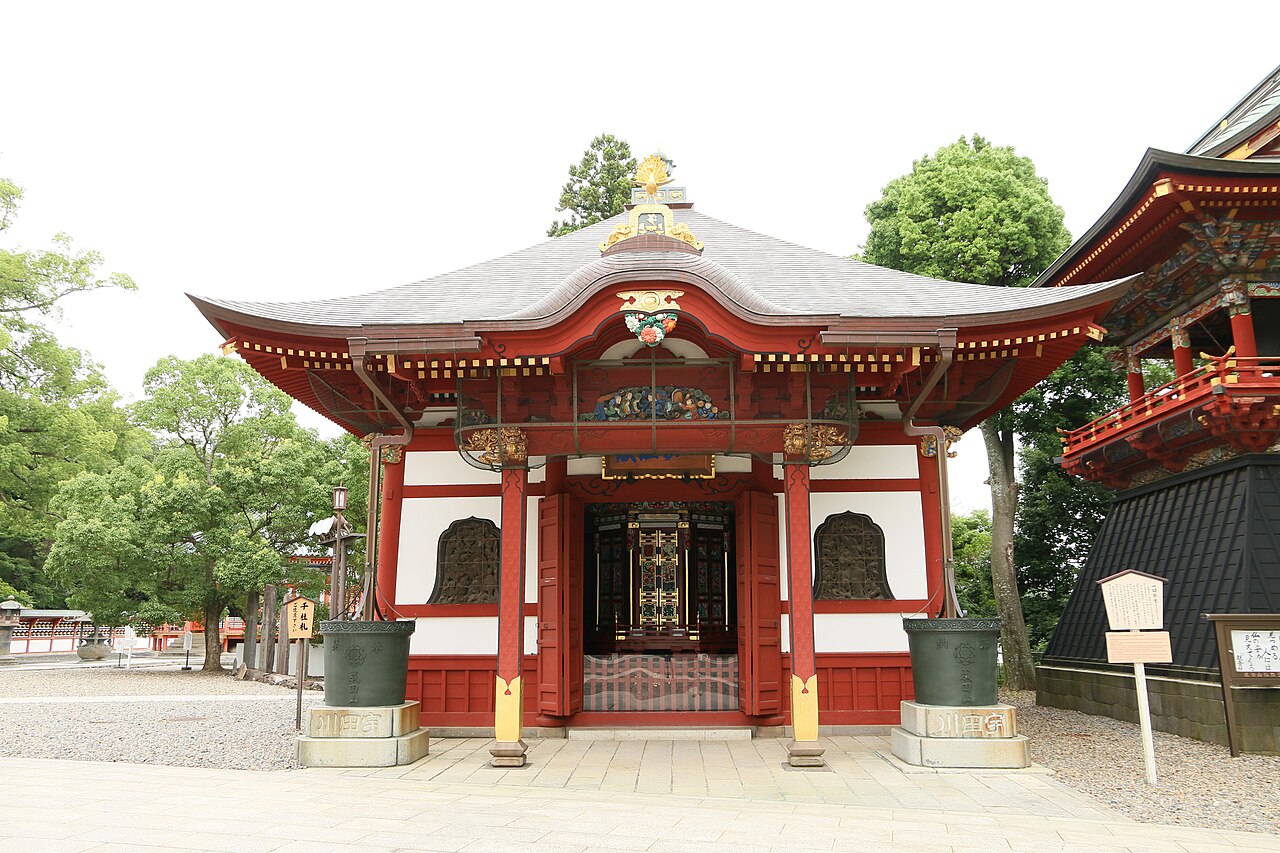
At Naritasan Shinshoji, a special firewood called goma-gi is thrown into the flickering flames of the goma fire.
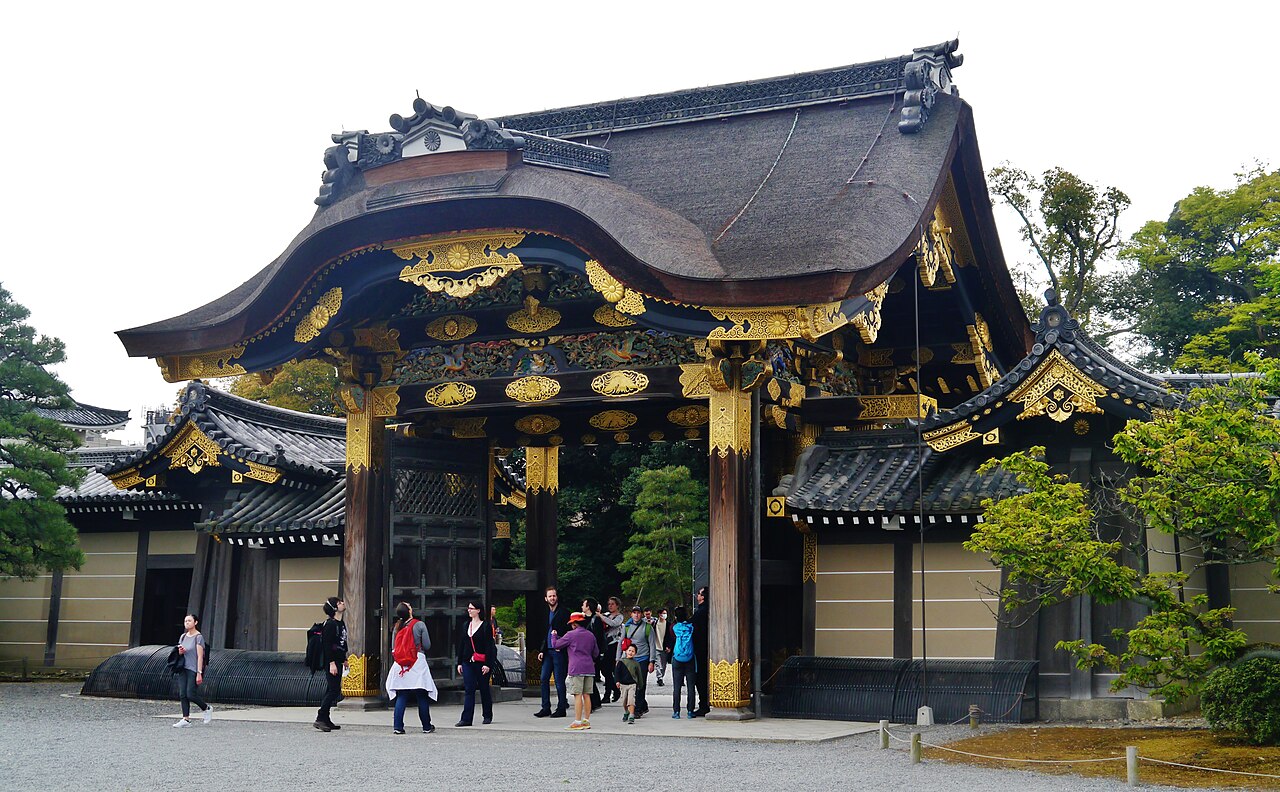
The corridor of the Ninomaru Palace at Nijo Castle makes a sound like a bird's call when a person walks on it.
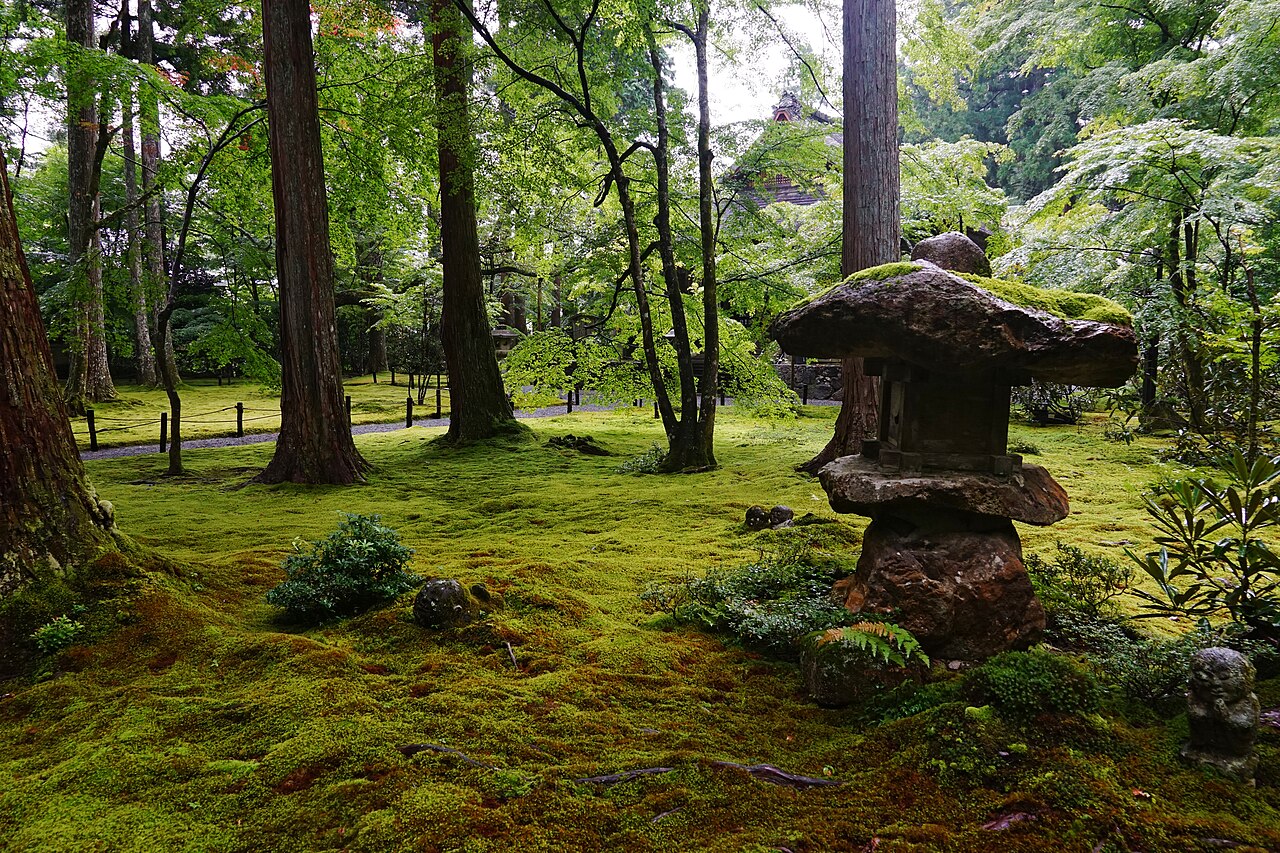
Ohara is a farming valley folded into the hills north of Kyoto, a place of thatched roofs, terraced fields, and temples strung along a small river.

Some cities reward the early riser more than others, and Okayama is one of them.
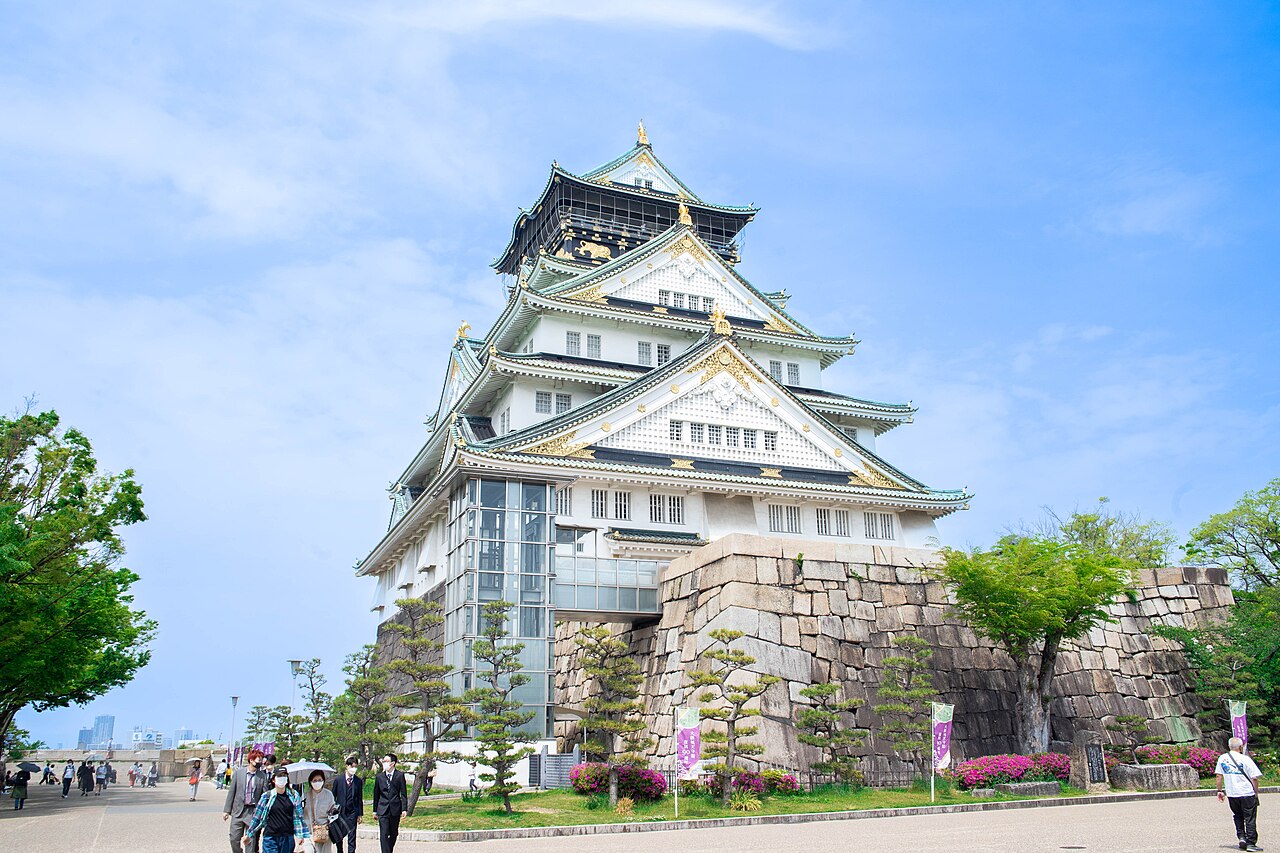
At the Toyotomi stone wall museum, visitors go down underground to see stone walls of Toyotomi-era Osaka Castle that the Tokugawa shogunate buried.
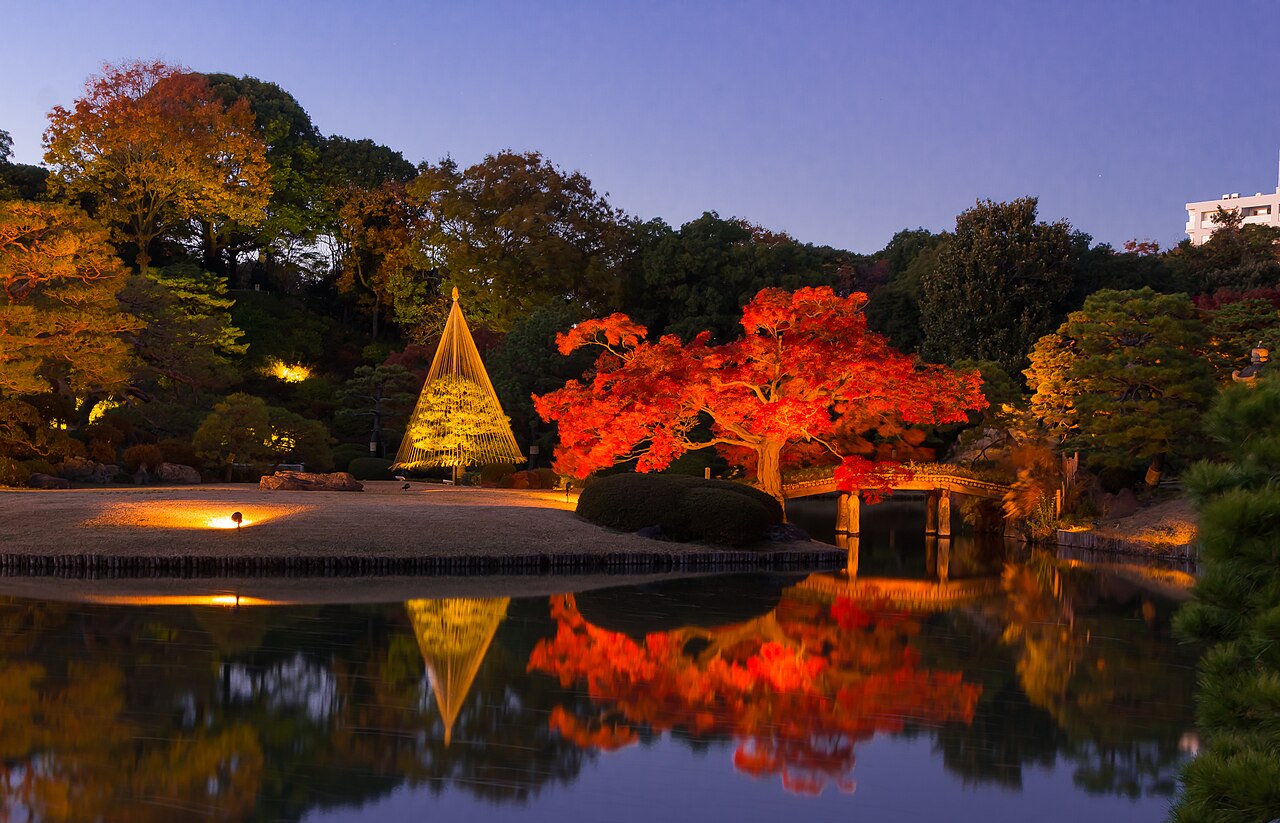
Walking around the pond at Rikugien passes islands, a stone bridge and a tea house beside a stream.
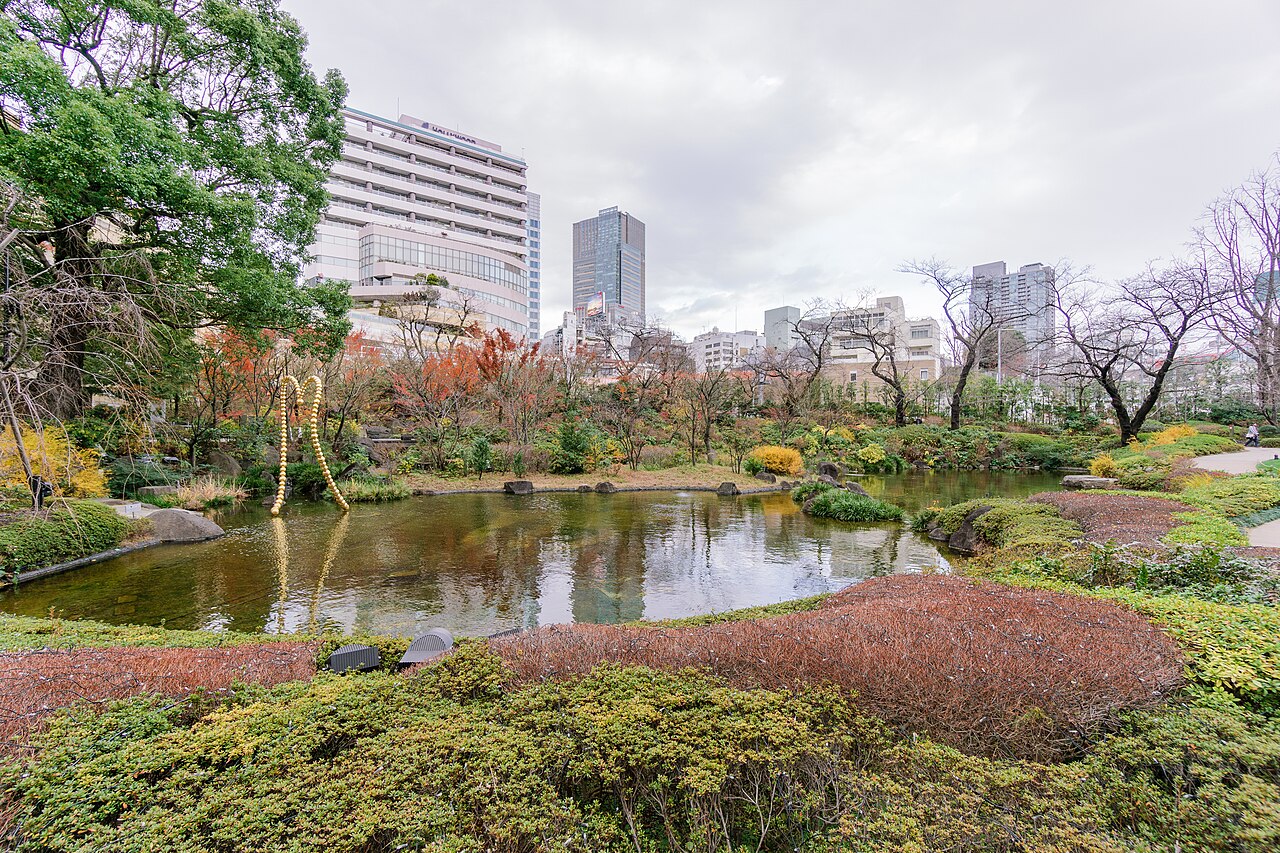
A giant spider ten metres high stands in a plaza at Roppongi Hills, described as a symbol of a place where people gather from around the world.
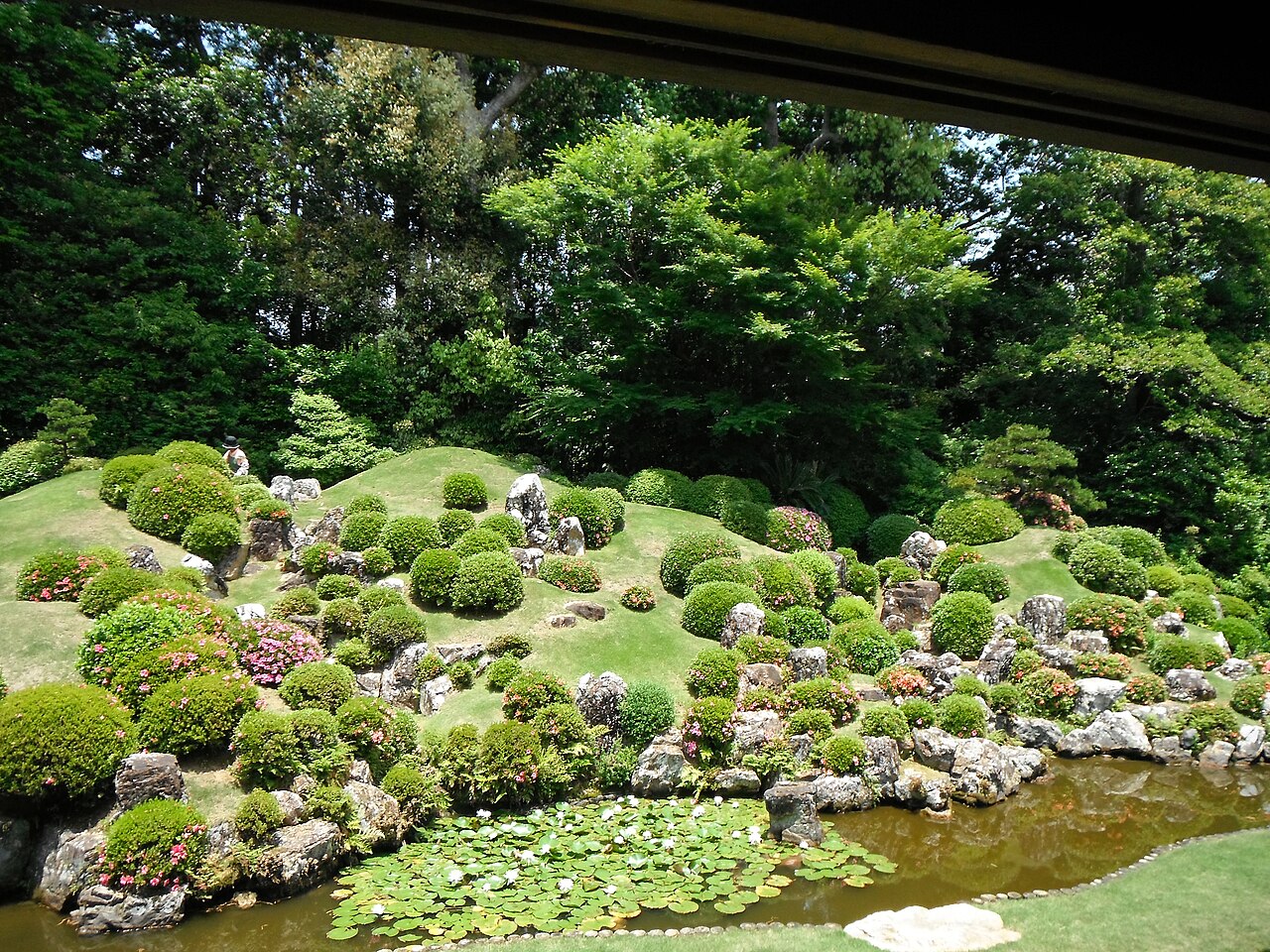
The Ryotanji garden, designed by Kobori Enshu, is a nationally designated place of scenic beauty.
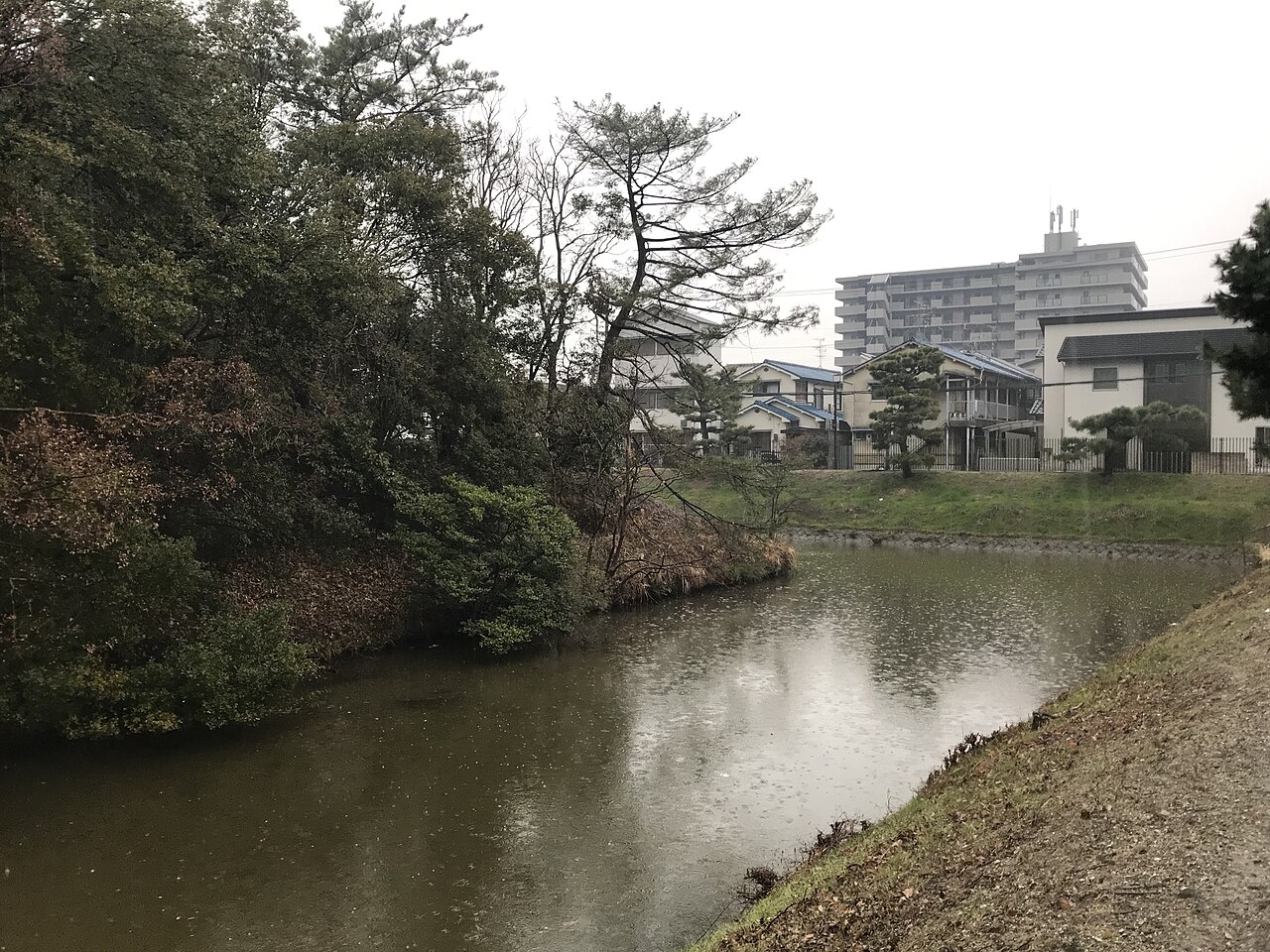
The largest burial mound in Japan sits in the middle of an ordinary suburb, and it is easy to walk straight past it.
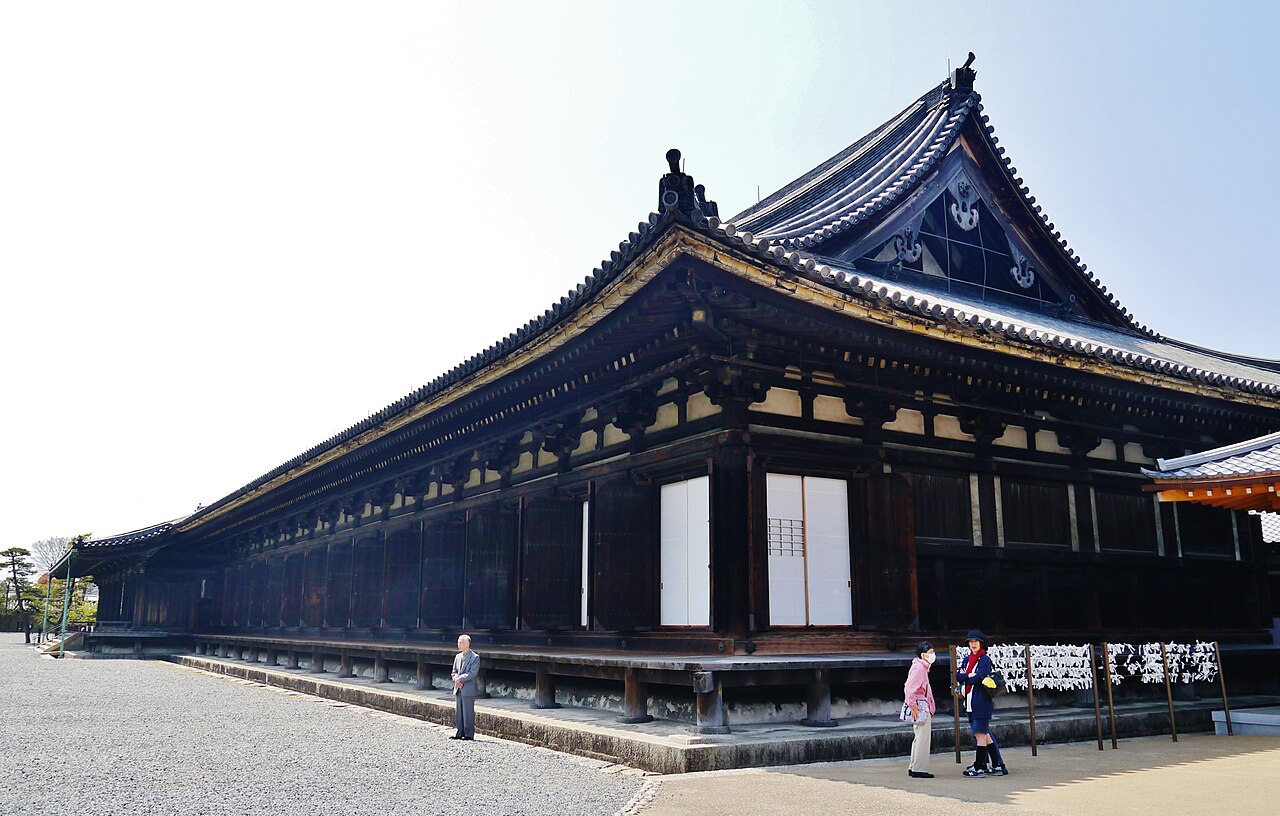
Standing in the main hall of Sanjusangendo, visitors face a seated thousand-armed Kannon together with one thousand and one standing thousand-armed Kannon…
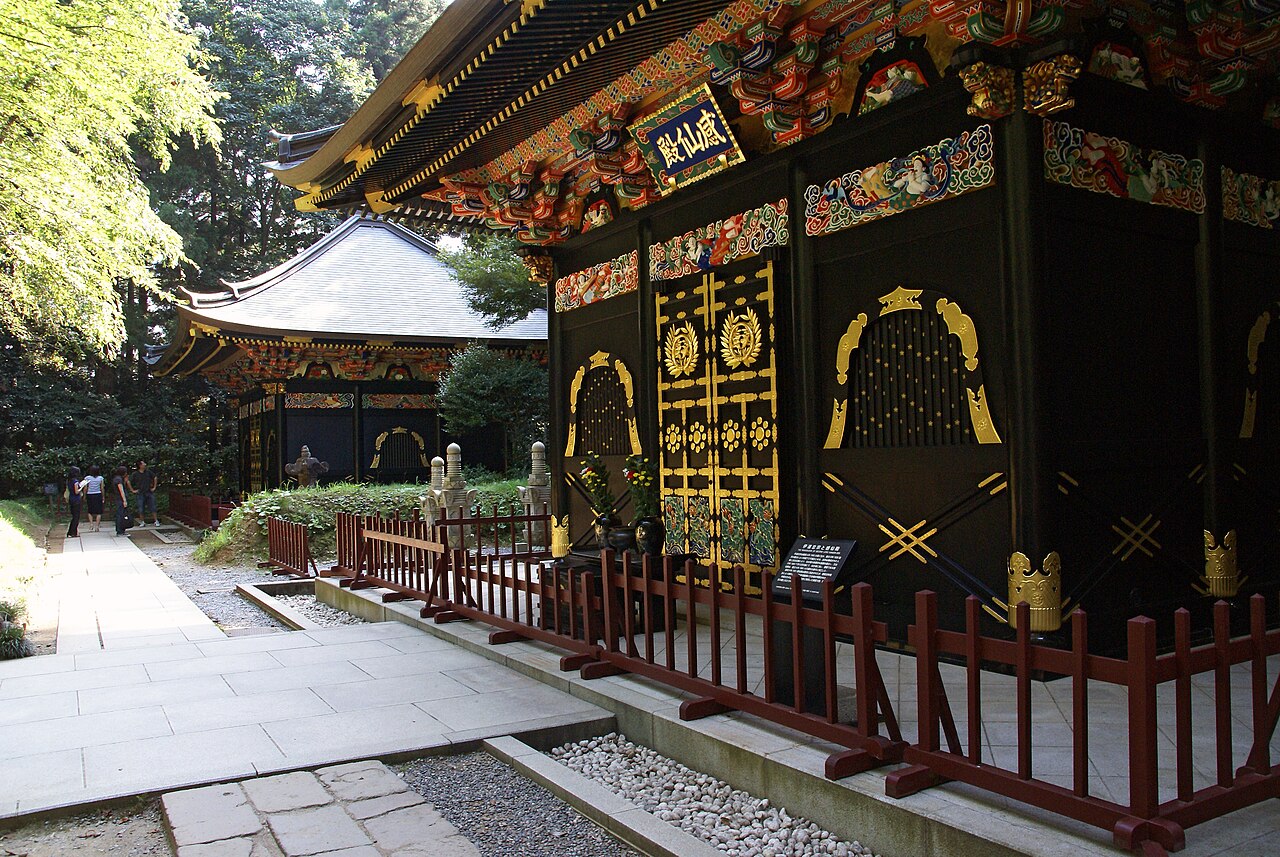
Sendai holds the mausoleum of Date Masamune, founder of the Sendai domain, a shrine whose buildings set black lacquer beneath polychrome carving, and a temple…
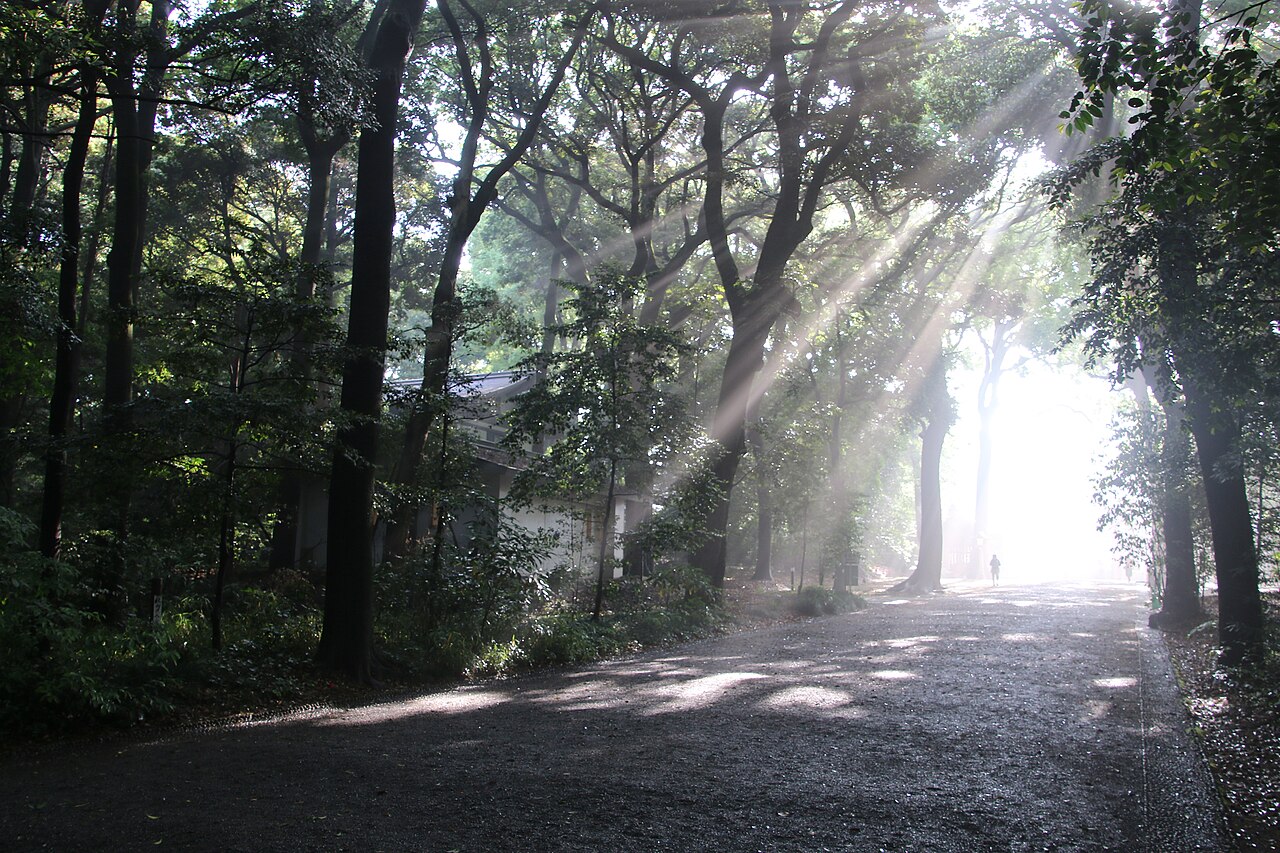
Beyond the torii gate of Meiji Jingu in Shibuya lies a sacred precinct surrounded by a large forest, made by planting trees donated from across the country.
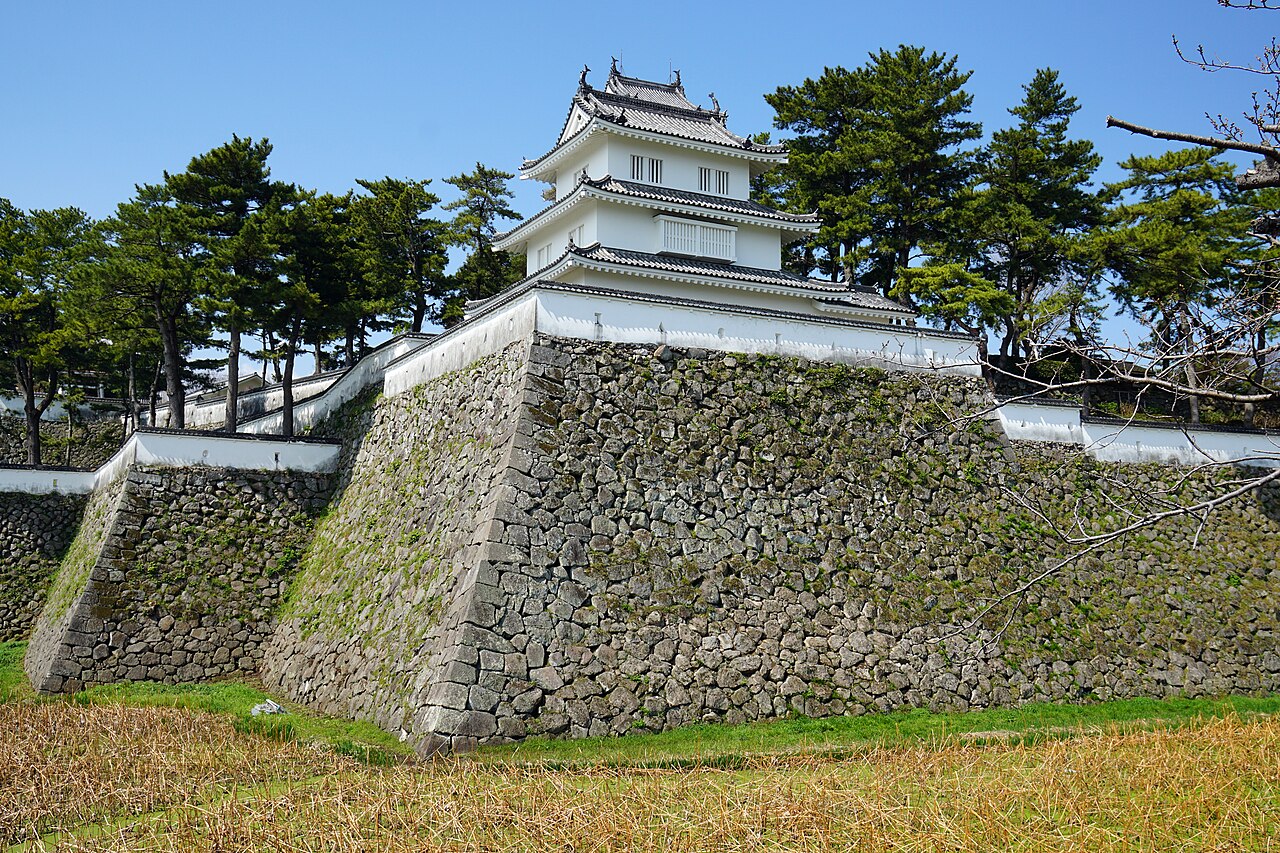
At Shimabara Castle the weight of a visit falls on what is inside: the main keep displays materials related to the Shimabara Rebellion, which gives a day trip…
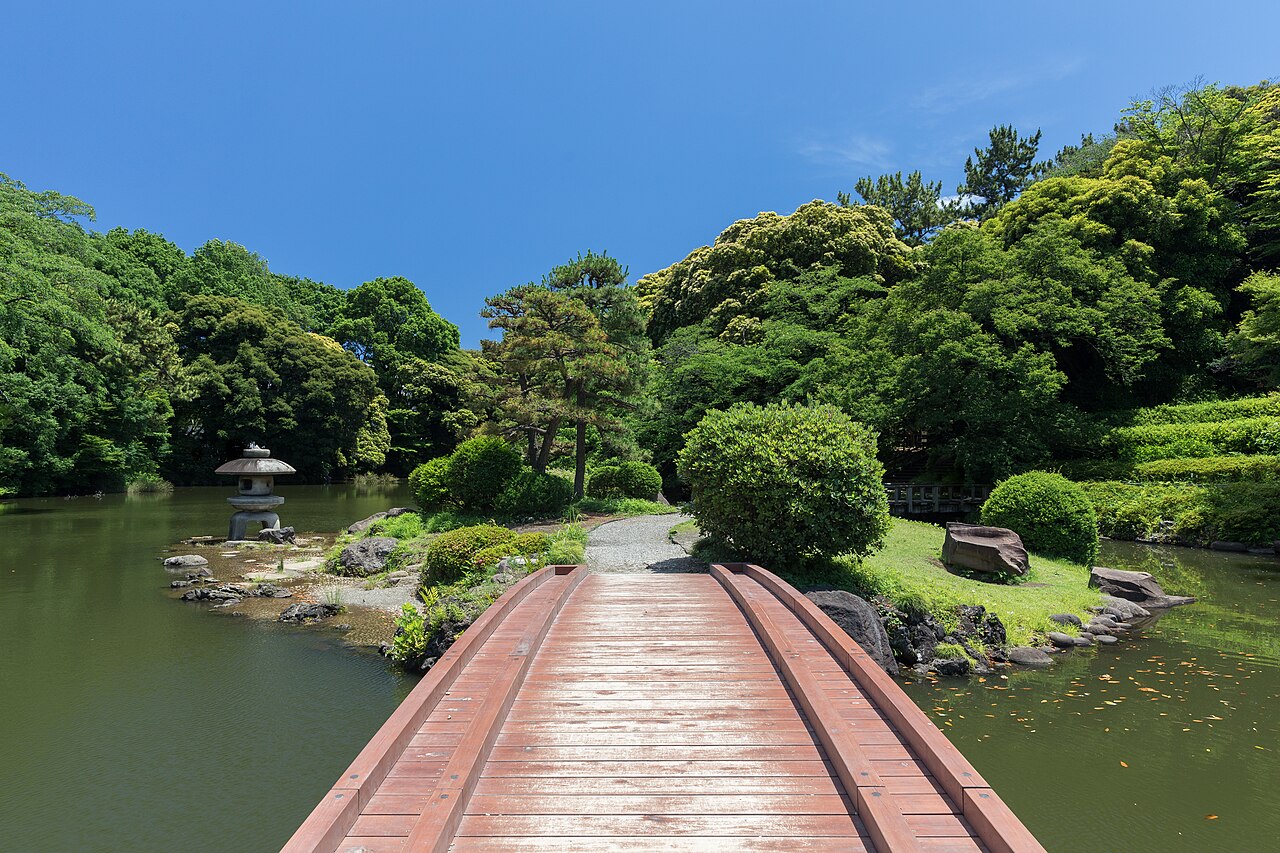
Shinjuku holds a garden, an alley of grill shops and a night view within one district.
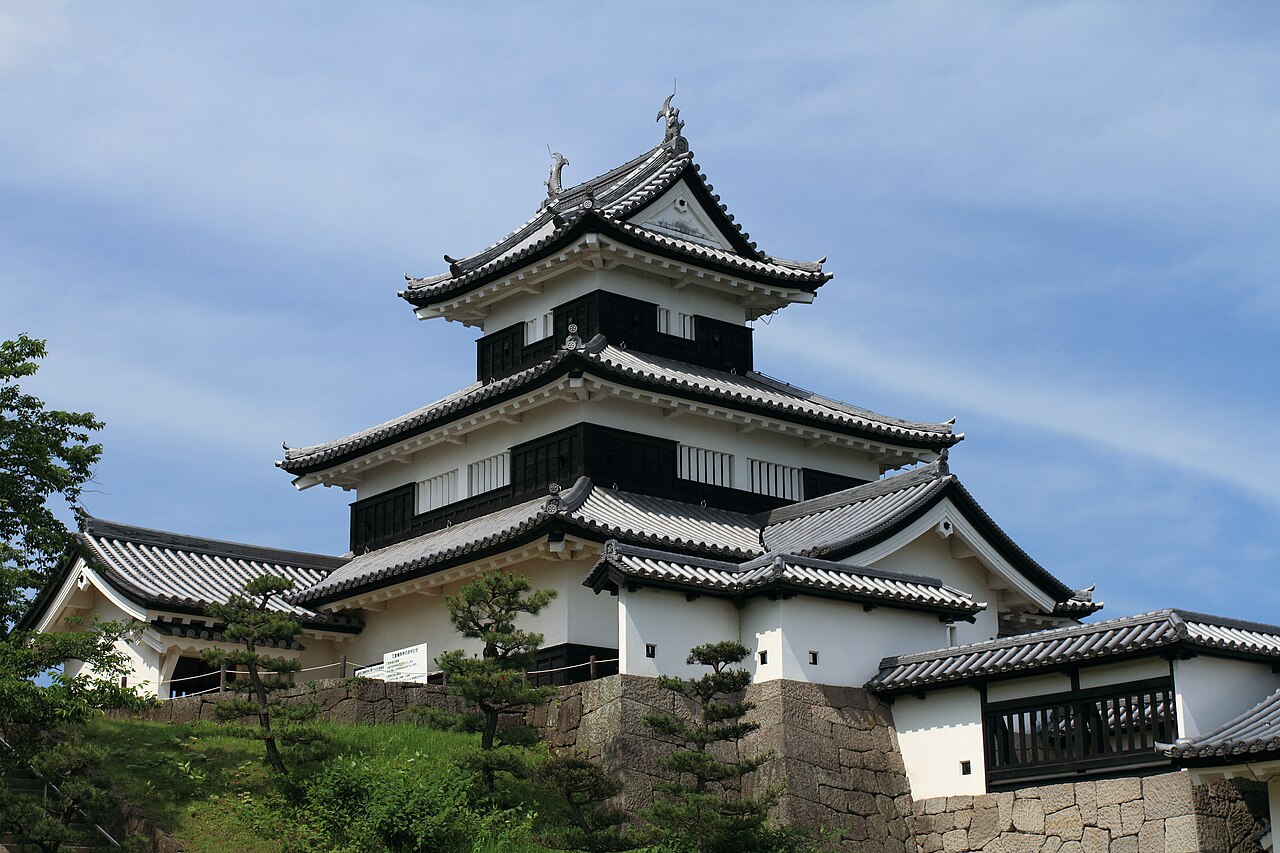
Shirakawa keeps a long memory: the Shirakawa Barrier is counted as one of the three ancient barriers of Michinoku.
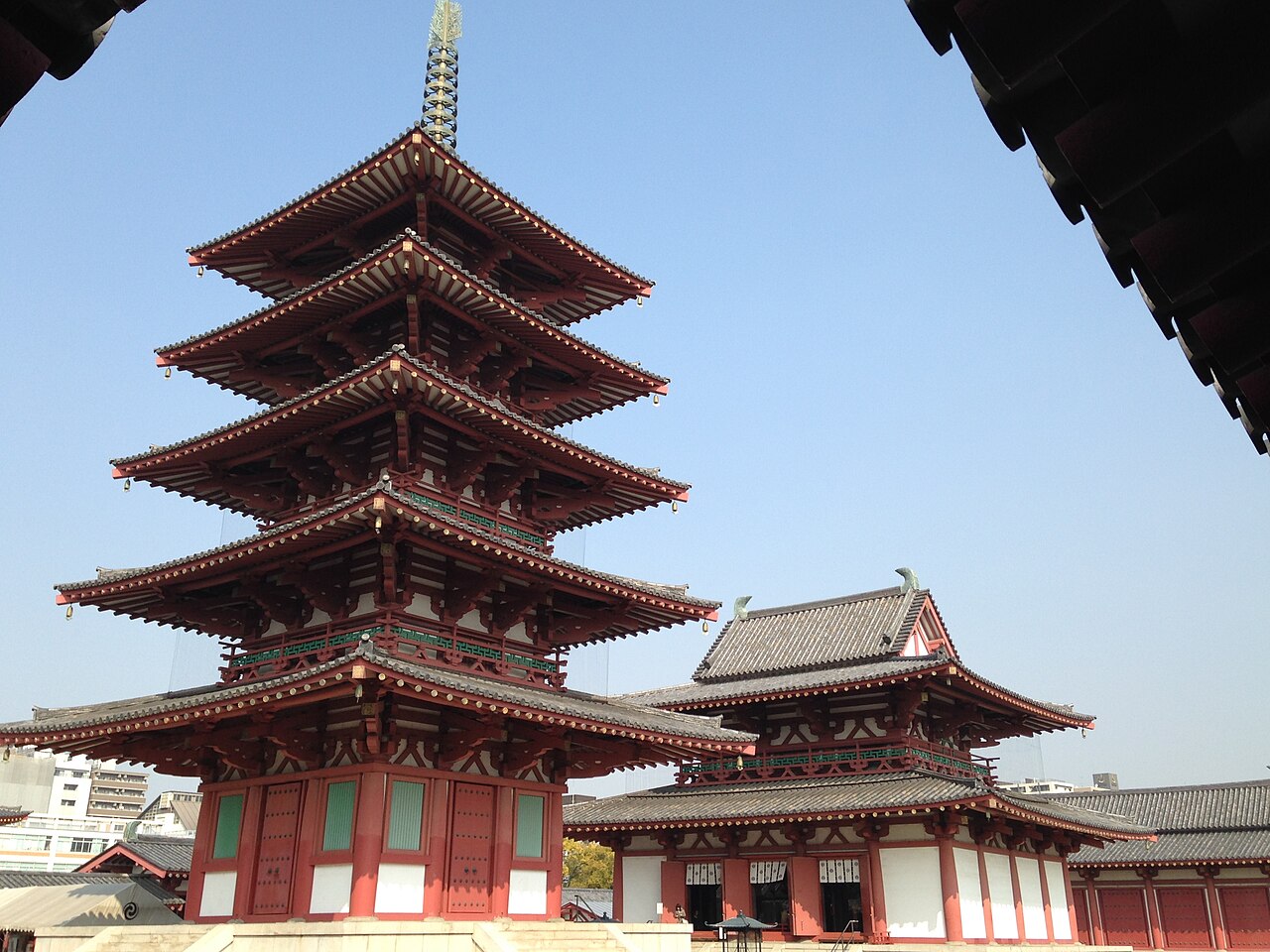
The area around Genshoji-zaka has a long history as a temple town.
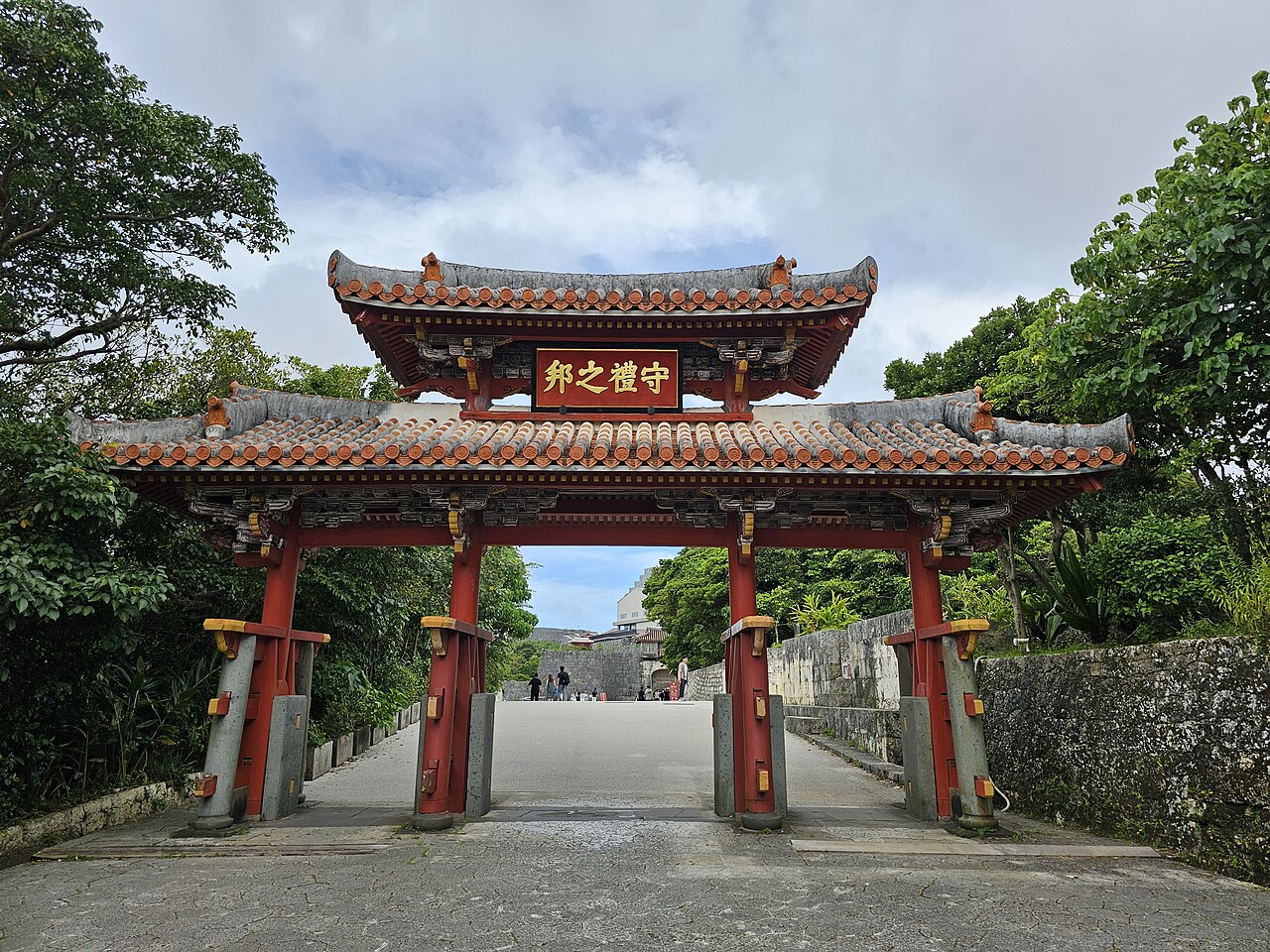
This article covers the monorail ride from Naha Airport to Shuri, the story of Shuri as the royal capital of the Ryukyu Kingdom, the gates and walls of Shuri…
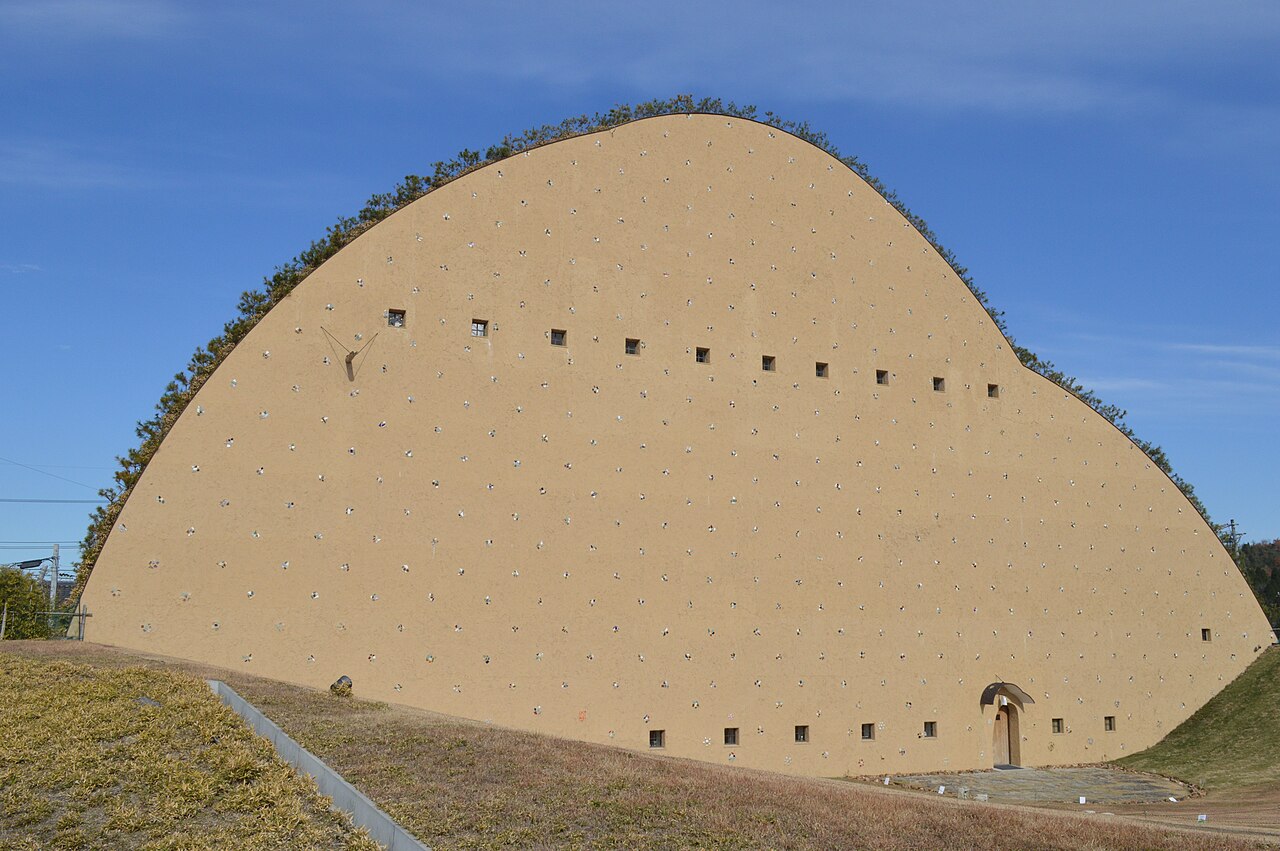
The top floor of the Tajimi Mosaic Tile Museum opens off a dim main staircase onto a room covered from floor to ceiling in white tile.
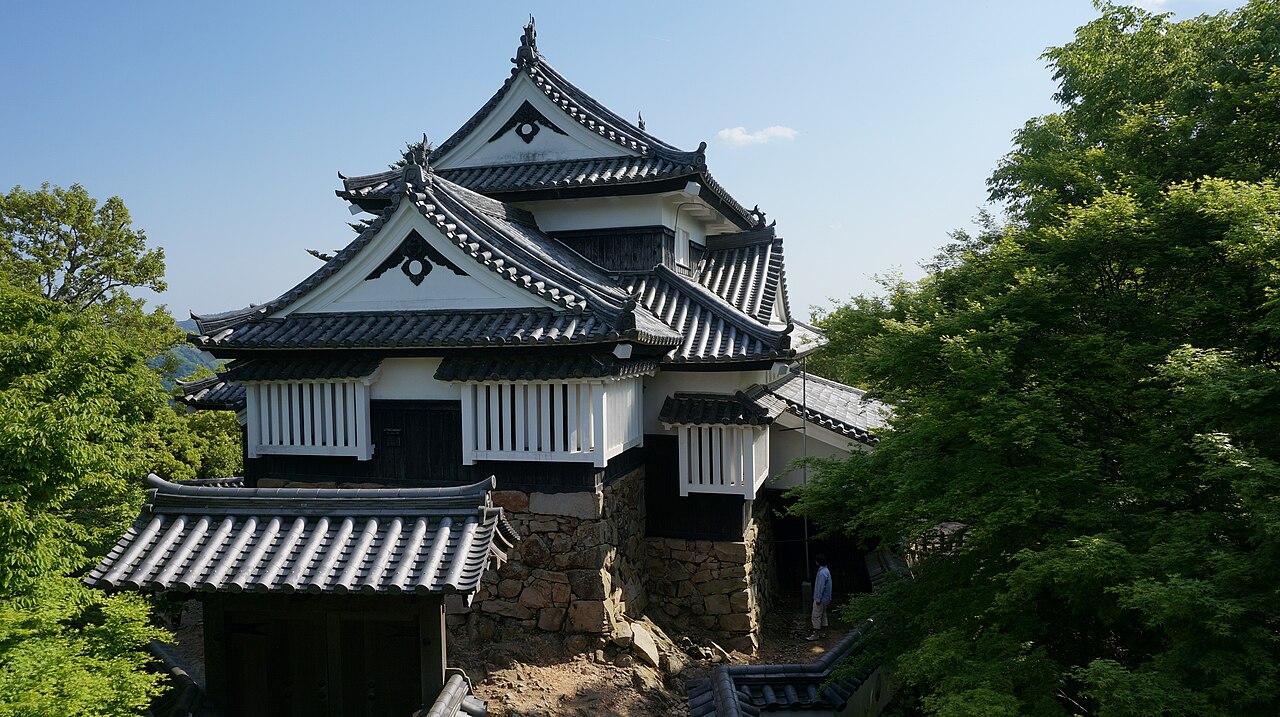
Bitchu Matsuyama Castle stands on a mountain above the town of Takahashi, and a magazine feature describes it as a castle in the sky for the way it sits on a…
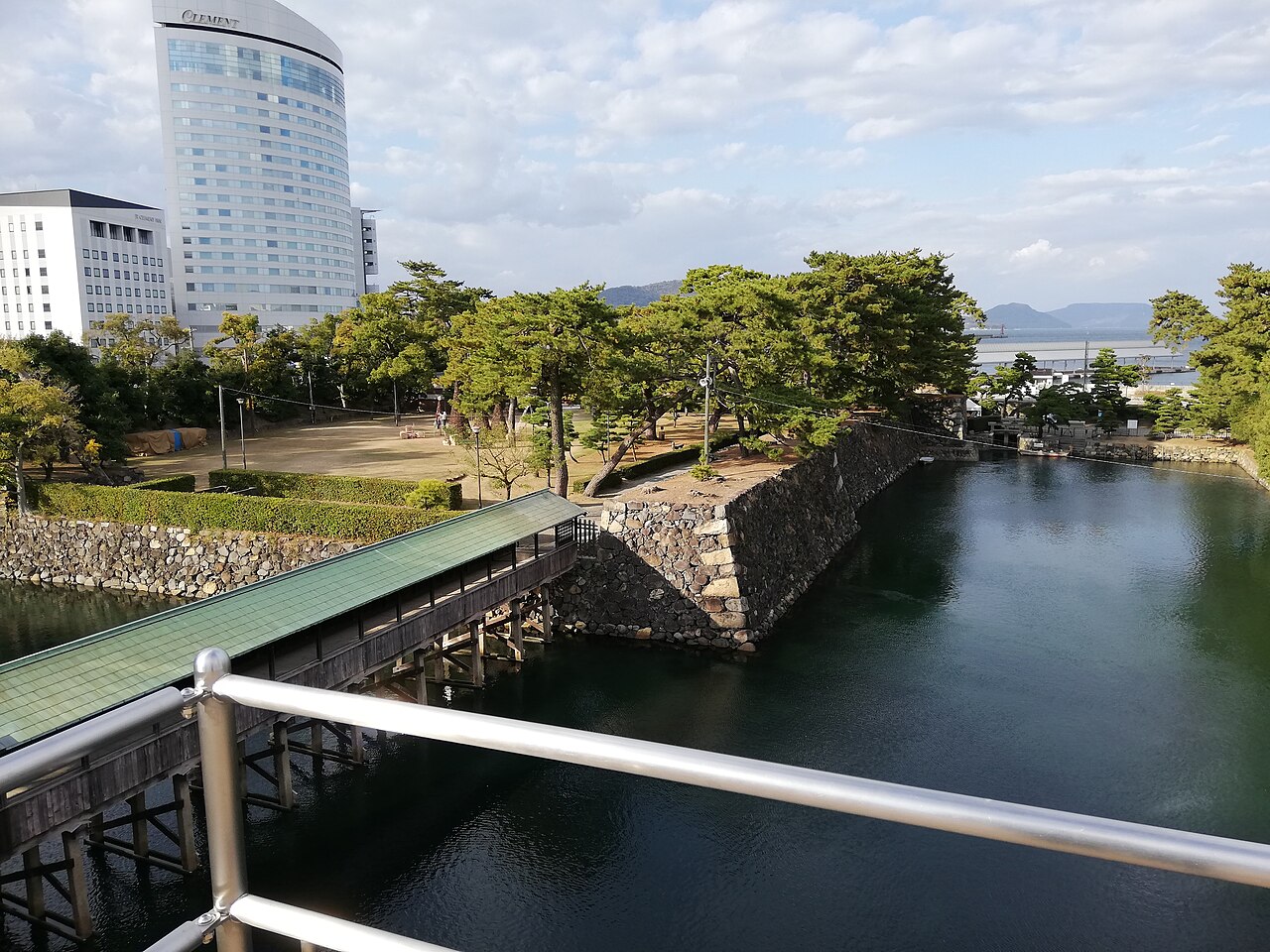
Takamatsu Castle rose as a sea castle, built facing the Seto Inland Sea.
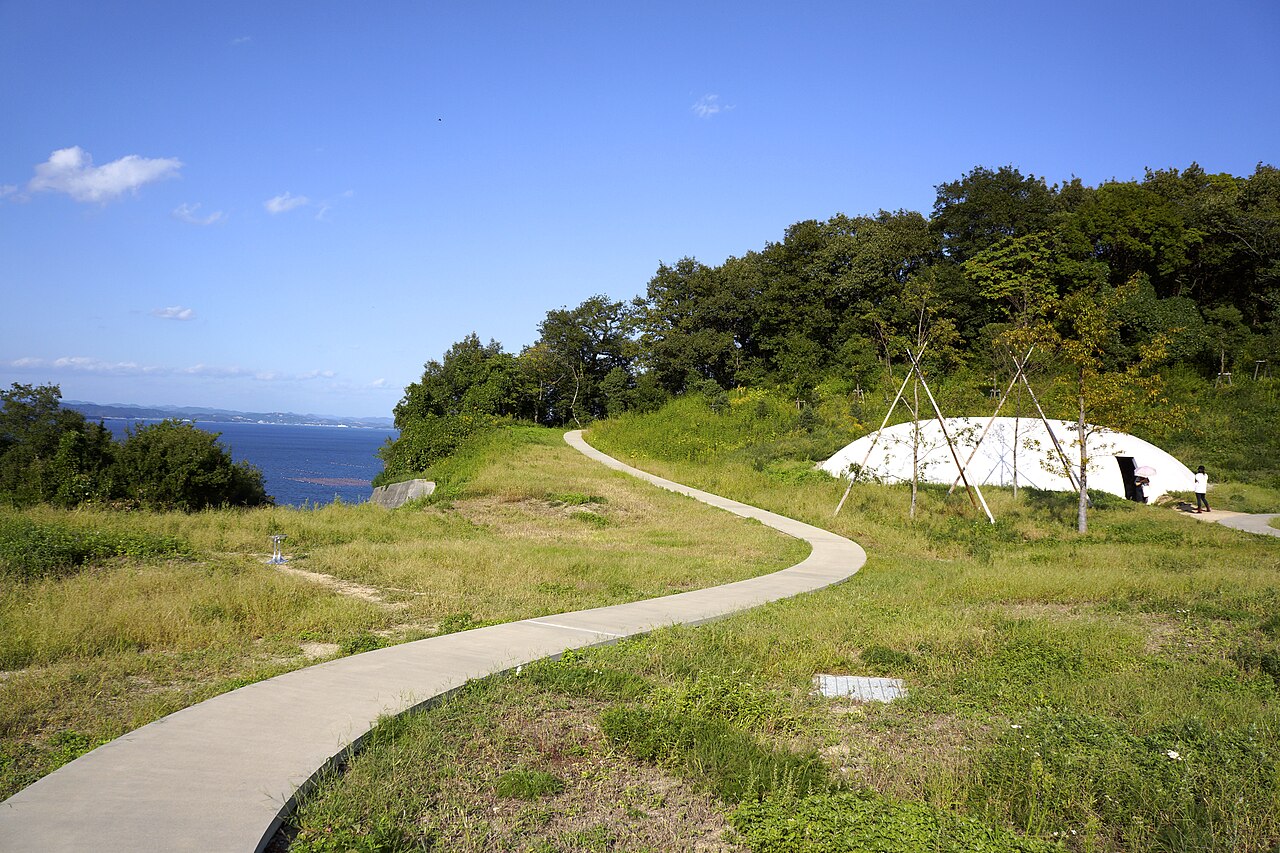
Teshima lets visitors walk a path through terraced field scenery that leads to Teshima Art Museum.
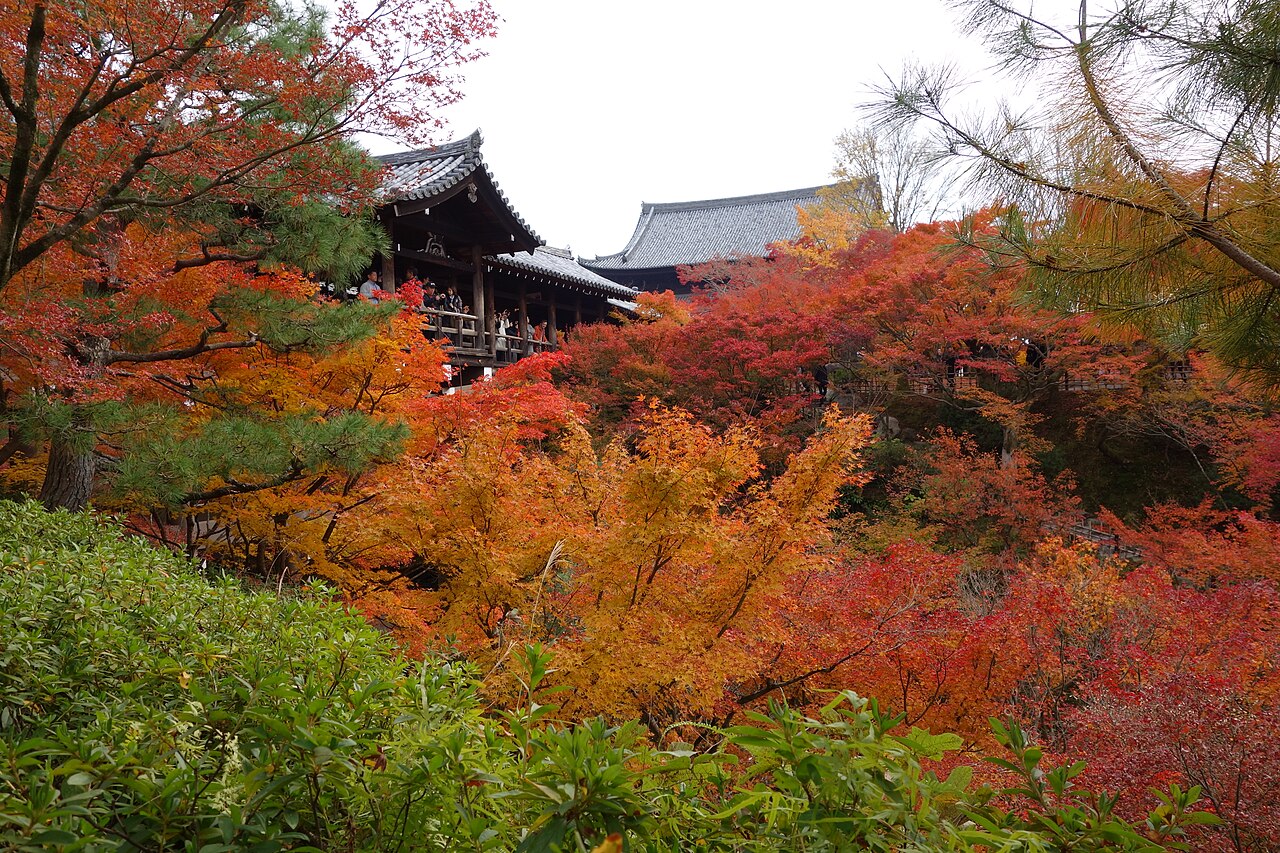
Looking down from Tsuten-kyo, a covered bridge, visitors see maples spreading out below it.
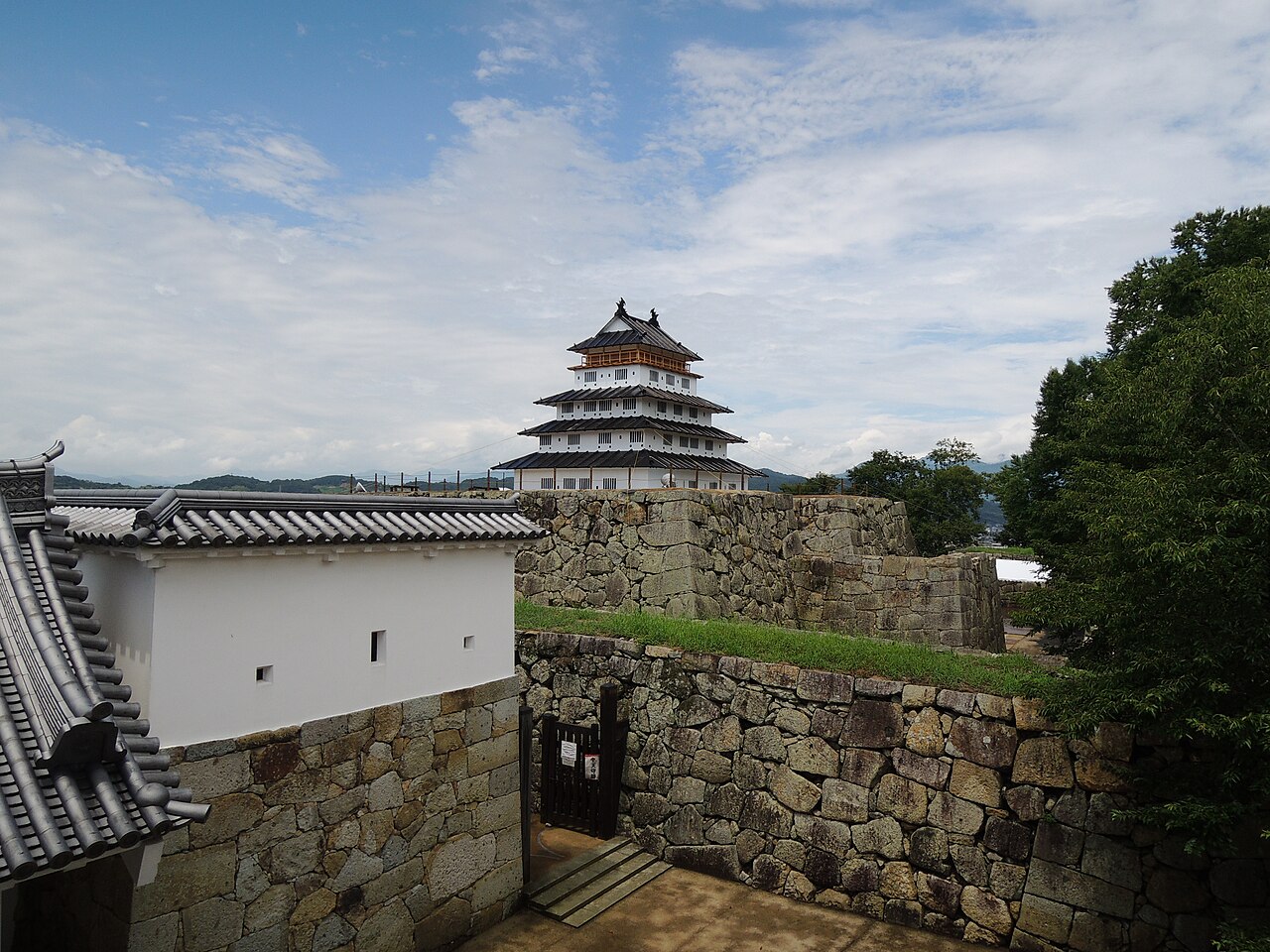
The top of Kakuzan Park is said to be level ground, with a view over the Tsuyama River and the town.
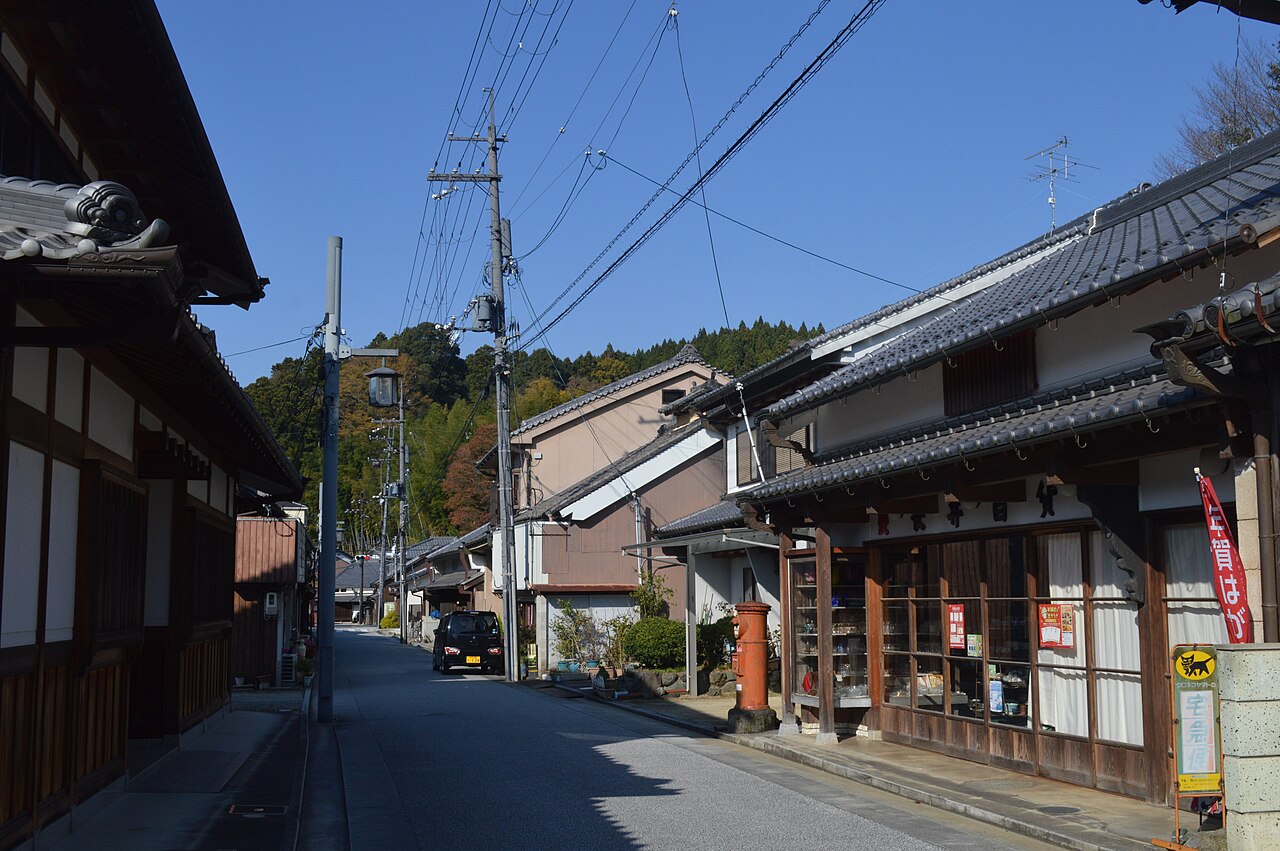
In Uda-Matsuyama in Nara, merchant houses dating from the Edo period to early Showa remain along the street as they were, with no large-scale alteration.
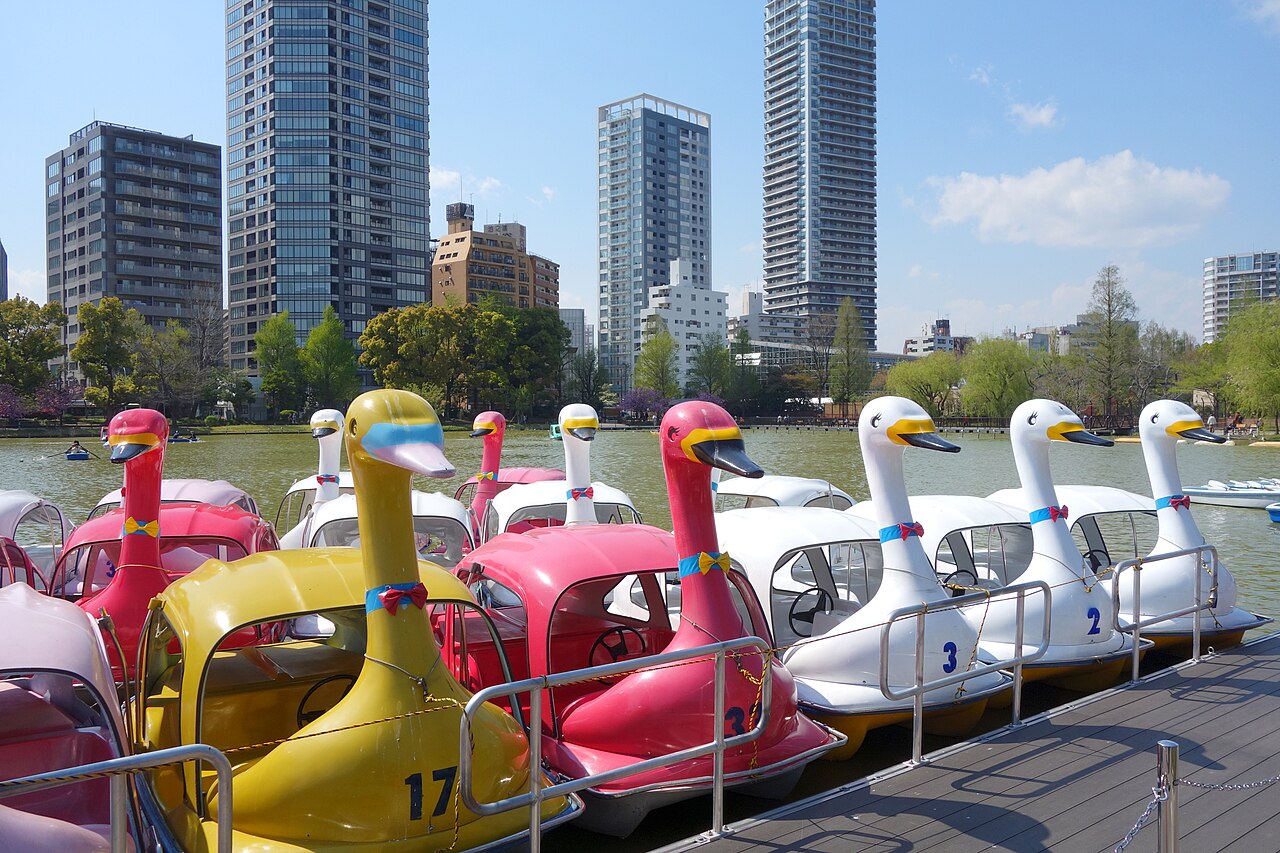
Visitors to Ueno Park can see cherry blossoms, then azaleas and satsuki, lotus flowers spreading across Shinobazu Pond, and colored leaves on the trees.
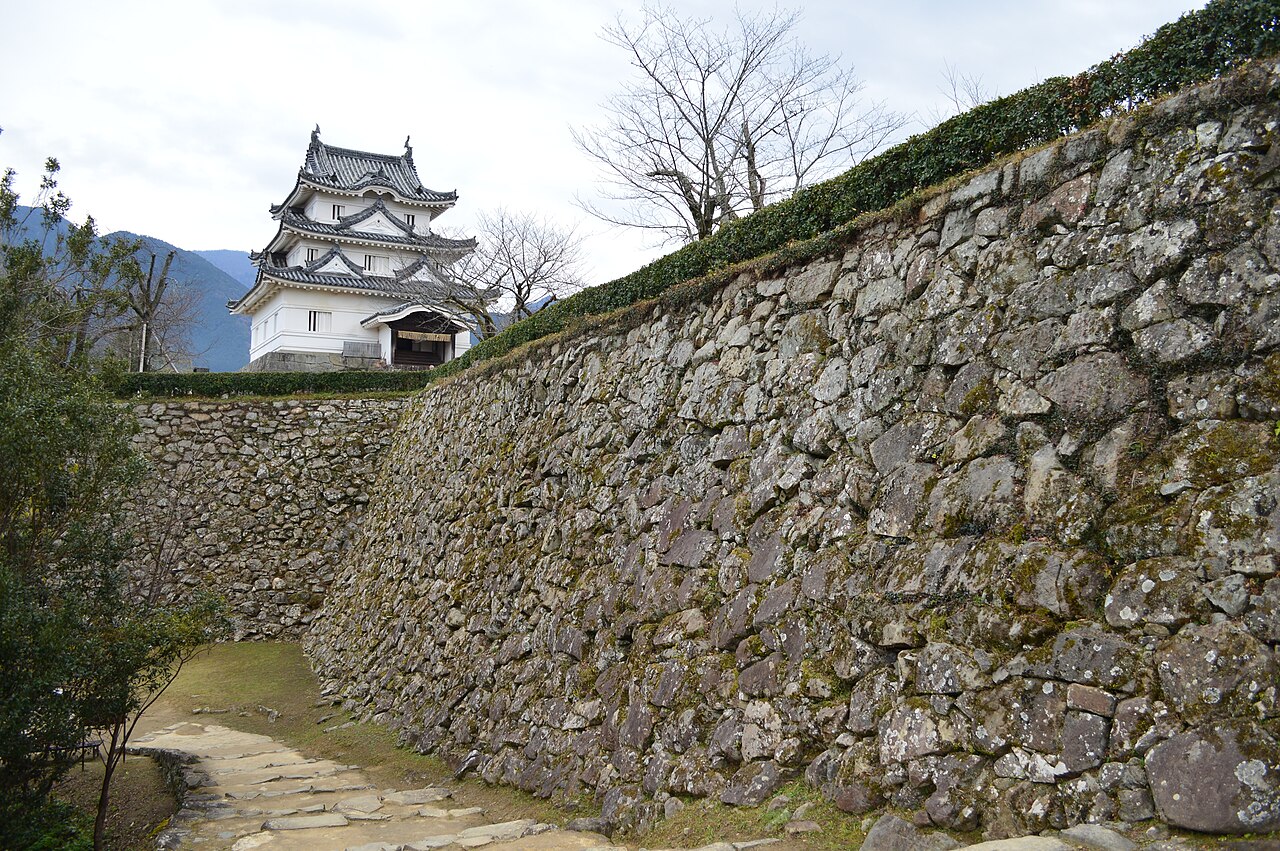
From the tenshu square of Uwajima Castle, visitors can see the castle, the whole of Uwajima city and the Uwa Sea.
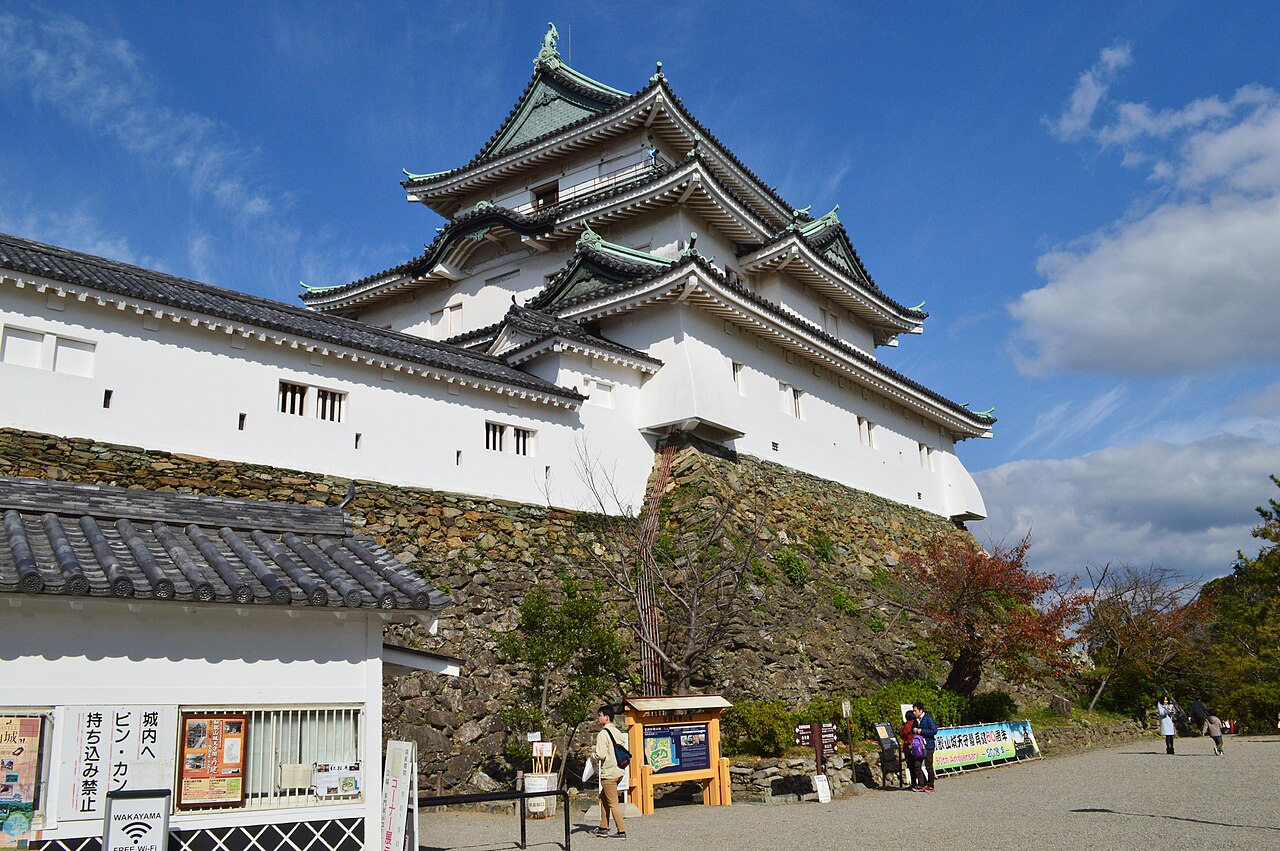
Taking thin tea and a sweet at the tea house Kosho-an follows a stroll through the garden at Wakayama Castle.
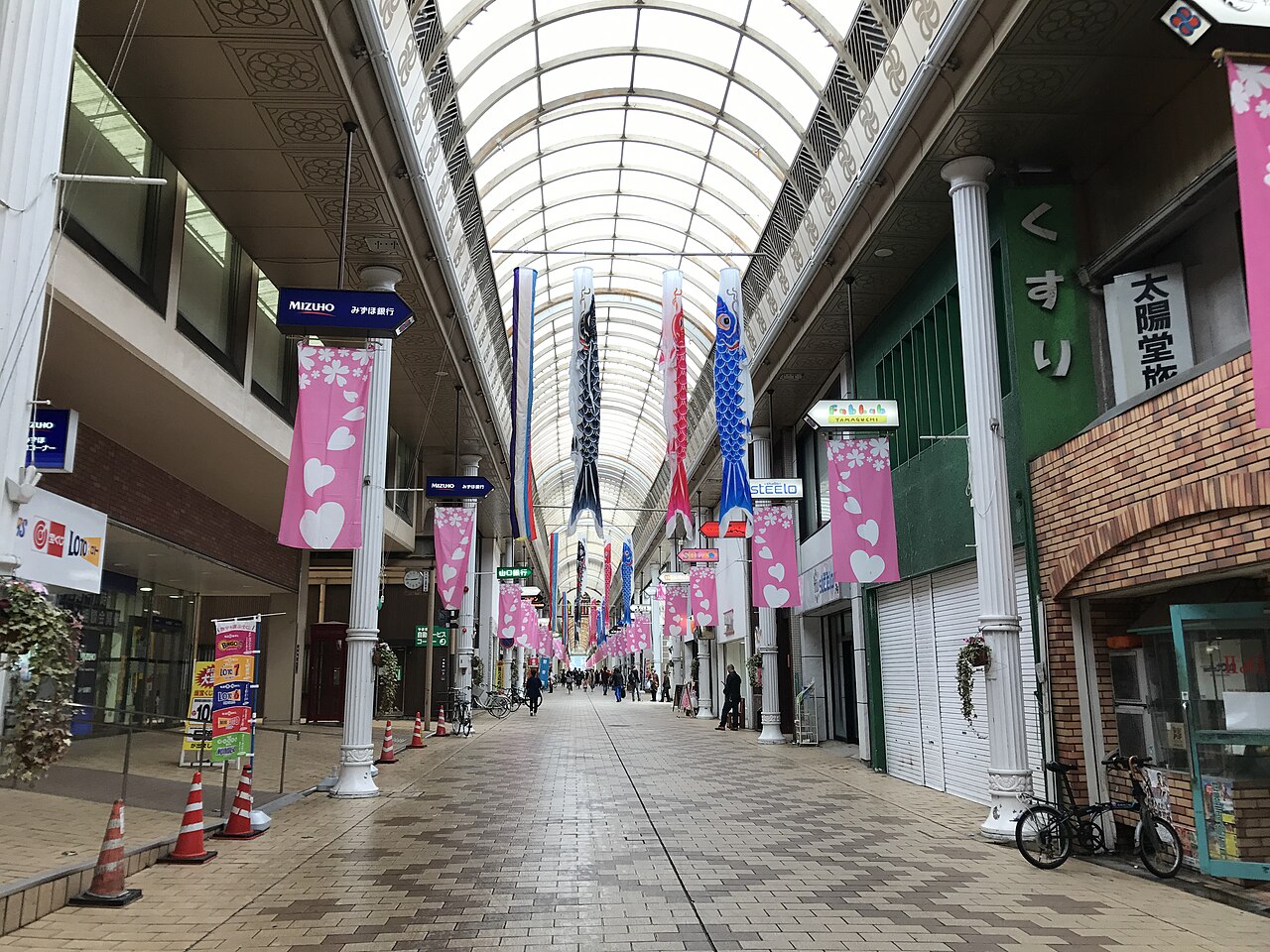
The town of Yamaguchi, called Nishi no Kyo, grew out of Ouchi Hiroyo's town building.
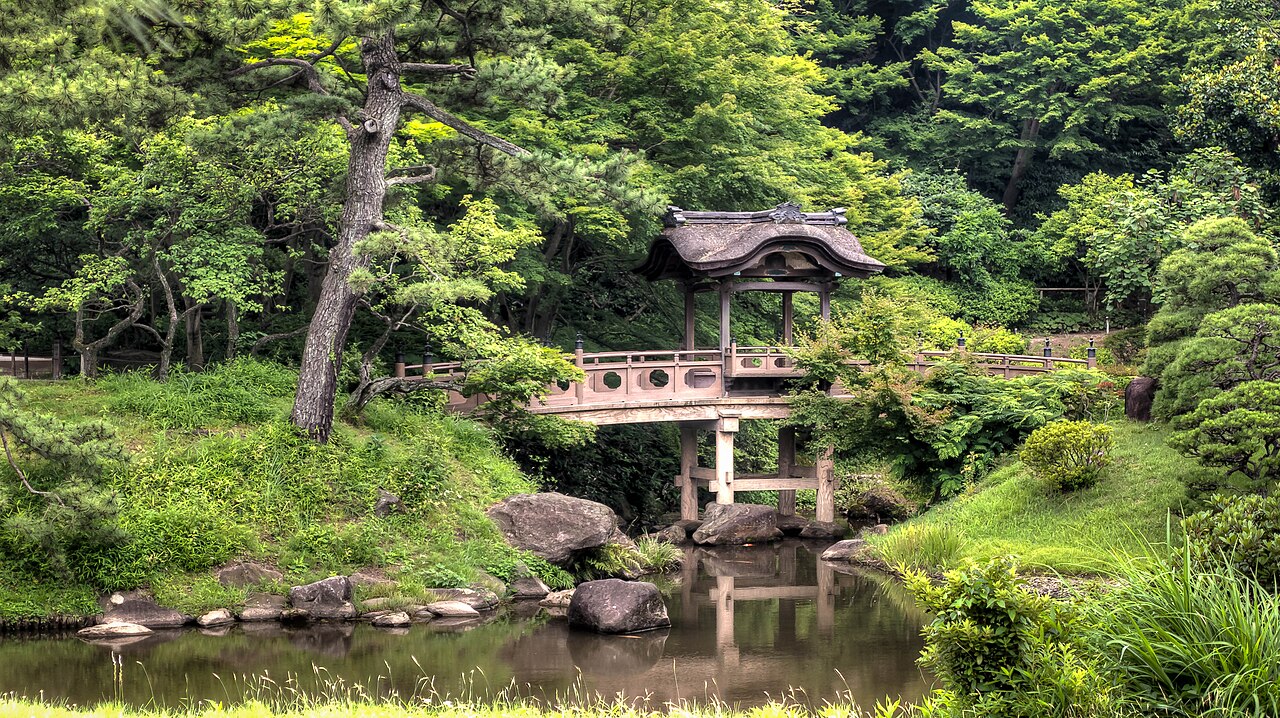
Yokohama tends to be remembered for its harbor and its crowds, yet the city keeps its calmest corners a short way south of the waterfront.