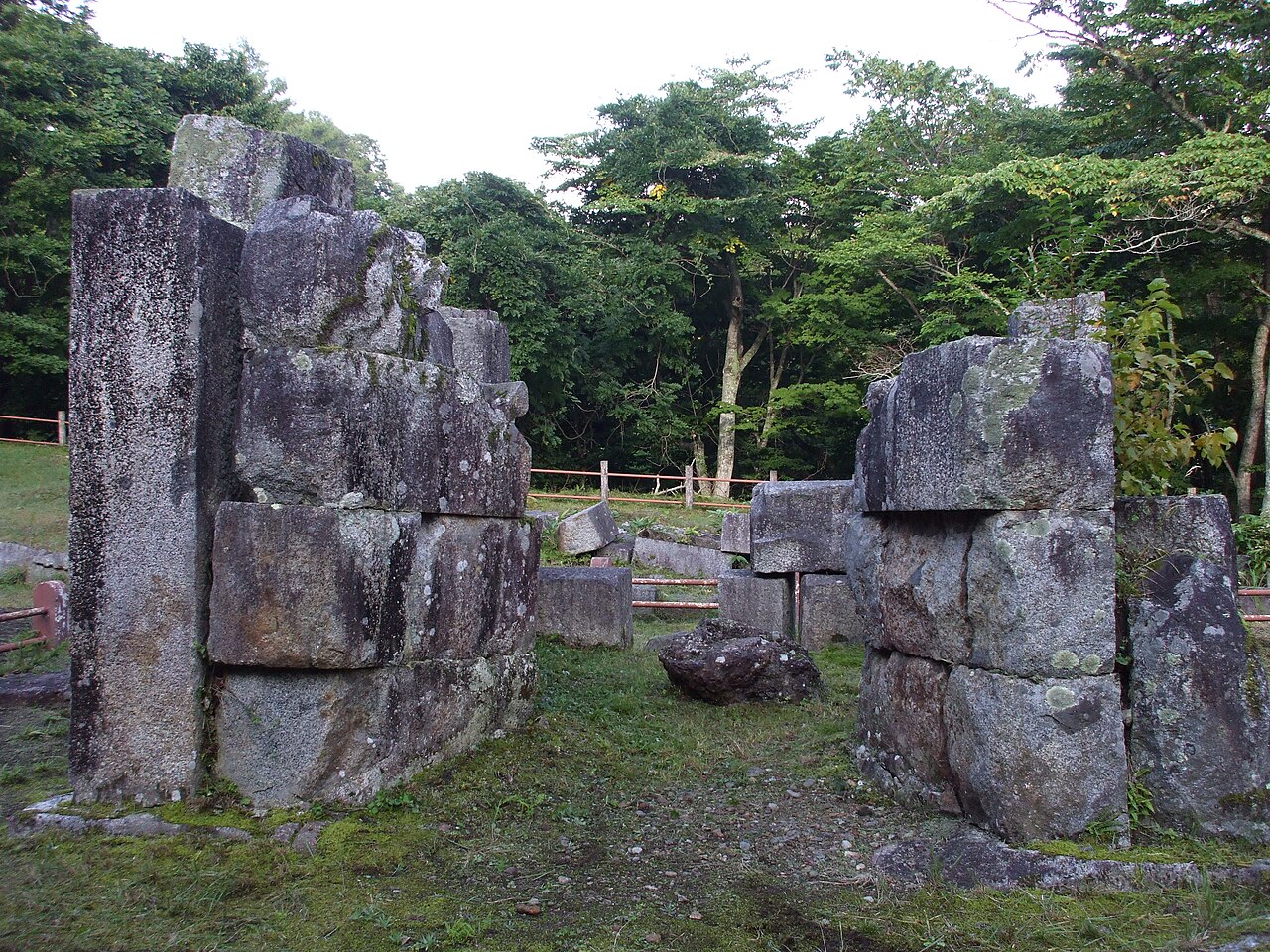
Kamaishi, in Iwate between sea and mountains, is a place to follow the story of iron from its first furnaces. Hashino Iron Mine, a World Cultural Heritage site, keeps the blast furnace ruins where that story took shape. The Kamaishi Iron History Museum carries that subject through to the iron of today. The white Kannon statue of Kamaishi Daikannon and a bowl of Kamaishi ramen round out the visit.
Hashino Iron Mine and Its Blast Furnace Ruins
Hashino Iron Mine is the collective name for the blast furnace ruins and the ruins of the iron ore quarry on the same site. The man called the father of modern iron-making built a Western-style blast furnace and made iron continuously, and the next year a temporary blast furnace, now the third blast furnace, started work at Hashino. The ruins of the transport route make up the third part of the name, and the third blast furnace ties the site back to that beginning.
The information center at Hashino Iron Mine gives guidance on the World Heritage site through a theater video and panel exhibits. An audio guide pen and a tablet for AR video can be used at the information center, putting the story of the blast furnace ruins at hand.
Because the theater video and the panels explain the World Heritage site, the information center is the place to start before the blast furnace ruins.
Kamaishi Iron History Museum and Its Metal Casting
The Kamaishi Iron History Museum keeps a steam locomotive in static preservation outside the museum. This mini steam engine once carried ore on the Kamaishi Railway, the third railway to be opened in Japan. At the museum a giant replica of an ammonite fossil is on display, donated by Digne-les-Bains in France, a sister city of Kamaishi.
Metal casting at the museum has to be arranged in advance, and it is the part of the visit where visitors try casting for themselves.
After the locomotive and the ammonite replica, the metal casting activity is the hands-on part of the Kamaishi Iron History Museum.
Kamaishi Daikannon
Kamaishi Daikannon was built to pray for the repose of people who died in various natural disasters and for the wishes of the living to be fulfilled. Its white Uoi Kannon statue, holding a fish, rises twelve storeys, and that purpose of remembrance and prayer is what sets the statue apart.
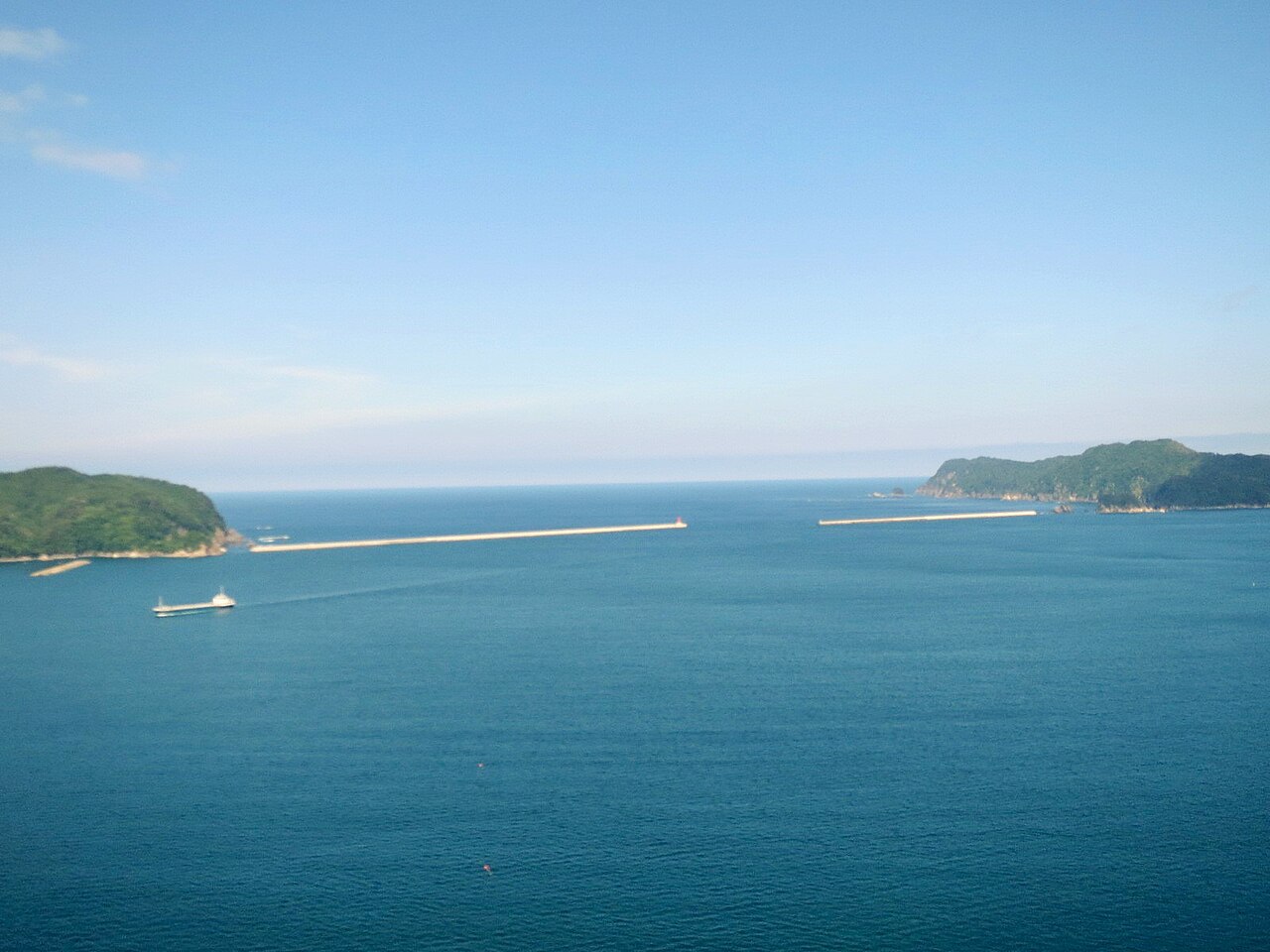
Inside the Kannon statue the thirty-three Kannon and the seven lucky gods are enshrined, and a walk through the interior passes them. The Uoi Kannon statue shares the grounds with a Buddha relic tower, which enshrines remains of the Buddha. A Fudo hall completes the complex, and beneath the Buddha relic tower stand statues of the founders of the eight Japanese Buddhist schools. Alongside them is a statue of a deity worshipped as a god of matchmaking.
From the observation point the view opens out, and a bridge on the grounds is designated as a photo point with views. A heart-shaped monument and a bell for wishes stand on the grounds as well, a lighter note beside the memorial purpose of the statue. If time at Kamaishi Daikannon is short, the walk through the interior of the Uoi Kannon statue is the part to keep.
Autumn Leaves at Sennin Pass
Sennin Pass connects Kamaishi with the inland area, and its continuous sharp curves once made it a difficult point on the road, though an expressway has since opened. From the old pass road, autumn leaves spread over the whole view of Sennin Pass. Kamaishi is surrounded by sea and mountains, and autumn leaves can be seen from almost anywhere in the city as the colour deepens. The passes connecting Kamaishi and neighbouring Tono are the recommended place to see them.
The standard course is to look at the view spreading below from the clearing just after exiting Sennin Tunnel on the Kamaishi side. From the clearing the drive then continues through the autumn leaves that spread over Sennin Pass. Because the course is driven, Sennin Pass is a plan for a day with a car.
Kamaishi Ramen
Kamaishi ramen is built on extra-thin curly noodles, devised to boil quickly so that customers are not kept waiting. The thinness of the noodle is the point, and the short time in the pot is the reason behind it.
The soup is a light soy-sauce broth, clear amber in the bowl, and that pairing of thin noodles and clear broth defines Kamaishi ramen.
To stay overnight in the area, browse places to stay in Kamaishi.
Getting to Kamaishi
New to rural buses and one-man trains? See how to ride them, step by step.
| Leg | How | Time or cost |
|---|---|---|
| JR/Sanriku Railway Kamaishi Station to the Kamaishi Iron History Museum | By car | About 10 minutes |
| Kamaishi Station to the Kamaishi Iron History Museum | Route bus, then on foot from the nearest stop | About 5 minutes on foot |
Hours and Fees
| Place | What | Hours or fee |
|---|---|---|
| Hashino Iron Mine | Hours | 9:30 to 16:30 |
| Hashino Iron Mine | Winter closure | 9 December to 31 March |
| Paid sightseeing guide at the Hashino information center | Guide on site | 1 April to 8 December |
| Kamaishi Iron History Museum | Hours and closing | 9:00 to 17:00; admission until 16:00; closed every Tuesday and 29 December to 3 January |
| Kamaishi Daikannon | Hours | 9:00 to 17:00; varies by season |
| Metal casting workshop at the museum | Fee | 700 yen, separate from the admission fee |
Fees and hours were checked against official sources on 9 November 2026.
Thinking of staying overnight?
Compare places to stay near Kamaishi, Iwate, Japan →
Disclosure: This post may contain affiliate links. If you book through them, we may earn a commission at no extra cost to you.