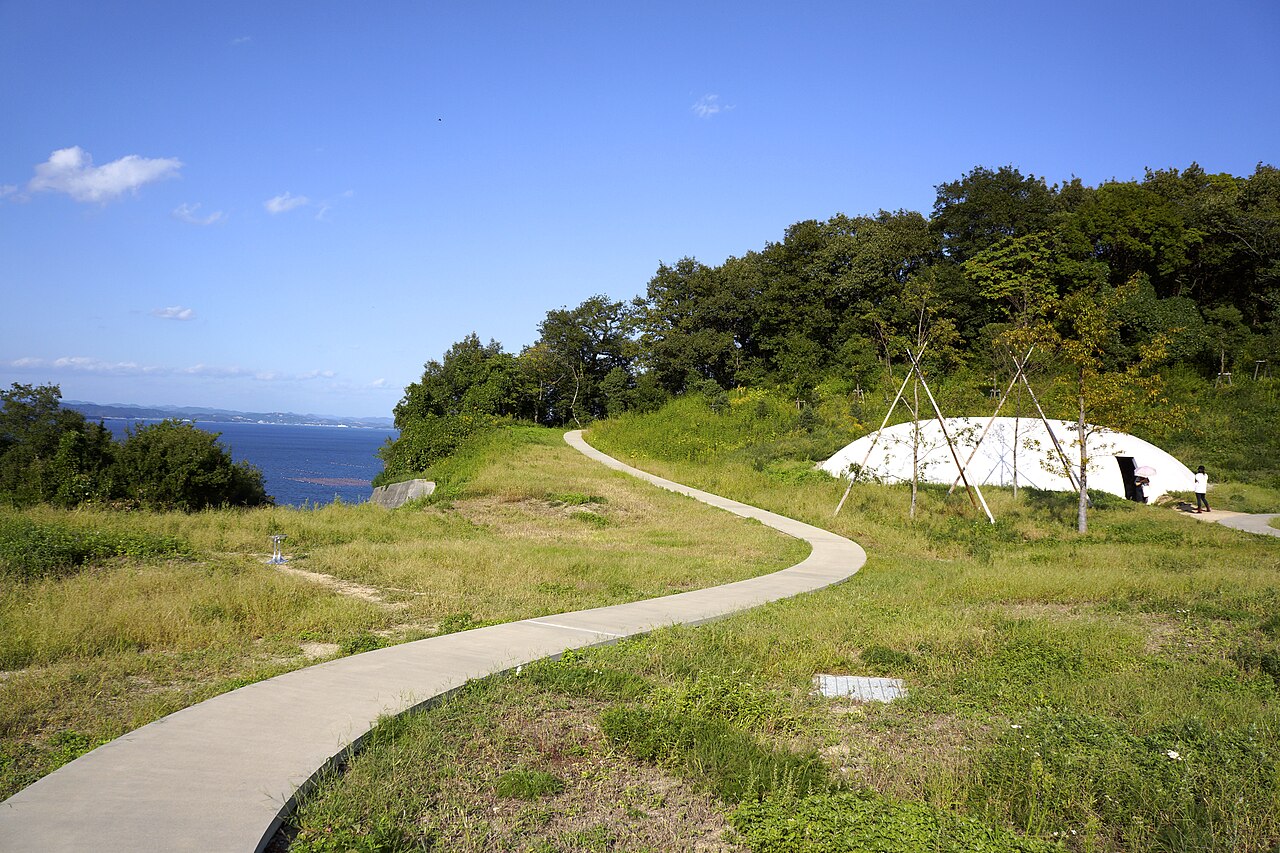
Teshima lets visitors walk a path through terraced field scenery that leads to Teshima Art Museum. Higher on the island, four hundred wind chimes sway in the wind in the forest on the mid-slope of Mt. Danyama. At Les Archives du Coeur, visitors can listen to heartbeats of people from around the world that the artist has collected and preserved. A renovated private house shows paintings by Tadanori Yokoo together with installations in a garden and a cylindrical tower.
The water-droplet building on its hill above the sea, the wind chimes on Mt. Danyama and the Yokoo paintings in the Ieura district each give Teshima a different kind of visit, so a plan can start from whichever of the three matters to the traveller.
Teshima Art Museum and the Terraced Rice Fields of Karato
Teshima Art Museum stands on a small hill overlooking the Seto Inland Sea. Two openings in the ceiling take the surrounding wind, sound and light directly into the interior. The artwork here is a spring where water wells up in many places throughout the day. The water-droplet-shaped building opened in two thousand ten in a corner of terraced fields restored together with local residents.
Karato has terraced fields that spread across a slope facing the sea. In autumn, seaweed farming rafts float on the sea and can be seen from the terraced fields of Karato. The Teshima terraced rice field harvest festival is held in the fields around the museum and includes a rice-cutting activity, a food market and a stage by Teshima children.
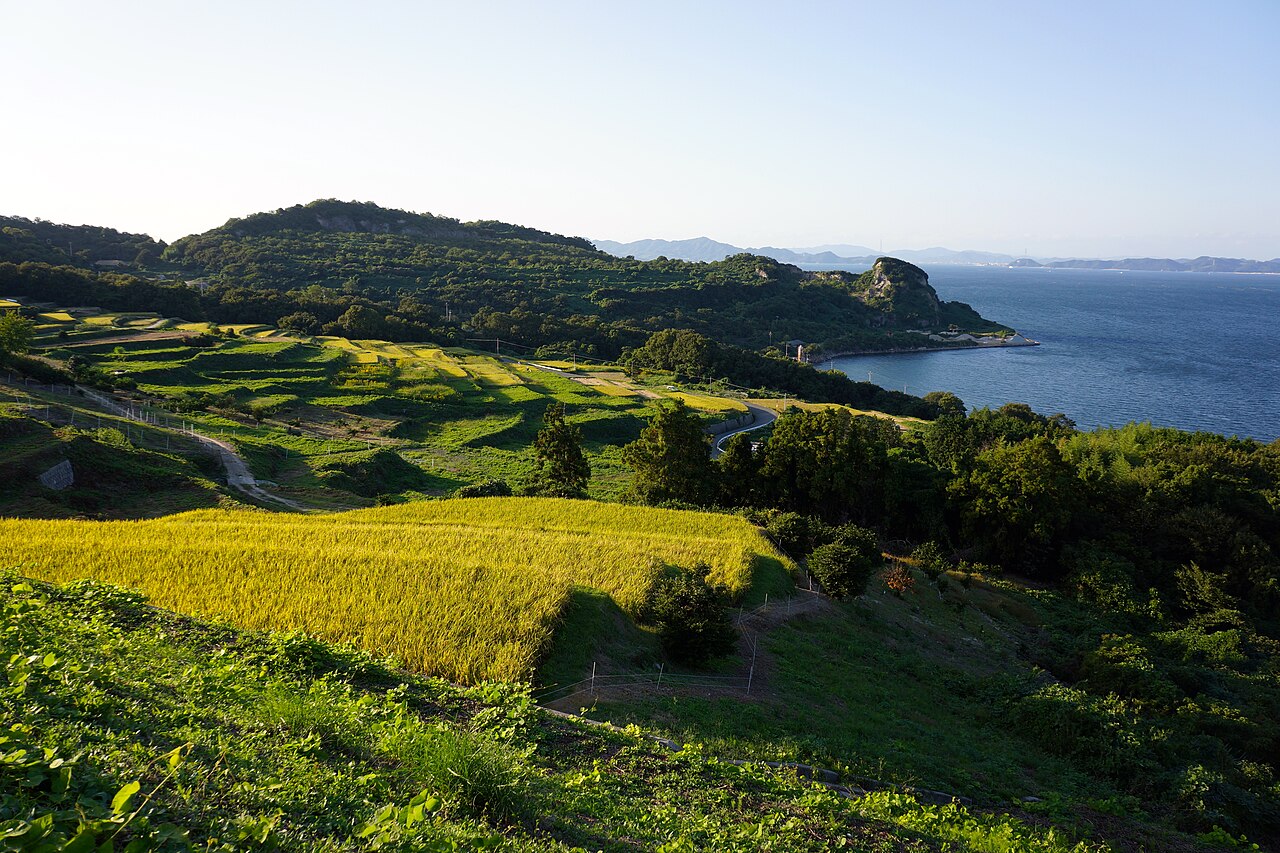
Karato-oka settlement, at the foot of Mt. Danyama, has a spring that is said never to have dried up. Clear water wells up there all year round, and islanders used it for cooking and washing in daily life. The spring also serves as a place where island mothers gather and chat.
Because the walking path to the museum runs among the terraced fields, the fields come first and the building second. Teshima is also one of the venues for the Setouchi Triennale.
The Whispering Forest on Mt. Danyama and Les Archives du Coeur: Wind Chimes and Heartbeats
The Whispering Forest is an installation by Christian Boltanski in the forest on Mt. Danyama. The paper strips of its wind chimes carry the names of important people of past visitors. Visitors can leave the name of their own important person, later engraved on a strip that becomes part of the work. The route is a mountain path, so comfortable walking shoes are advised.
Les Archives du Coeur keeps its collection of heartbeats in a small museum made up of three rooms. Visitors can record their own heartbeat at the museum. Christian Boltanski has run the project of collecting heartbeats as proof of people's lives since two thousand eight. The recordings come from people around the world and are preserved permanently.
The forest installation means wind chimes among the trees, while the heartbeat museum means rooms for listening and recording, so the two Teshima works by the same artist pair as an outdoor half and an indoor half.
Teshima Yokoo House, Shima Kitchen and the Island Orchards
Teshima Yokoo House is a private house facing the port in the Ieura district, renovated by artist Tadanori Yokoo and architect Yuko Nagayama. Eleven flat works are displayed in three spaces. Installations stand in the stone garden, the pond and the cylindrical tower, and scenery beyond the red glass appears as a monochrome landscape. In the evening viewing program, staff guide visitors through the building.
Shima Kitchen is a restaurant in a renovated vacant house in a Teshima settlement. Local mothers serve menus made with Teshima ingredients, with advice from a chef of a Tokyo hotel. The keema curry, developed by a Teshima mother together with a hotel chef, is slightly spicy and served with seasonal vegetables on the side. Events such as music are held on the terrace.
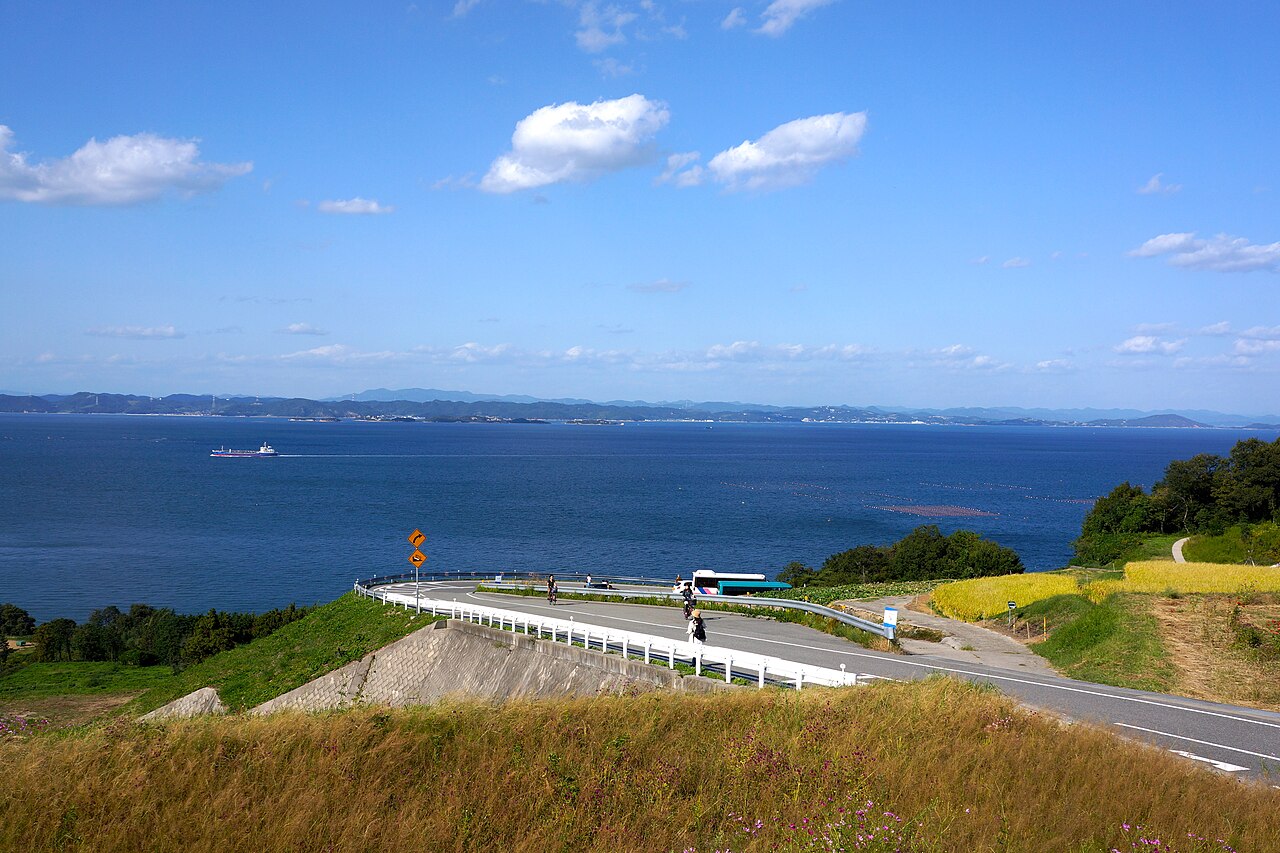
Ieura Port has orchards of lemons, olives and mandarin oranges growing nearby in the temperate climate of the Seto Inland Sea. Rice, strawberries and citrus fruits are also grown on Teshima. On the south side, a road passes wide mandarin and olive orchards and then opens toward the sea, with two mountains visible across the water.
If a meal belongs in the plan, Shima Kitchen serves fish and vegetables from the island; if the plan is about paintings and a stone garden, the Yokoo museum is where to give the time.
One Day on Teshima: From Ieura Port Up to Mt. Danyama
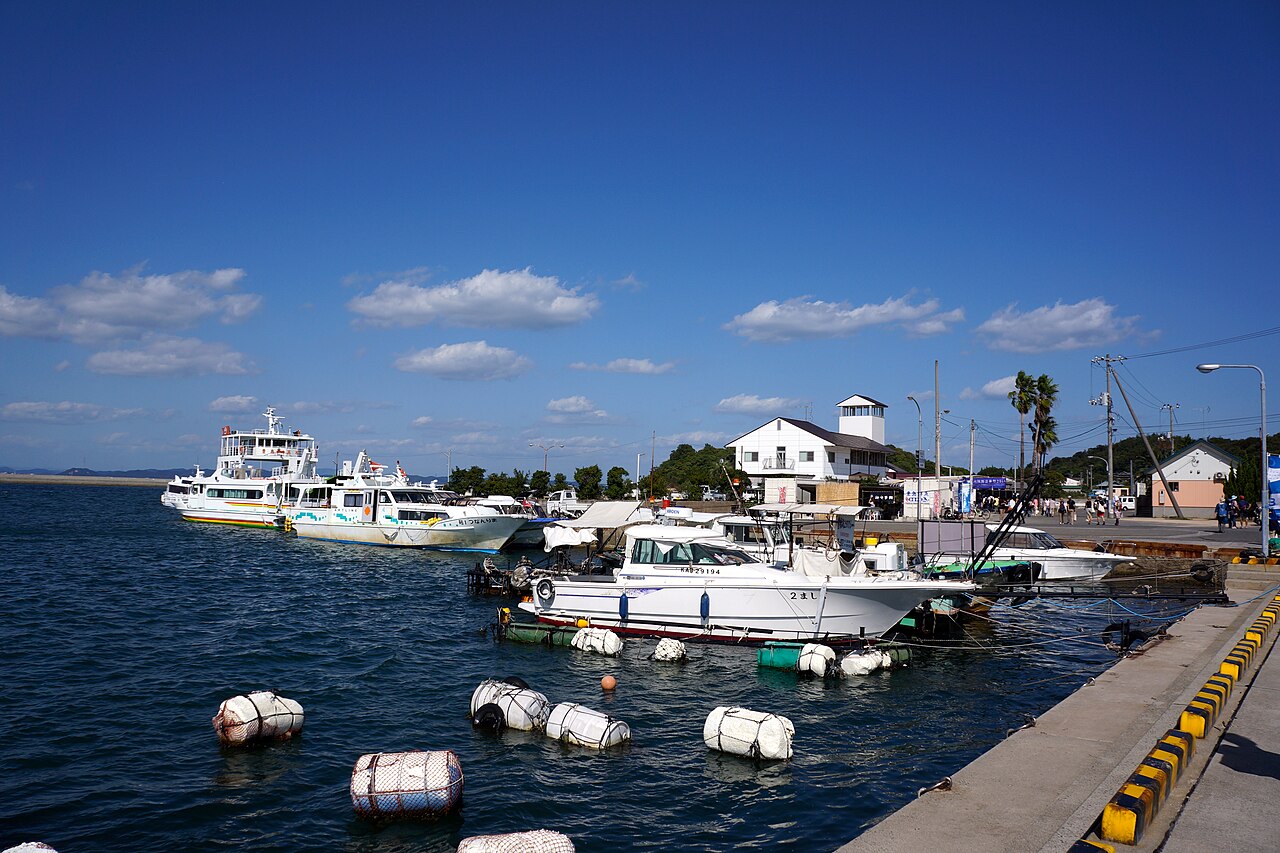
Ieura Port is where a day on Teshima begins for travellers coming from Takamatsu, and the direct ferry takes about thirty-five minutes. The boarding point at Takamatsu Port is a five-minute walk from JR Takamatsu Station. Teshima has four districts, including Ieura and Karato, and Teshima Yokoo House faces the port in Ieura.
On the Karato side, a path through the fields leads to the art museum. Karato-oka settlement, below Mt. Danyama, has the spring, and on the mid-slope of the same mountain The Whispering Forest is reached by a mountain path. Walking shoes suit that last part, and the day works better as a choice among these places than as a promise to cover all of them.
Travellers who base themselves across the water can compare places to stay in Takamatsu and come over for the day. Those who prefer a guided visit can check the tours listed for Teshima.
Getting to Teshima
New to rural buses and one-man trains? See how to ride them, step by step.
| Route | Time | Fare and notes |
|---|---|---|
| Takamatsu to Ieura, direct ferry | About thirty-five minutes. | Adults one thousand four hundred fifty yen, children seven hundred thirty yen. The Takamatsu Port boarding point is a five-minute walk from JR Takamatsu Station. |
| Uno to Ieura, ferry | About thirty-nine minutes. | Adults seven hundred eighty yen, children three hundred ninety yen. |
| Teshima shuttle bus | Not stated | Adults four hundred yen, children two hundred yen, children under five free. |
| Boarding the boat | Tickets are sold from twenty minutes before departure | Boat fares are paid in cash only. Passenger capacity is up to seventy people on a first-come basis, and reservations are not accepted. |
Hours and Fees
| Item | Period | Details |
|---|---|---|
| The Whispering Forest hours | March to September | Ten o'clock in the morning to five o'clock in the afternoon, last admission four thirty in the afternoon. |
| The Whispering Forest hours | October to February | Ten o'clock in the morning to four o'clock in the afternoon, last admission three thirty in the afternoon. |
| The Whispering Forest name registration | All periods | Five thousand yen for registering the name of one's own important person on a strip. |
| Teshima shuttle bus fare | All periods | Adults (junior high school students or older) four hundred yen, children (age five to elementary school) two hundred yen, children under five free. |
Fees and hours were checked against official sources on 21 November 2026.
Thinking of staying overnight?
Compare places to stay near Takamatsu, Kagawa, Japan →
Disclosure: This post may contain affiliate links. If you book through them, we may earn a commission at no extra cost to you.