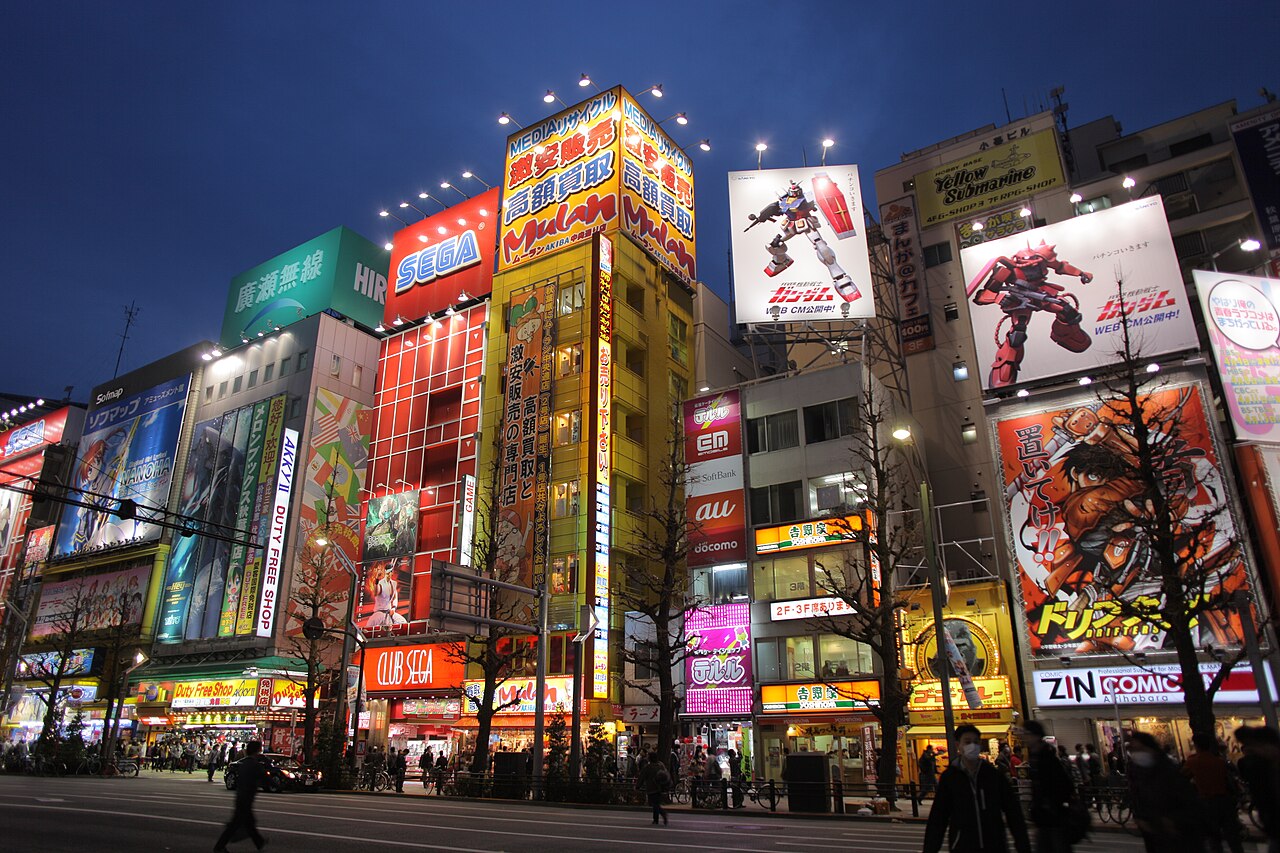
Akihabara: Electric Town Culture, Kanda Myojin and the Old Manseibashi Viaduct
Akihabara puts two kinds of shopping under one roof: long-established shops for electric parts, audio and security gear share a building with newer Akiba…
Calm nature trips across Japan, no car needed.
Interest
81 quiet, car-free trips built around Hands-on Experiences.
81 guides are filed under this interest across 35 prefectures. The counts below are the number of guides carrying each tag; a guide can carry several tags, and not every guide is tagged on every line.
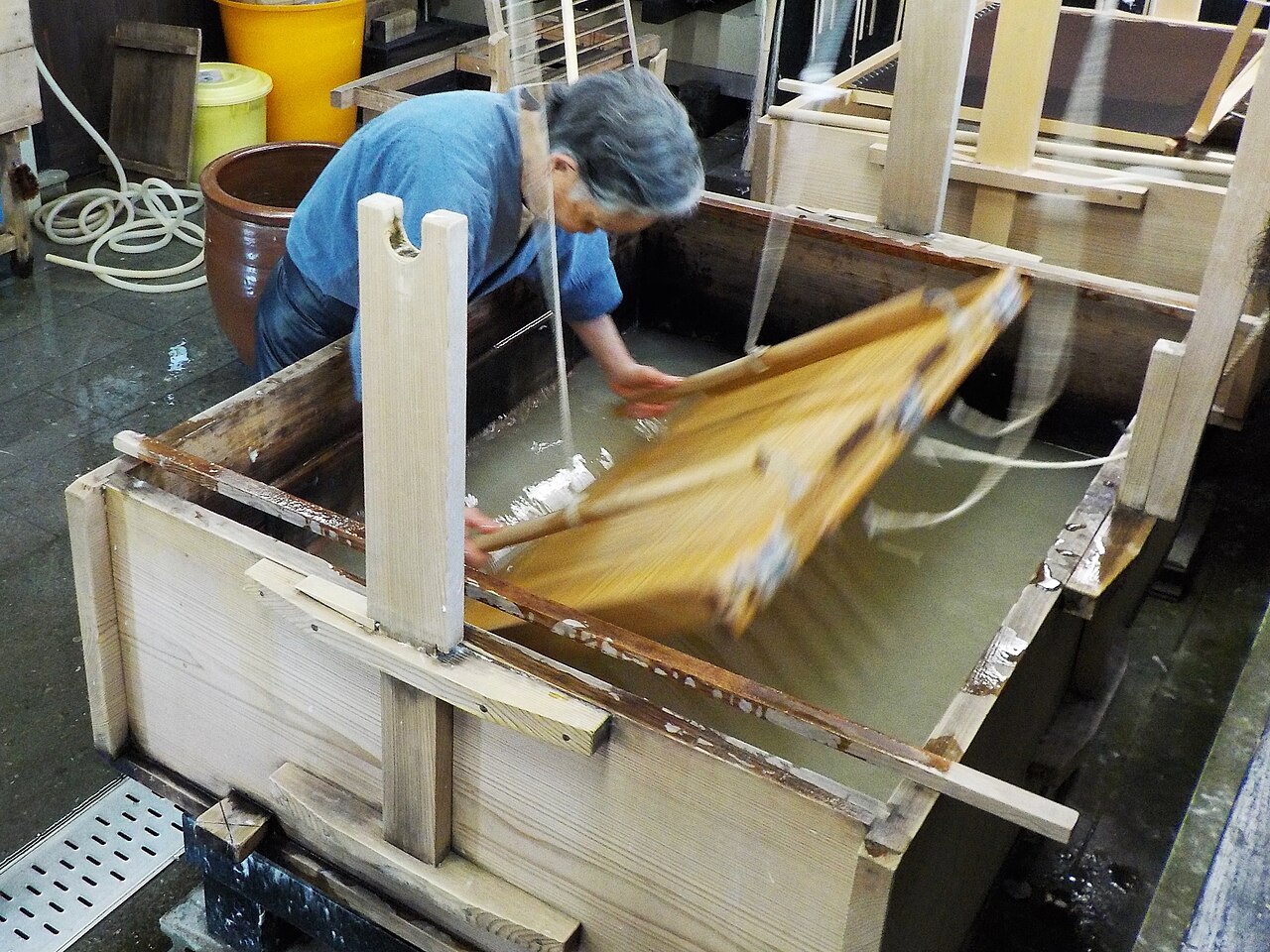
This page collects guides for travellers who would rather make something than only look at it. It includes pottery and ceramics studios, dyeing and weaving workshops, lacquer and washi paper-making workshops and other hands-on activities, each of them tied to the town where the craft developed. The guides show how a workshop fits into a day out: where it is, how it connects to the station, and what else is worth seeing on the same walk, such as a museum, a street of kilns or a shop selling finished pieces. Many studios ask you to reserve in advance and some run only on certain days, so check the booking details in a guide before you set out. A session usually takes an hour or two, which leaves time for the rest of the town, and what you make may need time to dry or fire, so ask how it will reach you. Open a guide to see the details, and use the other categories if you also want to narrow by season, trip length or how you will get there.
Akihabara puts two kinds of shopping under one roof: long-established shops for electric parts, audio and security gear share a building with newer Akiba…
At Akiu Otaki the water comes down with a roar, and spray lands on the cheeks of visitors on the riverside path.
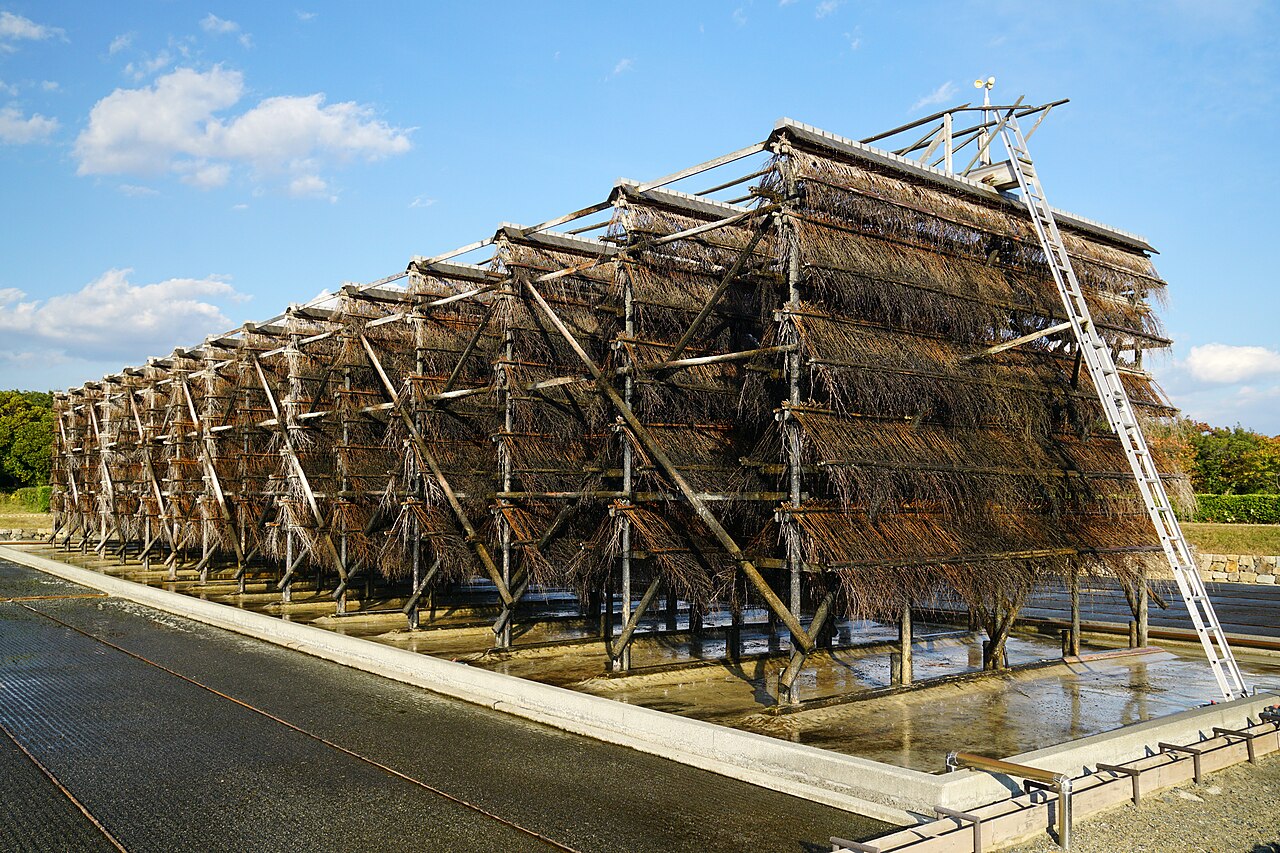
Ako, on the Seto Inland Sea in Hyogo, lets visitors boil seawater down into salt with their own hands at the Marine Science Museum.
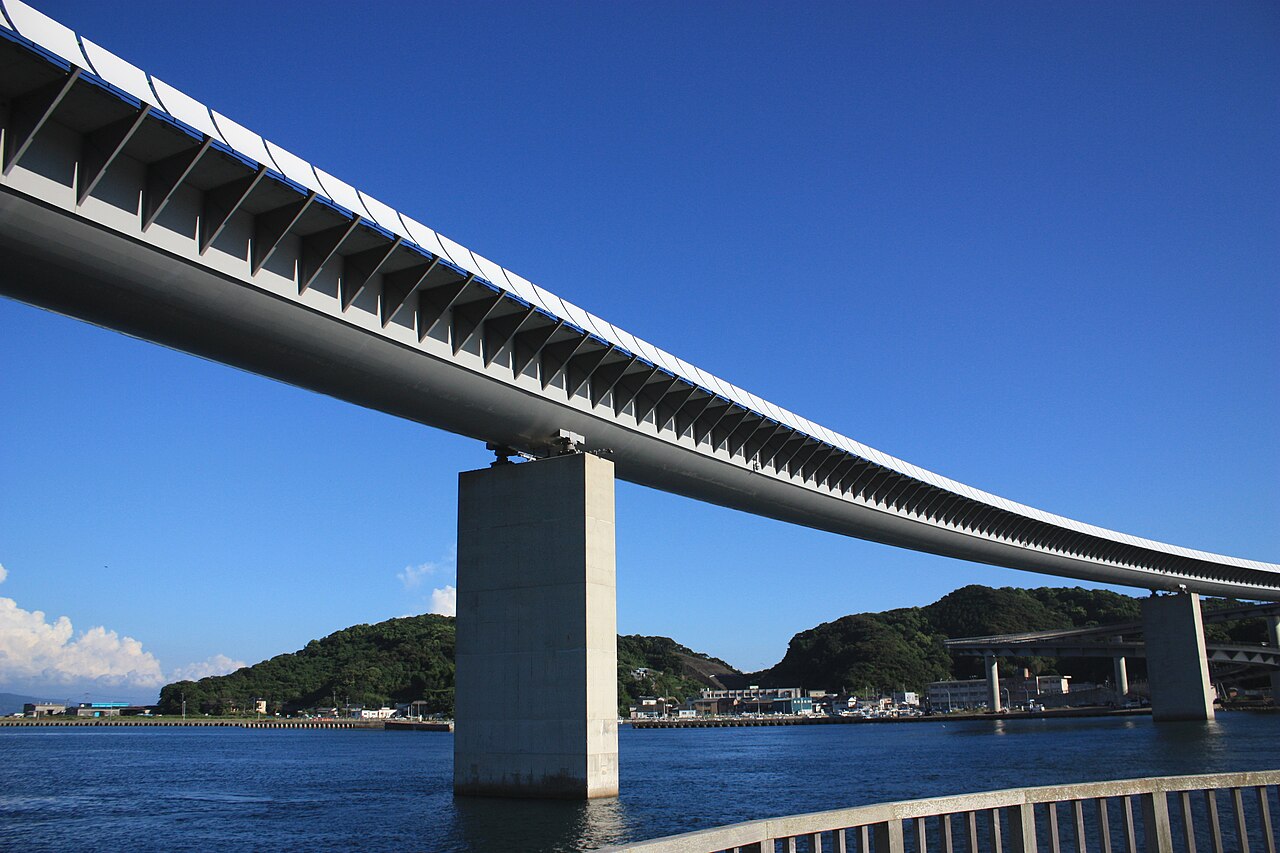
Ushibuka is a fishing port at the southern tip of the Amakusa islands in Kumamoto, where the Ushibuka Haiya Bridge was designed by the Italian architect Renzo…
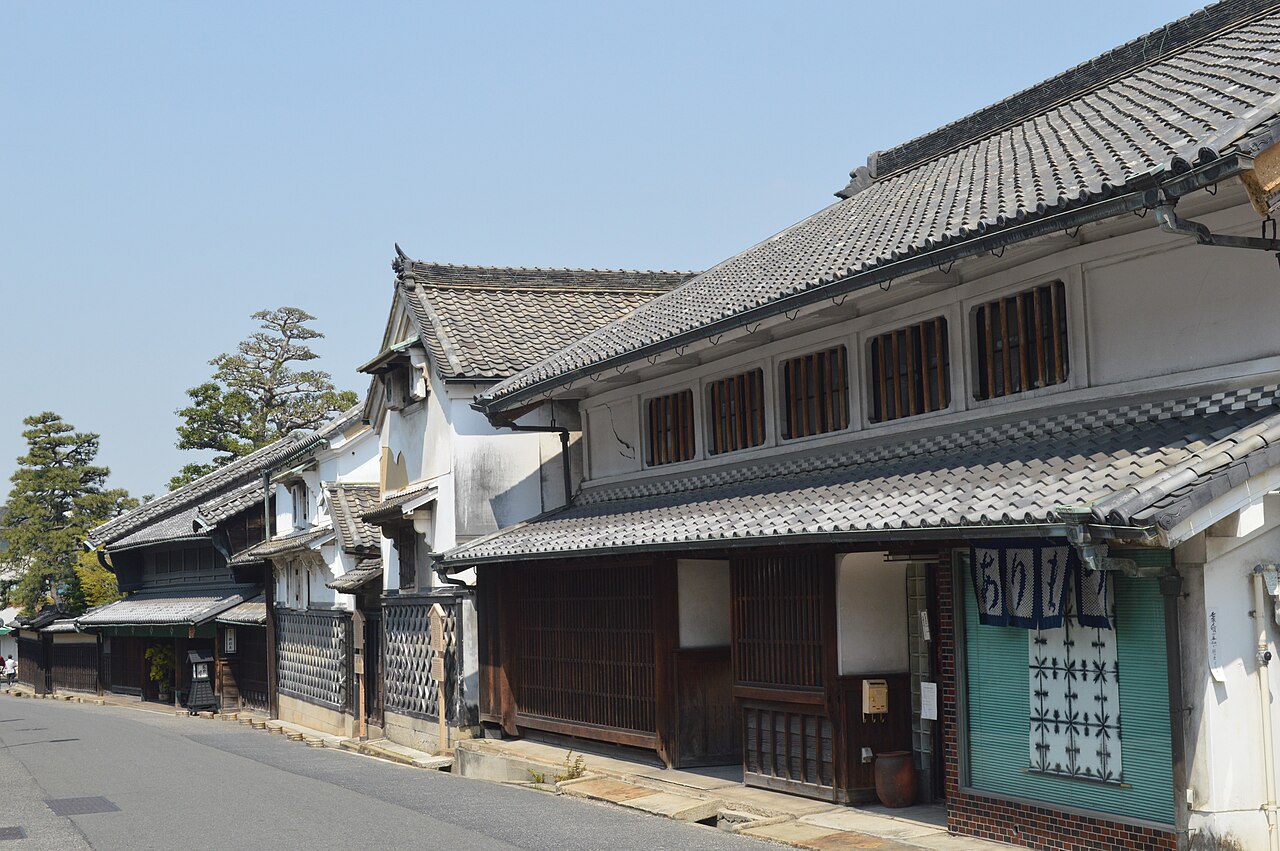
This guide covers the way from Nagoya to Arimatsu by Meitetsu, a private railway, the tie-dye merchant houses along the old Tokaido road, and the Hattori…
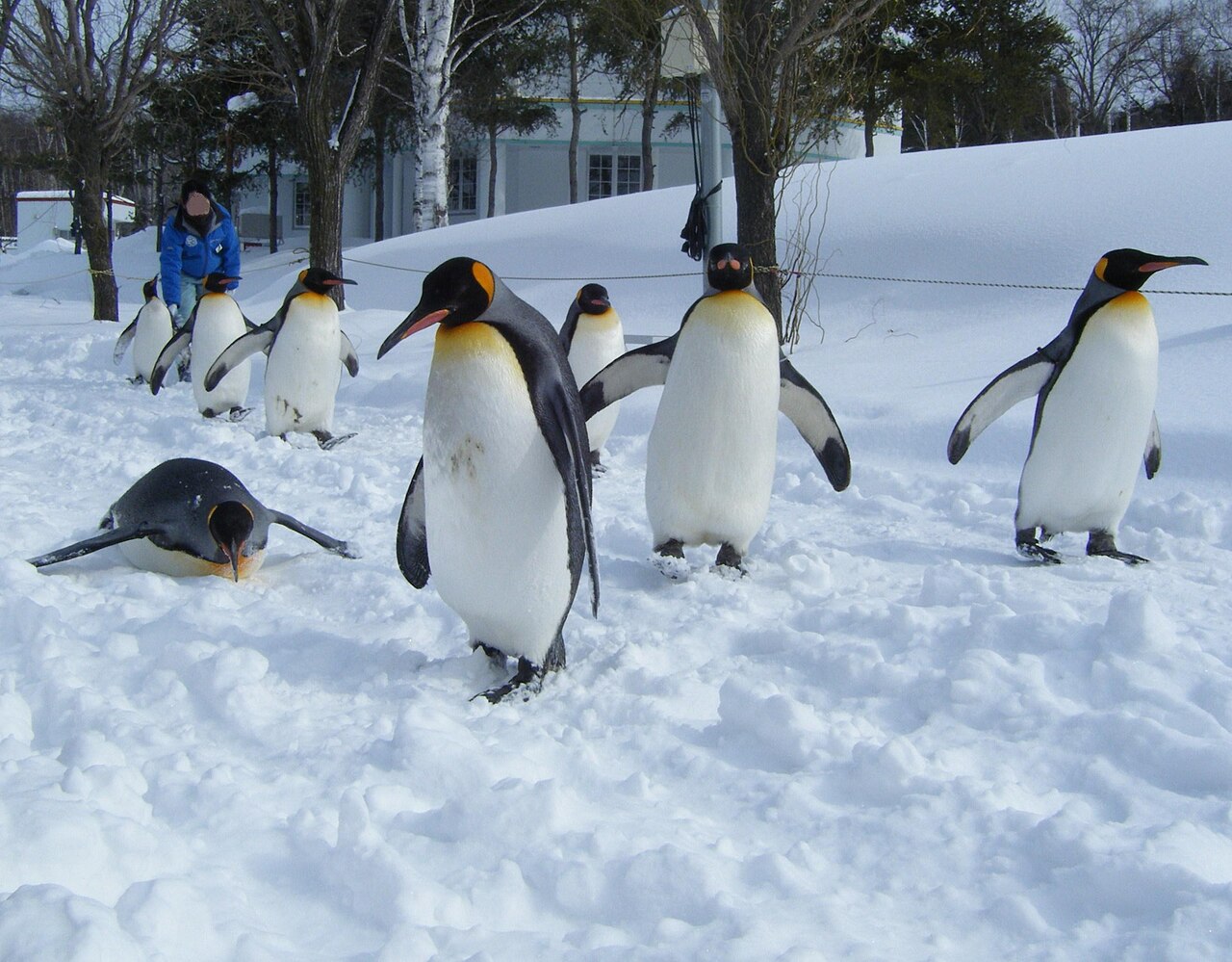
At Asahiyama Zoo, keepers talk about the animals directly to visitors, and the grounds are built so that each animal can show its characteristic abilities and…
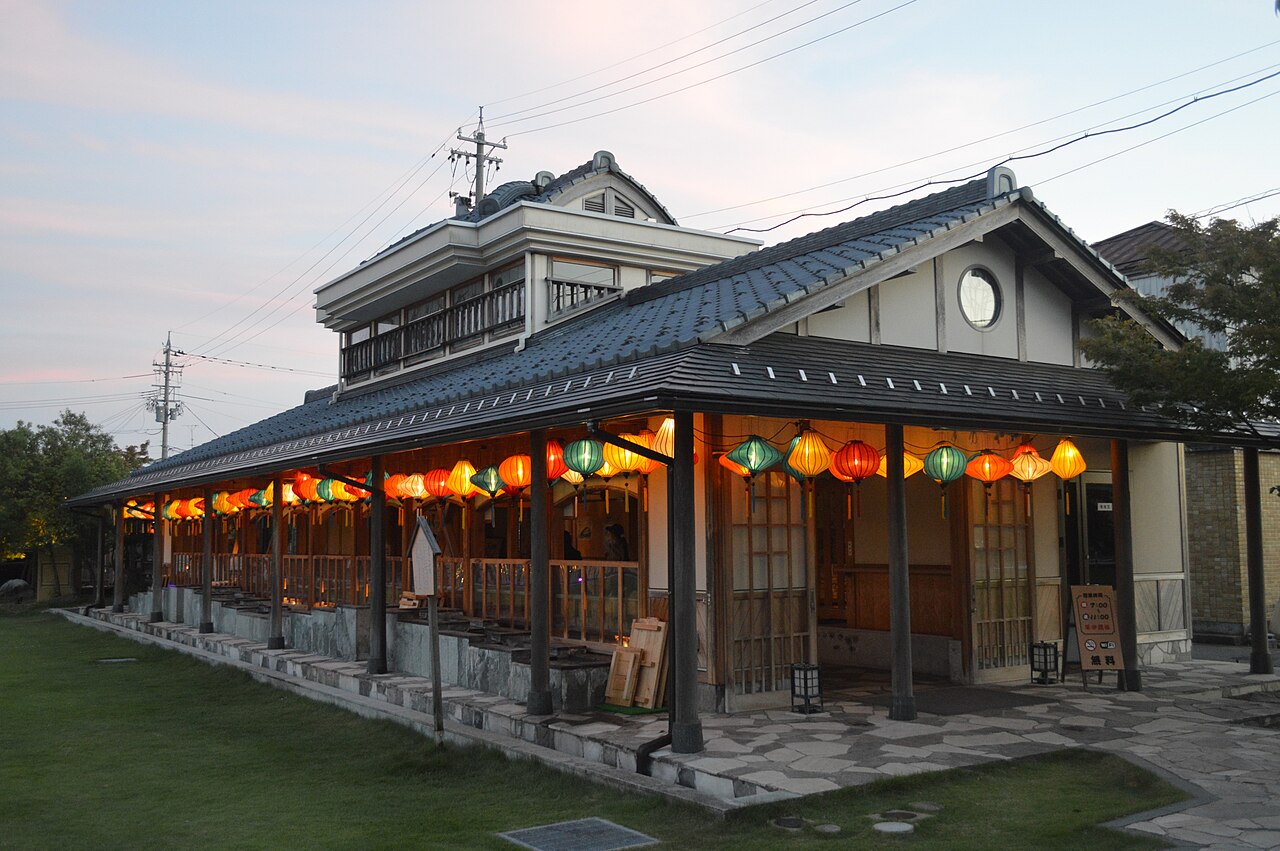
At Awara Onsen, a visit can begin with bare feet in the Ashiyu foot bath, where baths of different temperatures are filled by freely flowing source springs.
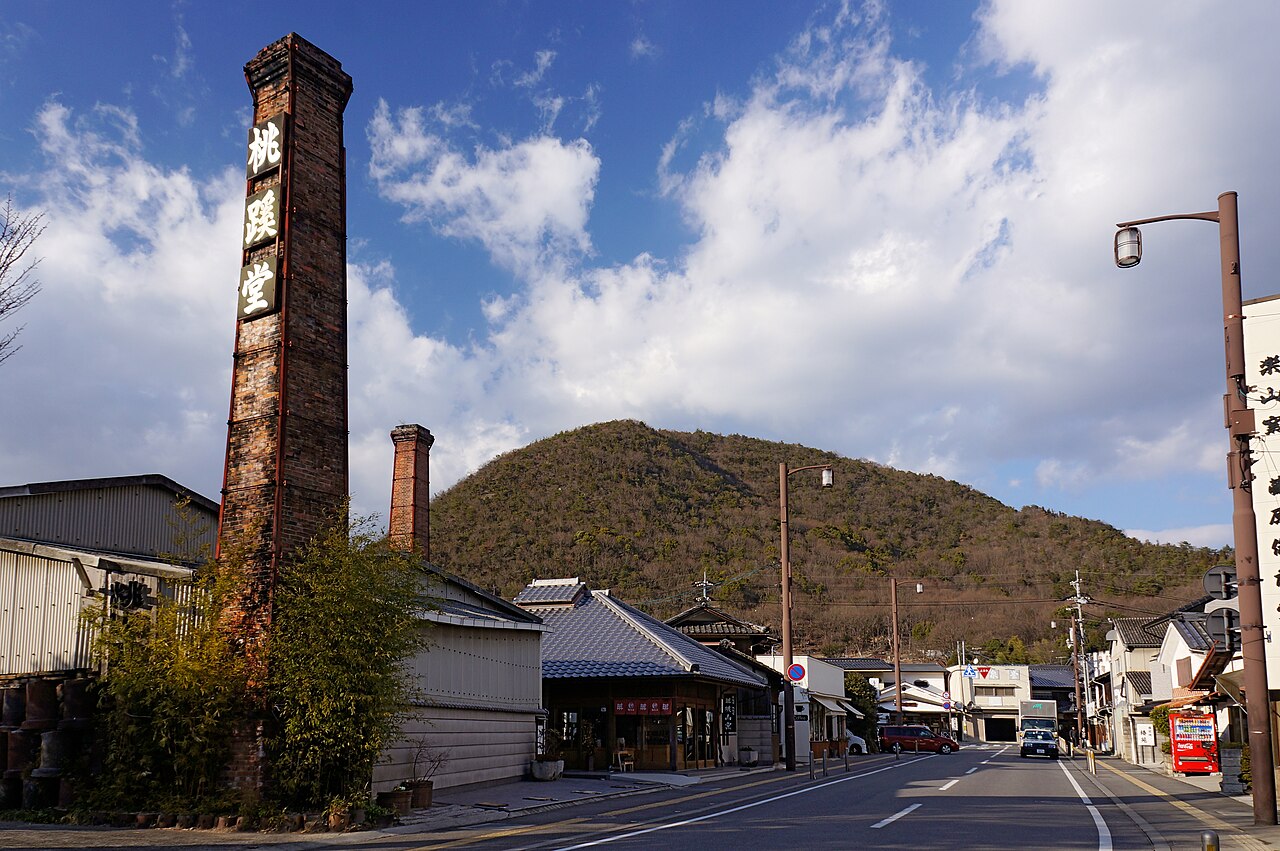
Imbe in Bizen, Okayama, is a Bizen-yaki pottery village, one of the Six Ancient Kilns of Japan, and the pottery is the reason to come.
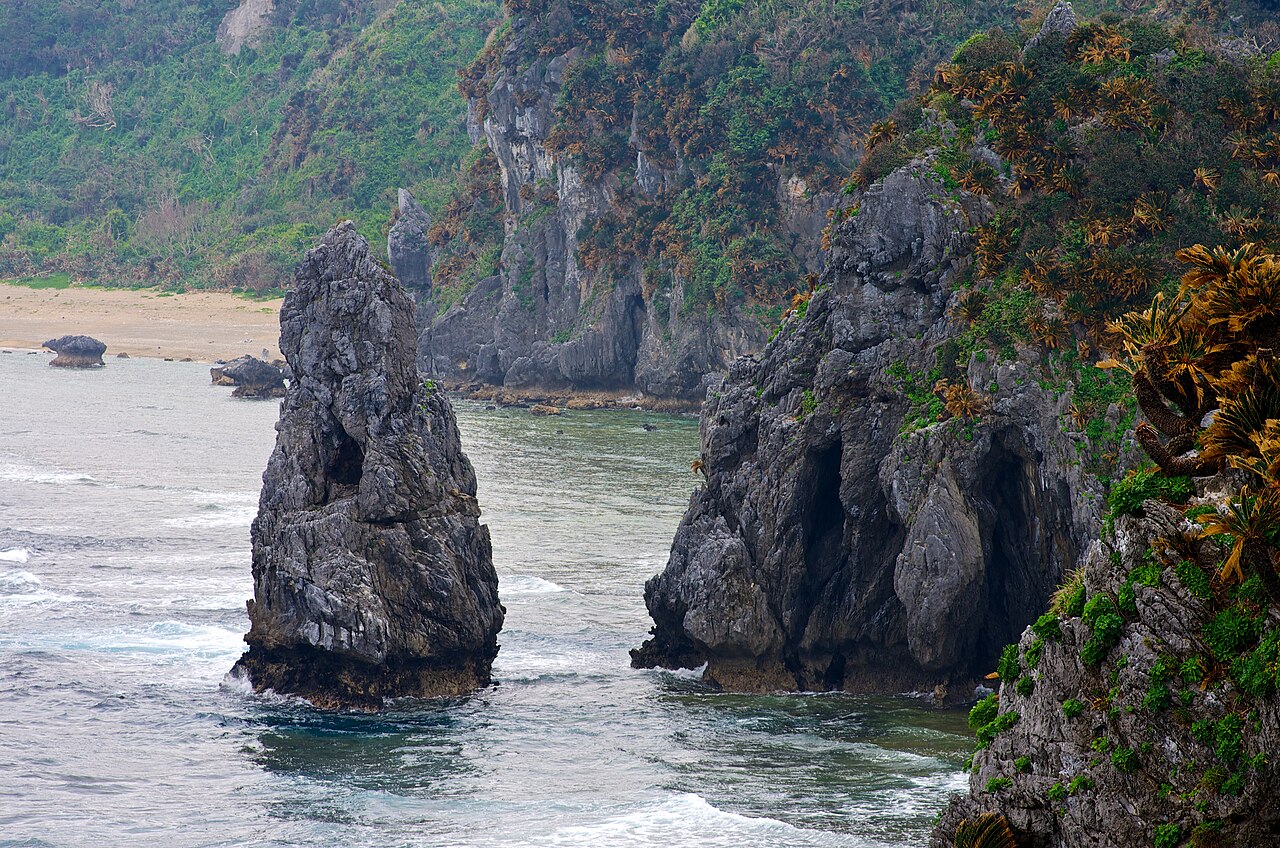
Climbing to the observation deck of the Cape Hedo Tourist Information Center puts a visitor at the northern tip of Okinawa's main island.
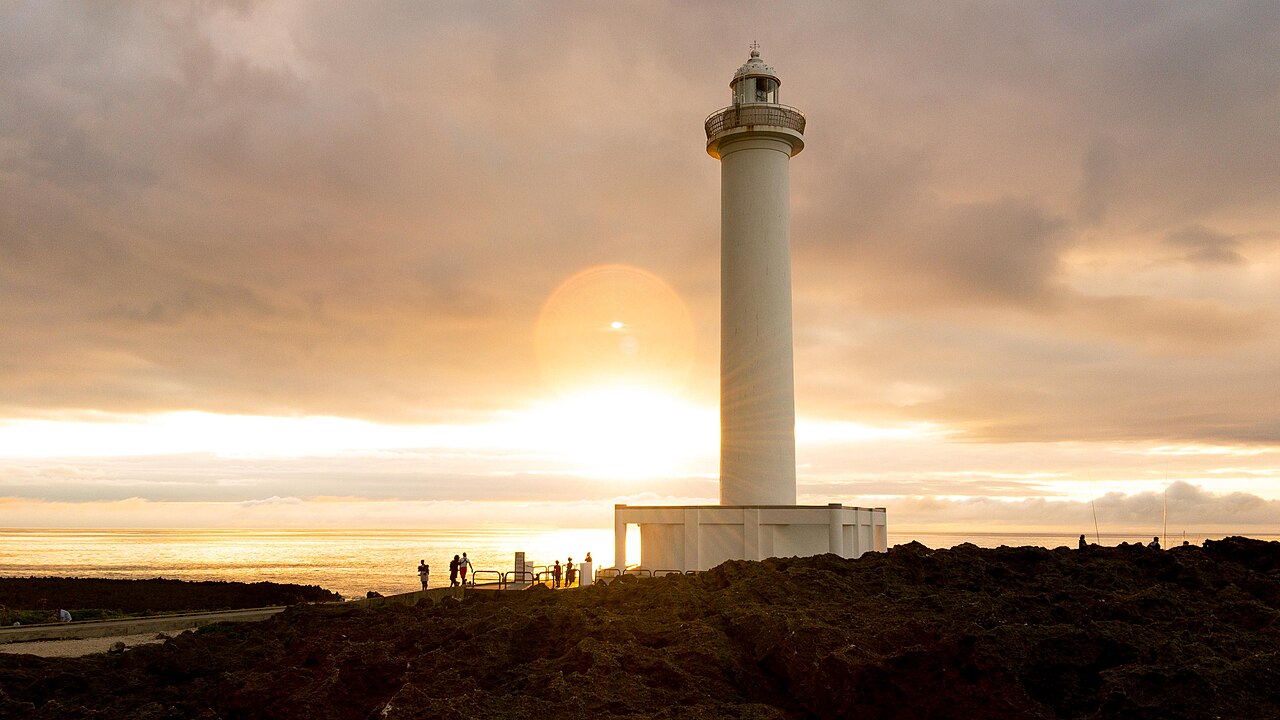
Climbing the lighthouse at Cape Zanpa shows Aguni, Tonaki and Kume islands when the weather is clear.
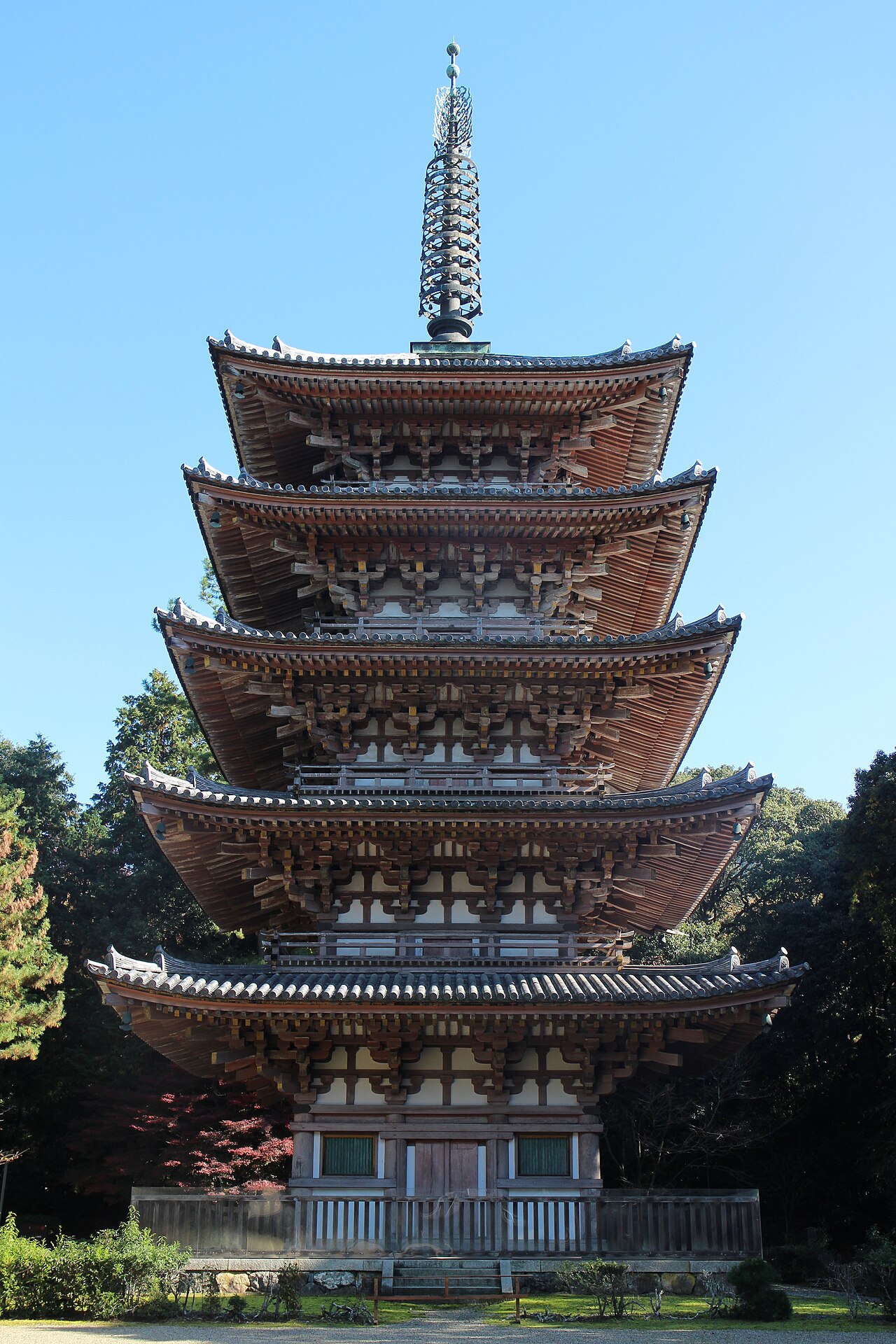
Daigoji began when Shobo carved two Kannon statues, Juntei Kannon and Nyoirin Kannon, built a small hermitage and founded the temple.
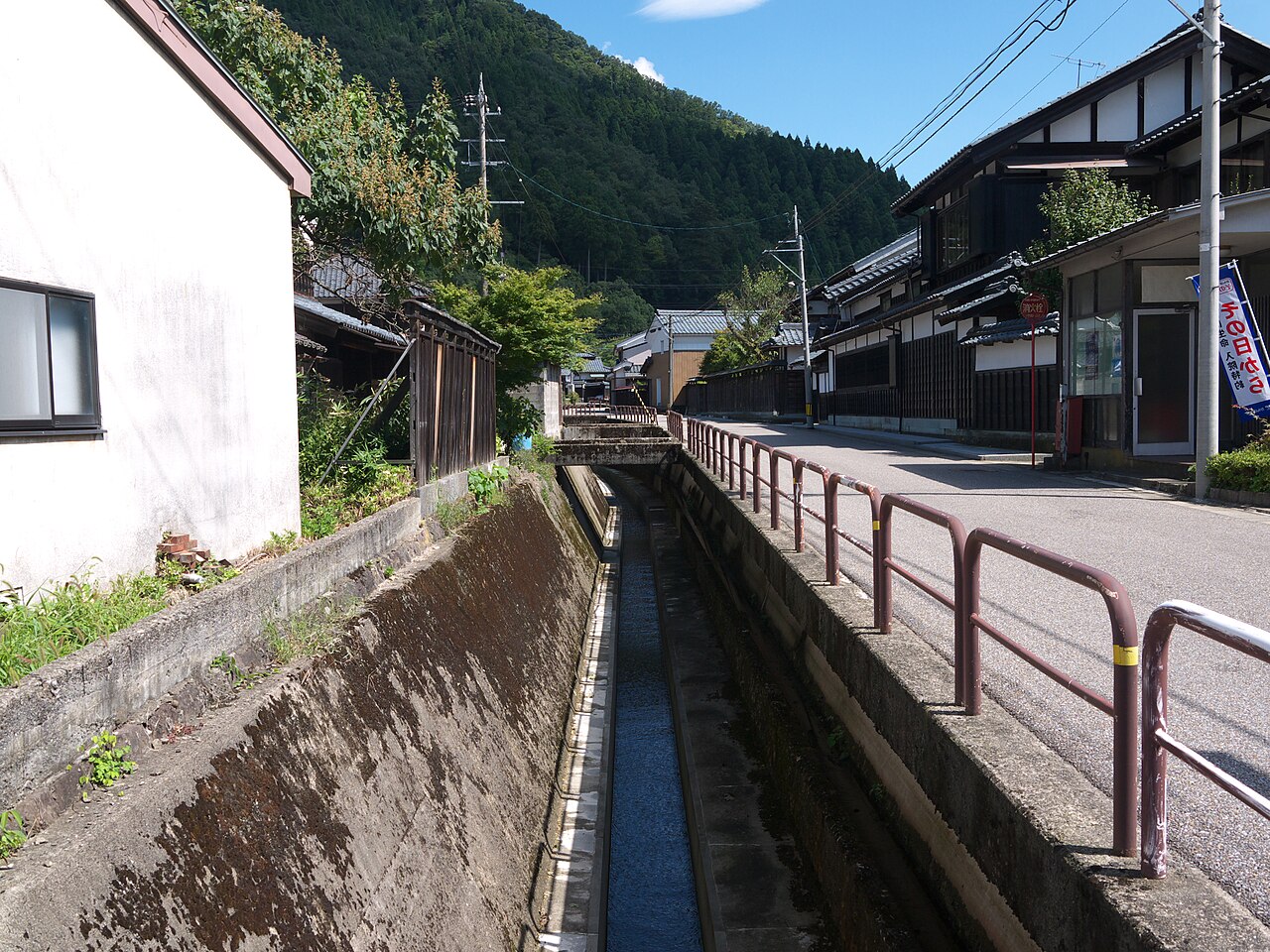
Echizen in Fukui is a town of makers: washi paper, forged knives and lacquered wooden chests are made in workshops here, and the knife village among them is…
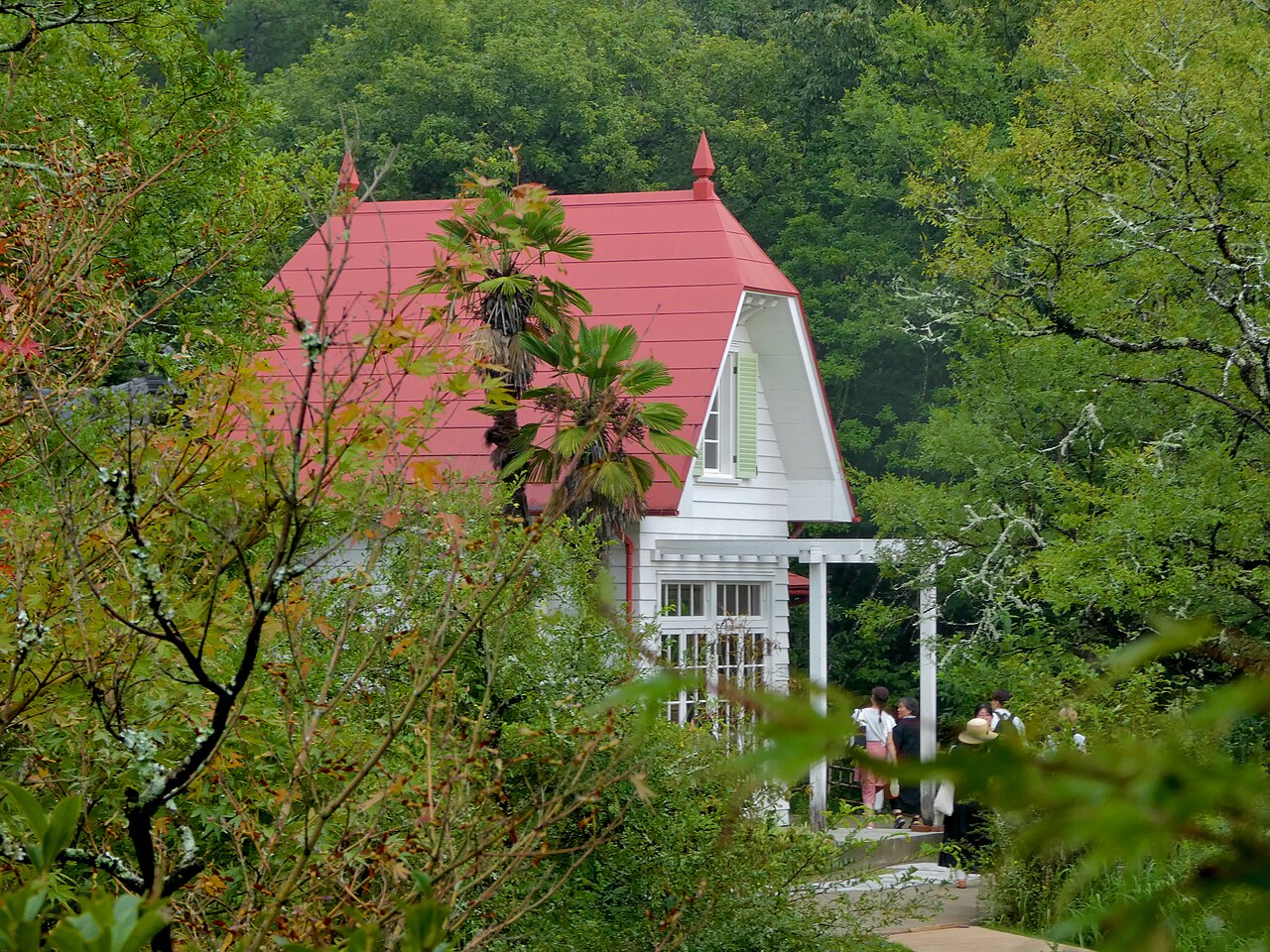
Parts of Howl's Castle move, and smoke comes out a few times an hour.
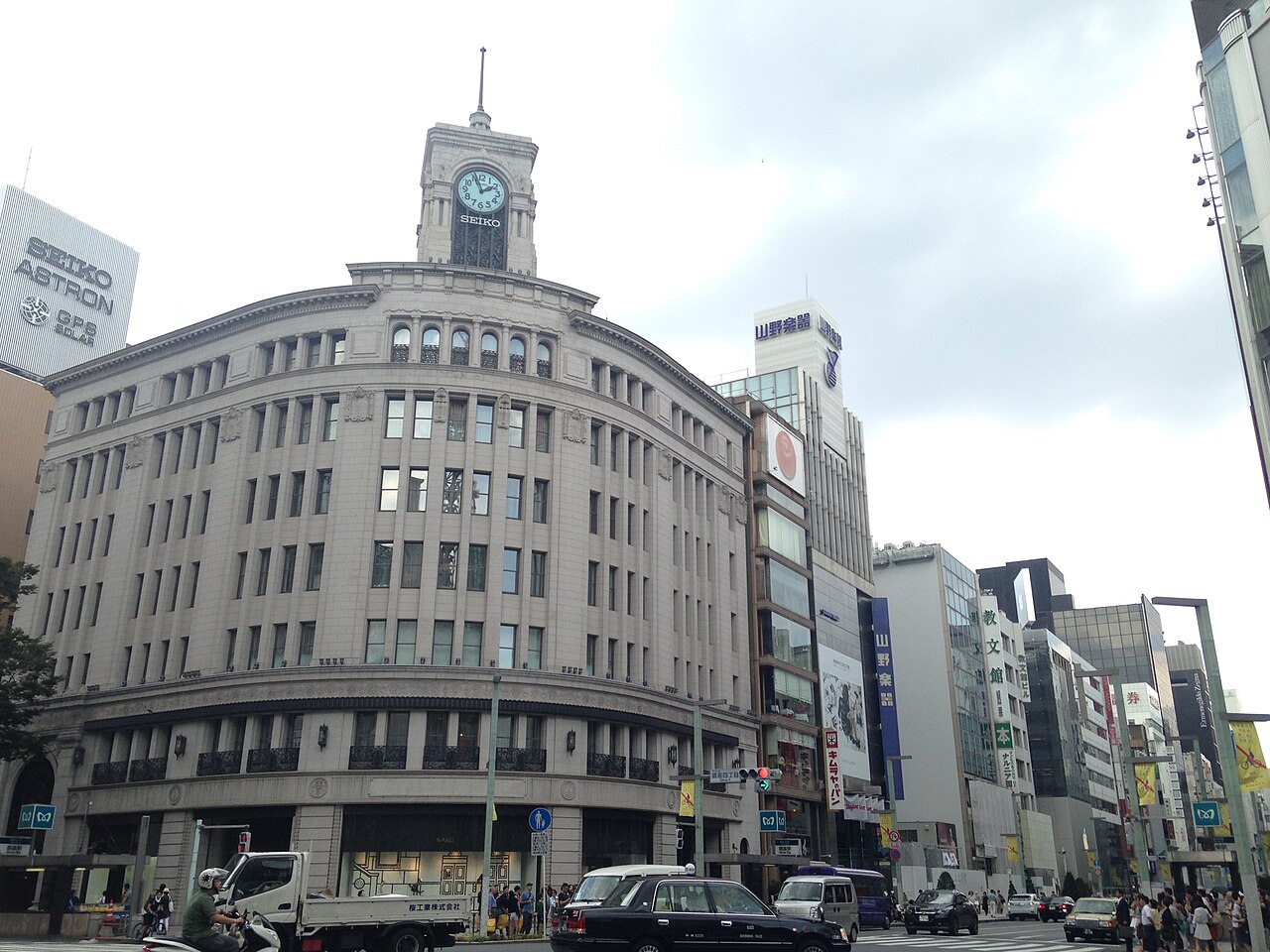
The restored gas lamps in Ginza are lit with gas, and the flames can be seen flickering.
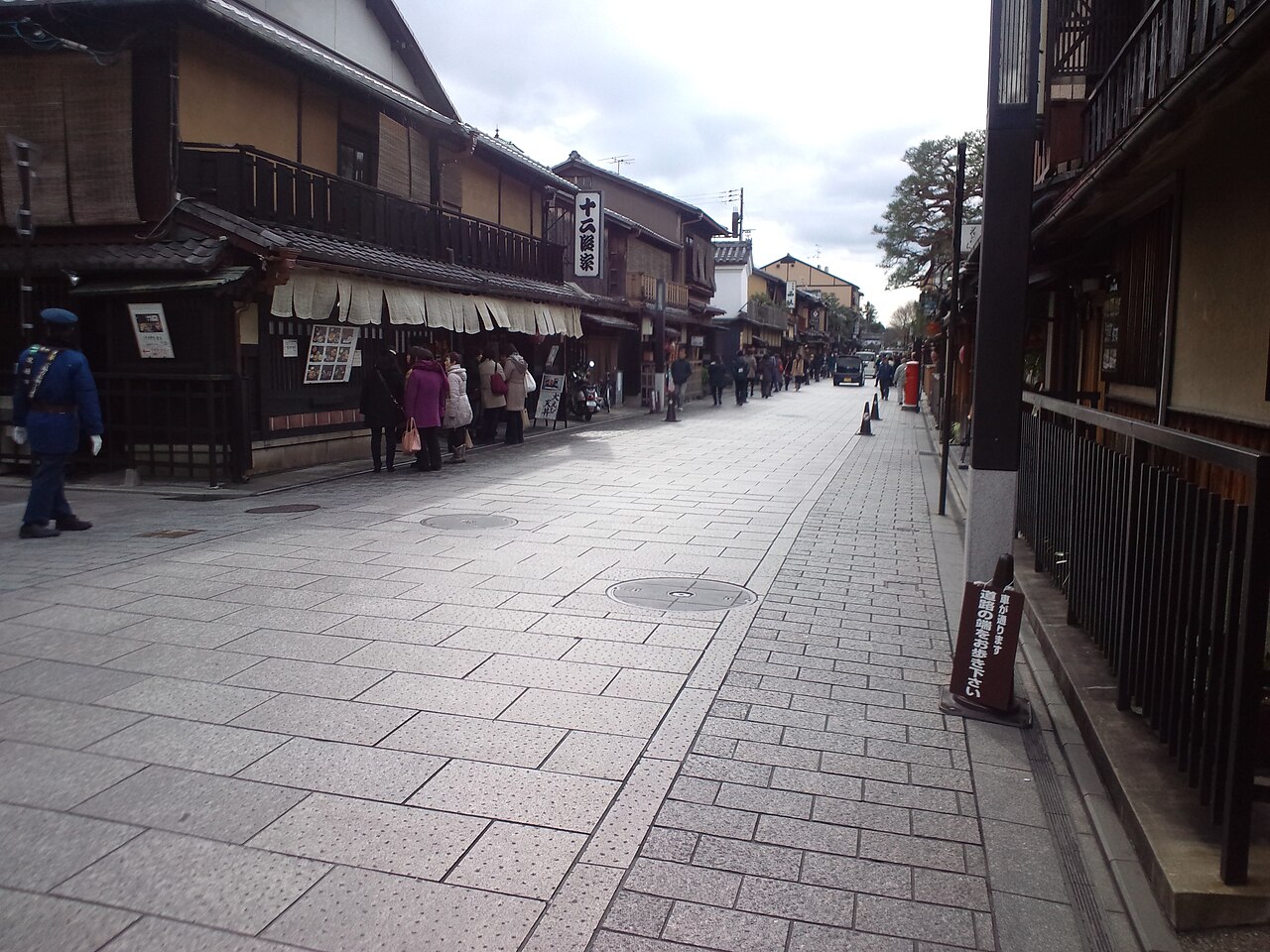
Gion is the area where two hanamachi districts are located, and Gionmachi originated as the town in front of the gate of Yasaka Shrine.
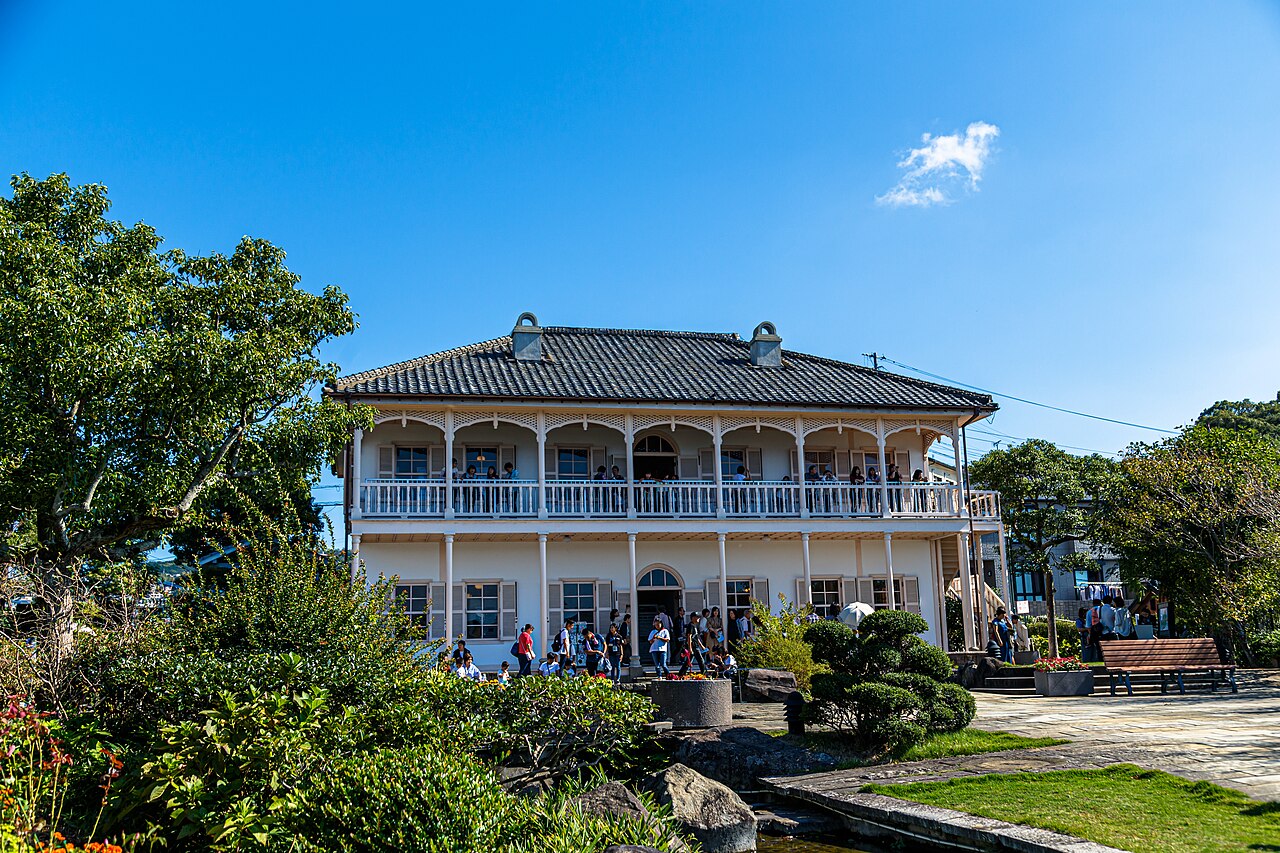
Riding the Glover Sky Road lifts visitors by elevator to a view of sky and slopes.
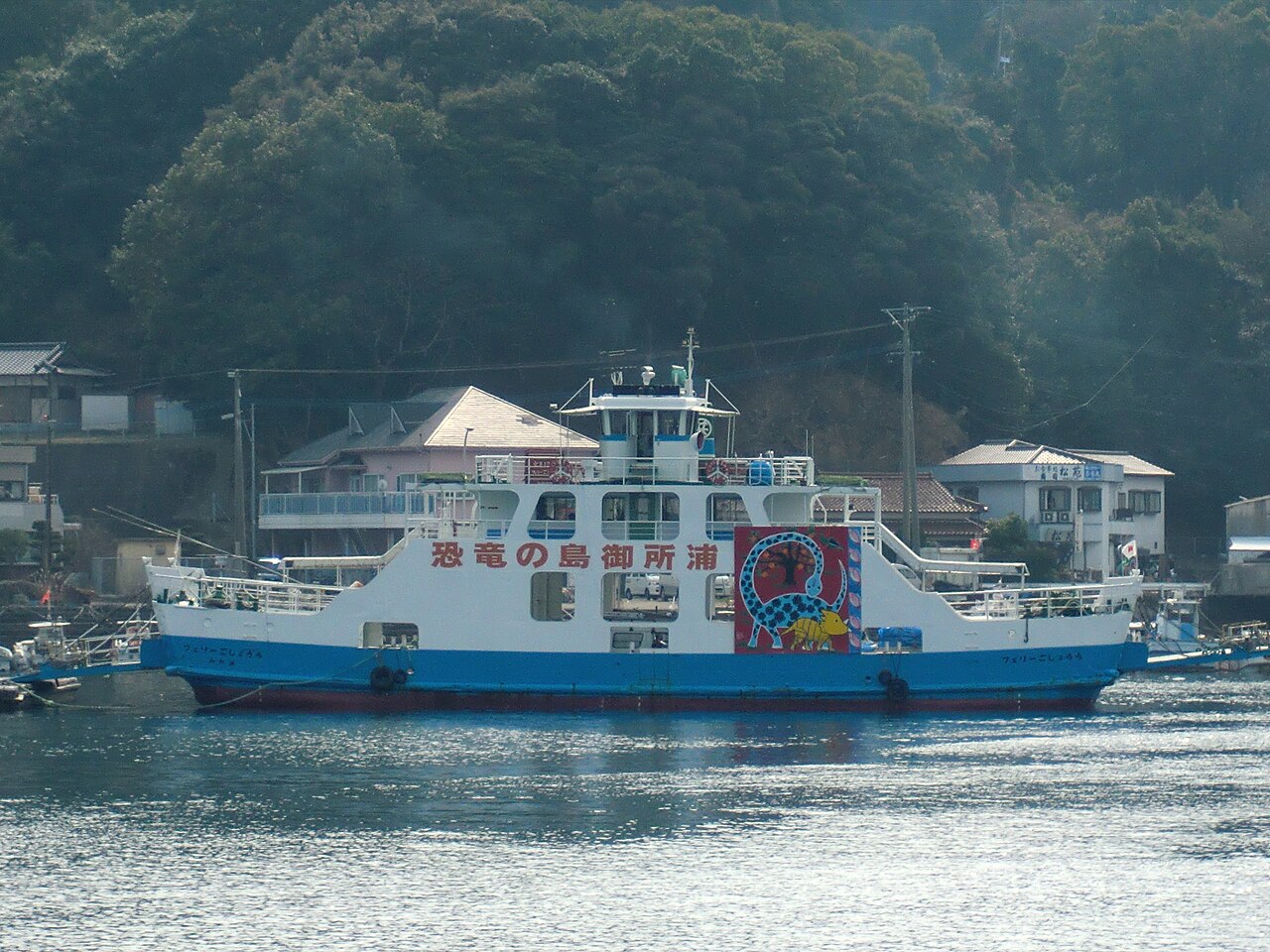
Goshoura Town lies in the Shiranui Sea, which is described as a calm inland sea and is expressed as the 'sea of the cradle'.
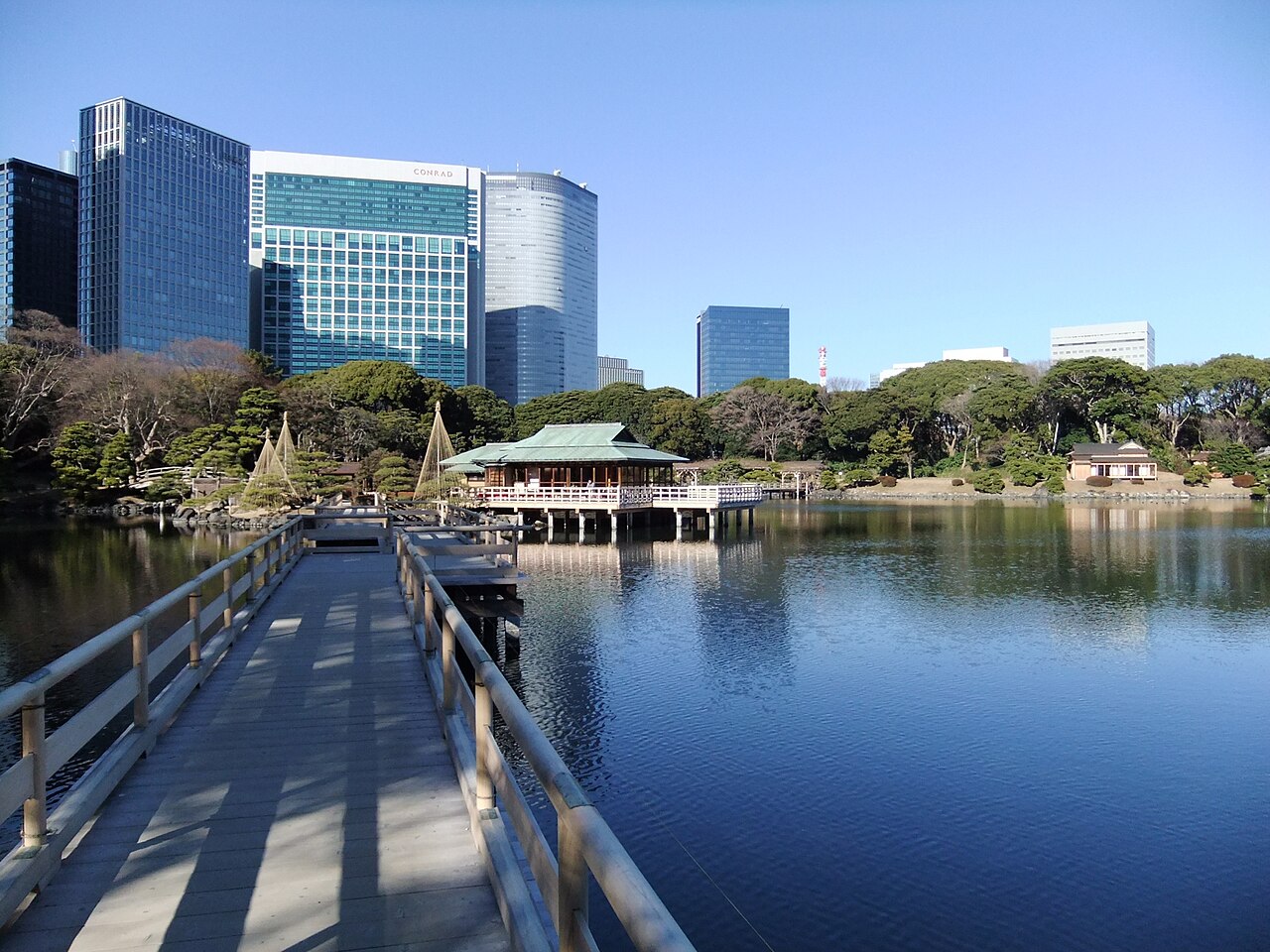
Hama-rikyu Gardens began when Matsudaira Tsunashige, the younger brother of the fourth shogun Ietsuna, reclaimed land from the sea at a former hawking ground…
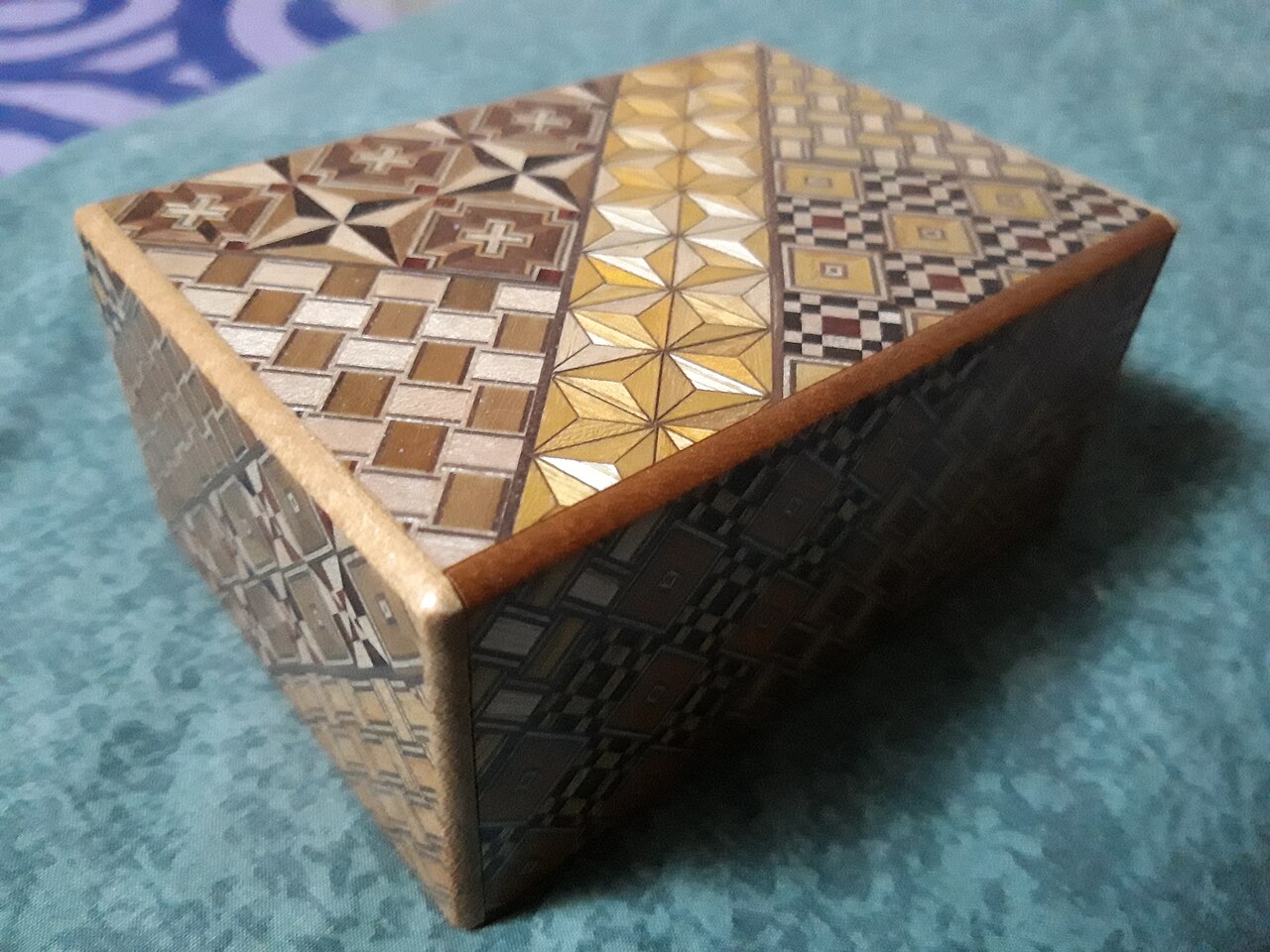
Hatajuku, in southern Hakone Town, is the birthplace of Hakone yosegi-zaiku, a wood marquetry craft that originated about two hundred years ago.
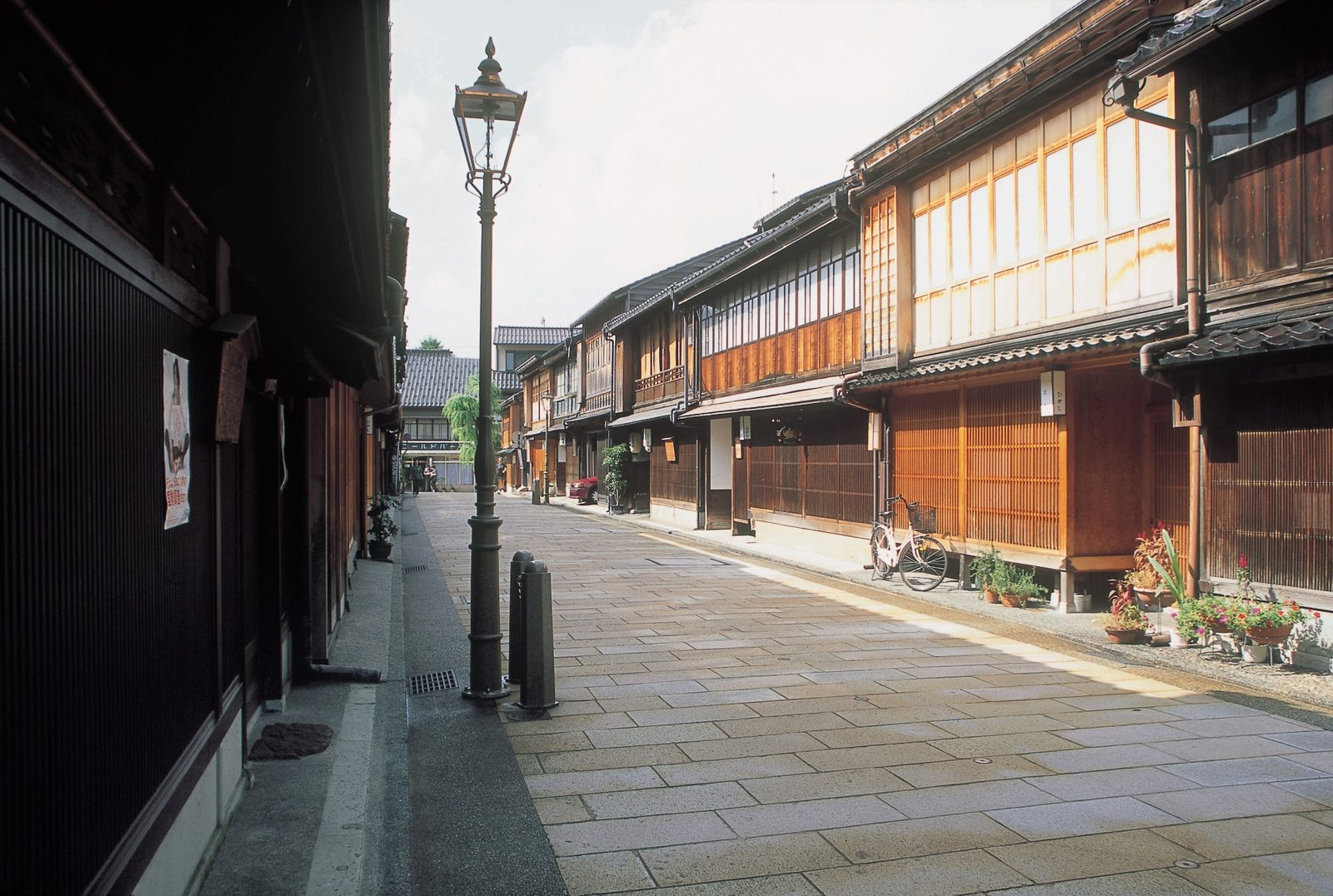
The Hiromi square is where Higashi Chaya is usually photographed, with the camera pointed along the street.
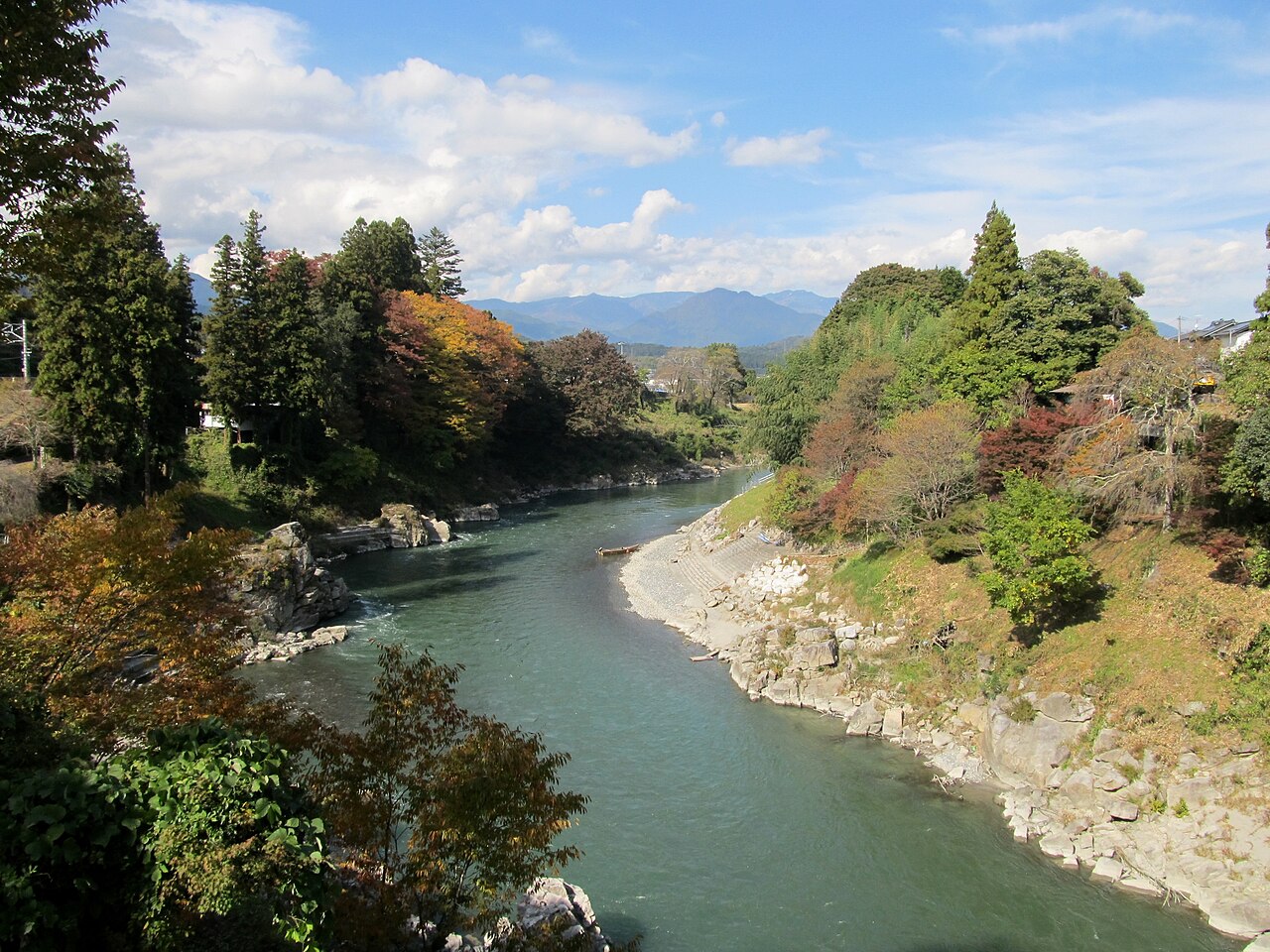
On the boat ride down the Tenryu River, a boatman shows the cast-net technique while a guide gives commentary along the way.
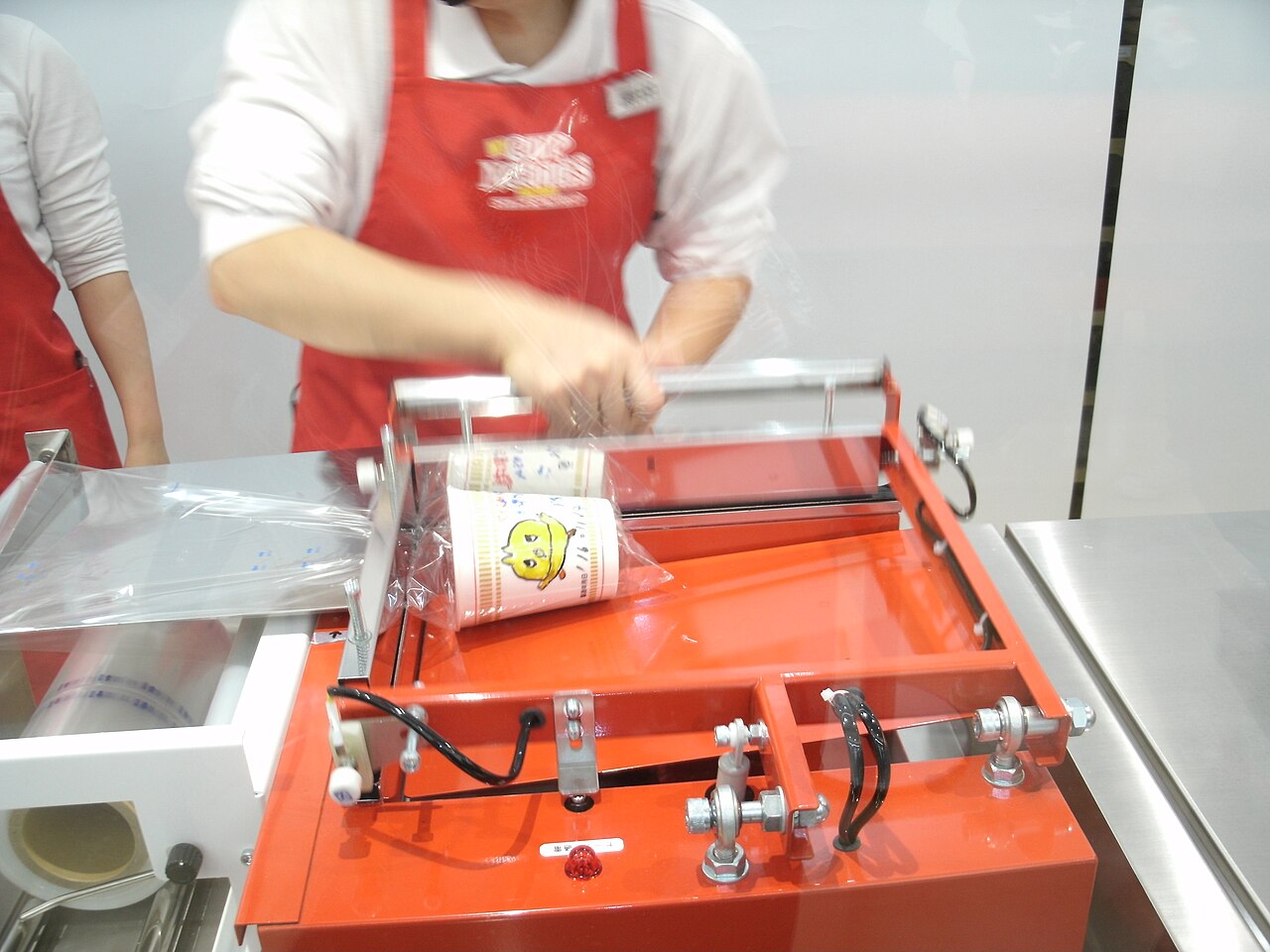
Chicken Ramen, the world's first instant ramen, was invented in Ikeda by Momofuku Ando.
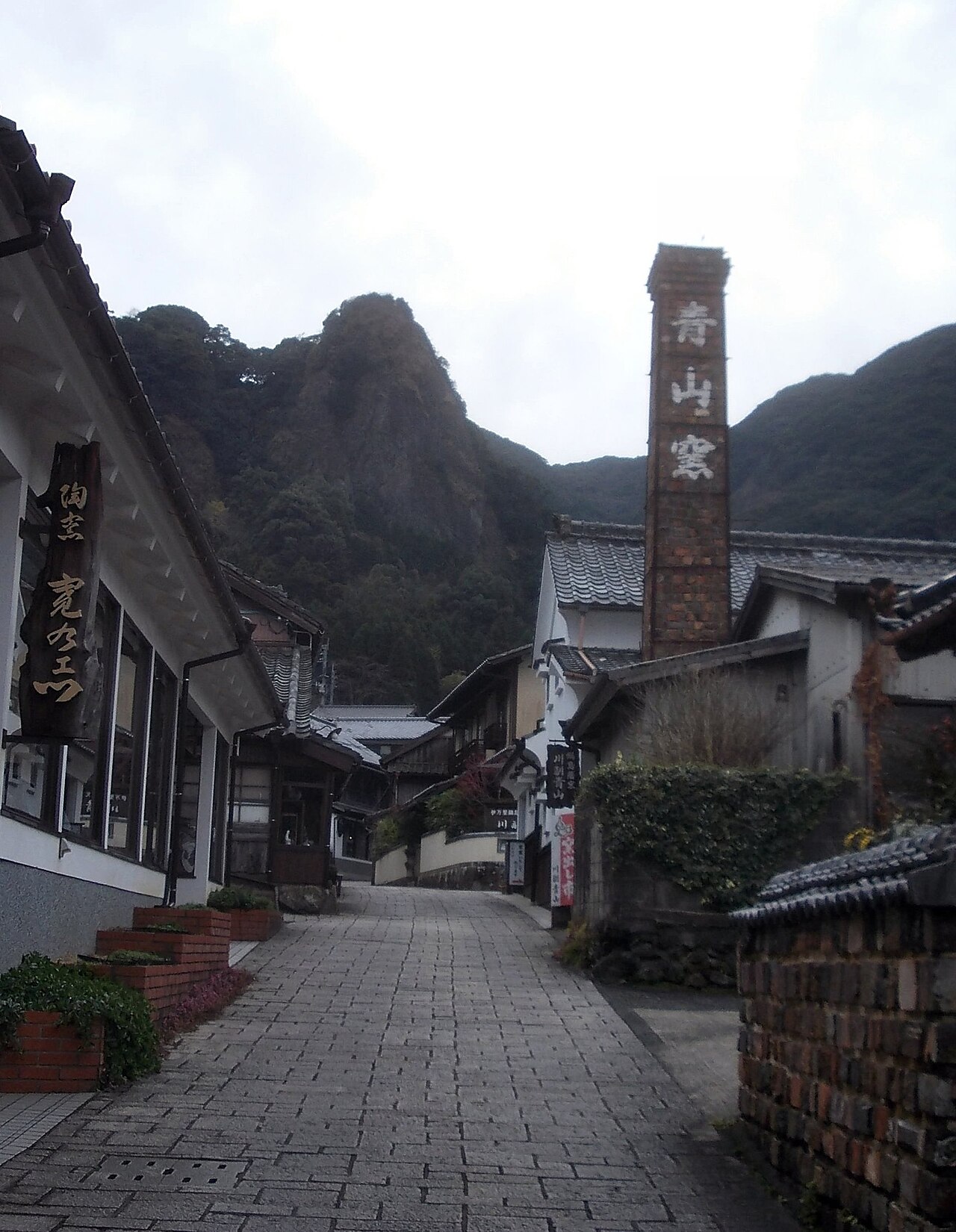
Okawachiyama is a porcelain village in Imari, Saga, where the welcome begins at the entrance: cross the bridge beyond the old barrier site and a bell of…
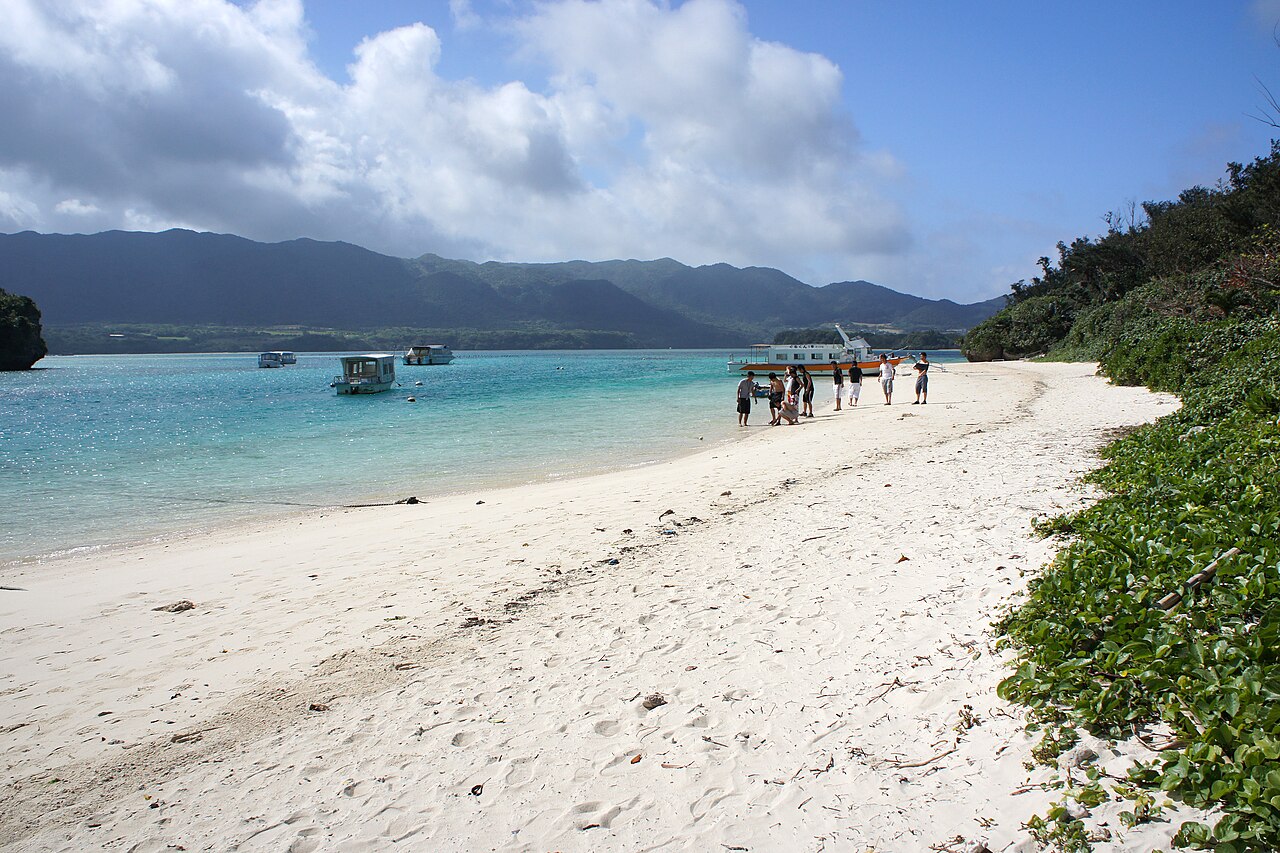
In the seas around Ishigaki Island in Okinawa, manta rays and sea turtles can be seen.
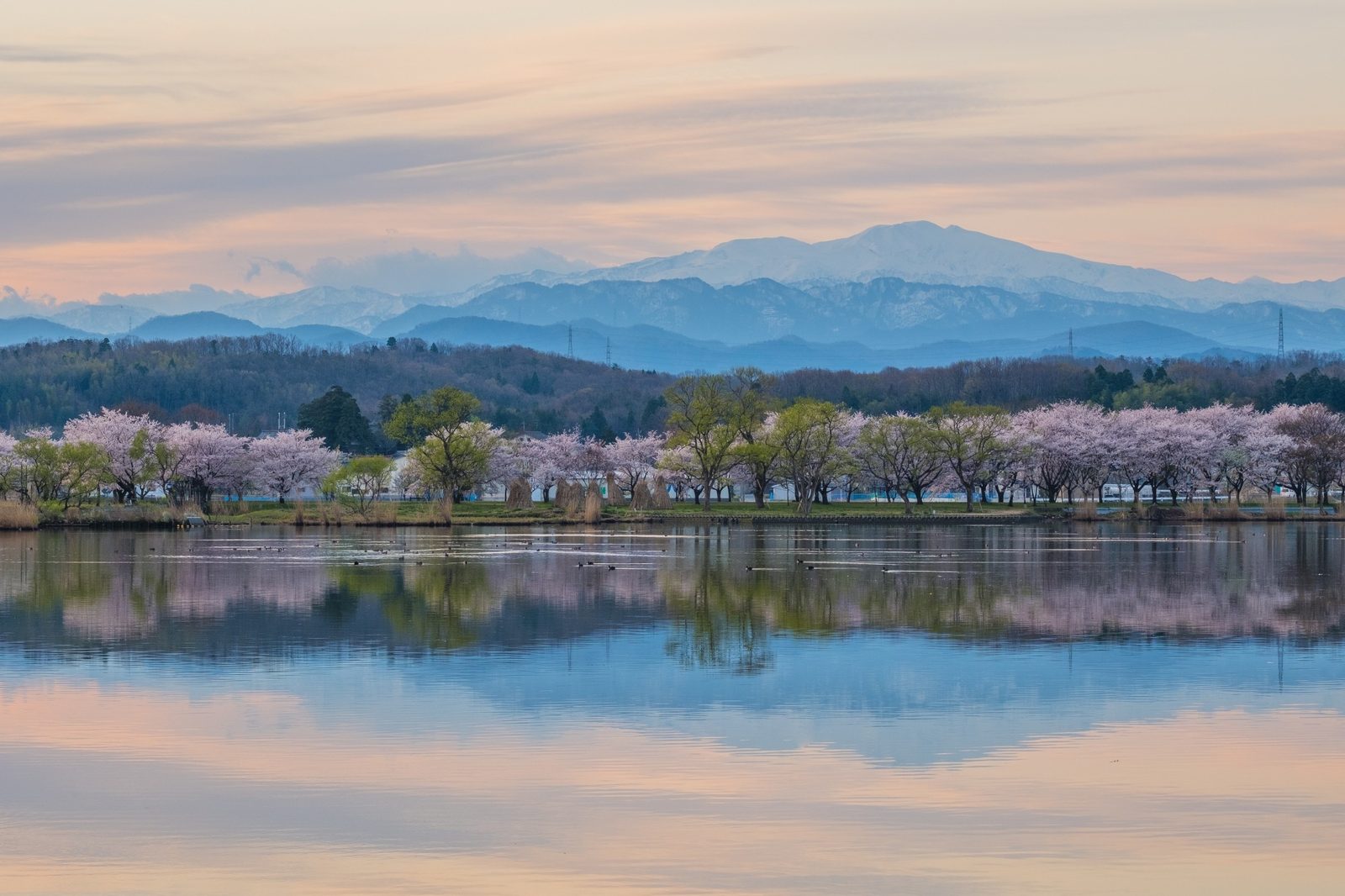
Komatsu in Ishikawa pairs a former copper mine with a lake, a pine-grove barrier site and a pottery tradition, and the pleasure is in how different they are…
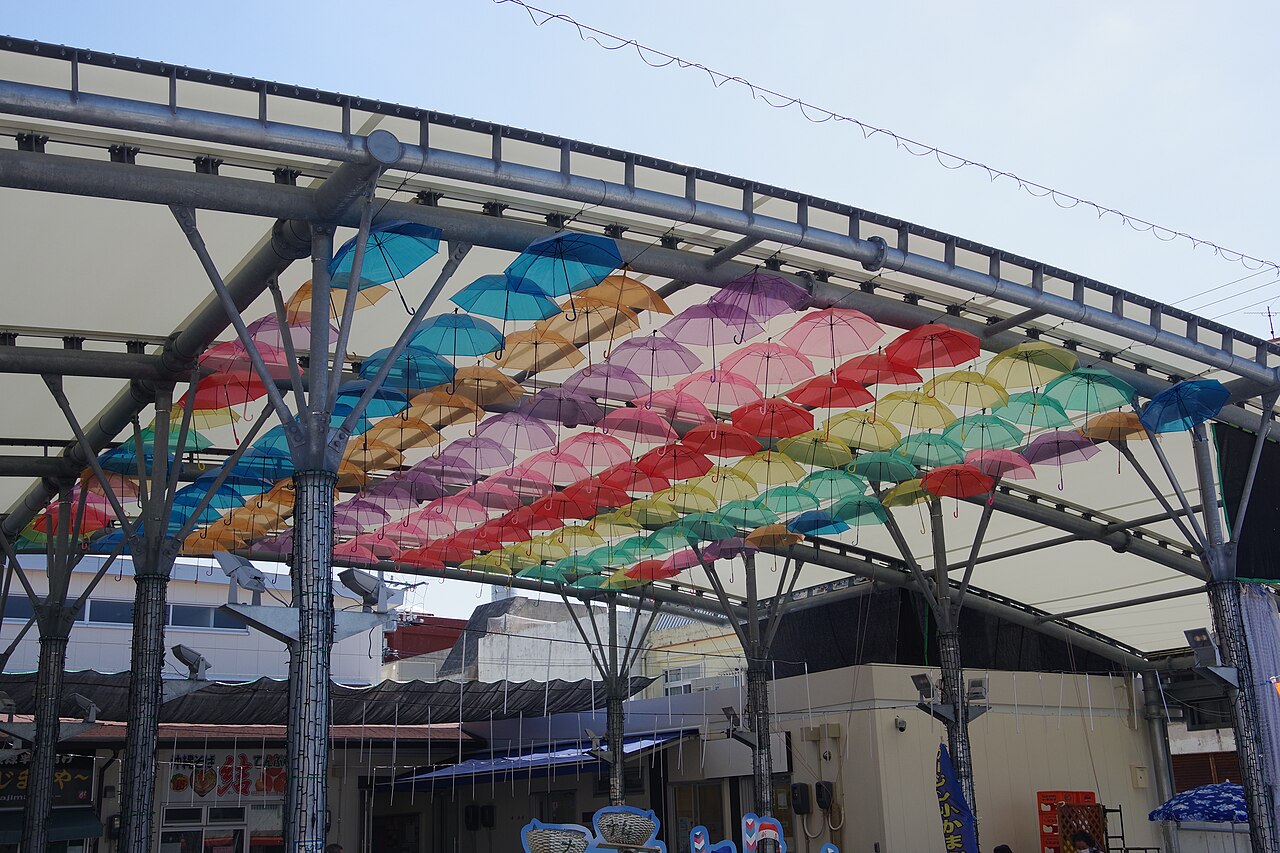
Itoman, on the southern coast of Okinawa Island, pairs hands-on Ryukyu glass making with a fresh-seafood market and the southern tip of the main island.
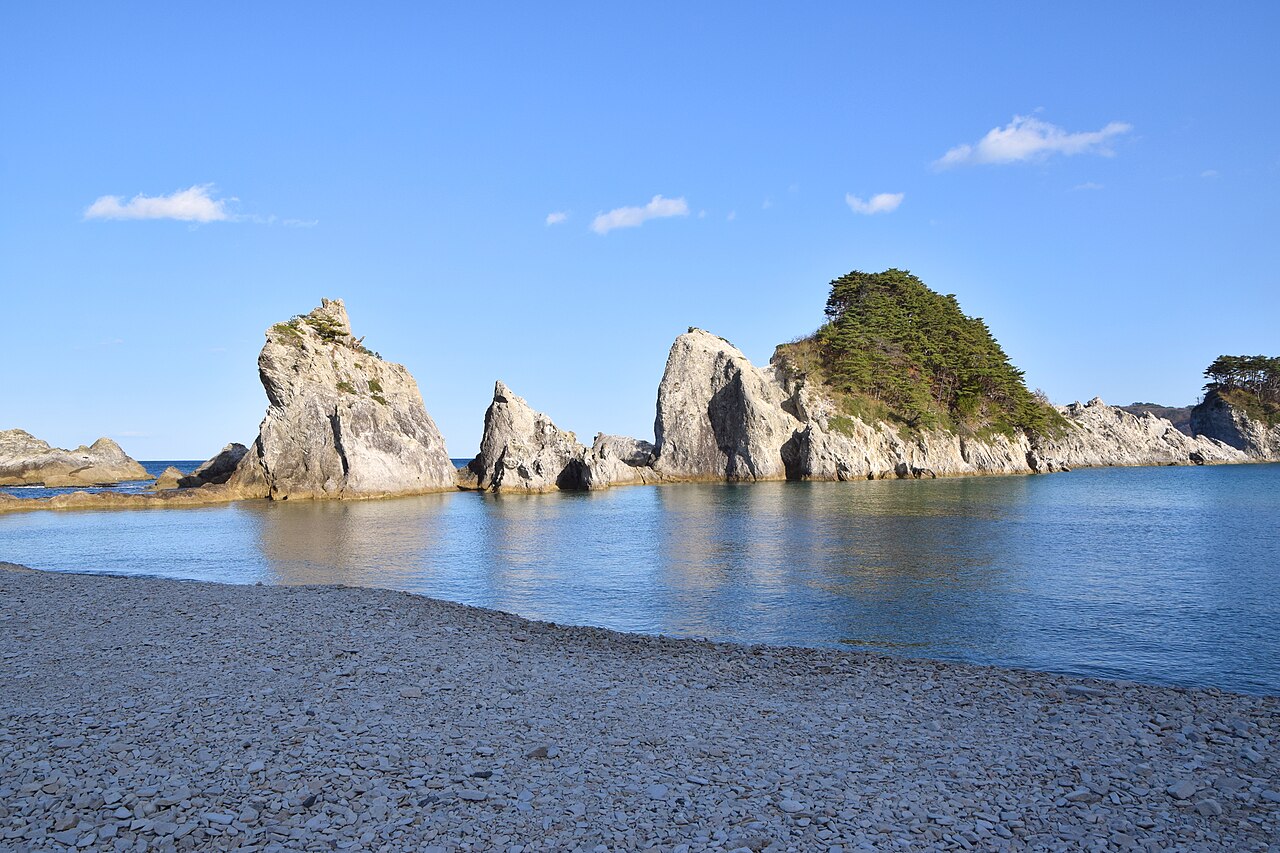
Sharply pointed white rhyolite stands in rows along the coast at Jodogahama, and each rock shows a different appearance.
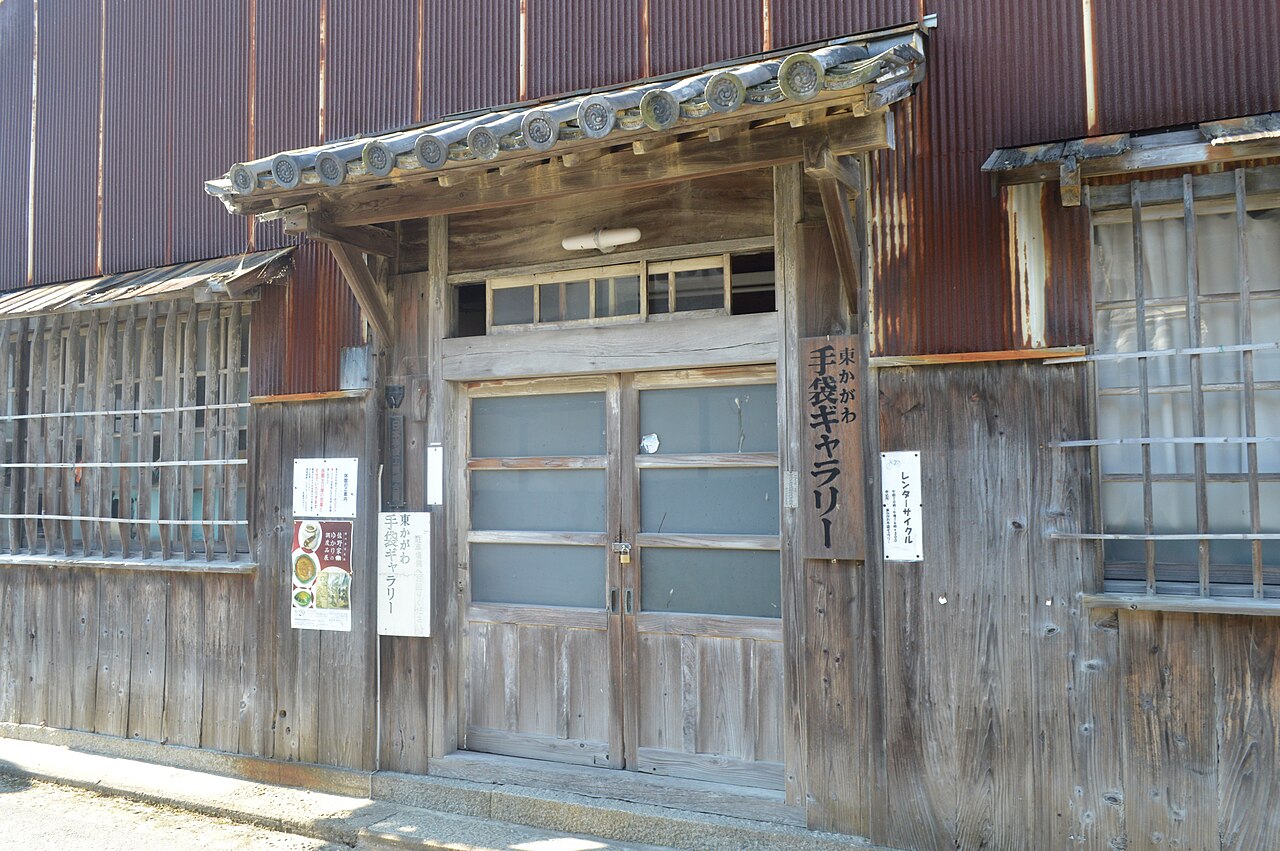
Hiketa, in Higashikagawa City in Kagawa, puts hand work at the centre of a visit: you can decorate and finish a glove of your own, press wasanbon sugar into…
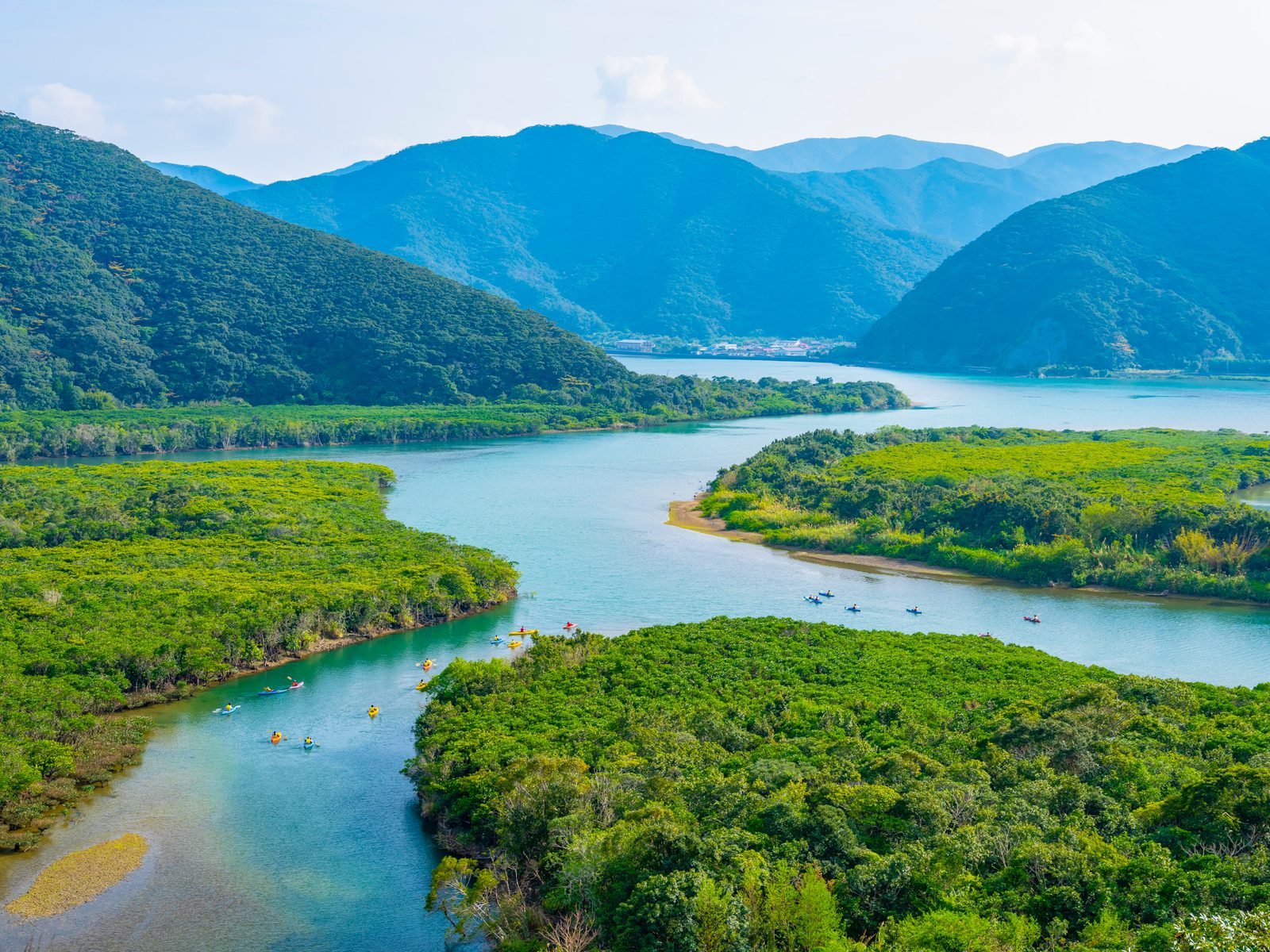
Amami Oshima pairs a mangrove forest that visitors can paddle through by canoe with Oshima tsumugi, a silk cloth whose deep black comes from repeated dyeing in…
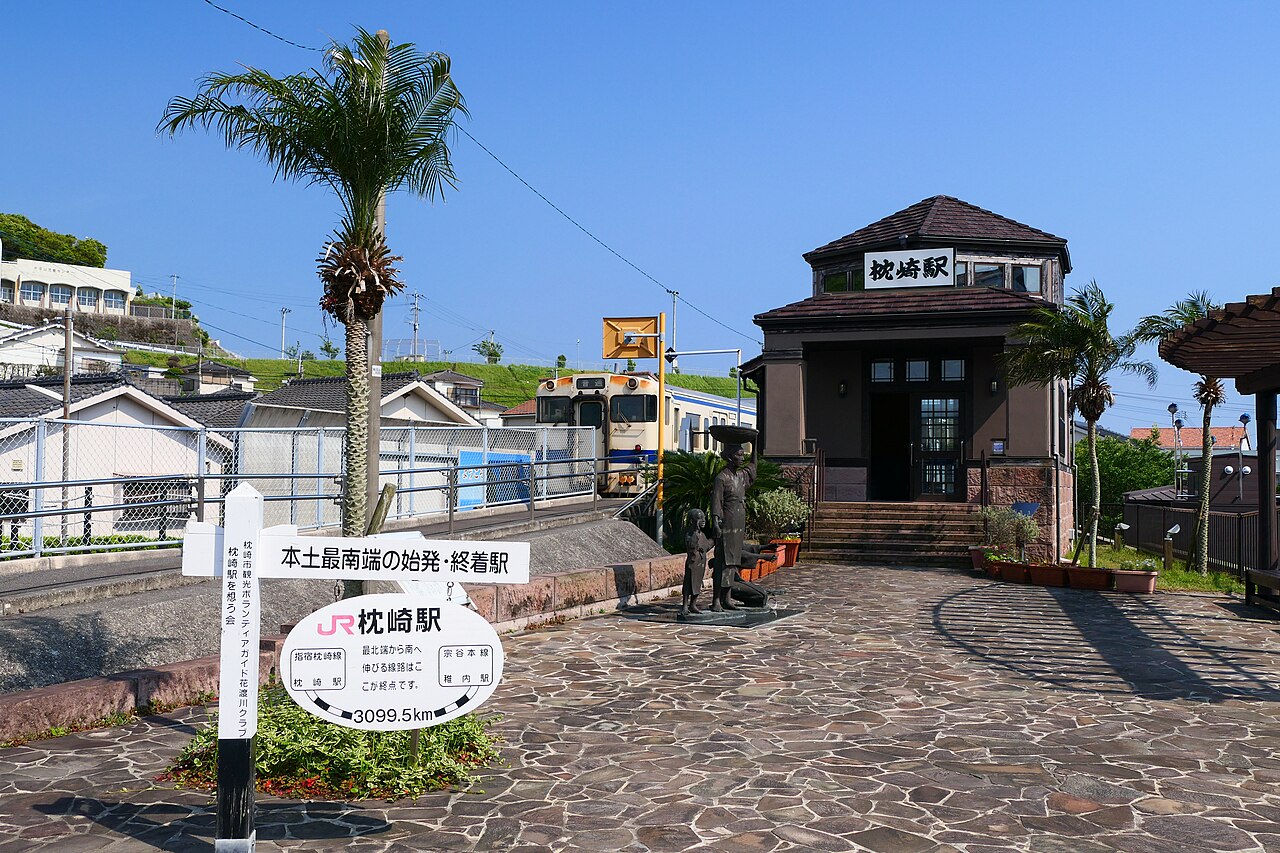
Makurazaki is where the Ibusuki-Makurazaki line comes to its end, and its name is bound up with katsuobushi, the smoked and dried bonito behind dashi.
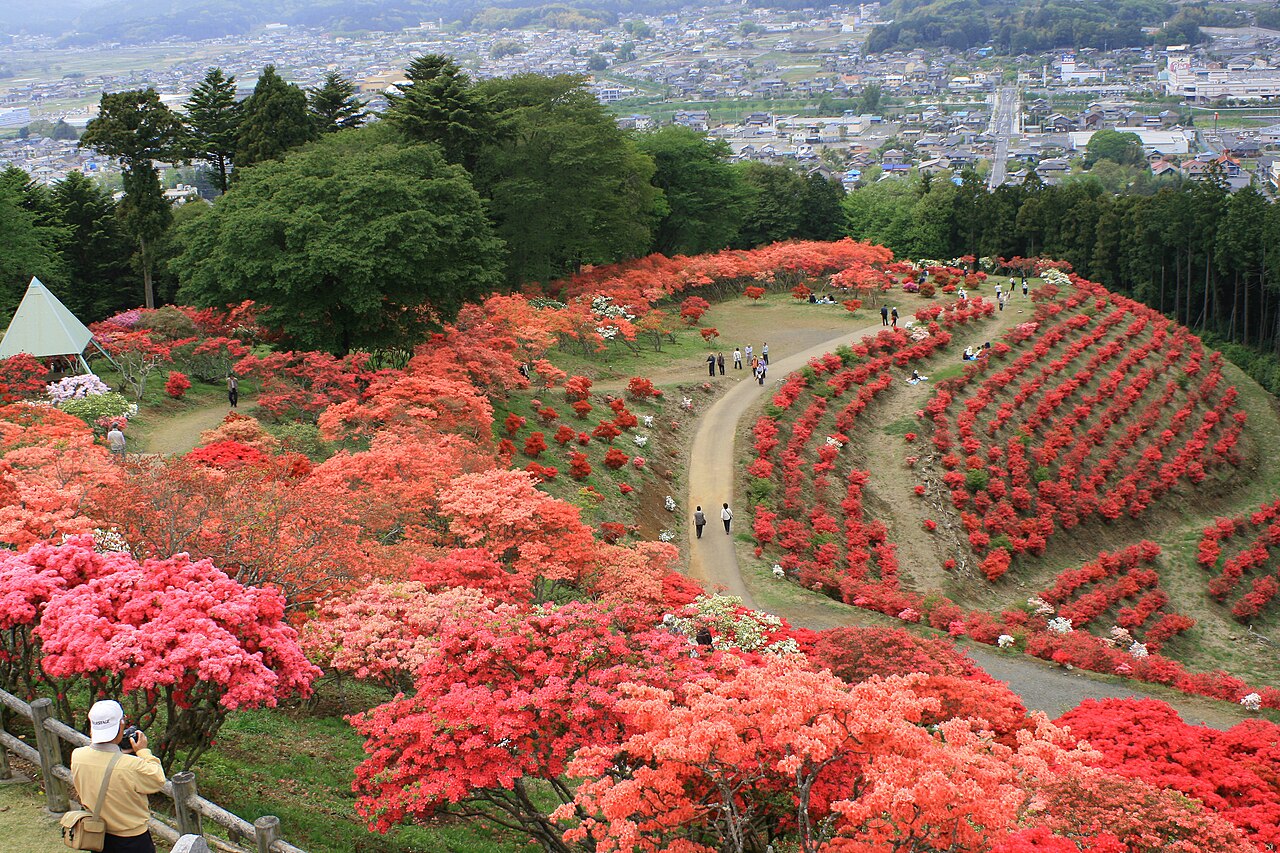
This guide covers the sightseeing loop bus that links the sights in Kasama, the origins of Kasama-yaki pottery, the arts park, ceramic museum and craft studio…
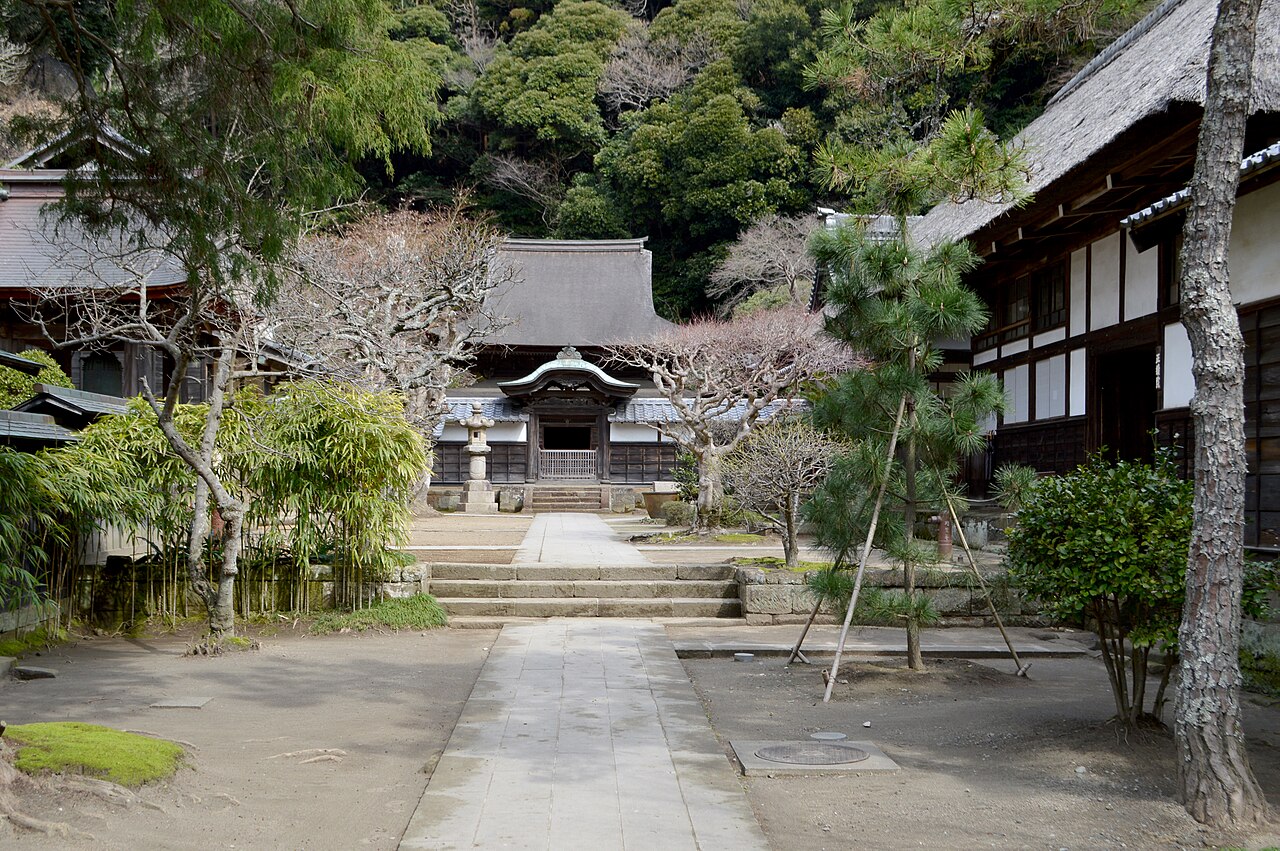
Kita-Kamakura is a place to begin the day inside a Zen temple: Engaku-ji holds a dawn zazen sitting in its Buddha hall every morning.
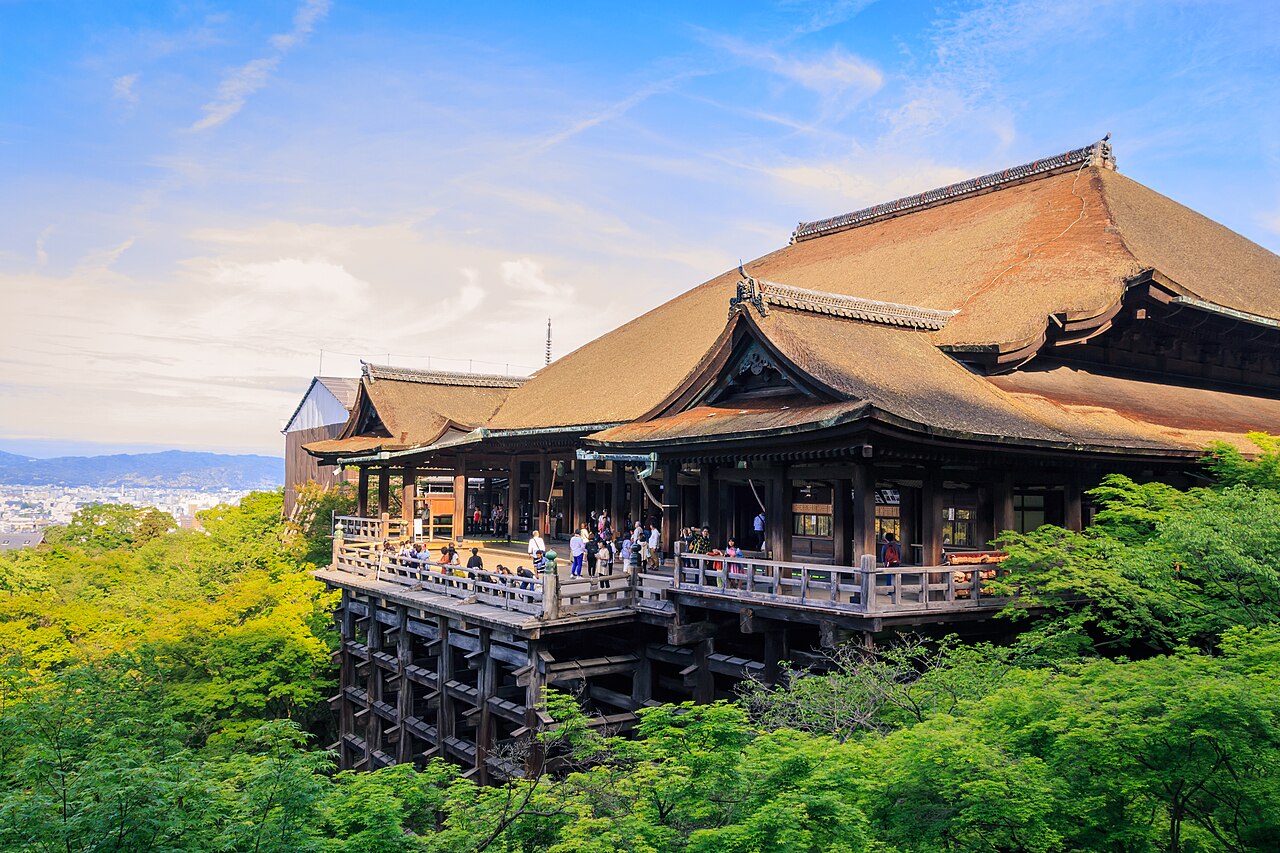
Kiyomizu-dera stands on the mid-slope of Mt.
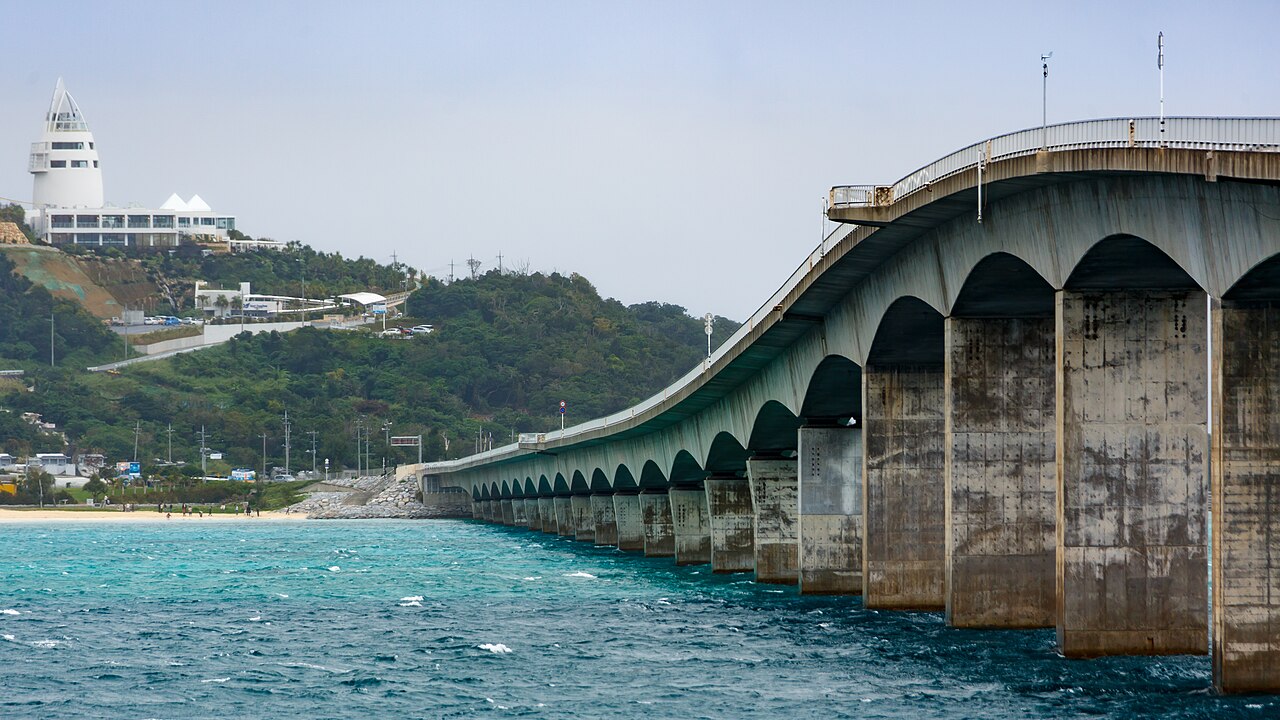
Riding a self-driving cart through a garden to Kouri Ocean Tower comes with audio guidance about the island.
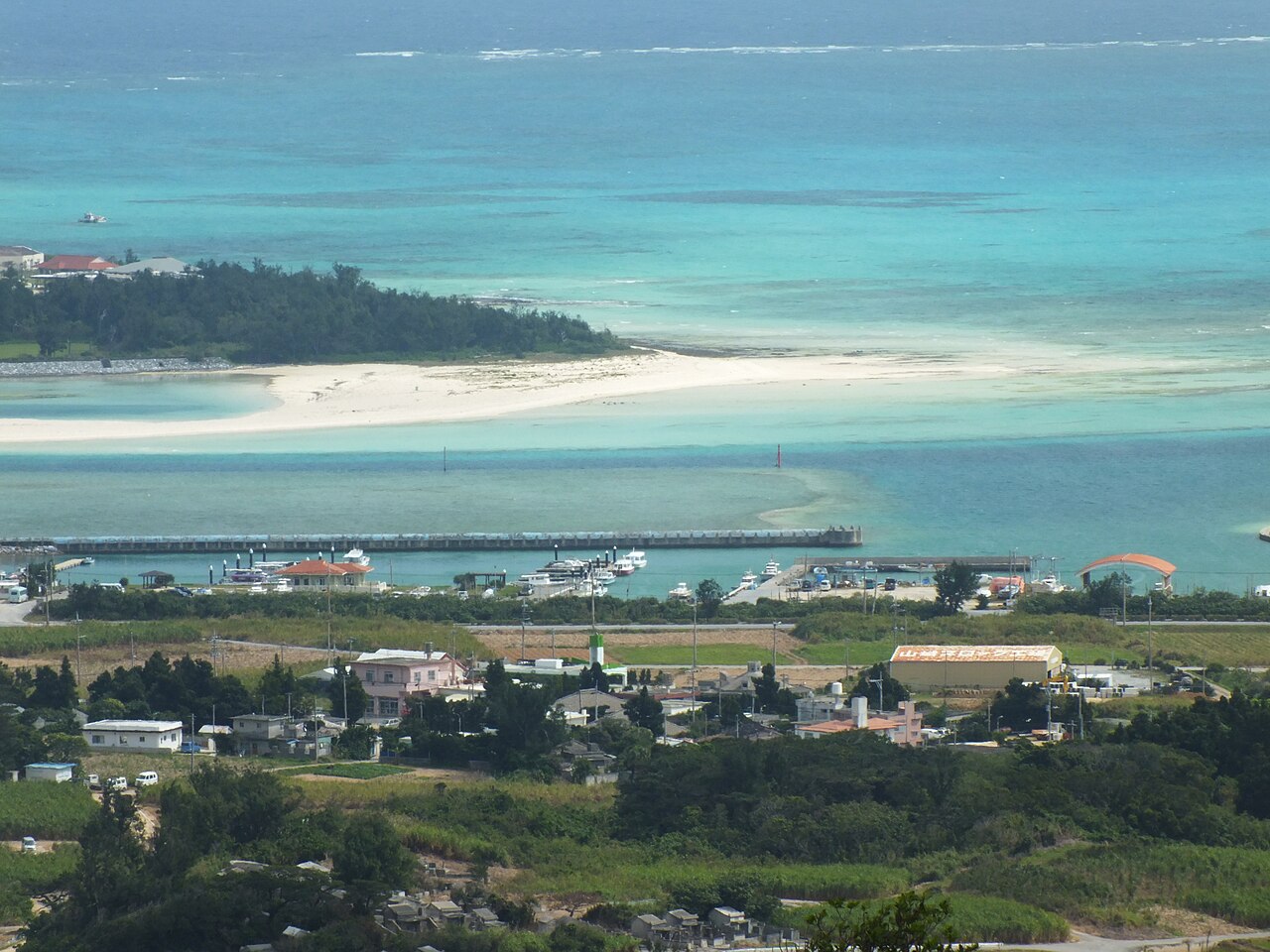
Kumejima is an island in Okinawa where a white sandbar lies in an emerald green sea and a shore of pentagonal and hexagonal boulders is laid out like a turtle…
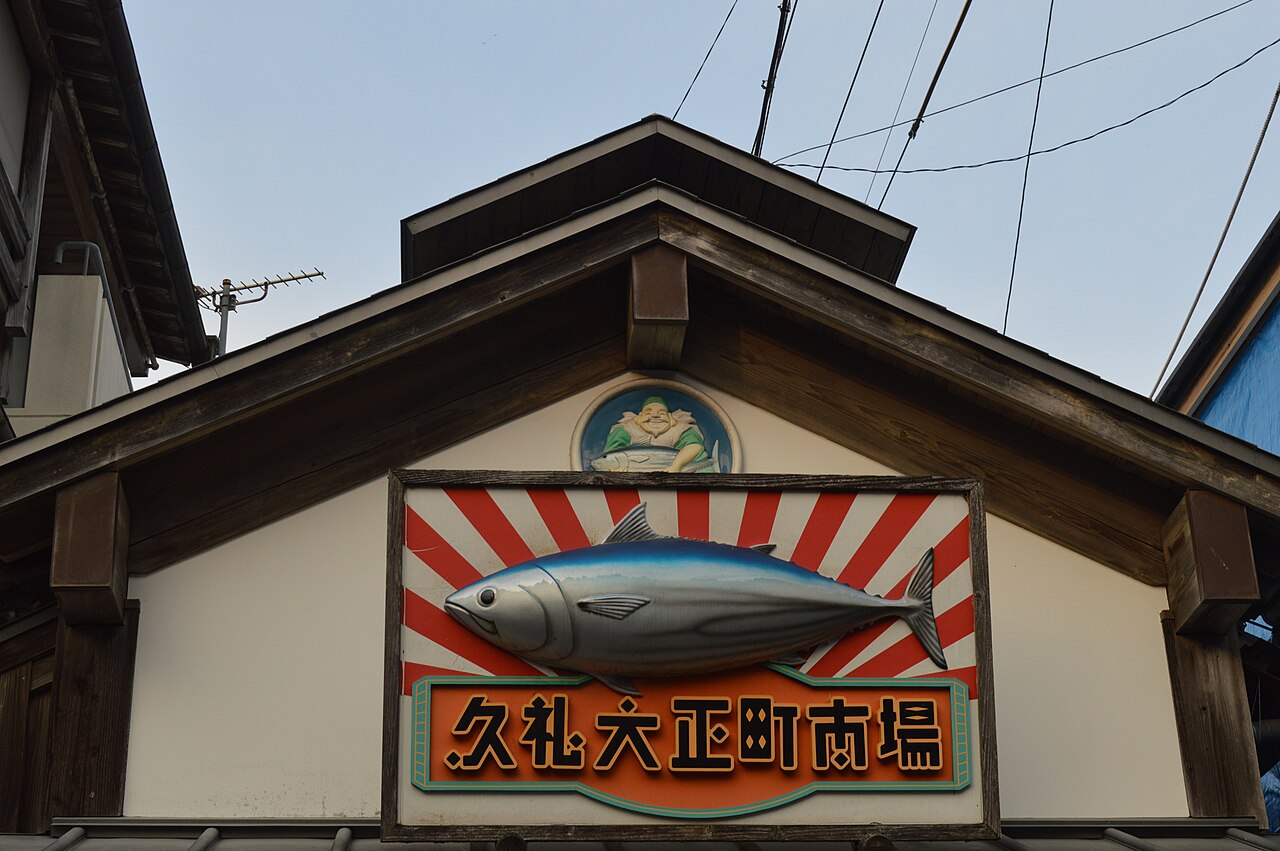
Kure Taisho-machi Market is called the kitchen of Kure.
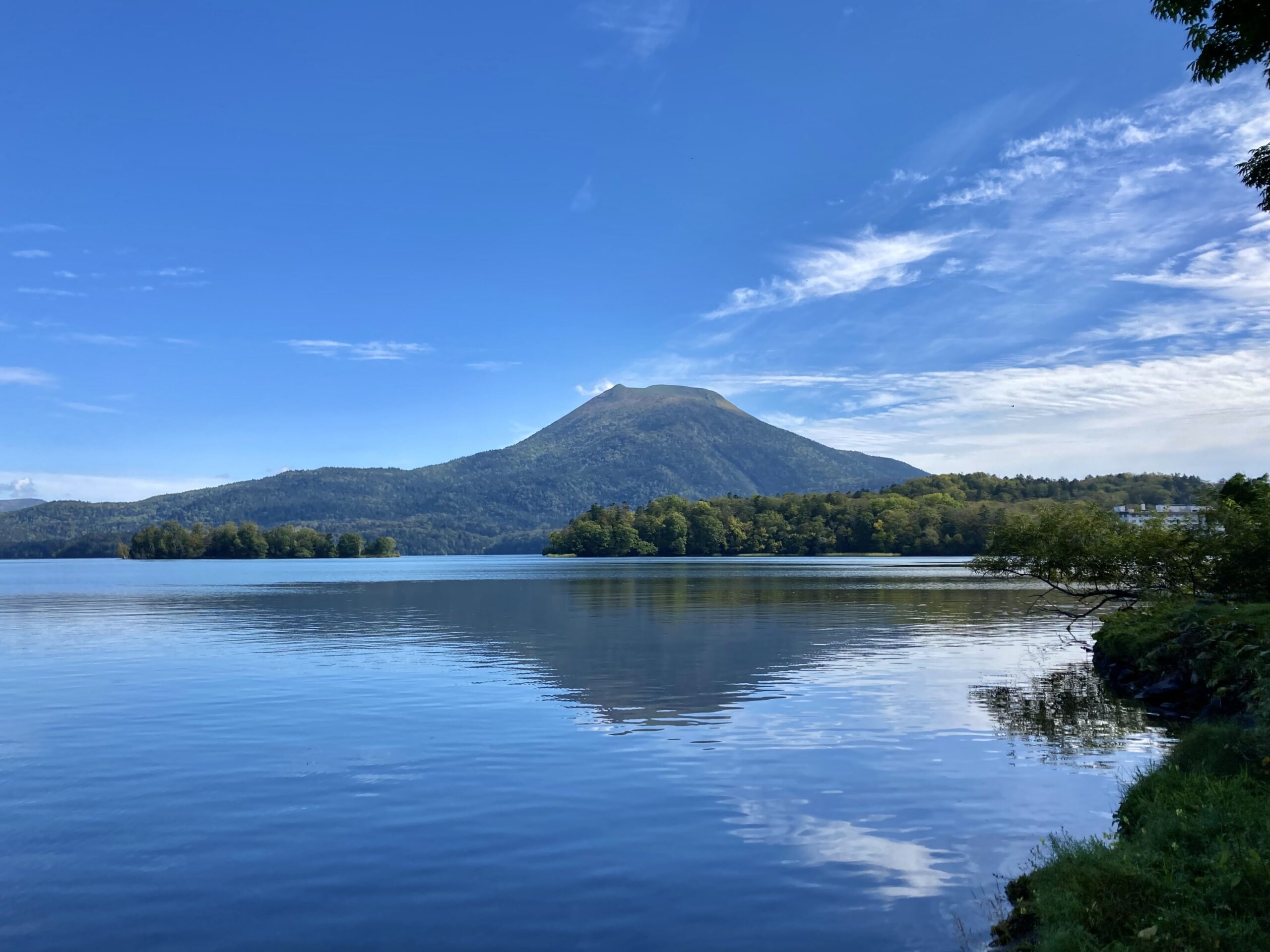
The boat on Lake Akan goes around a scenic spot and lands on Churui Island, where marimo are observed at the Marimo Exhibition and Observation Center.
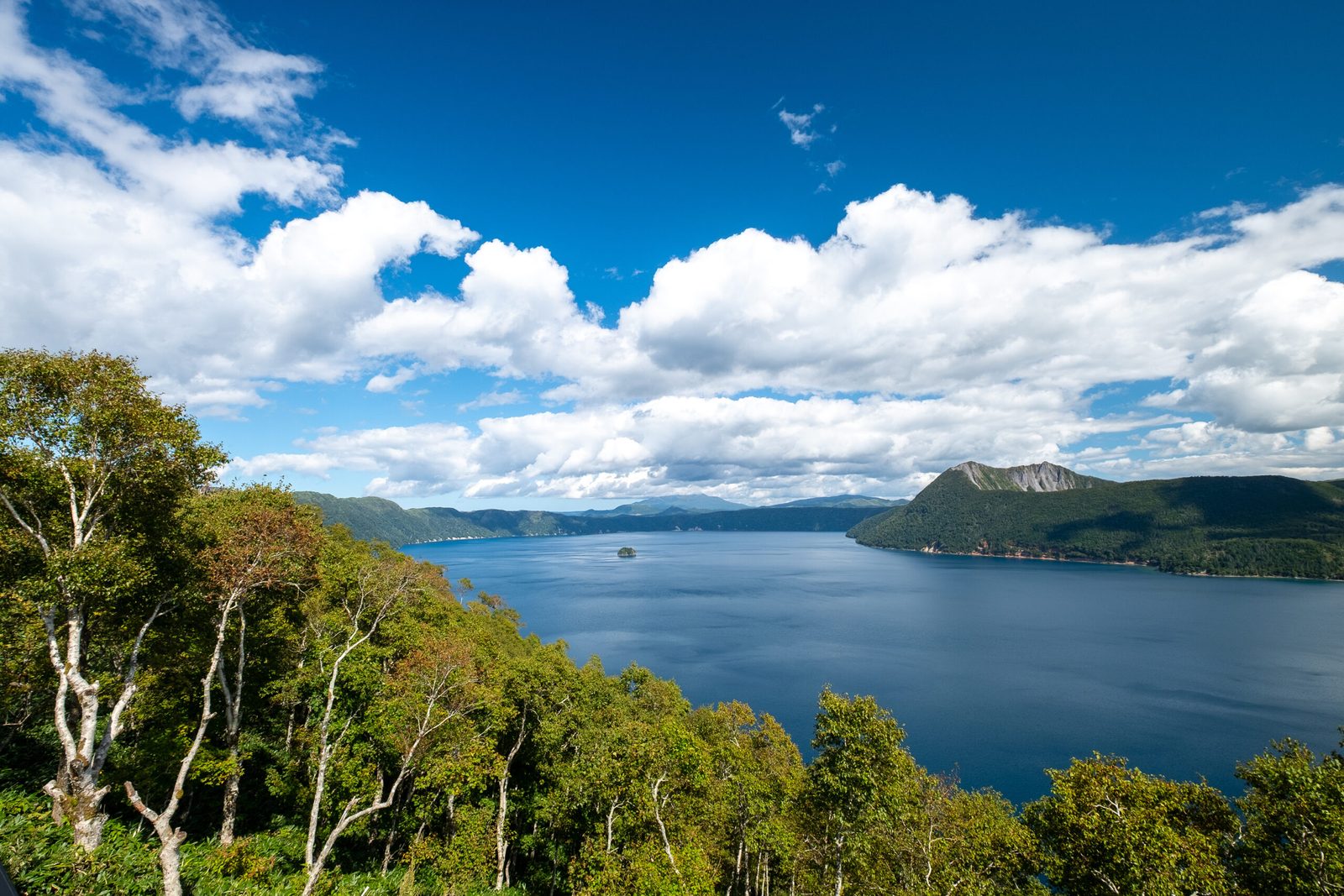
From Lake Mashu Kamuy Terrace, attached to the first observation deck, visitors look down on a lake ringed by steep walls that nobody can descend.
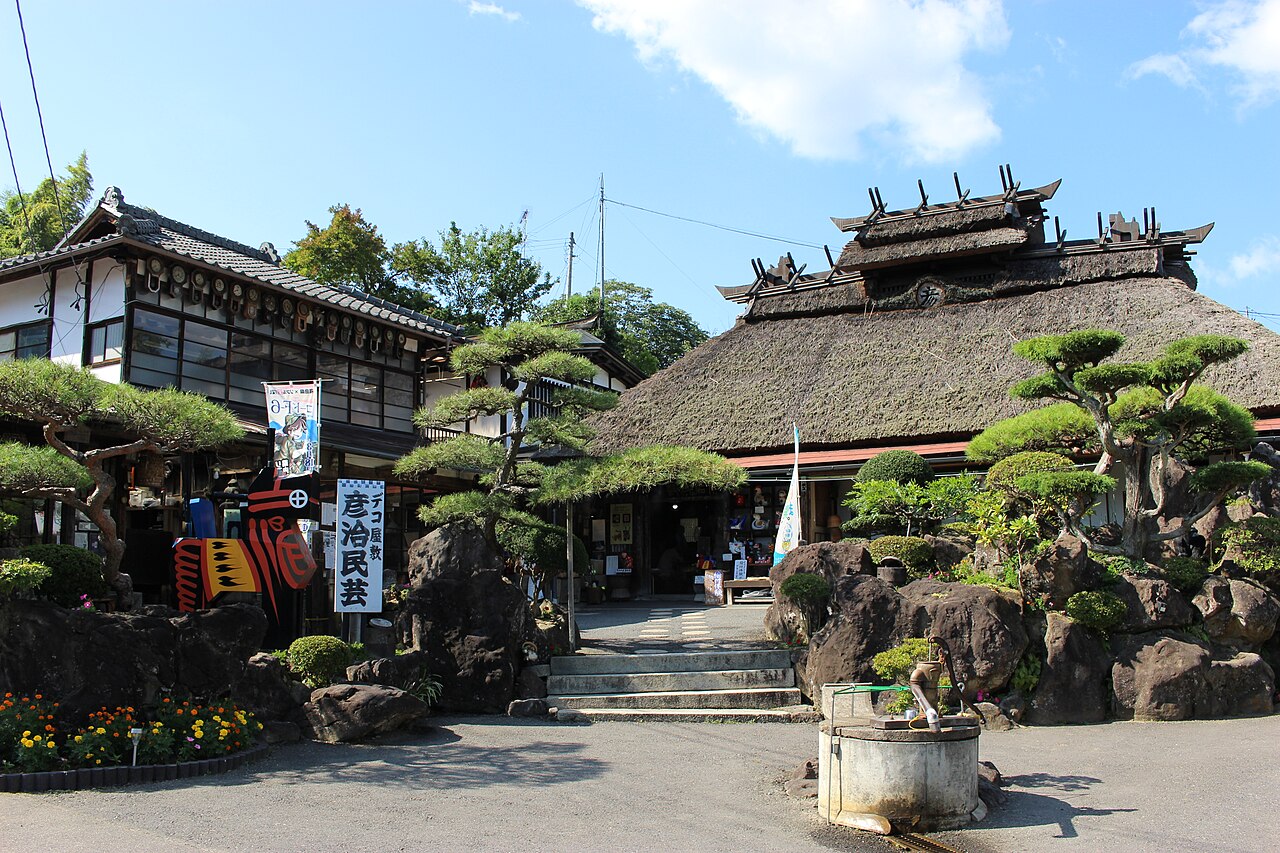
At Takashiba Deko Yashiki, visitors paint Fukushima local toys such as Miharu-goma and hariko masks, and end up with an original toy of their own.
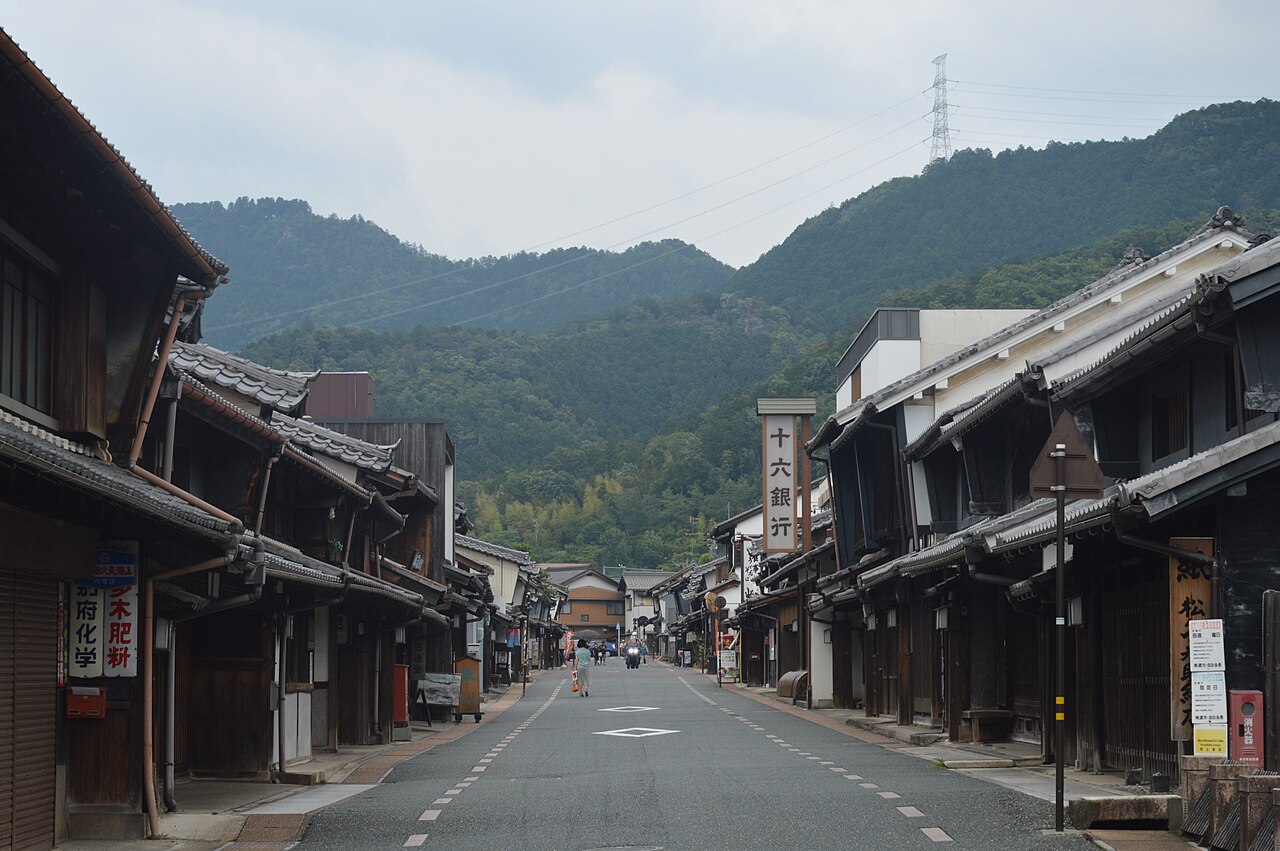
In Mino you walk a street of old houses whose roofs carry udatsu, firewalls built at both ends of a roof.
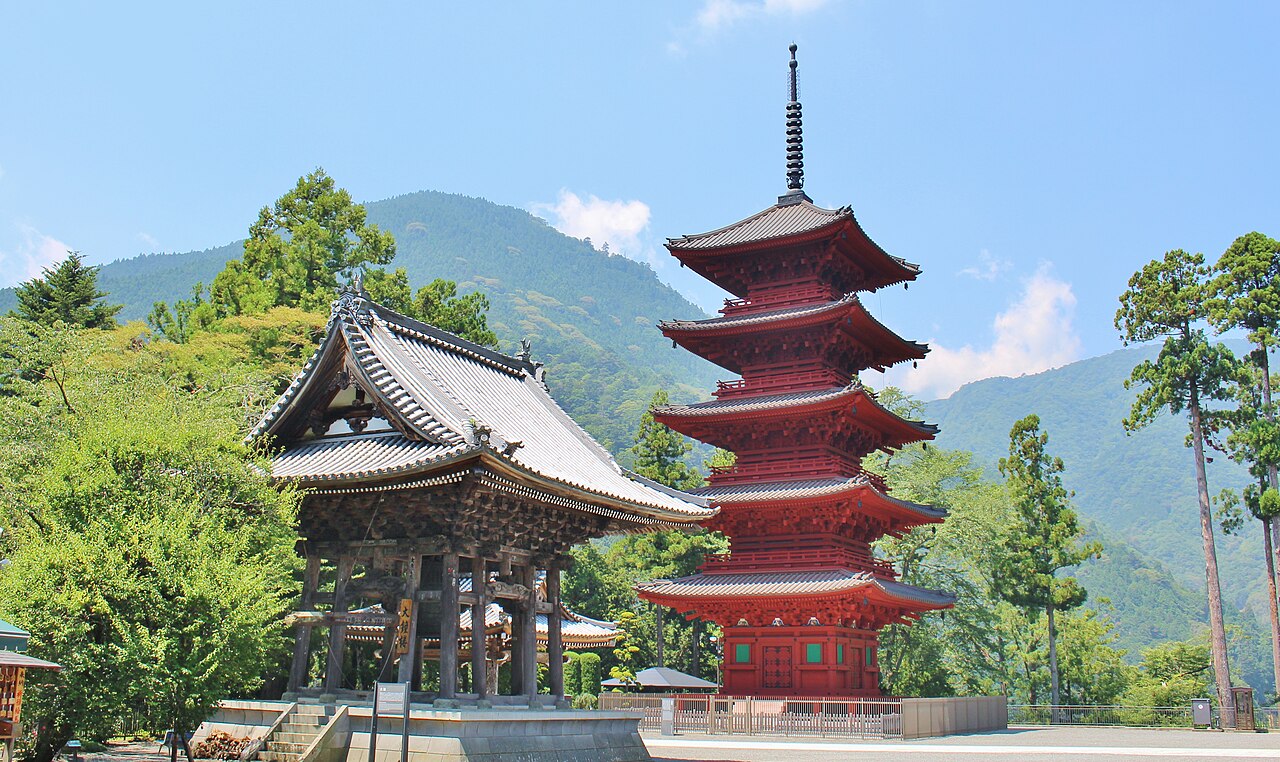
The Bodaitei stairway climbs two hundred and eighty-seven stone steps from the Sanmon gate to the main hall of Kuon-ji.
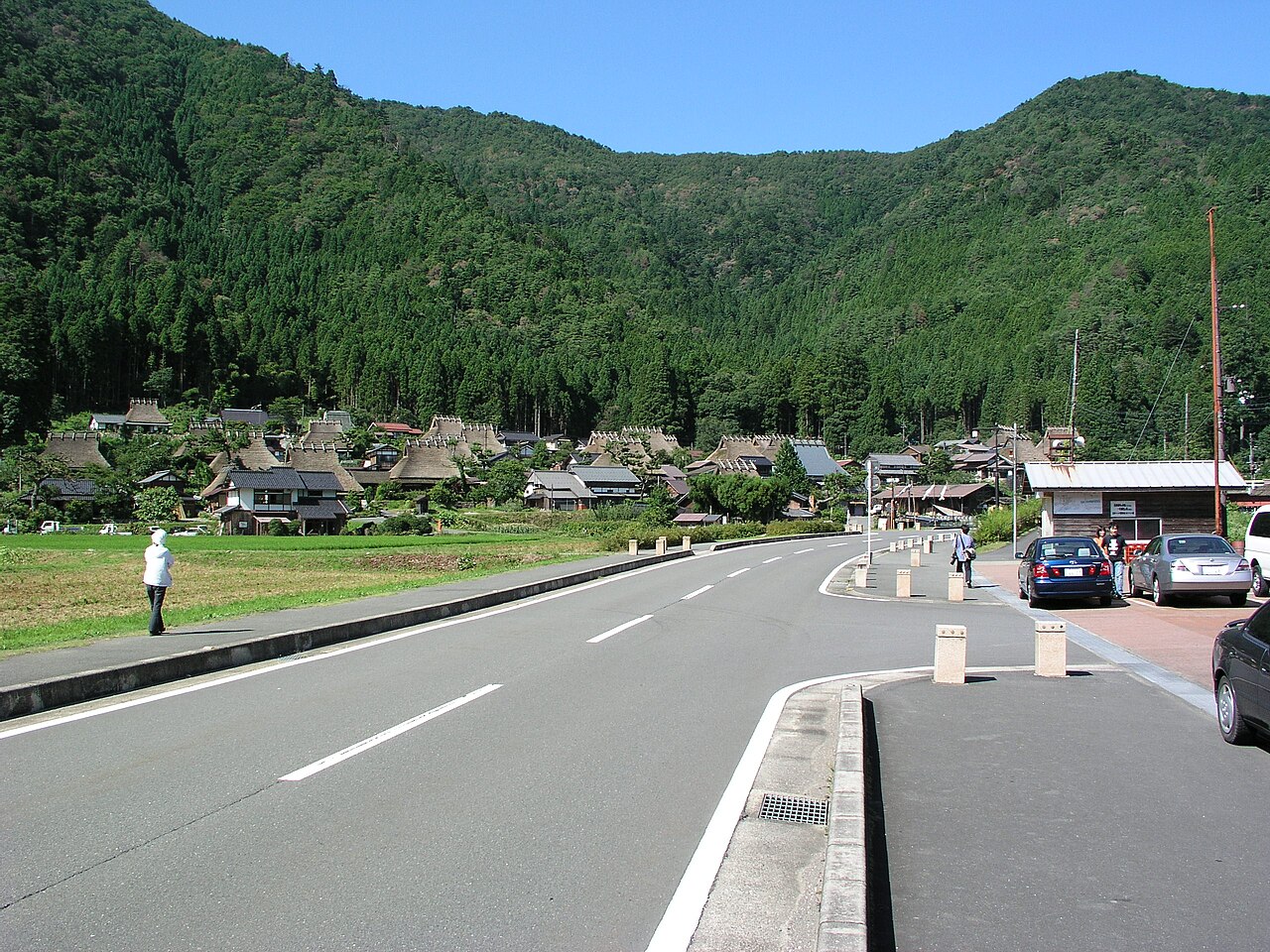
Kayabuki no Sato is a hamlet where thirty-nine of the fifty houses have thatched roofs.
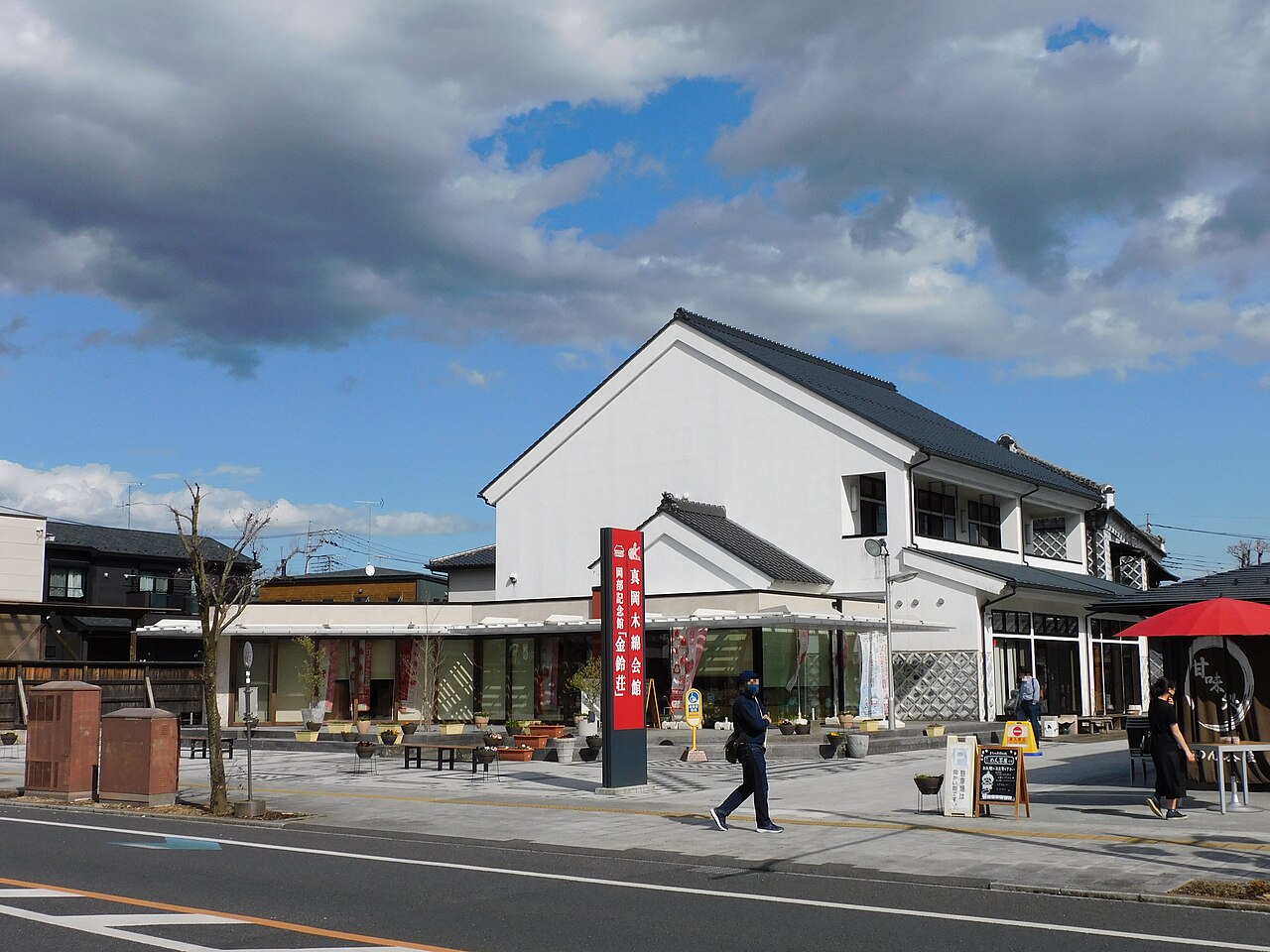
Moka, in Tochigi, is a cotton town.
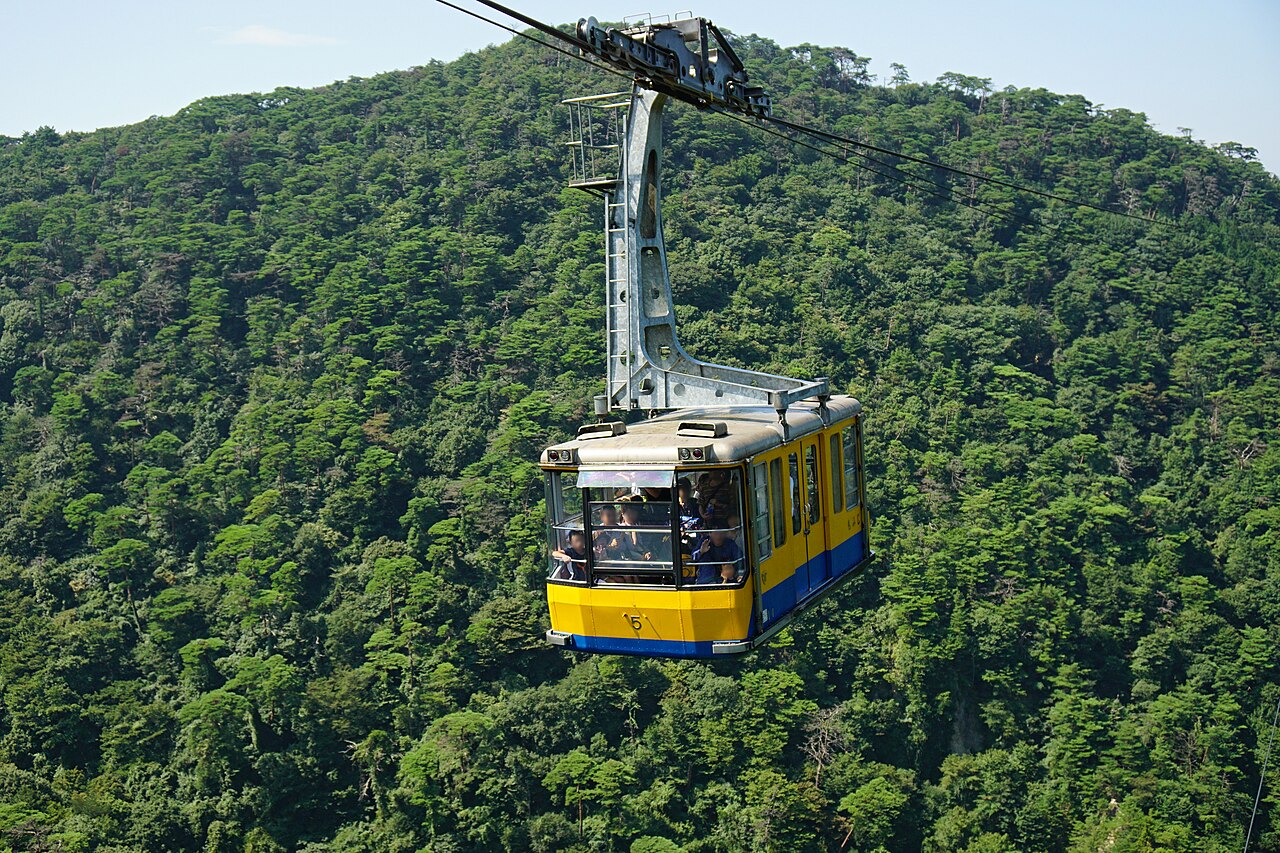
Sitting on a bench in the SIKI Garden surrounds a visitor with music from an unseen source.
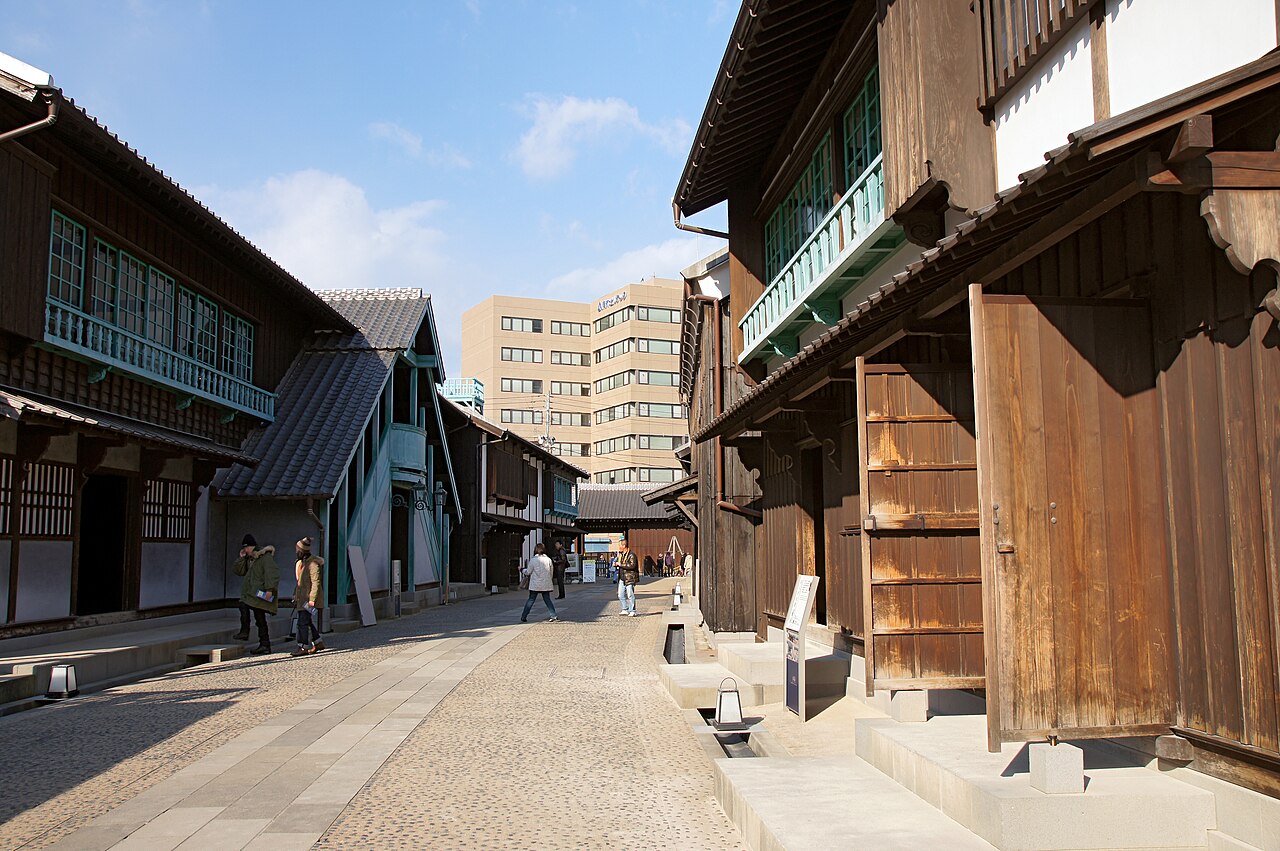
The Dejima Omote-mon Bridge is the way onto Dejima, and visitors cross it to enter and leave the island just as people did in the past.
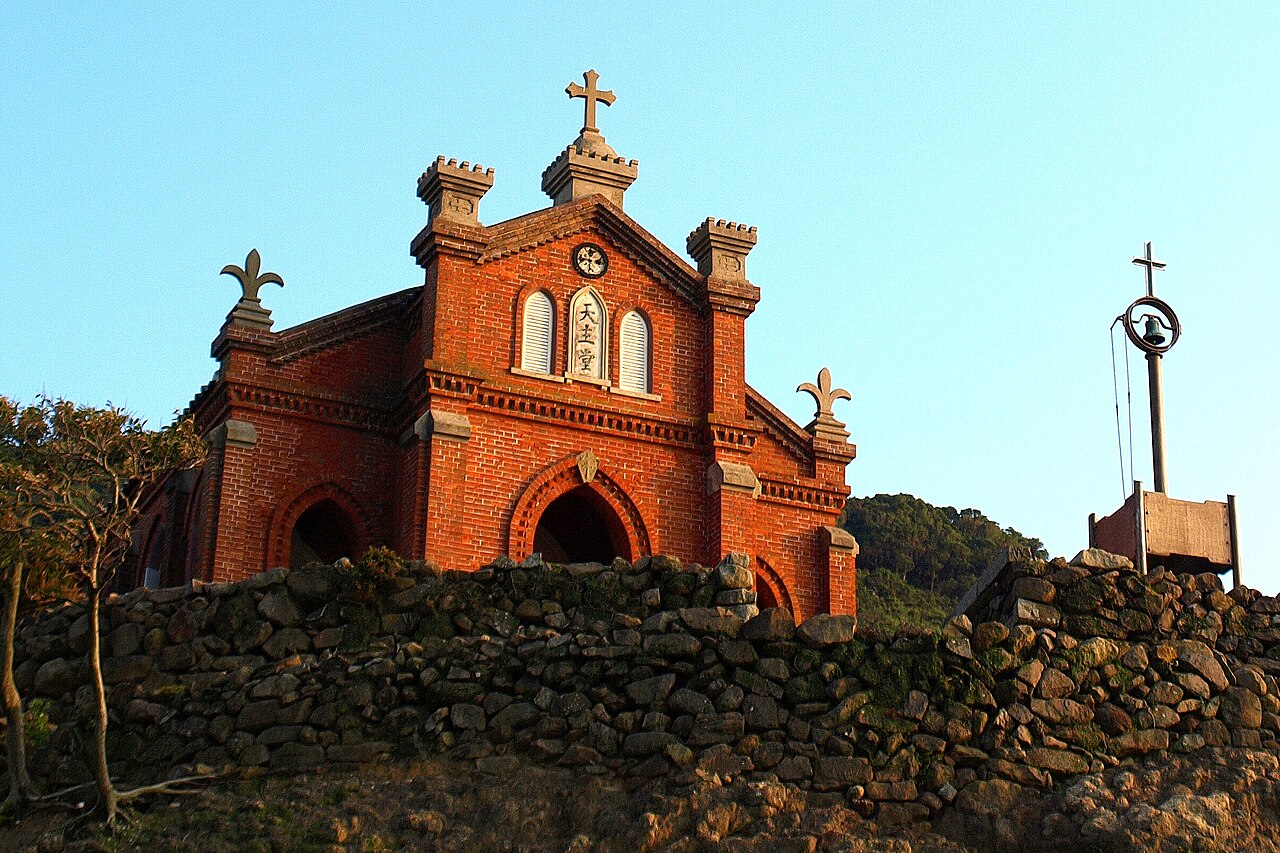
Ojika in Nagasaki keeps its stories where they happened.
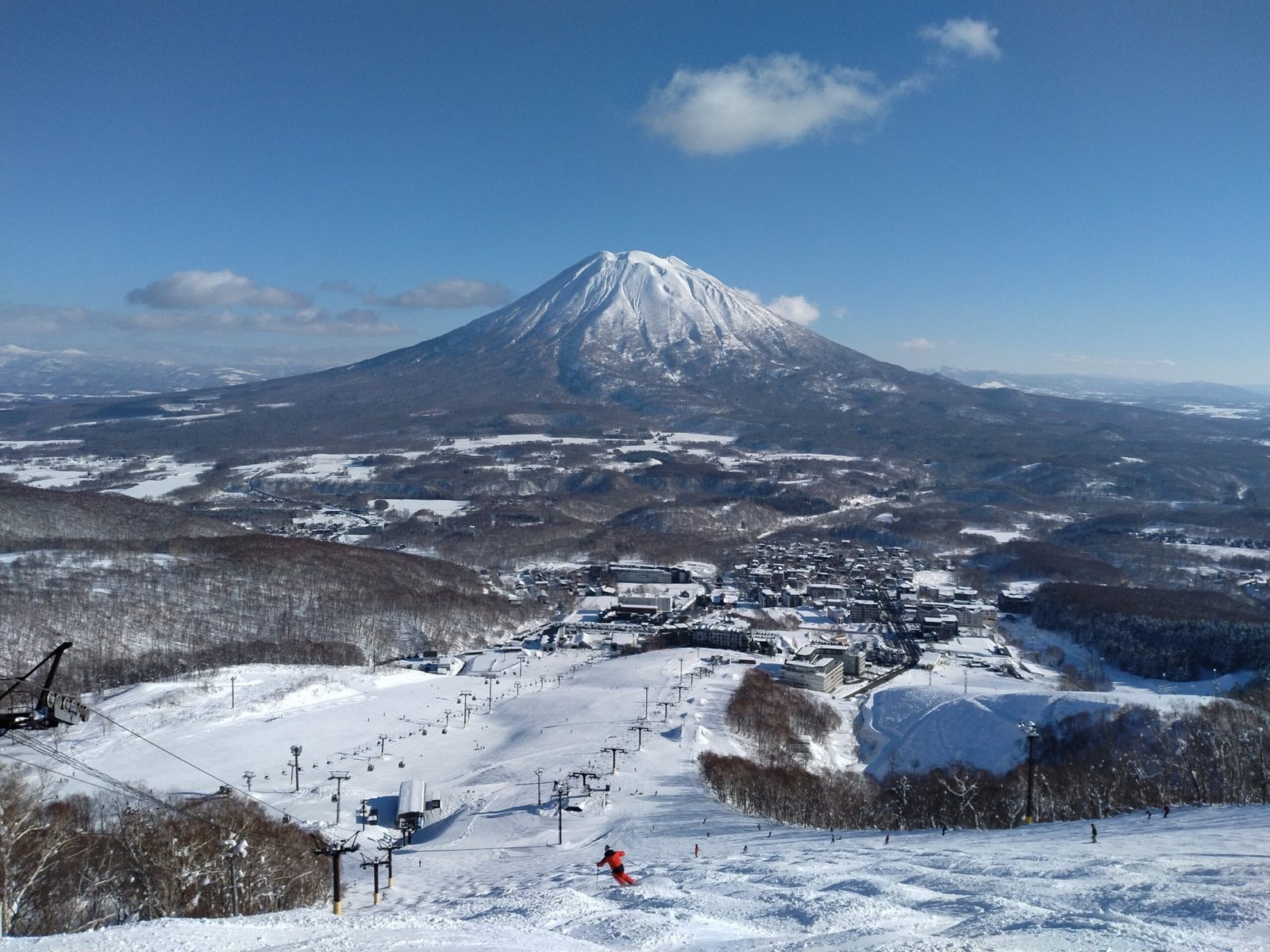
Niseko's powder snow is light, fluffy and smooth, and around the plateau at about one thousand metres at the top of the ski area, the slopes above the tree…
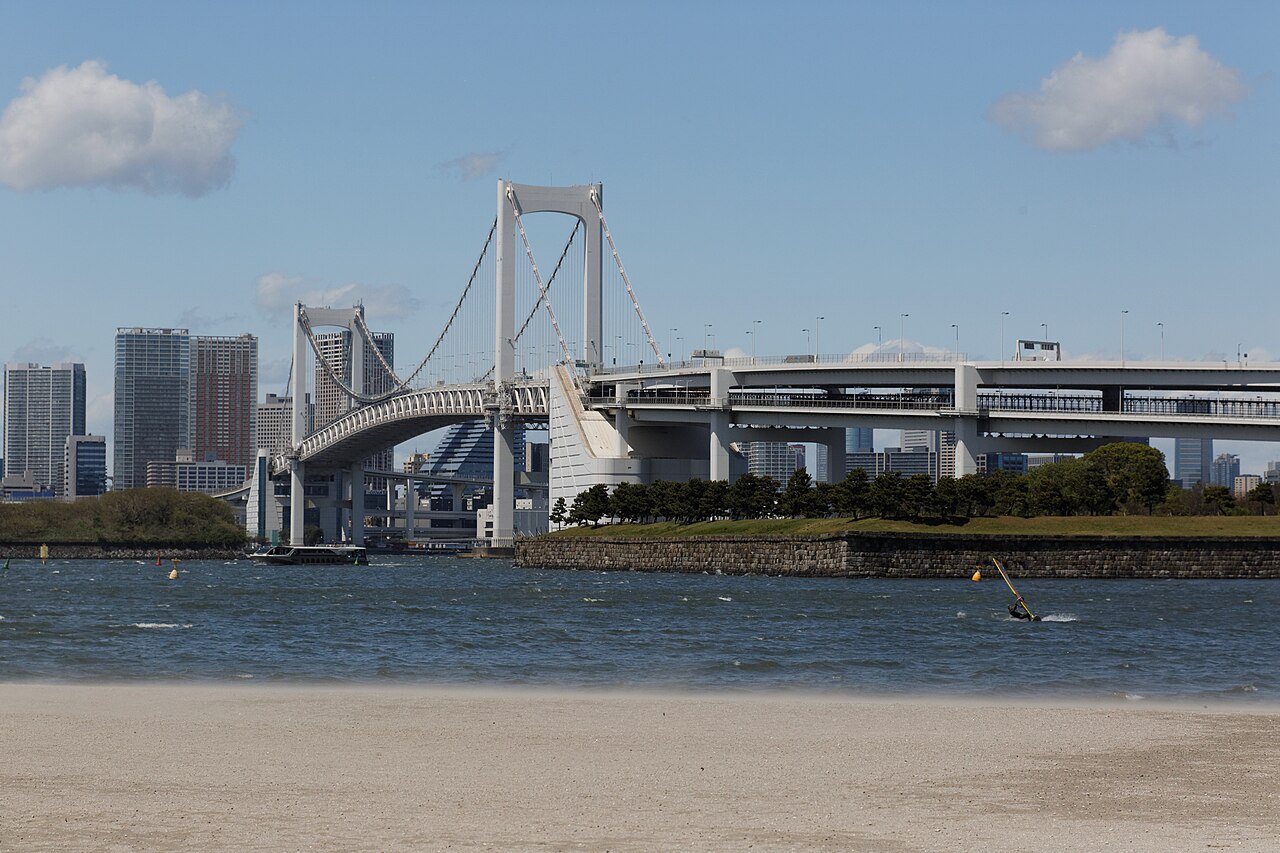
Stand at the west seaside of Odaiba Seaside Park and the Rainbow Bridge comes into full view.
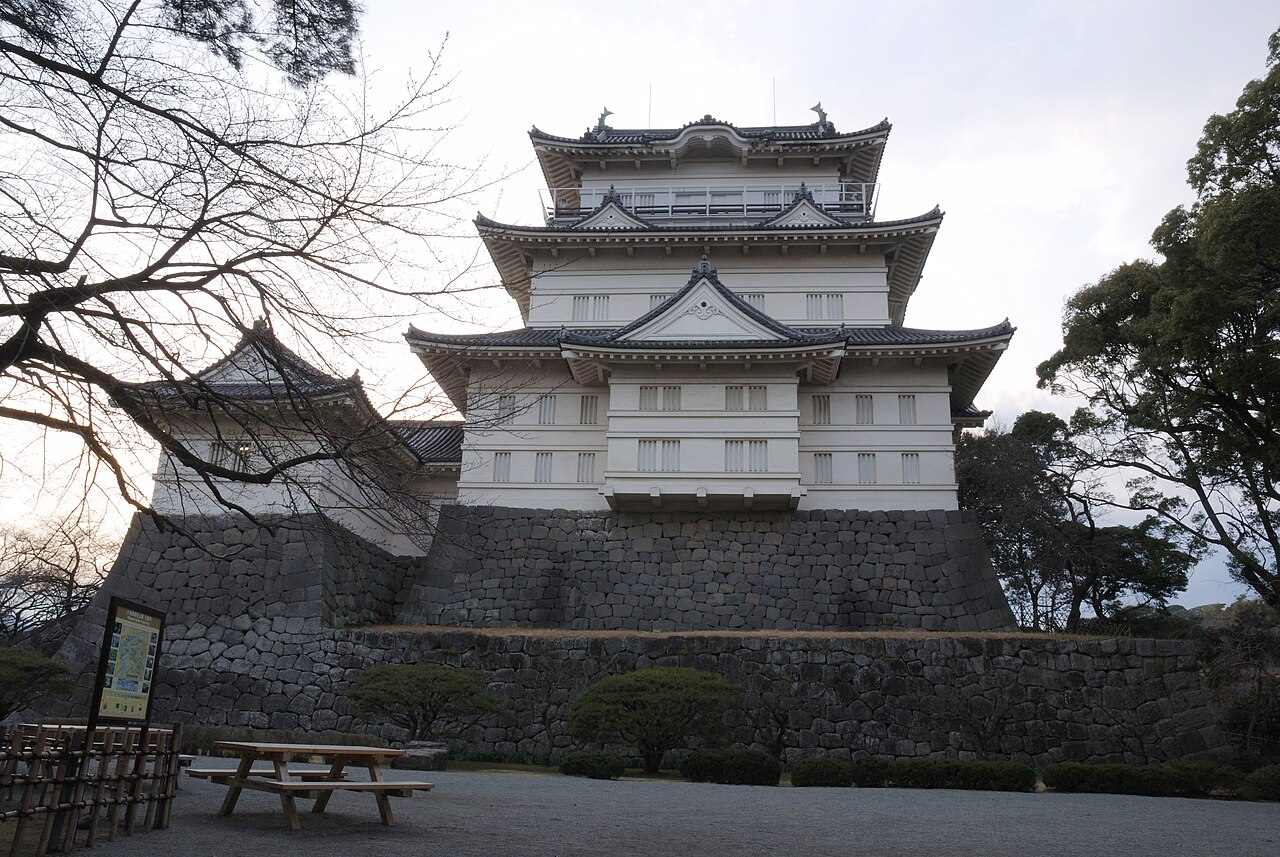
Odawara is a castle town built for doing rather than looking.
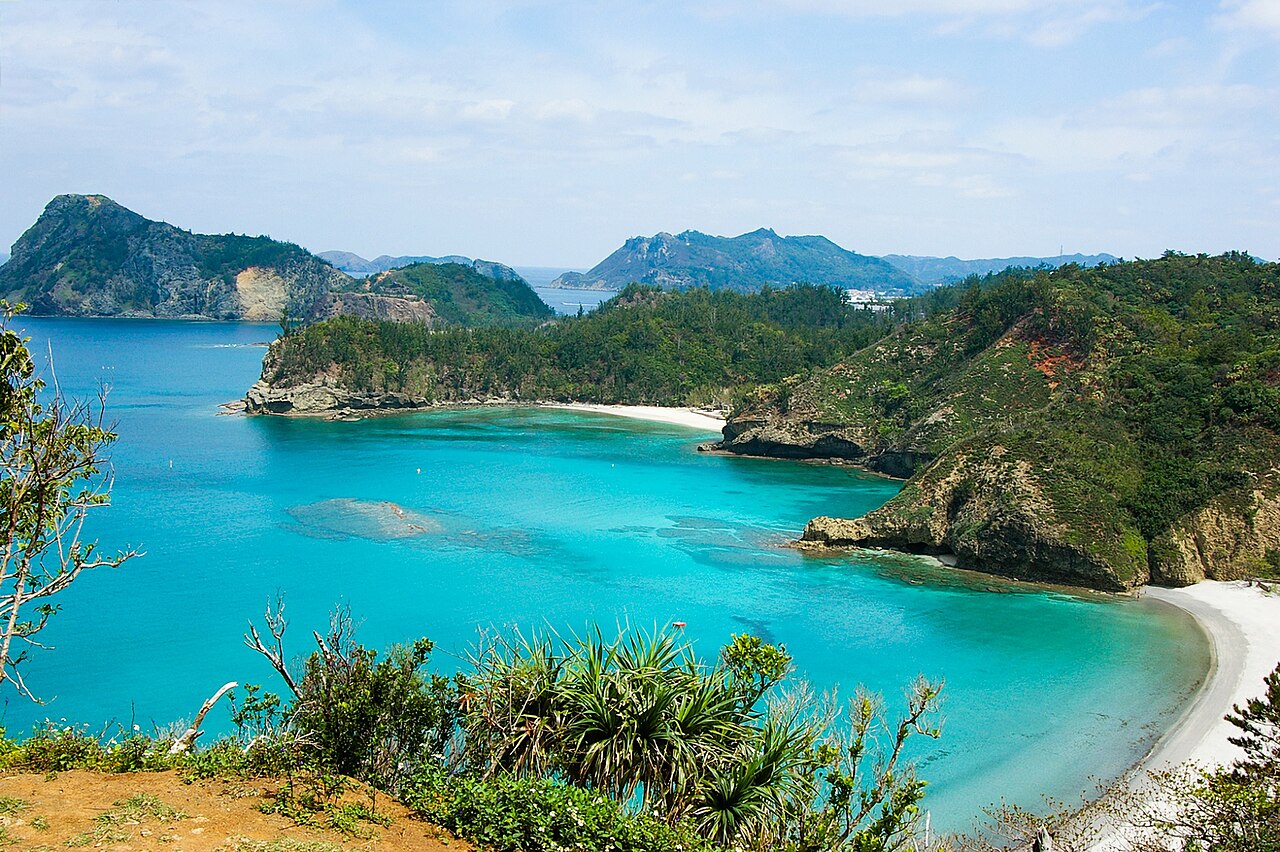
Minami-hando dolphins and long-beaked dolphins can be seen year-round in the waters near Ogasawara, where over twenty types of cetaceans migrate.
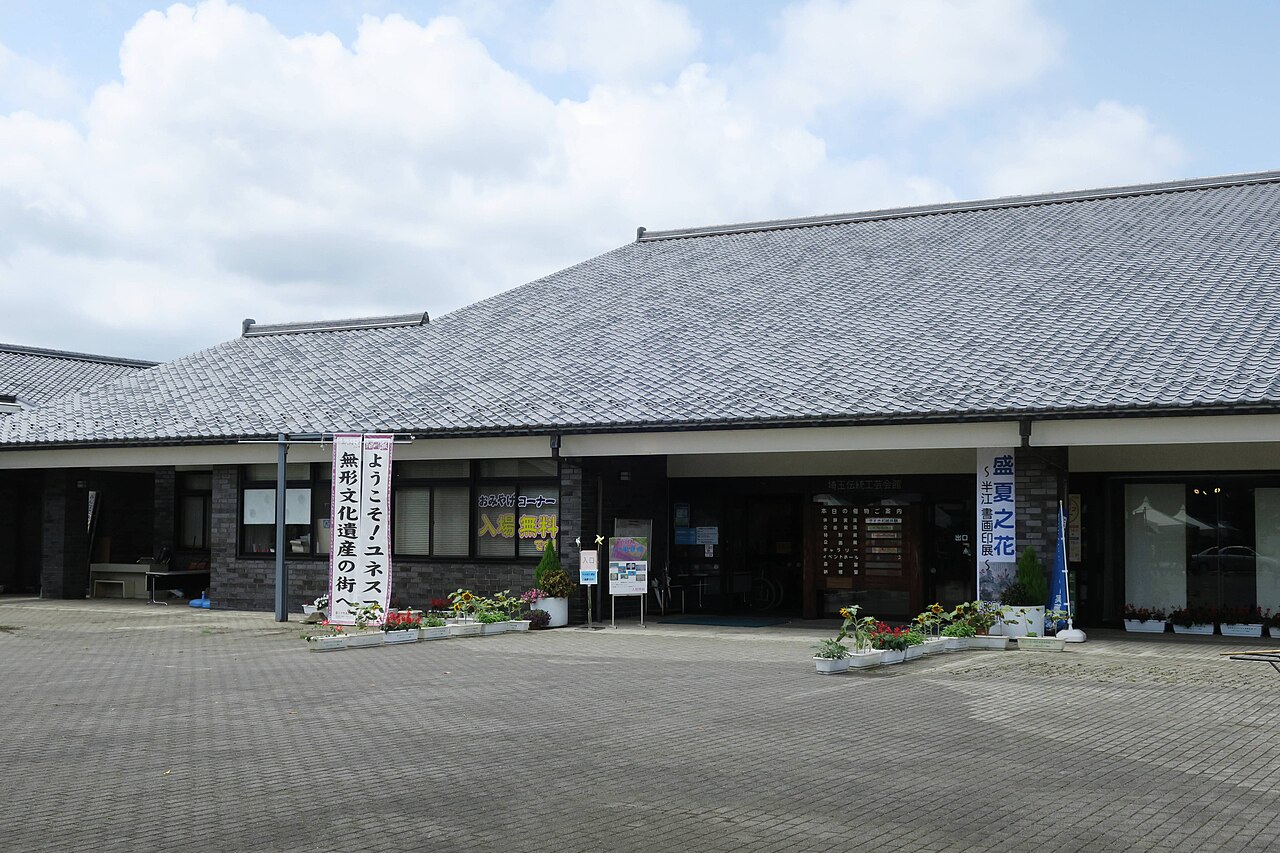
Ogawa sits inside the Sotochichibu mountains, with the Tsuki River running through the middle of town, and it has long prospered on Ogawa-washi paper, silk…
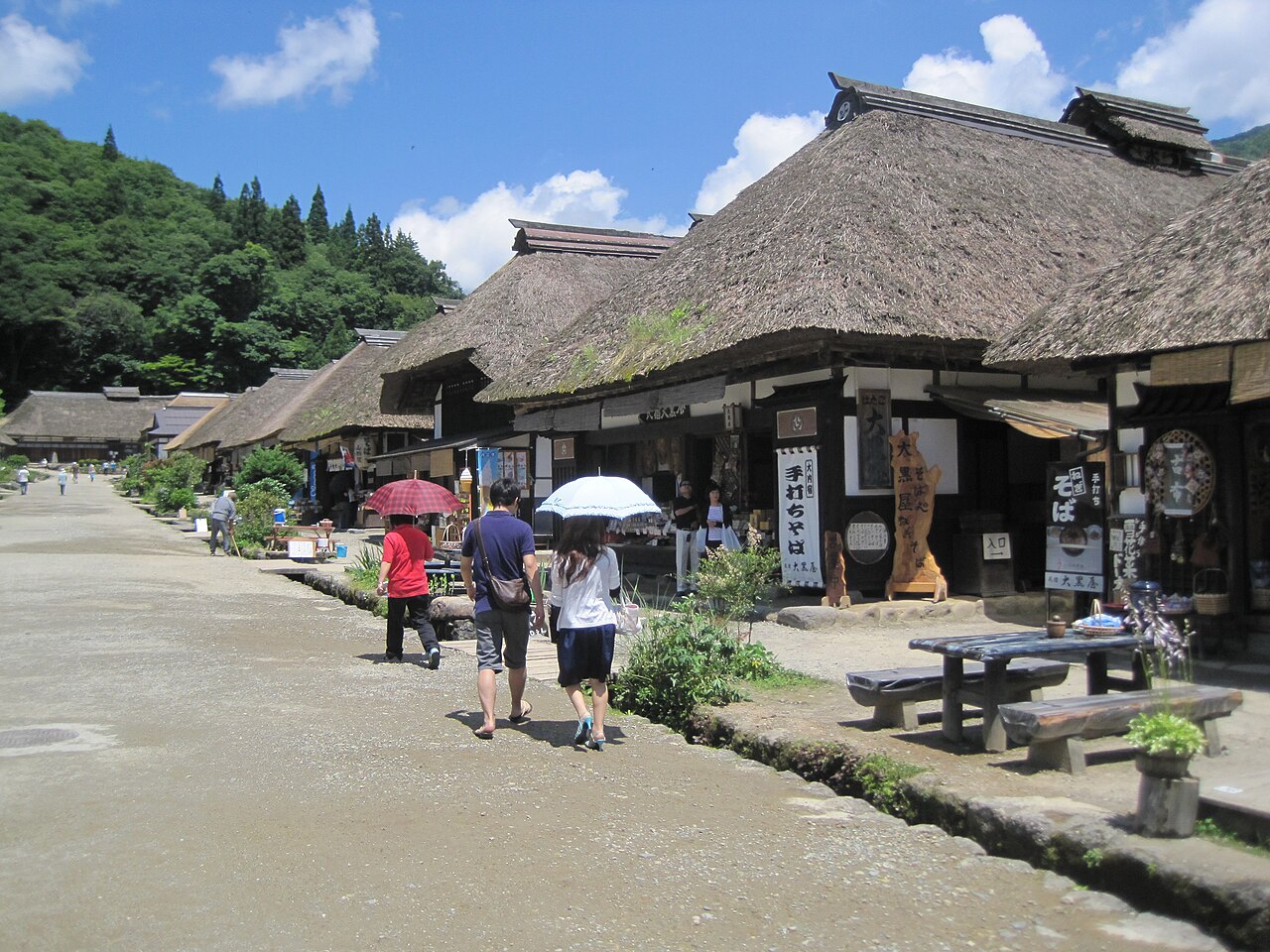
Ouchi-juku is a former post town whose street of thatched houses keeps a townscape like that of the Edo period.
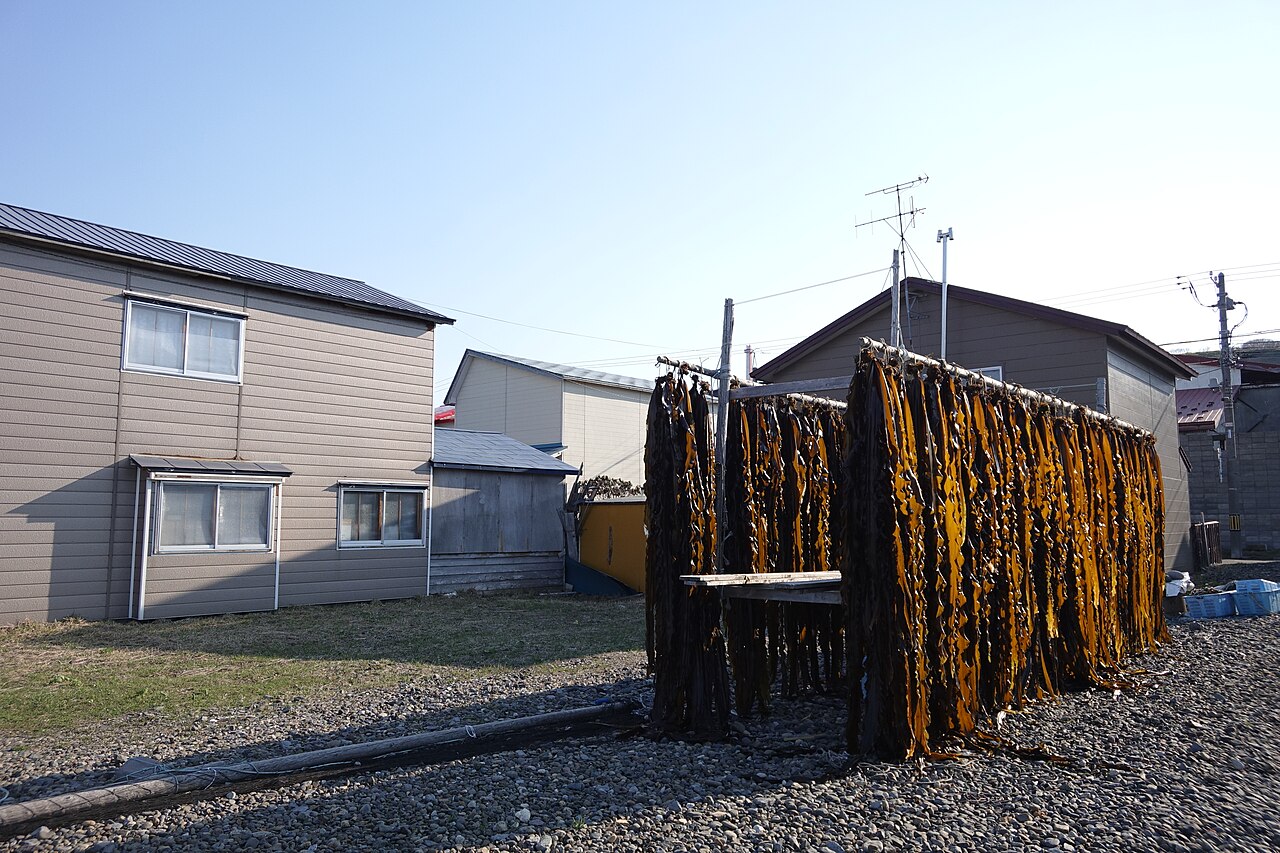
Rishiri kelp is a kelp with a long, narrow blade, and it grows on rocky bottoms.
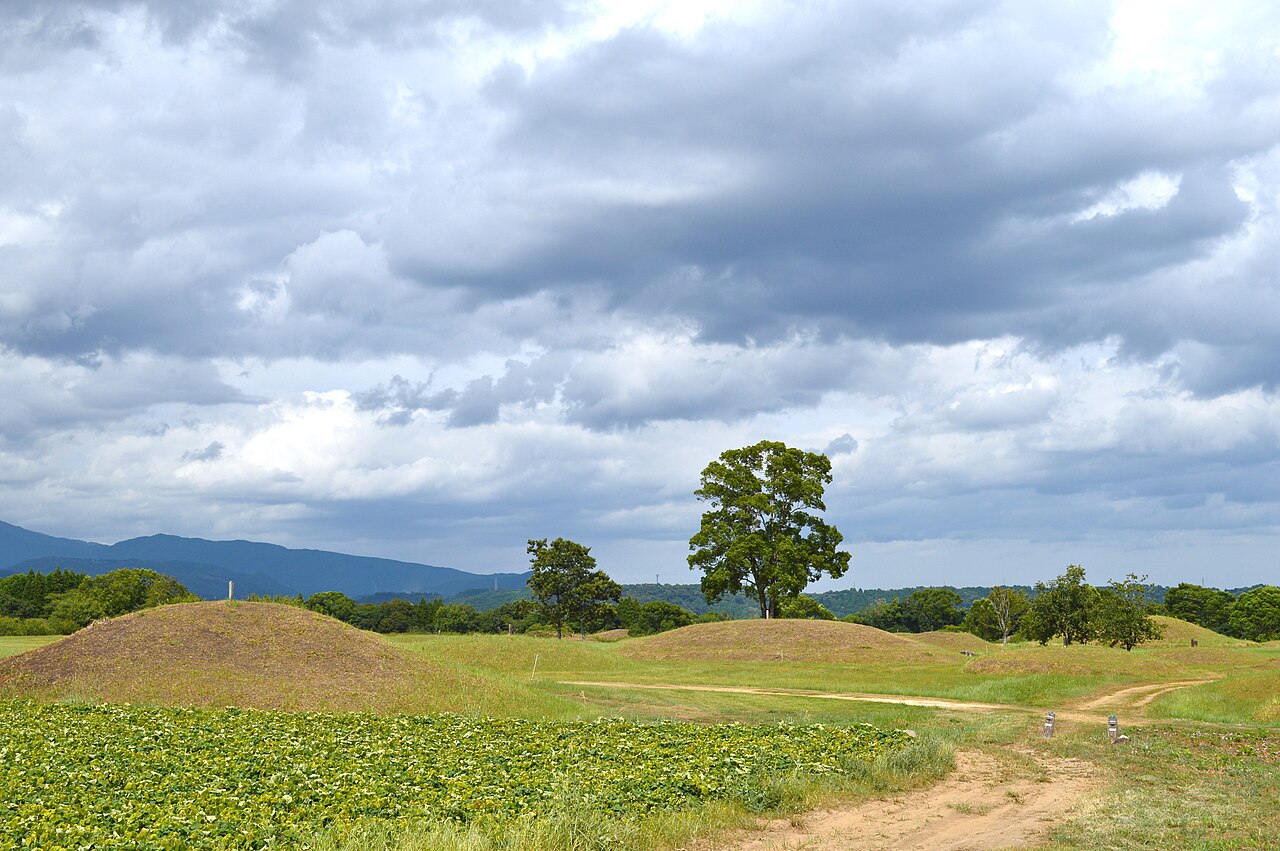
Saitobaru is a plain in Saito, Miyazaki, with three hundred and nineteen burial mounds spread across it, the Osahozuka and Mesahozuka reference mounds among…
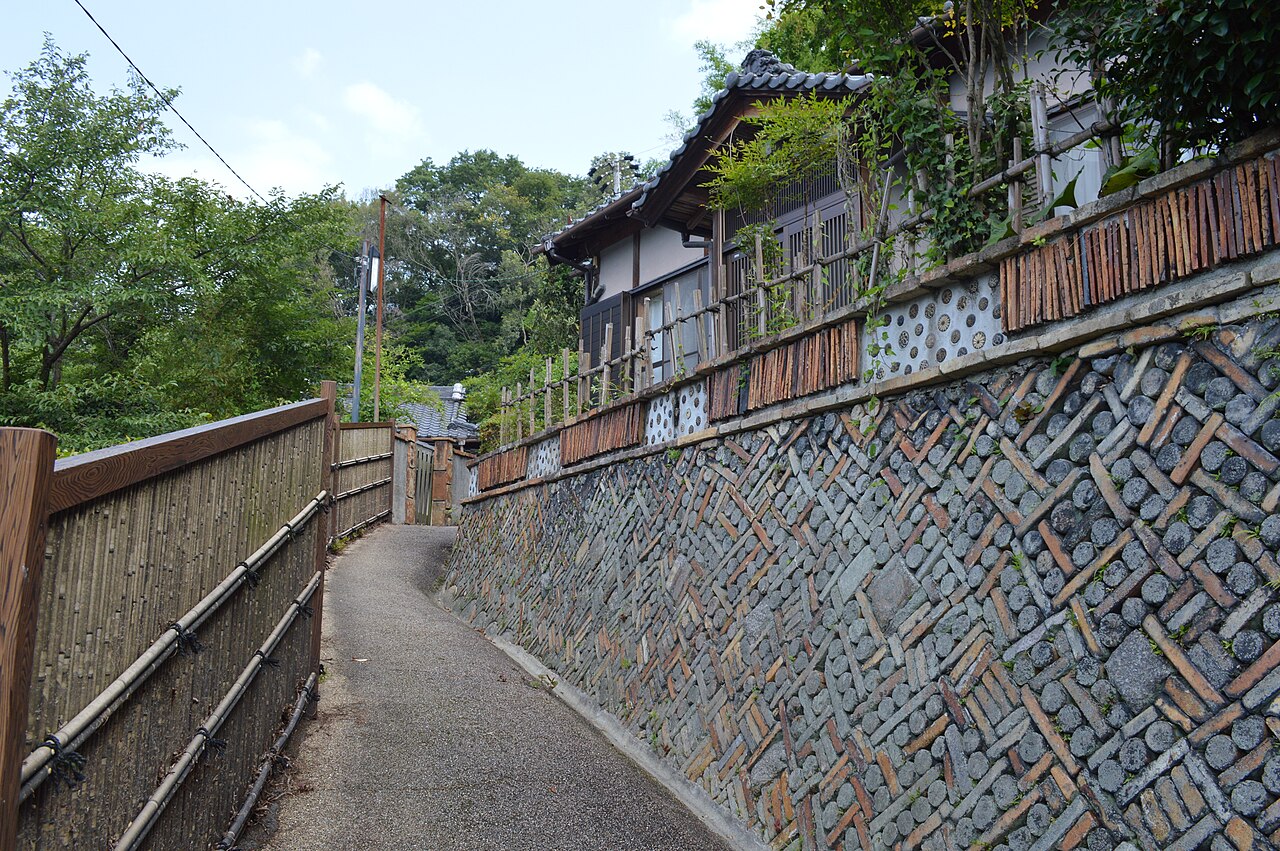
Seto, in Aichi, is counted as one of the Six Ancient Kilns of Japan, and the pottery behind that standing is still made there.
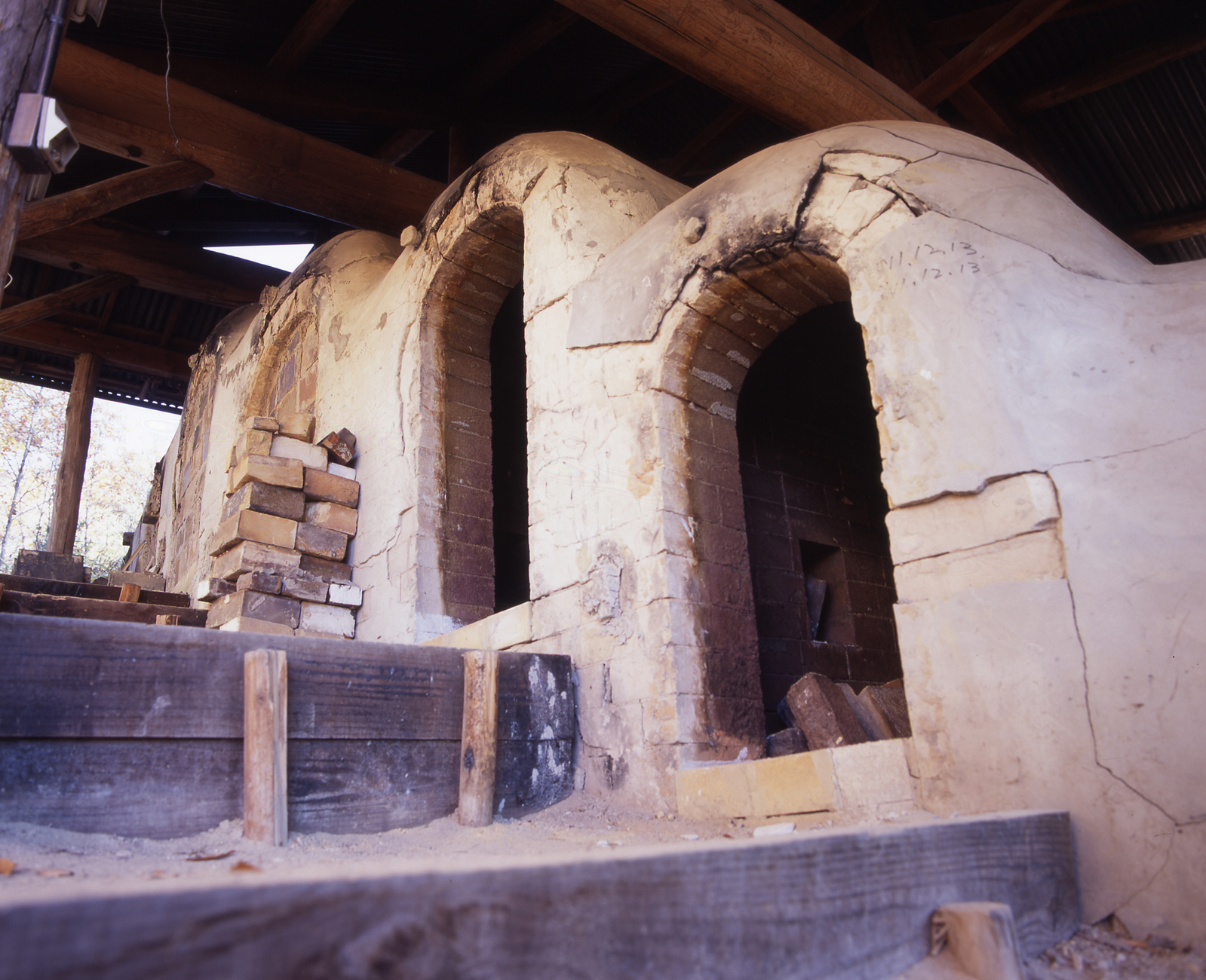
In Shigaraki, kilns and the remains of climbing kilns give the town a landscape particular to a pottery town.
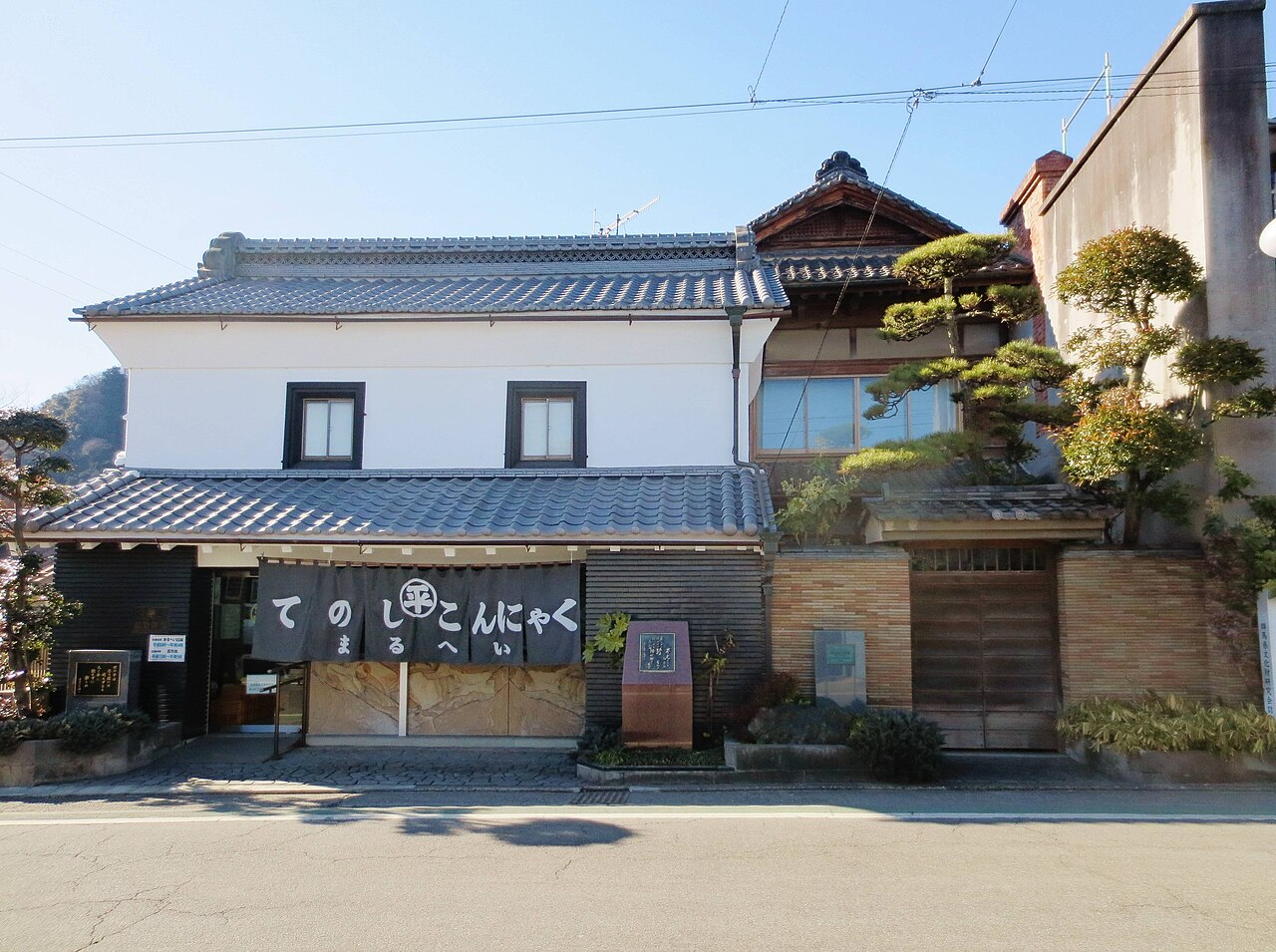
Shimonita is a town in Gunma where you knead your own konnyaku by hand and take the finished konnyaku home as a souvenir.
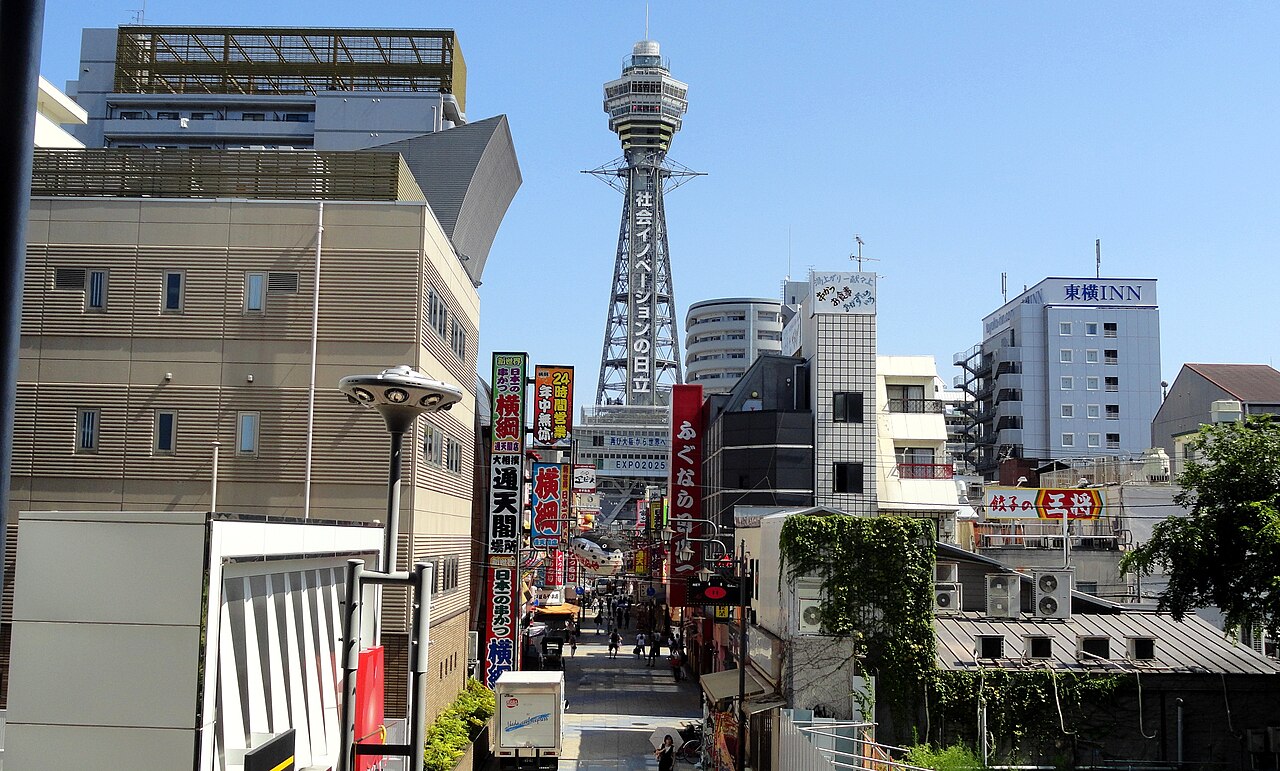
Shinsekai is a district for looking out from a tower deck with nothing blocking the view, eating freshly fried skewers and catching a stage show.
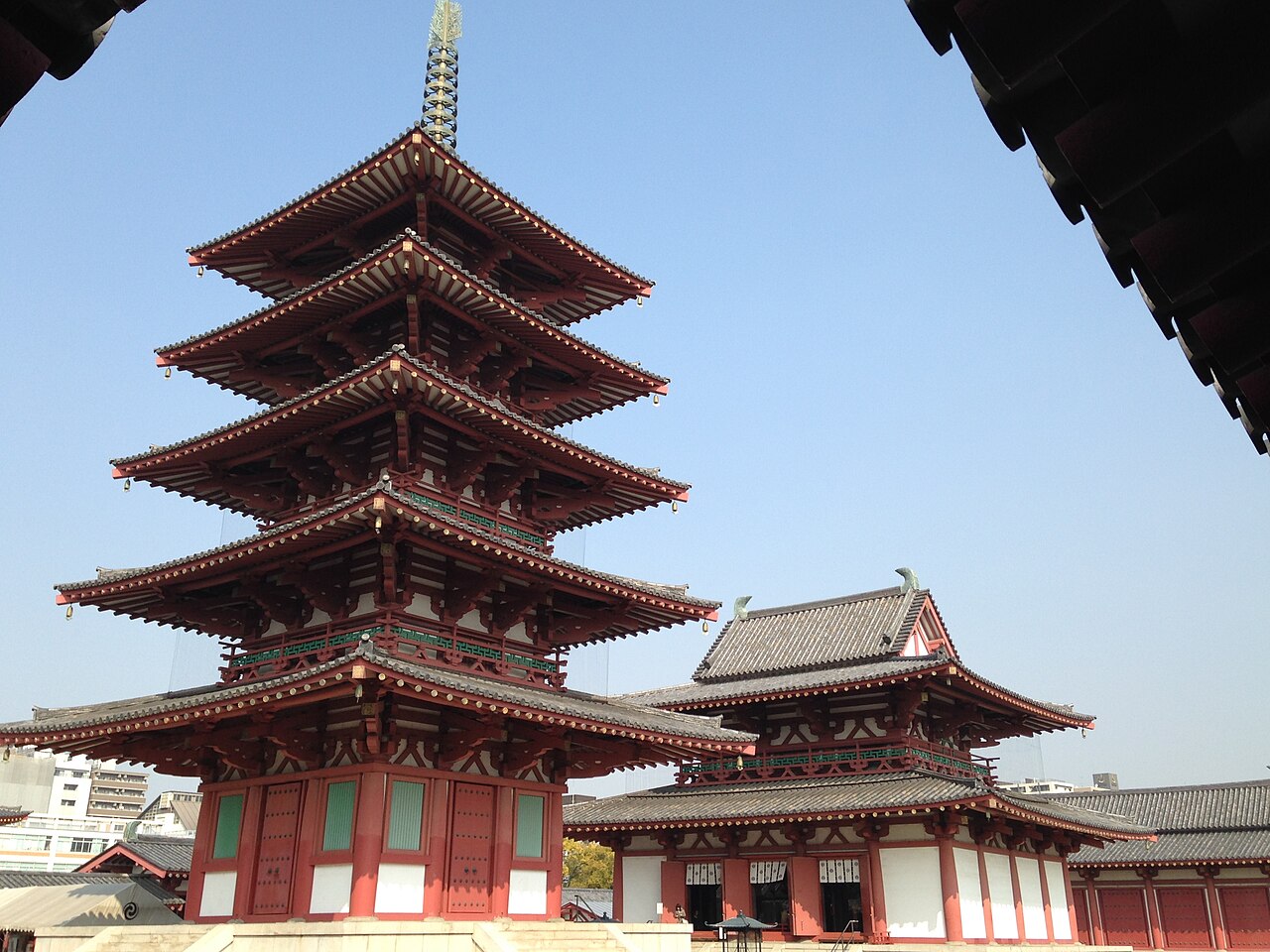
The area around Genshoji-zaka has a long history as a temple town.
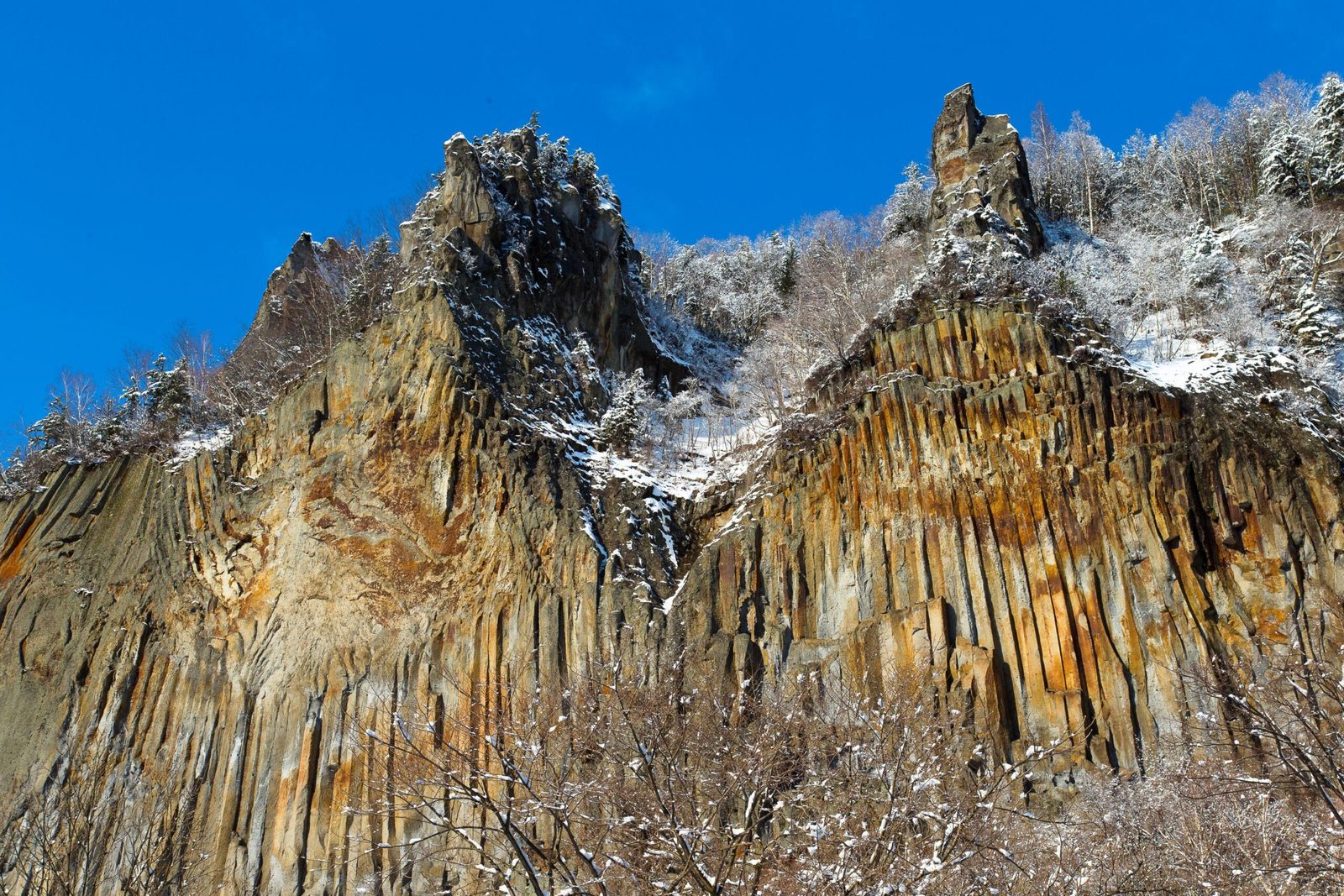
At Sounkyo Gorge, Ginga Falls comes down as a delicate stream like thread and Ryusei Falls as a single thick waterfall, and a viewing platform shows the pair…
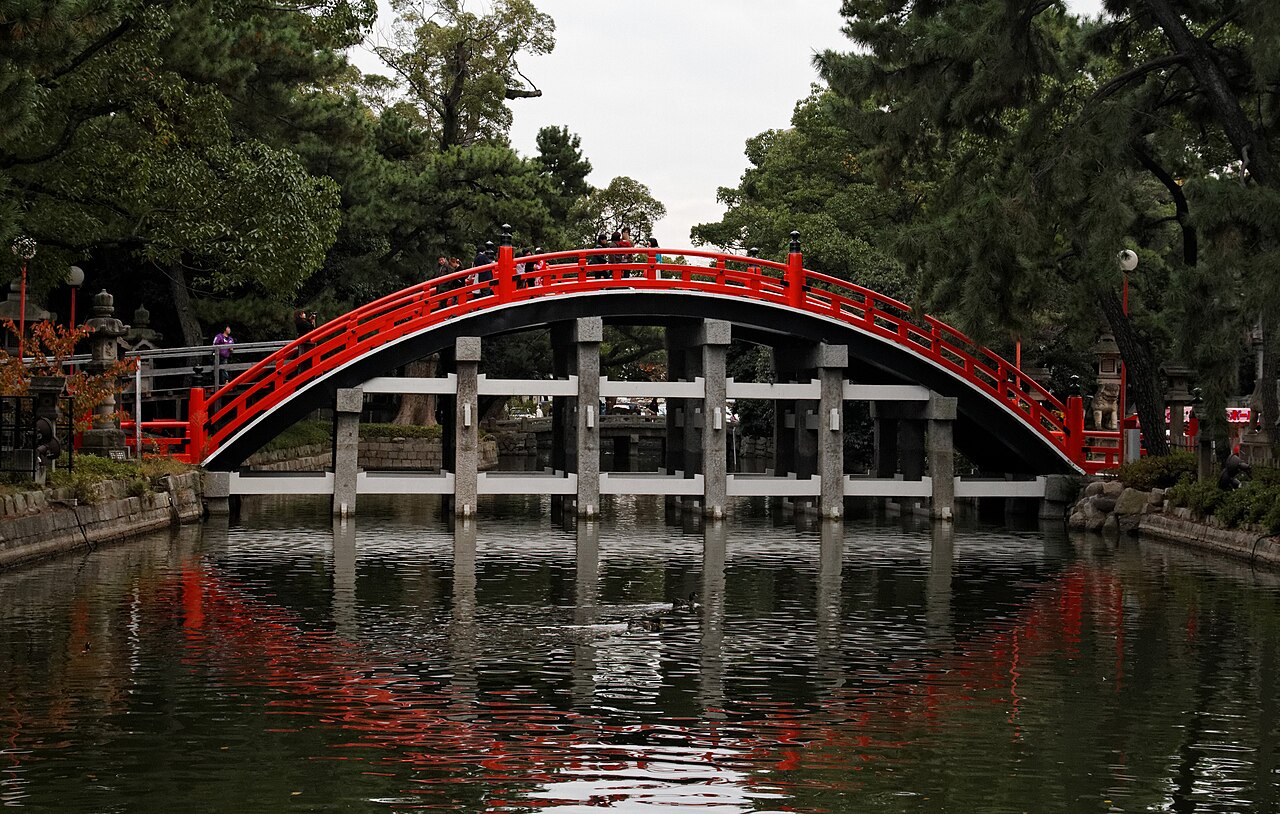
Crossing the bridge to reach the main hall is how many worshippers arrive at Sumiyoshi Taisha, and there is a belief that the crossing alone serves as…
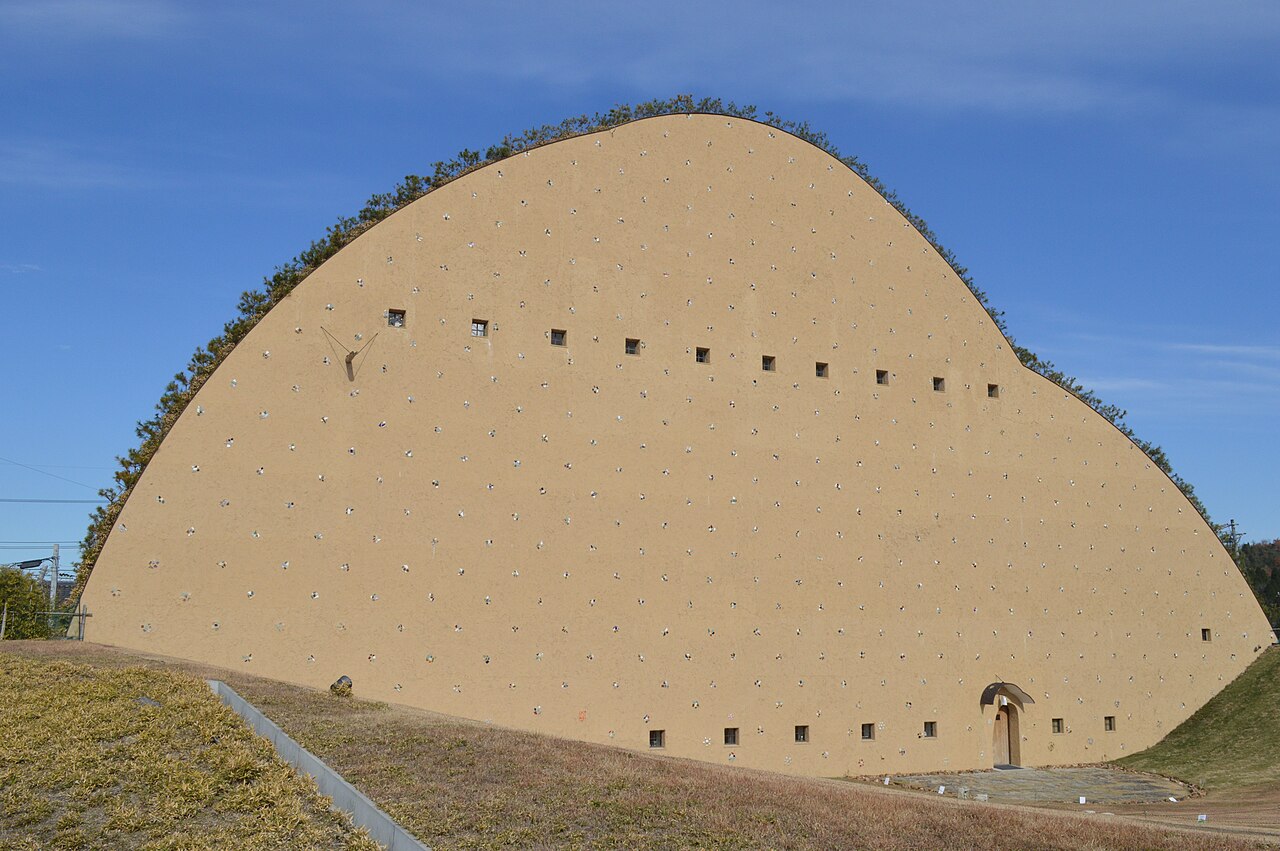
The top floor of the Tajimi Mosaic Tile Museum opens off a dim main staircase onto a room covered from floor to ceiling in white tile.
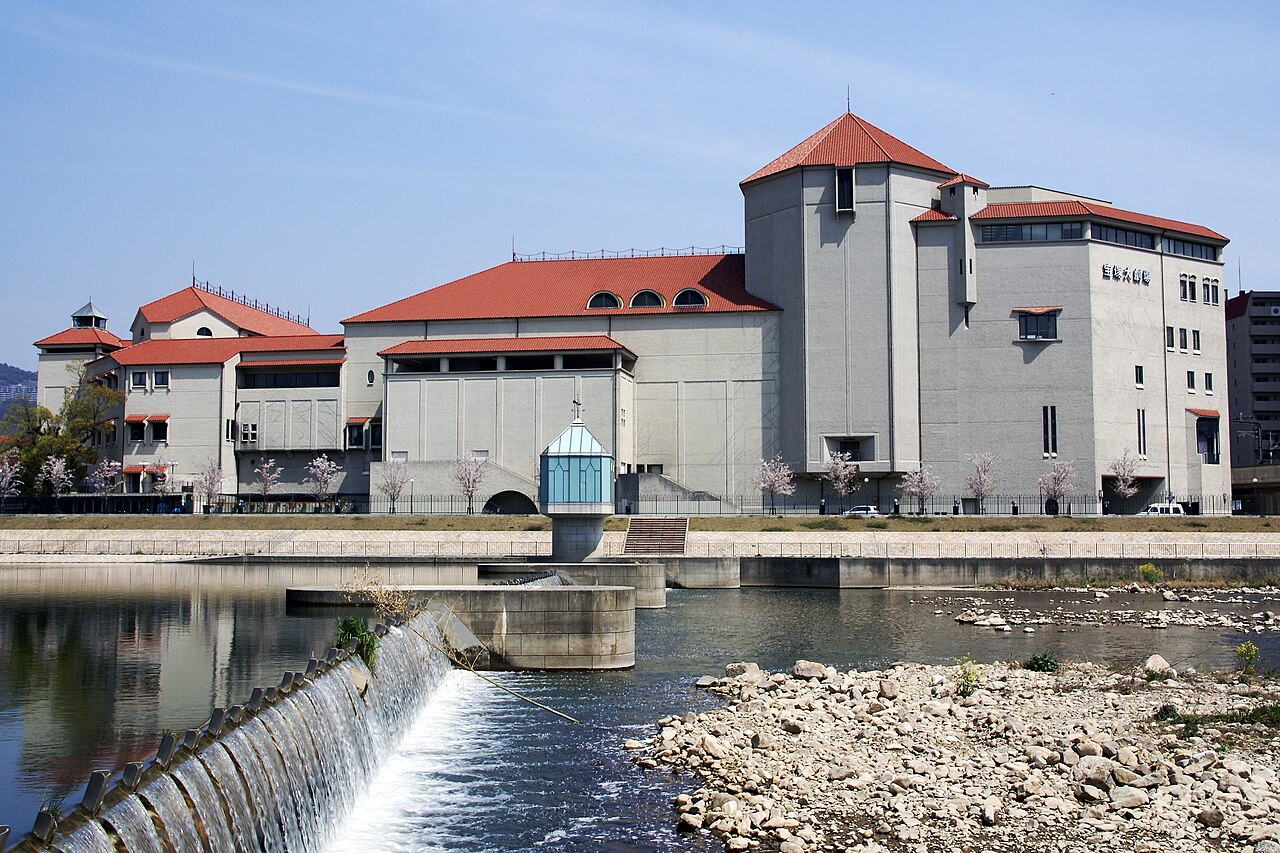
Watching a Takarazuka Revue performance means a play and a show, with live music from the revue's own orchestra.
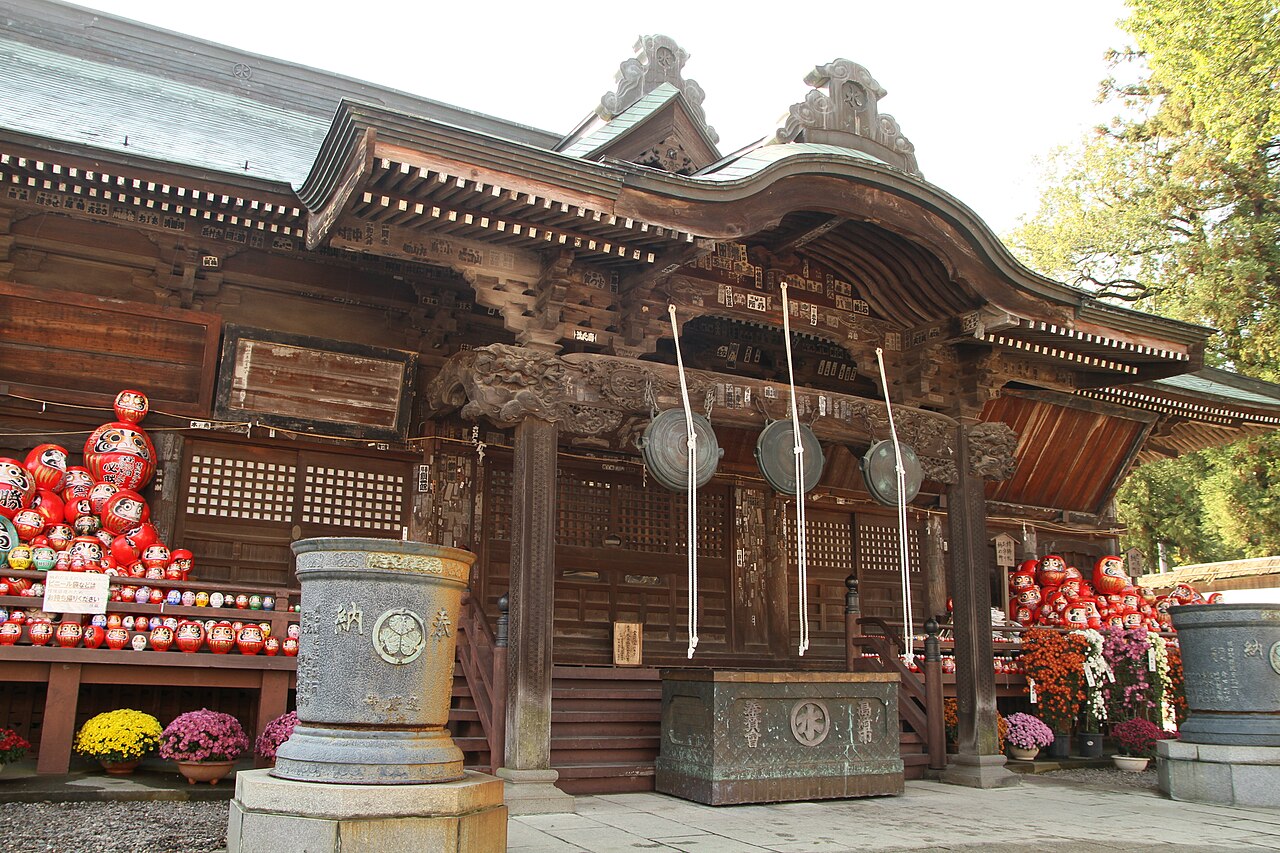
A household makes a wish and paints in one eye of its daruma, and the other eye goes in as thanks when the wish is granted.
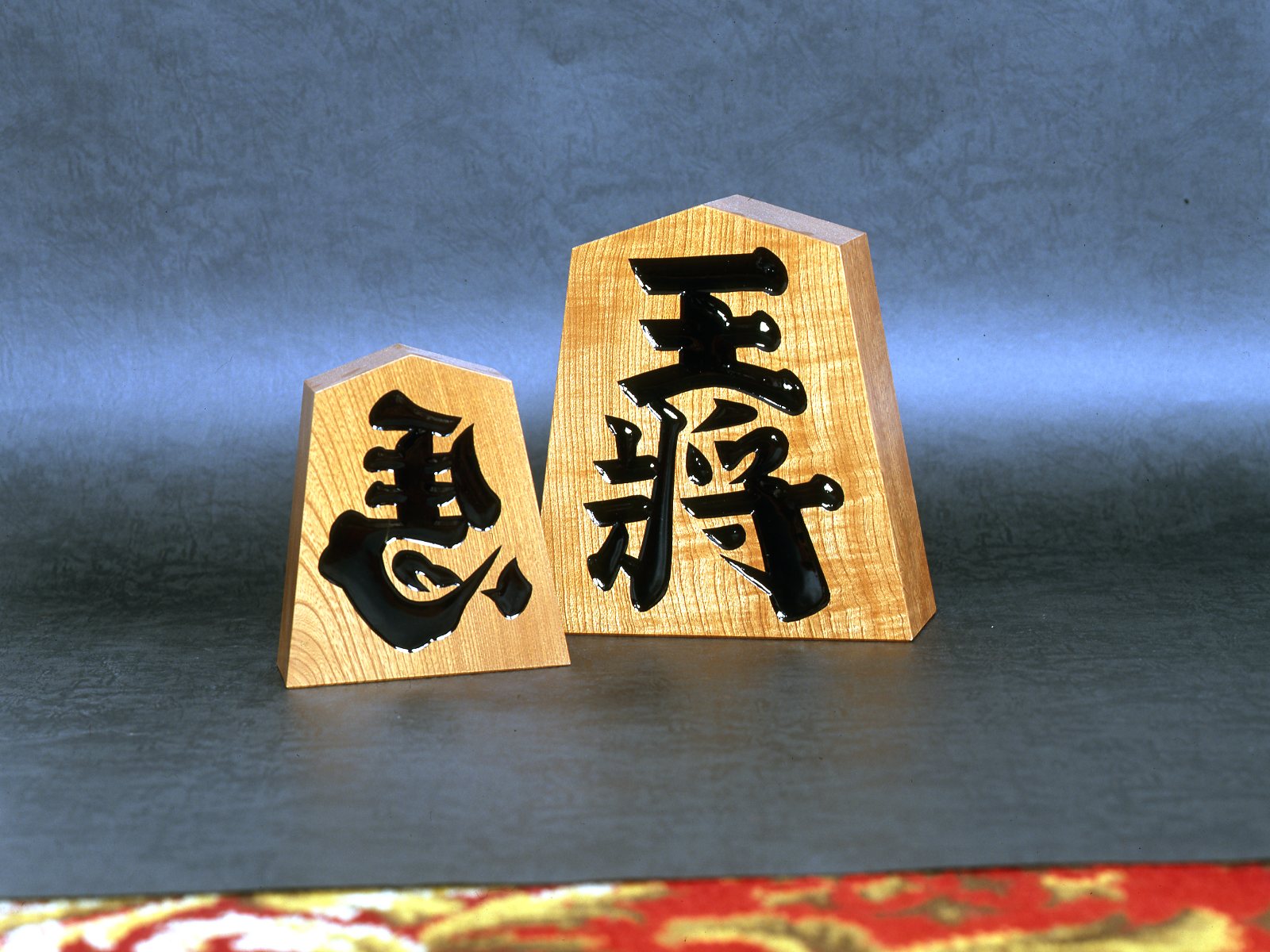
Tendo, in Yamagata, is a town of shogi pieces, and the craft is shared among three pairs of hands: one shapes the blank, one brushes the character onto it in…
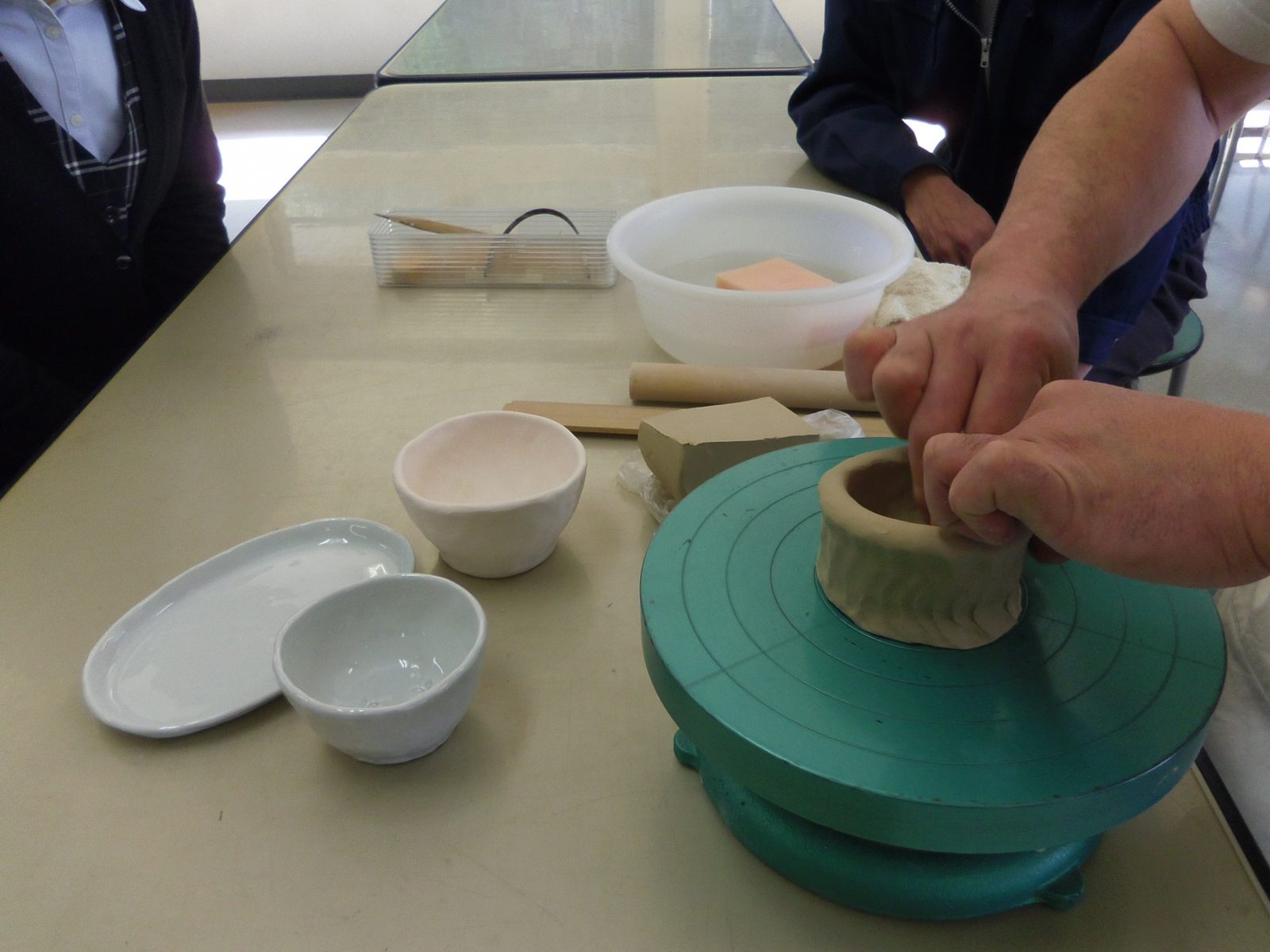
Tobe sits at the southern end of the Matsuyama Plain in Ehime, where porcelain has been made for about two hundred and fifty years and is still made at about…
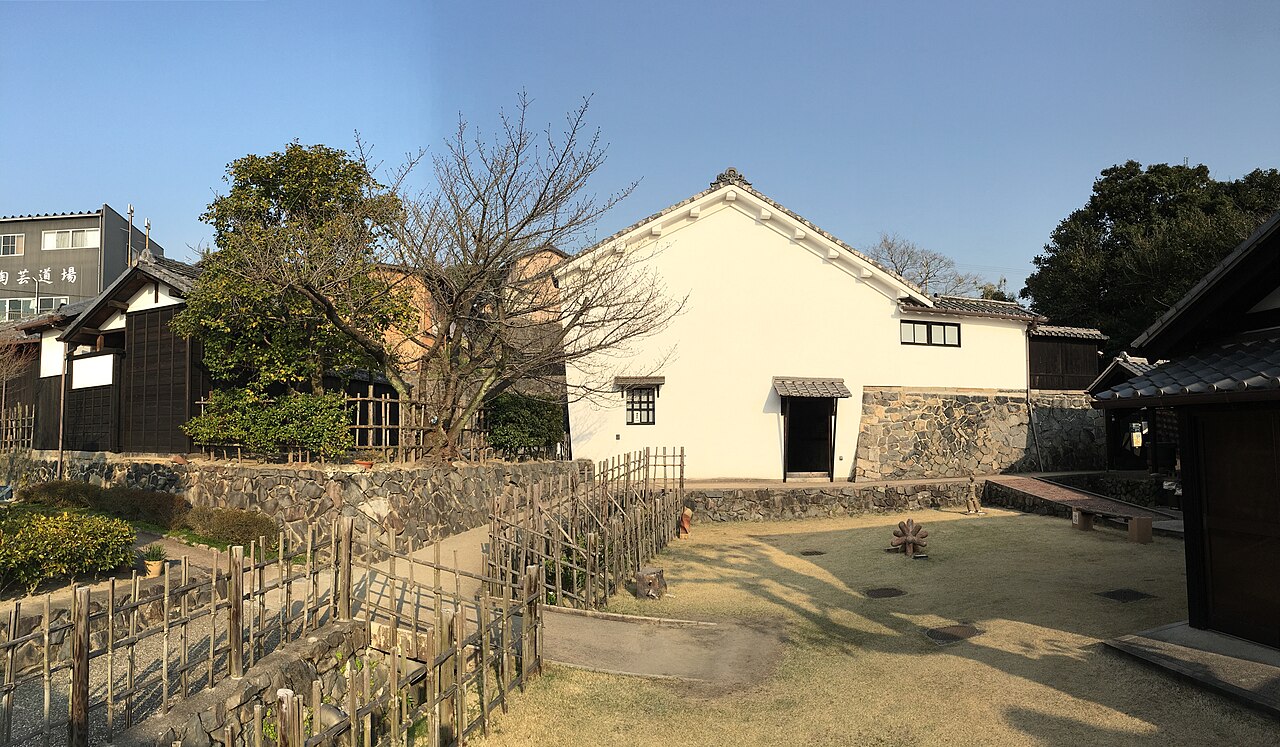
Most travelers see Tokoname only from the air.
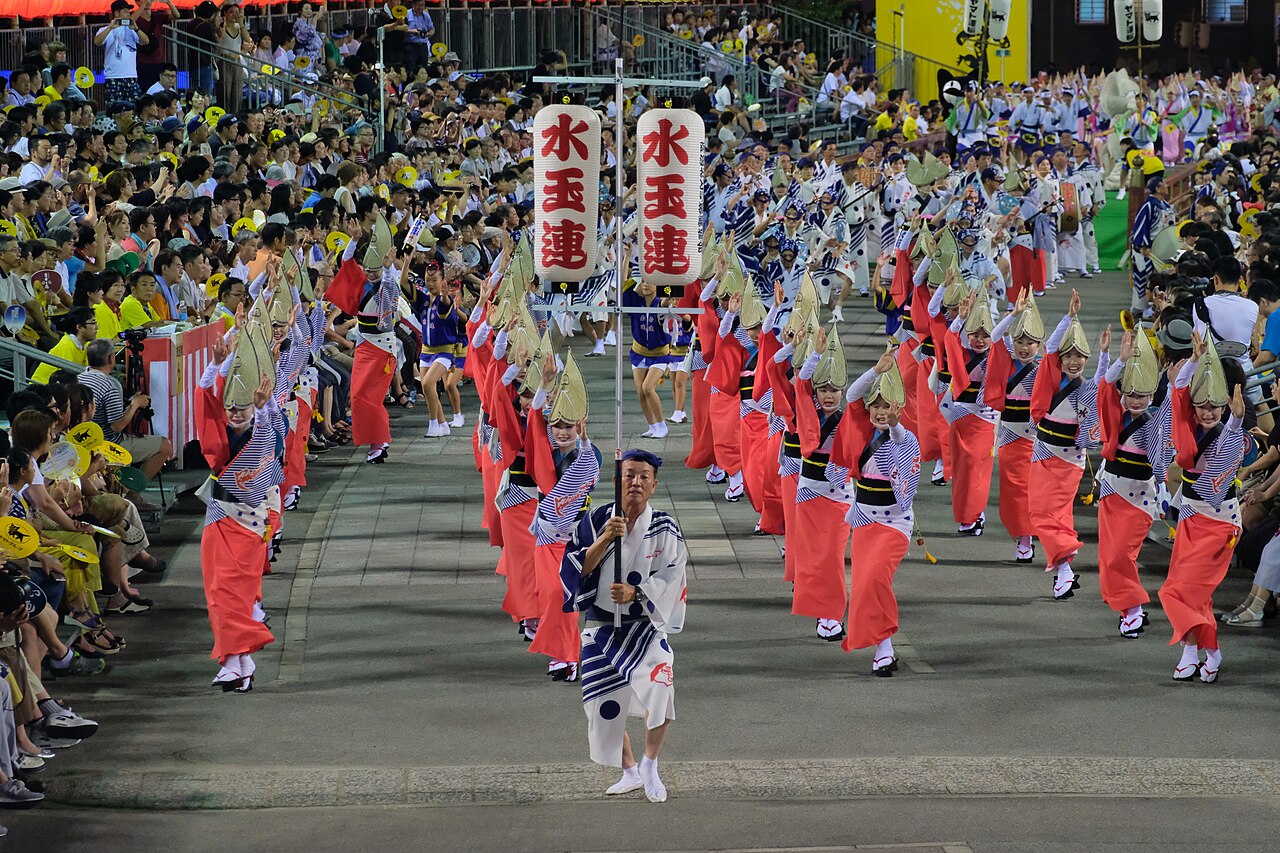
During the festival, Tokushima takes on a carnival-like atmosphere.
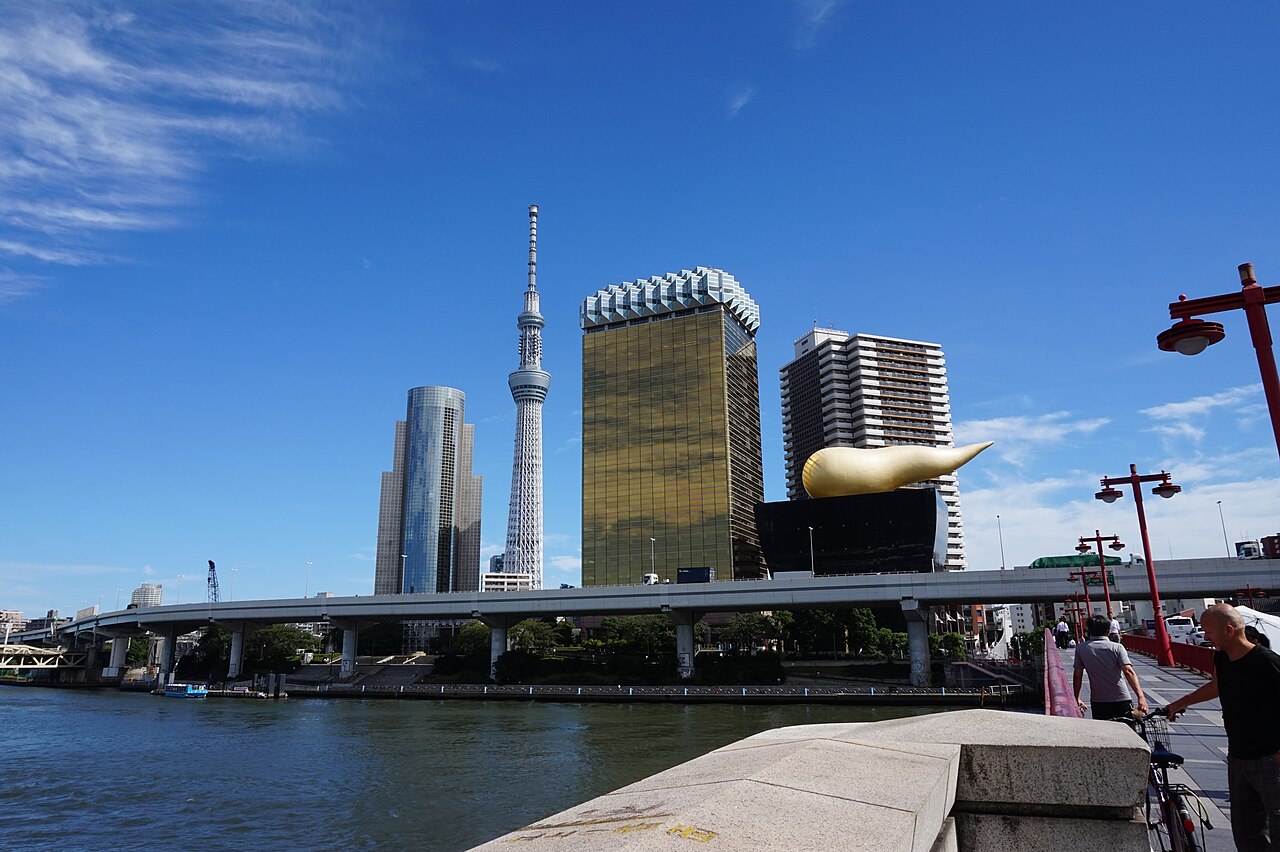
The Tembo Galleria is a tube-shaped corridor walled in glass, high above the ground.
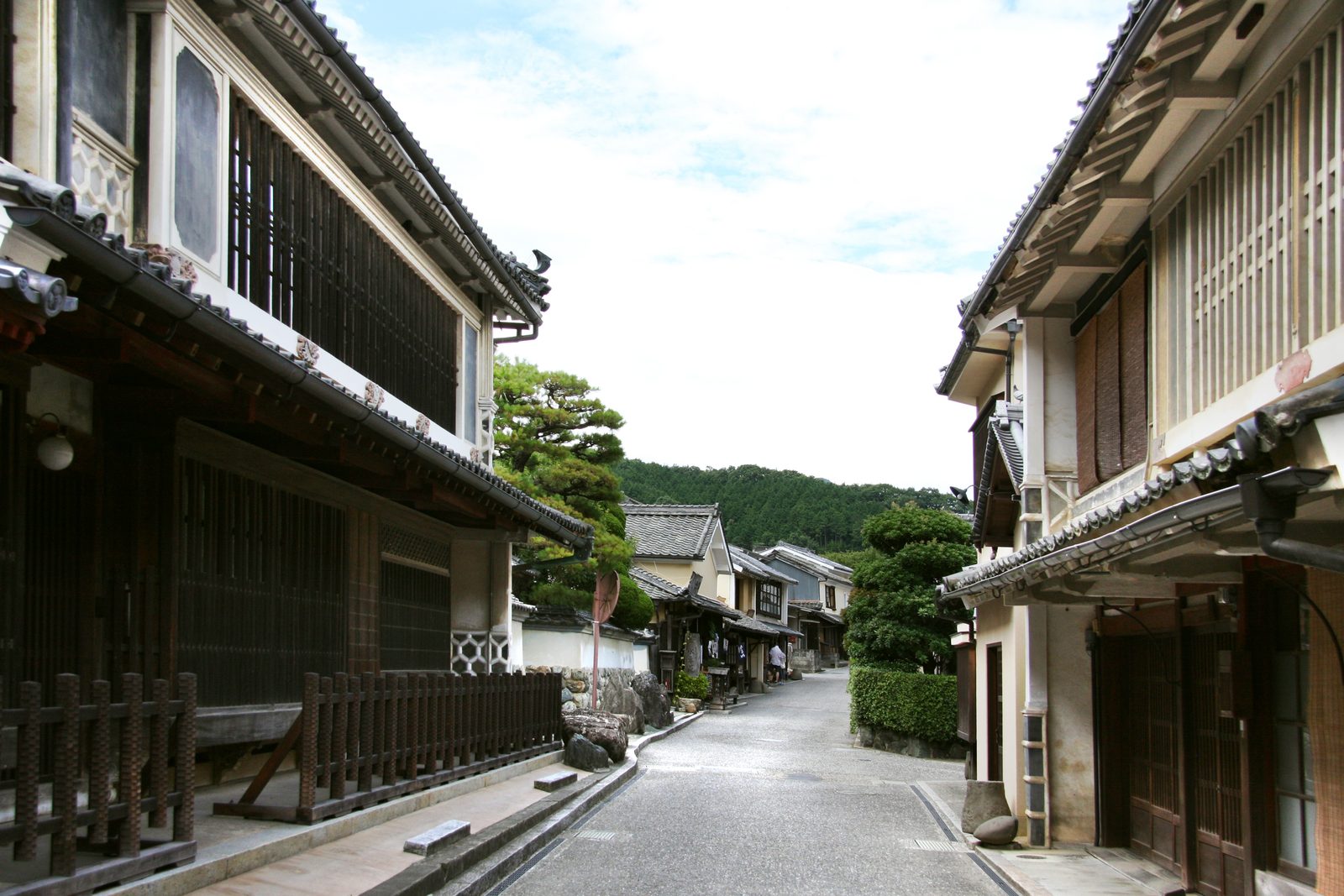
Uchiko is a town in Ehime that prospered from wax production, and a Japanese-candle shop is the only one remaining in the town.
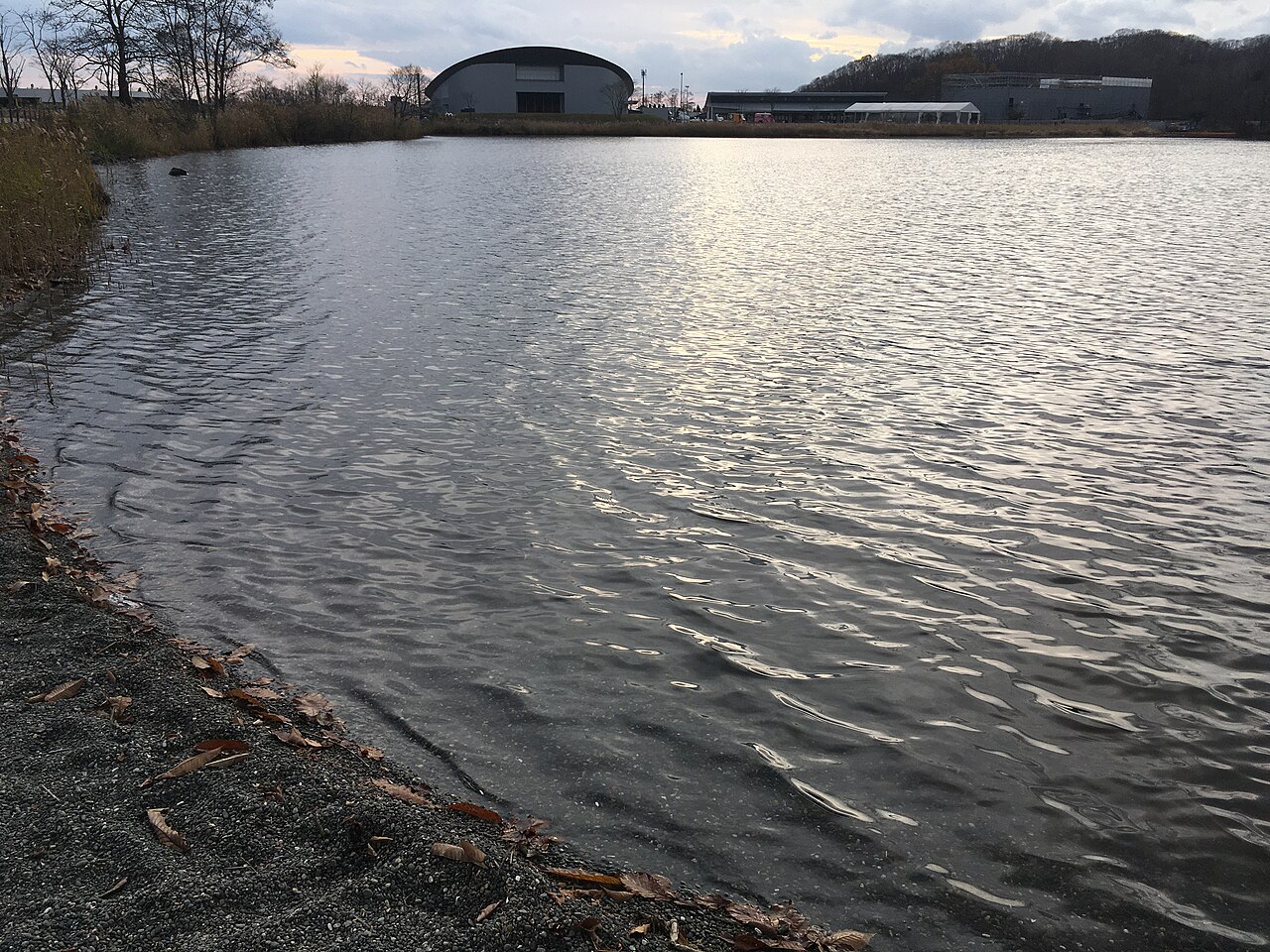
Upopoy, in Shiraoi, is the national centre for learning about and passing on Ainu history and culture, and its nickname means singing together in a large group…
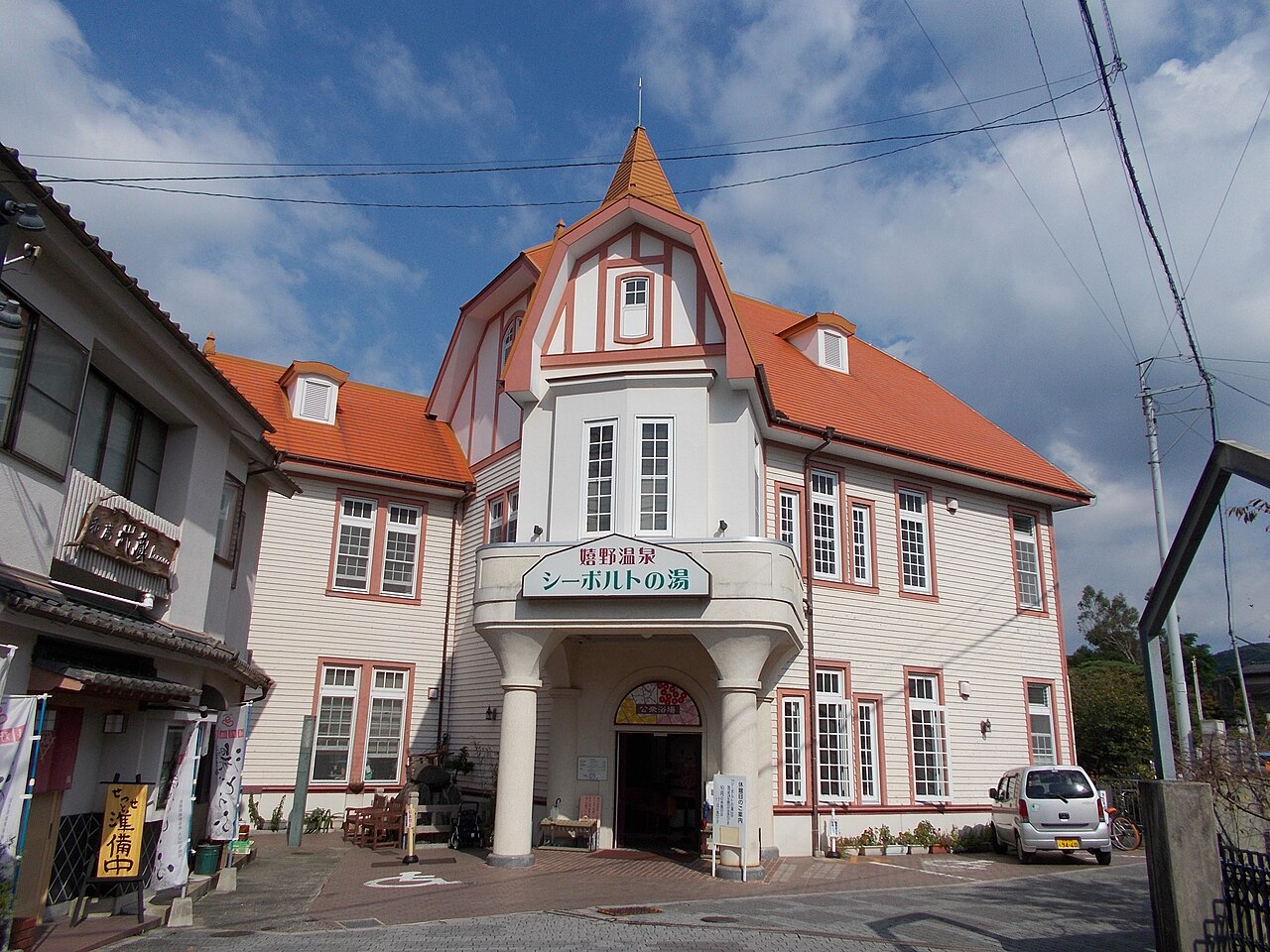
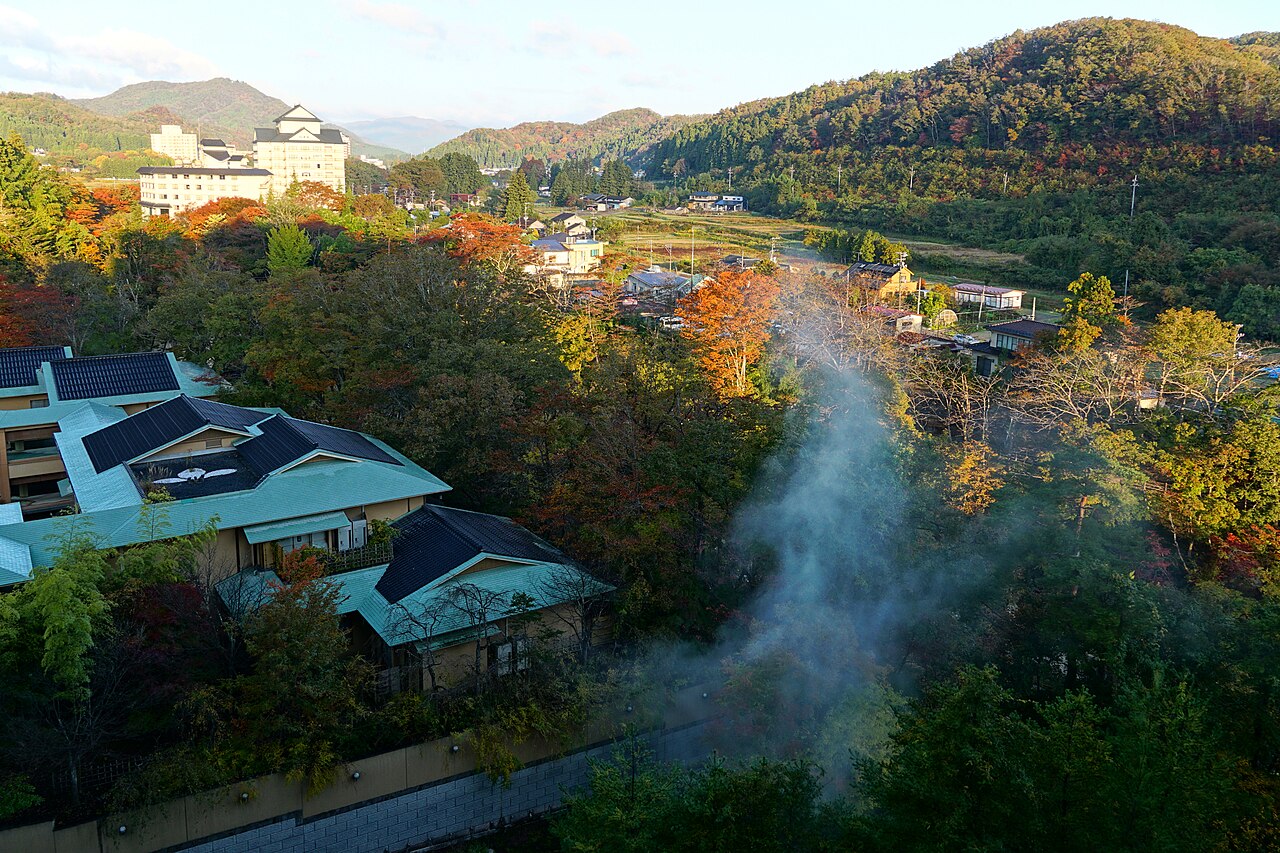
Ureshino is a hot-spring town in Saga whose name, the story goes, comes from the words of a delighted empress.
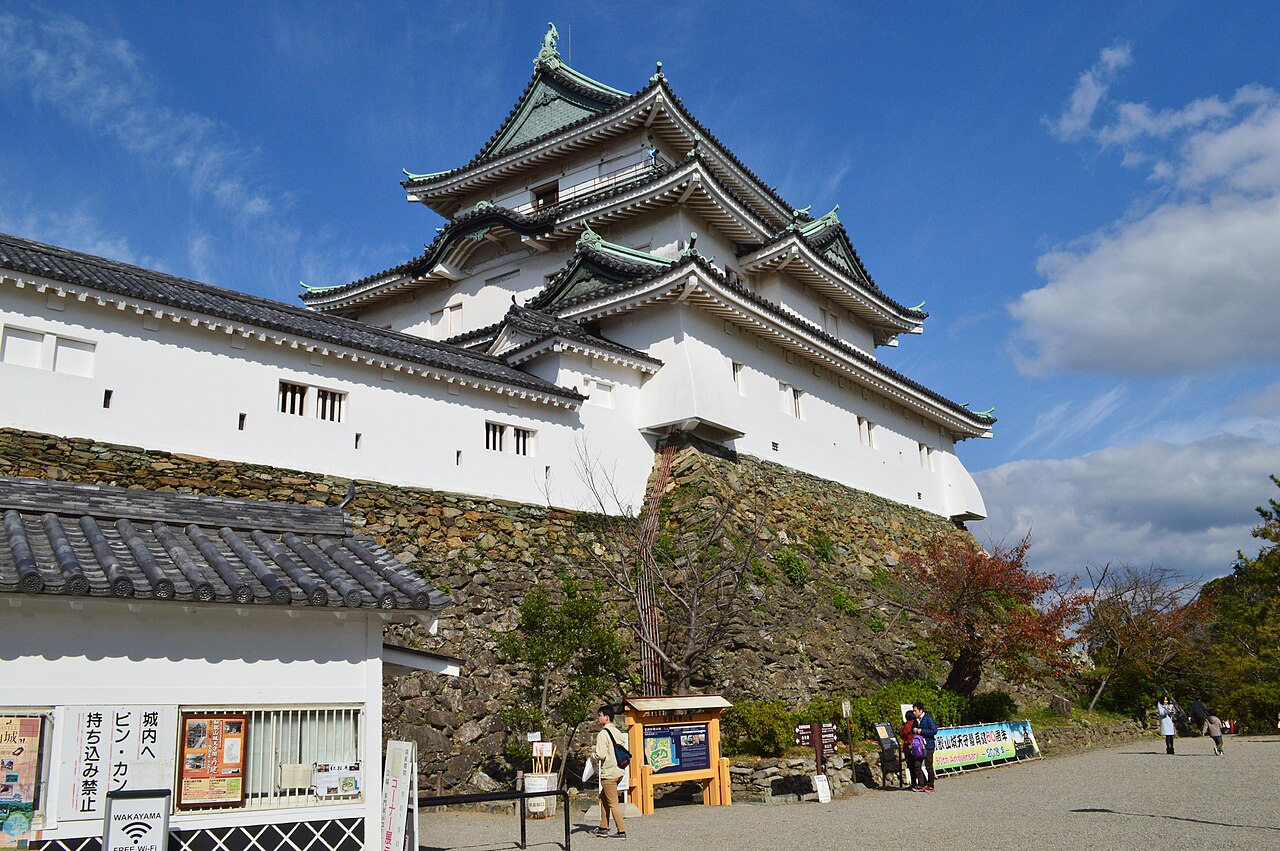
Taking thin tea and a sweet at the tea house Kosho-an follows a stroll through the garden at Wakayama Castle.
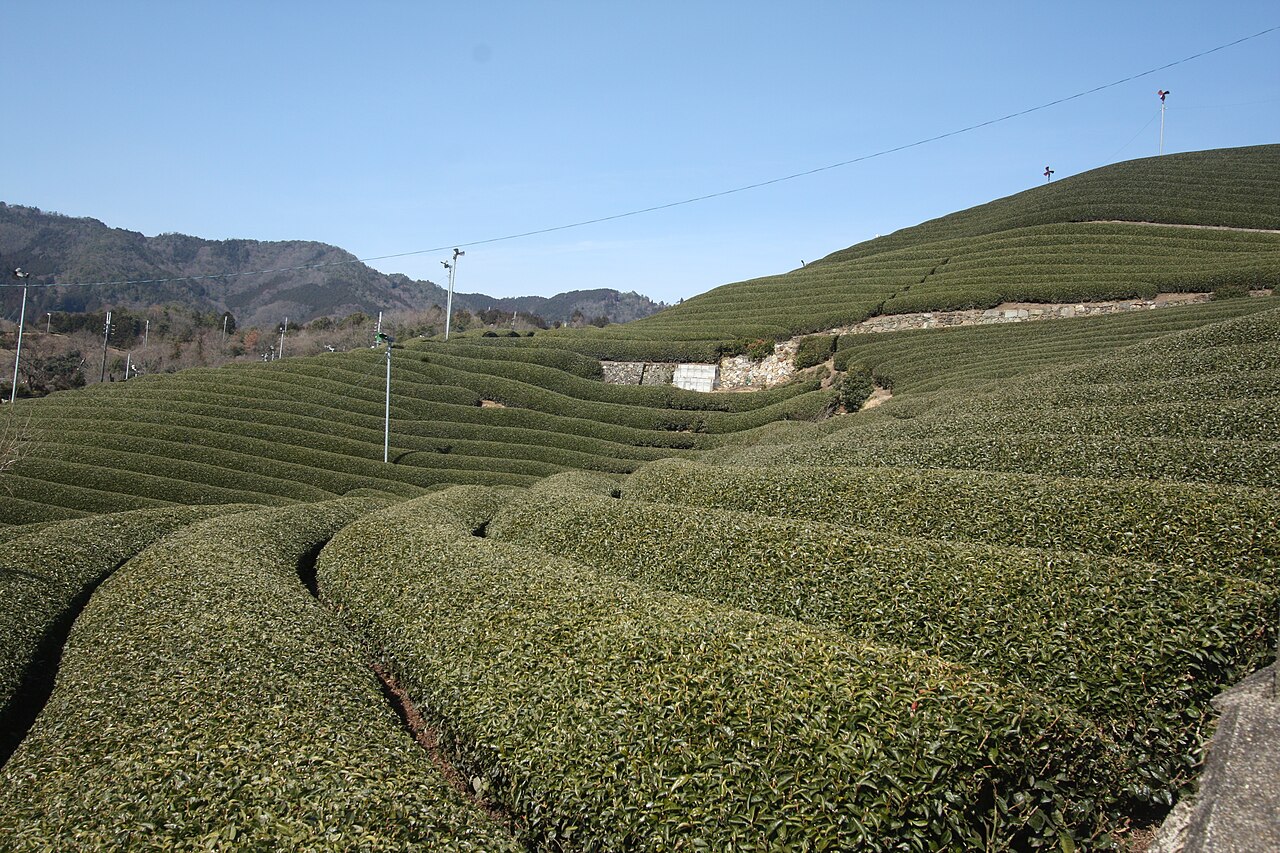
Wazuka, in southern Kyoto Prefecture, grows about half of the tea produced in the prefecture, and its tencha ranks among the top class nationwide.
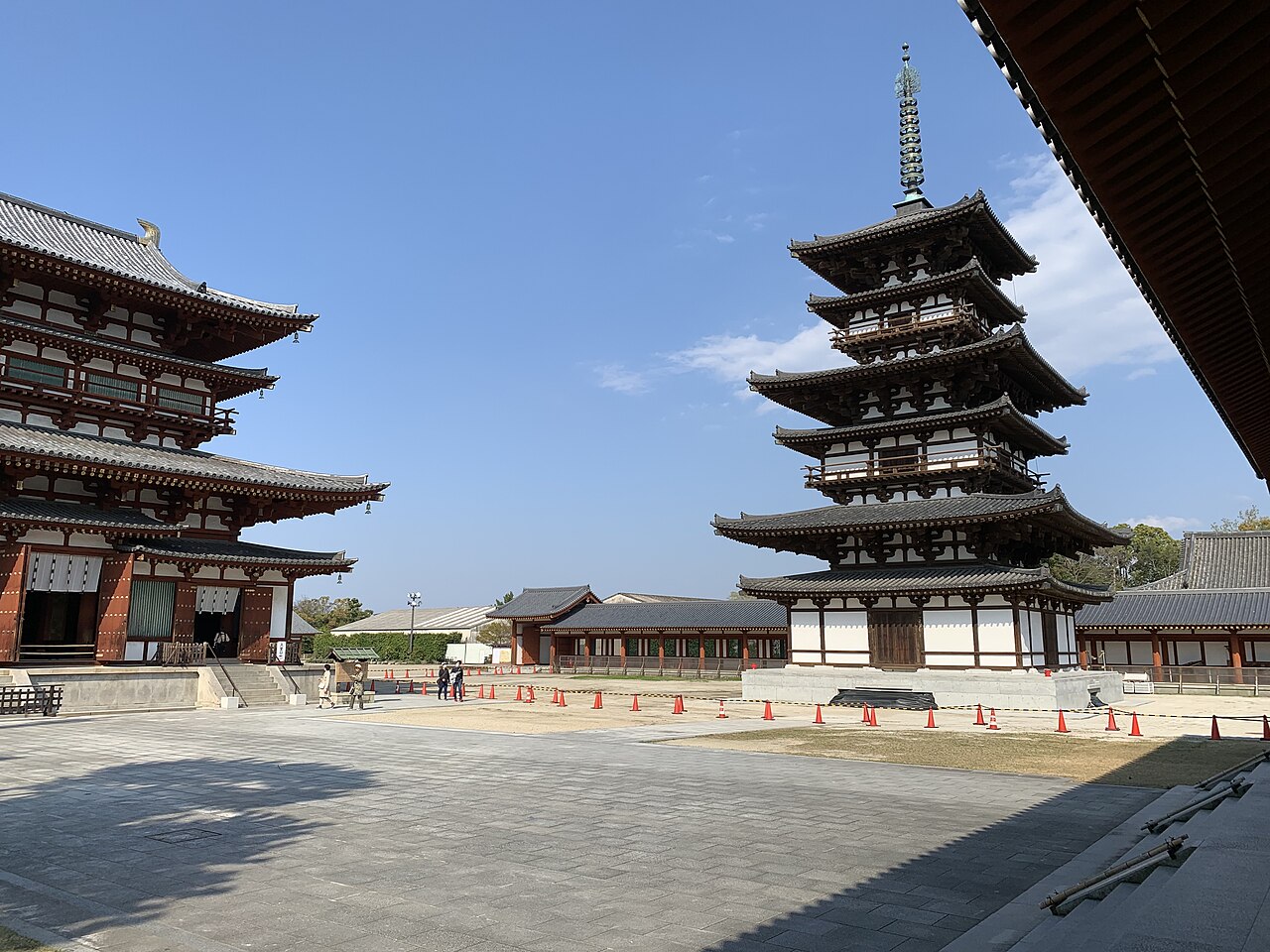
Copying a sutra by hand is possible every day in the sutra-copying hall at Yakushiji.
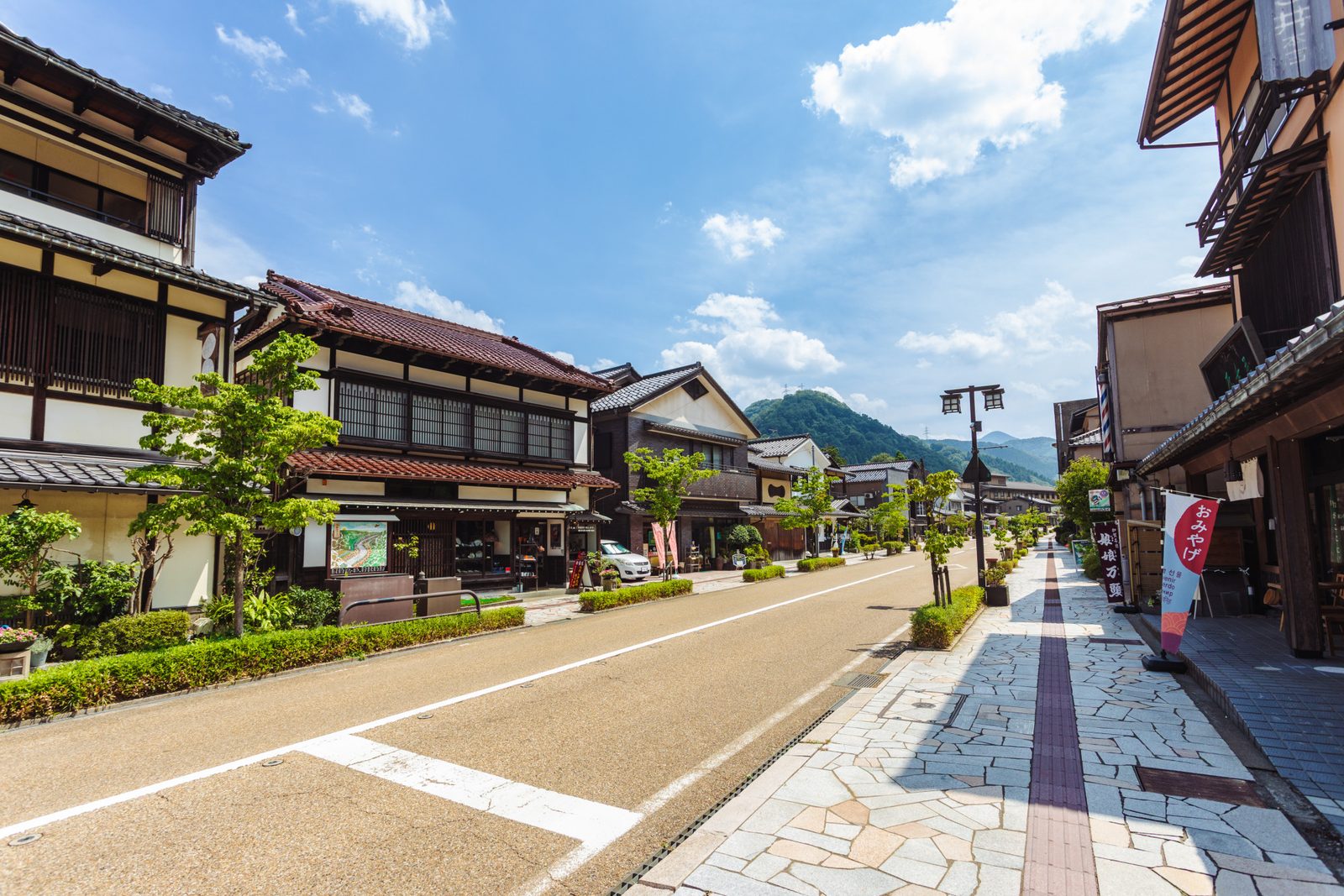
Yamanaka Onsen is a hot spring town in Kaga, Ishikawa, and its main street is the Yuge Kaido.
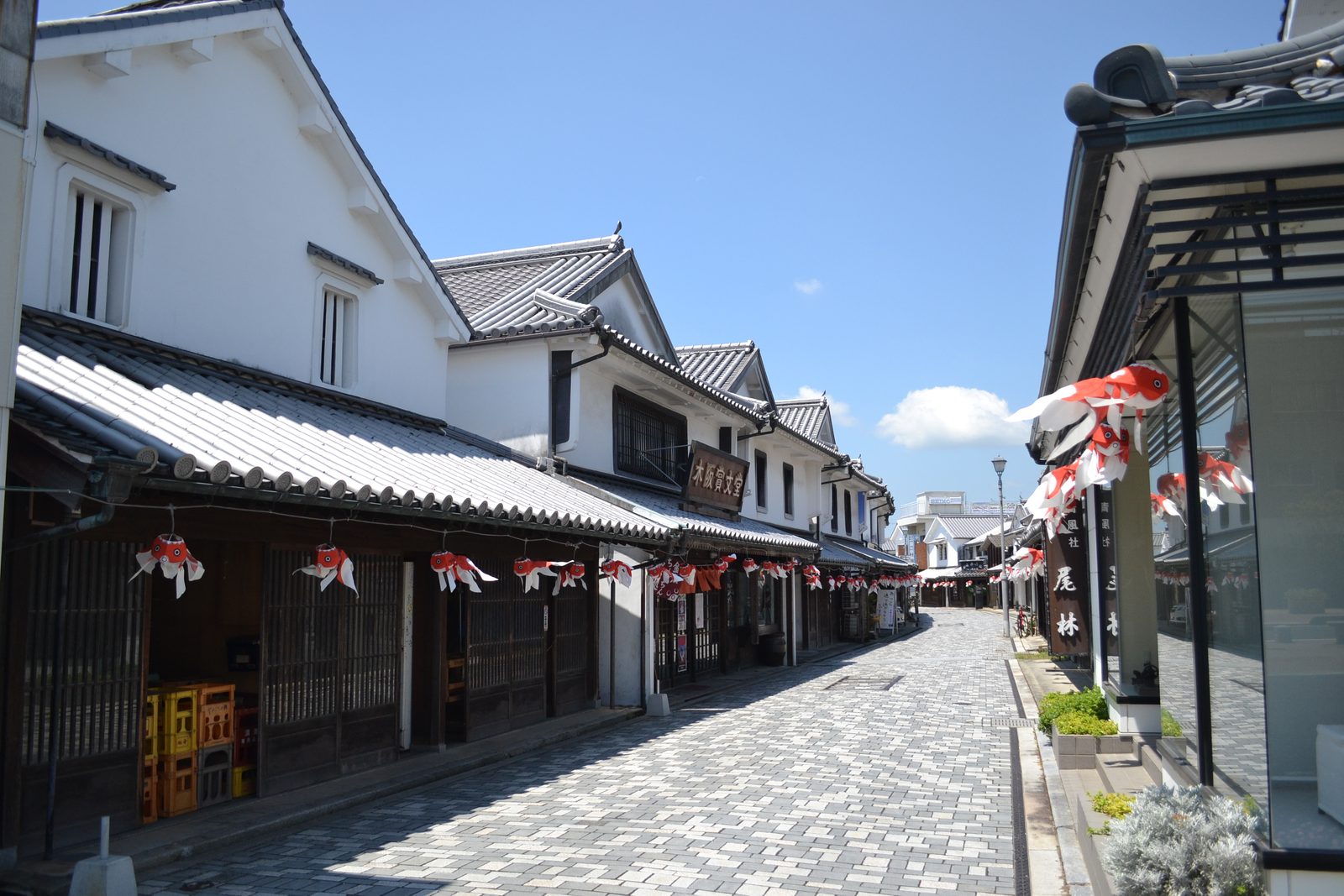
Along Shirakabe no Machinami in Yanai, rows of Edo-period merchant houses line either side of the street.
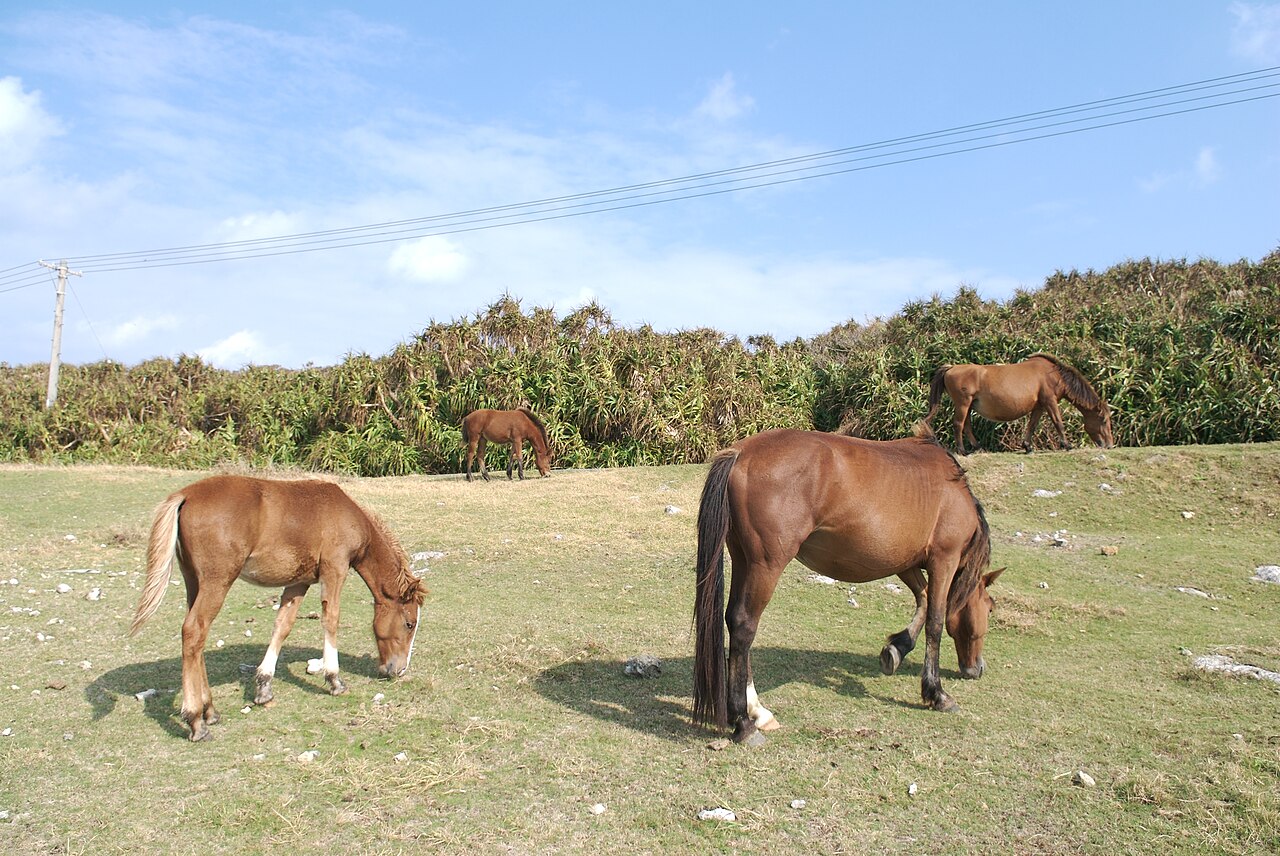
Hawksbill turtles and green sea turtles live in large numbers in the sea around Yonaguni Island.
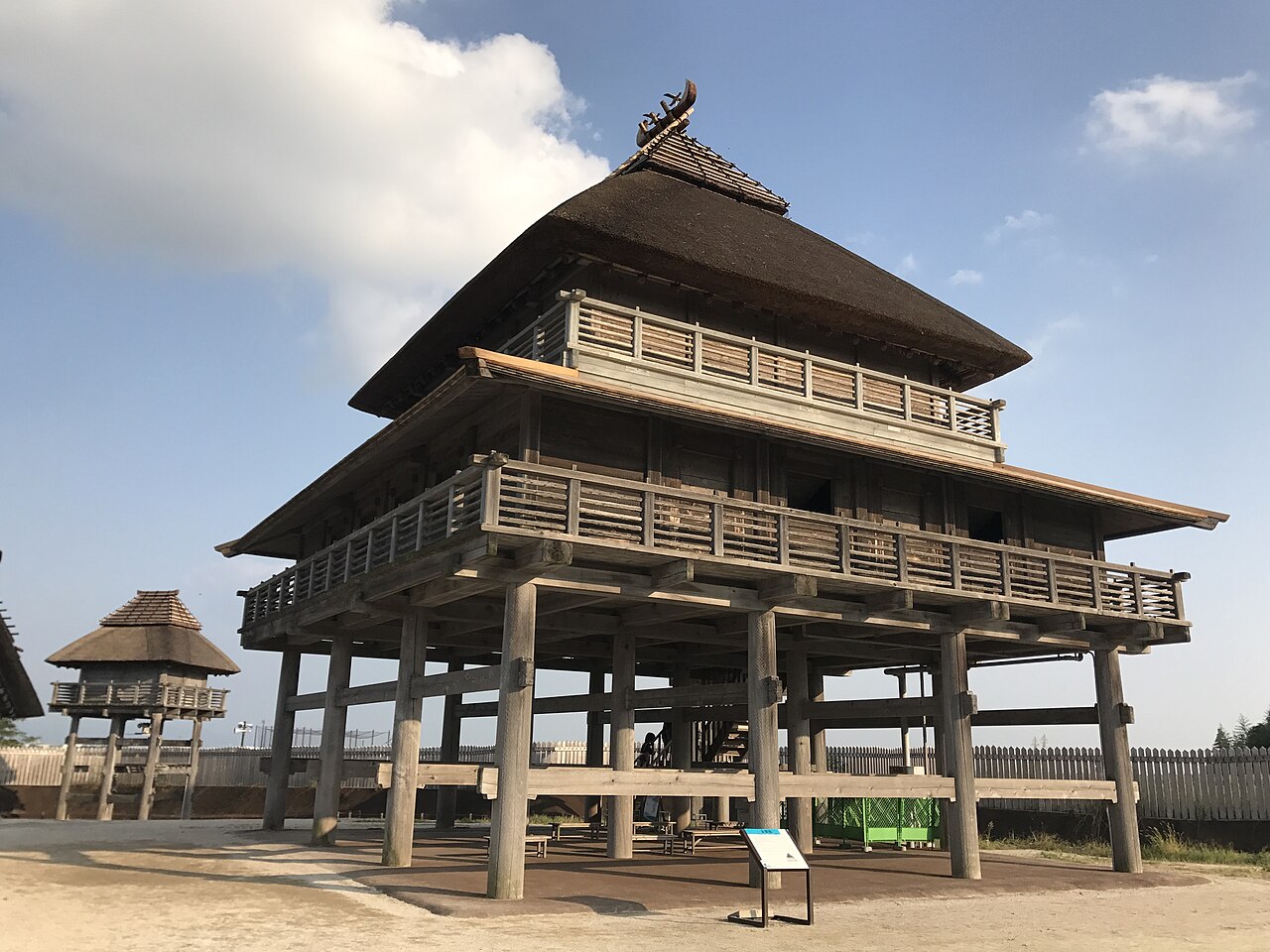
The southern inner enclosure is considered the home of the kings and leader class who ruled Yoshinogari and the surrounding villages.
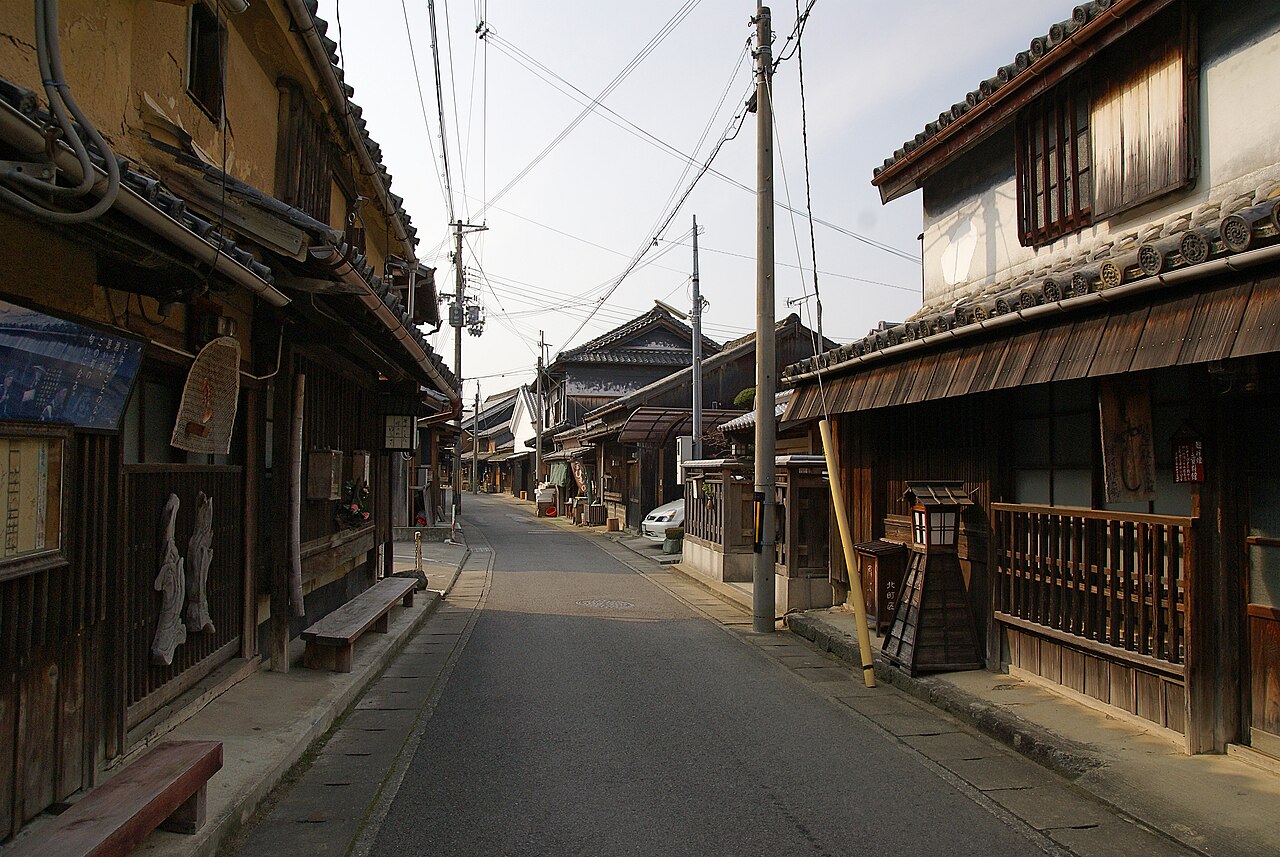
This guide covers the Kuroshio limited express from Shin-Osaka, Tennoji and Shirahama, and the walk from Yuasa Station to the preserved district.
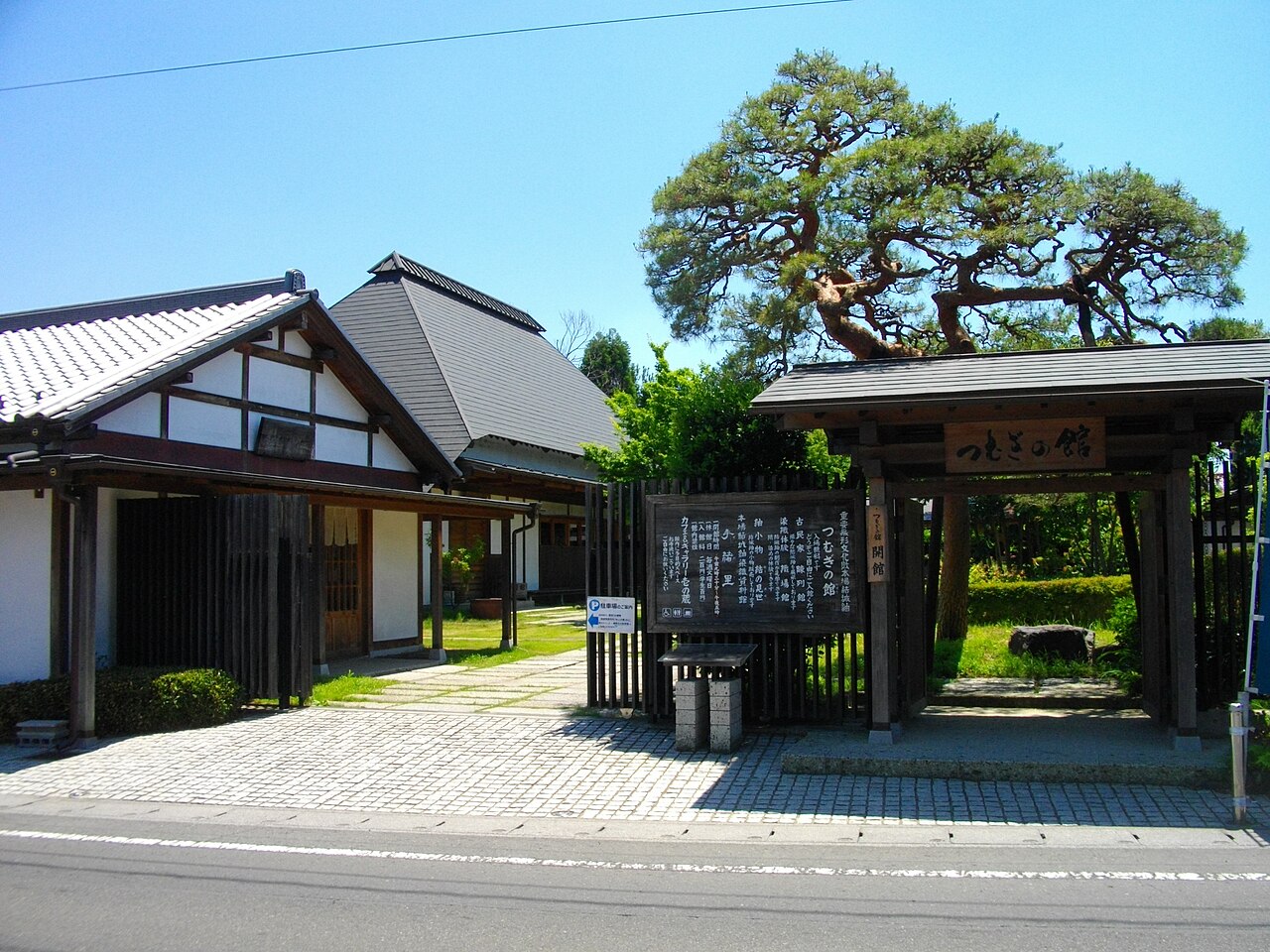
Yuki, in Ibaraki, is a town where the local silk cloth is something you can work with your own hands: at Tsumugi-no-Yakata, visitors choose a weft thread…